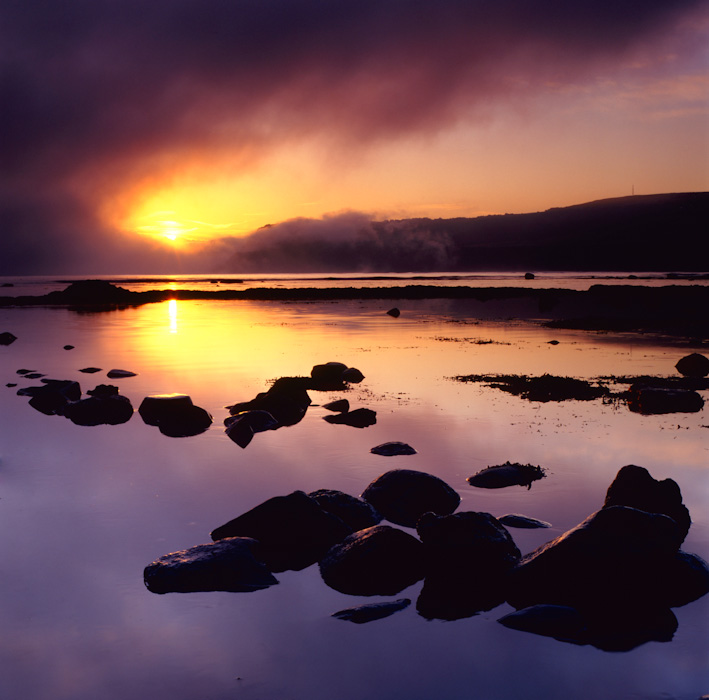
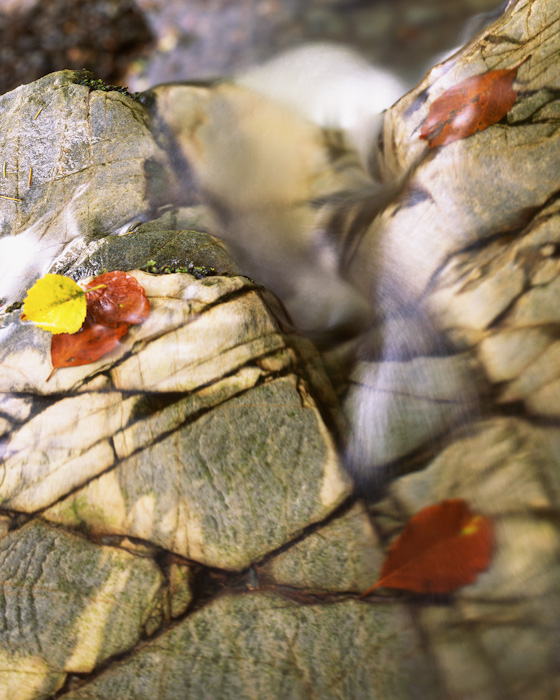
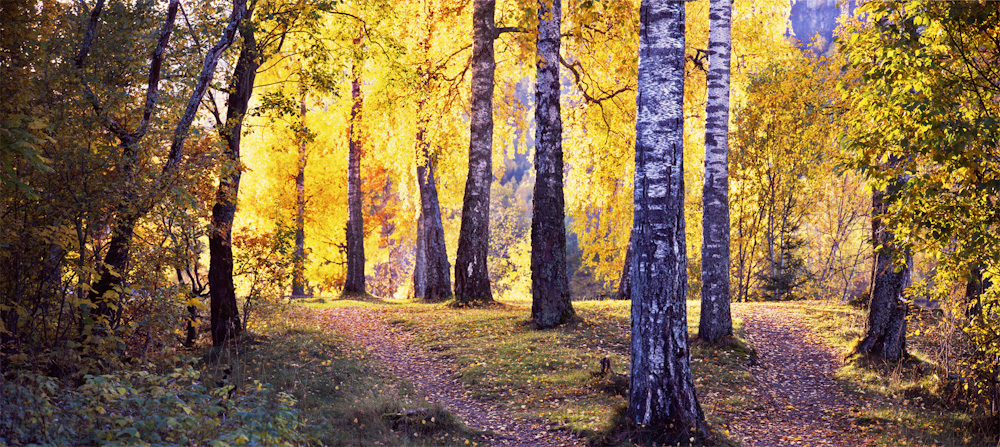
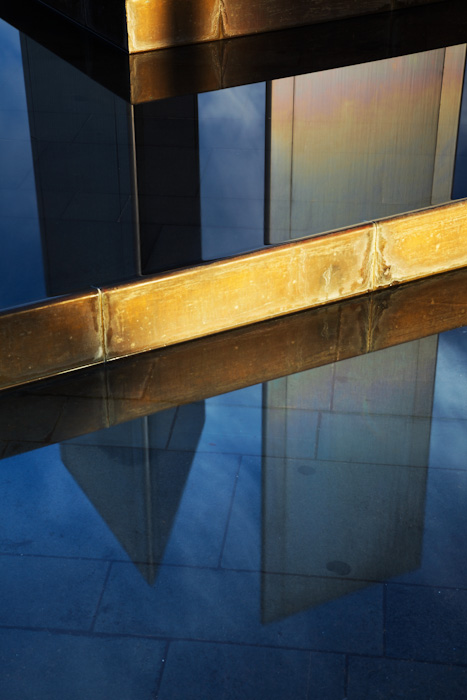
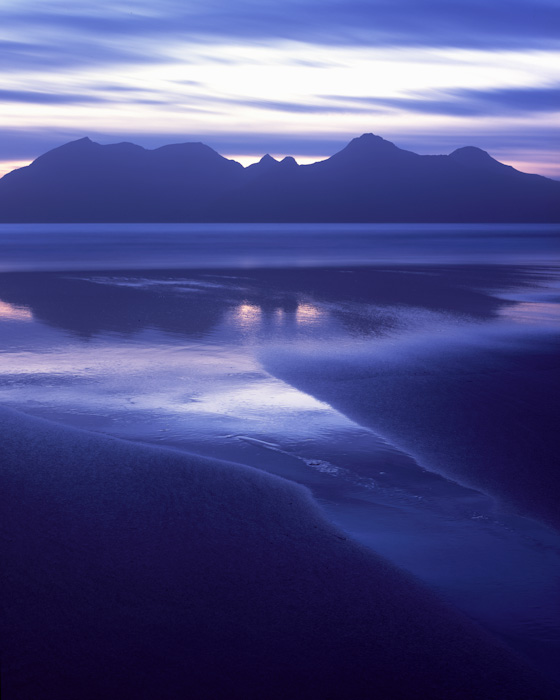
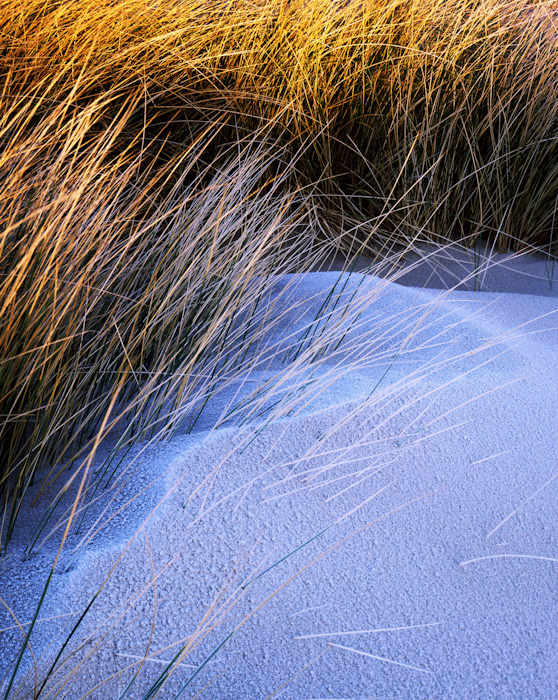
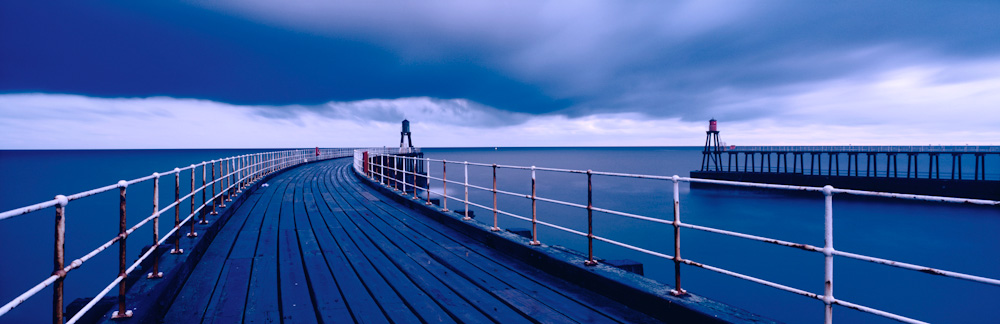
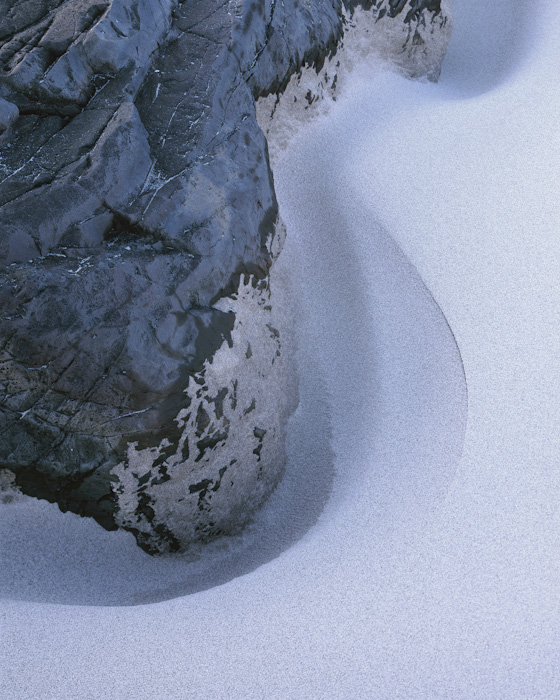
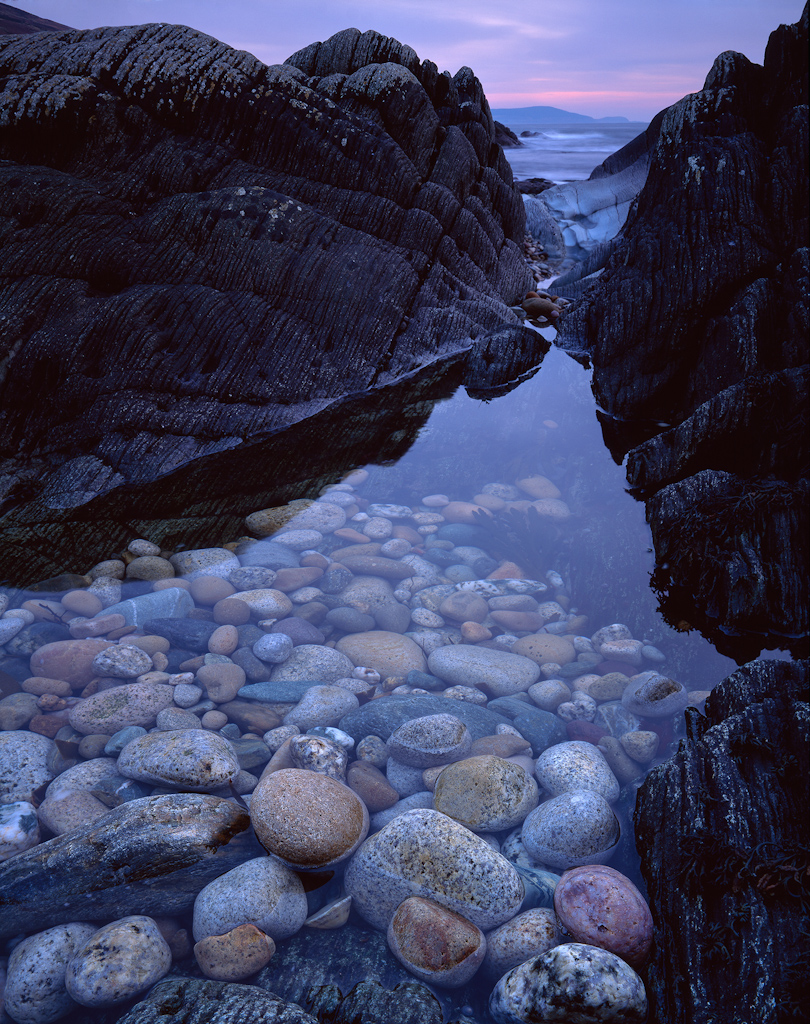
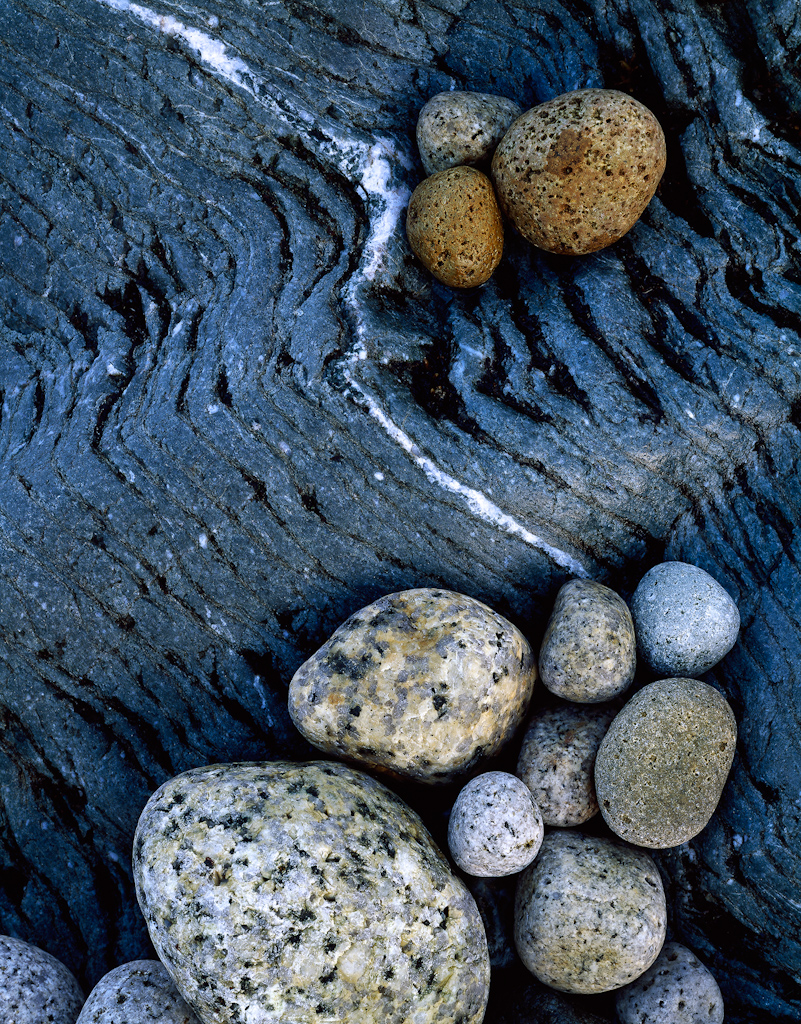
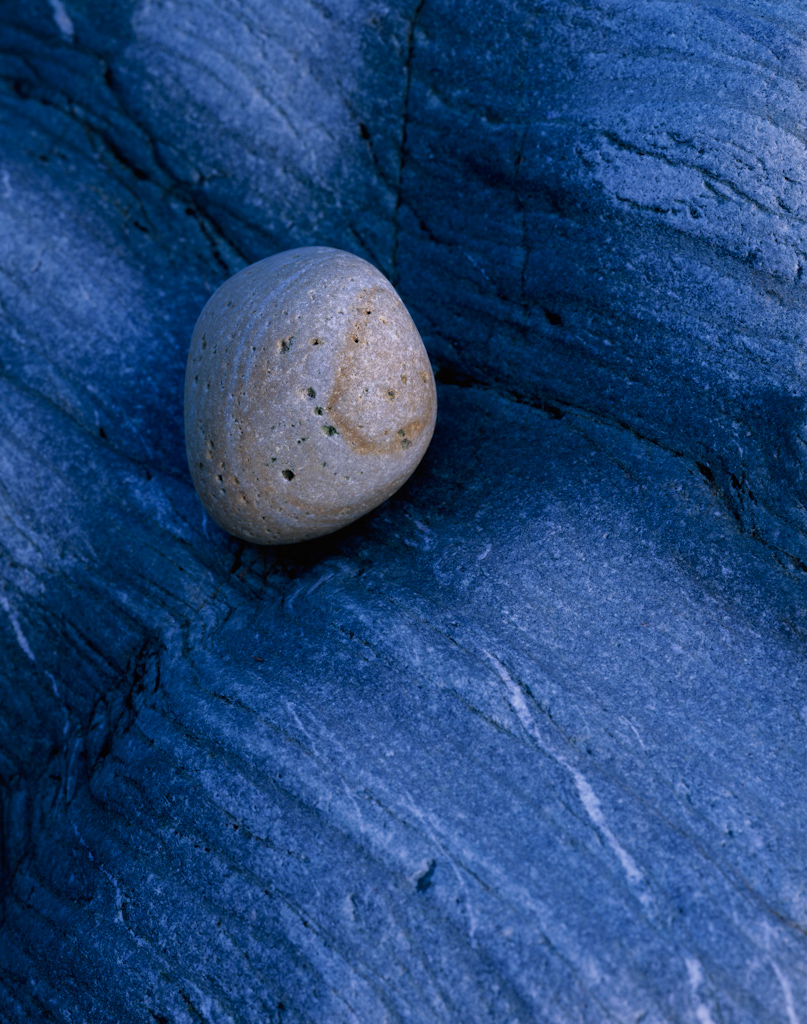
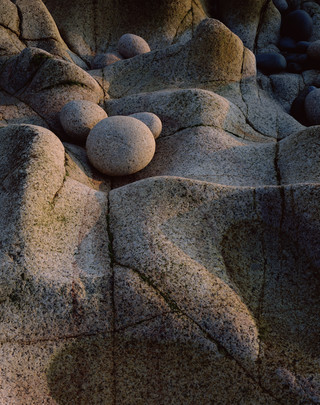
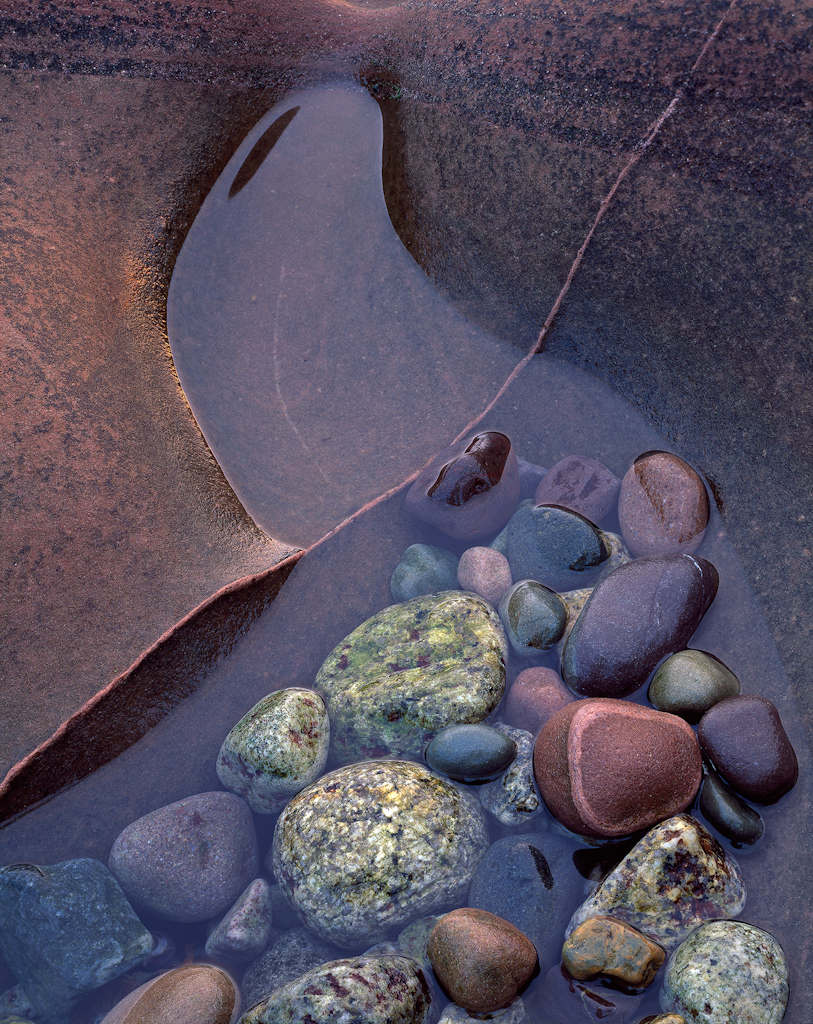
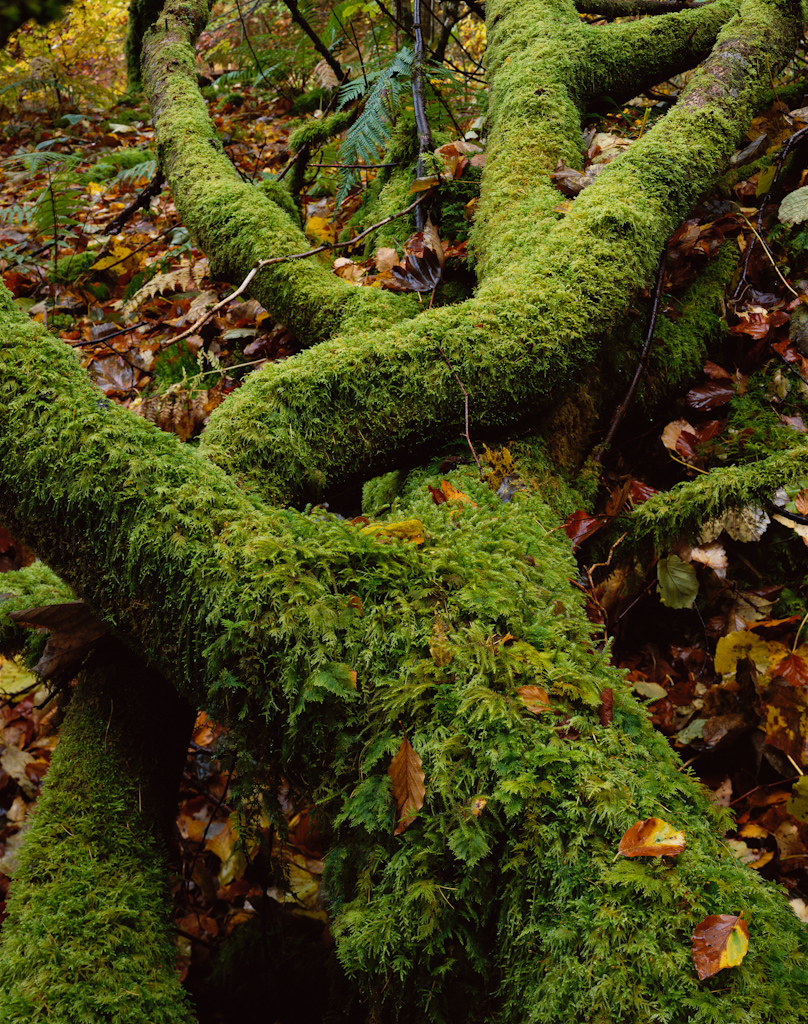
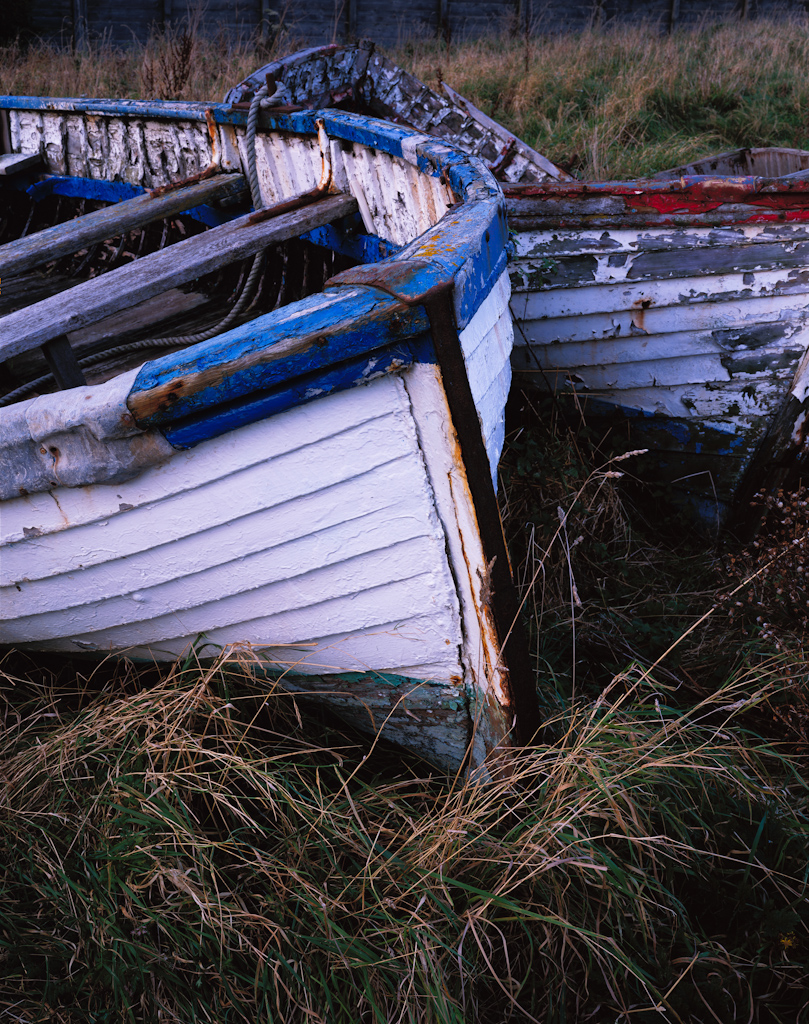
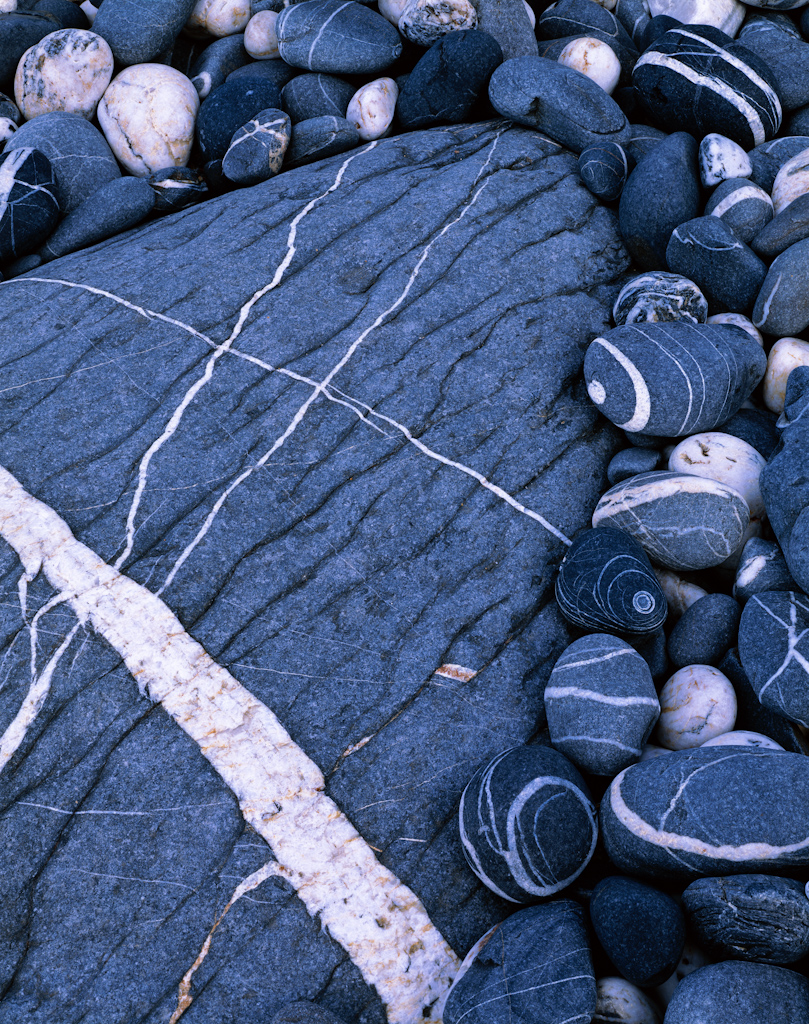
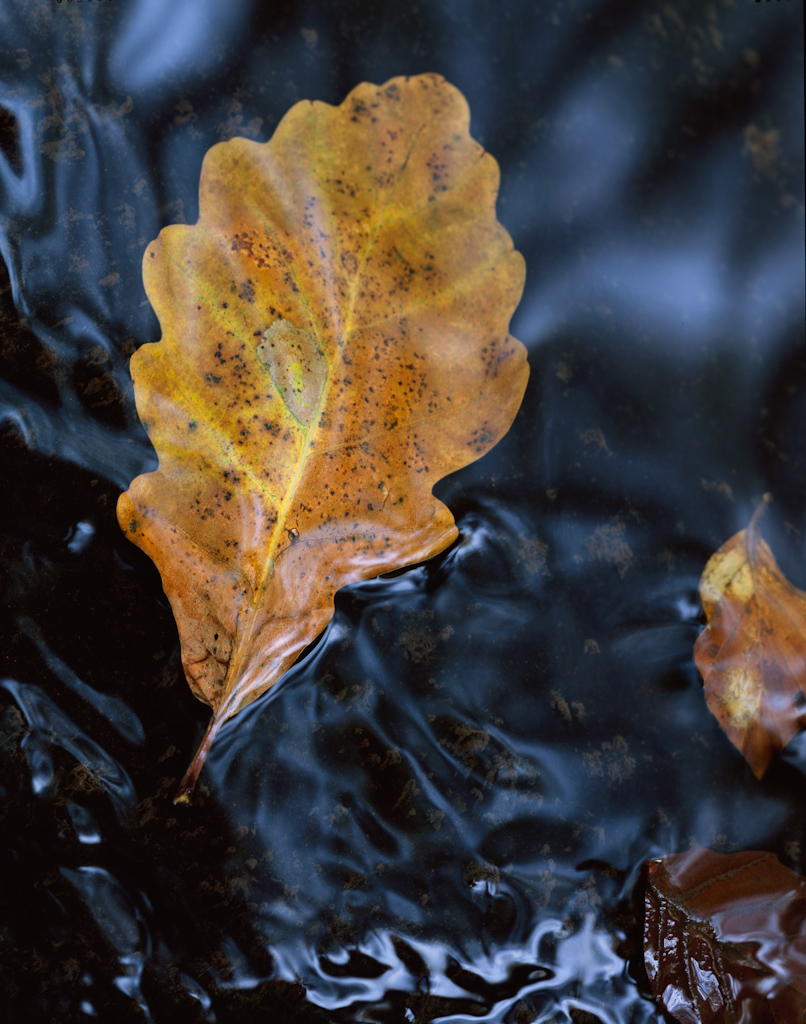
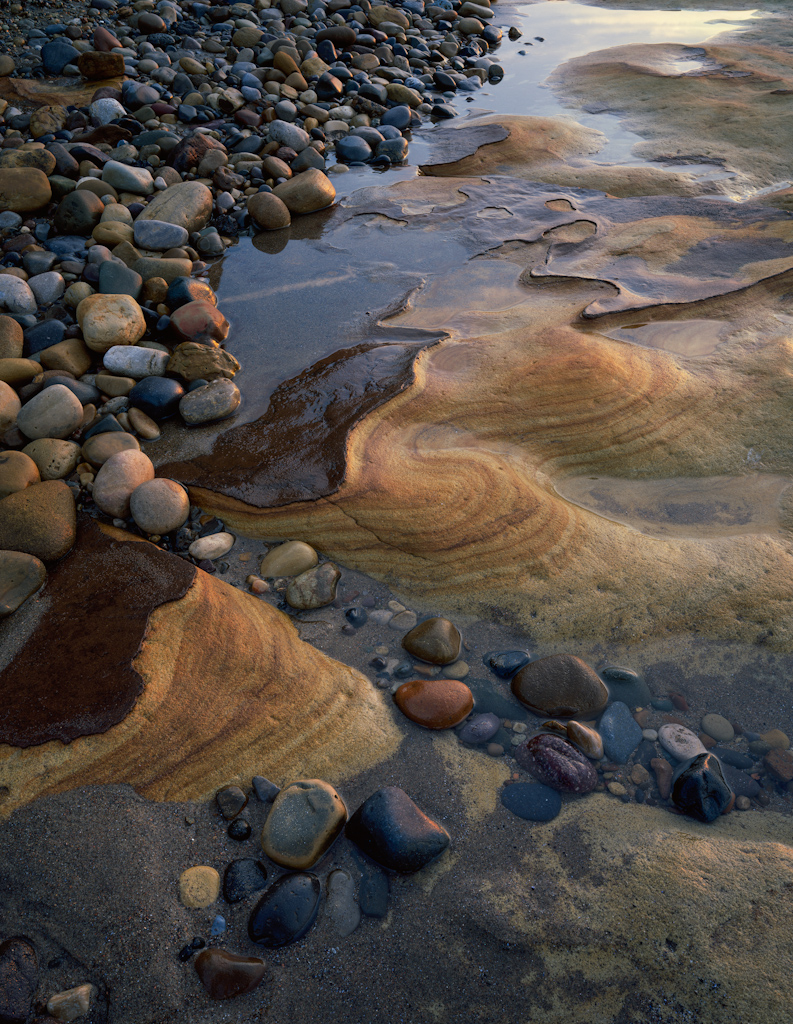
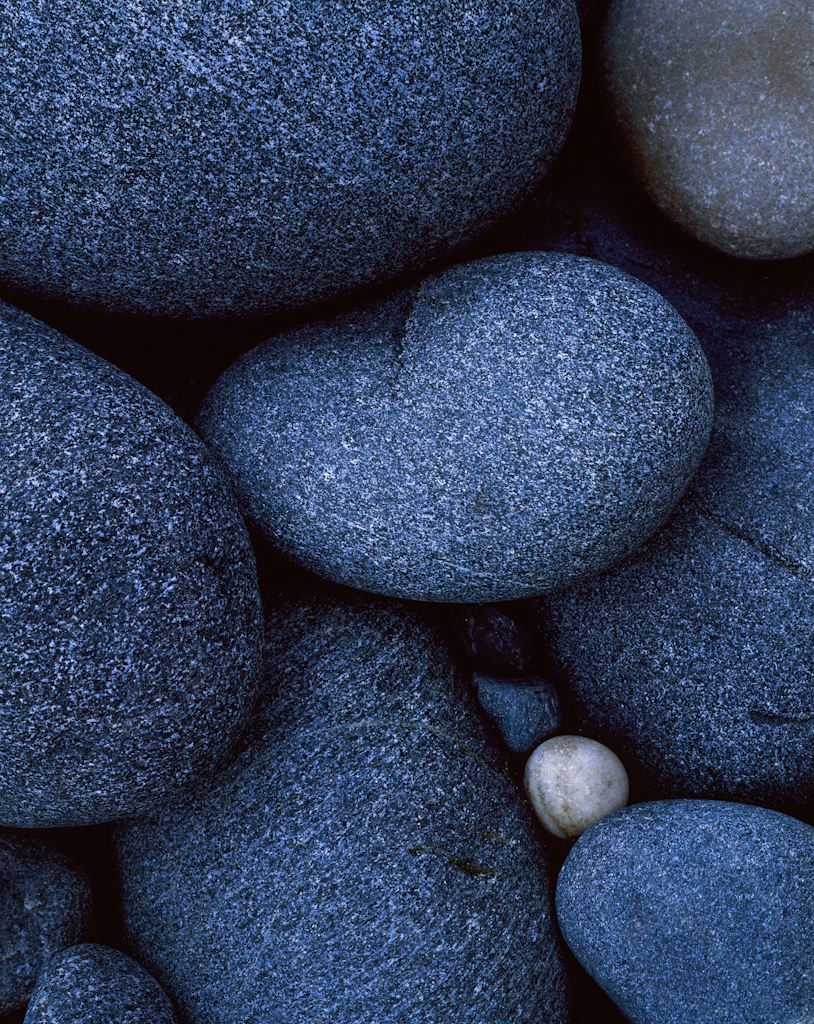
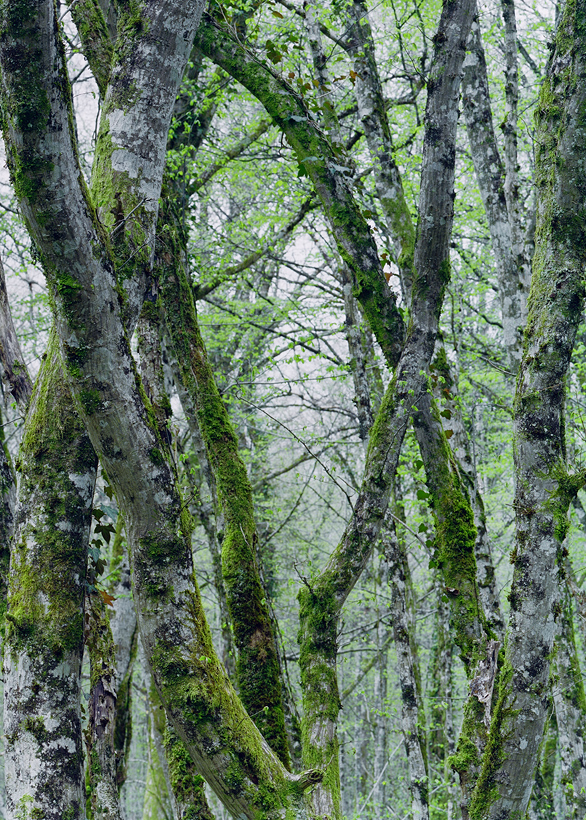
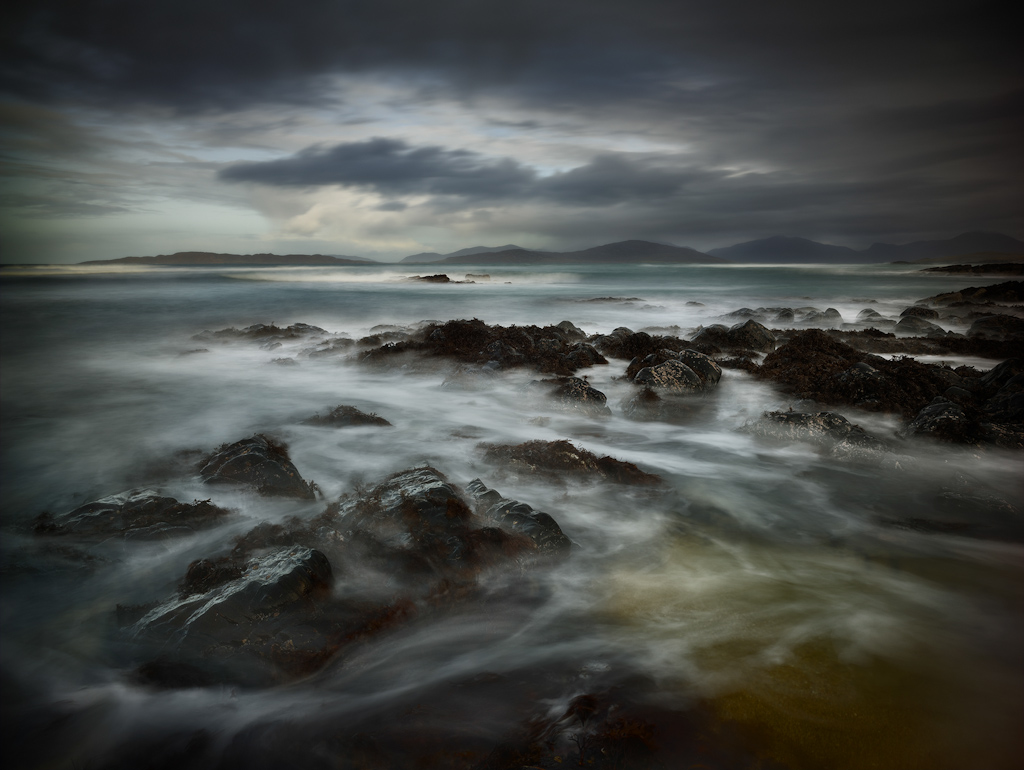
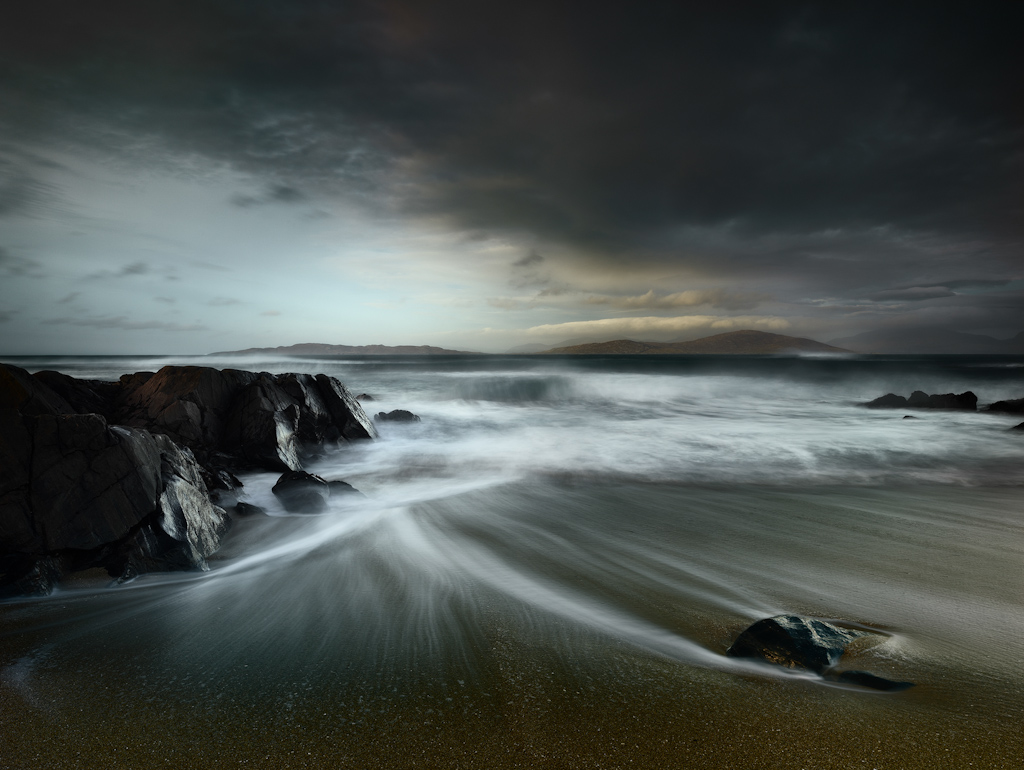
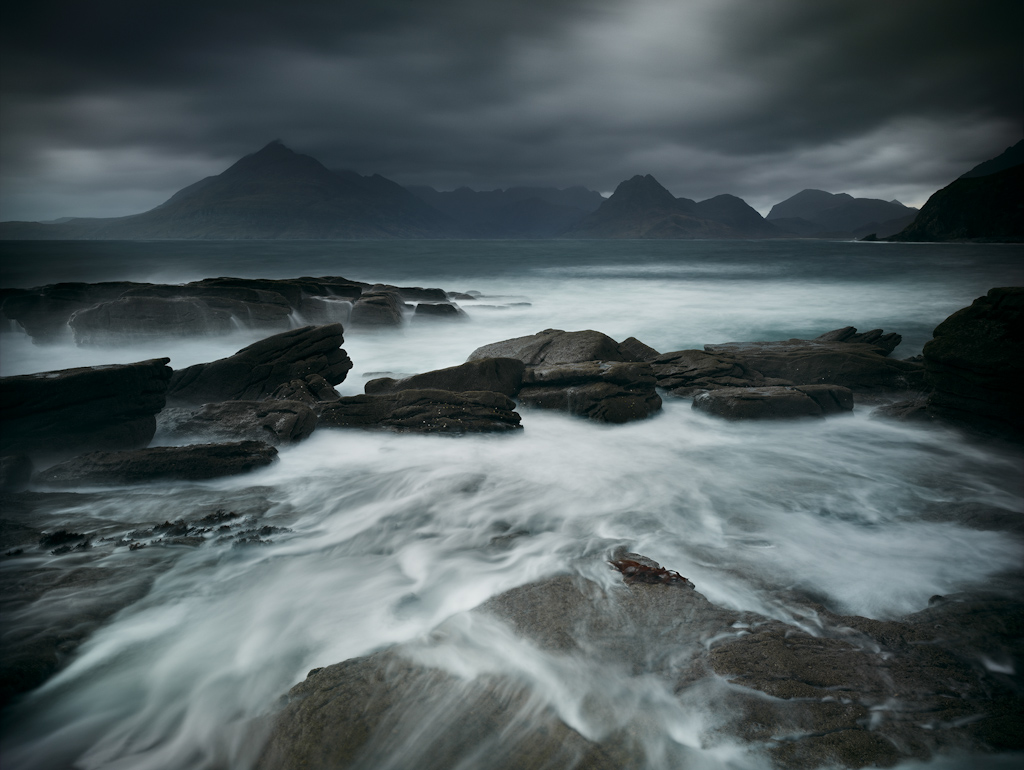
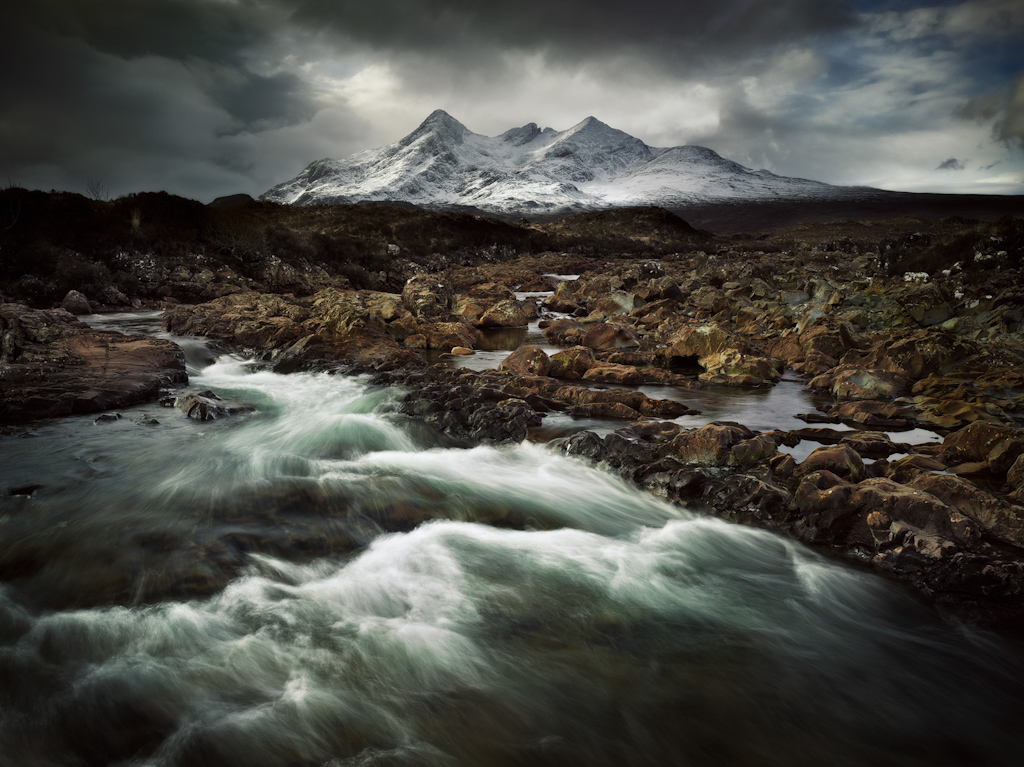
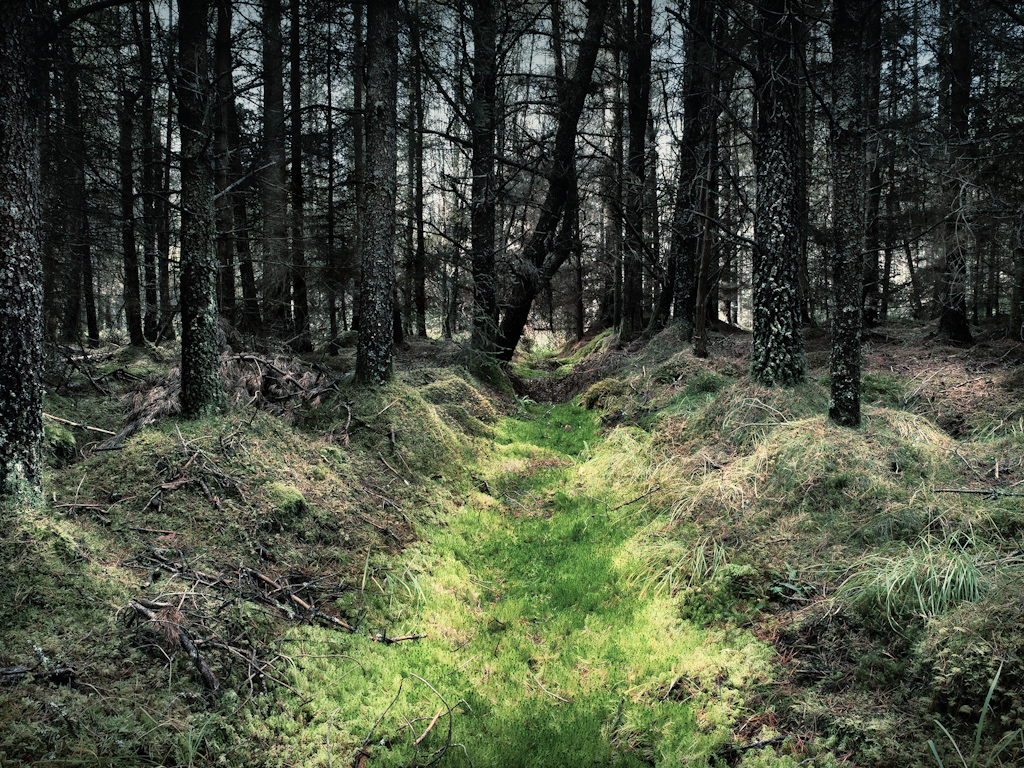
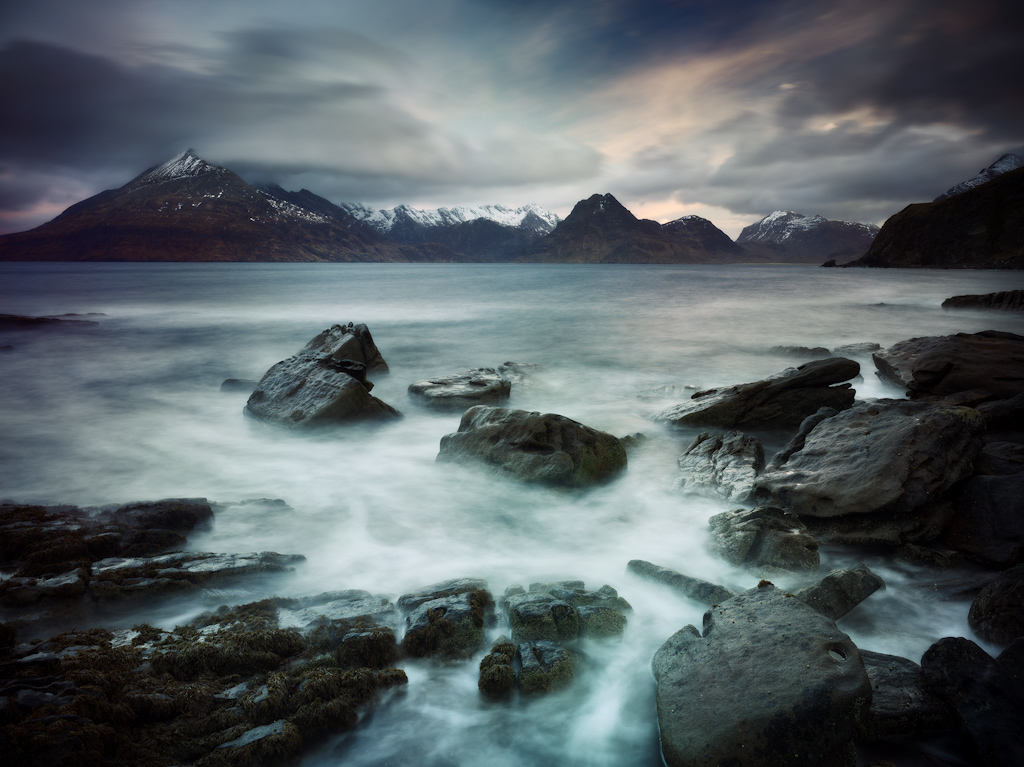
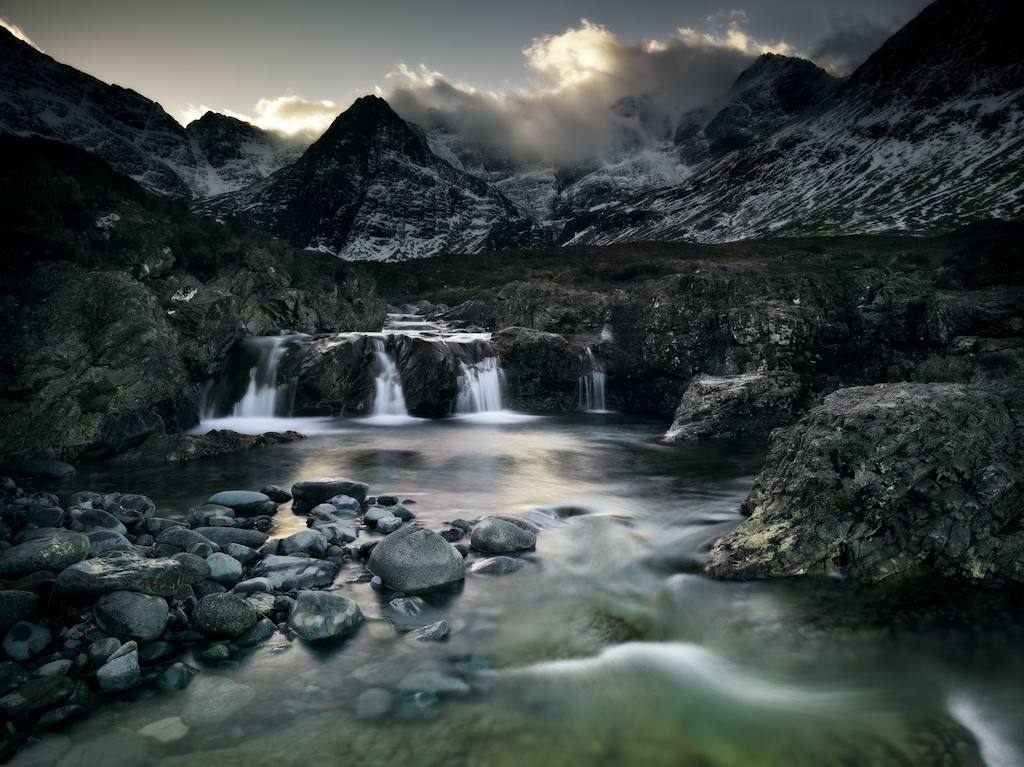
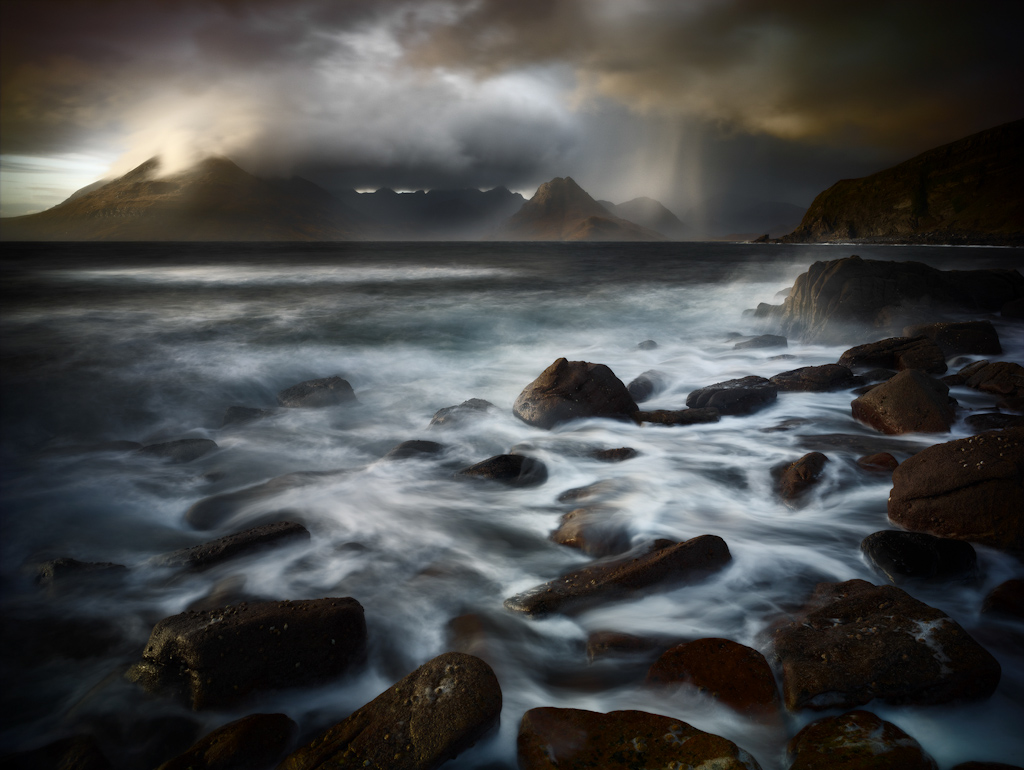
"The landscape, the whole landscape and nothing but the landscape."
But what is landscape?
We know that everyone in the On Landscape community (the authors, the subscribers and general readership) is passionate about landscape photography. But when four of us got together to discuss the subject recently, (comprising Onlandscape founder Tim Parkin, photographic guru David Ward, photographer and designer Andrew Nadolski and me, Joe Cornish), we struggled to find agreement about what landscape photography actually was!
Whilst discussing plans for the magazine and other ideas, David Ward, Joe Cornish, Tim Parkin and Andrew Nadolski took the opportunity to record a round table discussion covering a question that has been asked more than once in the past (usually around mid October in the last few years) what exactly is landscape photography (or more usually put "That's not bloody landscape photography!").
The session was recorded for your offline delectation as long as you don't end up angrily disagreeing and causing pile up due to landscape photography inspired road rage.
Please chip in with your own thoughts via the comments, email, twitter or facebook (preferably once you've stopped driving or get released on bail).
“On Landscape”, is a veritable, virtual on-line temple of landscape photography. So the question posed by the title of this piece might seem almost sacrilegious to some of its readership. Whilst I obviously feel an affinity for the ethos of the magazine and the work presented I seriously wonder if a photographer should be (or even can be) predominantly defined by their subject matter. Schools or genres are of course commonplace in art but photography is amongst the most segregated of all the visual media. There are countless indefinite, and often almost arbitrary, divisions; we are nature photographers, fashion, sport, landscape or portrait photographers before we are just plain photographers. We also divide ourselves into tribes according to usage; we are amateur or professionals (surely the most spurious classification, since the quality of the work is much more important than whether it’s paid for or not) editorial, advertising, stock or industrial photographers (to name but a few). Within each of these divisions there are countless subdivisions and overlaps between specialisms.
This issues featured photographer hails from Birmingham and works as an architectural, environmental and studio photographer but transforms like a celluloid batman into a landscape photographer when the urge becomes too strong to resist (oops - flowery language filter failure!). Take it away Paul Arthur!
In most photographers’ lives there are 'epiphanic’ moments where things become clear, or new directions are formed. What were your two main moments and how did they change your photography?
That's a difficult one. Hindsight is actually a hindrance in answering that question, especially as I seem to have four or five epiphanies a year when I discover some new method for doing something, a little trick to make my life easier, or some new style that I think looks great and that I'd like to add to my repertoire. There are two moments that do stand out though: the moment I purchased my first digital SLR, and the moment I discovered film.
My photographic journey started a good 20 years before I bought my first DSLR, with a cheap, plastic, point and shoot 35mm camera. If you saw the pictures I took back then, you might hope that they were an artistic statement, that I was rebelling against the norms and the oppressive establishment that demands images to be in focus, correctly exposed and where people's heads are in view. Sadly, that wasn't the case. I was just rubbish. My honeymoon was the start of the run of changes that lead me to where I am today. I had by this time graduated from a cheap, plastic 35mm camera to a cheap, plastic digital camera and I couldn't wait to see the beautiful masterpieces I was going to create to remind me of this fabulous island paradise. Once again, I demonstrated my incredible ability to produce disappointing, out of focus, poorly exposed images. Enough was enough, and since I'd always been aware that my parents’ photographs that they took on SLRs were much better than mine, I went out and bought a DSLR. Surely that was all I needed to make great pictures, right?
Of course you all know the answer to that one, but the change to the DSLR gave me a level of control that hadn't been possible up to that time, gave me a way of seeing the results of my tinkering instantly, and since I'd spent a good few hundred quid on it, I was going to make the best I could of it. In putting my money where my mouth was, I had finally committed to making good images, rather than just clicking away and hoping that the camera could come up with something decent.
I was hooked from that moment on, and it was only three years from then that I packed in my job in finance and started working full time as a photographer.
The second big epiphany was the discovery of film, and the eventual progression to Large Format. Like my purchase of a DSLR, using film made such a big difference to my photography because it required a proper commitment. Up to that point my landscape photography had been derivative, virtual copies of what we might now call "the classics". I can often be found in pubs complaining about people who spend all their time producing images identical to a hundred others from the same locations, and I think what really annoys me about it is that I spent such a long time doing exactly the same thing. Moving to film meant that suddenly making an image cost money, and so I shouldn't just waste it on just anything, I should make it count. The move to large format further cemented that feeling, as now it would cost me at least £5 for every picture. I think that's what made me move away from the weather-dependent glory shots and look around at my surroundings more to see what else there was to photograph, other than the obvious.
Tell me about why you love landscape photography? A little background on what your first passions were, what you studied and what job you ended up doing
My childhood was one of travel and music, and to some extent, it's the same to this day. I remember as a child being very bored of travelling to cities with beautiful buildings, and couldn't stand the long drives through the mountains in the south of France that seemed to make up most of the holidays. Never one to hold back any complaints, I grumbled to my parents that it was all boring and rubbish. They replied: "You'll understand when you're older". Of course, they were right, and these days I make my living making images of the very things I initially found so uninspiring.
Music has always been a big part of my life: I spent years training as a brass player, eventually settling for the Tuba, and alongside that I found that I had an aptitude for singing. With a bit of cocky swagger I auditioned for the National Youth Choir, and much to their later regret, they let me in. I was of course very grateful as it allowed me properly to dedicate myself to my other passion - girls. It turned out ok in the end, as I met Helen, who I eventually married.
After school I studied economics at university and end up sleepwalking towards my thirties working in finance, never really getting anywhere and never really enjoying myself. It was landscape photography and eventually other disciplines that slowly dragged me away from the dreary office job, and gave me a career that I love. Even though I spend a lot of times photographing things I wouldn't want to photograph if someone wasn't paying me, it doesn't really feel like work. Cool eh?
I love the act of making landscape images fundamentally as it is a way of getting away from the day job (if you can call it that in my case) and being in some of the most beautiful places on earth. I simply love an excuse to go to these places, and spend some quality time there. Having said that, I think making an image in a place makes me appreciate it even more, and coming home with a good image is far more rewarding and visceral than my memories alone. The very act of trying to distill a three dimensional 360 degree experience into a small rectangle means that I have to look that much harder at my surroundings, I can't just simply walk around thinking "Ooh, that's nice". Something I hear very often from non-photographers is "Ah, well, a camera can never do it justice, can it?" I'd actually argue the opposite. I can't think of a single picture I've taken in the last couple of years that I felt didn't do the actual scene justice, and in fact I think that a carefully crafted image is an enhancement of reality. I find visiting beautiful places and making them look better than they do in real life a tough hobby to beat.
You’re another musical landscape photographer, tell us a little more about your music and whether you think it helps as inspiration for your photography.
I wonder whether photography and music cross over so much because they are both great ways for the creative mind to express itself. I haven't ever had any skill at musical composition, preferring performance and the interpretation of the notes given to me on the page, and I feel that this is exactly what I do with photography. A good musical performer will take a set of notes and turn them into music, drawing the listener's attention to the important bits, and allowing the less important notes to be more impressionistic, if that makes sense. Isn't that exactly what we try to do with photography? As photographers, we will generally find an engaging subject and interpret its relationship with its surroundings in such a way that we show what the important bit is, but more than that, we try to impress a mood or a feeling on the image as a whole.
I wouldn't say that music itself influences my photography, but perhaps the work ethic is the same.
That said, I do find music helps me find inspiration in photography. My best images are taken when I'm not thinking about creating an image too much, but relying on instinct or on my subconscious to find something special. Listening to music is pretty much the only way I can turn my brain off just enough for the creative part of my brain to take over. Thankfully, my music taste isn't reflected in the type of images I make - I don't think anyone would want to look at my pictures for long if they knew what I was listening to when I made them!
You run a professional photography business - what sort of work do you normally undertake and how do you keep your passion for landscape alive?
I know very few professional photographers who work exclusively in one discipline. Those who do are real masters of their craft, and are in sufficient demand to choose to do no other work. For the rest of us, the key is diversity, almost mastering a variety of work in order to keep ourselves busy and the bills paid. I'm lucky though that my work falls almost exclusively into two categories: architectural photography and portrait photography. Living in a big city clearly has a lot to do with the genre in which I work. If I lived in the Highlands, I couldn't do what I do as there is no local demand for it, and there is a similar lack of demand for landscape photography in the big cities. I am able to keep a passion for landscape photography going precisely because nobody will pay me to do it.
It's not that I don't really enjoy photographing people and buildings, but I don't wake up in the morning thinking "Ooh, I'd really like to photograph a warehouse today" unless I'm late on the mortgage. I do however wake up wanting to drive to the peak district and wander around for a couple of hours, or get away for a few days to Northumberland or Scotland. The grass is always greener, as they say, but I'm lucky enough to enjoy what I do so much that I'm very happy to keep landscape photography just for me, and have no desire to make a living from it at the moment.
Could you tell us a little about the cameras and lenses you typically take on a trip and how they affect your photography.
The important thing to note initially is that I do 99% of all my commercial work on digital cameras, and that 99% of my personal work is done on film cameras. Keeping landscape photography as hobby means that I'm far more interested in the crafting of an image and producing something tactile. It's not about getting the finished image as quickly and cheaply as possible, as it is in my commercial work, but it is instead about making an image I can fall in love with. For me, only film can do that.
I have an Ebony 45SU, a pretty rare large format camera except amongst us landscape photographers, where it seems almost to be the camera of choice. The asymmetric movements on the back make focusing almost instant, and I now seldom spend more than a minute on focusing an image. It's also pretty light and is a good all rounder in that it will cope with most types of image from a super wide landscape to quite a close detail. Also, as it is made of wood and titanium, making an image is a very tactile process that I find more rewarding than using my SLRs. I have six large format lenses, ranging from a 45mm up to a 360mm. I will usually carry the longer five of those with me everywhere I go, leaving the 45mm at home most of the time, because it's far too wide to be useful except in the city. There's a lot to get to grips with when you start out in Large Format photography, and as result it inevitably slows you down. Add in the lack of zoom lenses, and you can end up in a bit of a muddle. These days, I've pretty much got the process of making an image sorted so that I can be quick when I need to be. And who needs zoom lenses? Once I've gotten myself in the right place, I carry enough lenses to cover most situations anyway. The only drawback in the weight - but I'm hardcore, so that's part of the fun.
I also carry with me a Panasonic LX5 as a sketch tool, and this might be replaced with a Panasonic GX1 in the near future. It's very useful to see what you're likely to end up with without getting the "bad boy" out, and occasionally I've ended up getting images with it that just weren't possible on the Ebony. It's a very useful tool, but the images just don't have the wow factor that I'm looking for.
What sort of post processing do you undertake on your pictures? Give me an idea of your workflow.
This is going to be a very short section. I think I struggle with inspiration a little when it comes to post production. If I like a transparency once I have processed it, then I'll scan it on to the computer so I can send it to print or put it up on the website. The only post production I really do is to correct scanning mistakes and make the digital file look as close to the transparency as I can manage. I've often watched the videos on this website of Joe Cornish processing his images and those of others, and am very jealous of his ability to judge what changes will improve an image. It's something I'm working on and will continue to work on, but perhaps as my photography matures, so will my vision in the digital darkroom. Perhaps unsurprisingly, I have exactly the same problem in the wet darkroom. I have recently converted my attic into a darkroom, and I can't tell you how cool it is for me, but to some extent if I don't have the goods in the raw negative, I'm a bit stuffed. If anyone wants to write a book on interpreting images out of the camera, put my name down for a copy.
Do you get many of your pictures printed and, if at all, where/how do you get them printed?
Virtually all of my commercial work is for print, but it is printed commercially, so I don't have a part in the process. As a result my printing knowledge is non-existent. It's an unfortunate casualty of my area of the industry. As there isn't a good business case for me buying a large format printer, I don't have any way of printing over A4. It's a real shame as I'd love to print my own colour work, but I just don't need to print enough. When I do need prints I'll send them off to a lab, and my choice depends on the medium I need. The only change to this has been the attic darkroom, where I can make black and white prints up to 20"x16". I haven't made anything that big yet, and it'll be a long while until I do as I've still got so much to learn about wet printing. The ability to make an image in camera, process my own film, and them create my own prints, albeit small ones, is so rewarding that it's what is driving my personal photography forward at the moment.
Tell me about the photographers that inspire you most. What books stimulated your interest in photography and who drove you forward, directly or indirectly, as you developed?
Joe Cornish has clearly inspired a whole generation of landscape photographers in this country, and I of course would count myself among them. David Ward has also been instrumental in me developing a different way of looking at the world. I wish that I could talk about photography as eloquently as they do, but photography is quite simple for me - it's all about a distilling the wider world down to something that I find beautiful. I have a shelf of books that are full of beautiful pictures and very insightful words, but I'm afraid that so far, what has really inspired me are the pictures, and the way they make me want to be there with the photographer. For that reason, I'd have to say that the books of Michael Kenna are the landscape books that have inspired me most. I haven't explored that genre at all, because I don't think I'd be able to do it, and I feel perhaps a bit intimidated by the level that he has achieved, and don't want him to make me look bad! For me though, photography isn't simply about landscape, and there's so much to be learnt from photographers of different disciplines. My photographic heroes are Julius Shulman and more recently Iwan Baan, both architectural photographers who define their era in architectural photography as well as Annie Leibovitz. I have grown up in the age of the celebrity, and Annie's celebrity images have captivated me throughout my life like no other.
Tell me what your favourite two or three photographs are and a little bit about them.
This image was taken in my first week with my Large Format camera, and it's one of the few of my own images that I have up on the wall at home. It was a special time for me as I met some good friends that week, got to work with large format film for the first time and also expanded my repertoire away from the static vistas that I had taken before to more intimate views. I just wish I'd been a bit better at focusing the thing back then!
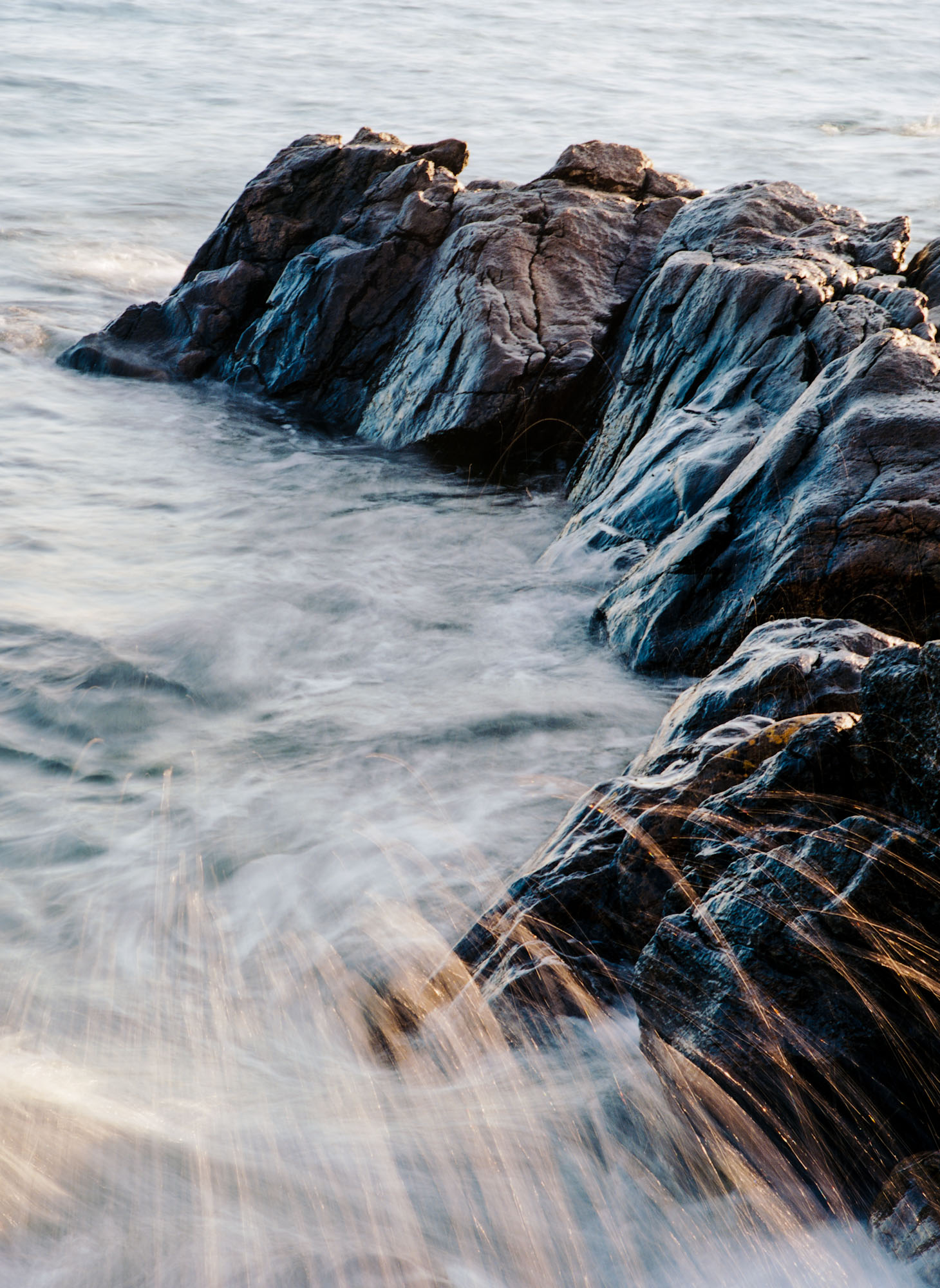
Screaming cliche, I know. When a photograph speaks to me, it draws me in and makes me imagine what it was like to be there. I know it's easier if you actually were there at the time, but this image just grabs me around the face, splashes me with sea water and forces me to remember. It's not a special image in any sense other than I can't look at it without being there in my mind.
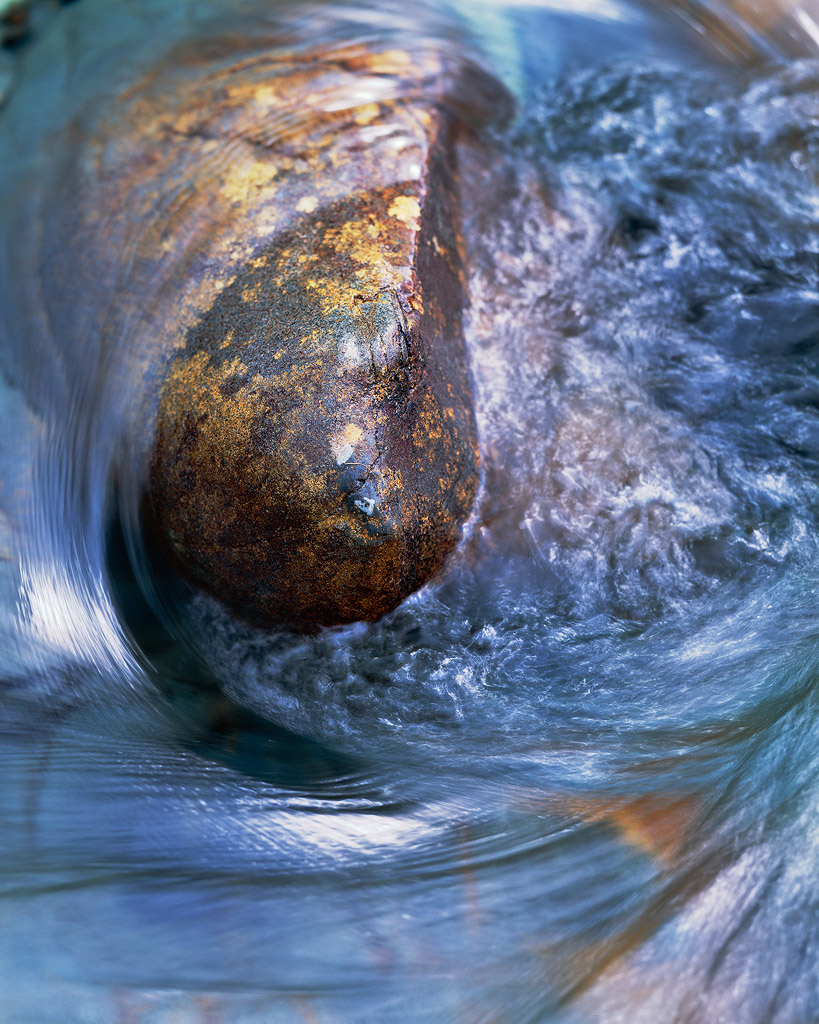
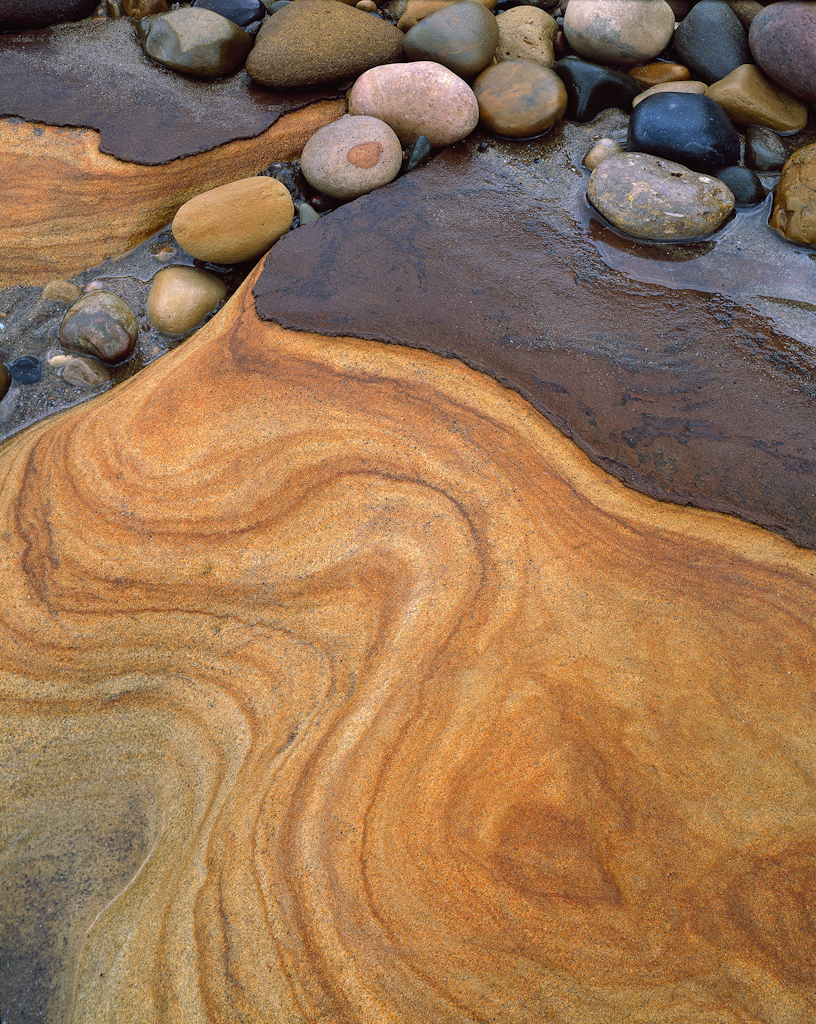
I once joked to Tim Parkin that lots of his images had zig zags in them, and he would have been quite right if he had said that lots of my images have single swirls or 'S' shapes. I find my eye drawn to them, and since they appear in all sorts of places, whether in snow, water or sand, they're not all that hard to find. I love this image because of how weird it is and how peaceful it makes me feel until I remember how I had to kneel down and protect the camera from the howling wind during the exposure!
If you were told you couldn’t do anything photography or music related for a week, what would you end up doing (i.e. Do you have a hobby other than photography..)
I'm a PADI Divemaster, so I would probably choose to go somewhere hot and spend the week scuba diving. I tried underwater photography at one stage, and found it too fussy, complicated and not to mention, expensive. Now I just dive to relax and to explore. I want to go back to the Maldives (the island paradise I failed to photograph before), but you wouldn't let me take any pictures, so perhaps I'd got out to Truk Lagoon in the Pacific, where 60 Japanese World War II ships lie at the bottom. Are you paying, Tim?
What sorts of things do you think might challenge you in the future or do you have any photographs or styles that you want to investigate? Where do you see your photography going in terms of subject and style?
Well, I need to keep the darkroom ticking over for a while, I think, so I'm really keen to explore pinhole in particular, but black & white photography in general. I had tried a couple of times with pinhole, but never had much luck with it. I think the darkroom has given me the motivation to try some Kenna-esque images - it's not going to push any boundaries, but as I've said all along, I do landscape photography for me, so as long as I find the images interesting and engaging, I'm happy. One thing I am very keen on exploring is black and white architectural photography. There are a number of photographers around these days who use very long exposures and create quite striking monochrome images. I managed to break my Big Stopper in half on my first day of using it, so I won't be doing that, but I'm keen to explore what can be done without it.
Who do you think we should feature as our next photographer?
You've already covered Paul Mitchell, who I admire very much, but one person who has been missing from the featured photographer slot is you, Tim. I think it’s about time that you tell us some more about your photography and how you came to do what you do.
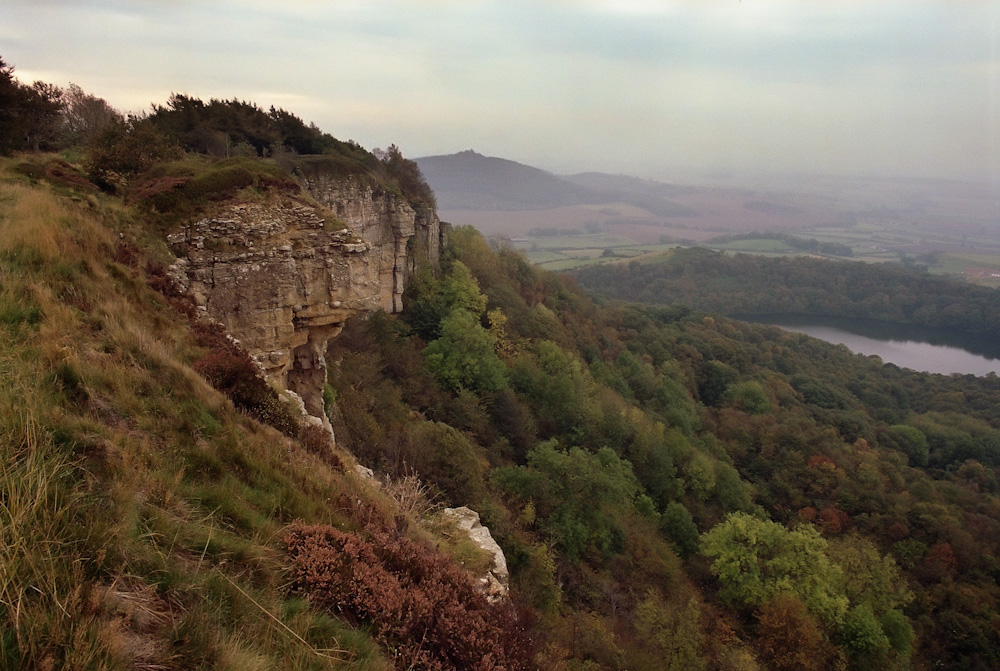
I had not visited Sutton Bank before despite (or possibly because) it being such a well photographed landscape location, most famously by Joe Cornish who has visited here many times. In 2011 I received a phone call asking me if I were interested in meeting up to discuss a project to provide photographs for the visitor centre refurbishment, something I was more than happy to do (as you can imagine!).
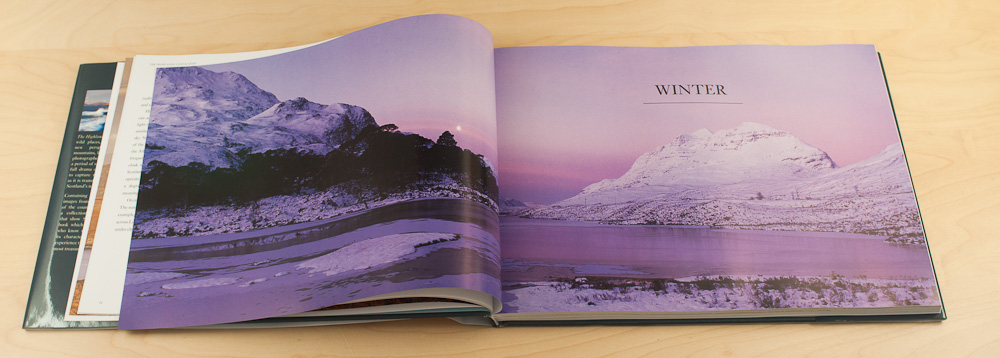
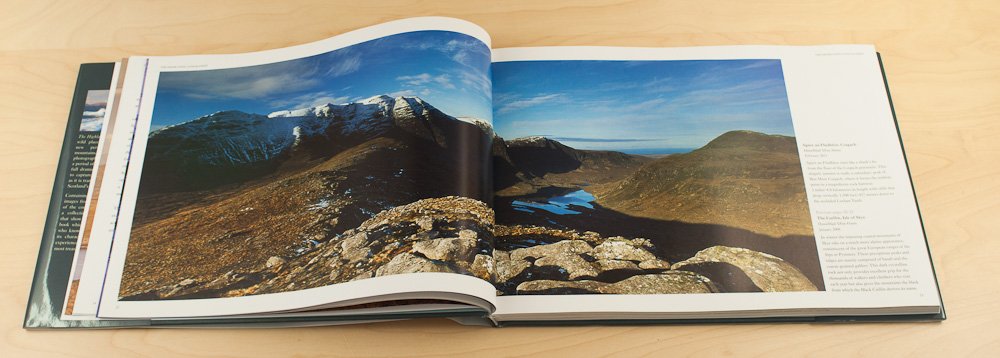
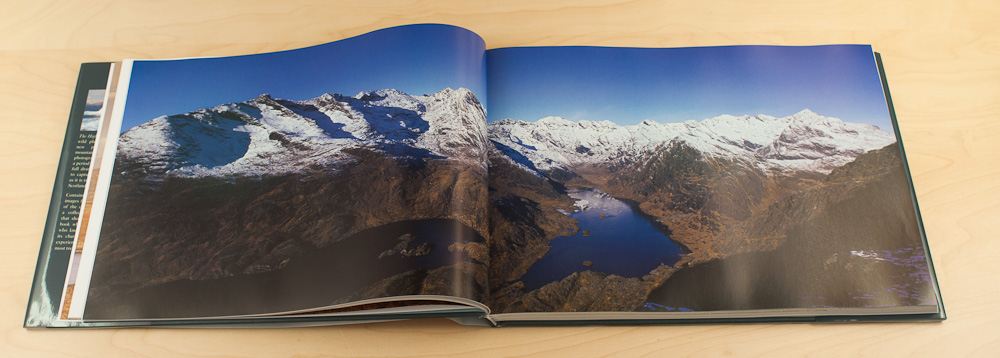
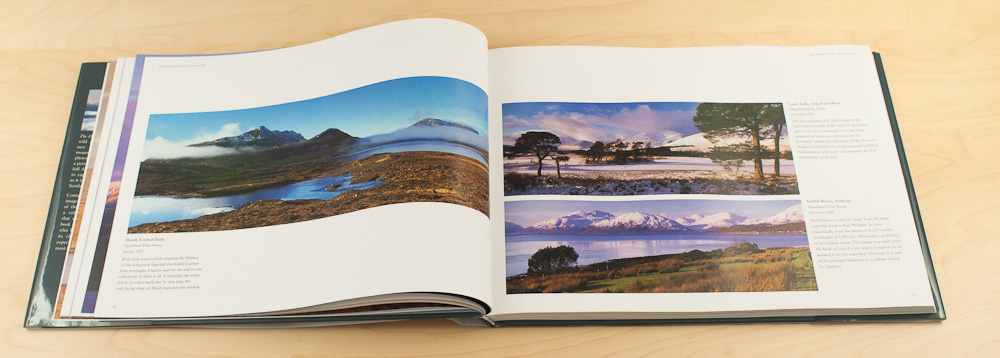
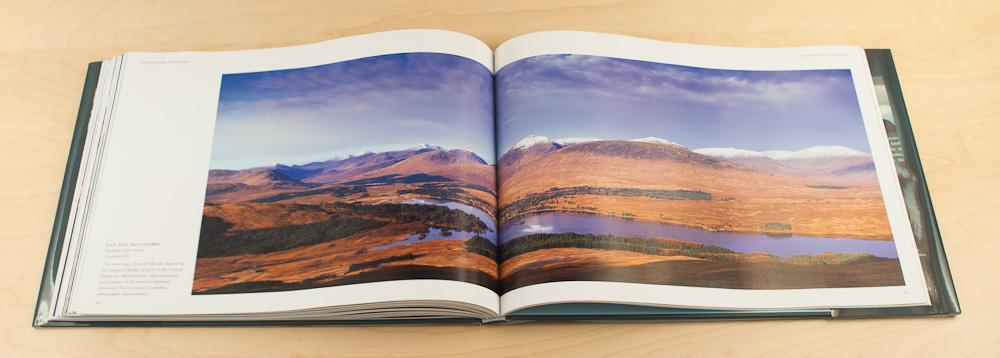
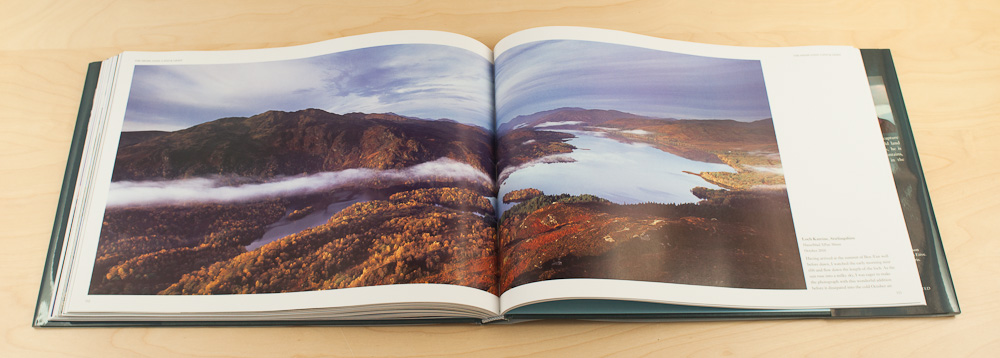
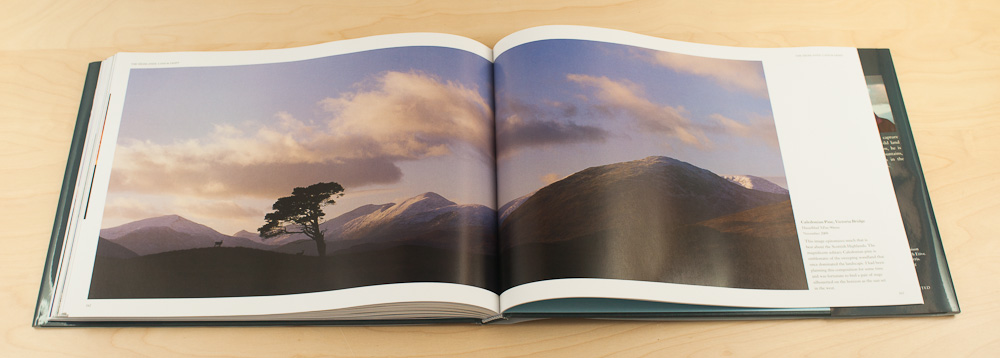
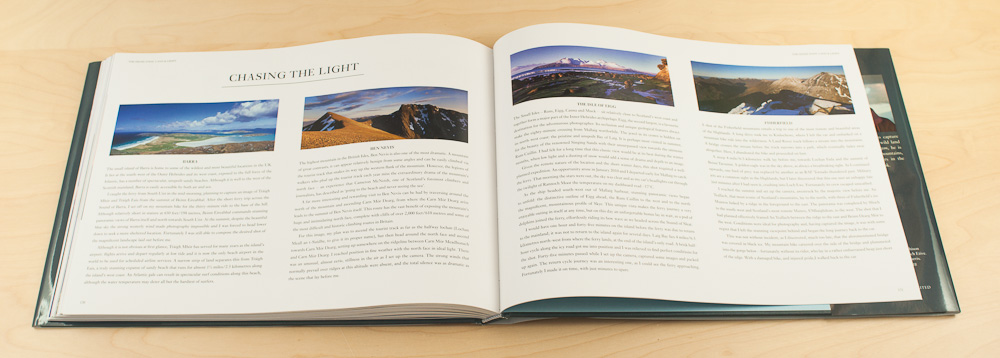
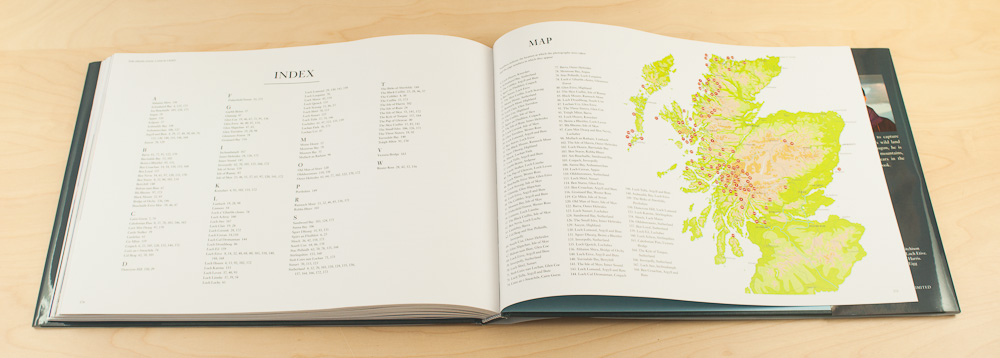
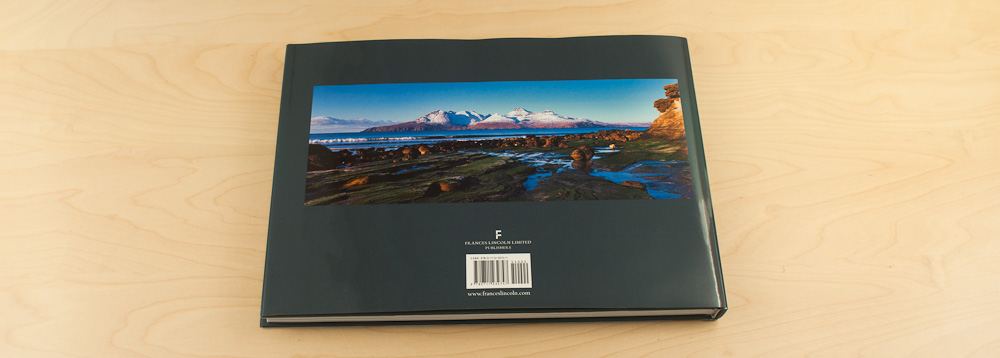
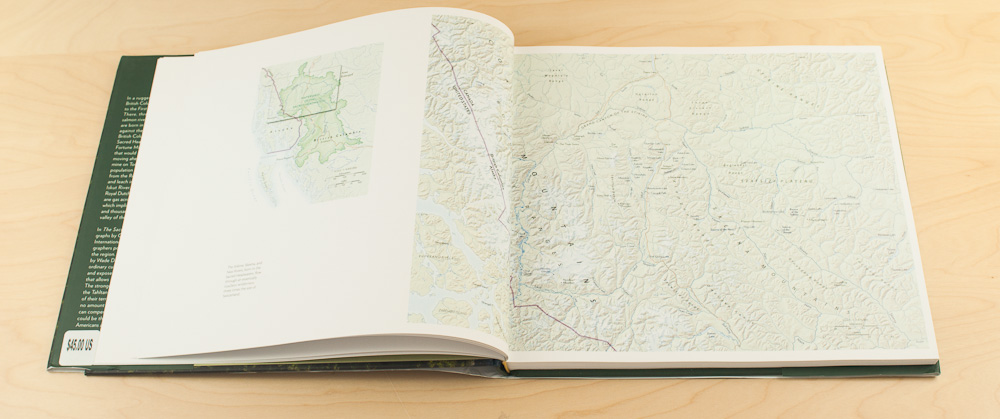
Craig Aitchison's panoramas of Scotland mine a well used vein of place and form probably most well known from photographer Colin Prior. Craig undoubetdly knows this inspiration and should be very pleased to get a testimonial from Colin himself. This isn't to suggest that the book is a clone of Colin's well known output but there is a sense of initial familiarity when browsing the book. The images are nearly all panoramas and come with another feature enjoyed in Colin's books, the annotated map - definitely a useful addition for use landscape photographers who was to visit some of the stunning locations depicted herein.
Although each image is associated with a caption showing the camera and lens used and a short caption, there is a chapter in the back called "Chasing the Light" where Craig talks about the making of a few of his pictures including a dramatic bicycle plummet over the edge of an icy bridge (fortunately riderless!). Almost all are taken on an XPan with 30, 45 or 90mm lenses with the occasional Konica Minolta 5D image from earlier in his travel. It's a testament to the quality of the XPan camera that it is only on close inspection of the full double page spreads (25" x 10") that image quality isn't perfect - not quite Colin's 617 output but perfectly adequate to the task of an oversize panoramic book!
Overall the reproduction is of good quality with only the occasional magenta mountain and would make a great supplement alongside's Colin's mountainous books. You can see more of Craig Aitchison's work at his website Land and Light where you can purchase the book or prints.
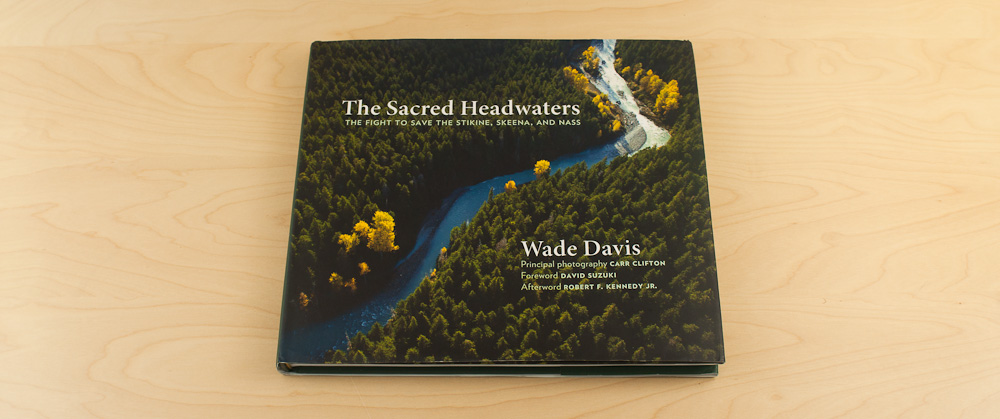
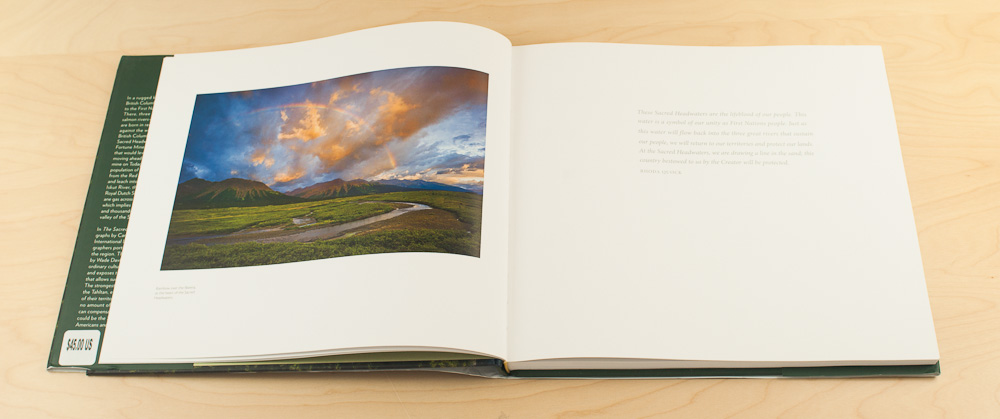
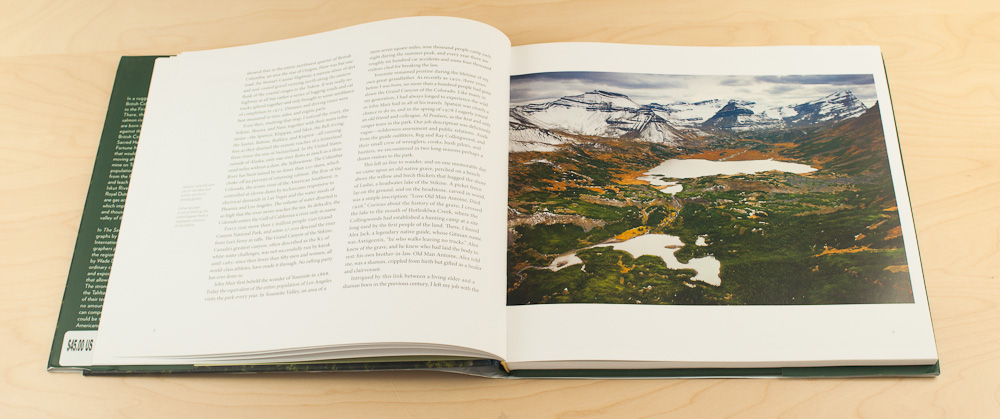
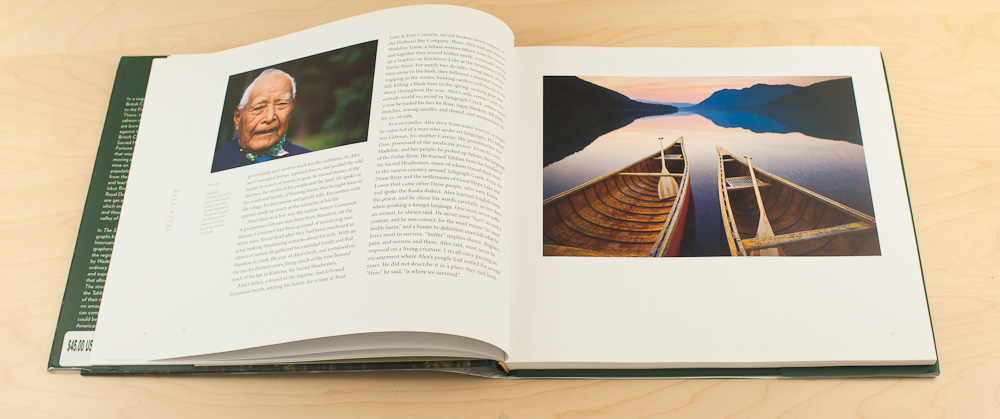
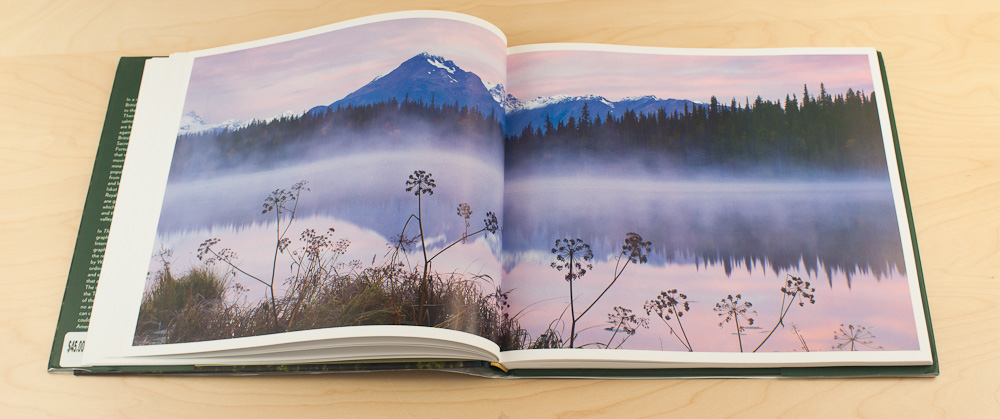
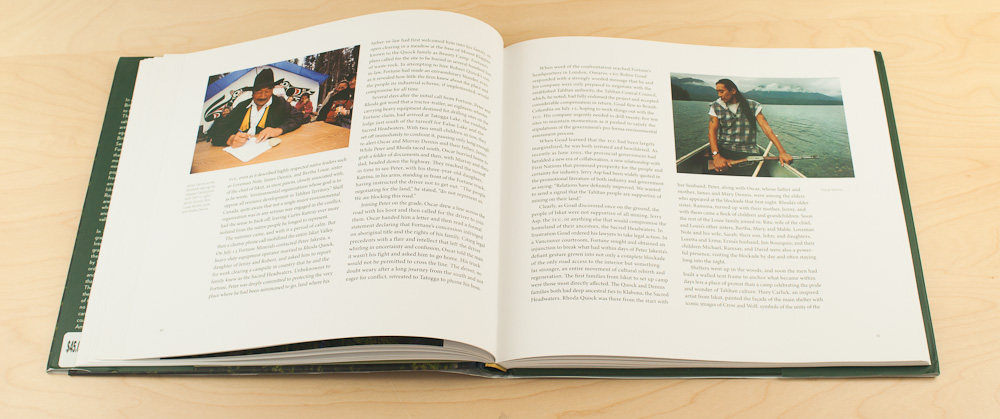
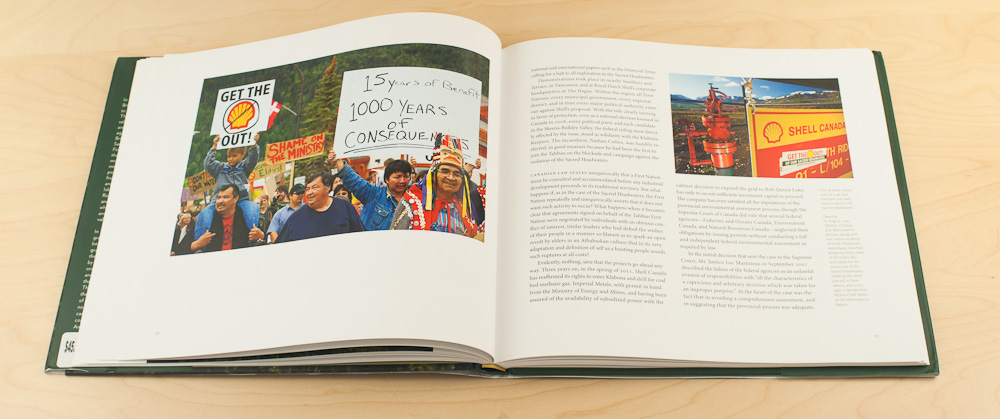
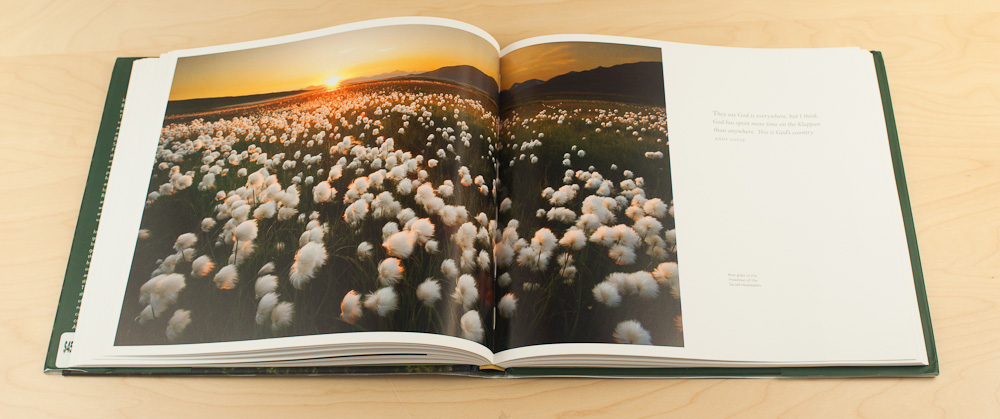
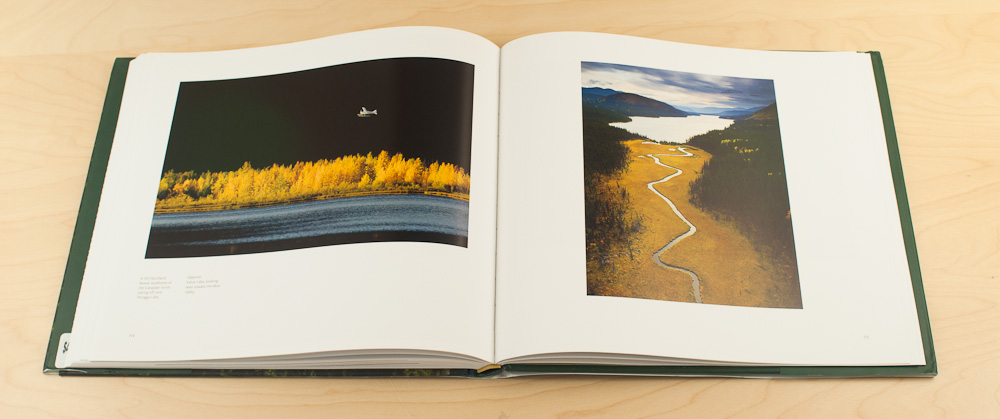
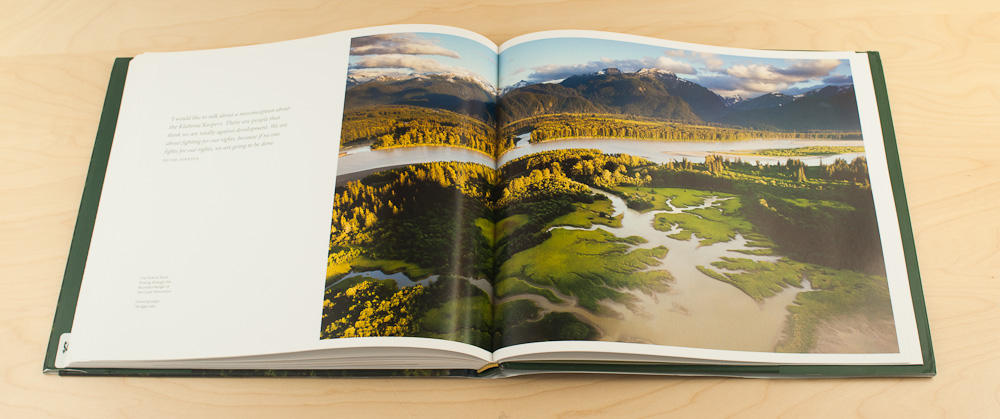
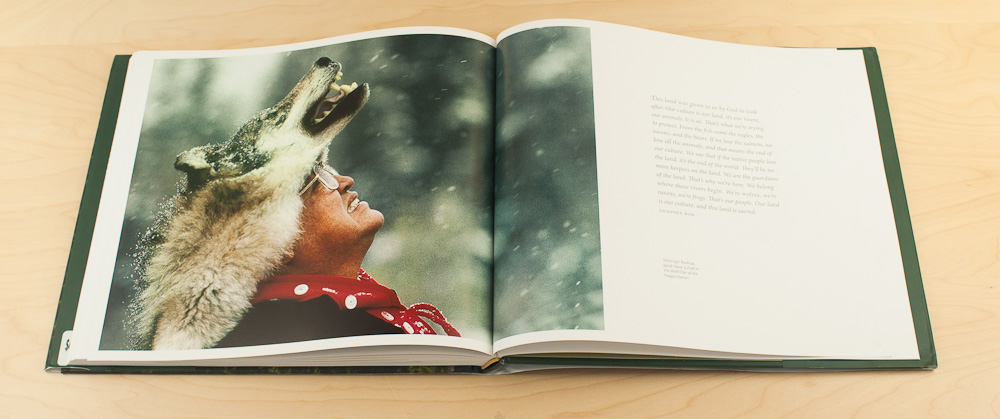
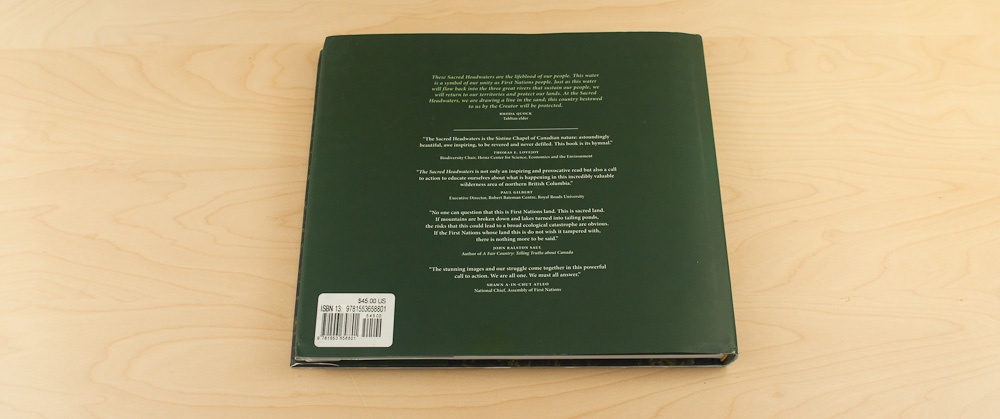
Carr Clifton is a photographer that I have talked about before in On Landscape (in "The Rightful Heir to Eliot Porter?") and who is probably one of the hardest working landscape photographers covering environmental issues. The Sacred Headwaters book is one I have been trying to get hold of for some time and I have to thank Paul Marsch for loaning me his copy to peruse and review. The book isn't actually a Carr Clifton production - it's written by Wade Davis with the majority of photographs by Carr. However, the photographs are wonderful - many of them aerial shots of the Sacred Headwaters - an area of British Columbia bordering the Yukon and North West Territories.
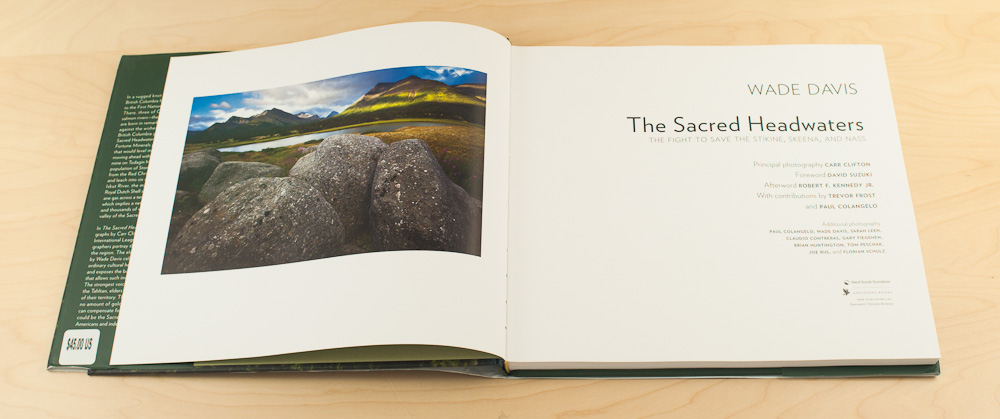
The book's narrative which makes up nearly the first half of the book (with photographs on nearly every page) documents the history of the native people and their recent interactions with Big Industry who have manipulated their way into large scale development on these lands. Carr's photography complements this text well and really comes into it's own in the back half of the book which is 100% images. As you can see from the extracts below, the complement of large scale overview with details of nature and indigenous population.
This is a wonderful example of an environmental collaboration between the photographic and the written in the aid of an important cause, one that Robert F Kennedy compares with the damming of Glen Canyon, documented by Eliot Porter in 1963 . You can find out more about the cause itself by visiting the Sacred Headwaters website. The book is available direct through the website or more conveniently via Amazon.
When it comes to improving their photography many photographers fall into the trap of placing the equipment at the top of the list. They presume that the latest upgrade or the next model up the range will be just what they need to take better photographs. Now don't get me wrong, if you have great photographic craft then better equipment can capture better images but if you're starting out in photography, struggling to achieve what you consider to be successful images or just simply feel you are not happy with your photography then buying a new body or lens(s) is not, I would suggest, the best solution.
The purpose of this article is not to be an in depth tutorial on how to improve the situation described in the previous paragraph but to give you a roadmap to point you in the right directions. From this I hope you can go off in these various directions and work at being a better, happier photographer. The stuff I am going to discuss is not all free, some of it could be as much or more than that new lens or body but I strongly believe that the benefits to your photography and your contentment as a photographer will outstrip by a long way the benefits you might obtain from that equipment purchase. This roadmap is aimed at landscape or outdoor photography but the principles apply to all types of photography.
So we will ignore camera’s and lens’s for the rest of this article and I will try and lay out this roadmap that I hope will help you achieve these improvements.
In that first paragraph I used the word ‘Craft’, I feel that consistent good photography comes in three main parts which I put under this umbrella of 'Craft'. These are Knowledge, Practice and Patience. There is also another subject I wish to discuss which lies outside of this umbrella of craft and that is ‘other equipment’.
The first of those is Knowledge. When I use the term knowledge I don't just mean the nuts and bolts of photography - the understanding of all the many technical things that are required in the taking, processing and outputting the photograph - I also mean things such as empathy with the subject, understanding the light and imparting emotion into the final image.
You can improve your knowledge in many ways but possibly the most effective is going on a course of some sort, either a short one or two day course or a longer holiday. If courses and holidays are out of reach financially then other ways of improving your knowledge are with tutorial DVD's or reading books or searching the internet for articles and tutorials (and there are many good sites online such as that have very good information available). Some bits of this knowledge are perhaps easier to get to grips with than others, the easier bits are often the technical things such as the effect the aperture and shutter have on the image, the harder bits are usually things like getting emotion into the final image, these subtle and usually harder areas are often only mastered with the next part which is practice.
Practice makes perfect? Well that may not be entirely true but practice will improve your photography and nothing can really substitute for the good old graft of getting out and taking photographs. This is absolutely vital in improving your photography, not only will it enable you to put into action things you learn from the 'Knowledge' part, it will also feed information back into your knowledge. As you continue to learn how your equipment works, how light works its magic, how to read the weather, how to deal with tricky conditions, how to 'see' you will be constantly feeding information back into your knowledge. Never underestimate what you will gain from just getting out and being a photographer, you may not even realise you're learning but you are, and this learning while working process is something that never really stops no matter how good you get.
Don't forget that you can also stay at home and practice the 'processing' side of your photography, this is also a fundamental part of your photographic skills and while most photographers would much rather be outside taking photographs than sitting at home on the computer, putting into practice the knowledge you learn on the processing side is just as vital.
With practice, all the skills of photography will become second nature, the camera for instance will become an almost invisible part of you which will allow you to put all your thoughts and energy into your creative vision of the world, which is absolutely vital if you want to become a consistently better photographer. Practice will also help make you a calm photographer, and a calm photographer is more likely to bring home the goods than a stressed one.
Now we get to patience. Photographers generally need patience in bucket loads. We need it when we are standing by the tripod waiting for the light to change at the same location for the umpteenth morning in a row. We need it to put in the hours finding locations. We need it when the computer decides to throw a wobbly. And we need it at many other times along the road of photographic life. You need to develop a patient attitude towards photography, patience like practice will help you be a calmer photographer.
All of these three parts feed into each other, for instance if you are well practiced with your equipment and are patiently waiting for the light to change you will more than likely be in a calm state of mind. If you're calm you are more likely to see something you would not have seen had you been stressed and this new something may well add to your knowledge.
Finally we come to ‘other equipment’. One of the most important pieces of other equipment is a good solid tripod and head, and for this item to be of any value at all you must actually carry it with you and use it. Most landscape photographers use one all the time and for good reason. A tripod does many things other than the obvious one of making sure there is no camera movement. A tripod will slow you down and help you think more about the shot, and if you're thinking more then you have a better chance of creating something good. A tripod will help you adjust the viewpoint so it’s just right and then hold the camera in the same place while you wait for the light to reach perfection, which is important as often that little burst of perfect light will only last a few seconds and you don’t want to spend any of them framing up the shot again. A tripod is a very important bit of equipment, but as I said you have to carry it with you all the time to get the value of it so make sure you get one that is sturdy but light enough to carry wherever you go, as a tripod left in the boot of the car is no good to anyone.
Another piece of additional equipment are filters, these are important tools that allow the photographer to adjust, in some way or another, the light that hits the sensor (or film). Again there are many sources of information on the types and uses of filters but they should become an essential part of your gear as should a spare battery. How depressing would it be if you failed to get a great photograph because your camera battery died at just the wrong time.
A cable or remote release is also well worth having, this should help alleviate any vibration you might get as your excited finger stabs at the shutter release.
The next items of additional equipment relate more personally to you the photographer rather than your photography, but they can - and I believe do - have an effect on the quality of your images.
Most important of these is clothing. You should have appropriate clothing for the time of year and conditions that you are going out in. Apart from the potential dangers of not being adequately dressed it is also important for the quality of your photography. If you are cold and wet you naturally won't be giving photography your full attention, and that means you are more than likely not achieving the best photography that you're capable of, which is not the ideal situation to be in. So make sure that you have suitable clothing and footwear to keep you comfortable, as you can then put all your attention into your photography.
Food is also important, have a few rations with you as hunger can often be distraction but worse it can make you leave a location earlier than you perhaps should which may well cause you to miss the appearance of the perfect light.
Next it's good to have a comfortable way of carrying all your equipment (especially the tripod!), you are more likely to explore further and be more relaxed when you get there if you have a good comfortable bag or rucksack that also keeps your equipment dry.
Finally good preparation should become part of your routine, if you are getting up early then get everything you need ready the night before, plan where you are going and allow plenty of time to get there and get set up. Things happen with light very quickly first thing in the morning so you do not want to be rushing about in the morning and getting stressed, as I have emphasised before its all about staying as calm and relaxed as possible. And don't forget to set the alarm!
So I hope you can see that what I am trying to advocate with this article is that simply replacing a lens or body with a newer or higher spec version will not necessarily yield better results. If you fall into the categories I mentioned in the first paragraph then I feel your photography would be much better served spending time and money on improving your craft with the equipment you have - and perhaps some of the additional equipment mentioned - than it would be by spending that money on a new body, lens or camera. Once you have worked at improving your craft to a higher level you can review your position and see if you still think that new body, lens or camera is needed. I think you will be a better and happier photographer for making the effort.
I first went to Brittany in March 2010 for a short visit specifically to explore the Pink Granite Coast. The endless variety of wonderfully sculpted shapes was simply overwhelming and I was constantly torn between taking shots to show the folks back home, and taking a more measured approach with an artistic intent. I resolved that I had to come again. The opportunity arose in March of this year when I accompanied Nigel Halliwell and Paul Franklin in the guise of their recent venture, Taking Time (www.taking-time.co.uk). The workshop was almost twice as long as my solo visit and took in the southern coast of Brittany with Quiberon and the Côte Sauvage, Penmarc’h and La Pointe de la Torche, as well as my old stamping ground at Trégastel and Ploumanac’h in the north. A varied programme with lots of time to explore, think and talk photography and for culinary delights too: when the light was too harsh we visited crêperies – a good way of nurturing the creative spirit!!
Nigel (whom I already knew from two other tours) and Paul are both highly experienced and accomplished photographers, using digital compacts and smart phones for exploring subjects before turning them into final compositions on large format cameras.
Our two dawns at Quiberon were rather too clear for the rocky shore but we had more workable soft light on the pristine sandy beaches at dusk. On the second day, while waiting for the harsh light in middle of the day to subside, we of course lunched on crêpes and then visited the gallery of Philip Plisson (http://www.plisson.com/) at nearby La Trinité sur Mer: it is often worth seeing local artists’ work to gain inspiration from their vision of the area. It was here that we uncovered photos of the “cimetière de bateaux” (boat graveyards) at Magouër, and decided to stop-off there on our way to Penmarc’h the next day to attempt our own images.
I found a rich variety of detail subjects some of which proved to be really challenging technically and I took some time to decide on my preferred viewpoint, depth of field etc. Careful lens choice and tripod position were paramount. Another surprising find was a dreadfully smelly fish landing station, again with plenty of detail subjects among the ropes and other fishing paraphernalia.
What I found very difficult during those first two sunny days was visiting rocky coastal locations in strong light and visualising how they might appear in the late evening or at dawn. Somehow the structures and shapes just would not fall into place and when we returned to photograph at either end of the day, the earlier scoping hadn’t really helped me. I found that I still had to take time to settle in and find my subject.
A rather rainy Wednesday evening at Penmarc’h gave me the opportunity to play in black-and-white with my Rollei. Thursday dawned with thick mist and dismal light and again I felt that black-and-white would suit the conditions best – though Paul and Nigel both opted for colour. The shoot over, we had breakfast, packed and moved on to the northern Pink Granite Coast at Ploumanac’h. It was a long drive through attractive countryside and we stopped off at another cimetière with a different set of abandoned fishing boats and trawlers, some of which were well over 100 years old. The images we all created here were very different from the first such location, reflecting the different character of the boats, the light and the surroundings.
At Ploumanac’h the totally different coastal structures afforded yet more new subject matter, this time helped by softer dawn and evening light and subtle colours. Daytime light was again rather too contrasty so we whiled the time away watching the world go by while talking photography and watching the local café society enjoying their time off.
Workshops like these help to bring new learning but also refresh what many of us know but sometimes forget to apply. So it was with me and as the week progressed I stopped hurrying: I selected and observed my subjects more carefully and thought far longer before clicking the shutter. I began to take far more time over each composition, something which I did not do sufficiently well two years previously. Paul and Nigel were always on hand to check my viewfinder and make helpful comments. The main lesson I re-learnt was that photography is not a race (unless the light is going to disappear!) and there is no absolute need to take a photo: better to take time over one good composition than rush into several poor ones. Some say that it is best to leave our pictures for some months and come back to them once we’ve forgotten our emotions at the time of taking. Others say that if the photo doesn’t hit the spot straight away, then it has missed the mark. It remains to be seen which of my photographs will become my favourites from this trip, but there is no doubt that I enjoyed taking them all.
Adjusted Layers: The first morning I lined up a shot with some difficulty as it necessitated standing on a small sloping ledge while carefully setting the tripod on steep rock. Nigel had been watching me and on the way back to breakfast grilled me in detail about my composition. As we talked I realised that I had included too much of the background and needed to re-shoot the next morning. The resulting shot, from an even more precarious perch, is shown here.
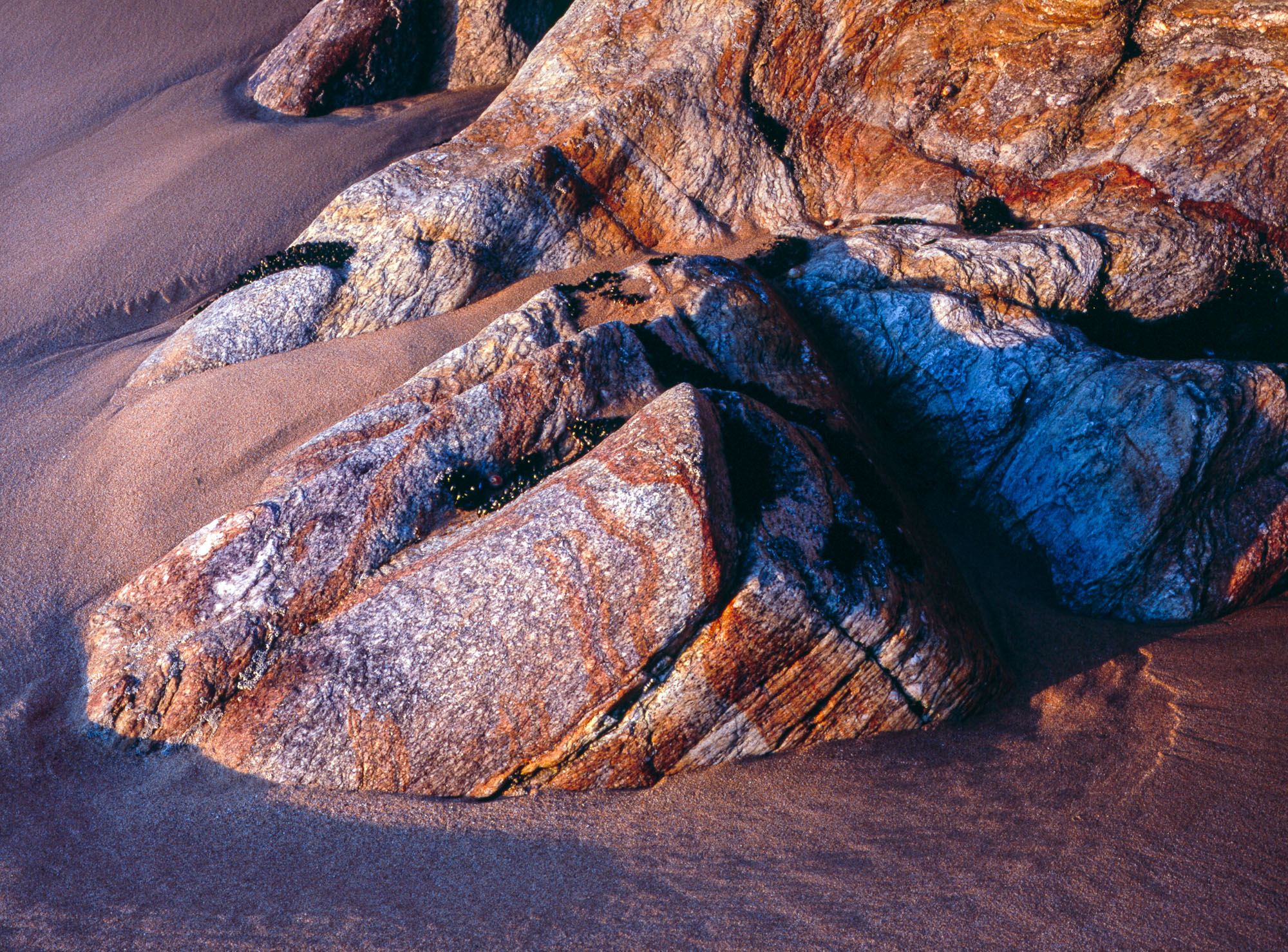
Rocky End: I like the juxtaposition of soft sand and hard rock with the colour contrast. This was one of just three compositions in the whole week where I used the landscape format.
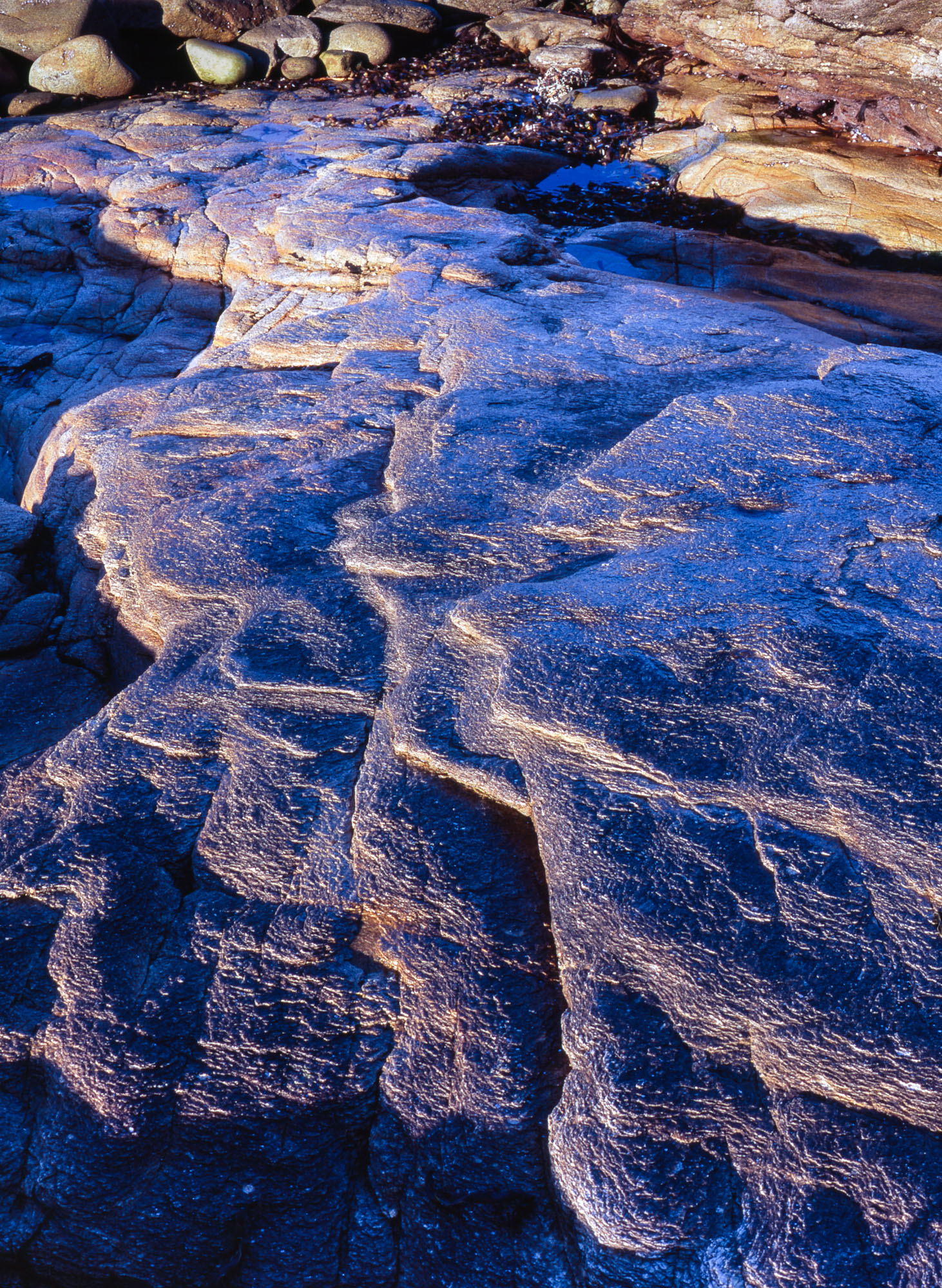
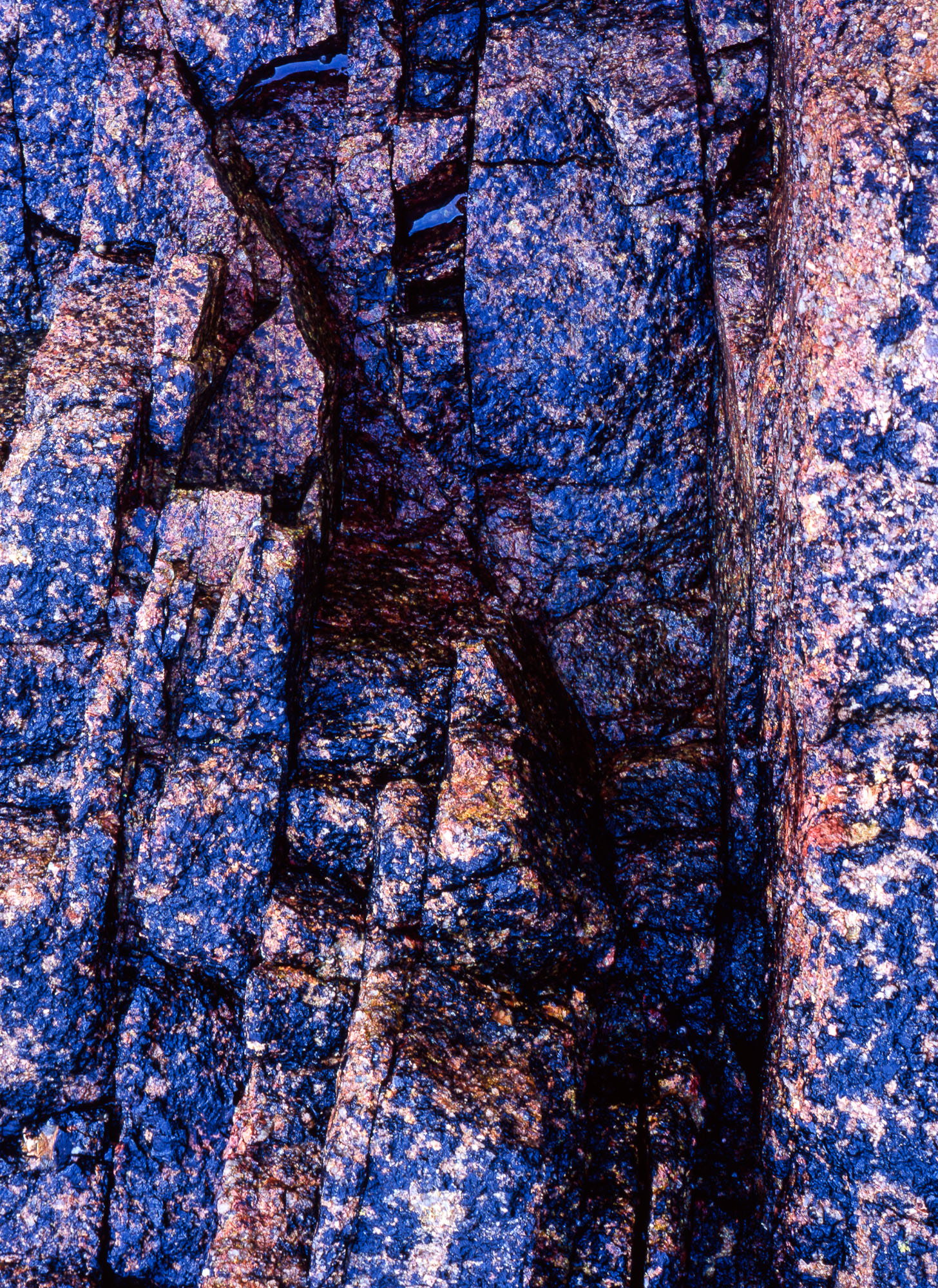
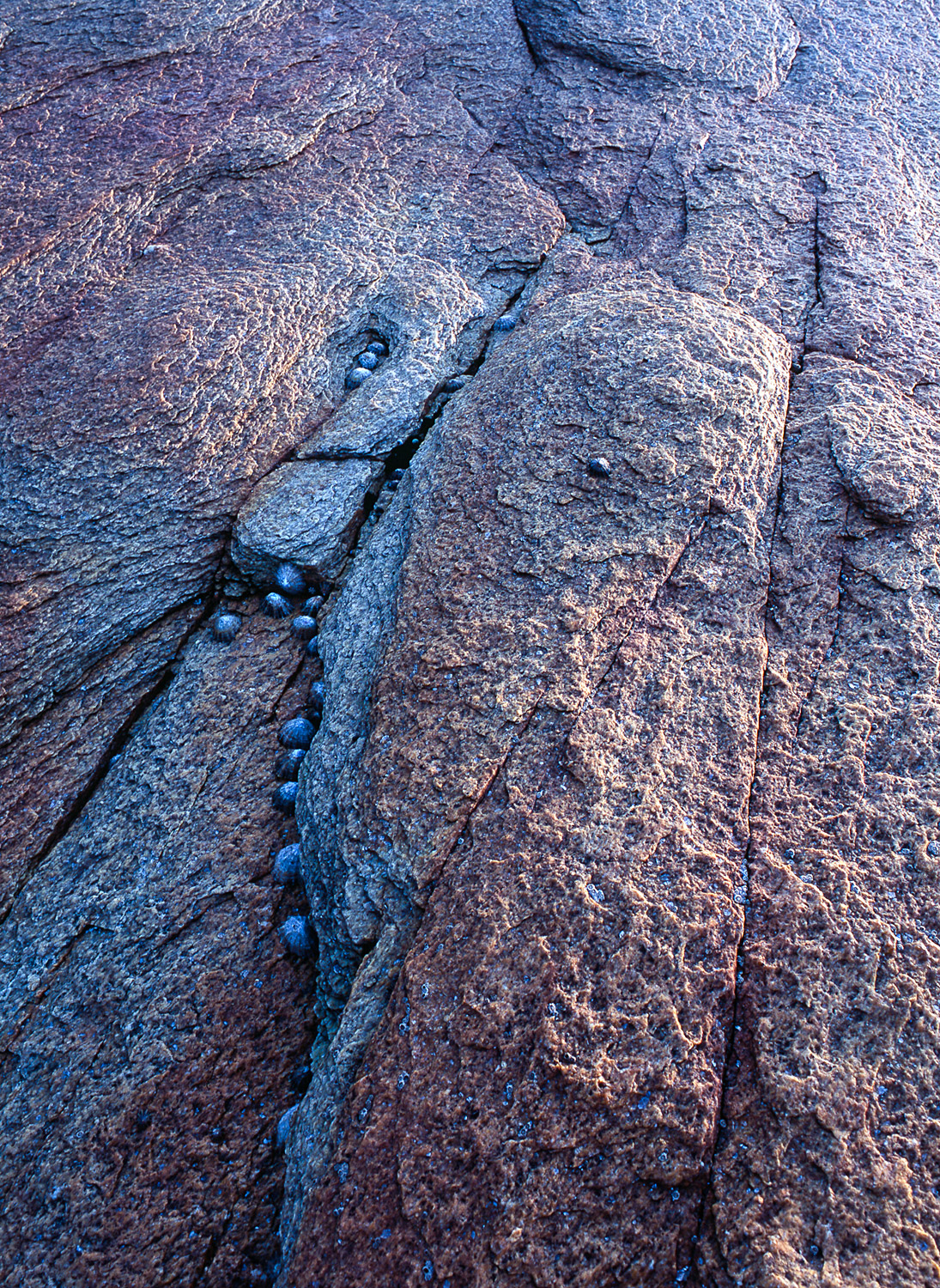
Blue rinse: the rising sun had just reached this sloping patch of wet rock creating wonderful shapes and colour contrasts
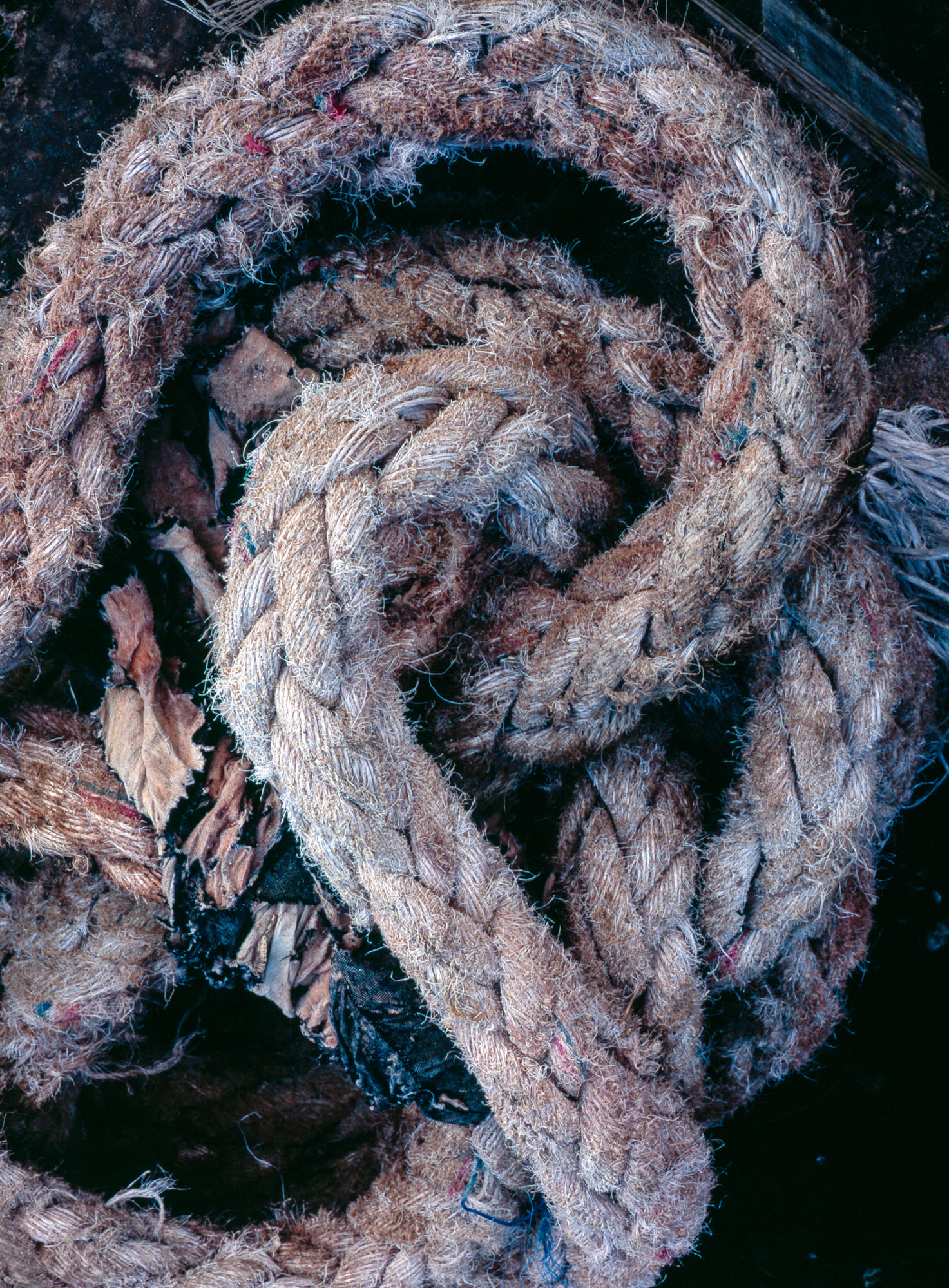
Got knotted: I had to work quickly as the hazy afternoon sun was about to disappear behind a hill. The colours help to add character, almost personality, to the worn old hemp. I like it, yet I still ask myself: a photo taken or an image made?
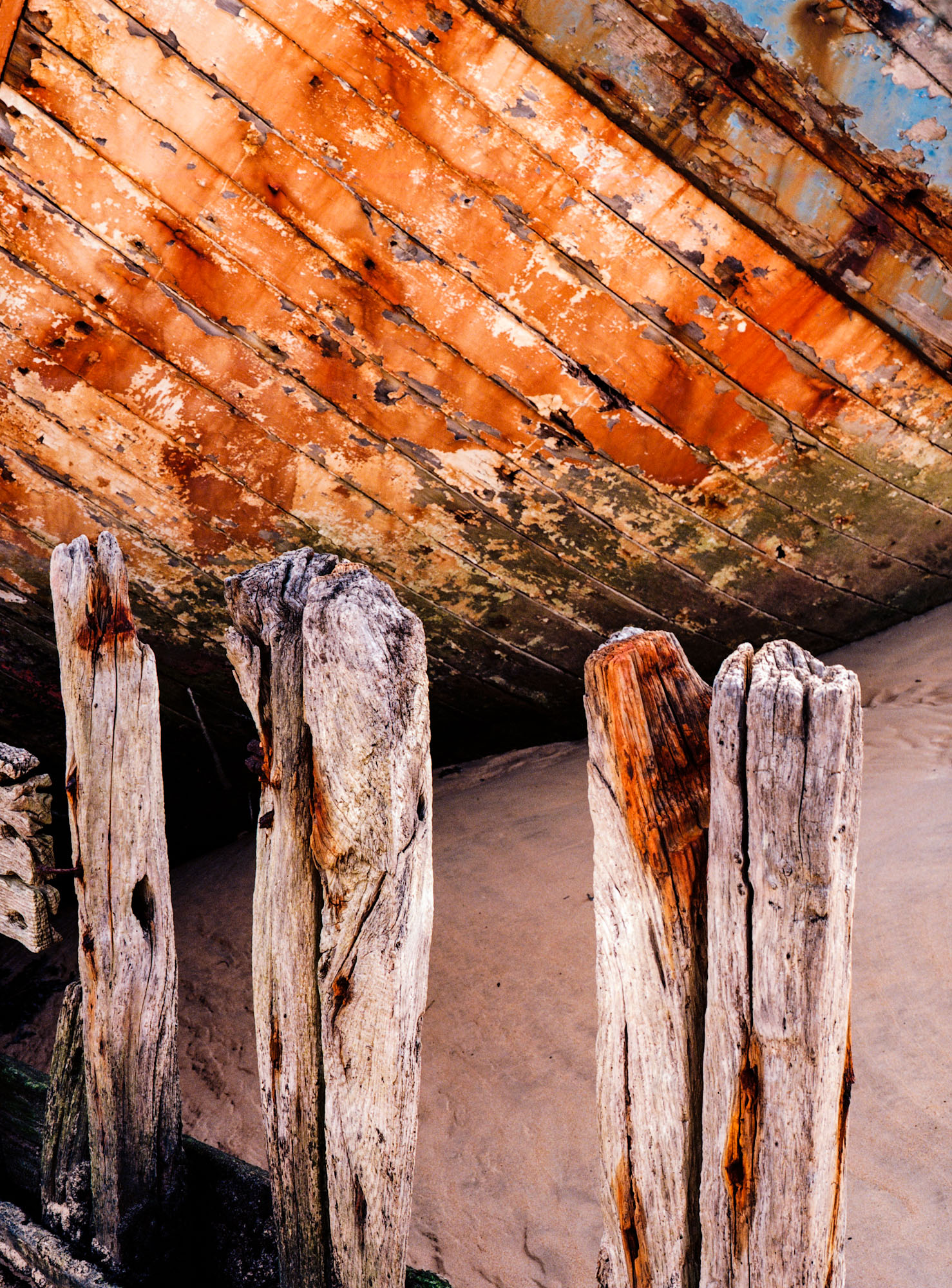
A-peeling angle. Brittany has several locations with old beached boats; this one is at Magouër. The shot was particularly difficult to set-up, showing the ribs of one boat that was almost buried in the sand, with the other newer boat at a crazy angle in the background.
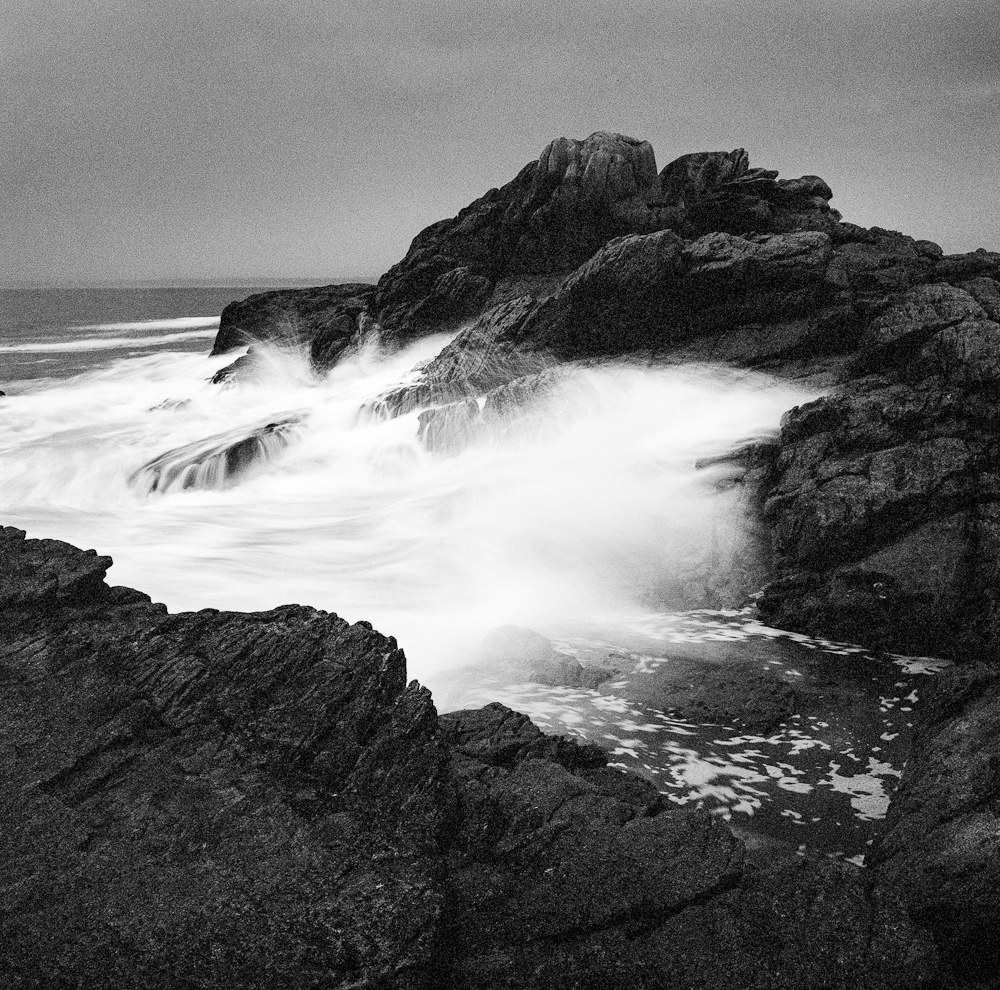
Stormy weather: On the Wednesday evening it rained. Not hard, but enough to dampen the spirits. With my ageing Rolleicord and 400 ASA B&W film, I found three compositions in the gloomy fading light, one of this particularly enthusiastic wave that had me running for higher ground!
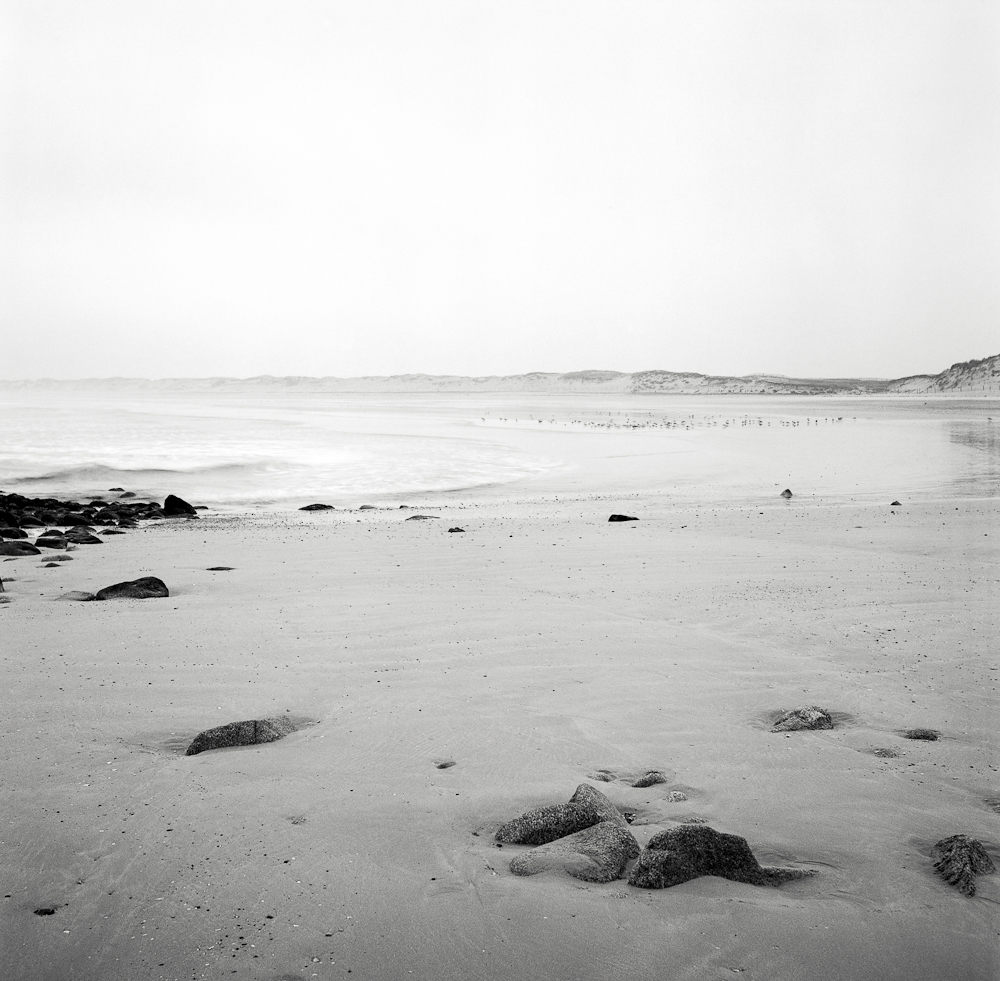
Play Misty: Thursday dawned dark with a brooding mist. Despite the gloom and an over-friendly dog (horrific visions of prominent paw marks all over pristine sand) we each found our own subjects and separated to get to work. I used the Rollei again to set-up a minimalist composition which included some gulls on the wet sand in the middle distance.
Golden hour. These rocks looked good in gentle light at sunrise: I was attracted to the reflected light and colours on the shady side but never saw that the water drops caught the rising sun - an added bonus!
In the shade: with a bright blue sky above, the wet rock was full of contrasting colour and I was fortunate to find these geometric patterns. Delicate footwork (mine and the tripod) was required on the slippery rock to get the composition as I wanted it.
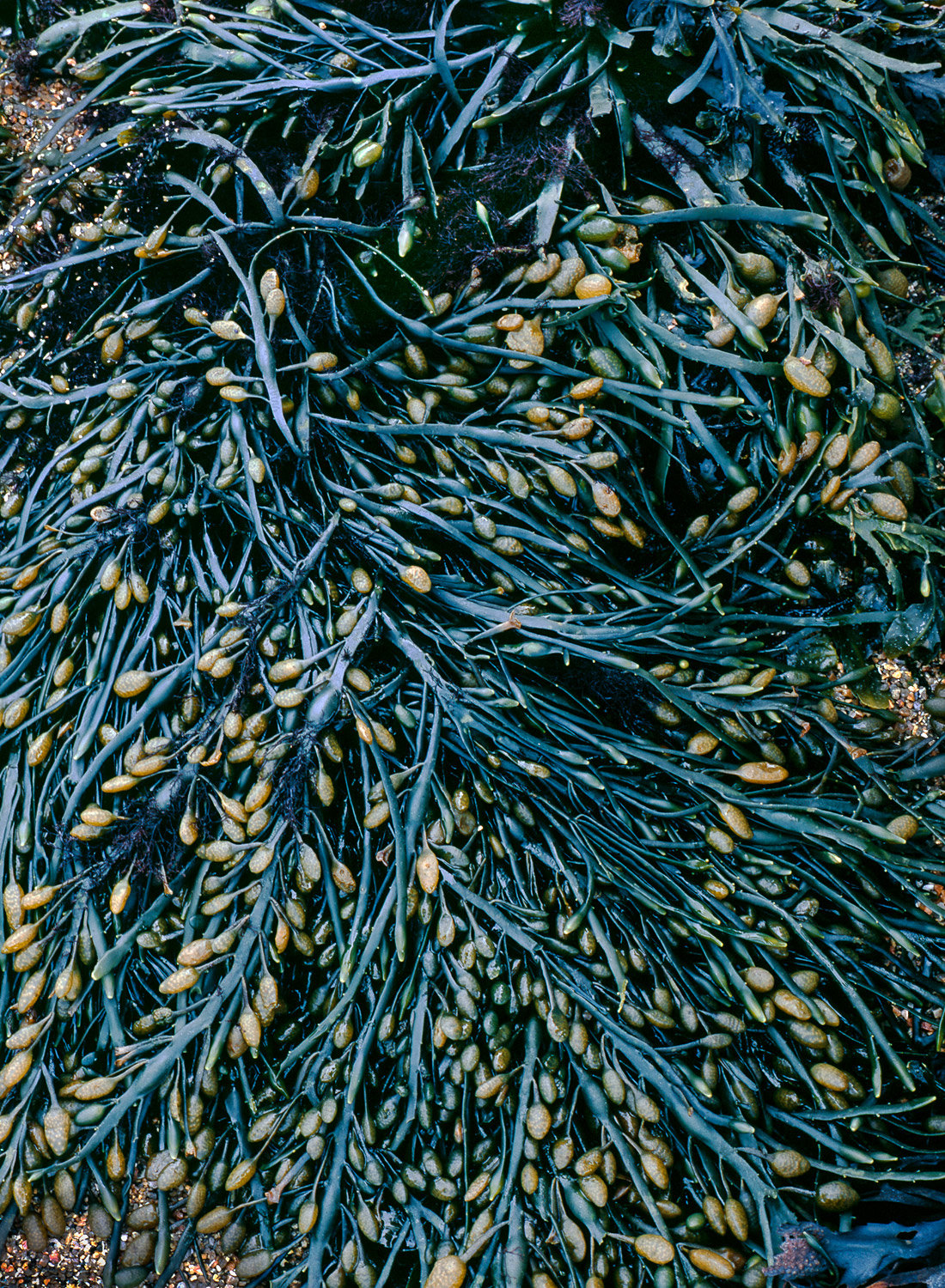
See: weed. I had to use a sunshade here against the strong hazy sun. Velvia emphasised the blue from the sky above and the green fronds have turned a dark cyan. But here again, is this a photo taken? Perhaps because I chose this angle to show the “flow” in the fronds (with Paul’s help) and decided on my own framing, I think this really is an image made.
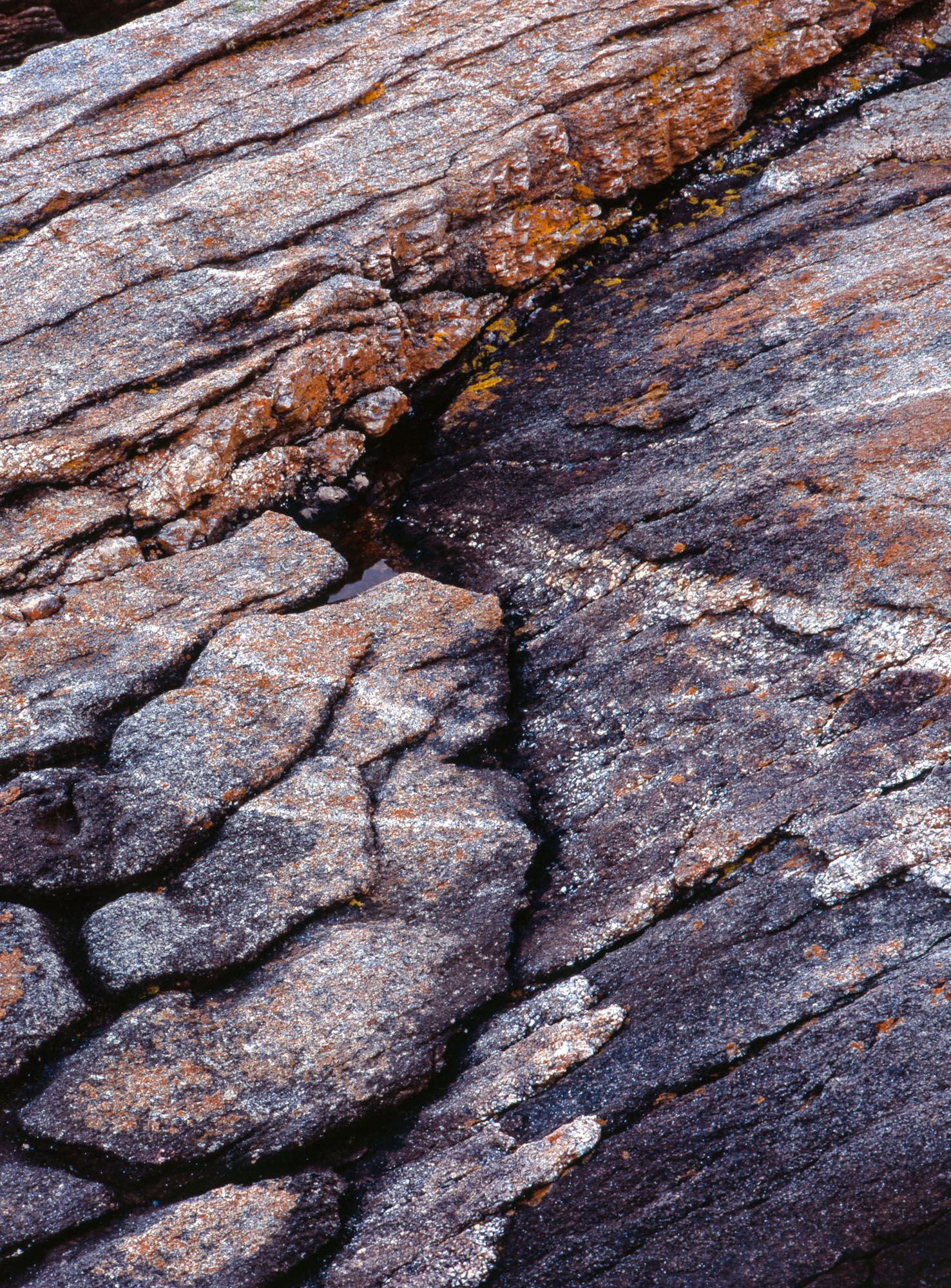
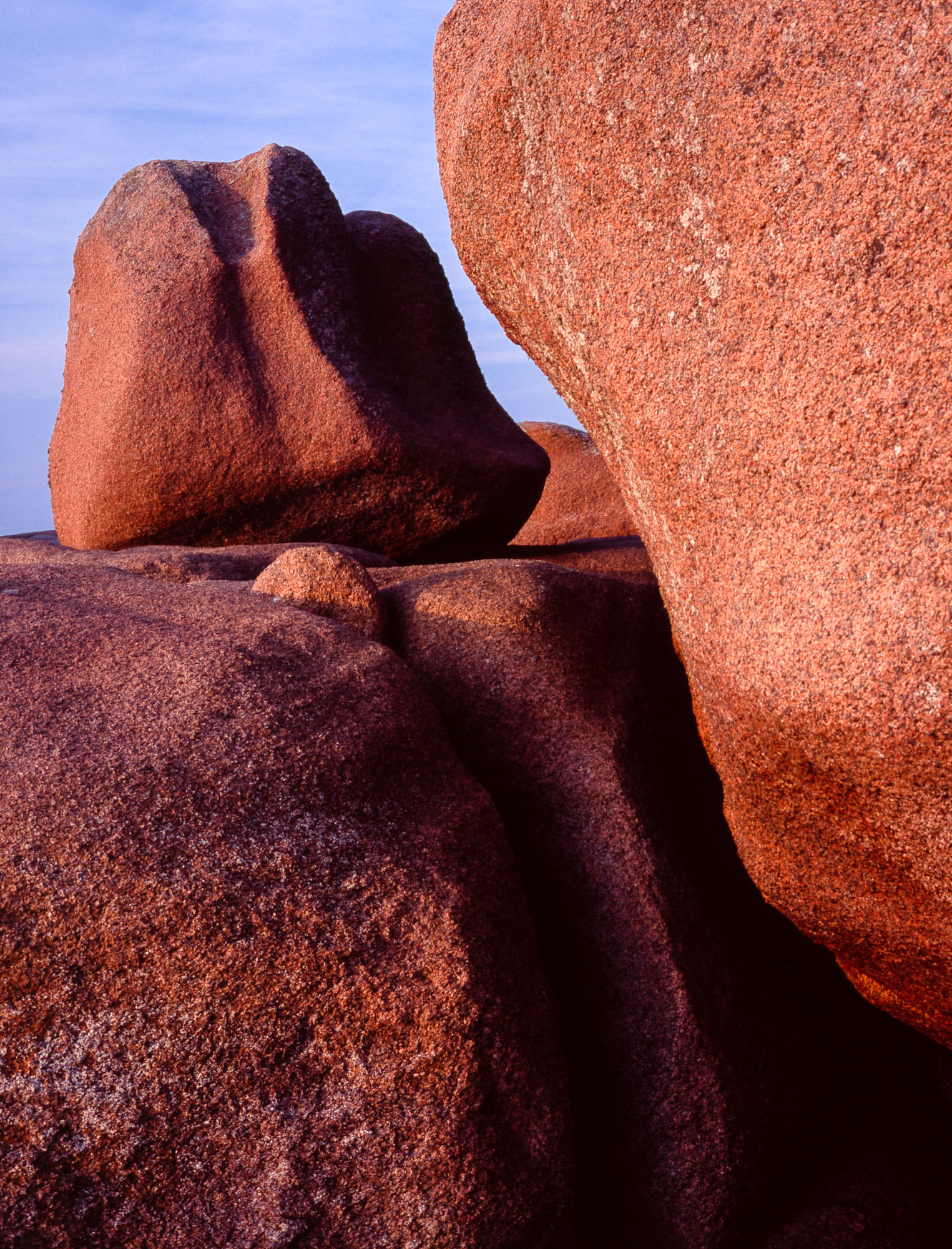
In the groove. The full-on sunset never materialised as the sun dissolved into a cloud bank, a problem that plagued me two years ago. Nevertheless, what I though was subtle lighting came out very colourful and brought out the pinks and oranges in the granite.
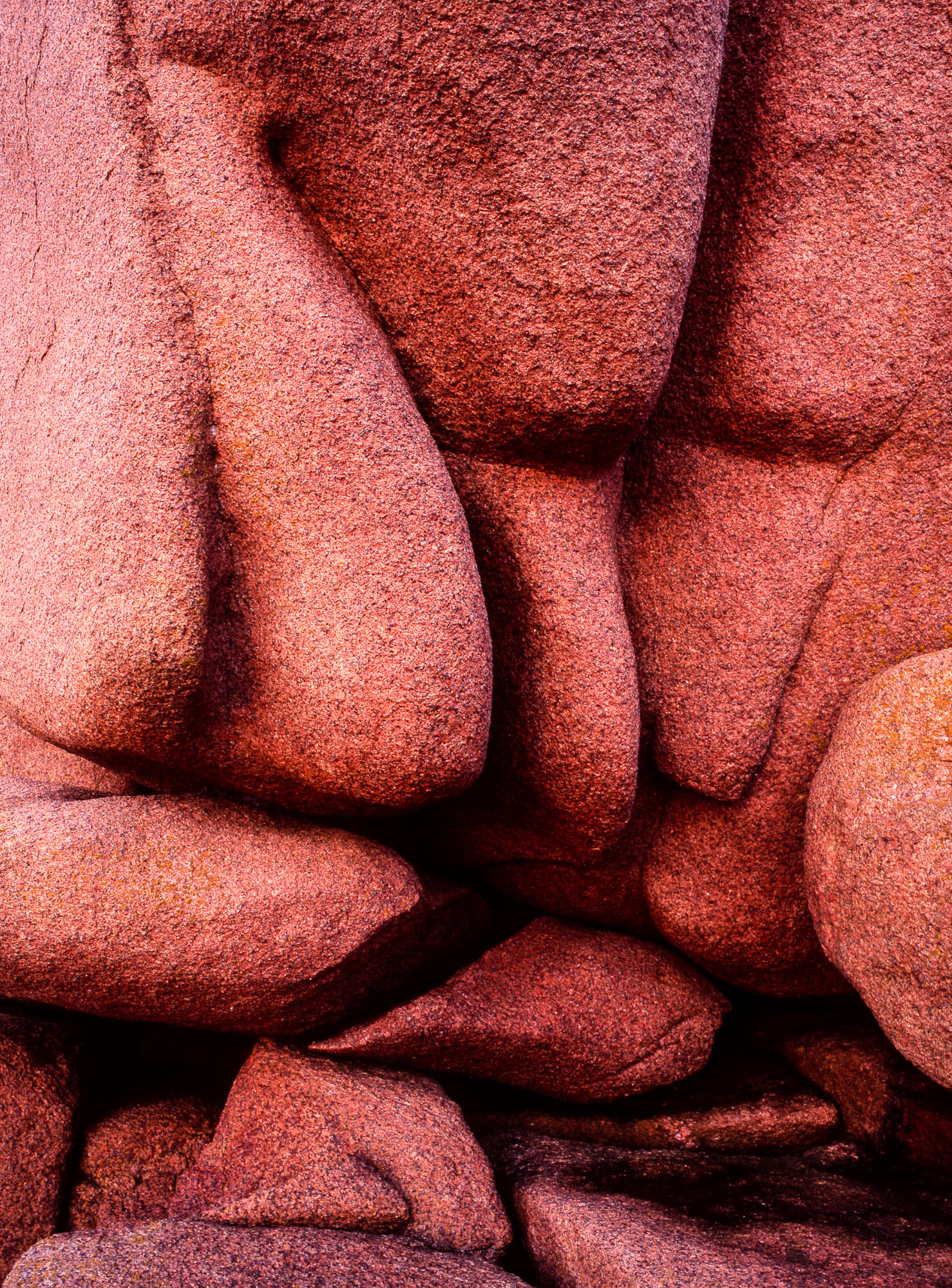
In the pink: The dawn light was just right for this wonderful rock formation right at the edge of the water. Meter the subject, point the camera and shoot: it was an easy one to take. So is this just a snapshot or have I shown why this eroded mass took my fancy?
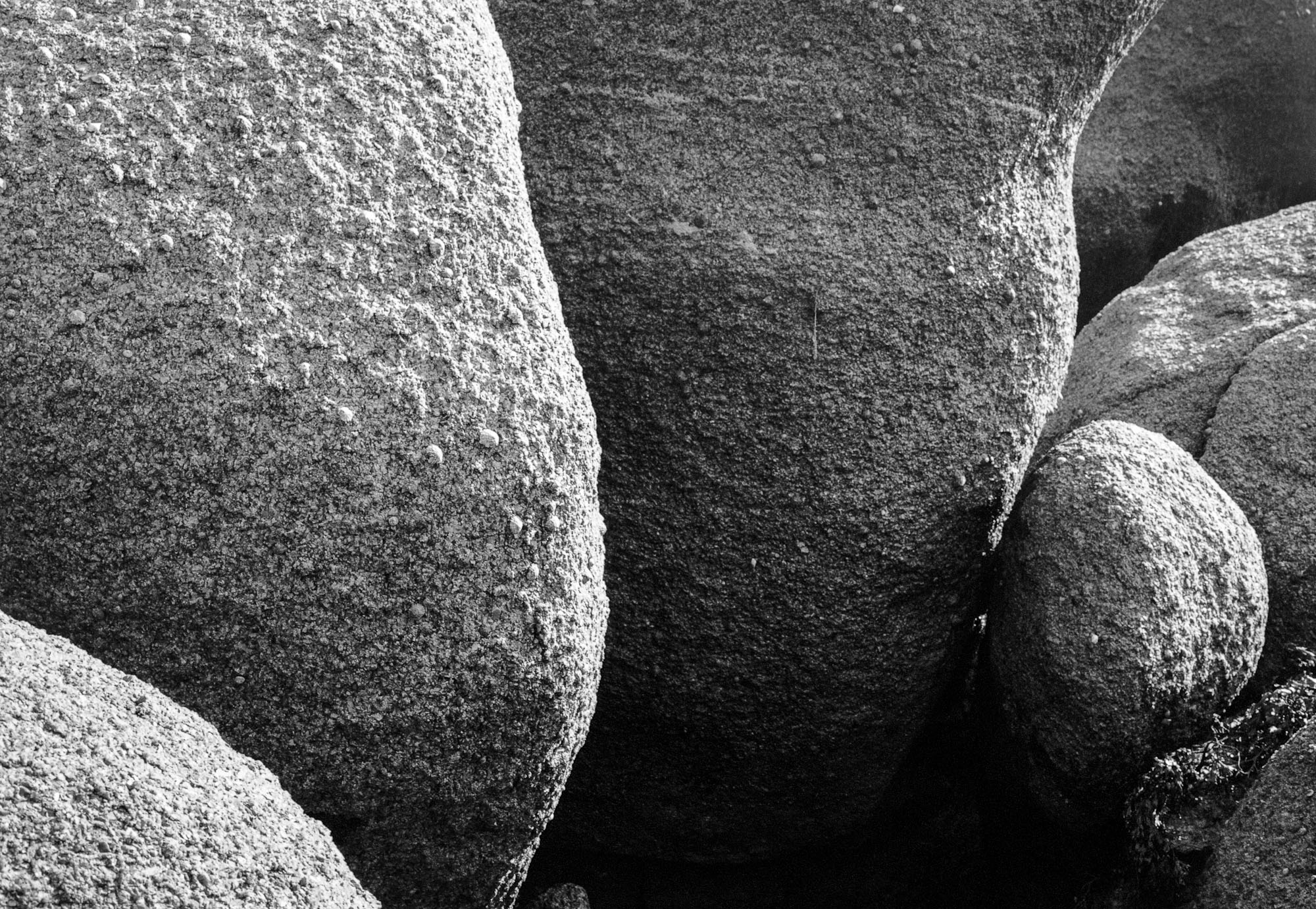
Boulders: not so easy to compose requiring careful choice of lens, depth of field and viewpoint. I preferred monochrome here as the light was too strong to do justice to the colours.
Shell shocked: I spotted this early after sunrise, but ignored it. Maybe the light was too flat, or I thought I saw something better close by. But when later the light was just glancing off the top I decided to have a go. It was difficult to compose, I was at the limits of depth of field, and almost gave up. But with Nigel’s help this image came about. I was uncertain about it at first, but it’s grown on me over the weeks.
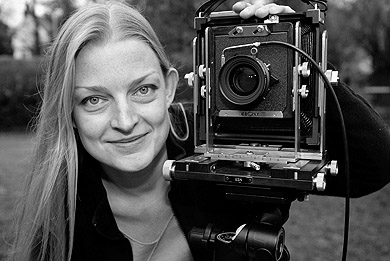
Quite often, the serious landscape photographer, particularly the large format variety, is thought of as a typically male profession - however, when we do see many women picking up a camera they quite often show just what the men should have been doing all along. Mel Foster is very good example of someone who stepped into her photography with an almost perfectly formed style from day one (especially with her large format output). She is also another example of the musical photographer, I'll let her tell you more about that.
In most photographers lives there are 'epiphanic’ moments where things become clear, or new directions are formed. What were your two main moments and how did they change your photography?
For many years I pursued photography as a hobby, which gathered momentum quietly over the years. A major turning point for me was a 5 week photographic trip with my husband around several National Parks and Wilderness Areas in America. We witnessed many amazing places, and for the first time I was up for dawn and out for sunset pretty much every day in a row, with good ol’ Jeremy by my side! A lot of slide film later, and a big overdraft to boot, I had the most incredible memories and some images that I was really pleased with. I was definitely hooked. But what next?
On our travels we also spent time visiting book shops and galleries when the sun was too bright to make images. We saw work by Michael Fatali, Tom Till and David Muench but to name a few. I bought books by Dykinga, Linde Waidehofer and anything else of interest that came to hand. There were a few images that really took my breath away, and as I’d found previously, more often than not they seemed to be taken with large format cameras. Was there anything in this? I had wondered for some time about whether I was just hankering after the wooden box, or whether there was something in the nature of the way it worked that made these images so appealing to me.
A while later I came across an advert for Light & Land and a particular course they offered exclusively for large format cameras lead by Joe Cornish and David Ward. It seemed I could go and try out a camera on a 4 day course and see if the niggling idea that was burning a hole in my brain was actually worth pursuing. Needless to say it confirmed my suspicions, and my passion for photography hit a new high. It felt like the ideas and images I’d been wanting and trying to make for a while could come to fruition at last. Now the corner had been turned there was no looking back... (More about LF impact on my photography in later camera question.)
Tell me about why you love landscape photography? A little background on what your first passions were, what you studied and what job you ended up doing
I had an amazing childhood - I remember lots of playing outside, building camps (igloos in the years with lots of snow) and watching the garden birds from my bedroom window. (My brother and I even had a little Pentax compact each for Christmas one year.) My parents were always making things with us, whether it was a way to entertain us or as part of a school project, they both took lots of time to be creative with us. I never really thought much about how this might have sown some artistic seeds, as I didn’t even do art gcse - didn’t really think I was much good at drawing or painting. Besides, I got into music from an early age - and the clarinet lessons took over from messing around with a recorder at about the age of 9. It didn’t really start to get serious until my early teens when I went on my first NYWO (National Youth Wind Orchestra) course. I had already been enjoying the local music centre groups, but the level of playing on the course was so much better, and some of the older students were already at music college. It was inspiring to have a peek into a world where you rehearsed for few days and then did several concerts at this level, and I began to imagine myself as a musician...So obviously I ended up studying Spanish!?
When faced with a year abroad as part of my Spanish Degree my parents bought me an SLR. I enjoyed photography, but still really from a documentary stance - I wanted to be able to show friends and family back home what I’d seen on my travels. As the initial pictures came back, I was quite pleased with the results, and slowly the photography became the reason for making the images rather than the other way around. I travelled every month to Madrid for clarinet lessons, and visited the art galleries and exhibitions as I also had done back in London with my friends at music college. As the end of the course drew near I started (!) to think carefully about how I might actually make a living after University, and realised that if at all possible, I really wanted to be a musician. With the backing of my already bankrupt parents I auditioned for music college and got a place. Whilst studying music I met my now husband, who is also largely responsible for reawakening my love of the outdoors with trips to the Lake District and later on for agreeing to a 5 week photographic trip to the USA traveling around lots of National Parks and Wilderness Areas when my photography ‘hobby’ started to reach new obsession levels the year before I finally made the move up to large format...
I’m working now as a freelance musician, peripatetic music teacher and photographer - although the photography only forms a small part of my earnings. Being self-employed I don’t really see any boundaries between my musical and photographic endeavours, as they are all a fully integrated part of what I do (and who I am). So much that I ‘do’ (music practice, investigate new music/art, photograph the landscape) isn’t paid by the hour (or even paid at all!). Maybe that makes it easier to combine both my passions. I’m sure anyone who’s self-employed finds themselves in a similar state of evolution and development of ideas and skills.
I love landscape photography because it’s a way I can express my love of nature and the world around us. I find myself absorbed with a child-like fascination taking in the scene around me, exploring the possibilities and enjoying the discovery of details or elements from which an image might evolve. I find this voyage of discovery and the exploratory nature of making images stimulating and very addictive. I love the way that being a photographer encourages me to really see, and appreciate the detail in even the most common place or everyday situations - sometimes to the point where through the process of making an image I can transform it into something of beauty.
Does your music inform your photography in any way?
Even if they don’t directly inform one another, there is a lot that goes hand in hand. As with most things you usually start by learning a set of skills. I think working as a musician will have given me an important grounding in a type of unspoken coordination between technical skills and self expression that could be quite advantageous. Both music and photography are crafts which concentrate on a type of expression that is non-verbal, and when they are at their best are full of nuance, variation and character. Although they can both be broken down into simple underlying structures and shapes, these are not the essence of their art. In the same way that music and photography have fundamentals of technique and composition, neither amount to much without individual expression, interpretation and vision. I am often reminded of certain pieces of music, or indeed listening to music whilst out in the landscape making images, but more from a perspective of enjoying both my passions rather than one informing the other.
You’ve just started a family too (congratulations!) do you have plans for sherpa training in the near future? More seriously, will the whole family be coming out on photography trips?
An extra sherpa would be very useful, although in reality the current sherpa will be more heavily laden! I'd hope that the family would join me on most photography excursions - highly likely as Jeremy is just as keen on being outdoors and we both want our daughter to grow up with the same appreciation of the world around her that we have. I've read with interest some articles by Niall Benvie on not only combining family life and photography, but also our duty as parents to ensure our children connect with nature. 'Rewilding Childhood' is also a topic of concern for the National Trust, as besides the health reasons for being active and enjoying some fresh air, a proper connection with nature is of paramount importance - why would future generations want to work hard to safeguard something they don't relate to?
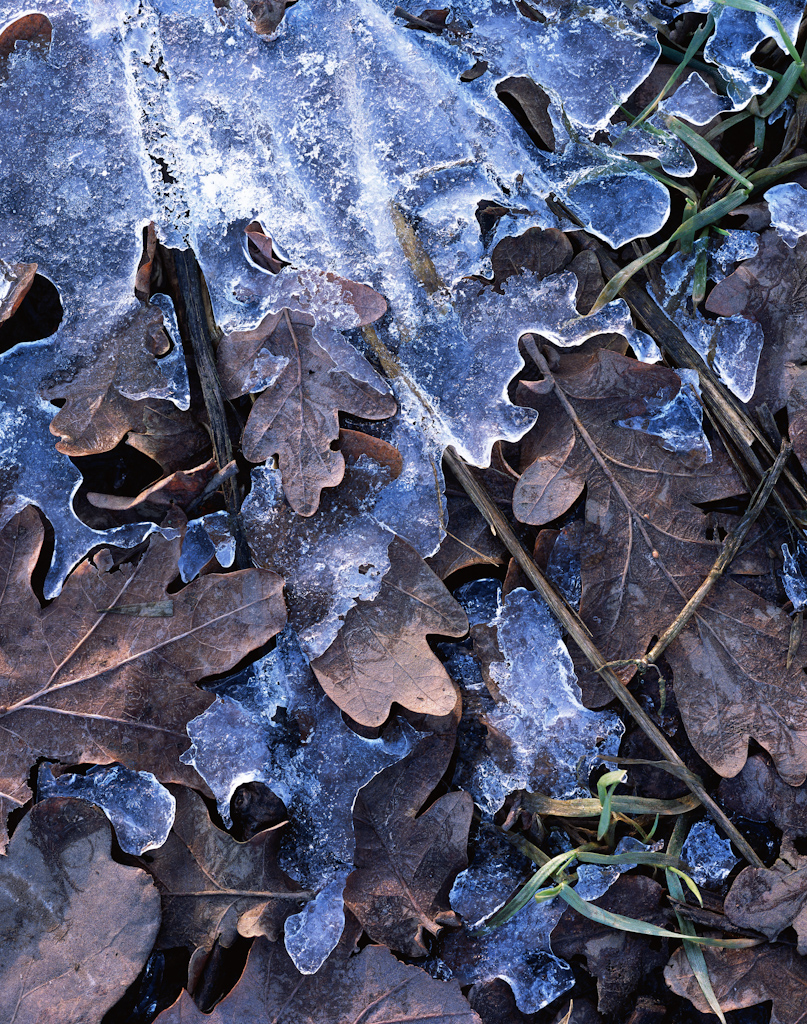
Having a young (10 weeks old!) family will also push me to make more of my immediate surroundings from a practical point of view - rather than always looking to go further afield. The image Ice & Oak Leaves is a good example of how you can make an image on your doorstep!
There seems to be a surfeit of men ‘into’ landscape photography; Why do you think that is?
Hard to say. I don't think it's due to a lack of interest or artistic ability. I guess photography might initially be more appealing to gadget fans - there does seem to be more importance placed on what you use over the results sometimes. I can only speak for myself, but I'm certainly not as bothered with lots of things unless I can see how they effect the image. I do like to know how things work, but I'm maybe too focused on making the image over everything else. I love my new iPad - but that's because it's beautifully designed and the 'workings' aren't so relevant to the user - unless it's to submit a file to be viewed on one, I don't feel the need to find out how many pixels the screen has! Maybe the women that are into landscape are happy purely doing it for themselves, and combined with a generalised lack of interest in computers, how would we ever know about them? It has occurred to me trying to think of an answer to this question how sometimes a website is the only means of viewing someone's work (and that's a big wake up call to update mine, after the best part of 2 years without an update - pretty disgraceful). I do also think that unless you've had the time and space to pursue a passion like landscape photography beforehand, it would be very difficult to start to do so whilst bringing up a family, especially if the partner is in a 'normal' full time job and not around to help with family life.
Could you tell us a little about the cameras and lenses you typically take on a trip and how they affect your photography.
All the images on my website and shown here were taken on an Ebony large format camera with either a 90mm, 120mm, or 150mm lens. (I'd love a Nikkor 270T if any turn up secondhand - the bellows on the camera don't extend enough for longer lenses.) I also use a Lumix LX3 which I really enjoy, as both a digital notebook for the 'High Impact' camera (as my friends have nicknamed it) and to experiment with in its own right. Using large format has definitely changed the way I work. Firstly you have to slow down and go through the visual process of searching for the image without the camera stuck to your face! I love how this makes me interact more with my surroundings. Once the camera is out and I'm under the dark cloth the isolation it provides from the surroundings help to me focus solely on the image, and the further abstraction of it being upside down on the ground glass screen helps balance composition and colour. Having used this exclusively for several years, the Lumix has added more flexibility and freedom which I'm also enjoying.
What sort of post processing do you undertake on your pictures? Give me an idea of your workflow..
As they're mostly transparencies, it's mostly a case of scanning and doing a small amount of remedial work in photoshop so that the scan resemble the transparency again, or what I'd envisaged the image should look like when printed. I often rely on David Whistance's expertise in this area.
Do you get many of your pictures printed and, if at all, where/how do you get them printed?
I think it's really important to take images beyond the transparency or digital file. So much is virtual today, and I'm one of those old fashioned people who needs tangible things to hold. I still love looking at transparencies on a light box, but do also enjoy the further transformation to a print. I employ the expertise of David Whistance (who I very highly recommend) to print my images - especially if they are for my portfolio, exhibitions or for clients.
Tell me about the photographers that inspire you most. What books stimulated your interest in photography and who drove you forward, directly or indirectly, as you developed?
I'll try and be brief! Early on I loved Adams, Muench, Weston, Fatali, Dykinga - all the usual suspects. I came across the work of Burkett in the gallery in Yosemite, Waidhofer in Arches, and enjoyed reading the writings of Galen Rowell - the first insight into some of the thought processes of the 'The Inner Game of Landscape Photography'. Since then books or exhibitions by Kertesz, Kenna, Porter, Wakefield, Dombrovski (Simply), Bell (Primal Places), Norfolk, Töve (Speglingar is my current reading material), Cornish (First Light, Scotlands Coast, Scotlands Mountains and A Photographer at Work) and Ward (Landscape Within, Landscape Beyond) have all had an impact. I can't really thank Joe Cornish and David Ward enough for the incredible inspiration and guidance they've been generous enough to give to me both on the fateful first large format course in Whitby and over the subsequent years. There's no doubt in my mind that I wouldn't have got to this point without them and I'm very grateful for the catalytic effect they had on my development and new levels of photography addiction! I've also learnt a tremendous amount from Eddie Ephraums and loved exploring new ways to think of making images and presenting them.
Tell me what your favourite two or three photographs are and a little bit about them.
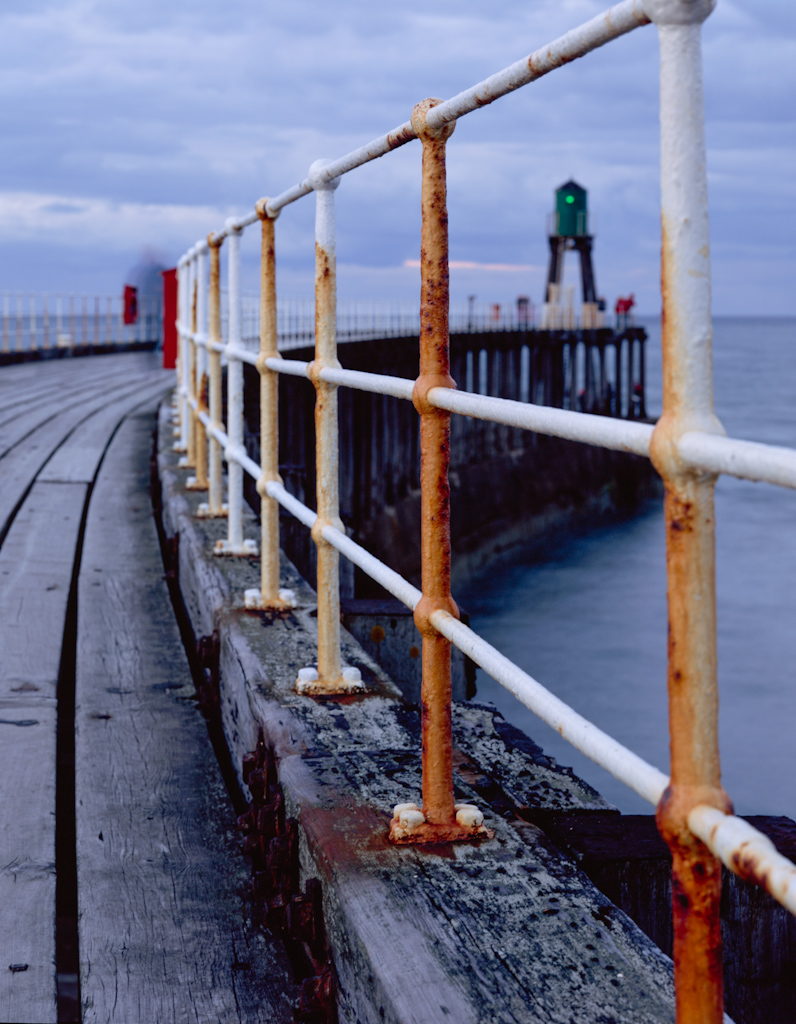
Whitby Pier Railings has to be in this selection, even if just from a sentimental point of view as my first experience of large format. I still enjoy the composition and mood of this image even now.
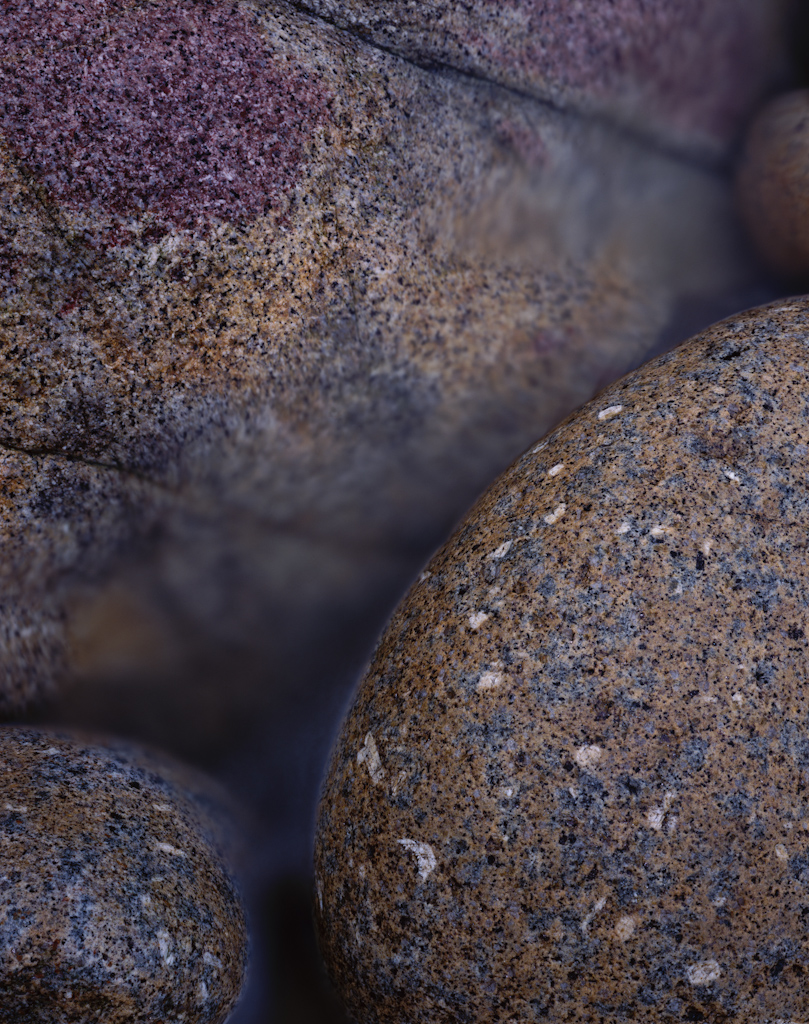
Nanven Curves - Often "Keep it simple, stupid!" rings in my head (thanks David!), although jesting aside, it's a serious and valuable point. I think it's the simplicity of this image that I love, and I'm still surprised that despite how little is in it, I don't seem to tire of it.
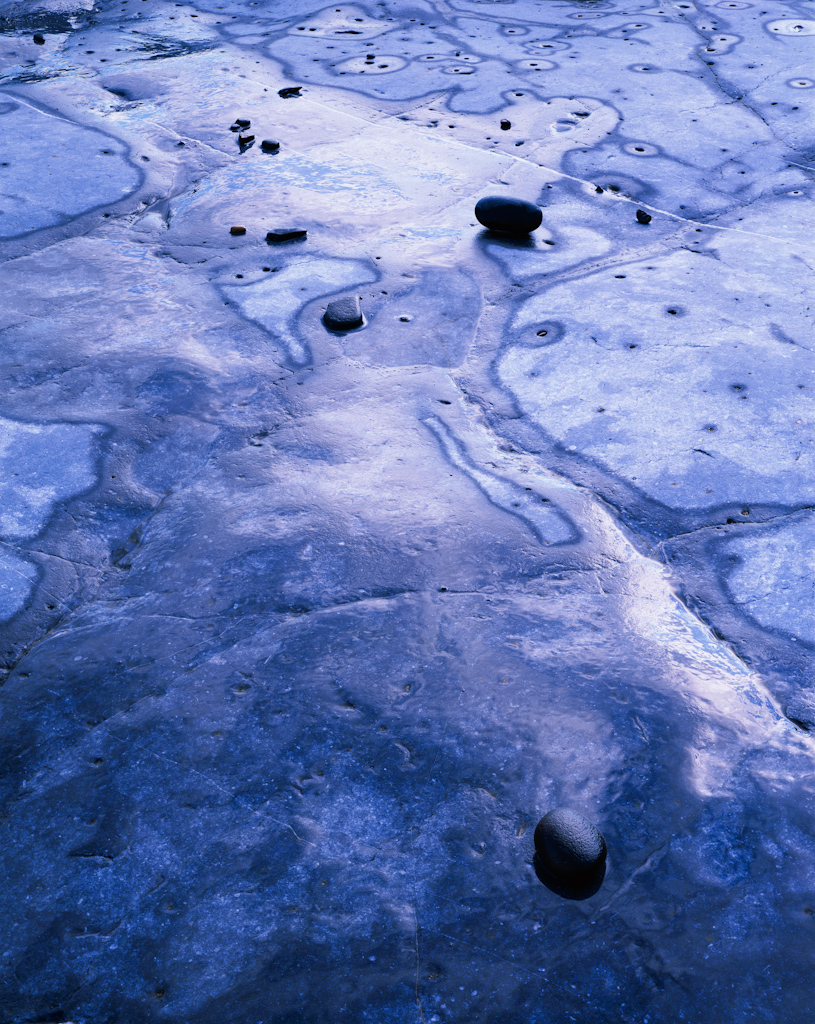
Northumberland Reflections - I like how the reflected sky in the water resembles a spilt ink pot. This was one of those times where the composition was instinctively seen and seemed to just make sense.
If you were told you couldn’t do anything art, photography or music related for a week, what would you end up doing? (i.e. Do you have a hobby other than photography..)
If art includes book binding, box making and rubber stamps, then I guess if at home I could get stuck into some fine food and wine, or go on holiday with Jeremy and Daisy without a camera (what not even for family photos!?).
What sorts of things do you think might challenge you in the future or do you have any photographs or styles that you want to investigate? Where do you see your photography going in terms of subject and style?
I've been revisiting some photographers work that I haven't looked a for a while, as I've noticed over the years that as my own style develops my reaction or appreciation of others work has also changed. Here are few images that spring to mind that especially intrigue me. I love 'Martinique' by André Kertesz - its mystery, beauty, simplicity and balance produce a dreamlike quality. 'Untitled (from the series 'The Loft From Inside In' by W Eugene Smith has lovely echoes of shape between the guitarist and the double bass because the photographer has chosen to only include part of them on opposite sides of the frame. There are images by Paul Wakefield that I know I wouldn't previously have 'understood' and now I find they're my favourites. They've been partly responsible for me making more sculptural images and with the others I mentioned previously, also thinking more about negative space and selective inclusion or exclusion. I'm also trying to make slightly more experimental images and push myself out of my comfort zone. These last couple of years I've also been working more on others ways of presenting my images, including handmade books and clamshell boxes. Watch this space!
Who do you think we should feature as our next photographer?
Nigel Halliwell and Anna Booth in no particular order!
Many thanks to Melanie Foster for her comments - you can find out more about her at http://www.melaniefoster.co.uk/ but we have have to privilege of showing many images here that have not been seen before or at a larger size for your greater appreciation.
If, like me, you spend time on photo-sharing websites, both sharing your own work and viewing what others are getting up to, you will doubtless be aware of the dangers of getting too comfortable - complacent, even. Once you get to a level of ability where you can reliably produce images which receive lots of positive comments from your peer group, there is a strong temptation to simply carry on feeding your audience what it is you think they want. We all like a bit of praise, of course, but too much can actually be a hindrance to developing as a photographer since it's usually criticism, not praise, that spurs us on to greater heights. Unmitigated praise, as enjoyable to soak in as a hot bath, can often act as a brake on creativity, offering us a warm and welcoming comfort-zone that can become increasingly difficult to leave. And leave it we must, if we are to improve - especially if personal expression is the goal.
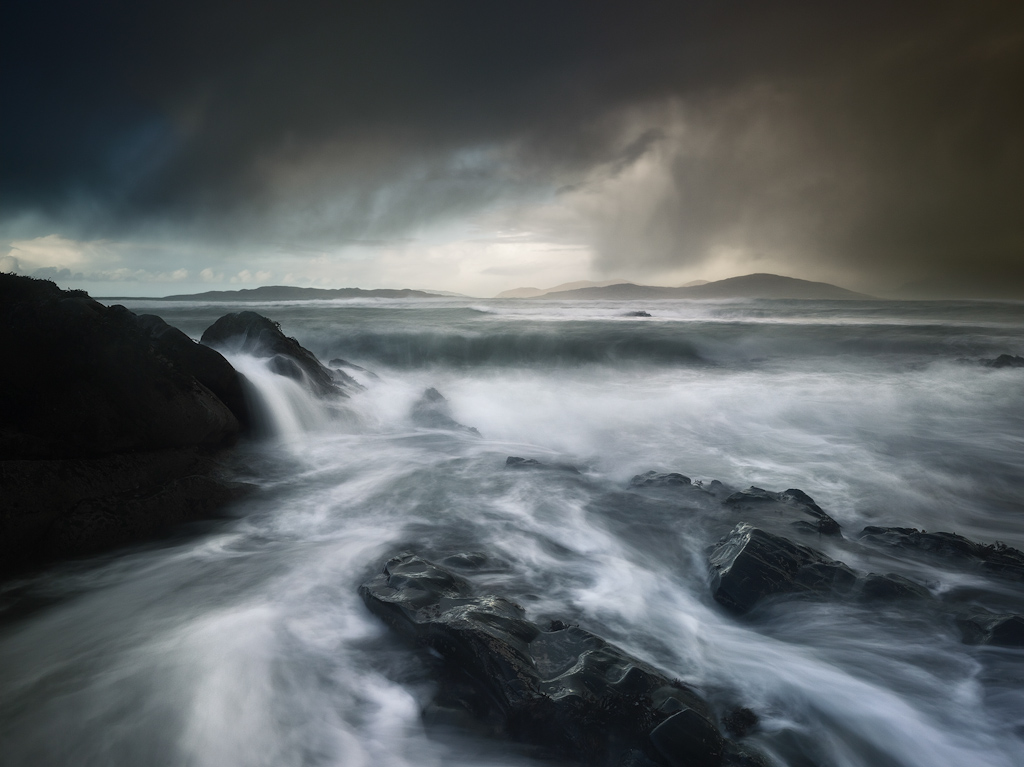
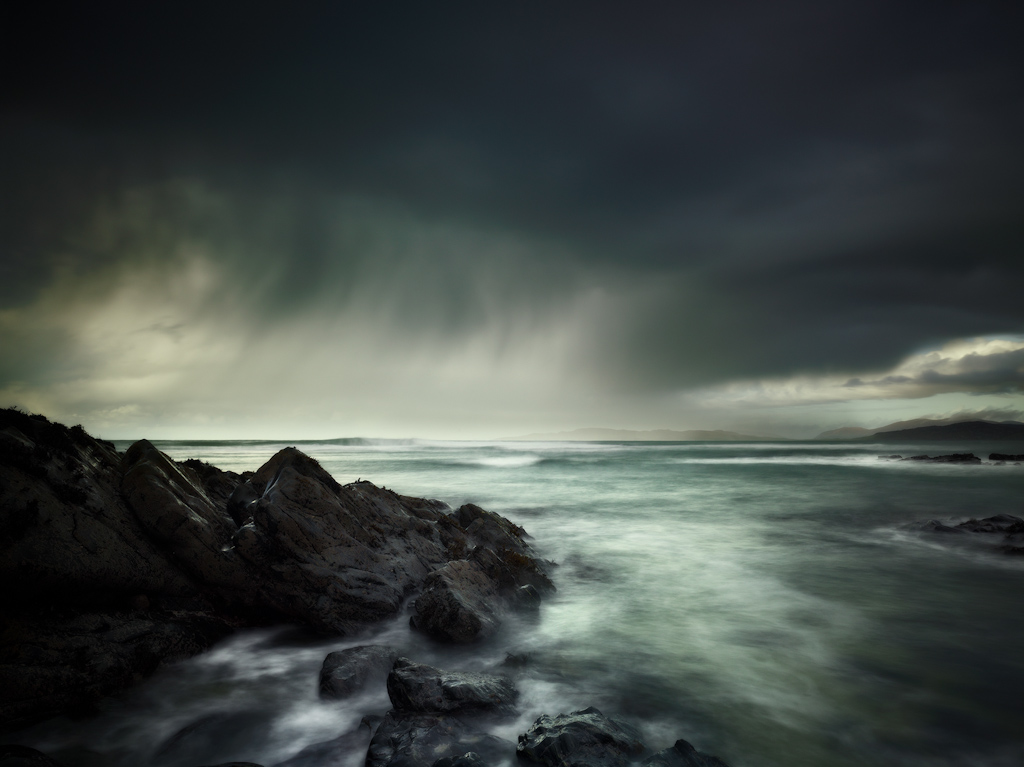
This issue we ventured out to an exhibition in the 1066 gallery in Baldock nr Hitchin where Julian Calverley has been exhibiting his photographs of Scotland under the title Northwest Beginnings. We had a chance to record a conversation with Julian and to ask him about his work and he also talked us through the images on show.
Our last article on depth of field took an overview of all of the ‘techniques’. This article is the first one to look into depth of field in depth but don’t worry, we’ll also break out now and again to give you some simple ideas for use in the field.
The first thing to cover is “What is depth of field?”. A lot of people have the assumption that everything in the “depth of field” is sharp and everything outside it is blurry. Nothing could be further from the truth. In reality we only have less blurry and more blurry, only occasionally do we reach truly sharp. Depth of field is all about working out what ‘acceptably blurry’ is.
Circle of Confusion (or 'Amount of Blur')
To understand this we need to take a look at what blur is. If you look at the following diagram, which is based on taking a photograph of a star in the night sky, you can see that light rays converge on a point, either side of that point.