David Hockney and the Yorkshire Wolds

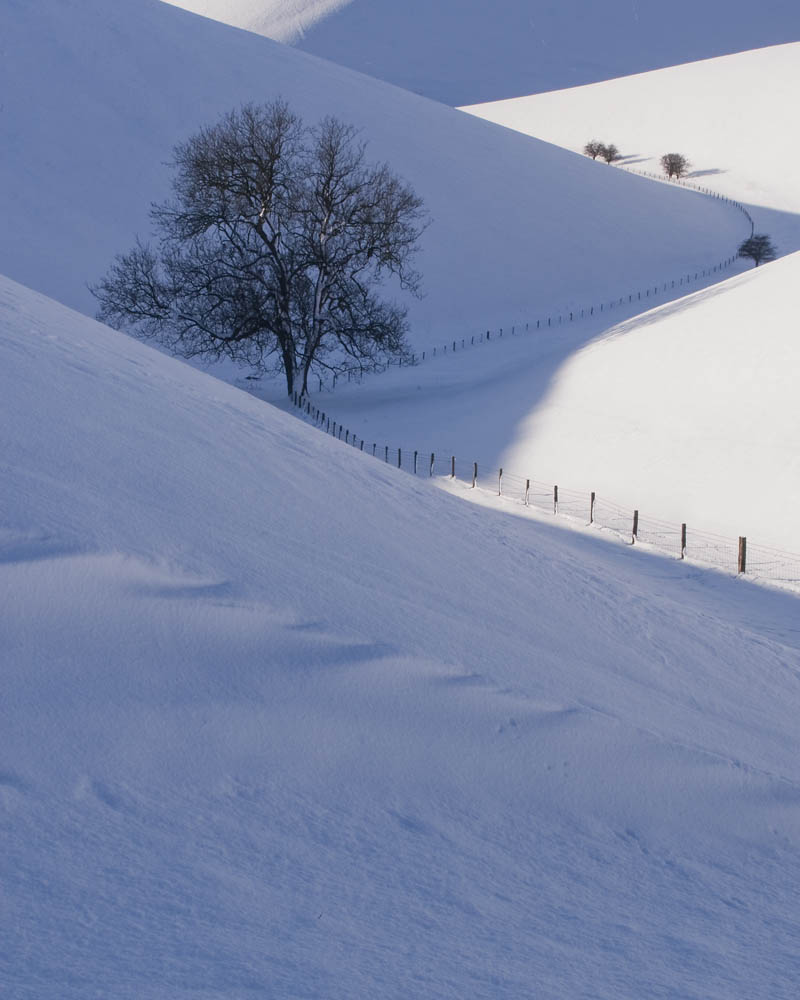
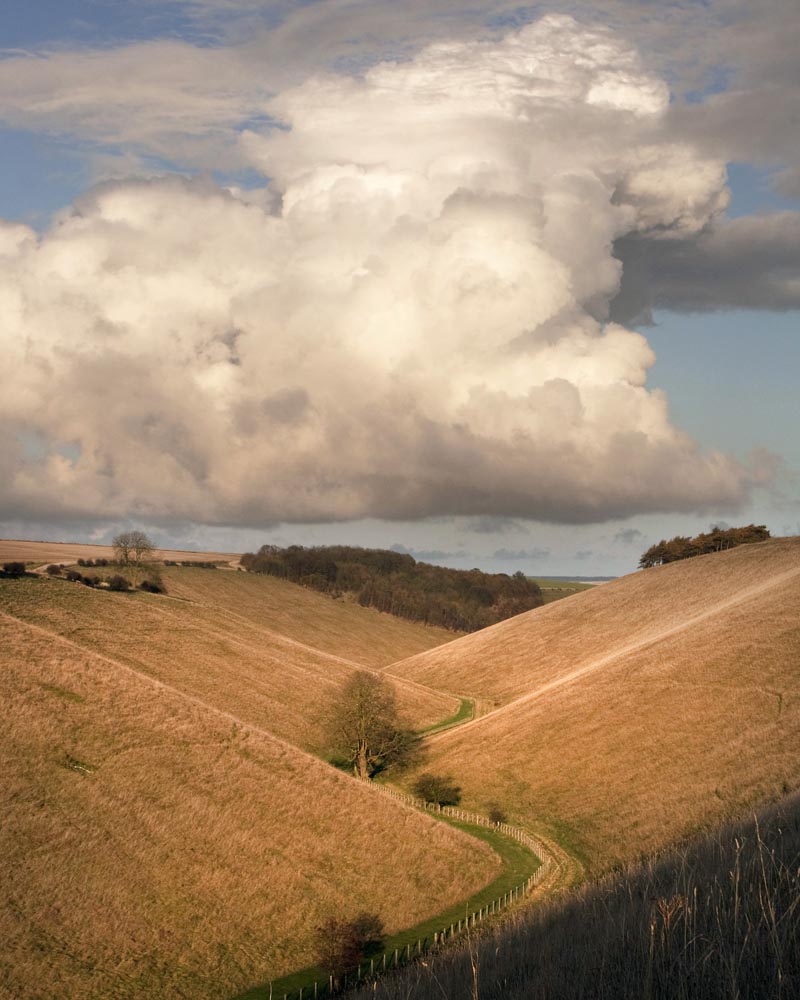
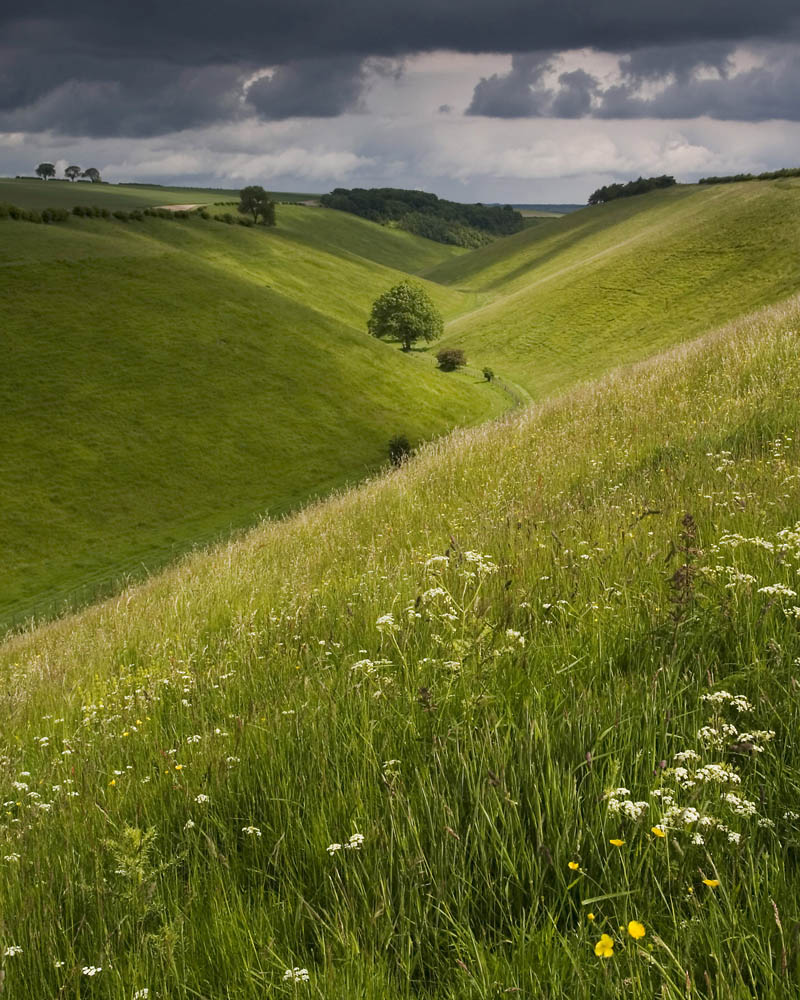
I’m sure many of you are aware that the Bradford-born artist David Hockney has recently filled the walls of the Royal Academy with an exhibition of his landscape paintings, iPad drawings and multi-screen HD films most of which were produced in the East Riding of Yorkshire. Whilst it may not be of great significance to landscape photographers it is certainly a significant event in the history of landscape painting. It is also playing an important role in promoting the landscape of East Yorkshire and especially the Yorkshire Wolds. This quiet but beautiful part of Yorkshire has been largely ignored by tourists but due to the Hockney exhibition is now gearing up for an influx of visitors keen to sample the landscape he has been painting for the last eight years. As some may know I too have spent the last eight years on a different journey into the Wolds landscape, mainly searching and photographing the steep sided dry valleys hidden below the chalk upland. I’ll discuss my reasons for photographing such a quiet and relatively un-dramatic part of the British Isles later in this article but for now I’d like to expand on the landscape work of David Hockney.

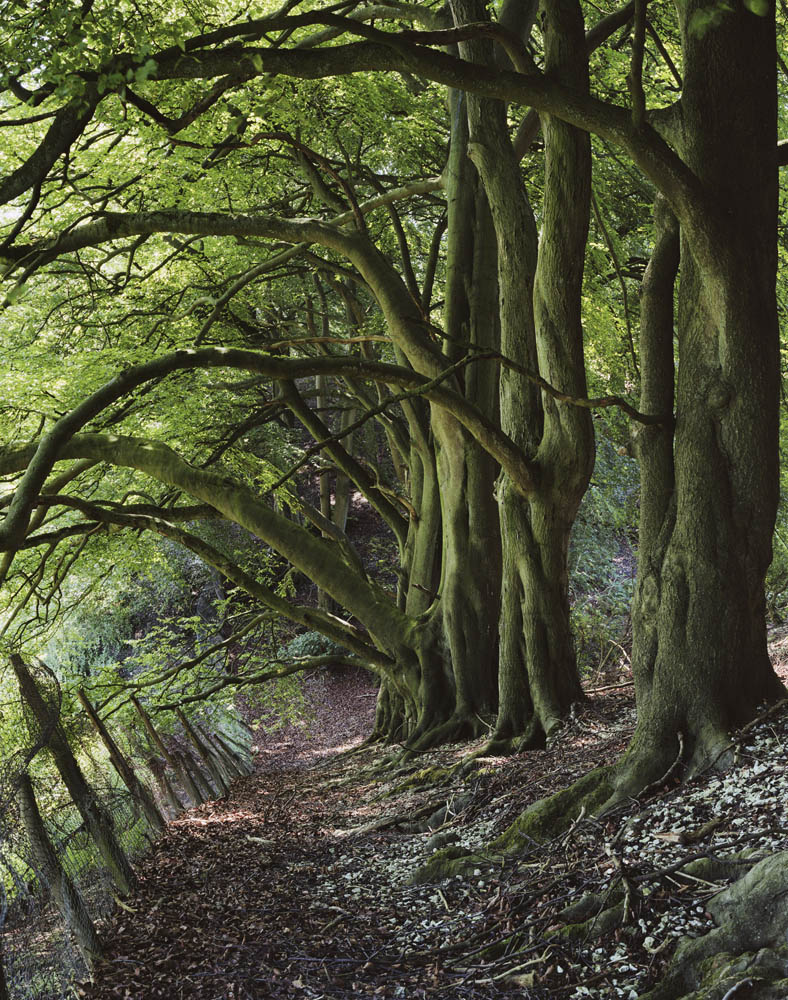
Over the past few weeks there have been countless newspaper, television and internet articles about the exhibition which is the first major event in the 2012 Cultural Olympiad. David Hockney had been asked four years ago if he would like to fill the walls of the Royal Academy with new landscape paintings of East Yorkshire. He had previously been successful with the display of ‘Bigger Trees Near Warter’ at the Royal Academy. This huge 50 canvas painting was done on location in stages over a period of a few weeks in winter and spring 2007. It shows towering beech trees at the edge of a junction near to the small Wolds village of Warter. The location is fairly typical of many others around the Wolds but Hockney saw the opportunity to create a huge painting to show the colour and majesty of the trees and tangled branches stripped of foliage. He (and colleagues) used Photoshop to combine photographs of each of the partly painted canvases to re-create the finished jigsaw whilst returning time after time to add new paint strokes and to start on new sections.

After finishing ‘Bigger Trees Near Warter’ he began work on another spinney of beech trees near Warter to show the seasonal changes but the four works were cut short when the trees were felled leaving him aggrieved.

The current fast-selling exhibition has been received favourably by many people and some reviewers but has also been slated by others. His large joined canvas oil paintings range from clever subtle use of colour and keen observation of light to surreal psychedelic studies using an exaggerated palette. His brushwork harks back to the Impressionists, most notably Van Gogh, but he also pays homage to the Fauvist movement’s use of bright colours. Whilst they bare little resemblance to the traditional English landscape work of Constable and Turner there is no denying their presence and impact. As a founding member of the British Pop-Art movement in the early 60s Hockney has now re-invented landscape painting to suit his own radical style and vision. It has certainly sent the art world into a spin and delighted most of the public.

I discovered Hockney’s Wolds paintings shortly after I had begun to explore my local area for photographic subject matter. A friend had shown me a series of Hockney’s early watercolours of views I knew well and they certainly captured the look of the Wolds beautifully. I had no idea that Hockney was continuing his Wolds period only a couple of miles from my home near the village of Warter. I had become far more pre-occupied with my own journeys into the Wolds landscape.

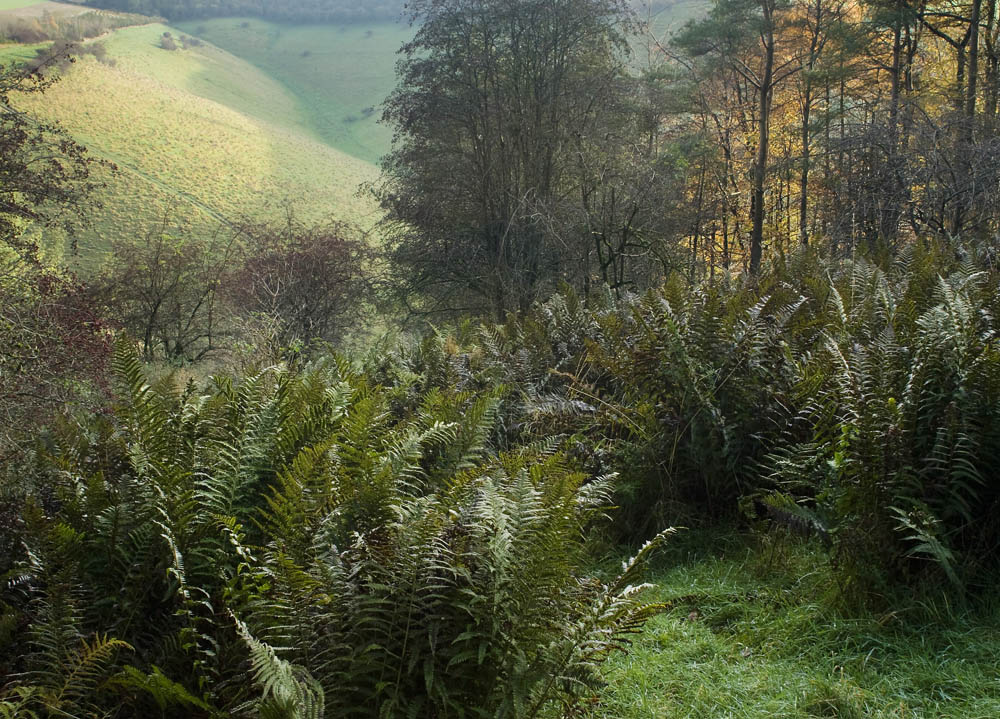
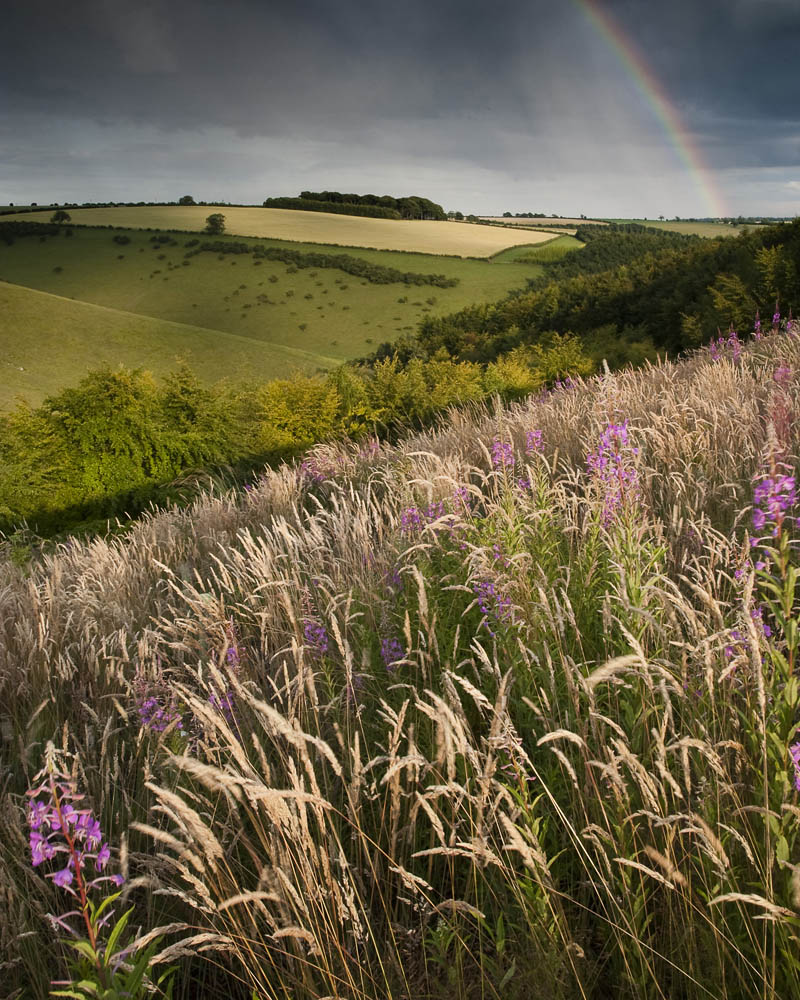
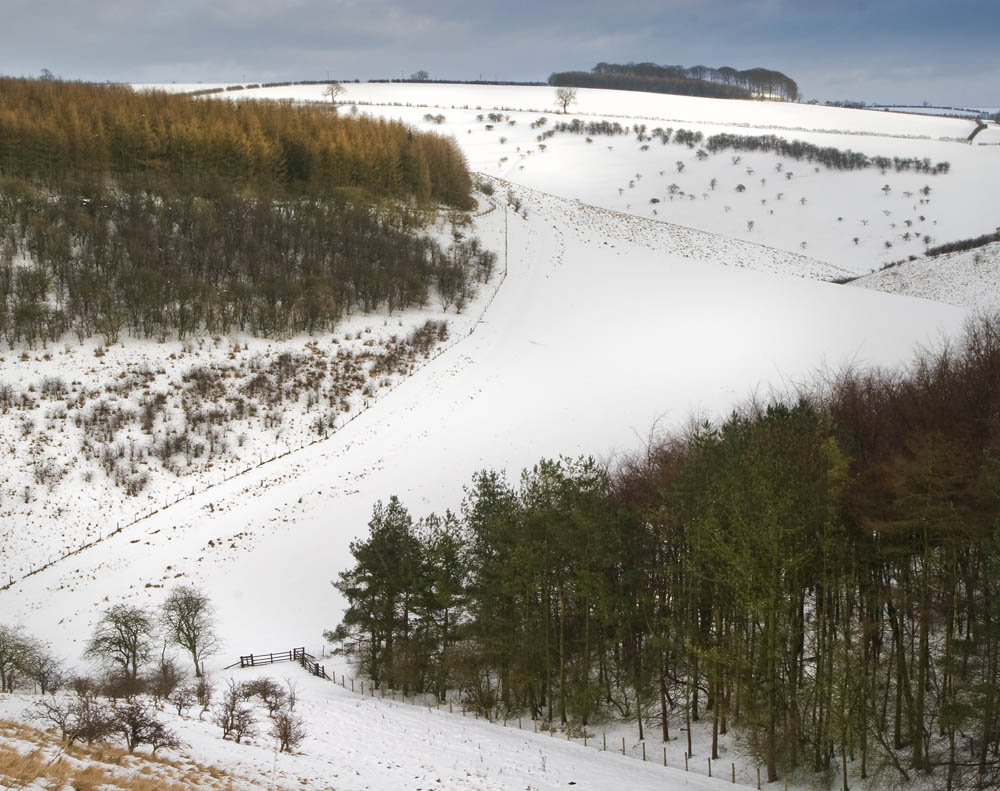
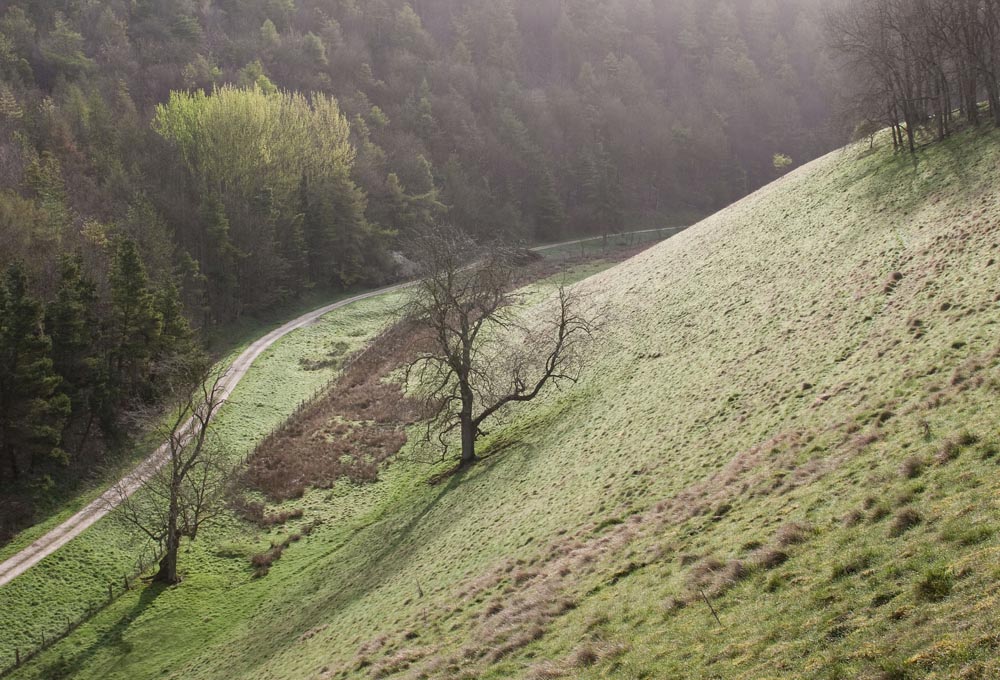
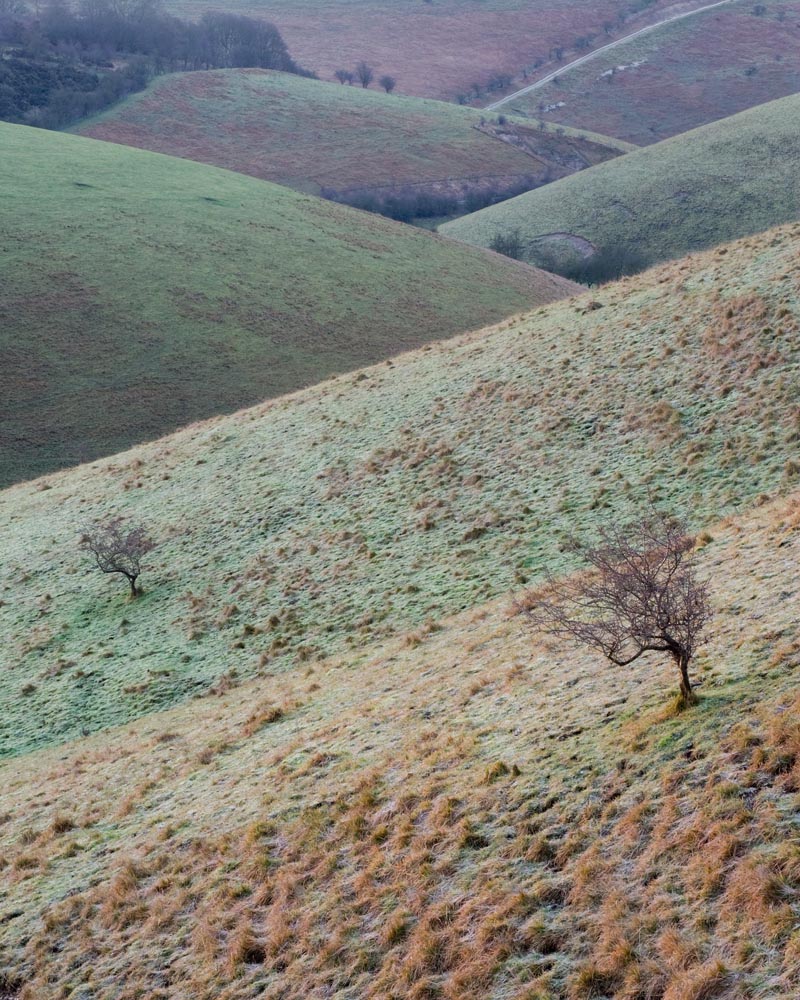
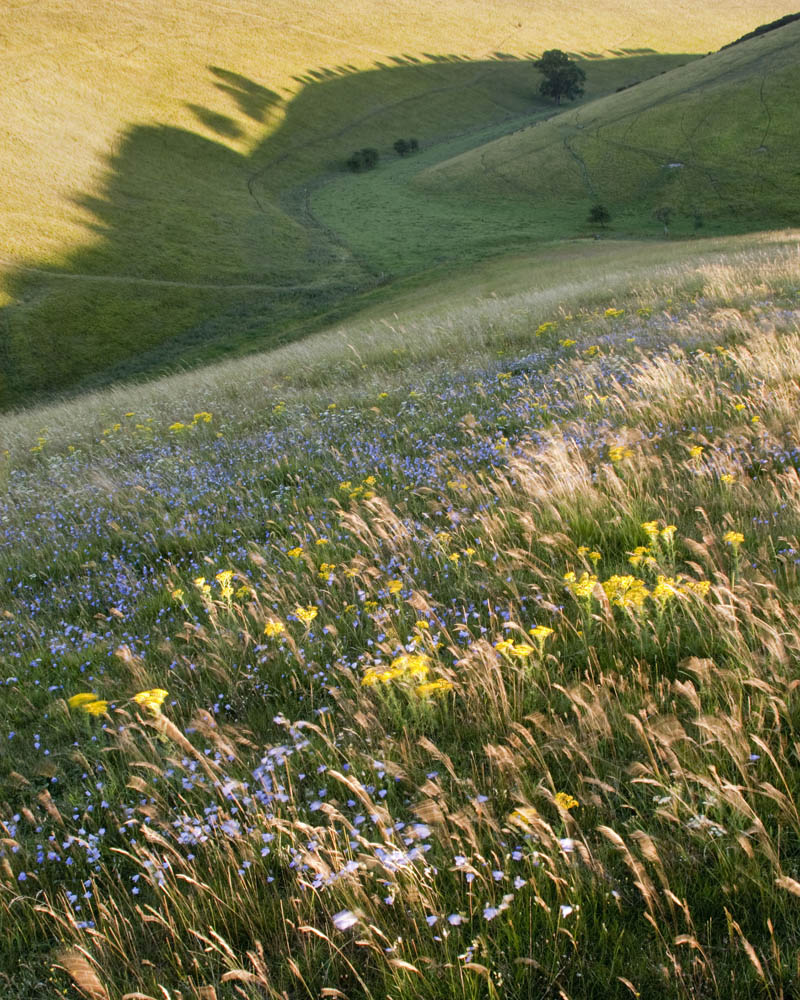
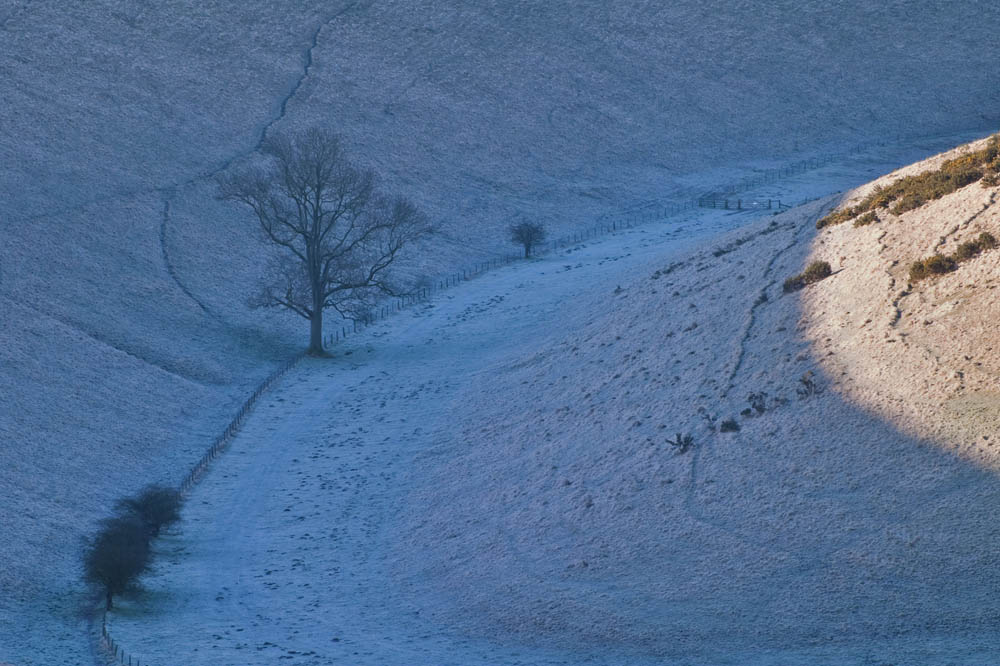
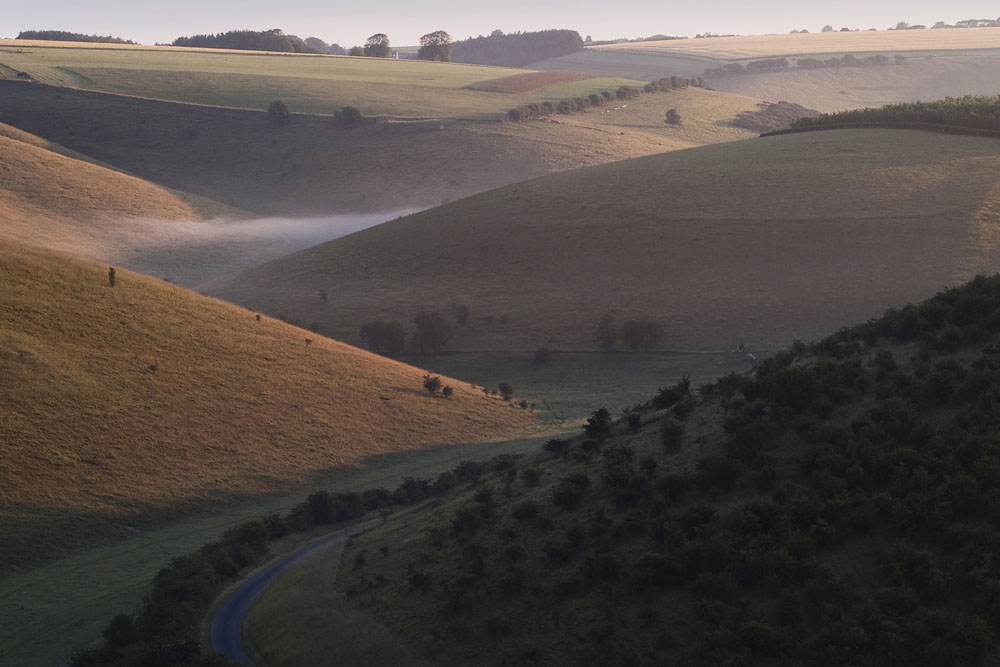
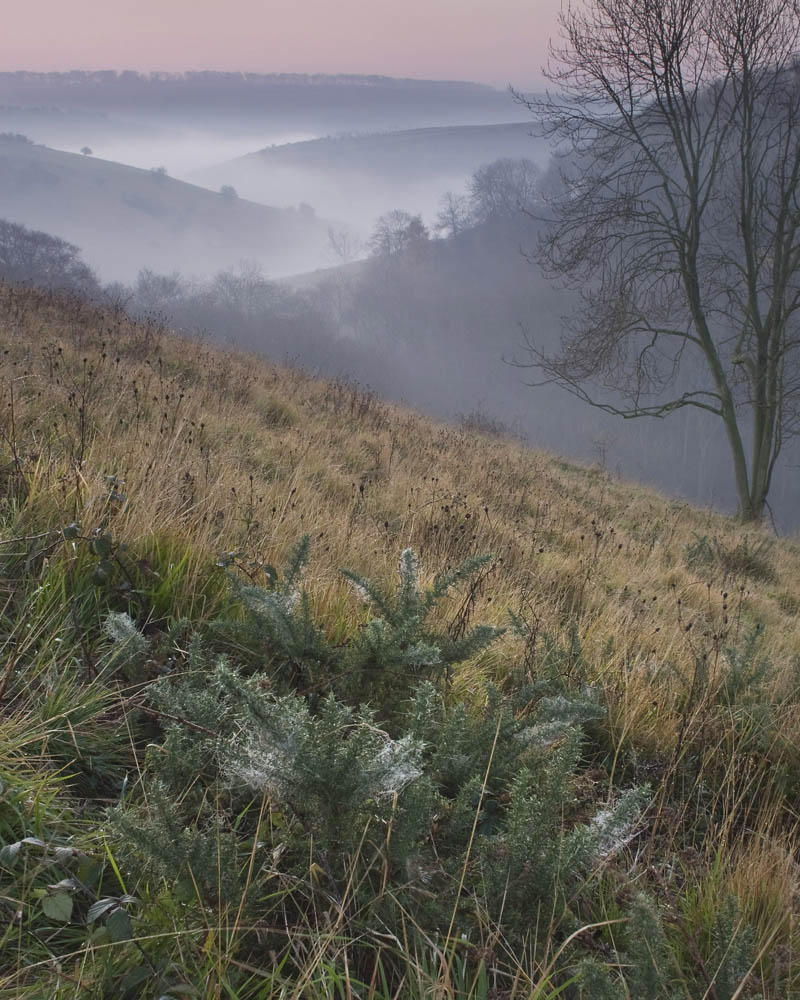
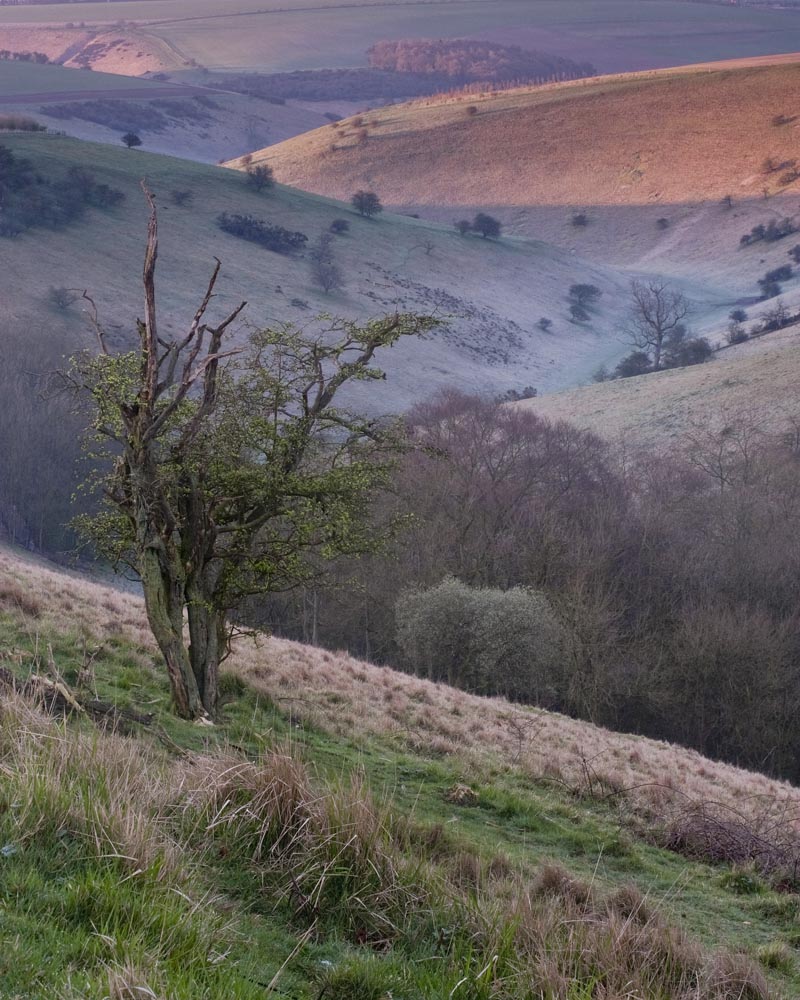
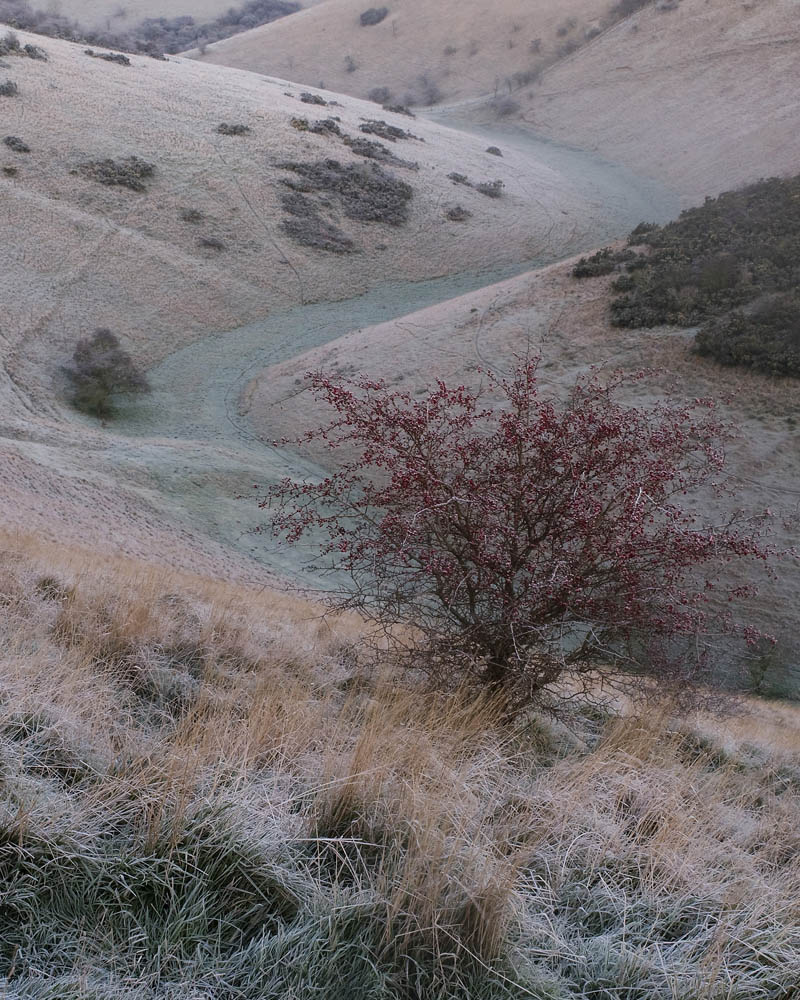
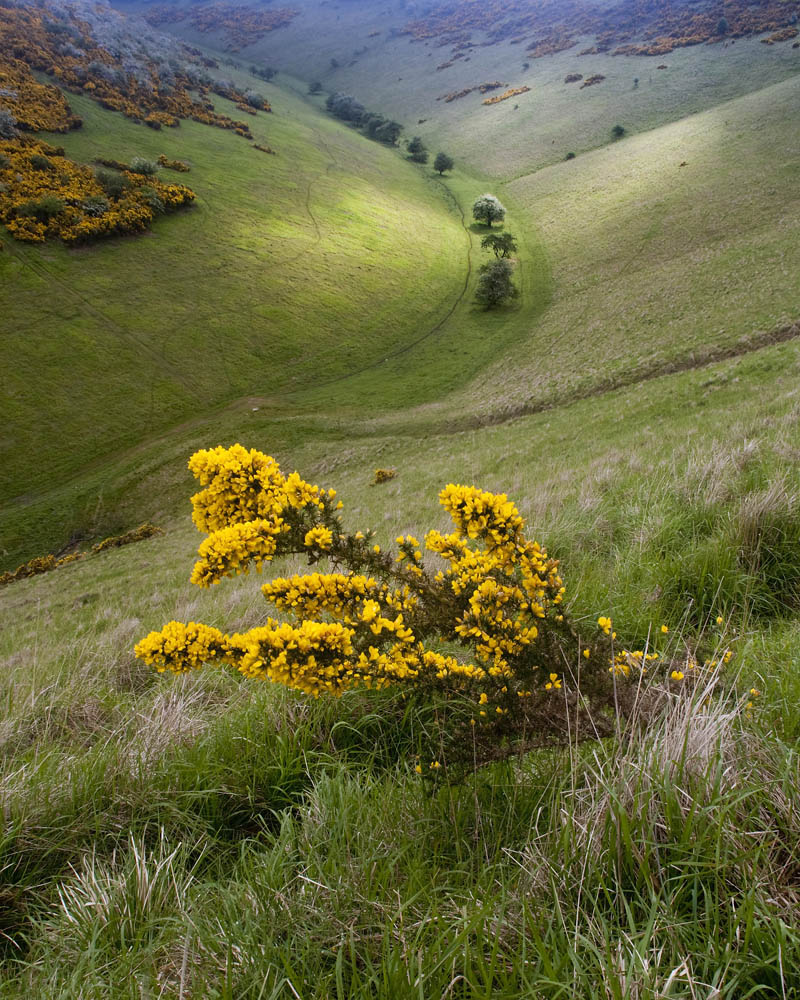
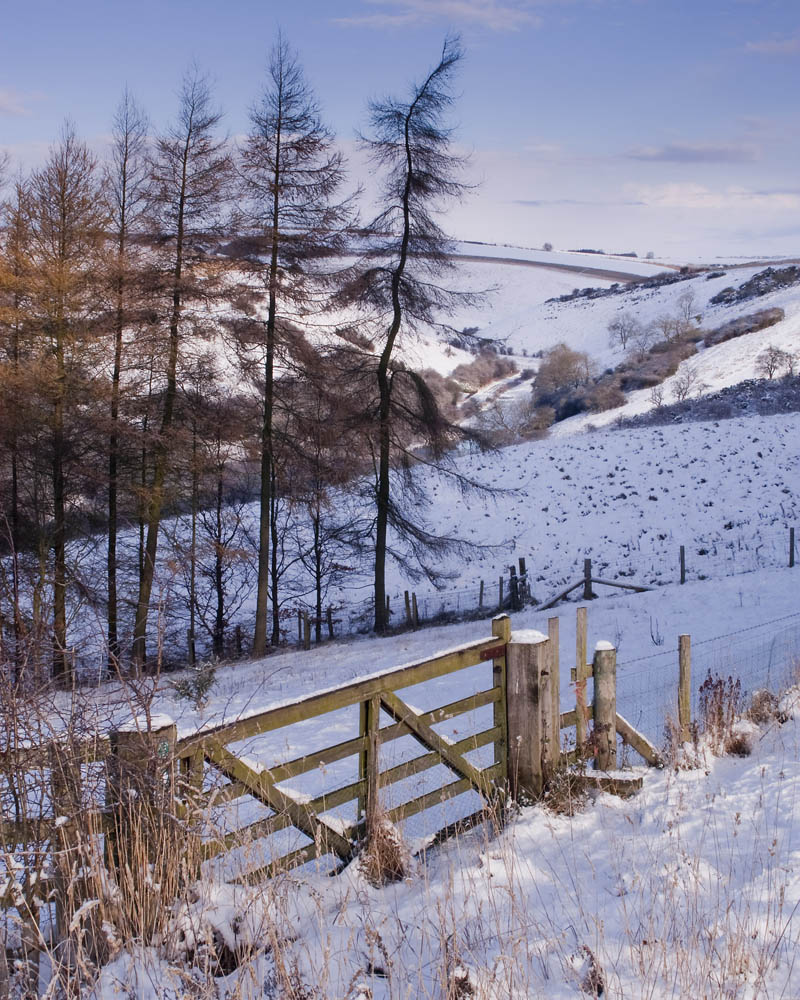
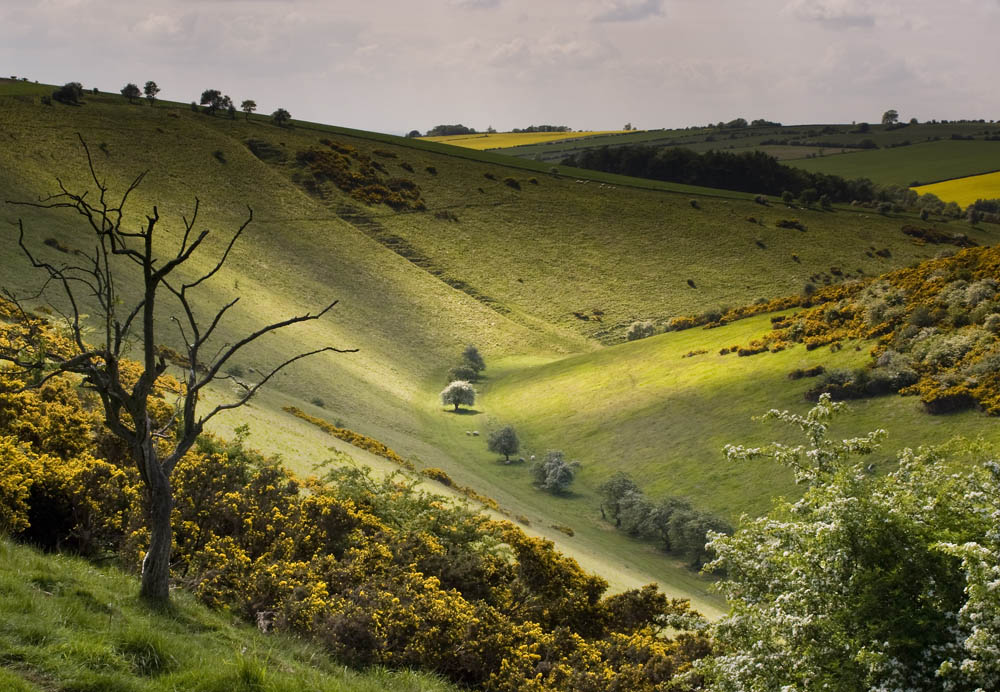
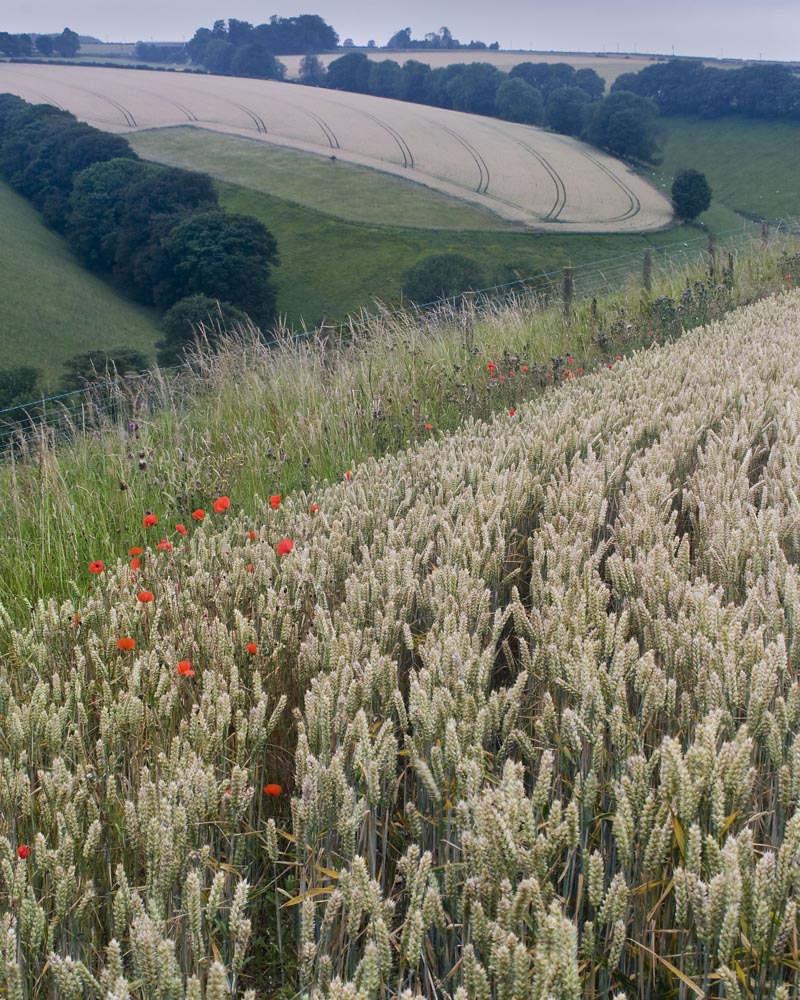
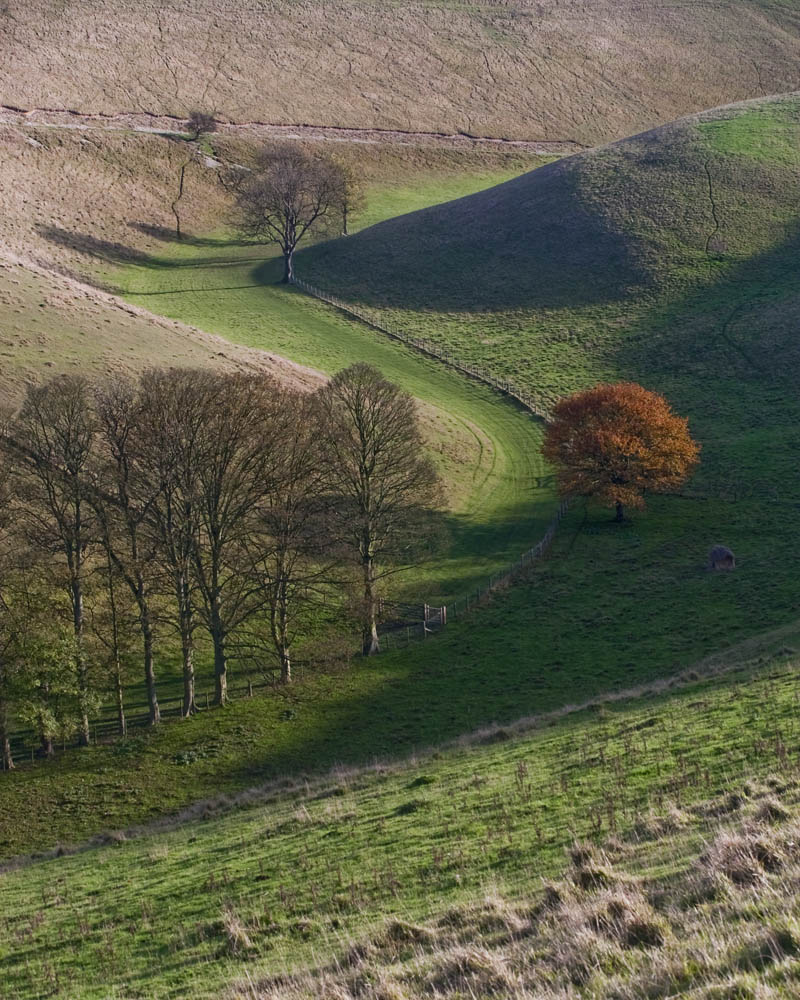
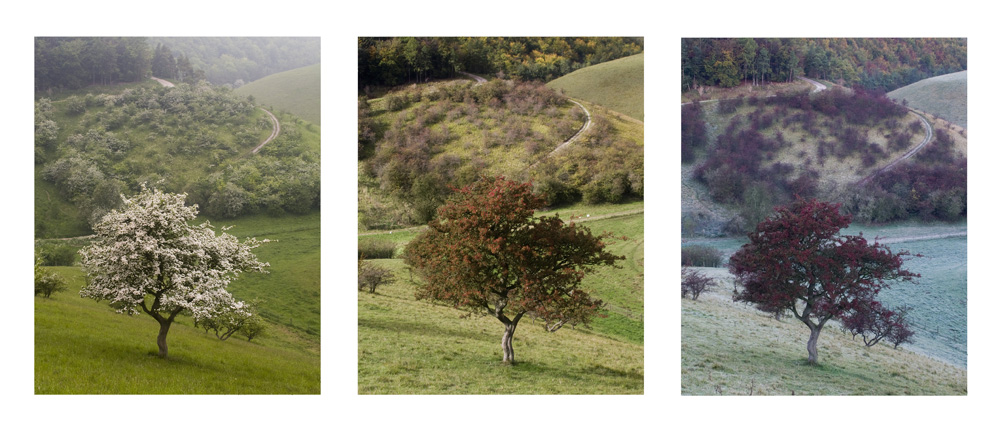
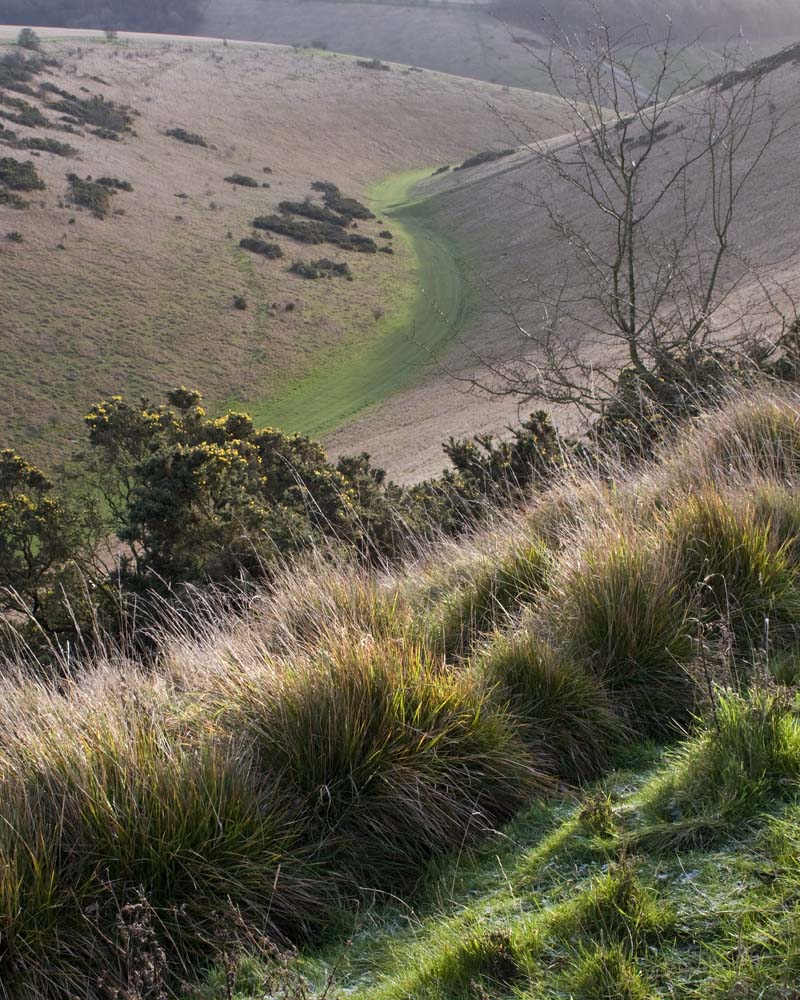
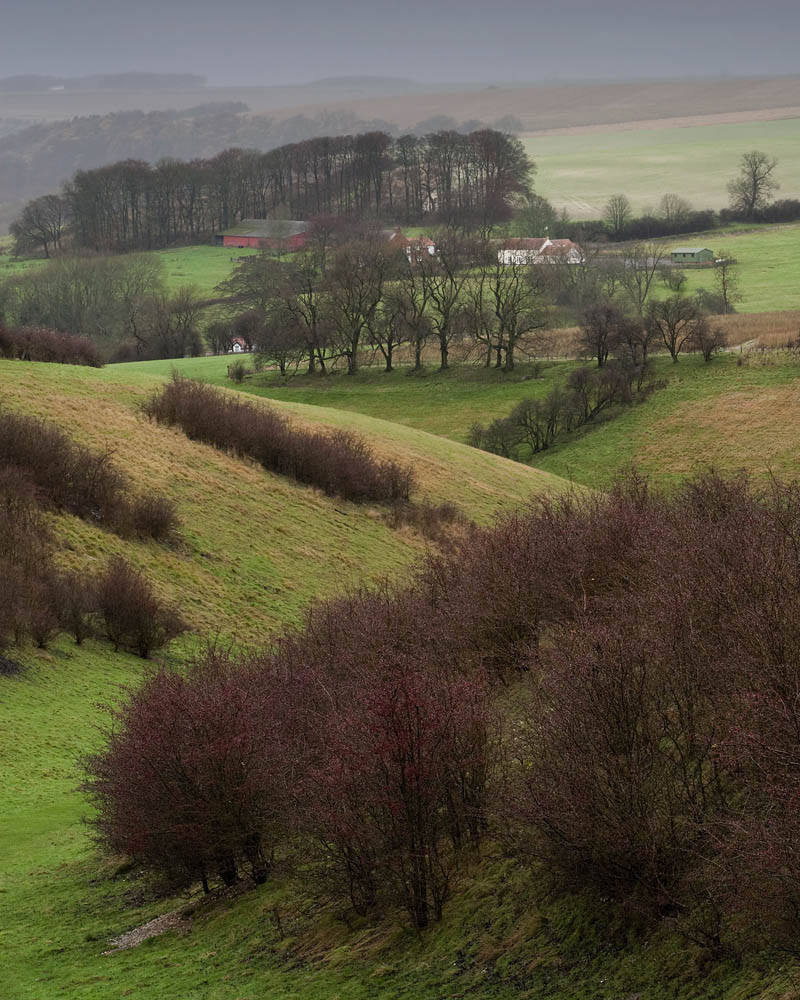
I had become aware of the vast areas of Access Land in the dry valley systems that scatter the Wolds but remain virtually invisible as you drive over the arable chalk upland. The valleys are used for grazing livestock and I’d visit and photograph them with the intention of showing the wonderful geometry and the colour that existed all year round. I would walk miles down quiet and peaceful dales searching for subject matter and the best viewpoints. I’d pour over O/S maps of the Wolds searching for hidden locations then visit and re-visit at all times of the day and throughout the year. I began to know when and where I should visit to catch the best conditions. I learnt all the Tolkein-esque names – Scoar Dale, Frendal Dale, Sylvan Dale, Great Dug Dale, Horse Dale, Thixen Dale (named for its six joining valleys) to name but a few. Each valley has its own individual look and feel – some are barren and beautifully desolate, some are complex and varied where each new twist reveals a completely different eco-system of plants and trees. I began to coincide my visits with the seasonal events I’d witness. Wild garlic, hawthorn blossom, rosebay willow-herb, ox-eye daisies, harebells, ferns and hawthorn berries provided me with scope for variety in my photography. Without mountains, rivers, waterfalls, lakes or rock formations to photograph I had to adapt to what was on offer.

This brings me back to David Hockney and specifically his well-publicised views on photography. According to Hockney photography is all but dead. He has been vocal in criticising the camera’s single viewpoint (hence his series of ‘joiners’ made in the 80s) and the single timeframe of the photograph. Perhaps he should investigate the work of many photographers who take advantage of equipment to drastically lengthen the exposure time, varying it from several seconds to one year in a single image or move their cameras whilst exposing the shot to create blurred effects and impressionistic studies!

This opinion does no justice to Hockney or to the important role photography has had in shaping our lives over the previous and into the current century. It also demeans the already hard work that photography galleries in this country have in convincing the art world of its validity as an art form.

As a landscape photographer I’m fully aware of photography’s limitations. It can never replicate the real sensations of a place but neither can painting nor filmmaking. All three are only capable of creating an impression of being in the landscape. The truth can only come from experiencing the landscape first-hand. All the experiences of being in the landscape can never by gathered from a single image bound by a frame but does that make photography pointless? Whilst it cannot create the feeling of being out in the open air, the one thing it can do is give you the feeling of WANTING to be out in the open air. Wanting to see the subject for ones-self and revel in the experience of being there. This brings me to my own reason for wanting to photograph the places I see on my travels. My photographs do remind me of where I’ve been and the wonderful times I’ve had in the landscape but I also want others to see what the Yorkshire Wolds has to offer.

It’s not about one single image. My photographs around the Wolds were taken over many years in the areas I visit at all times of the year. To show the wonderful variety of subject matter, weather conditions and light you have to produce a large body of work, not a single shot. Only then can people begin to see the dramatic and subtle changes I see on my travels.

A recent article on the Guardian website really caught my eye. Some of the East Yorkshire residents were interviewed after visiting the Hockney exhibition. Whilst they all praised the work they had seen the most telling comment was that it ‘made them wish they were back in East Yorkshire’. That must be the greatest compliment paid to Hockney about his East Yorkshire landscape work. I’d like to hope they, and others, would also feel the same way if they were confronted with wall-filling landscape photographs from their locality (unless it was a Gursky!).

I hope the exhibition will encourage people to begin to experience the landscape and see it with fresh eyes. I know that many landscape photographers already appreciate the wonders of nature, light and the climate as do many non-photographers (ie. artists, naturalists, walkers, climbers) but I hope it convinces others to look a little harder and appreciate and cherish their own immediate landscape.

I’d also like to encourage other photographers to look closer to home. I know of many who do and have been rewarded with some wonderfully creative photography. By putting yourself out of the comfort zone of traditional landscape photography locations you will be forced to look harder and in return begin to see more. That is what Hockney has achieved by putting himself into a landscape that isn’t overtly dramatic.

East Yorkshire residents have always been justifiably proud of this quiet, secret landscape and we are glad that someone of Hockney’s stature has recognised the Wolds undeniable beauty. His motives are purely for pleasure, not for profit, which is an endearing quality. It’s not every day that Britain’s greatest living artist makes his home on your doorstep. It’s also nice to know that the English landscape has found a new spokesman, despite his curmudgeonly views. I’ll forgive him for his views on photography because there’s so much more to admire in him than to dislike. I only hope he continues to produce work around the Wolds as I hope there will be better to come.

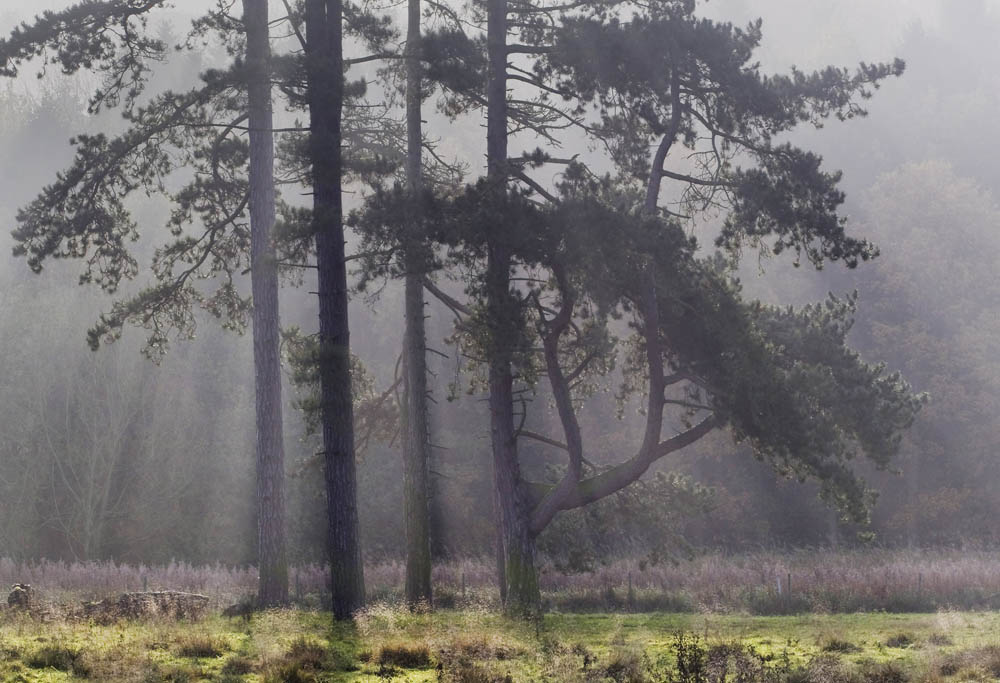
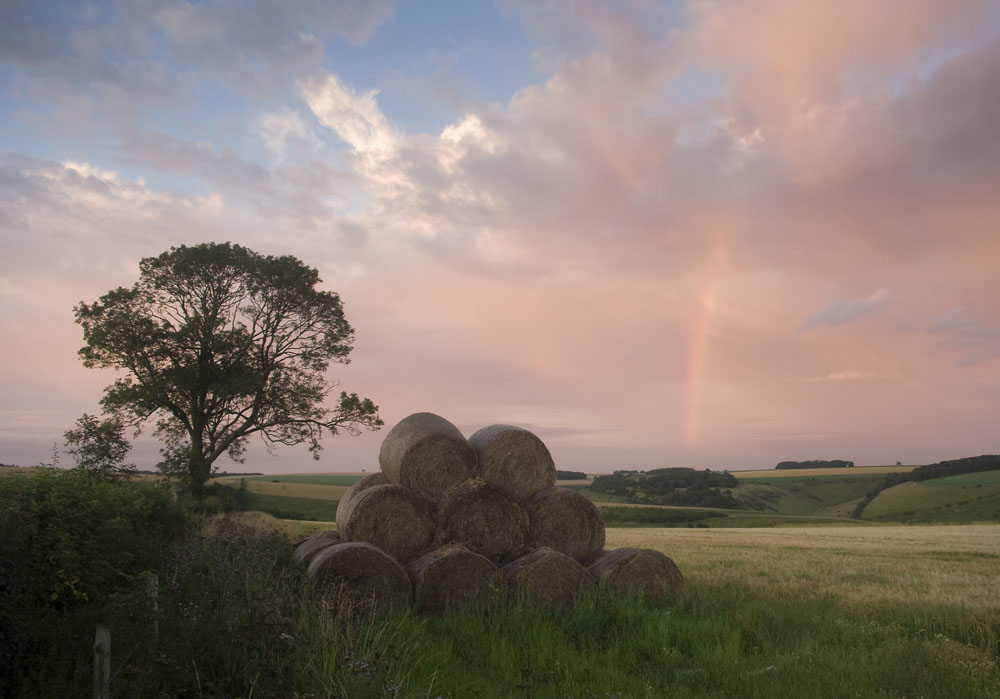
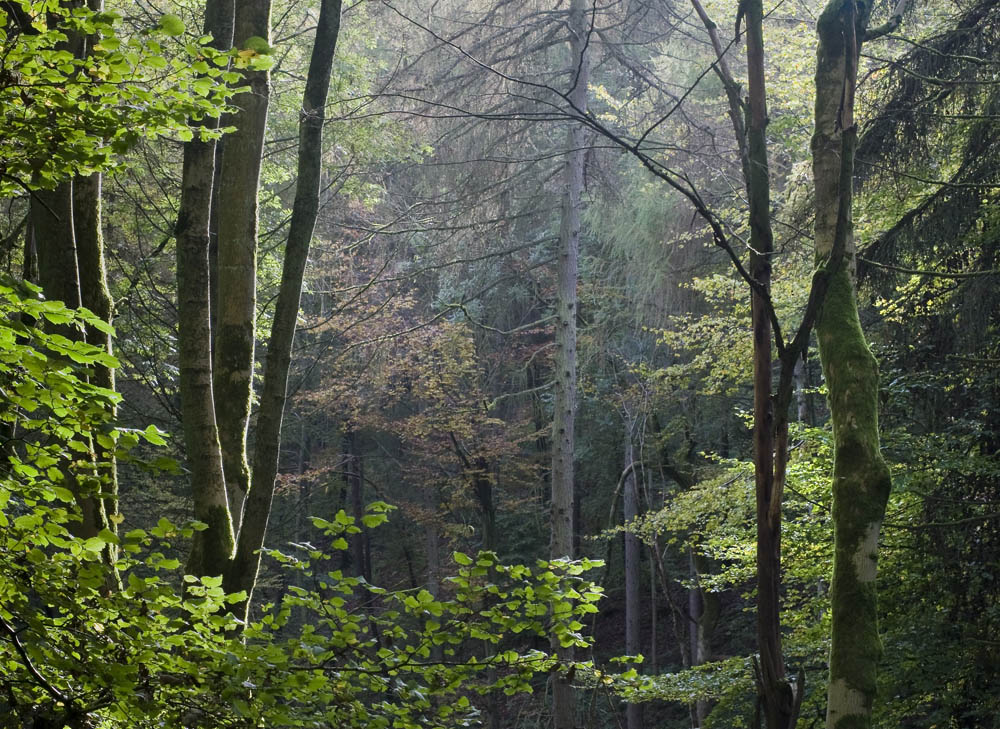
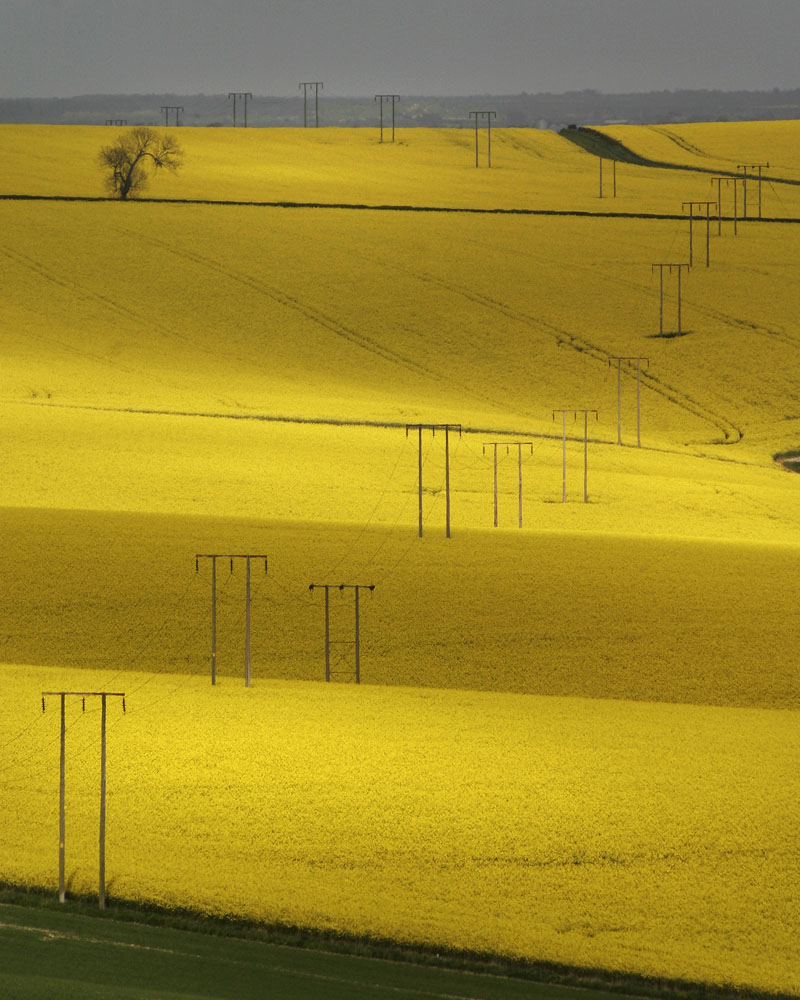
I’ve included a selection of some of my favourite views and some of the conditions I’ve had the pleasure to experience on the Wolds. I know one man who’ll hate them!

I’d be interested to hear anyone’s views on Hockney’s work, his views and the exhibition if anyone has been or is planning a visit.

Please visit www.royalacademy.org.uk for details about visiting the exhibition (pre-order tickets are selling fast and the small number available on the day are snapped up quickly).

See also www.hockneypicture.com. Which has a few of the Wolds paintings buried away.
19 Responses

  1. Paul Mitchell

    Thoroughly enjoyed your article Paul and I’m hoping to get along to see the exhibition in the next couple of weeks. Being born and bred in the East Yorkshire Wolds I’m in total agreement with your view that this really is a veritable jewel like location, being hidden away for so long which can now begin to shine and be valued for what it is. It was only a few days ago that commented on your flickr stream that, as a child, my Mother would take myself and my siblings for long walks down Woldgate not ever for one moment that it would become the muse for one of our greatest living artists.

    I will finish of by saying that it is your images of the Yorkshire Wolds that also me me wish I was back there!

    Paul

    • Hi Paul,
      Glad you’ve find time to comment and I hope you enjoy the exhibition.
      I’m hoping Mr P can load up some of my images which I neglected to send him on time for this issue. Thanks as always for the kind words.

  2. AlanC

    Although I hesitate to say it, I do have grave misgivings about the quality of Hockney’s Wolds paintings, and having spoken to a few other painters about the work, it seems I’m not the only one. I think my reaction is of disappointment more than anything else.
    One mark of a great artist is that you se the world through their eyes, and the world actually takes on the appearance of the world created in their paintings. So you se the French landscape through the eyes of Cezanne, and some English landscape through the eyes of Constable. But when I go to the Wolds to paint or take photographs, I don’t see anything that resembles Hockney’s paintings. Maybe his paintings are just too superficial,unfortunately.

    Alan Clark

  3. AlanC

    Apologies to all if my previous comment sounds too negative. It wasn’t intended to be. I suppose my reaction is that because I think the Wolds are a quite magical, special place, it would have been good if Hockney had , in some way, got to the essence of this. Monet caght the fleting effects of light. Cezanne got right into the structure of the landscape. Paul Nash distilled the essence of it. In comparison, Hockney’s work just seems superficial and lacking in emotion.
    I have no doubt that Hockney’s work will publicise the Wolds, and I hope that, as a result, many people will visit the area and be enriched by the experience. I hope too that some will discover something personal for themselves in this unique landscape. If they do, Hockney’s efforts will have been rewarded.

    Alan Clark

  4. Hi Alan,
    Nice to hear from you. I agree with your views on Hockney’s work in some respects as a lot of his work doesn’t replicate the Wolds landscape but some of his earlier work does pay a greater respect to the location. I’ve managed to win a copy of the hardback book which accompanies the exhibition and it shows the changes in his style over the years from his early watercolours through to the iPad drawings and the later work, mostly around Woldgate Woods is less representative of the Wolds landscape. As you say, the work of Cezanne, Constable and many previous landscape painters managed to convey their subject matter with greater respect but Hockney has always tried to push the boundaries of his work to suit his inimitable style and the later work and some of his early oil paintings (Garrowby Hill, The Road Across the Wolds) shows this movement away from the classic styles of landscape painting.
    There are many other landscape painters on the Wolds whose work pays far more respect to the feel of the landscape but they obviously can’t generate the publicity that Hockney’s work has. Hopefully more people will discover these artists thanks to Hockney’s current exhibition. Sorry for any typos as I’m rushing my reply. Take care.
    Paul

  5. abbeyfoto

    I have just returned from a trip to London which included a viewing of the Hockney exhibition. I had not read any reviews prior to my visit – a friend emailed me and suggested I try to see it while in London – he had read the reviews. I have to say I found it a remarkably rewarding and uplifting experience. I am a great believer in seeing the beauty, wonder and awe of the world around us where ever we go – all you need to do is look. For me the whole message from the exhibition was we can all find paths through beauty and calm if we look. If you have seen the show I am sure you understand the reference to “paths”. I can not paint. Not sure I am a good photographer but I love doing it. As a photographer the most compelling part of the show was his large panelled videos of some of the paths he has explored. I have never played with video but now I want, no need, to – the penny has dropped with a deafening thud. We can now all do “paths” through natural beauty if we but try. I do love “stills” but Hockney has hinted that considered movement through the landscape could well be the future.
    Chris

    • Hello Chris,
      Sorry for not replying sooner and thanks for the comment. Glad you managed to get to the exhibition and enjoyed it. I’m in agreement with you when you refer to ‘paths’ into the landscape. As photographers we chose many different paths into the landscape, some will tread well worn paths whilst other may stray or make new paths and Hockney has tried hard to create his own path with his constantly differing work. I’m not sure how the panelled videos will evolve but at least Hockney is prepared to try new approaches whether they work or not. I’d also love to have a play with video myself in the future, something that other photographers have already started doing. I hope you find your own path Chris and thanks again for commenting.

  6. A wonderful article Paul, one in which your love of and pride in your local landscape really shines through.
    I have been to the East Riding of Yorkshire on business many times over the years, and I can honestly say that I had never even considered its landscape potential until I saw your body of work. If I am ever in the area again, I shall seriously consider taking a few days’ leave in order to see for myself the fascinating landscape of the Yorkshire Wolds.
    With All Best Wishes,
    Doug.

    • Hello Douglas,
      Thanks for the kind comment on the article. I’m glad my work has given you the incentive to look at the Wolds with fresh eyes and I hope you can manage to spend some time here exploring some of the areas I’ve photographed. I’ve introduced the Wolds to a few photographers over the years and hopefully they all saw the potential for creative landscape photography. It won’t appeal to all I’m afraid as there are no grand vistas or wilderness locations but there is still plenty to keep me busy for years to come. Thanks again.
      Paul

  7. I live in this area of East Yorkshire and have been busy recently hunting for the locations of many of the artworks that are currently on display at the Royal Academy. Many of them are mapped here at http://www.yocc.co.uk as a Hockney Trail.

    • Hello Simon,
      I found your website a few days ago and was impressed with the hard work you’ve put in to make it work. Thanks for posting it with this article.
      Paul

  8. Nice to see more of your work Paul. I think that there is a lot to recommend studying a small area closely and I have found this very rewarding too. I remember The Wolds making quite an impression on me when I spent my year out working in Beverley, and one of scheme at the time was the car park at Millington Woods!

    • Hello Michela,
      Glad you found the Wolds inspiring when you were at Beverley and I know Millington Woods very well. I’ve only been photographing it on and off for a year but it will make a nice location for a future project. Getting to know somewhere well does reap rewards and often means you can slow down and appreciate the landscape rather than just dashing around for the best light and popular viewpoints. I have enjoyed visiting popular locations but there is often a lack of real connection to them which I have with the Wolds landscape, even if I didn’t quite appeciate it when I was growing up here. Hockney’s work is not just about his style or his output but about that connection to the landscape that many people have lost, especially town and city dwellers. Thanks for the comment.
      Paul

  9. I drive through the Yorkshire Wolds every day for years and I really have not taken a lot of notice of them! – only when David Hockney woke me up to what was on my door step did I take notice. A couple of weeks ago we did an 8 mile walk up near Sledmere in the hidden valleys of Cottam Dale, Phillips Slack and onward to the the abandoned village of Cottam. As you say, unless you look you would never see these places as they are not visible from the man roads that run through the Wolds. The great thing about many of these hidden gems are that there is no one else around, only you and nature which is great.

    • Hello Simon,
      Sorry for my lateness on replying to your comment. It’s nice to know you’ve begun seeing the Wolds with fresh eyes due to the work of Hockney and I’m glad your getting out to experience the valley systems. As you say the valleys are so peaceful and have a more ‘natural’ feel and I wish Hockney could see some of these valleys for himself. I’m sure he’d be amazed at the views they hold. I hope that the area obtains an AONB status in the near future, not just for protection, but simply because of its beauty. Thanks again. Paul

  10. Roger W

    Hi Paul, I found your Hockney commentary very interesting particularly the part where you describe the reaction of Yorkshire residents to Hockney’s exhibition which made them want to be back in Yorkshire. I went to the exhibition recently and my immediate reaction resonated with this as it was, “I’d like to take a trip there to take some photographs.”
    I realise this is a contradiction but I also support your view of encouraging photographers to take a closer look at their home area. There are too many well photographed scenes like Rannoch Moor or wherever, you can probably pop your tripod into the slots left by the previous photographer.
    Finally, I’d just like to say that I enjoyed your photographs. Whilst looking at Hockney’s images I was trying to work out what they would like if the scene had been photographed and your photographs do the landscape justice.
    Thanks.

    • Hello Roger,
      Thanks for the comment. I’m not against people exploring the rest of the UK, just about them feeling the need to visit the honeypot locations such as Rannoch Moor, Porth Nanven, Saltwick Bay etc. I’m sure there are many other unexplored areas of the UK which are just as attractive but how will we know of them unless landscape photographers are prepared to step away from the well-trodden path.
      Thanks also for the kind comment regarding my photographs.
      Paul

  11. Hi Paul
    Super article and beautiful images!
    I went to the Hockney exhibition last week and have to say I was blown away by it – not all of his work is to my taste but much of it I love and, either way, I think his brilliance is undeniable. I also think it is pretty amazing for someone of that era to have embraced technology in the way that he has.
    I spoke to a painter the other day who felt his ipad paintings were a little crude – I very much felt the opposite and loved working my way through his winter to spring images in the penultimate room. I also thought his ipad ‘paintings’ of Yosemite were extraordinarily atmospheric.
    I wasn’t expecting to be that interested in the videos but, again, found them very appealing – and the only thing that stopped me continuing to look at them was the fact they made me a little dizzy!
    As for the Wolds – I have neglected them rather photographically but have had some fine bike rides in the area over the years. They are on my list of places to revisit and your photographs, as much as Hockney’s paintings, remind me why.
    Finally you make a very good point about exploring one’s local patch – for all the reasons you suggest, but also, the cost of fuel is such now, I think most of us have to think quite hard about how often we get in the car and how far we travel to find our images.
    Lizzie

  12. Hi Lizzie,
    Thanks for getting in touch about your visit to the exhibition. Sounds like you enjoyed it! I’m not as keen on the ipad and video work as the oils and watercolours but it has certainly made an impact with many people. I like the idea of the ipad series of individual images over the period of weeks to show the change from late winter to early spring but I would have prefered paintings as I believe they are more emotive. Hope you managed to get out into the Wolds sometime. There’s far more to it than first impressions give you.
    Thanks for the kind comments too.
    Paul

Notify me of followup comments via e-mail. You can also subscribe without commenting.