


 Join the conversation
 Subcribe to comment rss feed
Seeing things definitely

Chris Nowell
The majority of my photography is undertaken within the Peak District National Park. I am fortunate to reside just outside the national park, surrounded by lush green countryside and woodlands. The proximity of the Peak District National Park to my home enables me to capture the iconic hills, peaks, and tors that define the region. As a registered blind landscape photographer and a veteran of eight years of military service, I have sustained injuries that have rendered me legally blind.
As landscape photographers, we often serve as visual storytellers, and this often commences with our initial journey into landscape photography. In my case, while my journey shares many similarities with most, it also presents a few distinct factors. Prior to the age of 18, I do not believe I had ever used a camera for serious photography. Growing up in a household with a single parent who unfortunately struggled with alcohol, drugs, and domestic violence, it was not uncommon for me and my brother to face challenging circumstances. Art forms were not particularly appealing to me, and when my brother enlisted in the army, it was inevitable that I would eventually follow suit once I reached the required age.
My military career spanned three operational tours, including live training and live firing in Canada and various exercises across the country. My journey commenced in Northern Ireland in 2003, although I joined in 2001. It took some time to complete basic training and finally embark on my first military tour. Subsequently, I served in Iraq in 2005 and Afghanistan in 2007, which unfortunately only lasted three weeks.
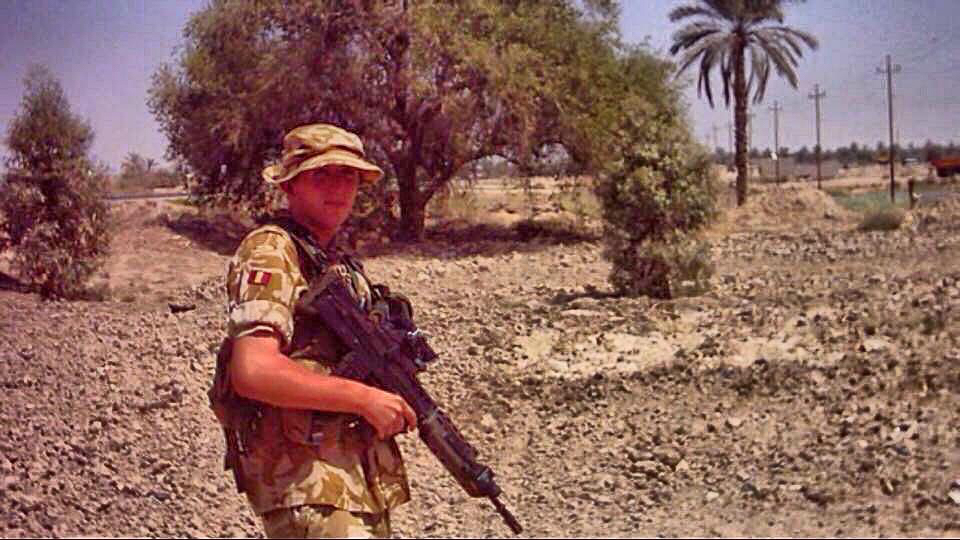
Iraq 2005
On the day of my injury in Afghanistan, our forward operating base came under attack that morning with mortars and RPGs. Tragically, one of the rockets struck the wall I was leaning against, covering me with shrapnel. This resulted in a fractured skull, neurological memory loss, and permanent sight loss. I have lost the peripherals in my left eye, and my right eye is completely blind due to the removal of the optic nerve.
While it took approximately a year to regain a manageable walking process, the initial recovery period was significantly longer. After my injuries, I was unable to walk, but fortunately, the human brain is a remarkable entity capable of rewiring itself. I needed to relearn everything, which was a gradual process. However, I received invaluable support from my family, the National Health Service (NHS), and military charities such as Blesma and Blind Veterans UK.
It was during my rehabilitation period at the Blind Veterans Centre of Sheffield that I met a member of staff named David Hickey. David played a pivotal role in my transformation into a landscape photographer. This pivotal moment occurred at the age of 26, after a brief period of rehabilitation.
Prior to this, I had been strengthening my physical abilities by engaging in regular walks with my father-in-law, my wife and family. Initially, simply maintaining my balance and standing upright proved to be a significant challenge.
Rehabilitation
At the Sheffield Centre for Blind Veterans UK, I regularly visited to continue my rehabilitation. During my time there, I completed various courses, including independent living skills to teach me how to cook, clean and take care of myself. Long cain training helped me navigate life outside in busy environments. I also learned to read, write, and use a computer.
One morning during a touch typing course with David Hickey, I could sense the frustration in my voice. People with brain injuries can sometimes be short-tempered and, as a result, we can be negative, angry, and sometimes snap. David, being quite professional, sensed that I was not my usual self and instead showed me some of his landscape photography.
Viewing the images on what I believed was his website, David showed me some of his award-winning photographs from around the world. He also mentioned that the charity was considering holding a photography-themed holiday week at the Sheffield Centre. Seeing the images and listening to Dave talk about the idea of staying at the Sheffield Centre for a photography holiday sounded very appealing. All I needed to do was get myself my first camera, which was a Fuji film bridge camera.
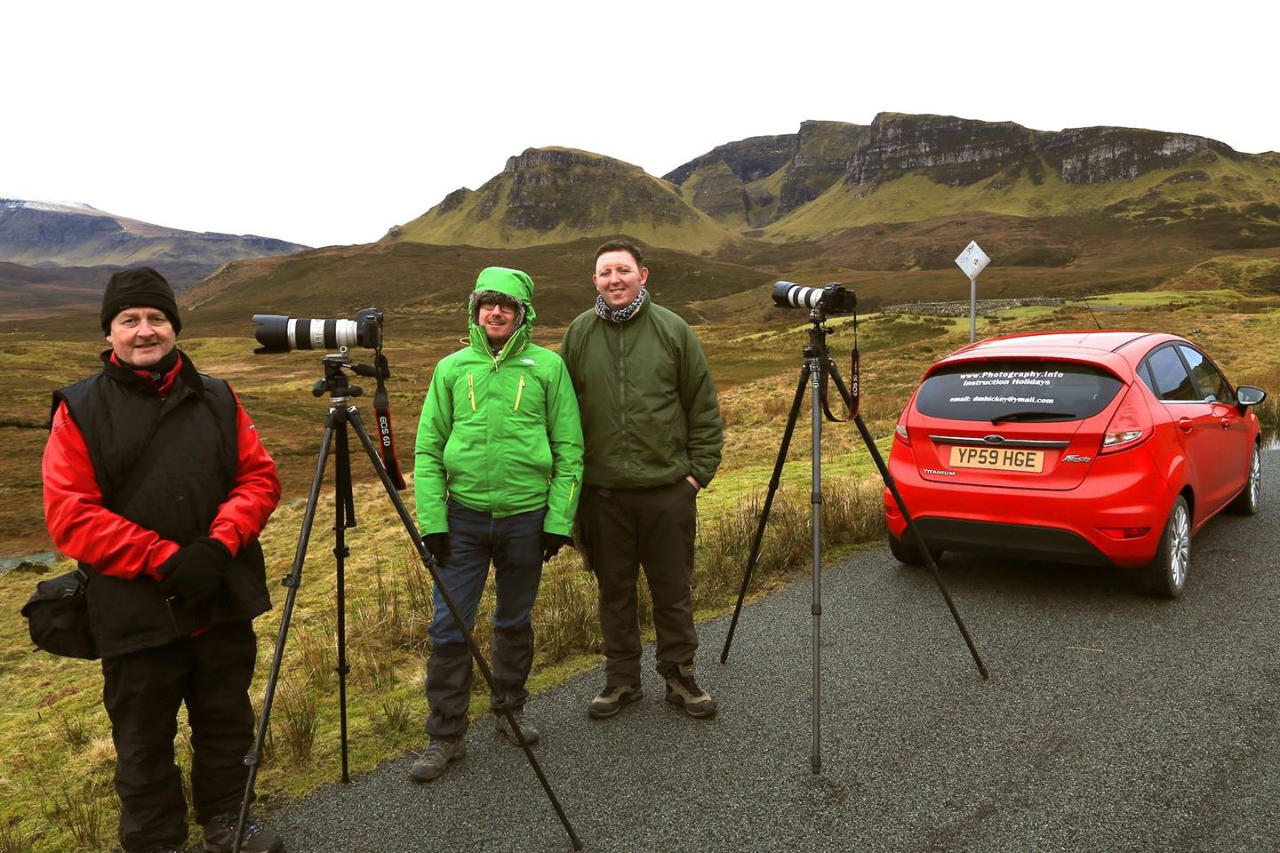
David, Simon & Chris
During the photography-themed holiday, this camera served me perfectly well, completing courses in still life scenarios, architecture in and around Sheffield, and other forms of photography.
Consequently, the charity now organises only a few-week get-togethers via video calls.
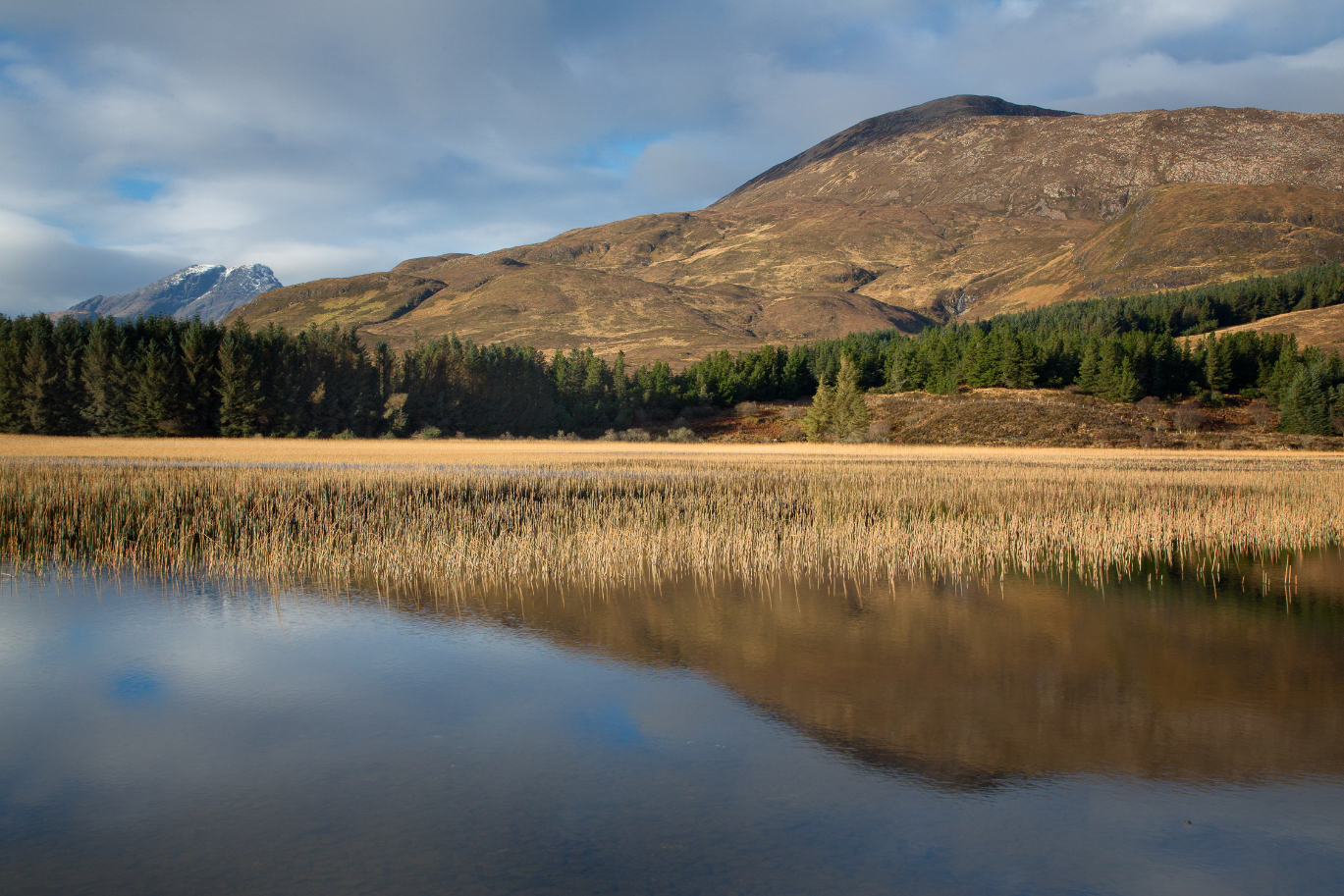
Loch Cill Chriosd
Following David’s retirement and relocation to the Isle of Skye, he resumed his landscape photography journey and embarked on the creation of a comprehensive guide book to the Isle of Skye. Simultaneously, he continued to provide workshops for others. Supported by the Blind Veterans UK, I had the opportunity to visit David on the Isle of Skye.
Coincidentally, I had recently realised that landscape photography was the perfect pursuit for me, and visiting David and continuing my own landscape photography represented a complete circle.
During our visit to the Isle of Skye, we visited a particular location that has left an indelible impression on my memory. Arriving by the water’s edge, I was enveloped by an unparalleled sense of silence and tranquillity. The morning light cast intricate shadows on the distant hill, creating a breathtaking spectacle. At the same time, otters swam gracefully in front of us, oblivious to the surrounding tranquillity. Observing the water reeds in the foreground, I captured their reflections and classic landscapes, capturing the essence of the magical, peaceful morning. This experience was undoubtedly a significant milestone in my journey into landscape photography.
David Noton
In fact, it was just before my trip to the Isle of Skye that I confirmed my desire to become a landscape photographer. Suddenly, I had a sense of purpose, which was particularly helpful given the challenges I had been facing with my mental health due to the loss of my career and sight. This newfound purpose inspired me to research, learn, and continue to be inspired by other landscape photographers. I dedicated myself to exploring the Peak District and my local surroundings, which became my personal playground.
Prior to this, while searching for inspiration, I encountered several landscape photographers. One in particular, David Noton, stood out to me just after my trip to the Isle of Skye. I realised that I needed a more powerful camera, and David Noton’s work resonated with me.
David Noton authored several remarkable books, primarily designed for visual exploration. While smartphones have made scanning and reading more convenient, it was considerably more challenging for me due to my visual limitations.
In addition to the books, David Noton released a DVD titled “Chasing the Light.” Despite memory loss, neurological memory loss, and the constant need to rewatch content to retain information, this DVD provided a sense of excitement as it finally offered something that could ignite my enthusiasm.
Furthermore, I observed David Noton’s substantial presence on YouTube and his personal website, the F11 Club. This club allowed individuals to join and witness David Noton’s global adventures. These experiences continued to inspire and educate me in the field of landscape photography.
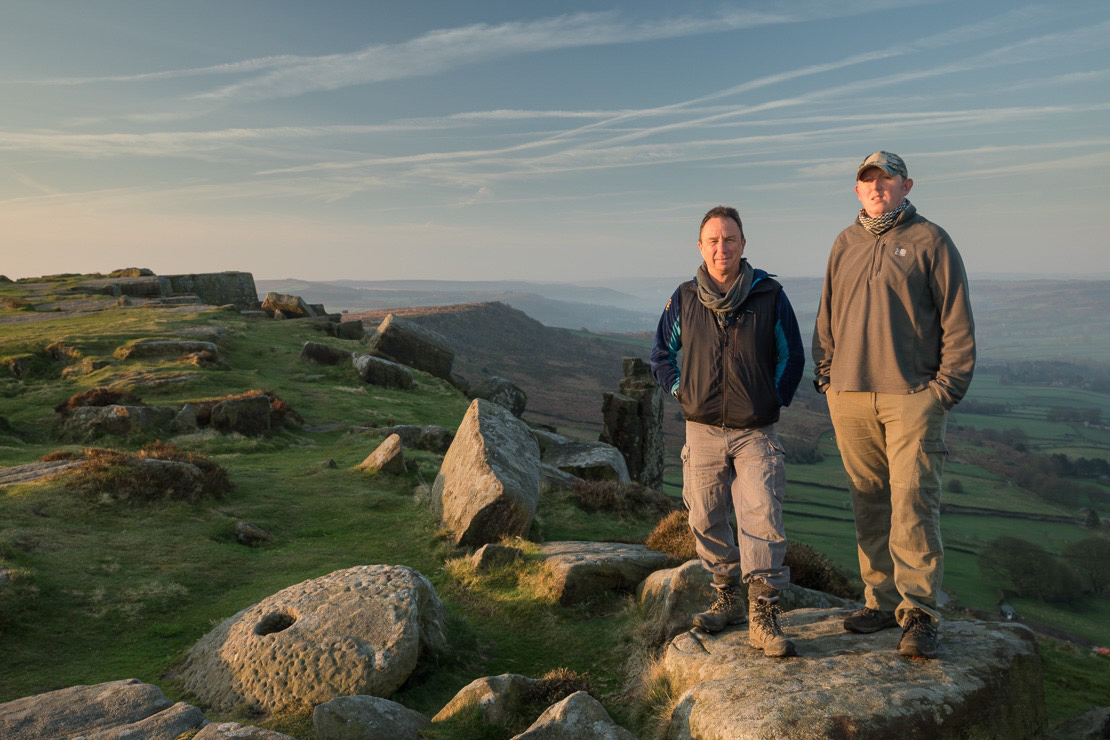
David Noton
A few years later, I initiated contact with David Noton to introduce myself. After meeting him at a photography exhibition, he invited me to be a guest for one of his F11 members. During this day, I spent a day in the Peak District National Park, capturing landscapes for both sunset and sunrise. Subsequently, David Noton featured my photographs in his F11 club.
Although I initially harboured a slight sense of arrogance, believing I possessed extensive knowledge in landscape photography, David Noton’s guidance helped address a recurring issue. I had a tendency to inadvertently shoot into the sun or feature the sun excessively in my photographs.
This is an area that I have not extensively explored on my own, and the combination of sidelight to enhance details in the foreground while casting light on the shadows has significantly elevated my landscape photography. While I primarily consider myself self-taught, I must acknowledge the influence of my brief experiences with David Hickey on the Isle of Skye and my two days with David Noton. These experiences provided a few minor solutions and further propelled my landscape photography to new heights. The knowledge that emanated from David Noton was invaluable, and I am deeply grateful for it.
My New Life
Following my time with David Noton, my landscape photography took a significant leap forward. Prior to this, I had been overly focused on mastering my camera and acquiring technical knowledge, which had made me somewhat of a camera enthusiast. While I was able to articulate these concepts, I often failed to put them into practice.
However, that morning in the Peak District National Park with David Noton, certain truths became reinforced for me, even though I had already been aware of them. From that moment on, I prioritised observing the light, meticulously working on the composition, and gaining a deep understanding of my surroundings. This newfound approach led me to adopt a research-based approach to landscape photography, specifically focusing on sunrise.
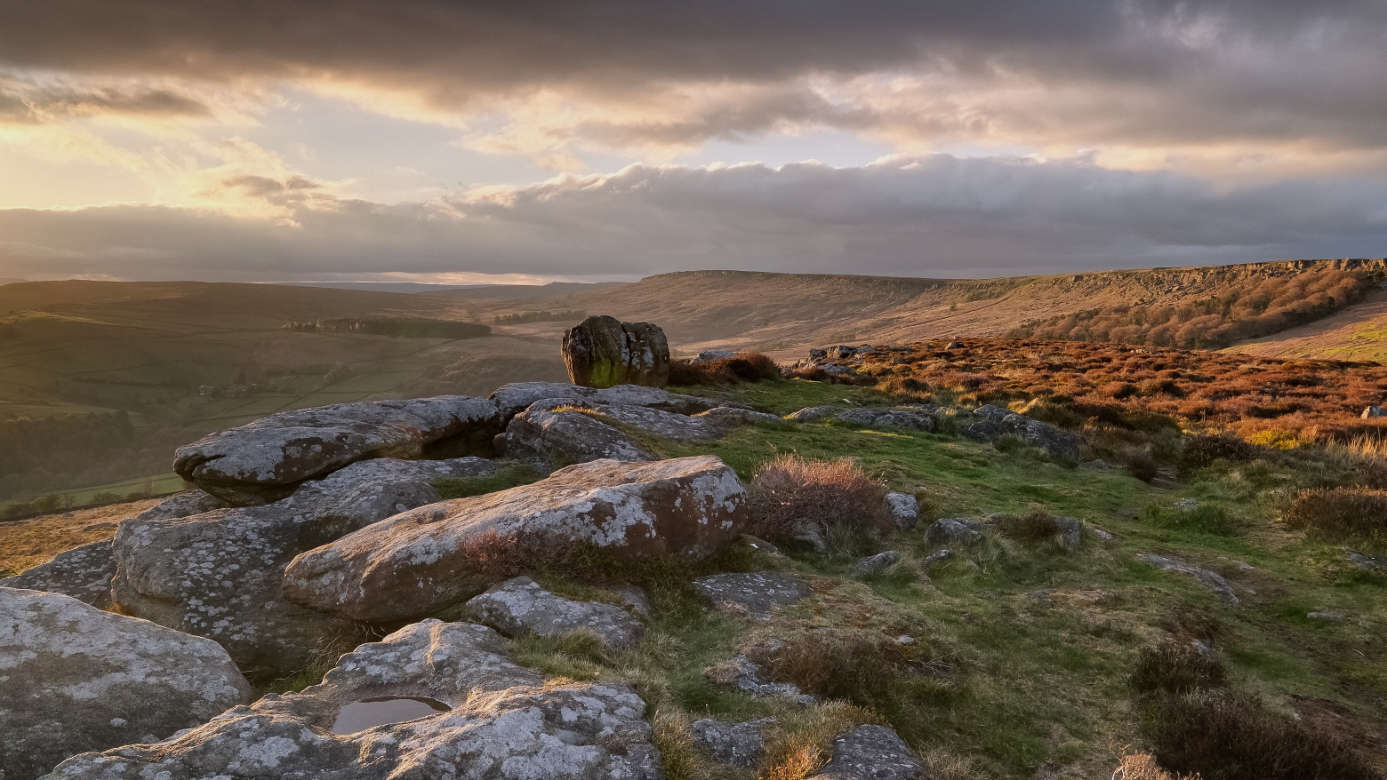
Carhead Rocks
I would slow down, thoroughly familiarise myself with the area, and only proceed with the composition when I had identified the optimal location. This approach allowed me to remain calm and composed, even if the weather conditions changed at the last minute, ensuring that I would not return home without capturing a photograph.
In contrast, before my time with David Noton, I would panic and hastily attempt to photograph anything, hoping to add something to edit later. However, everything I learned with David Noton taught me to slow down, relax, and work with the composition. I also developed a deep appreciation for the landscape and embraced a more realistic approach to photography.
Over the years, I continued this practice and was invited to assist others in the local area by offering photography workshops. I also had the privilege of working with Blind Veterans UK during their photography holidays. Among the most cherished memories was spending time on those hills, capturing the first shadows of sunrise and experiencing the invigorating chill on my face.
The Future of My Landscape Photography
The Peak District National Park, with its majestic Tors and Hills, holds a special place in my heart. I am fortunate to have such an accessible landscape that allows me to explore, recover, learn, and thrive.
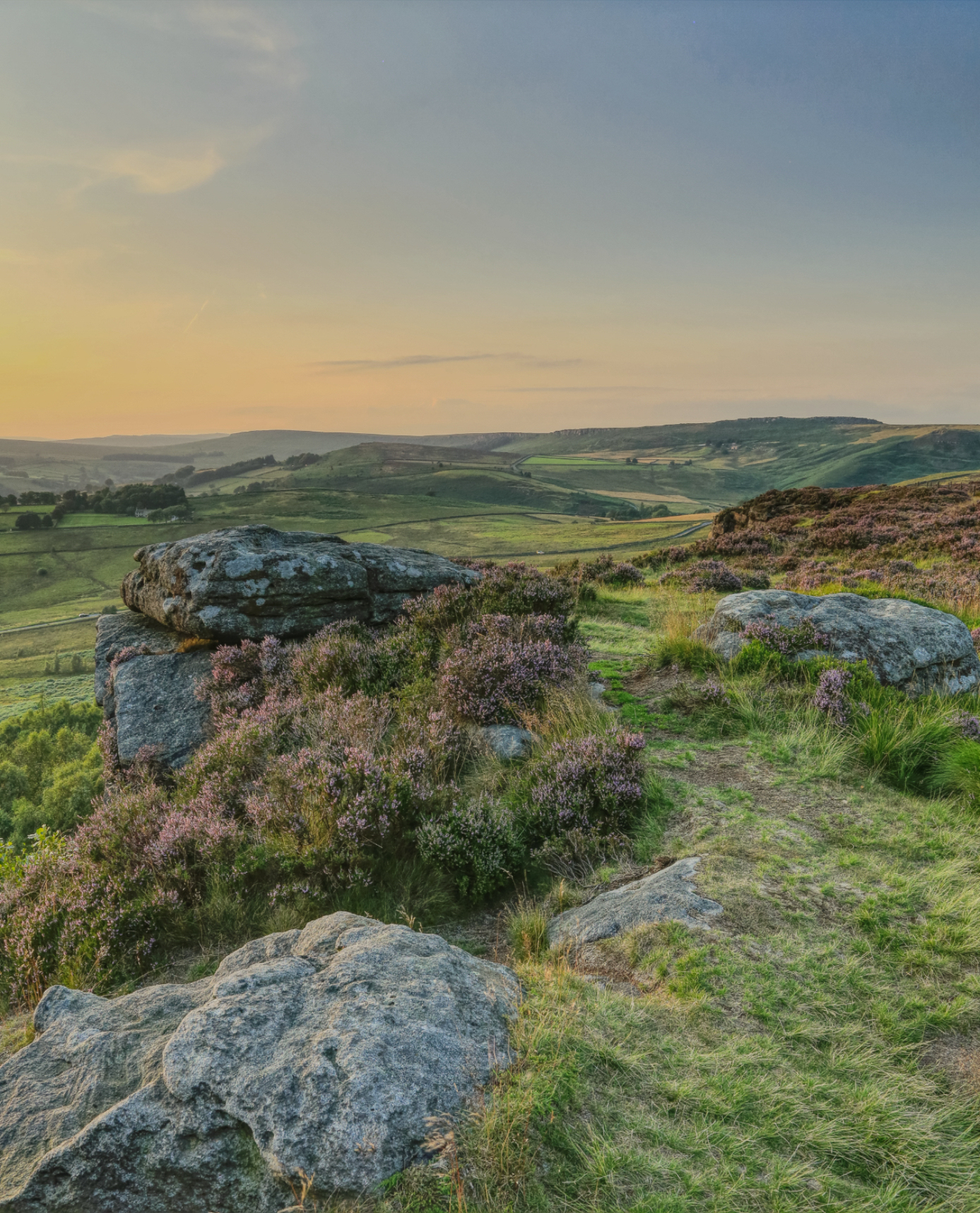
Millstone Edge
The ever-changing landscape offers an endless supply of landscape photography opportunities. The seasonal changes constantly present new landscapes to capture, and the uniqueness of each day in the Peak District National Park ensures a diverse range of subjects.
Despite over a decade of exploration and learning to work this landscape, I continue to discover new places to explore and photograph, enriching my own photographic repertoire.
In this regard, there has undoubtedly been a transformation in my landscape photography, which I believe occurred not long after the pandemic or, more specifically, during the lockdown periods. The traffic congestion in the Peak District, particularly in the well-known honeypot locations, is clearly evident.
This development does not necessarily pose a negative impact on local tourism, and I believe that the local community does not perceive it as such. However, it does present a slight challenge, especially during peak hours, such as sunrise, which can make the experience slightly less relaxing at times. Consequently, I have found myself venturing further into the woodland areas of the Peak District National Park.
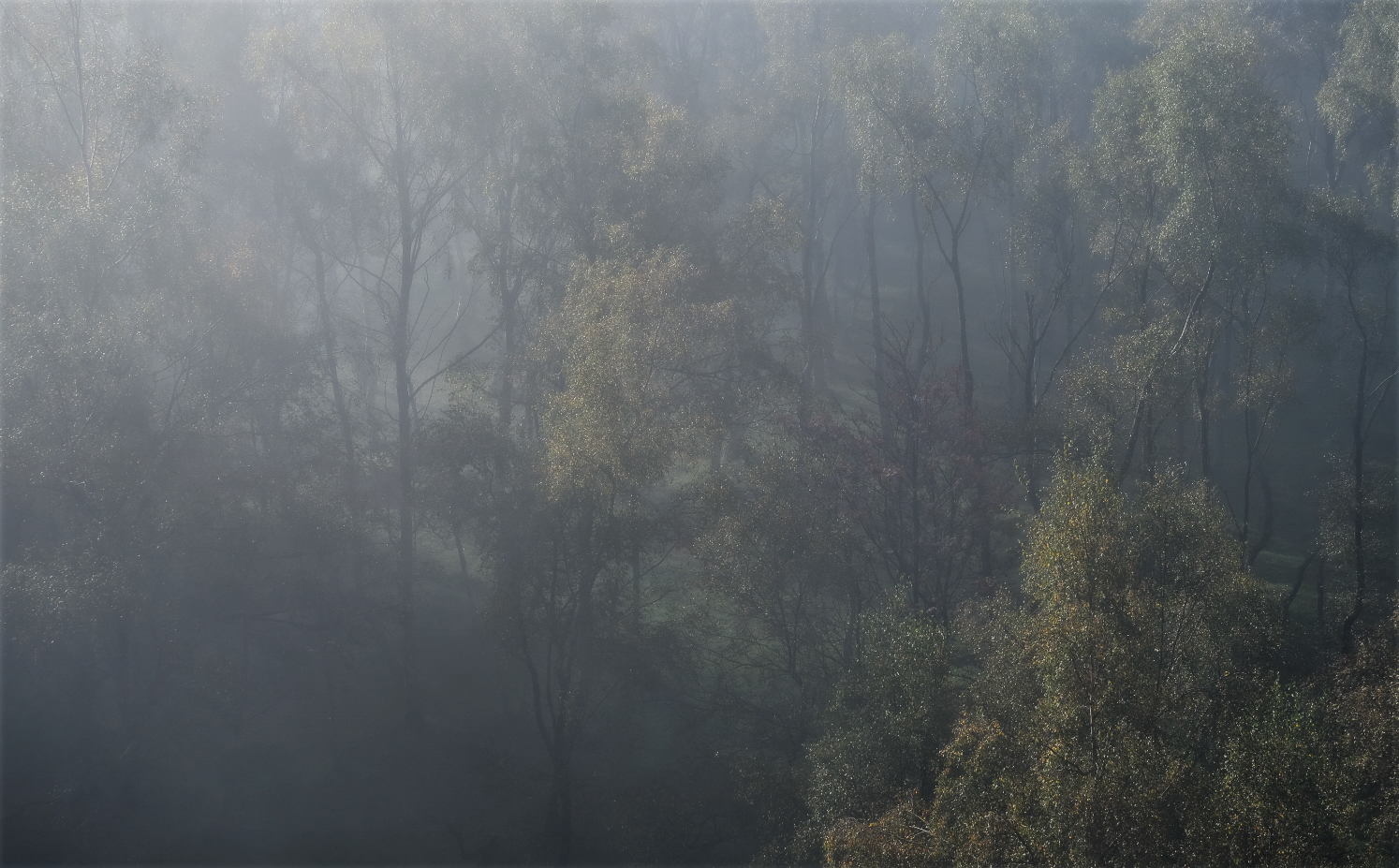
Tree Tops
These areas offer me a sense of tranquility , and the pace of life tends to be considerably slower in the woods.
I certainly cannot boast being a woodland photographer in fact in the national park there are some incredible photographers producing outstanding work and although I'm happily going along my own Journey completing my own compositions it is sometimes easy to be inspired by their incredible work.
I must admit that I did not initially anticipate spending such an extended period in the company of trees, but I have come to recognise the numerous positive benefits they offer. Spending time in the presence of trees and green spaces is beneficial for everyone, as it promotes a slower pace of life. Delving deeper into the connection with trees specifically helps to maintain a low heart rate and induce a state of relaxation. Essentially, it involves maintaining a regular walking routine and simply enjoying the local natural woodland areas.
I would like to suggest that my time spent with landscapes and photographing trees is roughly equal. However, I must emphasise that the peak seasons for me are spring and autumn, and I also find myself drawn to the empty winter scenarios where the trees seem to come alive. In all other instances, the Peak District National Park provides ample opportunities for my landscape photography.
The Highs and Lows
Surprisingly, throughout my eight years of service in the British army, I had never experienced depression or anxiety. In fact, before the age of 27, I don’t believe I had ever experienced such a condition,
despite our somewhat challenging upbringing.
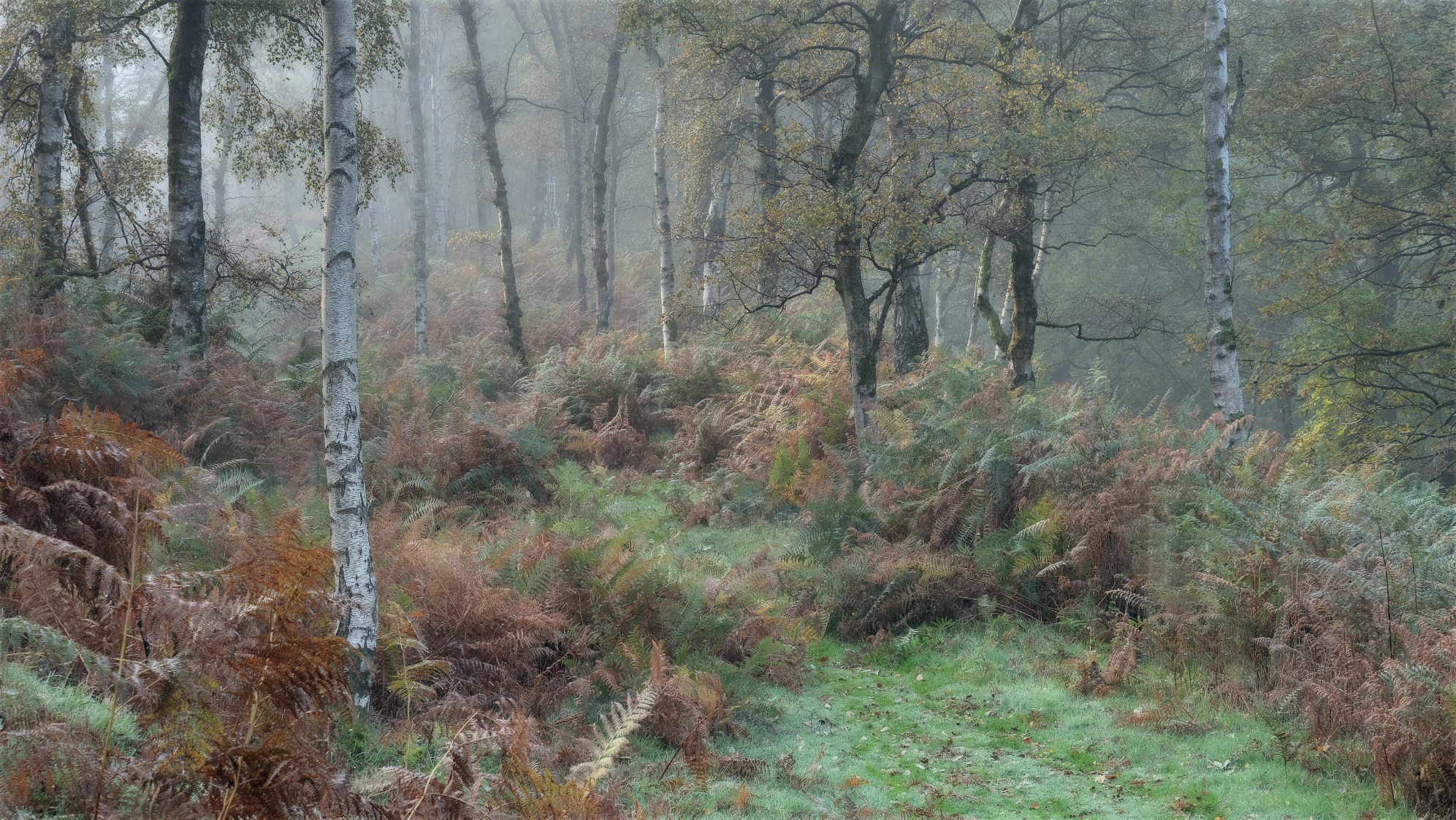
Local Woods
The low points likely began approximately a year after my recovery process. Unfortunately, the military brainwash instils the belief that the regiment, particularly, is a family-based unit where individuals are always looked after. However, this reality is not always the case when you are injured and not local to the camp.
Regrettably, you may be left behind. Fortunately, my brother was still serving in the same regiment as me, allowing me to maintain regular contact with him and one of the individuals who had been injured alongside me. However, apart from these connections, it is easy to feel isolated and left behind.
Fortunately, I had a wonderful wife and our first son. Nevertheless, I could easily see the low points beginning to manifest in my mind. Moments of paranoia gradually transformed into overt depression, although I was unaware of it at the time. Even simple activities like going for a walk on a sunny day could be met with excuses to stay indoors. Sitting alone in a quiet room, without the television on, and allowing your thoughts to take over can be a detrimental experience.
Overall, anything related to depression, those low feelings, is something I cannot pretend to have experienced to the extent that I have. For obvious reasons, when you have lost your army career, you no longer live with those who you had been with for eight years every day. You also lose the ability to walk as you used to and, as a result, your vision deteriorates. You have lost your independence and simple things like the ability to drive, which makes you reliant on others. In such circumstances, it is easy for negative thoughts and feelings to take hold.
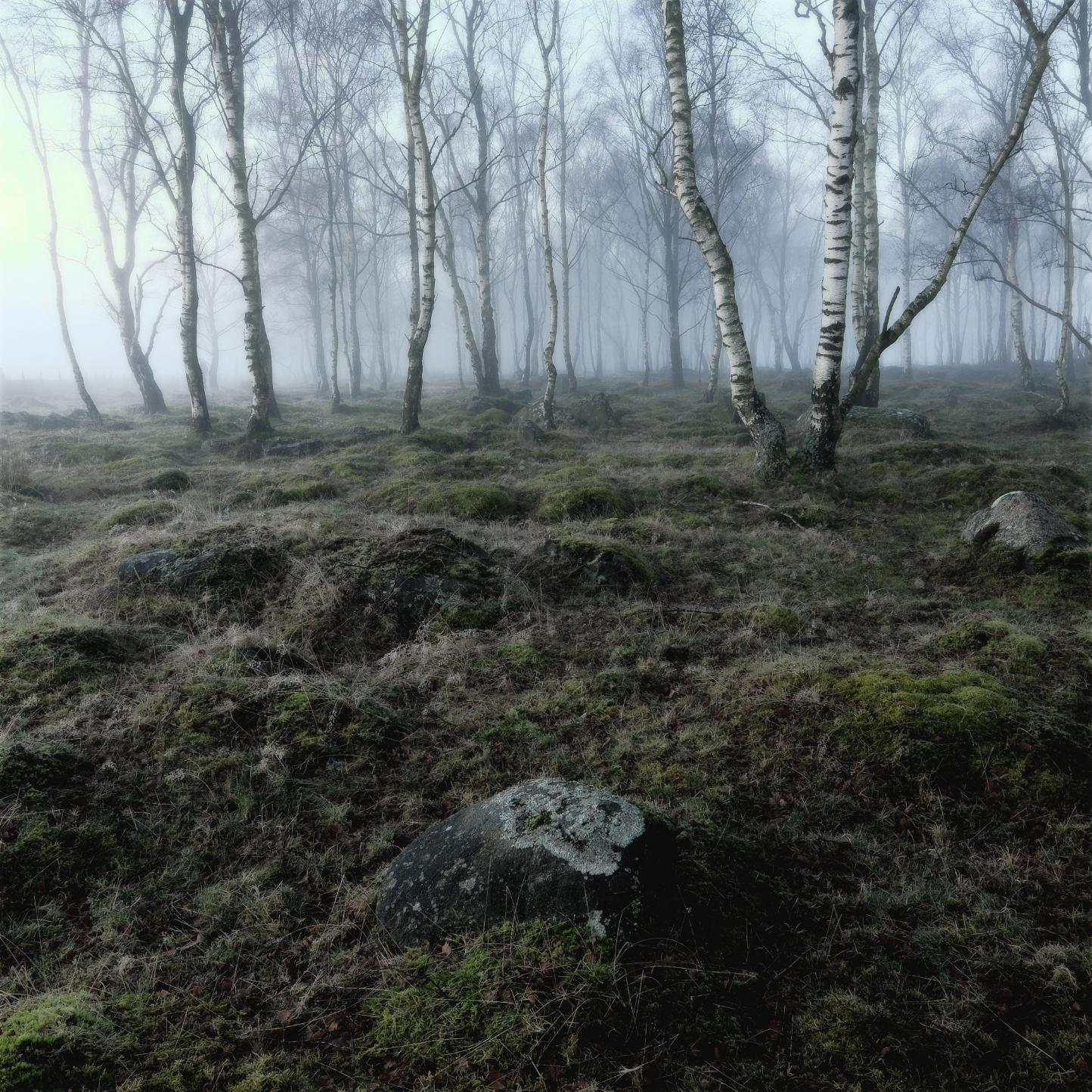
Winter Fog
Fortunately, photography began to alleviate some of these challenges. The enthusiasm to learn new things, meet new people, travel, and have something to look forward to, and always create, is incredibly powerful. Whether landscape photography is considered art or simply a digital creation is a matter of debate, but I firmly believe it is a form of art.
Having a purpose has been a significant change. While I acknowledge that these challenging days may still exist, it is important to remember that we all have bad days. Sometimes, it can be as simple as bad weather that prevents us from venturing out. When the sky is grey and everything feels miserable, photography can still provide moments of inspiration and motivation.
Although landscape photography may not always evoke a sense of high motivation or creativity, it offers a multitude of opportunities. There is always something to look up, research, or connect with. This gift of photography can be incredibly helpful and empowering.
Despite the challenging moments, there have also been instances of potential PTSD. It is crucial to emphasise that I am fortunate to have relatively few complaints. I do not experience vivid recollections of the Middle East, but there are occasional moments when I am asleep and have intense, strange vocal screams. I am unaware of these events when I awaken, but my wife gently rouses me and calms me down, allowing me to fall back asleep.
Shopping and supermarkets can also be particularly difficult due to the overwhelming noise and constant activity. My mind wanders, and I find it challenging to concentrate. The sound of trolleys moving, people talking loudly, and artificial lighting can cause me significant distress. There have been unfortunate occasions when I have struggled to cope and have expressed my need to wait outside to my wife. She has always understood and accommodated my request, allowing me to relax outdoors. However, it is important to note that these incidents are relatively rare and occur only a few times.
The most challenging moment with such situations is an unexpected bang, such as a loud noise or a door slamming. These events do not immediately transport me back to the Middle East or trigger vivid memories. However, they can startle me in an unhealthy way. My speech may become slightly impaired, and I may struggle to remember what is happening for a few seconds.
In my opinion, the countryside offers a profound sense of reward. The tranquil settings of the countryside and the majestic ancient woodlands provide a profound sense of peace and tranquility, as well as beneficial physical exercise. The encouragement provided by landscape photography to venture out of one’s comfort zone and recharge research and rejuvenation is incredibly beneficial. I wholeheartedly believe that I will always be grateful for the transformative power of landscape photography.
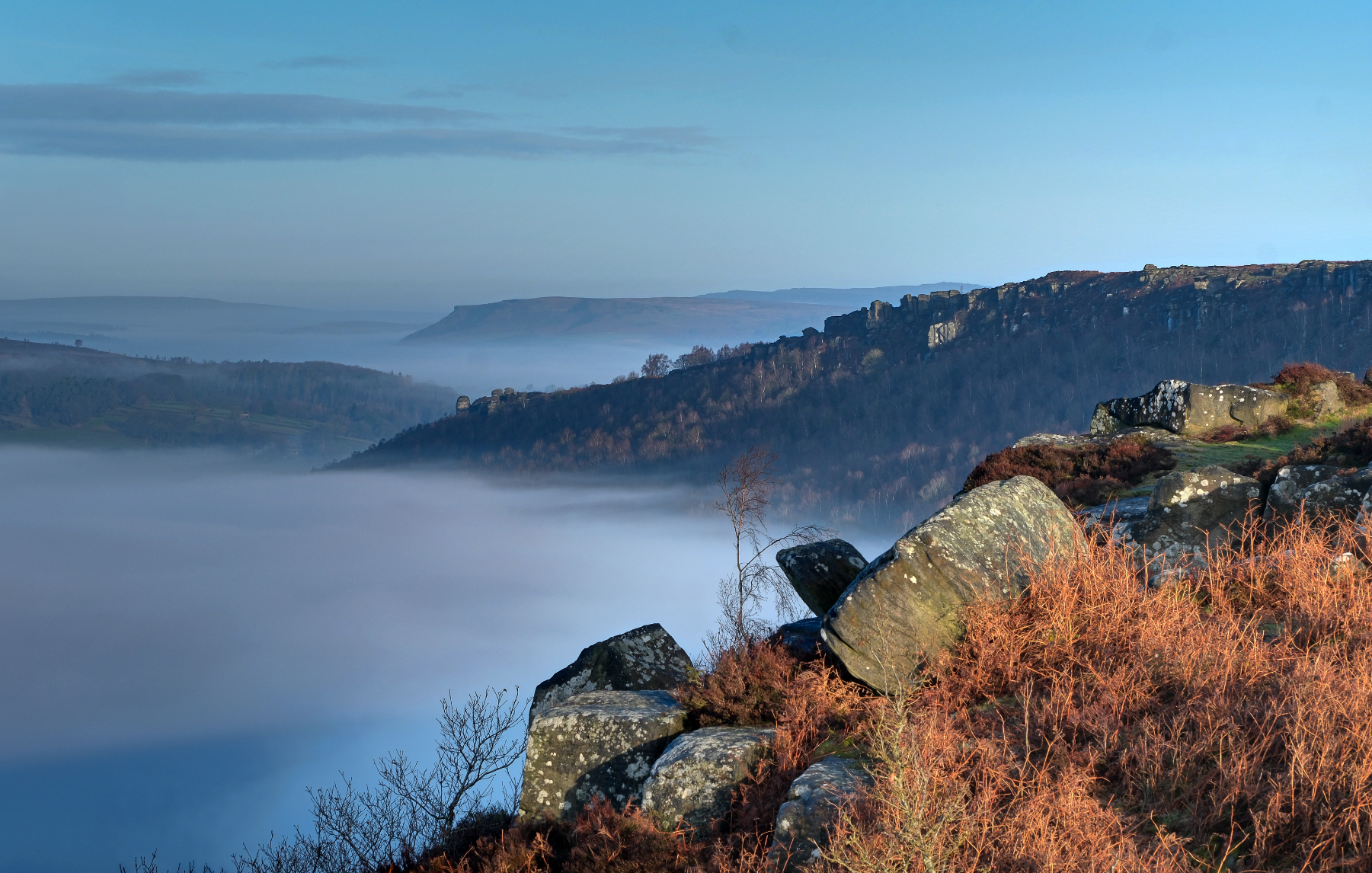
Baslow edge
The Process
An obvious question arises: how does an individual with sight loss, memory loss, and the need to start anew become a landscape photographer or, more specifically, a user of a camera? The answer lies in time and practice. I am not one to rush into things, and as a result, I endeavour to take my time with everything. Otherwise, I make mistakes that require repetition or missed moments.
Landscape photography is no exception. Initially, when I acquired my second camera, a Canon 5D Mark III, which was ideal for landscape photography, I sat on the sofa in the front room, placed the camera on a tripod, and repeatedly went through the menu, searching for shortcuts. This process was arduous, compounded by my site loss.
Fortunately, there are numerous helpful videos on YouTube that guide users through the menu and provide strategies for retaining information before taking the camera out on the ground. By combining these resources, I was able to solidify the process in my mind. At this point, I could use my camera in low light conditions without the need to frequently look through the menu. I gained control over the camera effectively, without relying on the digital display or the eyepiece.
However, technological advancements, such as focus peaking, have brought about a change. Fuji Film announced the introduction of focus peaking in the camera menu. This feature allows users to adjust the focus level of the camera. In a country where the picturesque British countryside is predominantly lush and green, having focus peaking set to red enabled me to focus the camera effortlessly. This discovery has been incredibly beneficial, and I continue to use this feature daily for my landscape photography.
I am deeply grateful to the inventor of this remarkable creation. In general, my approach to landscape photography involves regularly revisiting fundamental principles. I typically embark on walks, conduct research on potential locations, and prepare for optimal lighting conditions. Surprisingly, I find the morning to be more conducive to photography compared to the sunset. The morning light is generally softer, and there are fewer people around, making it ideal for composing my tripod. Once I have selected a location and conducted my research, I step back to ensure that I am accurately capturing the scene in front of me. Most of the time, I return to the basics of sidelight and employ a medical composition.
Without landscape photography, my life would undoubtedly be lacking a profoundly rewarding experience. While I acknowledge that I would eventually reach my destination, I am particularly grateful for the transformative power of landscape photography. This pursuit continues to be one of the most fulfilling forms of rehabilitation for me.
I find it amusing to imagine the potential value of capturing the exhilarating sensation of taking an extraordinary photograph. If one could encapsulate this feeling and sell it as a bottle of enthusiasm, its worth would be immeasurable.
-

- Iraq 2005
-

- David, Simon & Chris
-

- Loch Cill Chriosd
-

- David Noton
-

- Carhead Rocks
-

- Millstone Edge
-

- Tree Tops
-

- Winter Fog
-

- Local Woods
-

- Baslow edge