

 Join the conversation
 Subcribe to comment rss feed
Tim Smalley on how to get past a creative rut
 It’s inevitable that we all reach a point in our photographic journey when we begin to draw nothing but blanks. After downloading the contents of your memory card or getting your freshly processed images back from the lab, you realise that there isn’t even a single image amongst them of any worth. Weeks, or even months, without an image of note can begin to chip away at your creative confidence and can lead to you asking yourself questions about your value as a photographer. If you’ve ever felt this way, you’re certainly not alone – it happens in every creative medium and definitely isn’t just limited to photography. And, for some, it can happen with a degree of regularity.Late in February this year, I entered a dry spell that went on for almost two months – every image I made during this period meant little or nothing to me, or my fiancée (who’s incredibly brutal about some of my work). She keeps me sane and knocks me down to size when I’m kidding myself.The rut seemed to go on forever and I felt there was no end in sight. I’d just moved house too – from the
 depths of rural Surrey onto the Middlesex/Hertfordshire border. This clearly hadn’t helped – many of the places that I visited previously were now almost two hours away, as opposed to just a few minutes, making repeated visits more difficult – but I knew it wasn’t the only reason.However, rather than get down about temporarily losing my photographic eye and blame it on moving away from some favoured locations, I saw it as an opportunity to move forwards creatively. It’s important in these circumstances not to try too hard, blame your equipment or admit defeat – the last point is particularly important to avoid, as there’s no point dwelling on or trying to justify why you’re going through a photographic rut. It just happens sometimes.I see it as an opportunity to reflect on what you’ve achieved and how you’ve changed as an artist and photographer. It’s a license to experiment, reconnect with the landscape and, above all, to enjoy just being out in the great outdoors – no matter how good or bad the weather is, and whether or not you come back having made a meaningful image.
 I cast a cynical eye over my portfolio and realised I wasn’t where I wanted to be – I was throwing images out that I was previously very fond of because they just didn’t satisfy me anymore. It’s sometimes good to do this but, if you do, don’t be too critical of yourself and your work because it’s important to remember that our tastes change as time passes by. Rather than spend time dwelling on why I wasn’t where I wanted to be, I instead started to think how I could get there without setting my expectations too high – I knew that I wouldn’t get where I wanted to be overnight.
I decided that it was as good a time as ever to start a couple of new projects with subjects that inspired me, but forced me to step outside of my comfort zone. Both projects would force me to experiment and were not particularly weather dependant so I couldn’t blame my situation on being unlucky with the light.
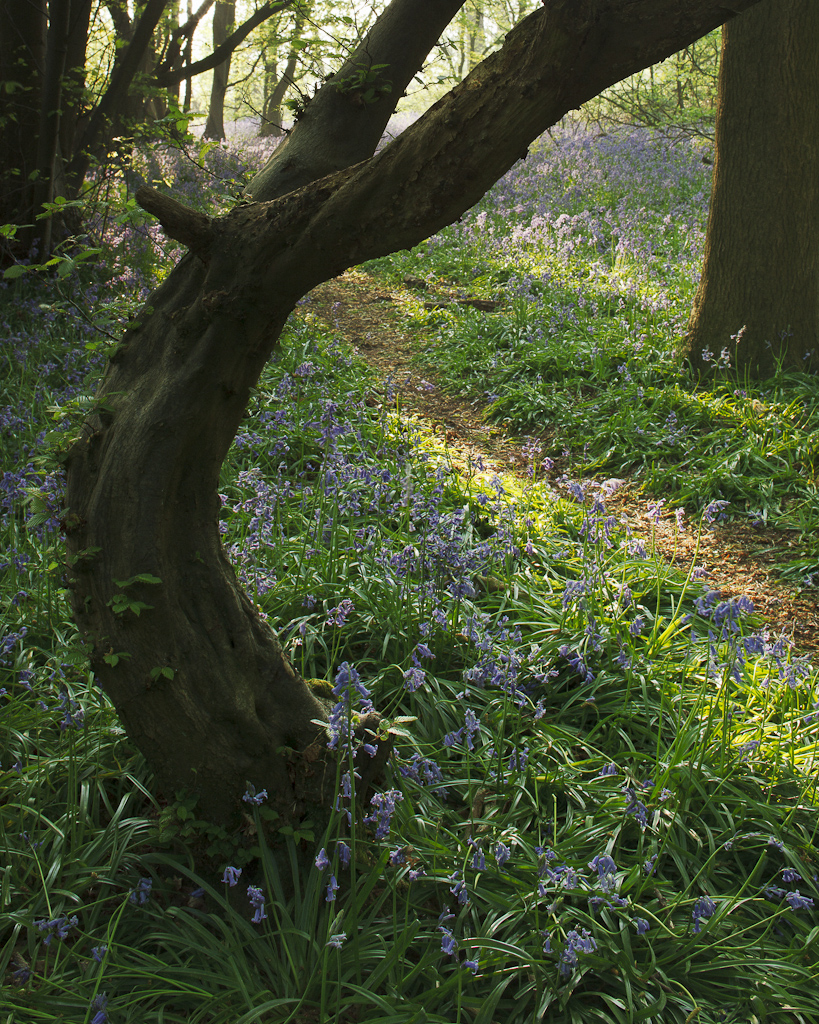
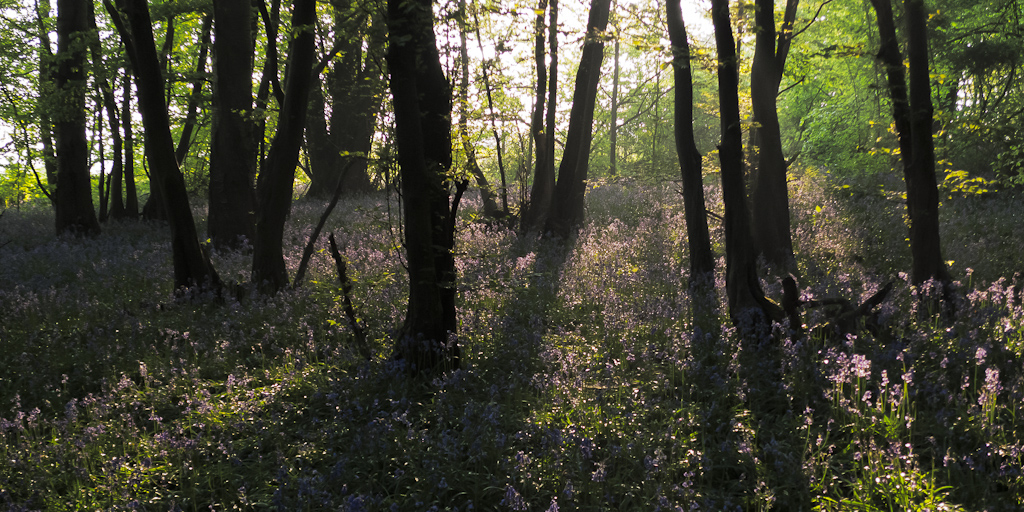
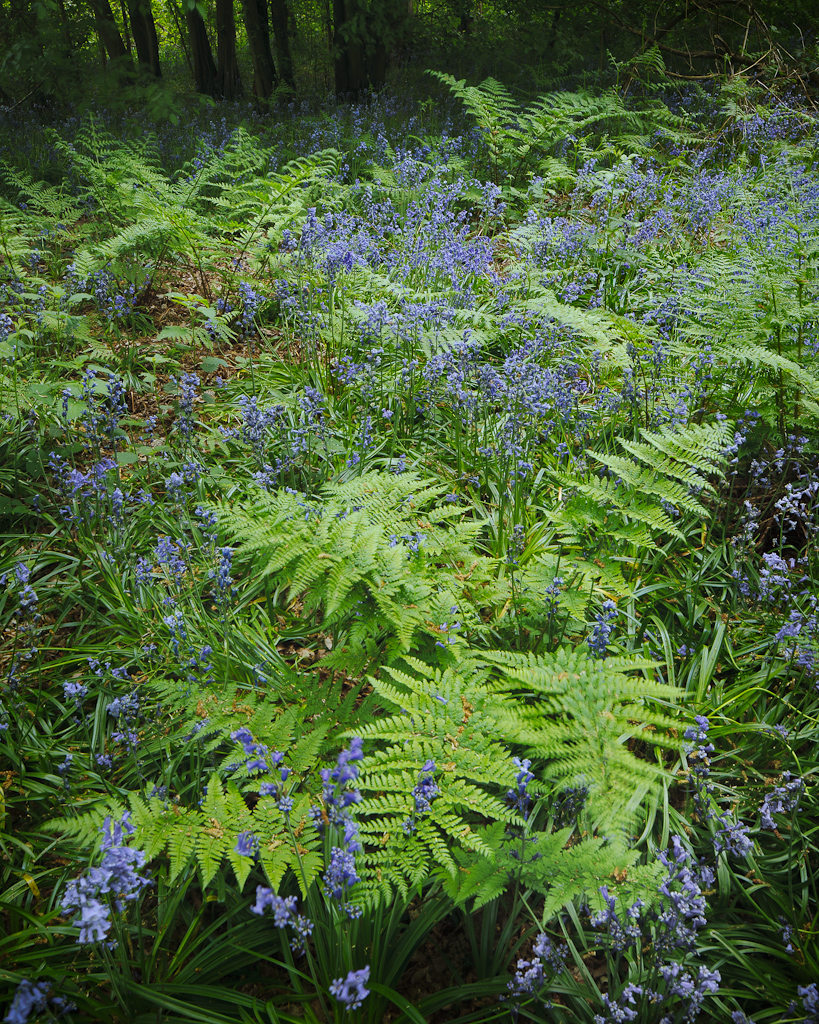
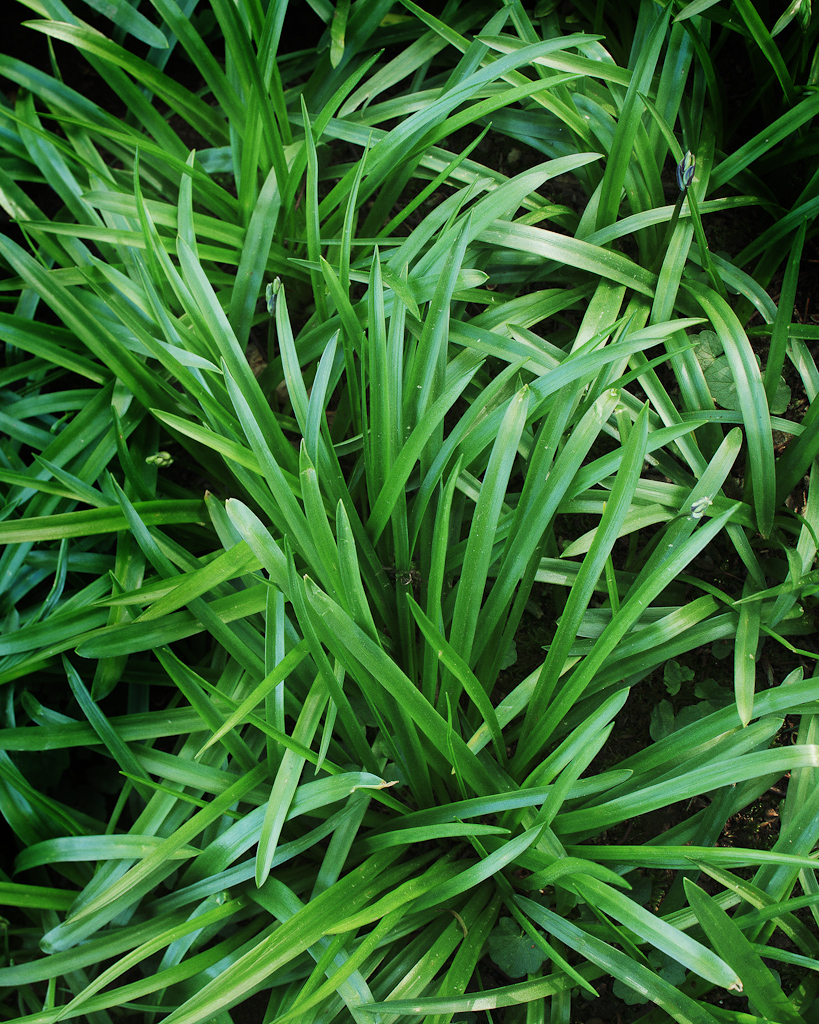
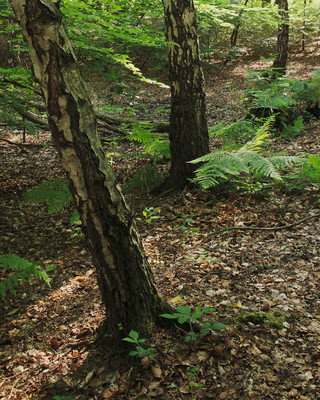
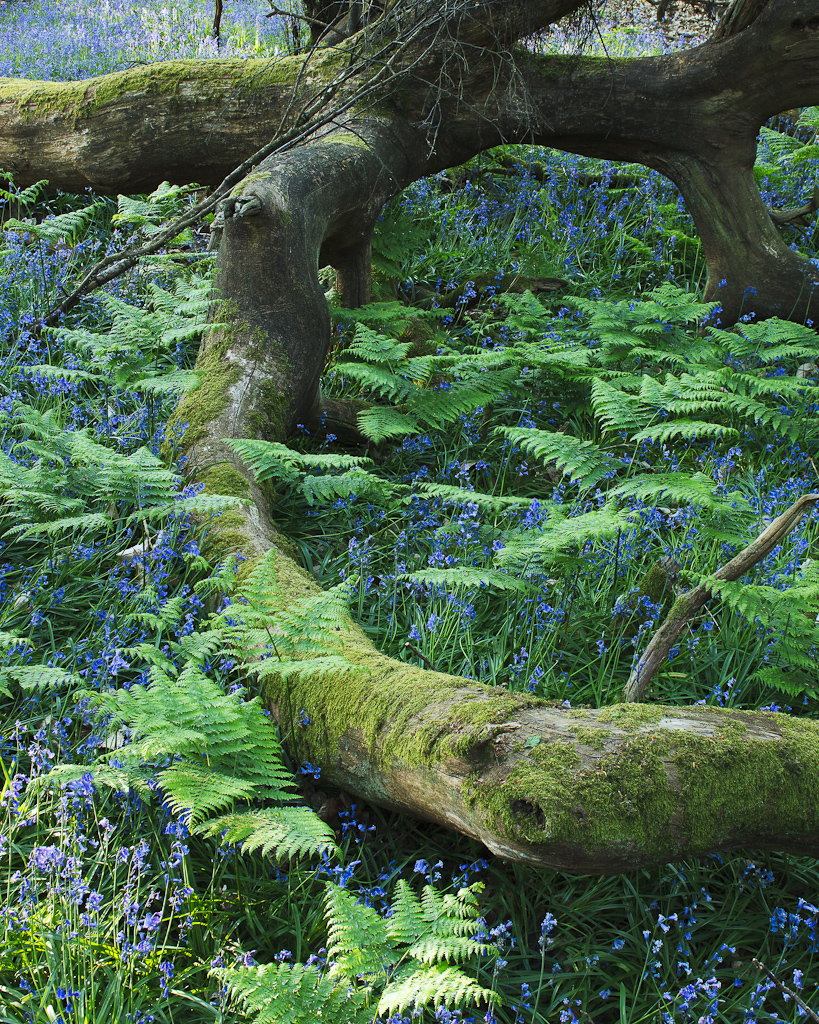
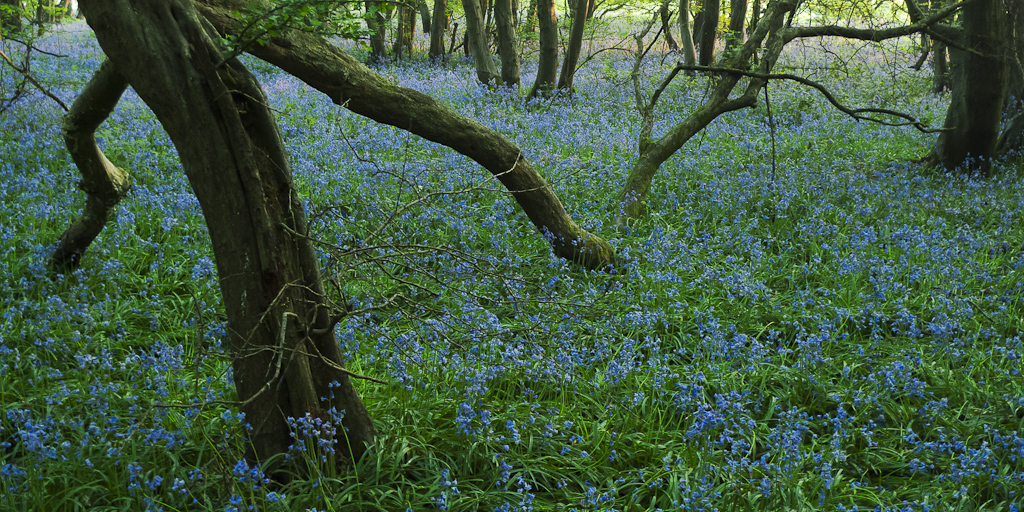
The first of these projects was based in a part of the Heartwood Forest that’s just north of St. Albans on the edge of a small village called Sandridge, which isn’t far from my new home. This meant it was easy to get to and also cost-effective to visit repeatedly, giving me no excuse to stay at home. It’s an ancient bluebell woodland with lots of character and, with spring just around the corner, I felt it’d be an ideal place to get some fresh inspiration.
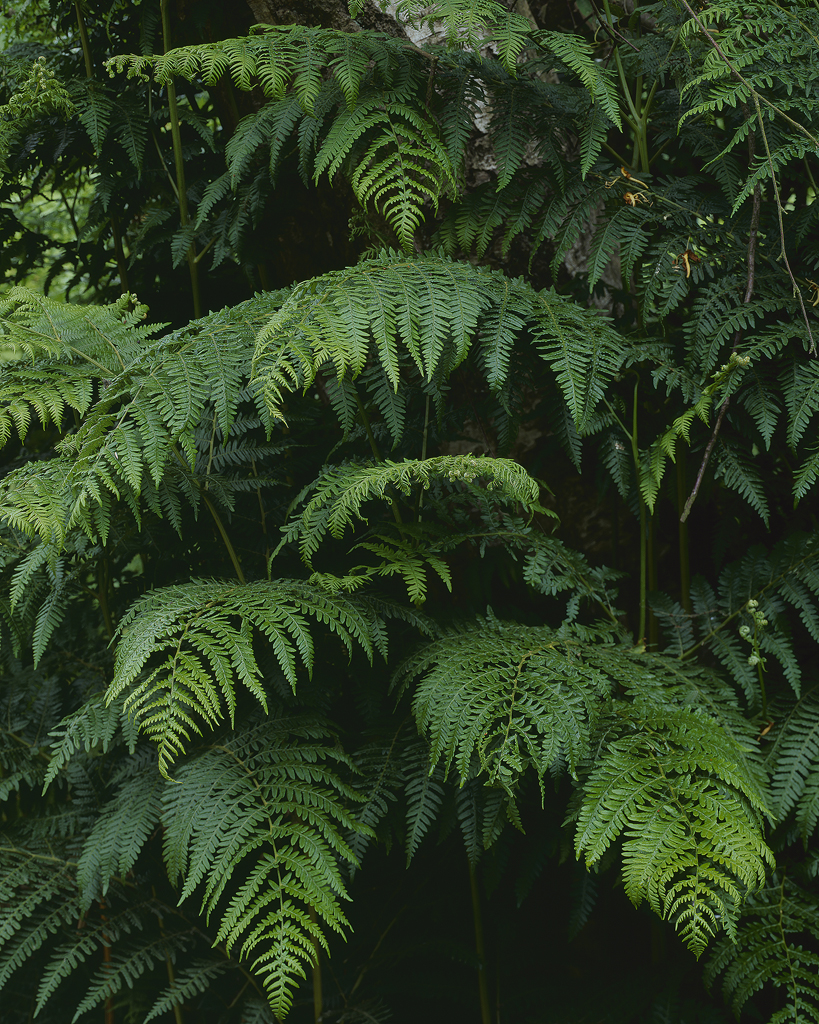
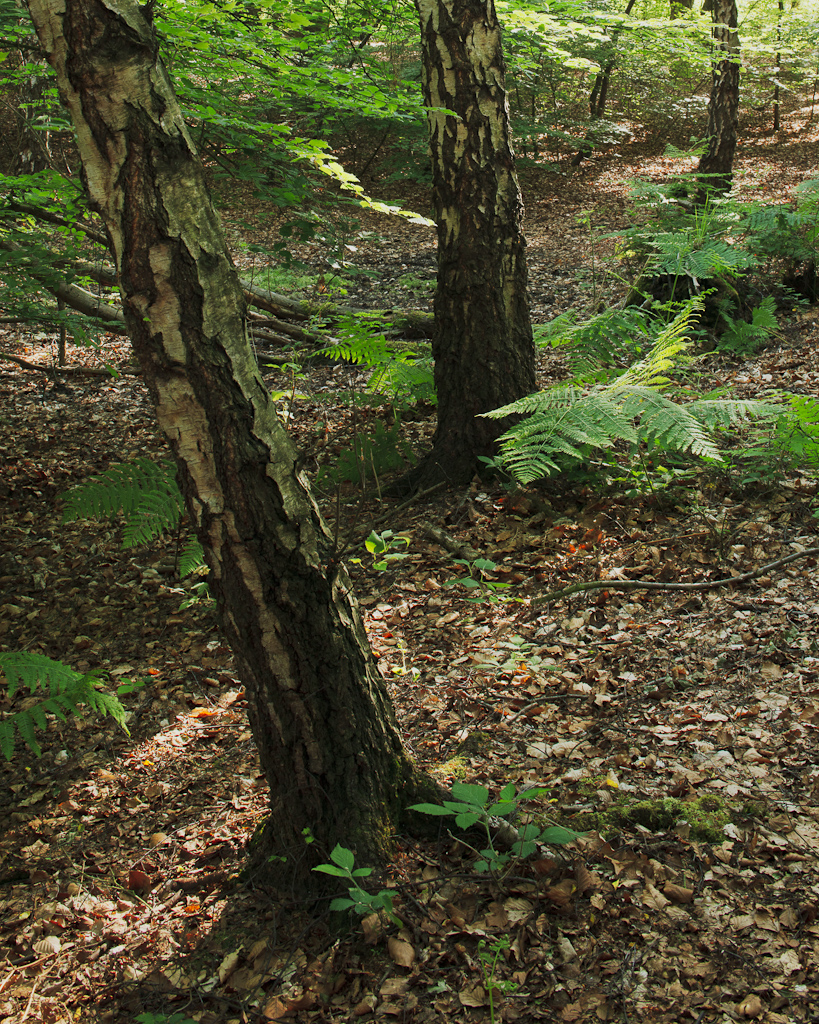
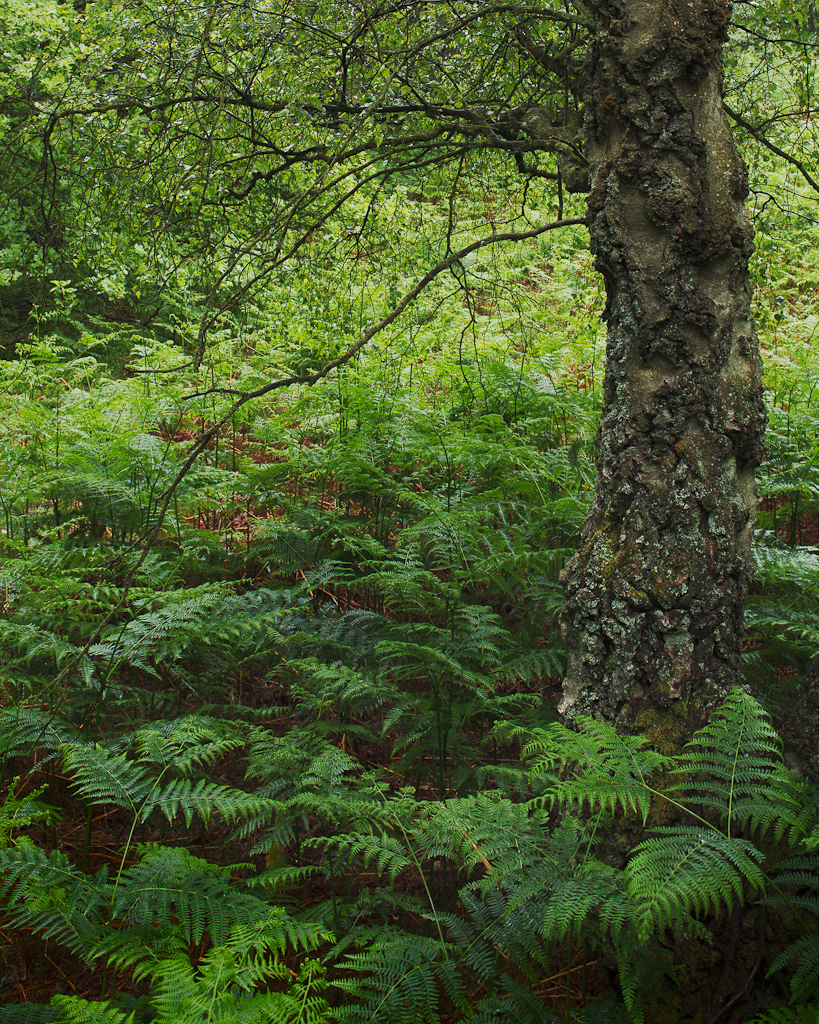
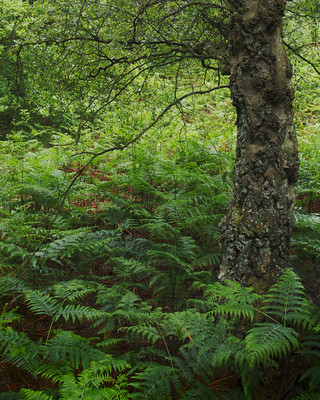
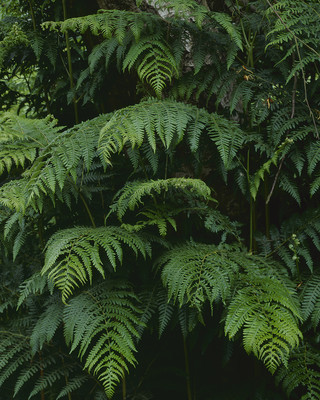
 The second project was also based in woodland, but instead focused on bracken. It was a much wider project that would enable me to visit familiar locations – both close to home and further afield – and hopefully see them through a different set of eyes. I also intended to seek out some new locations with potential that could be visited later in the project when I felt my rut was coming to an end.
Despite its potential vastness, it bore a close relation to the Heartwood Forest project because it was primarily based on form and composition, but could also be worked on in almost all weather conditions with the help of a big white umbrella.What’s more, because both projects relied on the arrival of the spring bloom, it meant I had to spend the first few weeks of both projects planning, pre-visualising and establishing an emotional connection with any potential new locations I came across (or re-establishing that connection with familiar locations).
It’s all too easy to arrive at a new location with your heart in your mouth and think that a
 significant image is literally just around the corner. However, more often than not that image will allude you and, because of your current situation, you’ll go home casting even more doubt over your prowess when it’s down to the fact you don’t understand what makes the location tick and don’t have any emotional basis for inspiration.
My decision to start two projects that would require serious thought before any image making could commence as it forced me to meticulously plan and also connect with my subject. It was important that I didn’t try too hard to force an image – as is often the case when you lose your artistic mojo – because I’d more than likely see it as a failure; instead, I gave myself time to let the images come to me when I was ready.
At this point, all of my work on these projects had been done alone. I felt I needed time to reflect and reignite my creativity without any outside pressure tomove onto a new area or head home. I spent days exploring locations –
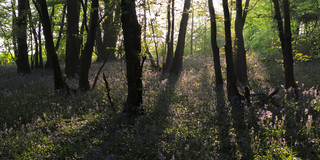 mainly with my Panasonic Lumix DMC-LX3 – and, as the bloom started appearing, I called up one of my shooting partners to see if they fancied visiting some of the locations I’d been exploring for so long.
I was keen to see how they saw the locations differently to me and to hopefully gain inspiration from the images they made. The spring flowers were still not at their peak on the first few trips, but I felt it was right to give my shooting partner some time to acclimatise himself with the locations I’d spent so long connecting with.
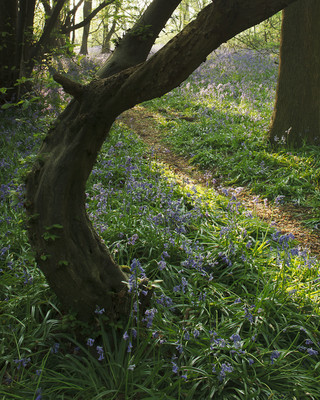 Reviewing the images that came from these pre-bloom sessions left me with hope, but the revelation came when I sat down with my shooting partner. The images he’d come back with were completely different to mine, but very revealing as we were quite often shooting just a few feet away from each other.
This enabled me to think beyond the images I made at the same time and see images that I would never have visualised before. I was now just a week or so away from some areas of the Sandridge woodland coming into bloom and I was starting to see more clearly again.
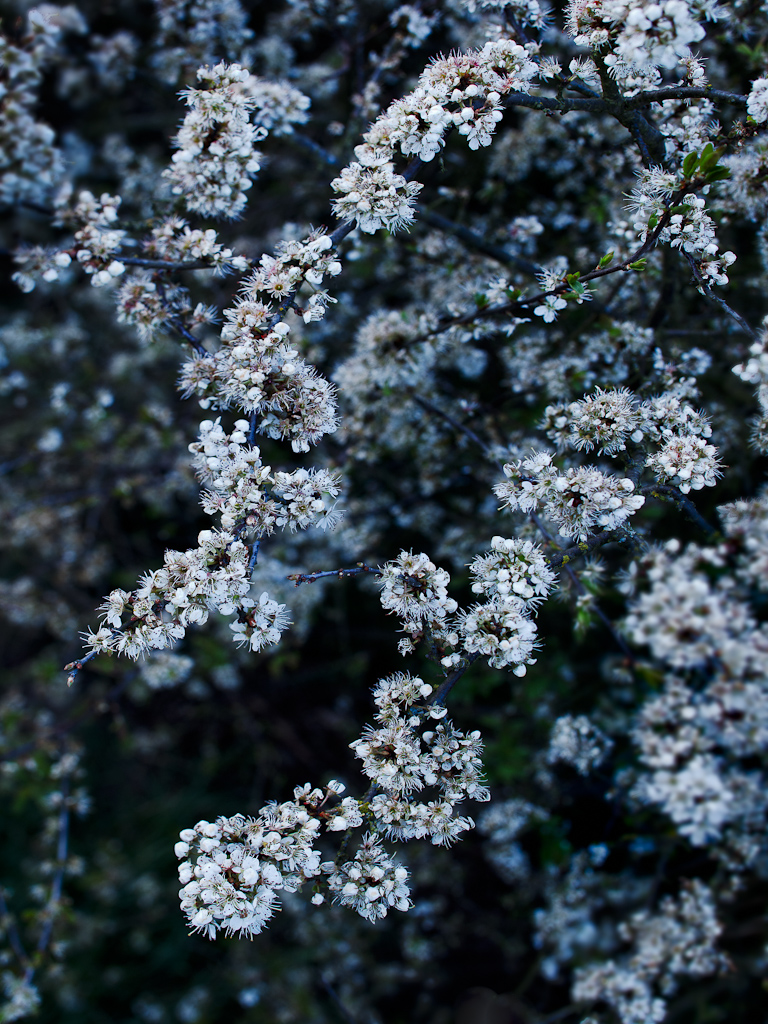
Five days later, I made one of the most significant images of the year to date and it was of an unexpected subject. The trees had just started blossoming and I noticed an area with some delicate, but very shapely branches that I would have normally walked right past on the way back to the car. However, this time, I was determined to stop and make it work – even though the light was fading. It wasn’t an image I had planned but the idea jumped out at me immediately. It required a lot of work to juxtapose the elements within the frame and also adjust the plane of focus to match my visualisation. At last, I felt like a massive weight had been taken off my shoulders and I was free to proceed in the direction my eyes took me.
 Like most things, different people deal with situations differently so while I can’t offer a Delia Smith style recipe for getting out of a photographic rut, I do hope that my decision to focus on a longer-term goal inspires you to work your way out of a rut without feeling short-term pressure. Your mind is a complicated thing that’s unique to you, and it needs time to rest and recharge itself before the next challenge. Even if you only have limited time to dedicate to landscape photography, there’s little point being too hard on yourself and
  applying unneeded pressure to make meaningful images. Creativity isn’t available on tap so don’t force it – let that moment of inspiration come to you because, believe me, it will when the time is right.
You can see more of Tim Smalley's photography at http://tsmalley.com/
and
http://www.flickr.com/photos/timsmalley/.