

 Join the conversation
 Subcribe to comment rss feed
Uwe Beutnagel-Buchner

Uwe Beutnagel-Buchner
I’m an amateur photographer, living in Stuttgart, Germany. My first experiences with photography are dating back to the early nineteen eighties. After a longer break, I restarted from 2010 on with digital cameras. Since retiring a few years ago, my passion is to photograph nature in general, but especially wild landscapes, coastal sceneries and woodlands, mostly in the northern part of Europe. Since about 2014 I’m travelling every year some weeks to Scotland, where I’m currently working on a project on native woodlands.
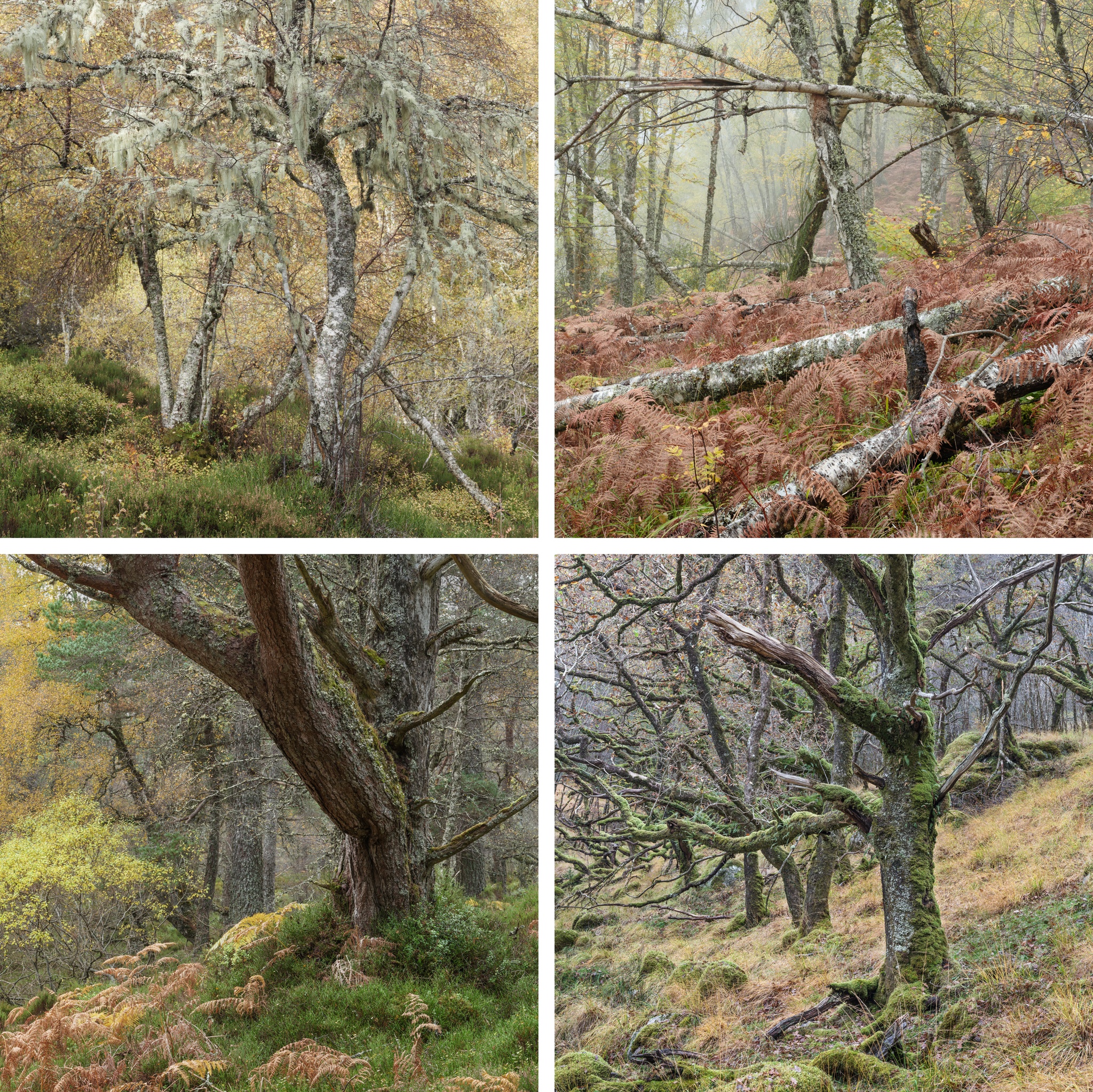
These images are part of a running project which objective is to generate attention on preserving, rewilding and expanding native woodlands. It aims to support such activities of private people and organizations by trying to photographically convey the attractiveness, the wealth of species, but also the fragility of native woodlands. The hope is that the images will raise awareness and trigger a reflection in the viewer about what is possible, even in their own region. Scotland's Native Woodlands can serve as a good example here.
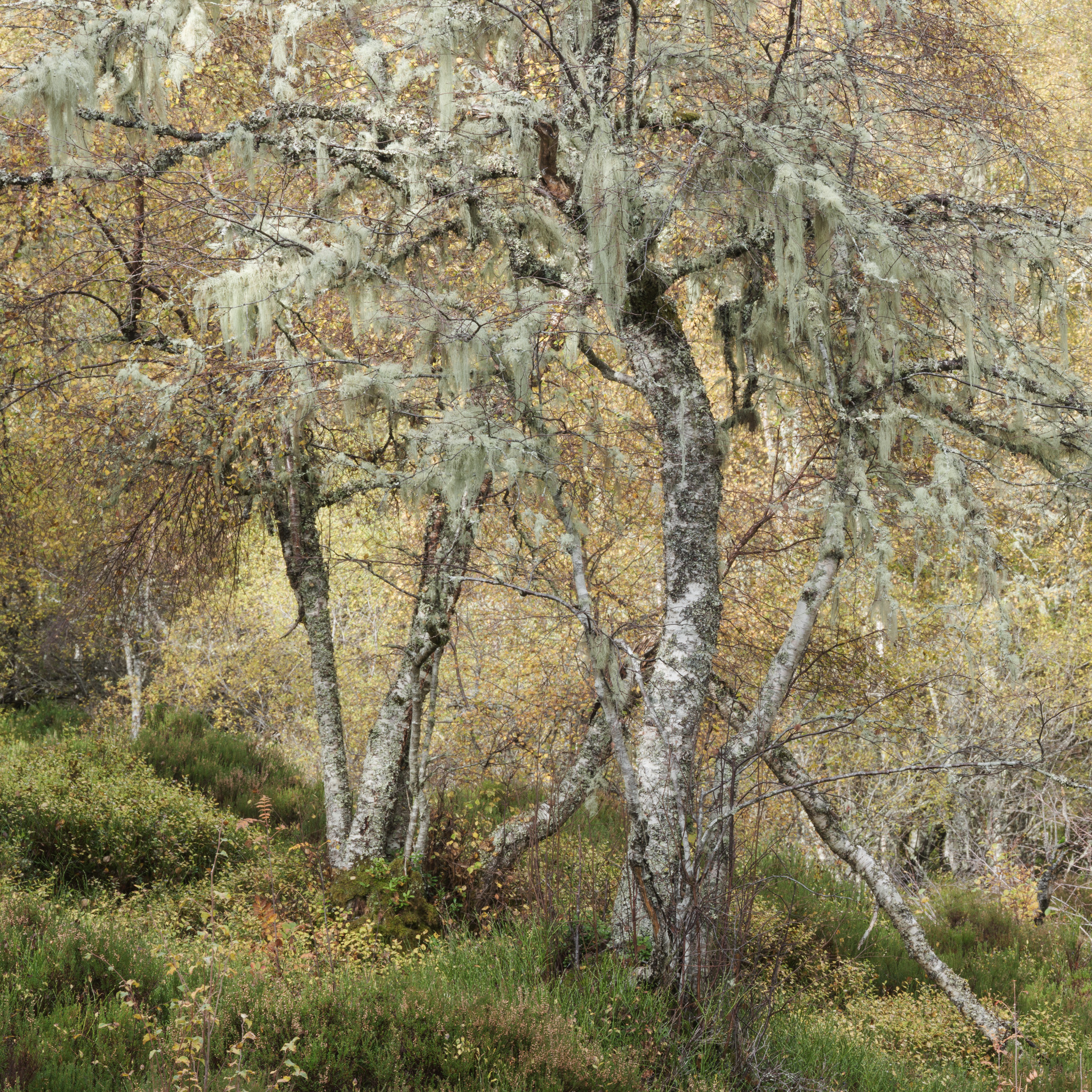
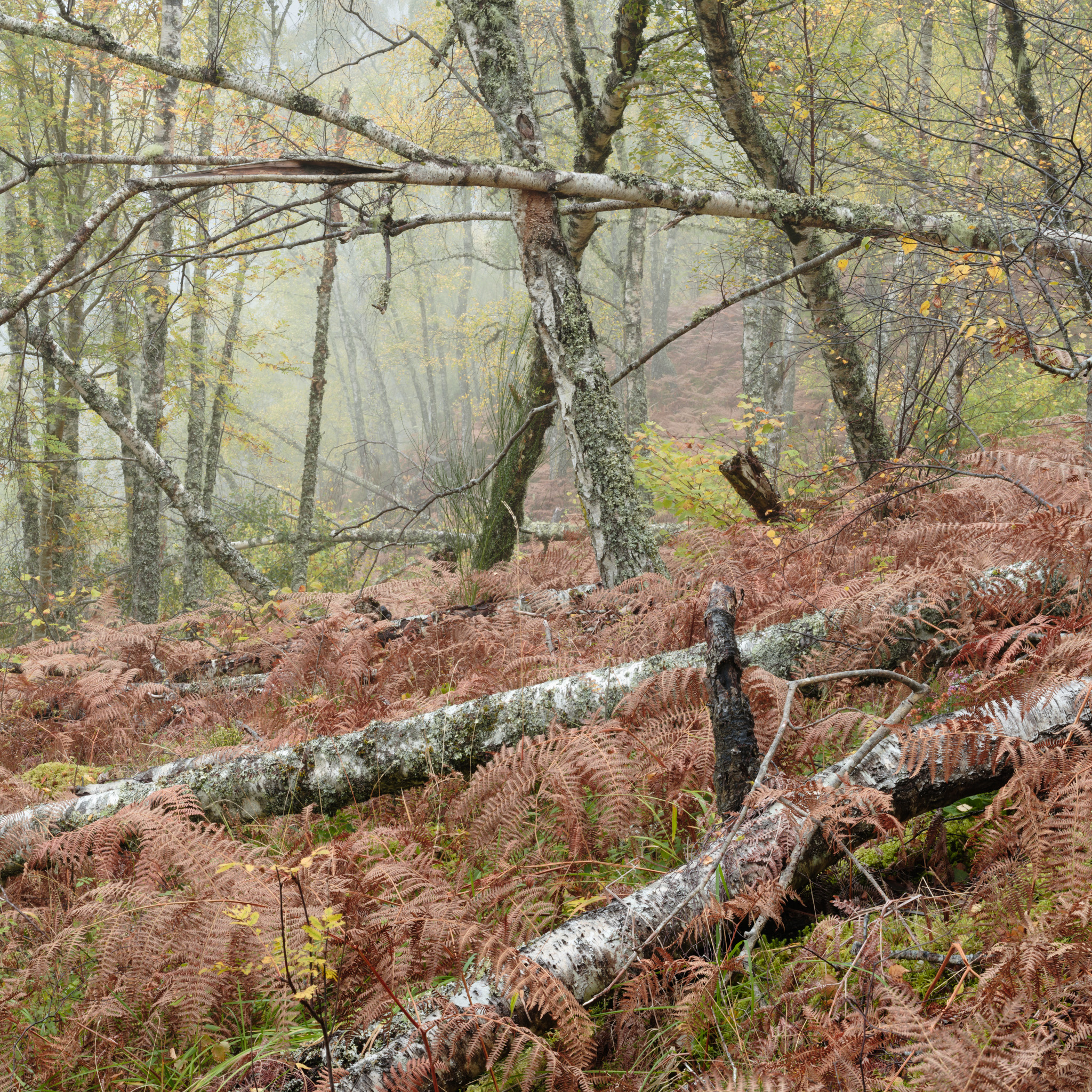
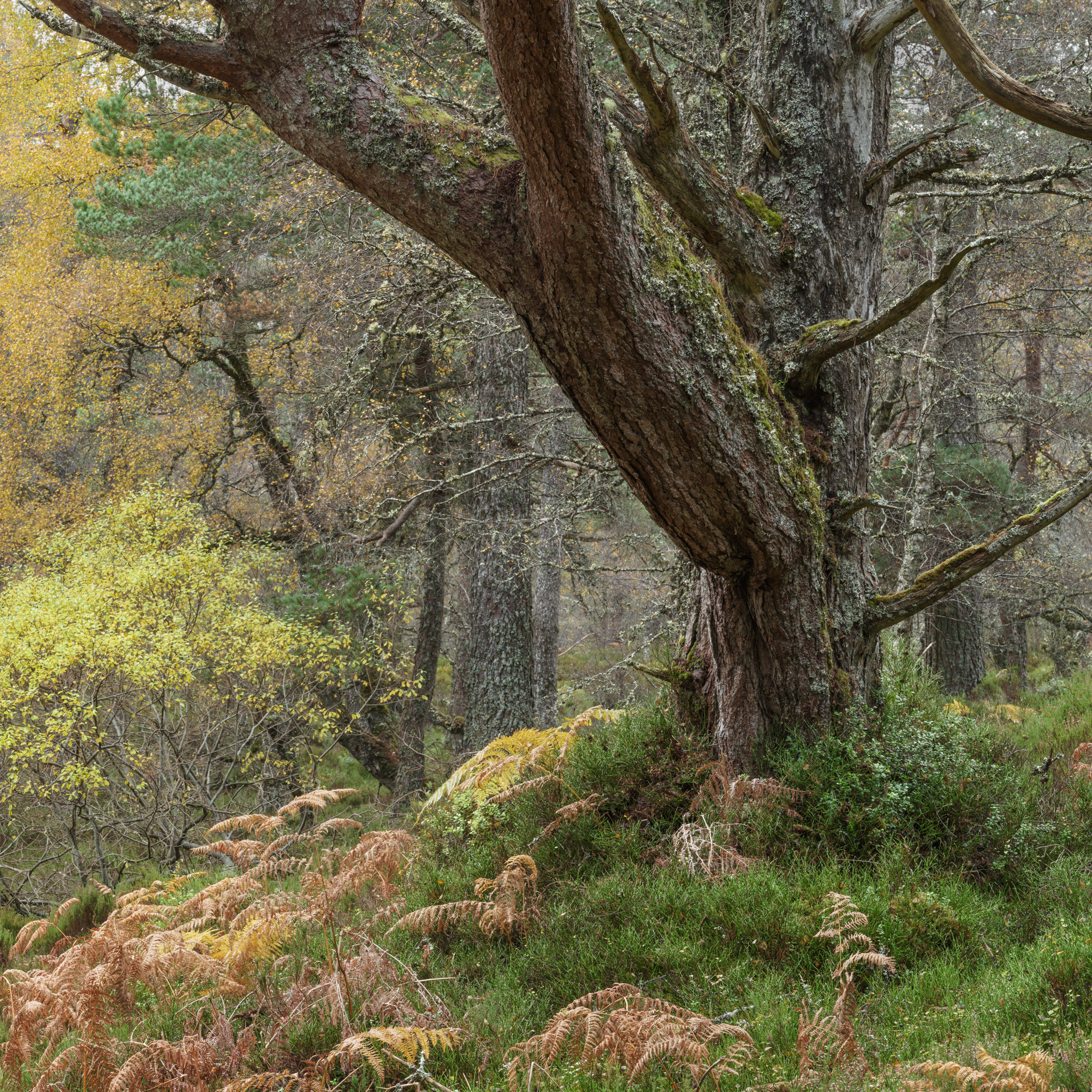
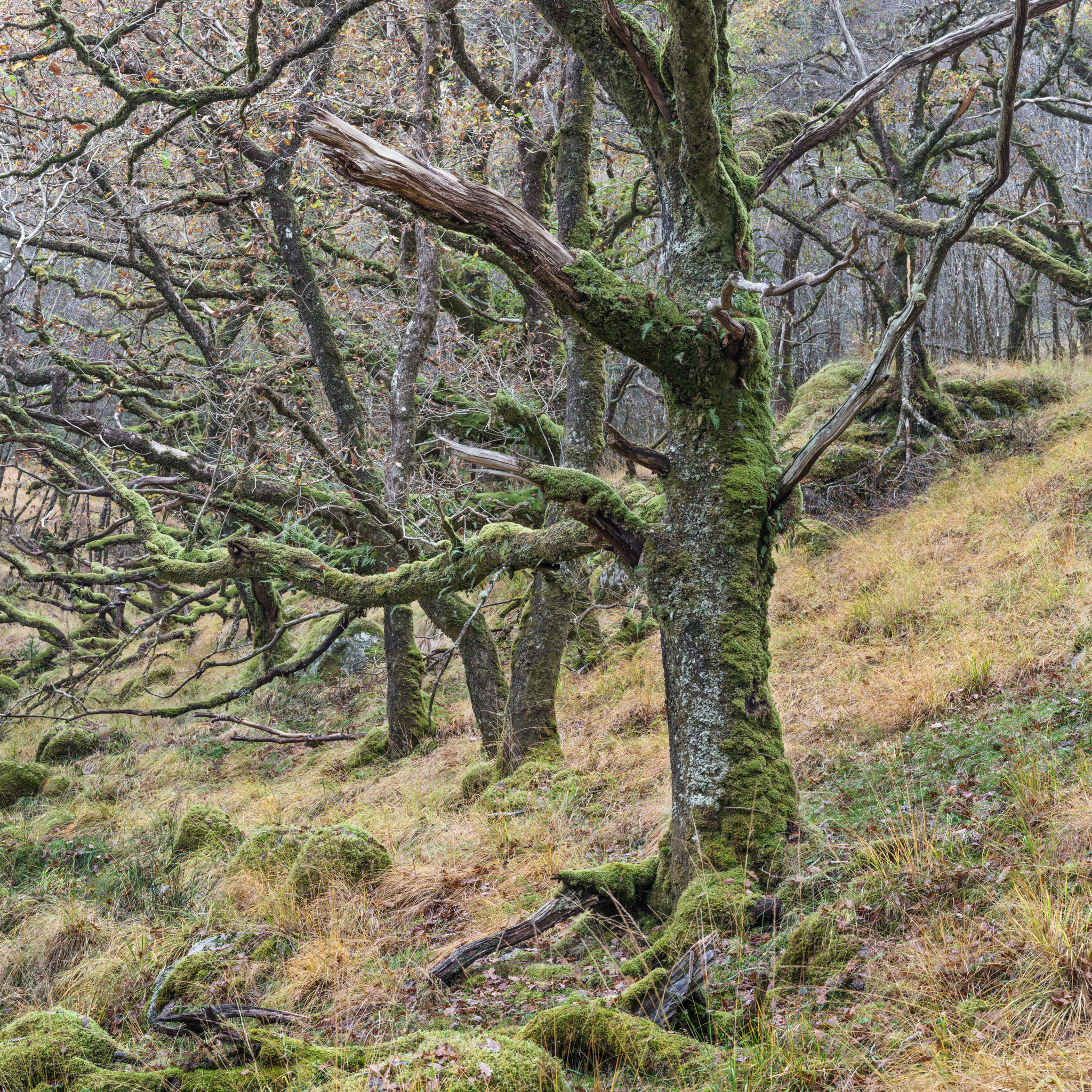
The photographs show glimpses of various native woodlands. They are intimate treescapes that show deeper impressions and details of the individual habitats rather than their embedding in the surrounding landscape. The aim is to draw the viewer into them and make him feel part of them.
The overall collection of photographs was taken over some years in several nature reserves, which has been identified by Scottish Forestry, a Scottish Government agency, based on the “Native Woodland Survey of Scotland”. The nature reserves are located
- in the Highlands of Perthshire,
- in the coastal areas of Argyllshire,
- in the Beinn Eighe and Loch Maree Islands National Nature Reserve,
- in the Affric Highlands, and
- in the Cairngorms National Park, Strathspey and Deeside.
The term “native woodlands” generally refers to woodlands with trees and shrub species that have settled naturally, without human intervention. In Scotland, this happened after the last ice age around 9,000 years ago, when the seeds of these native trees were dispersed by wind, water and animals. As a result, extensive forests of oak, pine, birch, alder, ash, hazel, willow and other trees and shrubs formed. Depending on the topographical location and climatic conditions, different types of forest developed, including temperate rainforests in the warmer and wetter west of Scotland, Caledonian pinewoods in the Highlands and in the east of Scotland and birchwoods at cooler, higher altitudes and at wetter, lower altitudes.