

 Join the conversation
 Subcribe to comment rss feed
Communicating something of that ‘unknown’ energy

Andrew Griffiths
Andrew writes news, columns and features for regional, national and international press. He has specialised in environmental writing, but is now moving into the health sector as well. He has taken photography more seriously in its own right this last few years and has contributed to a few group exhibitions. He is interested in that cross-over between the urban and the rural. Put him on an overgrown piece of wasteland on the edge of a city with his camera and he is unnaturally content.
How to approach the over-photographed landscape and get beyond the fear of producing yet another cliche - or worse - a postcard!
The trouble with the Peak District’s Dove Valley is that it is just too darned pretty for its own good. Its inclusion in Izaak Walton’s ‘The Compleat Angler’, first published in 1653, put it on the map of ‘must see destinations’ for every well-bred gentleman (and woman) who had both the ability to read and the resources to own books and to travel. Arguably, the Dove Valley and the River Dove in its dales became England’s first ‘tourist hot spot’ and people have worn a path to its banks ever since.
One consequence of this enduring appeal is that it has become not just one of the most visited landscapes in Britain, but due to the studious attention of all these sensitive souls, it has been drawn, painted, written about in verse, in music, in prose, and, with the invention of the camera, photographed too, perhaps as much as any other location you care to mention. The invention of the digital camera and the ubiquity of the smartphone, has further caused the number of images of the valley to grow exponentially.
So, as today’s keen photographer rolls up with lenses twitching in nervous anticipation and sufficient ambition to aim for something half-decent, how do you conquer the fear that you’re going to come away from these popular landscapes with just another darned postcard? In short, how do you get past all this prettiness, and find the character that lies within?
At this point I need to make a confession: I’ve done more than my fair share of ‘pretty’ photographs of the River Dove -hopefully with a wealthy American in at least one of them, and with a bit of luck they will have been holding a trout.
I should explain.
As I said at the beginning, the River Dove was first mentioned in Izaak Walton’s ‘Compleat Angler’ in 1653, which puts it on the world map for angling tourism. Given that I write for angling magazines, and I’ve written numerous stories for a well known title in the USA (Gray’s Sporting Journal) it was only natural to extend activities to a spot of guiding on this famous river. So I would offer a bit of fishing, a little history, a smattering of geology and natural history, then roll it all into one. The package of course included a photograph, where I would shamelessly compose the prettiest frame I could manage, as I would for the numerous other magazines and newspapers where I have also featured this river.
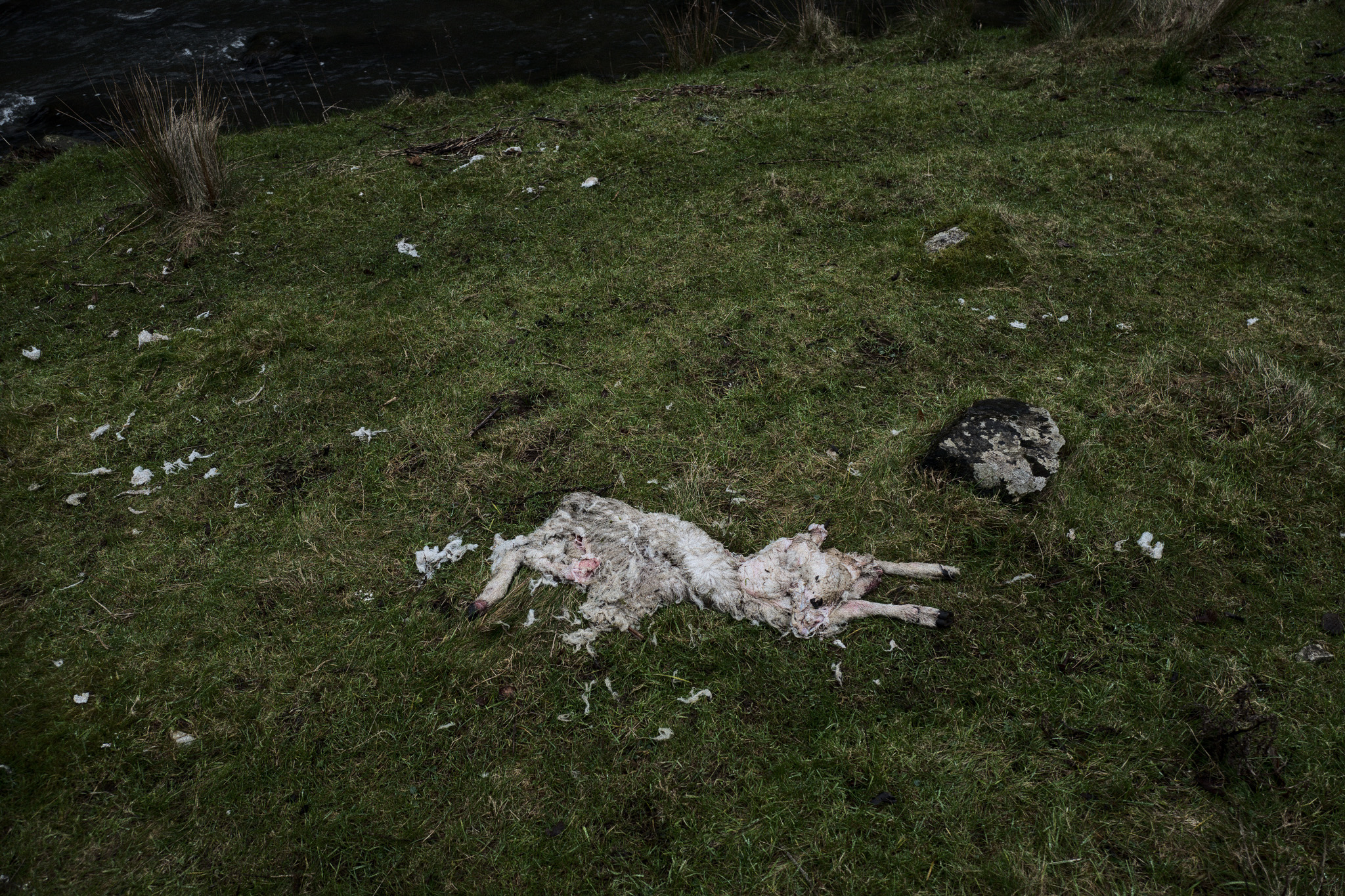
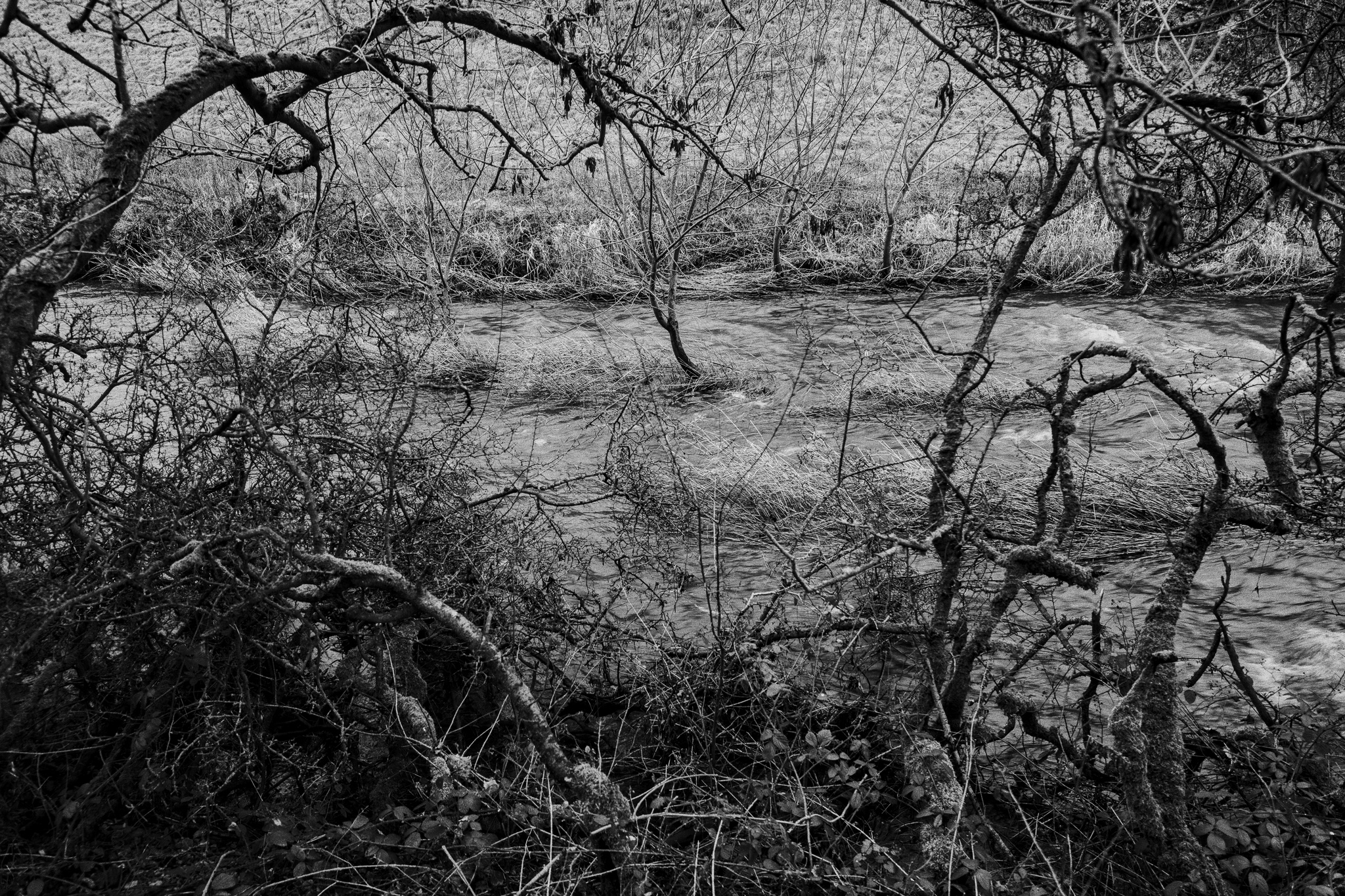
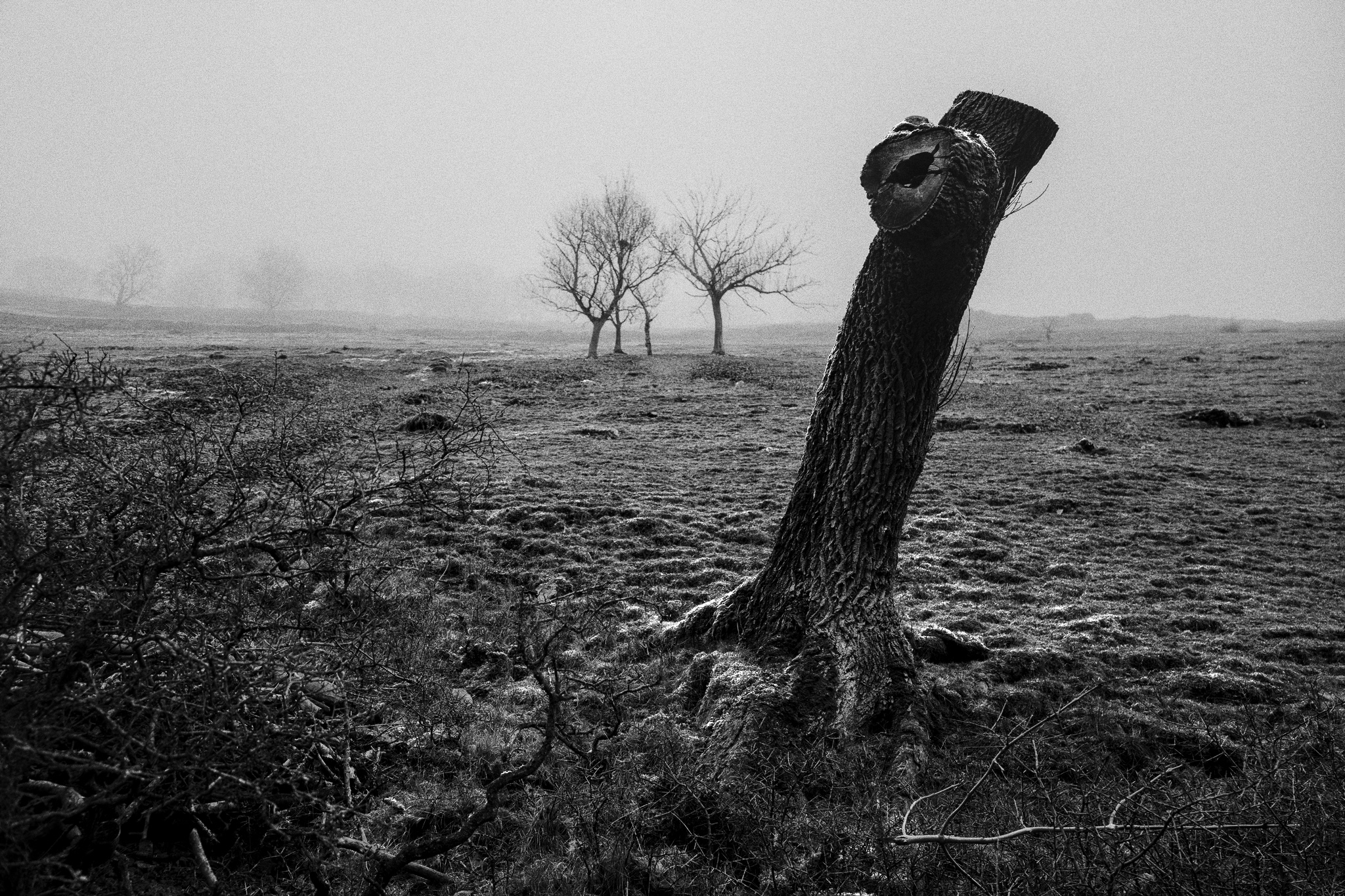
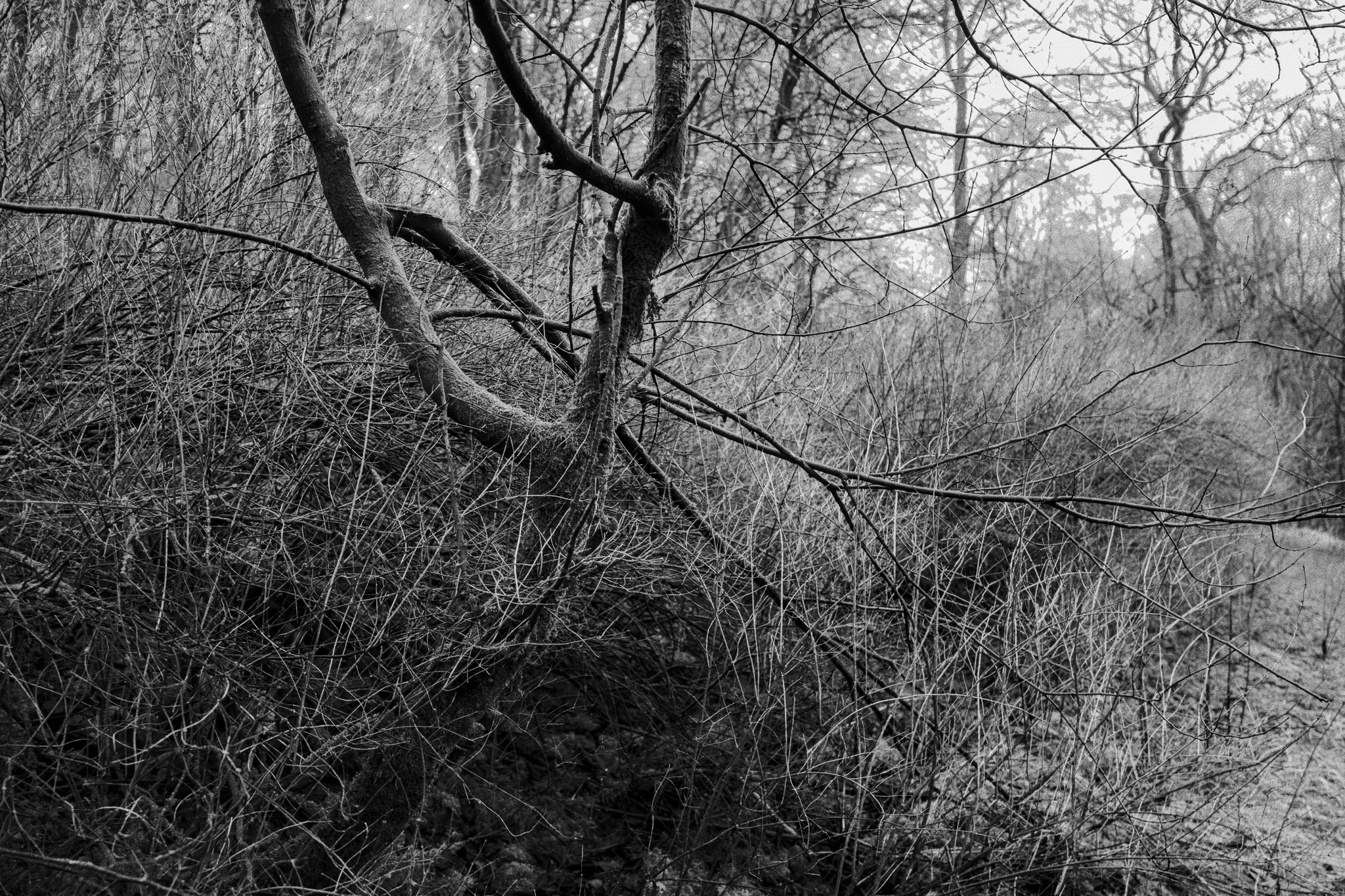
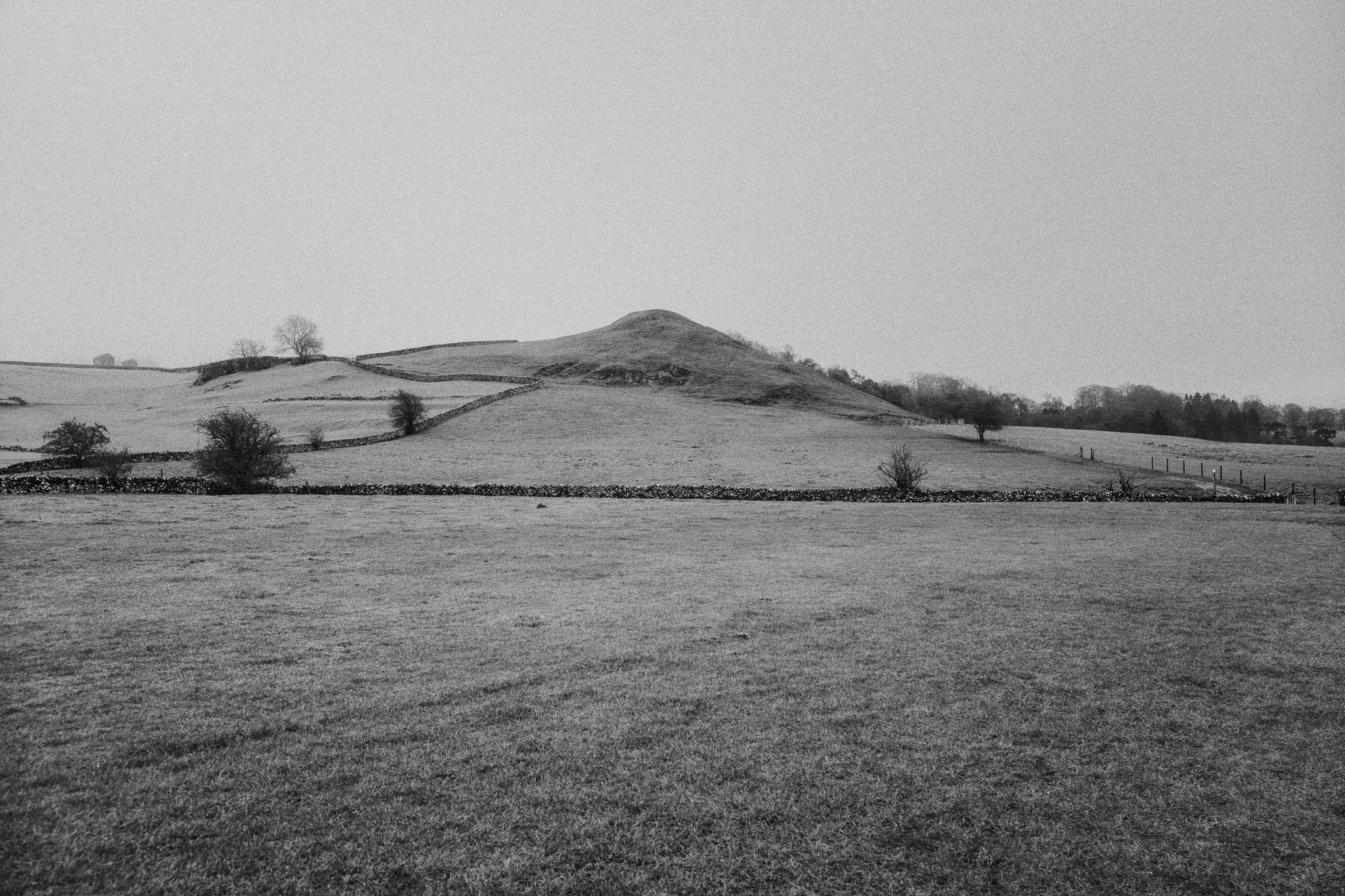
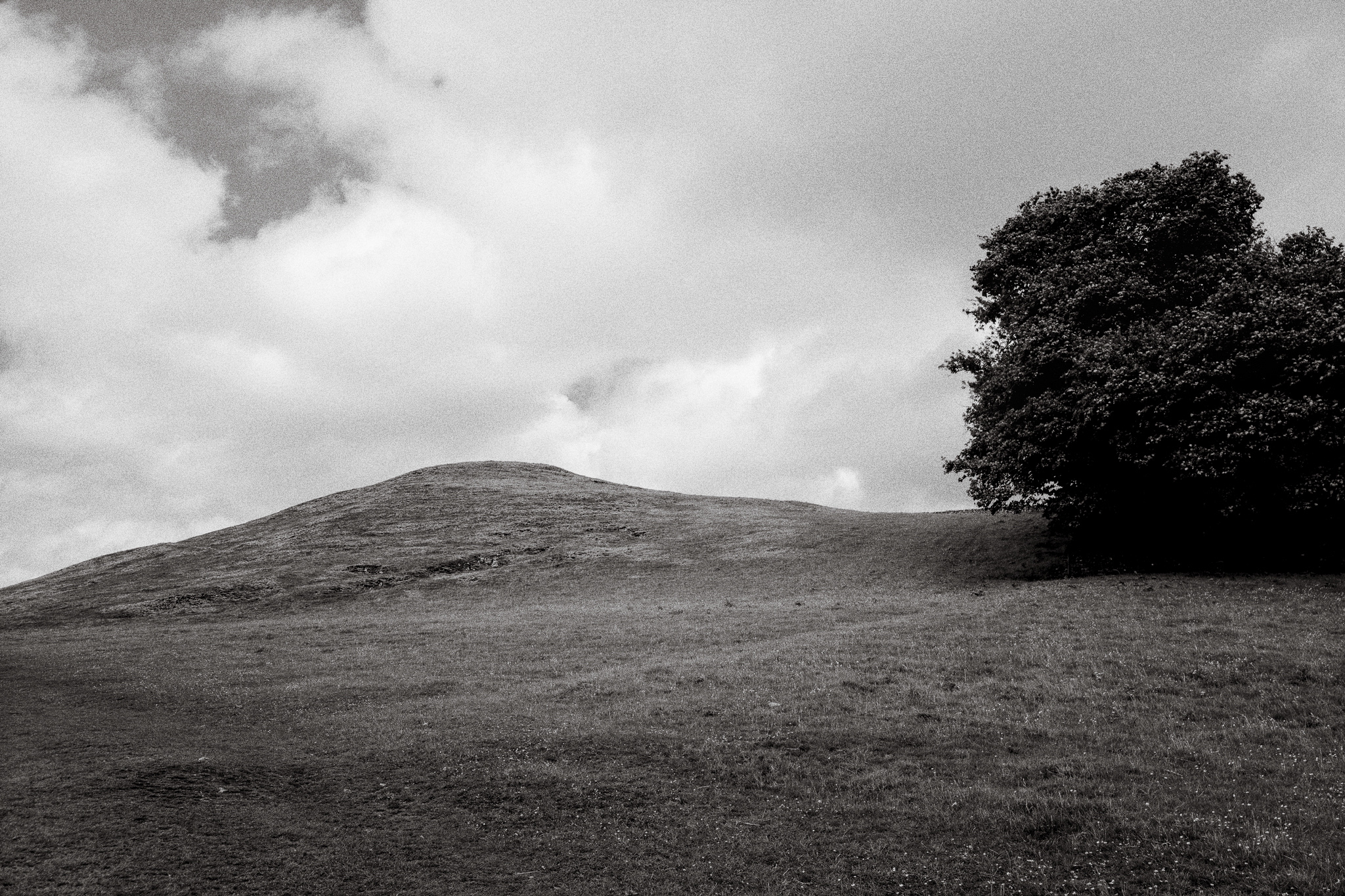
But since I have been taking photography rather more seriously in its own right over the last few years - oh ok then, become mildly obsessed with it - and I return to these limestone dales without my fishing rod in hand and free of any commercially minded concerns, my ambitions have changed. I am now trying to explore the possibilities of photography as a storytelling medium. I now want to produce my picture of this landscape, not just a picture: I want to produce my picture, in my way, that tells my story about how this landscape resonates with me. My aim is not to fulfil your expectations (sorry) and I am willing to run the risk that by trying to fulfil my own, I may confound yours.
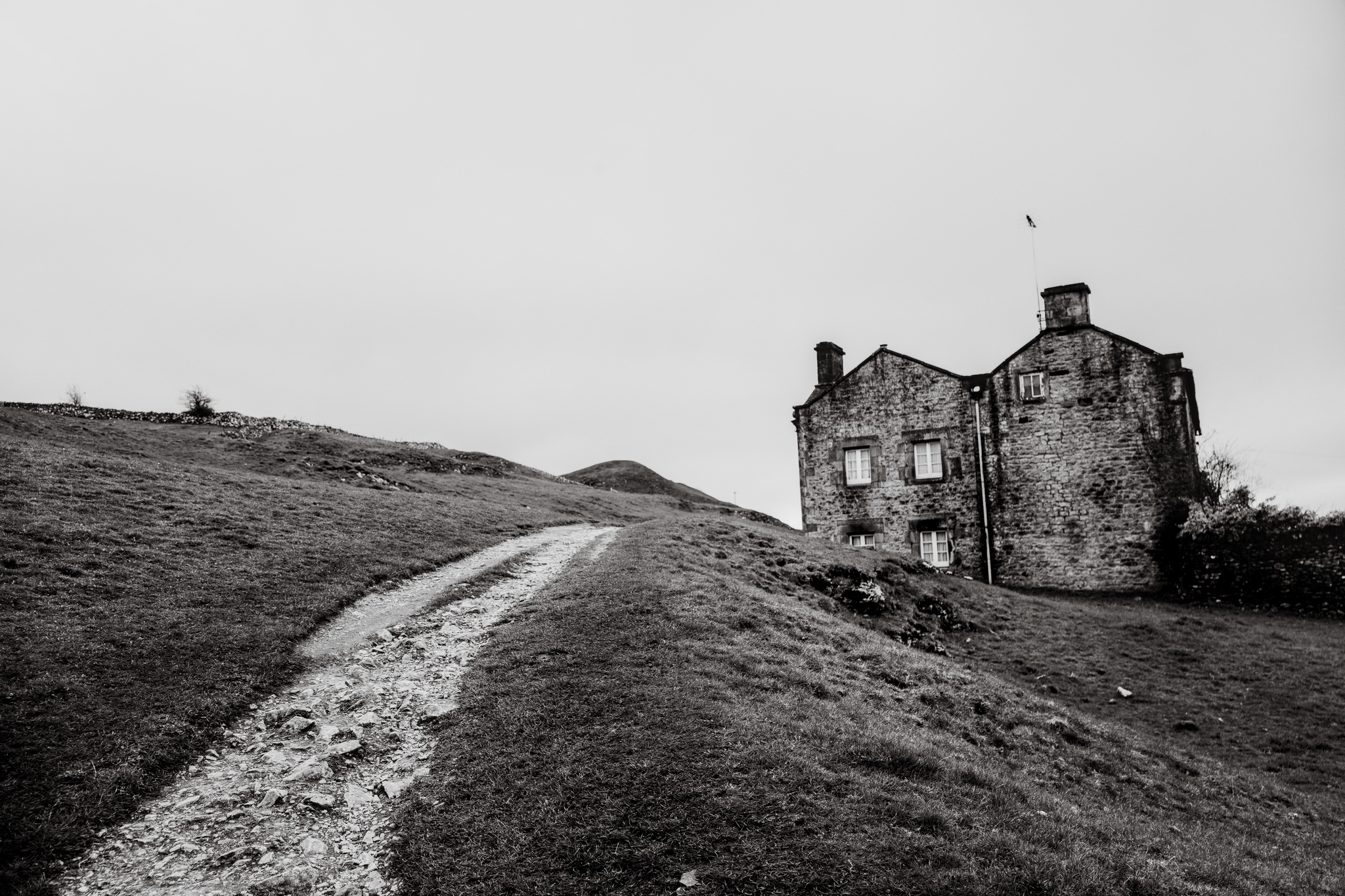
Realising this is one thing, but figuring out how to actually go about doing it is another entirely. I found it easier to define the kind of landscape photography I didn’t want to do rather than the kind I did.
First, the kind I didn’t want to produce: I didn’t want to produce the grand vista, the ‘I’ll show that landscape in one’ shot. It’s not that I don’t admire such photography, it is just that I don’t think I have a particular aptitude for it, or the patience. A part of me wishes that I had, I am rather envious of that ability.
But the truth is, I like the idea of taking photographs like that rather more than I would the actualité. Besides, I’d need a sherpa.
The sad fact is that in this life, we have to work with what we have got, not what we would like to have. In my case, that includes a bad back. This makes carrying a heavy kit difficult, so I use a camera with a single lens. And because I am temperamentally unsuited to zoom lenses (I freeze when presented with too many choices!) I use a 28mm fixed focal length, which allows me to travel light and leaves room for some sandwiches.
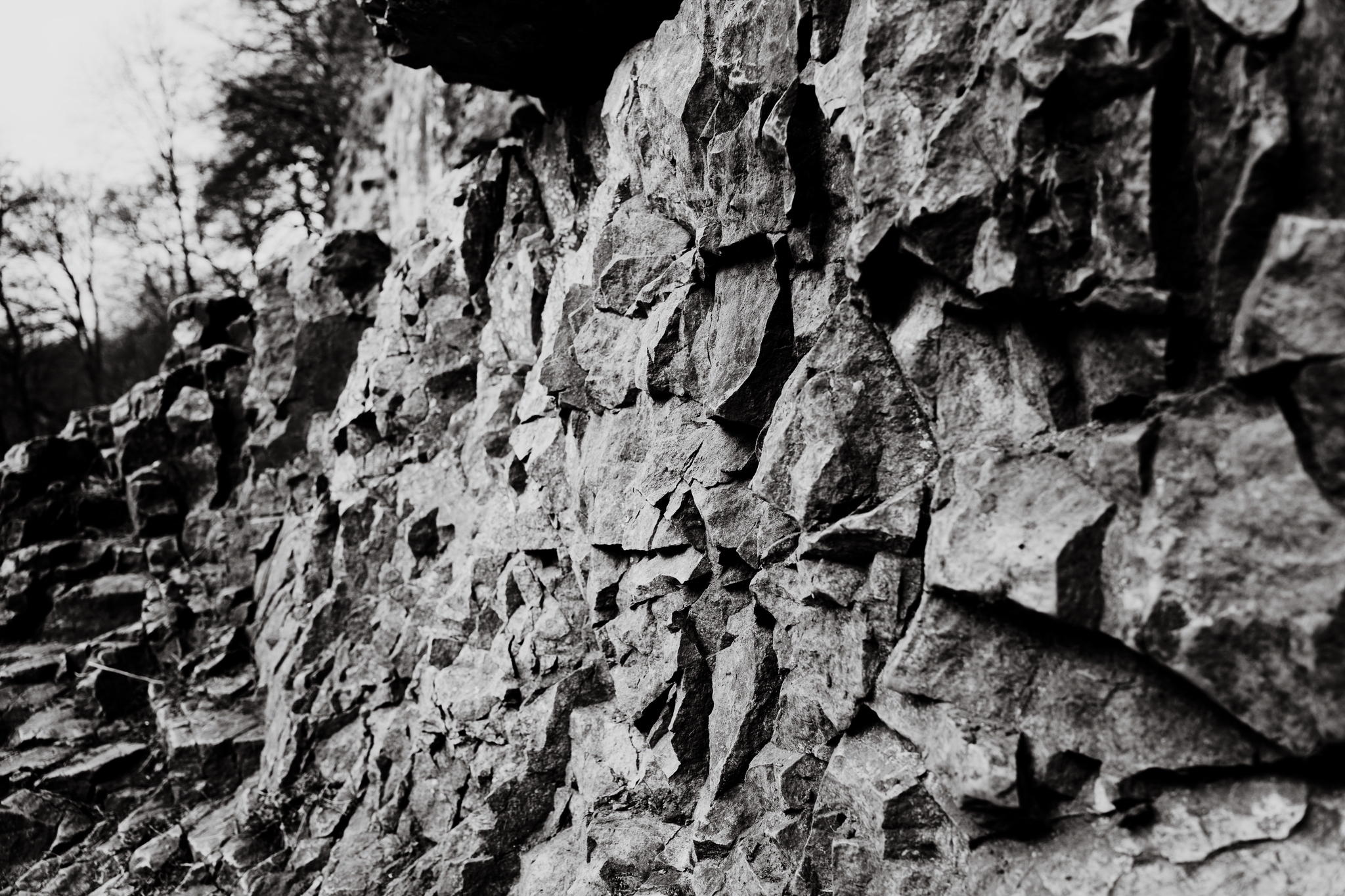
As with all limitations, the trick is to work them so that they become your strengths. Much of my more serious photography has been done on the other side of the hills from the Derbyshire Dales, up on the Dark Peak moorland, where the rivers flow down towards the city of Manchester. I began with a lot of street photography in the towns and cities, and as I worked my way upstream towards the big, open spaces of the moors, I wanted to retain some elements I’d learned on the streets and try to apply them in a more open landscape setting.
So, this means I like to travel lightly and quickly, covering a fair bit of ground. Neither am I shy about taking photographs: if there is one thing you learn in street photography, it is that most of your pictures are going to be rubbish. You have to free your mind and go with your instincts, discard that nagging internal critic that says: ‘don’t risk it!’ This approach is easier and a lot cheaper with a digital set up than it is with, say, an 8x10 plate camera.
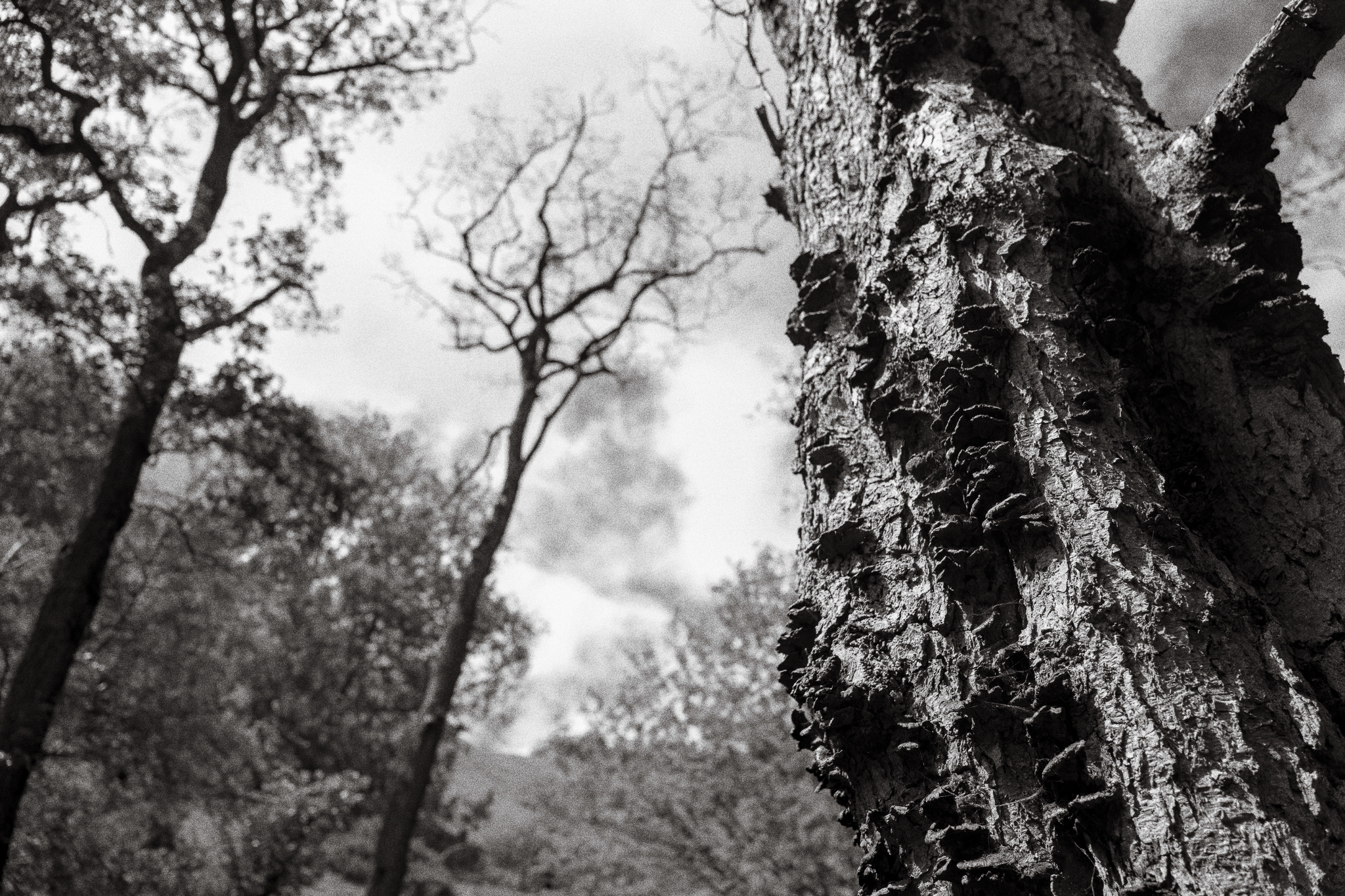
As time has gone on and I’ve clarified my thinking about this, I tend to think of the landscape in terms of voices. If the single, big production number vista shot is looking for that one voice that speaks with clarity and eloquence for the whole landscape, then I am looking more for lots of singular voices that, when assembled, tell the story of that land. It is, for any Dostoyevsky fans out there, a polyphonic approach to storytelling, with many different narrative voices. Again, it is about finding your strengths and playing to them: I am not a particularly good single image photographer, there are far better out there and many will be reading this. My strength, such as it is, is as a storyteller, and I am far more comfortable stringing a number of frames together, with each becoming a part of the whole.
When it comes to deciding what to photograph, well, it is difficult to describe. The danger is, when trying to put these things into words, you can all too easily end up sounding like a cross between Neil from The Young Ones and David Icke. There is no doubt that a degree of mindfulness comes into it. It is important to cast aside any preconceptions. Modern society is so saturated with images that we all carry around a vast database of pictures in our heads - all those images that have been created of the Dove Valley over the last 400 years forms a part of it - and the temptation is to map the world around us onto them, find a match, then try to recreate it. It is actually quite difficult to stop thinking like this, so be kind to yourself when you are out and give yourself time to free your mind.
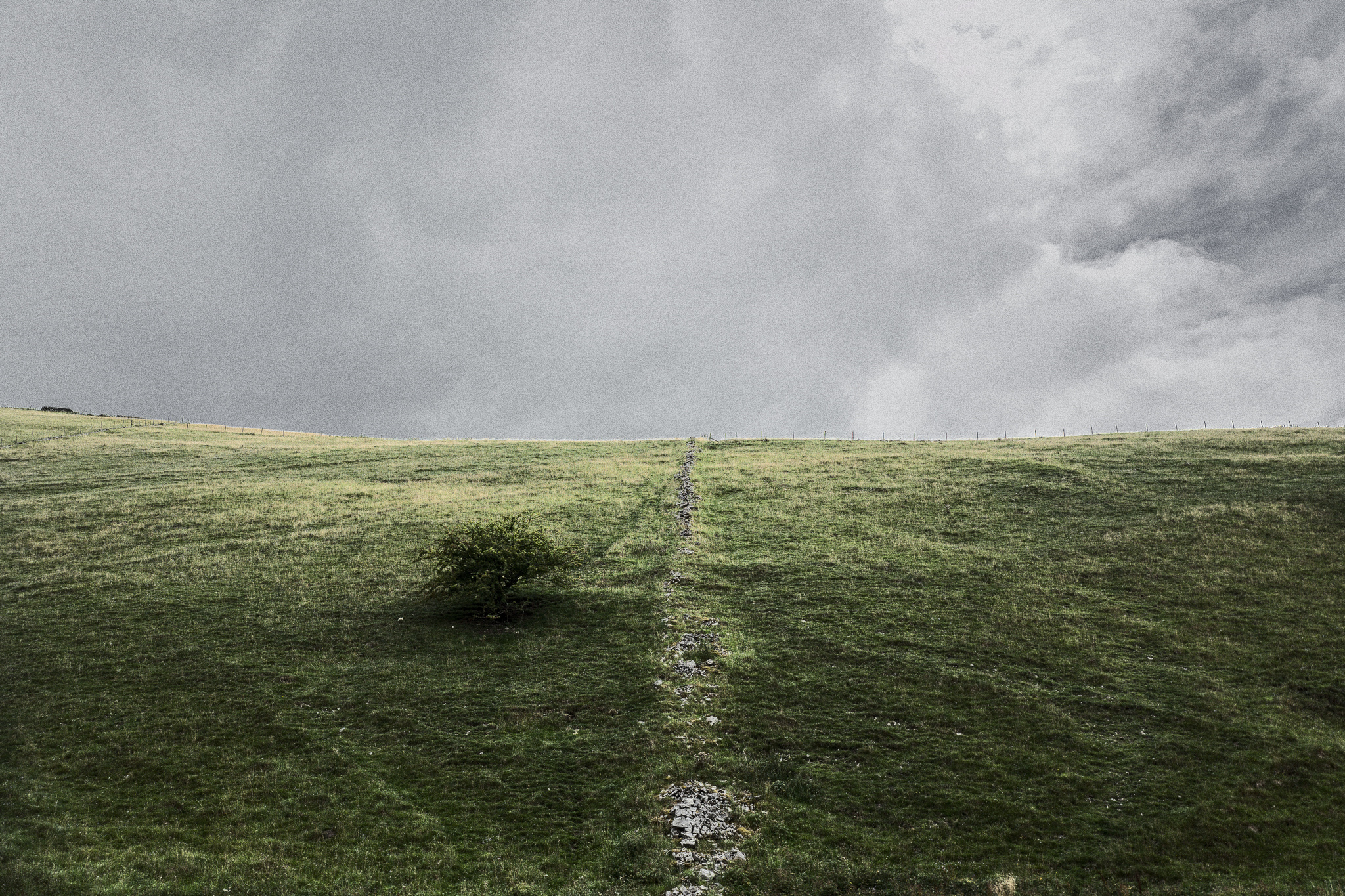
Try to think like that brilliant street / documentary photographer, Gary Winogrand. Winogrand says, in a video you can find on YouTube:
I try to frame in terms of what I want to include. I don’t think about pictures. When I photograph, I see life. That’s all there is in my viewfinder there, there’s not a picture there, [to interviewer] you’re not a picture.
He continues: “It’s natural to make those pictures we know. It’s boring, you don’t learn anything that way.”
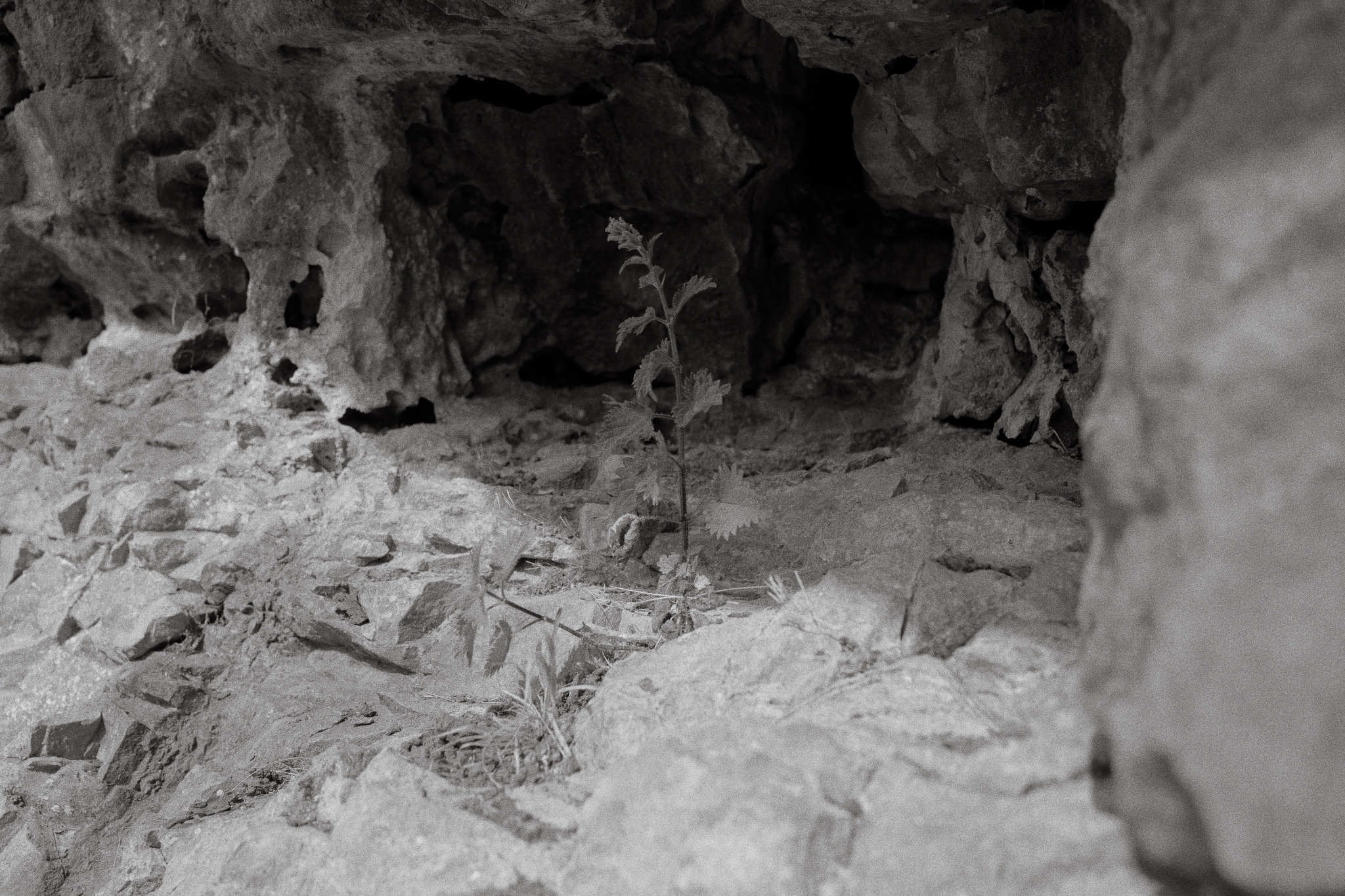
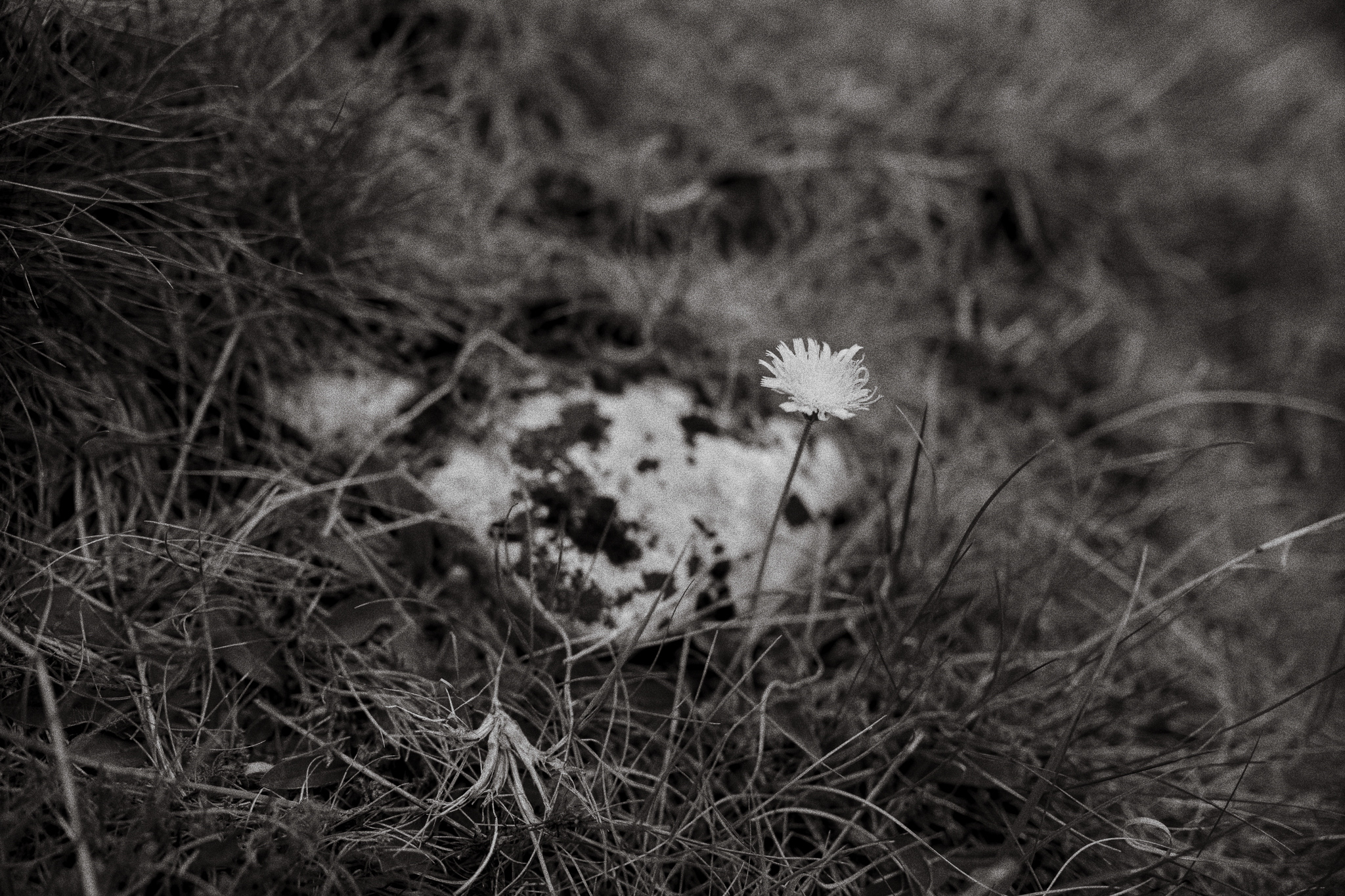
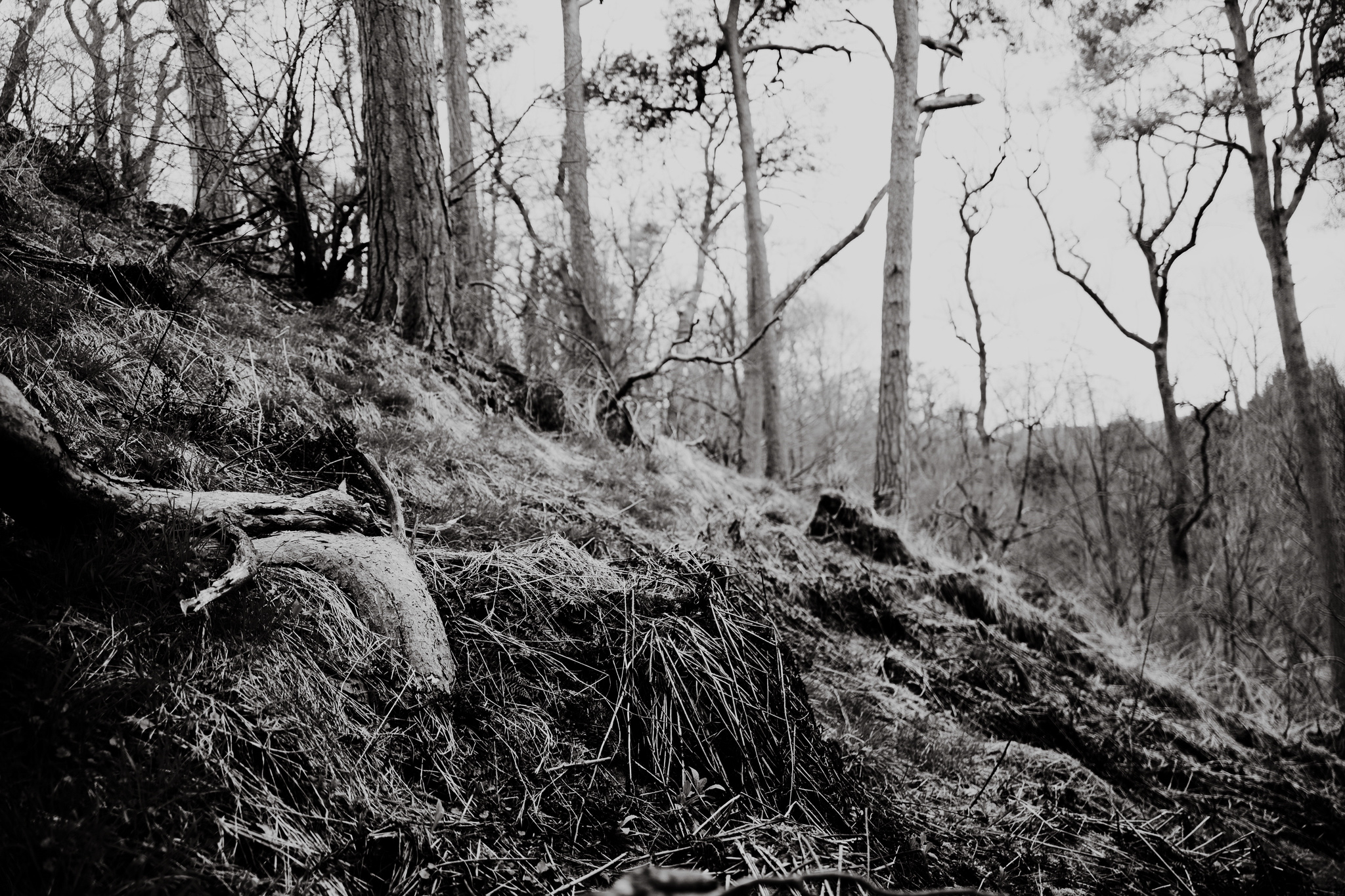
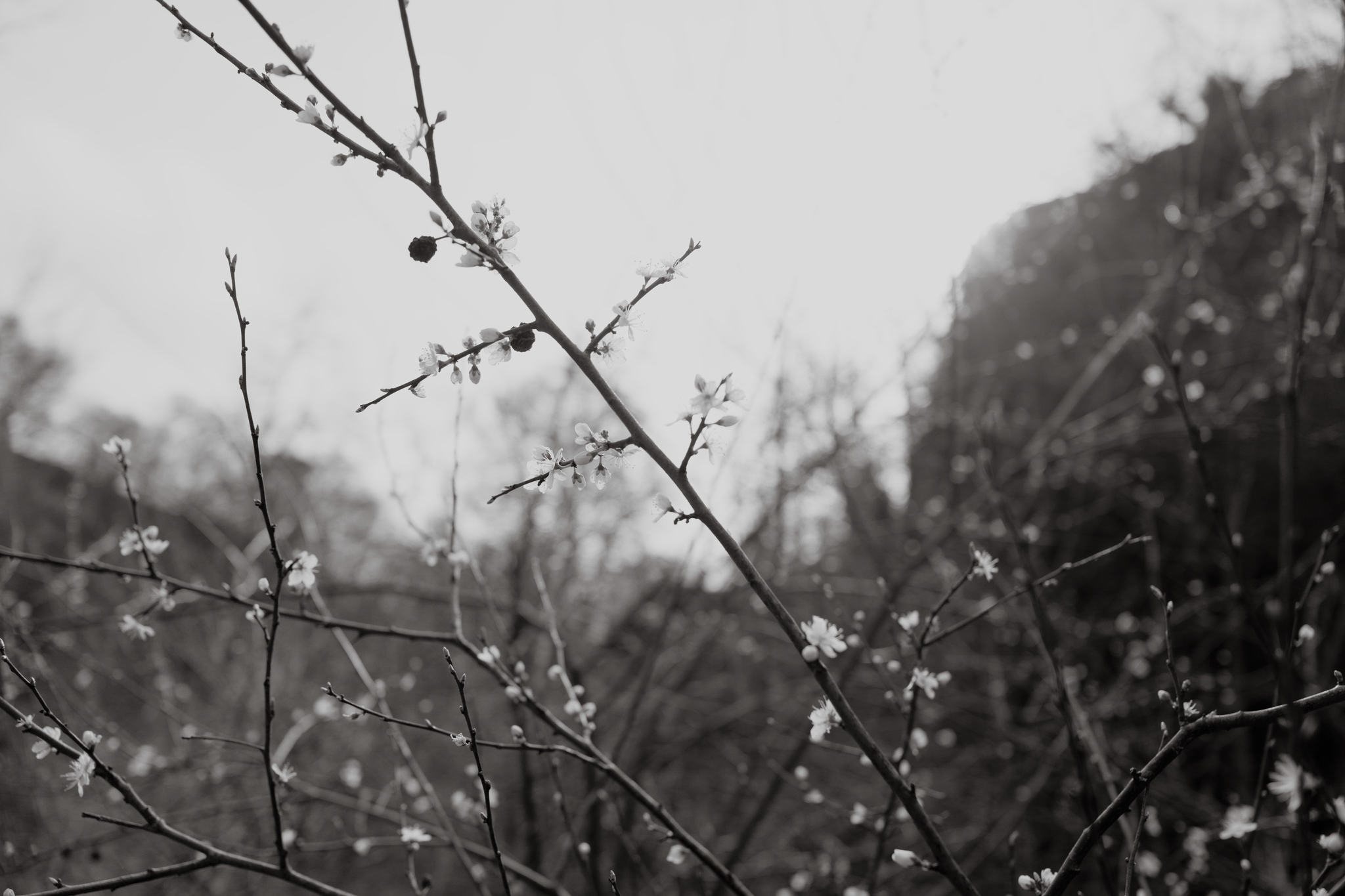
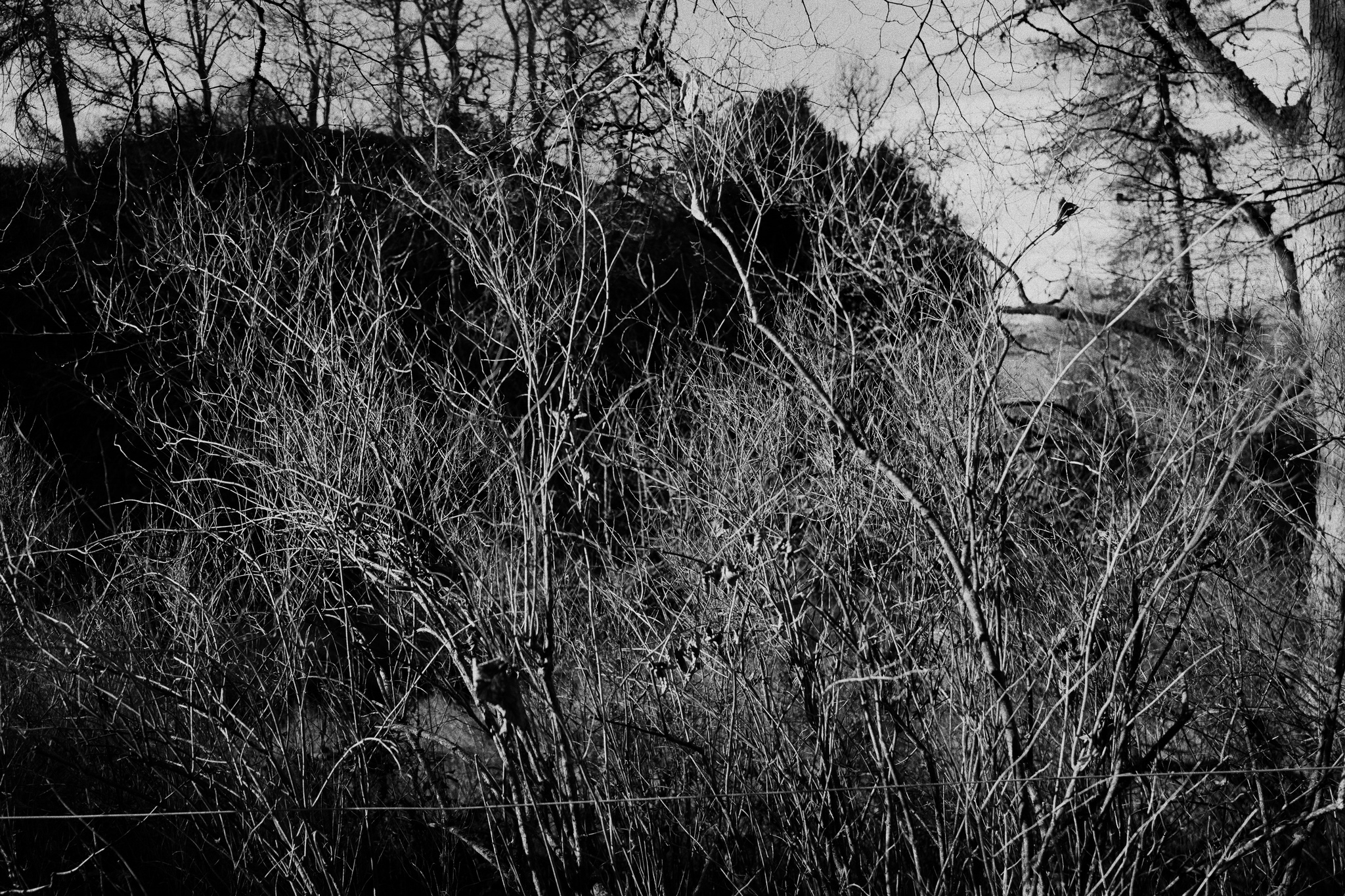
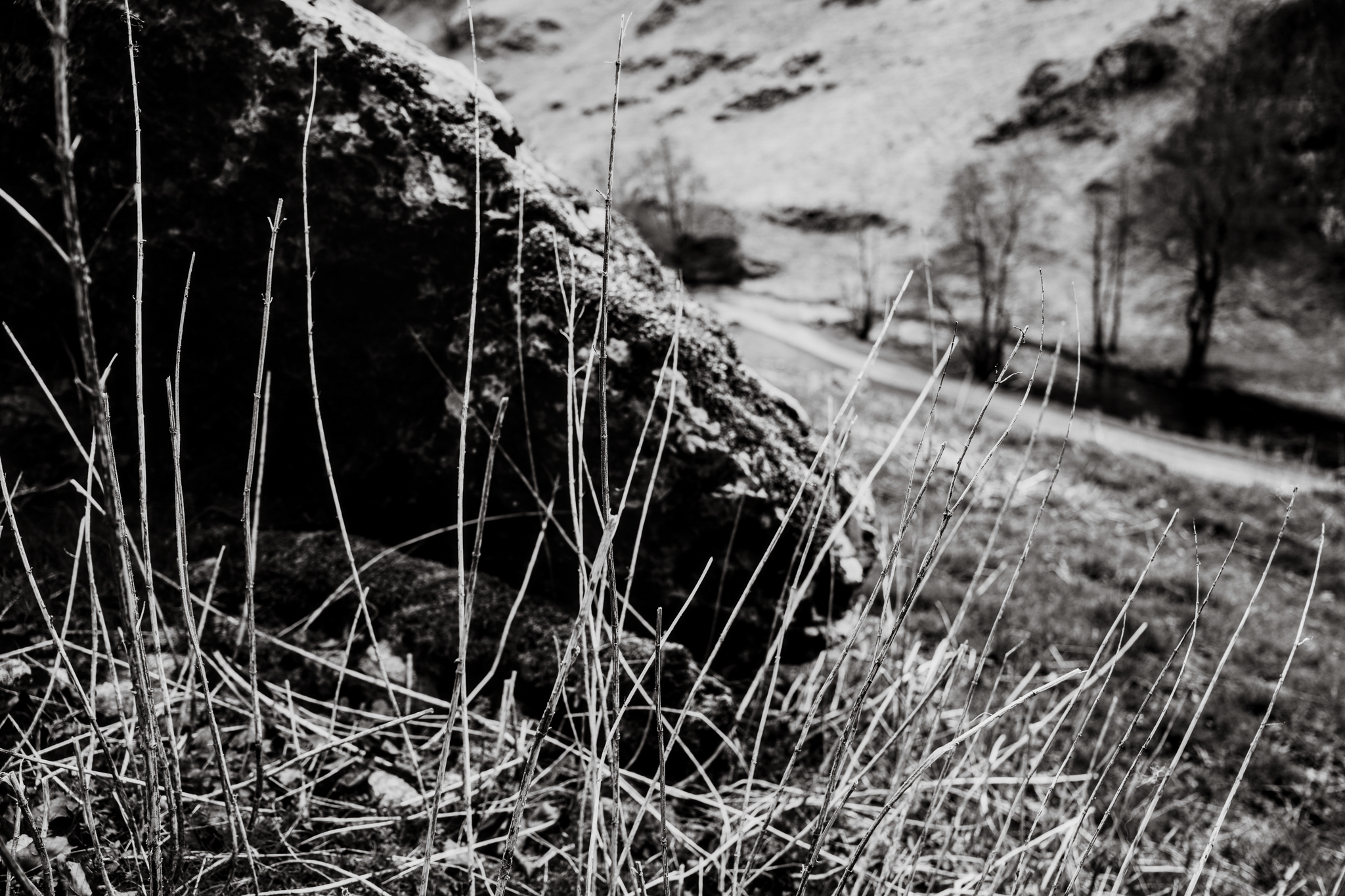
I believe this applies as much to unpopulated landscapes as it does to the populated frames Winogrand is known for. It is about being clear about what it is you want to photograph, identifying that single voice that has spoken to you of something of the story of that landscape, the ‘life’ Winogrand saw. It might be a tree branch, its gnarled winter fingers dark against the sky. Or it might be a rock balanced precariously on a hillside - a pose it has maintained for a thousand years. Or a blade of grass at the field edge that makes an unusual angle and that may have gone with a change in the wind the next minute. The trick is to move through the landscape with an open mind, listening, always listening, and find the scene which speaks to you. Then capture the image and move on. Work with your instincts, not against them. Think as little as possible, it’s bad for you.
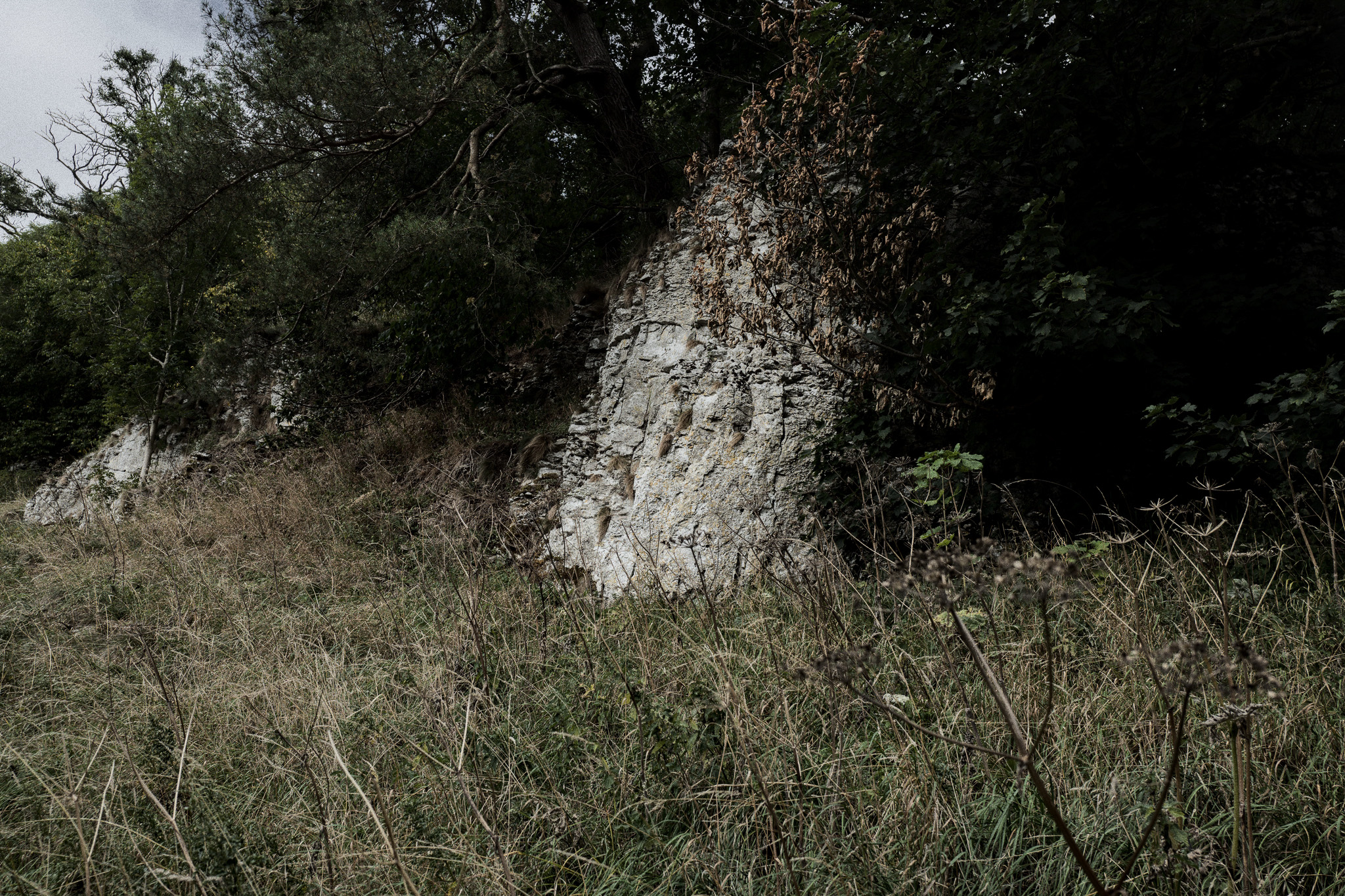
Inspirational Danish landscape photographer Per Bak Jensen describes well what attracts him to want to make a picture in a profile for the Louisiana Channel, which again you can find on YouTube.
When I look at the world, sometimes but not always, I have a feeling that I can see everything out there. Sometimes I feel that there is more than I can see. There is something hidden in my surroundings when I’m looking. I can’t describe it in words. So instead I’ve chosen to photograph it. When you see some of my photos, I don’t know if you will see the hidden things. But what you do see is the places where I’ve felt something is hidden, and that somehow reaches out to me and wants to contact me. It might be something spiritual, or something else. At any rate, it’s something I can’t put into words. That’s why I take photographs.
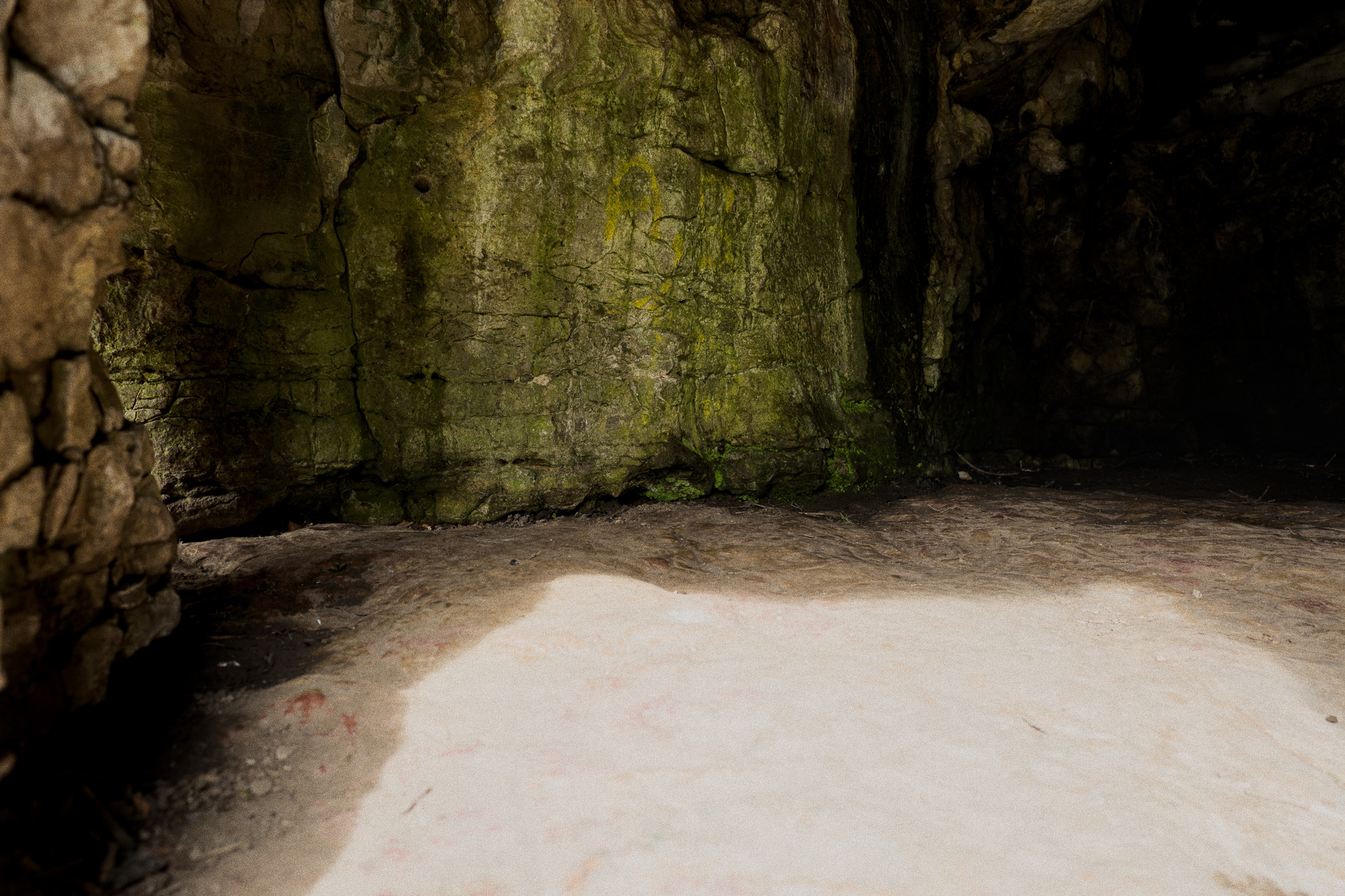
If I was going to have a stab at describing how I see things when I’m out it would go something like: when the impact of a scene that I understand something of in a landscape (so the science and perhaps the social science and history that has gone into its making, such as human involvement in shaping the land) is eclipsed by the overall powerful impact it has on me - so the total is greater than the sum of the parts - it is something within that gap between the known and the unknown I hope to capture. This feeling might happen at landscape scale, or it could be a discarded piece of litter.
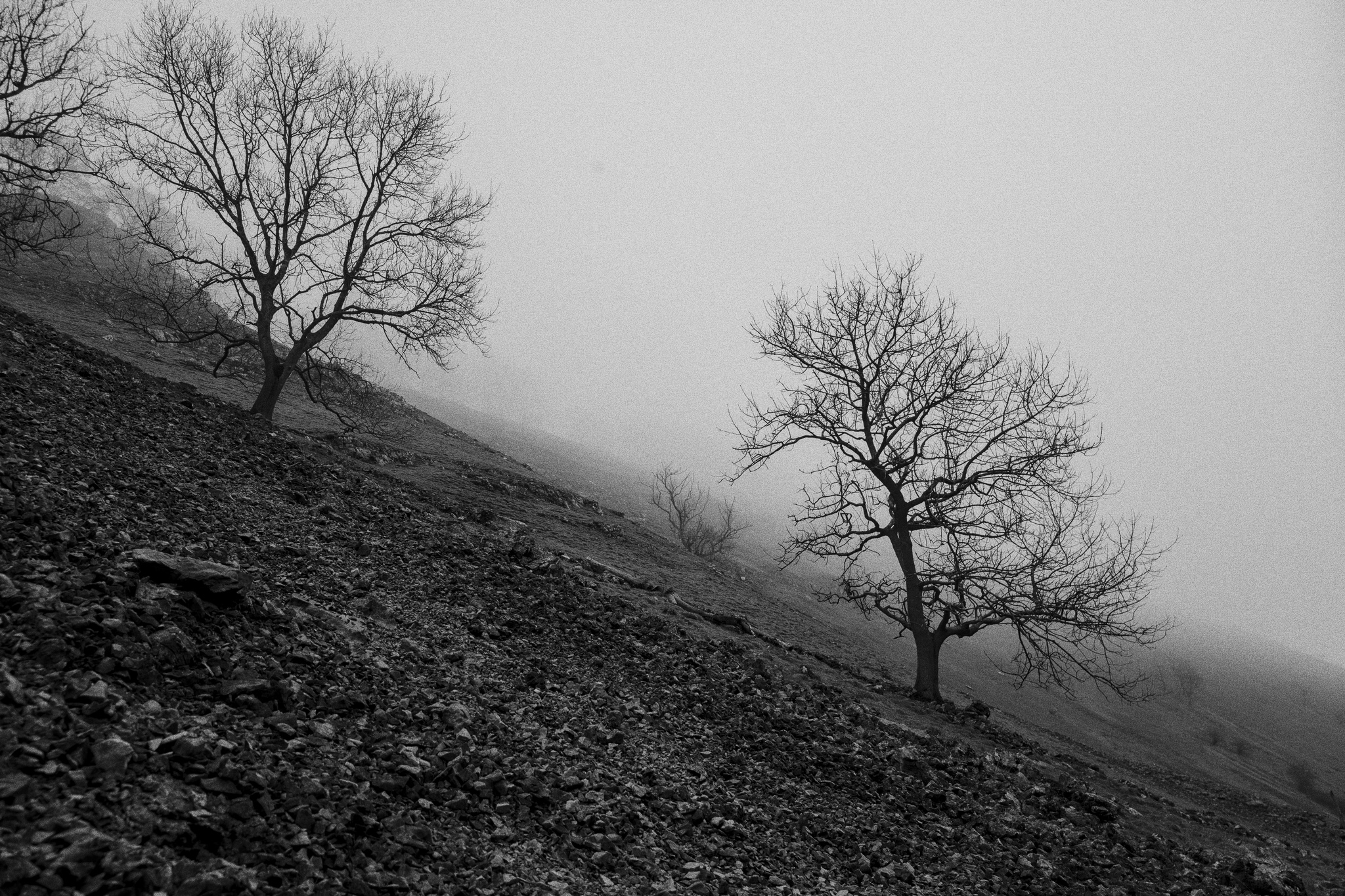
I find this both very difficult to describe and to do, which is probably why so many of my photographs don’t work. But when you do manage to capture it for yourself, it is a wonderful and satisfying experience. And if you can manage in your picture to communicate something of that ‘unknown’ energy to someone else… Well, that is a very special thing indeed.