


 Join the conversation
 Subcribe to comment rss feed
Home is Where You Park it: Photography from a Life on the Road

Nigel Cooke
15 years as a commercial sports photographer based in Cambridge/London, it was a move back to my birthplace of Ireland in 2016 that reignited a love affair with the landscape. After 4 years running workshops I decided against starting things up again post Covid, instead hitting the road in the campervan, first 3 months at a time, and since 2023 full time - 20 countries and counting.
My relationship with photography has changed a lot over the past few years, growing deeper and more complex than I ever thought possible. I find it challenging to articulate my thoughts on this relationship, so I make images. Constantly. Often no more than moments of time that perhaps one day, as I look back, will help me understand the why. Or perhaps they will forever remain just that, moments. I'm okay with that either way.
bimbleswithacamera.wordpress.com
2026 will mark the 4th year of travelling full time with my wife, Nicola, in our VW Transporter Campervan. So far, we have visited 22 different countries, as far north as Norway and down south to Greece. We have parked up in some incredible locations, met some wonderful people and had the odd breakdown or three. And all while trying to eke out some kind of living from travel writing and photography.
And yet, despite the challenges, there’s nowhere else I’d rather be. Unless you find me in a VW garage. Then, it’s the last place I want to be.
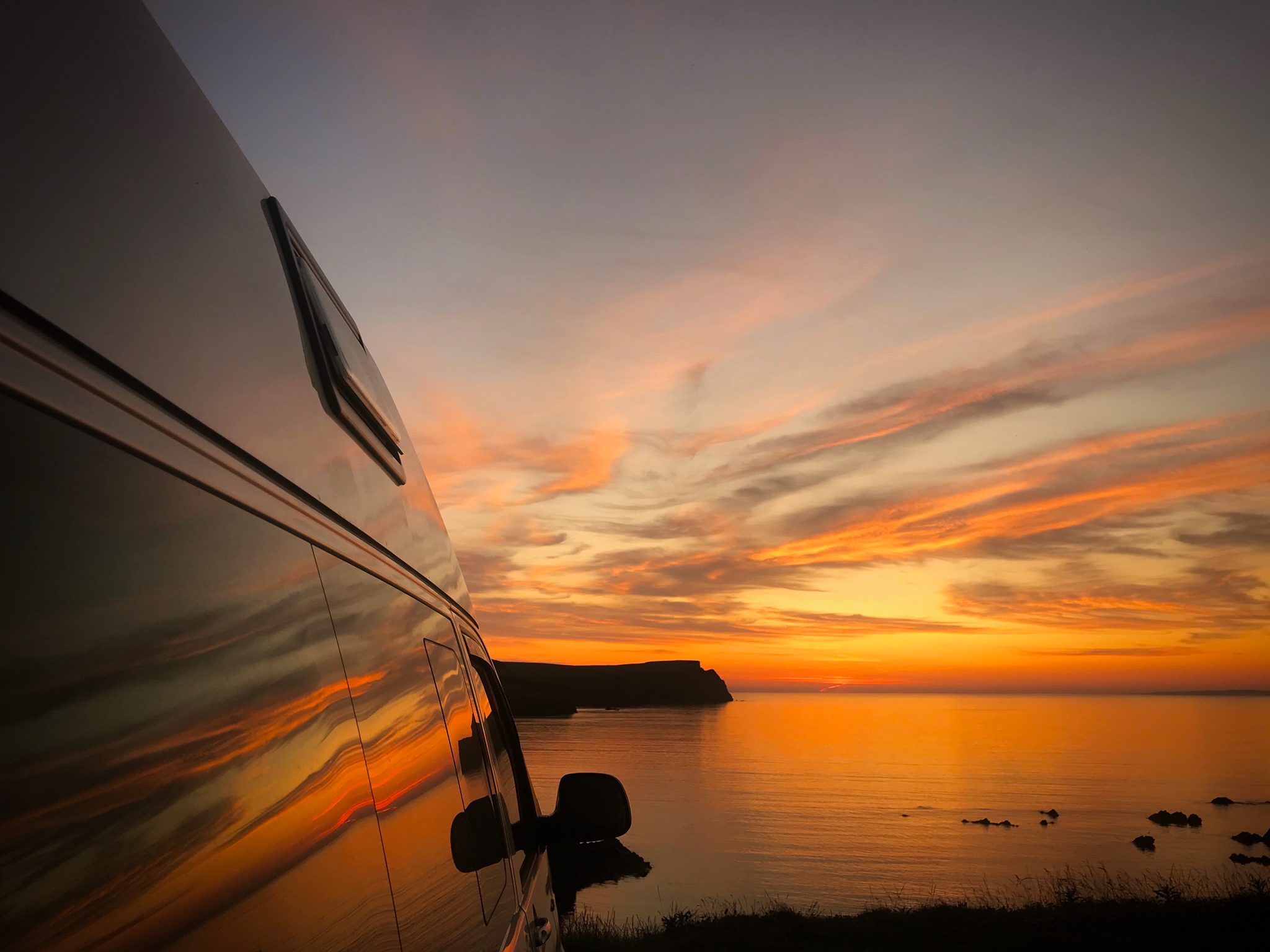
A Campervan - the Photographers Best Friend?
I love travelling in our van for many reasons, and one of those is certainly the assistance it provides for my photography. From minimising early morning wake-up calls, especially in the summer months, to waiting out the frequent downpours, inside and within arm's reach of a warming cup of coffee. On top of this, there’s nothing quite like knowing, after a gruelling session up a mountain or by the coast, the promise of a hot meal is only a 10-minute walk away, with no need to start on a long drive home.
Home, quite literally, is where I park it.
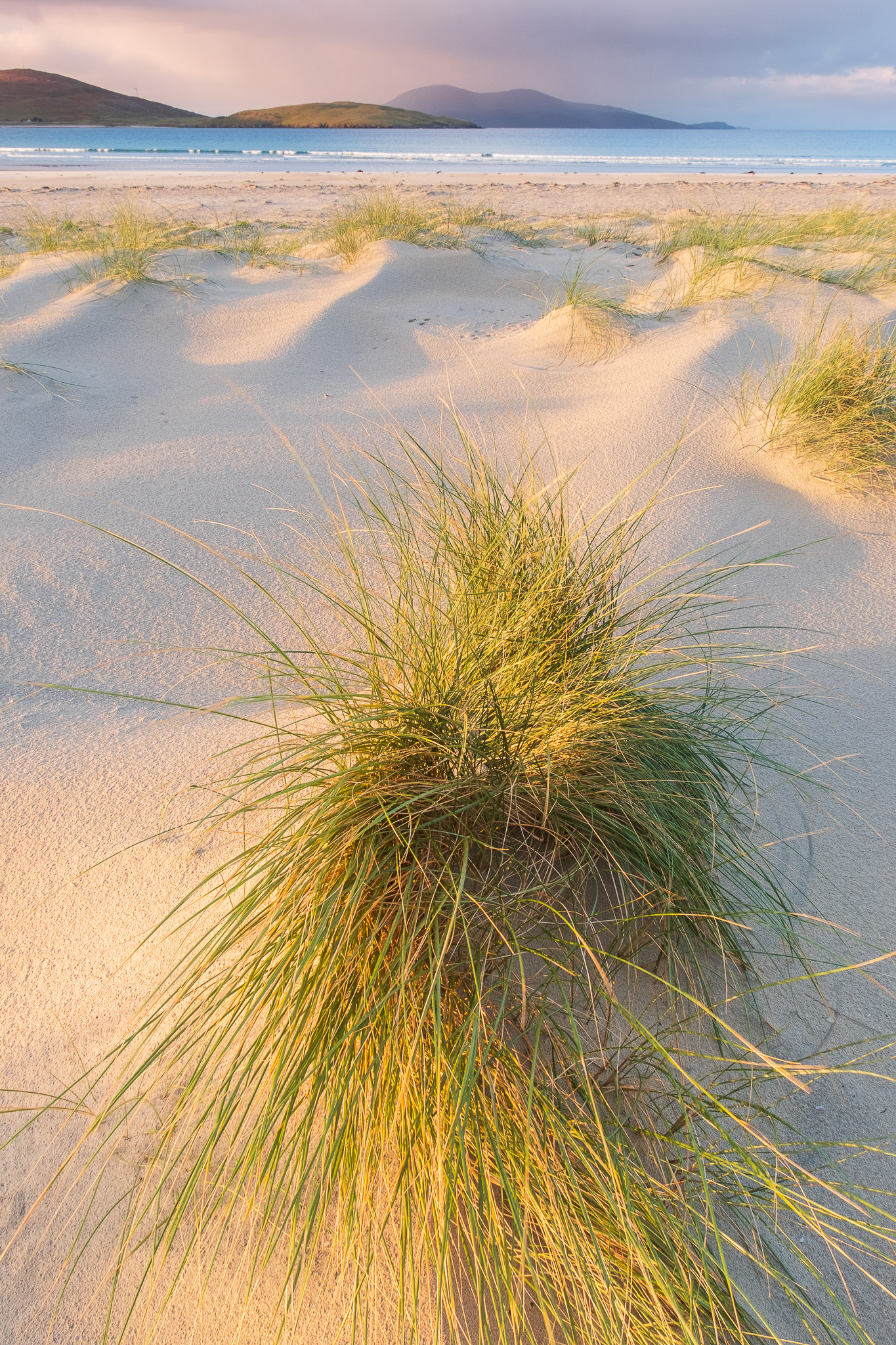
On the Isle of Harris, for example, the community trust has set up campervan overnight spots which can be used for a small fee. While there are no services to speak of, the knowledge that you are permitted to stay removes any concern, allowing you to focus on being creative. With a number close to both Seilebost and Luskentyre, one can be in position for sunrise at the drop of a hat, or stay out well beyond sunset, knowing home base is only a few minutes away.
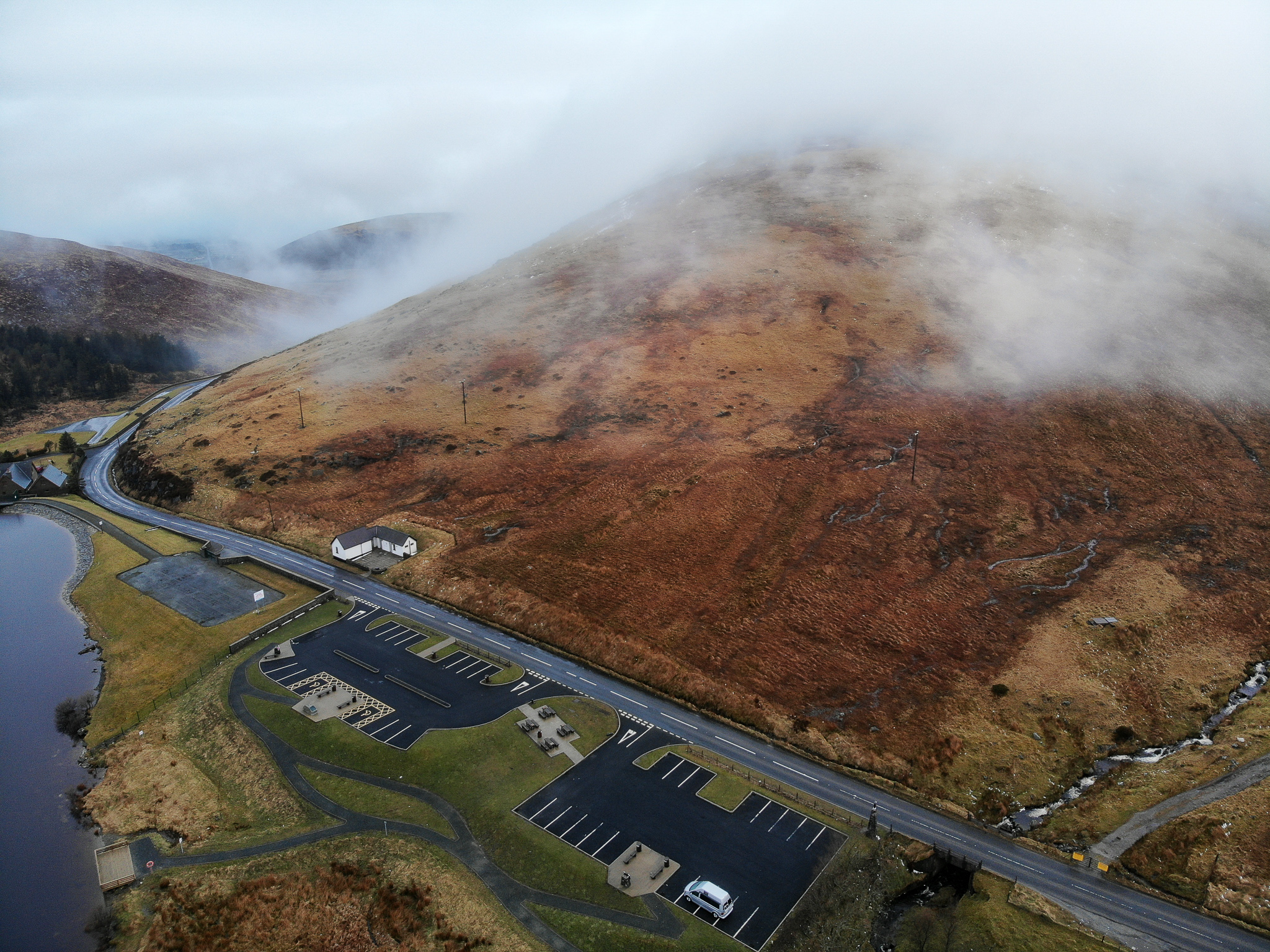
In the evening, or on particularly wet days, the van also doubles as a fantastic editing studio, and I will make use of this inside space when recording more talkative YouTube videos.
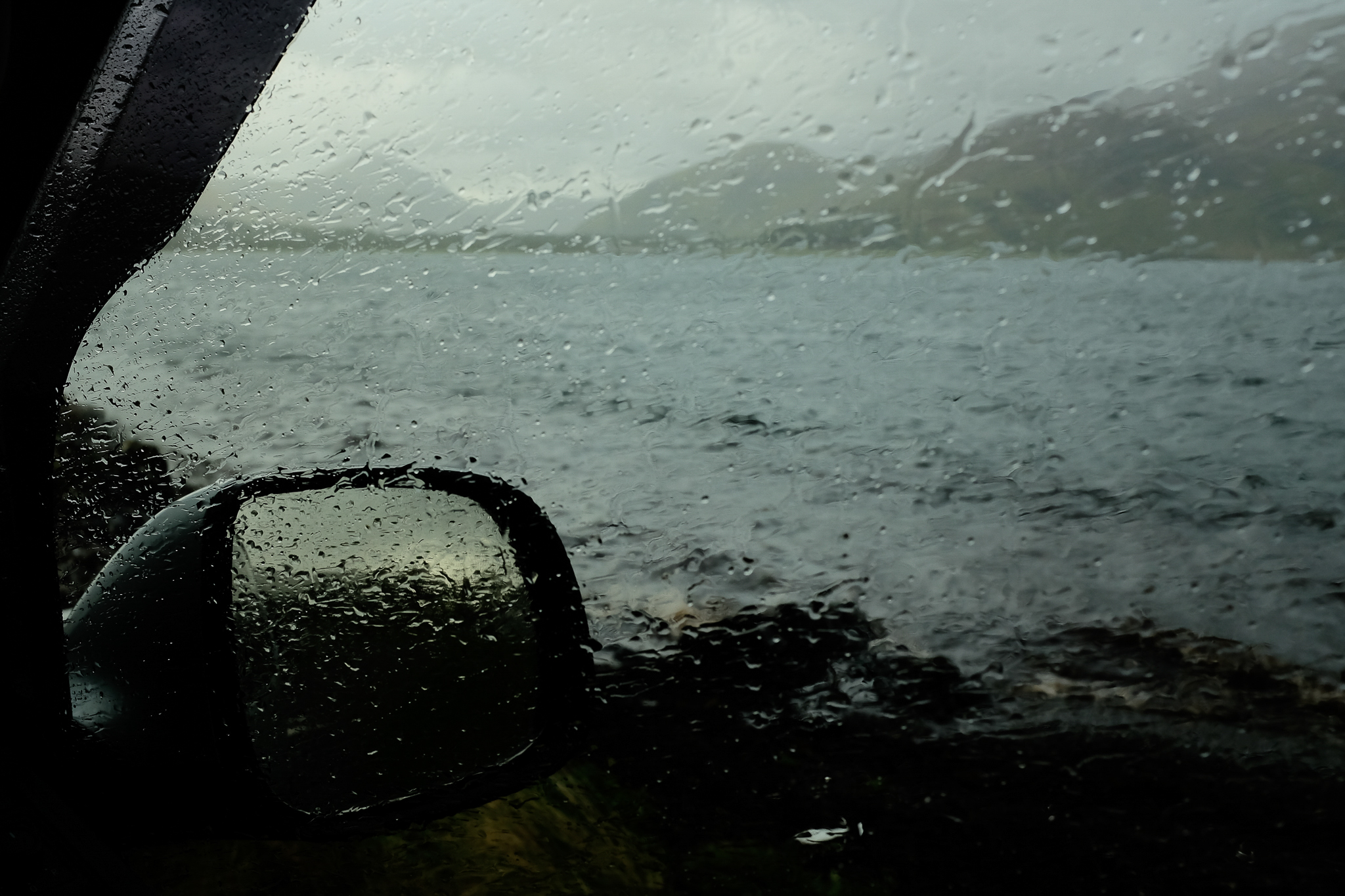
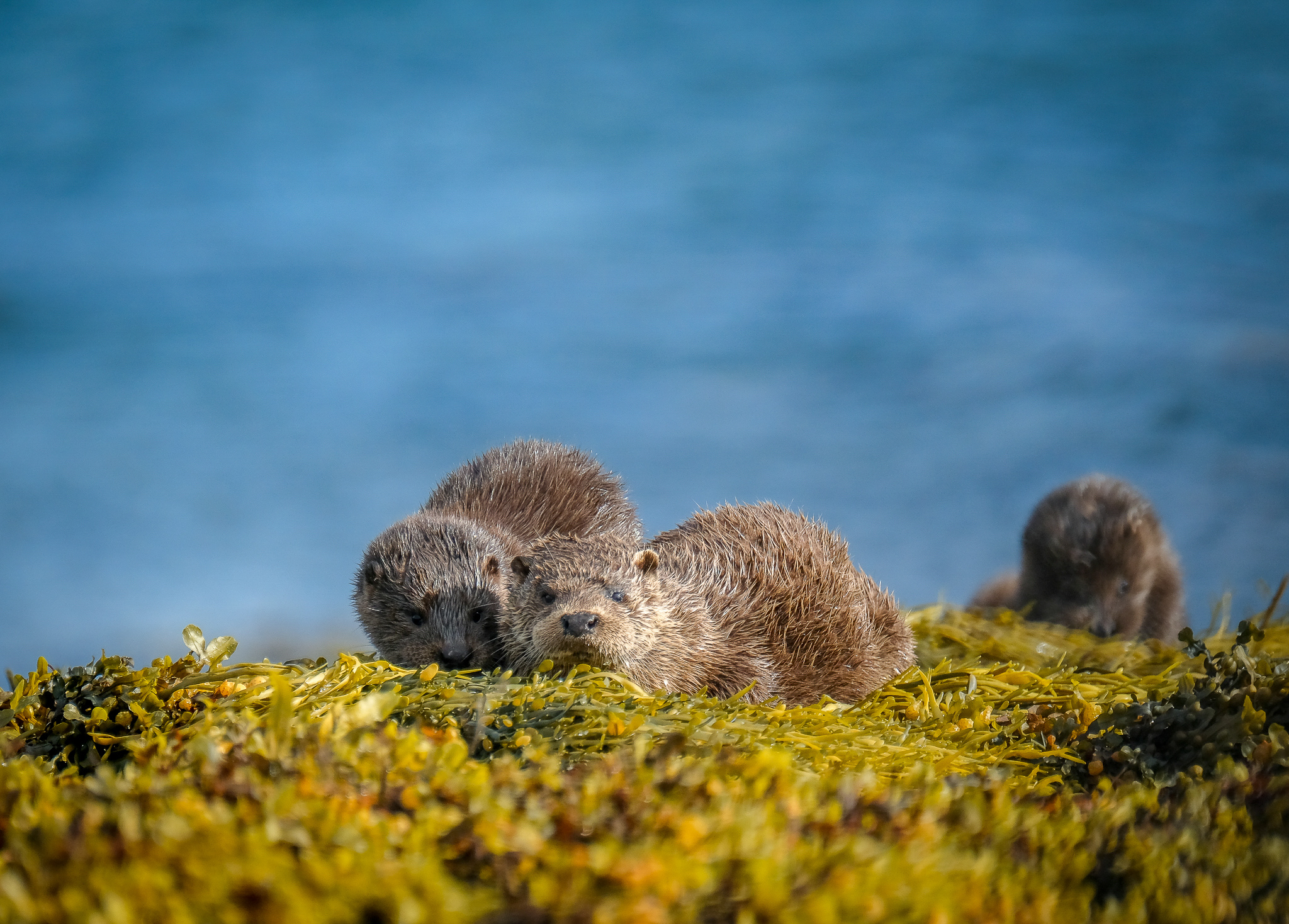
We both love wildlife watching and have used the van as a temporary photography hide, which has yielded some wonderful results, especially if we have been parked up in one location overnight or for a few days. On Achill Island, on the Wild Atlantic Way, I had an Otter run beside the van, no more than a few feet away, as I was sitting on the step enjoying a morning coffee.
I thought it might be interesting to share some useful tips and experiences, from a photographer’s perspective, for those who perhaps have already, or are considering, a campervan.
The Essentials
One of the first considerations I made was regarding power. I currently have two 100Amp leisure batteries, combined with 200 watts of solar, which allows me to be off grid for extended periods of time, while still able to keep the essentials charged and ready to go. To minimise impact on the leisure batteries, especially in the winter months when solar energy is lower, I also make use of a battery pack from Jackery to charge heavy duty items such as laptops.
Our van's build dates to 2018, when USB-A was standard, and I was surprised to see how long it would take to charge an iPad. Since then, we have upgraded to USB-C, which certainly helps, although again, when solar input is low, I use the Jackery. We also have a battery-to-battery charger fitted, which will top up the leisure batteries when driving.
An often overlooked, but invaluable bit of kit, is the humble 4-way extension cable. When I find myself in a café or public space, I can maximise the number of items charging, while only using 1 plug socket. As a side note, and as we experience an ongoing increase in energy prices, I have started to hear reports of previously accommodating cafés limiting the amount sockets they are providing, which of course is fully understandable. As an alternative, 24 hours at a campsite not only allows for a refresh of the photographers’ kit, but also for the photographer themselves. During the winter months I would typically look for a campsite once every couple of weeks.
In the front cab, I also have a 400W inverter which connects to the 12V port. While not necessarily energy efficient, it does provide free (and fast) charging for devices when driving long distances. Sadly, the Jackery cannot be charged using this method, although one can fit a specialised kit for this purpose.
Before moving into the van full time and heading for mainland Europe, we travelled extensively throughout the UK and found the library network to be an invaluable resource, especially if we have a day’s work to do. Size and resources will vary, and we found those in both Shetland and Orkney to be some of the best, with network speeds that would compare to a home fibre connection. As a bonus, they would often have charity cake mornings as well. We also make use of libraries in mainland Europe, and in fact, I am writing this article from one in San Sebastian, Spain. It is, however, sadly missing the cake.
A Typical Day
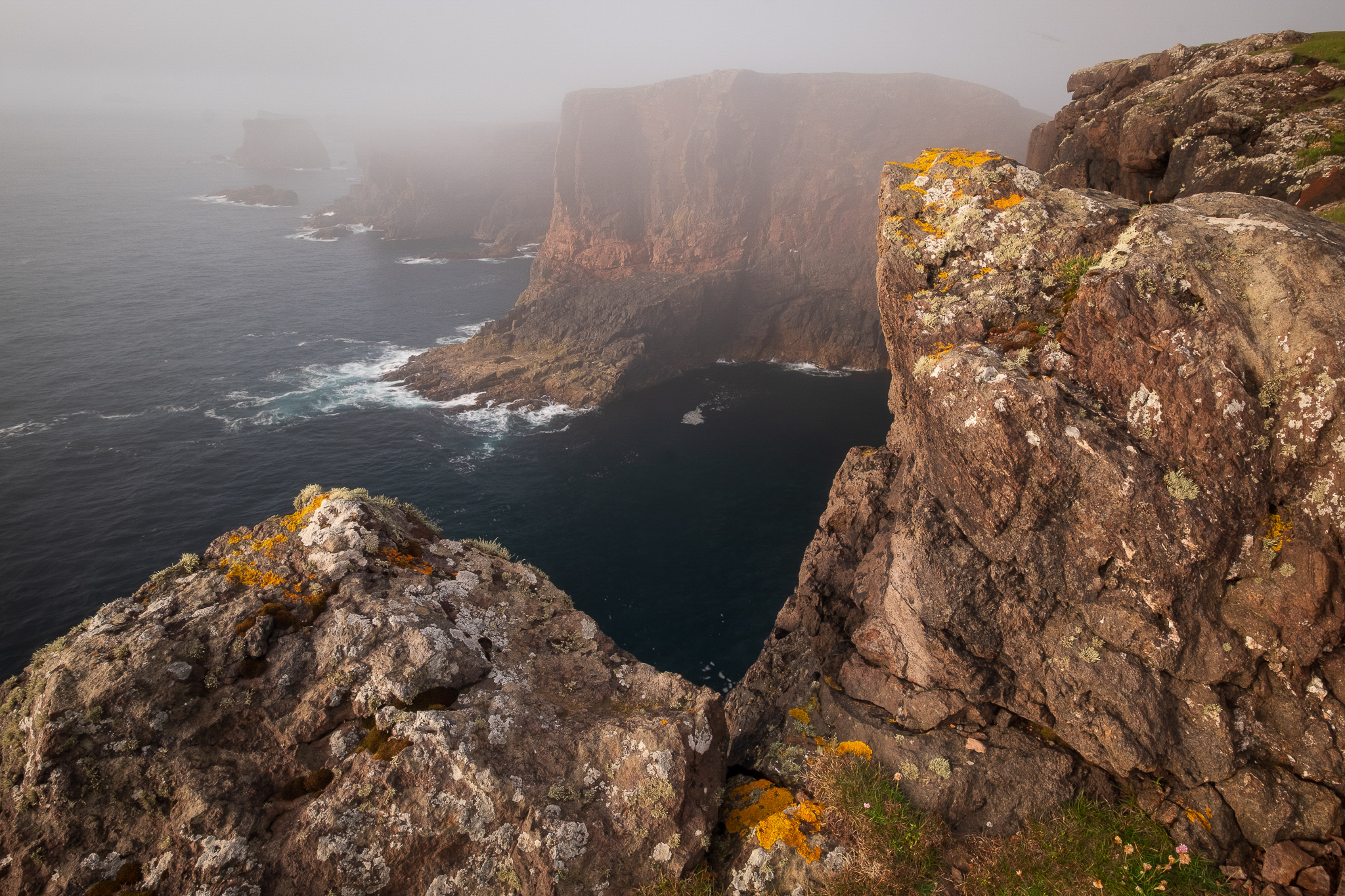
Even though the van provides me with extra time in bed, I still ensure my bag is packed and ready to go the night before. Trust me, we have all been there, when arriving at a location only to realise a memory card or battery is back in the van. I’ll often try and get to a location I want to explore the night before and then spend the day (or perhaps two) in that area. I personally feel it takes time to get the most out of a location, and having your home close by is reassuring. After a morning session, it’s back to the van for lunch, and perhaps even afford myself a cheeky afternoon nap; especially important during the summer months when the photographer’s day can be quite long.
If the light looks good, a second photography session then follows, or I may choose to move on to a different location. Upon returning to the van in the evening comes the boring, but very necessary, requirement for backing up my image files. This is perhaps one area that is lacking compared to working from home. I back up my images to multiple hard drives, although these are kept with me in the van, presenting a potential single point of failure. To help with this situation, I also make use of cloud storage from Amazon Prime, although uploads are only possible when I’m in the vicinity of a fast Wi-Fi connection.
I prefer to give myself a break between making images and editing, so after dinner I normally spend a bit of time either planning the following day's photography or catching up with some TV. The following morning, it’s time to peer out the window to see if it’s worthwhile getting out of bed, or perhaps just turning over and catching up on another few hours’ sleep before moving on and doing it all again.
Downsides to Travelling in a Van as a Photographer
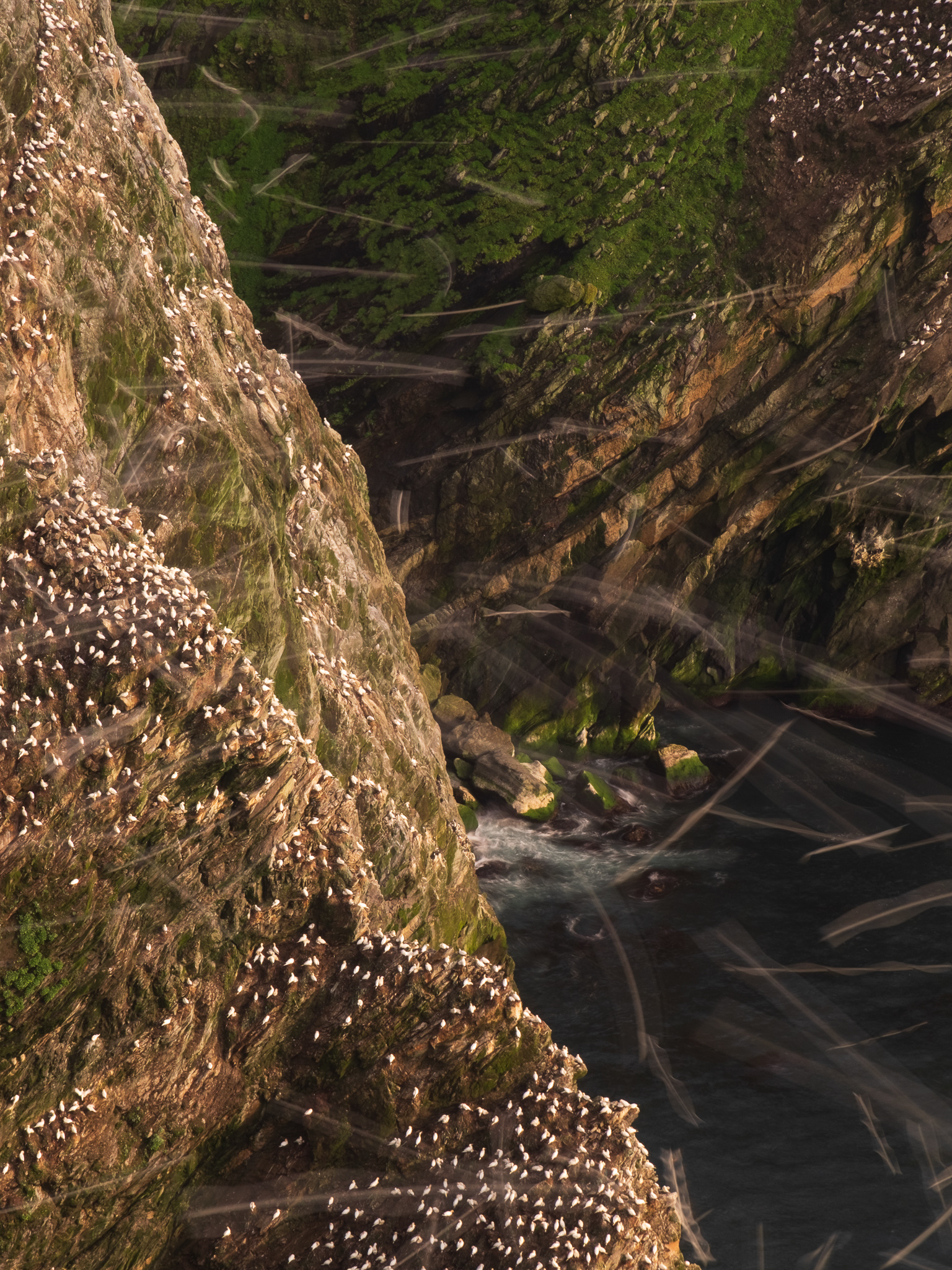
As mentioned earlier, I prefer to spend long periods of time at a location as I feel this allows me to look beyond the obvious. I lived on the Causeway Coast for 7 years before moving into the van, and despite countless hours in the field, I feel I perhaps only have a collection of 15 or so portfolio worthy images.
In 2020, I purchased a printer, and despite the many hours of frustration with printing my own work (don’t believe the hype folks), I grew to love it. This was especially true when I discovered the work of some homemade zine makers such as Paul Sanders and Gill Moon, which allowed me to dip my toe into this wonderful creative endeavour. Sadly, printing on the road isn’t really feasible, although I am putting together a small body of work that I hope to turn into a zine via an online service at the end of the year.
Final thoughts
Travelling in the van as a photographer has helped tremendously, allowing me to wait out poor light or weather in comfort. On the Scottish Islands, or as I’m finding, along the north coast of Spain, squalls can move through almost hourly, and being able to hop in and out of the van has been great, allowing me to maximise my chances of getting the shot.
We plan to spend the remainder of the year in the mountains, with the French and Swiss Alps, along with the Italian Dolomites, as our focus.
Mind you, looking at the gradients on some of those mountain roads, It might be time to get those squeaky brakes looked at.
Recommendations
- Ensure battery capacity is sufficient for your needs, especially if planning a longer trip off grid
- An additional battery pack, such as a Jackery
- Solar panel, potentially one that you can angle for maximum efficiency in winter
- B2B charger (to charge leisure batteries when driving)
- Consider backup (cloud) choices, especially if away from home base for an extended period of time
- 4-way plug for maximizing charging when in a public space
- Multiple USB-C charge points (charge as many devices as possible while driving)
As a side note, all the images in this article have been made within a 20-minute walk from the van.


