

 Join the conversation
 Subcribe to comment rss feed
A journey of discovery

Sally Mason
Sally Mason is a landscape photographer whose work explores motion in nature. Her background as a professional dancer gave her a lasting sensitivity to movement and flow, qualities that continue to shape her photography today. After a long career as a film producer, she turned fully to photography in 2020, creating images that reflect her emotional response to the landscape rather than a literal representation.
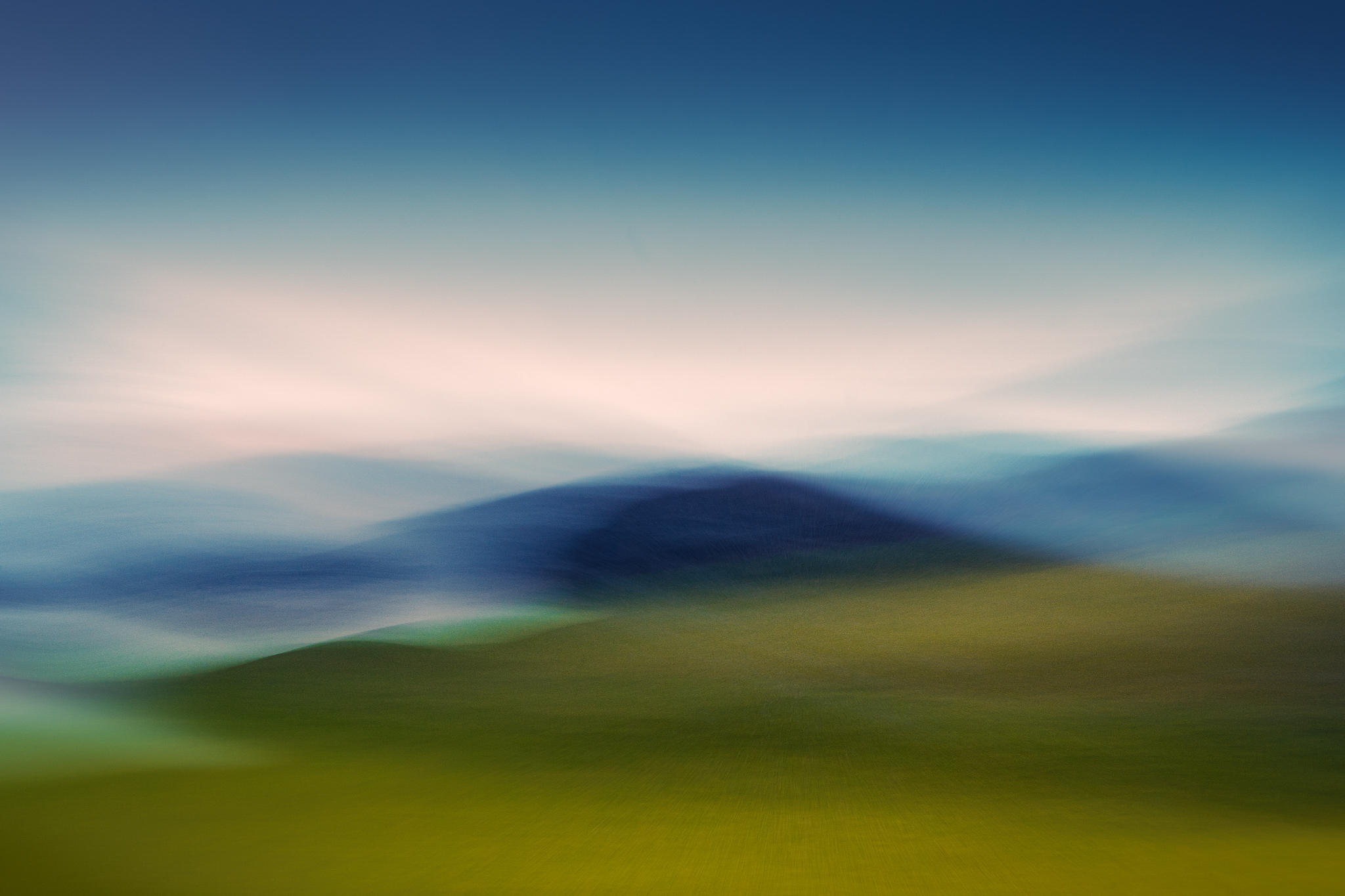
I never set out to create a photographic project, and certainly not a book. If someone had told me in late 2020 that I’d soon be spending most of my days walking the countryside with a camera, making abstract images of wind-blown grasses and slow-rolling waves, I wouldn’t have believed them.
At the time, I was trying to navigate a sudden redundancy that had brought my thirty-six-year career in film production to an abrupt end. It meant not only financial uncertainty but also a deep sense of personal and professional loss. On top of that, the strangeness of lockdown cast its own uncertainty across daily life. For a while, I felt adrift. Yet in the midst of that turbulence, photography re-entered my life, and it quickly became my anchor.
Photography had always been a quiet passion, lingering in the margins of my busy working life. Within days of losing my job, I upgraded my camera, and within weeks, I had left London. Suddenly, I had time, and the countryside was on my doorstep. During lockdown, when travel was prohibited, the same fields, lanes and woodlands became my sanctuary.
Photographing every day in the same area challenged me to interpret the same places in different ways.
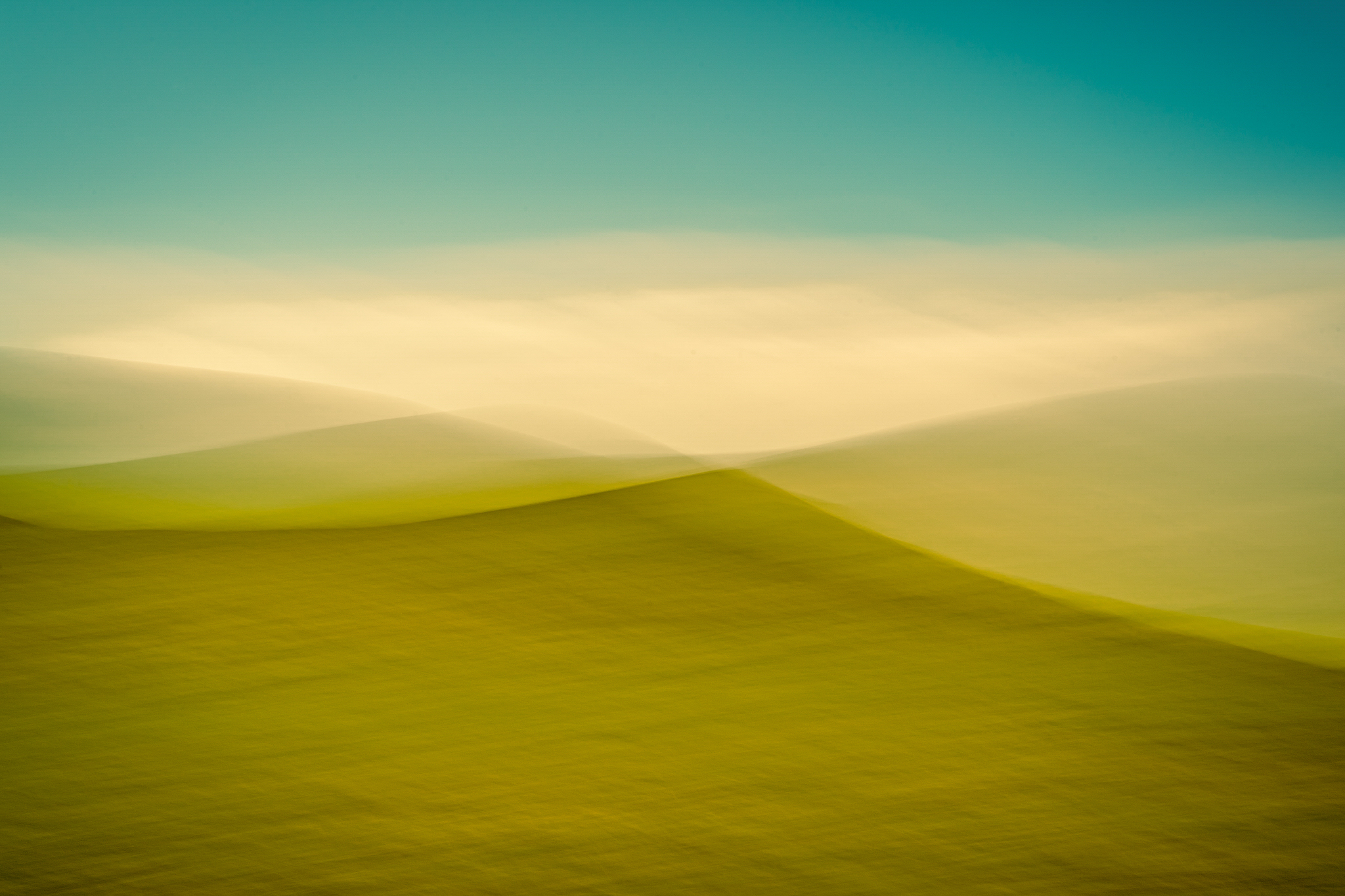
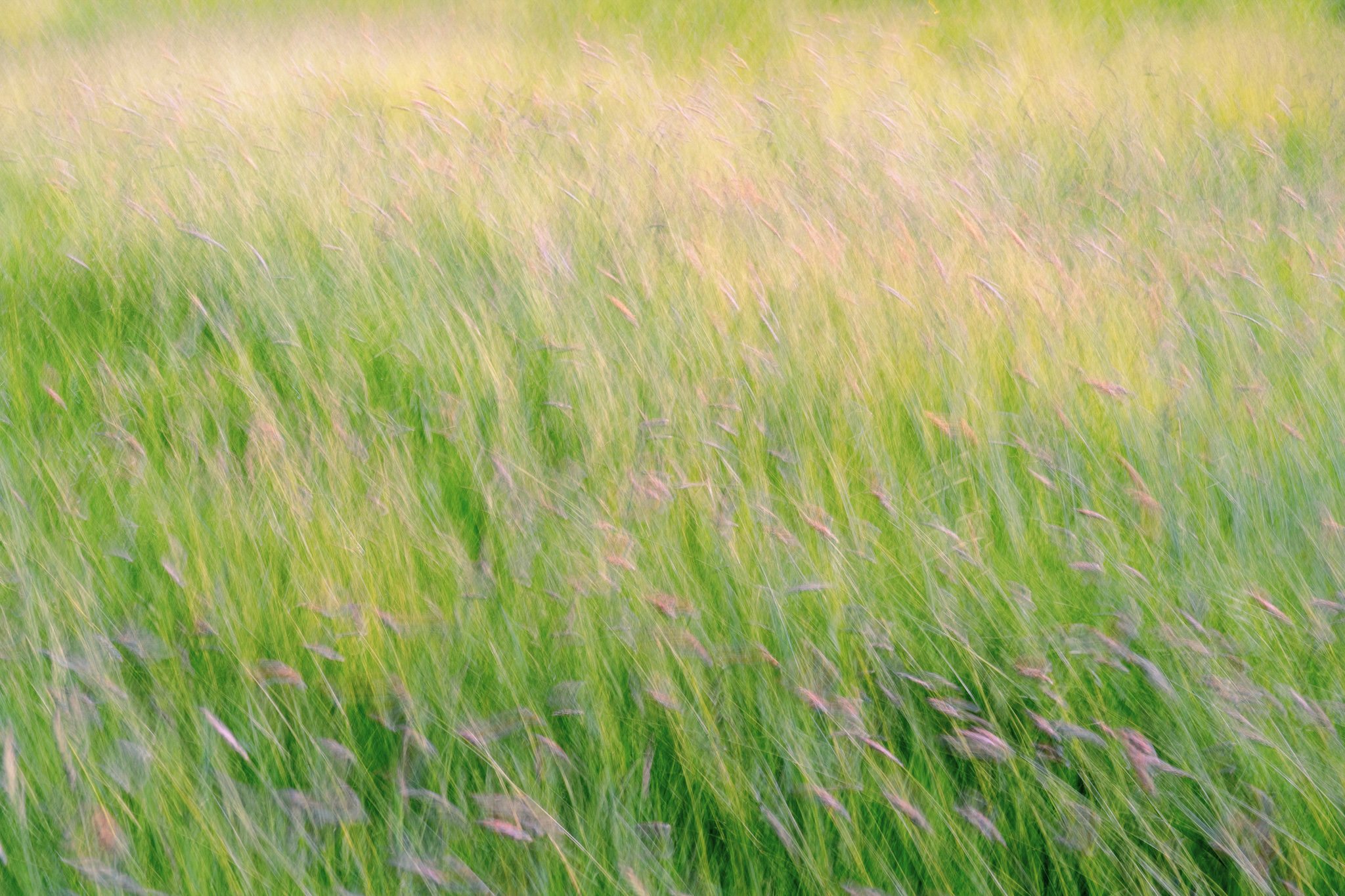
I began to see differently. The landscape was unusually quiet, and within that stillness I became captivated by motion - not just ripples of water or grasses bending in the wind, but subtler gestures such as the sweep of a branch or the rise and fall of hills. I began experimenting with long exposures and moving the camera mid-shot, and became fascinated by how I could capture something of the ephemeral. At the time, I had no idea what I was doing in any formal sense.
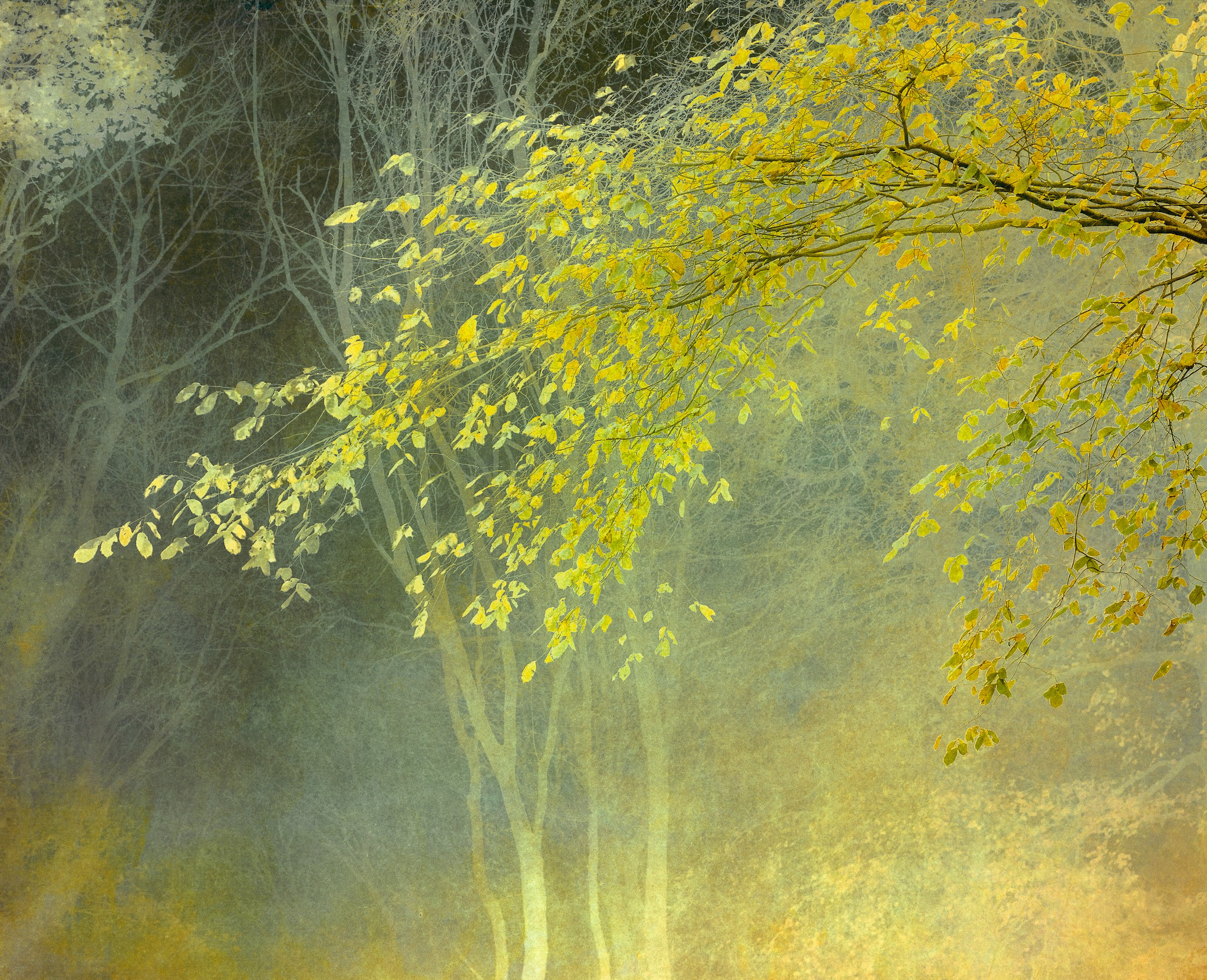
I hadn’t heard of intentional camera movement and was simply following instinct, excited by the potential in these blurred, gestural images. It was only much later, when someone commented “ICM?” on a photo I’d posted online, that I discovered it was actually a thing - a technique - after looking it up. That discovery gave a name to what I had already been exploring intuitively and encouraged me to push further into abstraction. I also began experimenting with multiple exposures, intrigued by how layering could expand the possibilities even more.
When lockdown finally lifted, and I was able to travel to the coast, it felt like breathing out after holding my breath for months. After so long walking the same paths near home, the sudden expanse of sea and sky was overwhelming in its freedom. The horizon seemed to stretch forever, and with it came a sense of release I’d been craving. I spent hours on the beach, entranced by the shifting tide and the motion of the sea. Long exposures smoothed the waves into flowing veils, and intentional camera movements transformed shoreline and sky into abstract bands of colour.
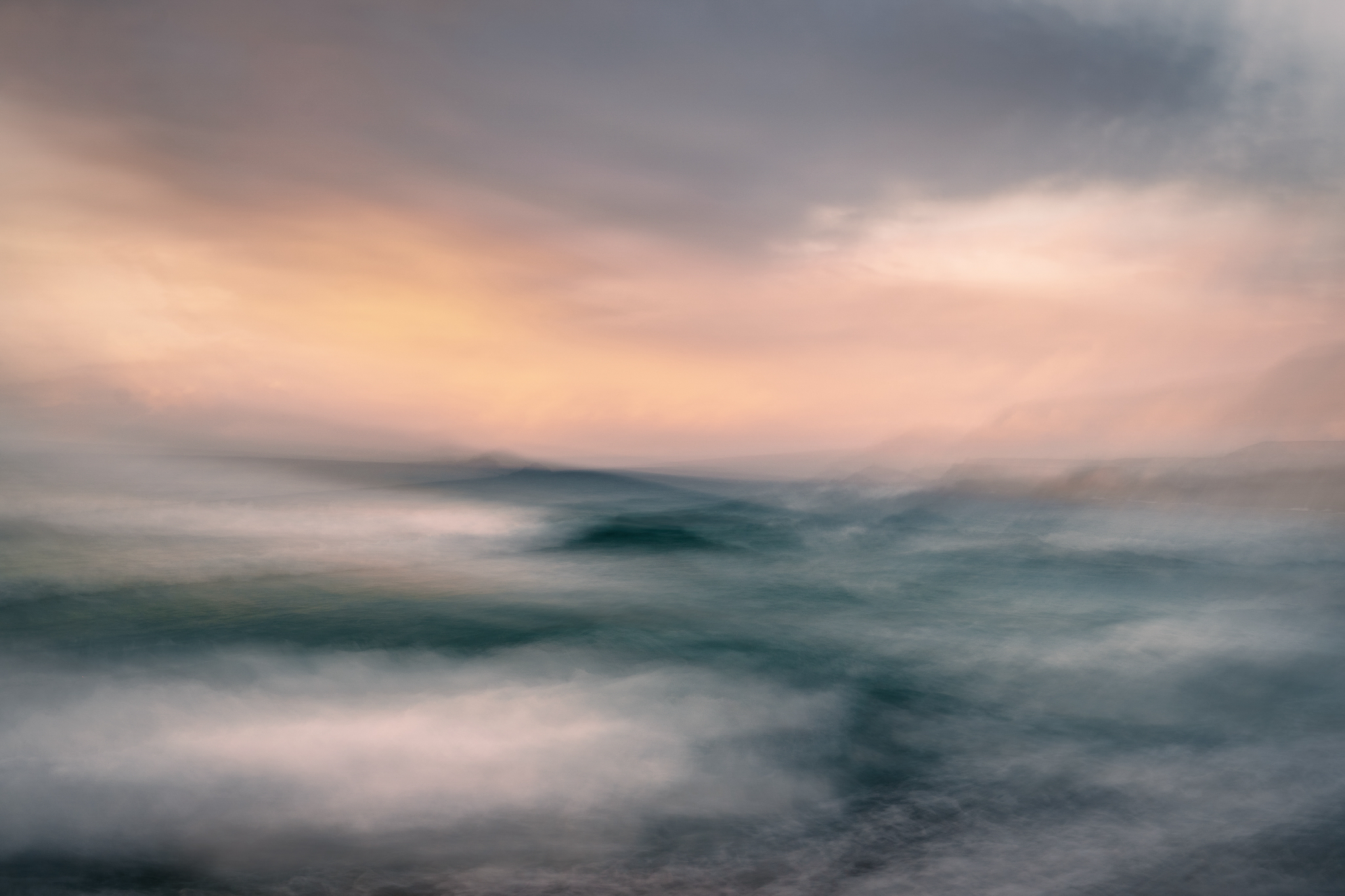
Each frame felt like a discovery, a dialogue between myself, the sea, and chance. The excitement lay in seeing these images emerge, not as records of a place, but as expressions of how it felt to stand there - liberated, quietly elated, and beginning to glimpse where this exploration into motion might lead.
In many ways, it led me back to my beginnings. Looking back now, I realise my early training as a dancer left a lasting imprint on me; movement has become woven into the way I see the world and continues to shape how I engage with the landscape - and how I photograph it.
My photography became less about documenting what I saw and more about reflecting how I felt in nature. In time, I came to see that shift as both liberating and deeply restorative. The stillness of the countryside during lockdown was palpable, and within that wider quiet, I began to discover a stillness of my own. Looking through the viewfinder, I would lose myself, often entering a state of flow where everything else seemed to fall away. Photography offered a sense of calm not only when my own life had been upended, but also amid the wider upheaval of the world around me.
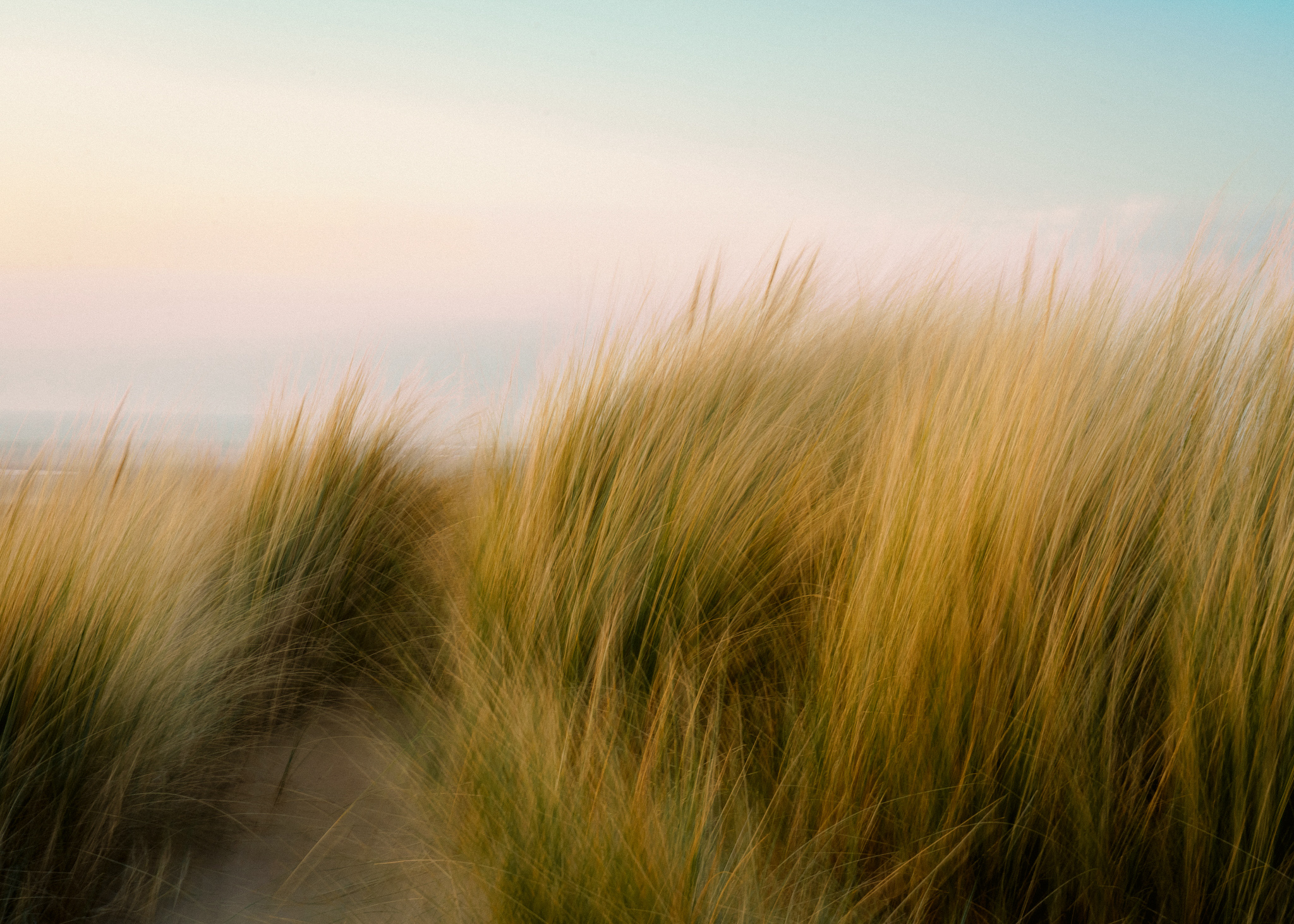
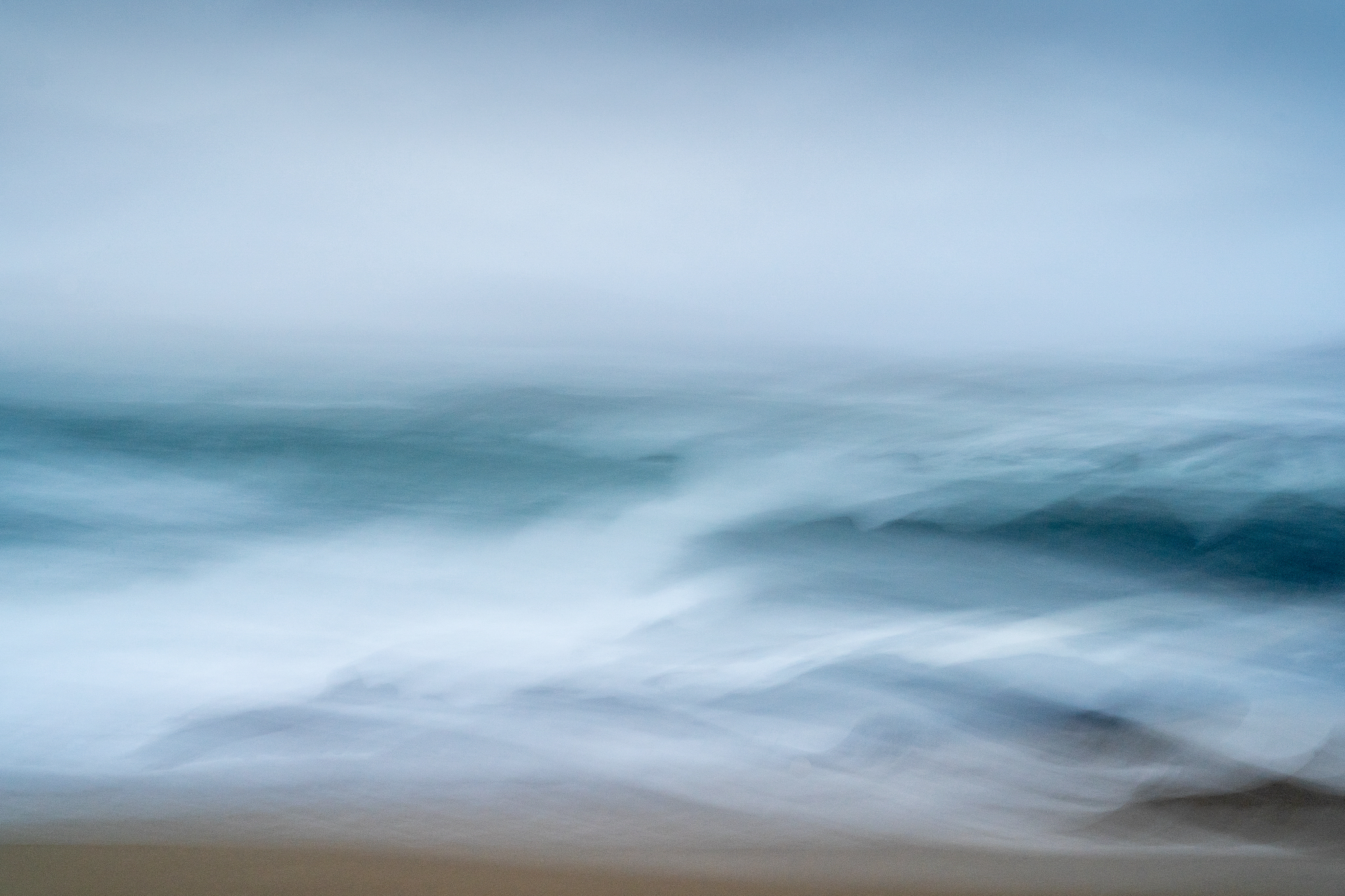
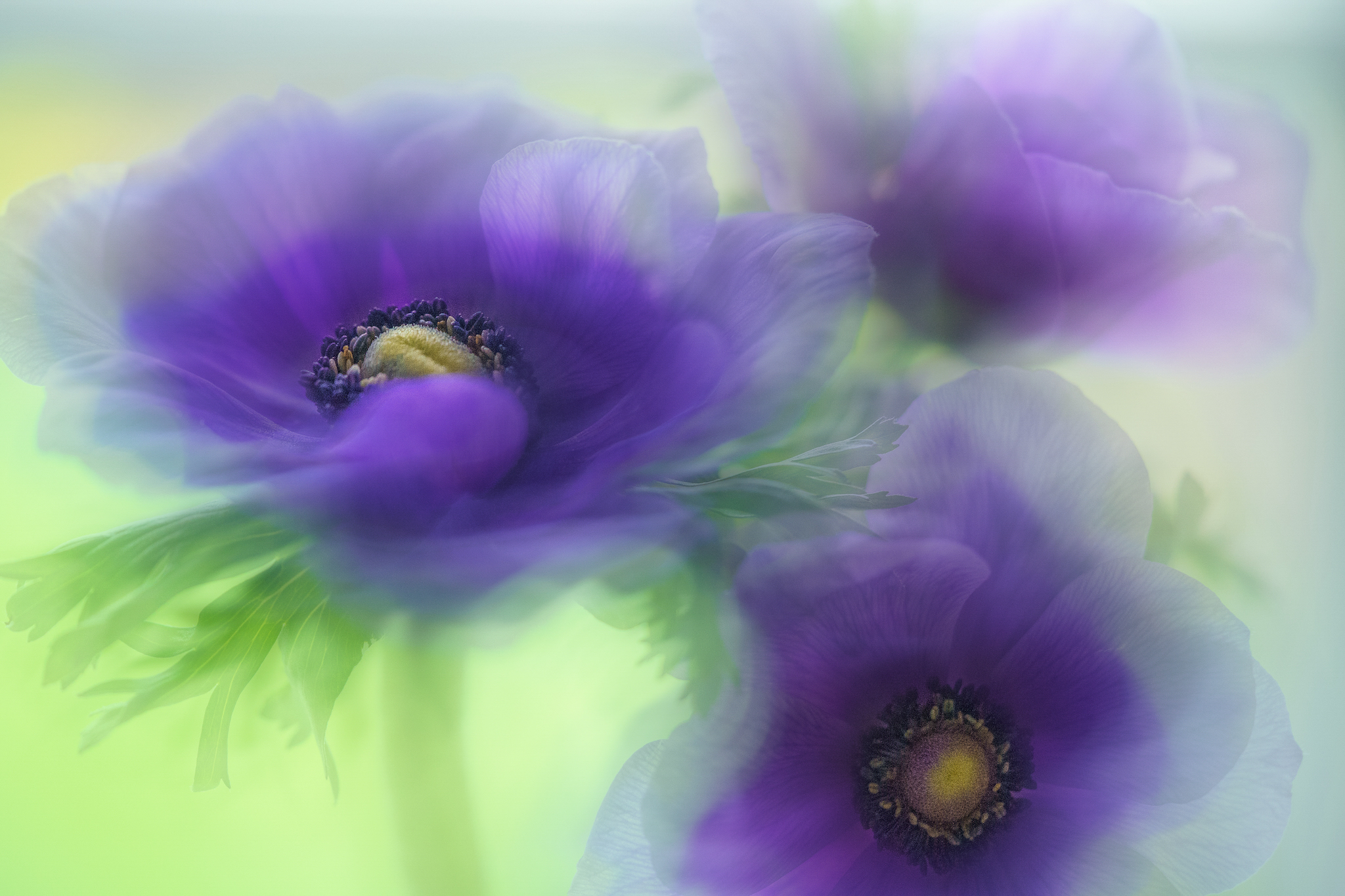
As the months passed, a thread began to emerge. Though the landscapes and subjects varied, the images shared a common quality: a lyrical stillness born from motion. I began to gather them into small collections – Landscape in Motion, Coastal Flow, Grasses - each exploring different facets of movement. Over time, new groupings emerged: Flora, where I’m drawn to the way the structure of flowers suggests a kind of dance, and Woodland, which centres on the flow and interplay of branches and trees. What intrigued me most was the paradox that the images with the most movement often conveyed the deepest sense of quiet, transforming the commonplace into something poetic.
It would be another three years before I considered the possibility of a book. Like many photographic projects, it evolved organically rather than from a predetermined vision. When the collection reached a certain weight, I knew it could be more than a series of images on a website or in an exhibition. It could become something tangible, a cohesive narrative. I was thrilled when Kozu Books saw the potential of the work and offered me a publishing deal, guiding it into book form.
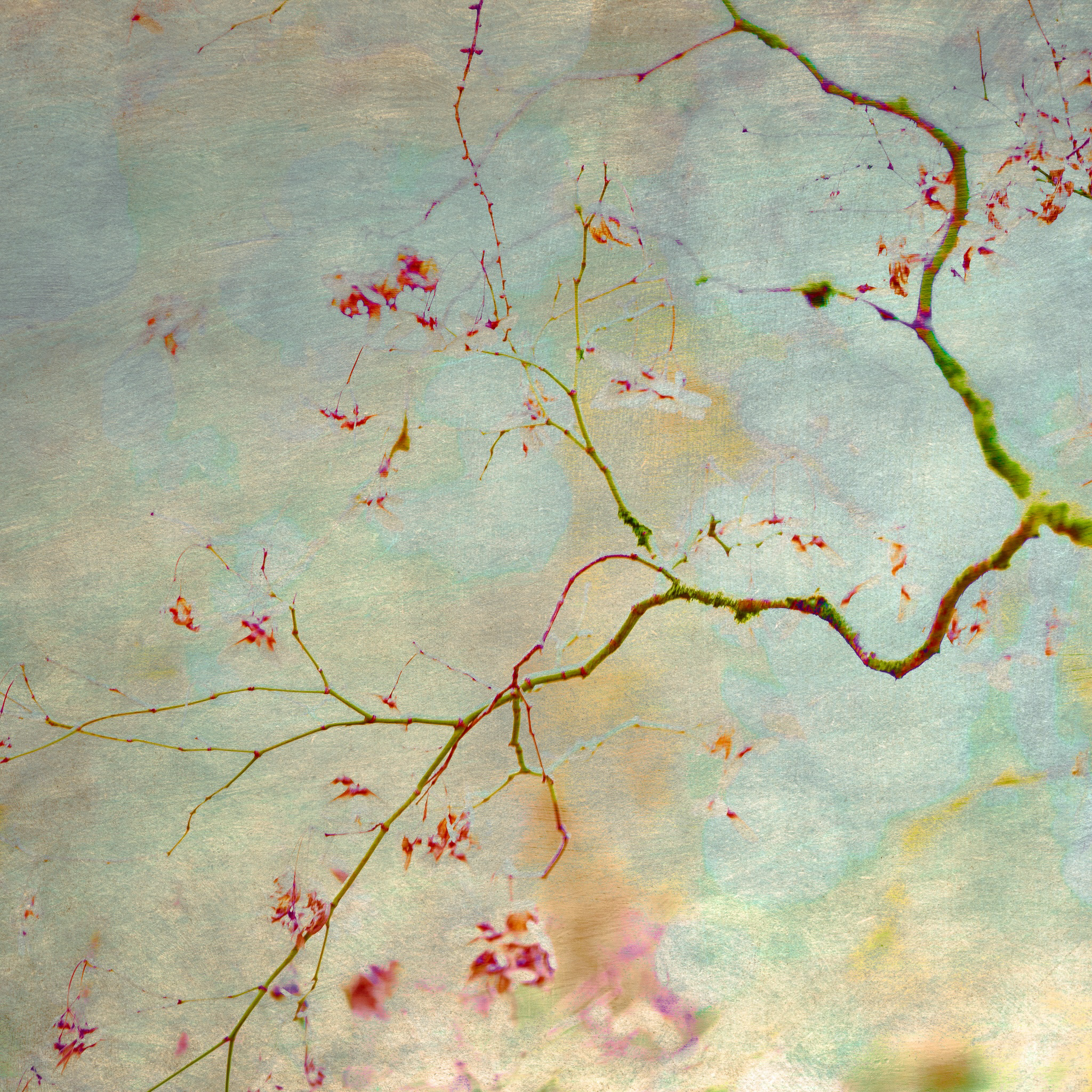
Turning a collection of photographs into a book was exciting and rewarding, but it took time to find the right flow. The collections I had created became the foundation for the structure of the book, yet the sequencing went through many iterations, each change subtly shifting the mood and relationships between images. I enjoyed seeing how pairings across the pages could alter the nuance of the work and reveal new connections, though reaching that balance wasn’t always simple. Some of my favourite images didn’t make it into the final edit but letting them go became part of shaping something cohesive. After many rounds of adjustments, the book finally settled into a rhythm that felt authentic to the work and true to the way it had begun.
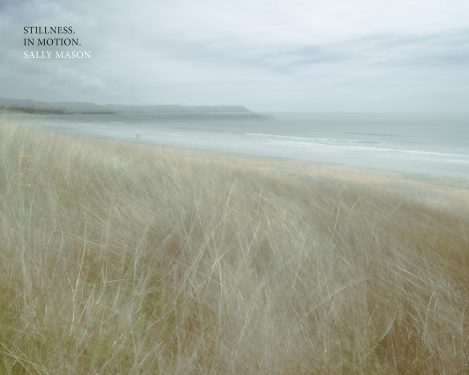
On reflection, the seeds of Stillness. In Motion were sown during those early lockdown walks. There was no grand idea at the outset; I was simply responding intuitively to what was in front of me, enjoying the serendipity of a practice where chance plays such an essential role. With ICM and multiple exposures, there is only so much you can control. That unpredictability was, and still is, a source of joy.
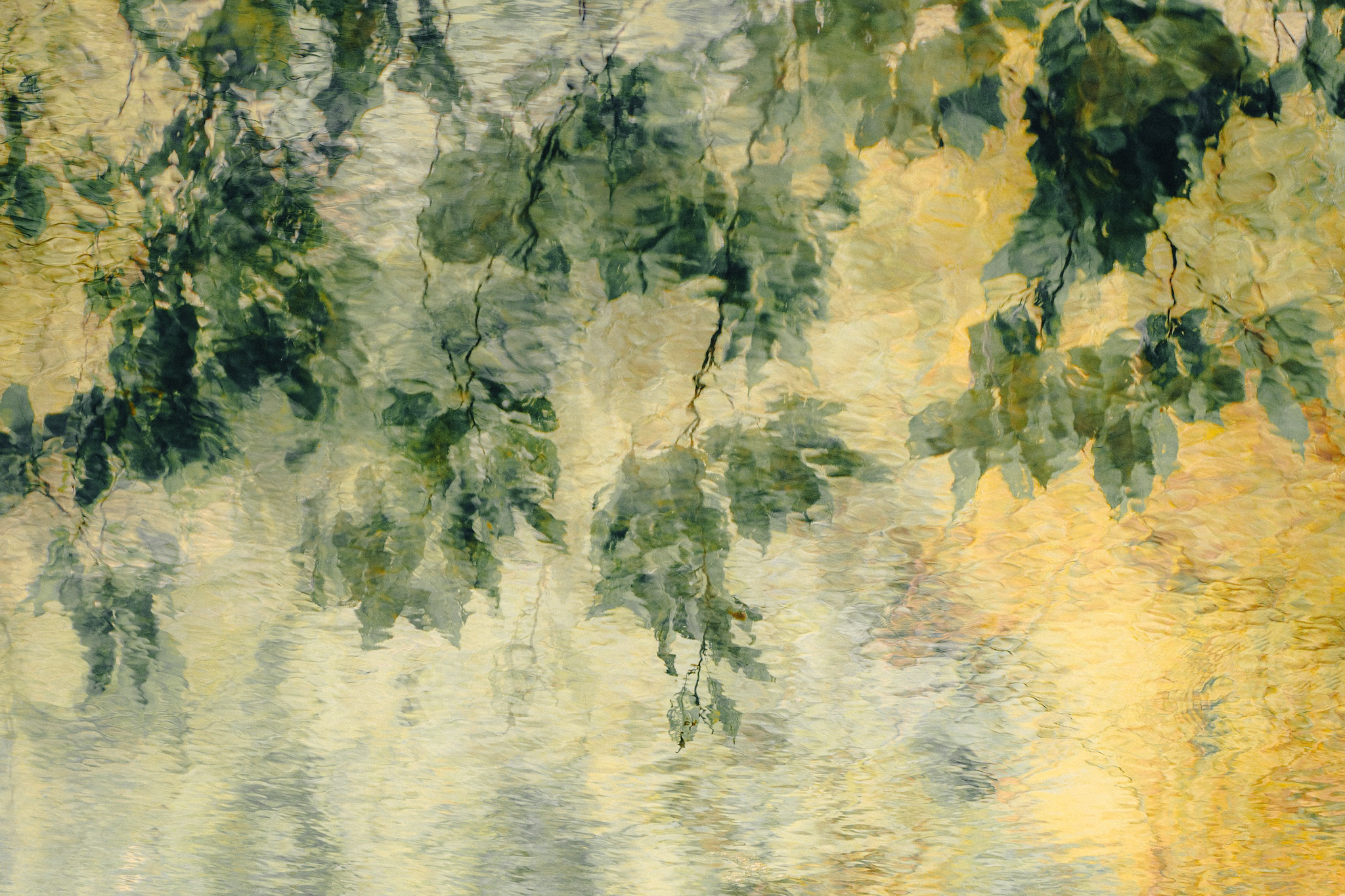
One reason I am drawn to abstraction is that it leaves space for emotion. By stepping away from literal representation, I can create images that suggest rather than describe, inviting viewers to bring their own responses, shaped by memory and experience.
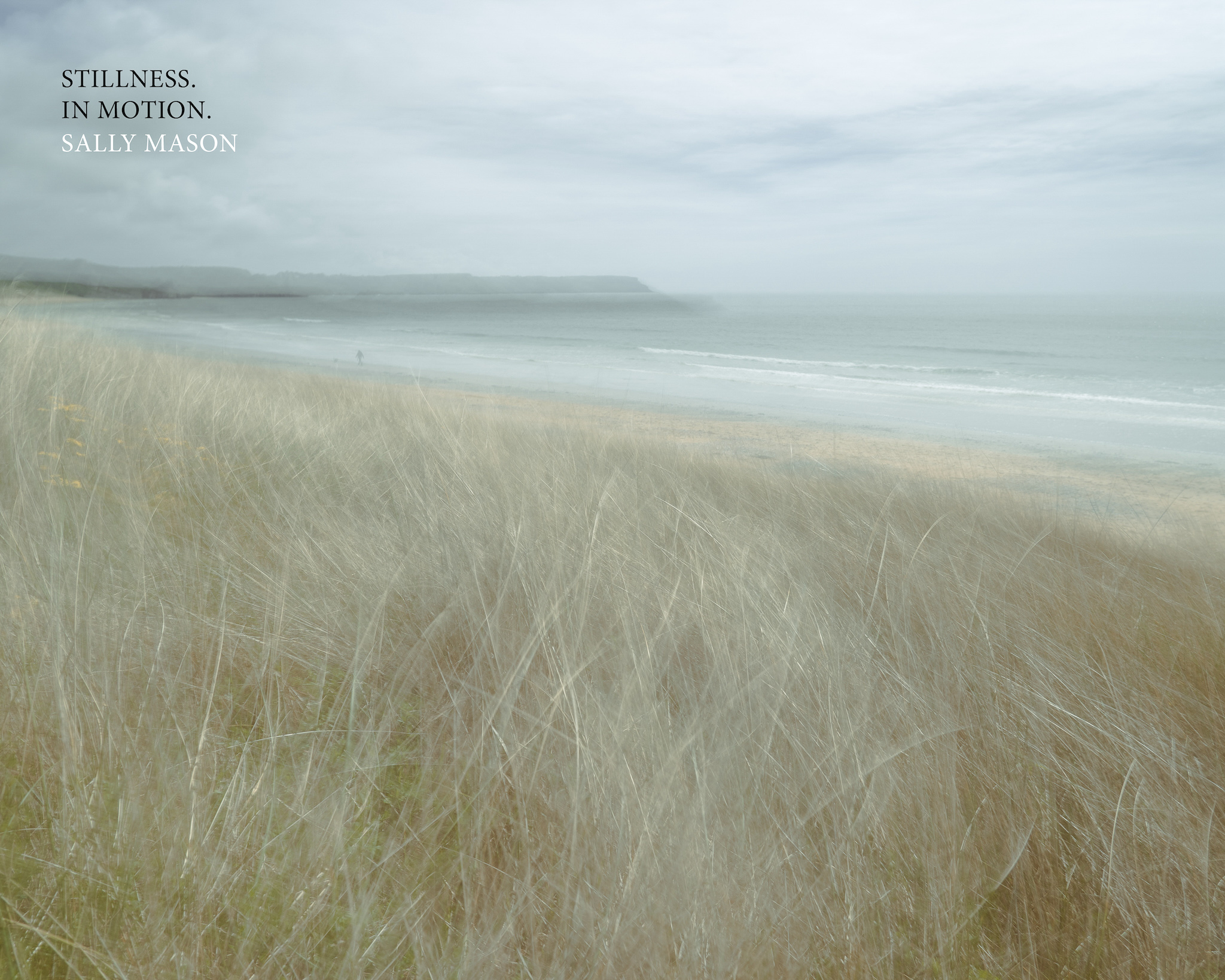
Over time, I’ve come to see Stillness. In Motion. not as a project, but as a journey of discovery. It was born out of change, guided by intuition, and shaped by the landscape itself. There was never a plan, and that, I think, was essential. Each photograph was simply the result of being present in a moment, of paying attention, of letting chance play its part. The book gave form to that journey, but the practice remains open-ended - a way of seeing that continues to unfold.
Purchase Information
Stillness. In Motion is available from Sally's website or from Kozu Books, from £40.