

 Join the conversation
 Subcribe to comment rss feed
Where History & Nature Collide on Scotland's Coast

Rhys Campbell
Rhys Campbell, a Youth Worker and Visual Arts Worker living in the Scottish Highlands around Easter-ross.
Rhys is an Analogue and Digital Photographer, who works in the landscape, focusing on the small details and stories that the land can tell us.
Rhys is a member of LVII independent photographers collective, and an Intern of the FLOW photofest.
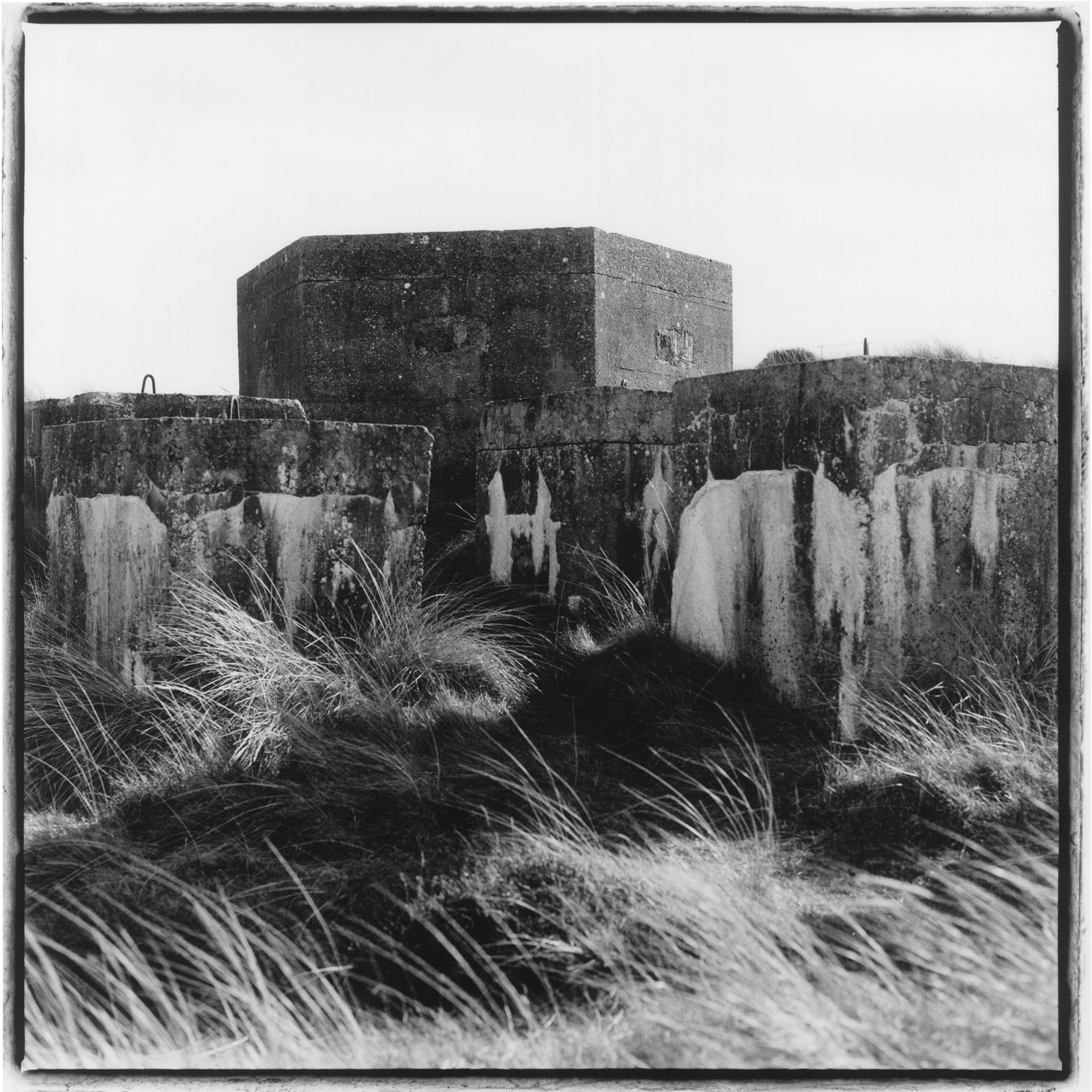
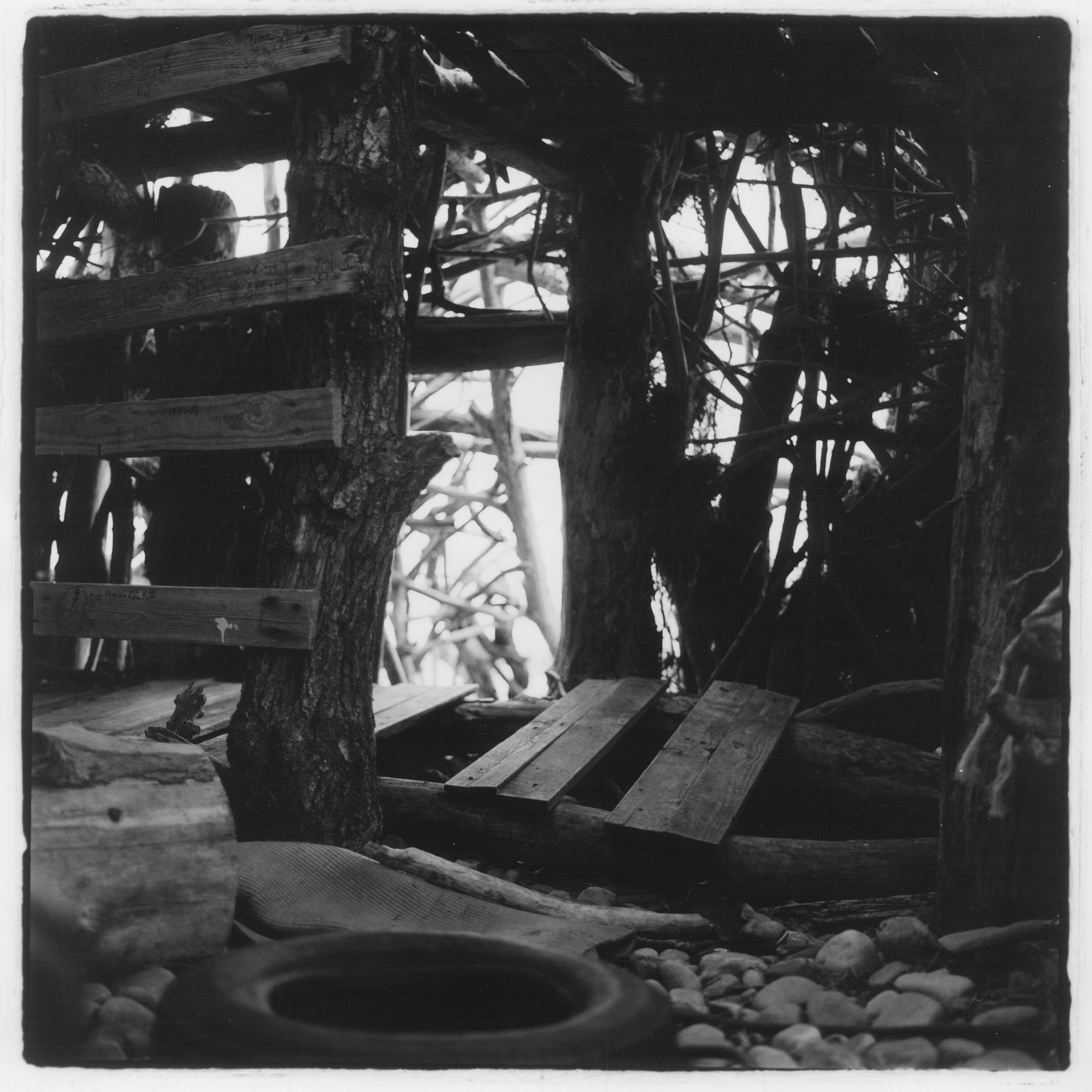
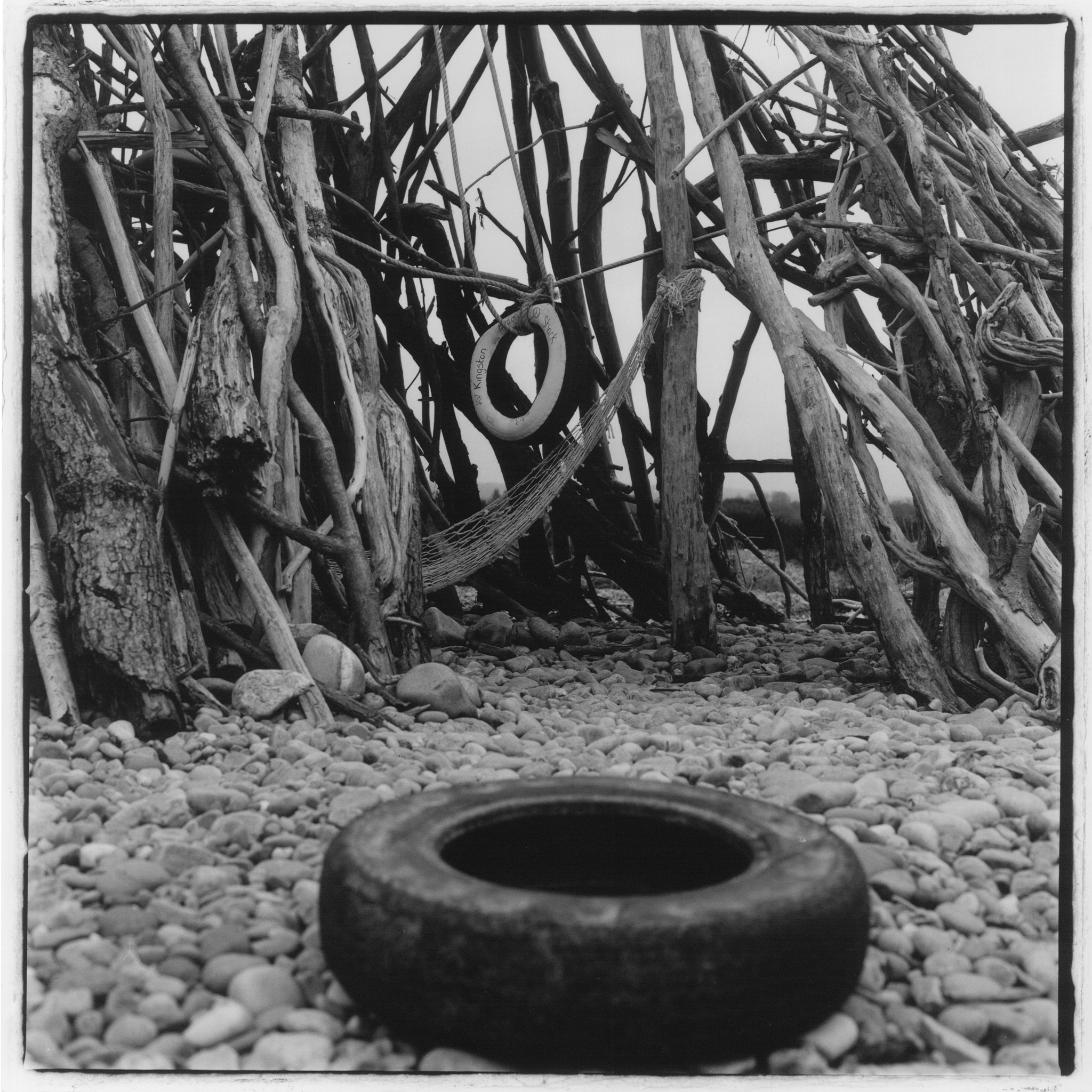
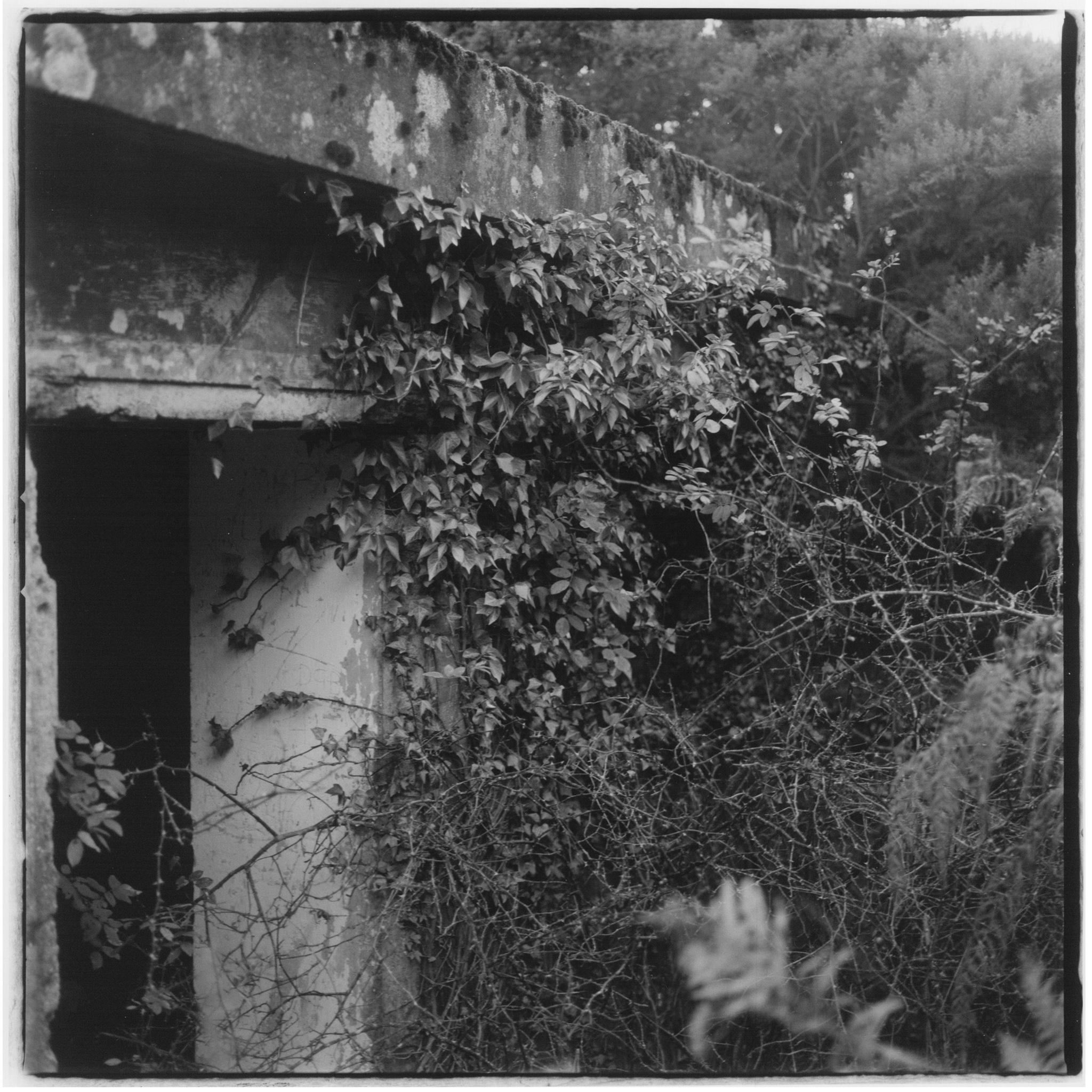
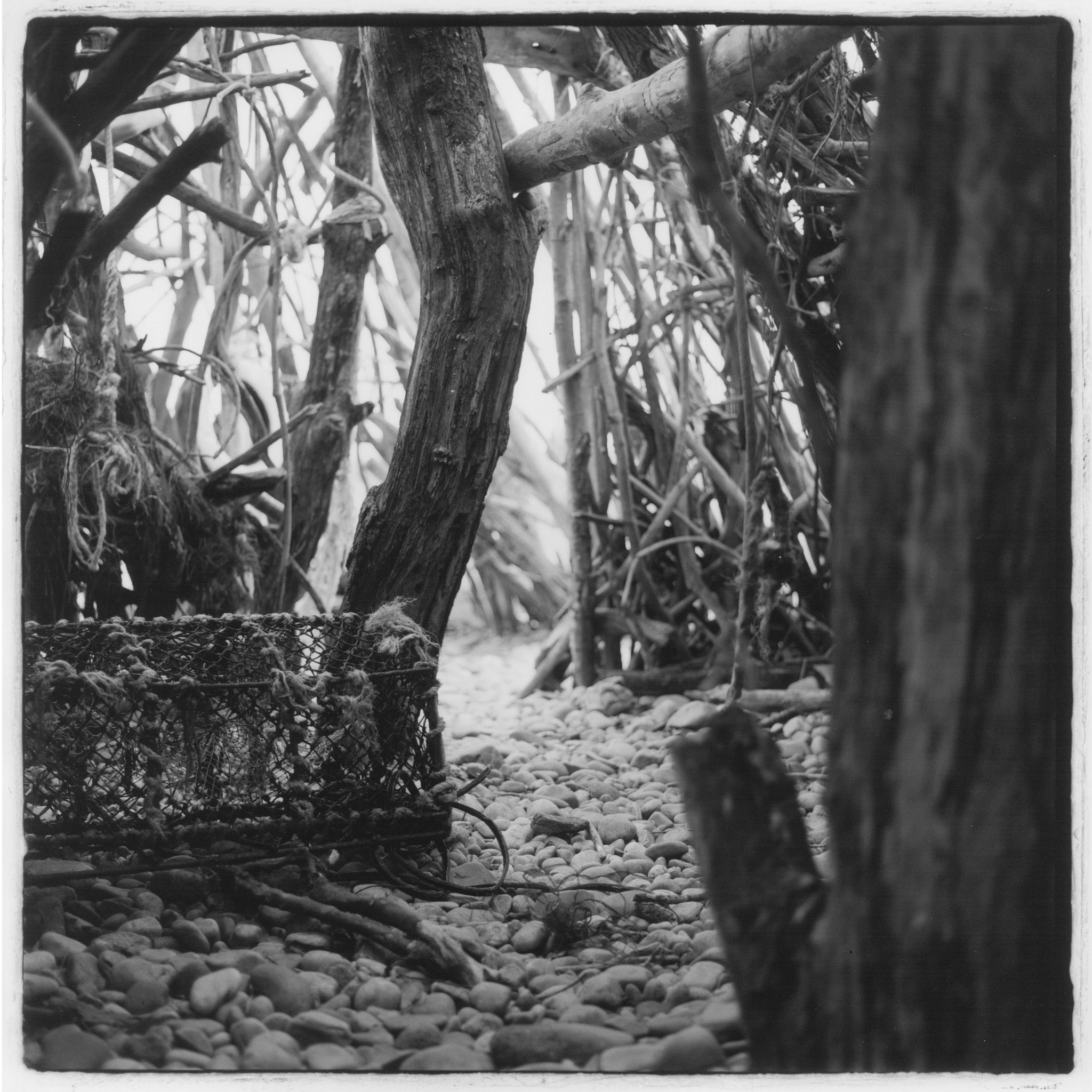
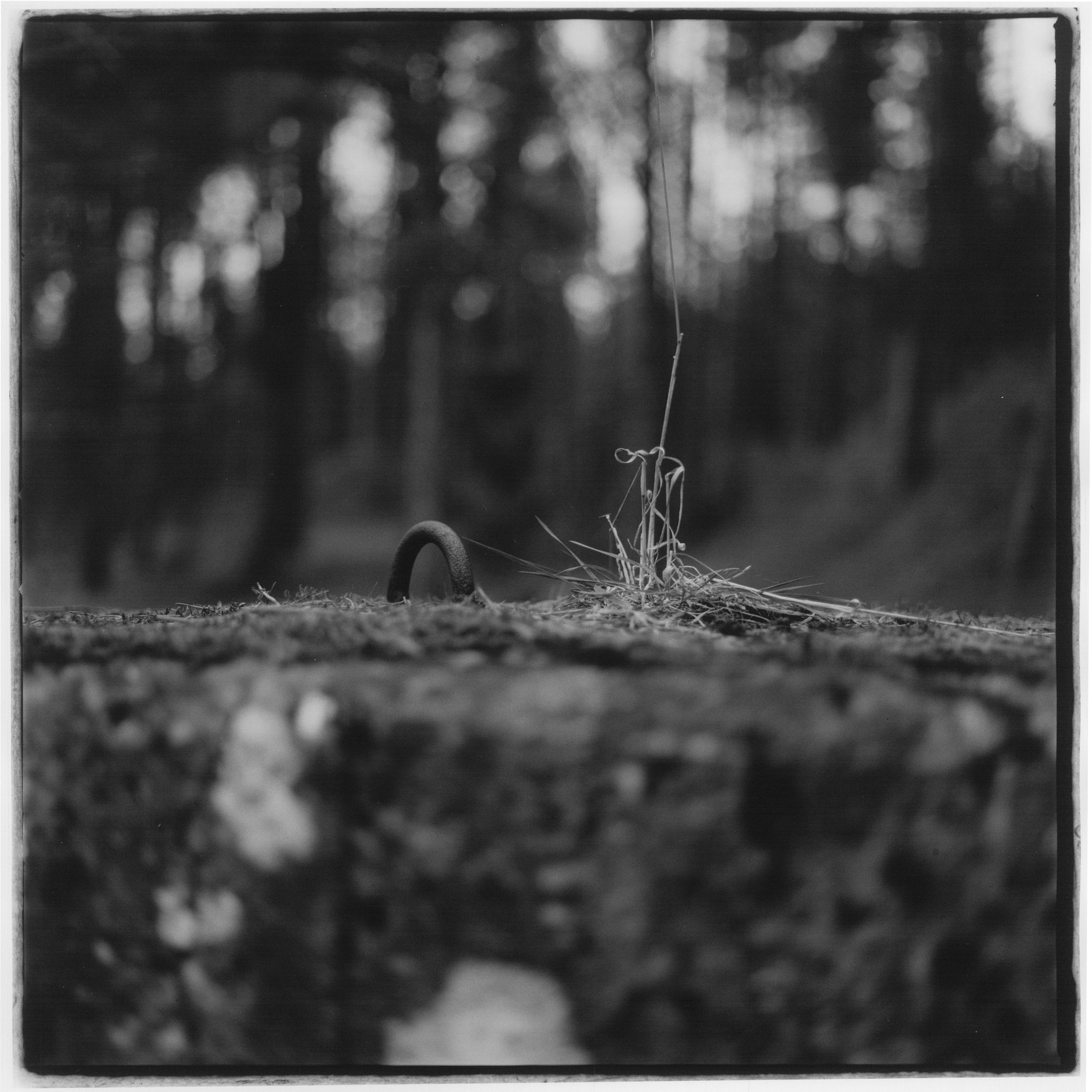
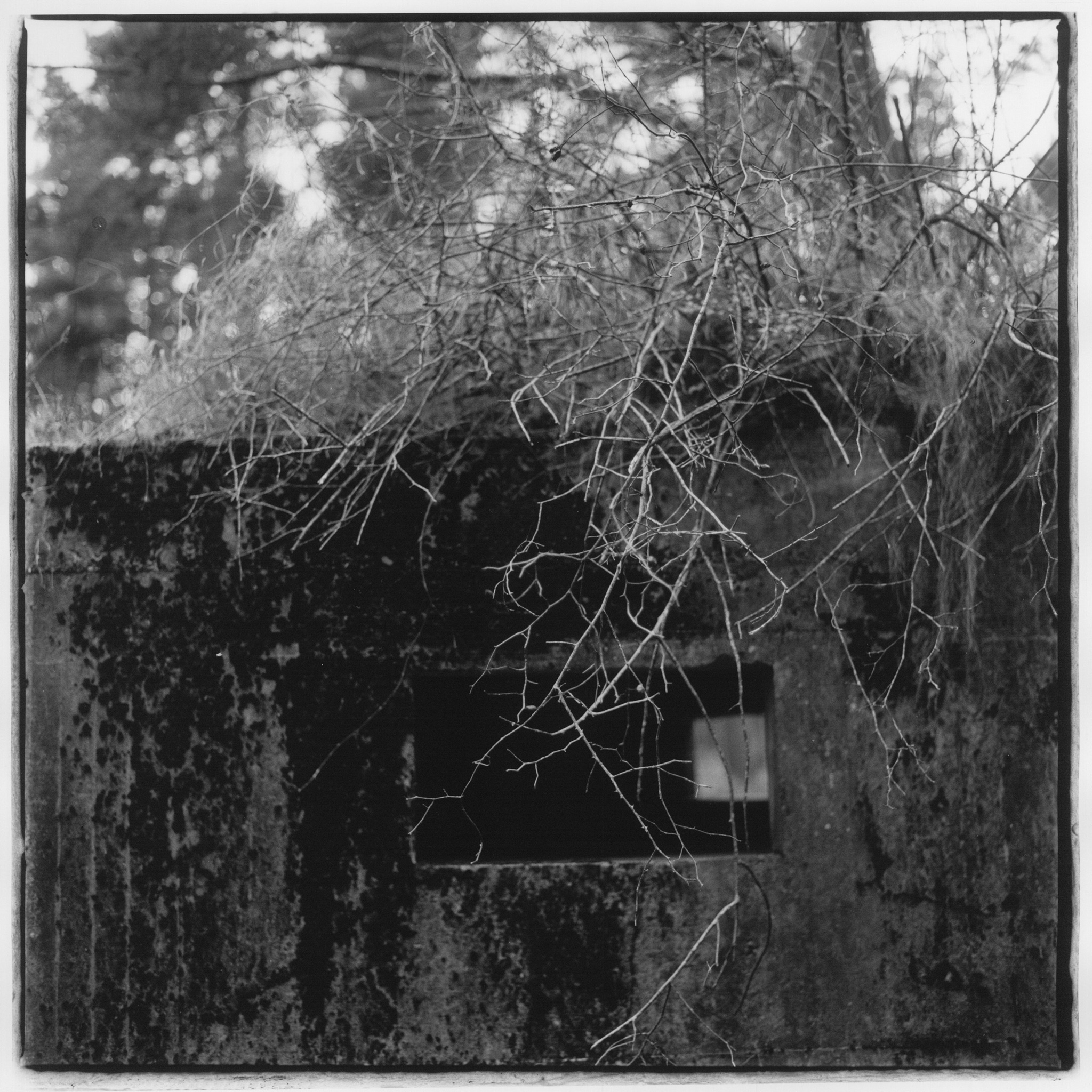
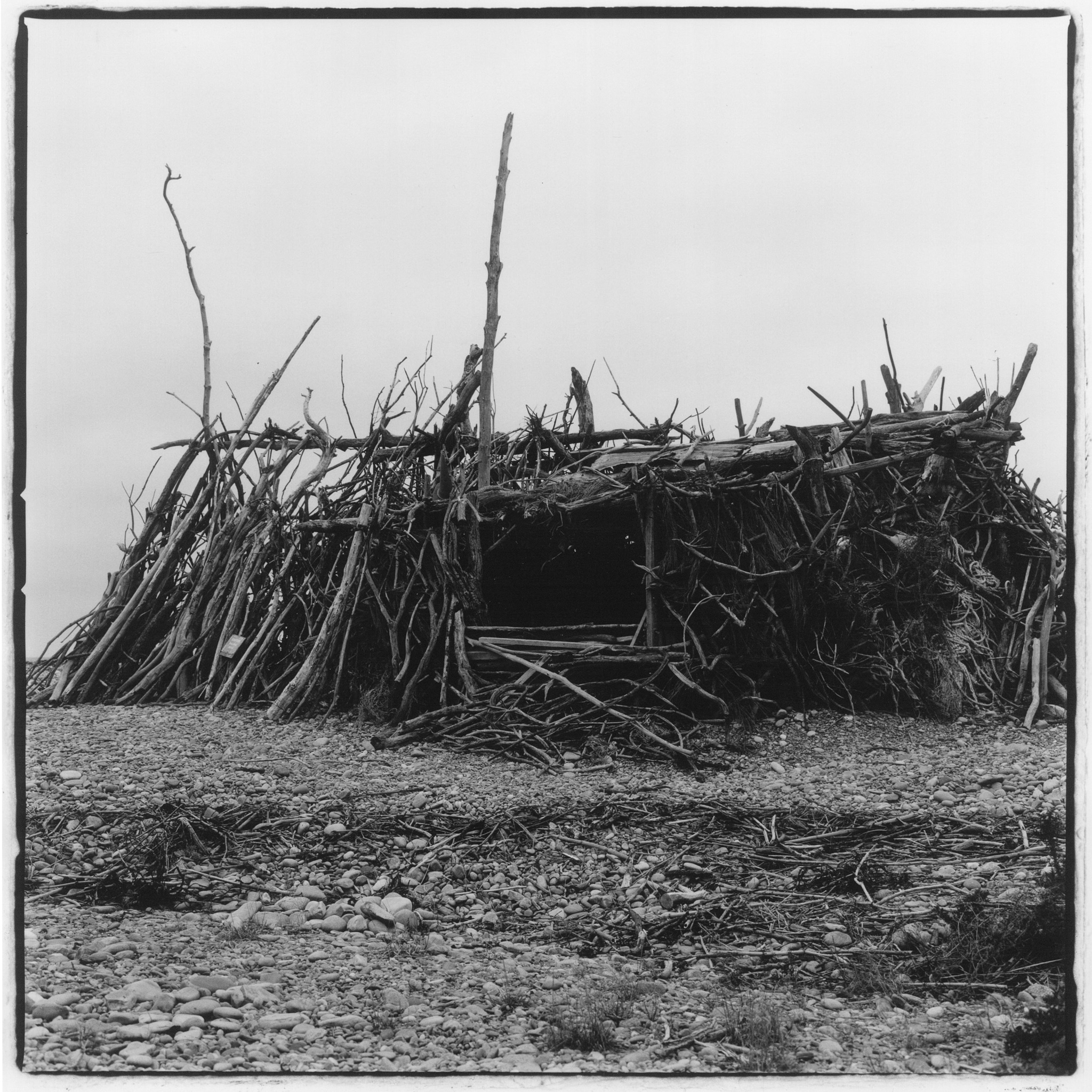
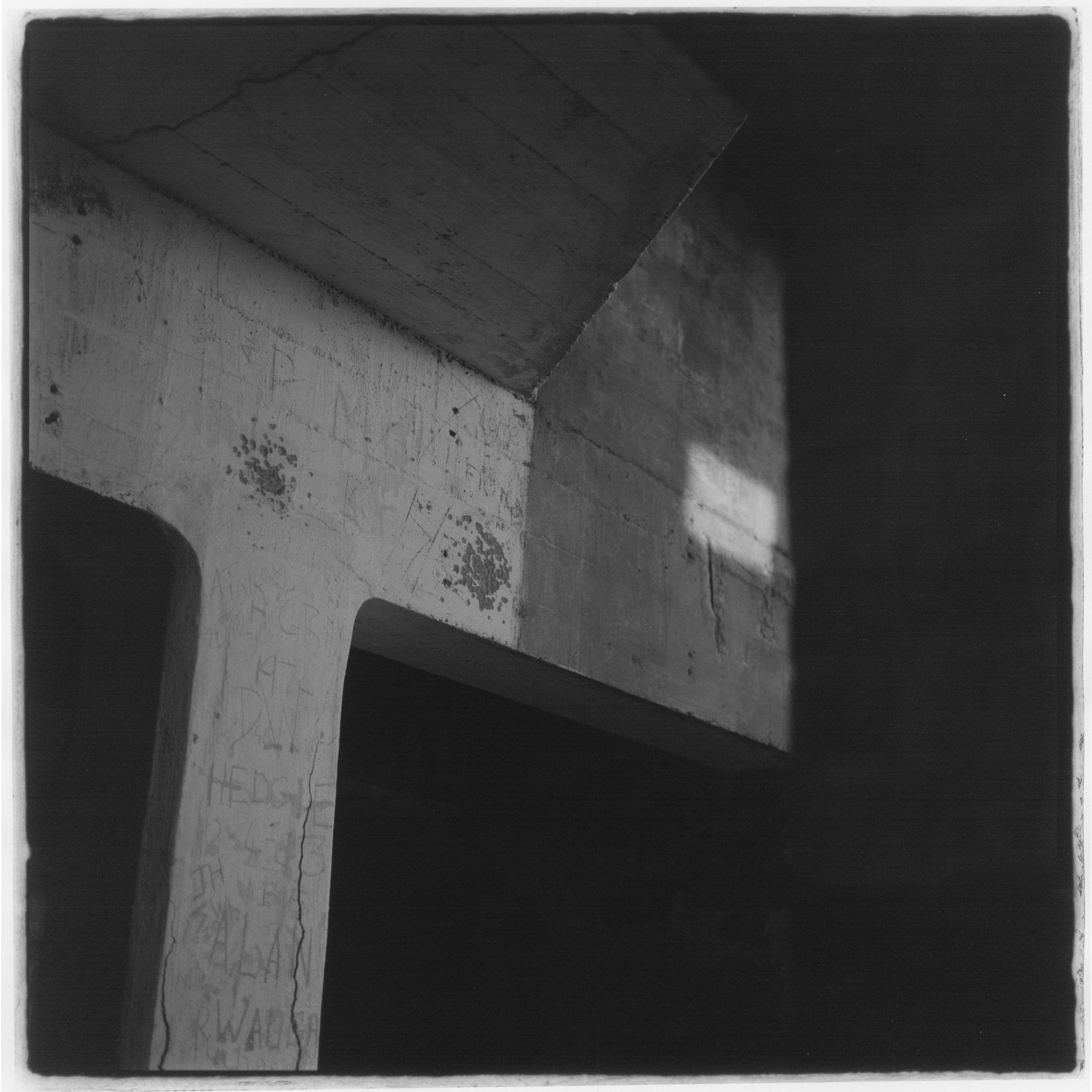
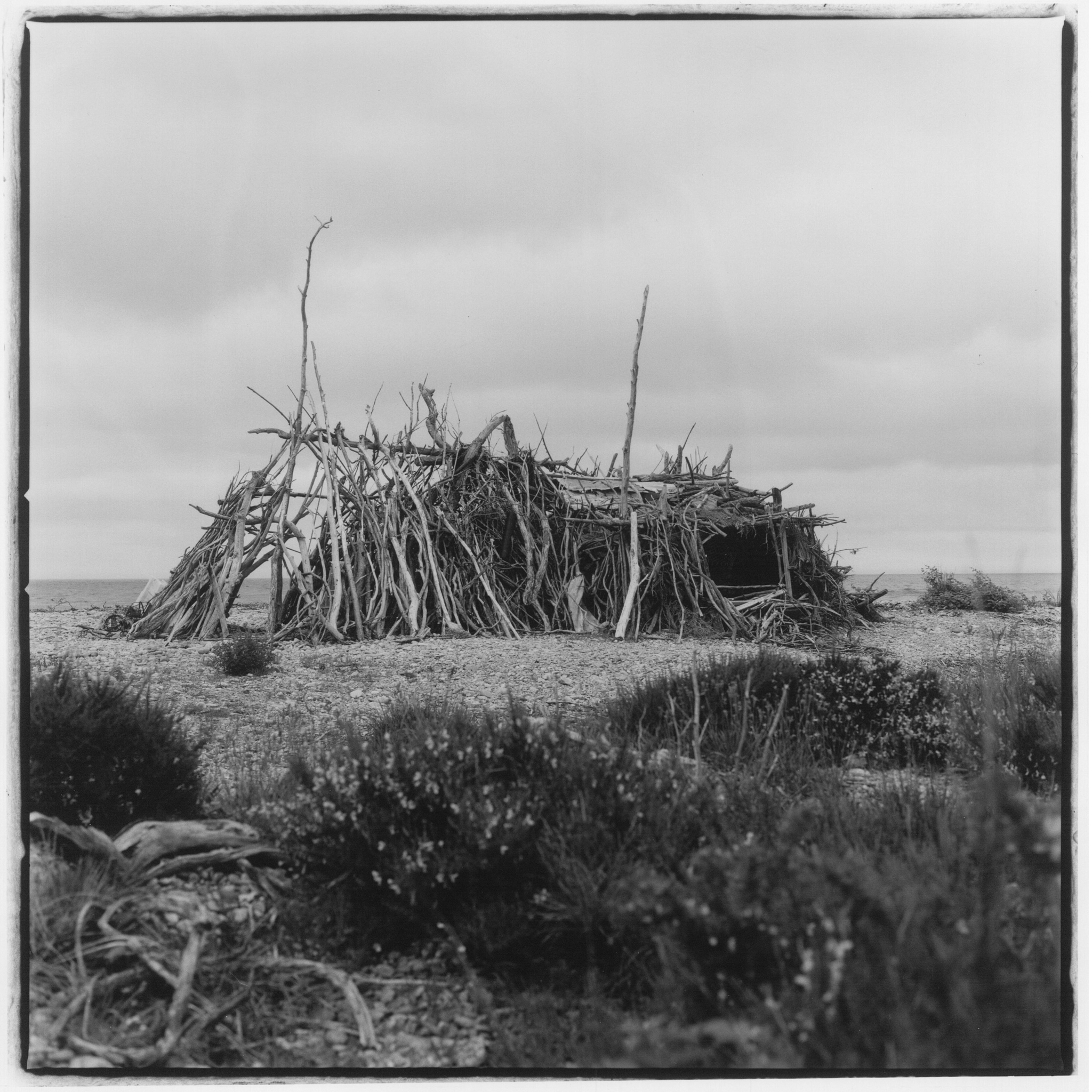
“Shelters” is a documentary series of photographs that examines the visual parallels between World War II sea defences on the Moray and East Highland Coast and a unique, man-made driftwood structure previously located at the mouth of the River Spey.
This project was first exhibited at Eden Court Theatre on the Flow Photofest Wall from July 20th to September 13th, 2025. Captured on film and hand-printed on silver gelatine fibre-based paper at the Inverness Darkroom, where I am a member, the exhibition presents two series of images in parallel. This comparison highlights surprising similarities in form and features between the robust military structures and the organic driftwood sculpture, despite their differing origins. A poignant meditation on the concept of refuge, the project explores how two very different types of "shelters" stand against the relentless forces of nature and time.
The Inspiration Behind "Shelters"
The inspiration for "Shelters" began in the Summer of 2024. I was taken to see a unique structure at the mouth of the River Spey at Garmouth, Moray: a massive beach hut, constructed from a collection of driftwood, boat pieces, and washed-up items. Built by a family during the COVID-19 lockdowns, the hut became a local community feature; a testament to the human desire to create refuge and find freedom in difficult times. In the bizarre driftwood structure, I saw the childhood dream of a fort or den, the kind I built as a child by placing broken branches on the ground to create rooms, and building the walls and roof with my imagination, but, instead, this was reality.
Just yards away from this organic creation, I discovered a crumbling World War II pillbox, slowly surrendering to the sea. This striking juxtaposition sparked an idea. I began to see connections between the two structures. Despite their different origins—one a military fortification and the other a communal gathering place—both were built to withstand a threat, and both were ultimately temporary. Standing on a coastline plagued by coastal erosion from the North Sea, both the pillbox and the driftwood hut were destined to give in to the same waves. This shared fate became the central theme of my project.
From Idea to Reality
With support from a Creative Scotland Visual Artists and Craft Makers Award (VACMA), I formally began the project in December 2024. I initially planned to use a 4x5 camera, but soon discovered the slow, deliberate process was not working for me. Instead, I turned to a Hasselblad 500cm. Although retaining the slow nature of film, it allowed me the freedom to work handheld in and around the structures.
My photography comes to life when I work with others, especially those who share my passion and drive for creativity.
We visited the beach hut on three occasions: 1st and 31st of December 2024, and 5th of January 2025. Over this period, the north of Scotland was battered by harsh winds as Storm Darragh raged across the UK. Over the course of five days, the waves slowly devoured the beach hut: on 31 December, half of the structure was in the water, and, by 5 January, nothing was left but debris. I chose not to show too much of this deterioration in the exhibition; I plan to work on that aspect of the project, going back out to the WWII structures featured to record changes and continue the story of erosion from the waves and the wind with a view to producing a zine or larger exhibition over the next year.
Capturing the Details
I find myself drawn to the details in a scene—the cracks in a wall, a small plant growing in a bizarre place. When I'm out shooting, I often start with a more traditional, wide landscape shot. But these images rarely resonate with me. It’s when I start moving around the scene and getting closer that I begin to see the compositions in my mind. My Hasselblad helps me frame these more intimate shots. Working with black and white film has allowed me to better understand and capture the way tones, shadows, and highlights shape a photograph.
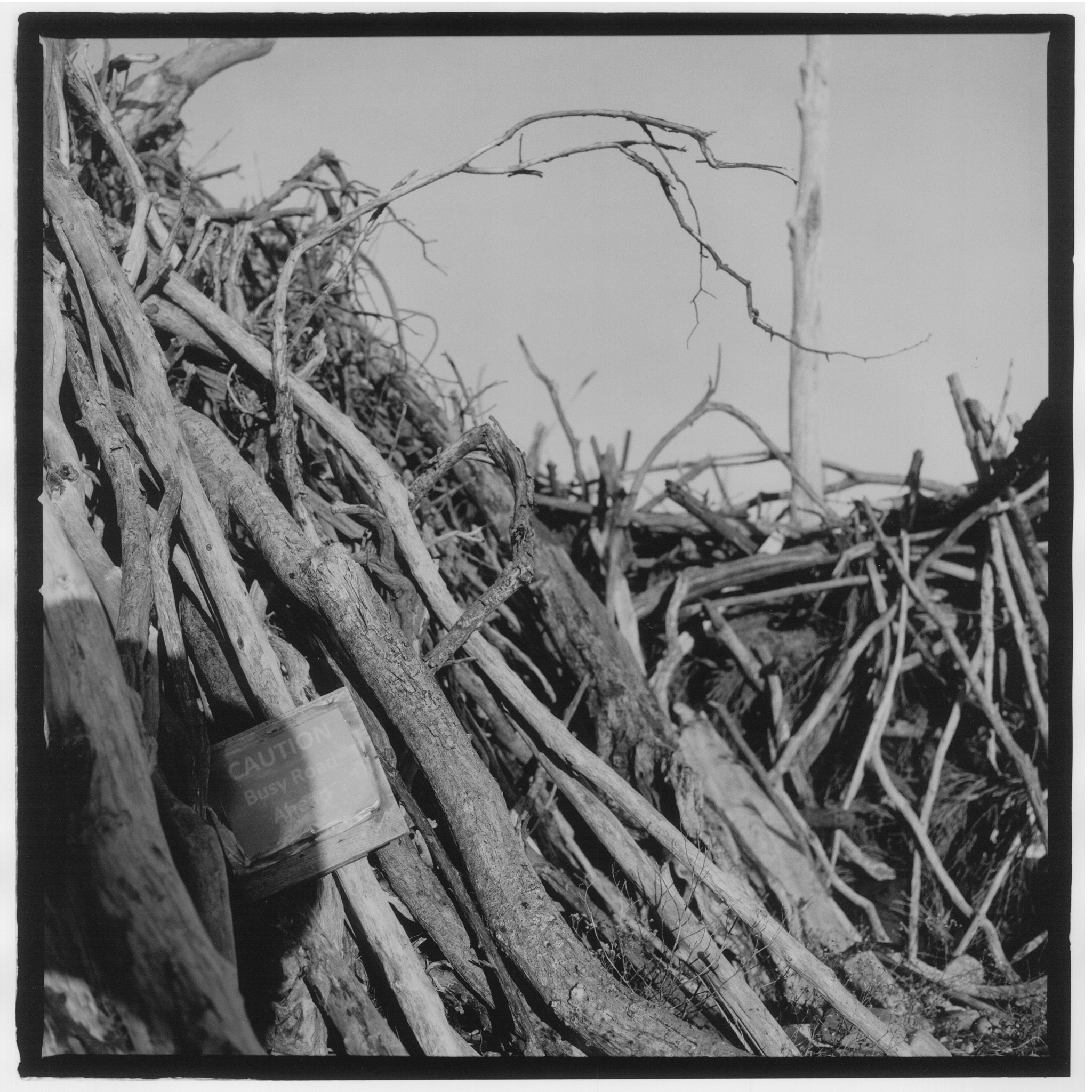
When visiting the beach hut, I found myself drawn to capturing the layers of waste that had been used to build the walls and roof of the structure. In one of the images exhibited, I was attracted to a ‘Caution Busy Road’ sign that must have found its way to the shore.
From January to March 2025, I began visiting WW1 and WW2 sites along the Moray coast, photographing pillboxes near Garmouth, which I had discovered during my initial visit to the beach hut. Then the famous blocks and station points in the Lossiemouth woods, also captured by Marc Wilson , which were built by the exiled Polish Army Engineer Corps living in Scotland during the war . A radar station and a gun emplacement on Nigg Hill overlook the mouth of the Cromarty Firth. During both World Wars, the Cromarty Firth has had huge importance as one of Britain's deepest enclosed ports. WW1 housed the fleet, and WW2 served as a fuel depot . Shona and I also visited the famous, massive Inchindown fuel storage tanks, built into the hillside above Invergordon. This couldn't be included in the series, as unlike David Allen and Simon Riddell, I wasn't keen on taking my camera into the dark oil-covered tanks.
In the Darkroom
I started working with film in the late 2000s while studying Higher Photography at school, where I worked in a basic darkroom. As time moved on, I found myself exploring film again in 2021. I joined The Inverness Darkroom in 2022 and quickly transitioned from 35mm to 645, then to 6x6. Working with film has dramatically changed my practice. With only 12 images per roll of 120 film, every frame has to be carefully considered.
For this exhibition, I used Agfa Multigrade Fibre-based paper. The paper has a unique creamy base that gives my images a richness and depth that is often lost on other papers. I print using a Durst CLS 500 with negative carriers that have been filled out to enable the whole of the frame to be printed, showing the edges. Some view this as a photographer’s conceit; I view this as a challenge to get it right in camera.
The Exhibition
The first exhibition, which took place on the FLOW photofest wall at Eden Court Theatre, presents the two series in parallel, one above the other, inviting viewers to draw their own connections between these surprising and powerful “shelters.” Eden Court is the largest multi-arts venue in Scotland, based in Inverness, the capital of the Highlands. Since the inception of the project and arranging exhibition space, I have become more involved with Flow Photofest, becoming an intern of Flow.
What’s Next
I continue to explore the Moray and East Highland coast, documenting former World War I and II buildings, runways, and other military relics. The "Shelters" series is a compelling look at the visual echoes of our past and the fleeting nature of our present, all captured through the timeless art of film photography. The beach hut structure built during COVID has washed away, lost to time, except for the images captured by me and countless others who visited the coast.