


 Join the conversation
 Subcribe to comment rss feed
They Hanged Men, They Drowned the Women

Iain Stewart
Iain Stewart is a landscape photographer based in Edinburgh where he studied and taught photography at Edinburgh College of Art. His land & seascapes have featured in exhibitions at The Photographers’ Gallery in London, the International Center of Photography in New York and the Scottish National Portrait Gallery. Iain is currently showing in The Sheffield Project: Photographs of a Changing City at the Weston Park Museum, Sheffield. Publications include SEA CHANGE ; The Seascape in Contemporary Photography, LAND’S END/CAPE WRATH and INNER SOUND.
1685. King James VII of Scotland succeeds his brother Charles II, and the long, troubled period between the Kirk and the Crown reaches its peak. James installs curates at the head of the Church, and requires all Scots to swear the Oath of Abjuration, and recognise the King as the head of the Church. Those who cannot bring themselves to attend Kirk under this new regime are branded traitors and forced to hide and worship in the hills. Refusal to swear the Oath is a treasonable offence, punishable by death.
Repression is brutal. Folk are driven from their homes, their belongings and lands are stolen – many hundreds of Scots are imprisoned, tortured and killed, simply for practising a different form of worship. This period becomes known as The Killing Time.
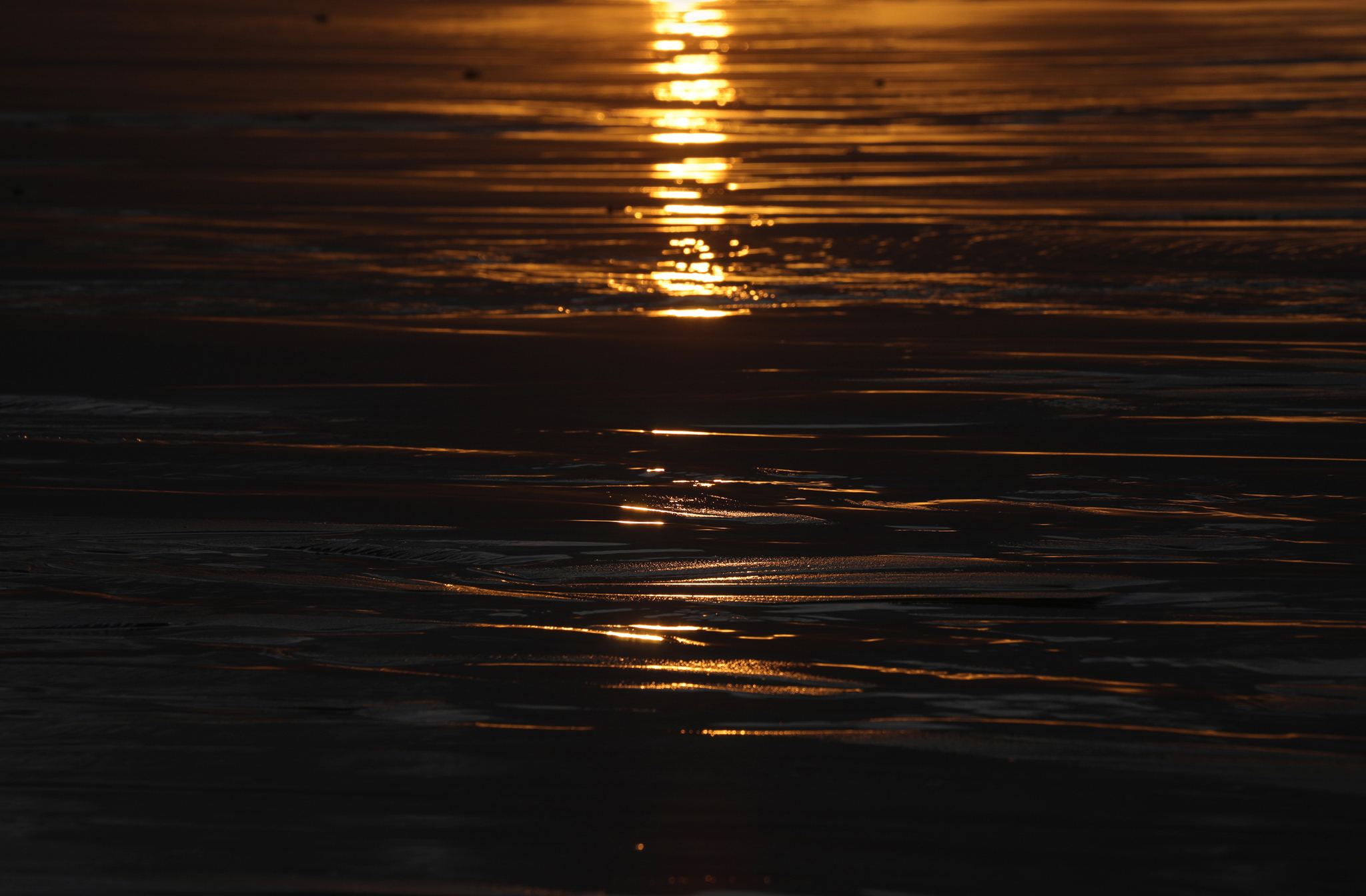
The Killing Time
Looking back into the darkness of The Killing Time does not bring answers; we still live in dark times and are still making the same horrific mistakes; the shadows of division, intolerance and brutality follow us today. These pictures and stories are about our past – but they also reflect our present. Sadly, often they do not measure how much we have changed, but how little. If they can do anything, it is to act as a reminder. In his introduction to The Killing Time, James Robertson writes that the photographs ‘… carry a warning: do not forget, and do not think that such things as happened here cannot happen again. That is the great sadness and beauty of this book.’
Late autumn 2022, slowly coming out of lockdown, a series of half-made decisions find me in Galloway, re-tracing my mother’s childhood. Her childhood home is in pieces. A closer look reveals that the destruction is in fact renovation, renewal. I trespass up the path to photograph the Old School House nameplate, hanging at a crazy angle. Everywhere I turn in this village, unexpected feelings rise up, my feet retreading the steps of my mother, a girl, eighty years earlier.
Some of these places I’ve not visited myself in over fifty years, yet I feel an attachment to the land, to place-names, and to people now long gone. This visit takes me further back than just one generation; there is some deep, silent connection to other times; as I slow down and open up to echoes of the past, there is much just beneath the surface here in this quiet corner of Scotland. Reminders and signs of the history - and the accompanying struggles - of faith are everywhere. A guidebook reference to the Solway Martyrs triggers a vague memory, some family connection to this tale. Two women, Covenanters, one young, one old, drowned in the Solway Firth for their adherence to their faith. I’m not clear on the detail, the century, their names (Margaret?) or the full reason for this tale of extraordinary brutality. I check in with my mother, now living alone in the Highlands. Her family had been in Galloway for generations; she would know. Unusually, she responds immediately by text.
A distant relative on my mother’s side. A servant girl from a farm. She was drowned for her religion. She sang psalms as the tide came in.
Put so bluntly, the story sounded even more horrific and troubling than I had remembered, and it caused some sort of instinctive reaction. I made a couple of photographs, two seascapes, throwing down marker pins, and made a promise to myself to come back.
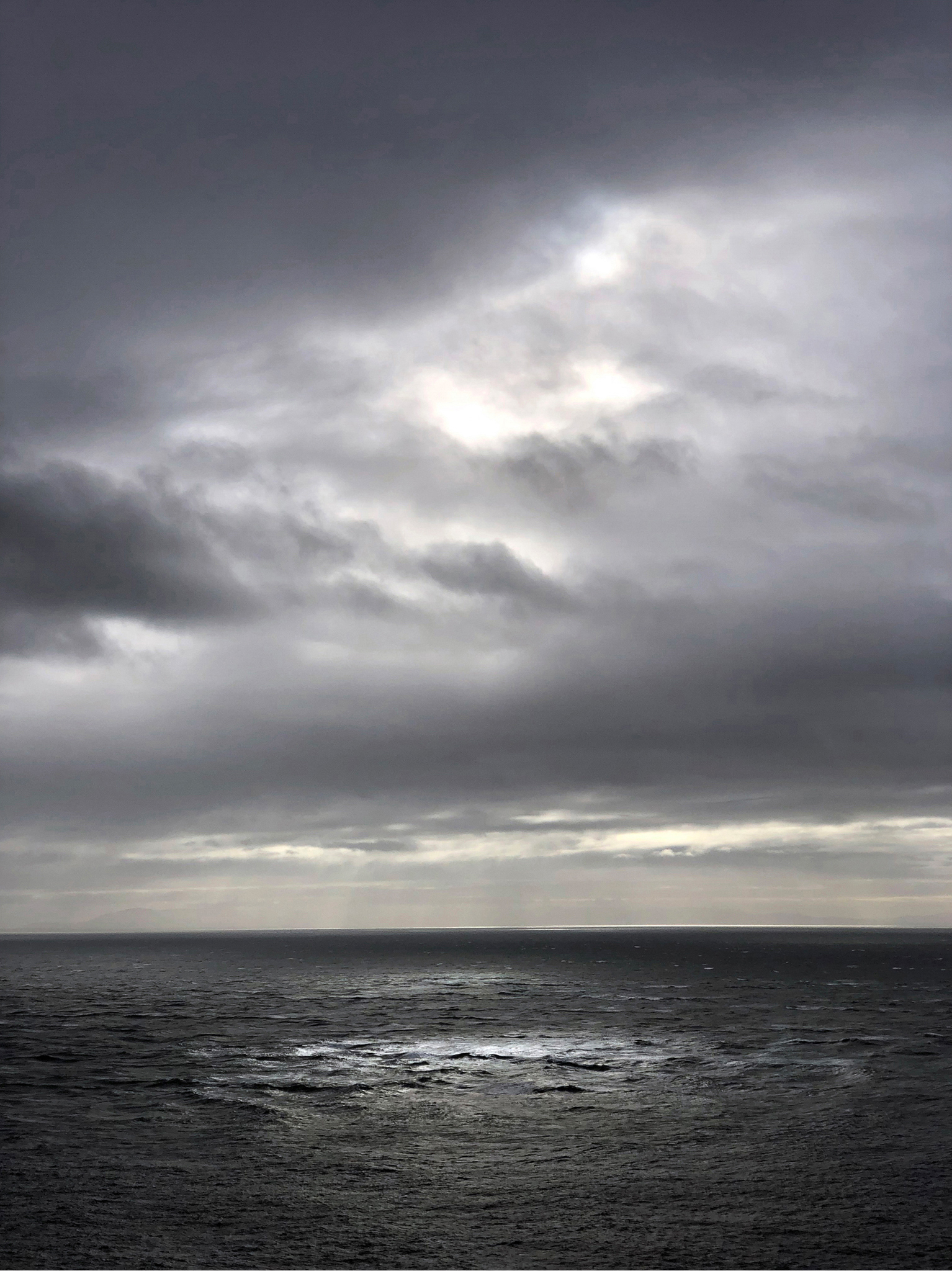
Let Earth And Stone Still Witness Bear
My landscape photography is about connecting to place and communicating this connection. Often it’s about the big things - sky, sea, memories, emotions - making sense of them. Sometimes it’s about small things - taking solace in the landscape; recovering, mending - and remembering we are small in Nature - and that Nature is boss. Places will endure, lives are transitory, but they do leave marks. Sometimes those marks go deep.
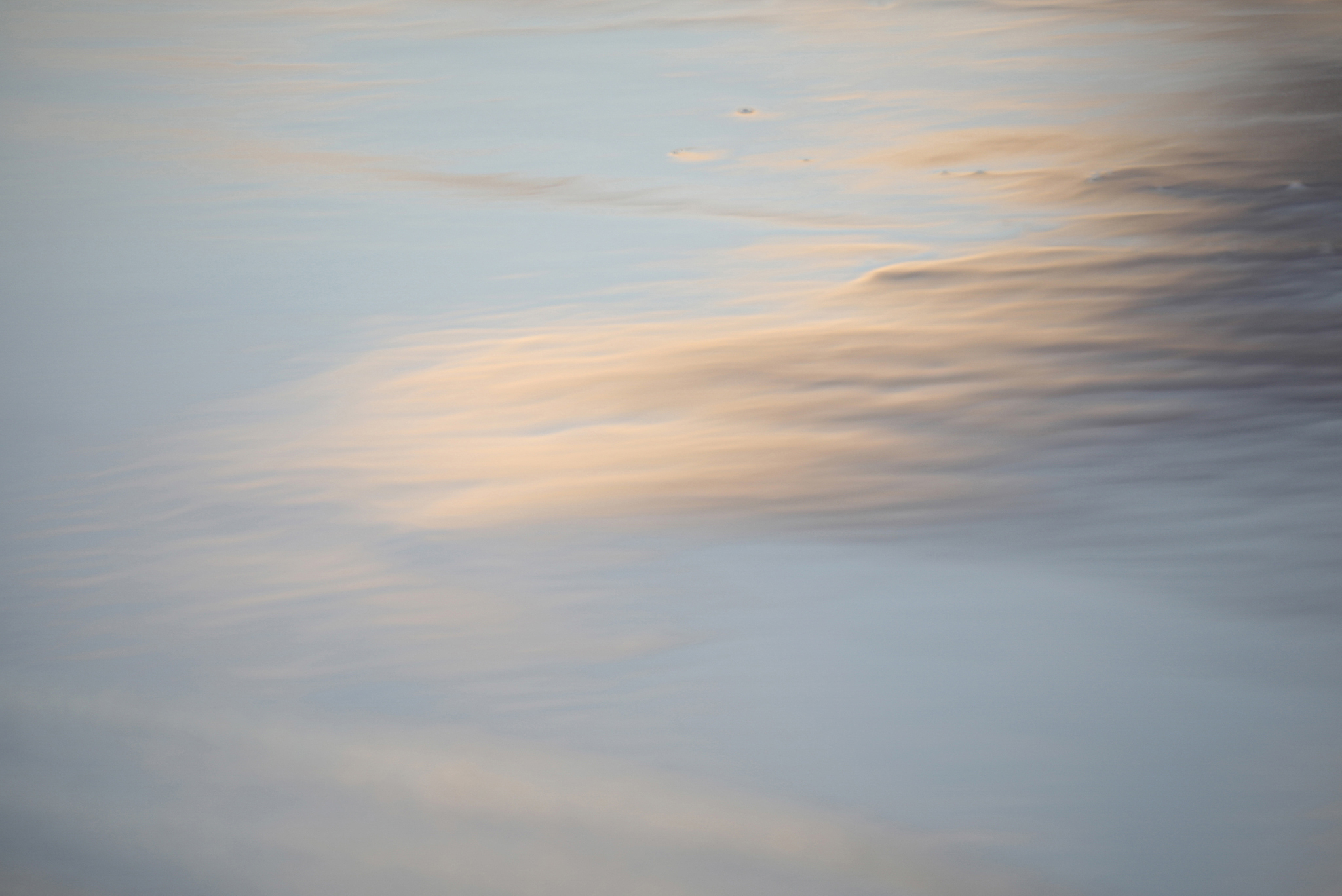
Psalms i
When you get lucky, certain places can come forward and speak to you, if you allow them to; but in forty years of making landscape photography, I have never uncovered the magic formula to seek these locations out; they have to find you. I have been blessed that I have made a handful of connections with place in my lifetime – but I have never felt anywhere call out to me like Galloway has these last few years.
So much feels unchanged from my childhood memories from the 1970s. Reminders of the past are everywhere - a past that feels very close to the surface. Sometimes the skin of time between ‘then’ and ‘now’ is very thin indeed.
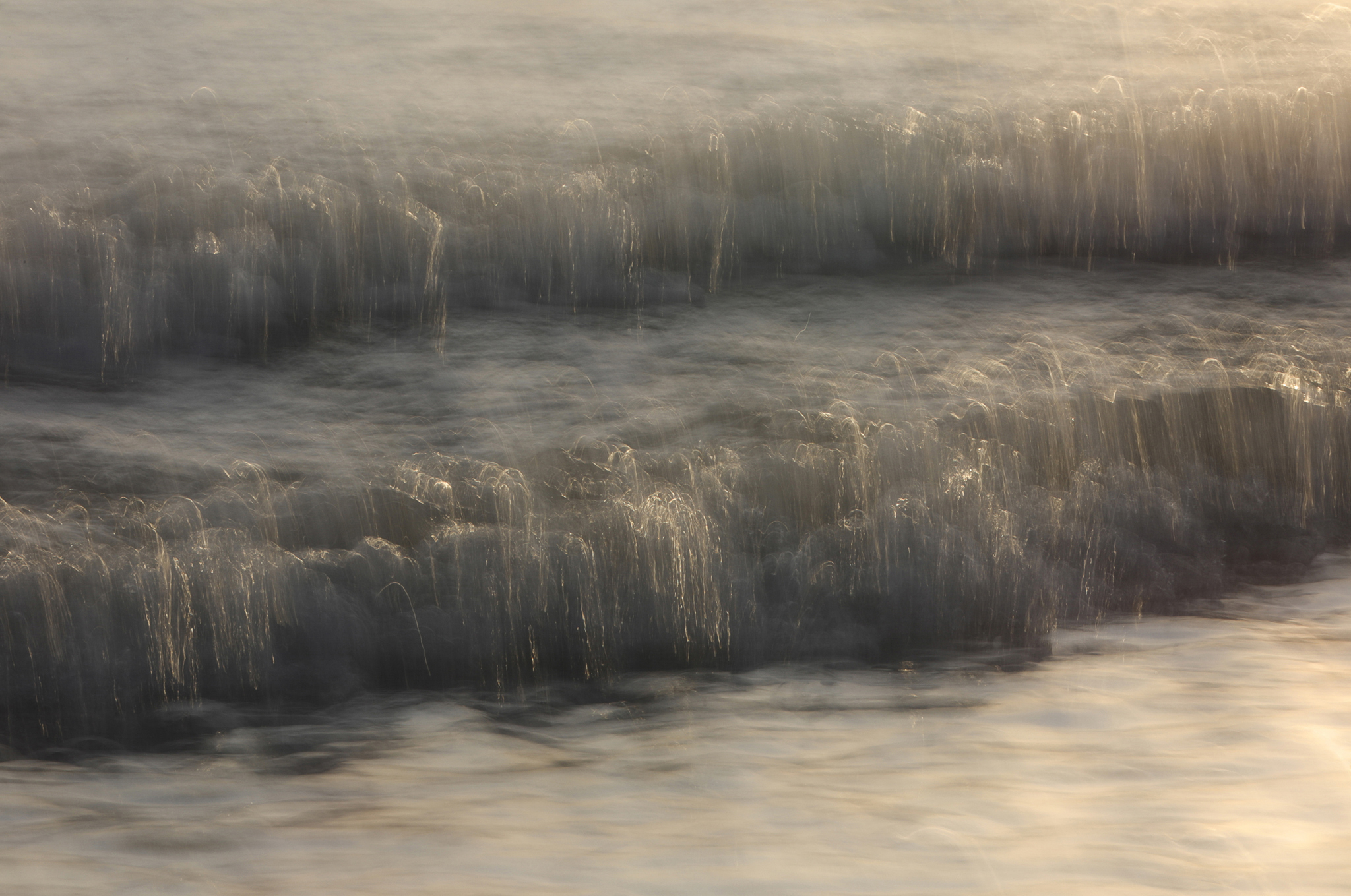
Solway III
11th May 1685. Margaret McLaughlin and Margaret Wilson are taken to the Bladnoch River, on the outskirts of Wigtown, where they are tied to wooden stakes and drowned by the incoming waters of the Solway. The women were both killed for the same crime - their refusal to swear the Oath of Abjuration and declare King James VII as the head of the Church of Scotland. Five men sentenced them to death by drowning. A pardon for the women was issued in Edinburgh, but that pardon never arrived.
Margaret McLaughlin was sixty-three years old. Margaret Wilson was just eighteen years old.
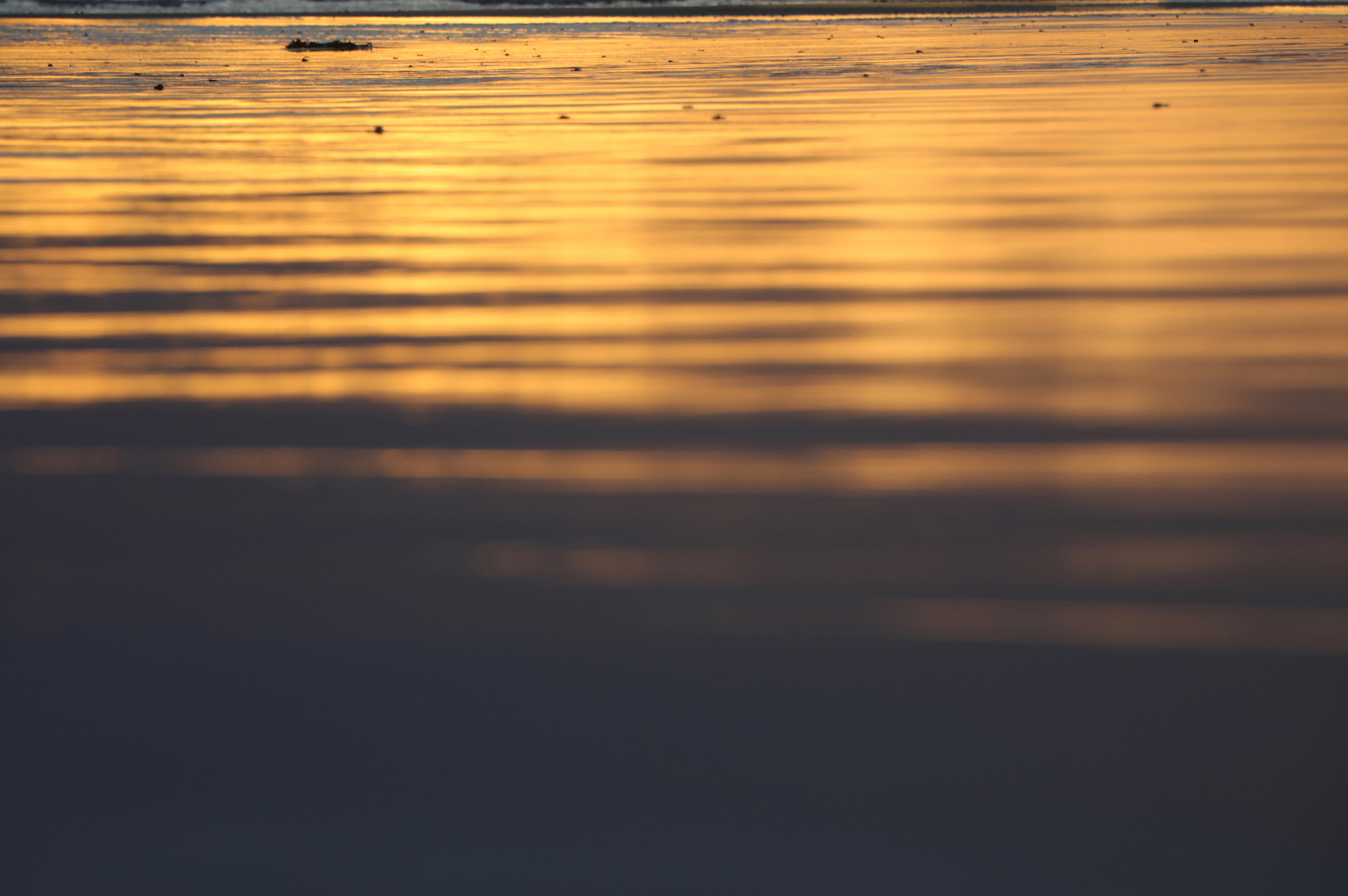
Sins And Transgressions I
Margaret McLaughlin was a devout widow who had offered her quiet farm dwelling as a sanctuary to other Covenanters; those who, like her, had been told they were worshipping the wrong way. She was seized at prayer in the spring of 1685, on her knees, in her own home.
Young Margaret Wilson was captured around the same time. After being thrown into the dark Thieves Hole in Wigtown Tollbooth, the two women were taken down to the Bladnoch River to be drowned.
Margaret Wilson was tied to a stake, higher up in the silt than Margaret McLaughlin. It is thought that on seeing the dark Solway waters take Margaret McLaughlin, that young Margaret would be terrified and take her final chance to swear the Oath of loyalty to the King. She didn’t. Her faith remained steadfast – rather than repent, she recited from Psalm 25.
Remember not the sins and transgressions of my youth; but think of me in the light of your love.

Sins and Transgressions ii
The two Margarets have become enduring symbols of faith in the history of the Covenanters, who were persecuted nowhere more intensely than in the South-West of Scotland. Their graves and monument provide a reminder of the cruelty and injustice with which the Oath of Abjuration was enforced; many, many hundreds were displaced, tortured and executed, with and without trial, in The Killing Time.
Next to the names of Margaret McLaughlin and Margaret Wilson, on a headstone almost touching theirs, are the names of three men - William Johnston, George Walker and John Milroy - three men executed, without trial, in the same year as the women, for the same crime; staying true to their conscience and adhering to their faith.
John Milroy was twenty-five years old. His story was very nearly lost in my family; my mother had been right - we did have a family connection to the Martyrs story - but it was not through the women. It was through the men. John Milroy is kin – the brother of my 7x great-grandfather, William Milroy.
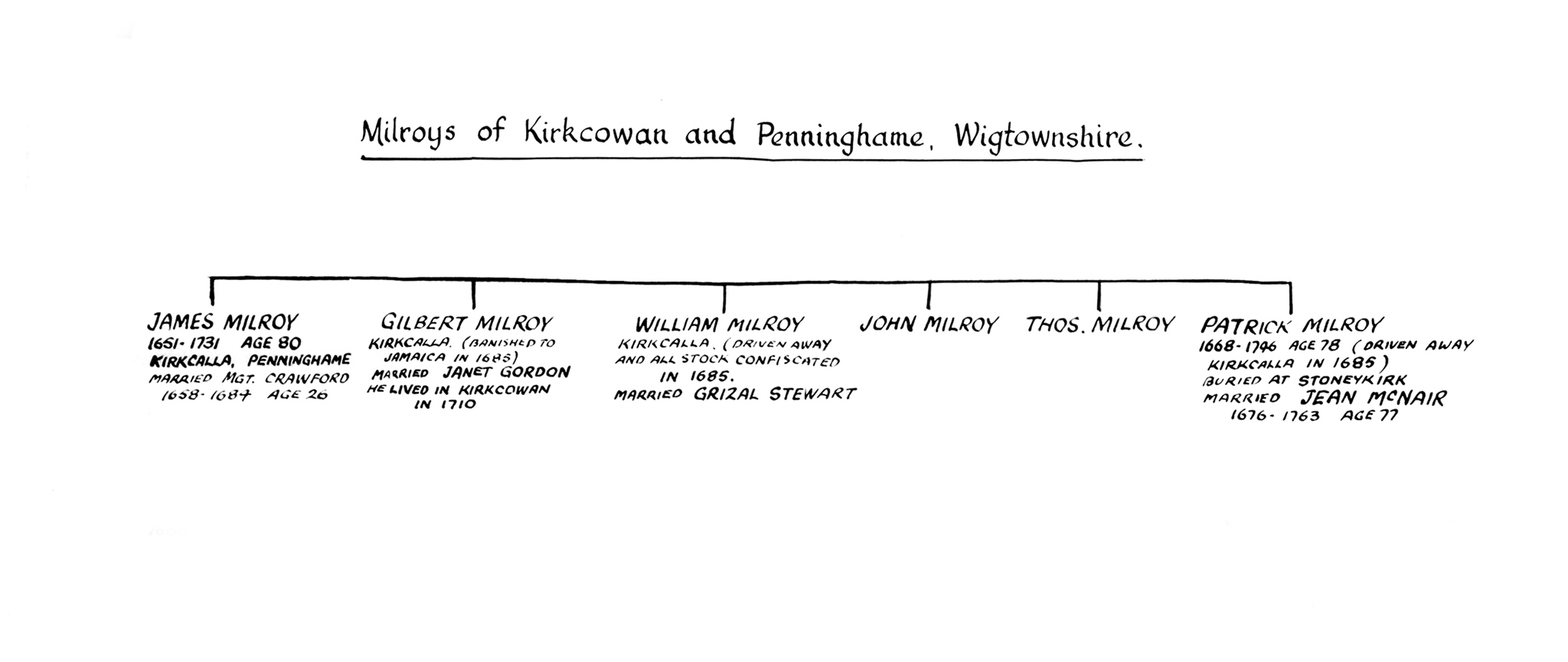
Milroy Family Tree Extract
A crucial piece of my family story had fallen into place; after I returned from Galloway, my siblings and I had helped our mother move house and amongst her belongings we found her maternal family tree – which I hadn’t seen for years - and an A4 sheet typed by my Uncle, John Virgoe, a keen amateur historian.
My 7x great-grandfather William Milroy and his brothers Gilbert, Patrick and John are all mentioned in Robert Wodrow’s 1721 publication, the ’Sufferings of the Church of Scotland’. These three great volumes are a gathering of all the eyewitness accounts and parish records of the Killing Time, documenting the persecutions of the Covenanters.
Wodrow’s Sufferings records that the Milroy brothers refused to swear the King’s Oath. They were forced to go into hiding and ‘wander the hills’, just like Margaret Wilson and so many others. The Milroy farm was ransacked and destroyed by the soldiers of the Crown, led by Major Winram, the same man responsible for the drowning of the two Margarets. The short footnotes on my Mother’s family tree tell us that Gilbert Milroy was ‘banished to Jamaica’; William and Patrick were both ‘driven away, and all stock confiscated’. ‘Sufferings’ goes into much greater and gruesome detail on the men’s capture and the subsequent torture, but it appears this attempt to extract information on other Covenanter ‘traitors’ was unsuccessful – Wodrow writes that they remained ‘true to their consciences’ despite several days of captivity and torture.
‘… their sentence, was to have their ears cut off, and to be banished for ten years’
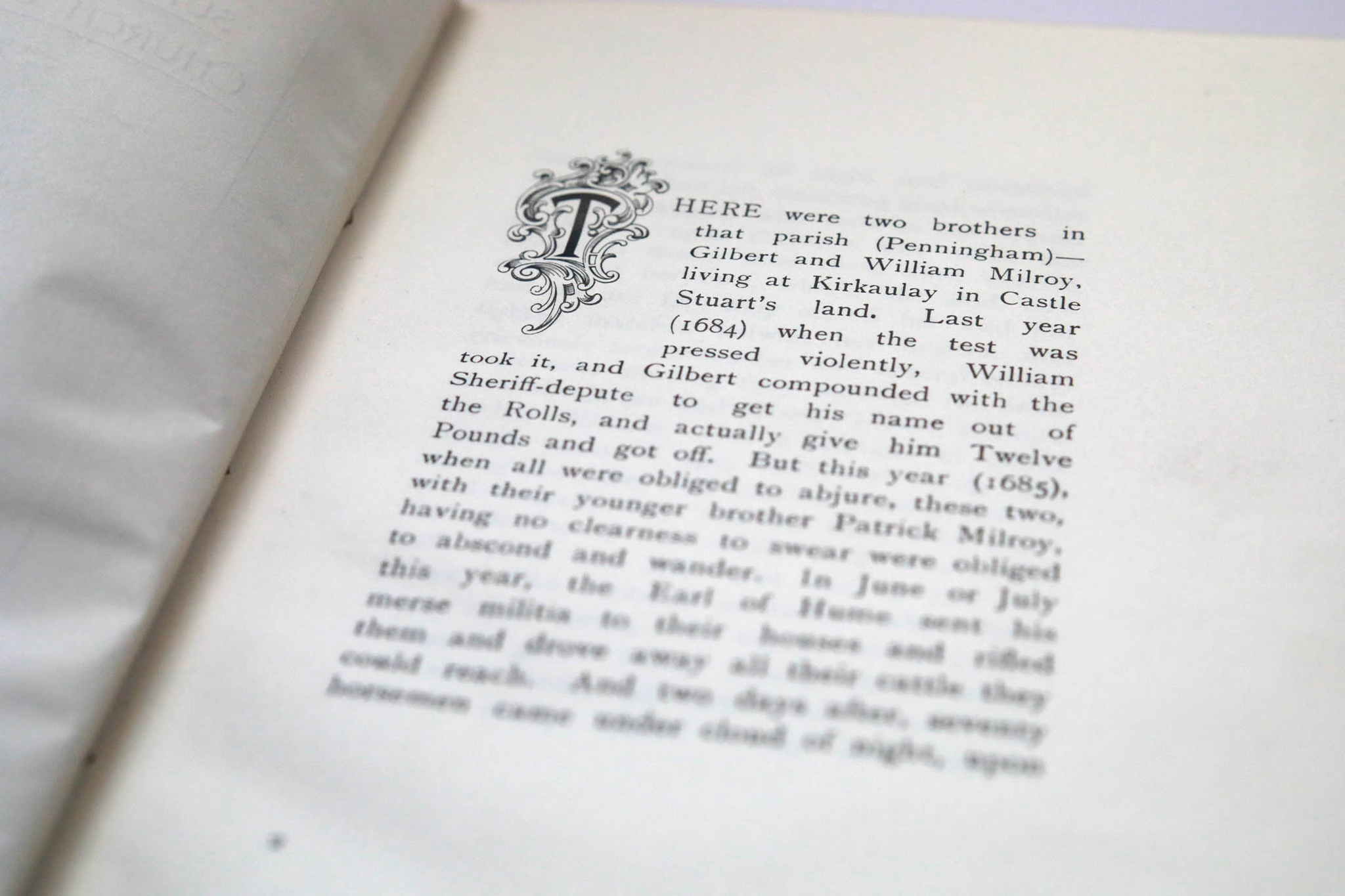
Sufferings of The Church of Scotland, Robert Wodrow, 1721
I subsequently spent many hours and days spooling through transcripts and parish records online and in the Central Library and Register House in Edinburgh, to check and expand the details, but there comes a point to put away the old books and microfilm to revisit the locations. There is no substitute for being in the place - Galloway. My research was helped immeasurably at every stage through meeting an elder of Wigtown Kirk, Donna Brewster, who was to become a great friend. Donna is the keeper of the stories - a walking Gallovidean Encyclopaedia of dates, names, people and places. She has lived these stories for decades, and she passed them on to me.
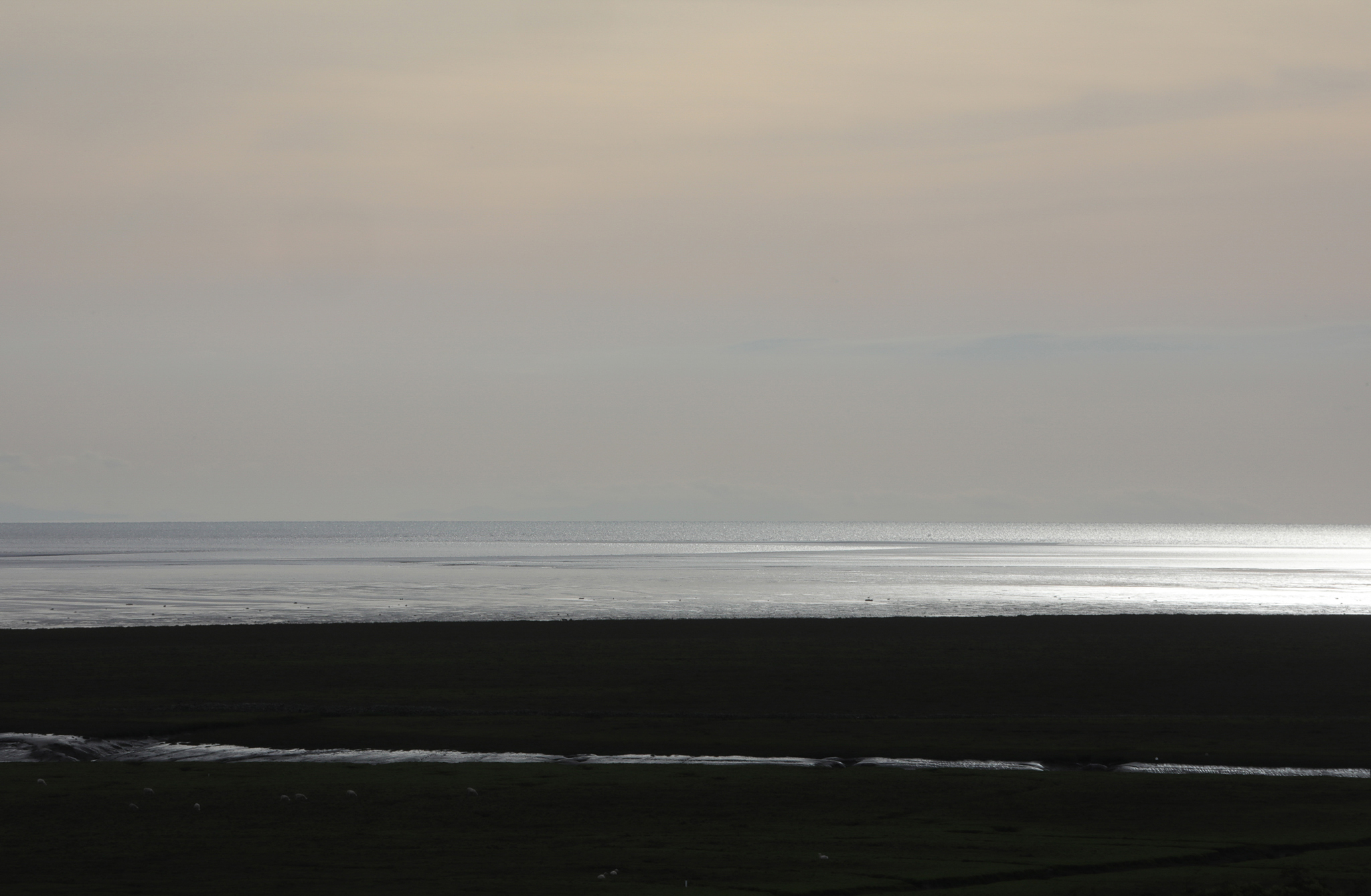
Solway Morning
Less than ten minutes after meeting her, I found myself being driven around Galloway as Donna took me to all the places that were the source of the stories, putting my head and my heart in a spin. She showed me the Wilson farmhouse at Glenvernock; the hills and rivers and woodlands of the stories; the back roads and the paths that the men had walked.
Kirkcowan was where my grandmother had grown up, as her parents had before, and so on with many generations of family before them. Had my grandmother not met my grandfather, Adam Paterson, in the 1930’s and his teaching post move them north to Edinburgh, the family would surely still be there to this day. I saw and felt Kirkcowan anew, as the home of the Milroys, the source of my Covenanter ancestors, families tortured and torn apart, men banished to Jamaica in 1685.
When their sentence was served, Gilbert and William Milroy had returned to Kirkcowan. Their ten year banishment would have left physical and mental scars - but they were able to pick up some semblance of their former lives. The Milroy family would go on to prosper in the village and establish the textile mills in the village at Waulkmill, which became the very centre of the place for many years.
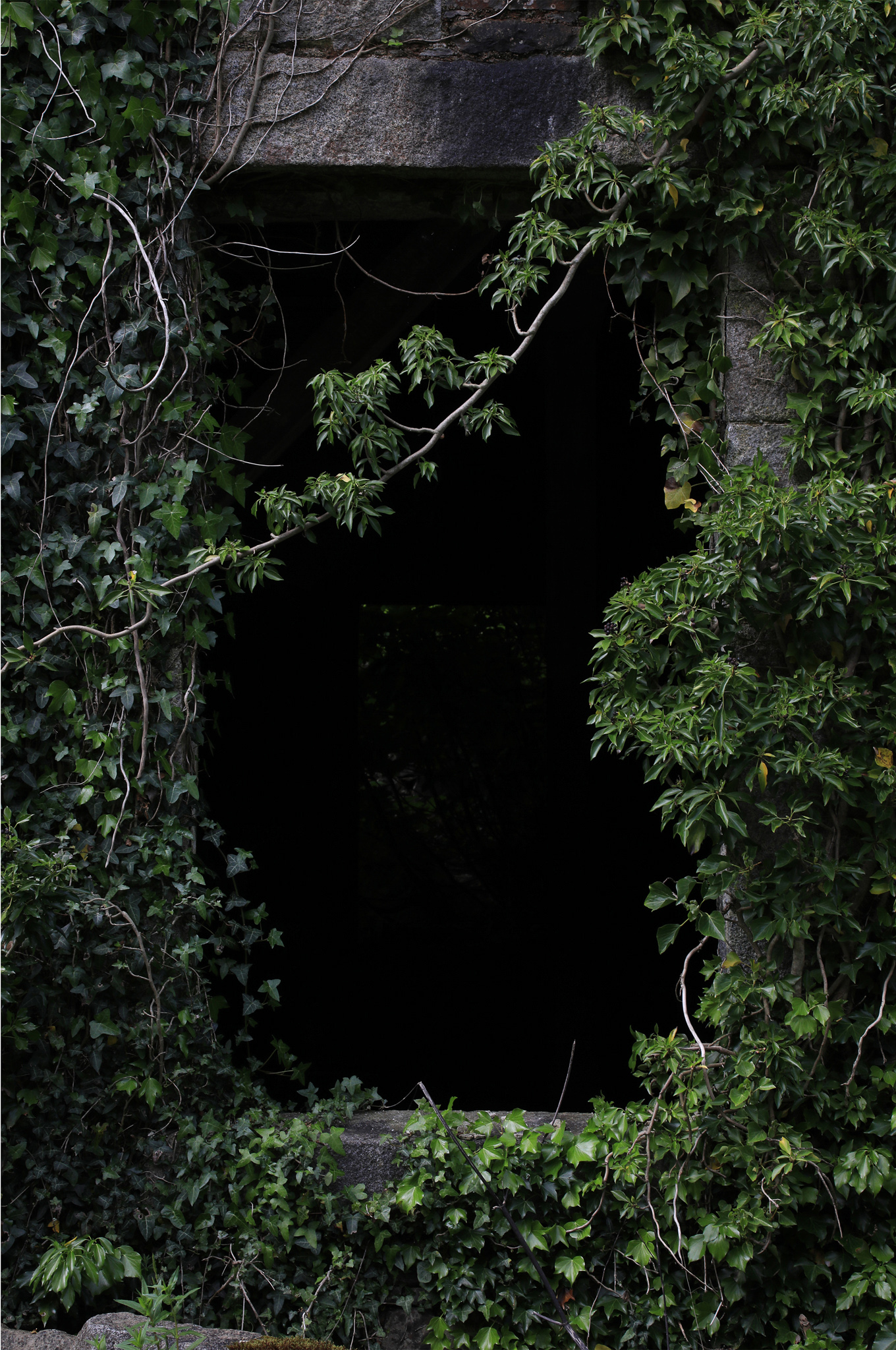
Waulkmil
There are family stories of the mill, from the days my grandmother’s days in Kirkcowan. It is still standing today – just. A Milroy descendant, Jack Parker, lives next door. On the day I drew courage to turn up at the house, Jack’s wife, Lesley, welcomed me and kindly unchained the gates and allowed me access to the ruins. Walking through this place, I felt hands reaching out to me from the past. I reached back; my kin were still near. The hardest part of the visit was leaving the mill, and I returned another day to meet Jack and listen to what he knew of our family connection. I doubt that I had set foot in Kirkcowan for over fifty years, but I was welcomed; there was a familiar comfort.
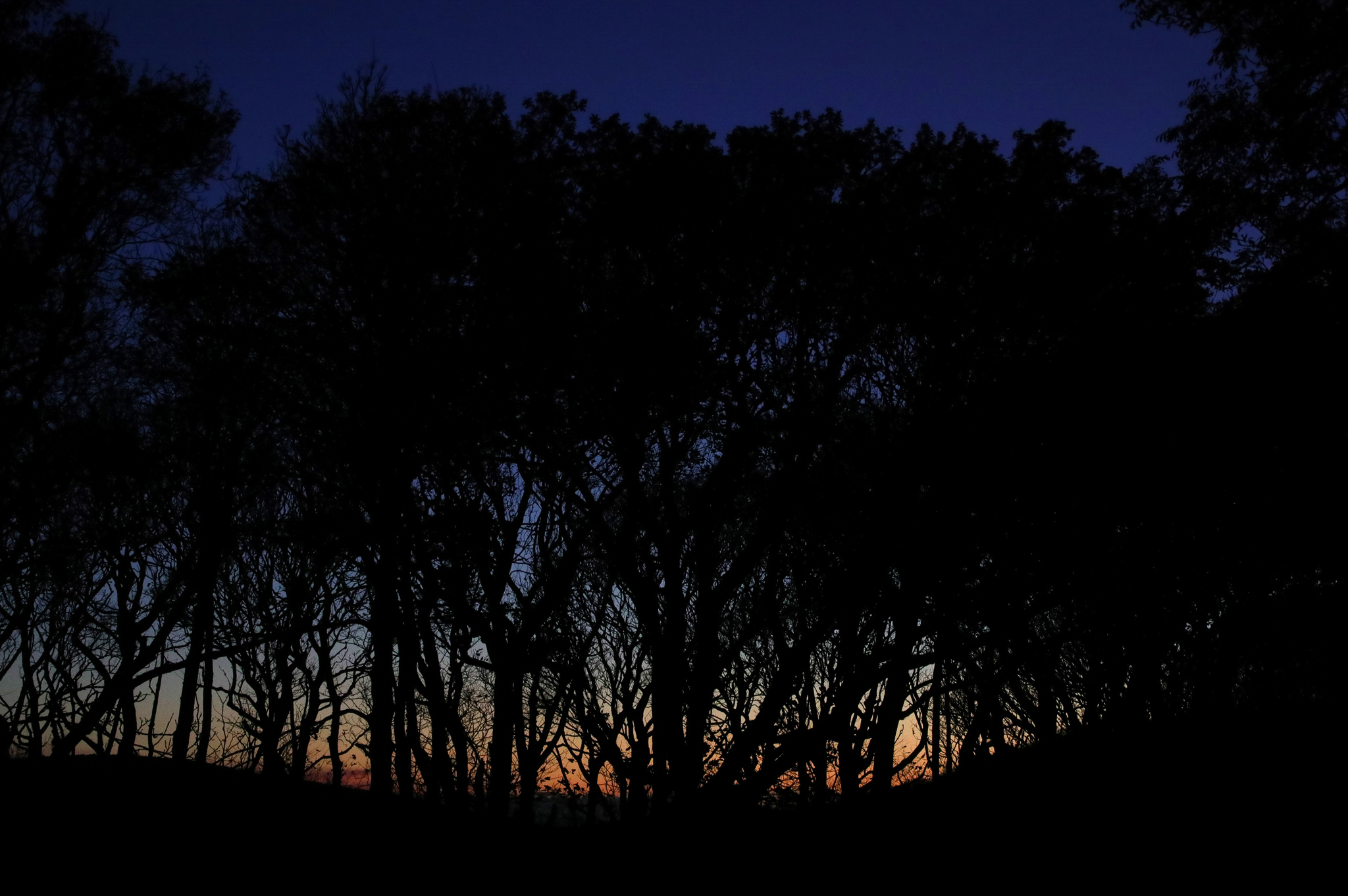
Cast Out
I felt something stranger than familiarity at Fyntalloch, the home of John Milroy, the young man cut down so early in his life. The house has gone, but the name Fyntalloch – or Fintalloch - survives, marked by a small patch of woodland near Knowe, two inhabited houses beside a tiny huddle of ruined, bricked-up buildings at the edge of the woods. When I visited the place, I found storm Babet had ripped through the forest, tearing up roots, trunks and saplings in its wake.
Walking the woods, it was impossible not to shiver and picture the young men as rebels in hiding as the authorities hunted them down. Standing in these places, recounting their names, I felt both deeply connected to the past but simultaneously uprooted and unsure of who I am. Lost. I grew up thinking I was one thing; here history tells me I am another; a story I had known nothing of changes everything, and shifts the very ground beneath my feet.
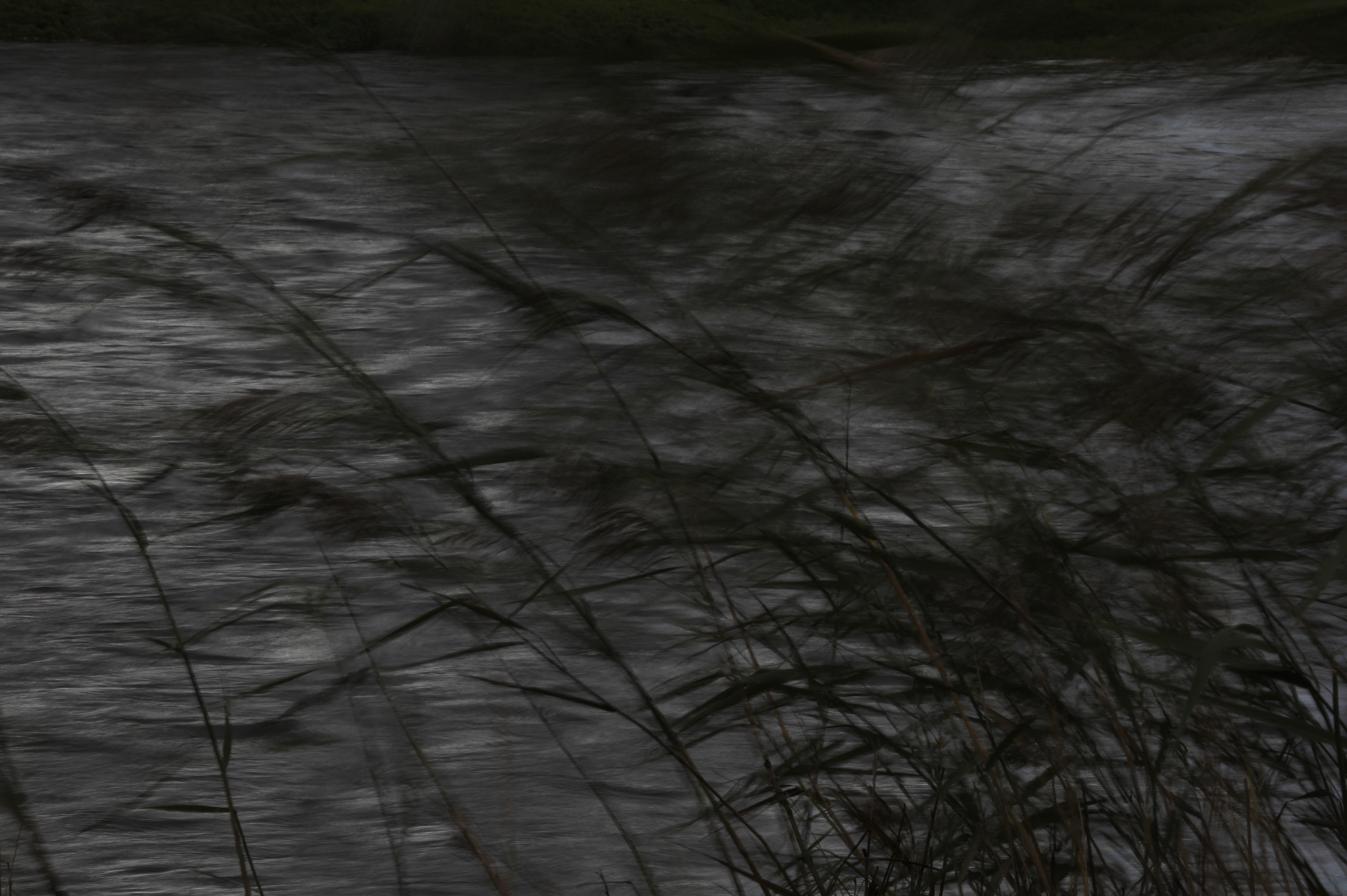
Bladnoch {Babet}
I had photographed the Bladnoch river on that same visit, on the outskirts of Wigtown, clinging to my camera and tripod in the raging storm. I accepted the awful conditions I was given to work in this sad, powerful place where the women were put to death. The elements tore at me as I made my pictures, remembering the women, adding my voice in whatever way I could to carry their voices on, into tomorrow, beyond the storm and the dark waters.
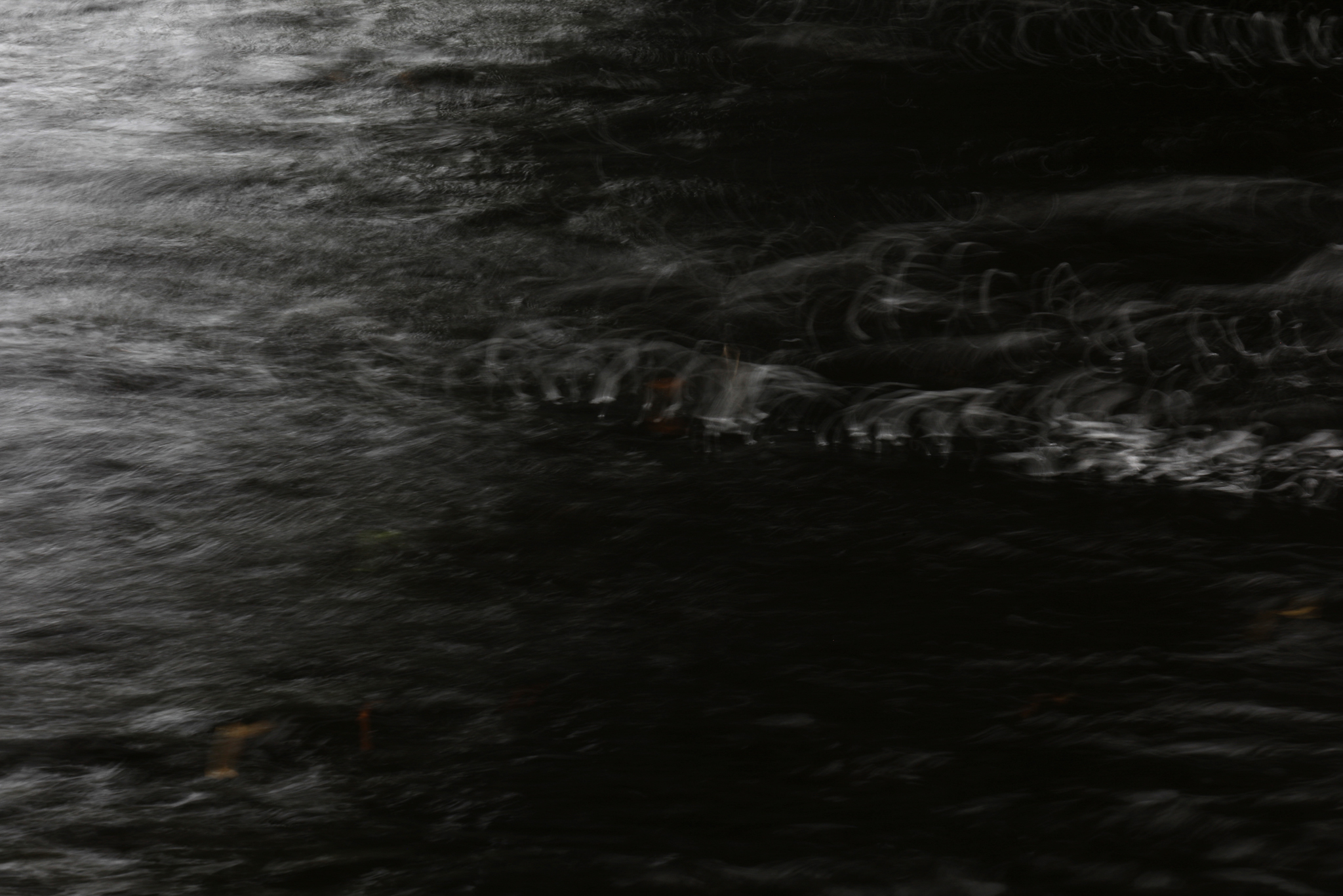
Bladnoch {Margaret Mclaughlin ii}
In an unexpected form of re-balancing, my family grew during my time in Galloway; Donna told me of cousins I didn’t know I had. I was overjoyed to meet them - and without exception I was made welcome, all over Galloway, many times over. I met Janette Bain and her son, my cousin, Andrew, near Thornhill. For so many summers, as a child, I had spent holidays in Thornhill, at my grandparents', never knowing that I had a young cousin just a mile away. More than that, on one visit, I caught a look at Andrew’s family tree – the Milroy details matched my own perfectly – and I saw his birthday was January 18th – the same day as mine. Andrew knew the Milroy stories and his history much better than I did. He walked me to Crichope Linn, a Covenanter hiding place a mile from his home.
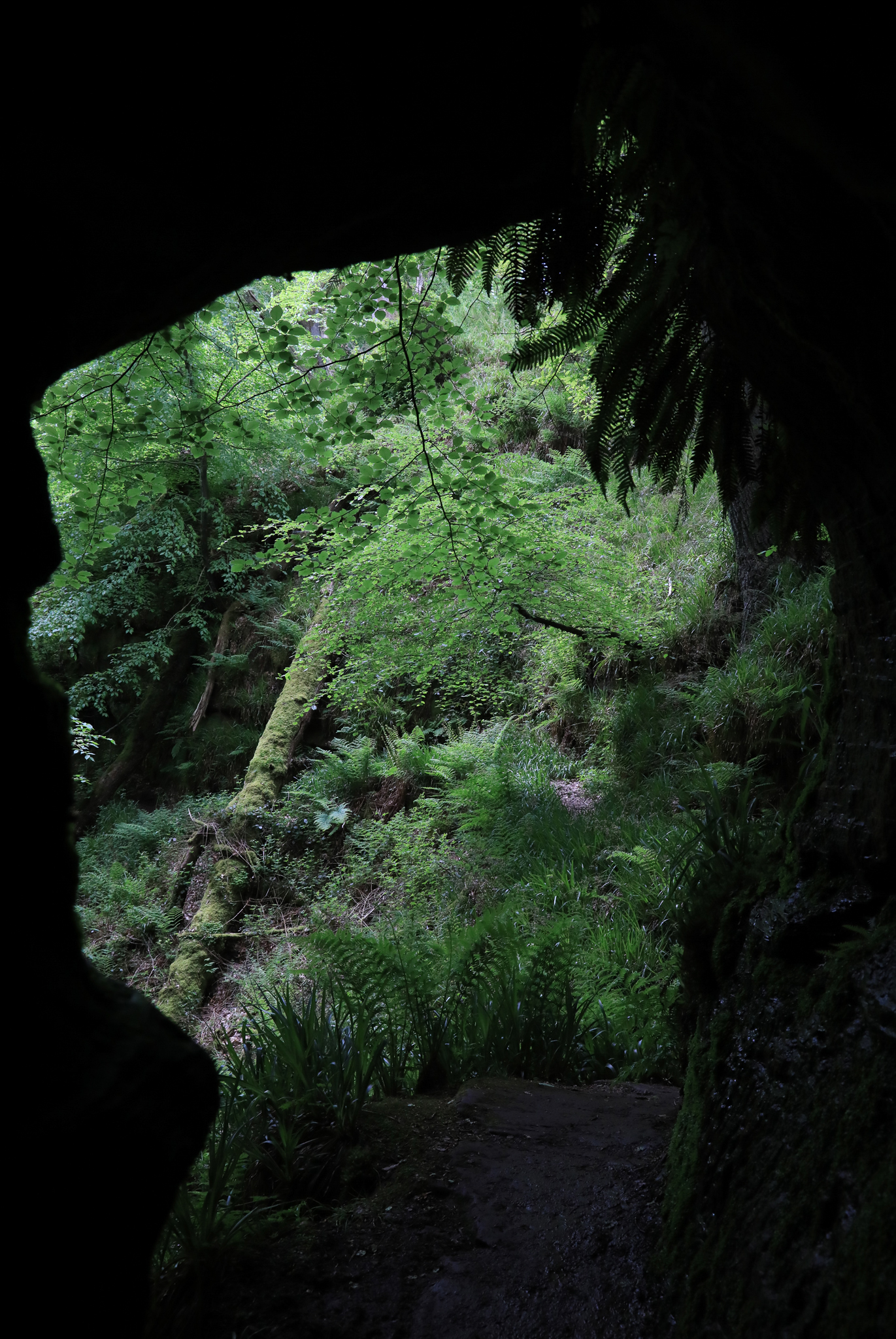
Crichope Linn
Crichope Linn is lush, green, secluded. The past sings here. We looked but could not find the hidey-hole. So it is a good one. Andrew has looked for years. There is Covenanter graffiti carved into the sandstone – this is a special place. Not unhappy; I felt something more like mischief – and perhaps even some magic.
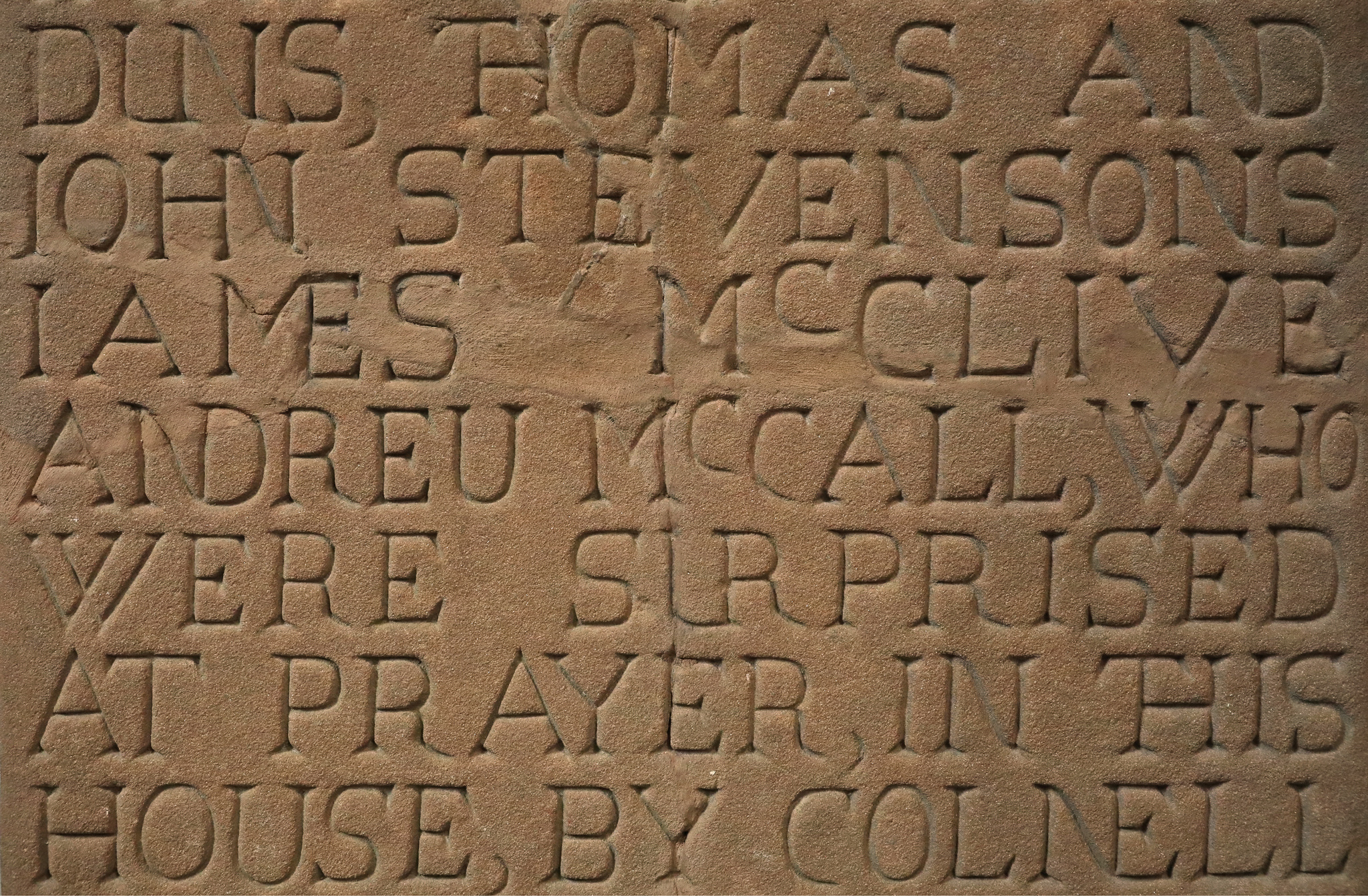
Surprised at Prayer
Another place that spoke deeply of its past was Glen Trool. The woods here hum and ache with the sorrow. I found myself wandering into Caldon woods in Glen Trool one day after having lost the road to the Wilson farm at Glenvernoch. It was a spring day, warm, oppressive and silent – and I stumbled on a small stone in the middle of the woods. The stone marks the spot where, in January 1685, the King’s dragoons came upon six men at prayer in the woods and shot them all as they prayed. These brutal events repeat across the country, but to walk unknowingly straight into this painful place was a shock.
The small stone which marked the spot was carved by Robert Paterson, the itinerant stone mason whose life was recorded by Walter Scott in Old Mortality. The pain of this place called out to me. Something very bad had happened here, on this very ground, and it has not gone away. The land remembers.
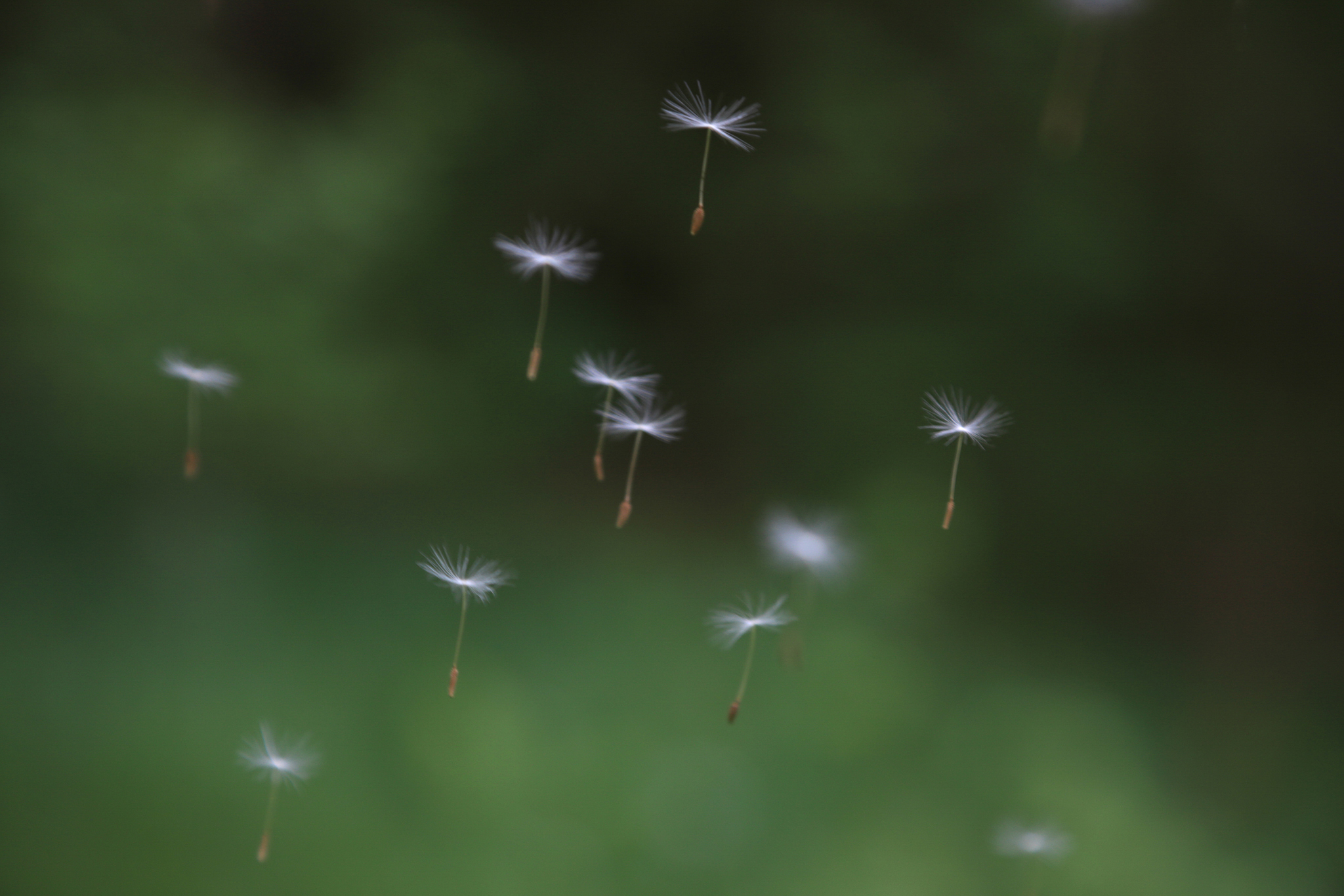
Scattered, Geln Trool
Post Script :: After the storm; in the Place of Flowers
I mentioned making work during the great storm of 2023, Babet. The day after the storm peaked was one of the days I visited Kirkcowan, to walk the waters of the Tarff, the river that powered the Milroy mill at Waulkmill. The Tarff, ‘river of the bull’, runs from the Galloway hills through Kirkcowan, home of my ancestors, down to the Solway. For me, the waters of the Tarff have become synonymous with the men; in my head, and my heart, it carries their names and their story.
There is a spot, a mile out of Kirkcowan, where the dark waters of the Tarff meet the River Bladnoch, whose waters cruelly took the lives of Margaret McLaughlin and Margaret Wilson.
Two years later - May 11th, 2025, on the anniversary of the women’s drowning, I was back in Galloway for the Martyrs Commemorative service in Wigtown Kirk. The Kirk, via Donna, had bestowed a great honour on me, and asked me to speak for the men. Trying to control my emotions, I found myself sitting next to Margo McConnell, a descendant of Margaret Wilson, speaking for the women. After the service, we laid wild flowers at the Martyrs stake. My heart was full, fit to burst. The day had been overwhelming.
I needed to be alone, empty myself and get out into the landscape – and I found myself back in Kirkcowan, walking the banks of the Tarff water again. No storm, no bursting banks - this time the spring waters were running low, the riverbed exposed like bare bones. But there - just fifty yards from where I had given up my search the last time – the Tarff and the Bladnoch joined, and flowed as one, down towards the Solway. The exact point where the stories of the men and the women converged. The place where the skin between ‘then’ and ‘now’ merged and disappeared; and there, breaking the surface of those shallow waters, the past really did reach out and touch the present.
This one last photo is for young John and for young Margaret. The water speaks your names.
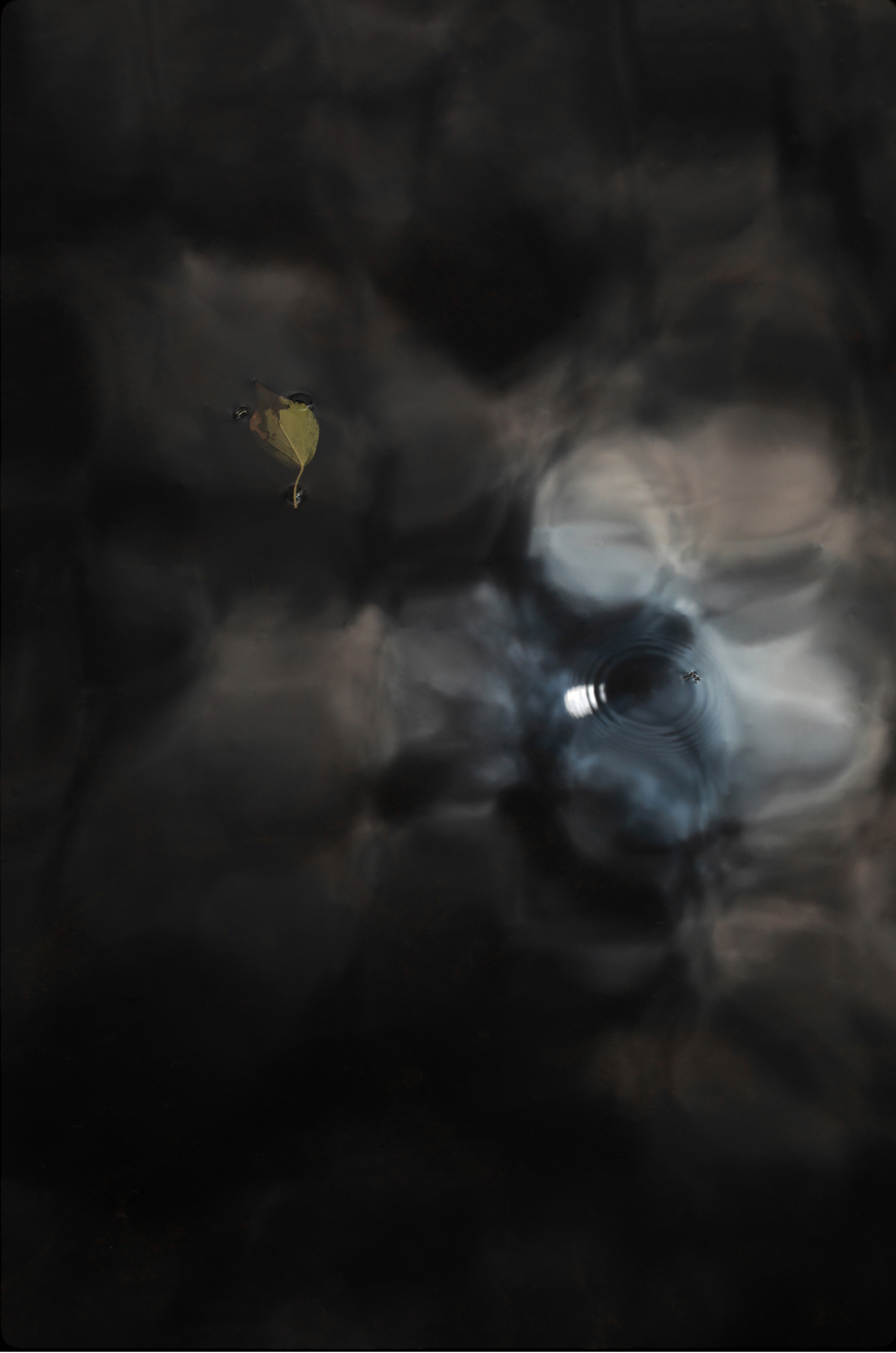
Where The Tarff And The Bladnoch Waters Meet iii
-

- The Killing Time
-

- Let Earth And Stone Still Witness Bear
-

- Psalms i
-

- Solway Iii
-

- Sins And Transgressions i
-

- Sins And Transgressions ii
-

- Milroy Family Tree Extract
-

- Sufferings of The Church of Scotland, Robert Wodrow, 1721
-

- Solway Morning
-

- Cast Out
-

- Bladnoch {Babet}
-

- Bladnoch {Margaret Mclaughlin ii}
-

- Crichope Linn
-

- Surprised at Prayer
-

- Scattered, Geln Trool
-

- Where The Tarff And The Bladnoch Waters Meet iii