

 Join the conversation
 Subcribe to comment rss feed
An exhibition of photographs taken at the Neolithic Henge Monument in Avebury, Wiltshire

Camilla Edwards Cañellas
Camilla Edwards Cañellas FRSA is an international arts consultant with more than three decades’ experience developing cultural programmes and artist projects. She worked with the British Council in London for 12 years before becoming a Project Consultant for the Jameel Prize at the Victoria and Albert and working with various international clients across the MENASA region.
She currently works with HackelBury Fine Art, London as Partnerships and Communications Lead, and is a freelance Oral History Interviewer for ‘Artists’ Lives’, part of the National Life Stories archive at the British Library. Through her consultancy, CultureBeam, she works with clients on cultural diplomacy projects, content and communications strategy. She is on the board of AICA-UK and is part of the VocalEyes VIVID – Visual Voices in Diversity group.
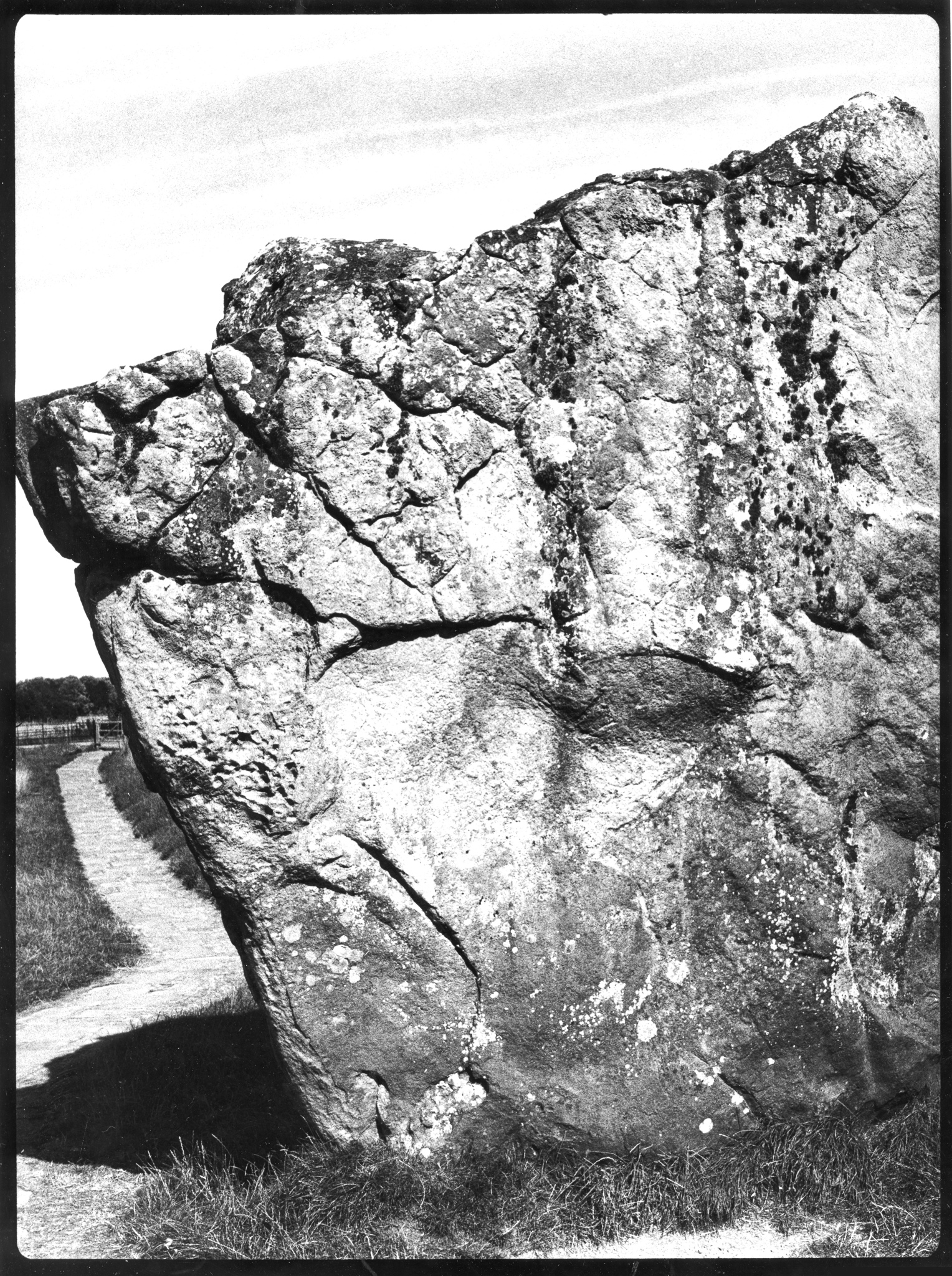
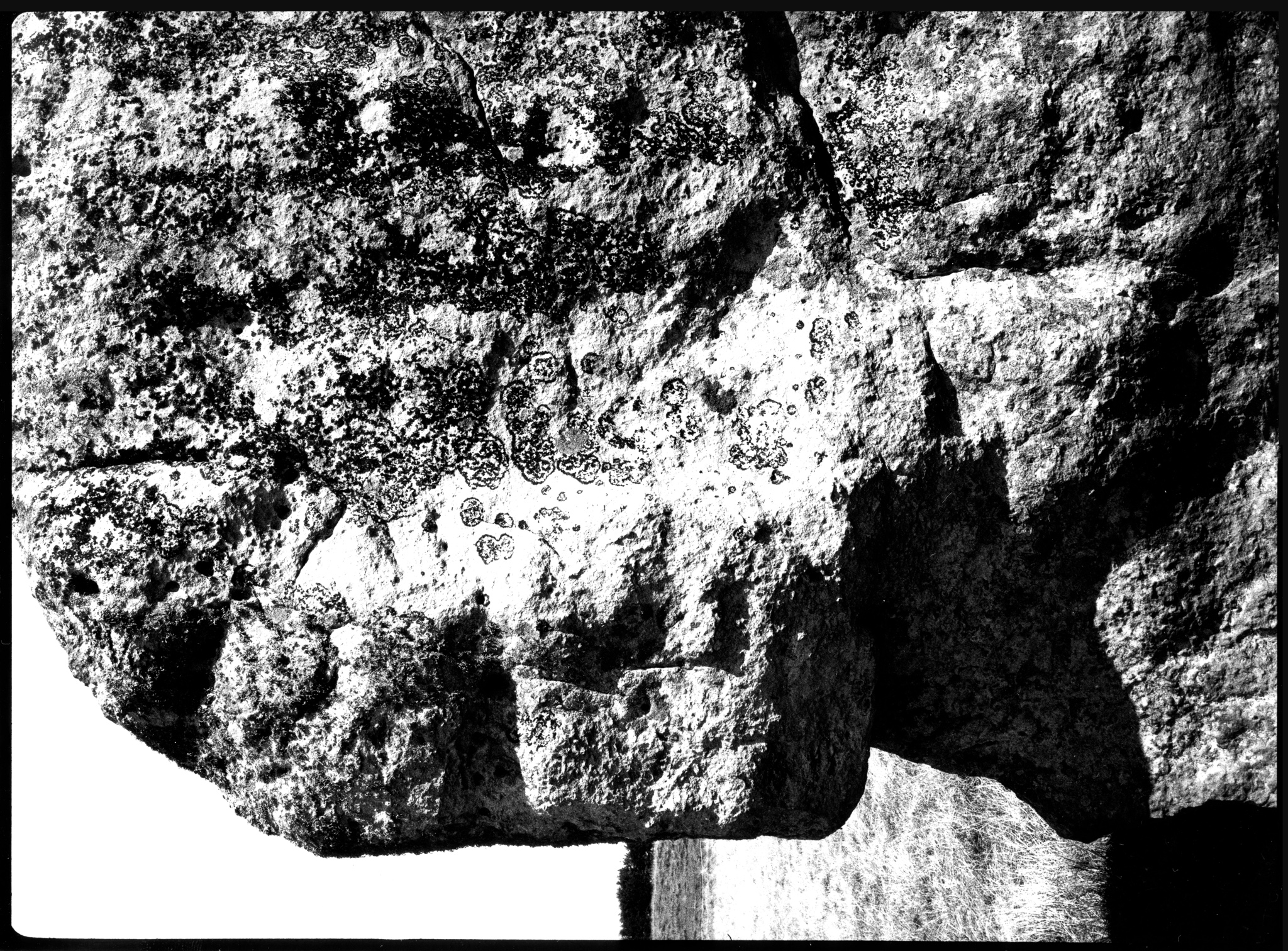
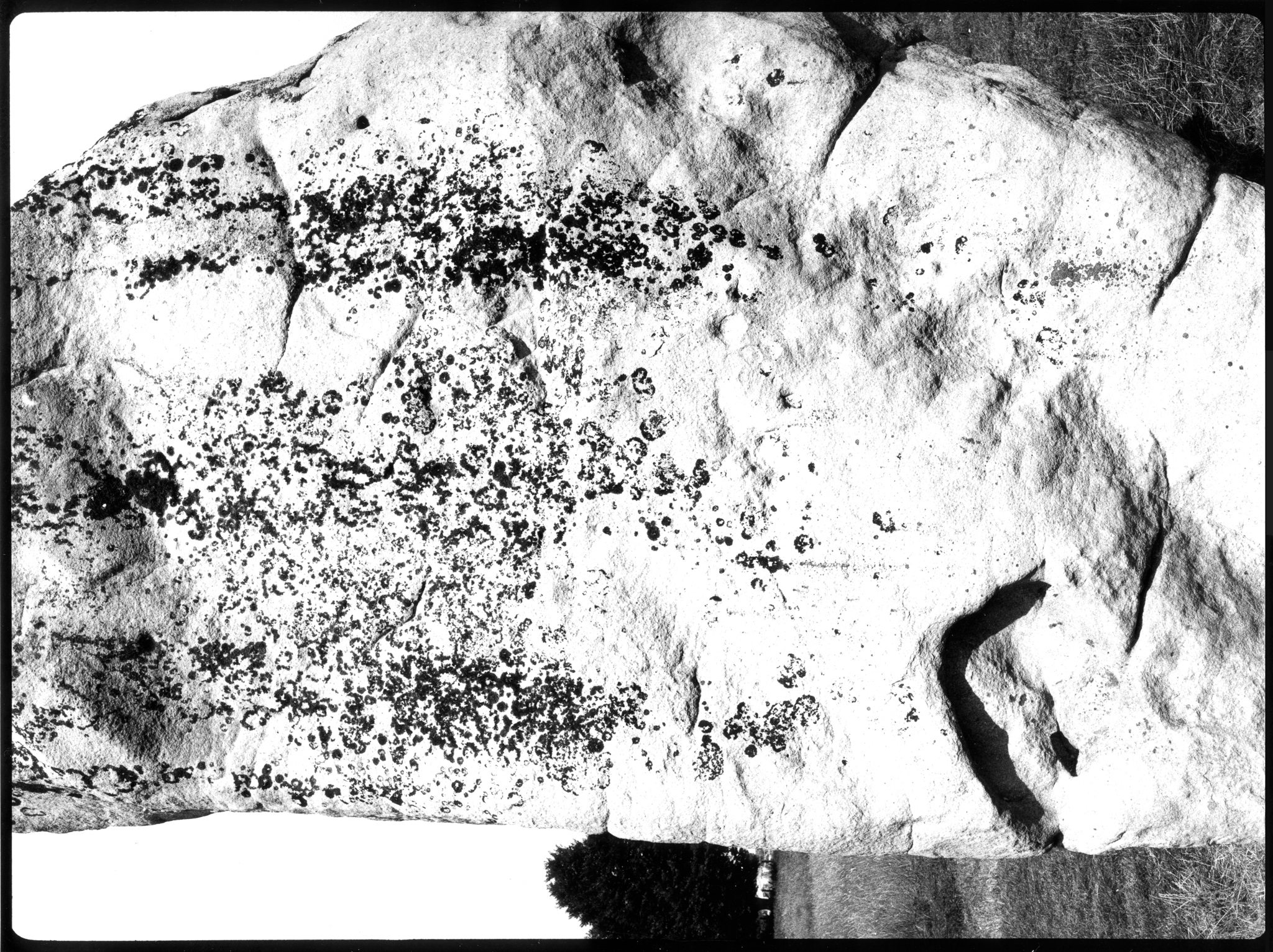
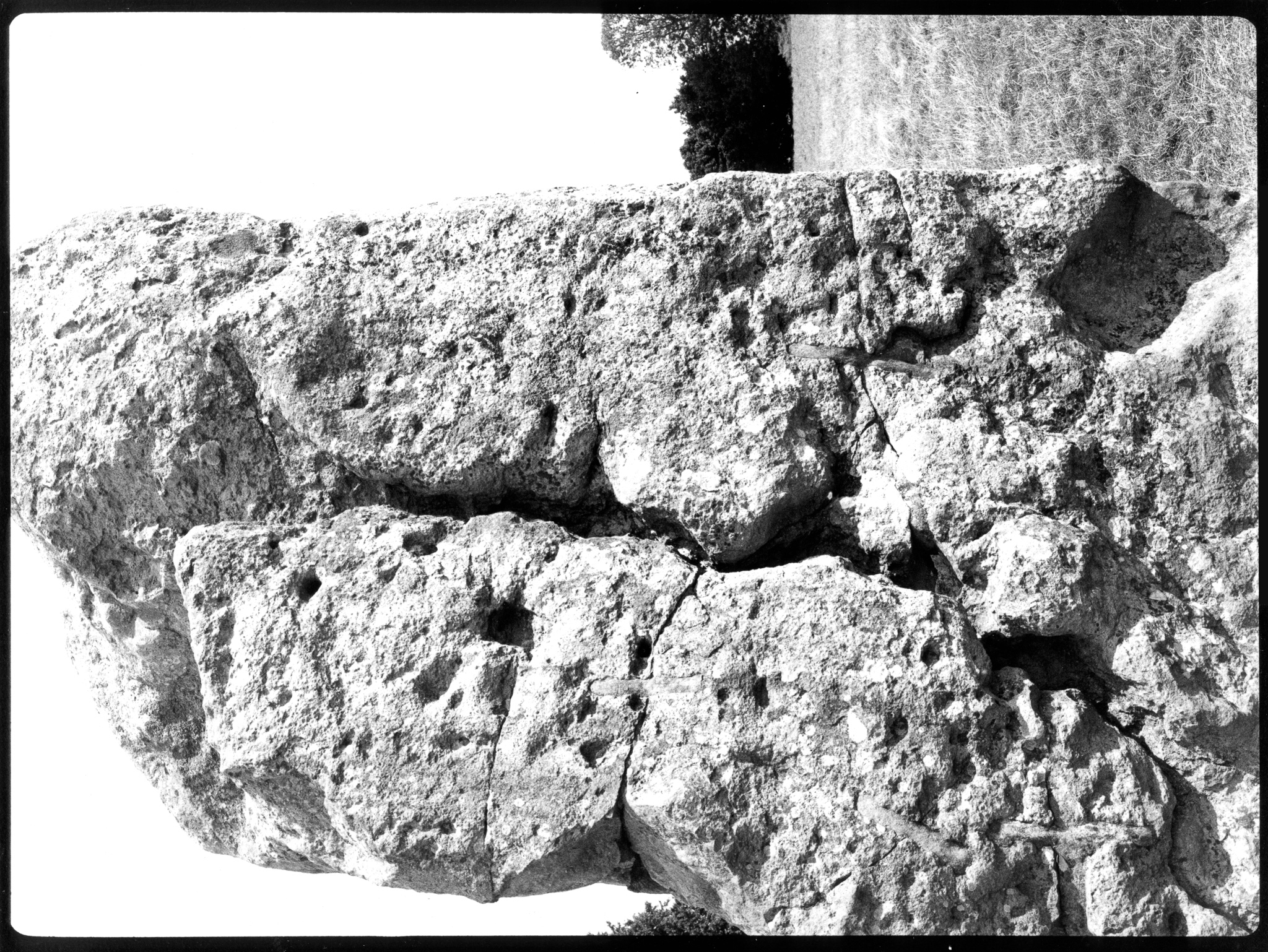
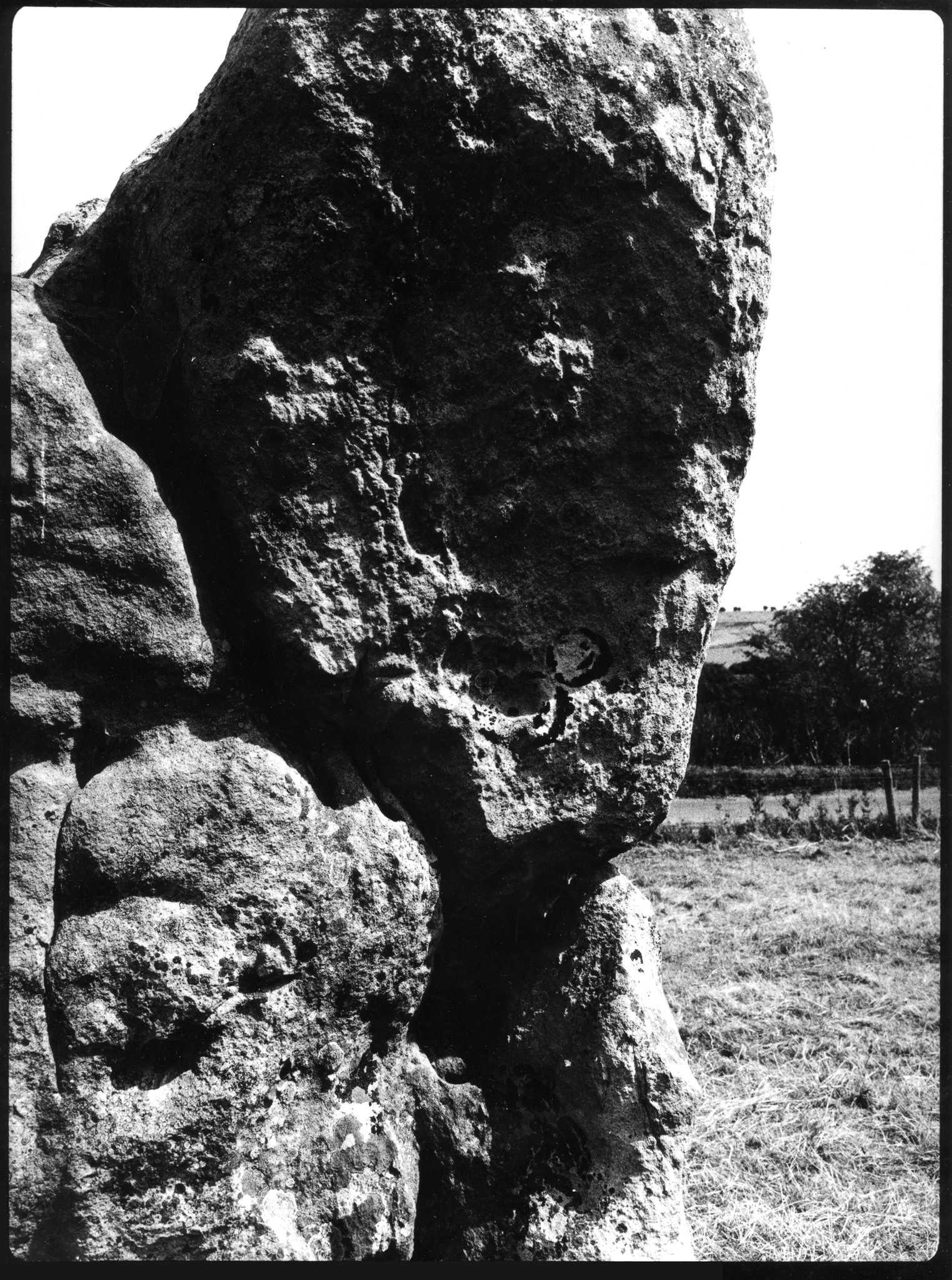
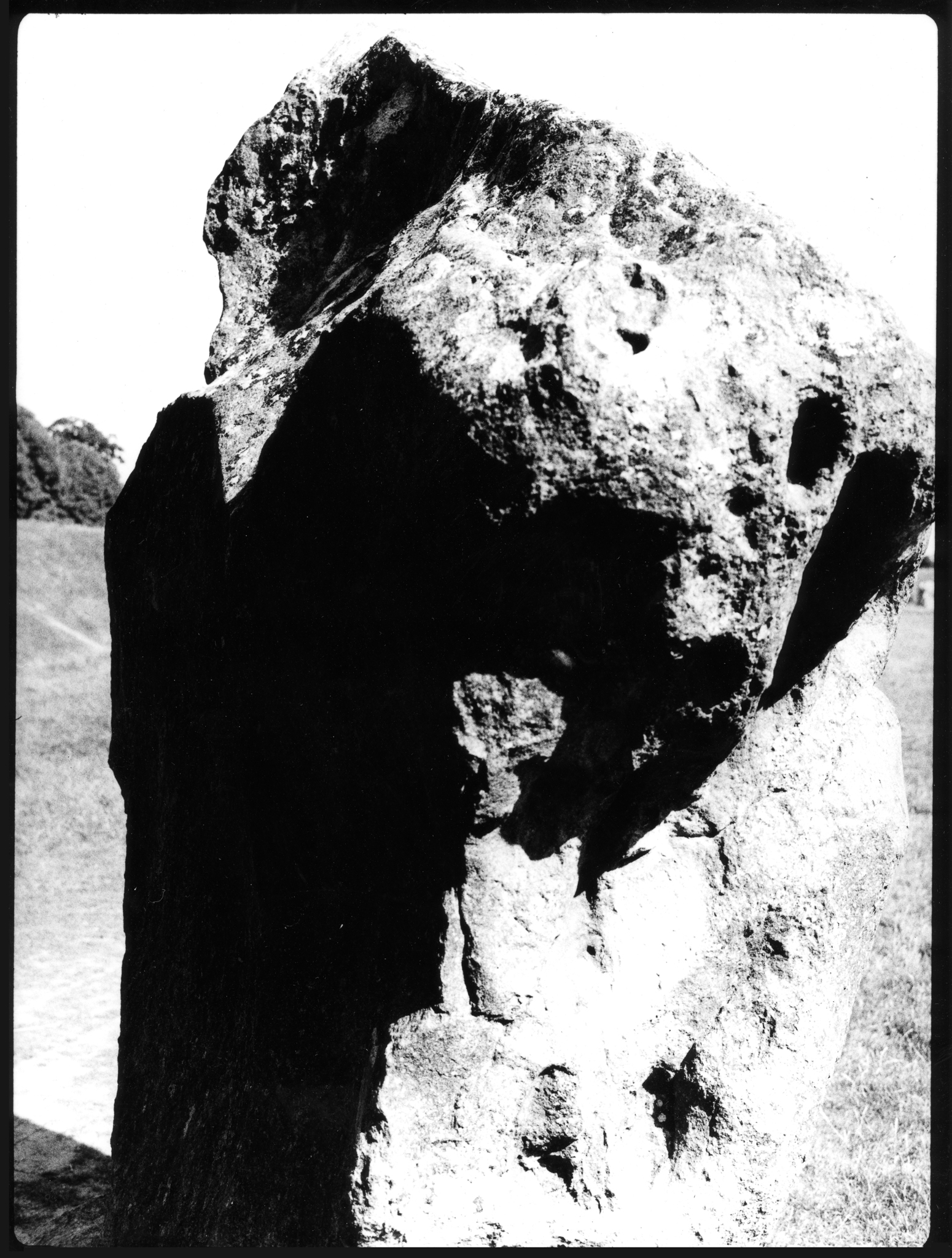
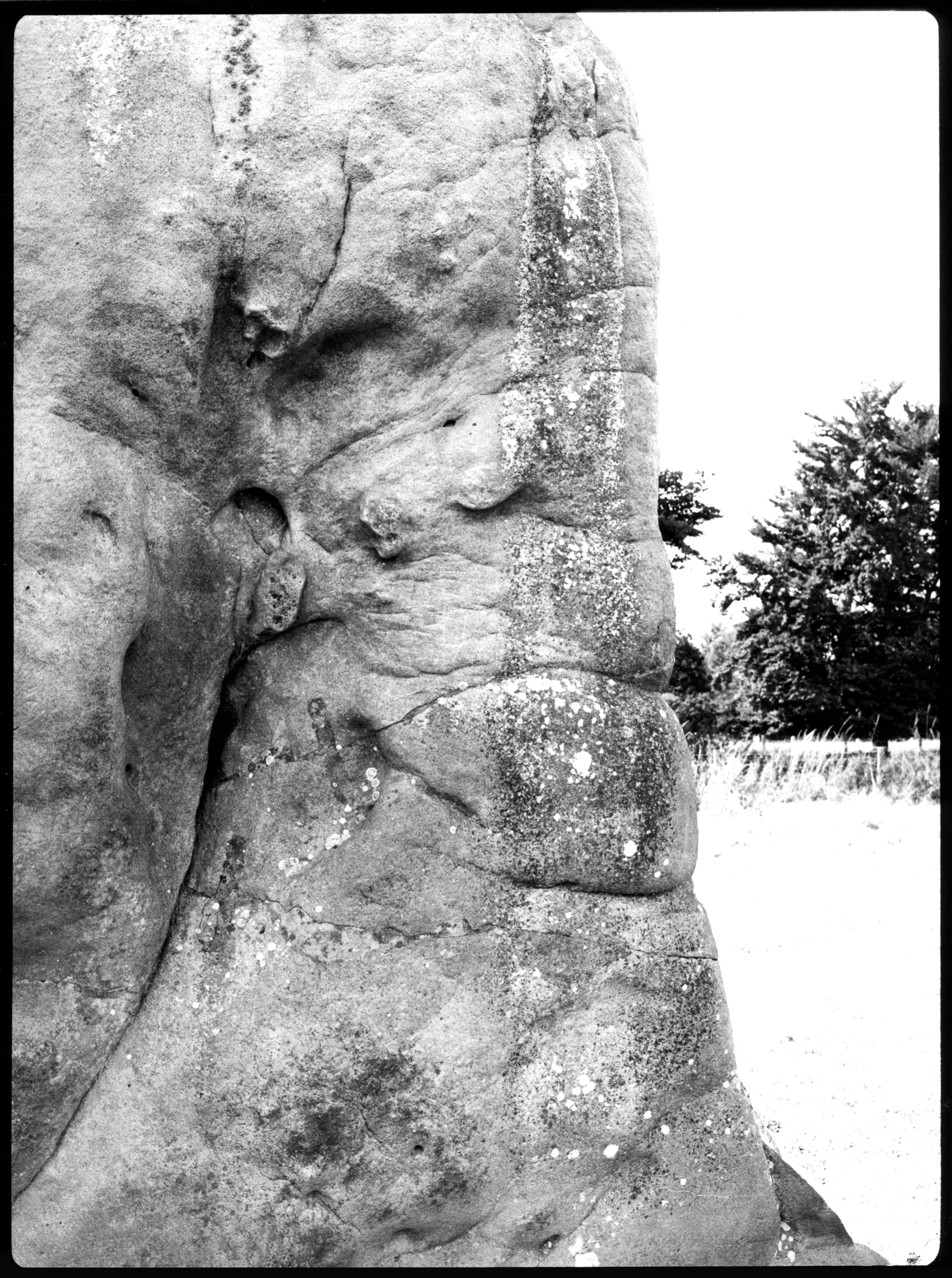
Standing before Ian McKeever’s monumental black and white photographs of the Avebury stones, one becomes aware less of landscape than of bodily scale, of weight, surface, proximity and time. The works that make up Seven Stones, opening at HackelBury Fine Art, London in June 2026, are not documentary photographs of a prehistoric site so much as meditations on presence and perception. Cropped tightly and printed at an imposing scale, the stones appear looming and strangely animate, shifting between geological mass and something more elusive.
Encountering McKeever’s work physically is crucial to understanding it. Whether standing in his Dorset studio among the large abstract canvases for which he is best known, or facing these immense photographic works, there is always a palpable sense of presence. Light and shadow dance across the stone surfaces, creating forms that feel both solid and indeterminate. The photographs deny the viewer a complete view of either stone or landscape; instead, they draw us into the space. As McKeever himself notes, “It’s the gap between an image and its presence that intrigues me.”
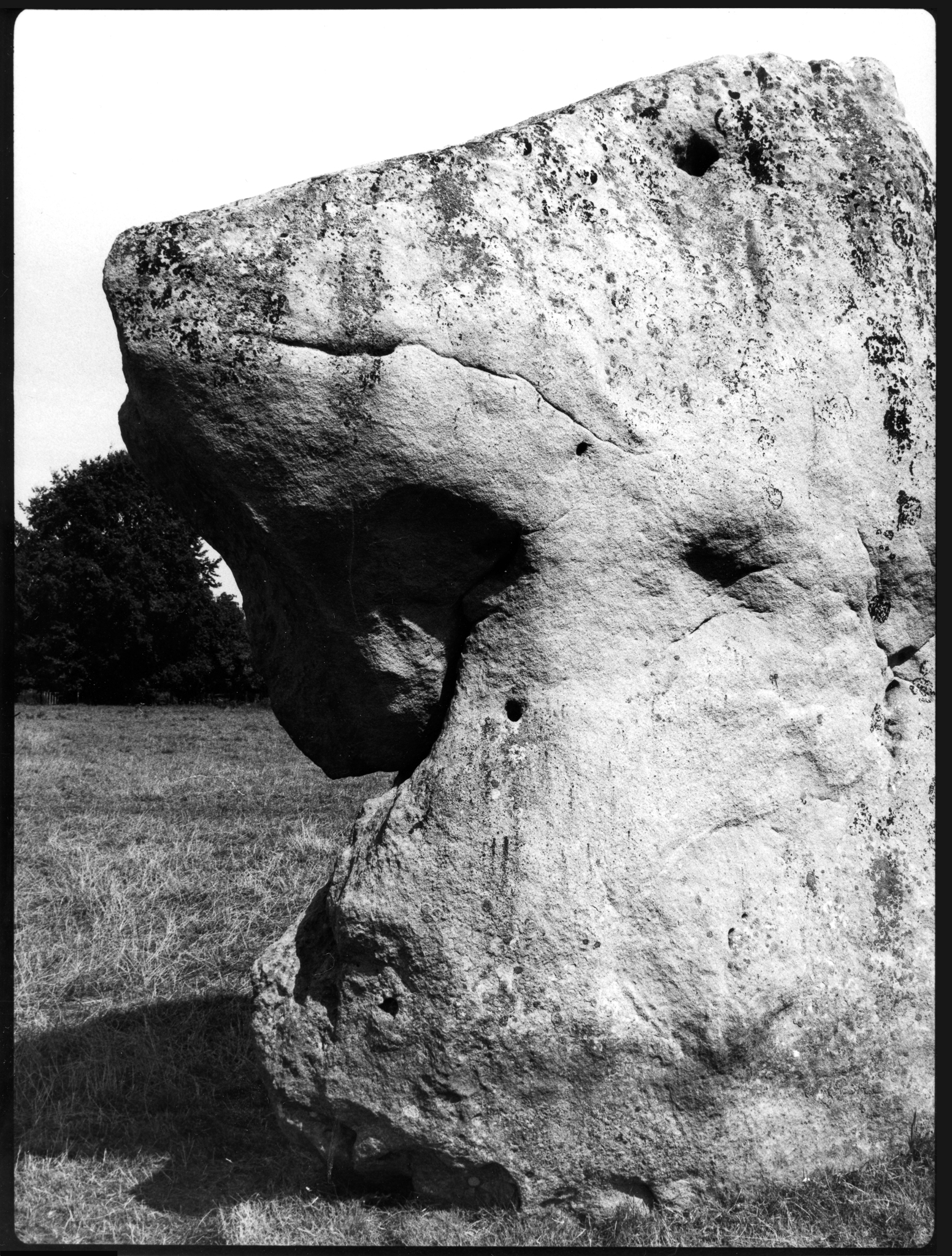
No. 1, Seven Stones exhibition © Ian McKeever (Courtesy of HackelBury Fine Art, London)
Having grown up in the West Country, I remember visiting Stonehenge before barriers and cordons transformed the site into a spectacle. One could lean against the stones, touch their surfaces and move intimately among them. McKeever’s photographs recover something of that bodily encounter: the sense that these ancient forms exceed explanation yet remain profoundly present.
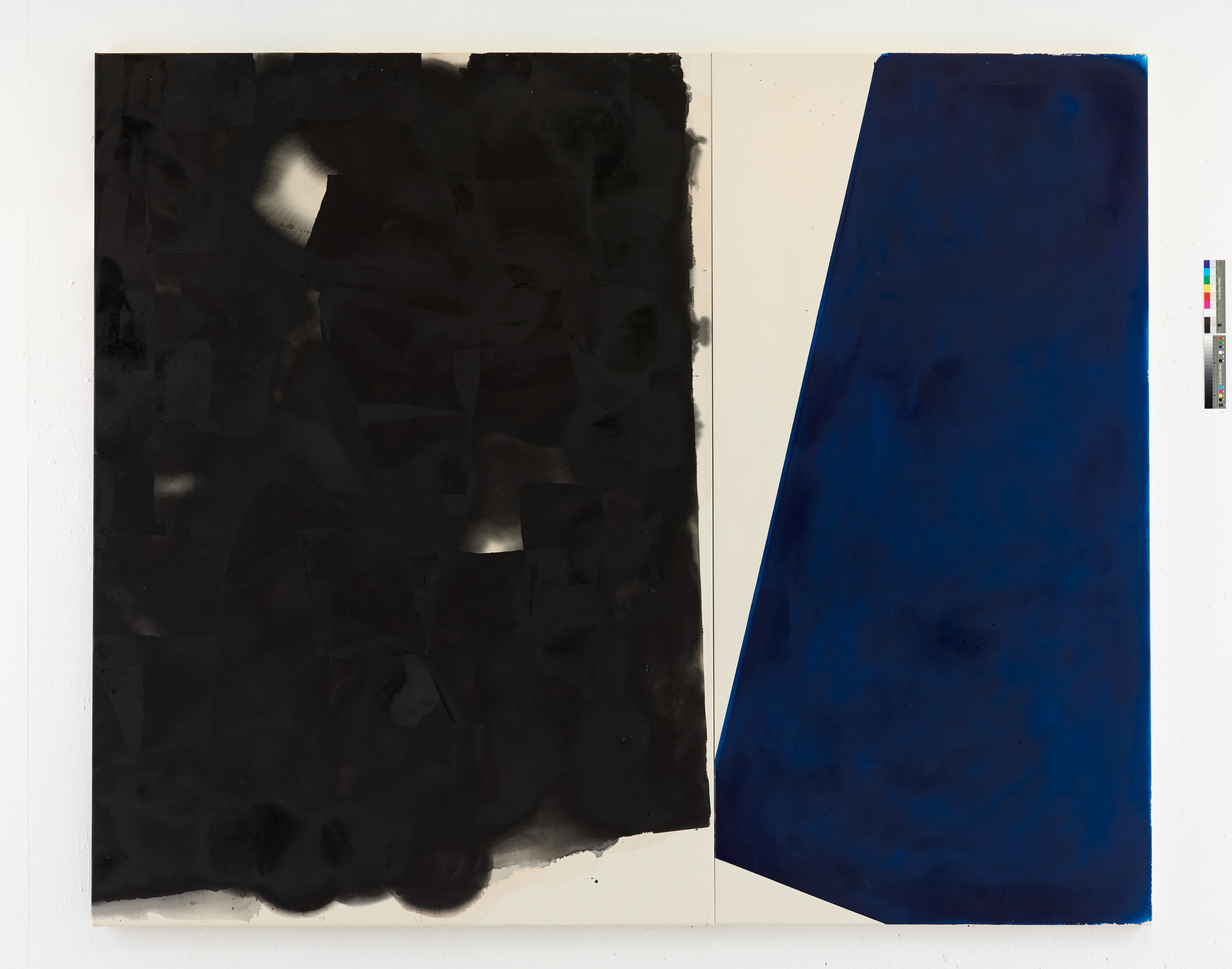
Although primarily known as a painter, photography has long occupied an important place within McKeever’s practice. Unlike many artists who use photographs as preparatory material for painting, McKeever often works in reverse. Between 2017 and 2022, he produced the monumental Henge Paintings, abstract works that sought not to depict the stones directly but to evoke their mass, permanence and physical presence through layered blocks of colour and surface.
When the negatives were developed, he realised he had never attempted to photograph the Henge as a complete landscape. Instead, he had circled the stones repeatedly, moving close to them, isolating surfaces and fragments. The resulting photographs reveal less about the monument itself than about the impossibility of fully grasping it. The cropped frames and shifting tonal contrasts suggest that landscape can only ever be encountered partially, through movement, proximity and repeated acts of looking.
This tension between photography and painting has shaped McKeever’s work for decades. McKeever, elected a Royal Academician in 2009, began his career in the early 1970s at a moment when the influence of Abstract Expressionism was fading, and conceptual art was beginning to dominate contemporary practice. Artists such as Richard Long, Hamish Fulton and John Hilliard were redefining the relationship between landscape, process and image. McKeever found himself drawn simultaneously to the rigour of conceptualism and the sensuous materiality of painting.
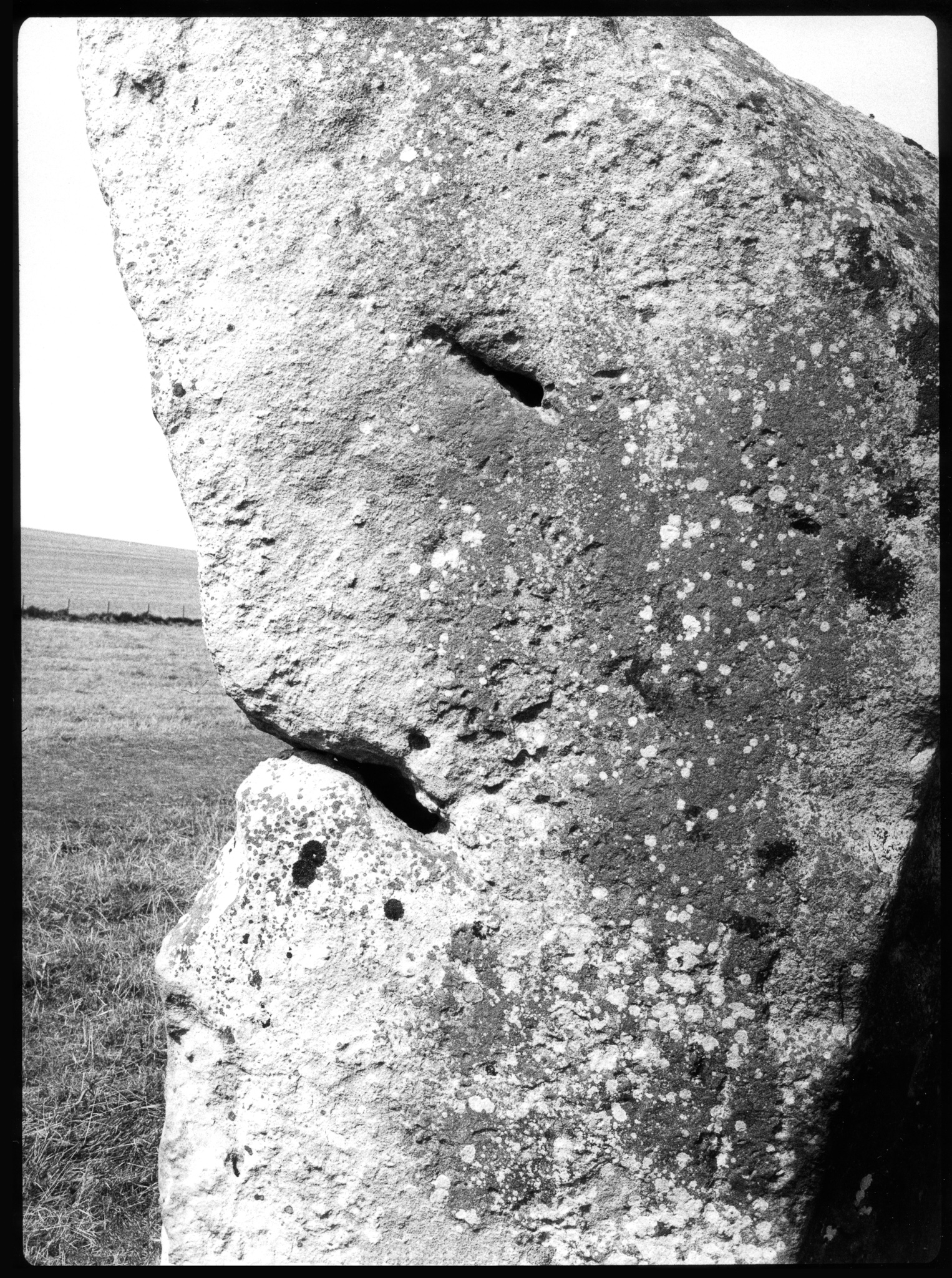
No. 10, Seven Stones exhibition © Ian McKeever (HackelBury Fine Art, London)
As he has observed, while painting involved the “messy processes of mark making”, photography offered “its cool detached mechanism”. Yet the two mediums have never existed separately in his practice. Photography functions not simply as documentation but as what he calls a “reality check”, a means of testing sensation and perception against the physical world. Painting, by contrast, allows forms to remain unstable and unresolved.
For McKeever, the essential distinction between painting and photography lies in their relationship to time. A photograph fixes an instant, anchoring it to the past, whereas a painting remains in flux. “Every time you come back to it,” he says, “it is not the same thing.” His paintings resist closure; they shift continually through light, surface and duration. The photographs in Seven Stones occupy a more ambiguous space. Although tied to a specific moment, they seem to push against the stillness usually associated with photography, creating an uneasy tension between permanence and transience.
This engagement with geology and deep time recurs throughout McKeever’s career. His seminal series The History of Rocks (1986–88), based on photographs of the basalt formations on Staffa, marked a decisive turning point in which painting and photography became parallel but distinct strands within his practice. Rocks, cliffs and stone formations have continued to function not merely as landscape motifs but as ways of thinking about entropy, memory and human presence within geological time.
Throughout his career, McKeever has repeatedly sought remote landscapes as places of solitude and renewal, travelling to regions including Greenland, Siberia and Papua New Guinea. Yet Seven Stones demonstrates that his work is never really about landscape as scenery. Avebury’s stones are less subjects than catalysts for reflection on scale, perception and embodiment. Their immense physical presence continually exceeds the frame attempting to contain them.
When asked whether sculpture ever interested him, McKeever replied: “I don’t want to destroy the illusion… between the 2D and the 3D world.” That tension lies at the heart of Seven Stones. The photographs hover between abstraction and representation, image and object, surface and monument. They remind us that landscape is never fully seen or possessed, only encountered bodily and temporarily, in fragments and passing moments of attention.
Exhibition Details
Ian McKeever: Seven Stones runs from 9th June to 1 August 2026 at HackelBury Fine Art, London.
The exhibition coincides with the publication of Talking Painting: Writings on Art and Artists, 1977–2025, published by the Royal Academy of Arts in June 2026.
-

- No. 1, Seven Stones exhibition © Ian McKeever (Courtesy of HackelBury Fine Art, London)
-

- No. 2, Seven Stones Exhibition © Ian Mckeever (courtesy Of Hackelbury Fine Art, London)
-

- No.3, Seven Stones exhibition © Ian McKeever (Courtesy of HackelBury Fine Art, London)
-

- No. 4, Seven Stones exhibition © Ian McKeever (Courtesy of HackelBury Fine Art, London)
-

- No.5, Seven Stones exhibition © Ian McKeever (Courtesy of HackelBury Fine Art, London)
-

- No.6, Steven Stones exhibition © Ian McKeever (Courtesy of HackelBury Fine Art, London)
-

- No.7, Seven Stones Exhibition © Ian Mckeever (courtesy Of Hackelbury Fine Art, London)
-

- No. 8, Seven Stones exhibition © Ian McKeever (Courtesy of HackelBury Fine Art, London)
-

- No. 10, Seven Stones exhibition © Ian McKeever (HackelBury Fine Art, London)
-

- Henge II, 2017 – 2019 © Ian McKeever