


 Join the conversation
 Subcribe to comment rss feed
Do we really care?

Theo Bosboom
Theo Bosboom is a passionate photographer from the Netherlands, specialising in nature and landscapes. In 2013, he turned his back on a successful legal career to pursue his dream of being a fulltime professional photographer. He is regarded as a creative photographer with a strong eye for detail and composition and always trying to find fresh perspectives.
Introduction
First of all, many thanks to everyone who took the trouble to complete the survey on the environmental aspects of landscape and nature photography. With 276 participants, we received a good response to the survey. We are also particularly pleased with the comments made by many respondents beyond the scope of the questions; these are at least as valuable as the answers themselves.
Although such a response rate would normally allow us to draw conclusions with some confidence about the environmental awareness of landscape and nature photographers, an analysis of the responses soon revealed that the survey had primarily reached people who are already engaged with the subject and who are concerned about it.
To give an example: when asked how many flights the photographer had taken in the year 2025, around 43% of respondents answered ‘no flights at all’ and 17% ‘one flight’. For 2024, the figures were similar, with 60% of respondents also stating they had taken 0 or 1 flight. Only a few photographers reported having taken more than 5 flights in either year. If these figures were representative, one might conclude that landscape and nature photography contributes very little to aviation’s CO₂ emissions.
However, we fear that this picture is inaccurate. There are countless photographers who fly all over the world for their photography, and there are also plenty who take at least several flights a year for their photos. We have apparently failed to reach this group sufficiently..
We do not know why this section of the photography community did not complete the survey. It could be that they are not interested, or not interested enough. It is also possible that they are, in fact, ashamed of their substantial CO₂ emissions. Finally, it is possible that they are somewhat under-represented amongst On Landscape readers.
The many comments made by respondents actually show that frequent flying by fellow photographers and the associated negative environmental impacts are seen as a major problem. It is interesting to note that this is regularly linked to a certain ‘drive to impress’ amongst the photographers in question: the desire to take spectacular photographs in order to make an impression. Several people also draw a link to photography competitions and social media, both of which are said to fuel this drive to score points. Take this respondent, for example:
Ask photographers to take a look at their CO2 footprint and ask them if this is OK? I know many photographers who travel more than 50-100 flights around the world to capture pictures just for themselves, maybe just to send in their best shots in competitions.
The question is whether the over-representation of the more environmentally conscious section of the photography community makes the results of this survey less valuable. No, that conclusion goes too far in our view. Although it is a pity that we have not been able to obtain a representative picture, both the responses and the comments still contain valuable insights and useful tips. We will be sharing these with you in this article. Furthermore, it is certainly encouraging and inspiring to note that there are so many photographers who are aware of the environmental aspects of their photographic activities and that many are also trying to improve the balance between negative and positive environmental impacts.
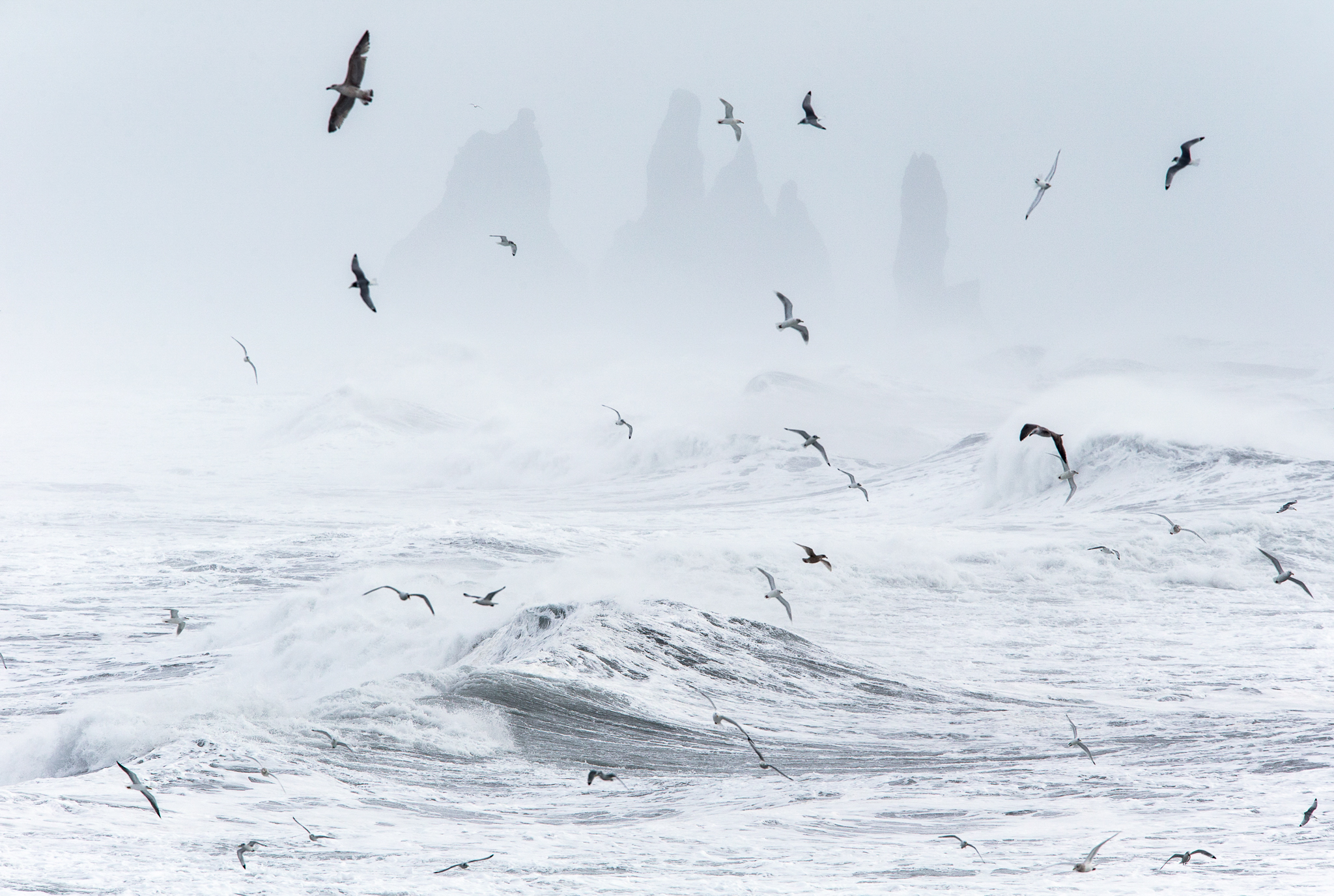
Into the storm, Vik, Iceland.
Key Findings
All the findings from the survey are available here. We highlight some of the key findings below.
Transport
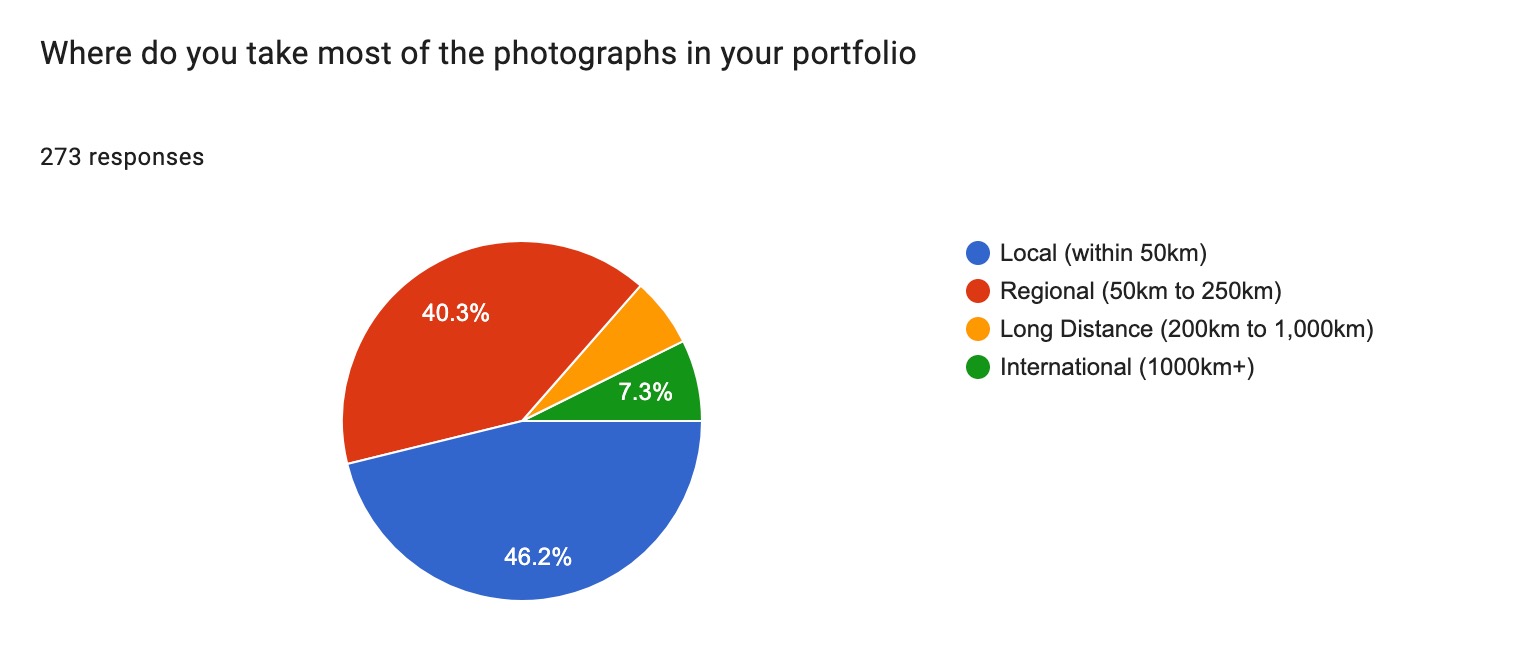
When asked ‘where do you take most of the photos in your portfolio?’, as many as 46.2% answered ‘locally’ (within 50 km) and 40.3% ‘regionally’ (50 km to 250 km). ‘Long distance’ (between 250 and 1,000 km) was selected by 6.2 per cent and ‘International’ (>1,000 km) by 7.3 per cent. The vast majority of respondents (86.5 per cent) therefore take most of their photographs locally.
These figures are also consistent with the responses to the aforementioned question regarding the number of flights in 2024 and 2025. Respondents fly relatively infrequently for photography trips. Moreover, the majority of flights taken are not intercontinental. When asked whether they plan to fly less in the coming year, 33.2% answered ‘yes’ and 20.7% answered ‘yes, if possible’. A significant proportion of respondents (46.1%) stated that they do not intend to fly less, but this response is not surprising given that many respondents have not flown at all in previous years.
For short photography trips (less than 50 km), the car remains by far the most commonly used mode of transport: 37.6% always use it for this purpose and 32.8% ‘often’. Only 5.5% never use a car for local photography trips. Of those who use a car, nearly three-quarters say they still use fossil fuels, namely petrol or diesel. 13.3% drive hybrid cars and 9.8% drive electric cars.
Even amongst this relatively informed group of respondents, a large proportion – namely 60.6% – state that they never use public transport for photography. 31% say they use it occasionally, 6.6% sometimes, and only 1.8% always. This is likely to be largely due to the limited availability of public transport to nature reserves, particularly for those who like to set off early in the morning.
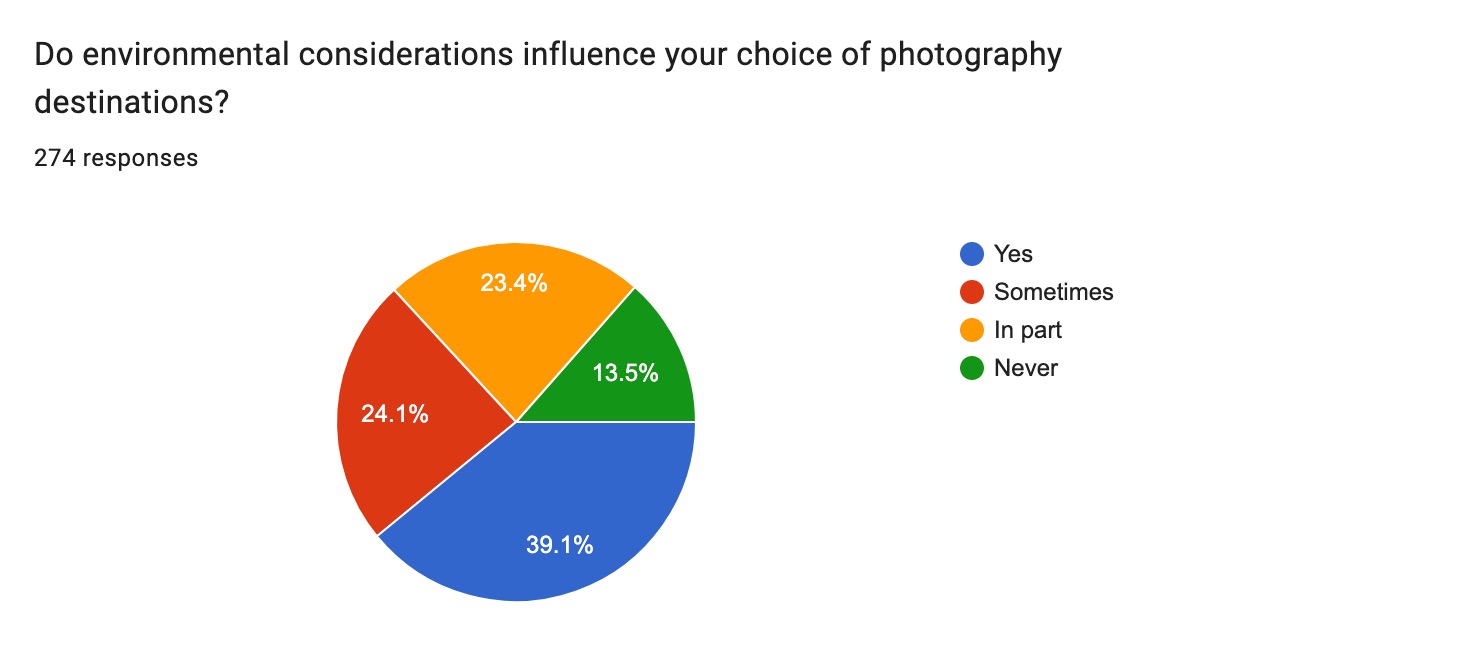
When asked whether environmental considerations influence the choice of their photography destinations, 39.1% answered ‘yes’, 24.1% ‘sometimes’, 23.4% ‘partly’ and 13.5% ‘never’. The majority of respondents therefore take this into account to a greater or lesser extent, which is not surprising given the previous answers.
Impact on the local environment
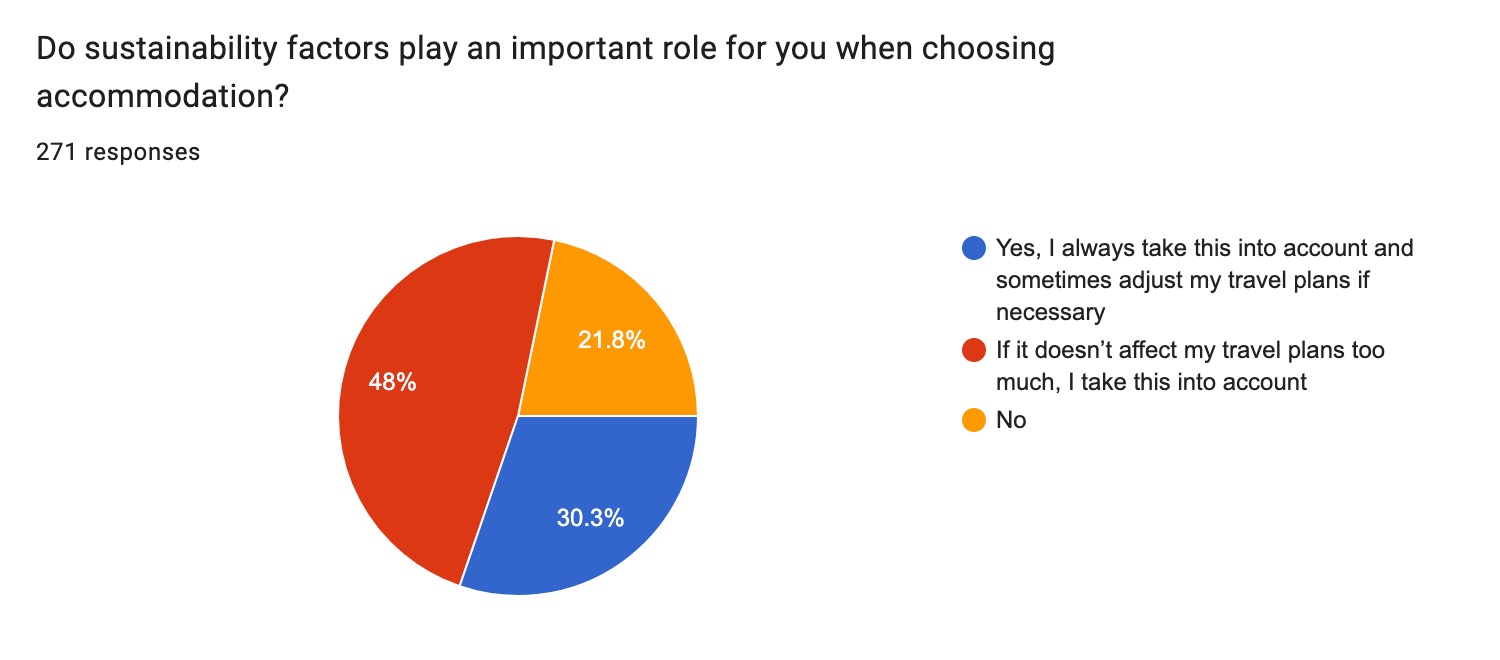
For 30% of survey participants, it goes without saying that sustainability factors should play an important role in choosing accommodation. 48% of respondents do so provided that it does not unduly affect their plans, whilst for 21.8% it plays no part in their planning.
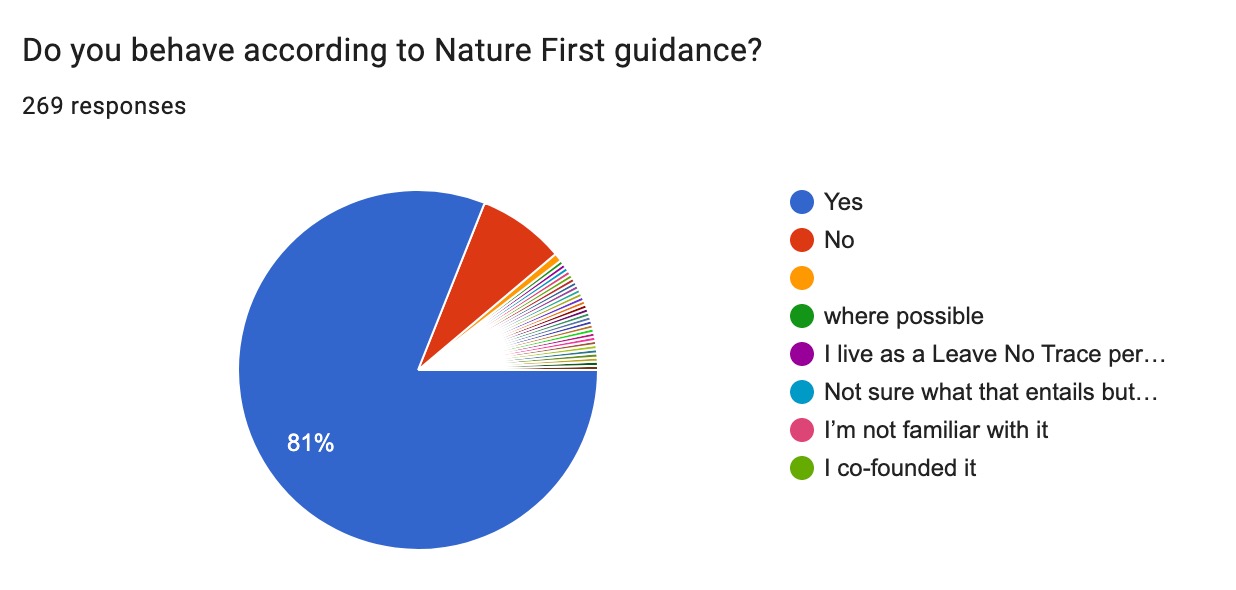
When asked whether they act in accordance with the Nature First guidance, a large majority of 81.0% answered ‘yes’. The other responses are rather varied. 7.8% of respondents indicated that they do not act in accordance with the guidance, but the explanations provided suggest that this is partly due to a lack of familiarity with the rules.
When sharing locations online, respondents generally take a cautious approach: 41% never share specific locations, 52.4% only report the broad area, and just 6.6% share locations without reservation.
Equipment and printing
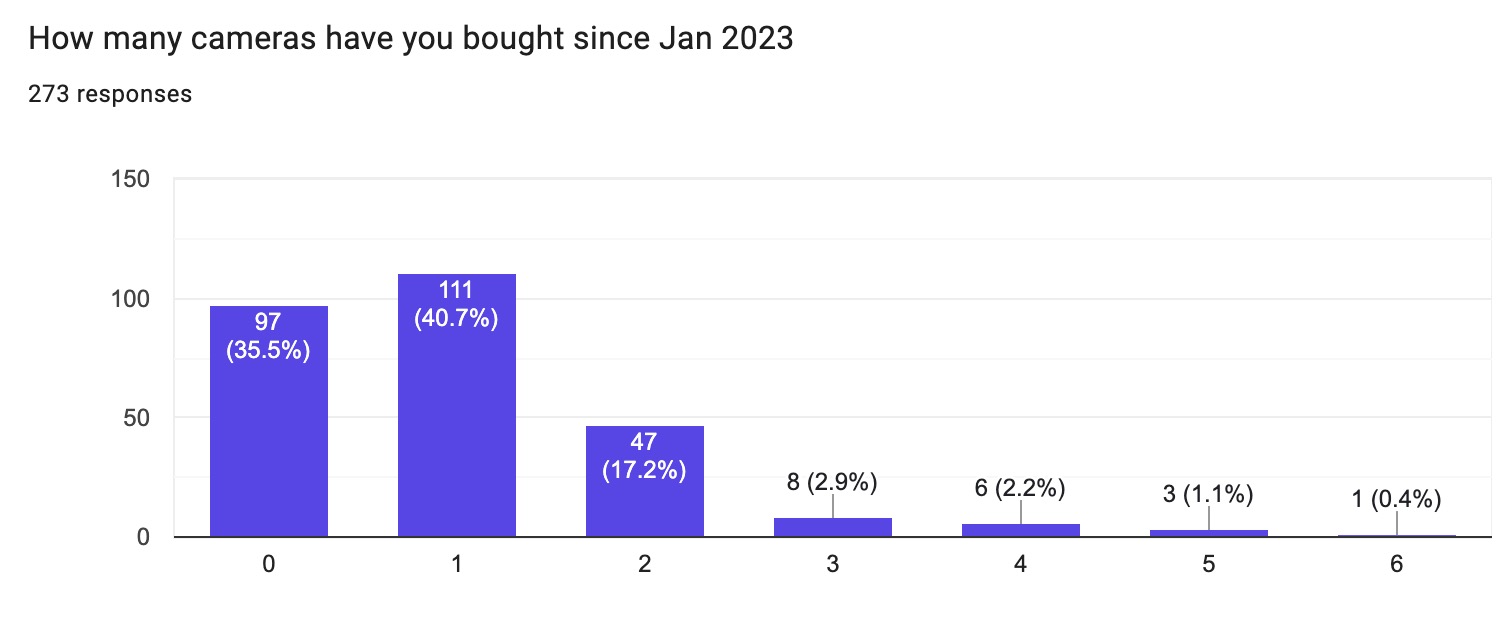
Most respondents seem to be able to control their urge to buy new equipment fairly well. In total, three-quarters stated that they had bought no new cameras (35.5%) or just one (40.7%) in the past three years. 28.8% of respondents did not buy any new lenses during that period, whilst just over 42% bought one or two. 28.5% bought three or more lenses.
The outliers were 10 lenses (1 person) and 15 lenses (2 people). The number of drones purchased is low amongst the group of respondents: 82% stated they had not bought a drone in the past three years, 15% had bought one, and only a handful had bought more, with four drones being the maximum (1 person).
In hindsight, it might have been better to ask about purchasing behaviour over a slightly longer period; the answers might then have provided a little more insight.
The respondents appear to be well aware of the options for buying second-hand equipment: just over 50% do so sometimes and 28.6% even almost always. People also frequently sell their own disused equipment second-hand; only 15 per cent of respondents say they never do this. Buying and selling used equipment has a much lower environmental impact than buying new equipment, which has to be manufactured and transported. Or as one respondent mentioned: “You don’t need to replace your camera every few years. Many of the most impactful photographs in history were taken with cameras that are now discontinued. Extending the life of your equipment helps reduce waste and unnecessary consumption.”
When it comes to printing photos, almost half of the respondents say they do not take the associated environmental aspects into account. 33.9% take them into account to some extent, and 19.6% do take them into account. It might be interesting to take a closer look at how this can be done, apart from limiting the number of prints as much as possible.
Use and reach of your photos
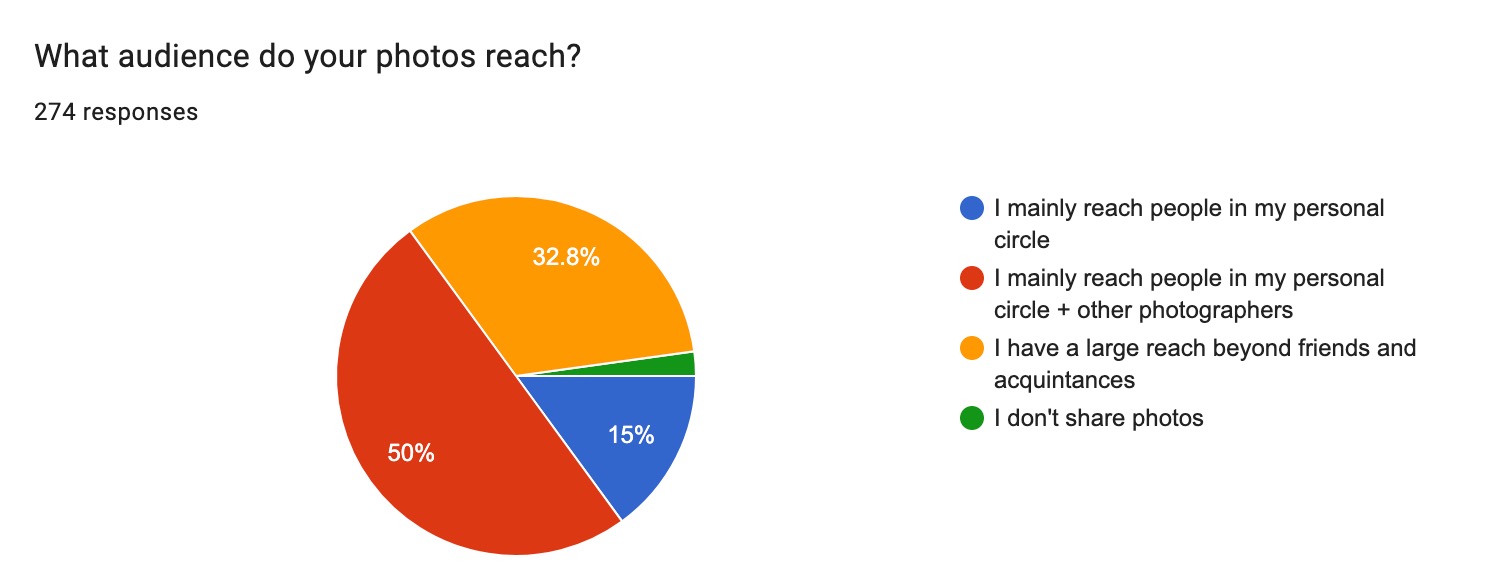
When asked what audience their photos reach, 50% replied ‘mainly people in their own personal circle and other photographers’, 15% said ‘only people in their own personal circle’ and 2.2% stated that they never share photos at all. This means that there is still a substantial group, 32.8%, who indicate that they have a wide reach that extends beyond friends and acquaintances. The majority of respondents state that their photos are sometimes used for nature conservation, education or other nature-related purposes, with 12.5% indicating that this happens frequently. For 40% of respondents, photos are not used in this way.
10% of respondents say they often use their reputation as a photographer or their photos in newsletters or on social media to draw people’s attention to nature, conservation projects, etc.; 42.5% do this sometimes, and 47% never do so.
Other questions
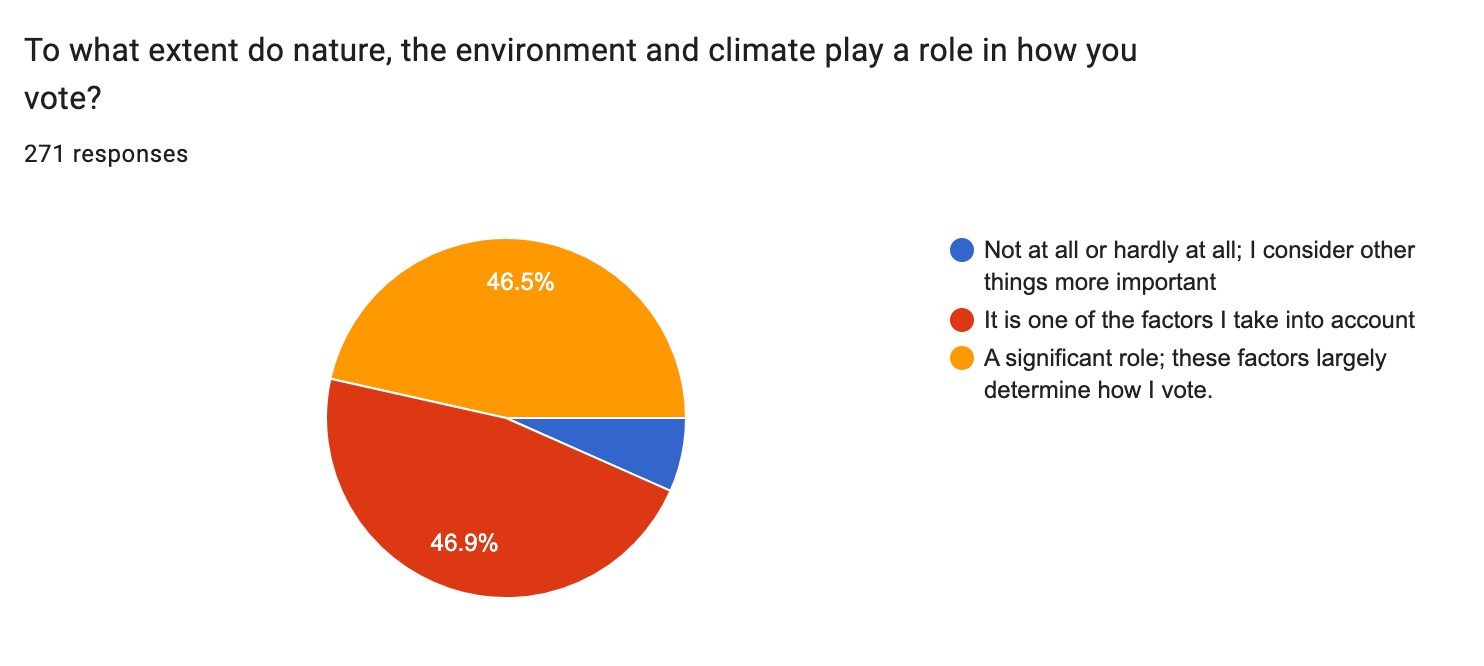
When asked to what extent nature, the environment and climate play a role in how people vote, 6.6% stated that this is not the case, or hardly the case at all, because other issues are considered more important. For 46.9%, it is one of the factors taken into account, and for almost half of the respondents – 46.5% – it plays an important role in determining their vote.
When it comes to eating habits, the climate and the environment appear to play a role to a greater or lesser extent for the vast majority of respondents. Only 10.9% state that this plays no or hardly any role for them. 56.6% state that some of their decisions are based on environmental considerations, and 28.5% even pay close attention to their diet in order to minimise their environmental impact.
One of the key questions in the survey was how concerned you are about the environmental impact of your own photography. The majority said they were very concerned (19%) or somewhat concerned (48%). 20% are neutral, 7.7% are not very concerned and 4.8% are not concerned at all. The latter group may be less indifferent than it seems at first glance; it may, of course, stem from the fact that, through various conscious choices, they know that their own photography activities have little or no negative impact on the environment. After all, if that is the case, there is no need to be concerned about it.
Tips and comments
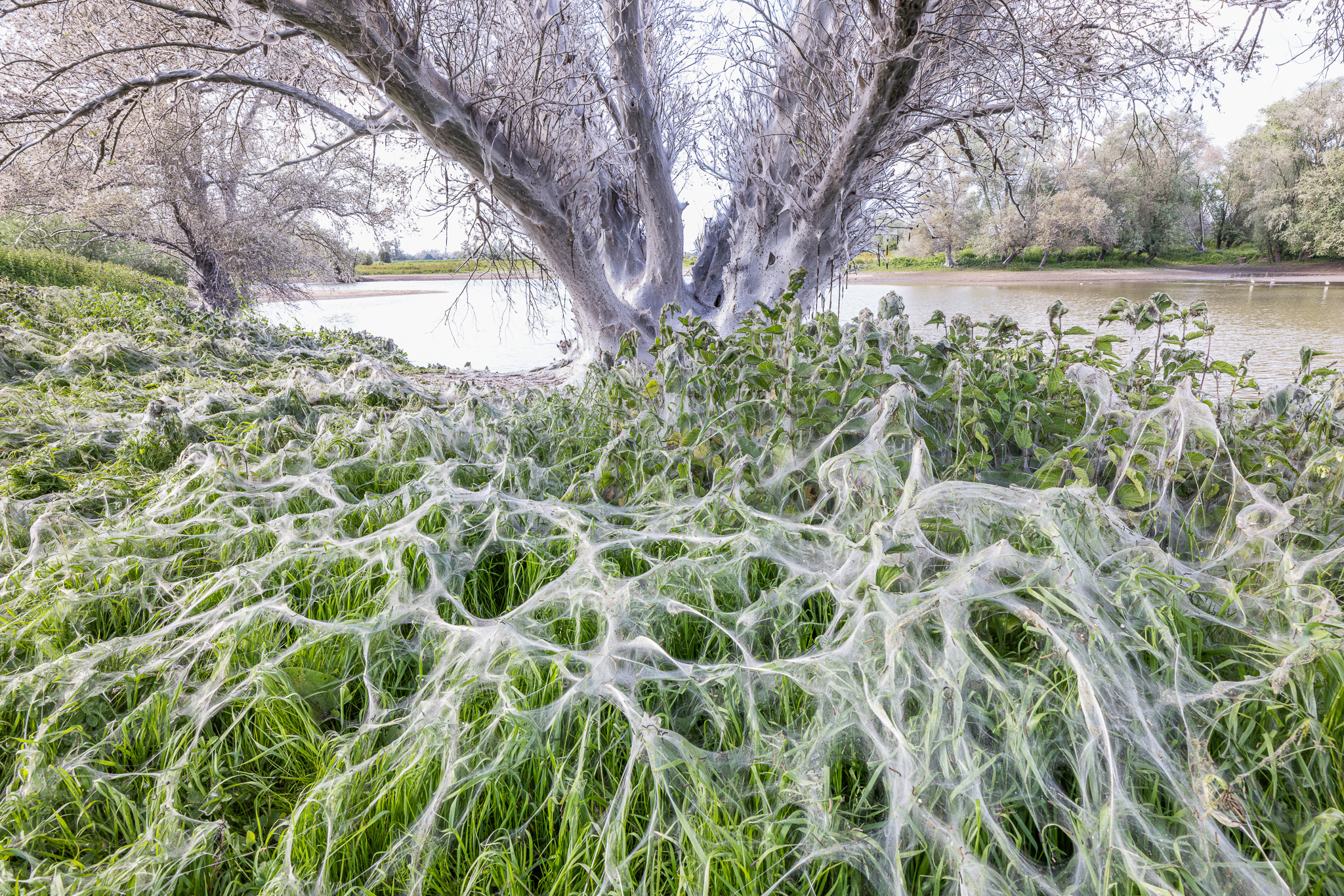
The invasion of the ermine moth, a local project (<50 km from home) that was at least equally successful as my international projects in terms of publications and photo contests, and that was great to work on.
Travel less, shoot local
When discussing ways to minimise the negative environmental impacts of nature and landscape photography, respondents repeatedly highlighted the importance of photographing locally. This is an obvious way to reduce long-distance travel and, consequently, the associated emissions.
“Focus on local nature, this is the one where your neighbours live.”
“Our immediate surroundings have lots of interest, if only we were drawn to exploring what is within us, rather than seeking out honey spots that don’t make our photography better in and of themselves.”
“Look for local poetry instead of distant spectacular spots.”
Look close to home and be imaginative and resourceful, rather than go for popular highlights in distant countries.
“You become a better photographer by learning to make great images locally. Further away is a luxury to be savoured.”
“Stop travelling all over the world for a photo that is taken a thousand times. I think it's ridiculous that so many nature photographers organize or go on photo trips to the most remote corners of the world for their own ego and Facebook pages.”
One of the things that helps to make local photography interesting – as mentioned by several respondents – is to immerse yourself in your surroundings and spend a lot of time there. As one respondent put it:
Before you photograph a place learn all you can about the ecology, geology and cultural history. Connect to the environment in a deep and personal way. Spend a significant amount of time there.
I (Theo) too am taking more and more photos locally and, partly as a result, am making fewer long-distance trips. This has certainly not always been a willing choice, as I am well aware of the drawbacks of photographing in the scarce natural environments of the Netherlands, one of the most densely populated countries in the world.
“But the so-called 'home advantage' is not to be underestimated. As a photographer, it is wonderful if you can be on the spot quickly if you expect special circumstances. And you know exactly where you need to be at these moments because you know the areas in your own area, like the back of your hand. And maybe connectedness also plays a role, although this will apply to some people more than othersIn addition, of course, it is possible that the limitations of nature close-by force creativity and bring out the best in me as a photographer. You are forced to look closer, work harder and think 'out of the box' more often, while an overabundance of fantastic nature might, in a way could make you a bit lazy because it may feel as more than enough to just capture this wonderful nature. Because of this ‘laziness’, there’s also a greater chance that your work will closely resemble that of others who were in the same place.”
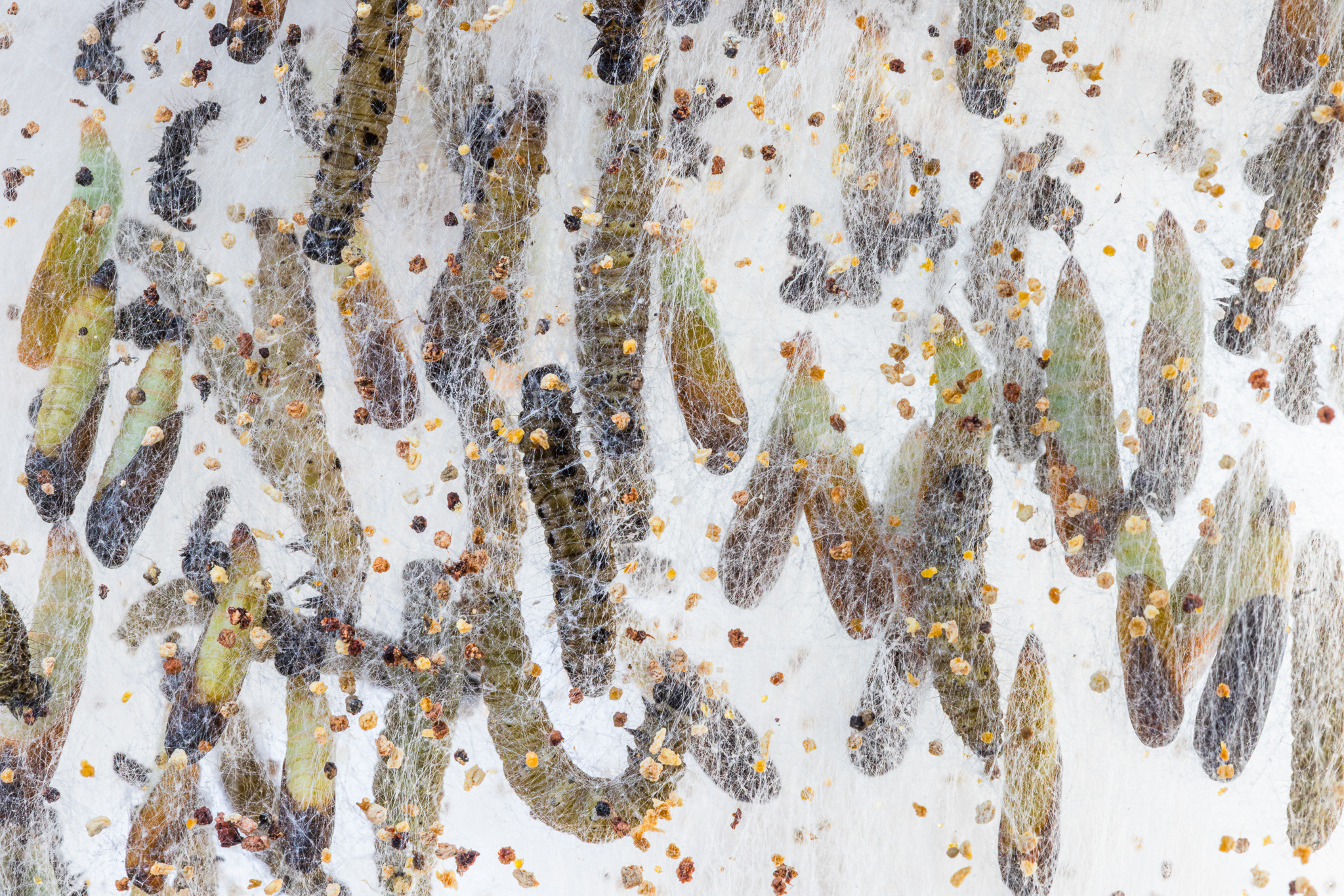
The invasion of the ermine moth. The home advantage meant I could be there at the right time, because such big outbreaks occur maybe only once every 10 years
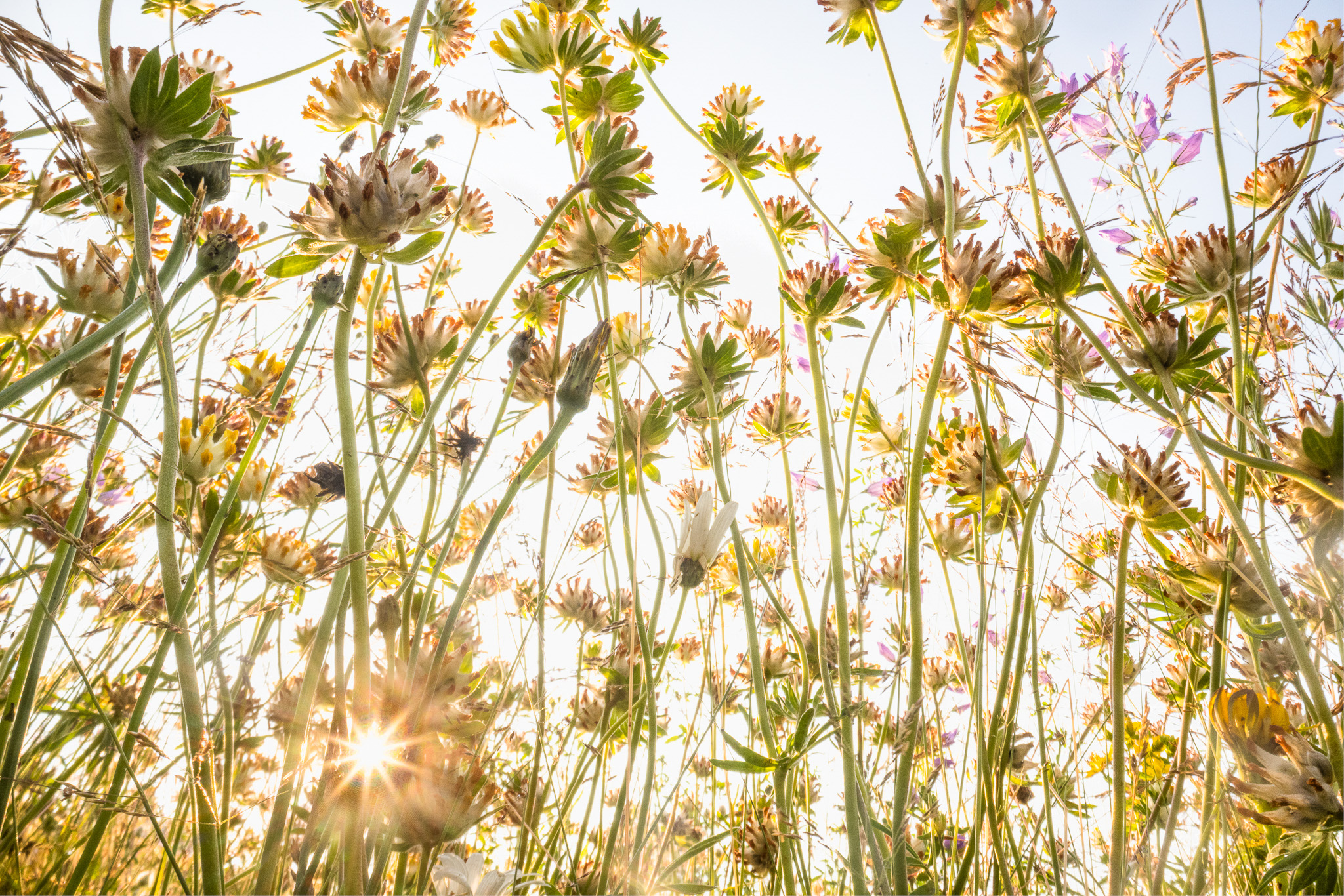
When making the transition to taking more photos in your own local area, it can be useful to work on a project basis (see link to article). This makes photography more enjoyable, provides focus and leads to greater depth. If you’re worried about the exposure of your work, there’s no need to be! My recent local projects, ‘Flowerscapes’ and ‘The ermine moth invasion’, are among my most widely published and have both fared well in photography competitions.
And if you’re genuinely worried about your performance in photography competitions, as a frequent judge at international photography competitions, I can assure you that there’s a huge volume of images in which well-known landscapes or subjects have been photographed in virtually the same way – often at ‘honeypot’ locations.
Even if you are not yet able or willing to give up international trips, it is still possible to minimise the negative environmental impact. Various tips have been put forward for this as well. One of these, for example, is to try to make fewer short trips and stay longer at a distant location, in order to reduce the number of journeys. Strategically planning your stay on location can also prevent you from having to travel extensively to reach your photography locations. One respondent noted: “It is better to explore a location thoroughly rather than just the hotspots at a few locations.” Finally, it is worth considering the sustainability of the accommodation in question.
The importance of providing workshop participants with information on sustainable ways of travelling has also been highlighted:
If you give workshops or photography trips inform participants about alternative travel options. Some starting locations may also be accessible by train.
One of the respondents pointed out the possibility of, for example, limiting the number of international conferences and award ceremonies if you’d rather not cut back on the number of photography trips. If you’re selective in that regard, you can also reduce the number of trips you take. It’s a rule that I (Theo) follow myself: I accept a maximum of one invitation per year for lectures abroad. It’s a shame now and then to have to turn down interesting invitations, but it hurts less than cutting back on photography trips abroad.
Finally, attention is also drawn to the importance of ecotourism, and it is noted that the issue is more complicated than simply stopping flying:
“Ecotourism is still important. It is not as simple as not flying. Some areas of the planet need our help to stay protected. The loss of habitats and biodiversity matters just as much as climate change, and indeed these issues are intrinsically linked. Make sure you design tour itineraries to properly help with these issues. Don't target areas that are tourist honeypot sites; consider visiting locations where the revenue generated by your visit makes a real local impact for good causes. If you work for a tour company, insist that there is a big donation from each trip to help with these issues. Make the clients proud to be involved. Put it up in lights. It should be a standard consideration for all tour operators.”
Several respondents have highlighted the importance of behaving appropriately and responsibly when taking photographs in an area, particularly if it is a sensitive area. The ‘Nature First’ guidance (see article, 7 Principles to Reduce the Individual & Collective Impact of Nature Photography on Wild Places, Sarah Marino, December 2019) can serve as an important guide in this regard, but using common sense and proceeding with caution is also a good starting point: “consider yourself a guest in the landscape and inflict as little influence as possible”, according to one of the tips. And another: “Don’t be dumb”.
Several people have also highlighted the problems that can arise from sharing (exact) locations, particularly when it comes to sensitive sites or vulnerable species. One of them offered some clear advice: “Quit Instagram”! A tip that I also follow regularly is: “Share photos of sensitive areas (such as spring wildflowers) after the season has passed.”
Incidentally, the figures show that the photographers who completed the survey are, in general, already acting quite conscientiously in this regard.
Using your images and taking other positive actions
We have received a few comments from people who question the effectiveness and even the sincerity of photographers who say they use, or wish to use, their images to encourage others to protect nature more effectively. Some of these comments are highly critical: “Yes, there were some major successes in conservation by using photographs. But if we are true to ourselves, we know that nice photographs of landscapes and wildlife will never profoundly change the behavior of people and decision makers. If this was the case, if would have already happened. Just look at the sheer amount of beautiful pictures out there - still CO2 emissions rise every year. The question is not "what" to photograph and show to people - the question is "how" to photograph. The practice of photography must change, not the subject matter.”
And: “I find it incredibly hypocritical to see many nature photographers saying that they use their photos for conservation to justify a ridiculous amount of international travel and plane flights while actually having essentially zero impact on conservation or stewardship projects. We all collectively seem to just let this slide, likely because we do not want to confront others who are part of a small community. Simply sharing photos of a place like Antarctica, for example, does nothing for conservation yet many landscape photographers share their photos with this sort of vague message, seemingly to justify their own actions because they know they have a massive environmental footprint.”
“In 2026, the landscape photography community is still part of the problem and not part of the solution. Most landscape photographers have a dramatic environmental footprint compared to regular people. Even worse, many landscape photographers don't recognize their footprint and even think they do something good for the planet. Just look at some YouTube videos of successful landscape photographers speaking about protecting nature, but then travelling to Patagonia, Hokkaido and to Antarctica in the next few months. Very hypocritical.”
And finally: “I wonder whether the idea that our photos might provoke change is just a reassuring excuse to carry on with what we do?”
Several other respondents, on the other hand, point out that it is important for photographers not just to take photographs for their own sake, but to actively use the images to contribute to nature conservation: “Try to make people see the importance and beauty of nature around us by your photographs, rather than showing off your achievements or adventures.” En: “Use photography to raise awareness for nature and climate change instead of just trying to make award winning pictures”.
And “The world would benefit from more people engaged and enthusiastic about nature and wild places. Passionate photographers staring amazing imagery is very valuable in engaging people with nature. Something we should remember when we feel guilty about travel. And why it is important that we share our photos.”
According to one respondent, when sharing photos for nature conservation, it doesn’t matter how many followers you have or how well-known you are: “If you have a big audience, use the beauty of your images to make people aware of the preciousness of our earth. If you don't have a big audience, do the same - every single person made aware counts.”
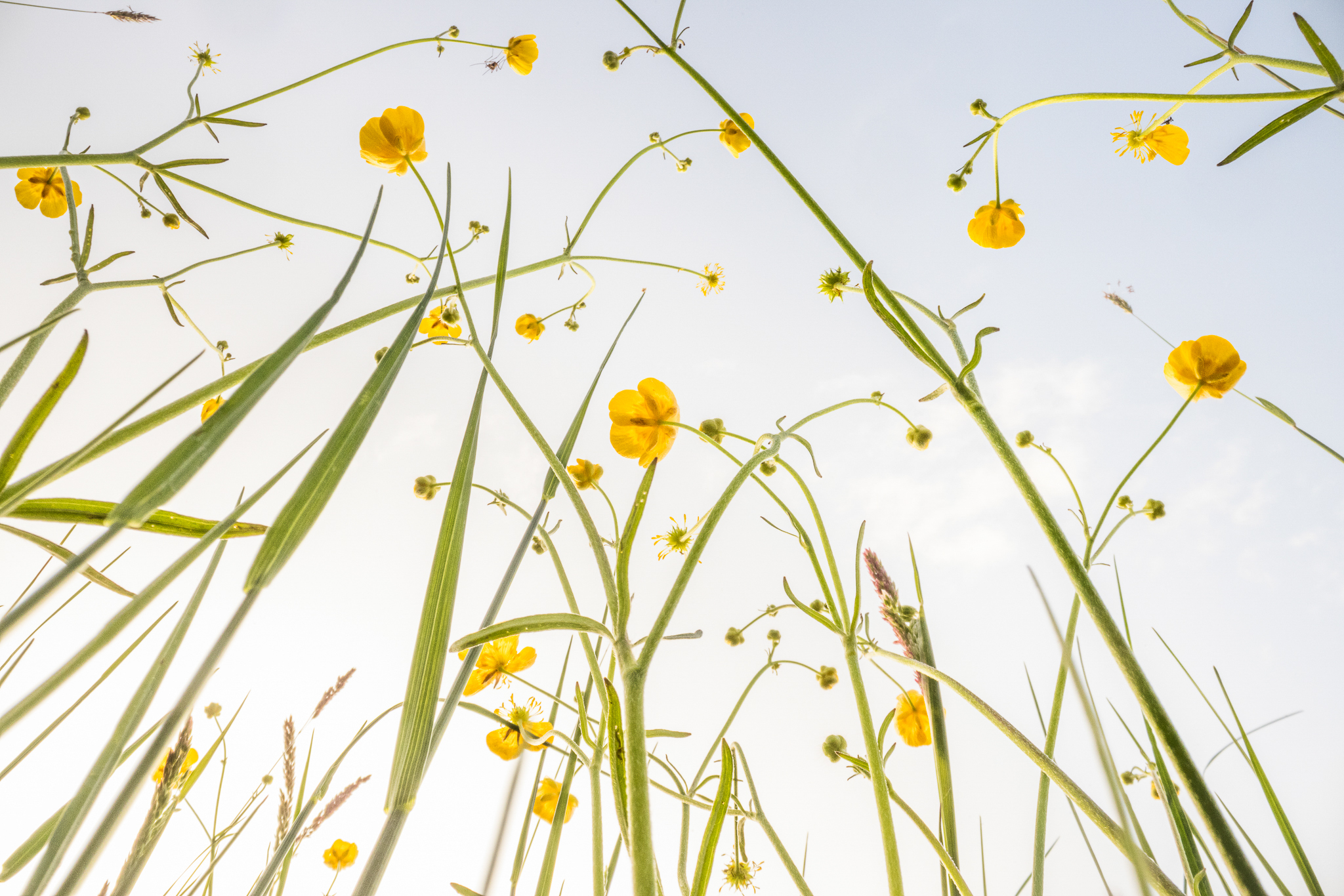
My Flowerscapes project. a local project in which I also tried to inform the public (through the interesting texts written by nature journalist Kirsten Dorrestein contained in the book) and which contains a touch of environmental activism, as the book includes a list of tips to help people make their gardens or balconies more welcoming to wild flowers and insects.
On this point too, it is often noted that it is probably most effective to do this at a local or regional level and to collaborate with nature conservation organisations.
“Get in touch with local conservation NGOs and ask them if they would be interested in working with you on projects.” En “Collaborating with local environmental and wildlife protection organizations is also a great way to use photography to support nature and raise awareness about conservation.”
“Making images available free of charge to such organisations is mentioned a few times as a positive step that photographers can take. This can also bring benefits when carrying out a project, such as the exchange of knowledge about areas and species, and access to areas that are not open to the public.”
Also of interest is the call by some to show the negative side as well: “Most photographers want to show the beaty of nature. Maybe we should show the negative impact of humans on nature more.” En “Perhaps also photograph human influence in the environment alongside nature's beauty. The garbage, concrete structures, the tourists, the pollution. The contrast may have some impact.”
Another tip for people organising multi-day workshops:
“If you are giving a workshop that lasts longer than a couple of days, also schedule a moment to do something for nature or the environment. For example, a beach or forest clean-up during what would normally be a moment for individual time. Or a visit or lecture by a local conservationist. Or anything else you can think of that would be helpful on that location.”
Cleaning up the beach is cited more as a possible positive action: “I take photos a lot of photos on beaches: shore birds and also landscapes. When I go out from the beach I always pick up all the plastics I found (as many as possible) and I always encourage my friends to do it as well.”
One of the respondents points out that photographers should be glad they do not have to pay high entrance fees, but that it would be a good idea to make a donation to land trusts: “Put your money where your mouth is . . . Too often photographers are looking for a free lunch e.g. a free place to park, or cheap entry fees for parks. Think of photography like golf. Golfers spend $100 or more a day to drive around artificial landscapes. We are lucky in not having those fees. Instead, photographers should be donating the equivalent to Land Trusts — organizations dedicated to acquiring natural habitats to build a network of natural areas. We can no longer rely on governments to protect land on our behalf.”
Finally, here are a few more tips on how to play an active part in nature conservation:
“Look for other photographers who share the same concerns and values. Join nature photography associations and take part in conservation projects whenever possible. “
And – following on from this: “Great that you take this survey. I am very curious about the results and ideas. There are probably many more ideas to come up with if we think about it longer than just while filling out the survey. Maybe set up some discussion groups online to exchange ideas or discuss trends over a longer period. It is always a delicate balance. I don't want to judge people on their behavior, but I do want to encourage them to act in a more nature- and environmentally friendly way, both within and outside their photography.”
“I go to schools to talk to students about nature and conservation, and I organize a nature festival each year in my town with awareness-raising animal photos on display.”
“Photography can be a powerful conservation tool when it tells honest stories and creates emotional connections. Images can help raise awareness about threatened species, habitat loss, pollution, and conservation efforts. Photographers can support nonprofits, educational programs, citizen science projects, and local conservation organizations by donating images, sharing knowledge responsibly, and using their work to inspire people to value and protect nature.”
“I sometimes work as a landscape photo guide and sometimes as a photojournalist. I try and choose my stories well and I only run workshops in 1-2-1 or small group ratio. That means I don't always get paid enough to support me and my family. So I work as an outdoor magazine editor as well, and aim to commission wisely and with environmental issues in mind.”
“Reach out to Conservation organisations like the Wilderness Society, Bob Brown Foundation and Landcare. Print an image and raffle it off to donate money to these causes. Start a project and involve the conservation groups. Hold exhibitions supporting the protection of vulnerable species.”
Other comments and tips
Some respondents point out that cloud storage consumes an enormous amount of energy and that photographers should therefore not store their images in the cloud.
“We, as photographers, should backup our images locally and not in the cloud. Storage is cheap nowadays, and you can probably keep a backup not only at home, but at a second safe place as well, to prevent loss in case of e.g. fire. Online backup is energy consuming (watch the growing number of data centers) and unnecessary. For the majority of our images it isn't necessary that they are available all the time, anywhere.”
“Few people realize, that AI and blockchain technology are very energy consuming. So are the enormous collections of images and videos, shared without a second thought, that are saved (with back-ups) in data centers, while the majority of these images will never be viewed again.”
To avoid making this article too long, we invite you to take a look at the other comments and tips accompanying the survey results which we have screenshotted below (and you can visit the form results page if that is easier) :
- Do you have any tips for other photographers on how to reduce the negative environmental impact of photography?
- Do you have any tips for other photographers on how to actively use your photos to benefit nature and the environment?
- Do you have any other comments?
Finally
Our main aim in conducting this survey was to draw attention once again to the somewhat sensitive topic of the environmental impact (both negative and positive) of landscape and nature photography. Neither the questions nor the answers are groundbreaking, and they are unlikely to offer many new insights to those who have been actively engaged with the subject for some time. However, several respondents have indicated that the questions got them thinking, and that in itself is a positive outcome. Furthermore, some of the tips may help photographers who are willing to take action but are not yet sure how to go about it. For those who fear they will no longer be able to pursue their passion, we would like to point out that even taking small steps helps. You really don’t have to stop flying and taking long-haul trips altogether, but try, for example, to reduce the number of trips you take over the coming years and replace them with trips closer to home.
How we can reach the group of photographers who have the greatest negative impact – for example, through frequent (intercontinental) flying, by sharing sensitive locations or by purchasing new equipment very frequently – remains to be seen. But a better environment starts with you (an advertising slogan used by the Dutch government), so perhaps it’s also more interesting to focus on what you yourself can do and change. In this regard – as several of you have also pointed out – it’s obviously not just about how you behave as a photographer. Your voting behaviour, your eating habits and all sorts of other aspects of how you live your life are at least as important. Or as one respondent put it: “No, if impact is to be reduced, it requires a different perspective on a lot of things, life and behaviour in general. Photography does not stand alone in this matter. You either care or you don’t.”
As previously announced, we intend to reassess where we stand in a few years’ time. We will also take into account the feedback provided regarding the survey’s design.