

 Join the conversation
 Subcribe to comment rss feed
Joseph Heathcott

Joseph Heathcott
Joseph Heathcott is a writer, photographer, and educator based in New York, where he teaches at The New School and directs the Laboratory for Urban Spatial and Landscape Research. His work has been shown in many exhibits and juried art shows, most recently at the Museum of the City of New York, Museo Banco de México, Chicago Center for Photojournalism, and the Center for Landscape Studies at the University of Virginia. His photographs have been featured in publications such as Lens Culture, Platform, Urban Omnibus, Camera Obscura, and Bosporus Art Quarterly.
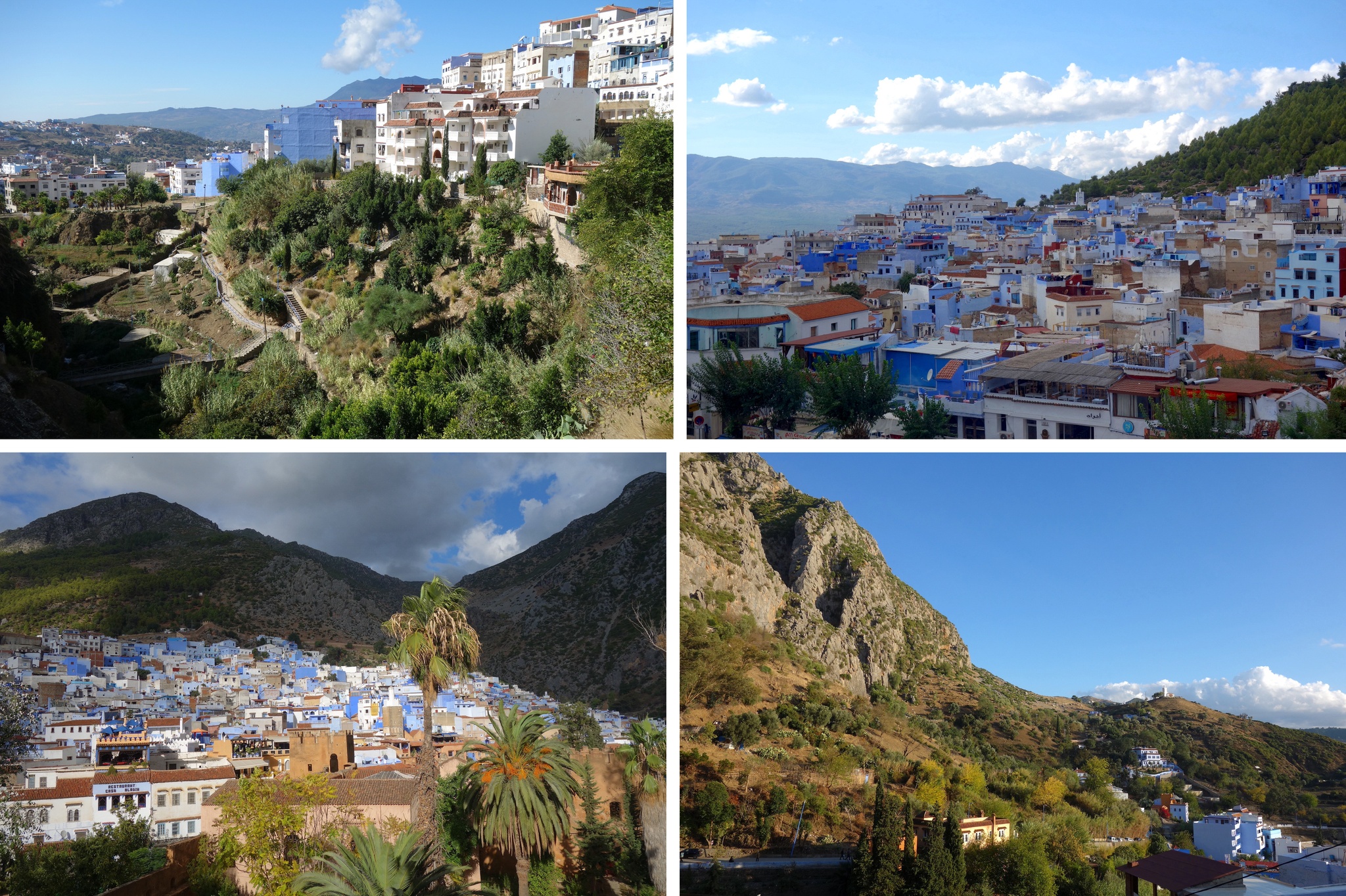
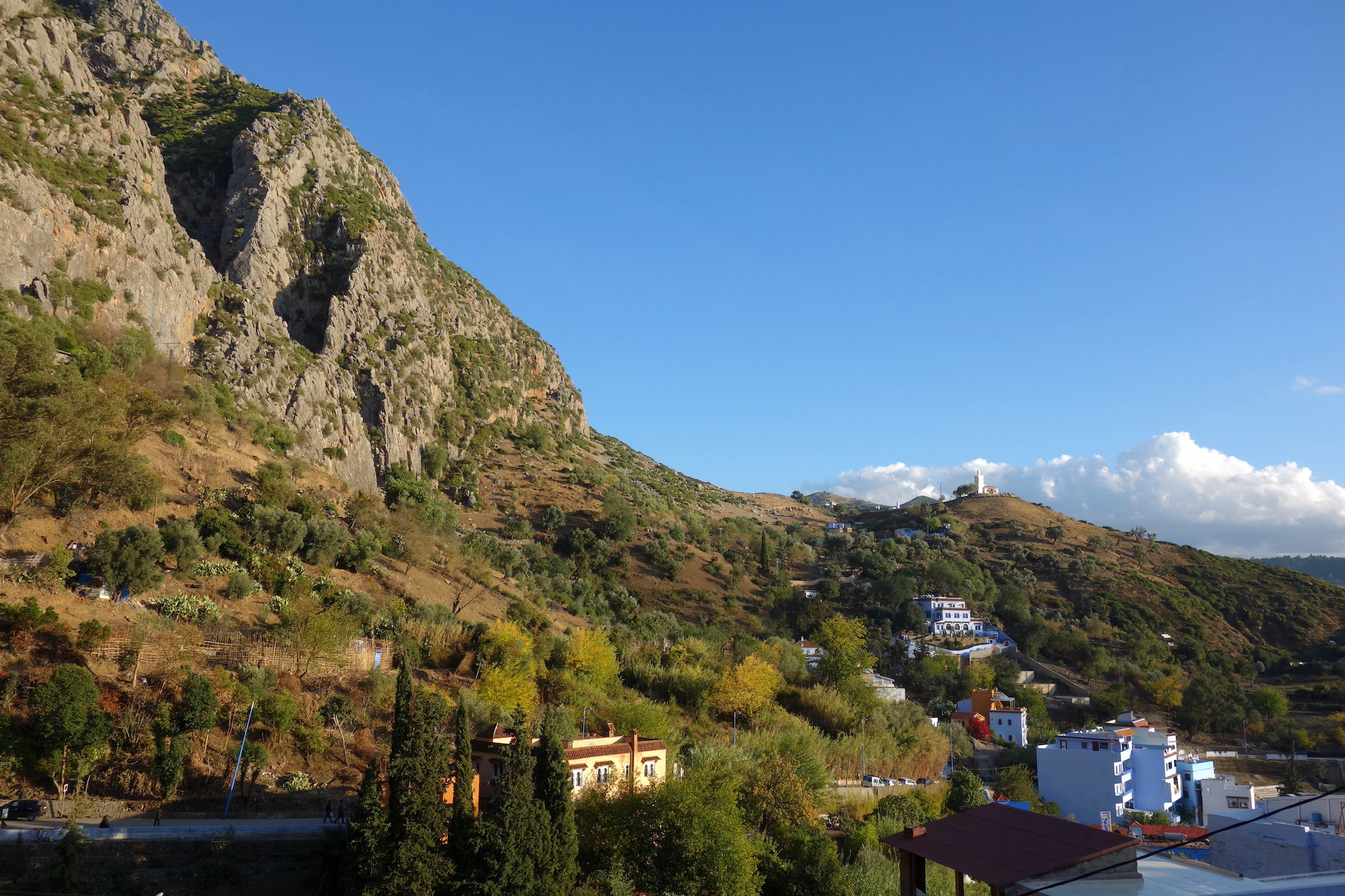
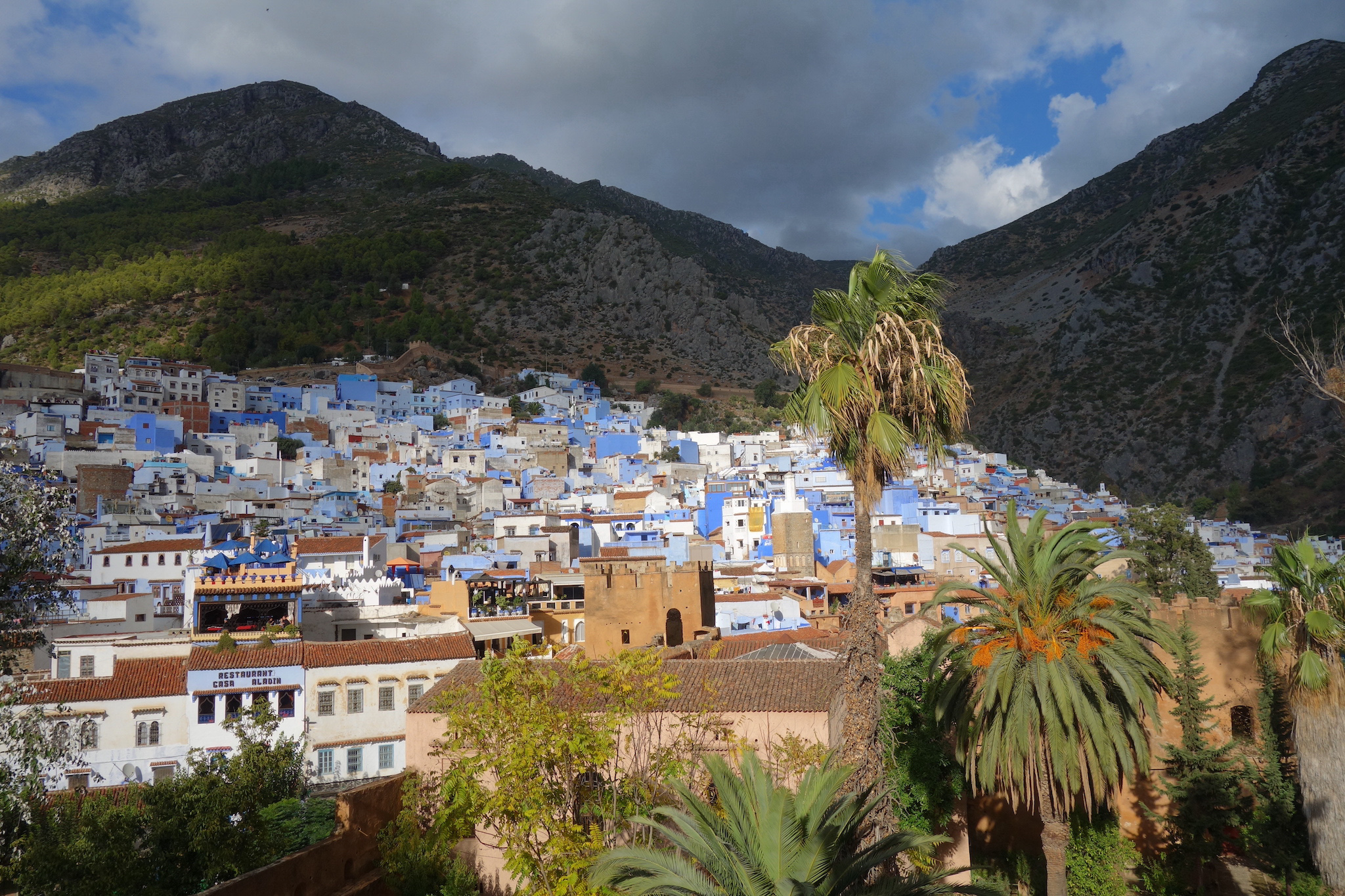
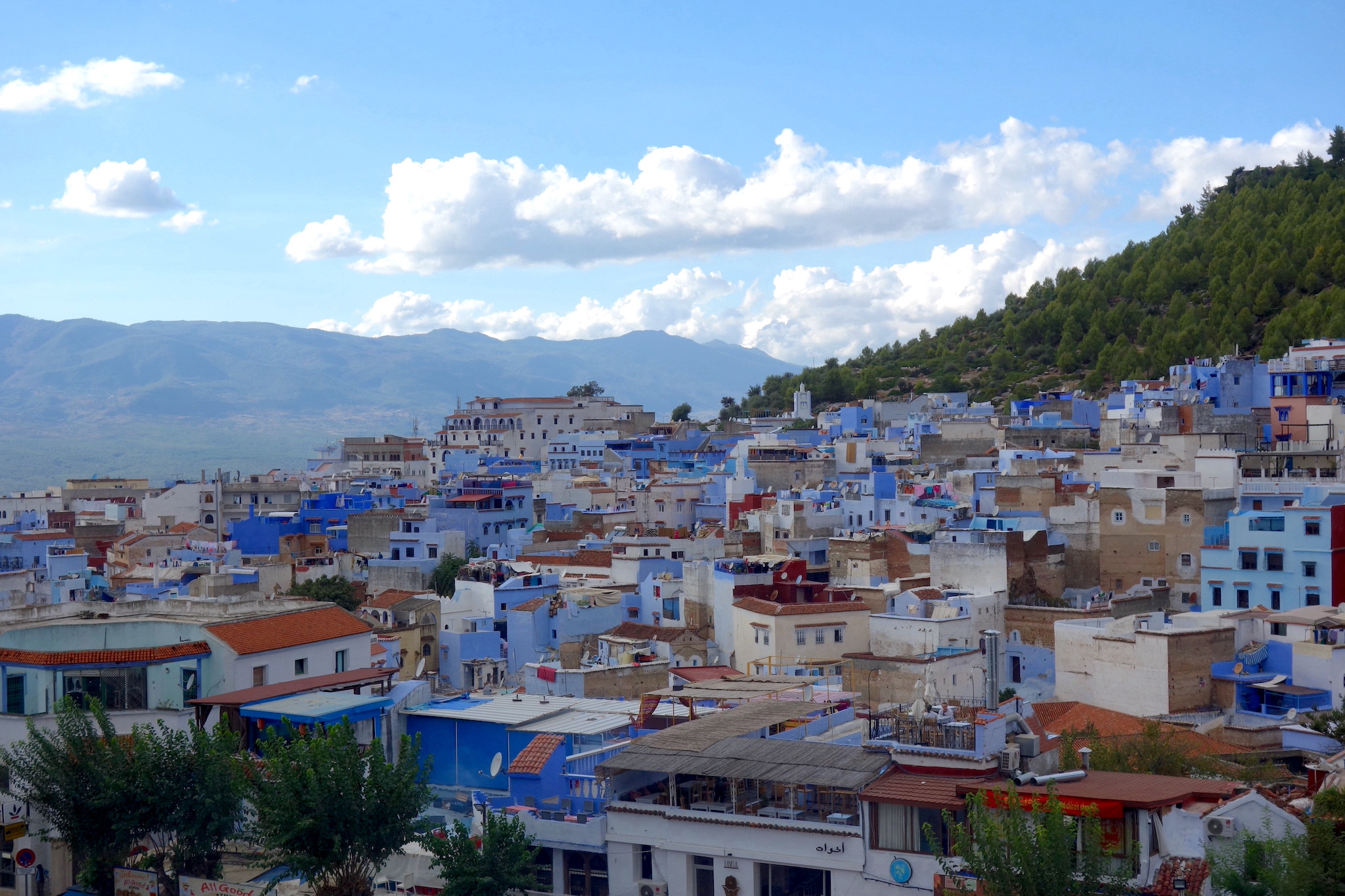
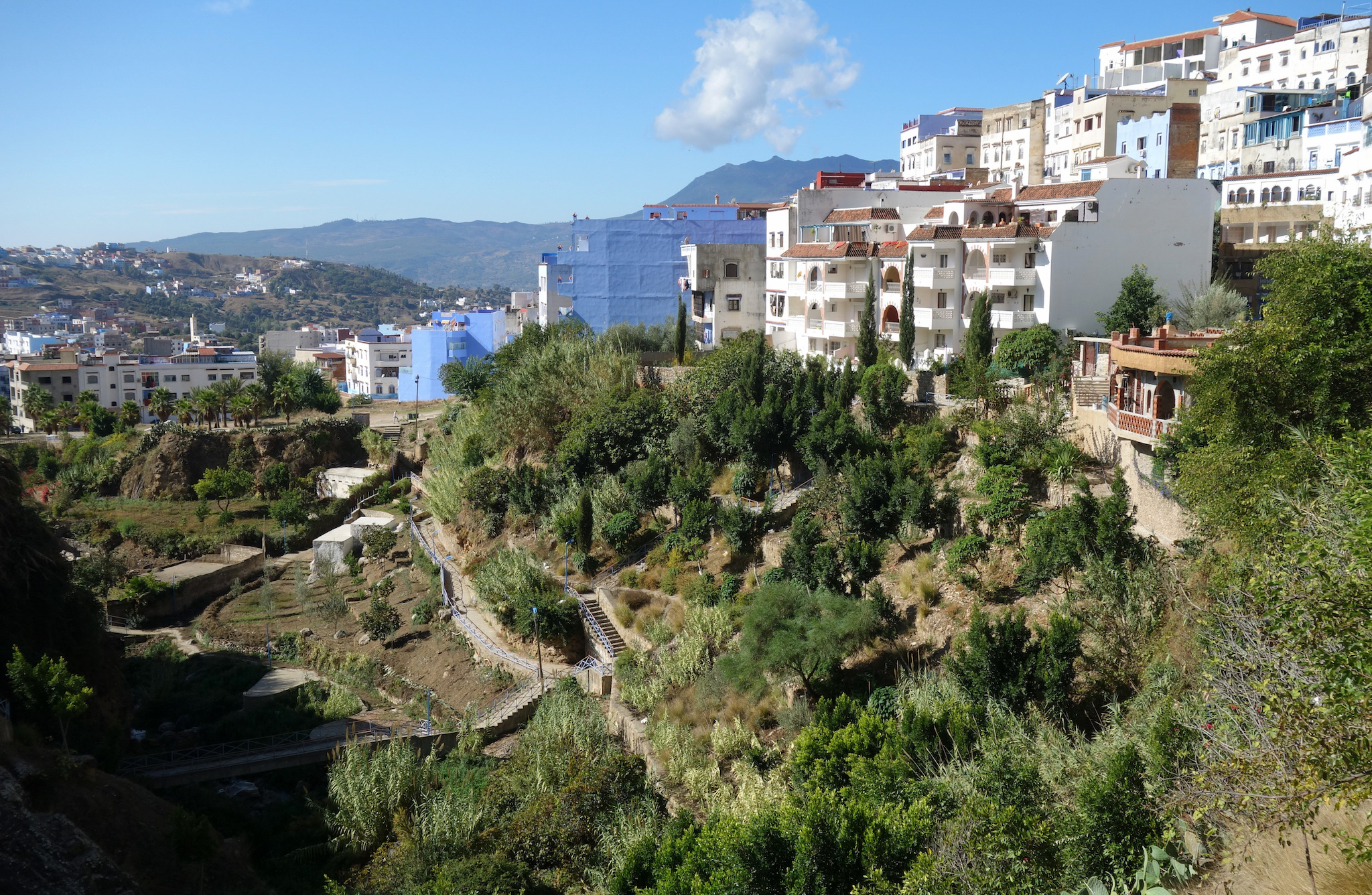
My interest as a photographer is in how people shape and inhabit the landscape. From the Grand Boulevards of Paris to the stilt houses of the Louisiana bayous, I am fascinated by the immense variety of human creative expression written onto the land. The photographs included in this portfolio meditate on this creativity in the case of Chefchaouen, Morocco.
Located in north-central Morocco, Chefchaouen is part of the Jebal cultural region long inhabited by a variety of Berber groups. The town was founded in 1471 by the Idrisid military leader Sherif Moulay Ali Ben Rachid al-Alamy, who selected the site for a mountain fortress against Portuguese incursions. The Rif mountain range is part of the great Gibraltar Arc that stretches from Morocco across the Mediterranean to Spain, comprised of shale and quartz intermixed with limestone. Chefchaouen takes its name from a local feature of the Rif; it is a combination of the Arabic word 'chef' meaning to gaze upon, and the Berber word 'chaouen' meaning antler. Chefchaouen thus refers to the two mountain peaks that rise up like antlers over the town.
Chefchaouen grew rapidly in the sixteenth and seventeenth centuries, expanding along and up the slope of the Rif. With the defeat of the Nasird Dynasty (Moors) at Gibraltar in 1492, thousands of people fled across the straights to Morocco, some settling in Chefchaouen, where their Andalusian cultural preferences came to dominate the town. Another wave came in 1498 with the expulsion of Jews from Iberia, who fled northward to the Low Countries, eastward to Turkey, and Southward to Morocco, Algeria, and Tunisia. A large Jewish population settled in Chefchaouen, bringing with them the technique of making purple dye from shellfish. Since then, the color has been added to the whitewash of buildings, rendering them a stunning blue on the landscape. Today, residents of Chefchaouen continue to make a home amid the dramatic landscape of mountain slopes, steep valleys, and serpentine roads that characterize the region.