


 Join the conversation
 Subcribe to comment rss feed
A Different Way of Thinking

Sarah Marino
Sarah Marino is a nature photographer, nature enthusiast, and writer based in rural southwestern Colorado in the United States. Sarah values open-mindedness, adaptability, and a dedication to the craft of photography in her creative practice, taking a slow and quiet approach focused on exploration, connecting with nature, and seeing opportunity in any landscape.
When I first started photographing nature, smaller subjects held the most interest for me but I did not know what to do with them in terms of composition. I typically plopped whatever I was seeing into the middle of my frame, with a big margin around the edges, treating a subject like a fluffy seed head as if it were a mountain.
Around this time, at least in the United States, the dominant approach to composition featured a grand landscape scene with a close foreground, midground, and background, with a similar margin around the edges to provide some breathing room to the main elements of the scene. Better photographers knew how to take this formula and use additional compositional ideas to visually tie the foreground and background together in a dynamic way. As a new photographer, I followed this lead and tried to apply this compositional framework to every subject I decided to photograph, from macro subjects to classic grand landscapes, because I did not know that there could be a better way.
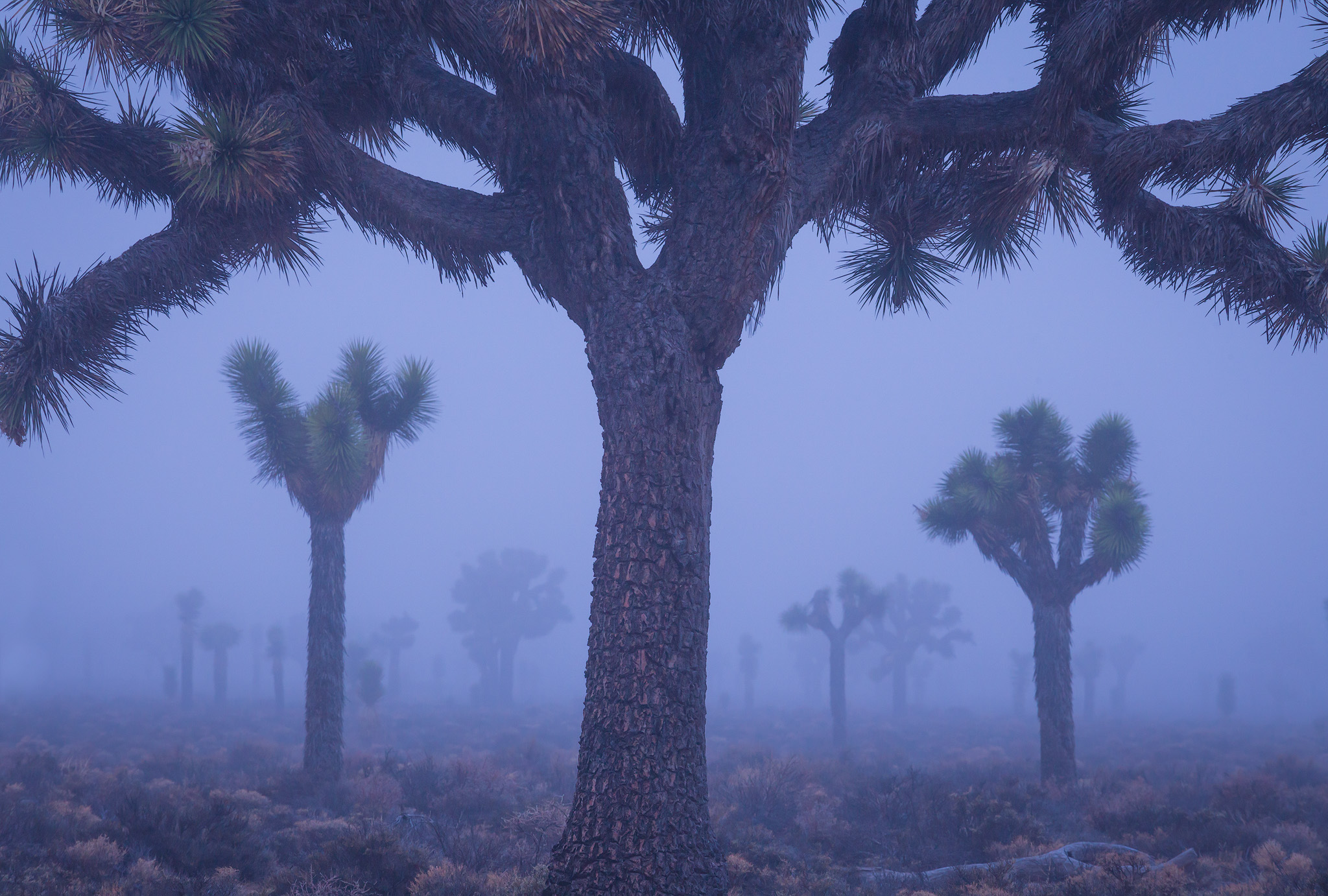
As my curiosity extended beyond this composition recipe, I realised that what beginning photographers learn as the “rules of composition” aren’t helpful in many situations, especially for photographing smaller scenes and intimate landscapes in nature, and often do not align with my visual preferences as I know them now. After finding photography resources on composition lacking, I turned to the field of graphic design and found a few concise, helpful books to point me in a new direction.