Issue 345
Reply



Do you have a favourite image that you would like to write an end frame on? We are always keen to get submissions, so please get in touch to discuss your idea. You can read all the previous end frame articles to get some ideas!
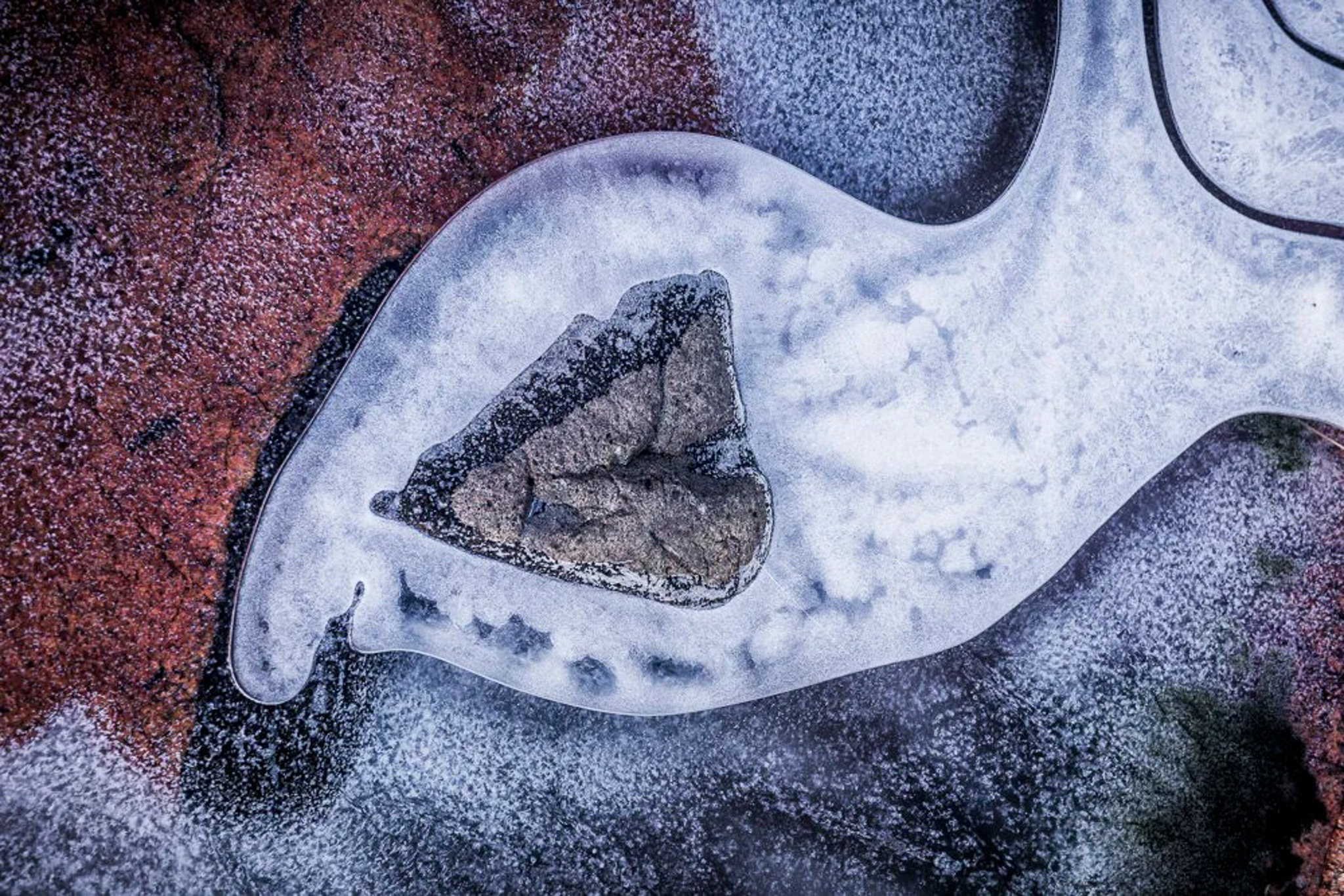
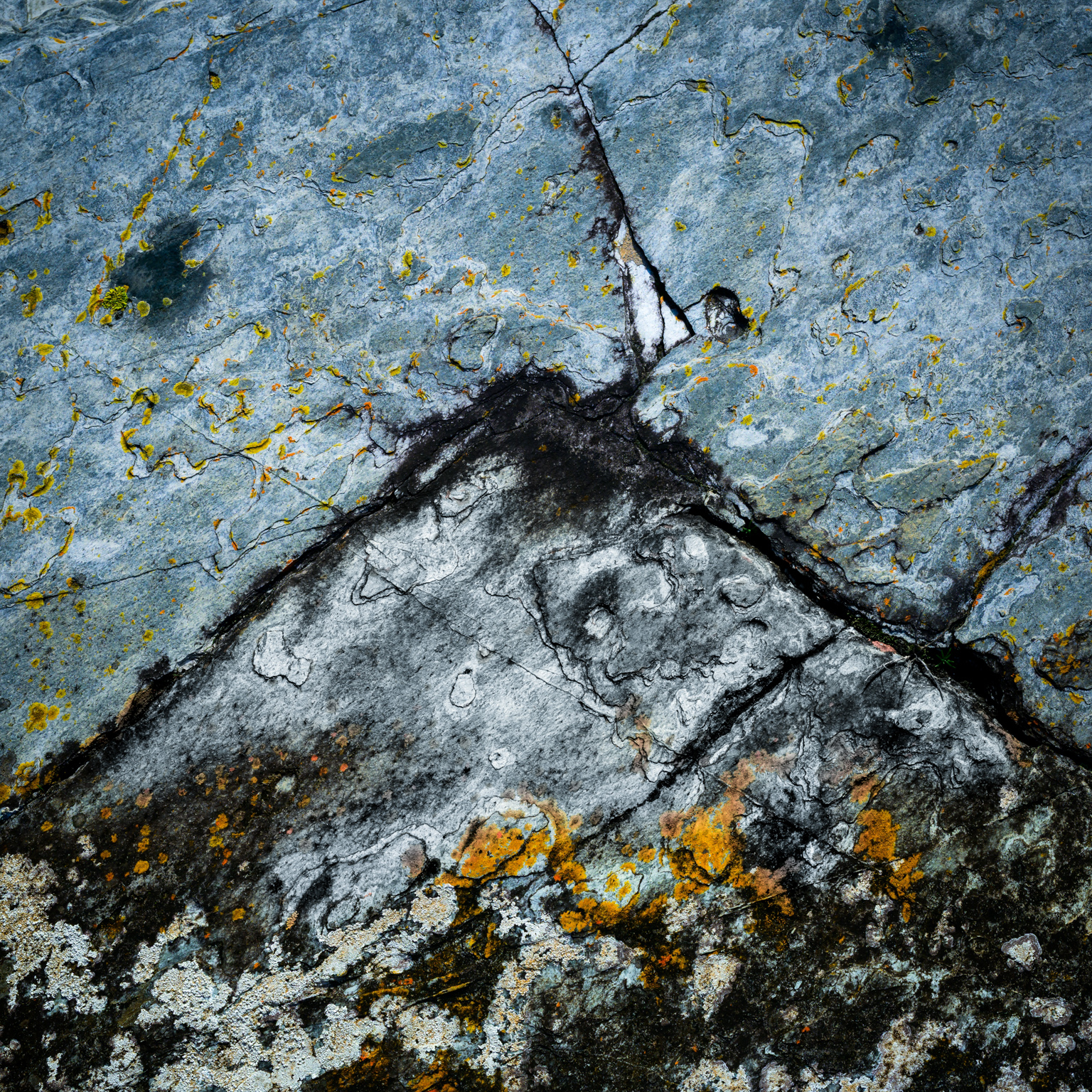
Within the realm of contemporary photography, few images succeed in evoking the profound sense of creativity in relation to the natural environment as effectively as this photograph by Fortunato Gatto. The image accompanying these words—a scene that some, at a first glance, might mistake for mere abstraction—stands instead as an emblematic example of how creativity can transform Nature into a work of art.
Fortunato Gatto, an Italian photographer renowned for a visual approach that explores the boundaries between reality and abstraction, knows how to capture that hidden “magic” within the simplest elements—ice, light, the composition itself. In this photograph, the detail of an icy surface transforms, taking the shape of a figure that evokes the animal world (many may see a swan or the silhouette of a bird). It is precisely this ambiguity that makes the photo a true End Frame: the shot not only freezes a fragment of reality, but also opens the door to imagination and personal interpretation.
Photographic creativity finds its ideal playground in close-up nature photography. Gatto’s choice to see beyond the visible, to search for lines and forms, to suggest stories that transcend simple representation, invites the viewer to establish a new relationship with Nature. The physical reality of ice is just the starting point for a visual narrative that could belong as much to science as it does to poetry. Behind this image emerges the photographer’s attentive work: observation, patience, and openness to wonder—qualities that should lie at the foundation of every creative process.
The last time Joe Cornish and I met up we were talking about Lightroom and how much it had changed since our original 'Creative Lightroom' series covering techniques and post processing creativity. We quickly worked out that it was in 2014, over a decade ago! After lots of comparing notes on the different techniques that we now use that just didn't exist then, we decided it would be a good series to resurrect. In order not to just repeat things, we thought it might be interesting to use each other's raw files as examples, and we quickly thought that our readers might also be interested in seeing how we process their files.
So we spent a couple of days working out a plan (in between going out taking photos) and we recorded our first episode and shortly after a friend sent a couple of raw files to me so we could get started on the second episode as well.
The idea is to walk through Lightroom in a real world editing scenario where we can break off and look at some individual skills. Just like in our previous Lightroom content, we might include some extra content looking at particular aspects of Lightroom (an example might be its ability to stitch images in panoramas, which has some definite 'gotchas').
For now, we both picked images taken recently and I let Joe go first.
If you have any comments on how you'd like to see this series develop, what sorts of images you'd like to see processed or what aspects of Lightroom you'd like us to cover, please let us know.
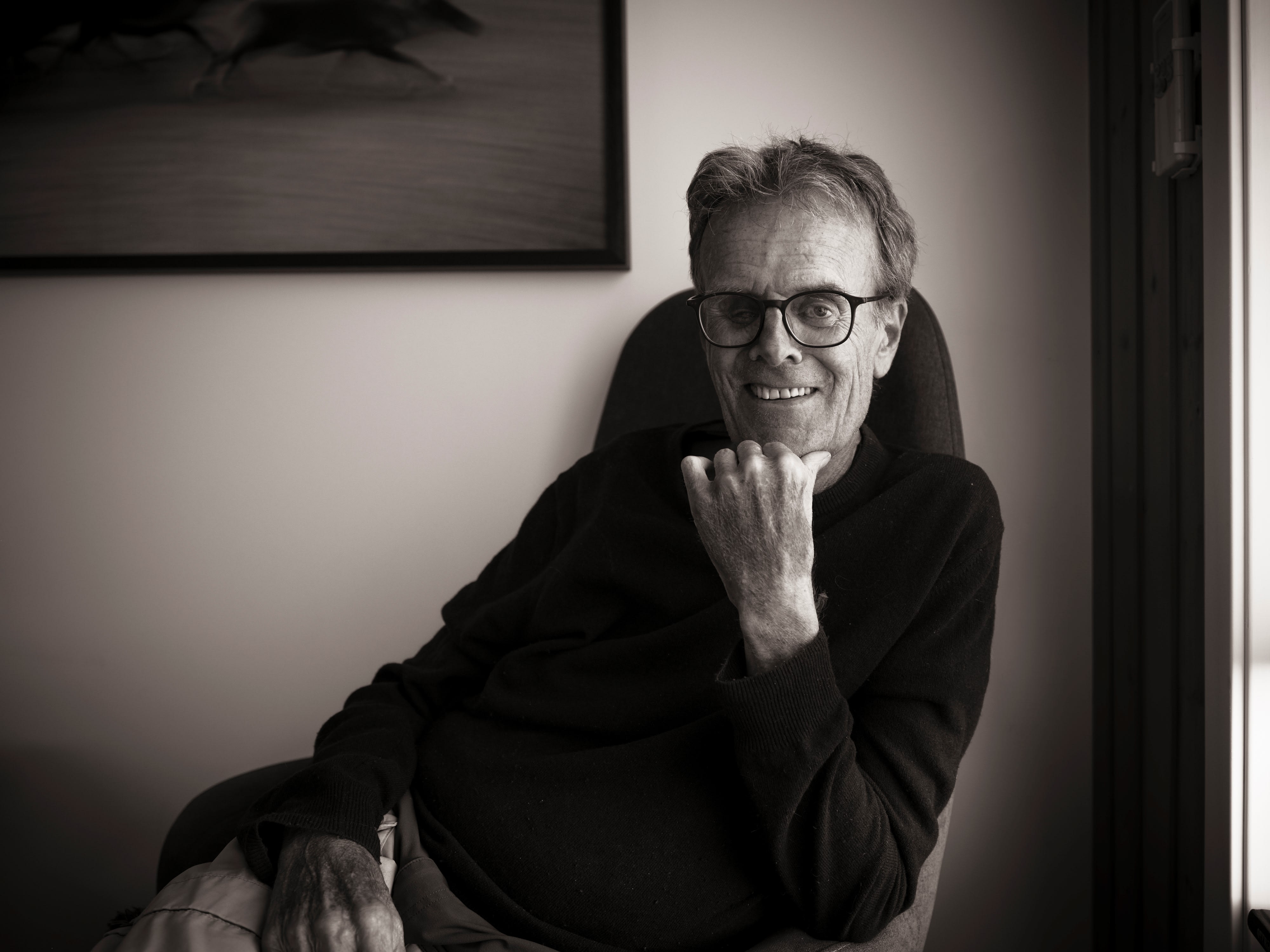
I’ve been meaning to complete this article for quite a while now, but it’s been difficult to complete for some reason. I don’t know if anything can be worthy of summarising a life, but I know I can describe the small part where our spheres collided for a while and ask some friends for a few words.
For those who don’t know Trym Ivar Bergsmo, I suggest a look at the Featured Photographer interview we had with him in 2018.
The Norwegian art world tends to look inward, and so we don’t tend to hear about the people making significant contributions beyond its borders. People won’t know even the most famous painters' names, like Johan Christian Dahl or Peder Balke, and so it is even more so with the photographers. And yet the work they produce belies this. Yet, for the lack of credit outside of Norway, the country supports and nurtures its own creatives very well, and Trym made significant contributions to the National institutions.
It’s easy to say that without his illnesses, he could have contributed so much more, but what we are defines us, and who is to say that Trym wasn’t the sum of all his parts? I digress. The goal of this article is to mention a few ways Trym touched the lives of some of the people I know. If you have any anecdotes or memories about Trym, I’d love to hear.
I first met Trym at our On Landscape “Meeting of Minds” event. He left a message through Pete Hyde that he’d like to say hello. Our conversation was easy, warm; he paid a genuine compliment to the event, then invited Charlotte and me to stay with him in his “small shack” in Lofoten. I couldn’t remember his exact words, but that was the impression he left. We thought it was just one of those things people say. After chatting online over the next year, we had another event and another chance to meet up, Charlotte and I finally took him up on the offer.
We stuffed our photography gear and climbing kit into oversized, overweight luggage, flew to Norway in September 2019, and drove up to a thin spit of land at the bottom of the Lofoten archipelago. We were looking for a little old shed somewhere, but got hopelessly lost among a cluster of strikingly modern houses overlooking the fjords. We rang Trym. He laughed and told us we’d already driven past his house twice, and he was waving at us.
The “small shack” turned out to be a beautiful, modern home with jaw-dropping views across Vestfjord toward the south coast of Lofoten. It was quintessential Trym, modest in wording but grand in gesture. He had cleared his schedule for our fortnight's stay. On day one, we tried (in vain) to find a climbing guide, but they all stopped working in September. So we decided to spend a couple of days at Paradiset near Henningsvær, tentatively climbing on our own.
When we realised easy climbing opportunities were limited, we drove back the next morning through spectacular autumn scenery. Trym greeted us with a grin and asked, “We have the most amazing weather forecast for the next ten days and it’s peak autumn. Would you like a tour guide for the week?” We didn’t hesitate.
What followed were days that combined some of the most stunning views I’ve ever seen with nearly constant conversation with one of the most inspiring people I’ve ever met. Trym’s driving was nothing if not adventurous; his approach to life and the landscape was steady, curious, and deeply respectful.
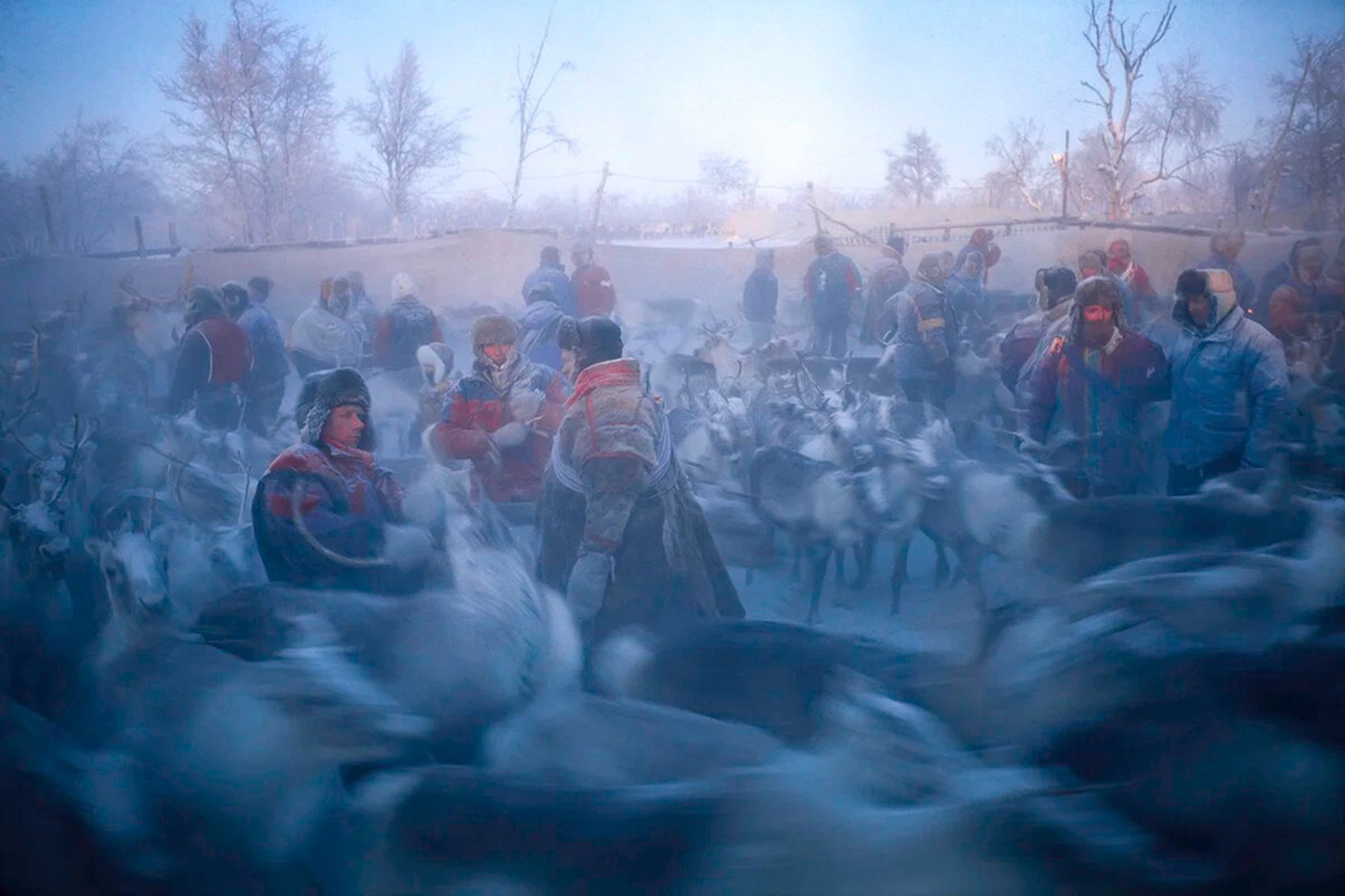
We spent a couple of evenings with his family, sampling local delicacies (some better left unspoken) and talking about everything, from photography, light, memory and place, to the subtleties of culture and the quiet power of the Arctic north [check out Trym's more journalistic work about the Sami people here].
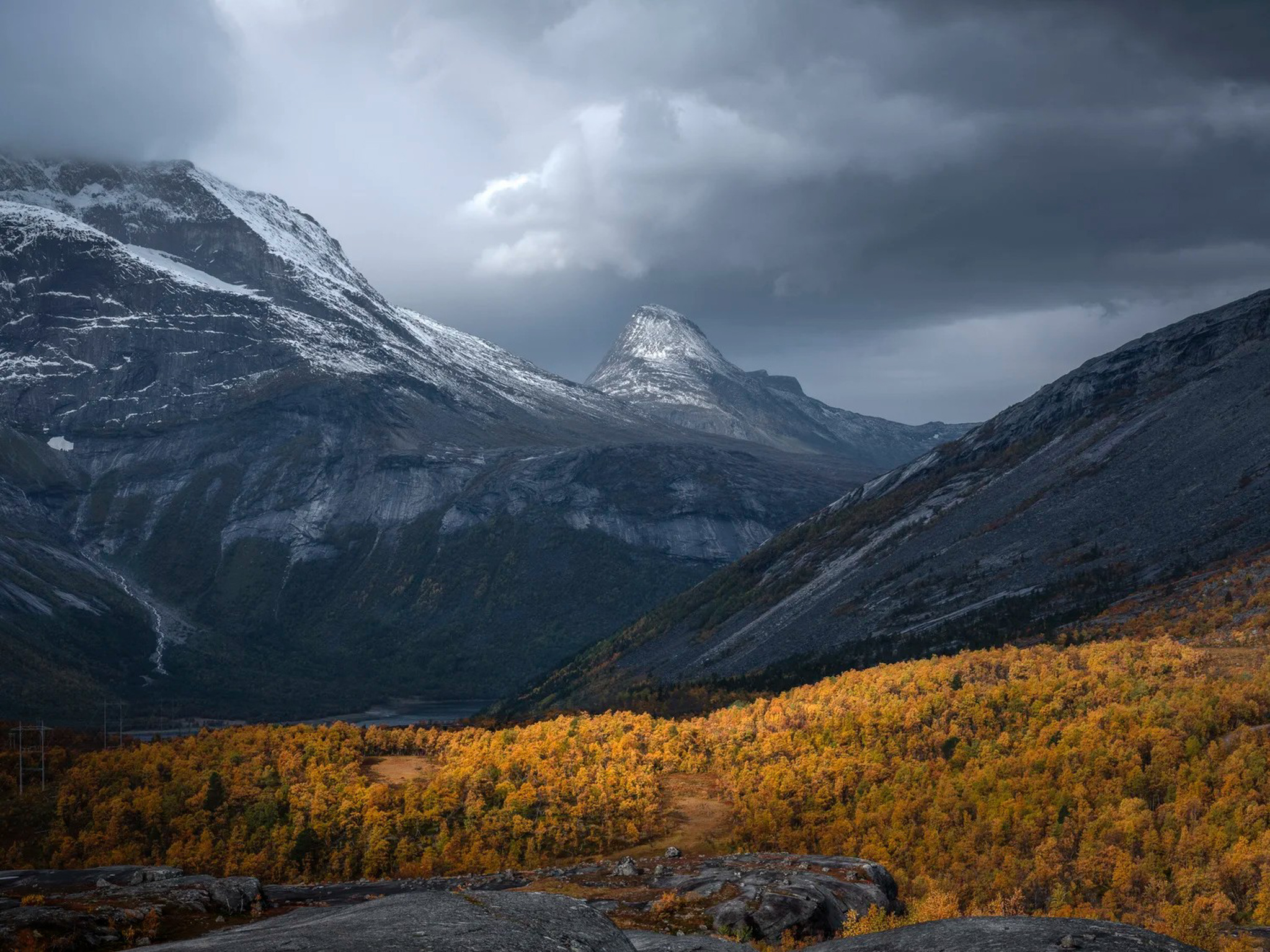
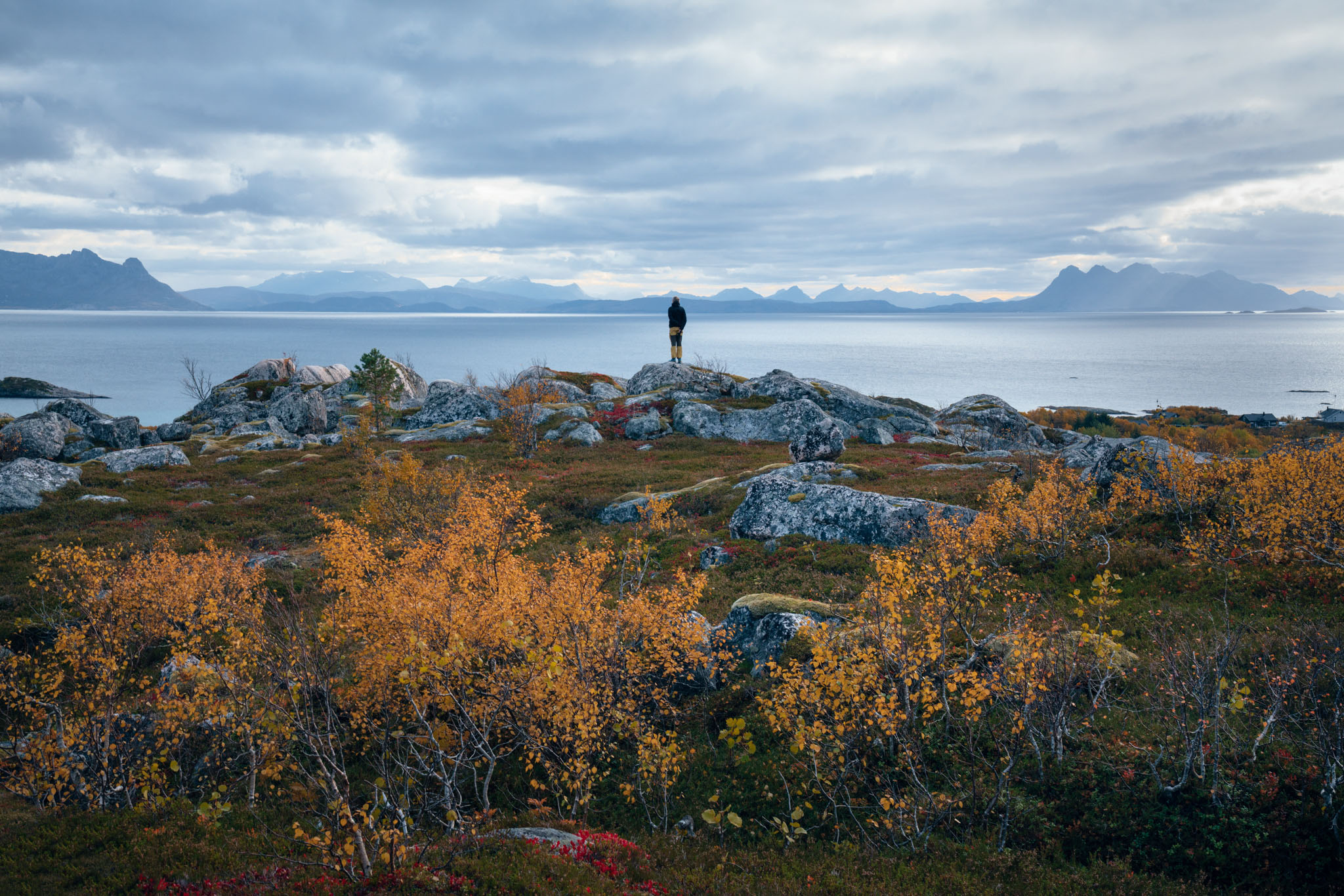
But the real highlight for me was being taken to places off the beaten track - private roads Trym had access to and hidden viewpoints of Trollfjord reached by secret back roads. It felt more than just a photo trip; it was like sharing someone’s deep relationship with a place. He had spent more than three decades photographing the landscapes of his home: mountains, forests, shorelines and the distinctive light of Northern Norway. He was unafraid to explore the Arctic, Greenland, Iceland - but he always returned to where he felt most himself. I left a piece of myself behind in Lofoten. On one of our walks near his house, I took a photograph of him - back turned - contemplating his land. I think I caught a moment of him at peace.
We stayed connected after that trip, friendship sustained through questions, comments, shared photos and stories. Then Trym disappeared for a while. Nearly a year later, he got in touch to tell me how he had suffered from Covid. He’d had long-standing health conditions that meant he was particularly susceptible to illness.
The Covid infection meant hospitalisation, induced coma and ongoing support. Complete recovery was far from guaranteed. Among our later conversations, I sensed a conviction: he was on a mission to close out a range of projects he’d had in mind. His final exhibition and his book My Land felt like an epitaph to a life lived with purpose and place.
I was deeply sad that I couldn’t make it to his exhibition, and sorry I didn’t get to meet him again in person. But I can still live in my memories of our time together and the lasting legacy he left behind, which everyone can experience through his book “My Land”.
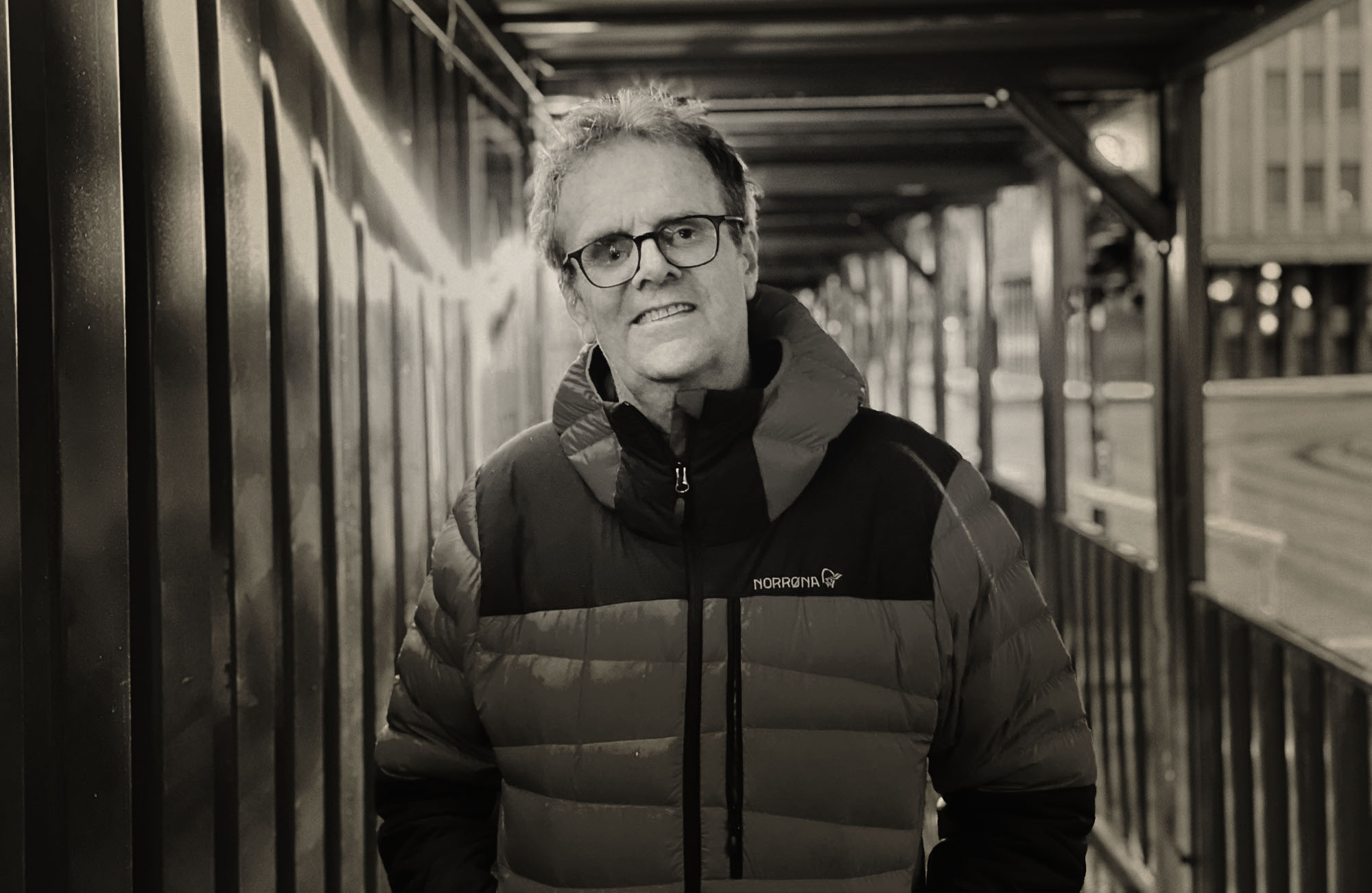
Sadly, for me, I really only had the privilege of spending any length of time with Trym once, in February of 2024. We led a winter workshop together in the wondrous Norwegian Arctic landscapes of Lofoten, Vesterålen and Senja. Before then, we had three days of photography and conversation together at his beach house in Lodingen as winter storms raged and we wondered whether our group would ever manage to arrive on time.
By the end of these experiences and our workshop, I felt I had a friend for life. Which was true. What I couldn’t know was that Trym would lose his in October of the same year. A week before he left us, I had an email from Trym explaining that his health problems had “woken up”, as he put it, but he was still looking forward to the next workshop together, scheduled as it was for February this year. As positive and cheerful as always.
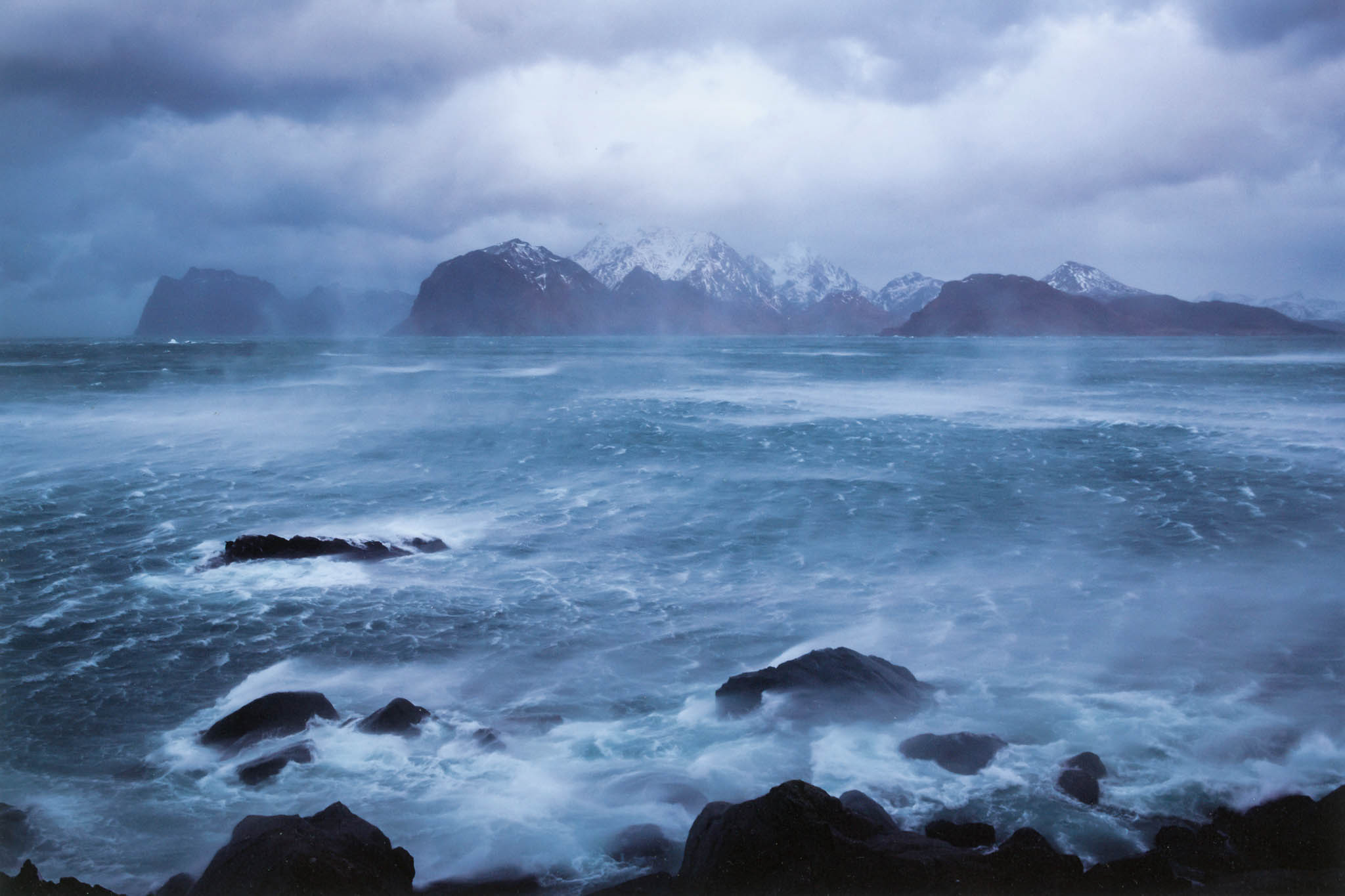
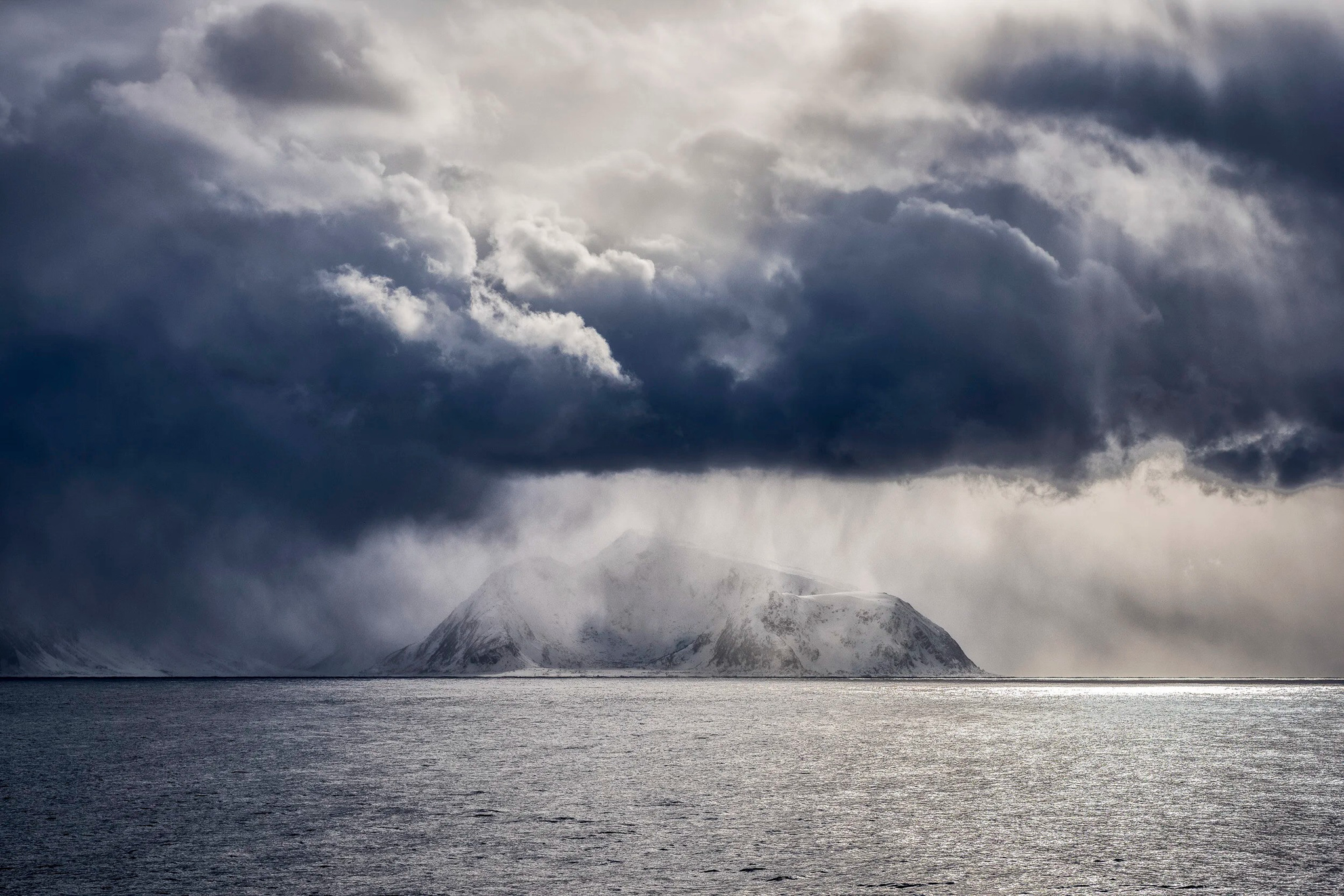
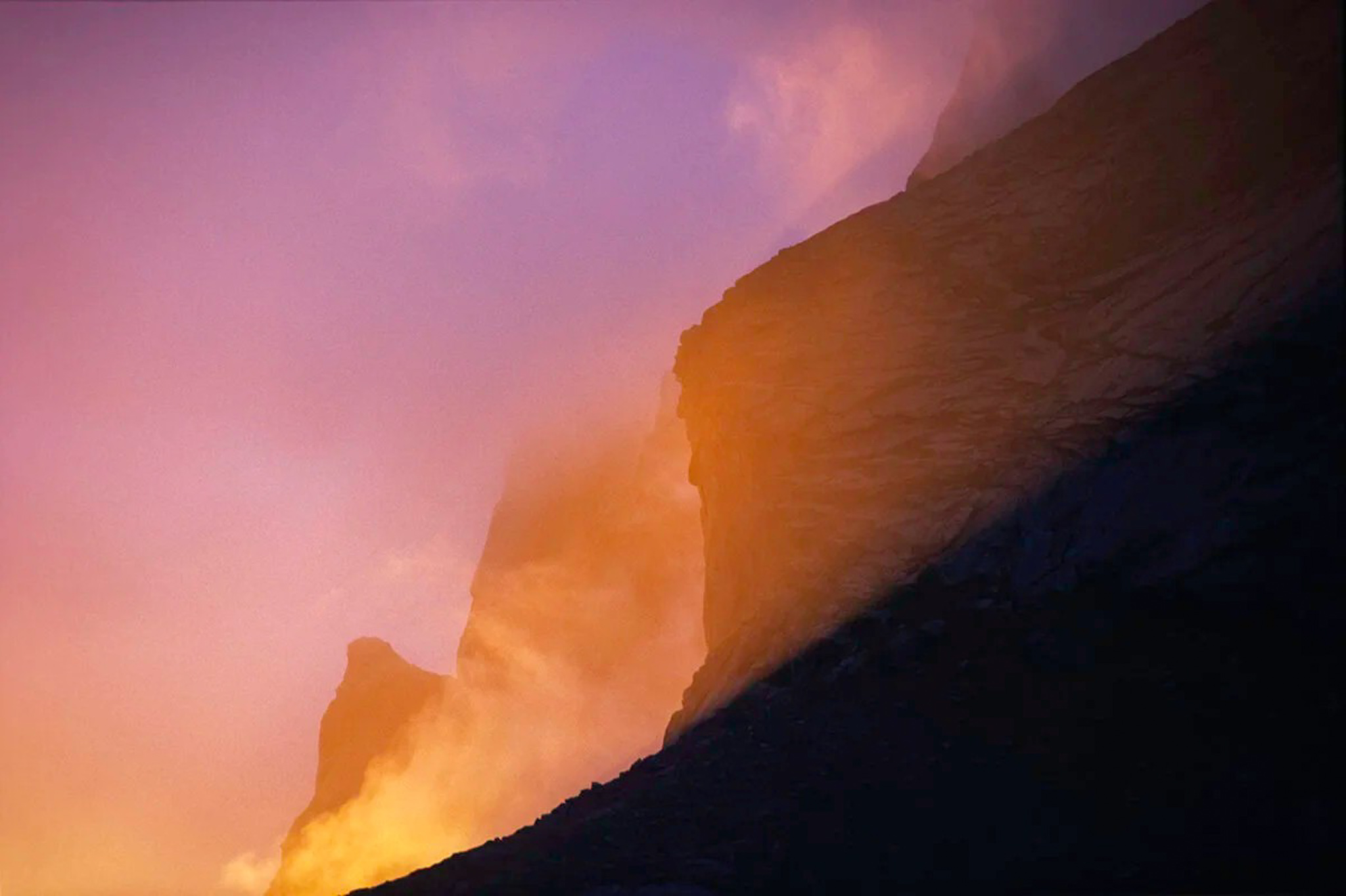
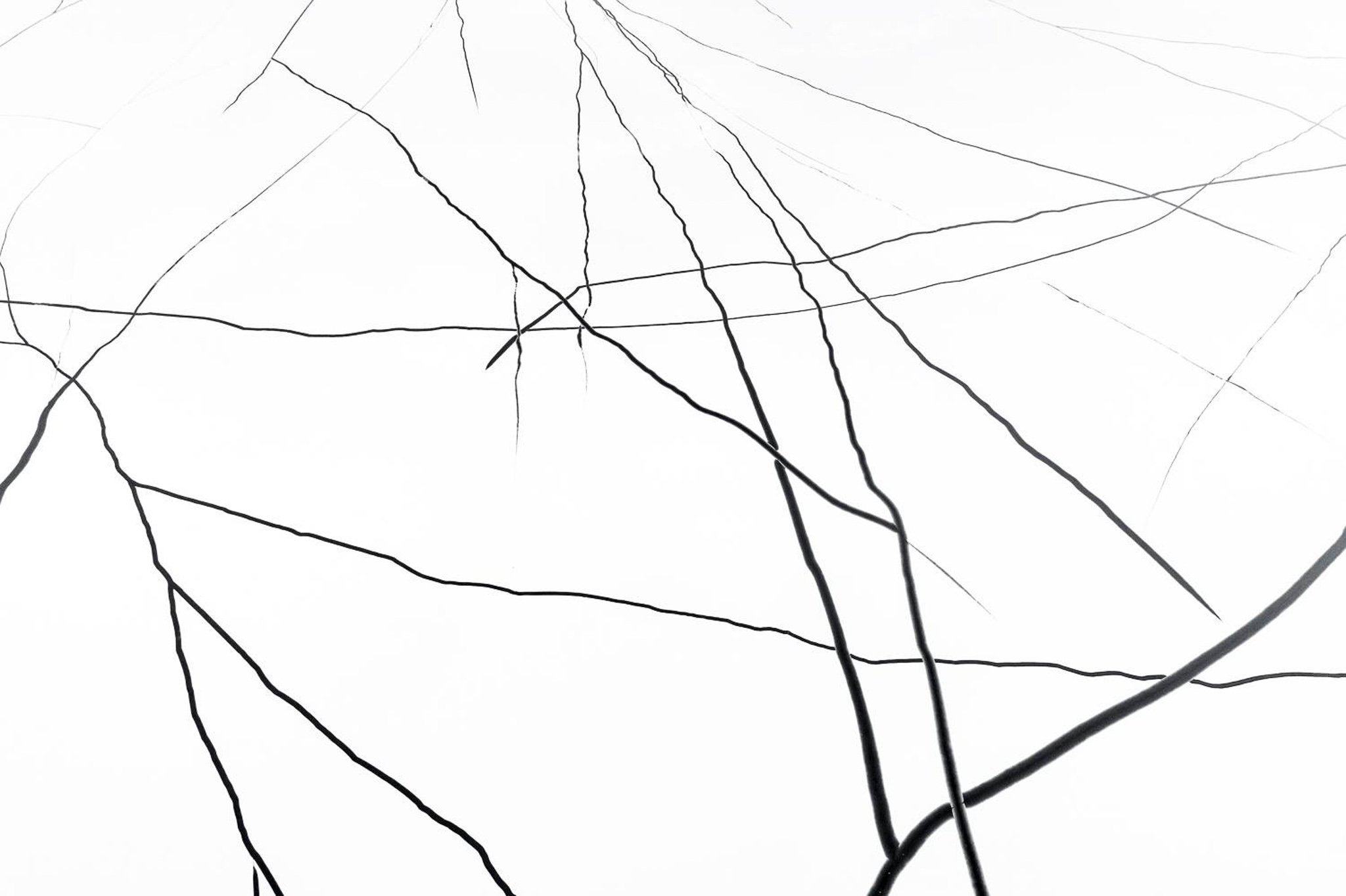
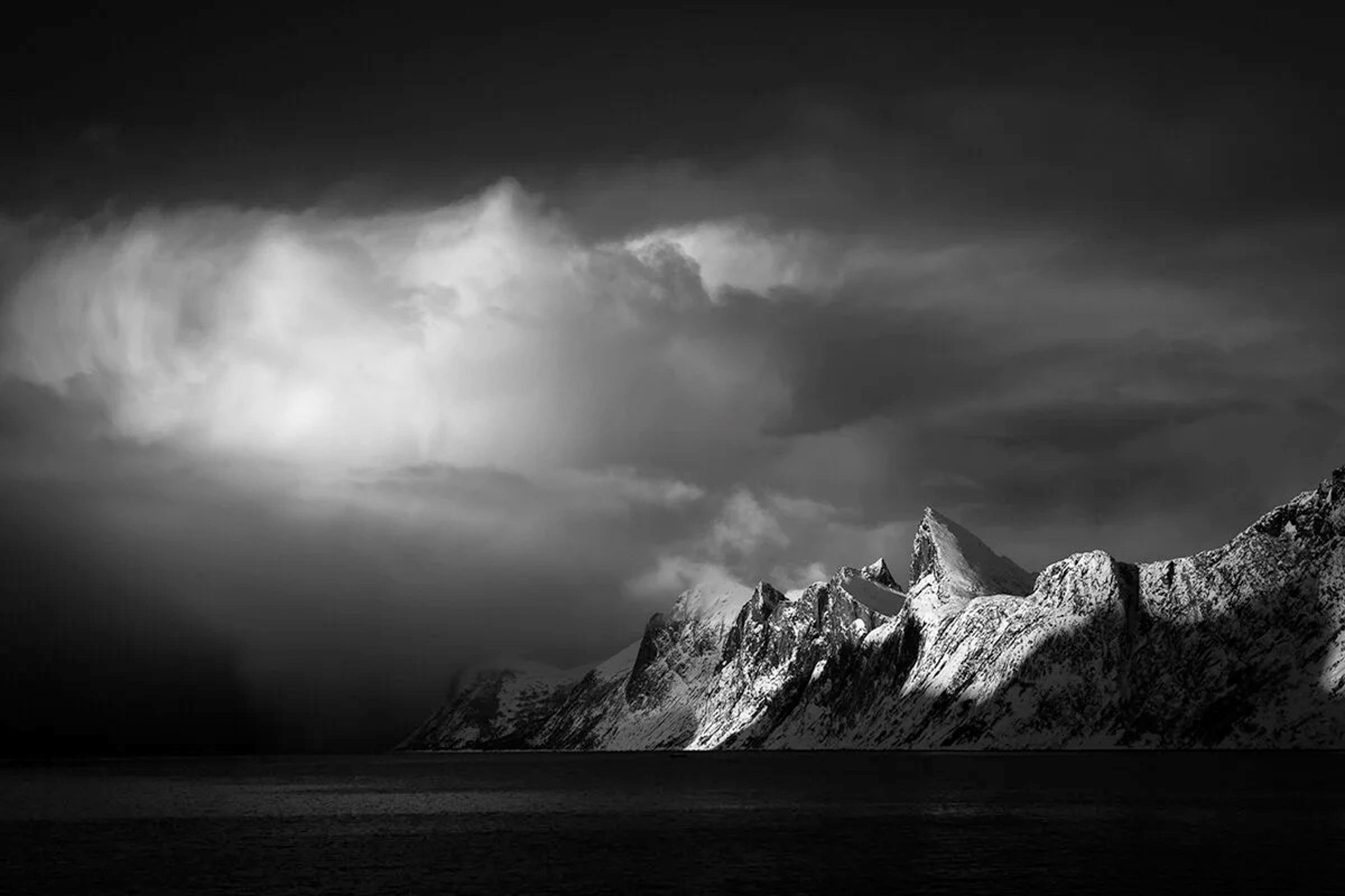
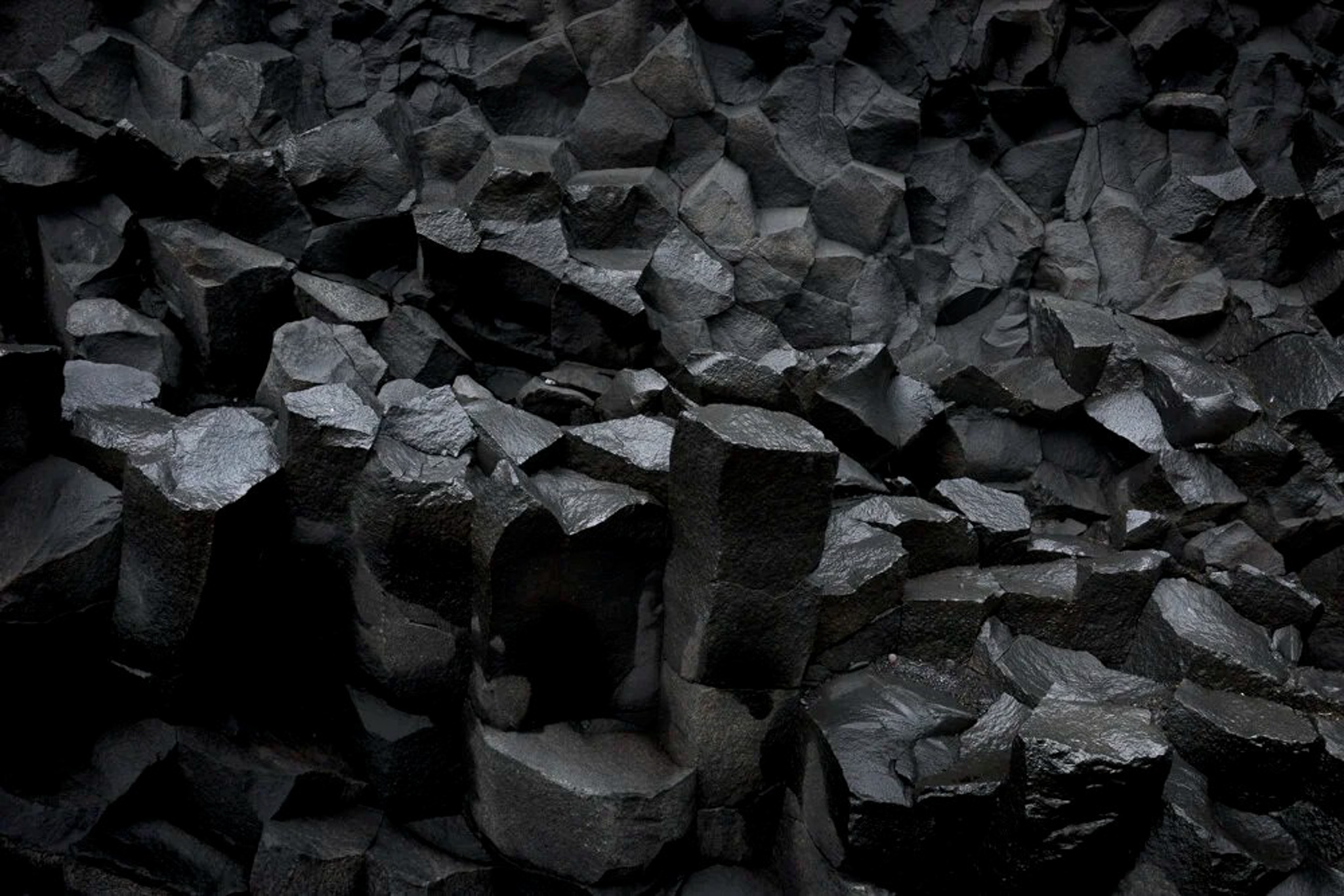
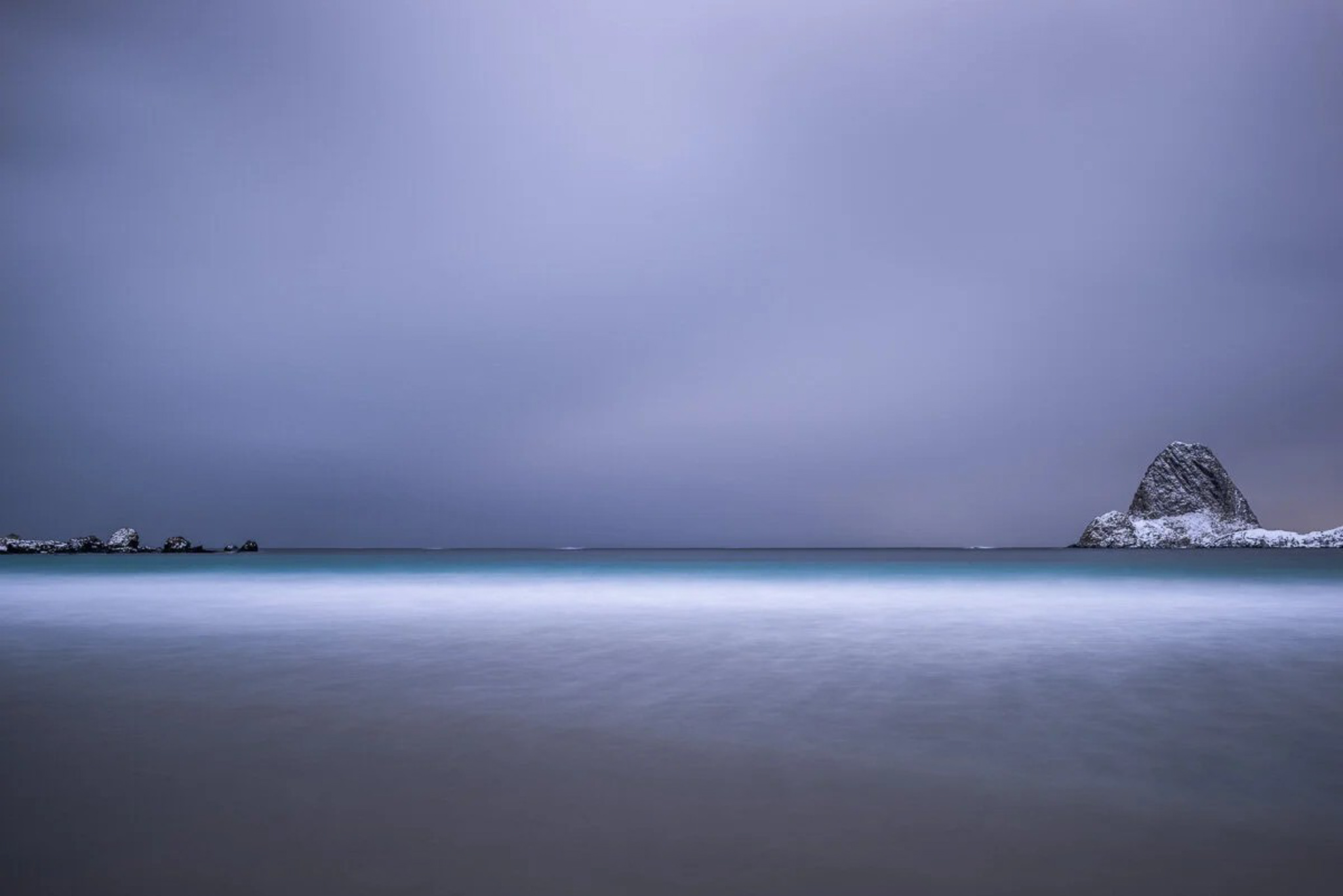
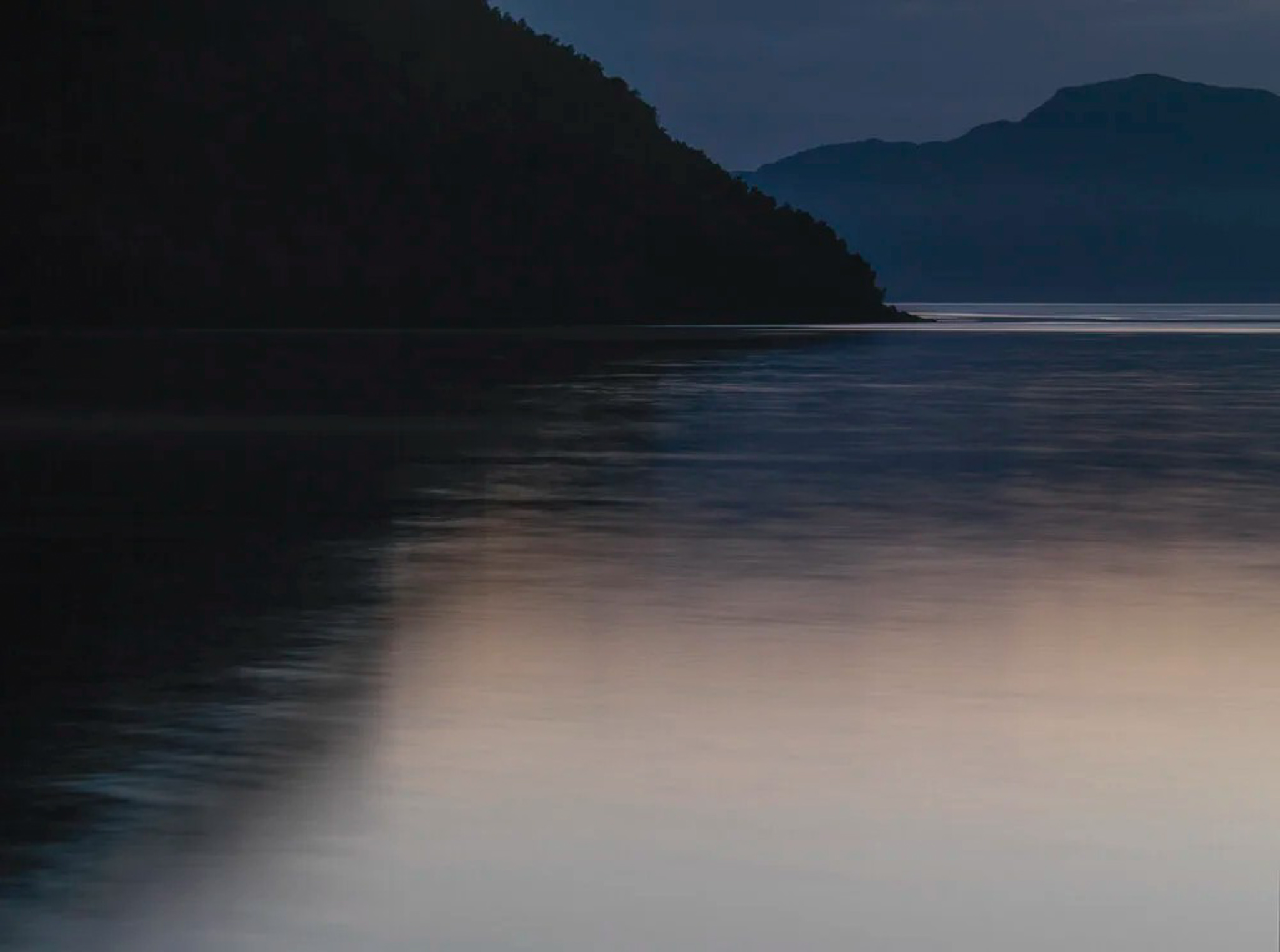
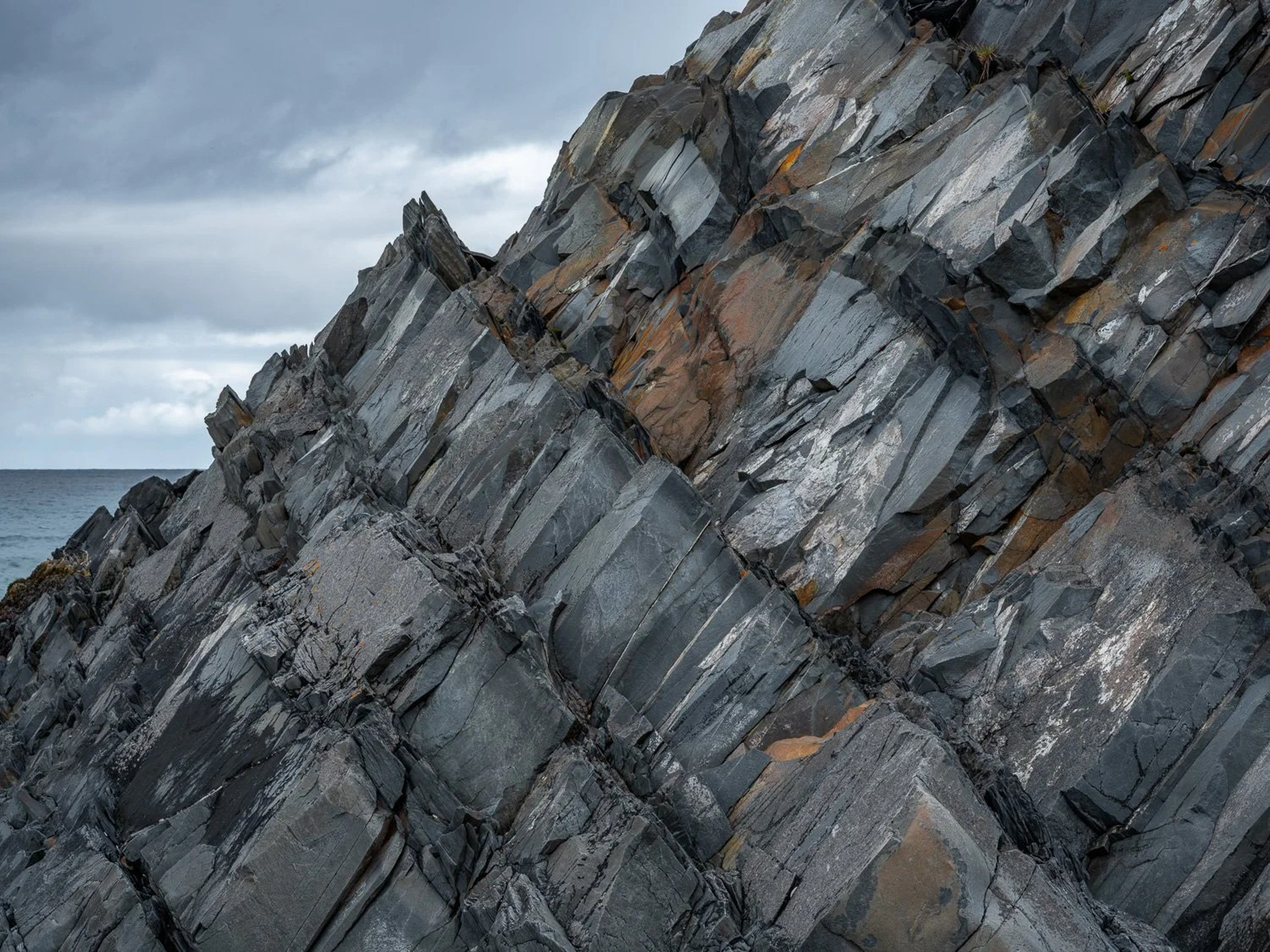
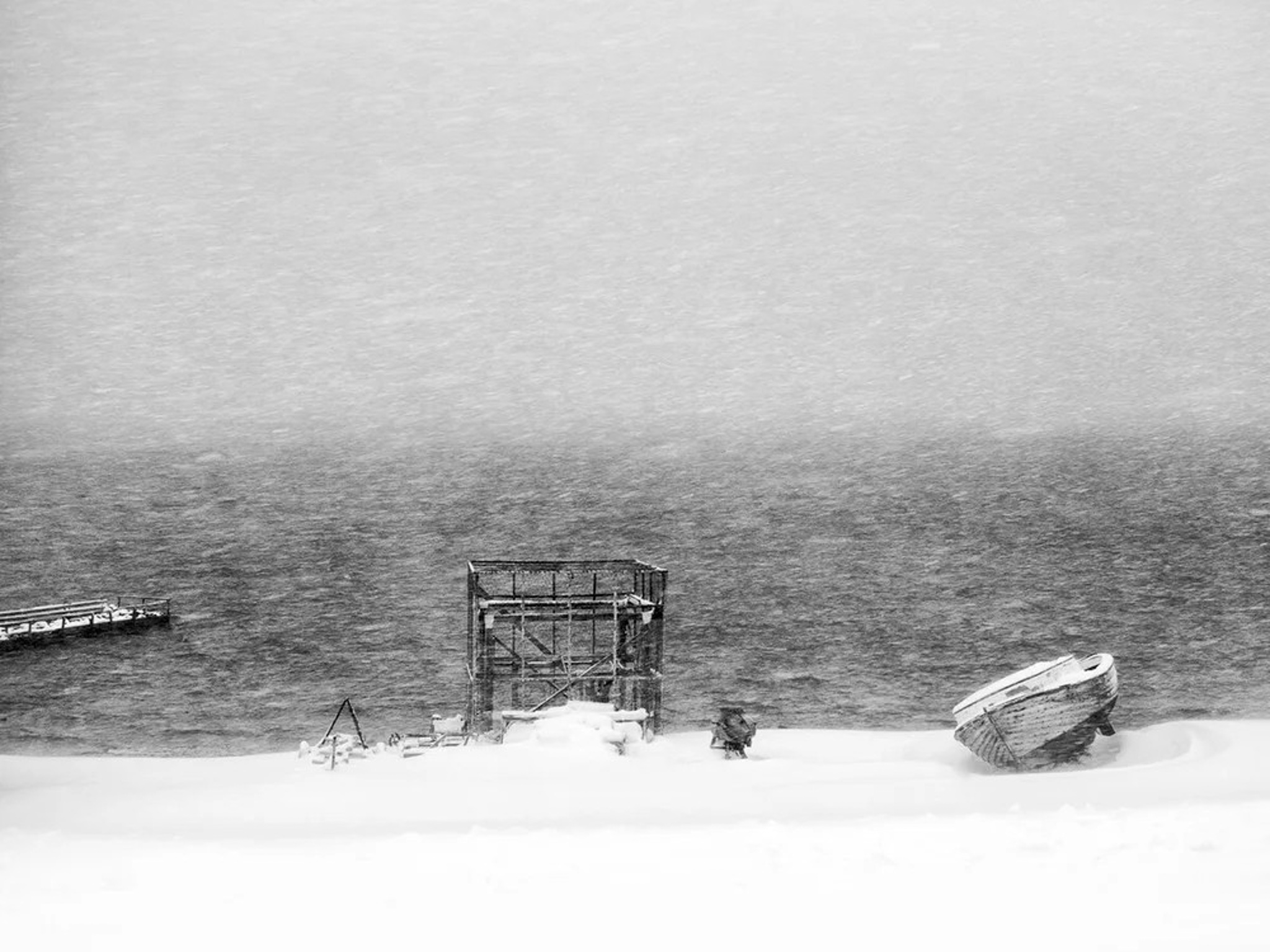
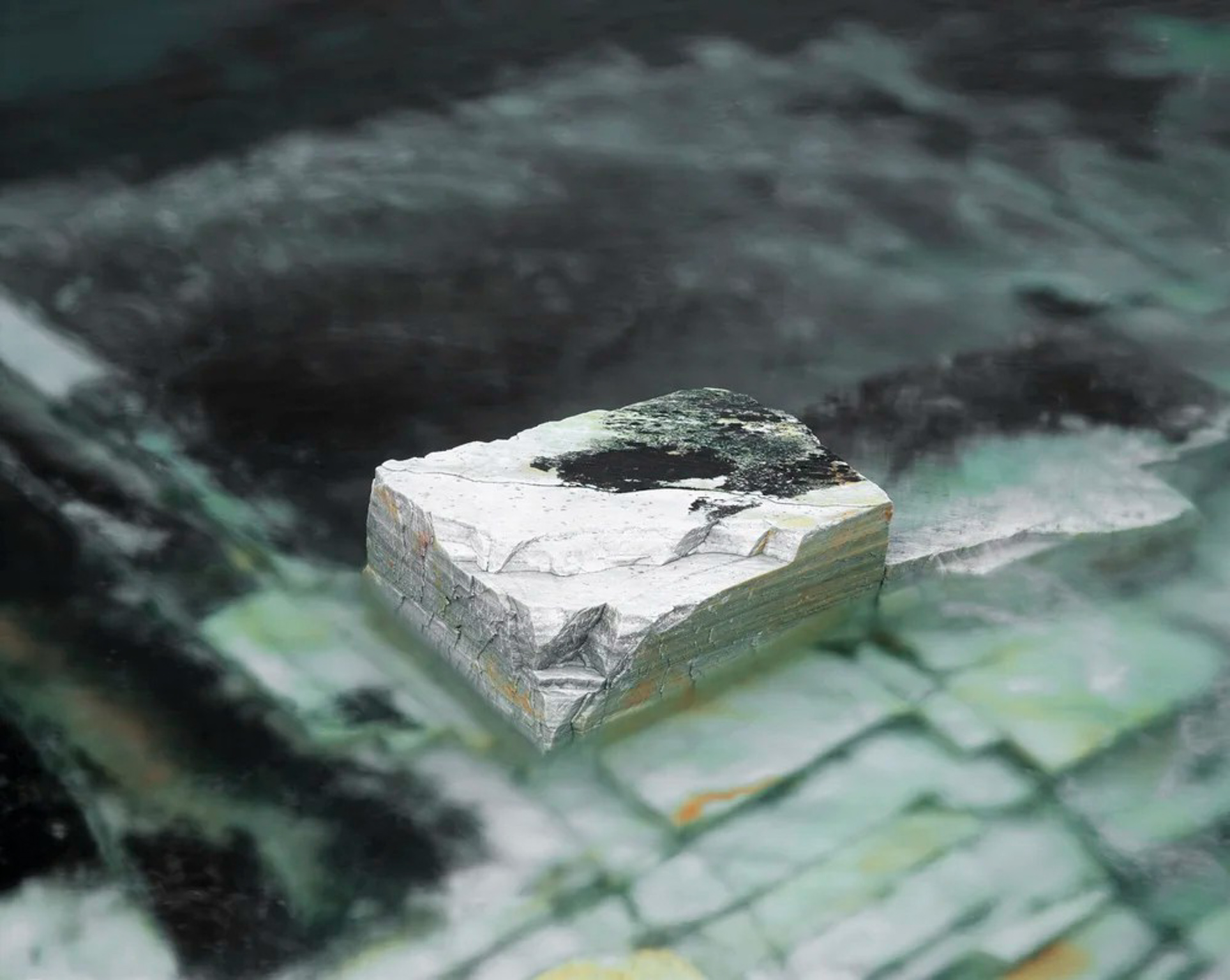
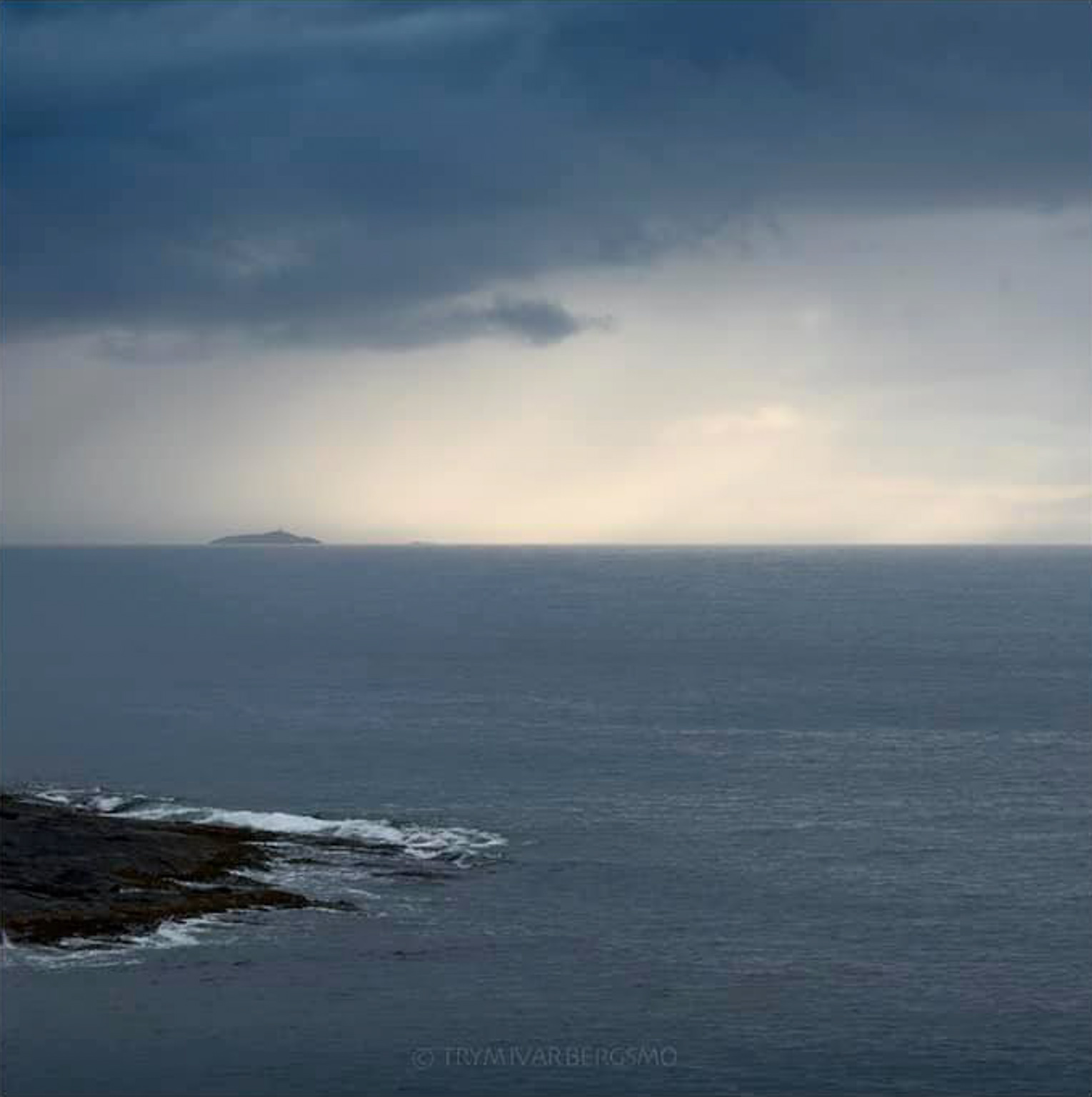
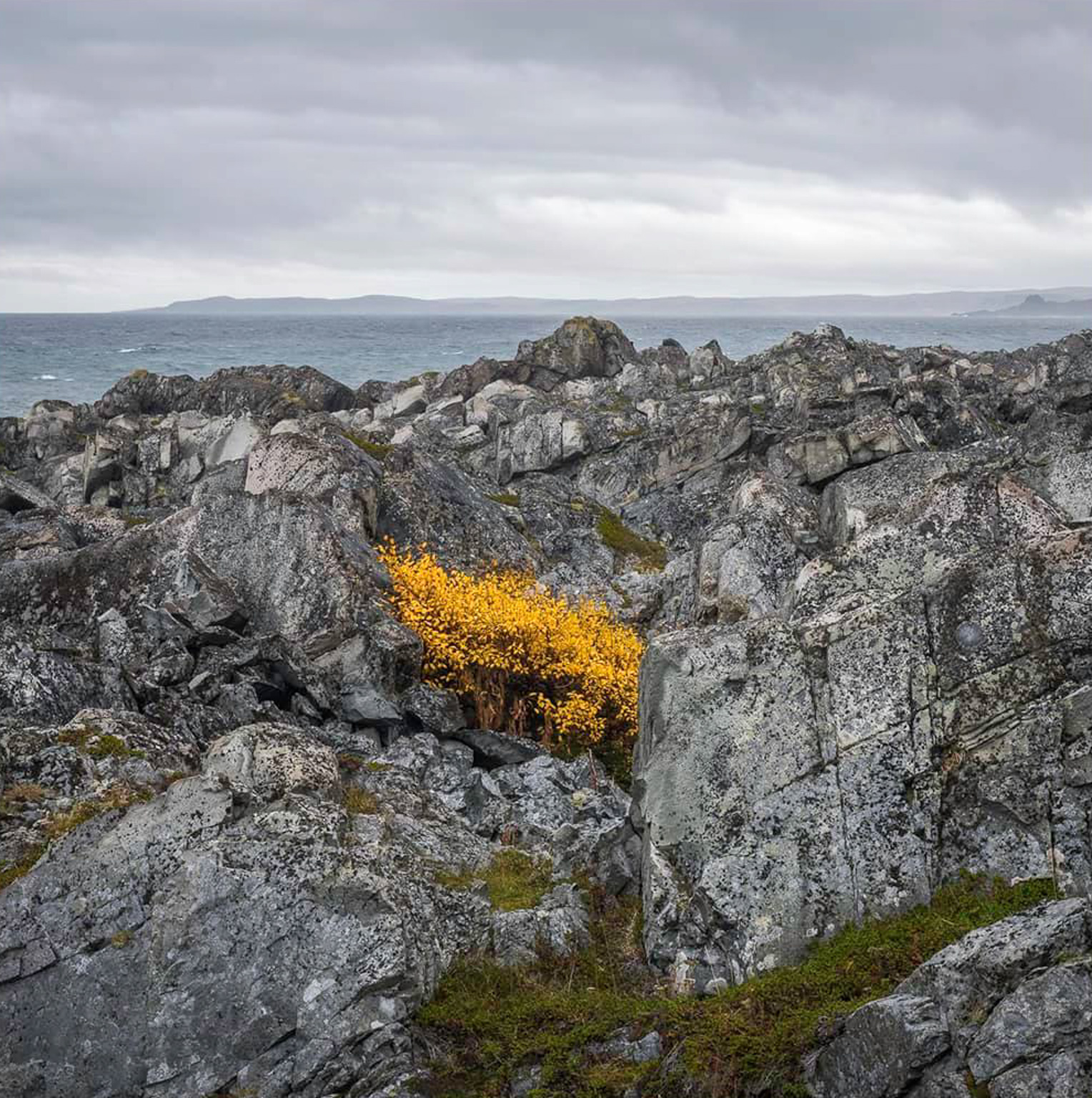
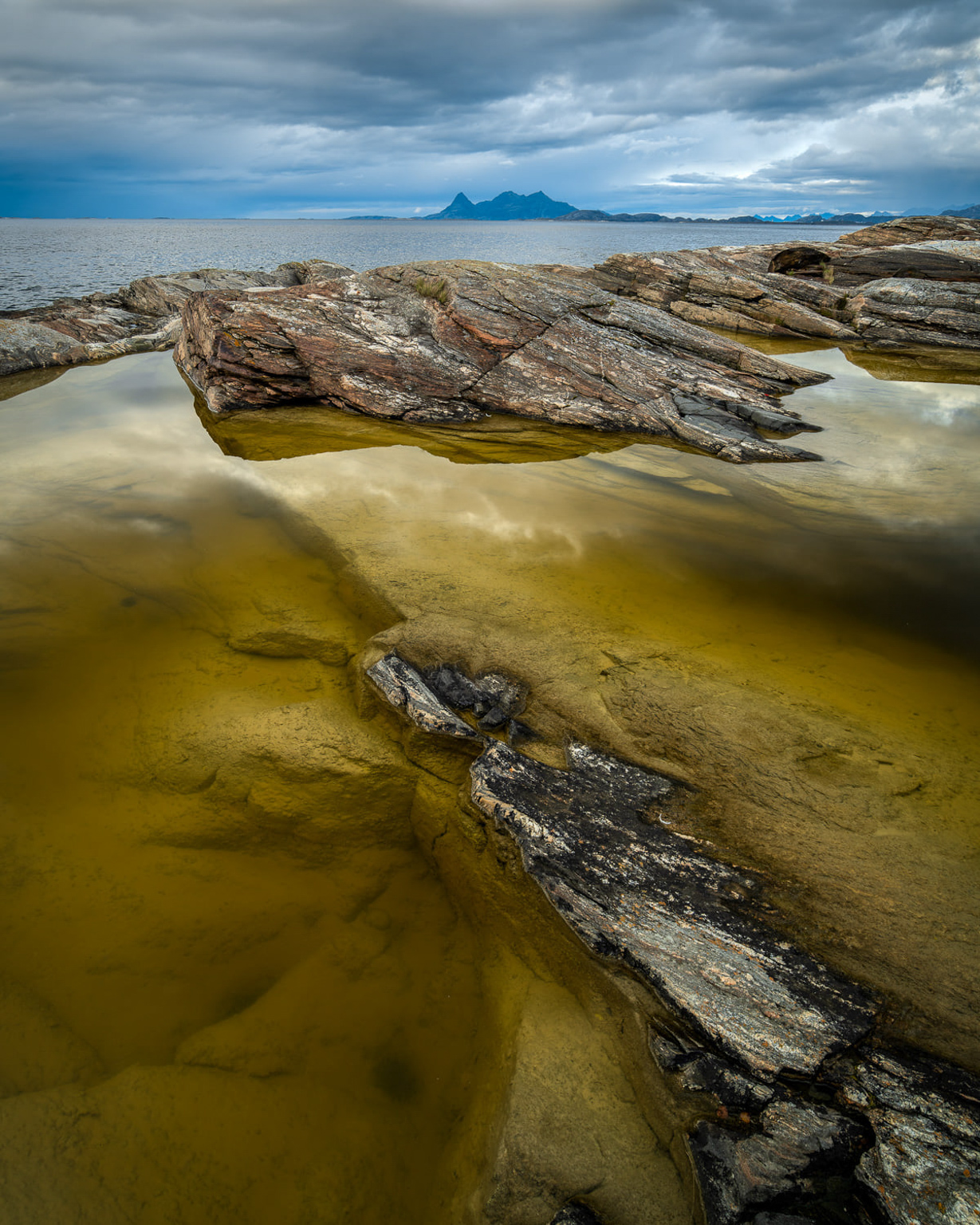
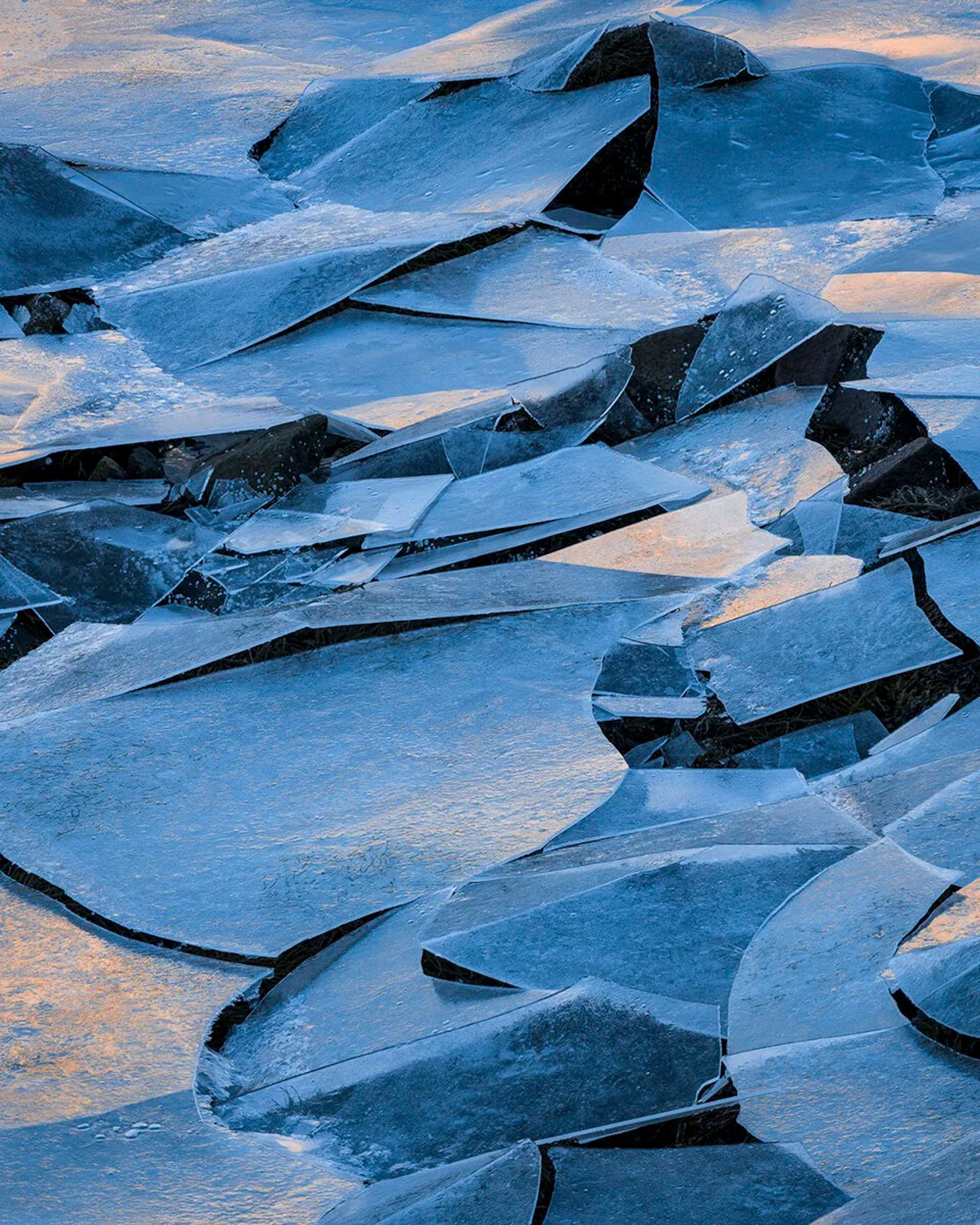
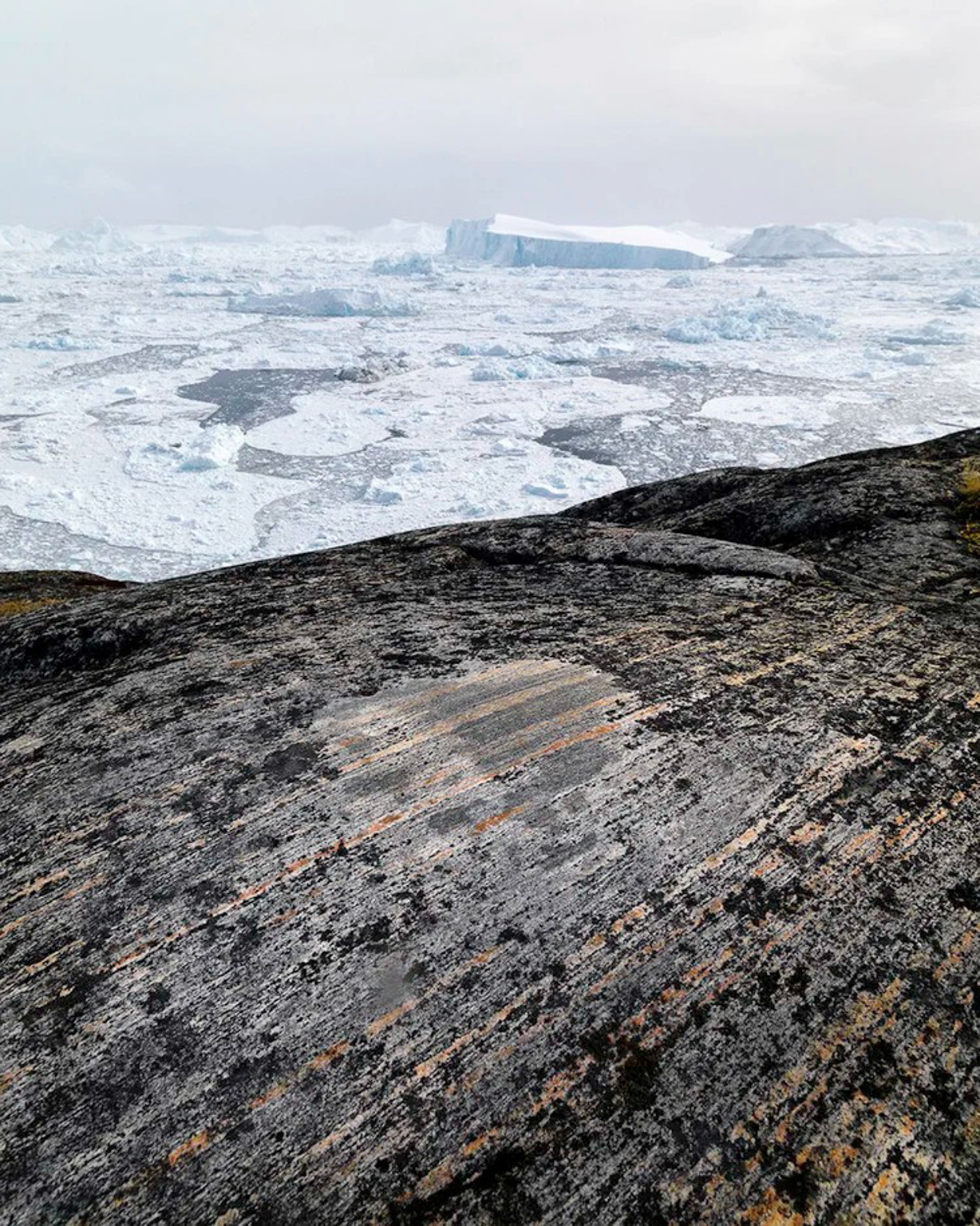
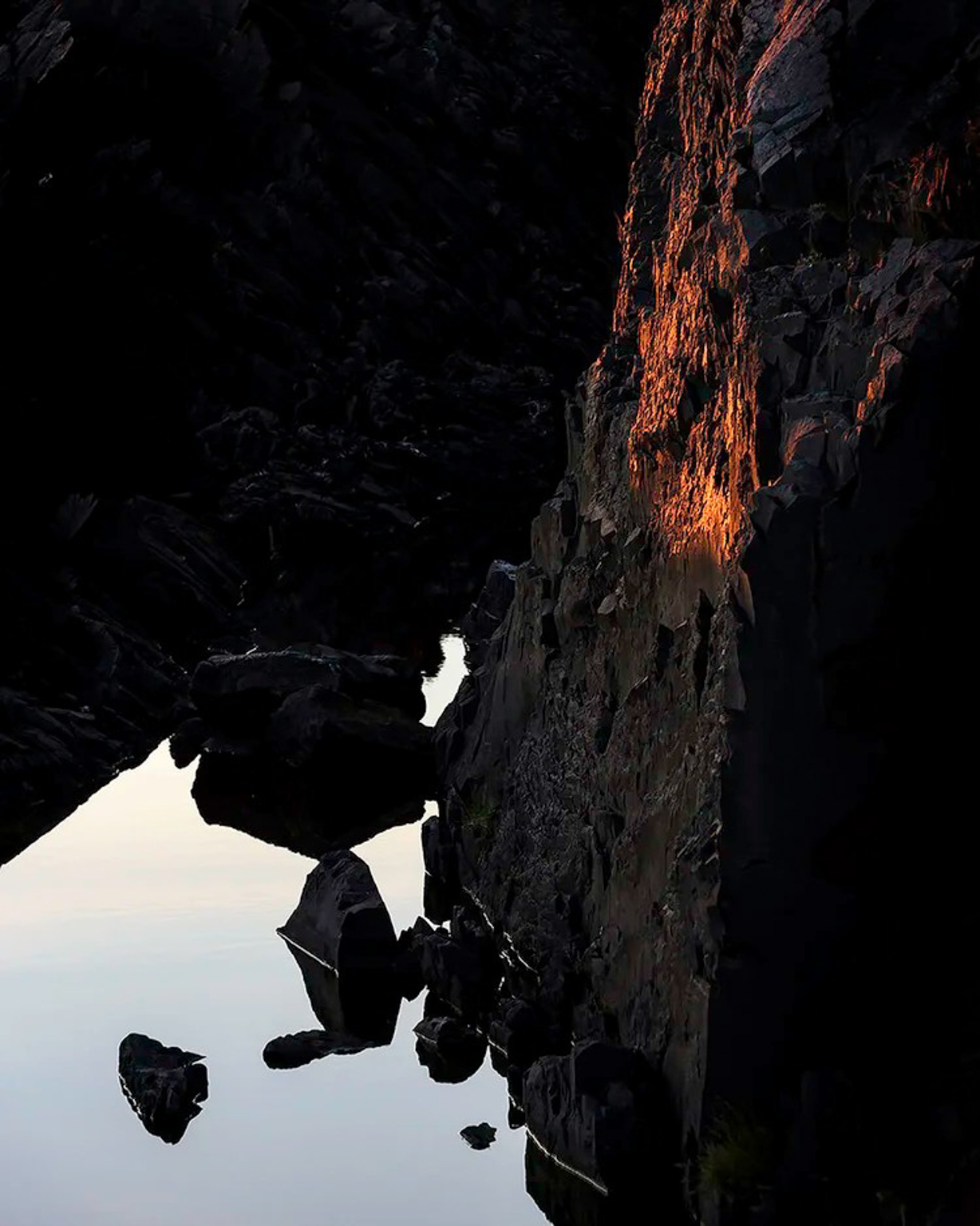
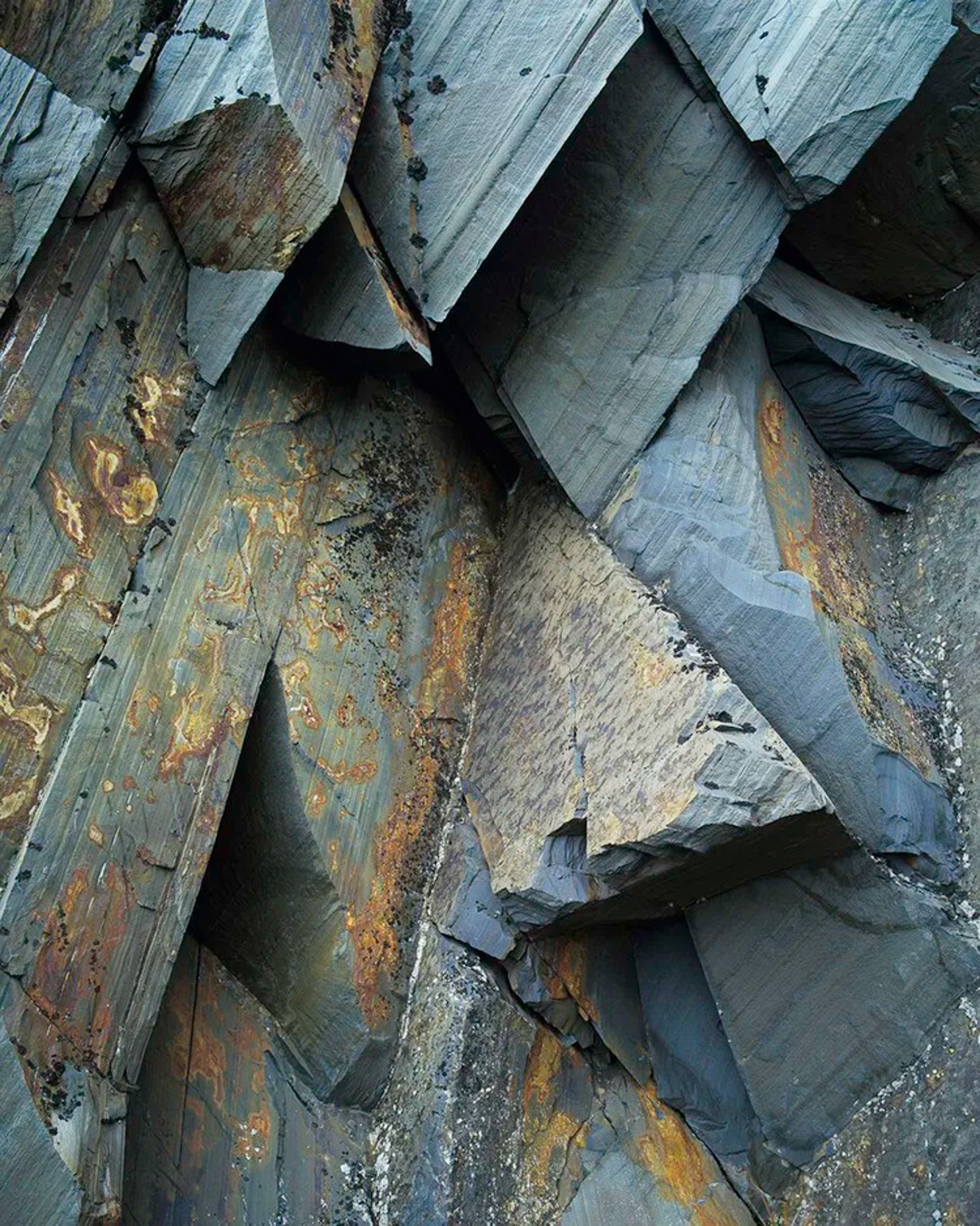
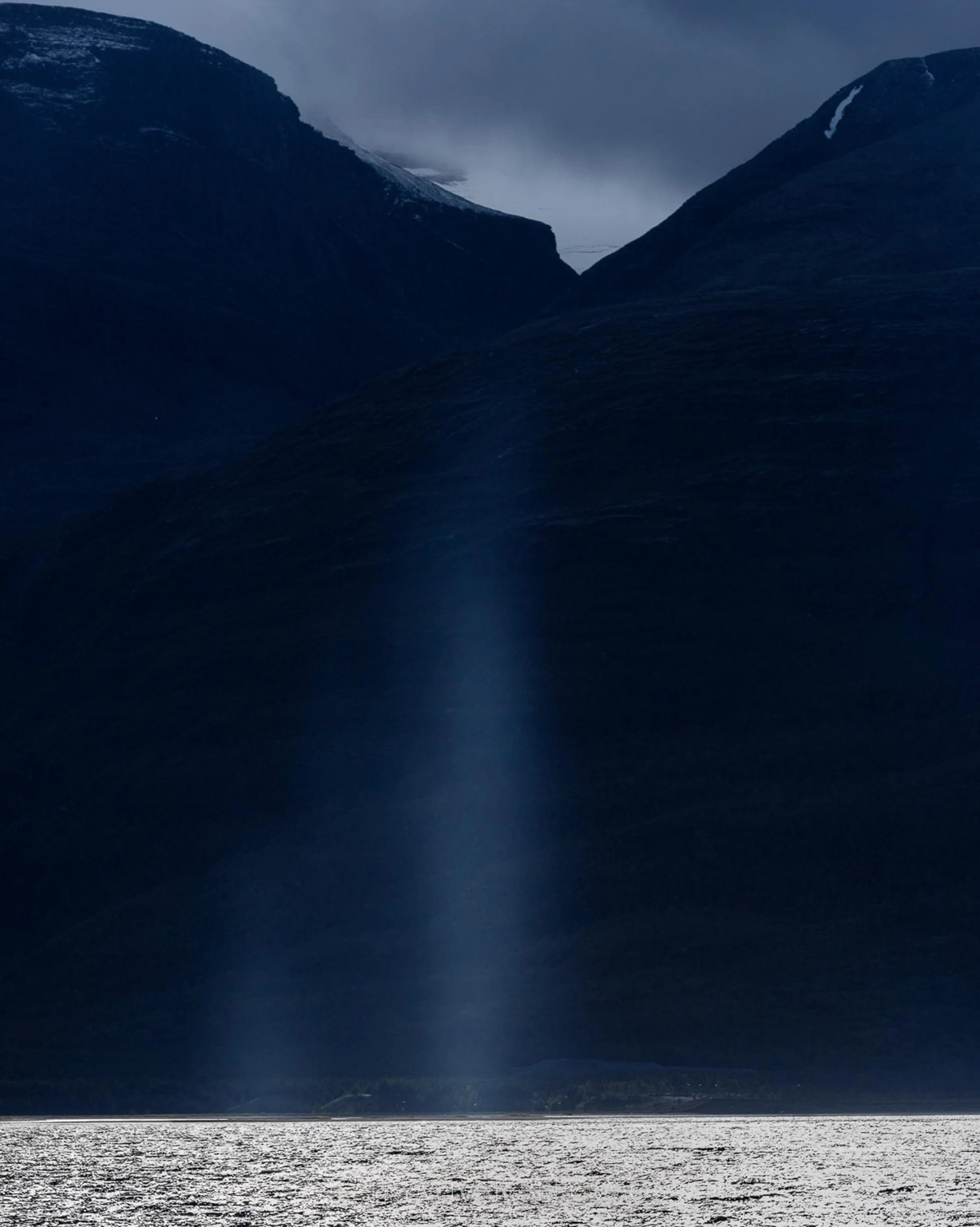
As a photographer, Trym’s body of work from Arctic Norway was distinctive and personal, revealing glimpses of his inner world as well as the outer one. It also reflects his experience as a young working photographer, professionally trained and knowledgeable about and loving of film's unforgiving characteristics. As a result, he had the instilled discipline of working to a brief and problem-solving, in addition to his deep well of artistic instinct. The pictures reproduced with this article show the range of his ideas, his feeling for the polar darkness, and the elusive mystery of Arctic colours. His seeing voice was – is – unique in photography.
Arild Heitmann alerted me to Trym’s passing. In the correspondence that followed, I wrote: “A great photographer with a unique, deeply felt connection with the physical world and the particular properties of the Arctic landscape of your home. But more than that was his empathy, kindness, and openness. Trym was one of the best people you could ever hope to meet.”
Among landscape photographers across the world, he will not be forgotten.
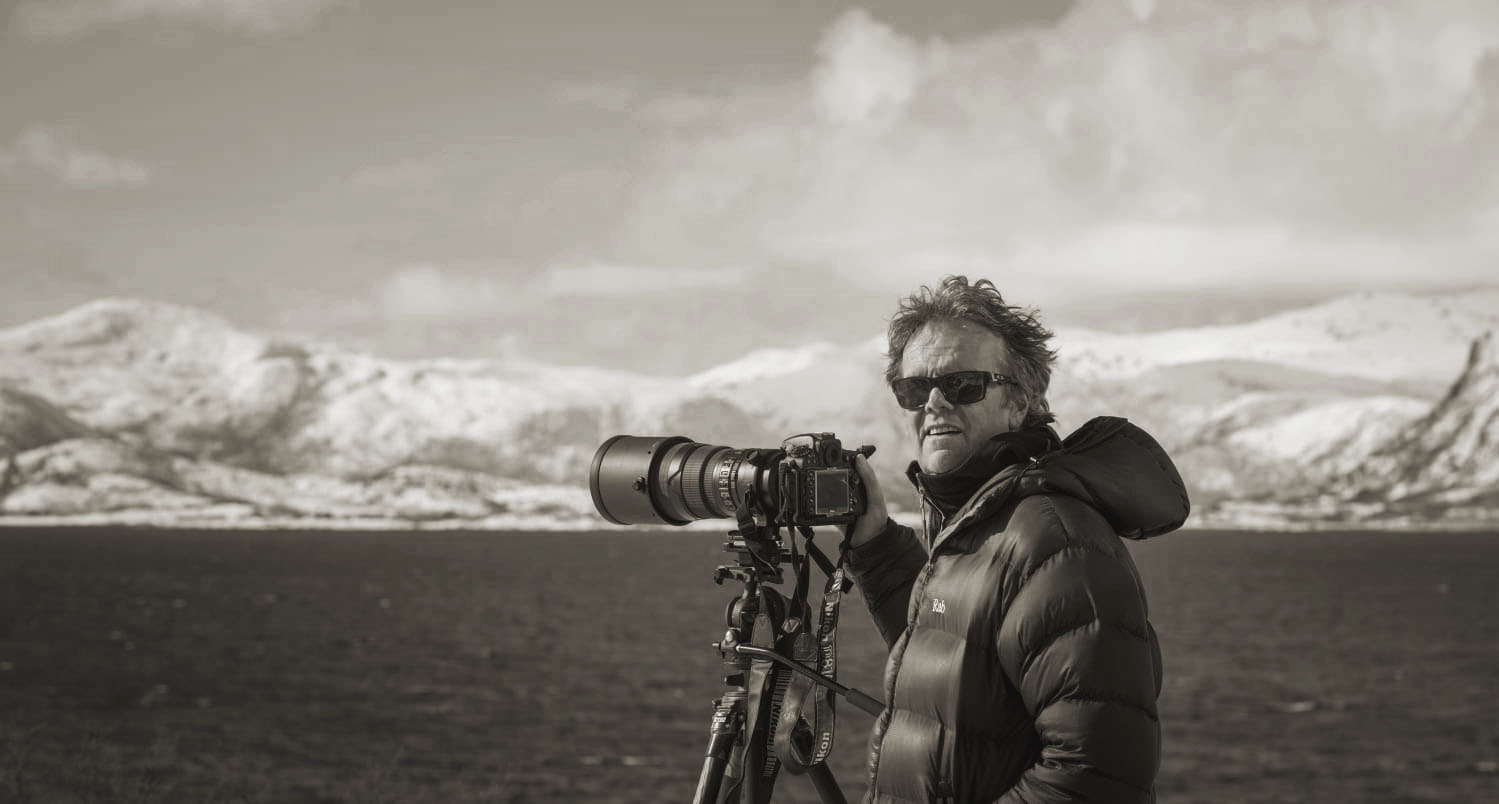
My first two meetings with Trym involved food.The first over breakfast in the restaurant at STF Abisko Turiststationat and the second over dinner in a pub in Penrith [whilst attending the Meeting of Minds conference]. During these brief meetings, I recognised that Trym was someone I would happily spend a little photography time with.
In March 2021, I saw a workshop with Trym and Joe Cornish advertised and immediately decided this would be something I would love to do. I booked onto the workshop along with two friends, but unfortunately, Covid caused this trip to be cancelled. However, we kept in touch with Trym, suggesting that when he was well again, we could possibly join another workshop.
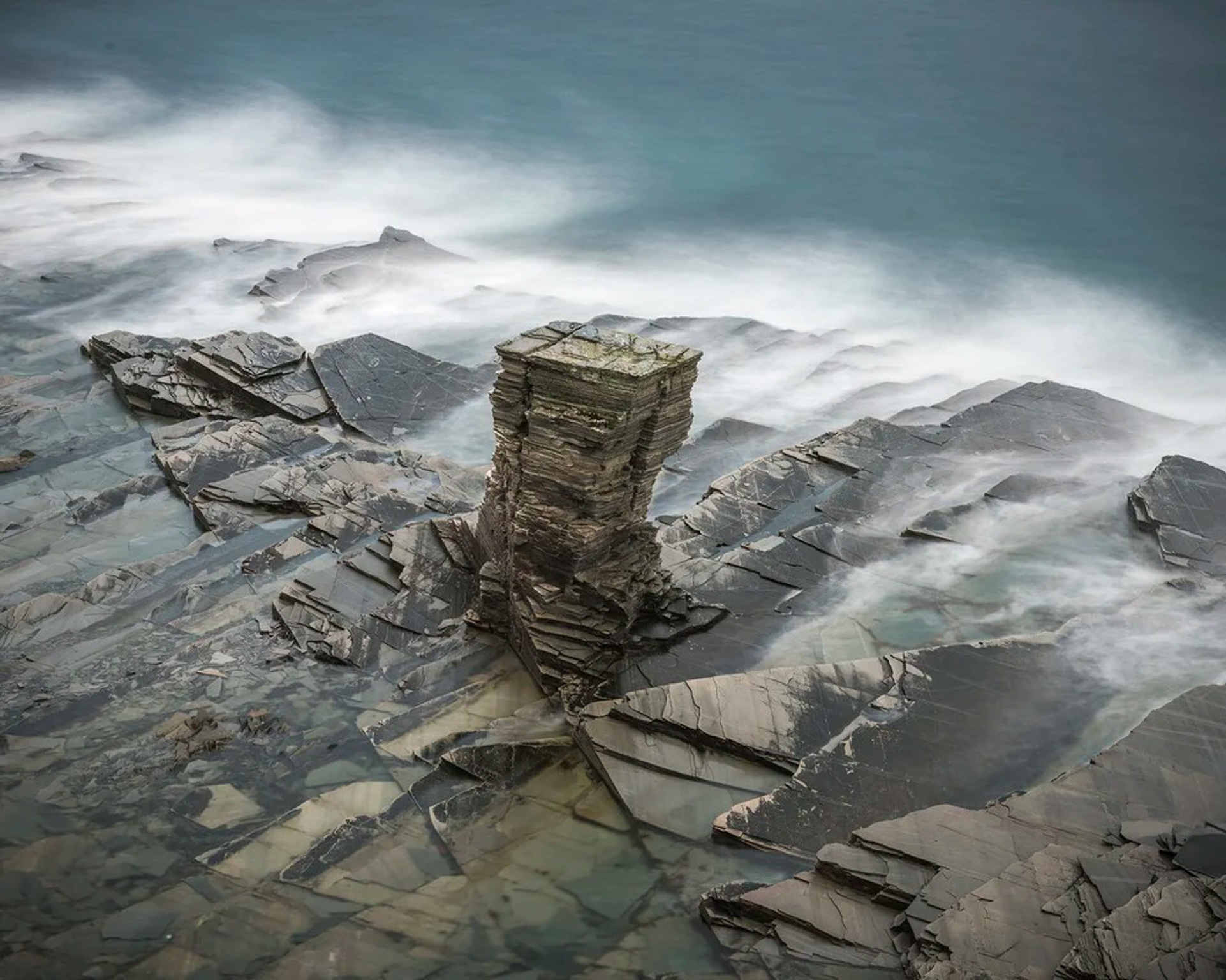
In 2023, this eventually came to pass when we arranged a private tour of the Lofoten islands. Trym was the ideal host/guide for what turned out be a very enjoyable and memorable trip. His quiet, friendly nature made him an excellent companion as well as a very knowledgeable guide. During the week we spent together, he showed us some of his favourite photography locations and happily shared his enthusiasm and love for his homeland. Although I spent only a short time with him, I feel privileged to have met him and know that this will be true for many others who travelled with him.
A huge thank you to Stian Klo and Arild Heitman for their help in taking and letting us use photos of the Trym's final exhibition. I've included a few photographs below and you can also take a look at the programme PDF by clicking here. I also highly recommend checking out their work, as they’re part of the current crop of outstanding artists who receive less coverage than they should outside of their native country.
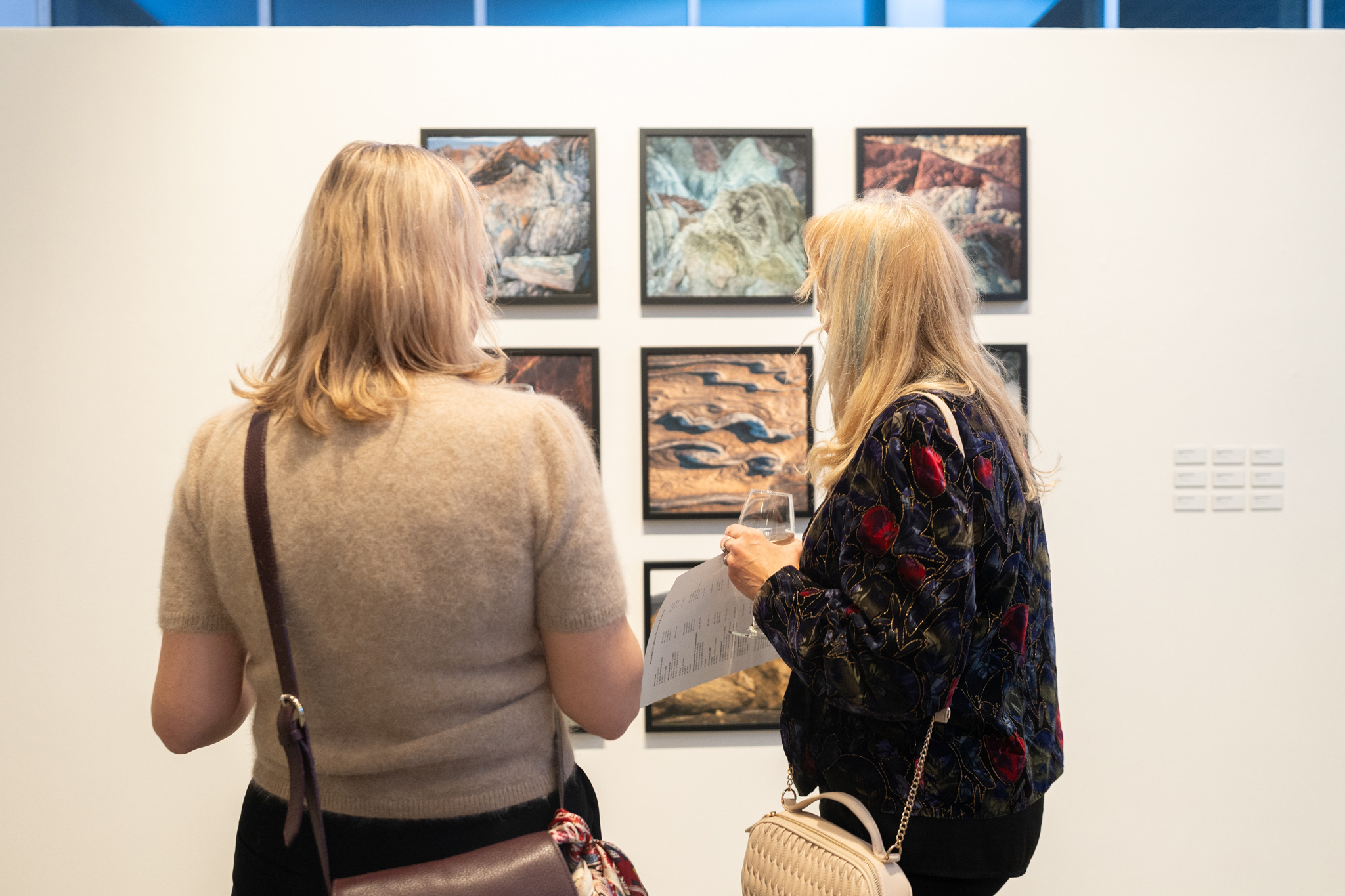
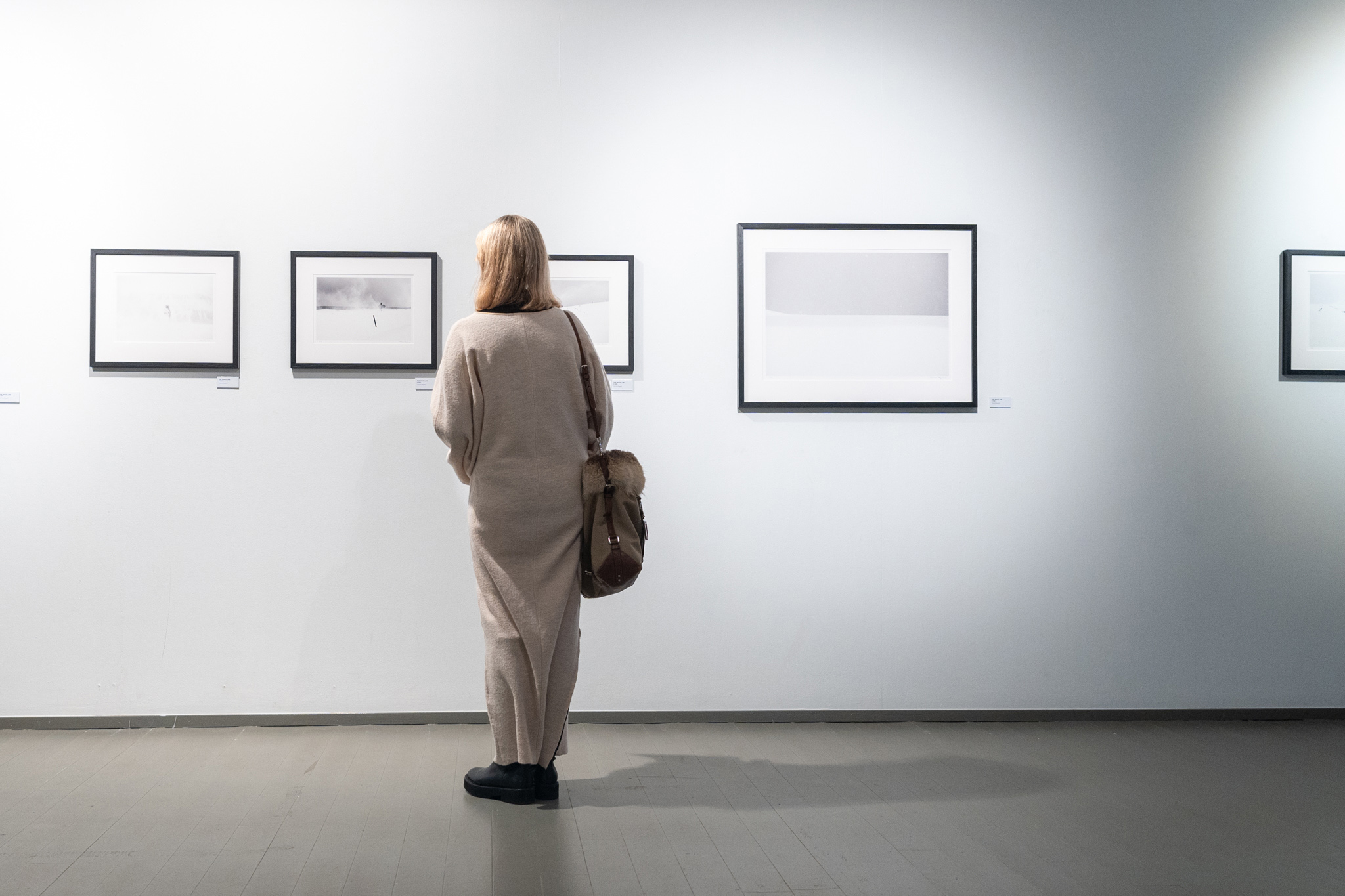
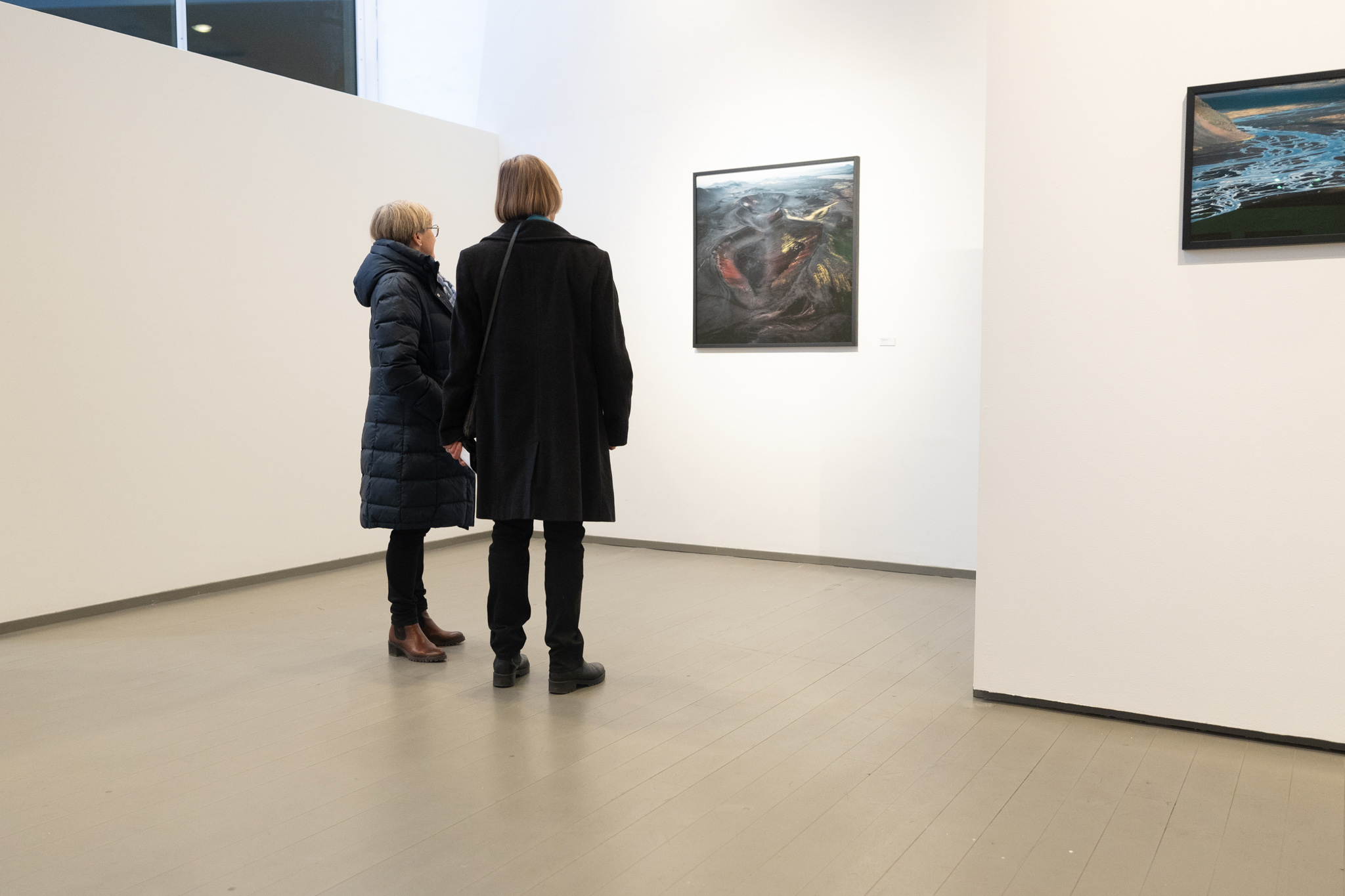
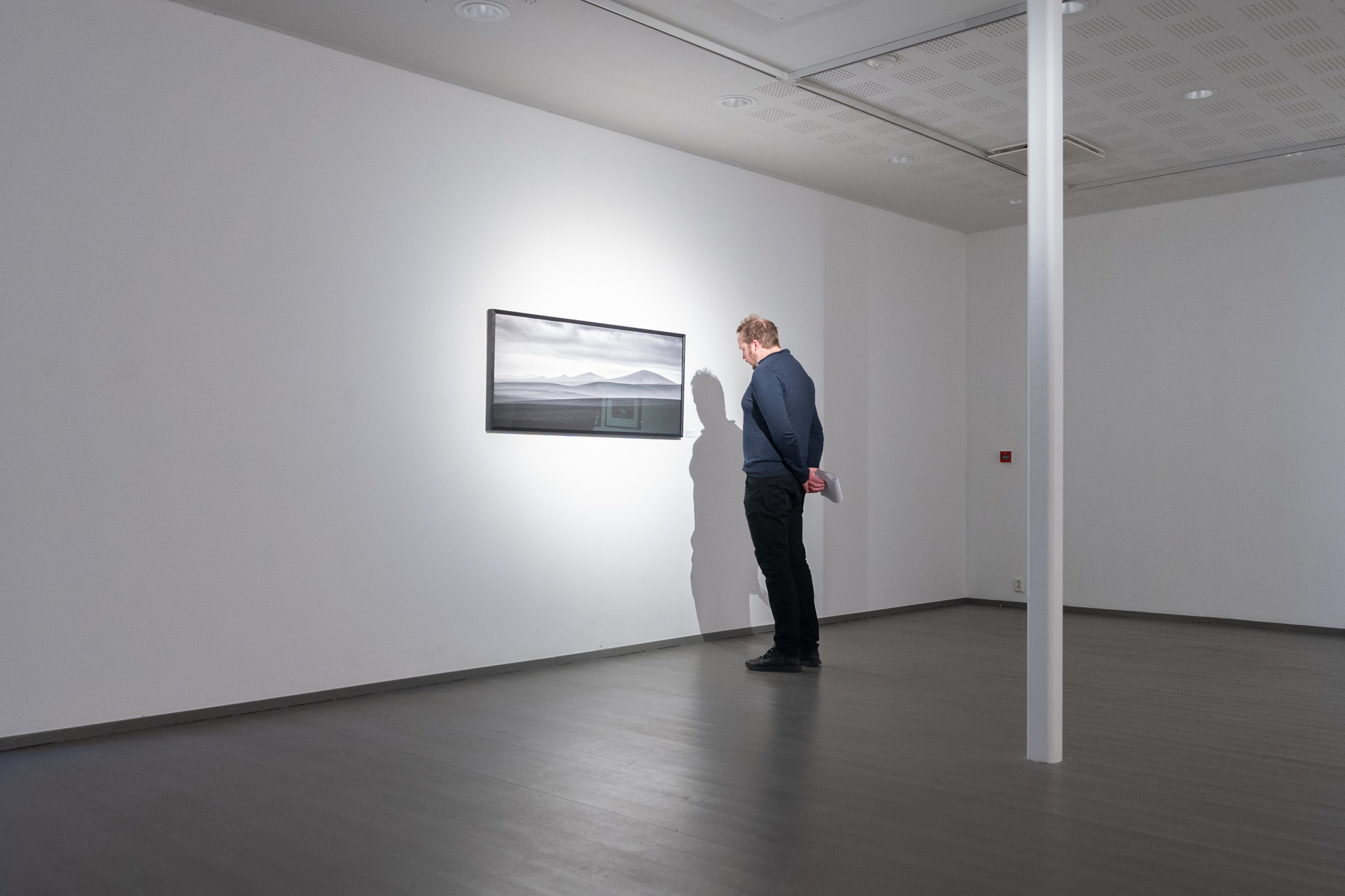
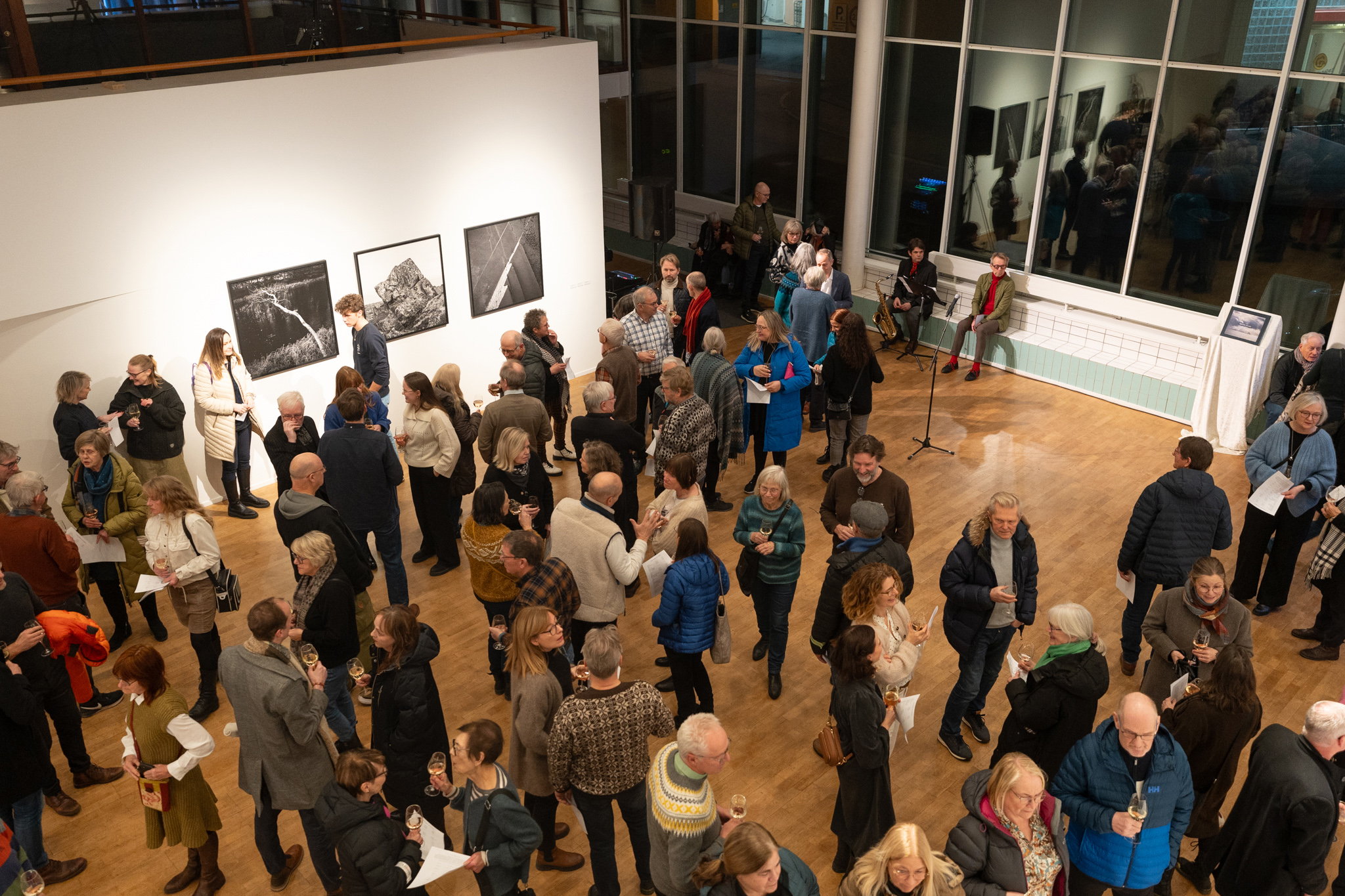
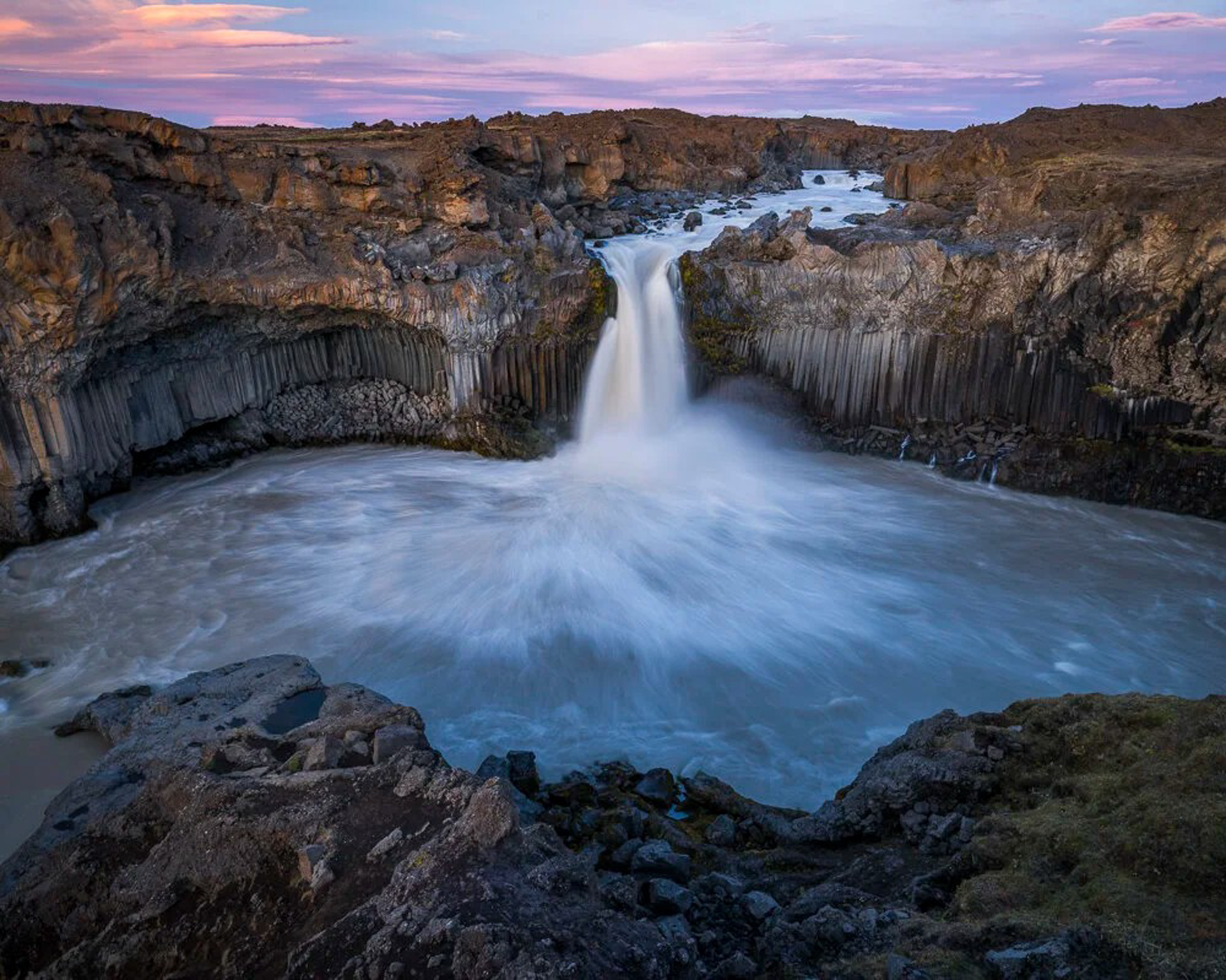
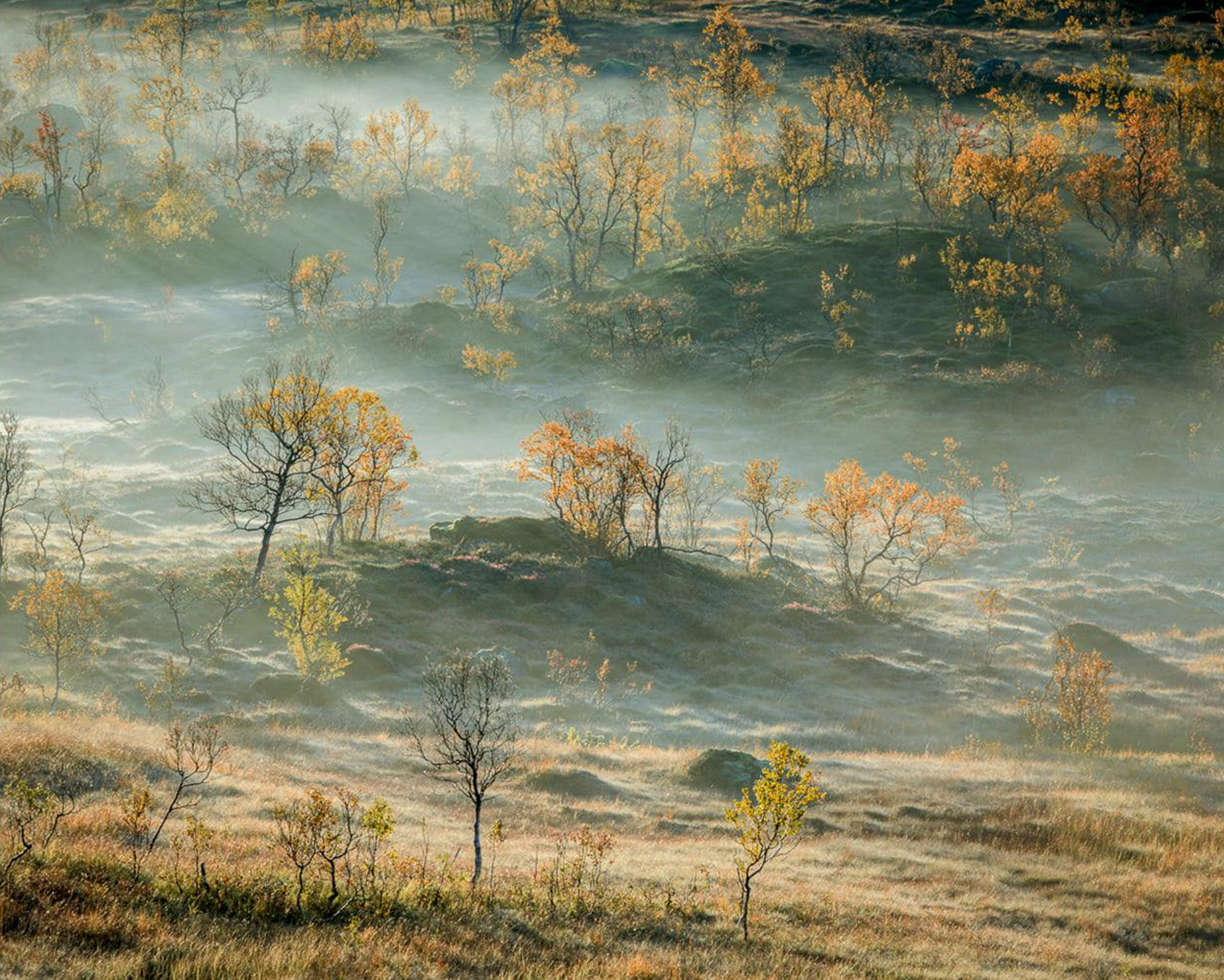
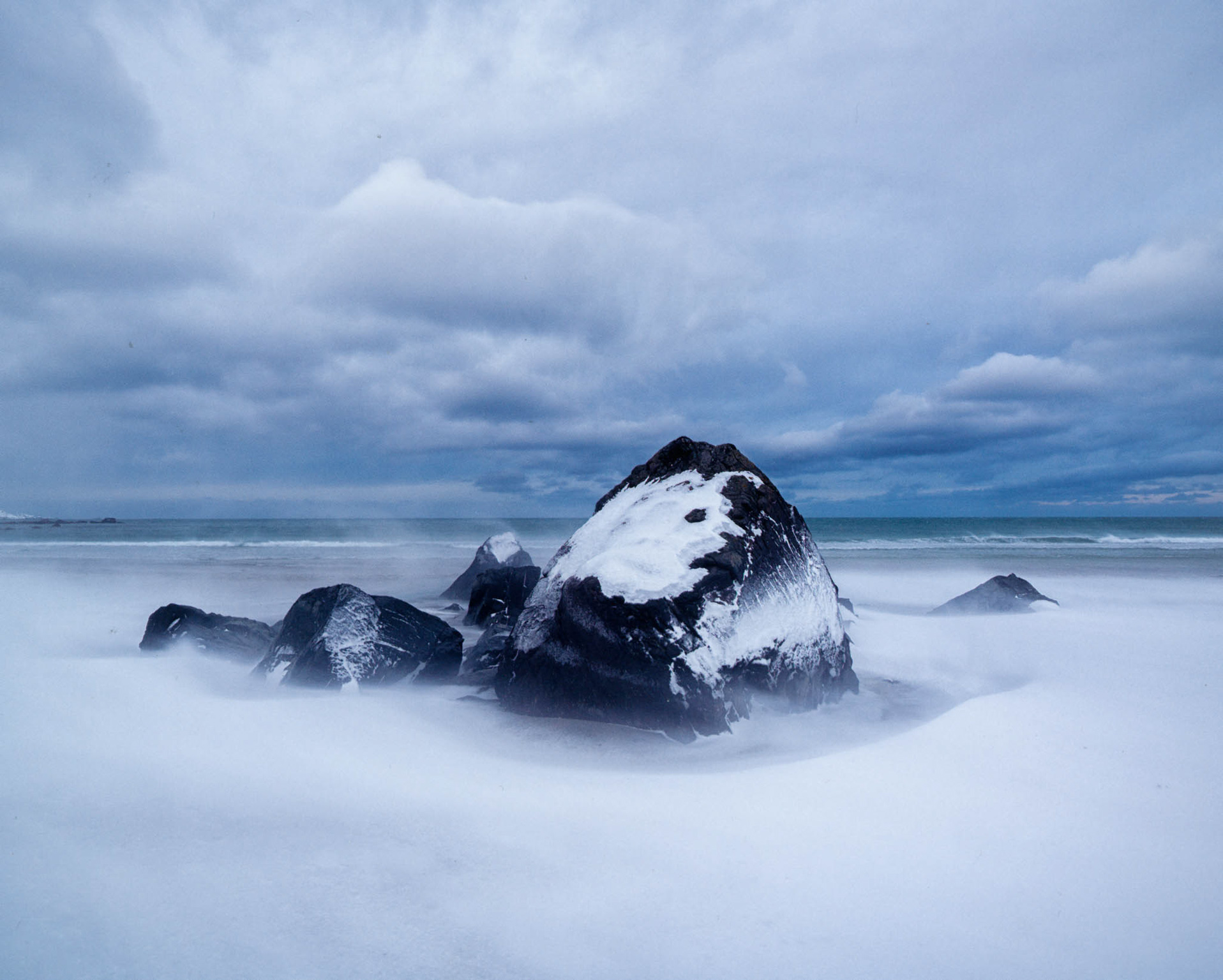
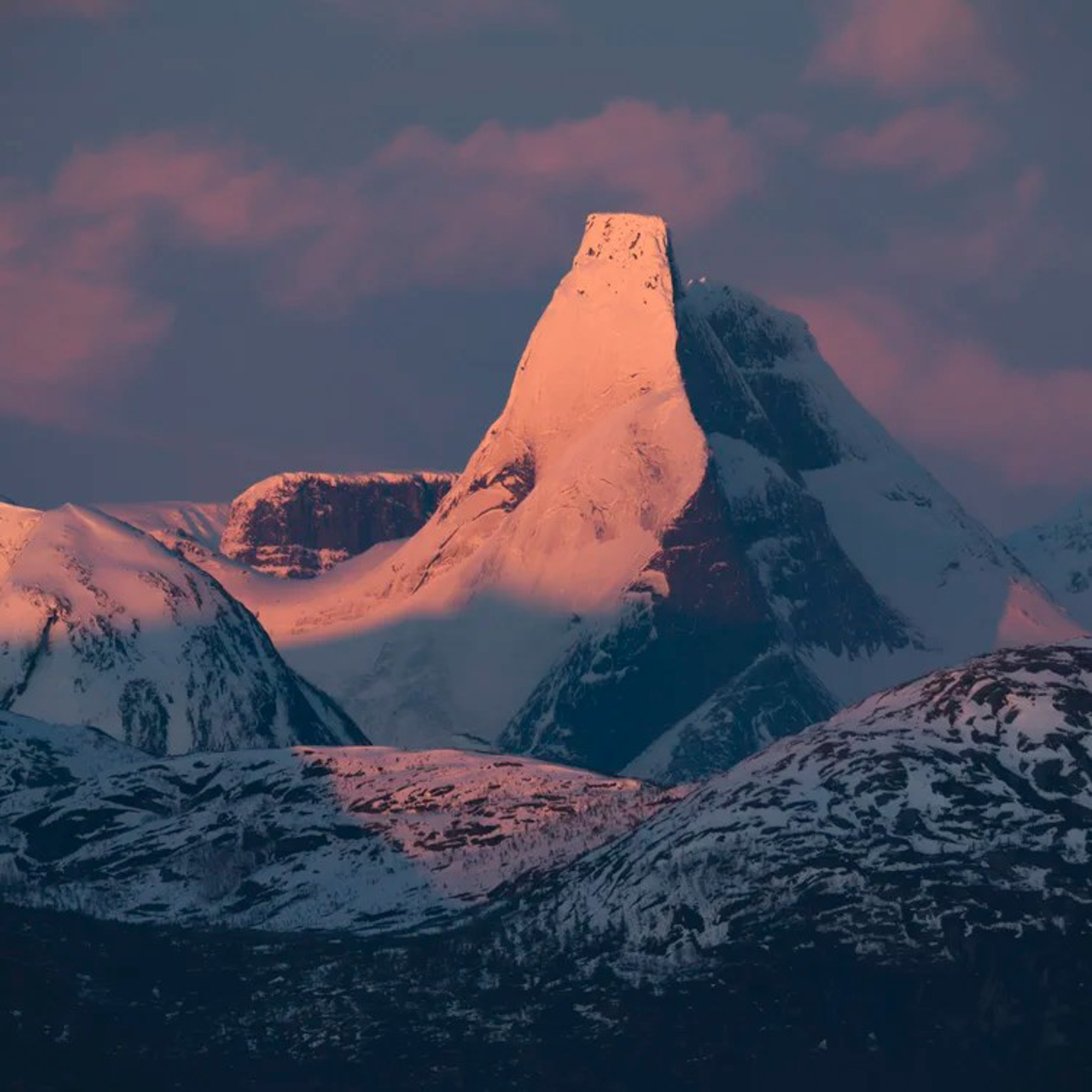
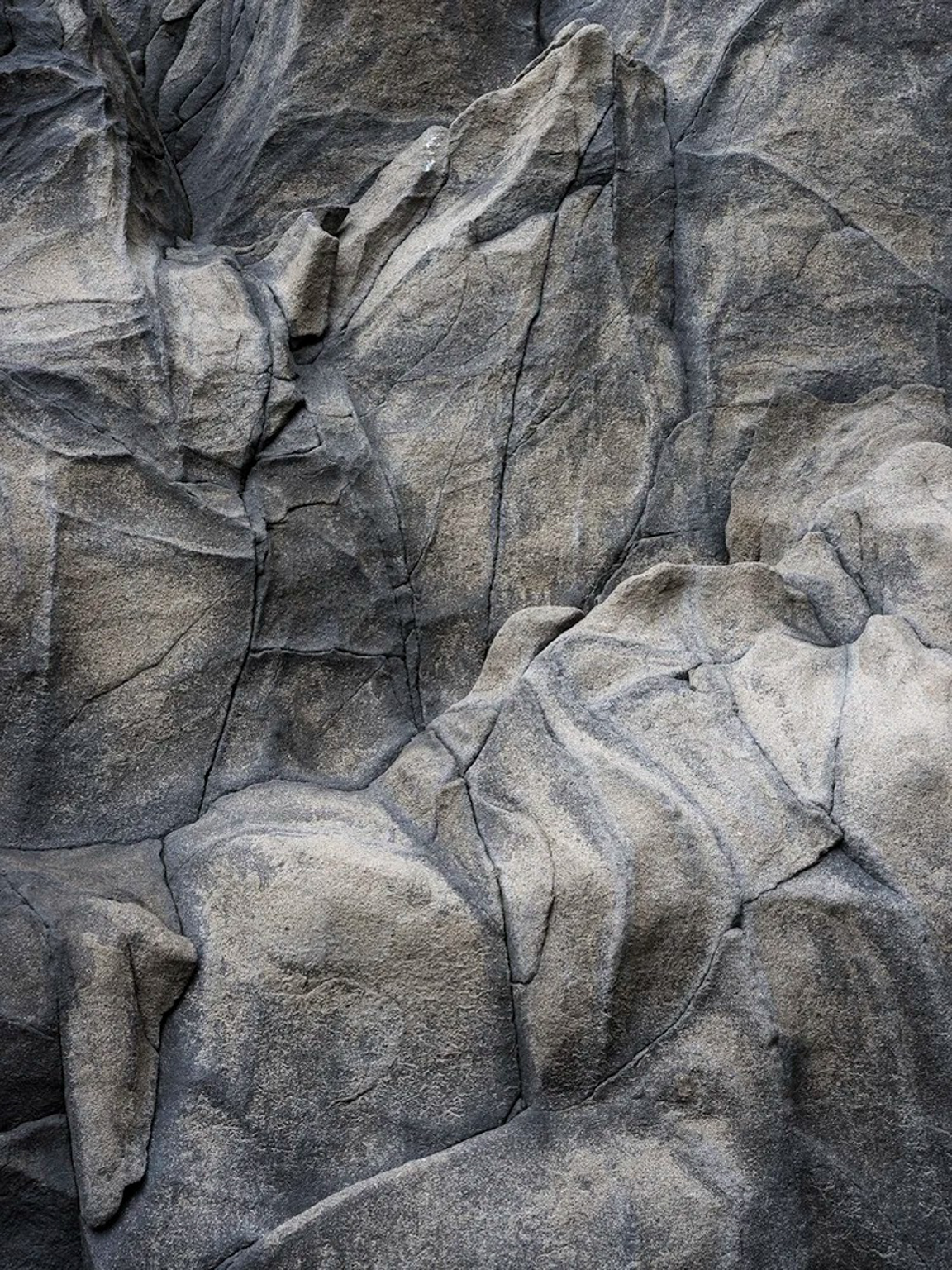
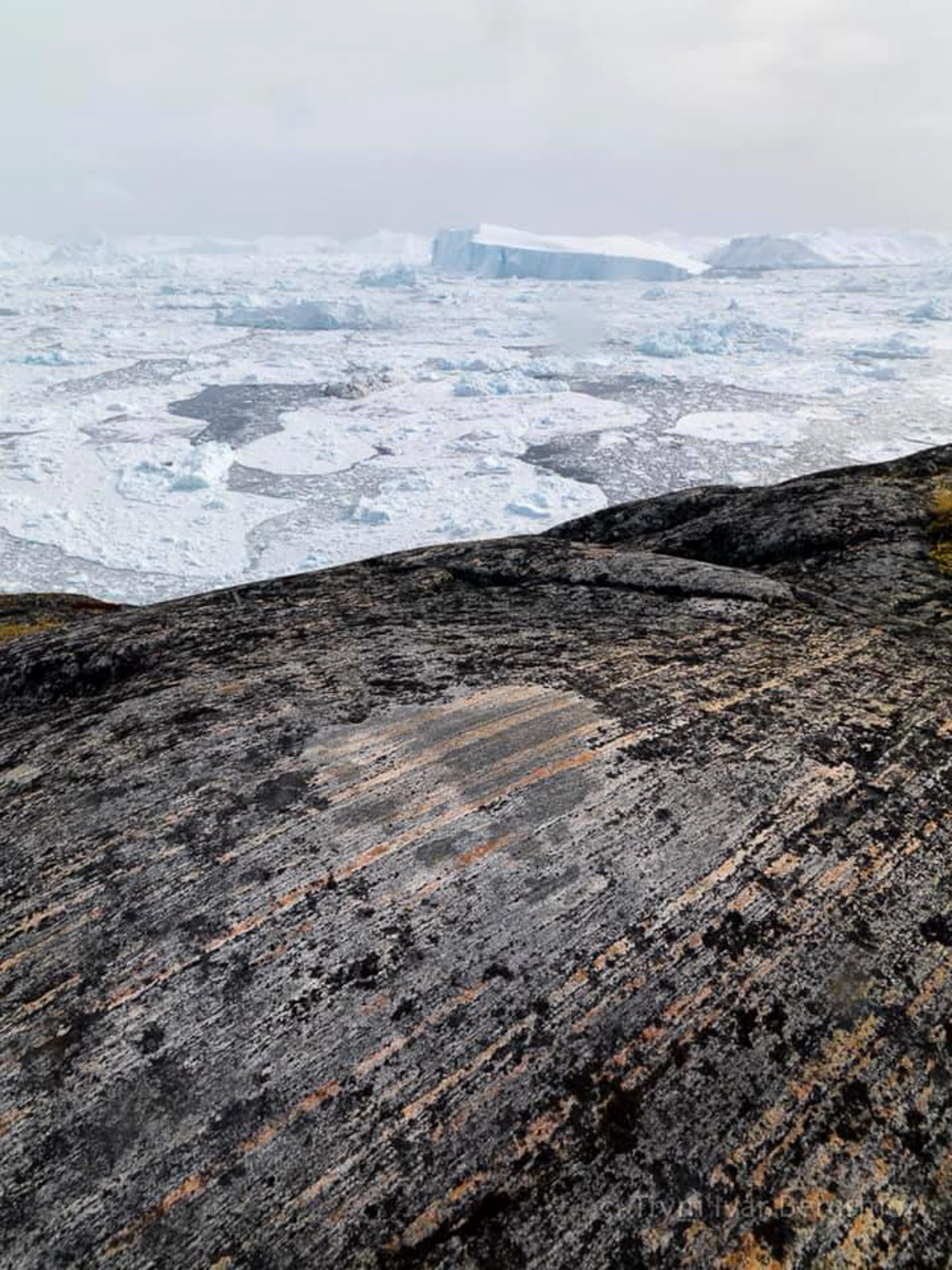
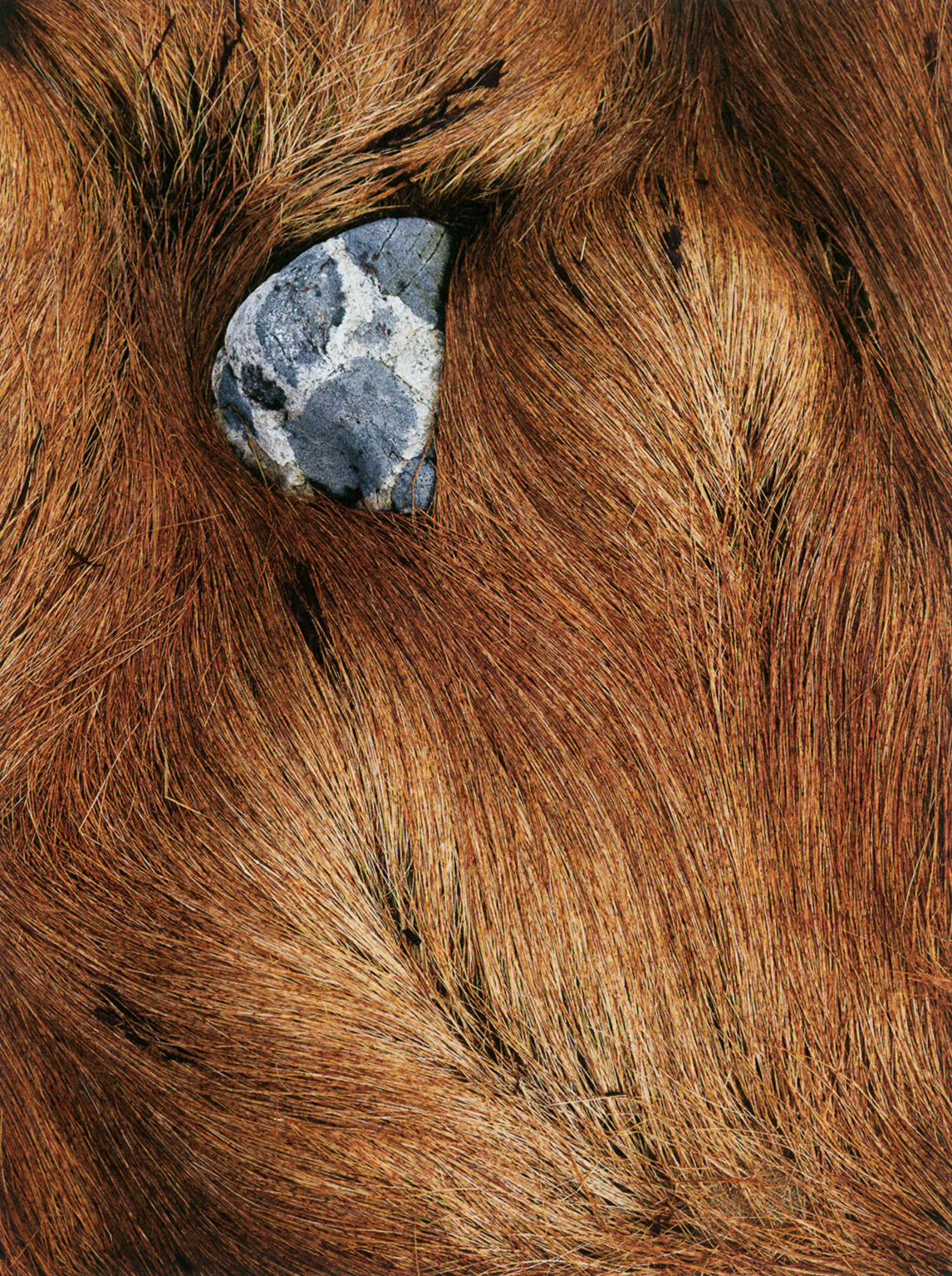
And very finally, we have chosen a selection of our favourite images of Trym’s and would like to share them with you here. I make no excuses for reproducing so many here - It was hard for us to trim down
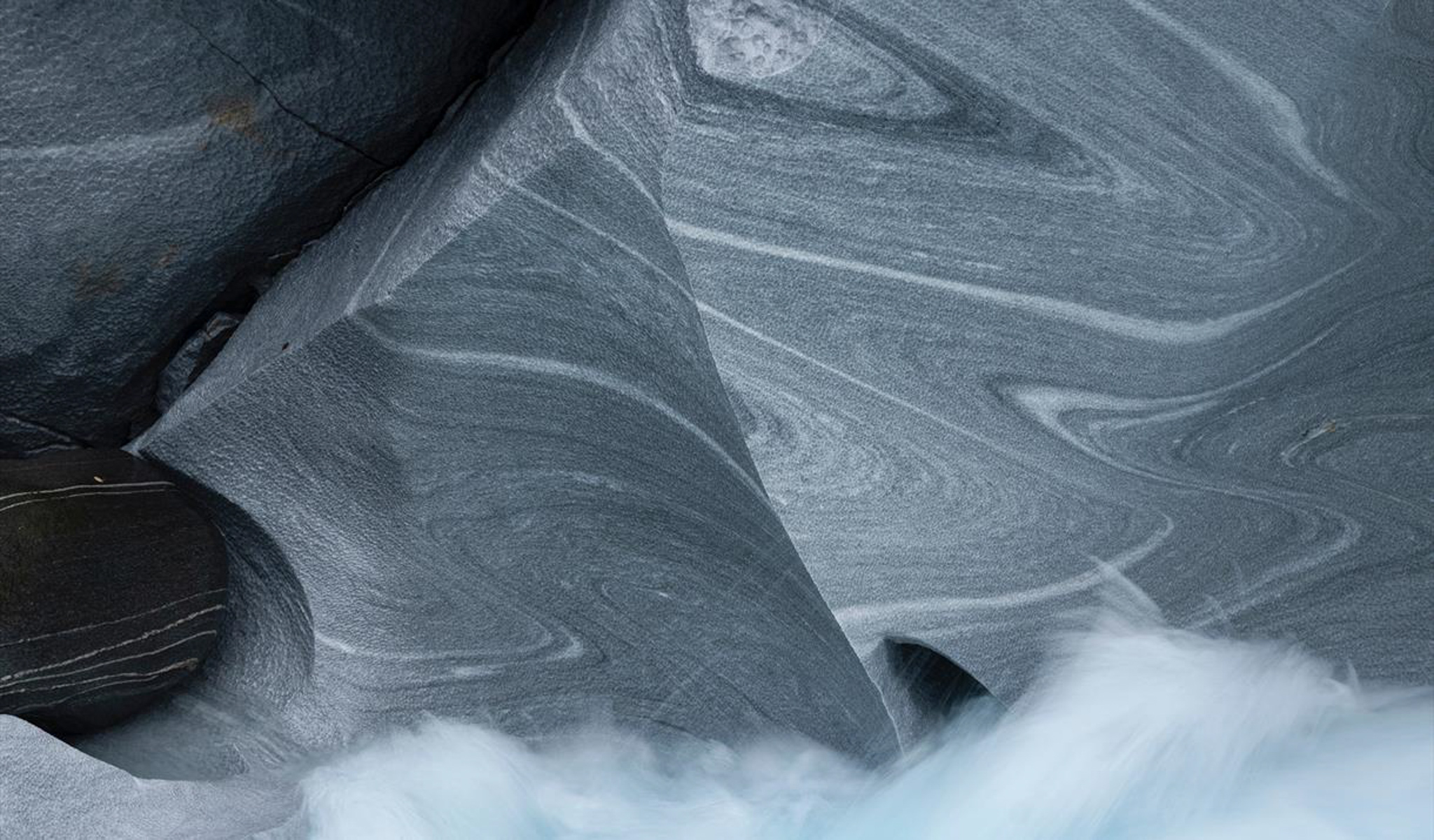
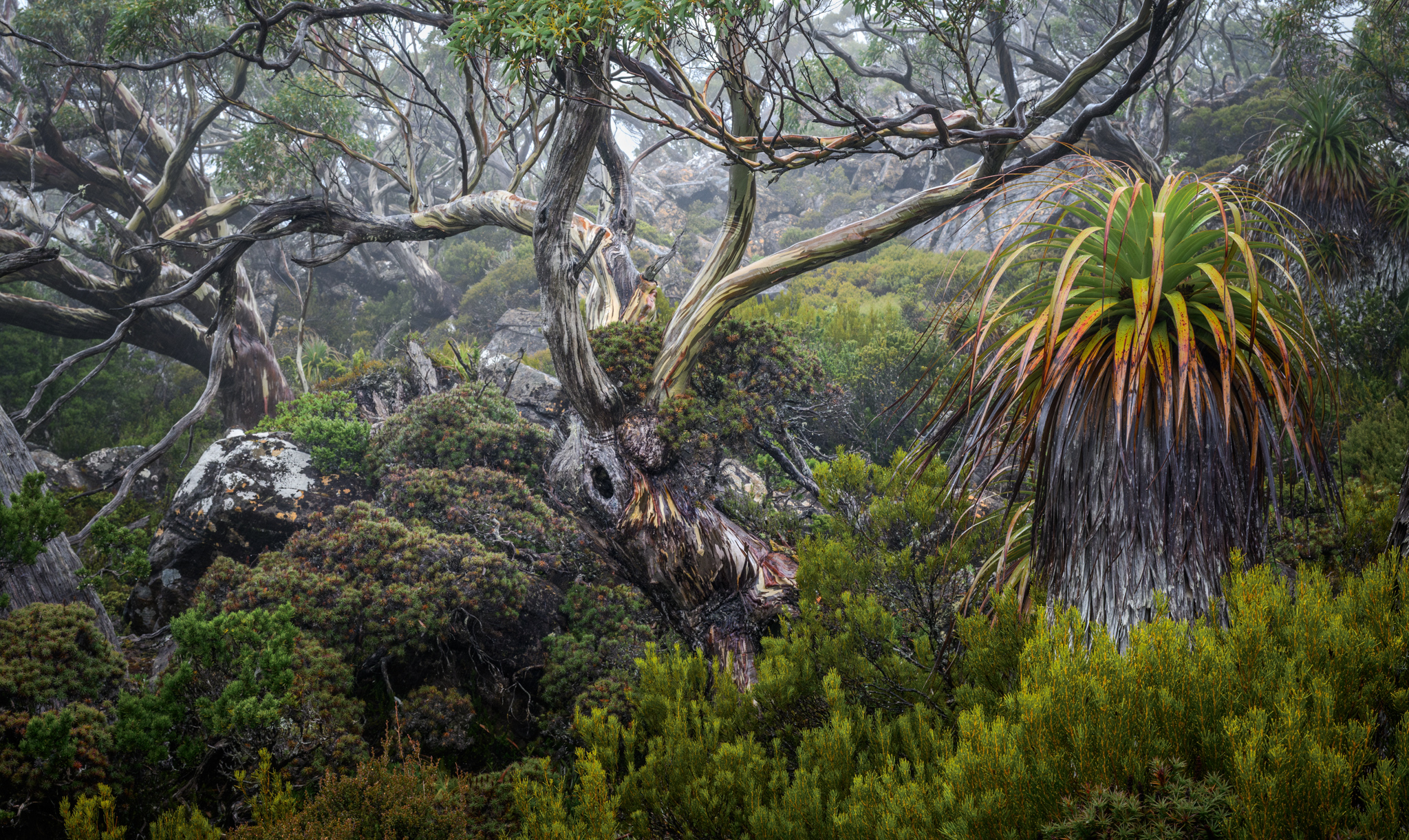
I first came across Joy's work as the winner of the Photographer of the Year category at the Natural Landscape Awards 2025. At the heart of Joy’s practice is a belief that landscapes are living galleries, carrying stories of resilience, culture and interdependence. Her current focus on Tasmania’s threatened forests, particularly the Miena Cider Gums, reflects a wider commitment to advocacy through imagery, using beauty, intimacy and emotional honesty to reconnect viewers with the natural world. In the conversation that follows, Joy talks about influences, creative challenges, conservation, and how listening closely to nature has reshaped not only her photography but also her life.
Please tell us a bit about your love for landscape photography, what your early passions were, what you studied, and the career path you ultimately pursued.
I've always felt a deep connection to nature. It has been a guiding force in my life and career. My journey led me toward a path of healing, where I dedicated myself to becoming a Natural Therapist. In this role, I have had the privilege of supporting others through various natural healing modalities, helping them find balance and wellness in their lives and creating a positive impact on those around me.
My passion for landscape photography ignited in the 1990s during an unforgettable journey around Australia. With my trusty Canon 1000 fn film camera in hand, I set out to capture the stunning scenery that surrounded me. I remember the excitement I felt flipping through the pages of magazines featuring the incredible work of Steve Parish, whose landscape and wildlife images seemed to leap off the page, and Ken Duncan, whose breathtaking panoramic views left me in awe.
I found myself deeply immersed in their work, analysing every detail, their compositions, the way they played with light, and the unique stories woven into each photograph. It wasn’t just about trying to replicate their techniques; it was about uncovering the creative choices behind each shot and finding ways to express my own vision. I was captivated by the idea that every striking image had a lesson to share—about patience, a keen eye, and the ability to see the world anew.
Those early days exploring the breathtaking Australian landscape transformed me; I spent countless hours gazing closely at the details, finding beauty in the smallest things. I was amazed how looking through the viewfinder transformed my way of seeing and experiencing the natural world. To this day, I remain a self-taught photographer, constantly evolving and learning through experimentation.
How did you find the work of Peter Dombrovskis? How did this inspire your craft of photography?
Peter Dombrovskis entered my life during a transformative journey around Australia, and to this day, he holds a special place in my heart as my greatest teacher in capturing the soul of Tasmania's wild places. With every photograph, he invited viewers into his world, sharing nature's stories through his unique artistic style.
Peter had an extraordinary gift for composing images that revealed beauty in unexpected places. One of my favourite photographs of his is a portrait of seaweed, of all things! He introduced us to the finer details of intimate landscapes, exploring the colours, textures and geometry of nature, in all its forms. His images were not just visual representations; they communicated his concern for the wild places and, in turn, awakened a conscience within the Australian Community. He once said, "Photography is, quite simply, a means of communicating my concern for the beauty of the Earth."
Peter's work went beyond photography; it sparked a passion for our planet and called for a strong conservation movement in Australia. Through his powerful images, he encouraged the nation to protect the Tasmanian Wilderness World Heritage Area, the Gordon-Franklin wild rivers reserve in the southwest of the state. Reflecting on his legacy reminds us of our deep connection with nature and the importance of preserving its beauty for future generations. This sentiment has been an ongoing source of inspiration for me personally, and I actively advocate for the protection of our endangered native forests here in Tasmania, today.
Beyond Peter, who or what has been the biggest source of inspiration in your growth as a landscape photographer, whether photographers, artists or individuals?
In 2012, I moved from Australia to New Zealand, which I still consider my spiritual home. During my time there, Craig Potton had a significant influence on my journey into digital landscape photography. Hiking and camping along the Milford Track, the Routeburn Track, and the Hollyford Track reignited my desire to share the stunning beauty of the landscape through my photography.
I discovered Andris Apse, whose panoramic images, characterised by beautiful composition and vibrant colours, had set the benchmark for this style of photography in New Zealand. Rob Brown, a dedicated conservationist who often took his large-format gear into the wilds of New Zealand, was also a tremendous source of inspiration. His ability to enrich the human spirit in every frame he captured left a lasting impression on me.
Joe Cornish, Charlie Waite, David Ward, and Eddie Ephraums, through their book "Developing Vision and Style," also contributed significantly to my creative journey in the early days.
I encourage all natural landscape photographers to explore the work of these generous individuals, as they have been my greatest sources of learning and inspiration throughout my thirty years as a landscape photographer.
How would you describe your photographic style, and what has helped you shape it into something uniquely your own?
I'm not sure I have a distinct style, to be honest. I love exploring a variety of subjects, particularly in nature, and I aim to share as much of the natural world as possible. My hope is that this will inspire a protective instinct in others. I enjoy photographing everything in nature, but recently, trees have become my primary focus due to the urgent need to protect them from human impact, here in Tasmania. Drawing inspiration from the photographers I admire, if I were to describe my style, it would be naturalistic while still being artistically pleasing.
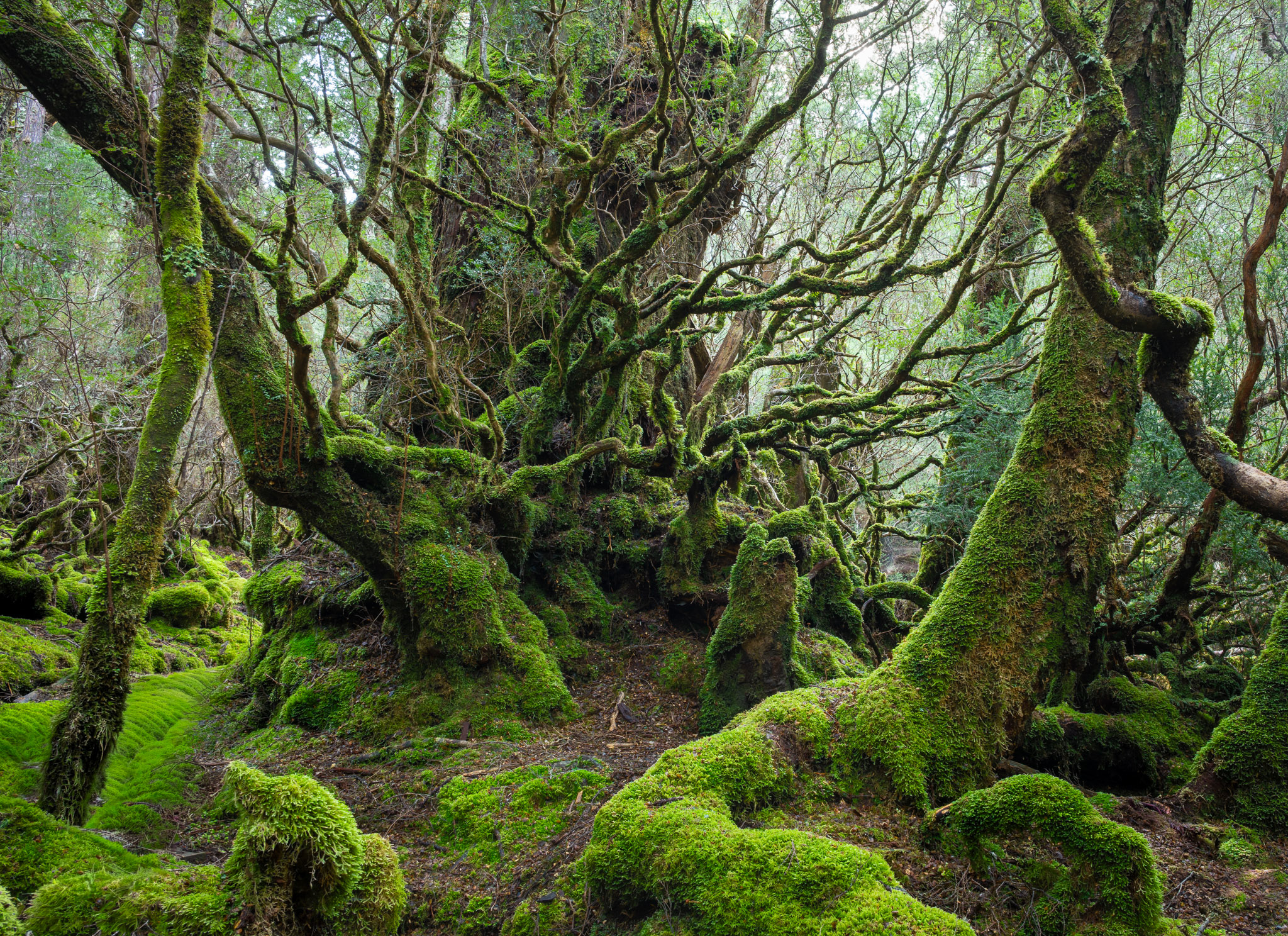
My photographs have evolved significantly over the past few years. In the past, simply documenting the landscapes was sufficient, but now, I find that spending time among the endangered Cider Gums and allowing myself to be guided by the trees themselves has opened up a creative way for me to explore the stories they wish to share. I see no separation between myself and the forest. The trees taught me this. I have a deep appreciation for the Cider Gums; their weathered forms serve as a powerful reminder of how much we are influenced by our environment.
You talk about feeling deeply connected to nature at a time when many people feel quite distant from it. How do your photographs express what you experience in those places and the emotions they evoke for you?
I've noticed that many people who spend a lot of time in bustling cities and are glued to their screens often seem to struggle more and feel a sense of disconnection. In contrast, those who make an effort to engage with the natural world often appear more fulfilled and at peace.
Every photographer has their highs and lows. What have been your biggest challenges and successes?
I understand that the challenges we face often come from within ourselves. For me, my childhood was difficult, and that left me with a persistent feeling of not being good enough. I struggled with perfectionism, constantly battling the struggles of a creative spirit tethered by low self-esteem.
As I am now in my fifties, I’ve had the opportunity to reflect on what it truly means to be a creative person. A turning point for me was discovering Sean Tucker’s book, *The Meaning in the Making*. It shifted my perspective and offered me the space to confront my old wounds and embrace self-acceptance.
I understand how challenging that journey can be, but finding acceptance has given me the courage to step out of my comfort zone. This year, after thirteen long years, I finally entered several photography competitions once again. It feels empowering to share my work again, giving back to nature being my actual motivation, and I hope that by doing so, I can inspire others to confront their own feelings of inadequacy and embrace their identities as the beautiful, creative individuals we all are.
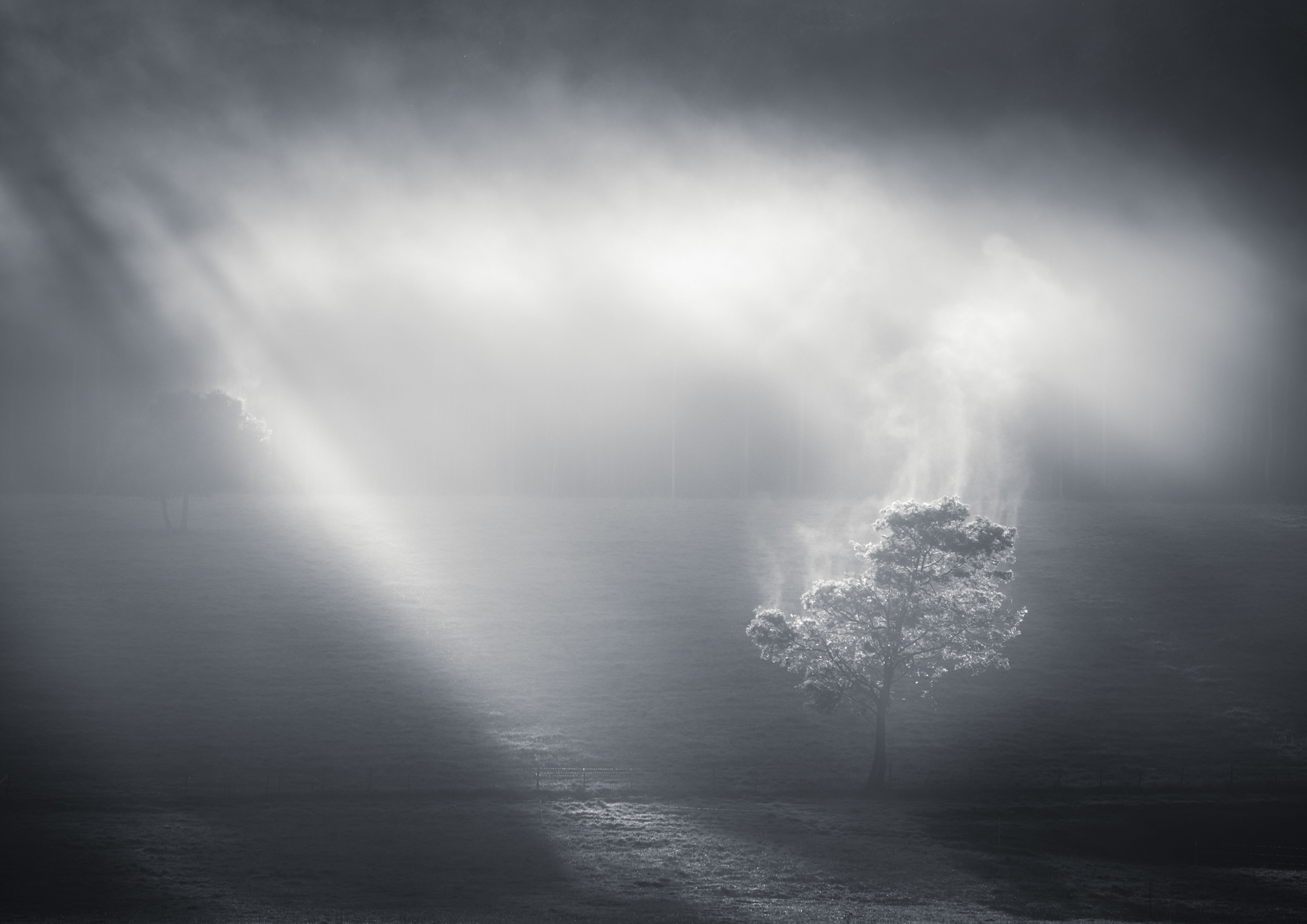
In 2025, I received some very positive reviews of my work. I entered the Australian Landscape Awards with an image of an endangered Cider Gum battling the elements and was thrilled to be awarded overall runner-up in that competition. The trees had found a voice through this exposure. Next, I participated in the Australian Geographic, Nature Photographer of the Year 2025 and shared a photograph taken just ten minutes from my home in the Meander Valley, Northern Tasmania. I was named a finalist, and that image is currently featured in a travelling exhibition across Australia. Many people have reached out to express how moved they were by my photograph, and that truly lights me up!
Another highlight for me was receiving Gold Awards in the Better Photography competition, which is run by the esteemed Australian landscape photographer Peter Eastway.
Winning the NLPA Photographer of the Year 2025 was not only a wonderful surprise in my photographic career, but it also meant the most to me personally. I hold all the photographers who enter the Natural Landscape Awards in the highest regard; they are my peers, my photographic community, and my inspiration. Winning this award was my greatest joy—pardon the pun! I consider these awards the pinnacle of Landscape Photography and will treasure it always.
Success takes many forms. Ultimately, my greatest reward lies in inspiring others to connect with nature through my images. When I can encourage them to give back to the environment, through volunteering or donating to a conservation effort, I know my job is done.
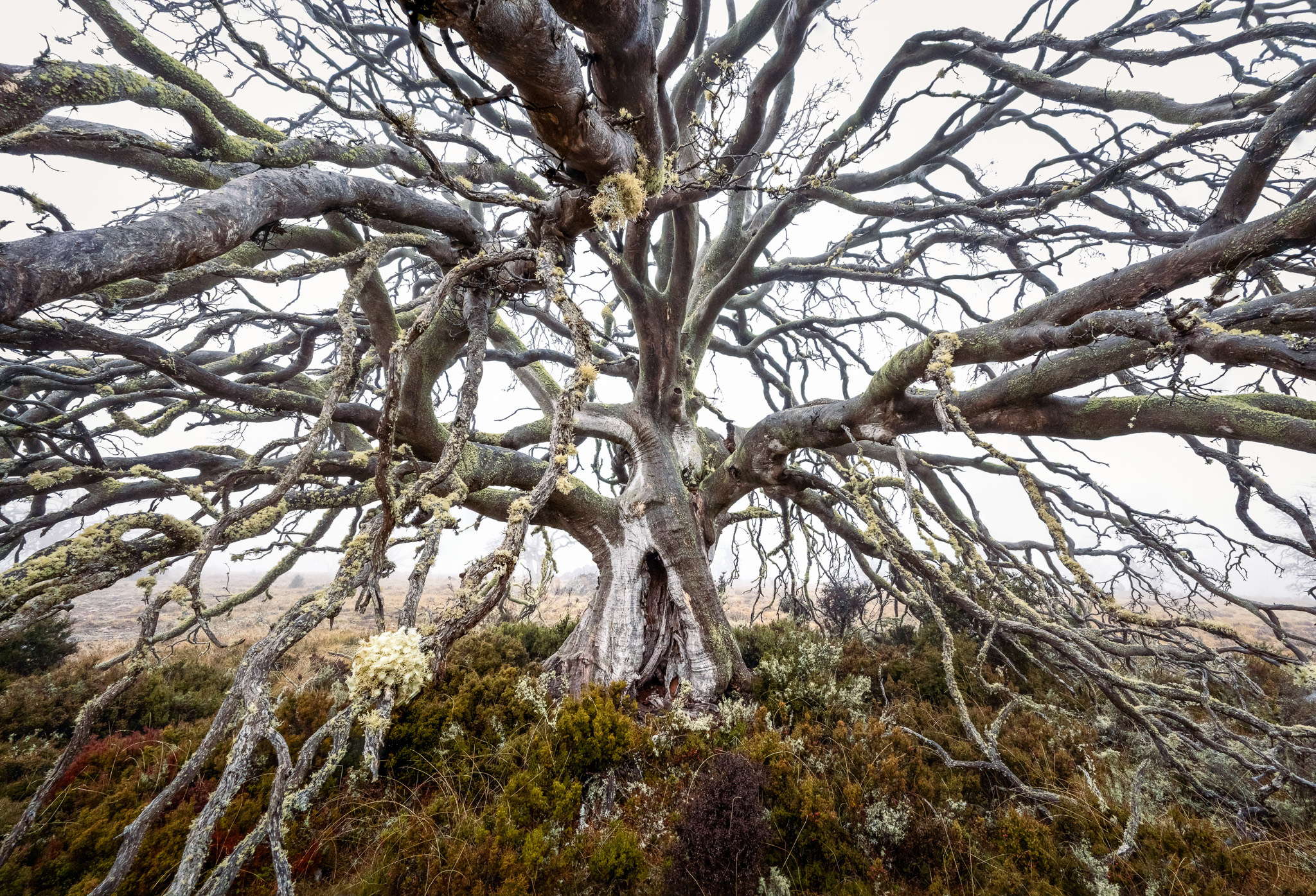
During lockdown, you spent time photographing the river near your garden and the platypus that live there, forming a remarkable connection with one of them. Do you see your photography contributing to the conservation of that habitat, and perhaps other places you care about as well?
I truly believe that we have made meaningful strides in improving the habitat of the platypus, moving from a period of significant destruction to one of hopeful regeneration. My deep connection with these remarkable creatures has always provided me with a sense of wonder, often feeling more at ease among animals than in social settings.
It was deeply distressing to witness the local council authority take such harmful actions—removing trees directly above a vital burrow site, using chemicals that contaminated the waterway, and even burning the remaining timber over the entrance to the nesting burrow during the nesting season, not once but twice! The impact of these actions was heartbreaking.
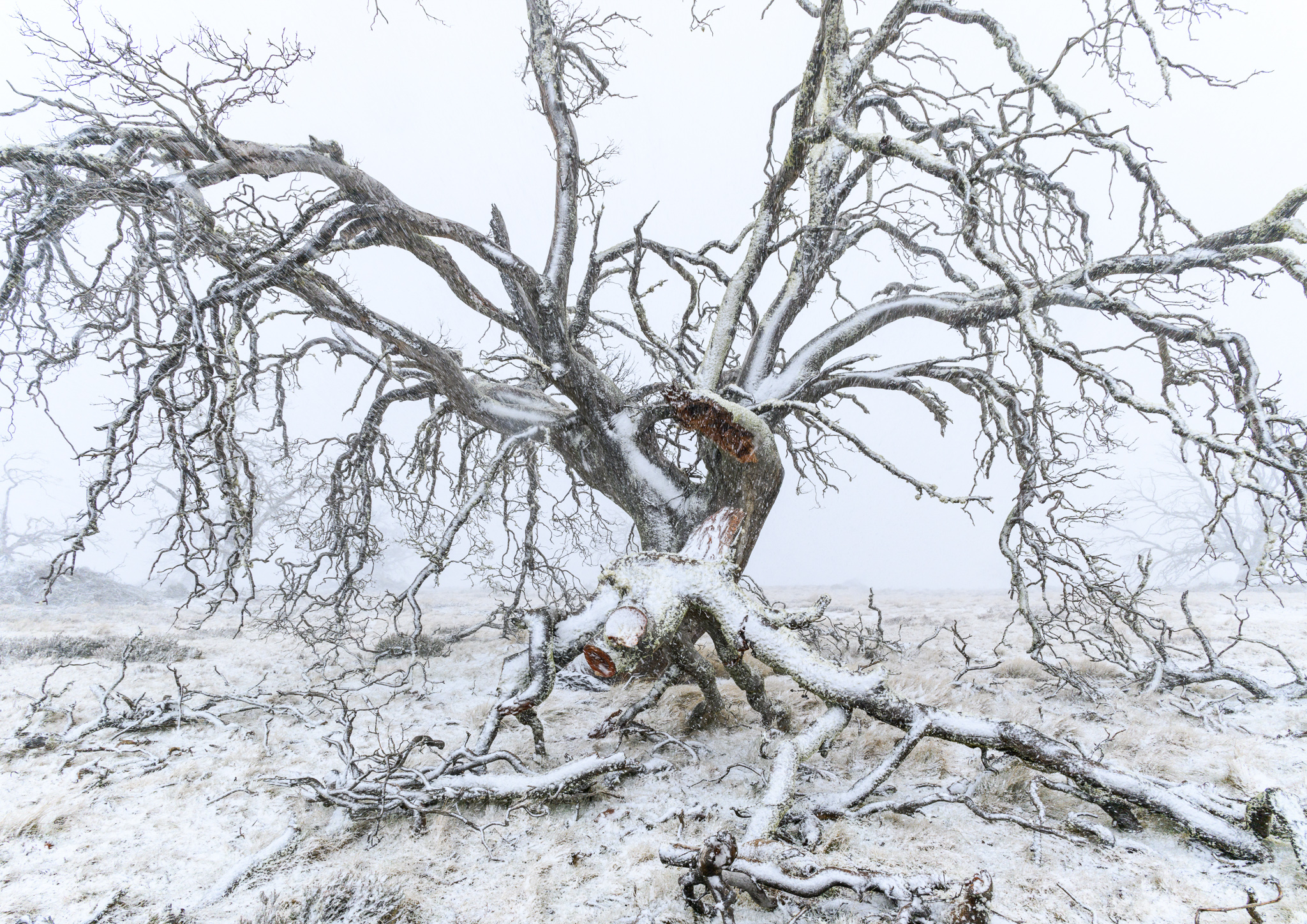
Can one person make a difference in environmental or conservation awareness?
Driven by concern for the platypus and their habitat, I spent three years advocating for change, facing the fear of public speaking each time. To be honest, I was terrified, but fired up at the same time. I could not stand idly by and do nothing. Using my photographs of the destruction, I was able to evoke a public outcry that resonated with many. The media took notice, amplifying our message and shining a light on the issue.
This collective effort led us from despair to hope, resulting in the planting of over 1,000 native trees and the return of the platypus population, bringing a profound sense of joy to all who care about these unique animals. This story also got the attention of a Wildlife Documentary film company in Germany who travelled to Tasmania over a two year period to film them. They wanted to share the fact that one person can make a significant difference. That documentary will be released early 2026.
For me, Bob Brown exemplifies the Australian conservation movement. I admire his dedication to protecting Tasmania’s wilderness as a co-founder of the Australian Greens, leading campaigns to save forests and endangered species. His motto, "Don't get depressed, get active," inspires many to engage in environmental activism, showing how one person's passion can positively influence conservation efforts globally. It doesn't have to be a big project. Choose a nature project close to home that needs your support and shine a light through your imagery. You can make a significant difference!
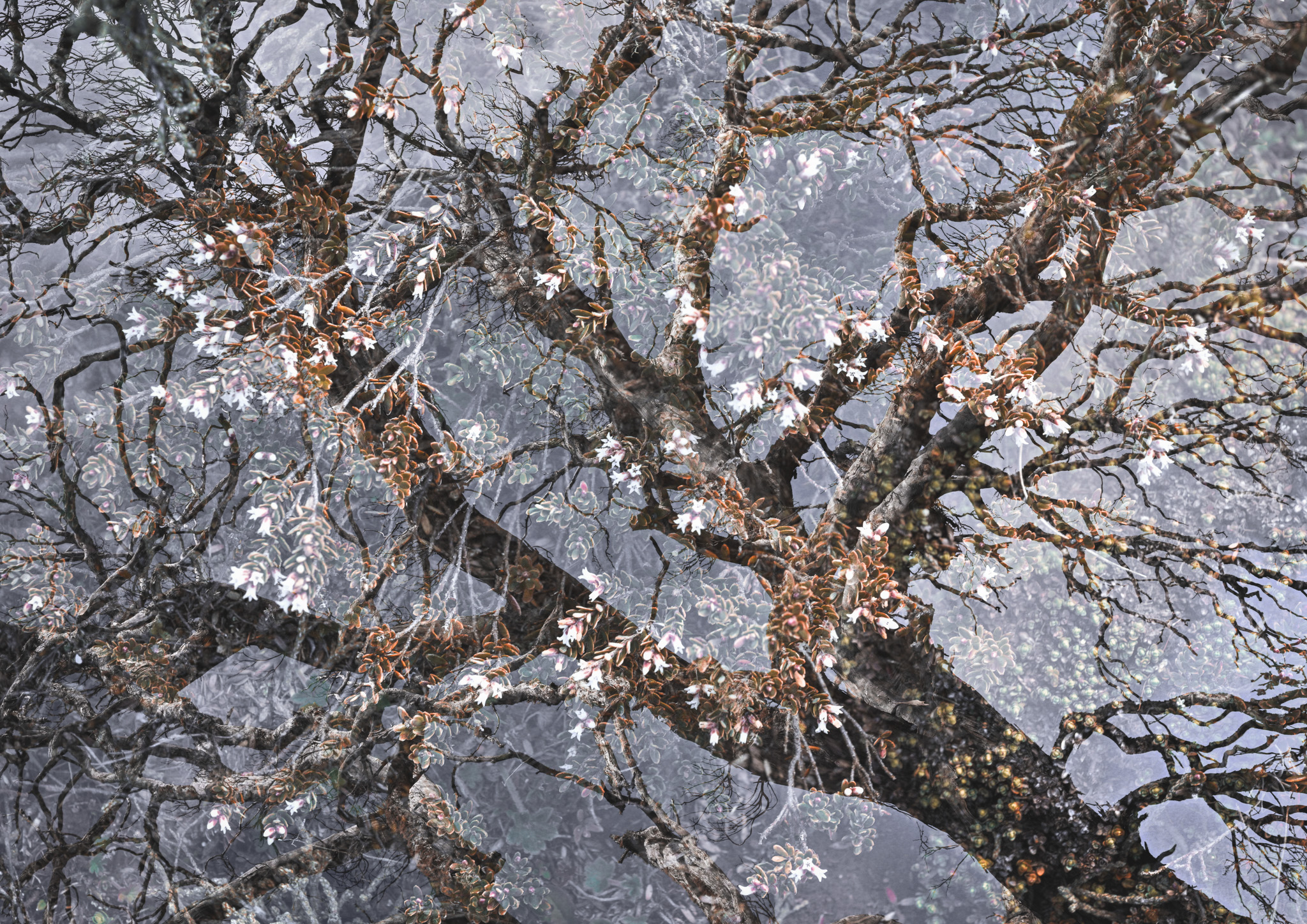
Tell us about your Miena Cider Gums Project, where the idea came from and how it has developed.
I was speaking with a fellow creative—an amazing artist and dear friend. We discussed the plight of the endangered Miena Cider Gums, which are found only in a small region of the central highlands. Together, we decided to start documenting these trees, as they are declining at a rapid rate. What began as a personal project to record their decline sparked a deeper exploration of the Cider Gums.
During my time with the Ciders, I often found myself deeply moved, sometimes to the point of tears, without understanding why. Later, after speaking with a Palawa elder, I gained a clearer understanding. These trees are culturally significant to the Palawa people of Tasmania. They provided nourishment and played a crucial role in ceremonies. The weeping tree releases a sugary sap in the summer, which naturally ferments into a drink called Wayalinah. When a child is born, they receive a cider gum tree, which they care for as if it were family. A hole is carved on the southern side of the tree, where the remains of deceased tribal members are placed temporarily. This practice symbolises the strong bond between the deceased and nature, and it aids in the mourning process.
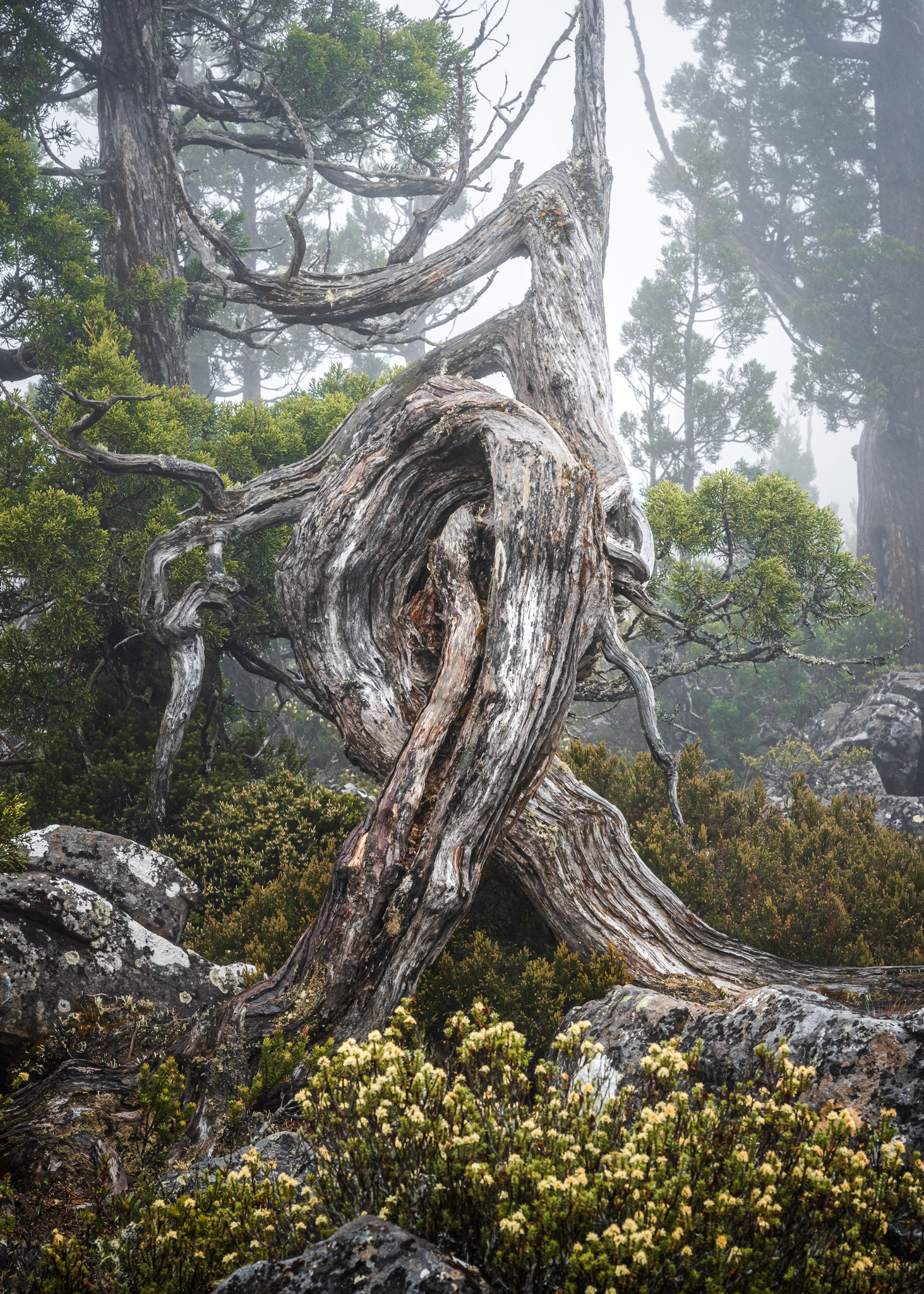
You have an exhibition on Celebrating the Beauty of our Native Tasmanian Trees and your Miena Cider Gums Project. Tell us more about how this came about and what you hope to achieve.
After exploring the significance of these trees, artists Fiona Francois and Cindy Watkins approached me to collaborate on a joint exhibition celebrating the Old Native Trees of Tasmania. Cindy, a textile artist, recently completed a project called "5000 Trees," while Fiona just finished a stunning rendition of a Cider Gum. We booked the gallery two years in advance and secured our beloved forest advocate Bob Brown as a guest speaker, along with contributing speakers from the Tasmanian Land Conservancy and Landcare.
Having hosted a screening of Bob's film "The Giants" three years ago and with Fiona's involvement in his arts program, we aim to inspire our community to protect Tasmania’s native forests. Our focus includes Ancient Rare Pencil Pines, King Billy Pines, Cider Gums, and Fagus—some of these trees live for over 3000 years. Through our creativity, we hope to share their stories through our different choices of medium.
Tell us more about the printing and framing of the images for the exhibition, including the choice of paper, size, and presentation.
I found a fantastic printer and framer in Hobart called Eagle Eye Tasmania. We have decided to use Hahnemühle Fine Art Photographic Papers in various sizes. To give the community every opportunity to take home a print, we will offer framed prints in A3, A2, and 24x24 inch sizes. Additionally, I have chosen some larger prints to showcase some of my favourite trees. These will be displayed in the Long Gallery at Salamanca Arts Centre, in Hobart Tasmania.
You say on your website, “Immersed in these ancient alpine regions, my mind clears, and time seems to stand still, a rare and treasured feeling in today’s fast-paced world.” Tell us more about your connection to the Alpine regions.
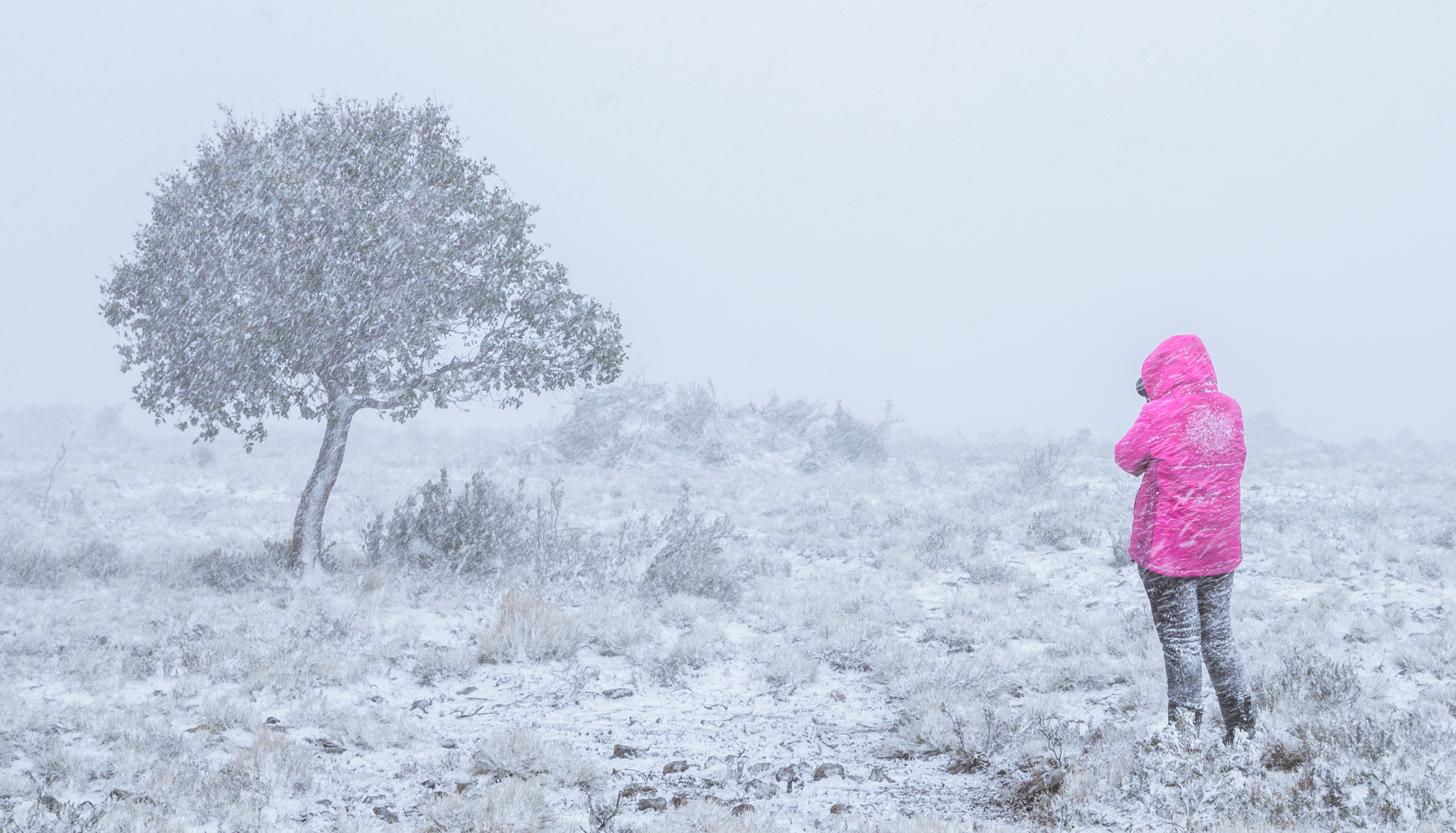
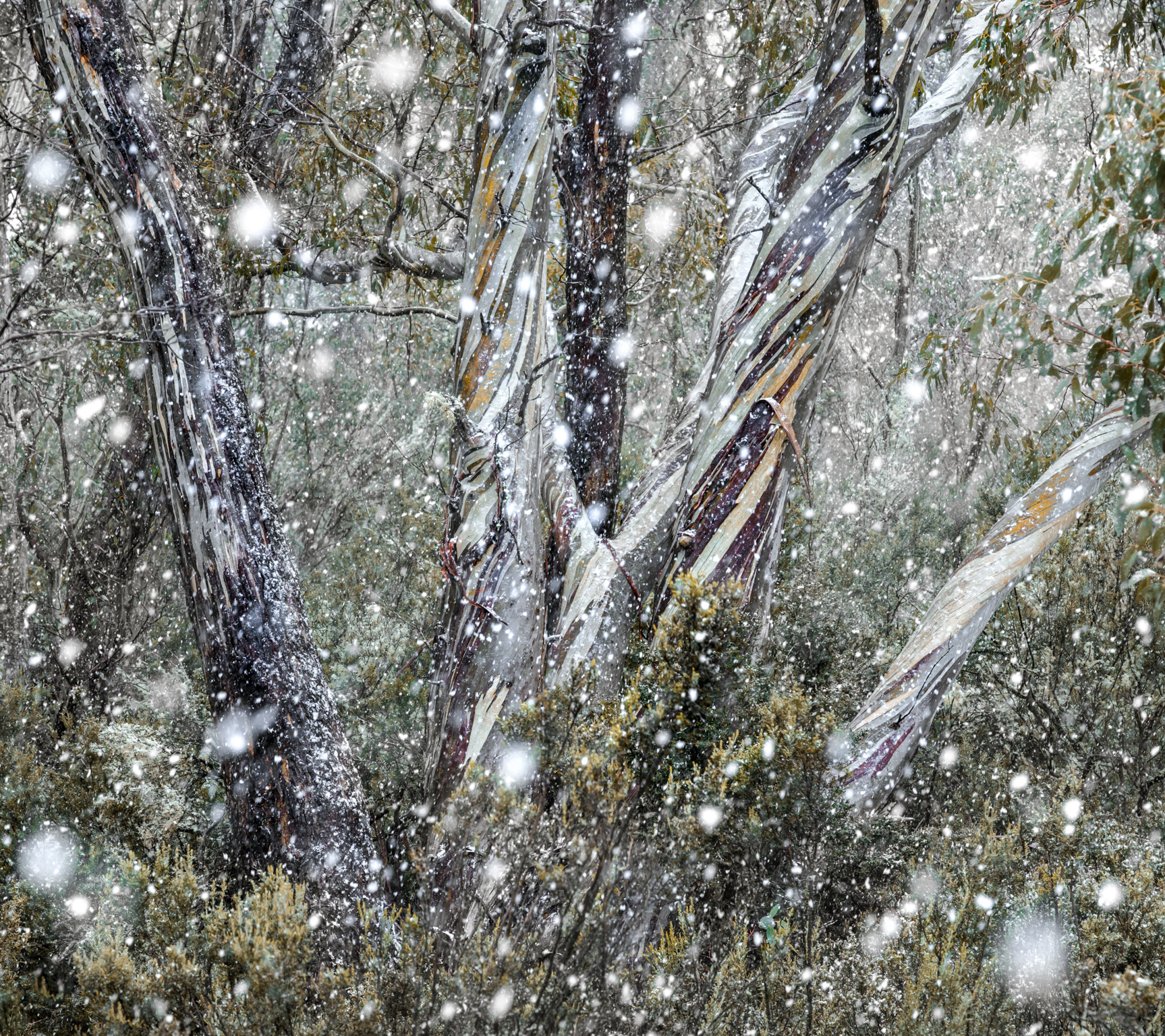
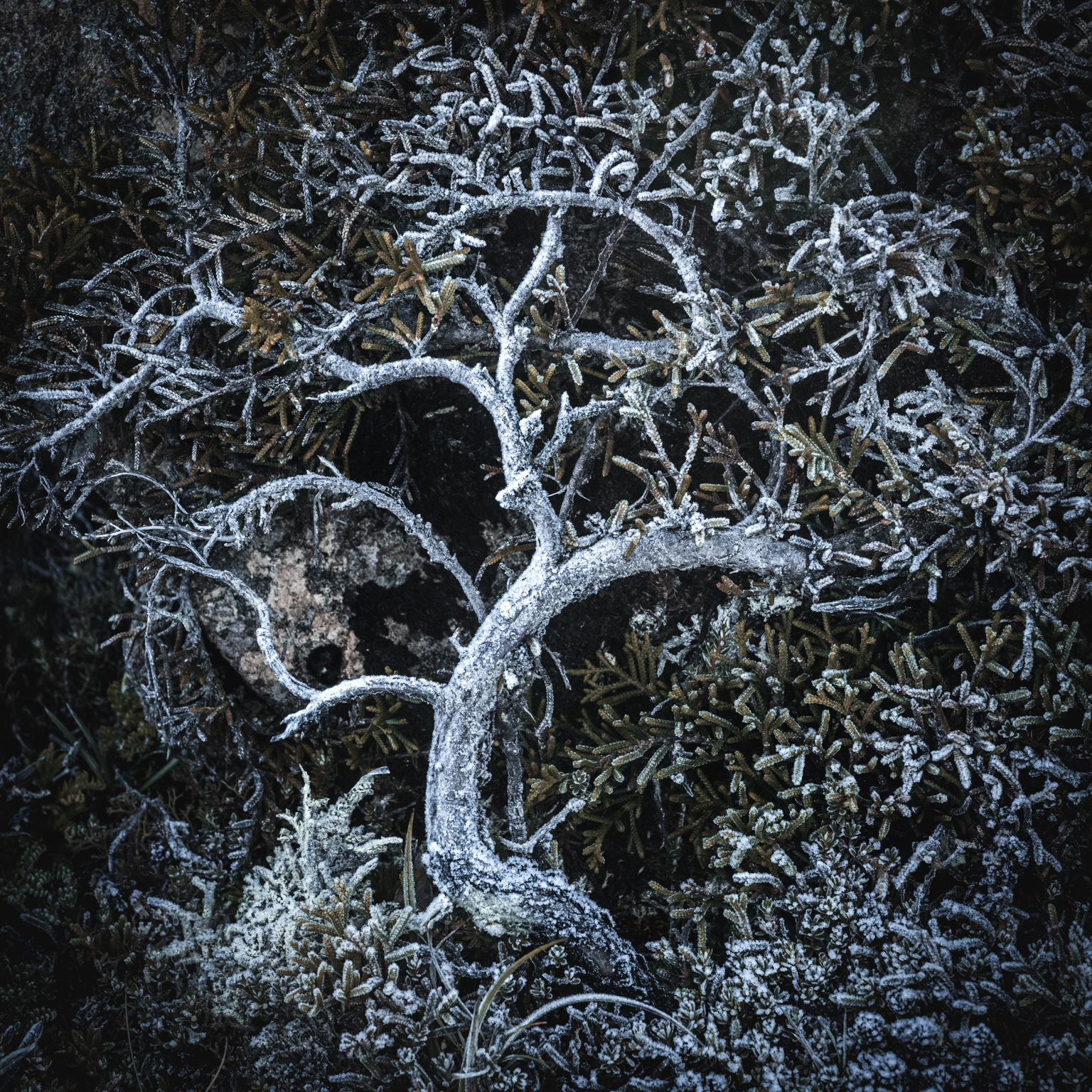
I know I’m not alone in feeling that winter offers some of the most beautiful moments to connect with nature while photographing the landscape. Snow gently blankets the chaotic scenes of a bustling forest, lending a softness that transforms the world into a quieter, more serene place.
During those peaceful moments when everything else seems to pause, I find that I can truly be present, feeling a deep connection to something much larger than myself. In these times, it’s comforting to know that despite the challenges we face, there exists a harmony in nature that makes everything feel right. For a little while, I can forget the impact of human neglect, and instead, I am embraced by a living gallery of wisdom that transcends human understanding—a spiritual bond that words simply cannot capture.
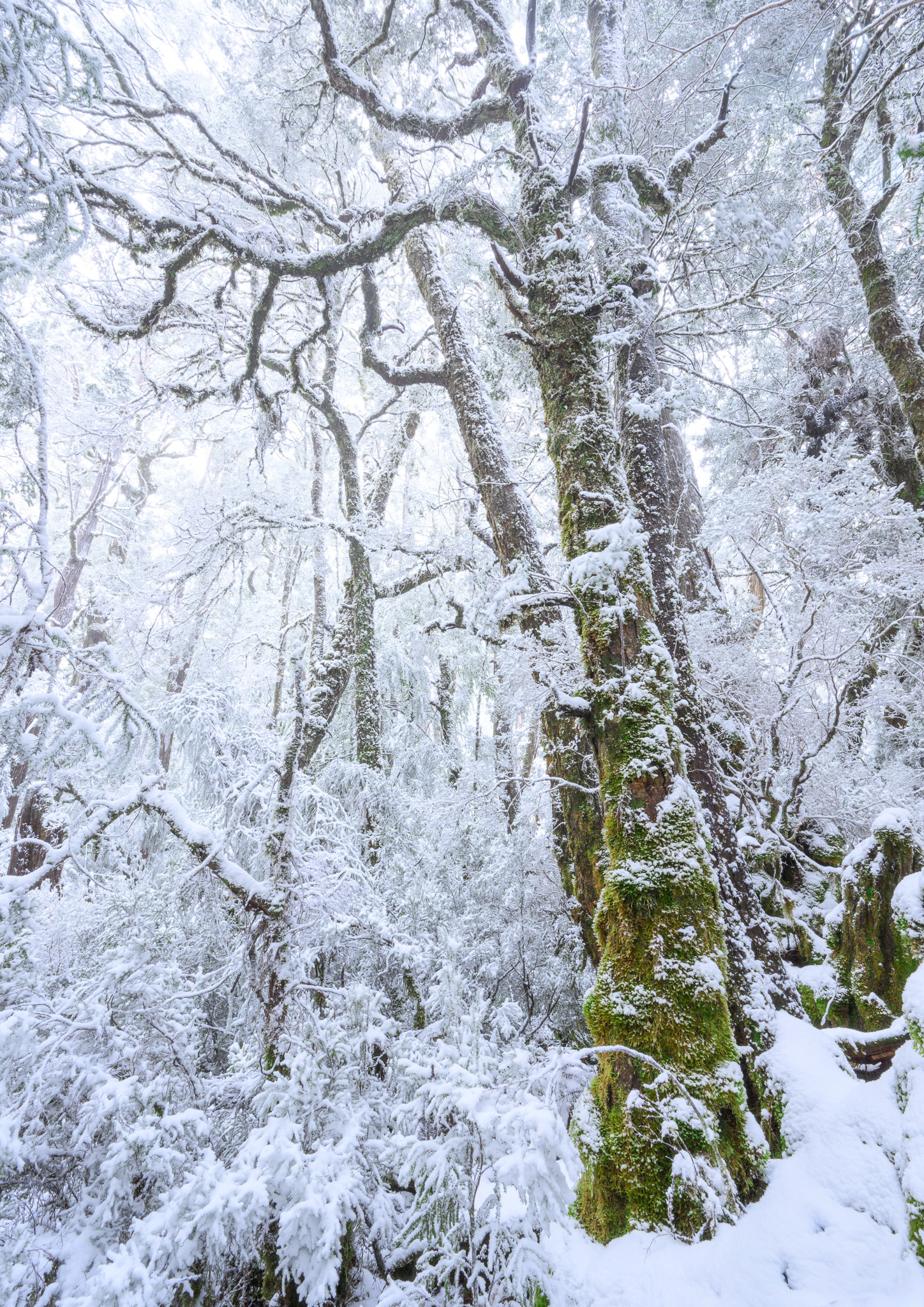
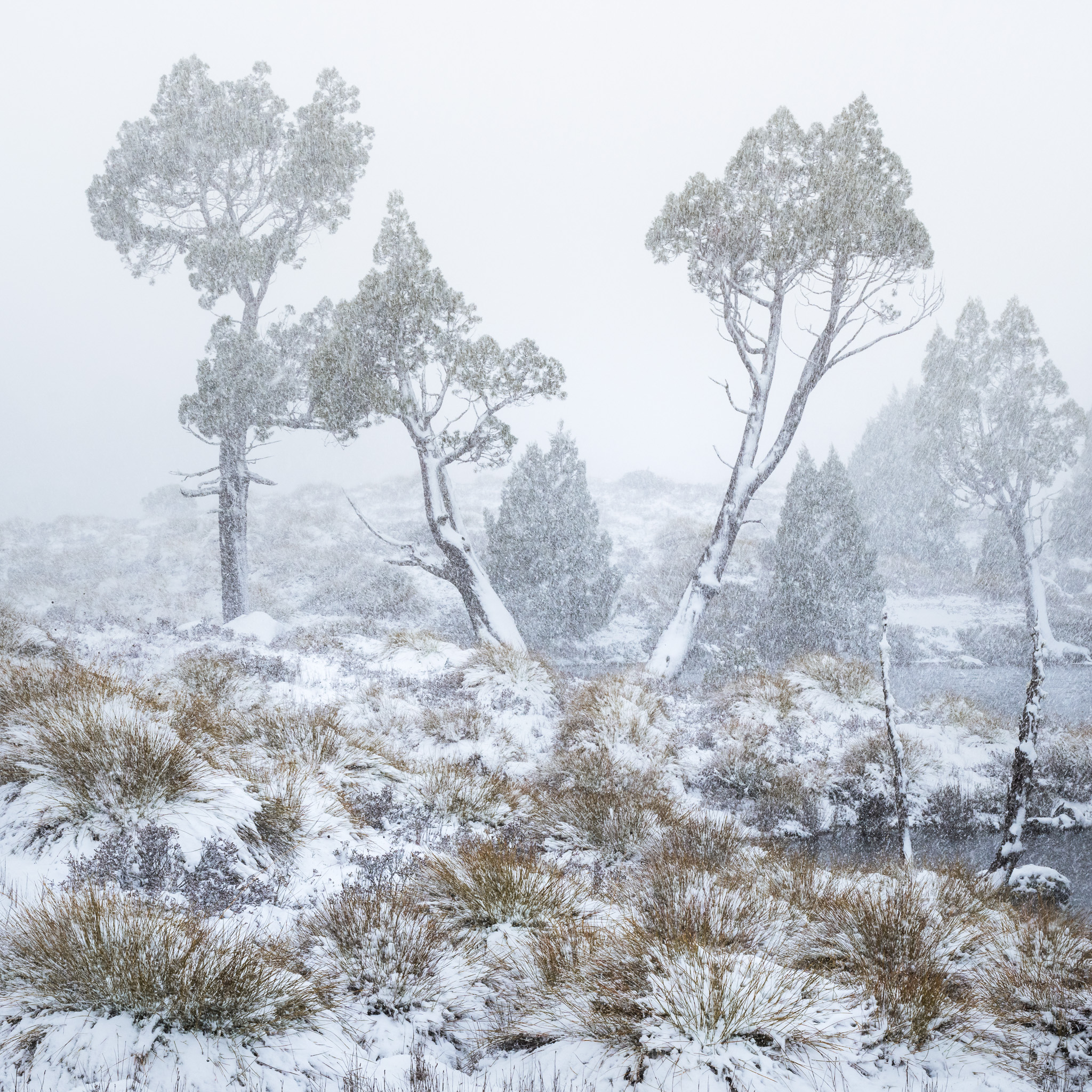
King Billy Alpine Region
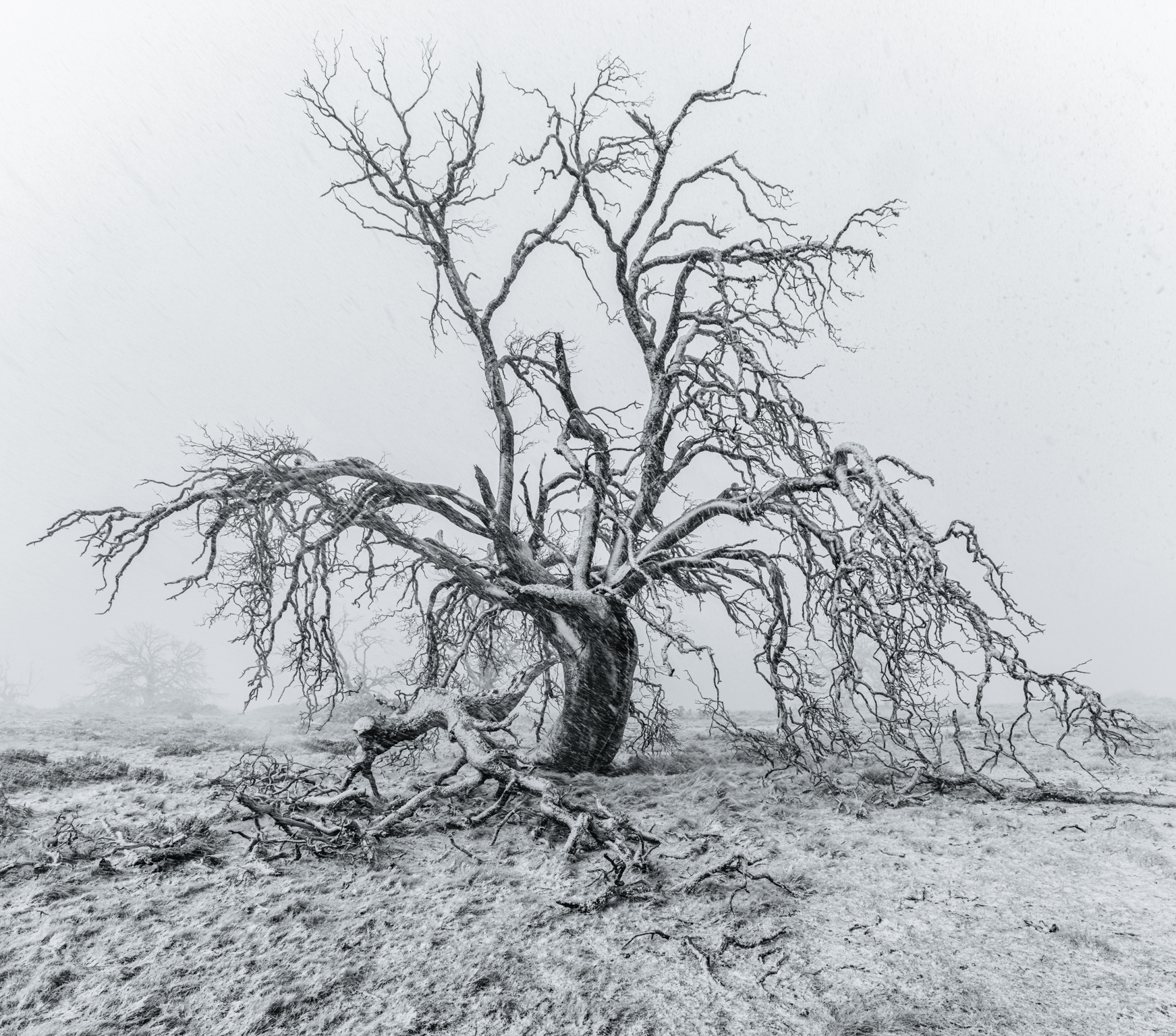
This image of the Tasmanian Snowgum holds a special place in my heart for many reasons. It beautifully represents our native forest, weaving together the intricate tapestry of plant communities and highlighting their crucial roles in sustaining the ecosystem.
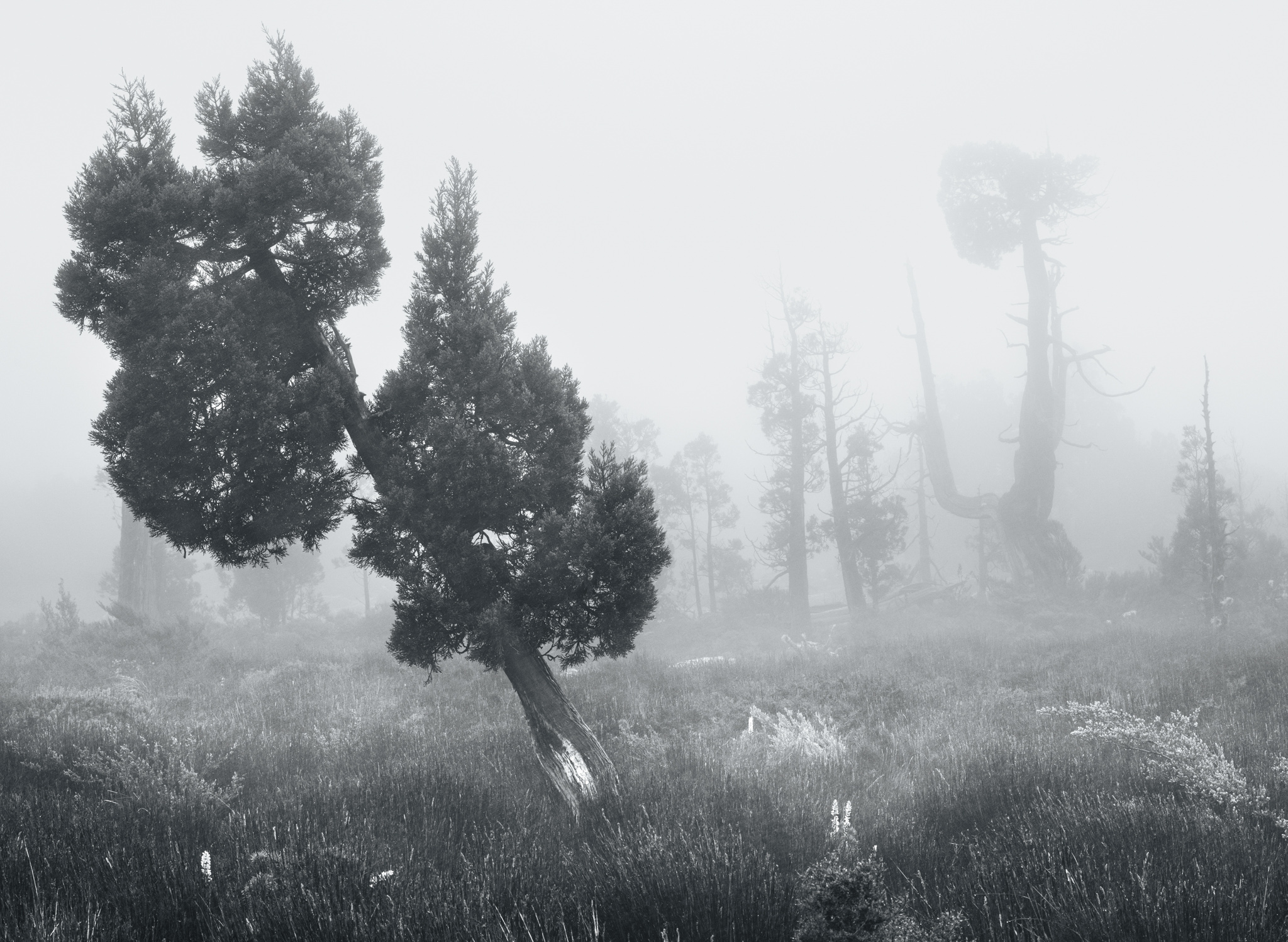
The ancient King Billy Pines, standing proud for over 2000 years, are gentle giants that have witnessed the passage of time. They are living relics, observers to the stories of ancient climates, and yet, they are sadly endangered by human activities.
Equally stunning are the rare and delicate Pencil Pines, unique treasures found only in the alpine regions of Tasmania. These living fossils remind us of a long-lost era, a remnant of the Gondwanan forests that once flourished across the continent. Fossil evidence dating back around 40 million years indicates that these magnificent trees once thrived throughout Australia, retreating to the cooler, wetter climate of the Tasmanian Highlands as the environment changed. It’s a poignant reminder of the fragility of our natural heritage and the importance of protecting these incredible species for future generations.
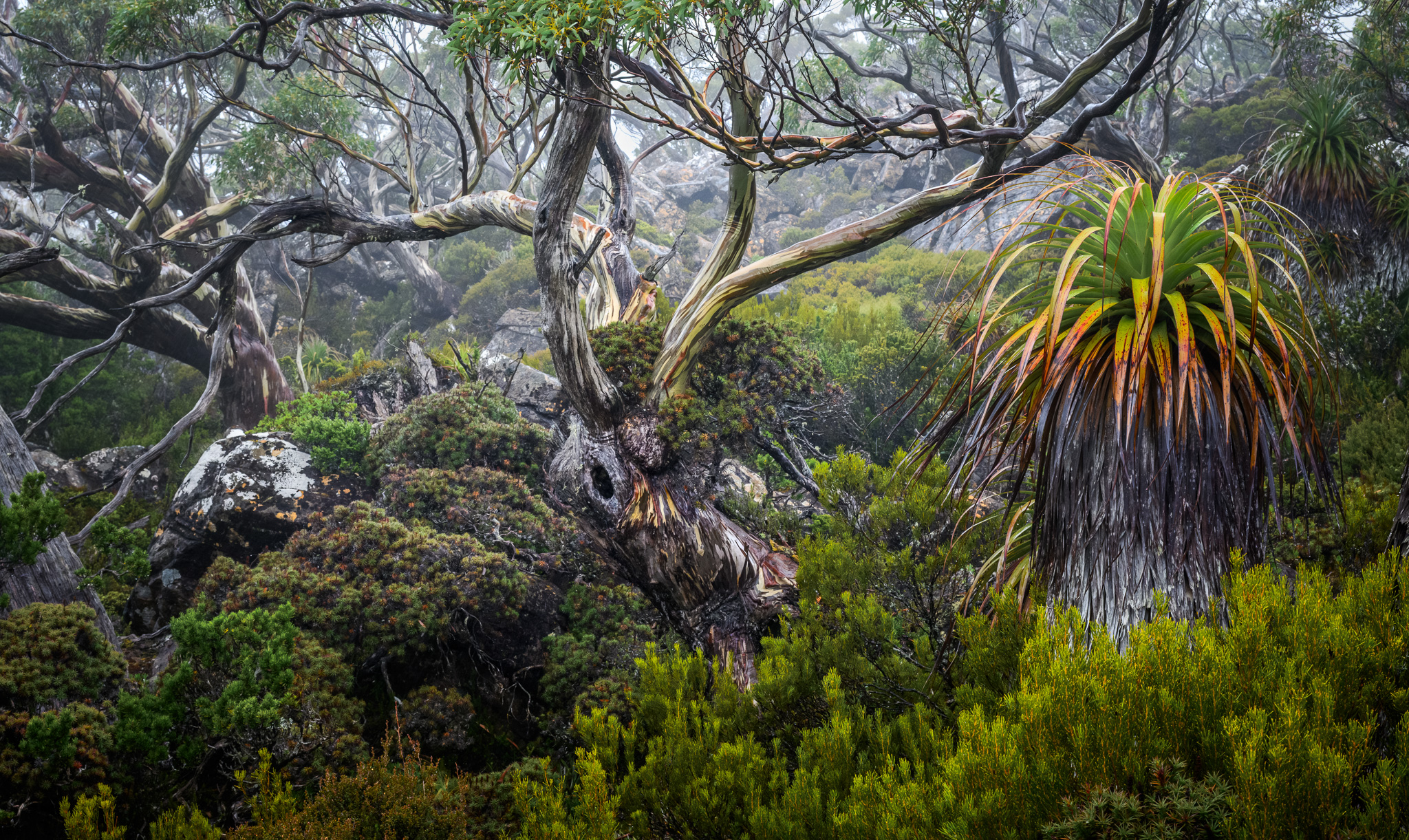
Snowgum Trees
Many of your images double as conservation commentary. How do you balance the aesthetic, such as beauty, composition and mood, with the ecological narrative of endangered trees and habitat change?
In the early days of my journey with the Cider Gums, I faced the heartfelt challenge of sharing the unique story of these endangered trees amidst a sea of images from this beautiful region. It became clear to me that simply documenting the trees wasn’t enough to truly convey their essence. As I meandered through the remnants of these once-majestic forests, I began to realise that the key to telling their story lay in recognising where life still thrived.
I learned that young saplings rely on the nurturing embrace of the understory to survive—a truth that initially eluded me. Being a sensitive soul, I often approached my work intuitively, guided by my right-brain perspective. I gradually allowed myself to embrace the notion that the forest had its own tale, patiently waiting to be shared. If I could simply find the stillness to listen, I might just grasp the message it wished to convey.
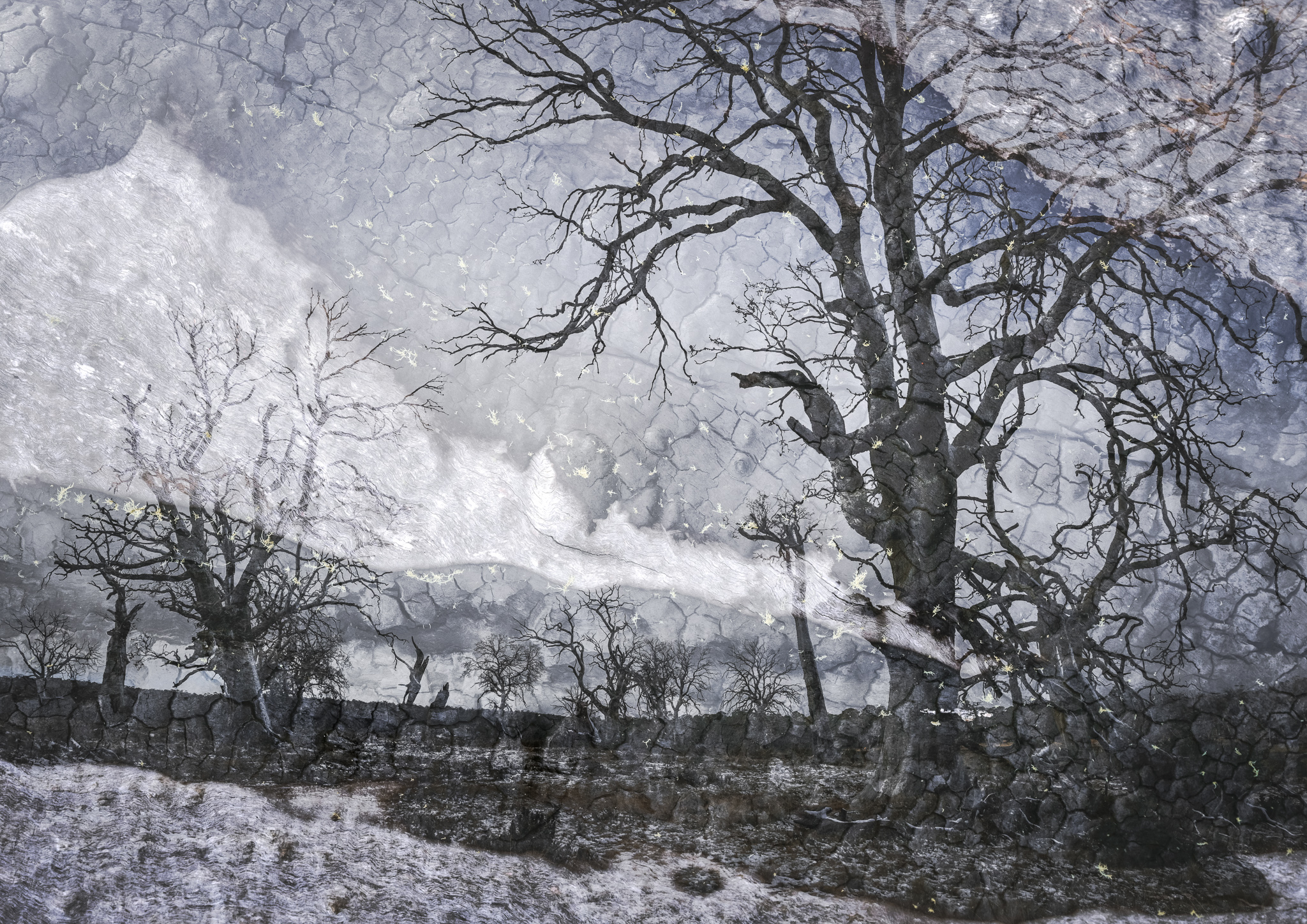
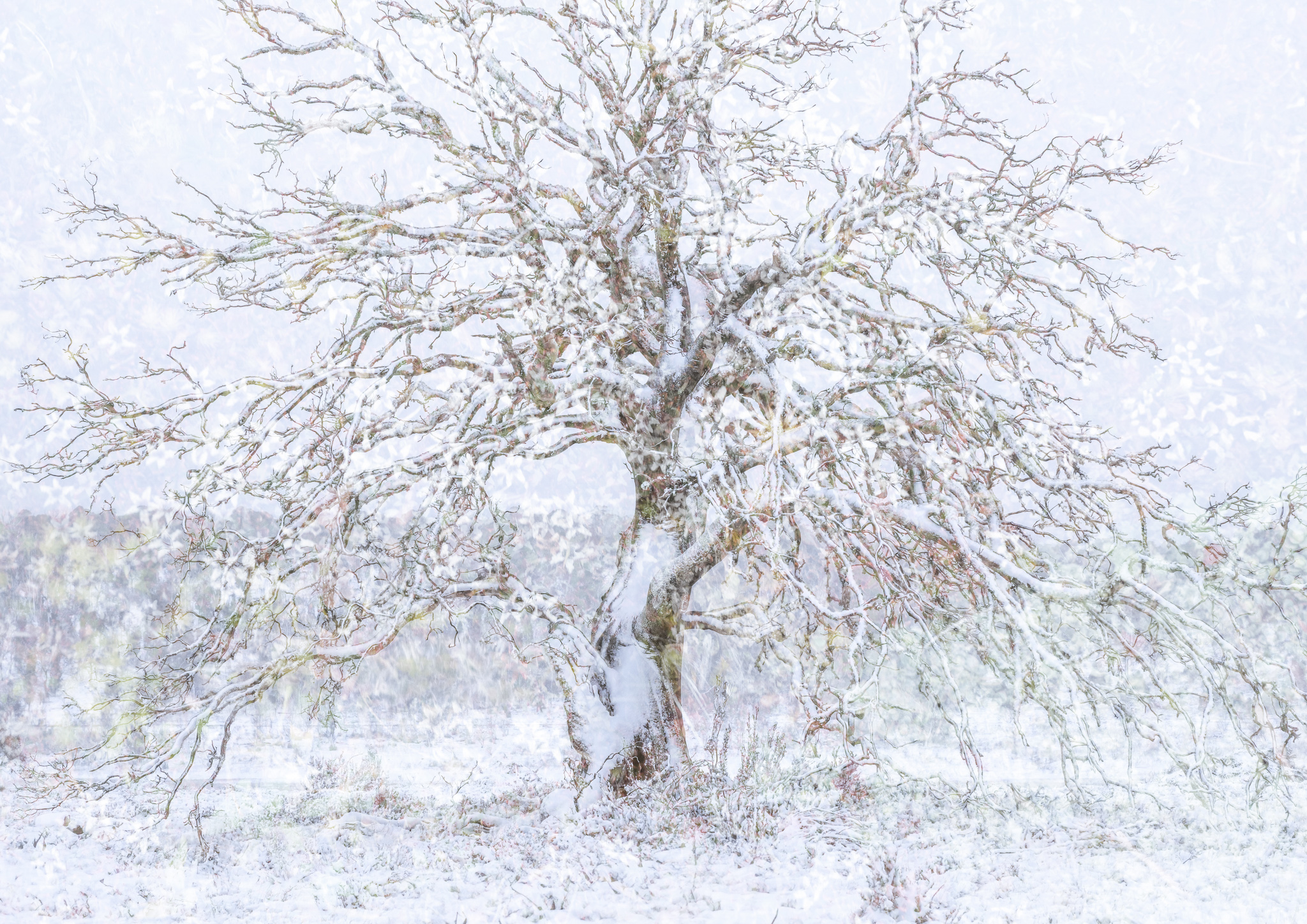
What emerged felt like a vision, as if a picture had been gently placed in my mind. The trees urged me to go beyond their individual journeys and to recognise the vibrancy of the entire ecosystem. I was inspired to focus on a central subject, often a deceased tree, and through the use of multiple exposures, in-camera, weave in the subalpine plant communities as a textured overlay. This thoughtful approach highlighted the significance of the understory and its vital role in nurturing young saplings. Ultimately, it became clear that the elder trees wanted their stories shared, woven together in the fabric of their ecosystem.
I had never seen this done in this way before, and it opened my eyes to a new realm of visual storytelling. My artistic interpretation of these trees will hopefully inspire and continue important conversations about our precious native forests, and these images will be shared in the exhibition this February 2026.
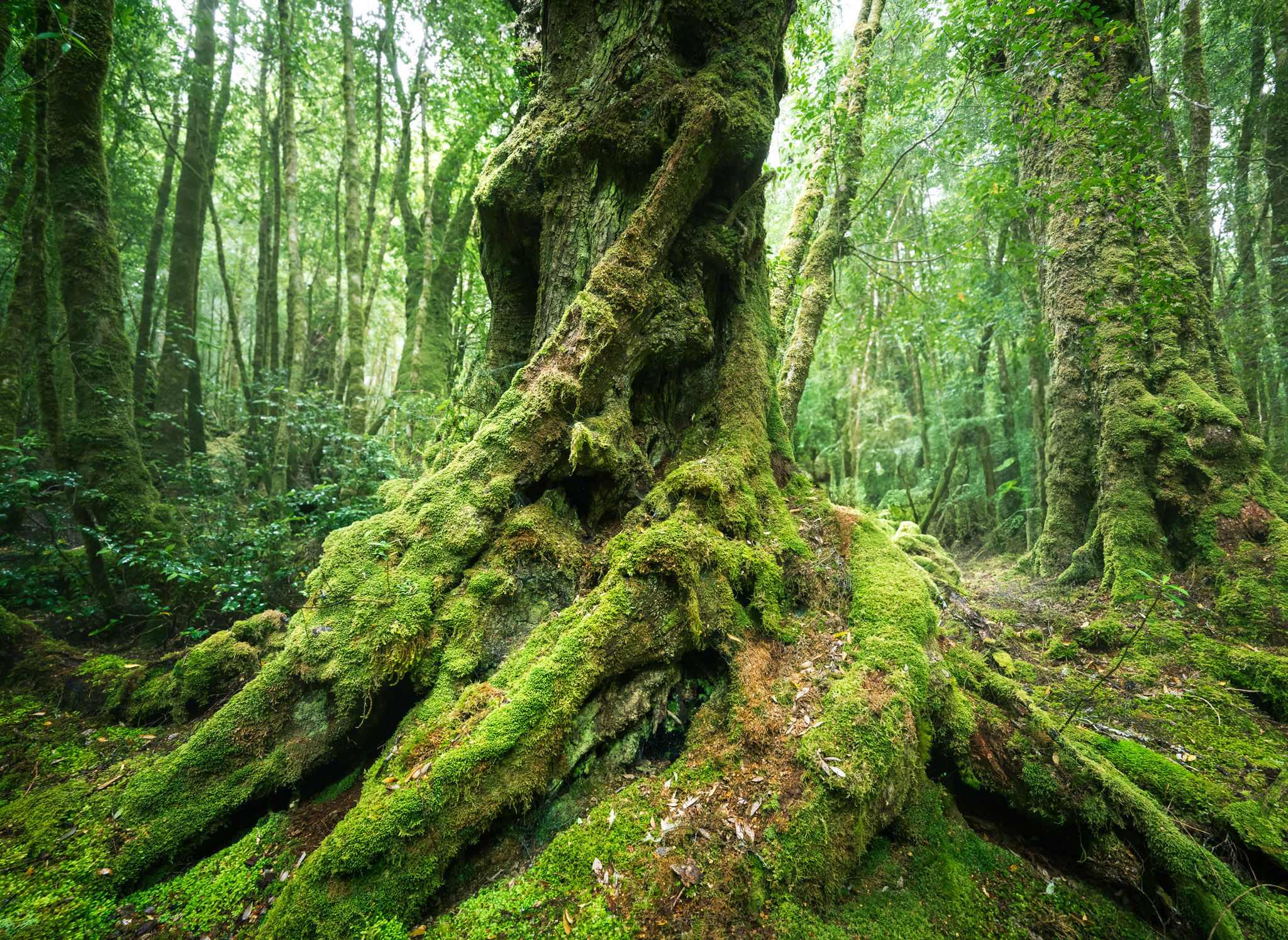
You won the Natural Landscape Awards, Photographer of the Year. Tell us more about the images you submitted.
All the images I submitted to the NLPA 2025 were inspired by a deep love and appreciation for our natural world. Sharing these images on this platform has allowed me to highlight the beauty of our Tasmanian Native Forests on a global stage, which has been incredibly meaningful to me. The connections I've made since being named Photographer of the Year have been truly heartwarming.
The NLPA Community is a remarkable group of passionate individuals who share a collective desire to showcase the beauty they find in their own corners of the world. Being part of an international competition provides a wonderful opportunity to celebrate the extraordinary beauty of nature in all her forms, and I feel grateful to contribute to this shared mission. The friendships we forge along the way remind me that we are united in our commitment to protect what is important in our natural world.
In New Zealand, I eagerly participated in the Photographic Society's competitions each year, passionately striving to win the prestigious Gold award for Landscapes. The journey was challenging, yet through hard work and creativity, I achieved that goal, marking a pivotal moment in my photography journey. I also discovered the joy of portraiture. This dedication opened doors, leading to an invitation to become a judge for the PSNZ, deepening my appreciation for photography and allowing me to explore the diverse talent within the community.
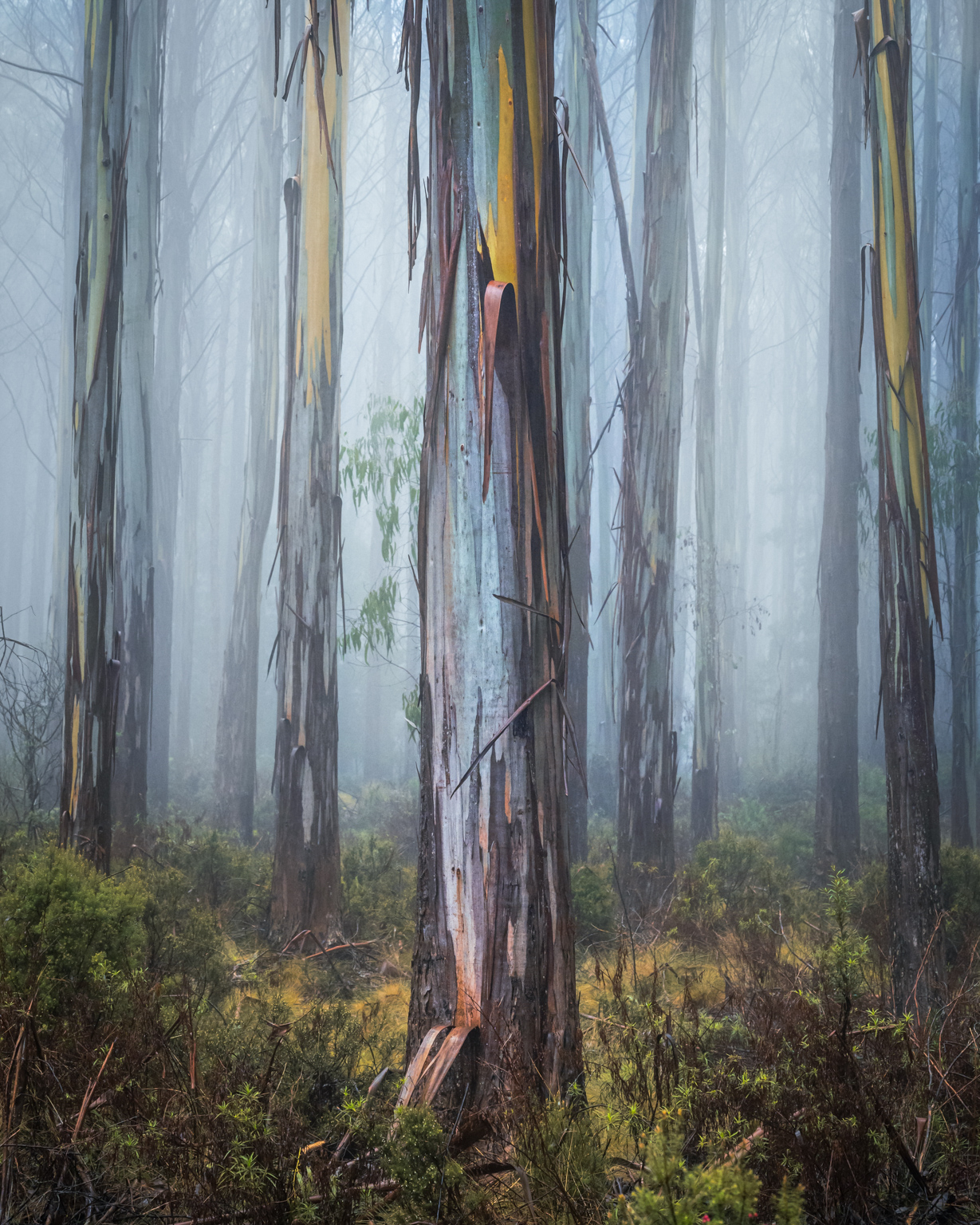
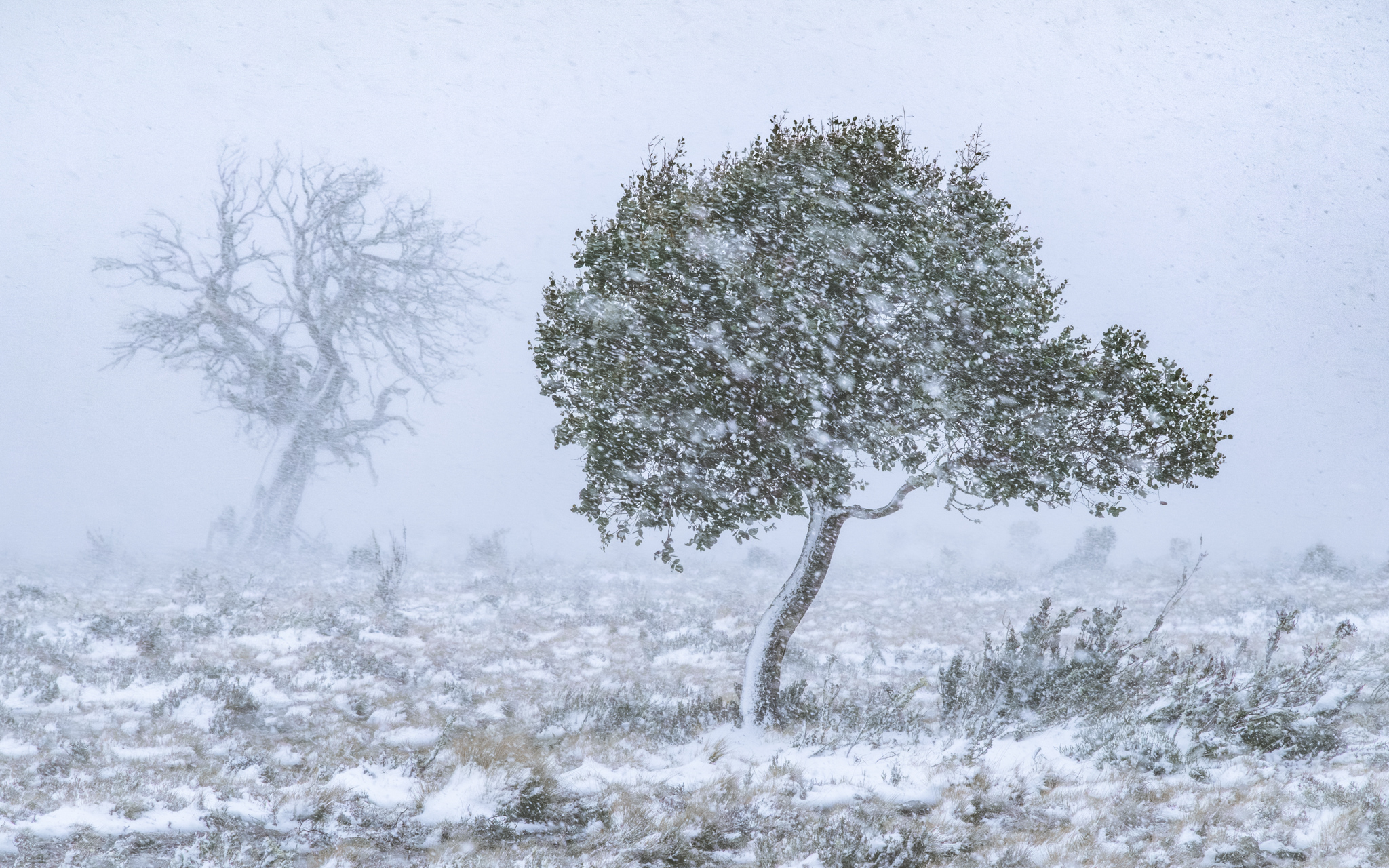
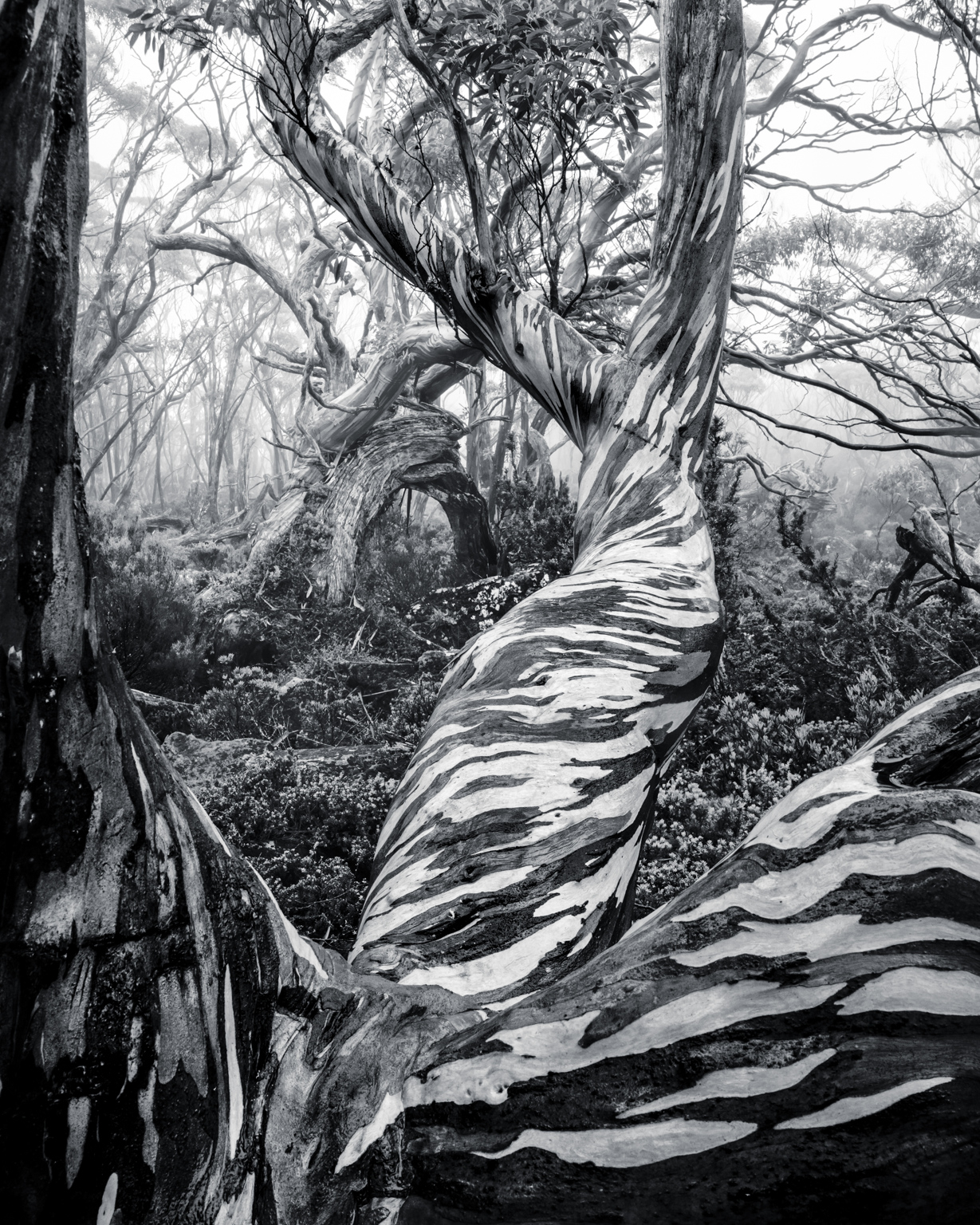
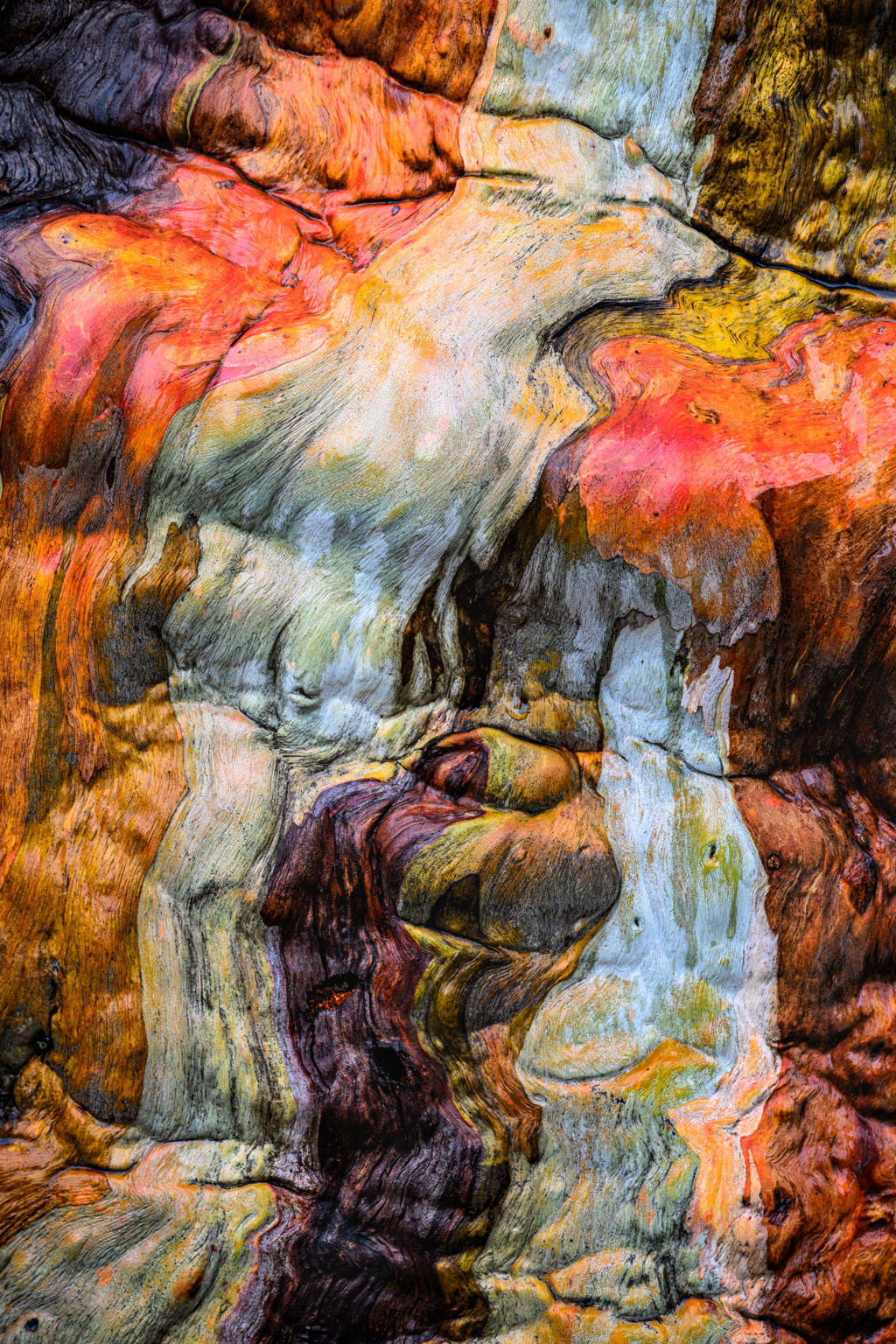
When you step away from the camera and the forest, what do you do to recharge and stay connected to your creative self?
My love for the natural world has always led me to find peace in the garden. My husband and I share a deep passion for bonsai, and I find great joy in growing my own vegetables and nurturing a variety of fruit trees. Being in the garden feels like a sanctuary for me, a place where I truly belong.
What is next for you? Where do you see your photography going in terms of subjects, projects and style?
I’m thrilled to share that my next project is particularly exciting and meaningful. Thanks to the exposure I received from the NLPA Awards, several talented photographers here in Tasmania have reached out to collaborate on a wonderful new venture that highlights our native trees. It’s a heartwarming reminder of the benefits that come from being noticed and connecting with others who share my passion.
This long-term project will involve photographing Huon Pines, Pencil Pines, King Billies, Mountain Myrtles, and Fagus trees for a book. I can hardly contain my excitement about the opportunity to celebrate these magnificent trees. It’s a project that resonates deeply with me, and I truly look forward to every moment of this journey. For the love of trees...and our natural world.
Before we ever speak about technique, location, or even subject matter, there are quieter questions that deserve to be asked. What does it mean to really see, not just to look, but to feel a place as it drifts through memory and emotion? Where does perception end and imagination begin? And what happens when photography becomes less about recording the world and more about entering into a state of attention that feels closer to dreaming than documenting?
A sense of mystery is a quality I strive to include in my imagery. In writing a rhetorical question provides interest and depth, in photography mystery is the rhetorical question. An unanswerable question is a powerful source of interest. Mystery in a photograph is the un-answerable question posed by some element or elements in the image. The answer to that question, however, is only what the imagination of the viewer suggests and then often only in a subliminal manner. The “answer” is a perception, and a different perception for each viewer of the image as well as for the artist.
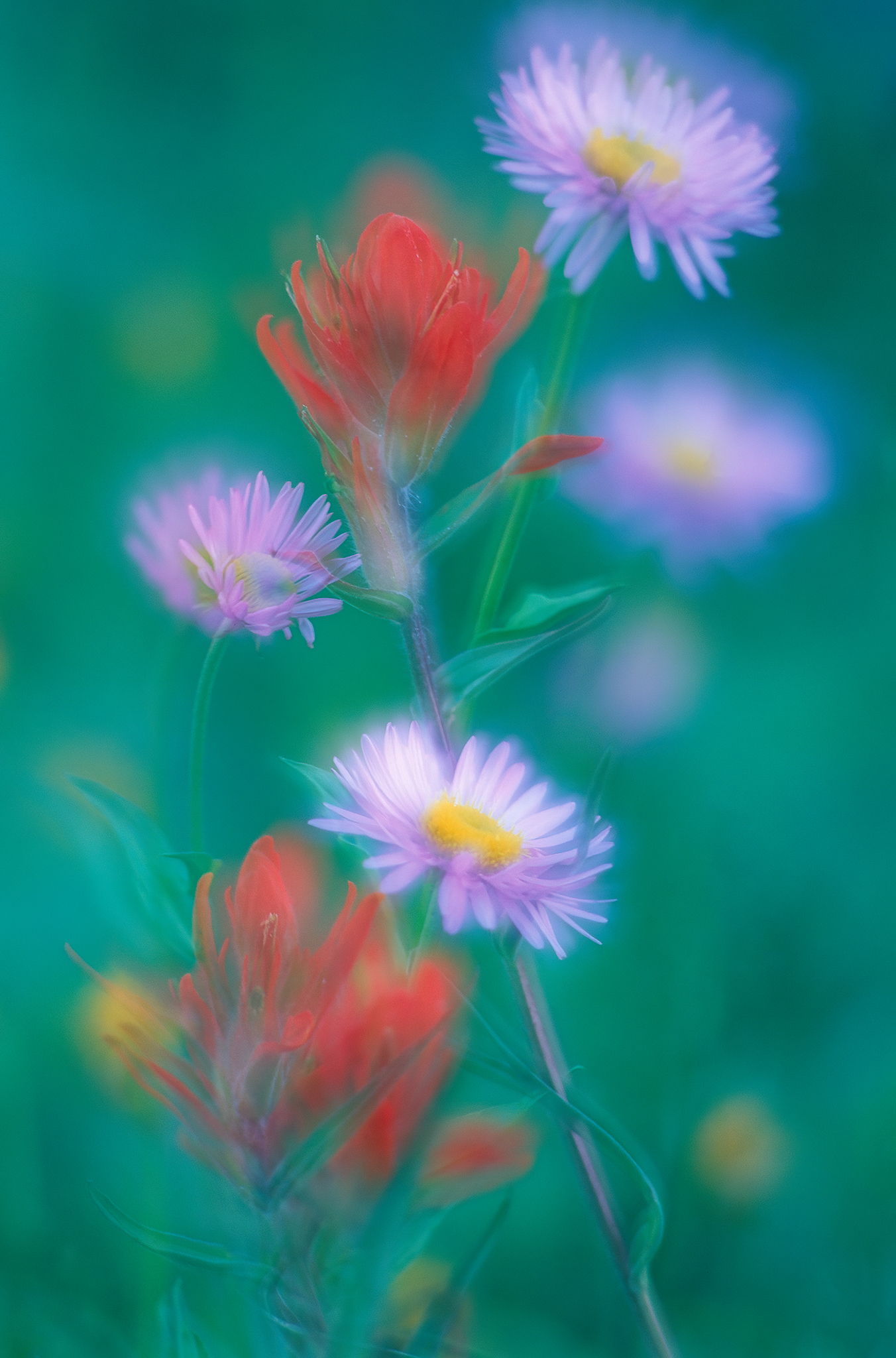
Painting with Wildflowers
Layered exposures with differing focal points creates this soft and sharp wildflower portrait with no clue as to where it was made, Shrine Pass mountainside, Summit County, Colorado.
As an artist, I desire to make art, not a document of nature or any other subject. There are times that images can be and sometimes should be, documents of reality or represent reality. If my art can also be useful for a documentary use, so be it. However, that is not my charge, it is not my reason for doing.
I have been awestruck by the natural world from a very early age. One of the greatest gifts my parents ever gave me was the gift of wanderlust. Go ahead and get lost, (but not too lost), was the mantra they installed in me. Look, see and learn, touch, but be careful, ask and learn were all tenants that were valued and supported.
Wandering the northern hardwood forests of the US Midwest, exploring prairies and grasslands, wading small creeks, catching (and releasing) frogs, lightning bugs, butterflies and all sorts of creatures; pressing leaves, planting gardens, spending hours studying maps are all precious memories. Such activities inspired learning, but more so inspired wonder, which has many elements of mystery embedded in it. Mystery has always created interest for me, and so it is with photographs or any art form. Mystery creates interest and intrigue, things that keeps viewer attention when observing your work.
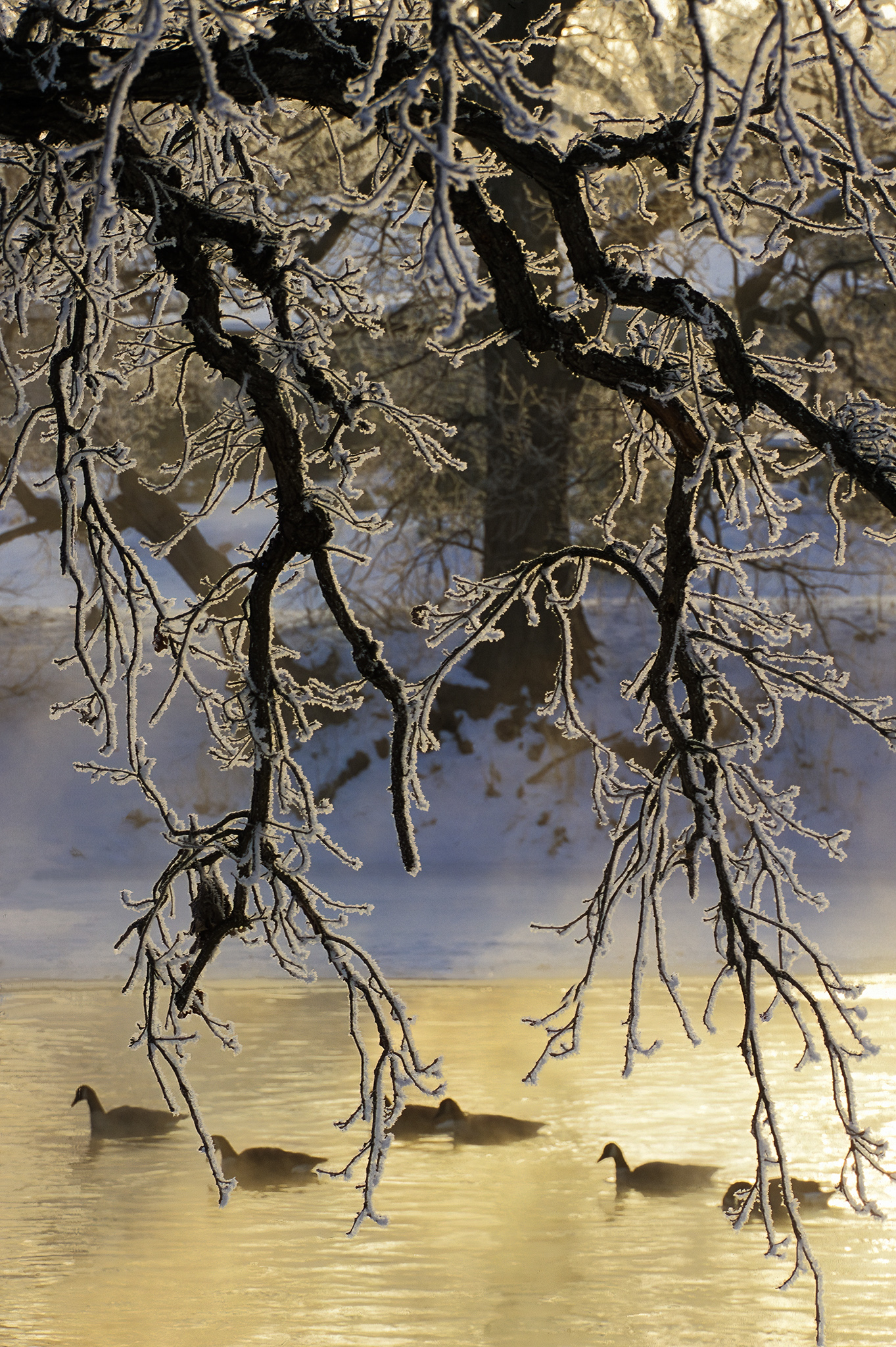
River Frost
Canada Geese swam into the image I was making of hoar frosted branches. Serendipity! The mystery is where did they come from, where are they going. DuPage River, Will County, Illinois.
My favorite works of art, whether my own or others, are those that push my big three buttons, wonder/curiosity, question, albeit a rhetorical one, and intrigue. Wonder and question can be issues of subject, of composition or structure. Intrigue is an issue of what else might be hiding within? All three of those buttons leave me wanting more, leave me looking for more.
A tenet of both good writing (be it fiction or history), good movie making, and good music is that you get only hints at the beginning of such works, the payoff is saved for the end. Without such structure, there would be little reason to read the whole piece, stay to the end, or listen to the whole work. Curiosity and interest die, and surprise is eliminated if we know the end in advance. Imagination is quashed, and tension is relieved.
When photographs are obvious, when too much visual information is included, when the image is ambiguous as to purpose or intent, when we provide no “visual satisfaction”, the viewer moves on, they may glance at an image but quickly move on and ignore the image.
When you leave questions unanswered, you create mystery. By doing so you attract and sustain attention. You also create an atmosphere where imagination is championed and interpretation is celebrated. Mystery gives the viewer a better visual experience, a broader experience, allowing them to have visual satisfaction, having their internal questions answered, or their wonder and awe excited.
Enjoyment appears at the boundary between boredom and anxiety, when the challenges are just balanced with the person’s capacity to act. ~Mihaly Csikszentmihalyi
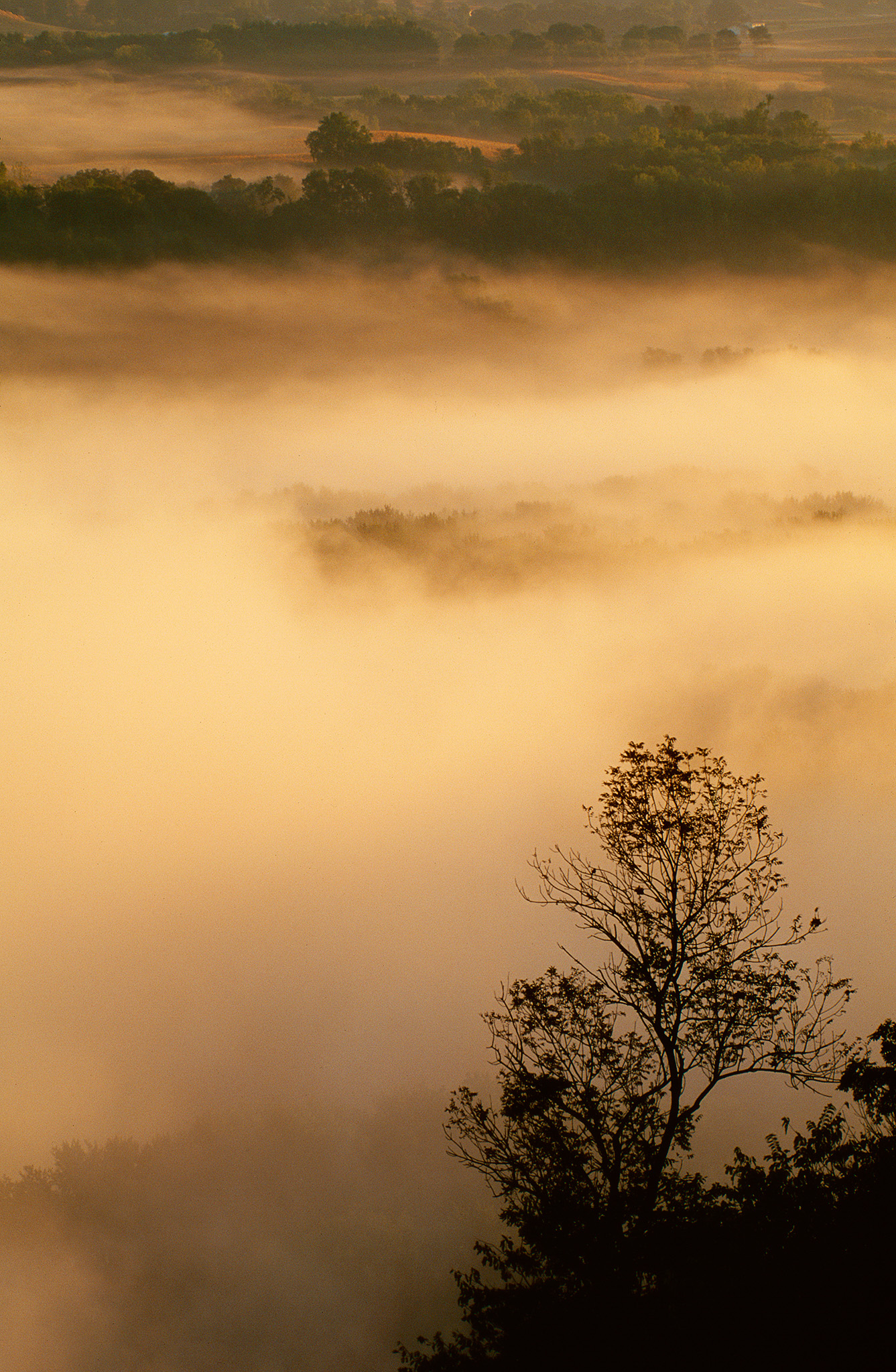
Wyalusing Mist
Fog fills the Wisconsin River Valley at sunrise, the mystery is what’s under the mist? Grant County, Wisconsin.
If an image is too obvious, we are bored by it, we ignore it. If an image is too complex, so ambiguous that any feeling or meaning would be too much work to fully enjoy, we give up on it. You need to give your viewer enough simplicity to instantly catch their eye, with enough mystery to give them room to investigate and ponder further.
The most beautiful experience we can have is the mysterious. It is the fundamental emotion that stands at the cradle of true art. ~Albert Einstein
Let’s turn to the compositional end of adding Mystery to a photograph. Just how does one do it? Mystery and the unanswered question is created with many tactics and compositional treatments.
Mystery can be created by making a line, usually a trail, creek, river, path, road, etc. leave or enter an image from within the image versus off of an edge or corner. The question asked is "Where does that go”? “Where does that come from?" Some images ask both questions, that of going or coming in the same image.
Mystery can be added by including only parts of the subject or center of interest within the frame. The old axiom, “Less is more” truly applies to creating mystery. Ask the questions “is this all, how much more is there, what is missing”, etc. By doing this sense of place can be lost, creating the question of where is this? The sense of beginning and ending can be lost, the sense of scale can be lost, even the sense of what the subject even is, and can all create questions of mystery.
Hide a subject's face. This tactic is not creature specific. We’ve all seen portraits of people and animals looking out into space, seeing either just part of the side of the face or even just the back of a head. When done right, such compositions produce spectacular imagery. Any subject however can have an animate viewpoint. Using the “looking out or off” viewpoint can work with just about any subject.
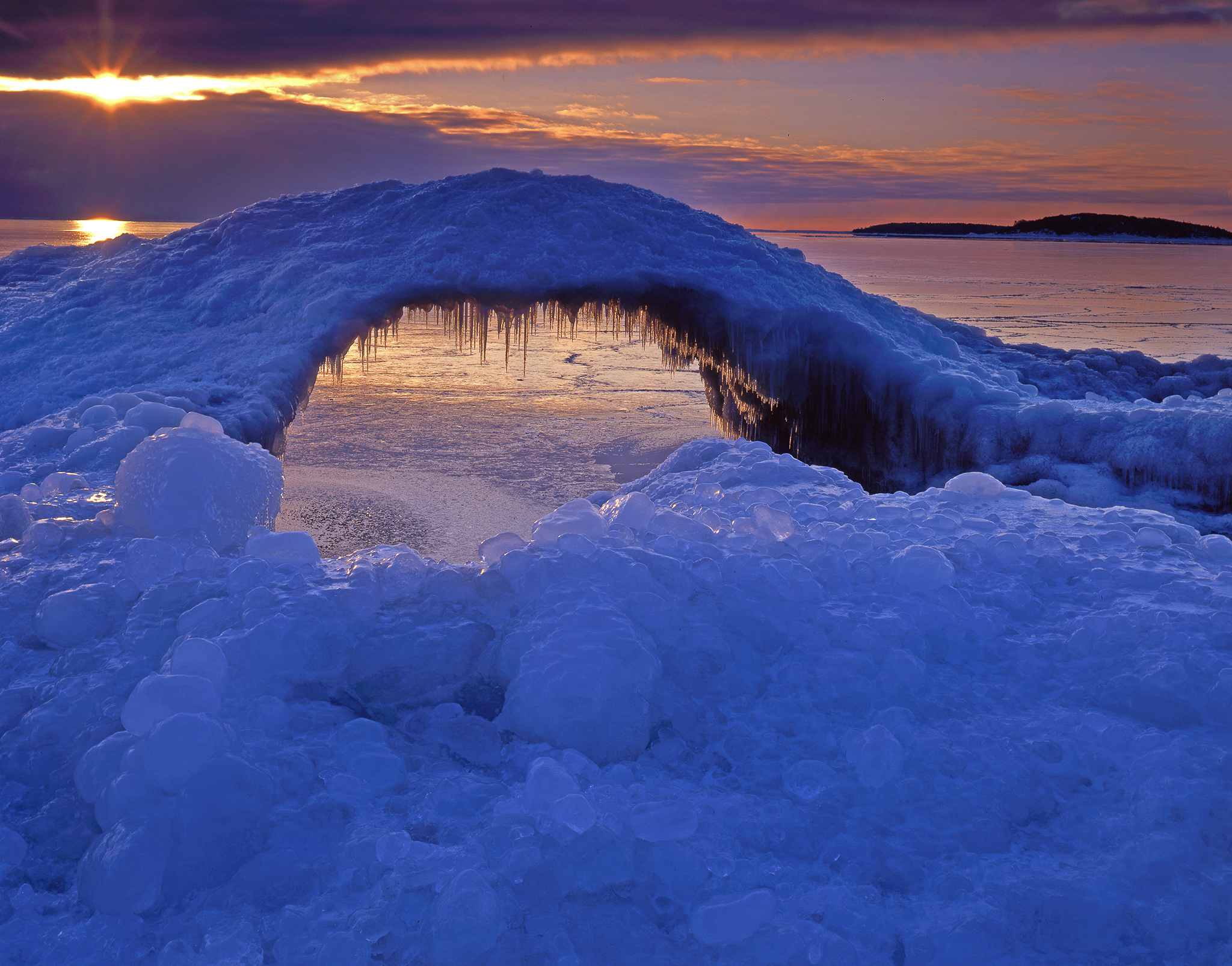
Ice Arch Sunrise
The sun, mostly hidden behind a cloud bank, creates apprehension about when or if it will appear, Presque Isle Unit, Escanaba State Forest, Marquette County, Michigan.
Soft focus and selective focus are some of the most compelling ways of making images with feeling and emotion. Producing such imagery is certainly not as easy as just using a shallow focus or depth of field or randomly picking a point of focus. First, it takes practice, it takes patience, it takes time and subtle adjustments in both focus point and aperture selection. To perfect soft or selective focus, learn to use your depth-of-field preview button on your camera, or if you don’t have such a feature, use the image enlarging feature when viewing the image on your camera’s screen. “Play” with the amount of softness, the focus point, and the aperture.
Use unusual lighting, confuse the sense of what kind of light it is or where it is coming from. Dramatic lighting can create mystery and highlight the less obvious parts of a scene. Backlighting is possibly the most dramatic lighting. It can be challenging to control exposure wise, but very directive for implied motion, and is always eye catching. Pure white or pure black “holes” in an image is one of the supposed taboos. Such things usually are difficult at best to use effectively, but when done creatively, can make incredible imagery.
Create Silhouettes. Silhouettes are a singular style of use of backlighting where the thing being silhouetted has no detail at all or just a minimum hint of detail. Silhouettes work best when the identity of the silhouette is not totally obscured, a hint of what the silhouette is creates mystery but not confusion. Silhouetting a subject can walk a fine line between mystery and ambiguity.
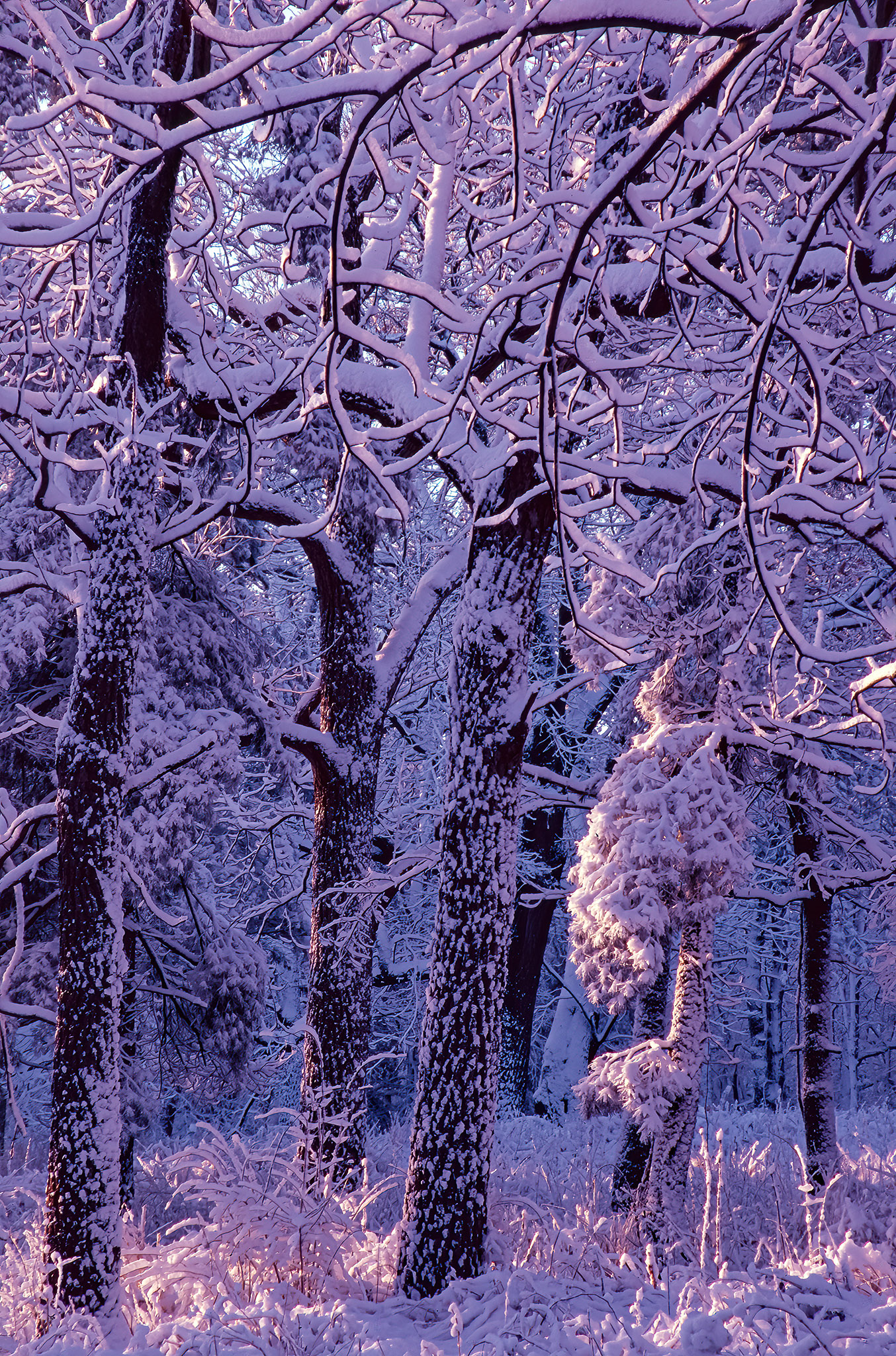
Sunrise Snow Forest
Fresh snow coats a forest that could be just about anywhere with cold enough weather for snow, DuPage County, Illinois.
Make your subject very small in the scene… or very large, i.e.; overfill the frame with subject. Learn and understand the concepts of negative and positive space. Understand the power of negative space. Small subject size in the right frame space can be incredibly creative and mysterious.
Use Spatial Ambiguity. Spatial ambiguity is akin to optical illusion, especially with spatial sensory perception and using optical compression with longer focal lengths. With spatial ambiguity, you create a state where interpretation flips from one thing to another, but your mind can’t hold both images at the same time.
Spatial ambiguity and scale may seem at first glance to be similar concepts, but they are in fact quite different. Scale just hinted at or completely obscured can suggest something other than what you are photographing. You create the impression of something that’s not actually there, like a face in a rock or tree, etc. Eliminating or diluting the sense of scale of the subject or scene will create a sense of mystery. When the scale is not predetermined by the image, the viewer’s imagination is set free.
A landscape view is usually obvious as to understanding of scene or subject. Eliminate the horizon, limit content to just essential elements, and you move to an intimate landscape genre. The intimate landscape by itself usually creates some amount of mystery just by its composition. Move in even closer, to a “close-up” view and mystery usually grows in scale and strength. Move to true macro (1:1 or greater in magnification), and more often than not a huge sense of mystery is created in the image.
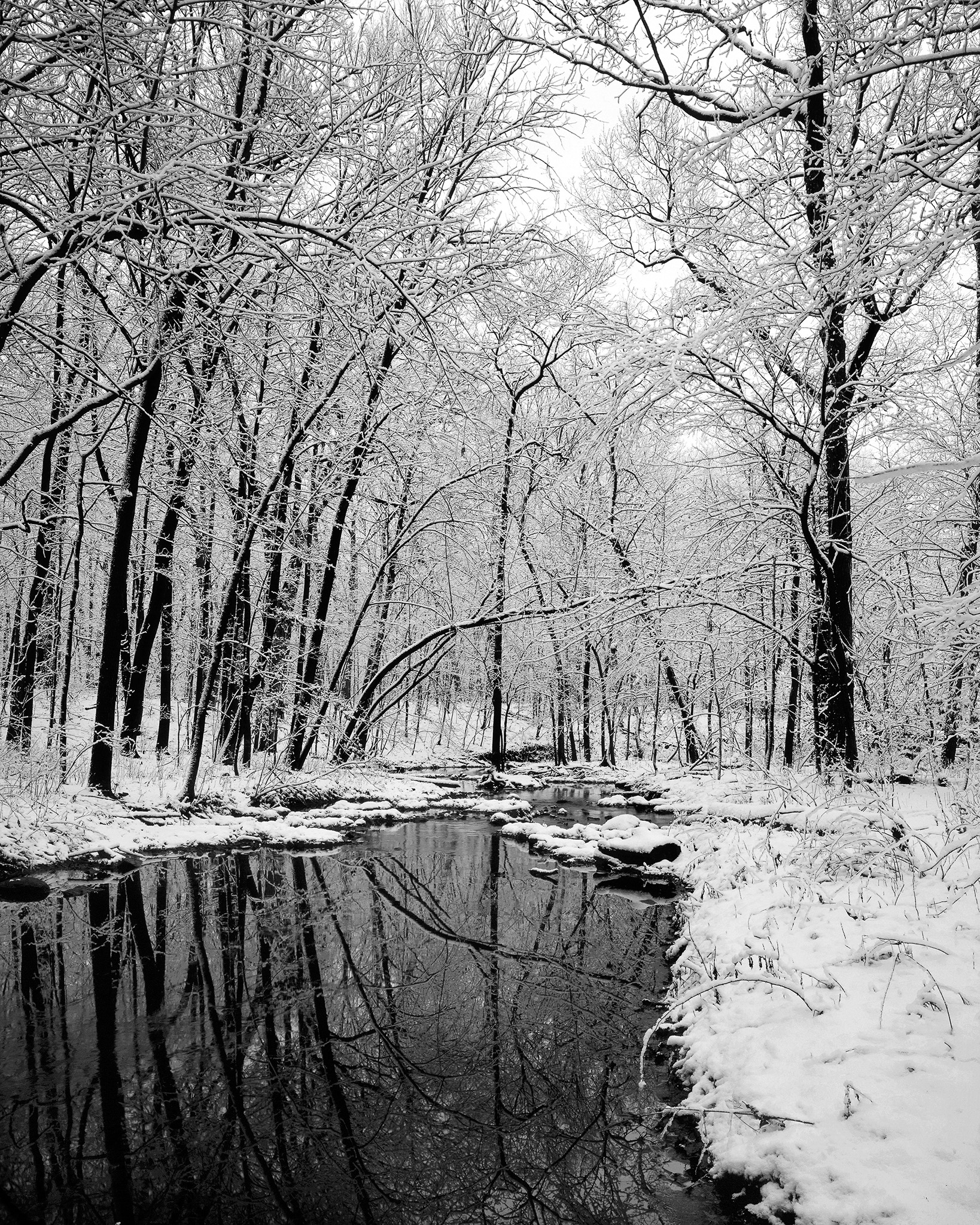
Hammel Creek Winter
Hammel Creek leaves or enters the frame from inside the image versus and edge or corner, creating a “where to or where from” question. Hammel Woods Forest Preserve, Will County, Illinois.
Ambiguous images of the natural scene usually creates a bad image. If ambiguity is so strong, we lose the sense of the subject entirely and possibly the reason for making the image in the first place. Some ambiguity, however, can be used to create mystery. The human mind is quite good at seeing or finding patterns and outlines in a complex or busy scene. That skill comes from aboriginal man seeing dangerous beasts hiding to make an attack or finding the beast hiding from becoming the next meal. Some of this is very subliminal, but experience helps one notice elements in a scene that provide a strong sense that those subtle elements will make a good image. Often, it is not initially nor fully understood how well a subtle element will work until viewed under scrutiny in our digital darkrooms. Digital photography has allowed photographers the wonderful luxury of exploring and experimenting without fear of film costs or film waste filling landfills.
Pose your subject in a mysterious way. Ordinary subjects can become mysterious when rendered in a different manner. Portray subjects in non-standard ways, portray them as something else, or something not quite identifiable. Lose the literal, and viewers will provide their own personal interpretations.
Mysteries lie all around us, even in the most familiar things, waiting only to be perceived. ~Wynn Bullock
Use Incongruity. Incongruity asks the question; “how the hell did that happen”. How did the dog end behind the steering wheel of the car? Why is that tree bright purple? Why is that boat parked on a sand dune?
Use time passage or the suggestion of the same. Add mystery by making or suggesting a coming event or change or the passing of or impending passing of time." Ask visually how long will it be or how long will it last, how long before something happens? Sunrise/Sunset and the placement of the sun with relation to the horizon is such a tactic.
Use weather to create mystery. Weather conditions can hide the subject or scene identity, making it more mysterious. Movement of weather elements, i.e. fog, rain, snow, can soften detail and obscure subject matter creating mystery.
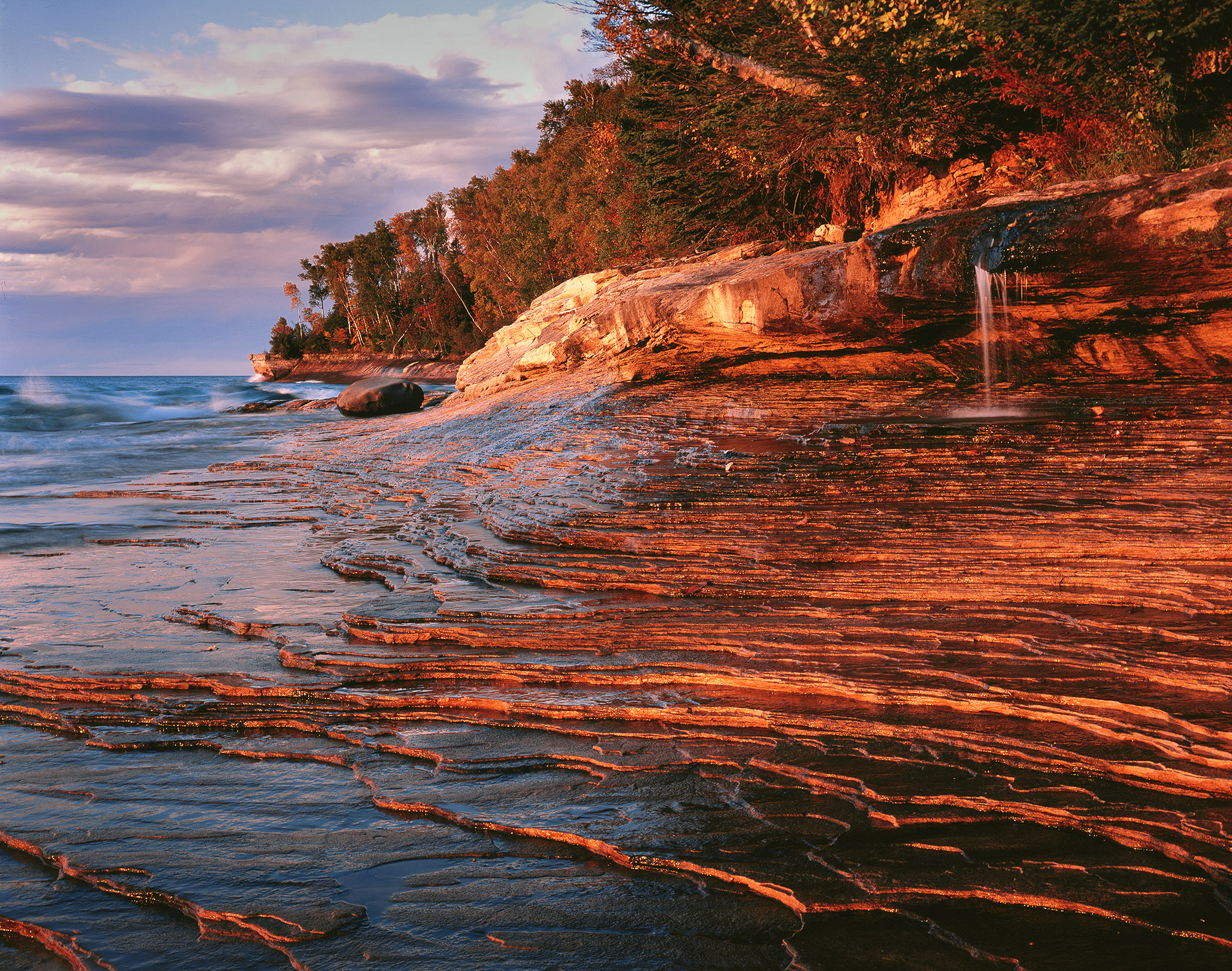
Miner’s Falls
It is a small waterfall on a big sandstone outcrop or a larger waterfall on a shoreline bluff? Lake Superior shore, Pictured Rocks National Lakeshore, Alger County, Michigan.
Abstraction is the ultimate in mystery. Making abstract images that suspend belief or reality can create mystery in varying magnitudes. An abstract can be anywhere from subtlety mysterious to completely mysterious. If we leave a sense of reality in an abstract we change the strength of the question but simplify it with that hint of reality. Like soft and selective focus practice is essential. The more abstract imagery you make the better your success rate. Many of the aforementioned tactics can help make abstract images but intentional “playing” is essential.
Experiment, play, try, guess, and make lots of exposures. In the worst case you expend some time but without expense. In the best case experiments, even when they fail are an education in what works and what doesn’t.
Mystery is the magnet of inquiry ~Edward Counsel
George Carlin, one of the greatest comics of all time, talked and joked a lot about his grade school training as a kid. One of his very funny lines was: when we asked a question of an educator, who could not, or would not answer a difficult or embarrassing question, the answer was always, "it's a mystery, my son". Mystery in that context is not good. Mystery in a great photograph is almost essential!
The above concepts are fine in their singularity, but think also about combining a couple of them, think of a backlit forest with crepuscular rays streaming through, and then abstracting it with soft focus or with camera motion or a zoom motion of the lens. The sky is the limit, imagination the only limitation.
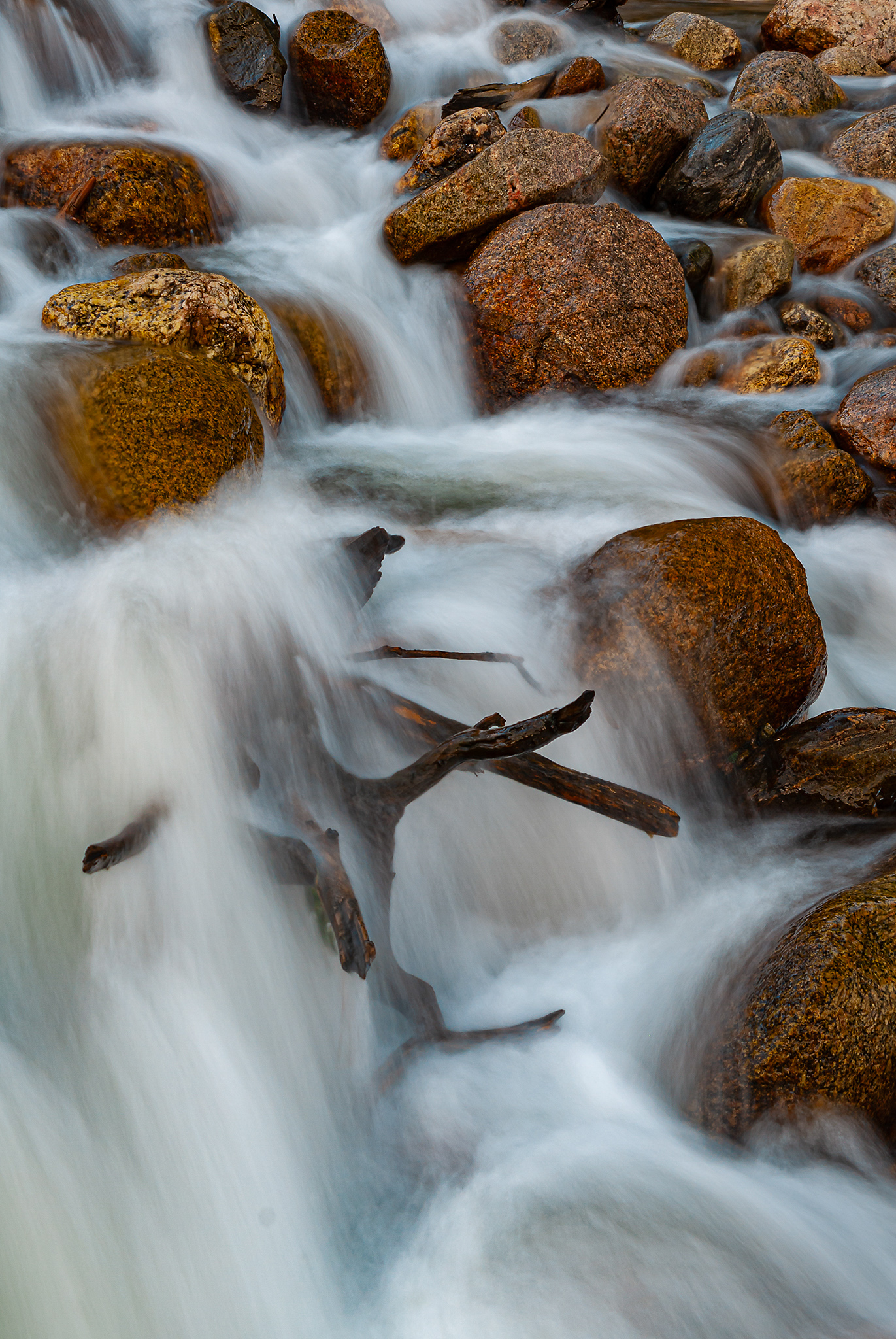
strong> Water Over Wood
Branches stuck in shaded cool colored water contrast wonderfully with warm toned rocks with little clue as to the size of the branches, rocks or waterfall. Alluvial Falls, Rocky Mountain National Park, Larimer County, Colorado.
Go out to photograph, not with a checklist of these techniques, but go out with a mind open to any possibility. There are times one sees something and instantly know it’s a candidate for one technique or composition or another. Most of the time however, just react and make an image with what Mother Nature is providing, allow your artistic instincts to take over. Pay attention and note situations and experiences in creating images so when presented with similar situations, one can react accordingly. Experience is wonderful and valuable but never be afraid to experiment, to try, to “take a shot at it”. The worst that happens is deleting images that didn’t work but one gains experience to make later images that do work. Putting mystery into your images will create more compelling images, will create more interest in your images, and will improve your work.
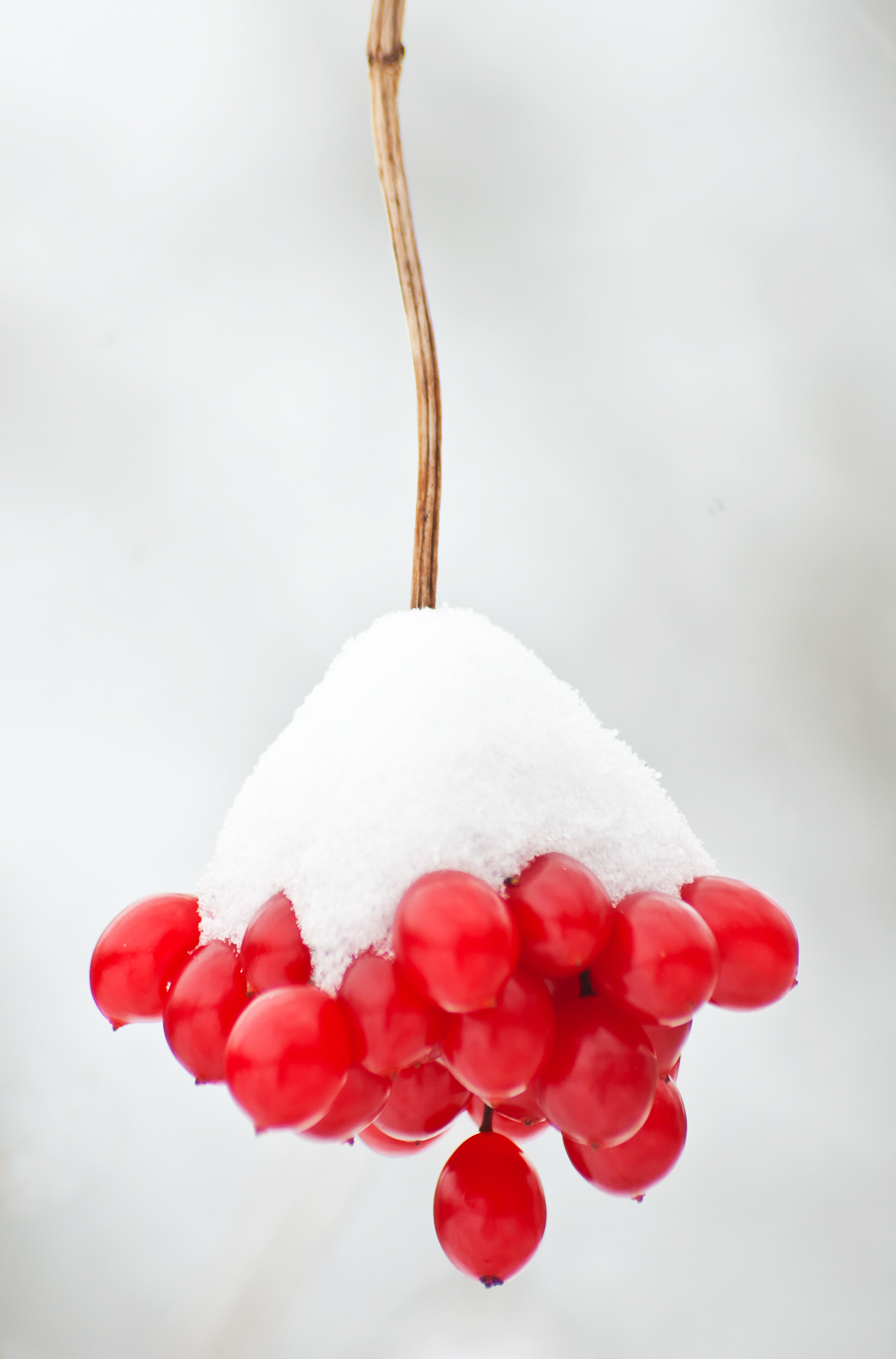
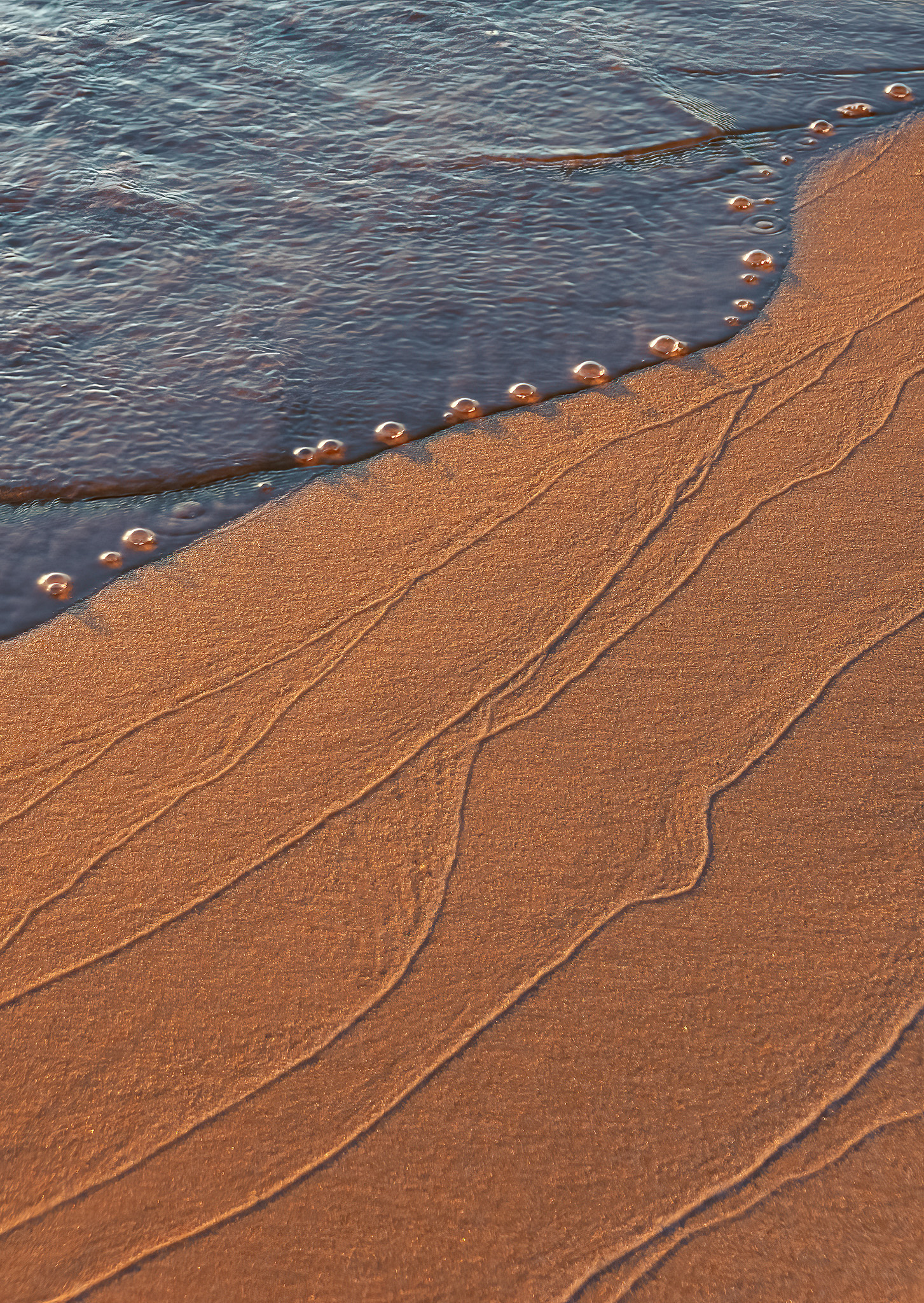
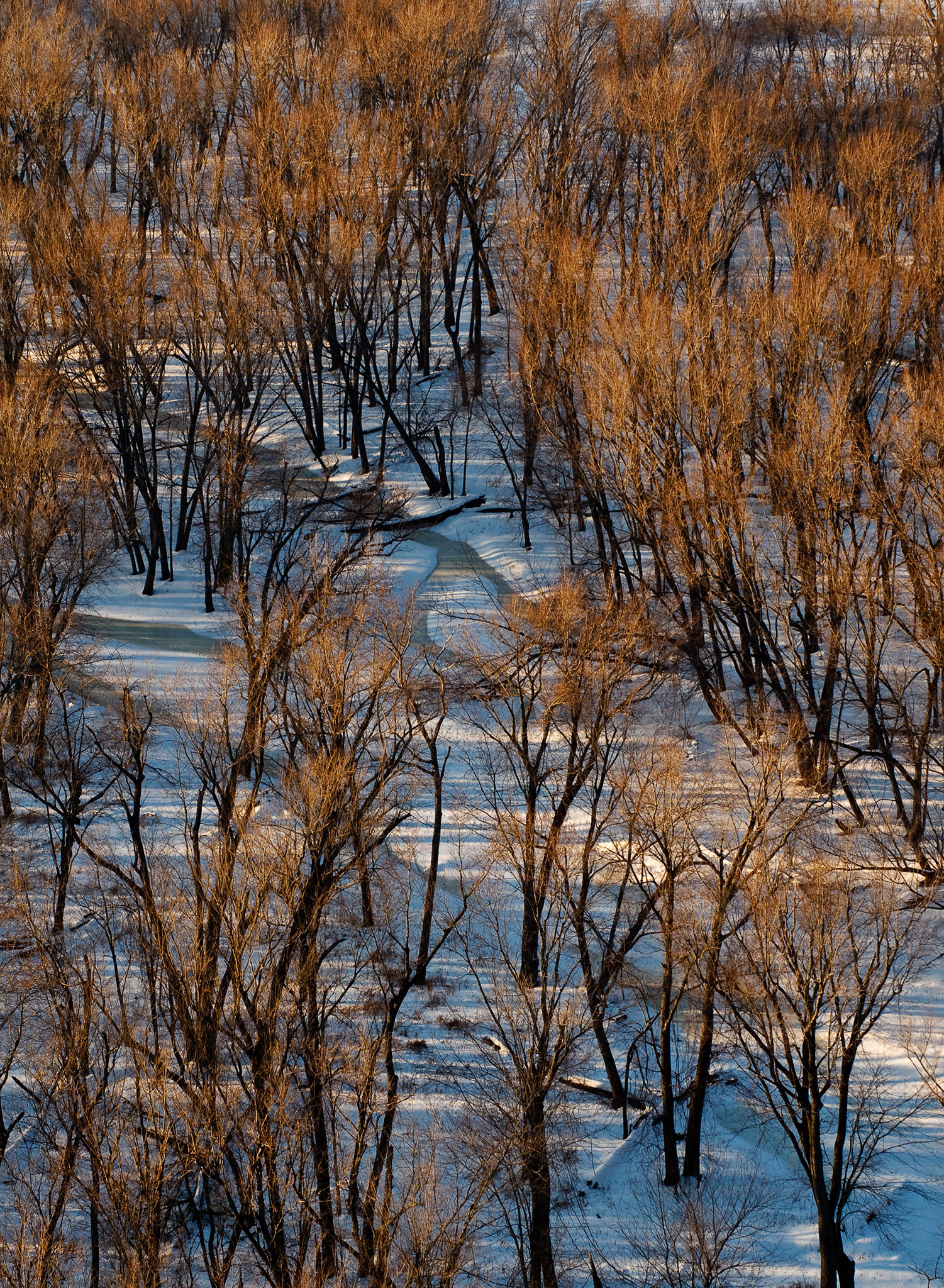
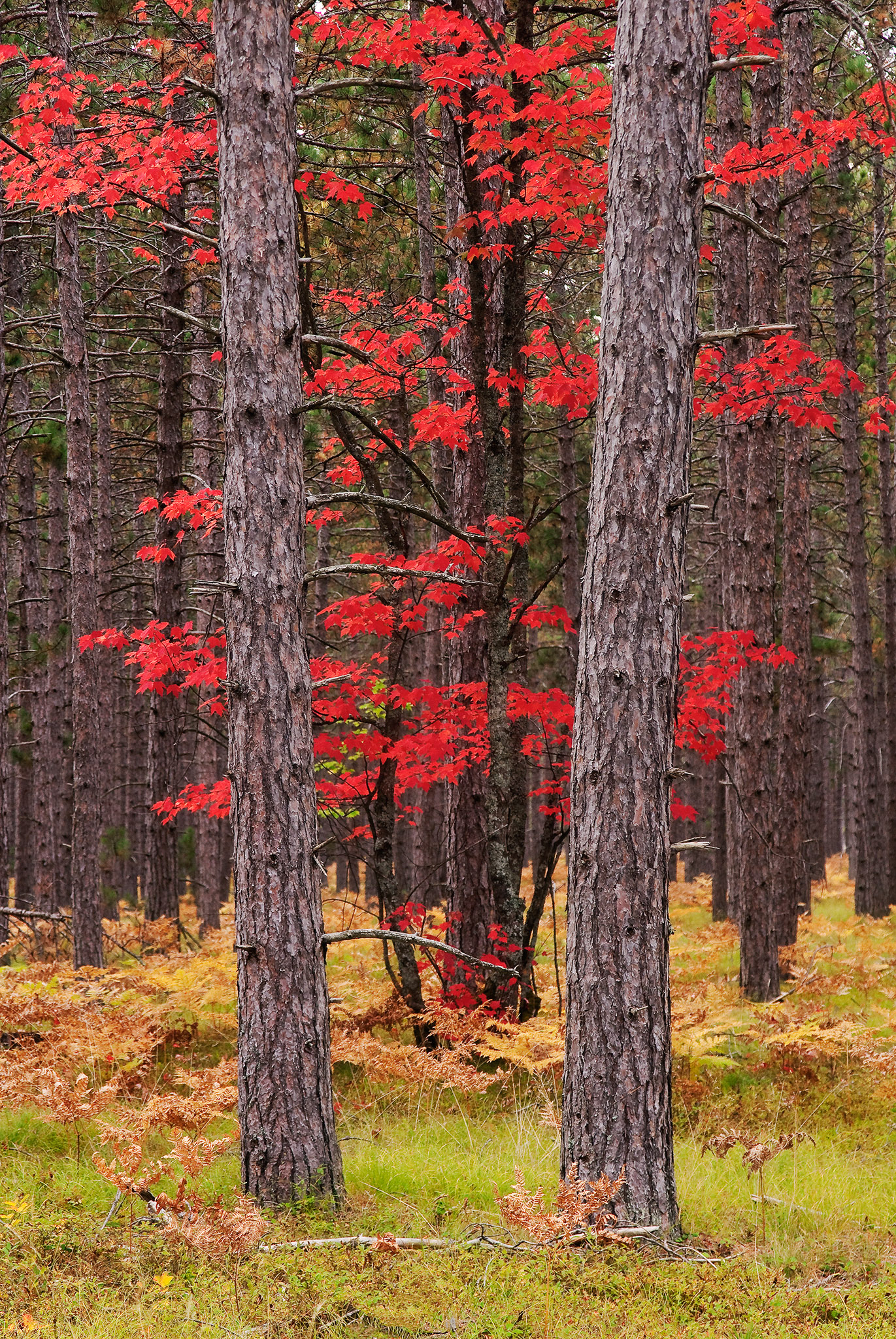
Do you have a favourite image that you would like to write an end frame on? We are always keen to get submissions, so please get in touch to discuss your idea. You can read all the previous end frame articles to get some ideas!
Michael Kenna was one of the first photographers whose books I felt the need to buy, so that I could have his photographs at home and look at them whenever I wanted (The Internet was still not omnipresent in our lives back then).
Opening his books was always a small ritual for me; I still handle them like precious objects, because going through his photographs feels like traveling and almost taking a holiday.
I find that while his style is clear and consistent, the variety of his work is very big, so many photographs stands out for themselves.
I chose to write about Hashikui Rocks, Study 1 for End Frame because in my opinion it represents very well why I admire Kenna’s work.
At first glance, it is a very simple image – just some rocks and their reflection in the water. However, the more time you spend looking at it, the more facets you notice and the deeper the picture becomes.
For example, the line of the rocks could be interpreted as an electrocardiogram, maybe a seismogram. Or it could be read as a faraway landscape with some mountains and skyscrapers, a combination of silhouettes, some of which are man-made and others that have been created by nature over time. So I could state that this picture is a perfect subject to see how much one can project and read on a square piece of paper with just a few different tones of grey disposed in a composition which is at the same time a clearly identifiable object but also could be quite abstract.
I’ve mentioned before that I haven’t had much dedicated time for landscape photography over the last couple of years. That’s mainly because I’ve been spending a lot of time in the mountains, where photography was still happening, but usually as a secondary concern to whatever I was out there doing.
After Matt Payne’s visit last year, I realised I probably needed a project, something with enough structure to nudge me out the door more regularly. So I’ve restarted a practice I first tried about five years ago, taking one photograph a day for the whole of 2026. January has gone reasonably well so far, although a bout of Covid made me miss a day and also led to one slightly questionable “photo through the bedroom window” attempt, which felt a bit like cheating.
I thought it might be interesting to share how the project unfolds, so I’m going to post a monthly update with a small selection along the way. Each month, I’ll include eight photographs with captions.
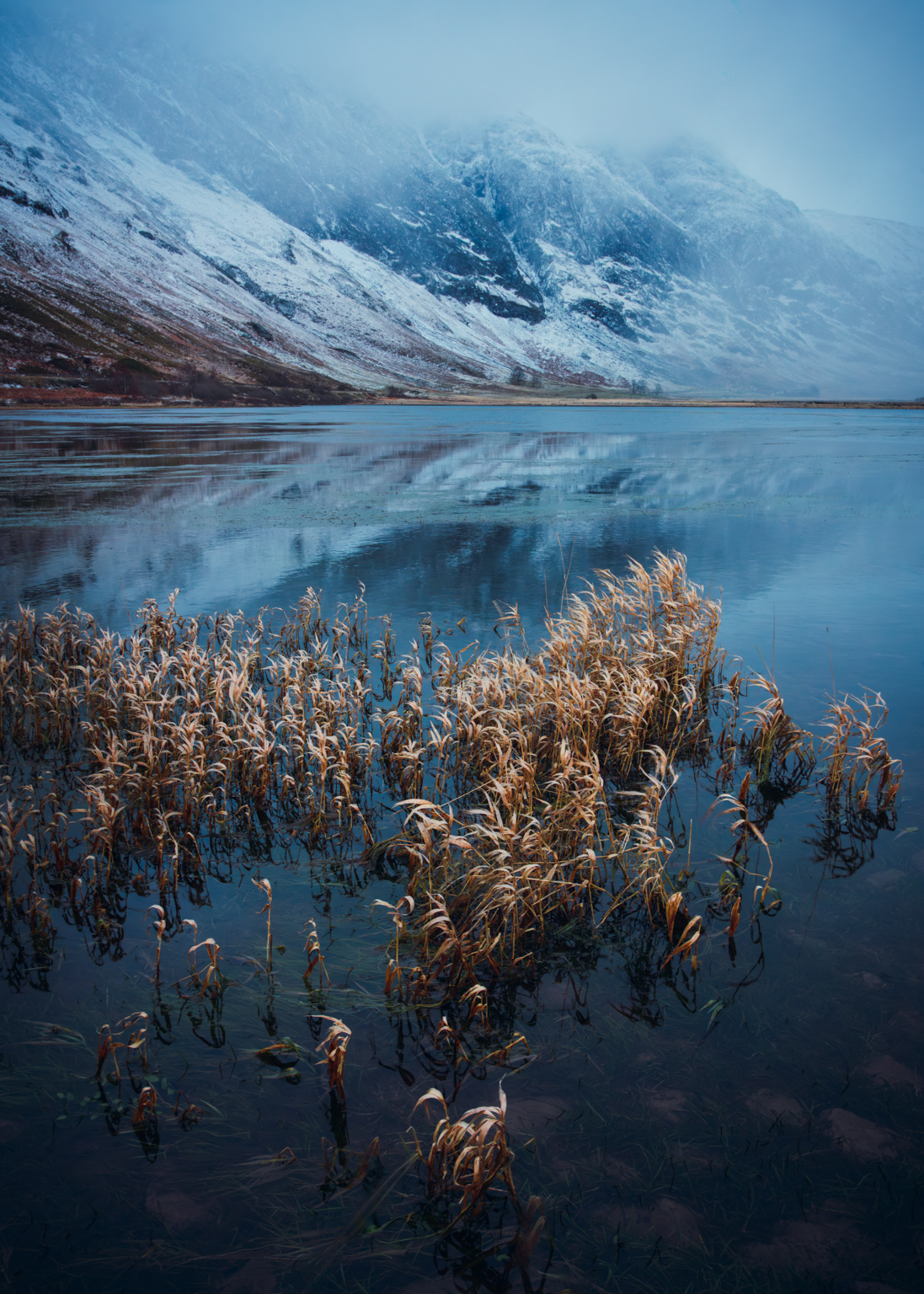
A tourist vantage point, but one with so much photographic potential in the right conditions. Around 3 pm, a series of snow/rain bands was due to pass. I went to the edge of the lochan and I found a satisfying clump of reeds to provide a foreground ready for the front to arrive. Just as the squall was blowing in, I had time to capture three frames before the wind hit the water. Shortly after, the view disappeared and so did the feeling in my fingers.
A critical part of making this photo was finding a clean area of water in the foreground, which was just as important as finding a complementary grouping of reeds. I wasn't 100% successful; a couple of the foreground reeds stood out. However, a bit of contrast reduction in Photoshop/Lightroom did the trick. The same processing was applied to a couple of car headlights in the background. The key to post-processing this image was to enhance the contrast between the cool blues and the warm reeds/lower hillside.
The premise of our podcast is loosely based on Radio Four's “Any Questions.” Joe Cornish (or Mark Littlejohn) and I (Tim Parkin) invite a special guest to each show and solicit questions from our subscribers.
In this episode, Tim Parkin and Mark Littlejohn talk to Norman McCloskey about his journey from sports photography to becoming a renowned landscape photographer in Ireland. He discusses the importance of authenticity in art, the challenges and successes of running his own gallery, and the significance of self-publishing his books. Norman emphasises the emotional connection to the landscape in his work and the unique approach he takes in his photography. He also reflects on the thriving gallery scene in Ireland compared to the UK and offers insights into the business side of photography.
Read more:
...experience thrives on engagement and participation rather than doubt and detachment. It is constituted by numberless acts of intuition, discernment, and judgment whose full import stands to be sifted in dialogue with other members of the interpretive communities we inhabit. ~Thomas Pfau
Resonance was described as a relationship based on action and intuition with a practical description of three modes: Iconic, Schematic, and Conceptual. This article looks beyond the surface for a deeper resonance in the spiritual domain and the role photography plays.
Spirituality is a sensitive subject because it touches the core beliefs of many people.
The first type of spirituality is Mystical Spirituality, which is an orientation towards the ineffable. The second type is Secular Spirituality, which is an orientation towards the “actual.” The third, not addressed in this article, is Religious Spirituality, which is found in churches, temples, and theology.
The goal of Mystical Spirituality is the experience of immanence and/or transcendence, or the infinite and the eternal. As far as the everyday world of experience goes, it is a form of detachment from the finite world of the “actual” (Critical Realism).
What transpires when, instead of excluding human traces from your photographic compositions, you make them the subject matter? Feli Hansen’s Guilty Trashures caught my attention while reviewing the results of the Natural Landscape Photography Awards 2025. In the Project category, as runner-up, was a series of landscapes that bore a striking resemblance to natural landforms and elements. Only upon closer examination and reading the description did it become evident that these were, in fact, plastic. It was refreshing to observe not only a photographer choosing to draw attention to something that has become so commonplace that it is imperceptible to some, but also to witness the work receiving recognition on its merits. This project reminds me, in a positive way, of Mandy Barker’s work, and similarly, Feli Hansen has recognised that to engage the viewer, it is necessary to make something awful, aesthetic.
Looking through Feli’s Instagram feed, it was apparent that this was not all that we could feature here. While she has visited some of those tick-list locations (Iceland, the Lofoten Islands), her interpretations remain personal in their composition and style and draw on the time she has spent photographing the coastline close to home.
Tell us a little about yourself, Feli – where did you grow up, what early interests did you have, and what did you go on to do?
I was born in Hamburg, Germany. Due to my parents’ work, we moved several times in my first six years. From Germany to The Netherlands to Belgium and back to The Netherlands. Unfortunately, my dad passed away unexpectedly when I was four.
As a child, I loved being busy creating things, just like my mother and brother. It could be anything from drawing, painting, carpentry, sewing, cooking, or whatever. It's so satisfying when you make something yourself. I also enjoyed reading nature books and watching nature documentaries, besides sports like swimming, windsurfing, and playing tennis or just playing outside with friends.
The story of Tolkien’s The Lord of the Rings has taken me to many destinations over the past twelve years. Living near the landscape of the Brecon Beacons has always offered the potential for regular visits, documenting what could easily be imagined as The Shire. The rolling hills of the Beacons, so familiar to Tolkien during his childhood, and the musical tones of the Welsh language may well have influenced many of the names and places we now know in Middle-earth. You can read my previous articles on Tolkein are: Tolkien’s Shire in Lord Of The Rings & Walking in the Shadow of Middle Earth.
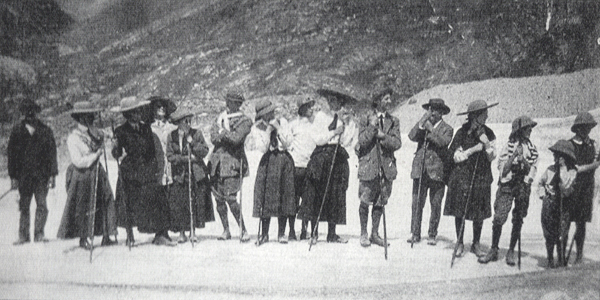
Later in life, Tolkien travelled to Italy, a country he adored for its culture, food, and the dramatic topography of its landscape. The jagged peaks of South Tyrol and the Dolomites seem to echo through the mountains of Middle-earth. In Tolkien’s time, what is now northern Italy — possibly the inspiration for Mordor — would have been part of the Austro-Hungarian Empire, later reshaped by the tides of European history.
I have spent many hours walking through these landscapes, imagining what Frodo might have felt as he struggled to return the Ring to the mountain where it was forged — or what it would be like to plant crops in the Shire, drink fine ales, and smoke a pipe beneath a broad-leaved tree.
As I’ve mentioned in my previous articles on this long journey, Tolkien’s world can sometimes become political territory. He is revered worldwide, and his work is taken with great seriousness — occasionally too seriously. Over the years, I’ve heard heated debates among academics, each trying to prove that their interpretation of Tolkien’s travels and inspirations is the correct one. I’ve even heard a few bitter words exchanged about whose “Middle-earth” is the true one.
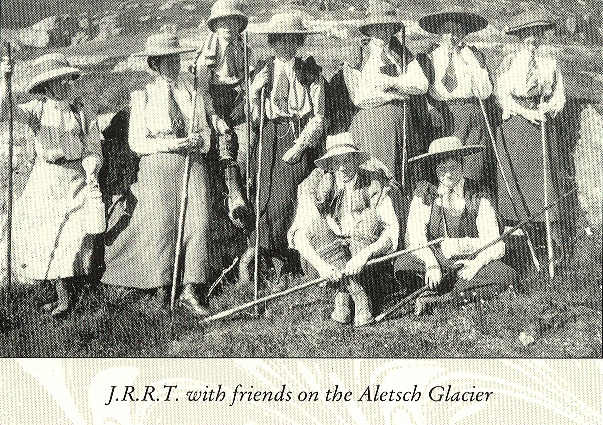
However, there is one place where argument seems unnecessary, a location backed by Tolkien’s own words and sketches: Rivendell, or as it is known in the real world, Lauterbrunnen in the Swiss Alps.
During the year 1911, when Tolkien was just 19 years old, he was invited to join a group walking in the Swiss Alps. The trip was initiated by the Brookes-Smith family, who had visited the region on a number of occasions before the First World War. Tolkien, along with his aunt and others, spent a few weeks in July and August travelling on foot through what we now know as the Misty Mountains. The Swiss Alps were his first experience of the heady heights of a serious mountain range. It is clear from his documented letters that this landscape inspired the mountainous peaks of Middle-earth, including Rivendell.
Rivendell, or Imladris, was an Elven outpost in the Misty Mountains on the eastern edge of Eriador. Due to its location, it was called the Last Homely House from the point of view of a traveller going eastward into the Misty Mountains and Wilderland, and the First Homely House for those returning from the wilds to the civilised lands of Eriador in the west.
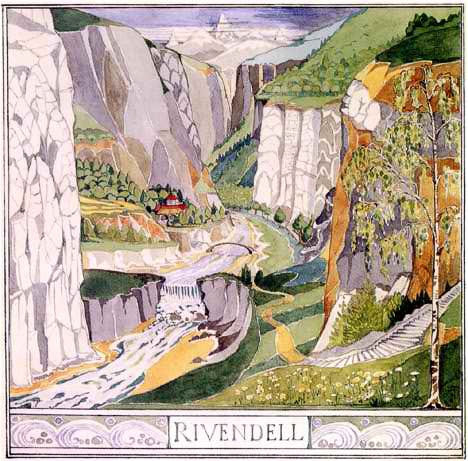
It was established by Elrond in the Second Age, year 1697, as a refuge from Sauron after the fall of Eregion. It remained Elrond’s seat throughout the rest of the Second Age and all the way into the end of the Third Age, when he finally took the White Ship to Valinor. Rivendell maintained a strong alliance with the Kings of Arnor, and after the fall of Arthedain it became a sanctuary for the Rangers of the North and the Heirs of Isildur.
If I ever dedicate a full book to my travels in search of Middle-earth’s real-world counterparts, this is one place that must be included. My visit to Switzerland was originally for a lecture at a college in the medieval town of Fribourg, but Lauterbrunnen was only a three-hour drive away. I couldn’t resist the opportunity to visit what is widely accepted in Tolkien scholarship as the home of the Elves.
My research started by revisiting the maps of the tour that had been documented. I also contacted the Tolkien Estate for information on any writings or artwork created after his visit. I then planned the more remote drive to the region, documenting my journey along the way.
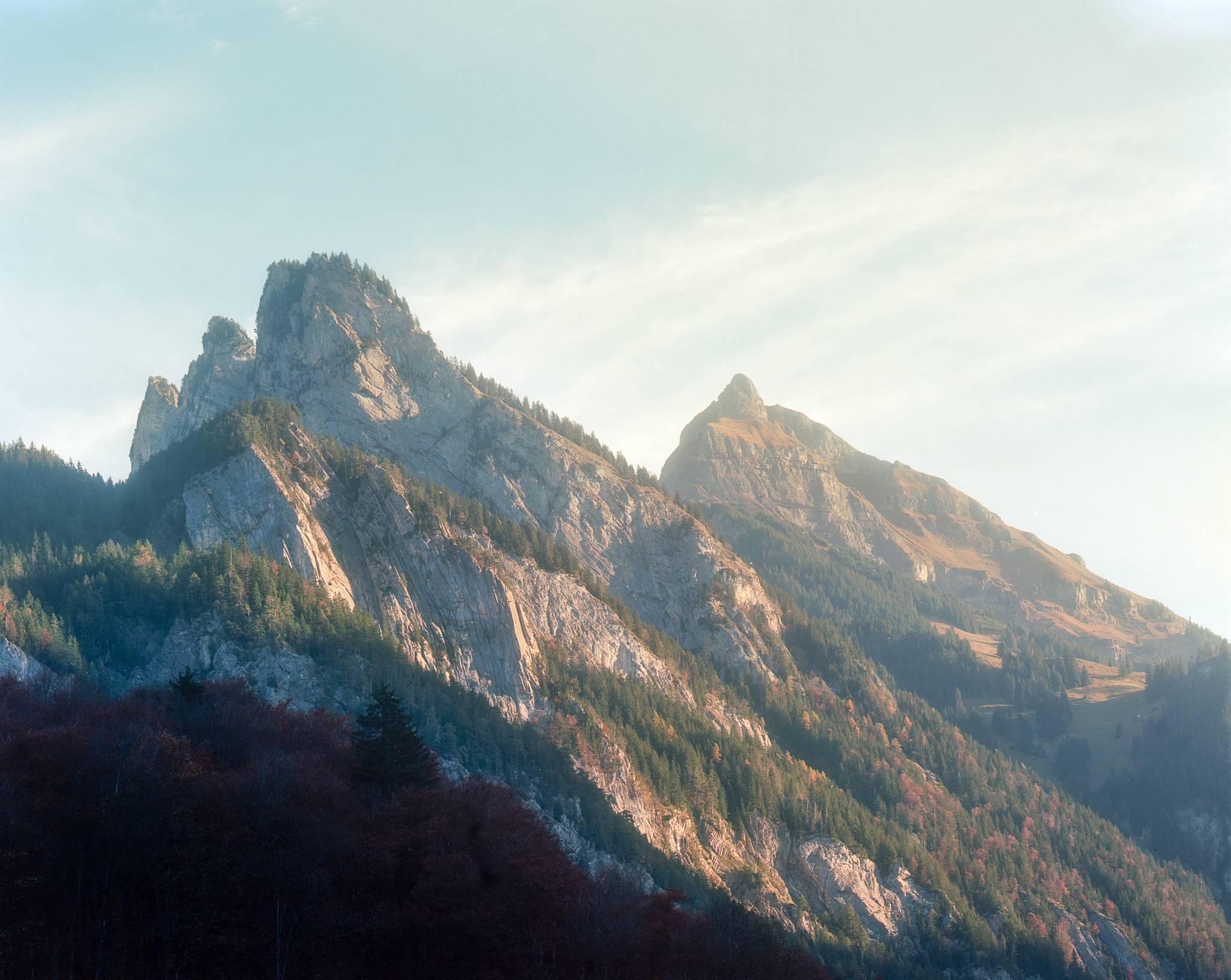
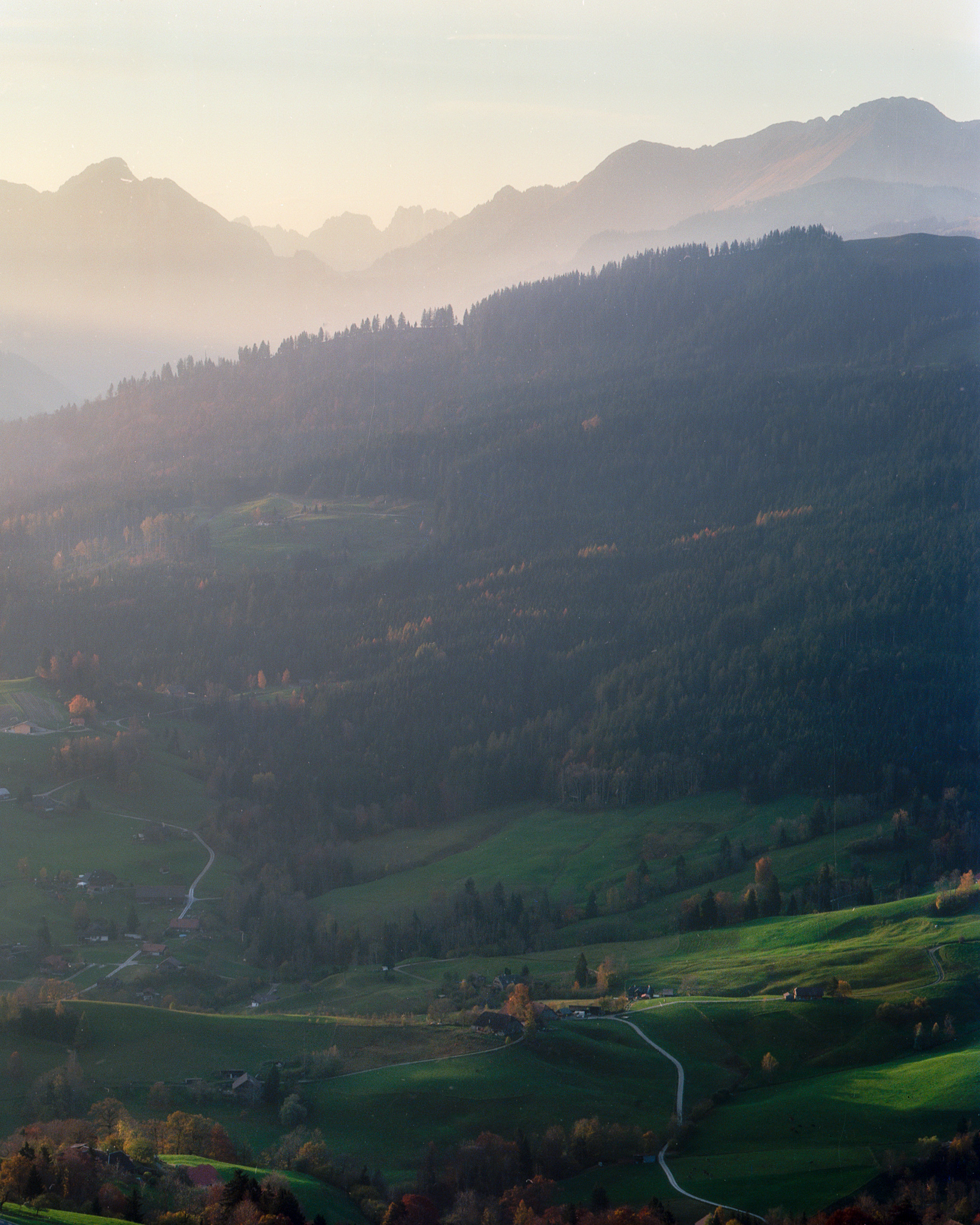
After a brief stay in Fribourg, I set off across the lofty hills — what the Swiss modestly call hills, though at over a thousand metres they would be considered mountains back in the UK. Driving through thick fog, I could hear the soft clanging of cowbells in the distance. It was November; the leaves were still clinging to the trees, glowing with late-season colour after a gentle autumn.
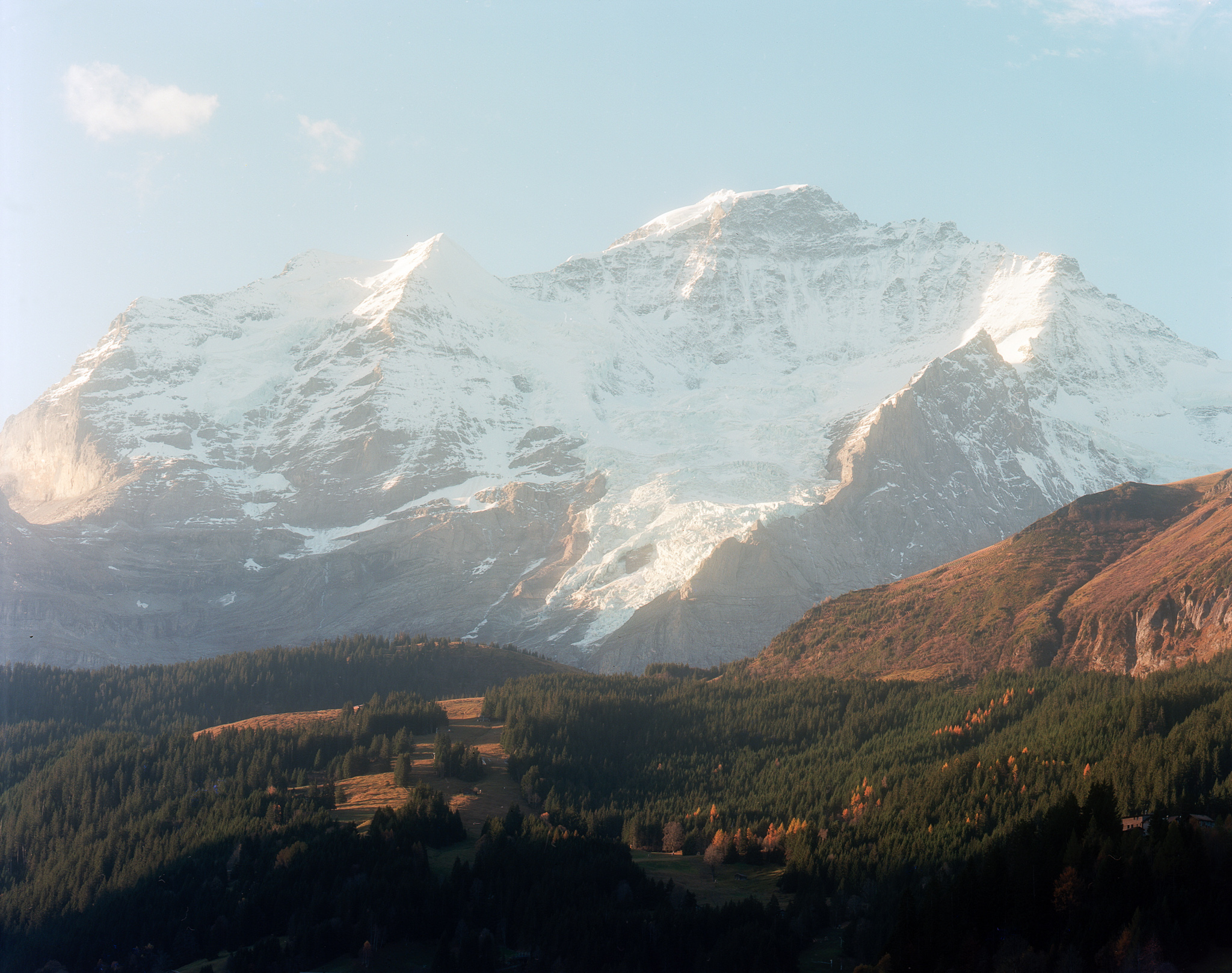
As I descended toward the plains near Thun, the fog began to lift, revealing the Alps towering over the landscape ahead. The road followed the shoreline toward Interlaken, sunlight now breaking through as signs for Grindelwald appeared. I was in the shadows of the mountains — vast, stony giants blocking the sun, their sheer faces gleaming with cold light.
The name Grindelwald reminded me of places not far from my own home in Wales, though here the landscape was on a grander scale. Turning off the main road, I drove deeper into the valley — into what felt unmistakably like Rivendell.
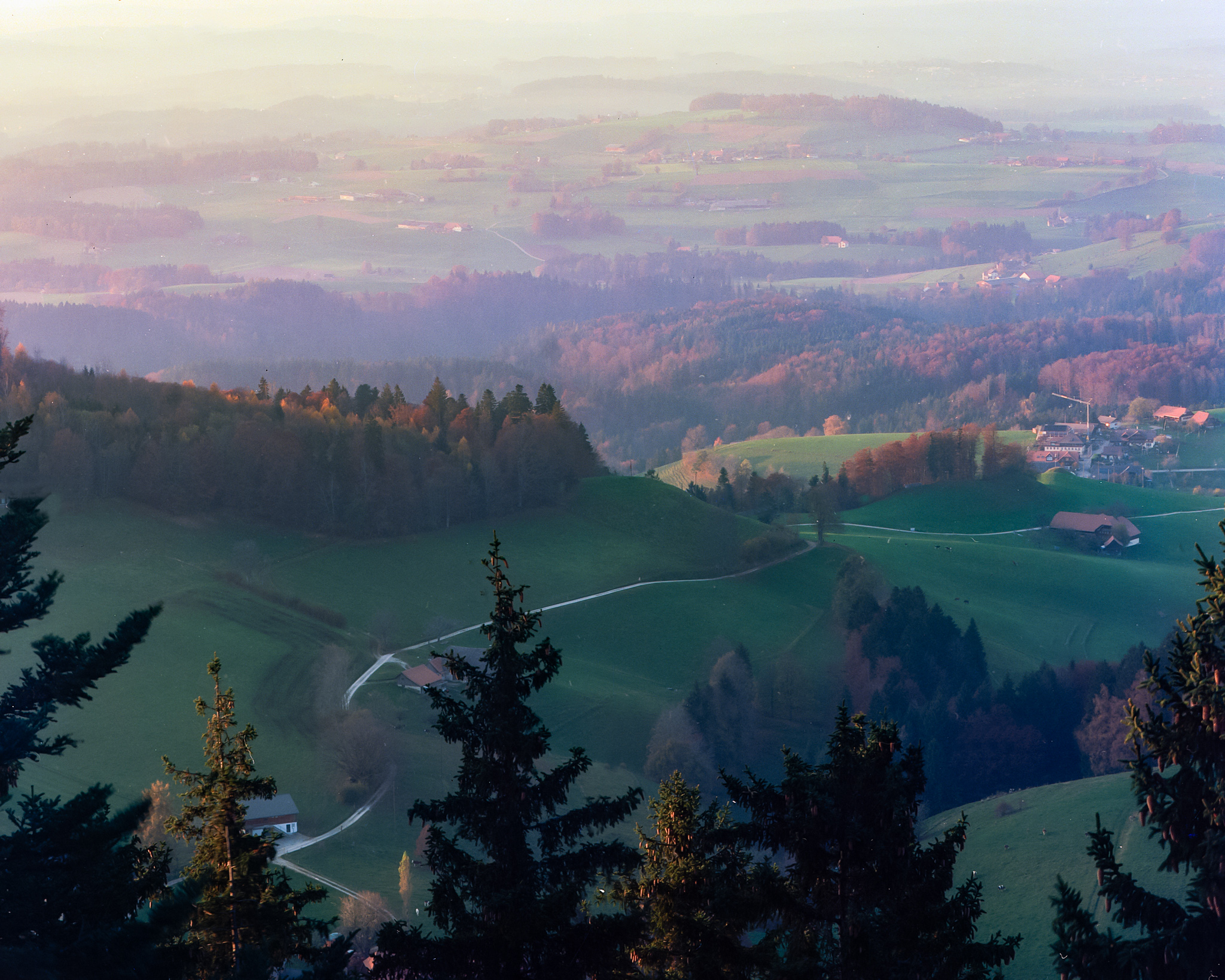
One of the things that strikes any visitor to Switzerland is how efficiently everything runs. The roads are smooth and orderly, trains seem to appear from nowhere, and infrastructure is woven cleverly into the landscape. Yet despite this sense of calm organisation, I felt a strange unease as the road narrowed and the valley walls rose higher around me — sheer rock faces climbing into the mist, silver birches clinging to the slopes, deep shadows pooling between them.
Also, another uneasy part of travelling to this destination was the sheer number of people. The roads were busy, walkers streamed in every direction, and helicopters flew in and out above the valley — reminding me of air traffic departing from London Gatwick. Surely this would not have been the case when Tolkien visited as a young man. In his time, Lauterbrunnen must have been a place of quiet isolation, where the only sounds were the waterfalls, the wind through the trees, and perhaps the scratch of his pen in a notebook.
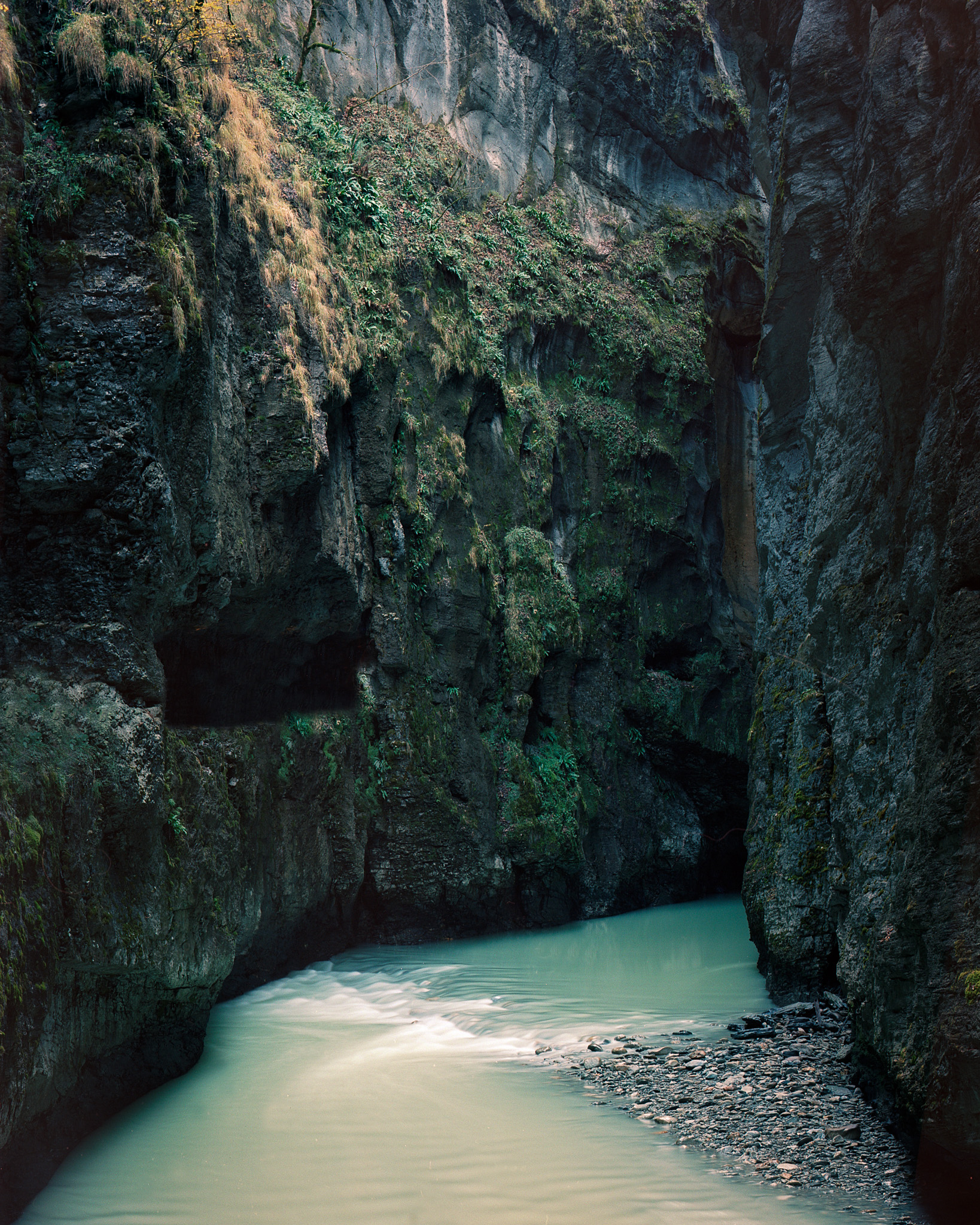
Then, rounding a bend, I passed the sign for Lauterbrunnen. The valley opened up before me — waterfalls spilling down the cliffs, chalets tucked among trees, and the sound of water and wind mingling in the air. There was no mistaking it. I had arrived in Rivendell.