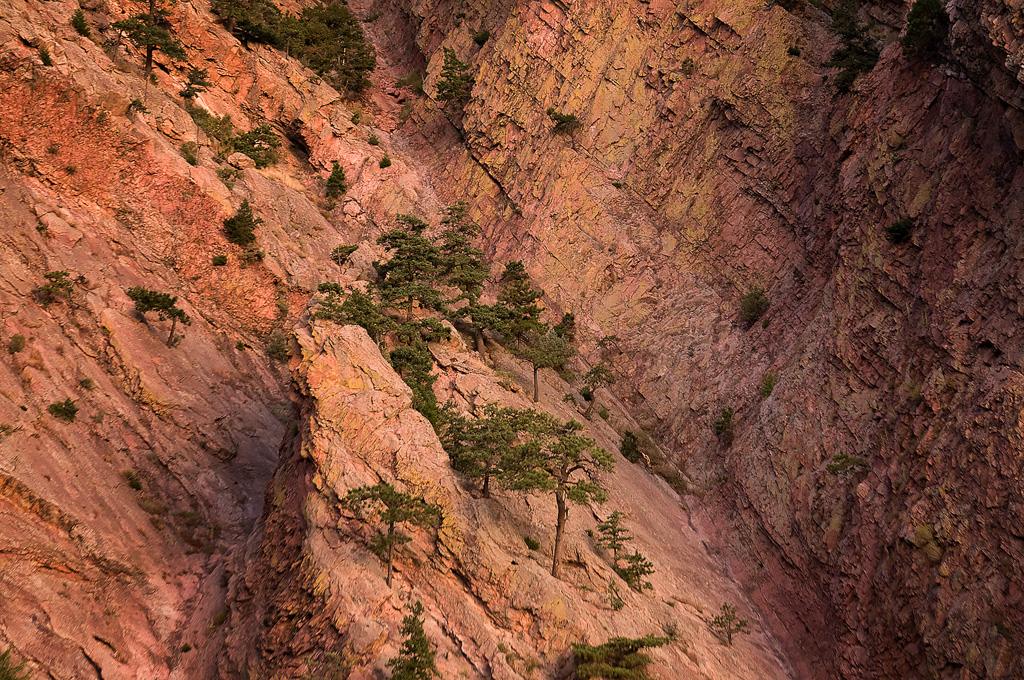
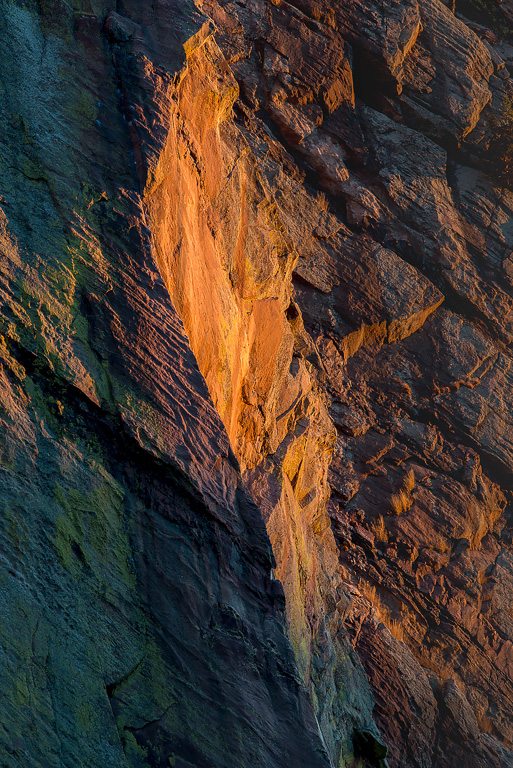
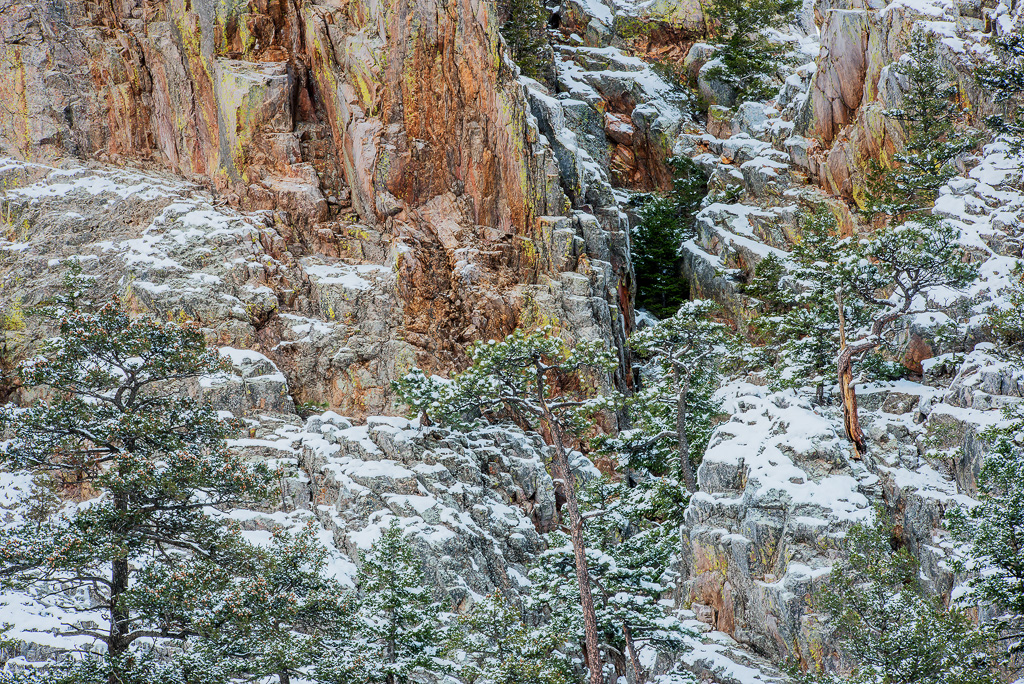
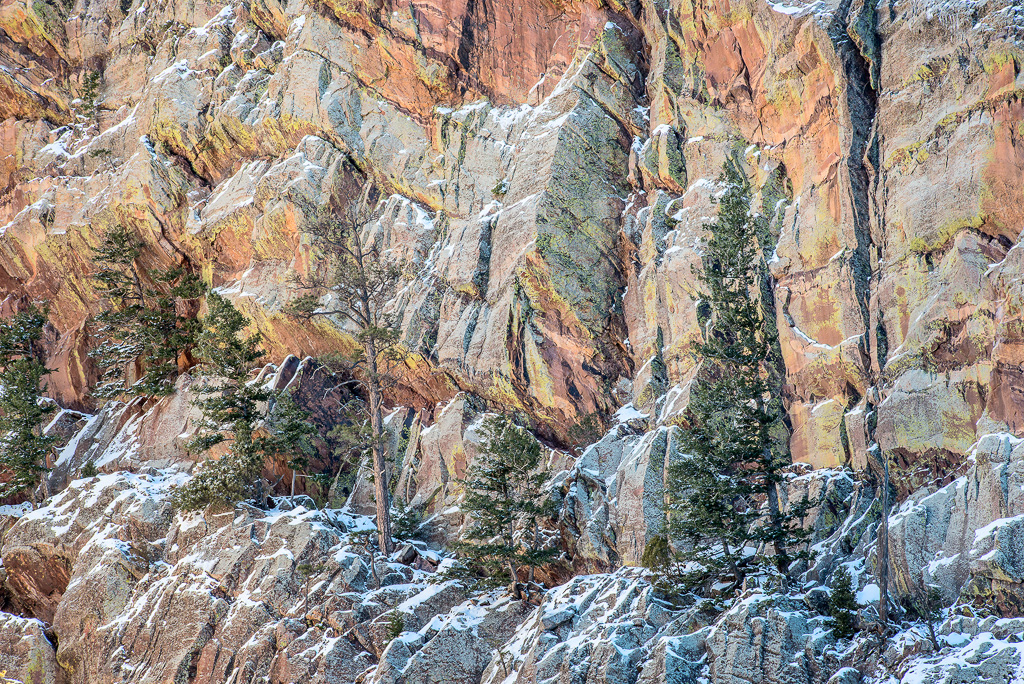
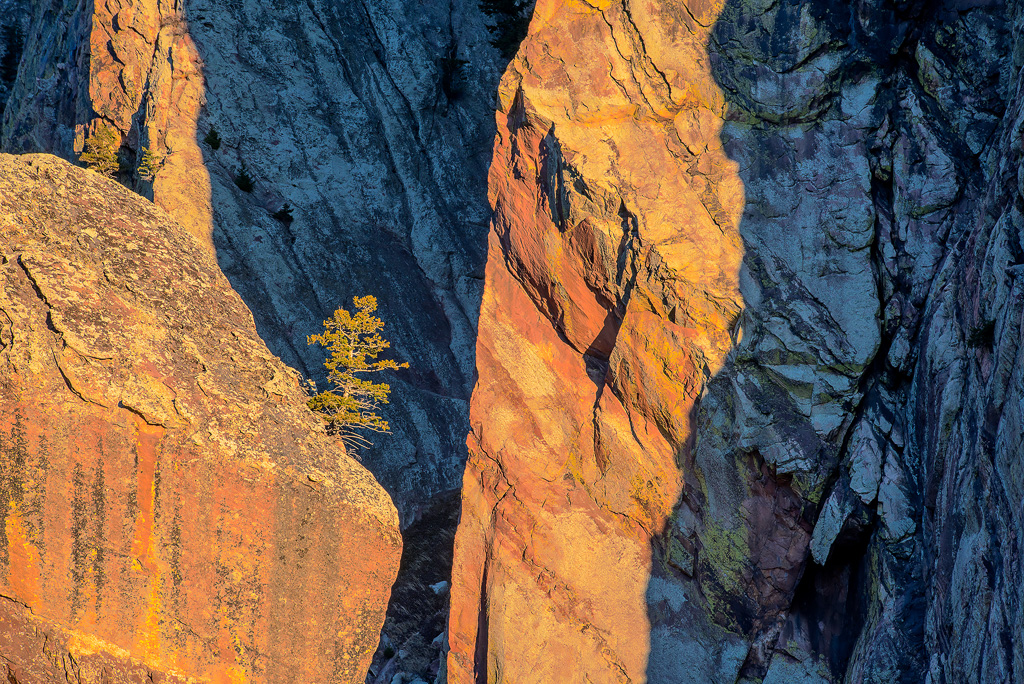
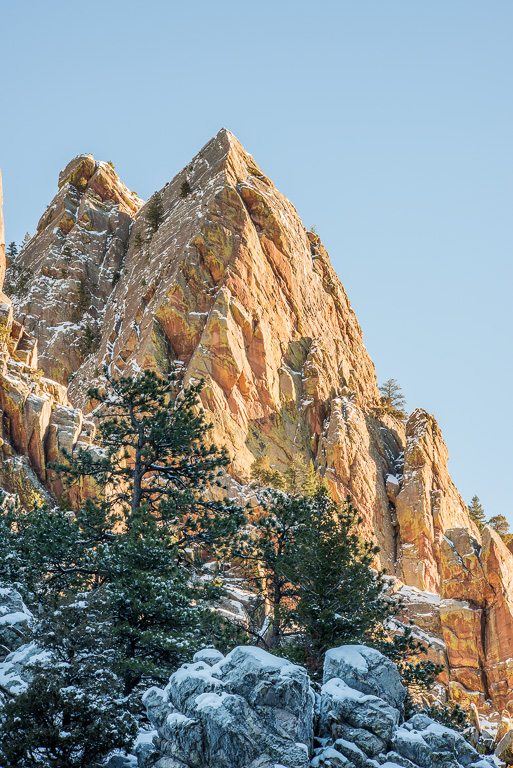
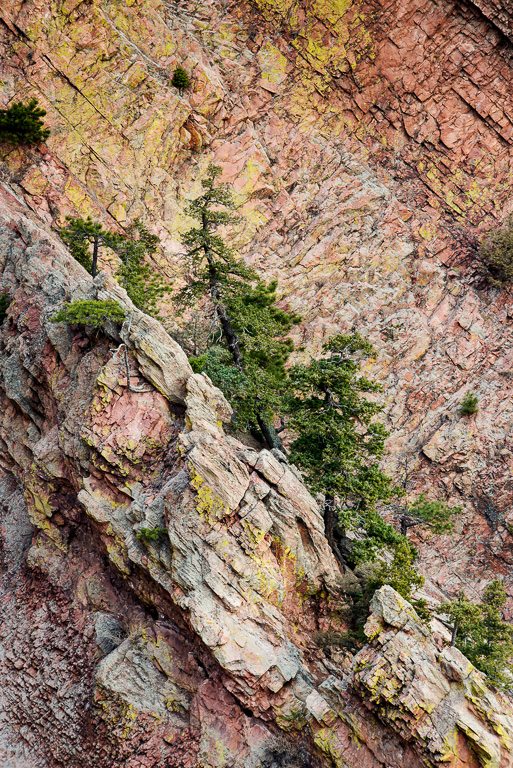
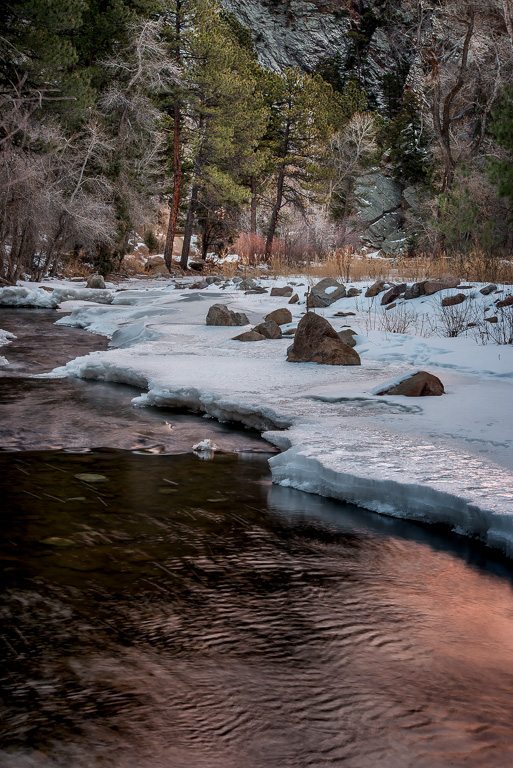
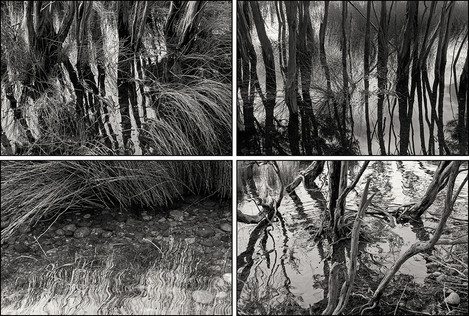
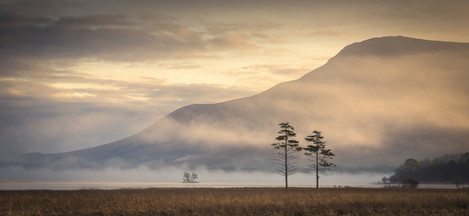
I discovered Eldorado Canyon State Park a week after I moved to Boulder, Colorado for a new job. It was a bit scary driving my Prius down the severely potholed dirt road through the town of Eldorado Springs to get to the park, but the moment I drove in, my jaw dropped.
Here I was, looking up at these canyon walls of orange, red and yellow with pine trees dancing right up to the walls.
The park is not large at all. There’s a fire road from the park entrance to the visitor centre that’s just less than a mile long and there are a number of trails off the fire road. Most of the photographs here were taken from the fire road or from Fowler Trail which climbs the canyon on the south side and parallels the fire road.
As the fire road climbs the canyon, the canyon walls continue to amaze.
Fowler Trail, which is cut into the south side of the canyon, gives some higher perspective to the coloured walls and trees.
When I first came to Colorado, I started photographing Eldorado Canyon almost immediately; but it took quite some time before I was really able to see and create meaningful photographs the place.
At that time I was shooting mostly 4x5 film. My longest lens was a 300mm, the equivalent of a 90mm on full frame digital. Like many photographers, I tended to approach landscapes with a wide angle lens, but that didn’t work for “Eldo”. There are no “classic” near/far views here-- just beautiful views that need to be composed more carefully.
Now I just shoot digital and I only bring telephoto lenses with me to the park.
Below is a different view of the trees we saw in the first image, taken from Fowler Trail at 350mm.
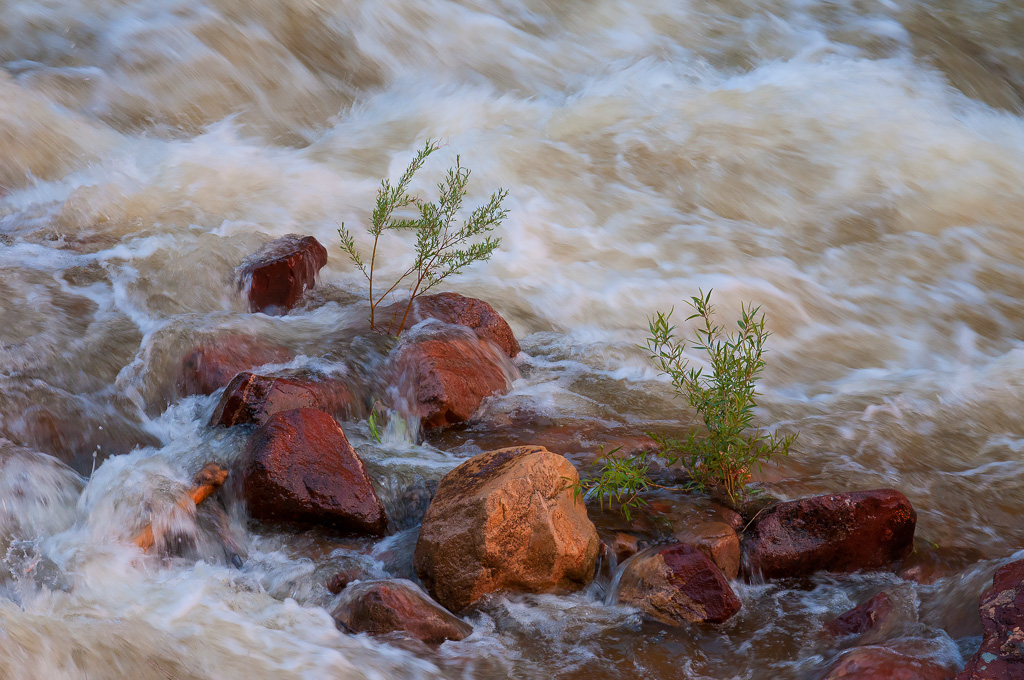
In addition to the amazing canyon walls, South Boulder Creek runs through the canyon next to the fire road.
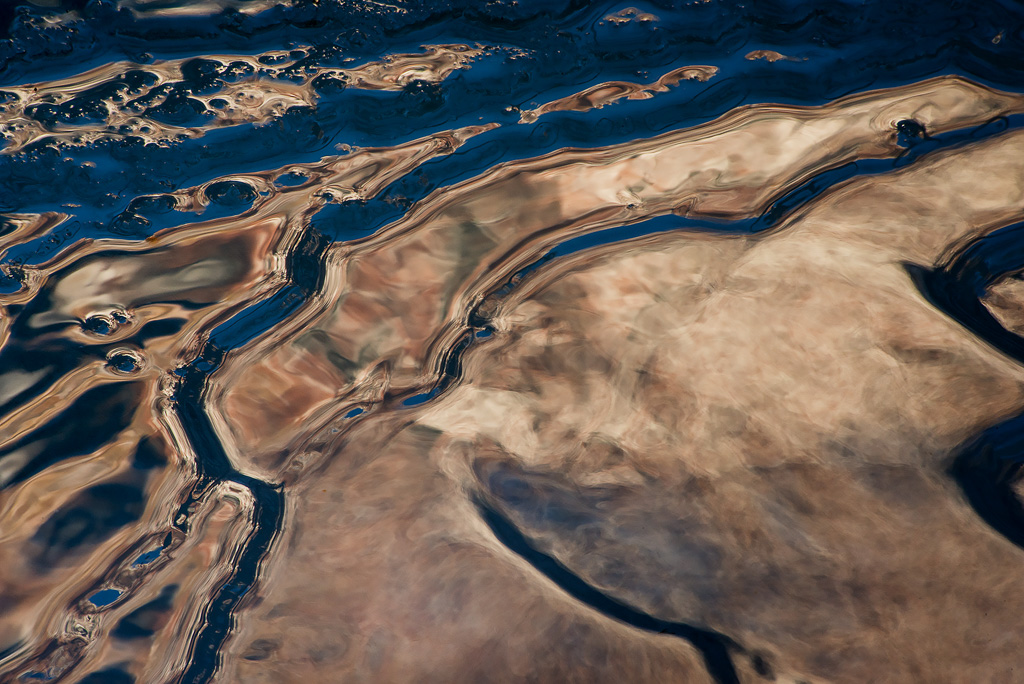
The red reflected in the water is from one of Colorado’s amazing winter sunrises.
In the spring, the creek can be quite full from the snow melt.
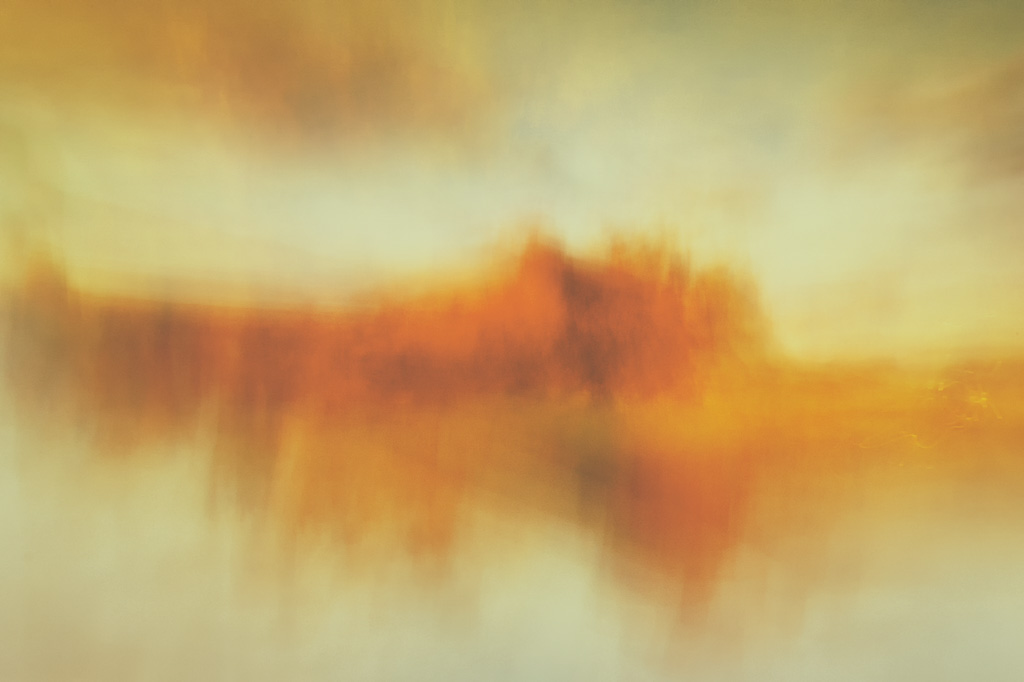
I’ve spent many mornings wandering the creek for interesting abstracts.
The reflection of the sun-illuminated canyon walls in the creek makes for some wonderful colours.
Eldorado Canyon is a very popular place. On weekends it’s mobbed with climbers, hikers and picnickers. However, in my hundreds of visits to the place over the seven years I’ve lived in Colorado, I’ve only seen two photographers, and have never seen any photographs of the place other than tourist photos.
When I’m there, early in the morning, there’s usually no one but me and maybe a climber or two.
The park is fabulous in all seasons, but get’s overcrowded in the summer so get there by first light.
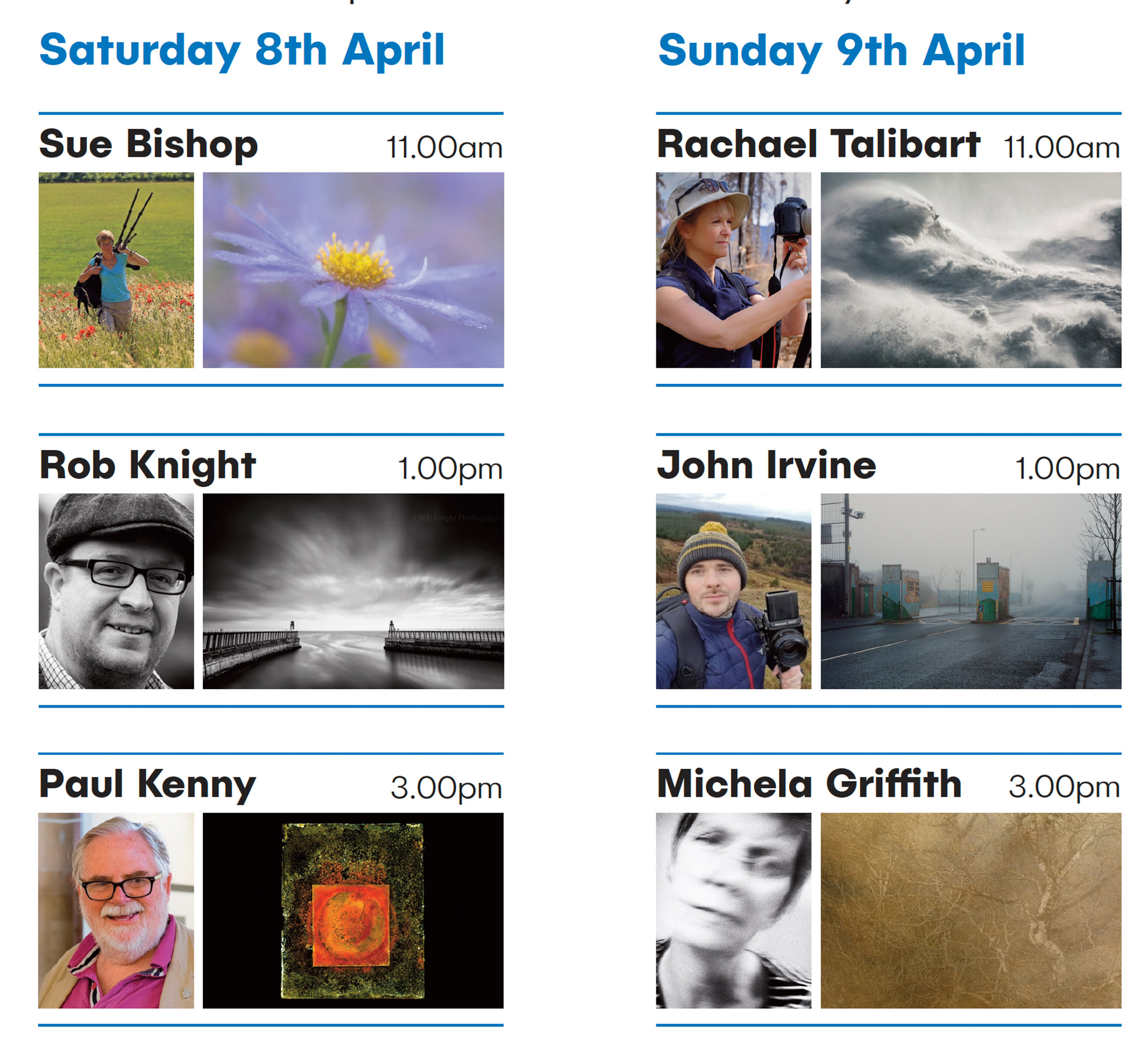
On the weekend of Saturday the 8th and Sunday the 9th of April, the 10th Connected exhibition will take place at the Patchings Art Centre near Nottingham. On this 10th anniversary of the exhibition, there will be two days of talks and the gallery spreads across more area. Rob Knight, who organises the event, has booked five guest speakers and will also be talking himself. The itinerary is shown below:-
The talks and exhibition are totally FREE entry and no ticket is required although we do ask people to arrive early each day to ensure they get a seat for the interactive presentations as we know from previous years these have been hugely popular and we expect them to be even more so this year with the calibre of guest speaker who have agreed to help us celebrate the 'Big 10'.
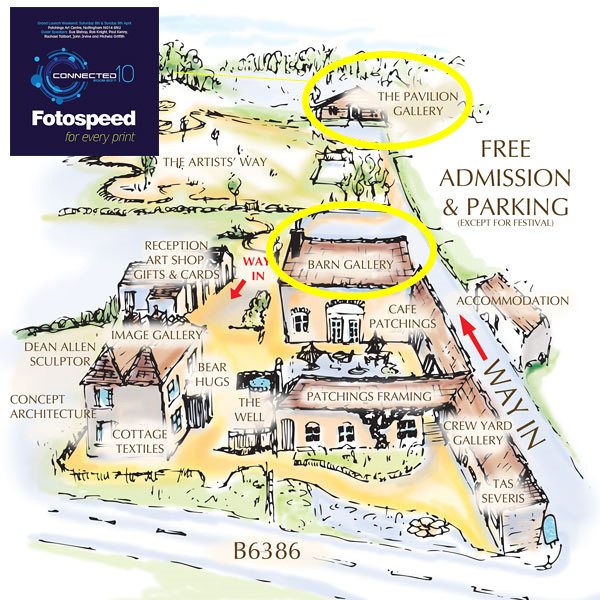
Date: Sat / Sun 8th and 9th April Time: 10-5 both days Location: Patchings Art Centre, Oxton Rd, Calverton, Notts, NG14 6NU Parking: Lots and lots and FREE Entry cost: Completely FREE including all the talks Charity Print Auction: Each day we will be auctioning off prints of images donated by the artists involved to raise as much as we can for the John Van Geest Cancer Research Centre in Nottingham. Last year we raised £1100 and it would be great to smash that total in support of the amazing work they do. Fotospeed: Our paper partners Fotospeed will have a big stand at the opening event with lots of advice about getting into printing yourself, colour management, paper choices and their ink system for various printers. They will also have their superb range of papers on hand and always offer some amazing deals at the opening of #ConnectedTEN. It’s a great way to try their papers or stock up and avoid the postage costs.
When we think about ICM (intentional camera movement) images, we often have in mind something that still references the landscape in a way that we can recognise – we can see the trunks of the trees, or the line and colour of the sea or land. Andy Gray has developed a technique which frequently uses exaggerated camera movements, and for which the recorded image is merely the starting point. Post-production the image may still hint at its origin or it may show something new and open to individual interpretation. If you have a love-hate relationship with post-processing, his answers may just make you rethink this a little.
Would you like to tell readers a little about yourself – your education, early interests and career?
I’m Northumbrian born and was raised on the family farm not far from the town of Alnwick. I now live in a tiny village a couple of fields away from that farm which we left in the mid 90s when my father retired. Both sides of my family have a long lineage in agricultural work in and near the county, however I was never keen on the farming, though I grew up with an appreciation of the land, nature and its peace and quiet. Somewhere along the line I had dreams of ending up as an architect and my subject choices embraced this but alas I wasn’t the hardest worker and I took my foot off the pedal later in my school life and went off to the University at Derby for a diploma in the general subject of Building Studies. Coming from this part of Northumberland, most buildings were built of sandstone and in traditional ways. A major development would be a farm steading conversion, so it was a shock that all we learnt about was modern building styles, steel beams, concrete and logistics. My general interest in history must have discounted the credibility of these abominations and my interest and desire to work in modern construction waned. At this time though I discovered the world of computers and I’ve been looking into those rectangular screens ever since!
After working in a local architectural drawing office for a few years I did finally get to work in the old stone built environment I’d wanted to experience back in the 90s. Even though I loved it, in the end the project management side of things took its toll; I had to leave and over the past 6 years I’ve been self-employed doing various digital things to eke out a living.
How did you first become interested in photography and how much time are you now able to devote to it?
There was always just a camera around, compacts of course, but still always a camera in the house for family events. I remember getting my own film compact one year and of course it was then used by me to photograph random things around the farm and scenery rather than family events and such. However, development costs for your kids “random” photos were a bit steep for an agricultural worker’s meagre pay so there wasn’t much chance to be prolific with the number of pictures taken.
In my youth, I’d always been able to draw reasonably well and thrived in visual mediums so maybe photography was just my older, lazier, self’s tool of working visually. The proliferation of digital photography obviously meant the chance to experiment cheaply and helped too. I got my first digital camera in 1999 bought in return for building a website for a local hotel (and taking the photos for it). Even back then post processing was part of what I classed as important; I remember hours spent playing around learning manipulation in Paintshop Pro even before I had my own digital camera.
For a while (around 2011 to 2014) I concentrated on my photography and developed it as much as I could, almost 100% of my time with little return. Recently though it’s while time allows and how much cash I have in my pocket affects whether there’s petrol in the car to get anywhere away from the village.
Who (photographers, artists or individuals) or what has most inspired you, or driven you forward in your own development as a photographer?
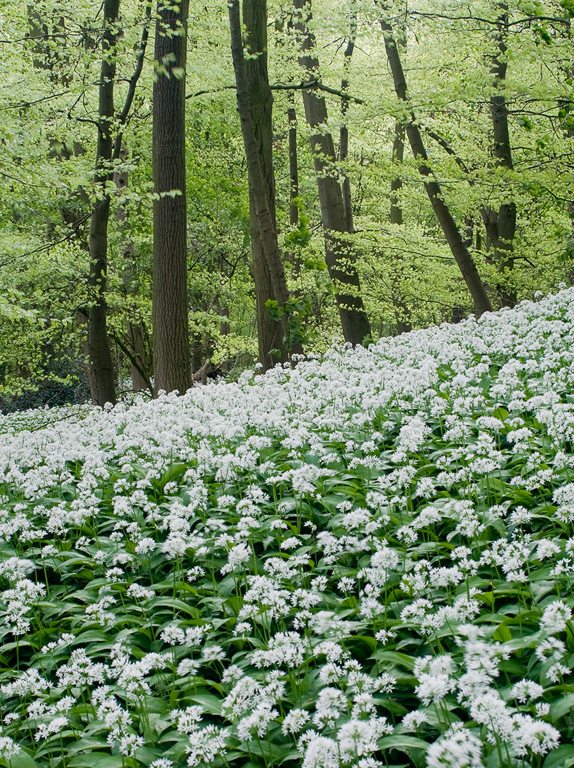
As spring fast approaches and we start to become tired of the damp winter weather we’ve had and in England, some of us start to plan trips out to photograph the new growth in woodlands. Whilst most photographers are keen to bag some lovely bluebells shots around the country I’ve decided to highlight a beautiful spring-flowering plant that I’m very familiar with, the ramson or wild garlic.
A close relative of the chive and onion family, Allium Ursinum (to give it its Latin name) is a widespread sight in many woodlands throughout the UK and Europe, especially ancient broad-leaved woodlands. In spring its carpet of dark green leaves produces bright white flowers in an ‘umbel’ from one tall stem. These generally last two to three weeks and after pollination turn to seed heads.
Throughout the centuries it has been used as a food source and can be used as a salad leaf, crushed to form pesto and as a garnish. It has become a bit of a trendy ingredient with many contemporary chefs. Its flowers and bulbs are also edible but disturbing the bulbs is not recommended. The leaves and flowers are strong flavoured and quite peppery.
I’m very fortunate in that where I live, in East Yorkshire, I have a large woodland five minutes walk across a field to some of the best wild garlic displays I’ve seen. I also have a couple of other woodlands close by with decent amounts too. This has given me ample opportunity to explore and photograph the garlic in all sorts of conditions over many years. Quite often the flowers don’t bloom as well as they do in some years. Dry weather in spring isn’t great for the bulbs to produce the white flower heads but a damp spring can have a dramatic effect with masses of blooms covering every part of the woodland. The blooming of the garlic can also coincide with the flowering of bluebells and although my local woodland only has a few bluebells they can sometimes add a splash of colour. The early growth of beech and oak leaves with their bright yellowy greens can also give a lovely contrast to the dark magenta greens of the garlic leaves.
Mark Littlejohn was born in Edinburgh in 1962 but has lived in North Cumbria for over thirty years. A retired detective and computer forensic analyst, he took up photography relatively late in life and came into it via a love for his local landscape of Ullswater and the Eden Valley.
He specialises in split toning colour images and prefers the smaller view to the grand vista. In 2014 he was named the Take a View UK Landscape Photographer of the Year. He spends his years alternating between working on the Ullswater Steamers and running small photographic workshops in the Eden Valley and the Lake District.
At the Meeting of Minds conference 2017, Mark opened the event with a talk about the aesthetics and reasoning behind his use of split toning in his photography of the Lake District.
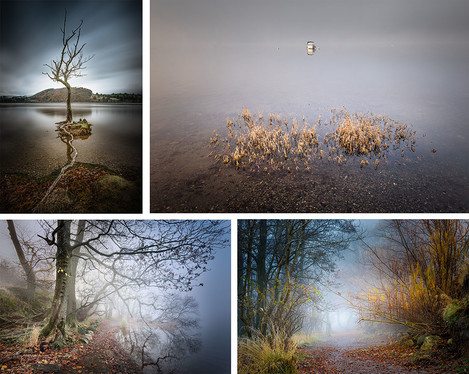
For my lightning talk at the On Landscape Meeting of Minds conference, I considered how my images of water were evolving and I talked not just about using the water’s surface as a canvas, but about loosening the knots of representational landscape photography.
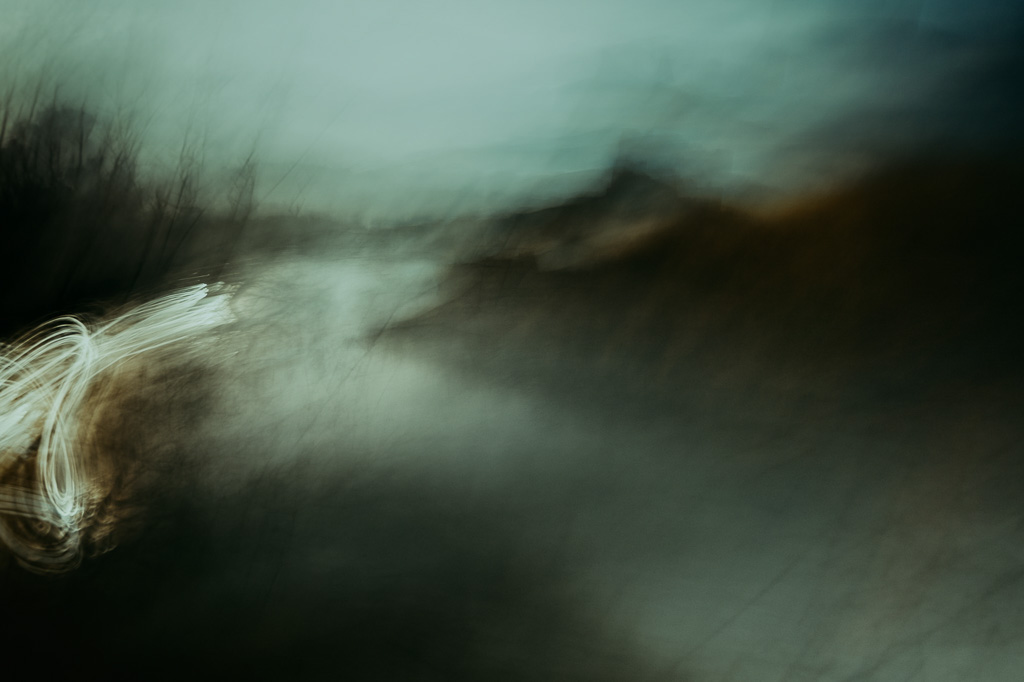
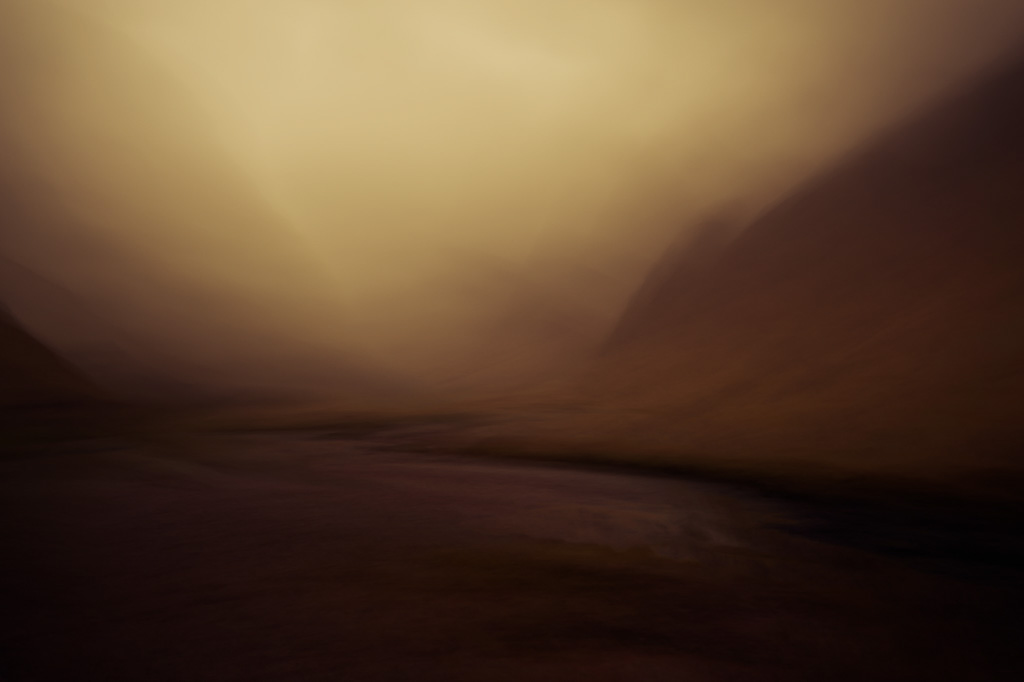
Since turning my back on the hills and views, I’ve photographed incident, motion and light; streams and rivers and pools in the abstract; played a little with movement on land and my own progress and that of others through the landscape. I now find myself taking another turn in the path.
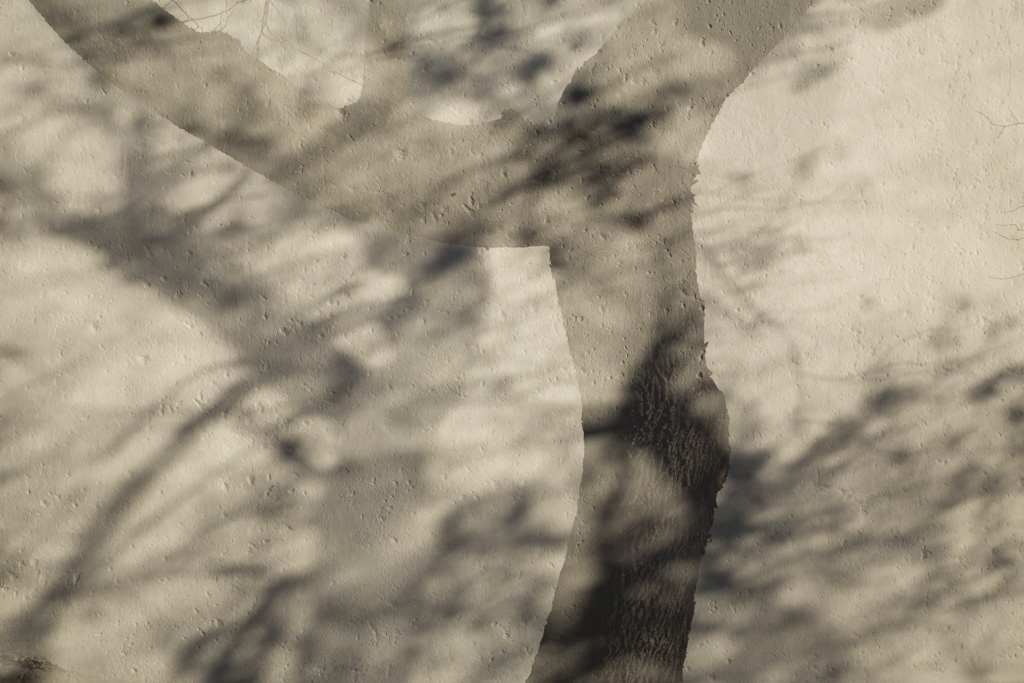
Treeplay: Trees have increasingly been recurring in my images over the last 18 months, reflected in whole or part or built up in layers of light and shade
Encouraging female photographers to get ‘out there’ on their own at the more ‘unsociable hours’ of the day or night – and experience the immense photographic and personal satisfaction in doing so!
About a year ago I came back from a solo trip to Iceland doing some reconnaissance for the new photo tours I was planning to run.
This was a BIG THING for me; I had never done this kind of solo trip before, all my previous excursions abroad had been along with other people, and I had never been to Iceland before either. So while I was very excited, I also had quite a lot of trepidation about the trip, particularly as I intended to do some night photography as well as sunrise and sunset shots.
This isn’t an uncommon scenario for women. In the course of running my various workshops and holidays, I get a lot of women coming along and I always try to encourage them to go out at those times – repeating what most of them already know really, that it’s at those more ‘unsociable’ times that they stand the chance of getting their best shots. I also try and encourage them to go out on their own, because again to get our best shots I think we have to really be ‘in the zone’ and totally focused on the landscape; for many of us, other people - even other photographers - can become a distraction and interfere with that experience.
I’m not surprised really that I often get a sharp intake of breath and an exclamation something like “oh I couldn’t possibly go out on my own at those times, I’d be too afraid.”
I’m not surprised really that I often get a sharp intake of breath and an exclamation something like “oh I couldn’t possibly go out on my own at those times, I’d be too afraid.”
Well I have to say, I totally understand those feelings; whilst I’m not normally worried when I’m out at sunset or sunrise on my own, in the middle of the night in Iceland every fibre of me was crying out not to go out in the first place, not to walk up that very dark track in what felt like the middle of nowhere all on my own, and once I got there – to leave as soon as I possibly could! It was a real ‘mind over gut’ moment that had every nerve vibrating away chaotically!
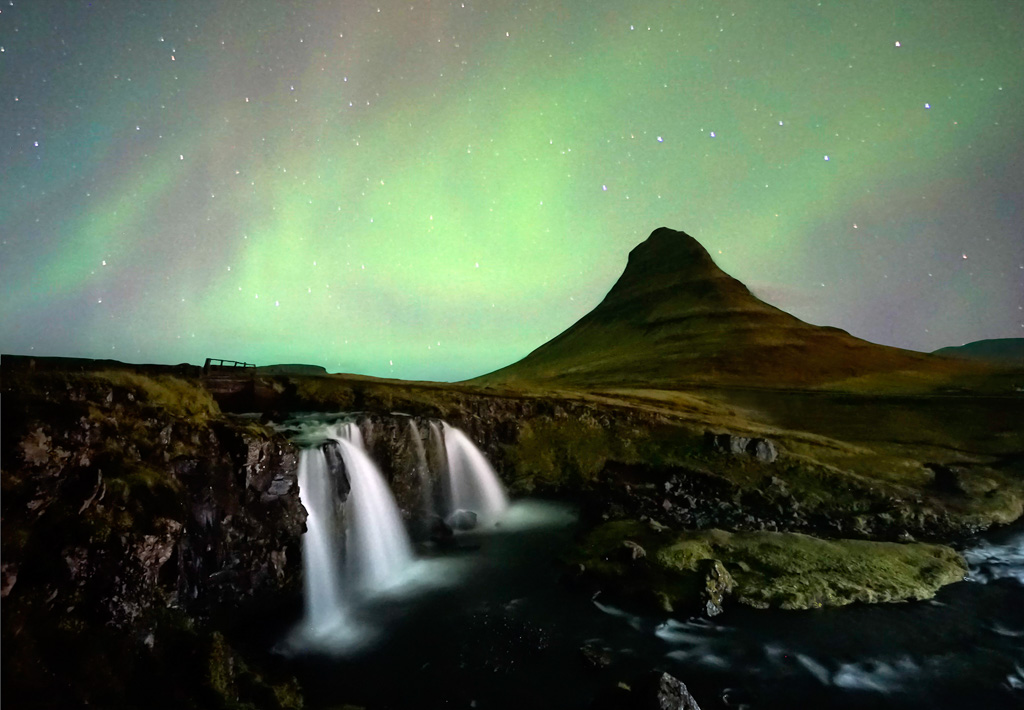
However, the result from that shoot is the aurora shot taken at Kirkjufell shown (above, below, wherever!), and I have to say I’m immensely proud of it, not only because it’s a beautiful picture but also because of what it symbolises.
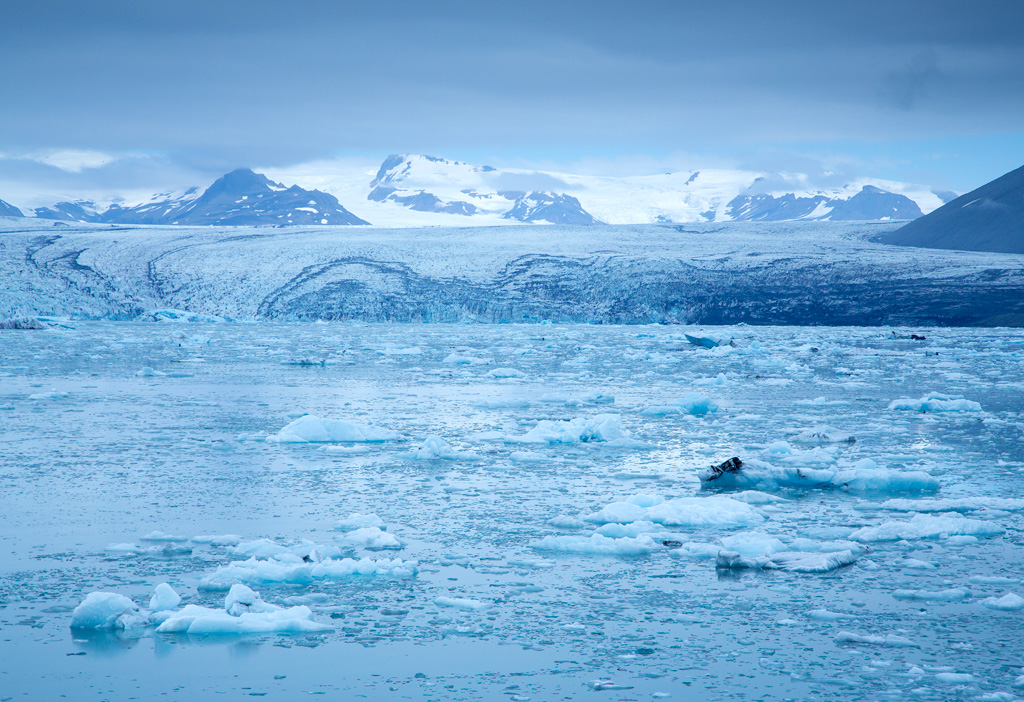
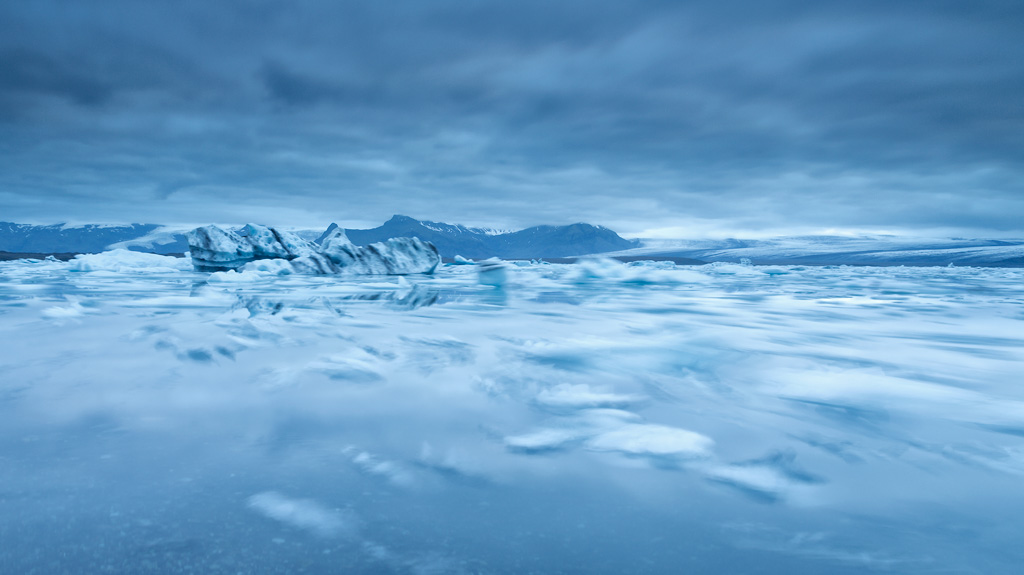
Similarly, the pictures (above, below, wherever!) taken on Jokulsarlon beach were taken in the blue hour before dawn, and again I was completely on my own with the waves roaring in.
As women, most of us simply aren’t brought up to think that we will do this sort of thing even in the 21st century. There are always rare individuals whose sense of adventure completely overrides the usual constraints, but for most of us – well we are ‘mere mortals’ and have to overcome those inbuilt limitations – often by giving ourselves “a stiff talking to” and doing it anyway! (Thankfully the world is continuing to change, and I do think that for young women these constraints aren’t so strong, so hopefully there will be more and more female photographers ‘doing it’ as the years go on.)
However, for us ‘mere mortals’ quite what’s going on in our heads that’s stopping us I’m not quite sure, but from my experience, those fears are often working at a very visceral level and are so tough to overcome. However, the rewards if we can achieve it are immense at both a photographic and a deeply personal level.
Let’s just step out of this maelstrom of emotion for a minute and look at the facts. I’ve never heard of a photographer being attacked while out on location, have you? As for our fellow male photographers – who are the people most likely to be out in those locations at the same time as us - well
Let’s just step out of this maelstrom of emotion for a minute and look at the facts. I’ve never heard of a photographer being attacked while out on location, have you?
my experience is that they are rarely anything but helpful and considerate. Some of them may well be feeling some trepidation as well. I had the most wonderful experience a few months ago coming down from a mountain in a thunderstorm; a man was sitting on a rock clutching his camera, and as I passed he said he wasn’t sure he dared go any further as it was so scary! Good for him that he had the guts to tell me he was struggling; thunder and lightning are probably more likely to damage us on mountains after all, than fellow photographers or walkers! Similarly, anecdotal evidence tells us that psychopaths, sociopaths, and robbers with violent intent are very unlikely to be out on a hillside or beach at unsociable hours!
I’ve been having a look at a few facts about violent crime in compiling this article. They clearly show that violent crime is falling faster in the UK than in any other European country and that rural areas are far safer than towns. See the map and graph below which clearly show these trends.
The most recent Crime Survey for England and Wales also gives us some interesting data about the balance of violent crime committed against men and women.
Two-thirds of homicide victims in 2011/12 were men. Homicides against men were also more likely to be committed by a friend or acquaintance whereas for women it was most likely to be committed by a partner or ex-partner.
Women were more likely than men to have experienced domestic or sexual violence - 3% of women had experienced some form of sexual assault (including attempts) in the past year, compared with 0.3% of men according to the CSEW 2011/12
So where does all this leave us?
For me, it shows that as women, there’s every reason to embrace President Obama’s slogan and say “YES WE CAN.”
We are far more likely to be attacked by our partners than we are in the middle of the countryside whatever the time of day or night. Although we are more likely to be subject to sexual crime as women that is only by 2.7% - and this is extremely unlikely to happen when out on a photo shoot in the countryside!
We are also far more likely to have an accident while out on a mountain than we are to be attacked in any way – and of course so are men! We only need to take the standard precautions that are freely available on any outdoor adventure website, to ensure our safety – and of course, always make sure that someone knows exactly where we will be going and approximately what time we will be back.
These days there are more and more women getting into photography and experiencing the joy of being able to express our creativity using this unique art form. The rewards of getting out and about in those golden hours – or during the night – are well documented and self-evident. Surely as creative individuals, we want to make the very most of our talents?
These days there are more and more women getting into photography and experiencing the joy of being able to express our creativity using this unique art form.
Perhaps the way to do it is to start small? Go out at sunset on your own first – at a well-known location perhaps where there are likely to be other photographers – but resist the temptation to join the others and just ‘do your own thing’, I’m sure you’ll be pleasantly surprised at just how liberating that can feel.
If you can’t face that, by all means, go out in a small group at unsociable hours to start with and see if you can build up from there.
Then see if step by step you can take if further, so that at some point maybe you can even take yourself off to somewhere exotic on your own and have the photographic time of your life! I did just that in Iceland, whereas only a few short years ago I just couldn’t have countenanced it.
So, I hope I’ve encouraged all you female photographers to ‘get out there’ and just do it; and to all you men, if you see us out there on our own, please come and say a friendly ‘hello’, wish us well and then leave us to get on with it!
Our 4x4 feature is a set of four mini landscape photography portfolios from our subscribers, each consisting of four images related in some way. You can view previous 4x4 portfolios here.
We're always on the lookout for new portfolios, so please do get in touch! If you would like to submit your 4x4 portfolio, please visit this page for submission information. We are looking for contributions for the next few issues, so please do get in touch if you're interested!
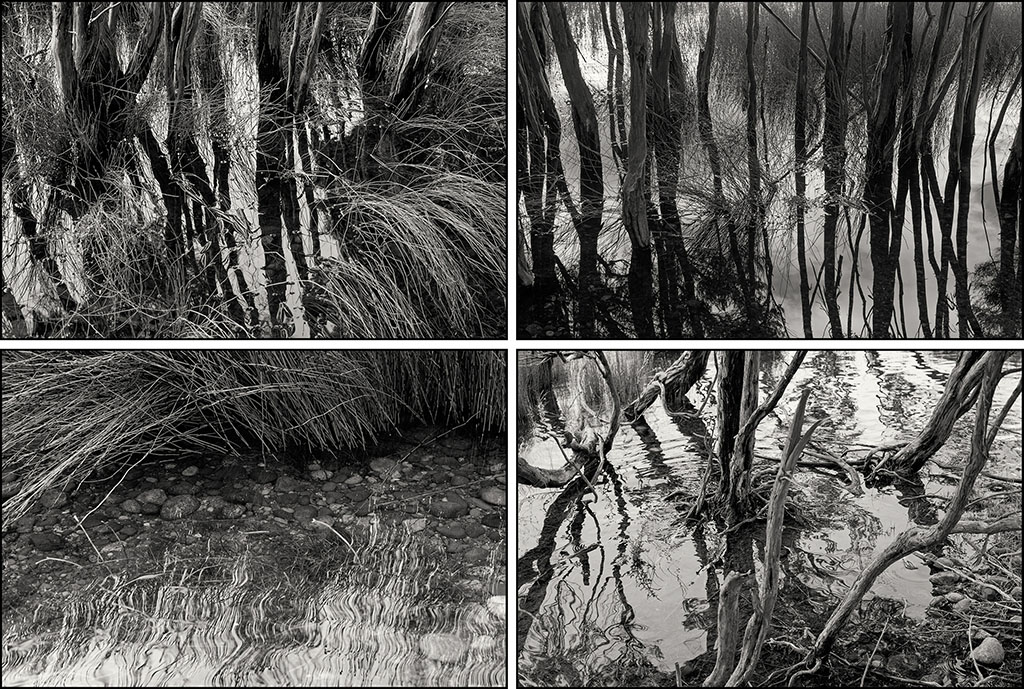
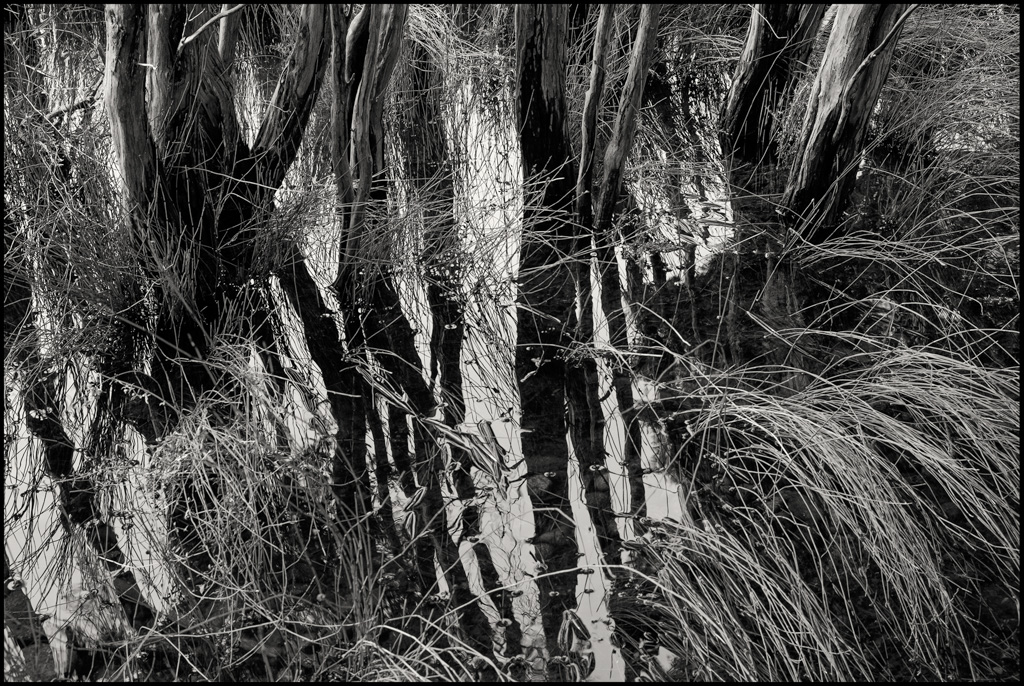
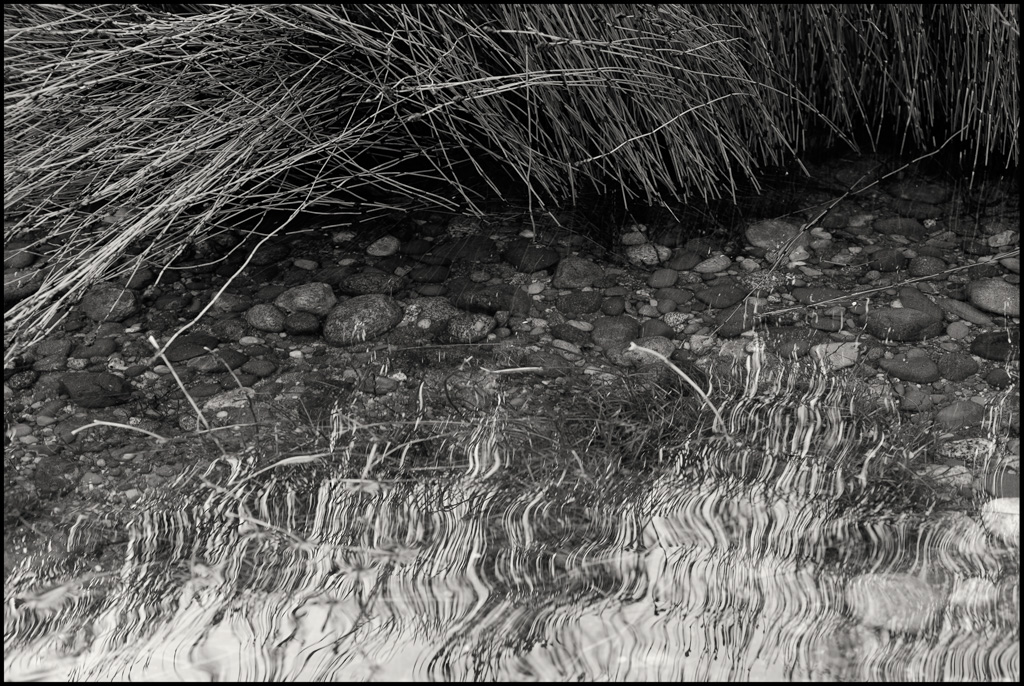
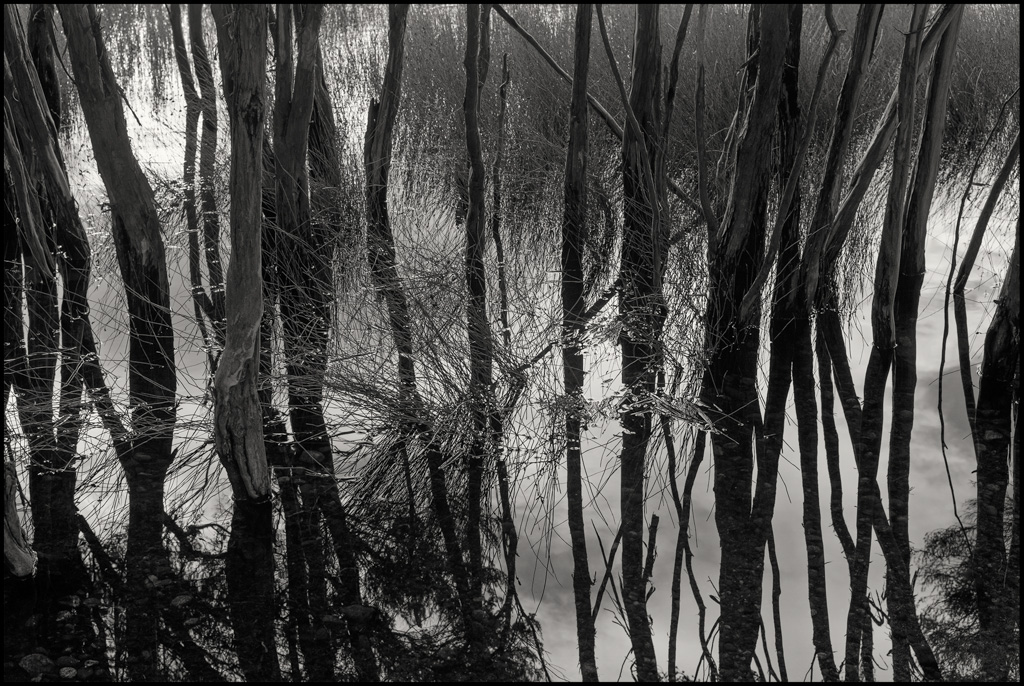
These images are from a series made over 18 months, only while the water level of Lake Te Anau floods the Manuka trees on the shore. I am interested in my embodiment of space and the interaction between light, water, life and rock. All are made with a Fuji X100t with tele-converter, a combination which draws beautifully and a pleasing fall off of focus. I hope that the aesthetic influence of Brett Weston and complex spatial arrangements of Lee Friedlander are visible in this work.
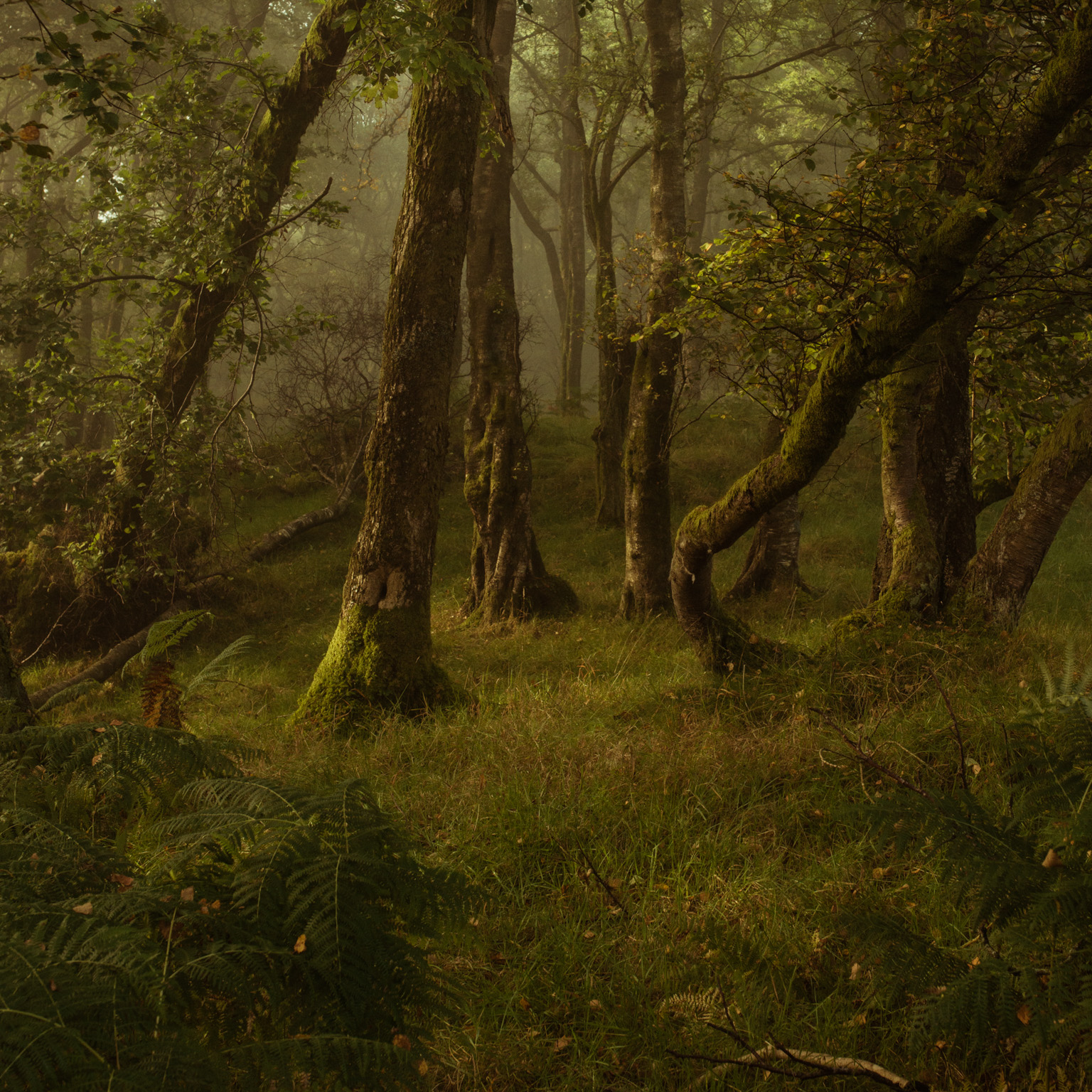
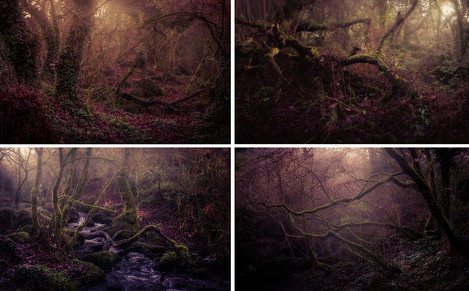
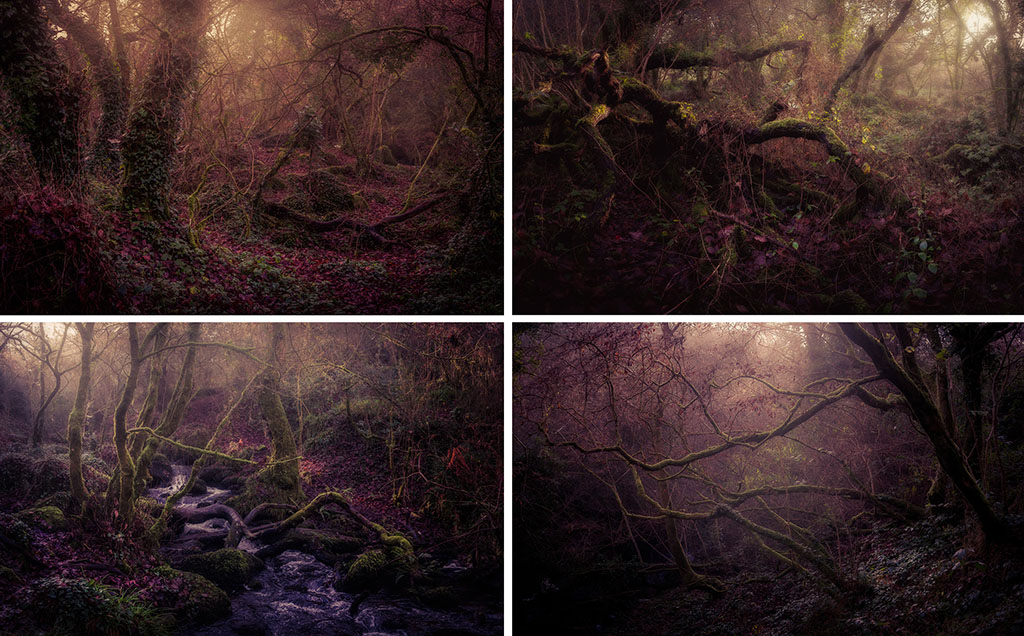
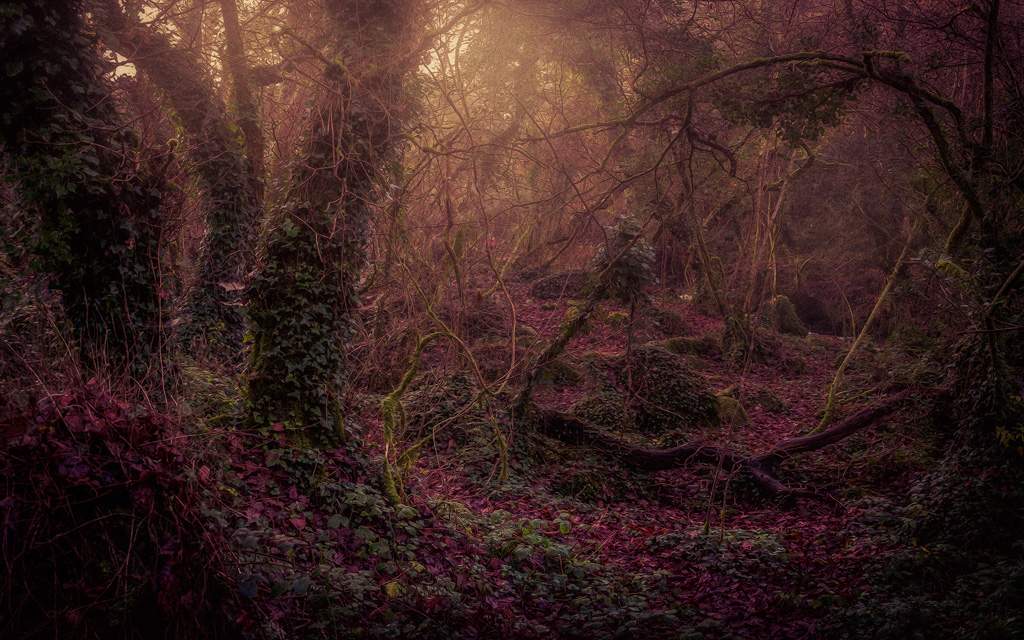
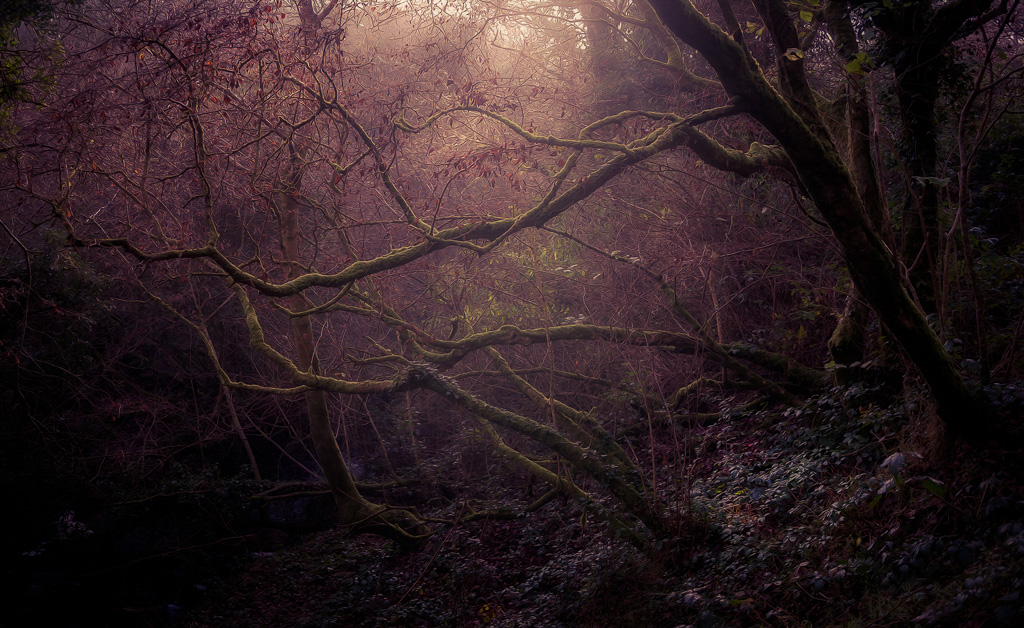
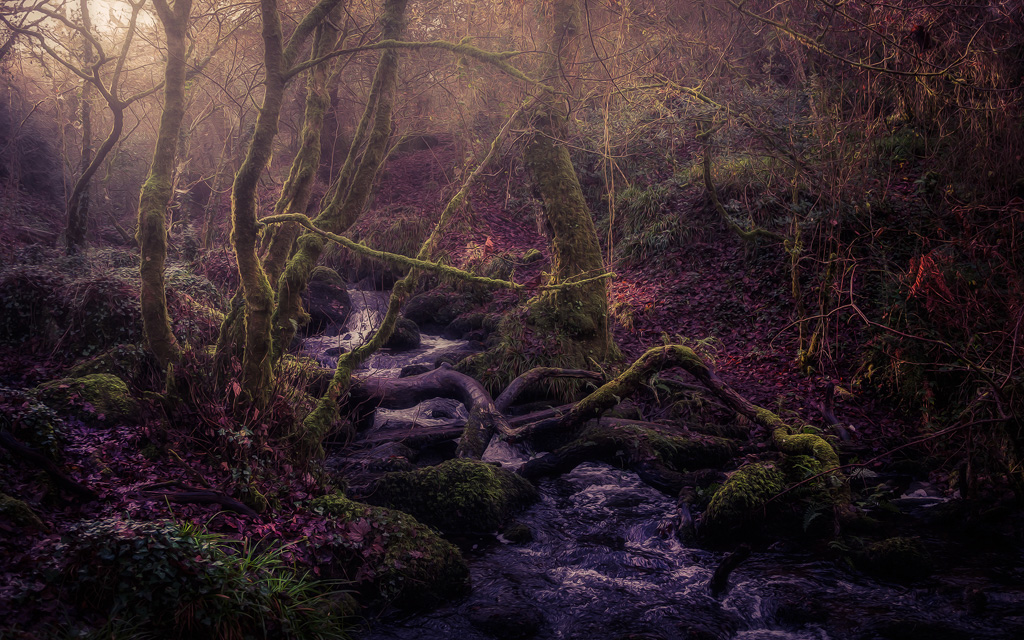
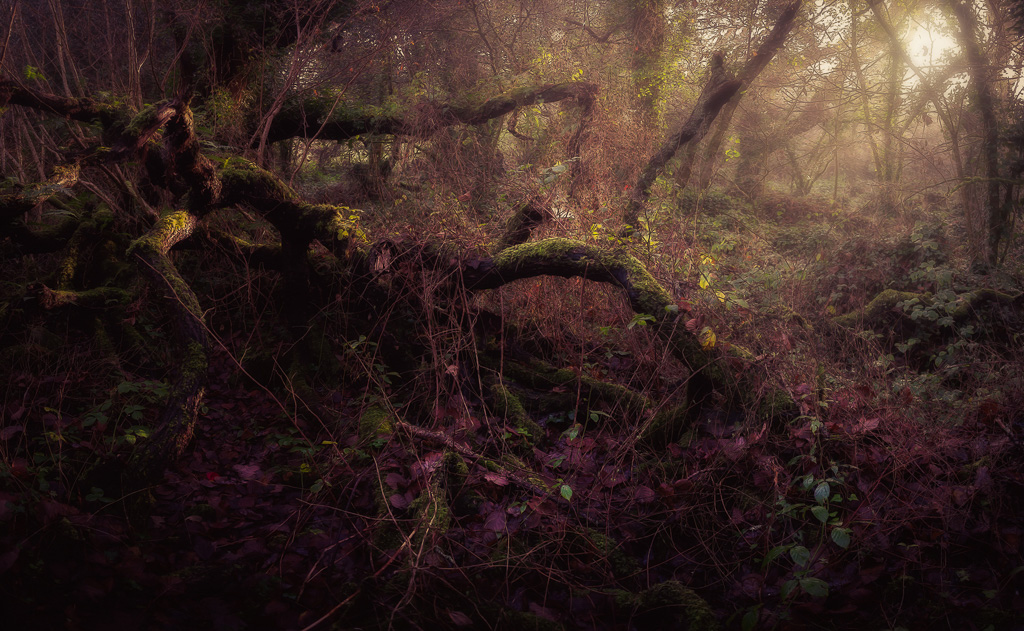
This series of images was taken on a cold, misty, winter morning exploring Glasney Woods which lies in the valley where I live in Penryn, Cornwall. I have a real passion for ancient woodlands and the intimate, complex natural forms among the twisted boughs and tangled branches of growth and decay. There was a low lying mist and a soft, almost mystical light when I took this series which lent itself perfectly to the dreamlike quality I was hoping to capture.
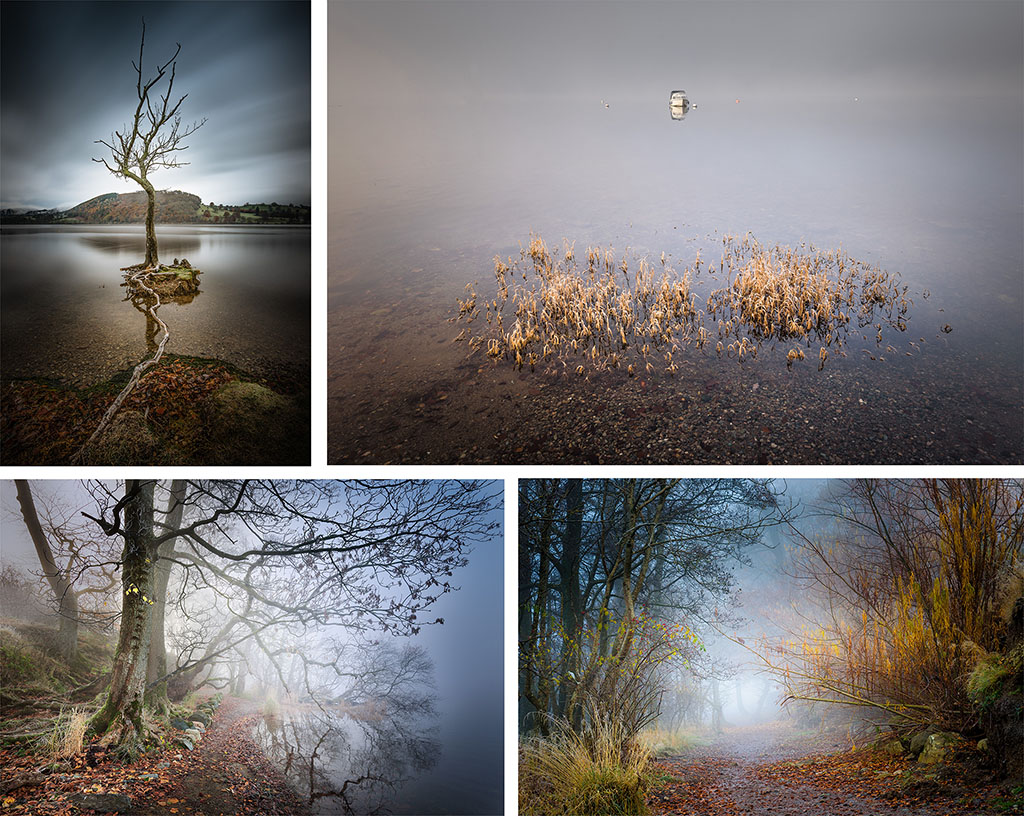
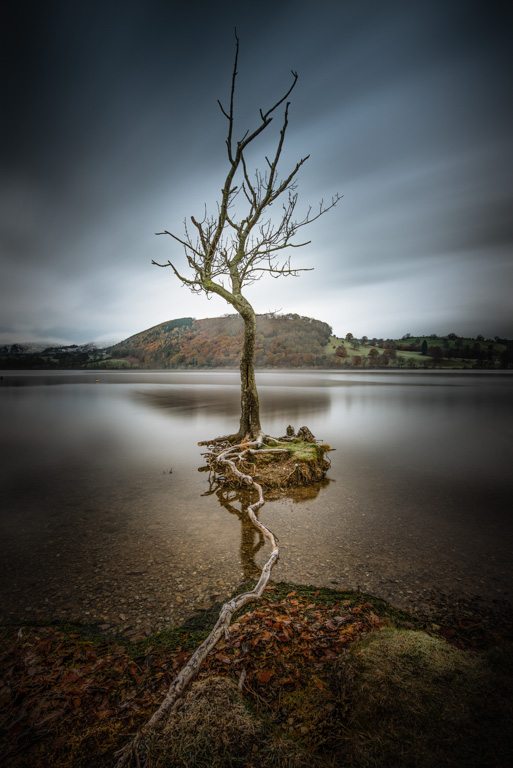
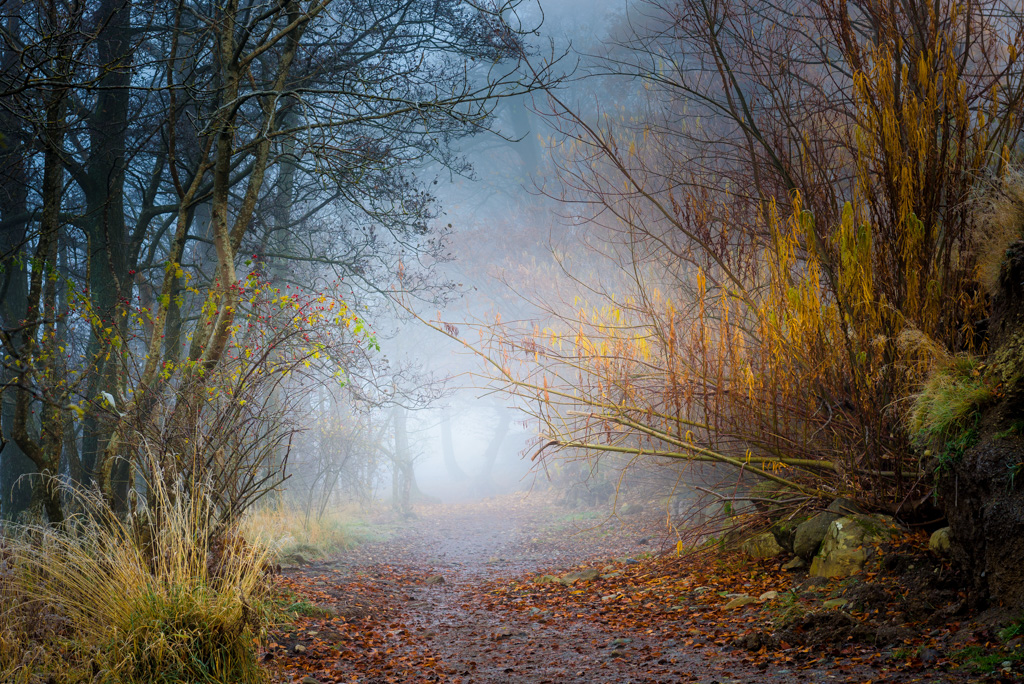
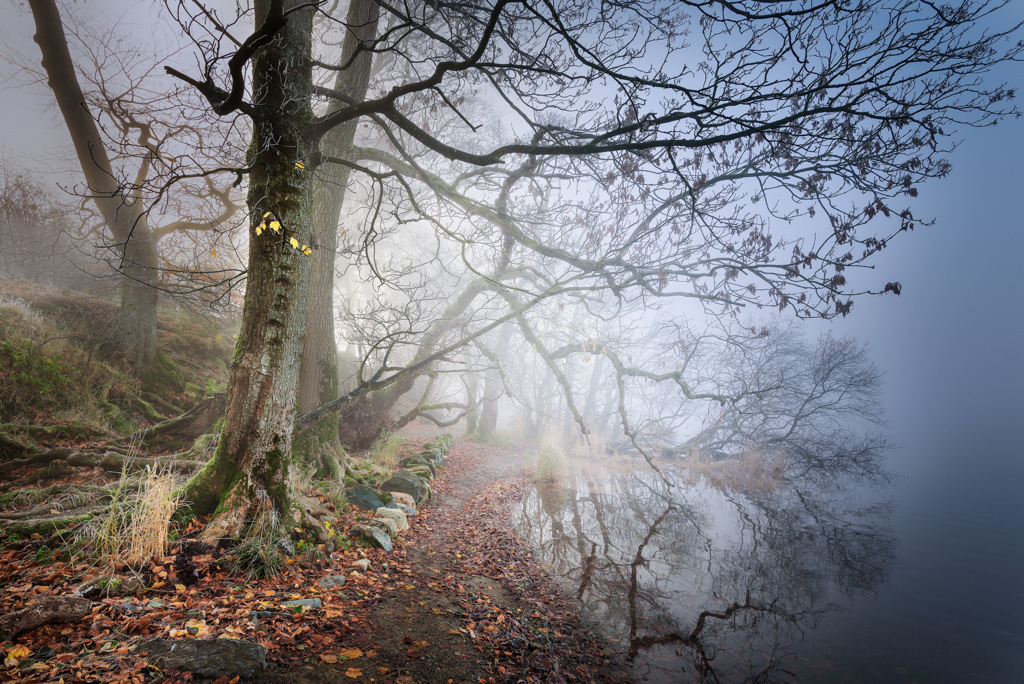
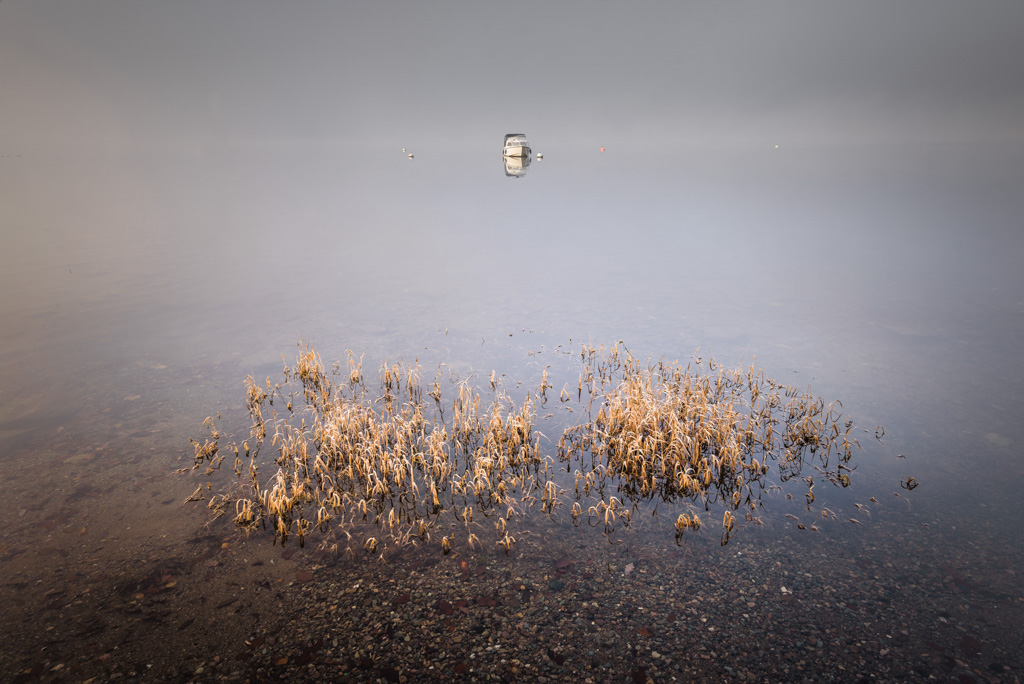
The link between these images is that they were all taken in the week following the On Landscape Conference in November last year (2016). I attended the conference (which was excellent and inspiring) and stayed up in the Lakes for the following week. Staying in Pooley Bridge gave excellent access to the Ullswater lake shoreline which not only provided lake views but also wooded areas, grasses, lone trees, boats and distant mountains. But the week was make perfect by the stunning mornings which included heavy frost, mist, soft cloud and glancing rays of morning sun. There was no excuse for poor shots other than my own abilities
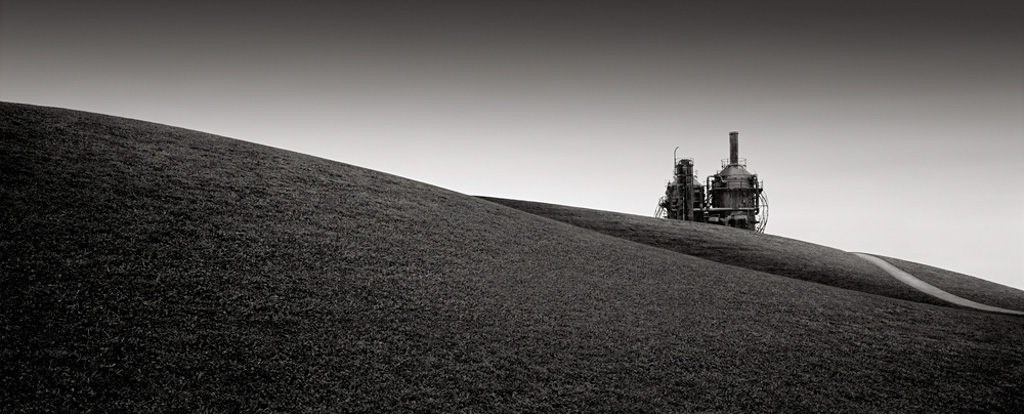
Some images pass by while others grab your attention immediately but still allow you to move on. Others both grab your attention immediately and get under your skin. I remember the process here of being struck instantly but then returning time and time again to this image which is filled to the brim with perfection. Those looking at my own photographs might be surprised at my choice of an image of a Gasworks by David Fokos. Although I tend to shy away from the man made, there are occasions where, if only in graphic terms, the hand of mankind has added something to the landscape.
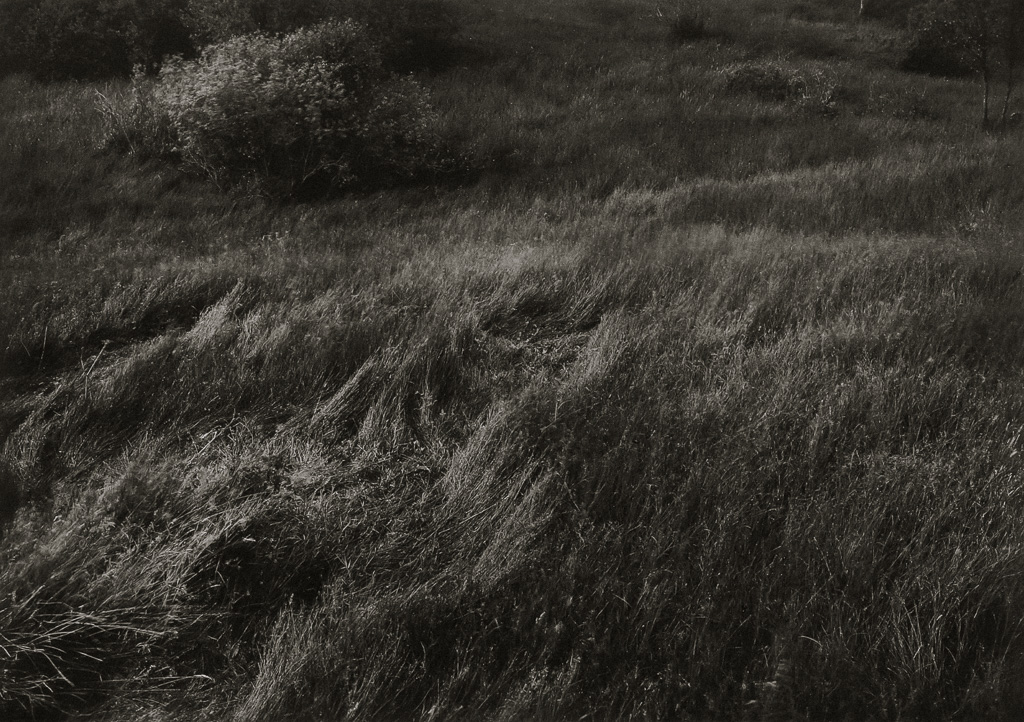
I find immense pleasure in the wide format here, it creates space. I enjoy the fact that the space has, in one interpretation, been left empty. Alternatively it is filled with texture from the grass. There is a bleakness and mood which probably explain my being drawn to it.
I remember the process here of being struck instantly but then returning time and time again to this image which is filled to the brim with perfection.
The strong diagonal would stretch to infinity but for being anchored by the building.The tower, positioned pretty much exactly on the thirds, suits my OCD and then the utter joy of the short stretch of path together with the cut in the slope that joins with it, takes the great to the spectacular.
Immaculate processing make the final image complete. Where David Fokos and I do overlap is with his fundamental statement, ‘. Rather than show what these places look like, I want to show how they feel.’ Personal taste being what it is, this sits with me as an incomparable image, truly fine, perhaps one of the finest.
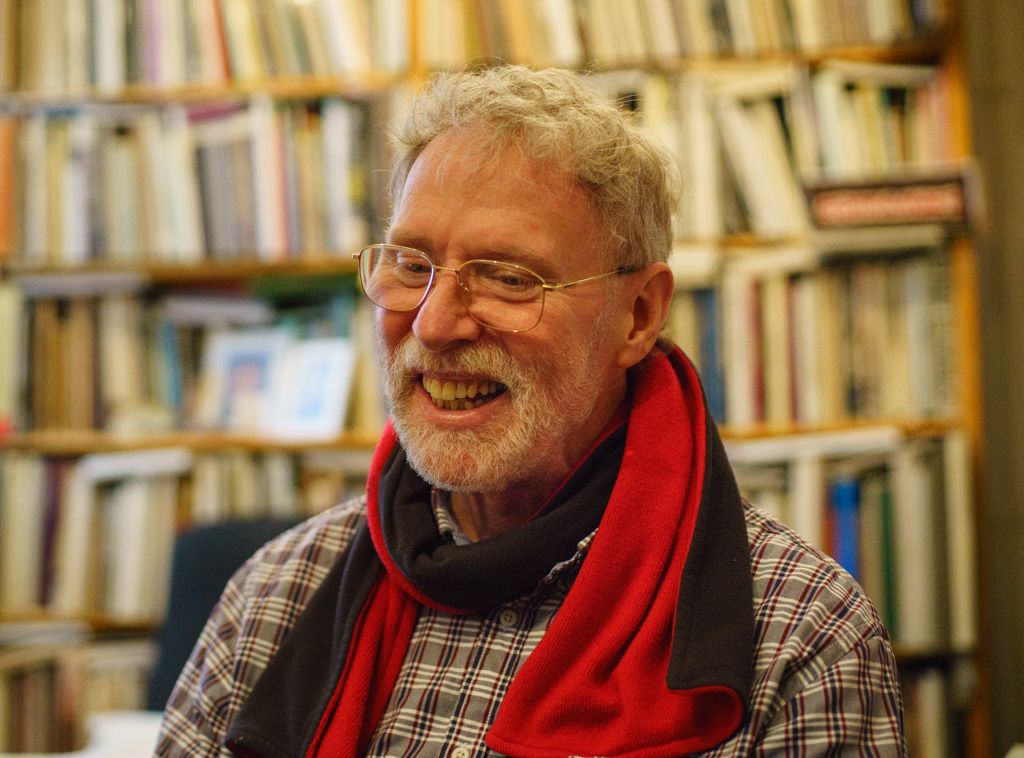
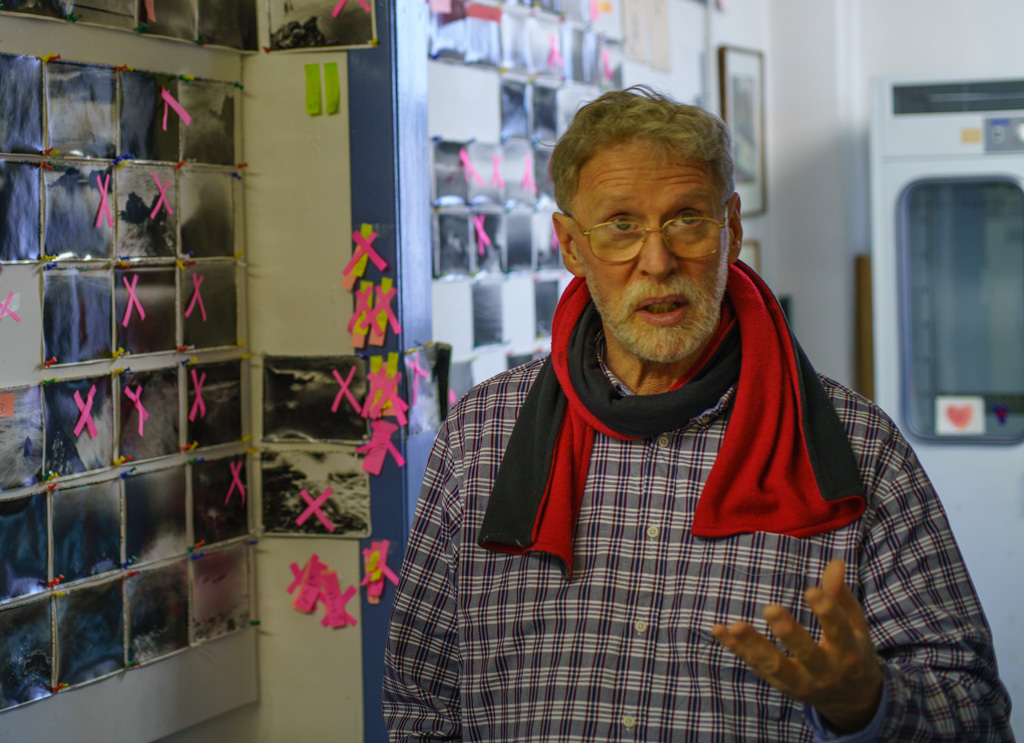
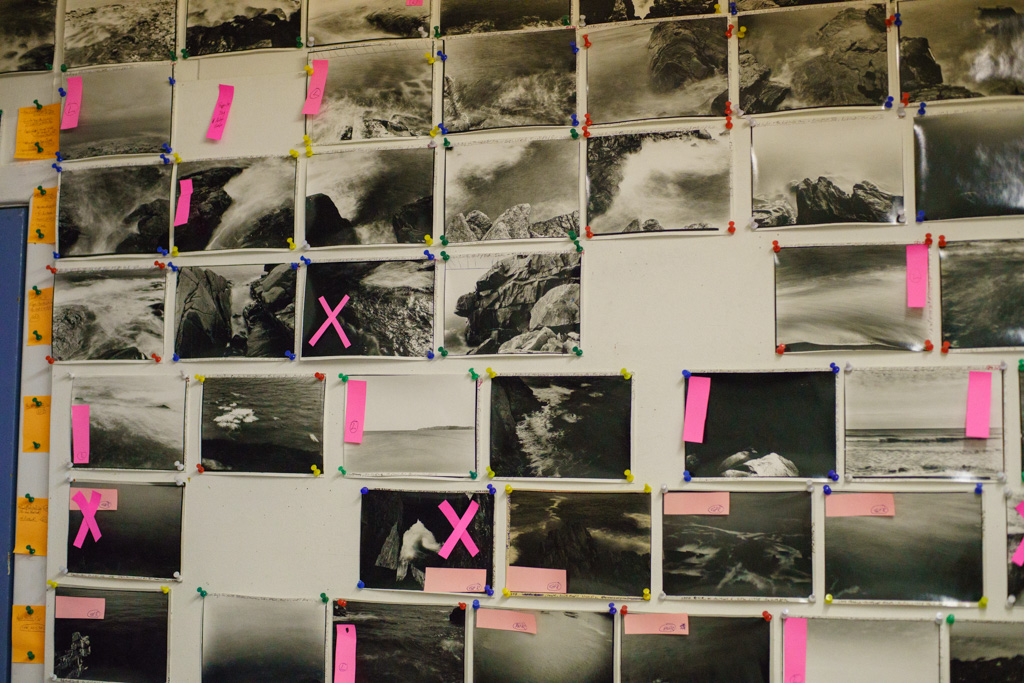
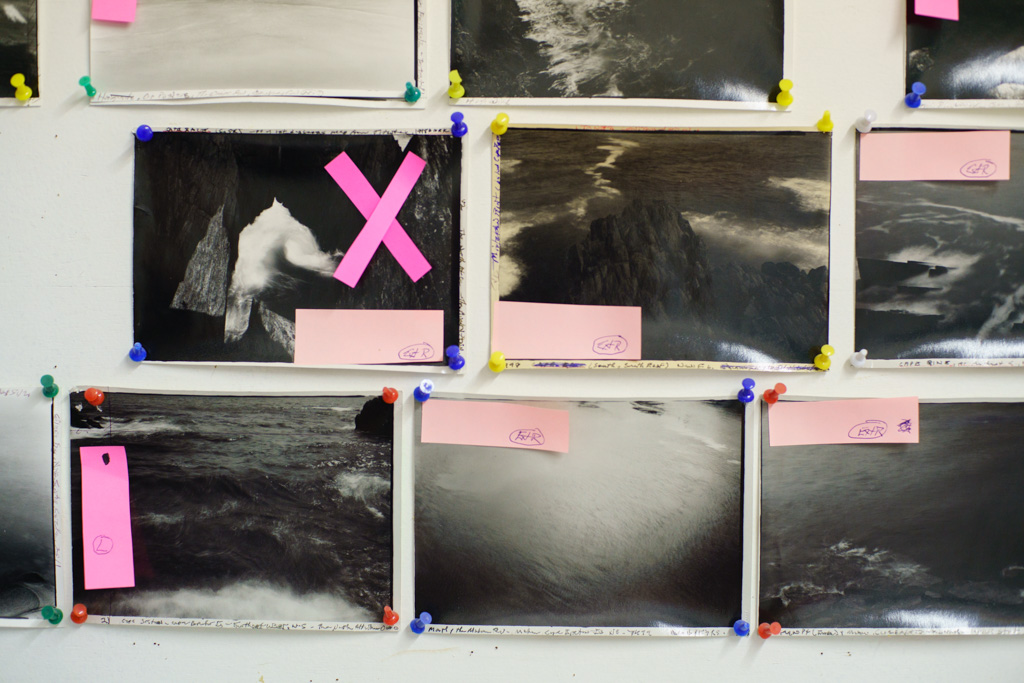
Last year, Colin McClean suggested that we should interview with Thomas Joshua Cooper, the Professor and founder of the Fine Art Photography Department at Glasgow School of Art, and with Colin's connections with the Department, he offered to help arrange it. A few phone calls (Thomas doesn't do computers, emails via third parties and a quick drive up to Glasgow and we were ushered up to Thomas' offices which consisted of a small room with a desk at one end, wallpapered with bookshelves and a large studio and darkroom at the other, decorated with test prints.
Some would call our 'interview' more of a ramble than a structured set of questions but we got the feeling that trying to herd Thomas down our own agenda might not be productive - and we had the advantage of time on our hands, which was a good job as we were there for nearly four hours.
The following consists of select extractions from our meander through photography and life stories. I present them in chronological order rather than trying to force an imaginary arc of ideas through them that had no basis in reality.
On Shooting, or Taking of Images
TJC: The idea of “taking” is anathema to me, just so I can put that in formally. Taking things, taking pictures, shooting, Jesus, what a vulgar, vulgar idea. When I was young, I was a shooter. In my family, guns were part of the deal: first rifle at six years old, for a shotgun, eight years old, first range rifle, 12 years old. You learn how to shoot things and it has a particular meaning for me. Just like taking things, you take something and all of a sudden whatever you’ve taken is gone. You shoot something and whatever you’ve shot is dead. But if you make something or you build something, what you do isn’t part of a vernacular of incipient violence and carelessness then there is the possibility that maybe something as weird as photography can have a real meaning. I mean it’s a joyful thing, this camera photographing thing.
The Guardian Cycle - A Premonitional Worknr. Sonder Vissing, Braestrup Region. Denmark, 1988 pub: "Dreaming the Gokstadt."
On Academic Art Teaching
TP: When I have talked to graduates of art degrees, one of the big benefits that they say they get is talking to other people who are also trying to be creative, in a group, which doesn’t seem to happen outside of academia. Would you agree?
TJC: Well in my experience it doesn’t, and increasingly it doesn’t happen within the academic world very often. The academic world of art schools has changed fundamentally and bureaucratically for the worse.
CMcC: They’re strangled by performance measurement.
TJC: As almost any commodified kind of institution is, but there was a time where art schools were sanctuaries, they were arks; there was the opportunity for at least two of every known weird species to exist if not compatibly, at least in relation to each other in an art school environment. Increasingly that’s not the case. What’s really exciting is when you get a group of interested people together with a common cause. It is always a great thing; where people aren’t afraid of each other and they’re treated as equals, sometimes with things working well and sometimes with things that don’t work well, but treated as equals. So much is available to learn. I had the privilege of working that out really quickly over the years of doing workshops for the Inversnaid photography workshops. For, I guess, maybe ten years, a group of people who were from very diverse backgrounds, just kept coming. A group of people just stuck with me for a while. One was a priest, one was an organic cattle farmer, one was a mechanic, one lady … I don’t know what the hell she did. Anyway, a group of older people and a couple of younger people who, out of the blue just actually knocked my socks off - completely knocked my socks off. Some of the best, most interesting people I’ve ever met in my life, who came together simply because they were interested in making pictures and advancing the problem solving situations that they found themselves in whilst trying to make things that were important or dear to them. I finally stopped because I realised that this group of people were impacting me so powerfully that I didn’t have anything else to say to them, they were on their own. That I probably ought to meet with them regularly instead of the reverse. Art schools can do that. Carrying on an on-going creative conversation with people, with anybody, is a privilege.
Late Afternoon - remembering lost holidays - The River DevonRumbling Beside Gorge. Kinross-shire, Scotland, 2014 pub: "Scattered Waters."
You ask however if I think it happens, I think once you leave the context and confines of an institutional structure of any kind, club, society, school, you name it, then that conversation dwindles to almost nothing. You then either have to have the presence of mind or, as I put it, need and desire. I have no belief and/or interest in the word ‘talent’, I don’t believe in it. Need and desire is what is important. If you have the need to continue to do things and the desire to figure out how to do them better each time, then you’ll survive the lack of conversation that actually is almost utter when you move away from a community of like-minded people. That’s where it gets rough. That’s also where it gets to the point where it’s easier to do easy things than it is to try and figure out how to continue to do or try and do, new or initially difficult things. Because it’s just hard.
This I’m afraid is the creative person’s dilemma, whether you’re a writer or a dancer, a musician, a painter, a photographer, a philosopher or a mathematician or any other things that I’ve missed in between: It’s how you deal with the almost chilling silences. That is what either does you in intellectually, unless you find a way to resolve it.
Thomas Joshua Cooper by photographer: Laura Indigo Cooper
TP: When you say silences, you mean from the outside world?
TJC: Yeah I talk to myself in the dark. Sad Bastard Syndrome. I talk to myself all the time but in a way just to hear in part a human sound, although my droning orifice is tedious even to me.
Yes it’s really important to have contact and that may sound silly, but you see, we learn the most from being critical and our contacts being critical. There was a very great contemporary modern art historian, an Australian man named Robert Hughes, who did a book and then a series of television programmes called ‘The Shock of the New’. He wrote an autobiographical memoir which is absolutely central to me in terms of its title which is ‘Nothing if not Critical’. Whatever the points of view, whether it’s the kind of philosophical inclination that romanticism might suggest to be a hold on people or other kinds of intellectual pursuits, what is necessary is that desire for critical understanding. This is really what is wonderful about a community of conversants: everybody’s going to know something that you don’t. You might not agree with it, it might make you uncomfortable, in my case it scares me, but that’s when I know that it’s exciting, when my guard is breached and I’m uncomfortable, I think “Okey dokey time to listen up here”.
Ritual GroundNescliffe, Shropshire, England, 1975 pub: "Between Dark and Dark."
On Photographing for an Audience or Yourself
TP: When I started photography I started photographing for an assumed audience, my friends and family possibly, but I realised reasonably quickly that the audience wasn’t really who I wanted to create for. I got to a point where I felt I’m not creating the work just for me but I have an imaginary audience that I’ve created inside my head. Is that something that sounds familiar to you? TJC: That’s a simple question but it’s a really serious one and a slippery one to answer. At a certain point in any kind of practice one moves from the private to the personal to the public, depending on need and desire. The move into the public domain is varietal and many splendored but almost inevitable if you keep practising. You know there are two or three people who are extraordinary picture makers and who have only ever remained almost really on a private level. I’ve never gotten that. They’re exemplars to me, but they’re so eccentric that it’s unbelievable. There are multiple audiences, there is not only one, as you suggest. Then I think the necessity is to make sure that while you work to the audience, you maintain the work that speaks for yourself first. Because once that disappears, when the audience determines the picture, then one is an illustrator. That’s just not very interesting to me. I’m interested in how people conscioulsy or subconsciously find out that they have a voice, that they can enjoy using the materials of photography and the camera and begin to speak their mind. Something that is actually harder to do than it is to say. Then whatever they want to say actually is really of fantastic interest to me. As I would have thought that it would be to anybody trying to struggle with not just a voice but a vocabulary. How do we find a vocabulary to say what we want clearly enough or weirdly enough or unexpectedly enough, to stay entertained long enough to want to do it more. Now that’s interesting to me. Everything else is too much work.
On Projects and Whether a Photograph has to Stand on its Own.
TP: From your point of view, should photographs stand on their own, or can they live only in the context of a project?
TJC: I think it depends. Whatever makes the work, work, should be allowed to make the work, work. I never think a single picture does anything at all. I mean there are no photographic Mona Lisas anymore, not when there’s trillions of photographs in the world. It takes more than one image to make sense out of anything. You can get lucky with one. You can get pretty lucky with five. You have to actually start getting your shit together a bit to have ten or 20 or more in a project.
I cannot approach the problem of trying to make things without a project in mind. Gratuitous image making is kind of wasteful it strikes me, it’s wasteful because it’s not necessarily effective. But having a purpose in mind makes me less embarrassed spending the time.
Freedom Day - Southwest - Table Bay. Looking Toward Cape Town and RememberingRobben Island, Cape Town. South Africa, 2004. pub: "Point of no return."
On Words, Pictures and the British Mentality
TJC: I think words and pictures are naturally in conflict each other. They don’t have to be, but they are natural antagonists. I am absolutely convinced (and it’s sad because I’ve spent most of my adult working life failing in this country to try and insist that photography be seen as an independent visual art) that the British mentality is entirely antagonistic and unaccepting of photography as art. I probably wouldn’t have stayed here so long if I’d had any inclination of what I think is the truth now.
There are three art forms, generic art forms, that have taken hold on the cultural imagination of the British intelligentsia and general public. The first one, figurative painting, absolutely dominated by the greatest figurative painters of the era, like Bacon and Freud amongst others and then going back on some level to figurative sculptures like Moore, Henry Moore. Then weirdly, comes documentary photography, which has an absolute hold on the imaginative condition of the people in this country. Thirdly, and not unexpectedly, conceptual art. It’s those three things that have one thing in common, they deal with literalness and the literalness is in relation to a language base of understanding. A figure is a figure. Documentary photography of a thing is a thing. The word base generally of certainly early conceptual art at least was transferable in terms of understanding, based on language.
The point I am trying to make then is that the English language is so absolutely, deeply, formally embedded in the sort of cultural structure of the imagination that anything that moves towards abstraction or tries to make a contra distinction of what realism is, and therefore what is related to how a word makes sense, has real serious problems. There is for instance, excepting Salman Rushdie who quite clearly is an Indian writer, no magical realist in the English writing tradition. That understanding of how to approach language magically is what the best of art can do and the best of artists. But three things, figuration, documentation and conceptualisation have taken hold in a way that, actually, there is no going back. There are almost no great abstract painters in British history. I could get hammered for that, but it’s a generality that’s not entirely incorrect. Every single maker who is considered a decent artist photographically in this country, an artist at a high level, is a figure or portrait maker. There are people who have moved through the documentary genre into being considered artists and it just irritates me because to me, the best at something for instance, Martin Parr, does actually incline one to believe that there is artistry involved. But I’m not convinced, I’m just not convinced. Forgive me for saying it, but for the most part the landscape tradition, which is really interestingly being rediscovered in the Portsmouth area, has taken no consideration of the British land artists, who actually reinvigorated the landscape and the realism of landscape in relation to language as well.
A Quality of Dancing - Ceremonial Dwelling (small animal nesting ground)San Jose Canyon, New Mexico, 1973 pub: "Between Dark and Dark."
TP: By British land artists do you mean the likes of Goldsworthy, Long and Fulton?
TJC: Yes - they changed the game and yet in some ways poor old Andy, whom I admire greatly as an image maker by the way, is seen too often as an illustrator. A lot of his age group colleagues are in the same situation and there’s been no-one to take on the challenges or tasks of Long or Fulton, no-one, and that includes all the essentially documentary based landscape work coming out of the Portsmouth school if you will. So I mean where does this leave art in relation to photography? It suggests there is a real big problem. Where does that leave the thinking process?
So how for instance, where for instance and when if ever, for instance, is anybody going to ever figure out what made Eggleston’s pictures so tremendously exhilarating in terms of their colour. Photography has opened up so many questions in this country, almost none of which have been dealt with culturally and what we have unfortunately, and including what I believe to be the demise of the particular programme that I once led, is basically an unspoken realisation that, at least in Britain, photography isn’t an art. It is a material process in the use of illustrating things for other purposes.
I can’t believe that I spent a lifetime in a place where the language is so vital, going back to the pictures and words, only to have the recognition that the language is so strong that it stifles the understanding of how to use materials that don’t find themselves easily described within the context of the language. That’s a real problem for me. So you didn’t want to hear this but … so there are two choices, turn and run or stand and fight.
I regret … I only have a few regrets, but I have a genuine regret that I never made a substantial body of colour work. That was stupid, but I had other things to do. I didn’t have the time. I would try to figure out how to use colour to start scaring painters. That’s the very first thing to do, in the same way that some of the best painters are figuring out how to use photographs to start to scare photographers. I spent 20 years trying to figure out how to be a photographer, always hoping I might sometime be an artist, always, only ever, ever wanting … but realising I wasn’t good enough.
TP: What are you now?
TJC: Oh I’m only an artist. I’ve earned it!
On Skills
TJC: I was once told … and I’ve come to believe it very intensely, that it takes as long to figure out how to make a real body of photographic work as it does to become an accomplished concert pianist and I was told that that was an approximate 15 to 20 year period. It’s easy to acquire the skills and then it’s easy to make things look like things that they ought to look like. In other words, to copy pictures that are already out there, illustrations in my opinion. But it takes real time to figure out the voice or the score and, in my kind of interests, more time yet to become familiar enough with the tune to find a way to improvise with them. That’s where the joy is, knowing the tunes and also knowing that if you play enough you’ll find a way of playing the tune anew. That’s brilliant to me. Whatever it’s called, I don’t even care at that point. The musical lesson for me is, of course, the implicit recognition that music is structure. There is a structure to the form that makes the sounds, but within that the great continuing discovery is in this thing tunes and how to find a way to play groups of tunes the same, anew, differently, over and over again without it actually becoming a copy of one or the other. Improvisation.
On Composition
TP: Well that probably brings me onto another question, which I think you might have an opinion on. Formal design, formal patterns, composition, the structures of pictures: I was looking at a video of your work, ‘Carry Me’ at the Lannan Foundation (http://podcast.lannan.org/2015/08/15/thomas-joshua-cooper-carry-me-gallery-tour-video/).
TJC: I’ll be damned, yeah, God. I’m so proud of that. That title, the Curator hit it so hard. He’s one of the people I trust most, outside of my wife, in the world.
TP: Looking at that work, there was obvious passion for the subject matter in there, I can see, but also there’s for me a recognition that you have thought long and hard about how the pictures are structured.
TJC: Absolutely.
TP: In terms of structuring, how did you … how do you develop those skills?
TJC: You know that’s a good question, but Jesus Christ, if I answer it in the way that I could it will sound so glib. In my particular sense I saw groups of people’s pictures that I was drawn to, inspirations, I hate very deeply the idea of influence, influence by its nature is for me fascistic, spheres of influence are only about power bases. Inspirations on the other hand are either sort of the good luck of finding something wonderful and falling in love with it or just being overwhelmed, zonked. The reason I talk about making pictures is that I build them. I have this saying to myself, locate the edges and the sitter will take care of itself. Then when there’s no edges I have a different saying. But those two things are key to how I go out to try and make something outdoors. But then how I learn … because it didn’t come naturally I guess, or maybe everything is natural and it didn’t come easily, I was deeply taken, and probably always will be, by small groups of Alfred Stieglitz’s later work, a large chunk of Edward Weston’s Point Lobos works, his last works in particular. His last works really intrigued me as it turns out. Then of course a couple of things that Minor White made. Then two pictures by Paul Caponigro that everything I did early on were based on; he’d just passed them over, so strange.
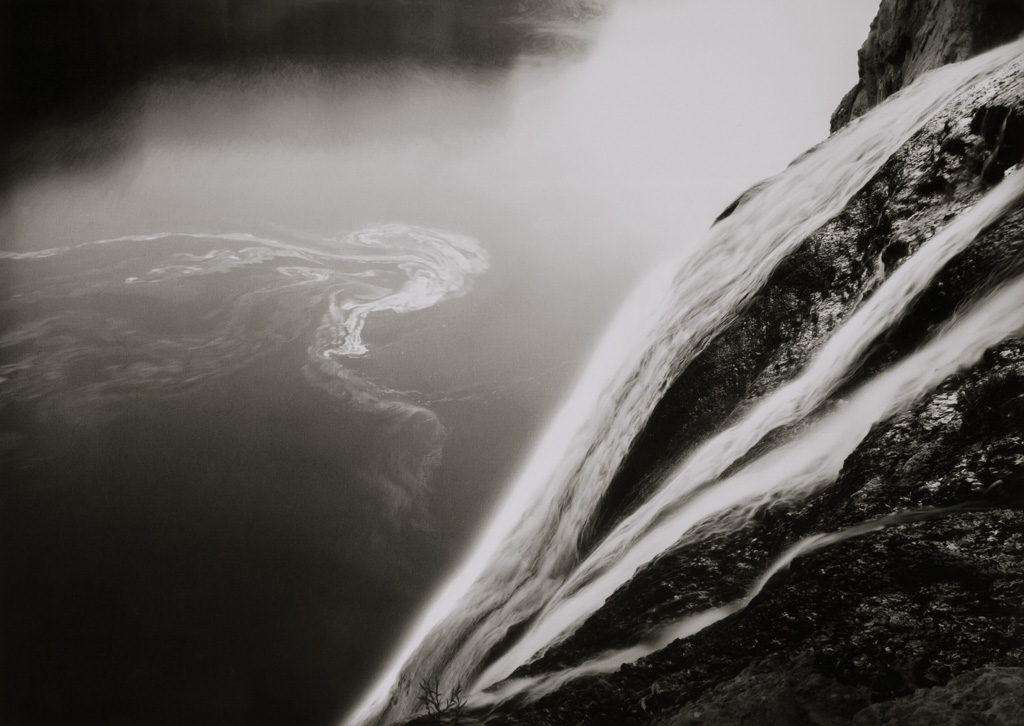
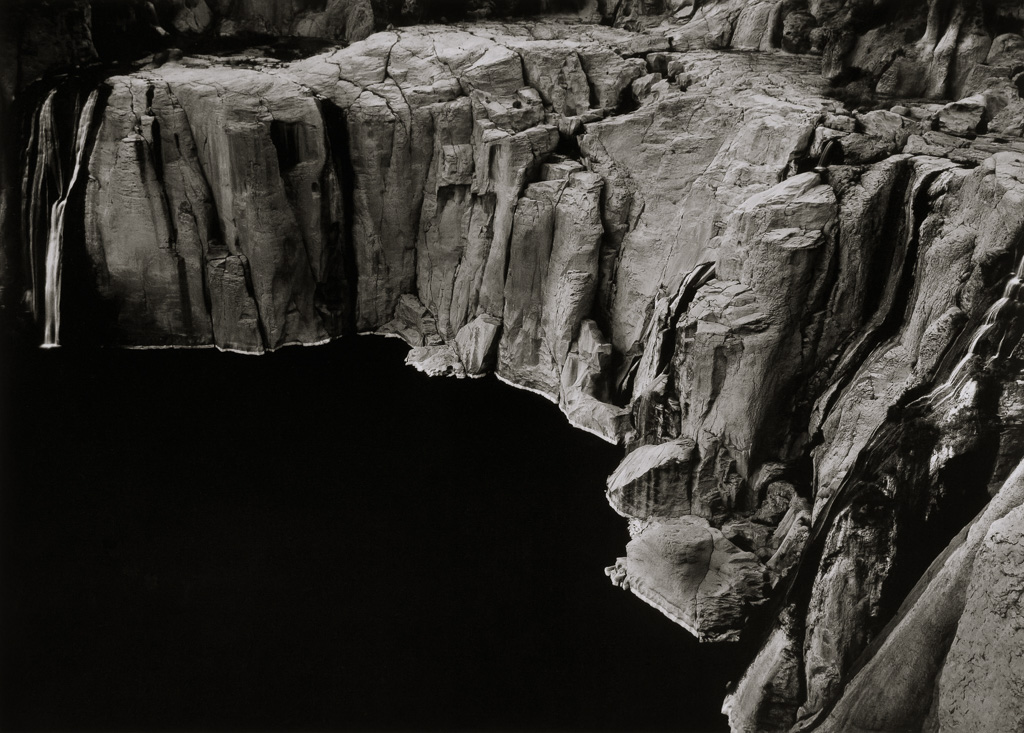
"Bridal Falls"" - Shoshone Falls - The Snake River BasinThe West Bank Rim Top, Jerome County, Part 1 of a 2 part work, 2003-2004 pub: "Shoshone Falls."
TP: Can I ask which two they are?
TJC: They’re in his smallest book called “Landscape” which is an old paperback, it’s a turquoise thing, it has two pictures in it, horizon-less things that he just didn’t see. He made the pictures and I talked to him about them, he didn’t see them, so stuff him - they’re mine.
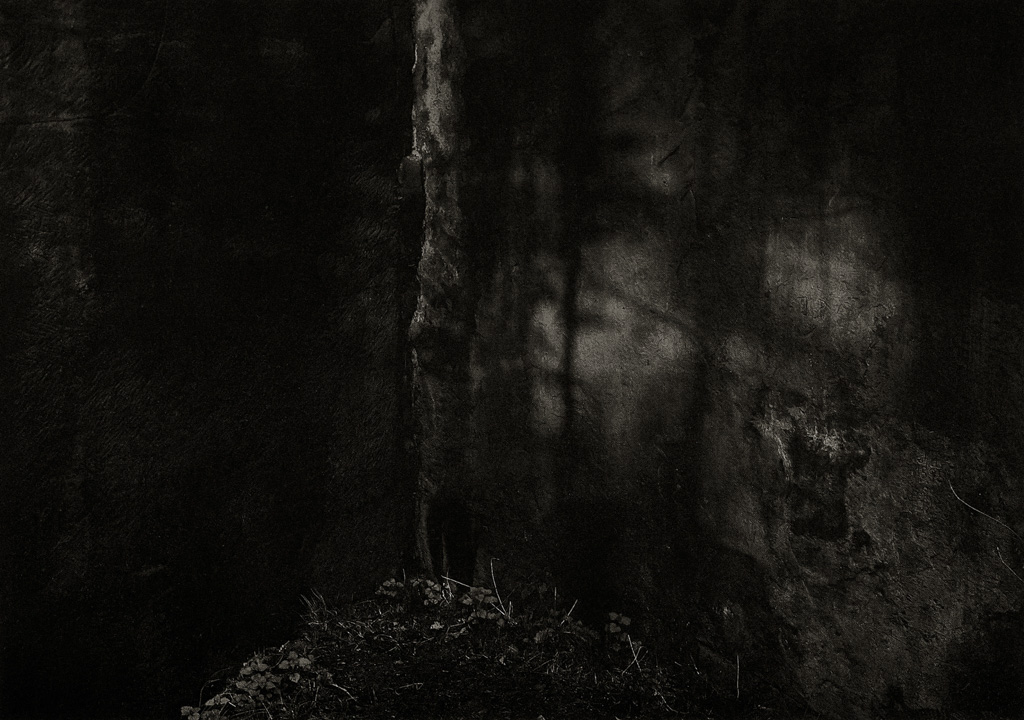
What I learned from these guys, in distinction to the greatest inspiration of my photographic life which was the nineteenth century picture maker Timothy O’Sullivan, was something that was really of intuitive but unspeakable importance. And that was interiority, how something often without a horizon, outdoors, could have the equivalent feeling of being inside in a room, in a place, but still being outside. It’s really seriously important to me.
I think I realised that for what I wanted to do photographically, the first thing that had to happen was to be able to interiorise the outside to make sense out of it, to remove it from being an ‘out there’, a place away, to at least pictorially suggest an ‘in there’ or an ‘around there’ type of place.
There are varieties of ways of doing that. The first was to absolutely demand the removal of the horizon from the outdoor and that removed a figure-ground relationship, the triangulation of where your feet to a place to go to and then the opportunity to go. Generally speaking horizons move you out of the picture faster than you can be in it. I use them very specifically now for very particular things and enjoy them enormously, but for a long time I refused them. Then my original interest, although of course Christ you know, like everybody else, I first fell in love with people like Eugene Smith and Cartier-Bresson, documentary photographers, both of whom … (although Henri lived too long … lots of old people, including myself, talk shit too much you know and you have to be really, deeply careful of that. I may be doing that in this conversation. )
Even in their pictures I saw what it is when you go out to do something and you have a feeling for the doing of it that is different than the expectation of what the thing might initially just look like. And I was like everybody else, just killed by those guys and I studied the work by them and I initially made pictures of people for five years and then I became more and more interested in what was surrounding the people, rather than the people themselves.
By the way I mention pictures and I should add that I distinguish a photograph from a picture, a photograph is anything that comes out of a camera, a picture is something you make. I love lots of things, including lots of photographs, but I only want to make pictures. I’ve tried really hard to be consistent about that for every moment of my work in photography. I just wasn’t very good at it for a while.
In order to graduate from my university I had to take an art class which I put off doing for a very long time because I couldn’t draw and my family had heard of Picasso but we didn’t know who he was. I was a real working kid, a lumberjack, a lumber mill worker. I went to university to read and I read History and English and Philosophy and thought that’s fantastic. Anyway, photography in the school I went to was listed as one of the drawing classes, I thought fantastic, any dumbo can take photographs, even me. I didn’t even have a camera. I borrowed a camera, the first project, go out, isolate and discover visual form. I had no idea what the guy was talking about. I’d spent five years previously studying historical, philosophical and literary forms, I had no idea what visual form was, I had absolutely zero clue. So I made 35, 36 exposure rolls of squares, triangles and circles and they were stupendously, stupendously boring and the guy failed me in the first class and, in front of 20 other students said “ Look man, photography obviously isn’t for you”.
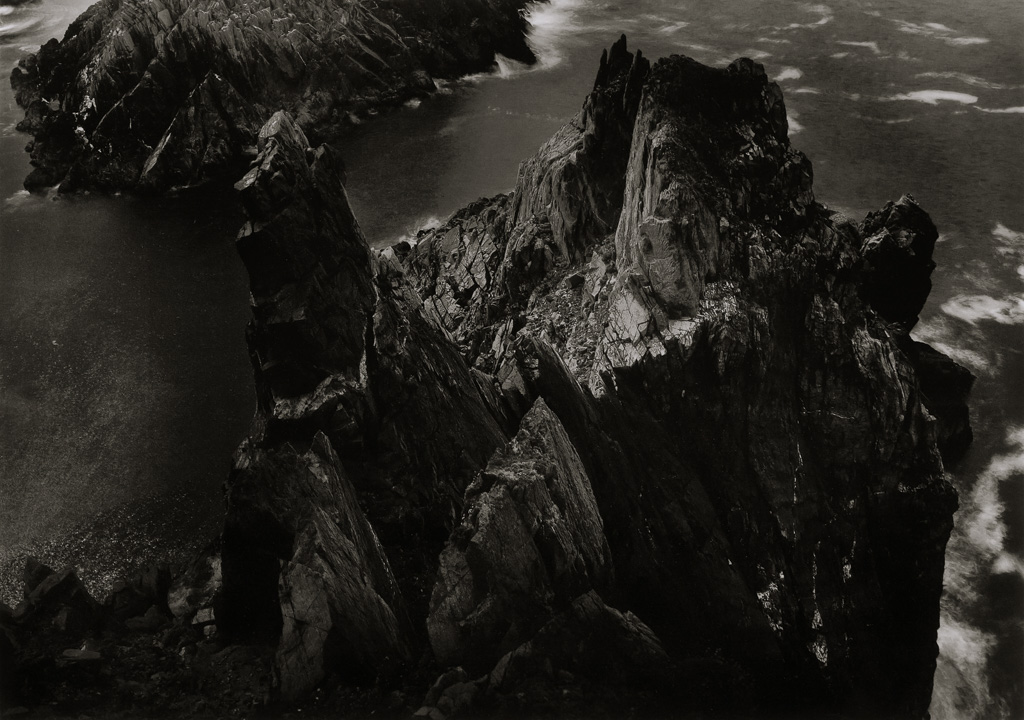
Near Kolgróv. The Isle of Ytra Sula. Norway, 2004-2008. Very near the West-most point of Norway. 61°01.099‘ N pub: "True."
His disgust with what I had done was so immense … I mean I burst into tears because I knew I was screwed. If I couldn’t do a photography class; I was never going to graduate. It had taken me six years by then. I begged him for one more chance, he got embarrassed and he gave me the chance and then other things happened, the project was about form, finding a voice, photographing people, which I didn’t do. I was very unworldly so the camera was an excuse to get close to people that I wouldn’t have normally had an idea for a social conversation with. But at some point I literally bumped into a painter who changed my life, named Maurice Graves who did a group of paintings, of which several now are in the Museum of Modern Art in New York, called Blind Bird. He made paintings of animals in a kind of an inner space but he developed a painting style called white writing with a guy named Mark Toby, more prominent.
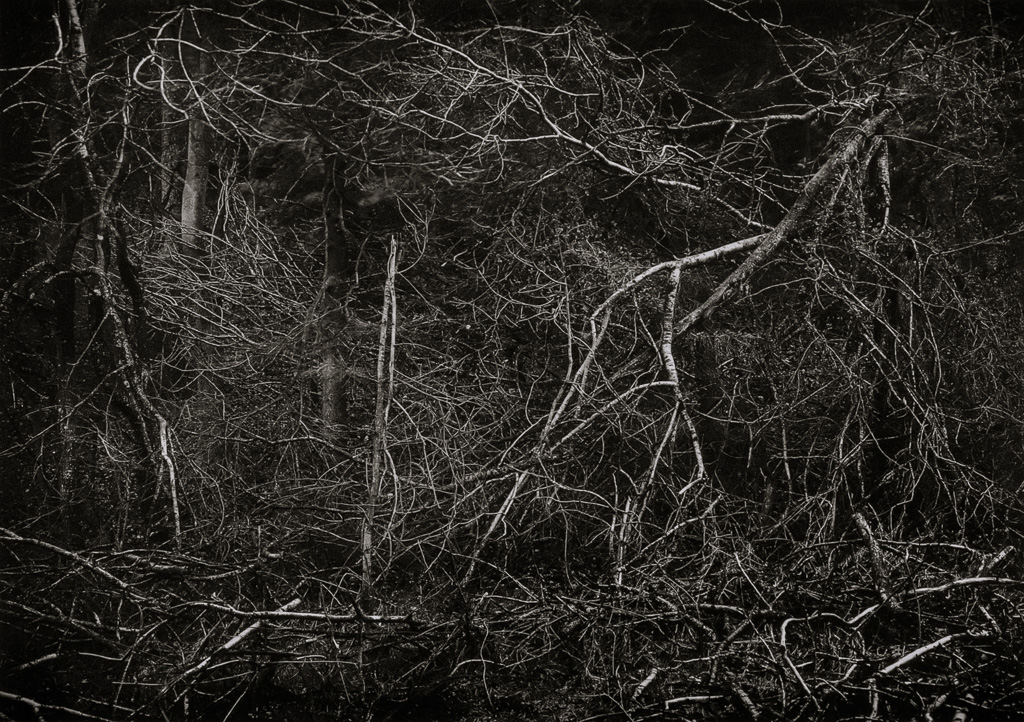
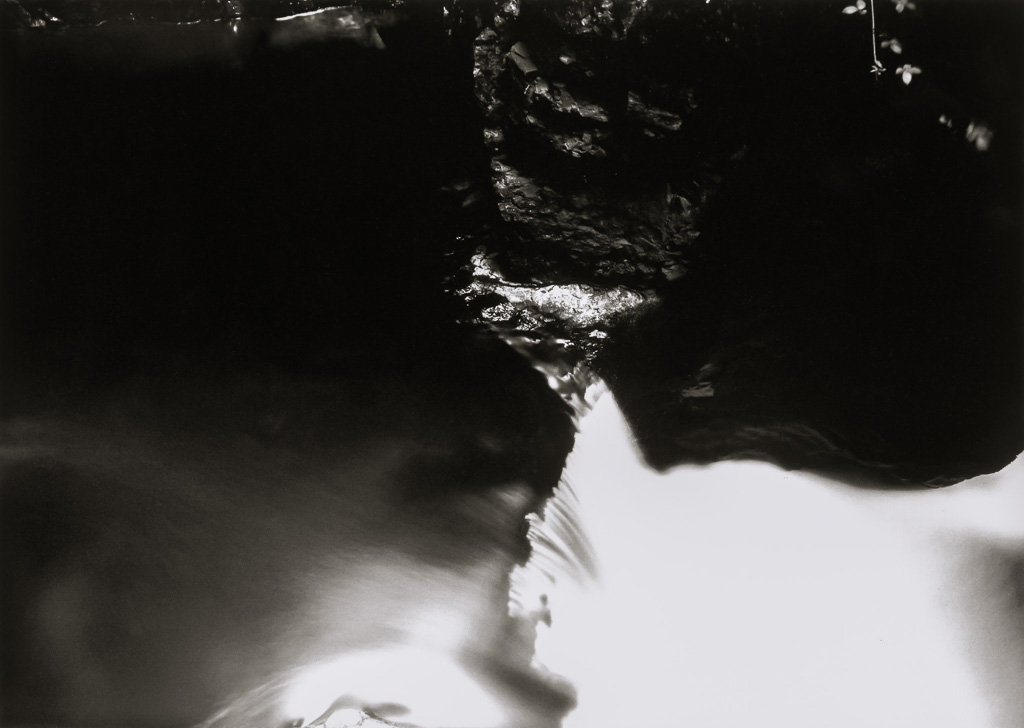
I thought god, I really get it… without knowing why, why these white graphic marks in deep interiorised space of say a sense of bird flight or of settling wings or scrambling animals, makes sense and I realised that I could find that same kind of marking in branches, in the movements of water. From then, very quickly I understood this drawing exercise. Actually it’s the drawing that is what’s compelling to me about interiorising these spaces. I just have to find something to interiorise and draw.
My very first photograph that I count as a real photograph I made, I made a decision on, probably appropriately, apocryphal but true, on April Fools’ Day 1969. I did an eight-mile walk to the coast of Central California through a canyon called See Canyon, and I walked through this thing and I thought I’m bound to find something in a place called See Canyon. I walked the eight miles to the sea with all my gear and I didn’t see a god damned thing that I could photograph. I turned around from the crest of this hill down that looked down to the ocean and looked back the way I came and I saw something that I’d walked past. It was the picture that I’d been waiting for and I made a decision right then, one picture, only ever outdoors, generally interiorised and here we go.
But the problem of drawing, finding the edges and letting this improvised centre take care of itself, became instant; why? I have no idea. But it was a real picture, a broken tree on a creek bed that had weathered to silver. Leafless of course, bold, dead, silver, falling inward and pointing towards a dilapidated, disused cabin with five windows. I thought, “I don’t know what this is about but it means something” and that was the beginning.
So formal things are probably a little bit cloying to begin with in terms of metaphors, thank Christ it’s a lot more open now, the product of age and unwillingness to be too embarrassing, but always studying how a thing is built and then trying never to make something simply gratuitous.
You know if something’s wonderful you have to make it and there’s always that joy, but just pumping film through the camera to begin with, hmmm. There’s a Czech image maker called Joseph Koudelka. He and I were friendly and we ended up in the late seventies on the same lecture trail and he would go first because he was the famous one and I was the mutt so I would go last. Everybody would ask him, how many pictures he’d made and he said “I made so many pictures that you can take my negatives and tie them in a bow and loop them around the face of the Moon back to the Earth”. I knew I wouldn’t be able to give as good an answer when they asked me the same question because at that time I had made maybe a football links worth of pictures. But nearly every single one... I don’t miss.
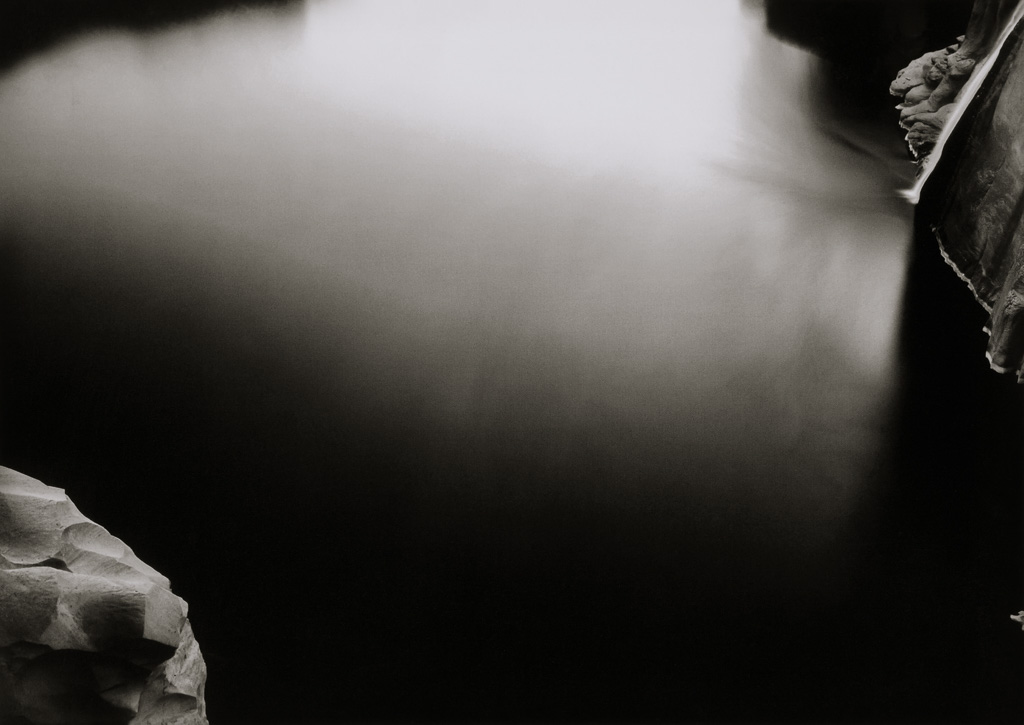
Lingering Twilight - The First View - Shoshone FallsCentre Rim Top, The Snake River Basin. The Twin Falls and Jerome County border line, 2003-2004 pub: "Shoshone Falls."
On Slowing Down
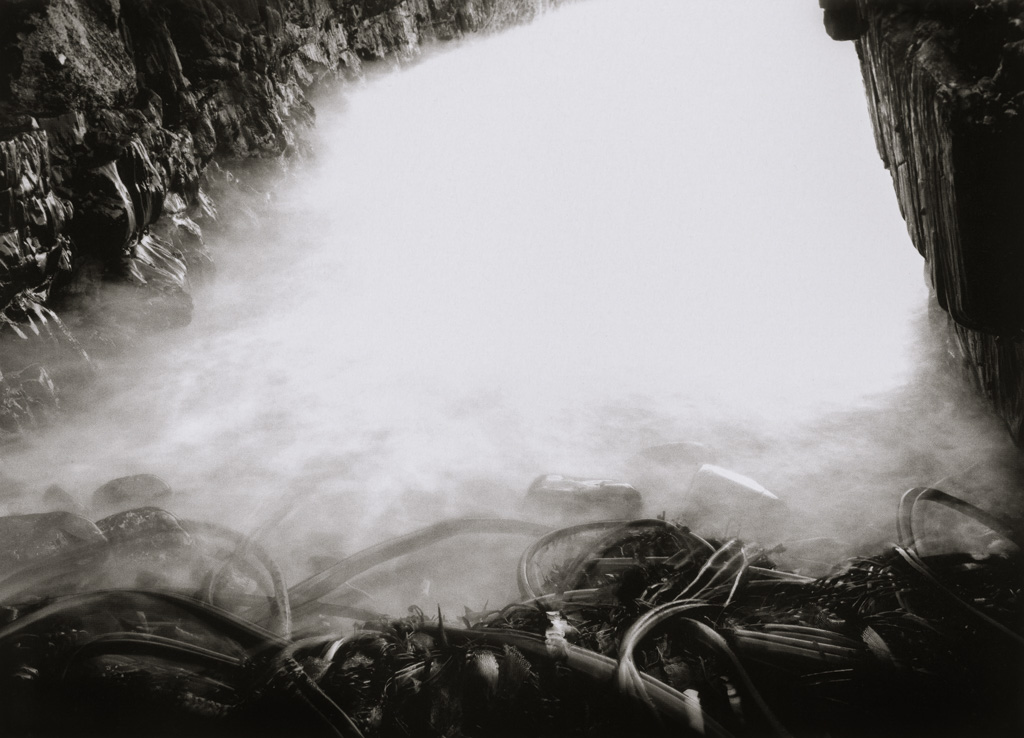
TJC: Slowing down, slowness has become part of my subject matter, one camera, one lens, film, blah, blah, one picture, one place. Part of the pleasure is of course in relation to that slowness, the condition of slowness, which I’m really interested in. It changes the physiology of viewing, dramatically.
It’s about gazing as opposed to glancing. Two primary conditions, not oppositional but not necessarily in the same kind of frame. One condition is about acknowledging the pleasure of the glance, and it is fantastic. I can’t do it though. I was never ever able to do it, in spite of my love for Cartier, my admiration for Koudelka, my devotion to Smith and more particularly Robert Frank. There is a point at which glancing has the same capacity to pierce, as gazing. The pierce is what I’m interested in. I just can’t do it though. I’m clumsy, I’m slow brained and I’m really physically awkward.
I like something as you say on a tripod, it makes it a hell of a lot easier, rocks don’t move so fast I can’t focus them you know. It’s just a hell of a lot easier for me to do what I want to do. The sea becomes a bit difficult as it turns out but I’ve learned how to deal with that a bit over time. Where to place focus on a moveable plane with the passage of time added to the problem of focus is an interesting set of dilemmas for certain types of pictures.
Divided - A Premonitional WorkMalin Head, County Donegal, Ireland, 1986 pub: "Dreaming the Gokstadt."
On The Move Towards Serious Work
When I was younger I was sure that I knew what some of that harder stuff could be and perhaps I could push people towards it. That’s rubbish. People don’t need to be pushed, they find what they need. Need and desire, they articulate themselves given the passing of time. When people can, they do.
TP: I think a little bit of a catalyst and a little bit of a view beyond the wall can help people.
TJC: I’m glad you’ve said the wall because you know, when I talked to Caponigro about the two pictures in his book that I mentioned earlier, I said that people like you and others build walls and those two or three pictures for me funnily enough are not only just stones in the wall but weirdly, from an elevated point of view, the wall seems whole and impenetrable, but from a plan view there are holes in the wall. What those two or three pictures in relation to others, then in relation to my final understandings of O’Sullivan, allowed me to crawl through a hole in the set of walls and think that the walls aren’t there anymore, it’s fantastic. Wherever they are they’re not in front of me and that’s just great.
TP: Would it be better to try and find a job in photography and accept the restrictions this might make on your practise or would they be better trying to find a job anywhere and have the creative freedom that comes from not having to earn a living despite problems with time?
TJC; Well, all I can say is that I did the latter. Then they began to overlap. I realised when I had a choice, which I didn’t know that I had of course, as a younger man, that I really only ever wanted to be a teacher and an artist. I thought well I might well be a teacher but I’m probably never going to be able to be an artist. As it turns out towards the end of my weird little game it’s the artist that I’ve become and I’m moving out of teaching. But I didn’t know that I had a choice because where I came from male children did really three things: they were in ranching, the lumber industry or commercial fishing. Of course there were businessmen and teachers and a few doctors, but my type were rangers, loggers or fishermen. My father was a rancher, I get hayfever so that was out. Fishing was out as I get violently seasick, although I spend a lot of time on boats in the middle of nowhere these days. I couldn’t be a fisherman, although that’s really where the money was in the bad old days. So that left logging and I loved it. I cut down the things that I photograph now. Bad me! It may sound crass but with the peculiar sense of being a parent of children who are rubbing up against the time of their lives then they are growing up and finding things difficult, my only hope is that they do whatever they want to do that makes them happy, nothing else. I don’t come from money, I come from working people, we didn’t have any money, I don’t have any. It’s weird that I realise that, not unlike many of my generation I suspect, I’m making less than my father did. Quite humbling. But you know, if my kids will be happy then it’s a reduced expectation and in a way a melancholy one as well as a joyful one. But that’s all I want for them, happiness.
Mid-Morning - The Source Stream of the River Forth rising from Loch ChonNear Inversnaid, Stirlingshire, Scotland, 1997 / 2014 pub: "Scattered Waters."
Professor of Adventure
TP: So going right back, I looked at a lot of your stuff and I’m a big fan of Timothy O’Sullivan and Carleton Watkins, the approach of the “explorer photographer” and your working process seems very similar in that to what they’re doing but they had an externally imposed task from Washington to go do something. You create your own task and a lot of that seems to be about the adventure
TJC: Absolutely. It’s funny, it took a long time to figure out what made sense out of this weird project that I came up with; that has guided me and haunted me since somewhere between 1988 and ’89, but that came into physical being in 1990. Finally something is happening. I have a date in the autumn of 2019, if I am still alive and even if I’m not, hopefully. The Atlas show is going to be produced by the Los Angeles County Museum of Art, toured and with any luck at all, hopefully it’ll end up at Tate Britain. But you know, they might pull out. Who knows, they might never have pulled in. Anyway, this idea that’s led me to travel around five continents and both poles is maddening to be honest with you. I thought I had the big idea, I knew it and no-one’s ever done it, no-one will ever do it if I don’t. I’ve worked now 26 years on this goddamned thing and I still have three more journeys, a big one, the last big one this summer if it happens, finally the Atlas as a journeying process is complete.
TP: Where are your last three locations?
TJC: I’m doing a small New York show in 2018, a museum show. I’ve put off doing work in Long Island and Manhattan and the bottom of the Hudson for that. And then a medium sized one I’m working on where I’m trying to make pictures along the trail of the zero degree meridians which of course I can do relatively easily in England, France, Spain and the top … in Algeria. The bottom bit in equatorial Africa is a problem for me, just because it’s so unsafe right now. But it’s on the cards so maybe. Then the big one is the final journeys to the north most point of the continent of North America, a place called Zenith Point and then the north most of all North America, a place called Cape Columbia. Cape Columbia is probably one of the five hardest places in the world to get to and I’ve spent years trying to get to it and not being able to. It’s a three-month dog sled, one way, which I just can’t do it, it would kill me, six months on a dog sled, no possibility.
CMcC: Too remote for a helicopter?
TJC: Well actually it would be perfect. It’s what I dream of. My preferred mode of travel. It’s a maximum of a weeks work in a helicopter. But the nearest airbase is 750 miles to the south-east, it’s a placed called Station Alert and it’s one of the Canadian spying stations or early warning stations and they do not allow civilians in there and I have been told that they don’t actually have a Chinook level helicopter, a long distance helicopter there, they have a pissy little thing that can go 150 miles and that doesn’t help me at all. It’s on the top of Ellesmere Island, it’s 1,500 miles long, so what we’re doing now is caching fuel for a bush plane with tundra tyres and skis to leave from the bottom of the island and then a three week trip to try and get to the north most of Cape Columbia, the north-west and the north-east most. But finding pilots who will be willing to go out that long is difficult and we’re legally required to have two. And then, because this place is in the north most Canadian park, the park rangers have only given permits under the condition that one of them, the boss, flies out for free with us to get to this place because no-one’s been there. Well the last people that went there got there by breaking through the ice in a nuclear sub and then rowing ashore. I don’t know what the place looks like, which is great because I don’t do the Google nonsense. If it all goes well, I will make the picture on the continental north most point.
If I can get the picture made at Cape Columbia then I’ve completed the arc of the extreme north, south, east, west of all five continents and both poles surrounding the Atlantic Basin.
It’s more about O’Sullivan as opposed to Watkins. Watkins was a wonderful photographer but he stayed in California and Oregon essentially and they were very easy rides for him you know. He made beautiful pictures, one or two in particular with Seal Rock which I’m very, very fond of, but they’re easy money. O’Sullivan on the other hand, he was what I call in the field. Some of the earlier stuff that Muybridge did in the field, although much different, some of the more problematic things of Jackson and Russell and those guys, they were field based men.
I learned from O’Sullivan that even though he was told, do this, do that, what was great is that for the most part, as you well know, no-one was there telling him what to look at. So his brief was particular but his interpretation wasn’t specific and I love that. So I finally figured out that I could probably, justifiably, in some need for some kind of identification of purpose, term myself an expeditionary artist. I’m probably the last expeditionary artist in the history of the world. That poor bastard that died so close to the completion of his walk recently though, those are the real deal. I do real expeditions, there’s no question about that, but in the sense that there are explorers and explorers and I am an artist.
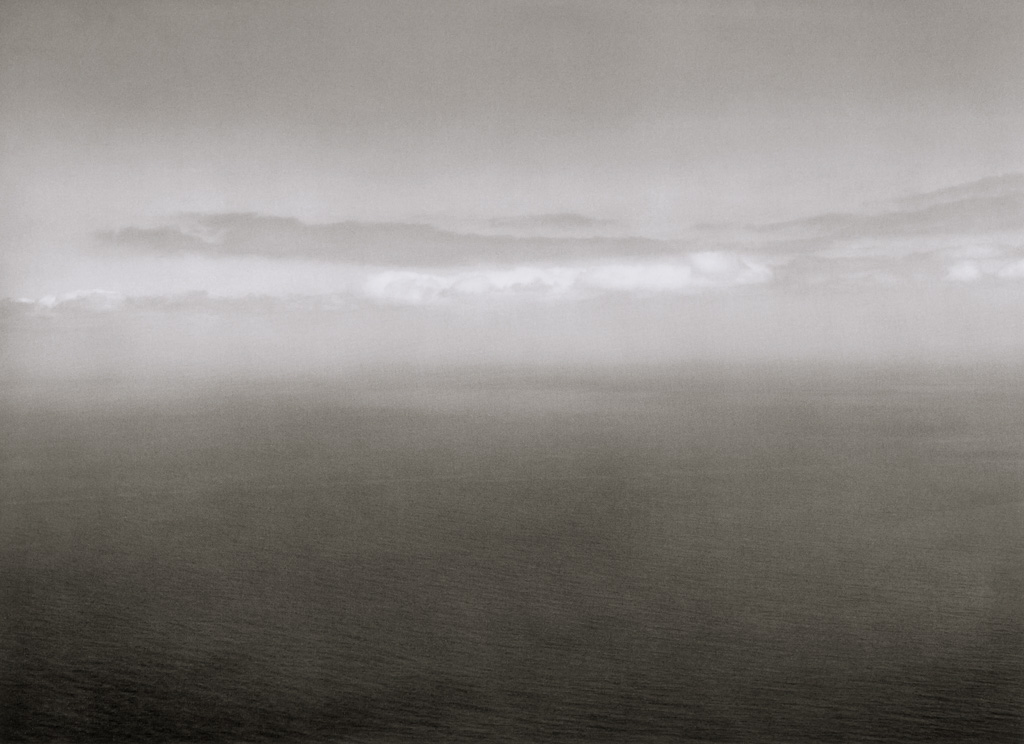
Moonlight - West, Southwest - The Mid-Atlantic OceanCap Manuel, Dakar. The Cape Verde Peninsula, Senegal, 2004. The South-most point of The Cape Verde Peninsula. pub: "Point of no return."
On Photography as Focus
TP: I’ve got a colleague, Alan Hinkes, who is the first Brit to climb all the world’s 8,000 metre peaks. He’s actually a pretty talented photographer and he has spoken to me about the mental difficulties when you’re working at 8,000 metres. I asked him, did the photography help and, surprised, he replied “bloody hell it probably did”.
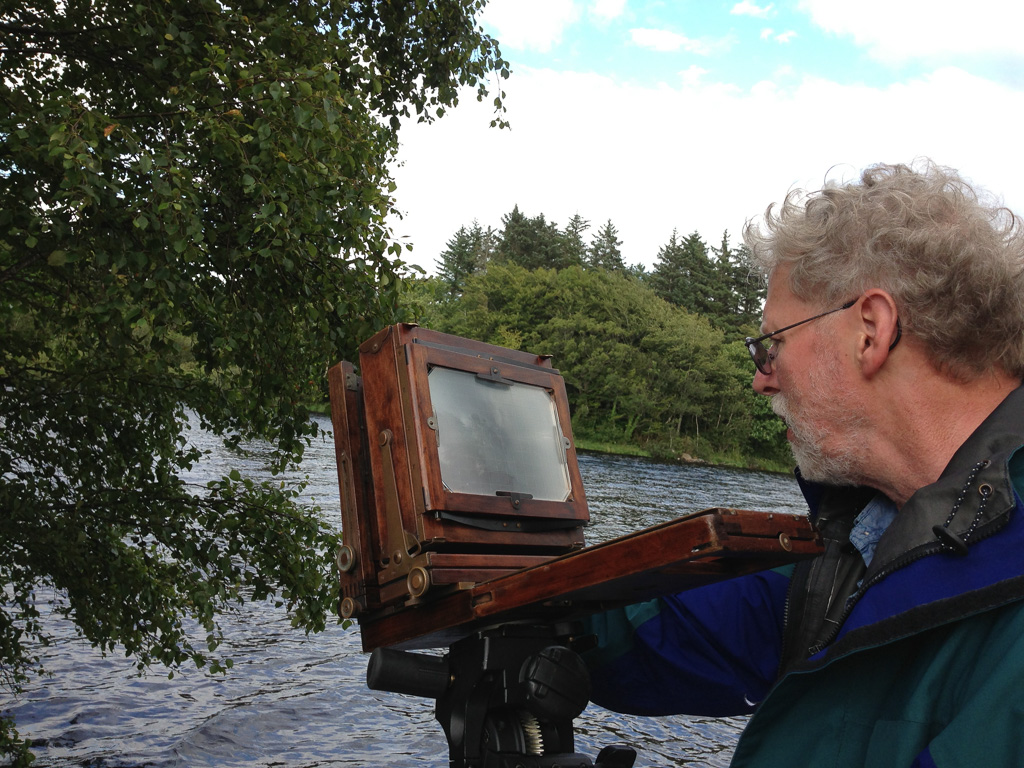
TJC: Because of course the concentration. That’s a really smart question. I often am on small boats to get to places and in dinghies in survival suits to get onto cliff faces that are very awkward to get onto and I’m very awkward. I have actually discovered three uncharted sites in Antarctica, which I am exceedingly proud of. I’m afraid of heights as it turns out as well, so I’m on cliff edges with difficulty getting all my stuff in waterproof things and me in freezing water usually, onto cliff edges and then trying to find a way to set the tripod up and make a picture but once the dark cloth is over my head I’m at complete peace and I know what I’m doing and I can make the work and everything else around me as a distraction or as a disturbance or as a difficulty, does not occur.
On the last big trip into the Canadian arctic I was making a picture of a rock face during a six week window of opportunity, and of that six weeks probably only four weeks are useable, but it’s also Polar Bear season. We watched a Polar Bear climb a ridge watching us come into this site that I had to make a picture on and it suddenly disappeared. You always, always have to have a rifleman. Bears are big, they can do ten foot jumps and make it look simple. They run faster than deer and in short distances they can swim faster than a seal so you really can’t get away from them. And they’re bigger than a Grizzly Bear, which I didn’t know.
There are five levels of Polar Bear experience of which I’m now at level three, level five is you’re dead. But I’m making this picture and I had a wonderful crew, three really stupendously well trained young Scandinavian men helping me. I got a tap on the shoulder, get your gear, get into the dinghy immediately, don’t hesitate, there’s a bear on the rock above us. I said I have to finish the picture and the guy said, get in the dinghy now! I managed to finish the picture, pissed about the interruption, I literally got the shit together and almost thrown into the dinghy and I never saw the bear until after the fact. But the rifleman was down on his knee with the rifle ready to shoot the bear, It was 20 metres away, it’s a ten foot jump, so whatever ten feet is and the lead guy from Svalbard who’s been around bears a lot, he’s young but he’s extraordinarily experienced and fearless, started throwing rocks at the foot of this bear to just get its attention away and to hopefully startle it … and it actually worked. But we were at level three, imminent attack. But the point I was simply going to try and make is that I didn’t feel any danger until the picture was done.
CMcC: There’s a moment when you are intently composing a photograph… I don’t think I’ve ever done anything else where I’m so fixed. Moments when I get my tripod out and start to assemble it. I just love that experience
TJC: It’s a very beautiful moment and its cerebral and a genuine experience.
CMcC: A lot of people don’t experience it.
TJC: Well that’s okay too, they’ll experience something else but you can damn well bet that you can tell pictures that are the result of glancing and tell pictures that are the result of gazing and I’m interested in that process. There is something that seems so fixed about a camera on a tripod but actually you realise that that moment is actually the beginning of the process as opposed to the conclusion of it, prematurely. This whole series of improvisational possibilities that are just so wonderful.
Whirl - the Sea-River - early Evening - the Spring High Tide at FloodThe Corryveckan whirlpool. The Gulf of Corryveckan. The Isle of Jura. Looking toward the Isle of Scarba. Argyllshire. Scotland, 1991/2014 (a three part work) pub: "Scattered Waters."
In a Rubber Inflatable
TP: I believe you were an illegal immigrant at one point in your adventures?
TJC: Yeah, in a dinghy. I had an older guide that took me to the top of the north-eastern point of Mexico what I know of as the Rio Grande, but what they call the Rio Bravo, meets the Gulf of Mexico. I’d worked the other side of the Rio Grande, in 2009 and latterly in maybe 2006. Anyway, I kept thinking, “what would it, be like to be a wetback”. I said come on, I know it’s a five mile sand track to the main highway on the American side and there’s not a soul, you can’t see a soul, there is no-one there. Let’s swim across the Rio Grande and be wetbacks together. He said, "I’ll get arrested". I said "there’s nobody to arrest you and I’m going with you and I’ll be the one that gets done, not you." "No, no, no", he said. In the end he finally agreed and we went to a truck stop, got some truck inner tubes. We stripped down to our underwear and left my passport and ID in his truck and got into the river. So much water is drained out through irrigation that this great river doesn’t seem so great. But you get about half way across and the tidal pull occurs. Then we had problems! You know we were two old guys paddling like crazy to try and get across to the other side and we finally made it. It’s so emotional for this old boy, and actually for myself as well; so humbling. We spent enough time to catch our breath and daftly put our names in the sand. So silly. It was just one of the weirdest, sweetest things. Both of us for various reasons when we got back to the truck, started crying. He thought he’d never see the Rio Bravo, let alone get to America and I don’t know what I thought, but I totally bought into the experience… what kind of price you pay to try and realise a dream that may not ever come true. It was pretty interesting.
An Indication - Ritual GroundLedlewan, Old Stirlingshire. Scotland, 1988 pub: "Dreaming the Gokstadt."
On The Moment of Capture
TP: Just going back to this moment of the capture when you’re under the camera. Because you only take one picture, what is that moment like? What is that moment like of shutter release?
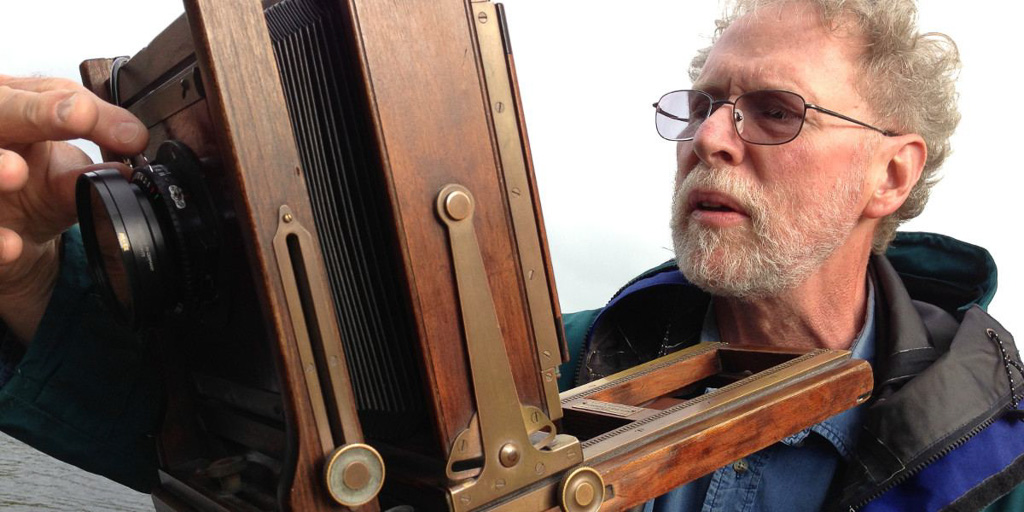
TJC: When I see the … when I find the picture, when I see it, when I know I’ve built it properly, depending on the weather because weather is always in the conversation, sometimes it’s a remarkable hassle, like this last trip in November when I was along the Canadian great lakes for 5,000 miles, it just snowed and rained the whole god damn time. High rain and wind is a problem. Snow is sort of okay. Sand is the worst thing. But the high wind and rain really; it’s a wooden camera, everything goes wrong. But when I know it’s right you know, often enough and especially if it’s both right and what I think of as good, I just start laughing.
CMcC: Do you build a picture at times before you set up the camera?
TJC: I see the spot before I build the picture if that makes any … I always know. It requires concentration to see what you’re looking at, to look at what you’re seeing and to see what you’re looking at, because you can’t take anything for granted. Generally speaking I’ll find the site within three to five feet and then mess around with the tripod in that three to five foot area, finding a vantage point. Sea level is awkward because to interiorise something that sometimes has beach in it is very tedious. But you get what you get.
And that’s the other thing I’ve learned, the thing that I make, sometimes they’re really good and sometimes ... there’s a cartoon on my cupboard from the New Yorker that I saw and cut out. It says, “Hotdog Salesman”, and he’s talking to a customer and saying, “This is my studio you know, it’s where I make my hotdogs”. I think of the various types of studio where I make the picture, my hotdogs, and sometimes the hotdogs are good and sometimes they’re crap and sometimes they’re just ordinary, but I make them every day. The first studio is in here [taps head] so I think of a place to go to and I finally try and get there, close to wherever there is. Then getting to the site and placing, looking, finding a site that makes sense, placing the camera, three aspects of the same thing. Then making this picture that process is always clear to me, I don’t know why. Sometimes they’re not very good but they’re always clear. I mean there’s no mistakes anymore that are acceptable. What really kills me is, and it’s such a nuisance, is that I’ve had so many issues caused by x-ray damage to the film that it’s almost prohibited me from working in North America, they’re so difficult to work in. I mean two or three times base level fog exposure, two to three times. I’ve had to learn how to print through that. It’s incredibly awkward.
There’s things that I call field stress, which is damage to the camera that occur from lugging the damn things around and bashing them in their various protective cases, things happen, they’re not pristine. It sounds a little crass, but when I say the view through the ground glass is upside down and backwards, then I know as I often do, that this is the picture that I need, that is pure. If I am ever really happy outside happiness with family, it’s at that time. It’s maybe no other time. Because then making the images physical, making the prints is just always just hard, hard work.
CMcC: Is there another moment though when the image appears in the darkroom?
TJC: It’s a delight. Of course that’s a delight to see the negative, it’s a thrill, especially if they’ve not been too badly damaged by x-rays or not at all sometimes. Then seeing the print, it’s a joy. But that’s the hard work. There is something about the actual making inside the camera that of course it’s work but I want all my pictures, and the best of them I believe have this: to appear effortless.
It sounds stupid, but they really are labour intensive; they’re hard to get to the places, they’re hard to make physically, but that moment where I see something and it looks like it might be effortless, just there, nothing else, just there. I can retrieve those moments in looking at the negative and looking at the print, those moments of retrieval are incredibly labour intensive. That one moment where the unexpected comes, because I never expect anything anymore, I hope a lot but I don’t expect anything, when that happens, by Christ I think well you know, there we are. I’ll show you a couple of things in a minute that’s just proof forms in the studio, the kind of stuff I’m talking about, to see if it makes any sense.
Kangertittivaq / Scorebysund - The Denmark StraitKangikajik / Kap Brewster, 6 a.m. Liverpool Land, Tunu / Ost / East. Kalaalit Nunaat / Grønland / Greenland, 2007-2008. From the longest fjord in the world. 70° 09.097‘ N pub: "True."
Logistics and Safety
CMcC: Who does your logistics, do you do it yourself?
TJC: No, no. I’m a pygmy intellectually. My logistics man is the … he’s a legend actually, he’s the guy that … he lives in Svalbard. His name is Jason Roberts and he is the site producer for all of the Frozen Planet programmes for the Beeb and does all of David Attenborough’s polar work. I don’t even know why he works with me except perhaps he finds my weirdness amusing. He charges me about a quarter of what he charges everybody else but he’s the best.
CMcC: So he works on how to get to places?
TJC: Yeah and then if I’m lucky sometimes he’ll come with me. He’s going to come to the North mostly just because no-one’s ever been there.
Freezing fog - The Arctic Oceansea ice, melt lakes and sestrugi. The North Pole, 2007-2008. 90° N pub: "True."
TP: So this is the most Northerly part of Antarctica?
TJC: Yeah, it’s called Prime Head. I’m number nine and my captain’s number ten who have visited there ever. The previous attempts were three Argentine glaciologists who were killed in a crevasse collapse and what we were told by the station commander at the research base is that more people have stood on the face of the Moon, there are 12, than have been on Prime Head point so far and I don’t think anybody’s followed us. We were the very first sea entry to Prime Head too. We had to chart … which is one of the reasons I found the site, we had to chart a trail into … on sea maps it is marked “uncharted, dangerous”, and if you go into those areas, especially on a pilot chart, and you have problems and you radio for help, no-one has to involuntarily come and help you because there’s no chart. If you haul your ship or boat, Lloyds refuses to insure you, so no-one does this. But we went in at great aggravation to my captain I have to admit, I formally took command as the charterer, I said I own the boat, you can put me off, but there’s no place to put me off, or we can go forward. He said, how do you expect to do this, so I said well I don’t know but I would expect the easiest way for us and the safest is to pull the boat with the dinghy, depth sound a chart as we go. It took three weeks to go 50 miles from the Bransfield Straight where it meets the Antarctic Sound.
TP: You were manually depth sounding?
TJC: Manual. An absolute sod, in real weather. We’d been out so long that the austral summer disappears more or less immediately and there’s no real autumn, it goes almost directly to winter, the first bits of winter. We were just so lucky. But it was so wonderful, God. Maybe God will forgive me some of my foolishness and awfulness for getting to that point and making those pictures. I found a speck of land that was known to exist but that hadn’t been charted and I charted it and the hydrographic board has allowed me to name it for my wife, it’s called Katherine Hyland.
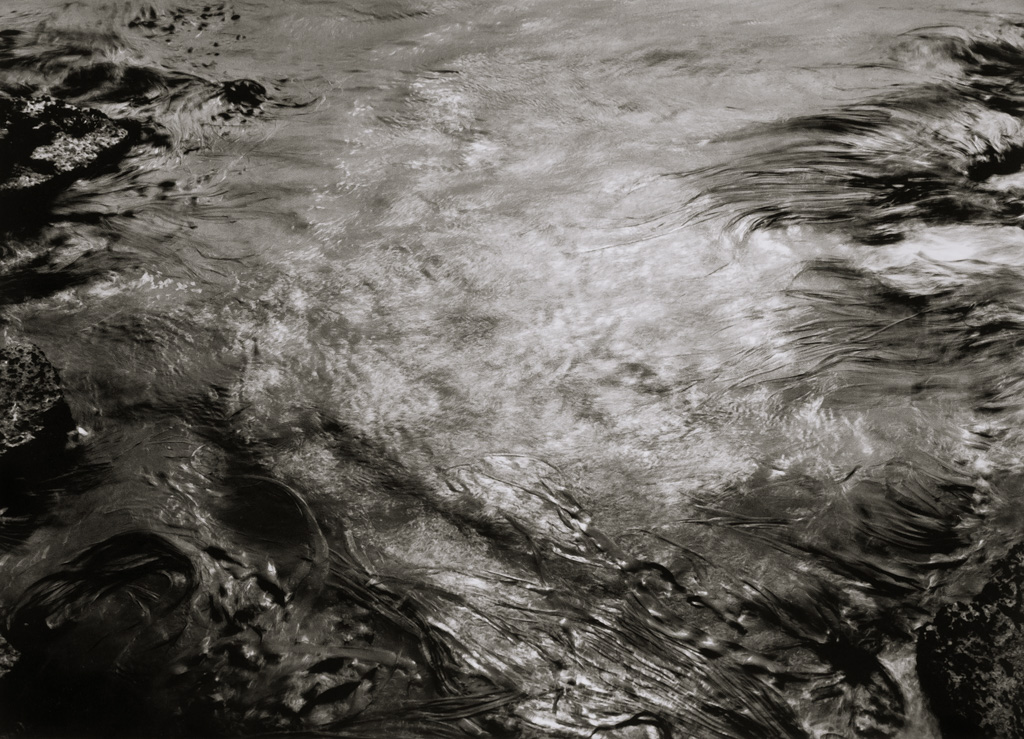
The Mouth of the Stetrin River and Englishman's BaySt. John. The Island of Tobago, 2005 pub: "Eye of the Water."
One Camera, One Lens, One Meter
CMcC: Given all those challenges of getting to places did you only take one camera with you?
TJC: Yeah.
CMcC: What if you drop it?
TJC: Screwed. One lens, one light meter. I’ve broken the light meter on occasions and that’s such a sod. There’s a phrase that appertains to me, I’m as stupid as I look.
CMcC: That’s a massive risk isn’t it, given all the effort and time by you and others, to get to this point.
TJC: When we’re in transit on a dinghy trying to get to this place, they have a process called lurch and clutch where you have to figure out how to get off the boat onto the dinghy and then how to get off the dinghy onto the cliff face and that sounds really simple but the tide is going and the waves are going and we’re in survival suits. The first few times in Antarctica with lurch and clutch I got off the boat at the rise of the wave and of course missed my first step and the dinghy lowers and I fall in, a bad scene, they pull me out, I’m in the dinghy, it’s okay, really scared and lucky I didn’t get too bashed. But I wear glasses and I couldn’t see anything through the glasses and so I had to find something to dry the glasses off which means I had to get back on the goddam boat and I finally get onto the dinghy and get this first cliff face which was actually interestingly one of the three sites that I charted anew which was a proposed new north-west point of Antarctica.
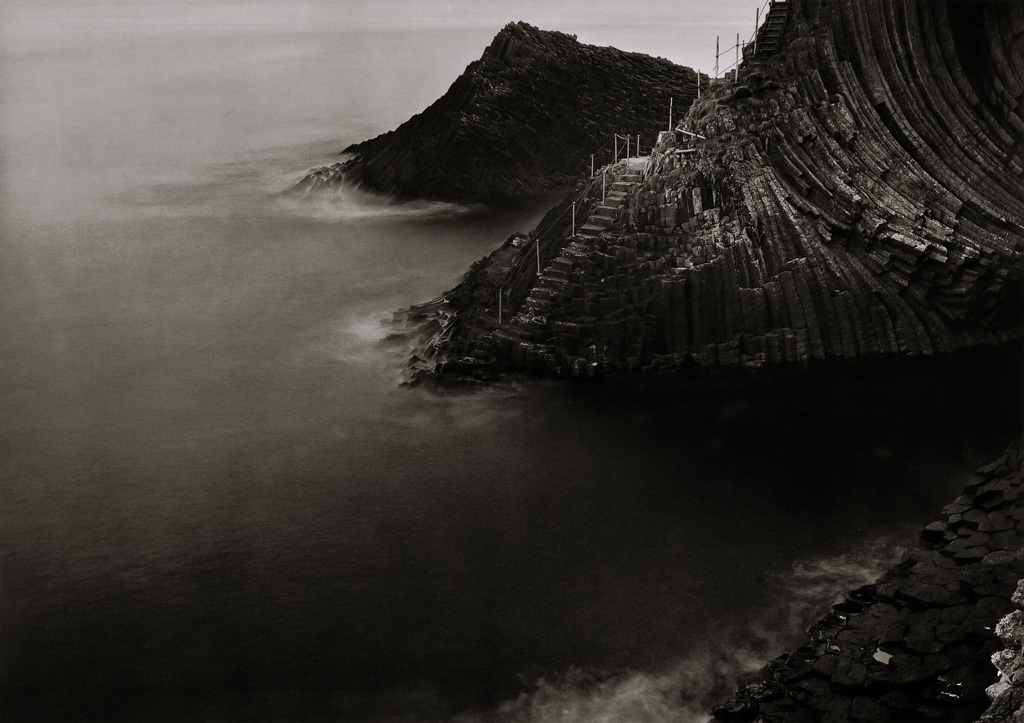
A Premonitional Work - The Giant's Causeway. message for M.S.Emerging. Isle of Staffa, Inner Hebrides. Scotland, 1988 pub: "Dreaming the Gokstadt."
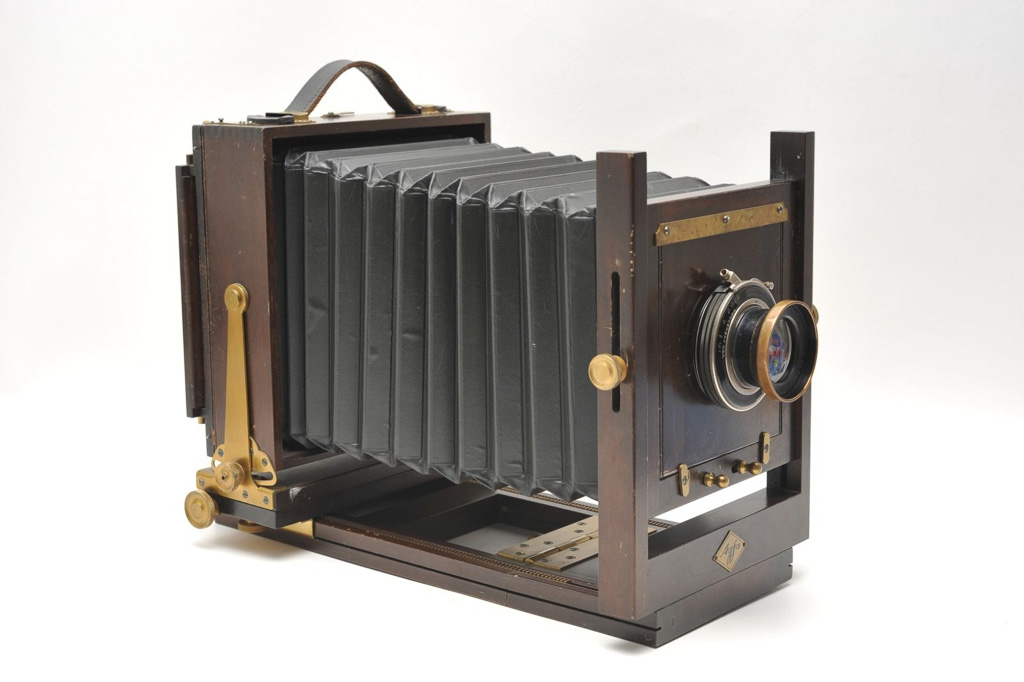
I’m absolutely certain that the current north-west proposal is a misreading. However, on the up swell, grab this rock and I really grabbed it, but I didn’t see it was black ice and the boat or the dinghy dropped and I was dangling and of course, I slipped all the way off against the cliff face and the waves were bashing me and the dinghy was bashing me and I was really disoriented and really frightened. I had no idea where I was, I panicked. Apparently, the captain was telling me what to do and I wasn’t responding and he took an oar and whacked me on the head. It was a real blow and it got my attention and then I figured out how to scramble back into the dinghy and then try the approach again. But you know, the survival suit, you should wear gloves as well but I can’t work the camera with gloves so my hands were screwed, you know. The water is around … somewhere between two and three degrees. You freeze quickly. The survival suit’s kind of fun in a way, for 45 minutes but after you get used to it actually, it’s really pleasant. But learning how to actually get onto the cliff face and then getting the equipment into the dry boxes is such a pain in the arse and then getting them out of the way of the splash zone because salt kills, it corrodes almost instantly, instantaneous corrosion, and that’s the biggest problem. Salt water on the lens is one thing but salt water on the shutter, is really bad. I’ve been seriously lucky because I have had the whole thing, the camera, me, everything, seriously soaked by a giant wave and the only thing I could think to do was put the lens in … intact, in a freshwater plastic bag and leave it there for 24 hours and then everything more or less freeze dries. Before I left I had a Schneider lens that I had them grease it for cold weather and so that helped, but it hit everything, everything. I’m a greenhorn. I mean the real guys, they just look at me and they laugh.
CMcC: You could carry a spare camera
TJC: I could I guess. I have a body with a camera repairman guy who repairs nineteenth century cameras but this is the camera I’ve worked with since I bought it in 1965 from the -
TP: Is it the Gandolfi?
TJC: No I wish. I actually knew Fred and Louis and regret deeply I didn’t interview them for our book. Fred used to fix my dark slides. He just laughed, he said you know, even in the seventies, early seventies, he said to me, what is this thing? I just leave it set up because the more it bends the more it’s going to break, so I carry it and it’s an old five by seven made in Binghamton, New York in 1898 (An Agfa Ansco I think - Tim).
TP: While we’re at that, just because I know people will ask, is a couple of technical things, what lens is it that you use? Is it a Schneider?
TJC: It’s a Schneider Symmar 180mm. Because the 180 is slightly wide on 5x7 (approximately 35mm on full frame), the 210 is normal. But the 180 is … it approximates the view that your eye sees, which is what I want. Then I use … or just recently, as of two weeks ago, I started using … a 210 to print with but now I’m using a 240, simply because there’s so much field damage between x-rays and things that I sometimes have to either print at F/5.6 or … and to print at F/5.6 to get through the x-ray nonsense, that if I don’t have a bigger image circle then things fall off on the edges and it’s just such a pain in the arse at 30 by 40 inches that it’s just unbelievable.
TP: What film do you use?
TJC: I only use Ilford FP4 and I rate it at 80. The developer isn’t made anymore, FG7 with sodium sulphite, and then I use bromophin and then selenium tone everything for intensity and colour. My printing process goes from 5” x 7” contact prints for proofs to 8” x 10” proofs to figure out whether it will scale well, whether it’s a large picture, which means 30” x 40”, or a regular size picture, which is 20” x 24”.
For the paper, which is really important, I have the last remaining supply of Agfa Multi Contrast Classic in the world. It’s going really quickly, the large is anyway. I don’t have many rolls left. I started with 50 and thought that would do it, it was a mistake. I need another 20.
I use only De Vere eight by ten, I swear by them. I don’t know, the Germans may have something better, but I don’t know it. I say this in relation to the again Gandolfi brothers and just a few others, Jesus they were some people with serious knowledge, I was always proud to know, I was just a pisshead. When they talked to me I was amazed you know. I learned a lot from these people.
TP: You seem to use that same camera all the time.
TJC: I bought this camera in 1965 from the 70 year old son of the original owner. He, the original owner obviously bought it in New York and used it as a portrait camera. The son came west to California at some point and became a portrait photographer, sold out at the age of 70 his business, to me, for $300 or $500 which seemed like a bunch but really wasn’t. It included a five by seven diffused light Elwood enlarger, impossible to use and all its bits, but it was the camera that I wanted and I looked at it for two years and then from 1967 till ’69 I worked with it for two years until I figured out how to use it properly and then from then 1969 until today it’s the only camera I have. It’s just perfect for me.
---
And at that point I think hunger overcame the will to continue and after a brief tour of the darkroom (I so want a De Vere 5108!) we parted our ways. I was left with the impression of a man with a devilishly strong sense of direction and forward momentum. Even if Thomas doesn't know the complete path he's taking, he knows which bearing to follow and at most points finds himself somewhere interesting - and considering the amount of miles he's covered in his various projects, that can be very, very interesting!
A big thank you to Colin McClean, Thomas Joshua Cooper and his wife Kate for the patience to get this article published. If you have any questions about the article or about Thomas' work, please let me know and we'll try and answer them.
If you're interested in finding out more about Thomas, you could buy one of these books
Between Dark and Dark, published by Graeme Murray, Edinburgh, 1985
Dreaming the Gokstadt, published by Graeme Murray, Edinburgh, 1988
Point of No Return, published by Haunch of Venison, London, 2004
Eye of the Water, published by Pace Wildenstein, New York, 2007
True, published by Haunch of Venison, London, 2009
Shoshone Falls, published by Radius Books, Santa Fe, 2010
Scattered Waters, published by Ingleby Gallery, Edinburgh, 2014
I'd recommend Between Dark and Dark and Scattered Waters but check out the images in this article which mention which book they are found in.
Thomas Joshua Cooper by photographer: Laura Indigo Cooper
Lingering Twilight – The First View – Shoshone FallsCentre Rim Top, The Snake River Basin. The Twin Falls and Jerome County border line, 2003-2004 pub: “Shoshone Falls.”
“Bridal Falls” – Shoshone Falls – The Snake River BasinThe West Bank Rim Top, Jerome County, Part 1 of a 2 part work, 2003-2004 pub: “Shoshone Falls.”
Shoshone Falls and the Snake River BasinThe East Bank Rim Top, Twin Falls County, 2003-2004 pub: “Shoshone Falls.”
Divided – A Premonitional WorkMalin Head, County Donegal, Ireland, 1986 pub: “Dreaming the Gokstadt.”
A Quality of Dancing – Ceremonial Dwelling (small animal nesting ground)San Jose Canyon, New Mexico, 1973 pub: “Between Dark and Dark.”
Ritual GroundNescliffe, Shropshire, England, 1975 pub: “Between Dark and Dark.”
Further West – The Mid Atlantic OceanOverlooking Tarrfal de Monte Trigo and Ponte Cháo de Mangrade. The Isle of Santo Antáo, Ilhasde Barlavento. The Cape Verde Islands, 2004. The West-most point of The Cape Verde Islands and of all Africa. pub: “Point of no return.”
An Indication – Ritual GroundLedlewan, Old Stirlingshire. Scotland, 1988 pub: “Dreaming the Gokstadt.”
The Guardian Cycle – A Premonitional Worknr. Sonder Vissing, Braestrup Region. Denmark, 1988 pub: “Dreaming the Gokstadt.”
A Premonitional Work – The Giant’s Causeway. message for M.S.Emerging. Isle of Staffa, Inner Hebrides. Scotland, 1988 pub: “Dreaming the Gokstadt.”
The South Atlantic OceanCape Dolphin. East Falkland Island. The Falkland Islands – Islas Malvinas. The United Kingdom, 2006. Very near the North-most point of the Islands pub: “Eye of the Water.”
The South Atlantic OceanPonta Jose Ignacias. Maldonado, Uruguay, 2006. pub: “Eye of the Water.”
The Mouth of the Stetrin River and Englishman’s BaySt. John. The Island of Tobago, 2005 pub: “Eye of the Water.”
Kangertittivaq / Scorebysund – The Denmark StraitKangikajik / Kap Brewster, 6 a.m. Liverpool Land, Tunu / Ost / East. Kalaalit Nunaat / Grønland / Greenland, 2007-2008. From the longest fjord in the world. 70° 09.097‘ N pub: “True.”
the Wild West – The North Sea – The Norwegian SeaNear Kolgróv. The Isle of Ytra Sula. Norway, 2004-2008. Very near the West-most point of Norway. 61°01.099‘ N pub: “True.”
Moonlight – West, Southwest – The Mid Atlantic Ocean
Cap Manuel, Dakar
The Cape Verde Peninsula, Senegal, 2004
The South-most point of The Cape Verde Peninsula
Freedom Day – Southwest – Table Bay. Looking Toward Cape Town and RememberingRobben Island, Cape Town. South Africa, 2004. pub: “Point of no return.”
freezing fog – The Arctic Oceansea ice, melt lakes and sestrugi. The North Pole, 2007-2008. 90° N pub: “True.”
whirl – the Sea-River – early Evening – the Spring High Tide at FloodThe Corryveckan whirlpool. The Gulf of Corryveckan. The Isle of Jura. Looking toward the Isle of Scarba. Argyllshire. Scotland, 1991/2014 (a three part work) pub: “Scattered Waters.”
Mid-Morning – The Source Stream of the River Forth rising from Loch ChonNear Inversnaid, Stirlingshire, Scotland, 1997 / 2014 pub: “Scattered Waters.”
Late Afternoon – remembering lost holidays – The River DevonRumbling Beside Gorge. Kinross-shire, Scotland, 2014 pub: “Scattered Waters.”
It was reading Jim Robertson’s recent Endframe piece on the 1981 Fay Godwin photograph ‘Four trees, Rannoch Moor’ that finally got me reading about and seeking out the books of this master photographer.
Four trees, Rannoch Moor
I was really pleased therefore to see an exhibition of Fay Godwin’s work advertised as ‘The Drovers’ Roads of Wales and Other Photographs’ in the MOMA Gallery, Machynlleth, Wales. If this awakens a desire for a visit (which is the whole point of this little piece) please note the run ends on 1st April 2017, so you better be quick!
If you look at the On Landscape archive you will see there are some substantial pieces on Fay Godwin already, which are referenced below. They all make interesting reading, particularly the comments threads.
To mark the 40th anniversary of the original exhibition and publication of ‘The Drovers’ Roads of Wales’ the first floor gallery includes a selection of original prints on loan from the National Library of Wales. You can also see some of Fay’s original field note books and photographs of her at work. Under subdued lighting I found the images quiet, contemplative and moving. It was also interesting to watch the video tape of the books author, Shirley Toulson talking about her recollections of Fay – who whilst keen to take photographs of the places mentioned in the text, would do what she wanted if she saw something more interesting – very much her own person.
To reflect the status of Fay Godwin in the landscape photography world the 1977 images have been augmented by 19 new prints of her work chosen by people who knew and collaborated with her. The work is exhibited on the ground floor and stairs and includes extended captions which make a very personal appraisal of the work. One of her sons, Nick Godwin, recalls being on the ‘Four trees’ shoot for example, and John Blakemore comments on the ‘Haven Hill, Bradbourne, Peak District’ (Pp 52, ‘Land’) image – one given to Paul Hill at a 1984 Photography Workshop. Highlights for me were ‘Boardale, Cumbria’ and ‘Flooded tree, Derwentwater (Pp 53 and 59, ‘Land’ respectively).
The images have been made by one of Fay’s printers, photographer Peter Cattrell, and the captions include some interesting printing points. All but one of the prints are in black and white and to my mind were quite stunning.
A day conference event, including a preview screening of the film ‘Don’t Fence Me In’ (made by Charles Mapleston and Dr Libby Horner of Malachite Films Ltd), charting what turned out to be the final 5 years of Fay’s work and exhibiting, will take place on Saturday 11th March from 10.30 – 15.30 hours. Tickets are £15 (£10 unwaged) and should be booked at the nearby Pen’rallt Gallery Bookshop (See details below). The bookshop is run by Diane Bailey and Geoff Young who incidentally also curated the whole exhibition.
Pen’rallt Gallery Bookshop is a stones’ throw down the road from MOMA and is a dangerous place for anyone interested in fiction, poetry, the arts and photography. I had a long conversation with Geoff Young and came away with an original copy of Fay’s 1985 ‘Land’ volume which seems to be accepted as her most powerful work. You can buy most of her work at the bookshop. The small but packed shop is a delight. No coffee, no biscuits and no toilets – perfect.
With a long drive in the morning I had been determined to get to Machynlleth early, to grab a coffee and pull myself together before visiting MOMA – and was glad I had done. The gallery itself and the welcome from the staff there were both exemplary. For those interested I had breakfast and lunch in the Quarry Café – an independent vegetarian establishment in the main street, that is excellent.
It is difficult to think of any photographer of landscapes who would not come away wiser from this exhibition – so my advice is to grab it while you can – less than a month to go!
I’d like to share some thoughts on editing, from my own perspective.
You may have your own methods, for your own purpose. For each of us, these might be very different. I hope these thoughts below might add something to your own thinking and workflow.
There is no one way, or right way, to edit your photography.
Editing, for me, is not just an after task. Editing is a constant activity, on a continuum. It starts before I pick up a camera, it is present while I work my camera and it continues at any time I need to review, sort, select or arrange my finished photographs.
I am not talking here about retouching or the functional aspects of editing, which you might do in Photoshop. That is a different type of editing from which I speak of.
When I talk about editing, I am talking about the making of considered choices which drive my whole process of planning, capturing, finishing and presenting a photograph or body of work. It is about the how and the why I make those choices, and it is about the effect such choices have in helping to build and shape the photos I take. That is what I mean by editing.
Fundamental to me having a good editing process is my having a set of values and beliefs about photography. These are the foundations which guide the choices I make throughout my workflow and which influence the photographs I make.
Editing to me is as much about intent, and what drives that intent.
Let me explain...
My editing process could be described as having three stages;
Pre-camera editing; stepping into a location prepared with my own beliefs and values which will guide and tutor me in my choice of subject matter, and the style, tone-of-voice and creativity I might use to create a photograph and in the visual story I might wish to tell.
In-camera editing; the making of decisions about the specific visual elements I can see and will explore through my camera’s viewfinder. The searching for, considering, choosing and combining of these elements so that I can make a photograph which will have meaning in relation to the vision I wish to share.
Post-camera editing; selecting and distilling a wide range of images into a smaller and tighter group of photographs, or reaching a single photograph. The purpose of which is to create a strong and distinct body of work, or photograph, which has purpose, meaning, a unity of spirit and voice, from which the work might best engage viewers and speak.
Of course, these three steps can be broken down further, but it is not my intention to go into too much detail here.
All of this is not to suggest that I step into a location with a rigid plan of what or how I might shoot. Not at all. In fact, I like my shooting style to be open and agile and I am willing to change tack at any moment.
What I am suggesting here, by way of my own beliefs and values below, is that it will help you if you have your own deep foundation as to why and how you photograph, and what you consider to be important in any photograph you take. Such a foundation can drive the editing decisions you make, and will help make you a better photographer.
Again, let me explain further…
Here are some examples of my beliefs and values, and how and why they inform my photography;
1. Will the photo be interesting?: Making a picture interesting is the most fundamental of my beliefs.
So I’d like to spend some time explaining this thought in relation to taking photographs of the landscape.
An interesting picture is, well, interesting. Interesting adds value, and I don’t mean value in the monetary sense. It draws people in, it holds them, it brings them back, and it gets them thinking. Interesting has a voice and gives a photograph a sustainable life force of it’s own, which can live on over time. With “un-interesting" a photograph is soon forgotten and dies. And, if it’s not going to be interesting, then why am I doing it?
Of course “interesting” is subjective. When I talk about “interesting", I’m talking about something cognitive; thinking and ideas interesting. The observation and communication of intelligent minds kind of interesting. Not decorative or pretty picture interesting. A pretty sunset is mostly not going to be cognitive. Of course, you might be able to shoot a sunset in a way that transforms it into something that is cognitive, but that’s difficult to do. Almost impossible without words to support the picture. While I find pretty picture landscapes beautiful and decorative, I don’t find them that interesting.
A clue here. Interesting pictures are often “about something", there is thoughtful intent and meaning, as opposed to pictures that are "of something". The first is deep and requires more of the photographer and the viewer. “About" peels away at the obvious. It often involves a concept that is separate from the subject but informs how the subject is photographed. It takes the viewer on an intellectual and thoughtful journey. A photograph “of something" is far more surface, obvious and skin deep. Here there is little of deeper value, we all too quickly move on, a conveyor belt of photographs where nothing is special.
And don’t assume that the subject in and of itself needs to be interesting. That might be so, but not necessarily so. It’s the thinking captured in the photo that is the hero. It’s up to the photographer to make it so and bring that out.
I will say here that interesting in the context of landscape photography is among the hardest of pictures to take. I think too many photographers are happy to let the landscape do all of the work and they just stop at the beauty or drama they see. A big beautiful vista, lovely light and some photoshop plugins are just all too easy and too tempting. Pretty yes, decorative yes. Interesting? No, not really. I think a lot of photographers confuse being interested in something, with their photo of that something, being interesting. There’s a big difference.
Often landscape photographs get their “interesting" from words. Stories that are associated with the project or photograph, where the photography needs to be explained. But here’s the thing, the danger is that the photographs become ancillary to the words, and the photographs are often not very good. Words are fine, but what I am talking about here is making pictures that are interesting in their own right. Stand alone interesting.
“Interesting" is an important value to me. It is the most fundamental ideal of all my beliefs and it has a huge influence over all editing decisions throughout my workflow. If you can learn to make pictures that are genuinely interesting in a thoughtful way you will become a better photographer, your work will have more value and live on beyond the next flicker stream.
2. The second of my key beliefs and values is “Show me something I have not seen before”:
When I am photographing, I work hard at trying to bring a new look, or a new perspective, to any subject I photograph. I try to capture a scene in such a way that it looks different, or offers something different, from how other photographers have captured the same subject. This mindset energises my whole outlook on photography. It keeps my eyes fresh and creates in me a restless creative mind.
Creating something different in the context of the landscape is easier said than done. Different is perhaps possible. Unique, in terms of the landscape, I think is almost impossible. Yet, such a value is a ‘spark’ to my creativity and vision.
3. I am the photographer, not my camera: I make a conscious decision to work mostly with manual low tech film cameras.
This forces me to do more work at visualising and calculating in my head. This is very empowering to the creative process. It helps train my mind to visualise and evaluate what my photographs might look like with any number of possible changes I might make to settings or shooting adjustments. It ultimately requires me to be so familiar with my camera settings and so experienced in making the camera capture the images I want, that working the camera becomes completely instinctive and transparent. Almost as if the camera ceases to exist as I shoot. Mind and camera become one. I find if I give too much control over to my camera and allow my camera to make too many decisions for me, I start to lose this ‘hardwired’ connection between my mind and the making of the photograph. I think a lot of photographers give lip service to this concept while they actually let their camera’s smarts do a lot of the work.
4. I am not a photocopier: It is part of my beliefs and values that I choose not to photograph just a copy of what I see in front of me.
My vision is that I wish to capture and present an interpretation of, or make a statement about, my subjects and thoughts.
What’s important here is that as I work my camera I am making ‘considered choices’ so that I might cut through the obvious, find and present a photograph beyond a copy. I am in fact editing! I am choosing, condensing, modifying, arranging, removing, highlighting and more. I am making decisions about focus, depth-of-field, speed of exposure, angle of view, cropping, movement, light, shape, texture, sharpness, colour, tone, contrast, temperature of light, visual elements, story, tone of voice, gestures, emphasis and more. But above all, I am thinking about how thought can imbue the picture, and about how I can give the picture it’s own thoughtfulness. At best I am trying to make an interesting picture. At a minimum, I am trying to find and present a unique interpretation of what I see. Where possible I try and do both. Often achieving just one, let alone both, is impossible. That I don’t want to be a photocopier, this is my kind of editing.
A lot of landscape photographers use this concept to justify their heavy use of photoshop and such like to make their pictures on computer. That’s an easy, and I think a somewhat false, use of this concept. I think turning up the saturation, painting in colours, combining and manipulating the image does not mean you are not a photocopier photographer. It’s probably just a different type of photocopy. I prefer the more difficult path of trying to get past even the more enhanced view I see in front of me and find something more, and to do this as a stand alone picture without words. With what is often a big vista this is very hard to do and I mostly fail at this. As landscape photographers, we all say that we try and imbue our photographs with what we feel, or what we believe about what we see. I try and do more than this.
I think that art requires me to put something of myself into what I create and to make decisions about how and what I want to share. But don’t interpret this to mean that I don’t or won’t make a true to life capture of what I see. I will, if that is my purpose.
5. Experimenting and making mistakes: My own photography started conservatively. I am now starting to push my own boundaries and I am increasingly willing to work outside my comfort zone.
An eagerness to experiment and being ok with making mistakes has become a part of my values and is impacting positively on the decisions I make throughout my workflow.
6. Personal passion: I am not a commercial working photographer. Photography for me is personal.
Therefore personal passion is an important part of the values which influence my editing decisions. I don’t enter awards and competitions, I don’t try to shoot what might please the judges. I don’t actively sell my work, so I’m not tempted to predict and capture what I think might sell. And I am not trying to build any kind of reputation or chase gallery representation. And I am not ‘social media’ needy’. So I am free to take pictures that I wish to take for my own reasons. If others like them that is good, but it’s not necessary that they do. That is freedom. I do understand that some photographers will have an economic imperative driving their work which might require them to make different editing decisions.
There are many other things which make up my beliefs, vision and values about photography; a need for my photographs to be poetic, and need to see that light is at work in a photograph, a need for me to capture as much in-camera without the need of software support, and so much more.
My aim here is not to give you my own running list. Your values, and your purpose might be very different from my own. The point of this article is that I wanted to share with you one particular perspective on editing which might add to your own thoughts about your workflow. That is this; that the making of considered choices throughout your whole workflow is all part of the editing process. And, if your choices can be based upon your own set of beliefs and values, then it will help you to build and shape your art, and bring your vision to life in a way that is more uniquely your own and with a depth that has a story to tell.
When I first became interested in landscape photography I found this quote by Elliot Erwitt to be very confronting, and yet I now understand him completely.
Quality doesn't mean deep blacks and whatever tonal range. That's not quality, that's a kind of quality. The pictures of Robert Frank might strike someone as being sloppy, the tone range isn't right and things like that, but they're far superior to the pictures of Ansel Adams with regard to quality, because the quality of Ansel Adams, if I may say so, is essentially the quality of a postcard. But the quality of Robert Frank is a quality that has something to do with what he's doing, what his mind is. It's not balancing out the sky to the sand and so forth. It's got to do with intention.
Elliott Erwitt
I think it's impossible to edit well or with purpose if you don’t have some strong bases from which you can make decisions.
I am convinced that the skill of editing is much more important than our skill and experience in using our cameras as a technical instrument. So much focus on discussions about photography ends up in discussions about technology and equipment and how to use a camera, that the concept of editing is often overlooked or relegated to a place of lesser importance. To become a good photographer you need to get past that point.
I am reminded of Charlie Chaplin’s quote… “Genius is in the editing.” These five simple words are perhaps the best advice any artist might contemplate. But “editing” might be much more than you think.
Often the most successful photographers are not the ones who are the best at taking-the-picture. Rather, the most successful are those who combined a whole host of skills and talents, among which is editing, which I would put at or near the top of the list of any critical skills to have.
Do I think that I and my work meet the benchmarks that my beliefs and values set? No. But I try. It gives me intent and goals to strive for. It pushes and pulls my creativity forward.
You can see examples of my photography on my website here: www.lightinframe.com.
Glencoe is one of the UK’s most iconic locations for landscape photography, and by the time you read this, it will be home to our Editor (just in case you hadn’t noticed). Scott Robertson lives nearby - you may have seen his photos of Stob Dearg and Binnein Beag in the 2016 LPoTY competition and book. As well as sharing his passion for the outdoors and photography, Scott has a cautionary note for those tempted to follow in his footsteps.
Would you like to tell readers a little about yourself – your education, early interests and career?
Growing up in the Highlands I was naturally drawn towards outdoor activities. Summer holidays were spent almost exclusively in Glen Nevis swimming, diving and rafting the river. Didn't matter how hot the summer sun was the river was always ice cold but you didn't feel it at that age. The winter months were spent skiing in Glencoe's White Corries and latterly on Aonach Mor's Nevis Range resort. I could have easily taken up 'ski bum' as a full-time occupation.
There was a short but relatively successful spree of rock climbing with friends along with mountain biking which was becoming an established sport. Myself and a close circle of friends spent many days exploring the numerous routes available to us around the Highlands, often with overnight stays in bothies. It was a great place and time to be a teenager, but inevitably there would be the small matter of employment and a career to get in the way.