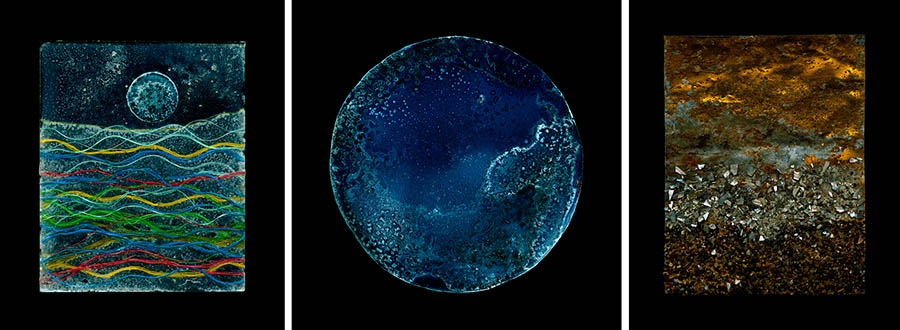
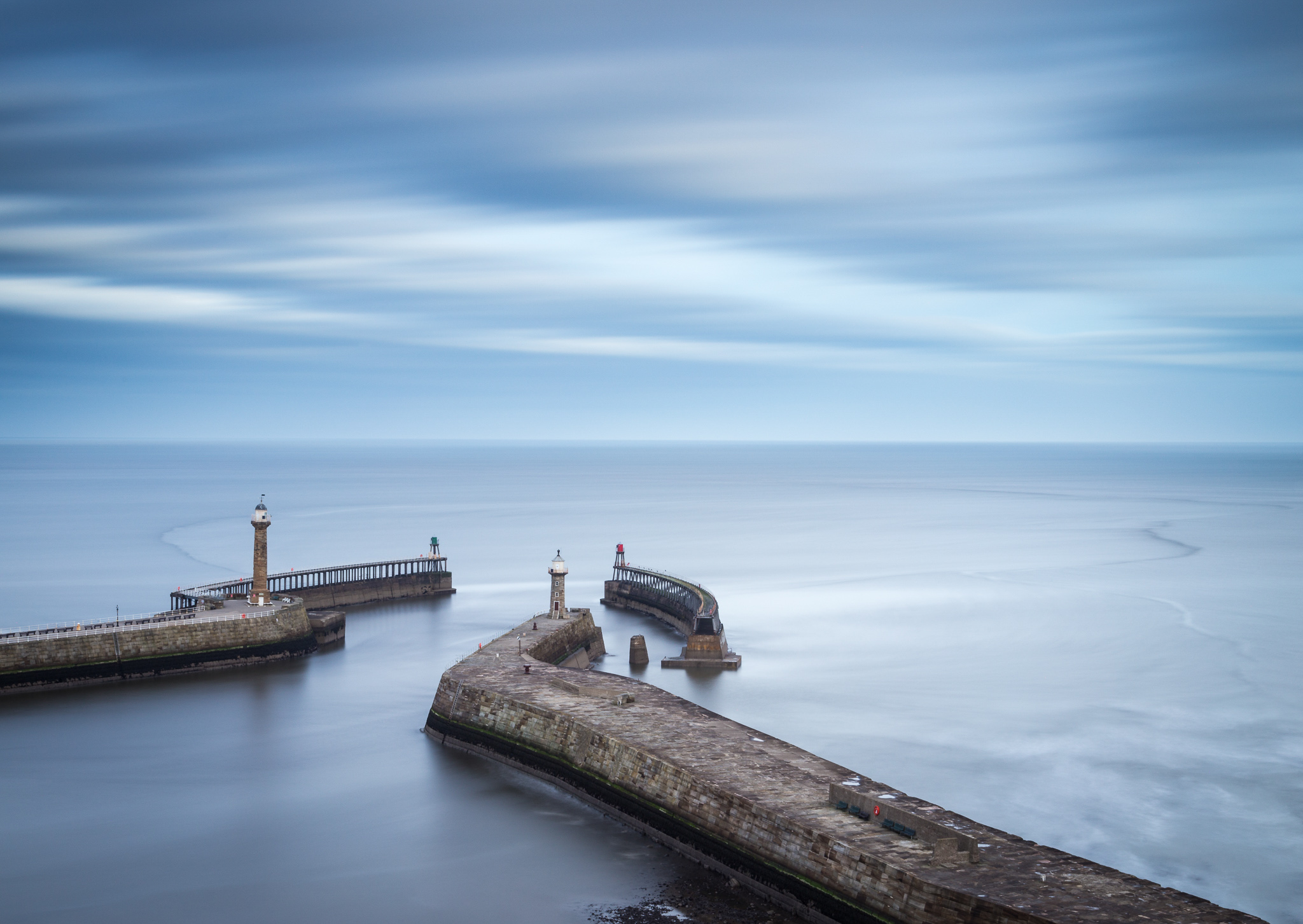
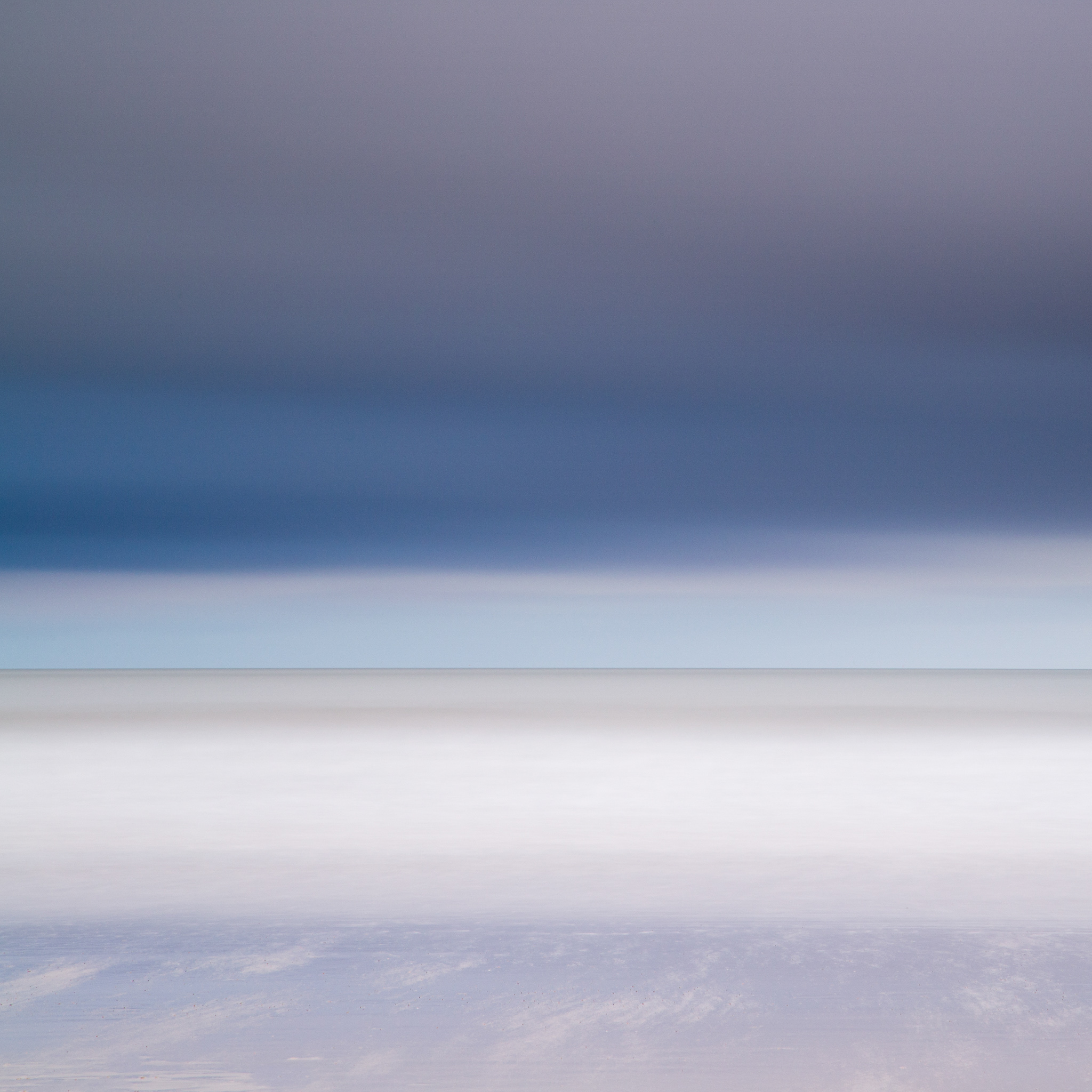
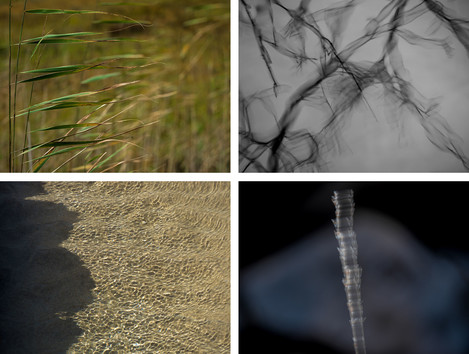
Paul was born in Salford, Lancashire, in 1951. He graduated with a Fine Art degree from Newcastle Upon Tyne Polytechnic in 1975. In 1976 he started work in local government but photographed in his spare time.
In 1996 he gave up his job and began working full-time as a photographer, specialising in abstract still-life images. Since then he has held numerous solo exhibitions of his work.
His book Seaworks 1998-2013 was published by Triplekite in 2014. He lives on the Northumberland coast with his wife Margaret. Read our interview with Paul here.
On Landscape - On Photography
Tracing his (almost) 50 year career making work, communicating his thoughts about an ever changing landscape through the ever changing medium of photography.
The opportunity to write a book about where to go and take photographs in my home county of Kent recently came along and I accepted. Shortly after the joy of agreeing to the deal, the reality that I’d just taken on the ultimate ‘shoot your local area’ project began to dawn upon me.
Years of shooting in more traditional landscape photography hot spots, from Scotland to Sydney Harbour, has made me accustomed to iconic views, beautiful light, weather and (mostly) all fitting nicely into the usual rules of composition.
By comparison, Kent just doesn’t conform to the way we are taught to compose a classic landscape and, I confess, I avoided it for a long time on account of finding it more difficult.
Without distant mountains, there is no obvious backdrop for the final third of a composition before the sky at the top. And without a myriad of boulders or seams of granite liberally sprinkled around the countryside, there isn’t the usual foreground elements I have come to rely upon and trust for successful photography.
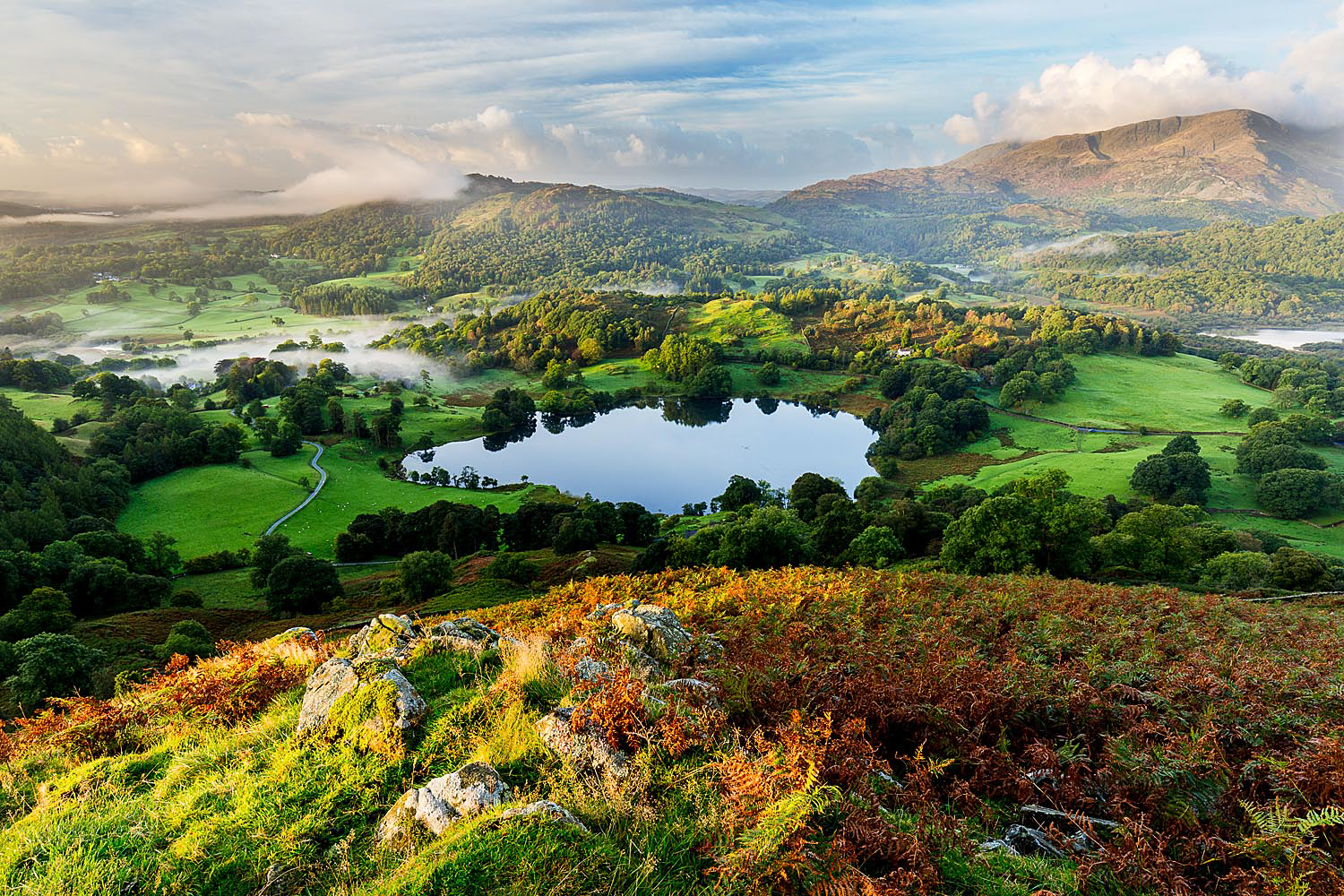
Loughrigg Tarn, Cumbria. A good example of a classic landscape shot with textbook rule of thirds, an approach I was initially very frustrated to find wanting in the landscapes around where I live!
My struggles with finding a creative approach to this less conventional landscape meant that I needed to look elsewhere for ideas and inspiration.
I began researching Kentish artists and realised I had the ultimate creative guide that I could wish for in none other than JMW Turner.
I cannot simply throw myself into my photography, it takes me time to adjust and feel that what I am doing is worthy. This level of self-doubt is good for me. I have consistently been self-critical, which leads to doubt, but when I reach the point in what I am doing and I believe in it, then little will convince me otherwise. I don’t mean this in an arrogant way, but in a way that enables me to cut out what is around me and any association with other opinions.
I usually spend over 160 days a year travelling so to be at home is often rewarded by an overwhelming sense of comfort and warmth. This, in turn, has led to ‘home’ meaning one thing, and my photography becoming something entirely separate.
Much of my work is in places that I am familiar with and I love to be. Even if I go off into the wilds of another country, which I do often, I usually have some understanding of what I am about to experience, which in a way, prepares me for the moment I am there with a camera. I usually spend over 160 days a year travelling so to be at home is often rewarded by an overwhelming sense of comfort and warmth. This, in turn, has led to ‘home’ meaning one thing, and my photography becoming something entirely separate.
I live in a very beautiful part of England called Lancashire which is a large area mostly consisting of open farmland that stretches from the Pennine Moors down to the coast. As you would expect, there are paths aplenty and you can literally walk for miles far from the roads and truly escape. As I have associated home with a separation from photography, I have hardly ever headed out with my camera in anger so I have never entered a state of mind that has led me to connect and ‘see’ what is around me. I have simply enjoyed being there.
About a year ago I was fortunate to have a good lengthy break at home over the Christmas period and I did plenty of walking during that time. As ludicrous as it may sound, I had been overloaded with the grandeur of some of the most staggering landscapes I had been fortunate to visit during my year of travel and oddly sought out, and began to relish, in the sparse winter landscape surrounding my house. I live on the edge of a protected valley park which covers an area of 800 acres and is made up of woodlands and meadows, through which, the River Lostock runs.
Back in 2016 Paul Heathcote wrote about the exhibition he had put on for this project and shared some insights into its six-year making. We catch up with Paul again to hear more about the project and creation of the book.
Tell me about why you love landscape photography? A little background on what your first passions were, what you studied and what job you ended up doing.
I studied Civil Engineering at Loughborough University and after my degree stayed on and did a PhD in Structural Engineering. From this, I went to work as a Consultant at a local firm of Structural Engineers.
I had always loved taking photographs on holiday but they generally consisted of pointing a camera at the sun and not understanding why it never looked like the beautiful sunset in front of me.
With a background in engineering, I always wanted to understand the technical side of things and how to take a better picture.
I grew up in the countryside and always played outside as a child. Often disappearing for long periods into woodland or fields making dens and climbing (and falling out of) trees.
The love of the outdoors and my obsession with the technical aspect drew me into landscape photography as a natural escape from an ever increasingly stressful job.
The love of the outdoors and my obsession with the technical aspect drew me into landscape photography as a natural escape from an ever increasingly stressful job.
Tell us a bit about the project ‘Scene from the Water's Edge’. Where did it all start?
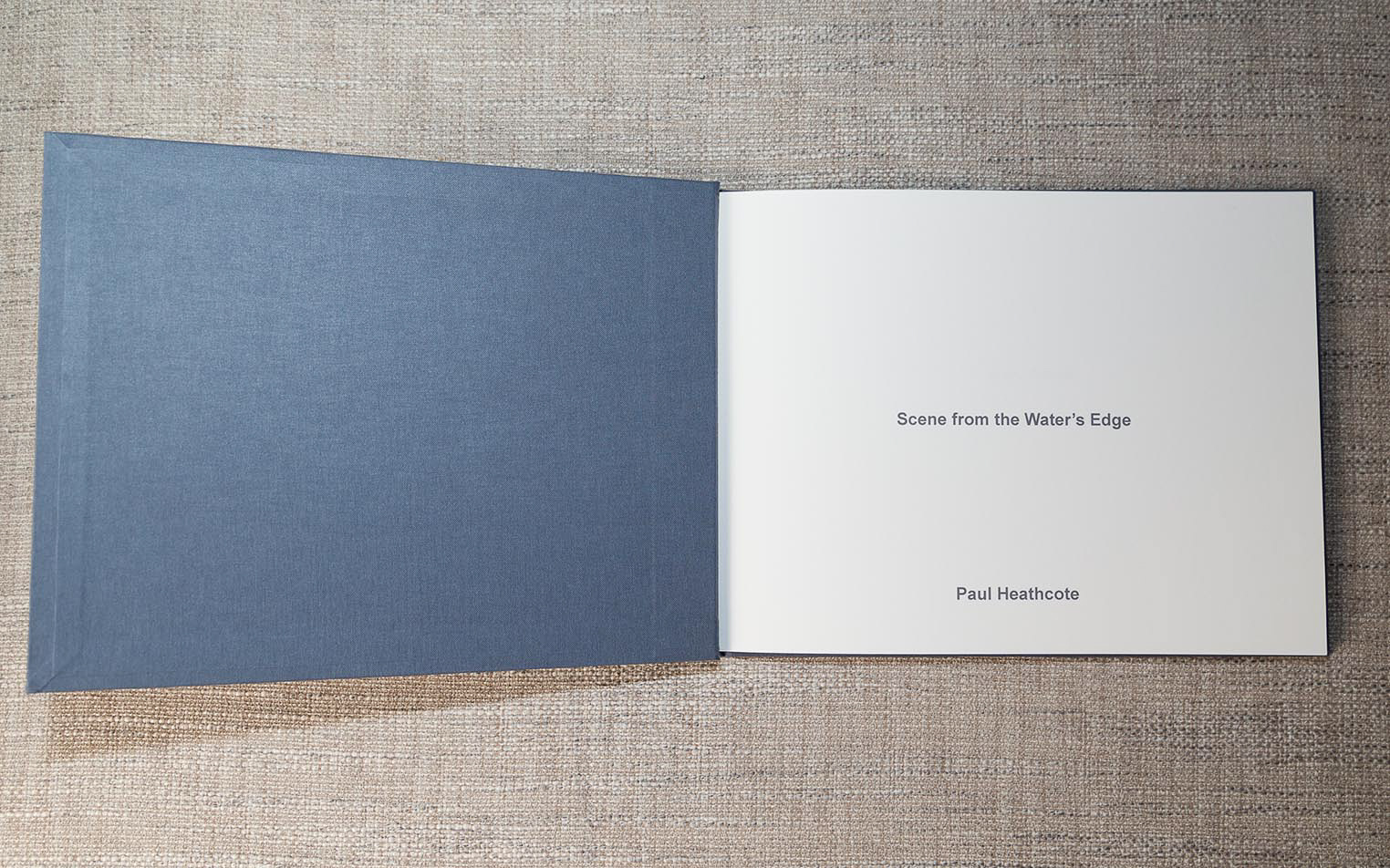
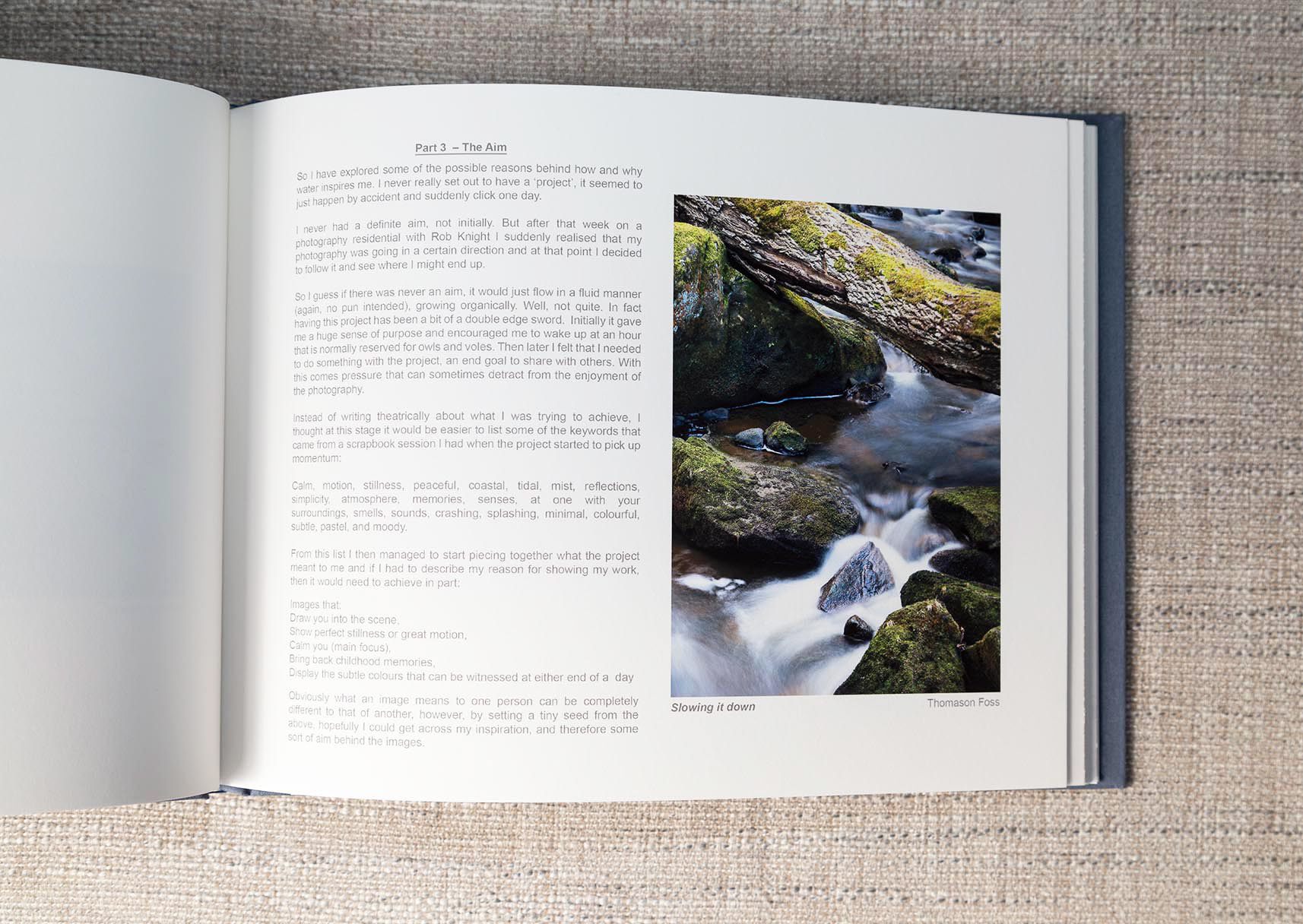
Scene from the Water’s Edge’ is a collection of images taken over approximately six years.
For years I have enjoyed the peace and serenity that can be found next to the water, regardless of the size and whether or not it is natural or manmade. Wherever I go I always find myself drawn to the water.
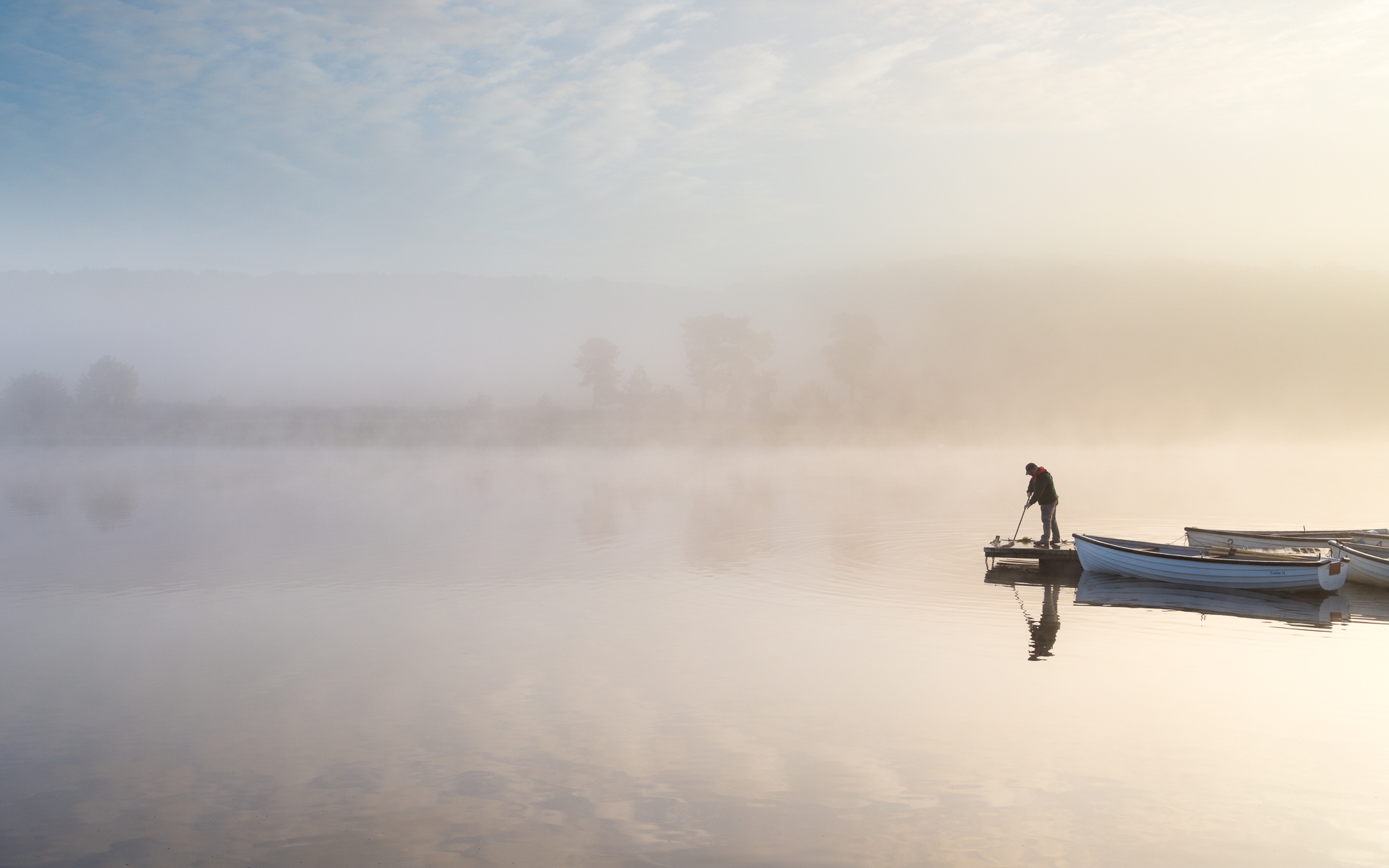
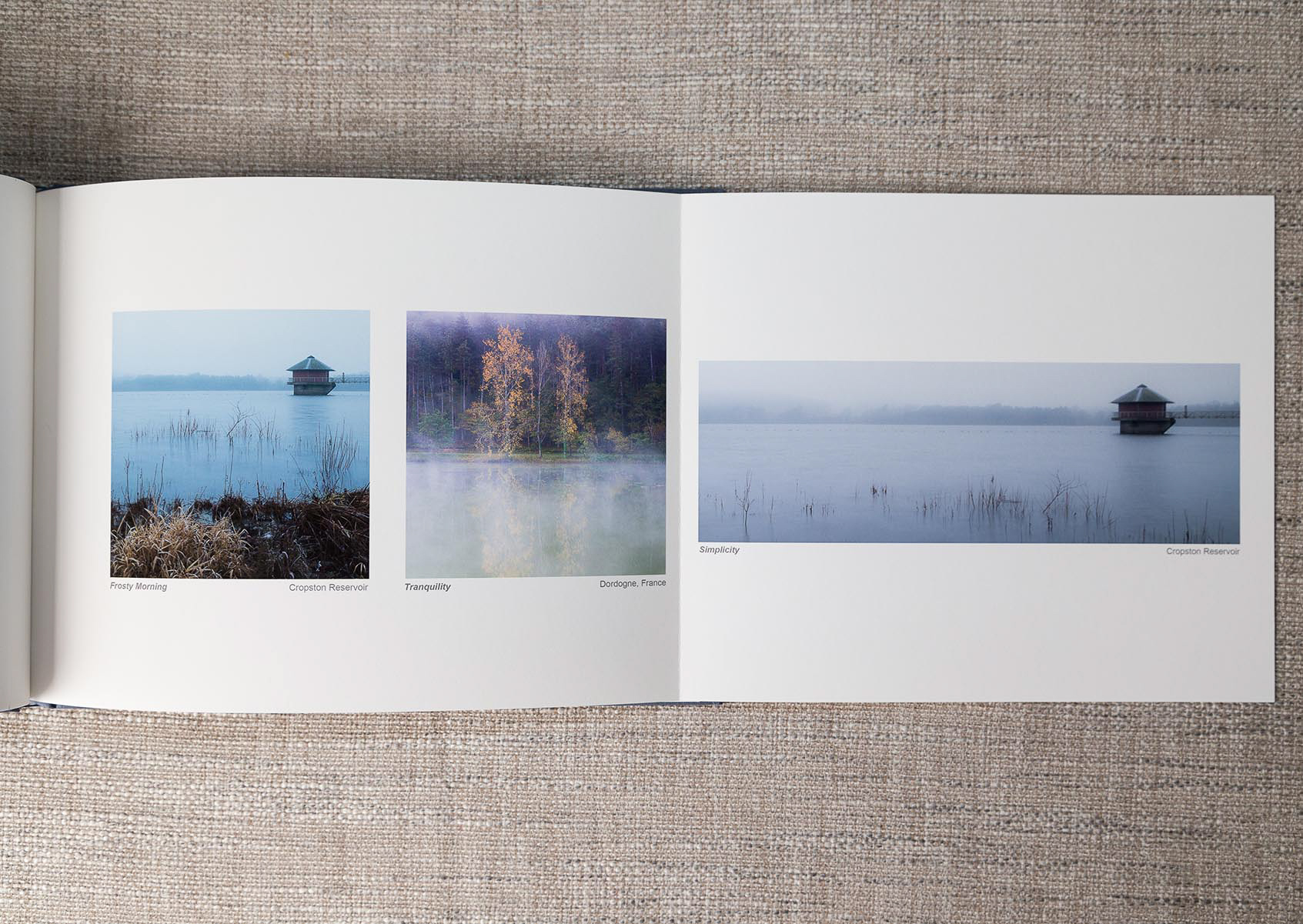
In 2009 I discovered Cropston Reservoir. Situated on the edge of Bradgate Park in Leicestershire, it is just like any other reservoir, but to me, it soon became a place of great mystery and appeal. I started walking the shoreline and spent many cold, misty mornings crouching waiting for some subtle light to rear its head. 99% of the time I was left with no real shot, but every now and then the light would be ideal for my colour palette and I would drive home with excitement and anticipation, just waiting to see what the camera had captured.
This soon became my ‘go to’ place. Whenever I had lost my photography mojo I would nip out to the reservoir. Just me, the boats and maybe some mist. The feeling that Cropston gave me initially, and continues to give me some 8 years after first discovering it is addictive. I think that this location and others like it, ignite my childhood fishing memories which form half of my love of water, the other half is satisfied by the coast.
Tell us about your passion for waterscapes and why they are important to you.
For a few years, I had been trying to figure out how this project came about and what it really means to me. Although inspiration is difficult to put into words, for me it seems to have come from strong memories, drawing me back to places that remind me of simpler times.
I loved my childhood. A particularly strong memory which I recall with great fondness was our yearly two week holiday to Scarborough. Staying in the same place every time and visiting the same coastal treasures, that time spent on the coast with my family I will never forget.
Although inspiration is difficult to put into words, for me it seems to have come from strong memories, drawing me back to places that remind me of simpler times.
Another large part of my life from a very young age has been fishing. When I was young, many days were spent on the side of rivers and canals with my brother and mum fishing. Mum would sit in her fold up chair reading books and my brother and I would fish. Most of the time he would be untangling my line from a nearby tree whilst cursing me or rescuing me from falling into the water, but still, they were great times. In fact, when I think back, water was and has been a key factor in some of the most enjoyable parts of my younger years.
I think it is those early years that pull me back to the water’s edge. Obviously now I am older I can appreciate more the quality of light and subtle colours that reflect off the water at either end of the day, but the love of that scene is the same as it always was.
What came first the idea for the book or the photography project?
The project came first, I never considered an outlet for it. For me, it was solely for escapism which then, through various events in my life, took a very emotional turn at the end.
How did you choose the locations which you included in the book and exhibition?
Originally the locations were to be all local, mainly because I was very busy with work and am quite lazy when it comes to things outside of business. However, I had the opportunity to visit areas which had been special to me as a child and therefore it grew to a wider area.
The project came first, I never considered an outlet for it. For me, it was solely for escapism which then, through various events in my life, took a very emotional turn at the end.
How did the project evolve into an exhibition as well? Did that impact on the style and type of images you took?
For some reason, I took the brave step of approaching a large gallery in my home town of Loughborough. I was approved and a date was set for the exhibition. At this time I only had a handful of images but assumed that an exhibition would be easy!
Panic then set in and I spent every waking hour trying to figure out how to draw it together as an exhibition. I now realise that the images I had at that stage were extremely average and thankful I had time to collect a full body of work I was proud of in time for the exhibition.
Around this time I was fortunate enough to meet two people who became very good friends of ours, Rob and Karen Knight. They are so enthusiastic and giving of their time and live for photography. Long chats with Rob soon got me motivated and he introduced me to some spectacular locations, some of which were old haunts, others new to me.
People often say I have a style but I have never seen it. The only thing I do look for is soft pastel colours. I am not a fan of strong colours and even if I shot an image with punchy colours, I will often pull it back a bit to soften it.
I never felt like the exhibition changed my mindset when shooting. OK, there was a time near the end of the project when I was a few images light and the pressure seemed to mount, but I was in the flow of image making then and everything seemed to come together easier with less pressure than ever before.
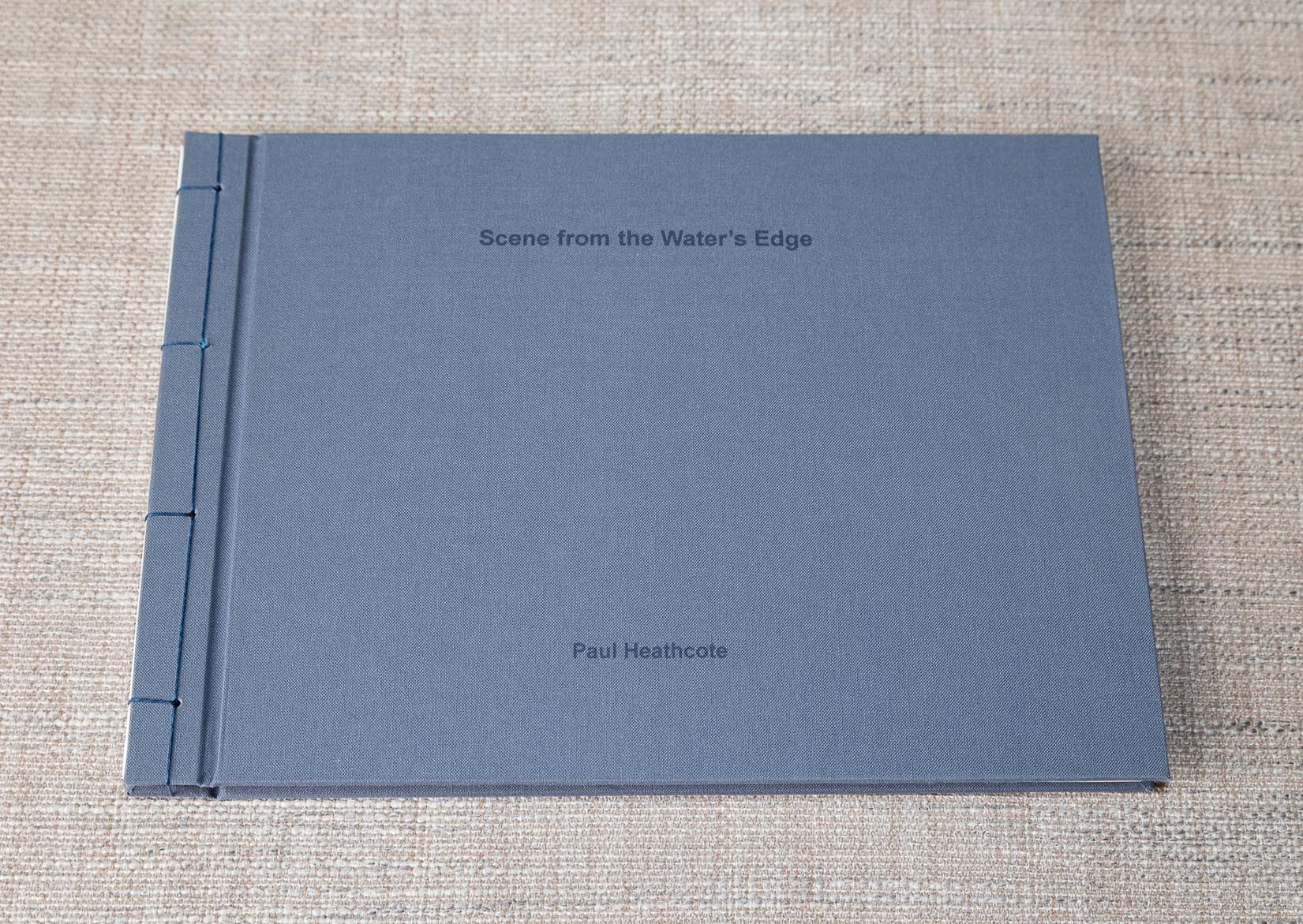
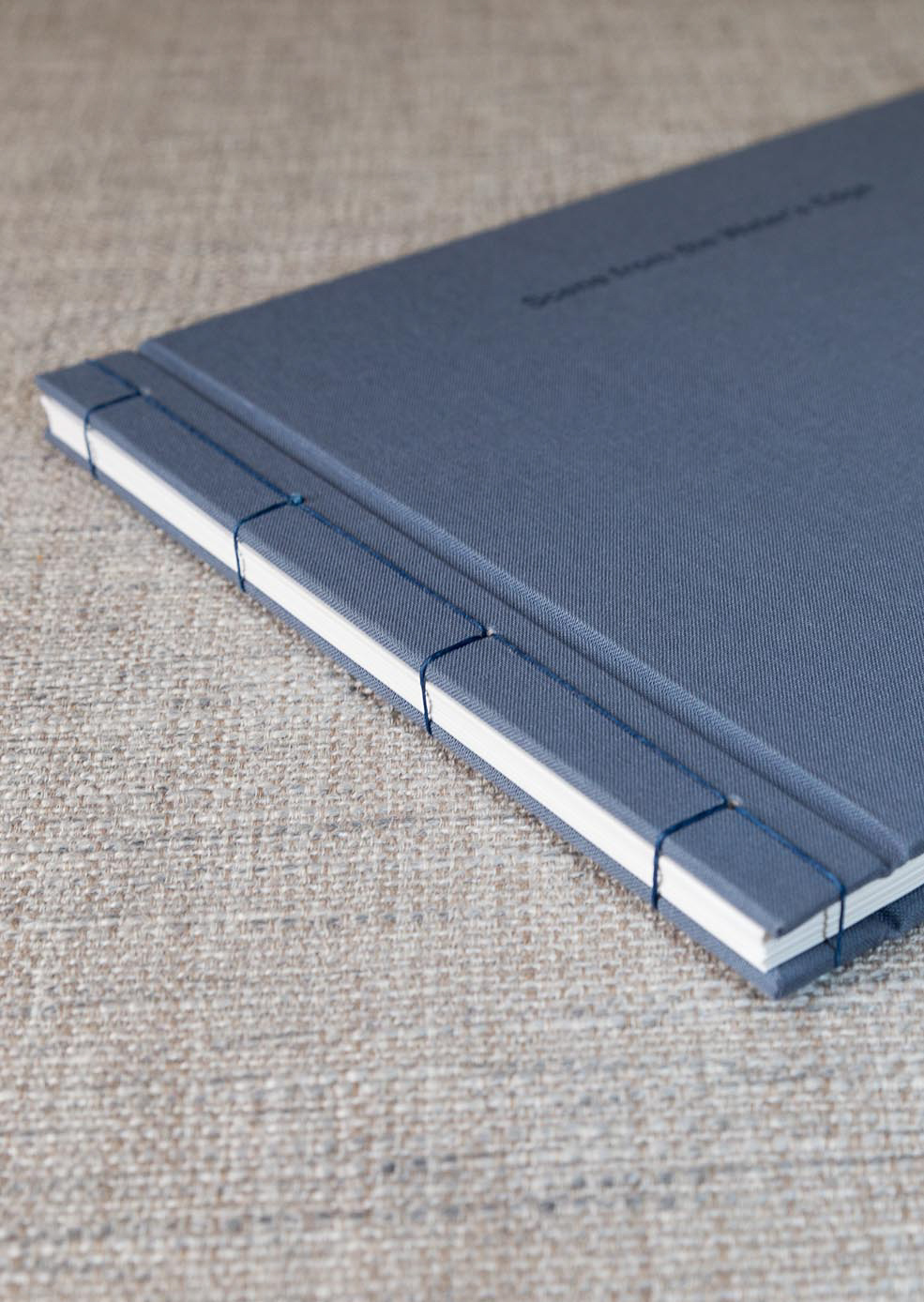
What inspired you to do a handmade book of the project?
The exhibition was over, life had been quite traumatic due to the death of my dad in the months before the exhibition and I had absolutely no interest in image making. However, I wanted to personally reflect on what I had done, I guess to try and motivate me again.
I had seen a few handmade books and always thought that it would be an amazing way of creating a long lasting memory of what you had achieved.
I had seen a few handmade books and always thought that it would be an amazing way of creating a long lasting memory of what you had achieved.
I always thought I was rubbish at making things so set a challenge to try. This is the result.
Sequencing is obviously important - how did you manage the flow of the book with the images and the visual narrative?
I didn’t worry too much about the layout. The only thing that was important to me was to ensure that the sequence and pages closely represented the order of images in the exhibition. I had purposely introduced my story text fairly randomly throughout the exhibition, although looking back the text obviously matches my mood when taking the image it was next to so there must have been some subliminal work going on!
How did you learn to do handmade books and binding? Is this the first project you’ve done or were there previous books?
All completely self-taught. Never done it before. However, our house is full of piles of practice books!
How did you decide on the format of the book and binding e.g. size and paper, print type?
I always envisaged an A4 landscape book. I realised that a soft cover made things easier, for example printing the cover etc. but I wanted a hardcover book just because I am an engineer and always want an element of robustness in everything I make!
Two things were key to the book and I was set on those from the beginning. The first was that I wanted to use the same paper as the exhibition so that the look and feel were the same. The papers in the exhibition were Fotospeed Smooth Cotton and NST BW. However, it soon became apparent that the thickness made the book too rigid and I had to try and find a thinner paper which still felt the same. In the end, I used Fotospeed HWS Lite Duo which is excellent for books and has the same feel as the Smooth Cotton.
Second, I wanted the cloth colours to be pastel blues if possible. I wanted a simple, quality cloth that didn’t detract from the images but complimented the colours.
Tell me what your favourite one or two photographs from the book are and a little bit about them.
Obviously, I am a big fan of all of them, although if I am completely honest there is one that I still don’t feel really worked as part of the collection. It’s presence in the exhibition was the last minute choice due to a late rejection on quality grounds. Sod's law this was the first image to sell within half an hour of the exhibition opening!
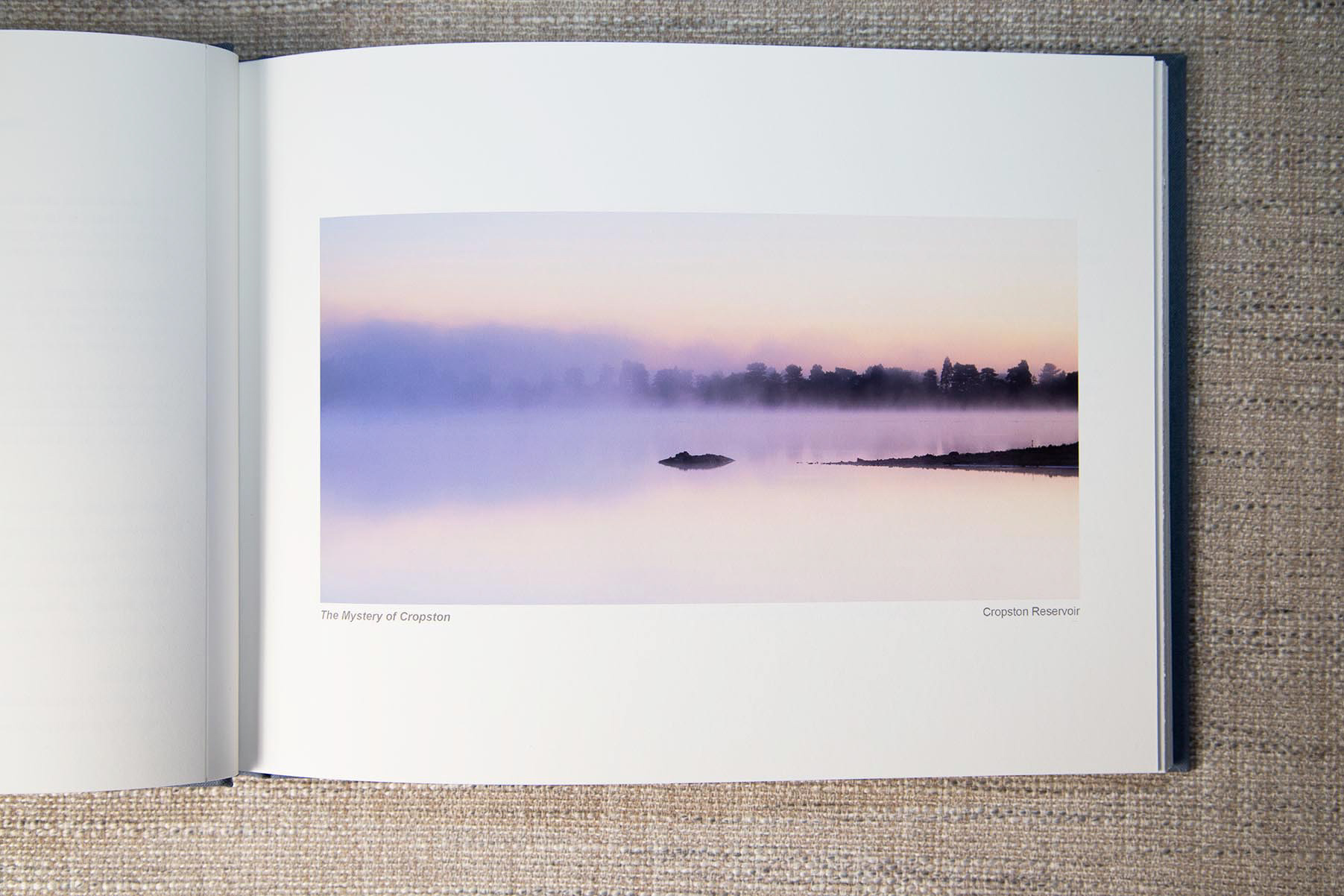
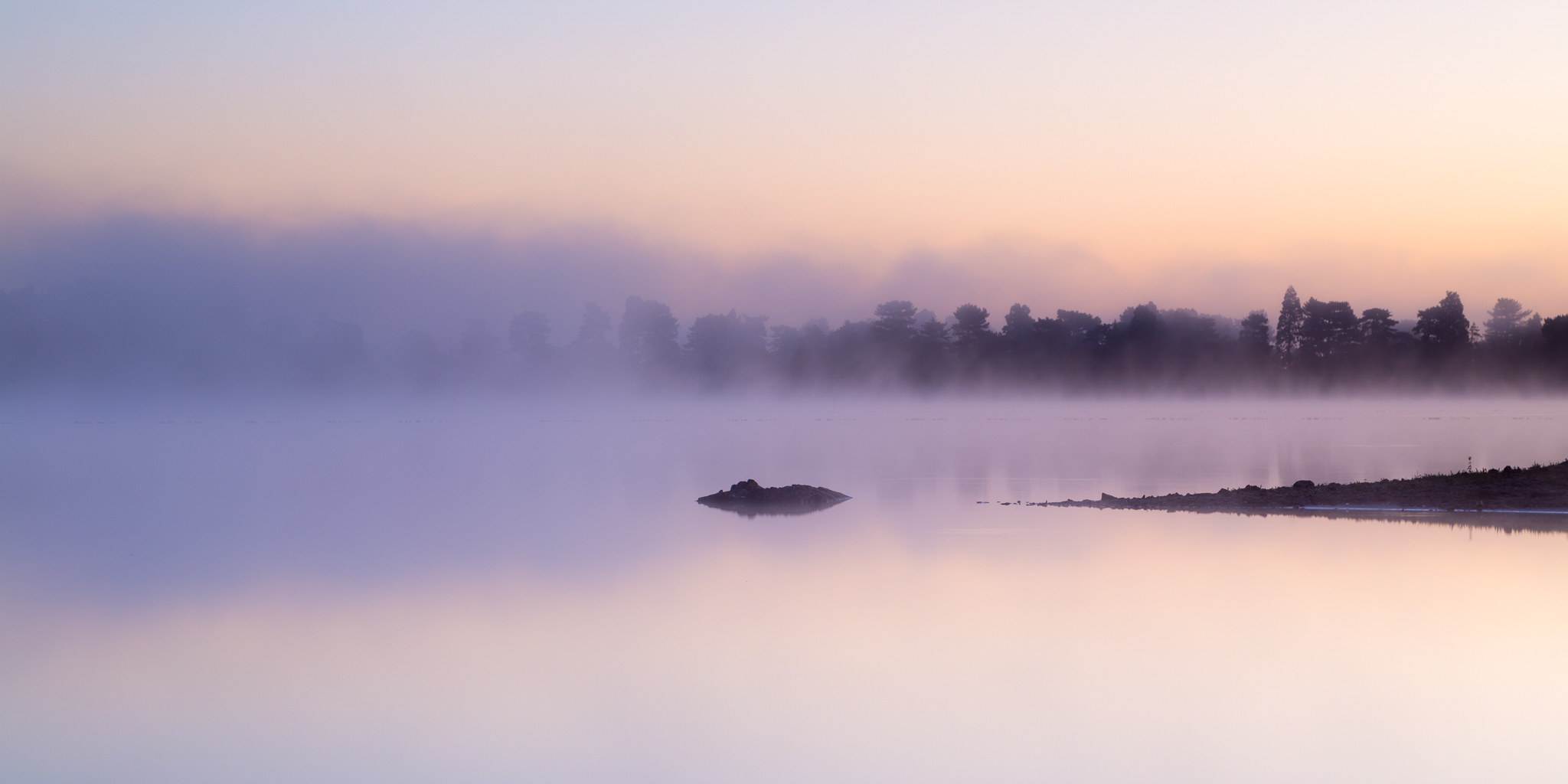
The Mystery of Cropston
My favourite image of the collection and possibly that I have ever taken is ‘The Mystery of Cropston’.
I know that technically it probably isn’t one of my best, but it was taken around the time my dad was in and out of hospital and a few months before I stopped shooting for the project. For me, it completely sums up the location and was everything that I had strived to achieve for a number of years visiting Cropston Reservoir.
The lone boat
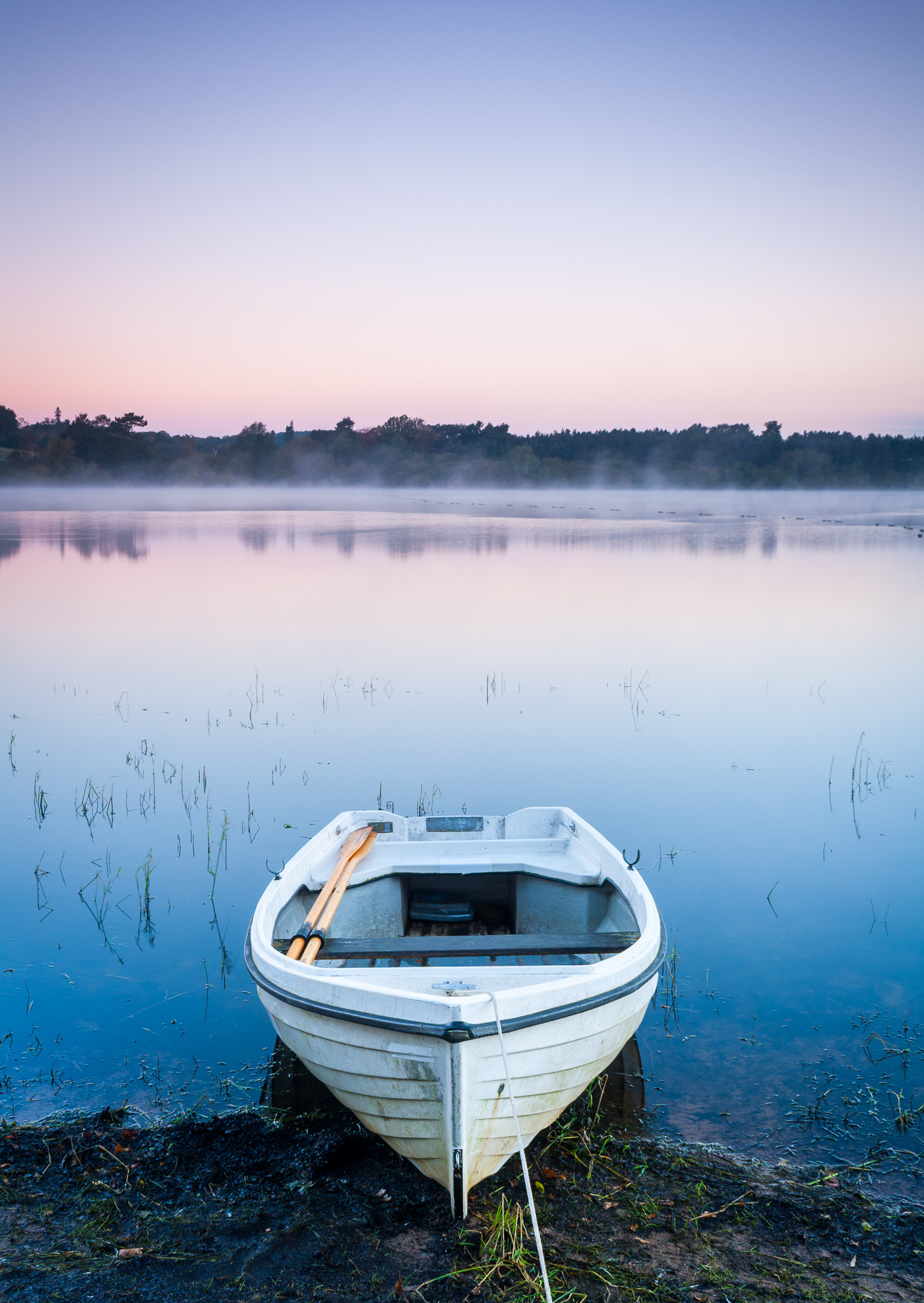
Another favourite is also from Cropston, ‘The lone boat’. A very simple shot but it is what I call, my first ever proper shot. Taken back in 2012 when I was playing around with a very simple camera it became my poster image for the exhibition.
Could you tell us a little about the cameras and lenses you typically take on a trip and how they affect your photography?
I started the project on a relatively inexpensive, Canon 1000d DSLR with very low end lenses. I later changed that to the camera I use now which is a Canon 6d, a fantastic camera and it suits me perfectly.
Generally, I use only one lens, the 24-105mm that I bought with the camera, although every now and then I will put on a 50mm to challenge myself compositionally.
The kit hasn’t changed how I photograph, but I would definitely say having the 6d, which is heavier and more expensive, gave me a big confidence boost. Strange as it sounds, but it makes me feel more at ease.
Having started this interview by saying that I was drawn to photography by the technical aspect, that couldn’t be further from the truth now. In fact, the best thing I ever did photographically was to stop obsessing about hyperfocal distance and sharpness and just take images that worked for me compositionally.
Having started this interview by saying that I was drawn to photography by the technical aspect, that couldn’t be further from the truth now. In fact, the best thing I ever did photographically was to stop obsessing about hyperfocal distance and sharpness and just take images that worked for me compositionally. Don’t get me wrong, many things need to come together to make a good image, but for me, I no longer think about those things. My images now have to be visually appealing to me and that often means that the technical aspects come last.
What next for you? Where do you see your photography going in terms of subject and style?
I have a long standing project based on rustic French doors and windows. Not sure of the outlet yet but hoping to bring this together in the coming years.
We have a dream of moving to France and ultimately this project may be first seen over there, possibly exhibited in some dilapidated old barn and printed very large. Who knows!
Many thanks for your time Paul :) You can read more about this project on Paul's website.
If you are working on a project and would like to write an article about it, then please get in touch, we'd love to hear from you!
I know from reading end frame articles over the years that many contributors have expressed difficulty in deciding which image they wish to write about. I didn’t have that problem as Fay Godwin’s “Paved path above Lumbutts, near Todmorden, West Yorkshire” is an image that has stayed with me since I first picked up a copy of the book Elmet.
Elmet is a later (1994) republication of the book of work by poet Ted Hughes first published in 1979 under the title Remains of Elmet. Most of the poems in Elmet were written by Hughes in collaboration with Fay Godwin, who provided the stunning black and white photographs of this part of Yorkshire where Hughes grew up. When the work was first published Hughes called it a “Pennine sequence” and one that responds to the landscape and people of the Calder Valley, where Hughes spent his early childhood. In Hughes’ preface to the original edition of the book, he expands on the subject of this work:
Do you have an image you'd like to write an end frame article on? Take a read of our previous end frame articles for inspiration! We are looking for contributions for forthcoming issues. Please get in touch with Charlotte Britton directly.
Welcome to our 4x4 feature which is a set of four mini landscape photography portfolios submitted from our subscribers. Each portfolios consisting of four images related in some way.
Submit Your 4x4 Portfolio
Interested in submitting your work? We're on the lookout for new portfolios for the next few issues, so please do get in touch!
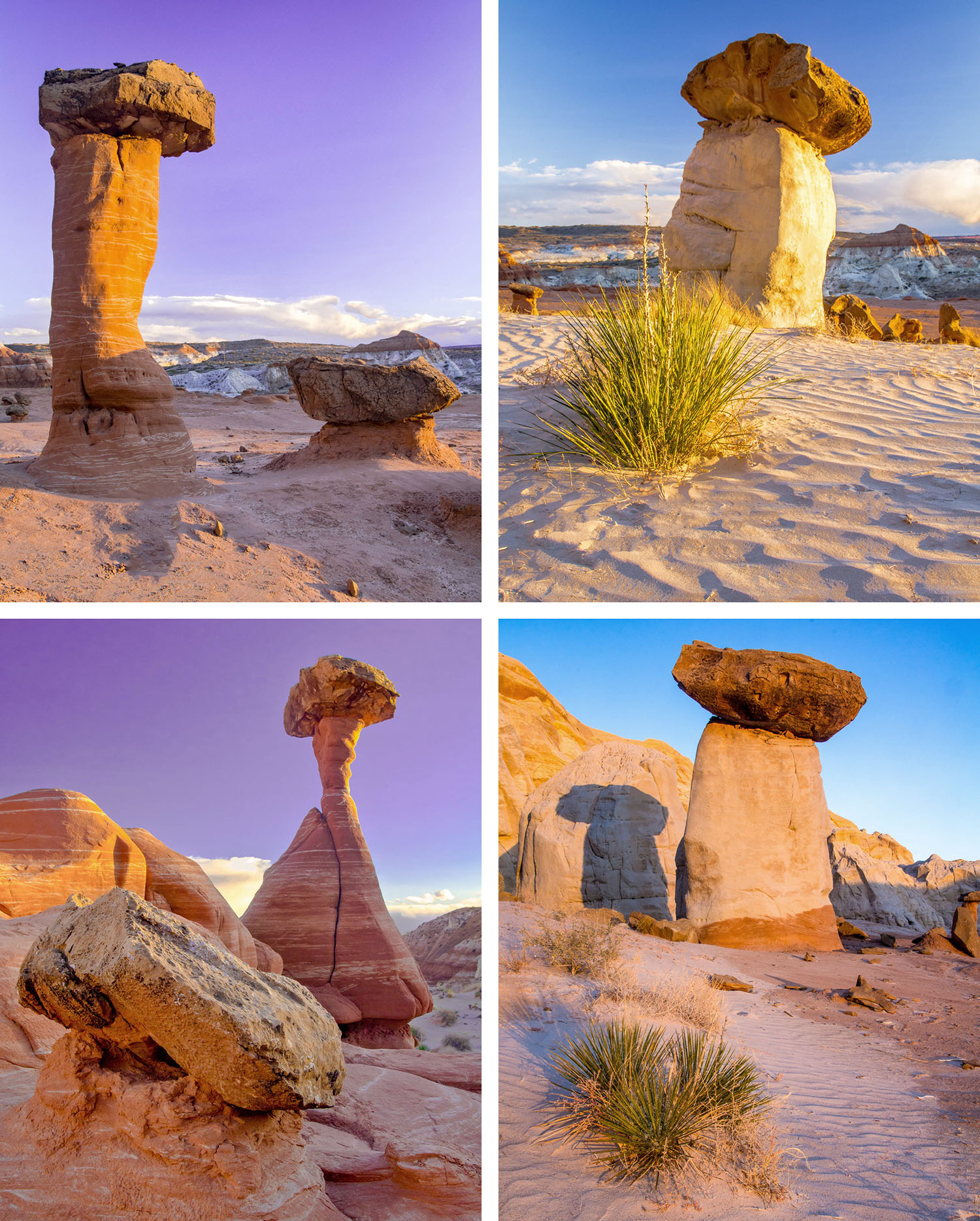
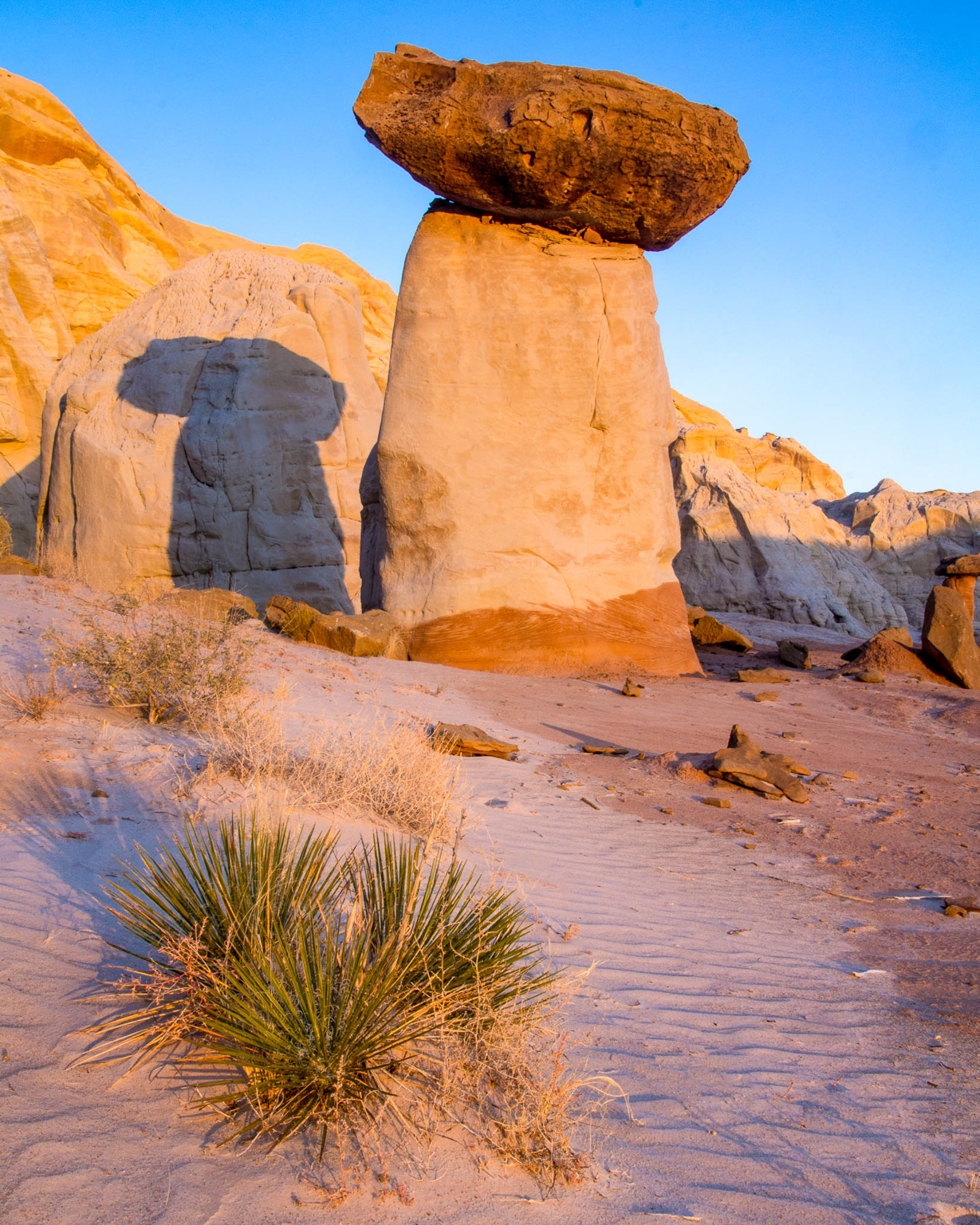
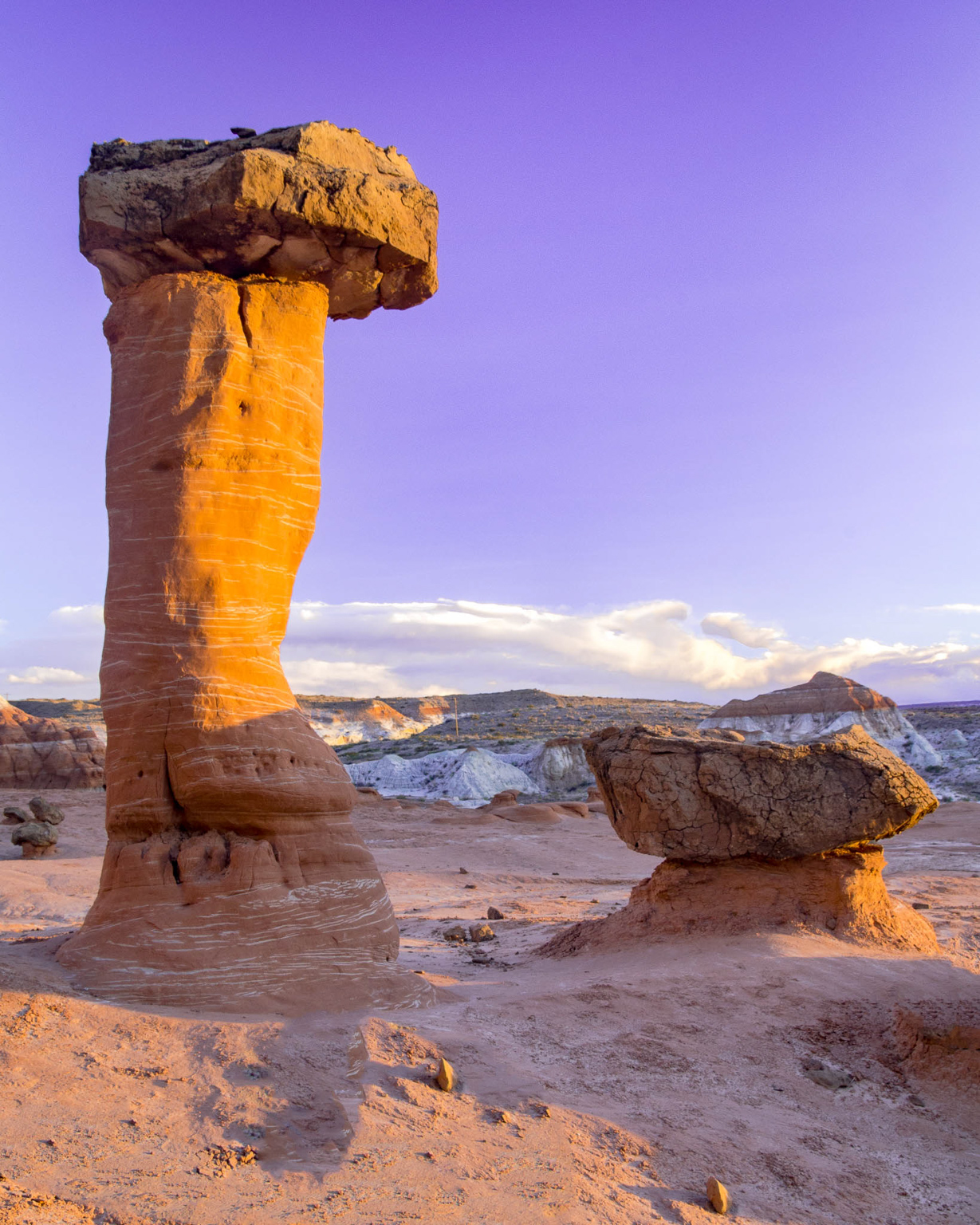
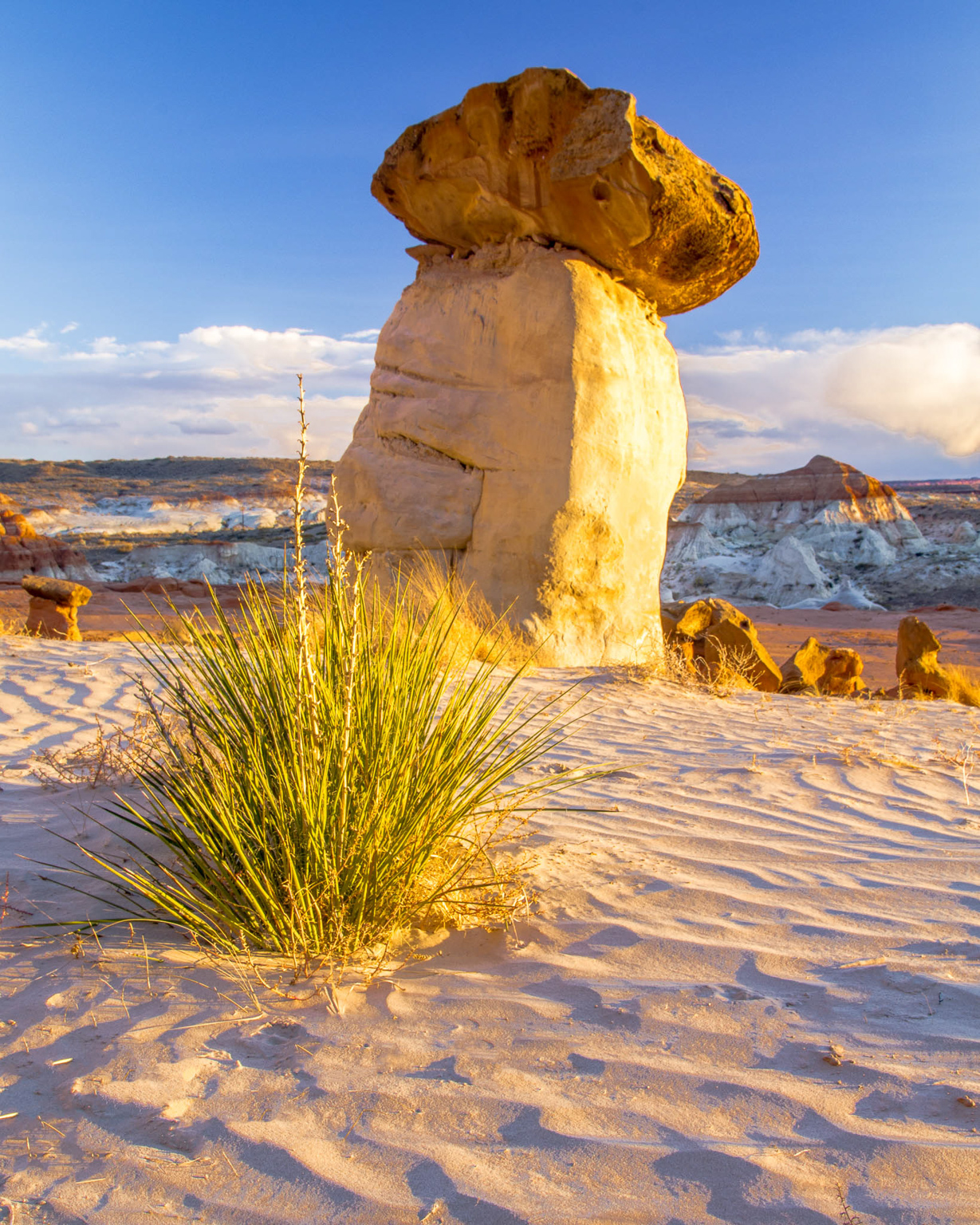
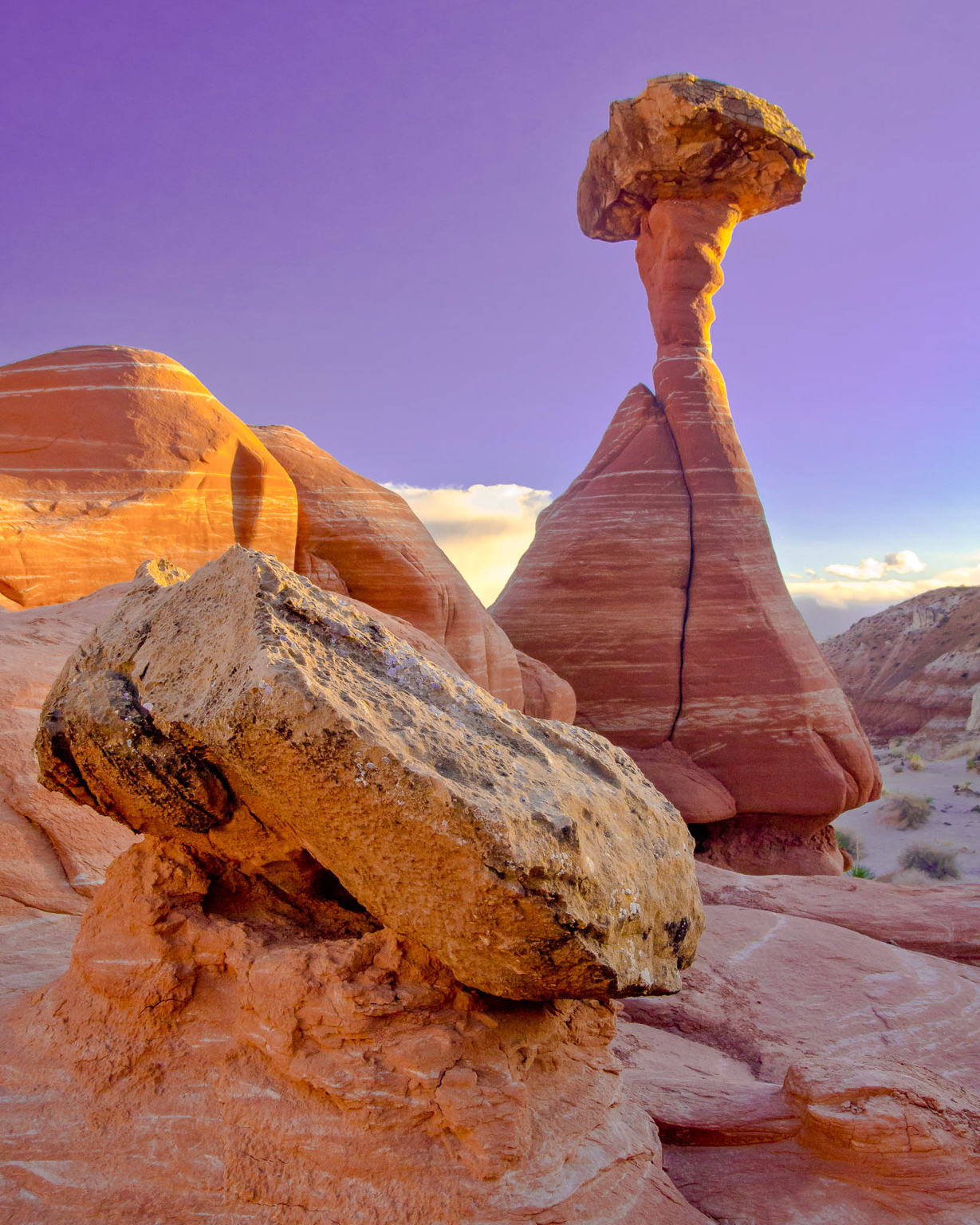
I had driven by the sign many times, but never had time to stop. This trip I made a special point to visit the Toadstools of Escalante National Monument. The sun was hanging low in the November sky when we arrived late Saturday afternoon. By the time I hiked the mile or so up the wash to the formations, the golden hour had begun. The ‘toadstools’ are hoodoos formed from the darker, harder Dakota Sandstone that caps the pedestal of softer Entrada Sandstone. The cap serves as a shelter from erosion and over time creates fascinating other-worldly formations.
I was there to meet the silent statues that have stood against rain and snow and sun and wind for eons. To feel the relentless glare of the sun slowly and methodically softening and cooling. From white to yellow to orange to pink. To see the long shadows creating definition, emphasizing every grain of sand and stalk of weed. To watch the reflections from the cliff faces illuminate both sides of the formations in pastel shades of brilliant colour. I came for the light show but left having made some portraits of some of the oldest individuals on the planet.
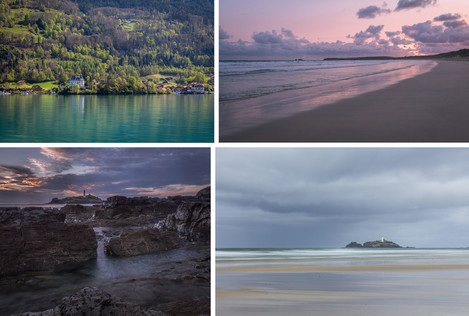
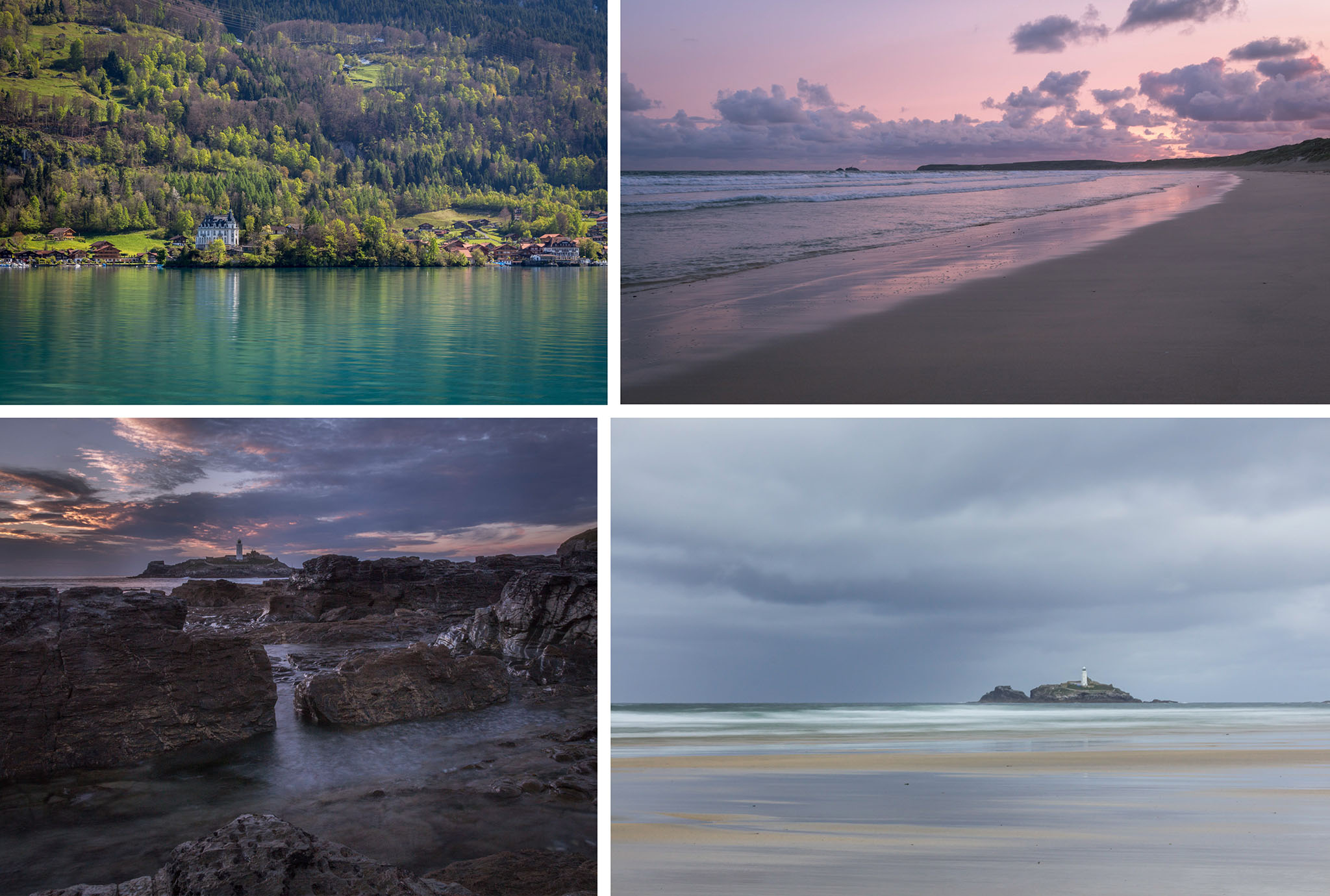
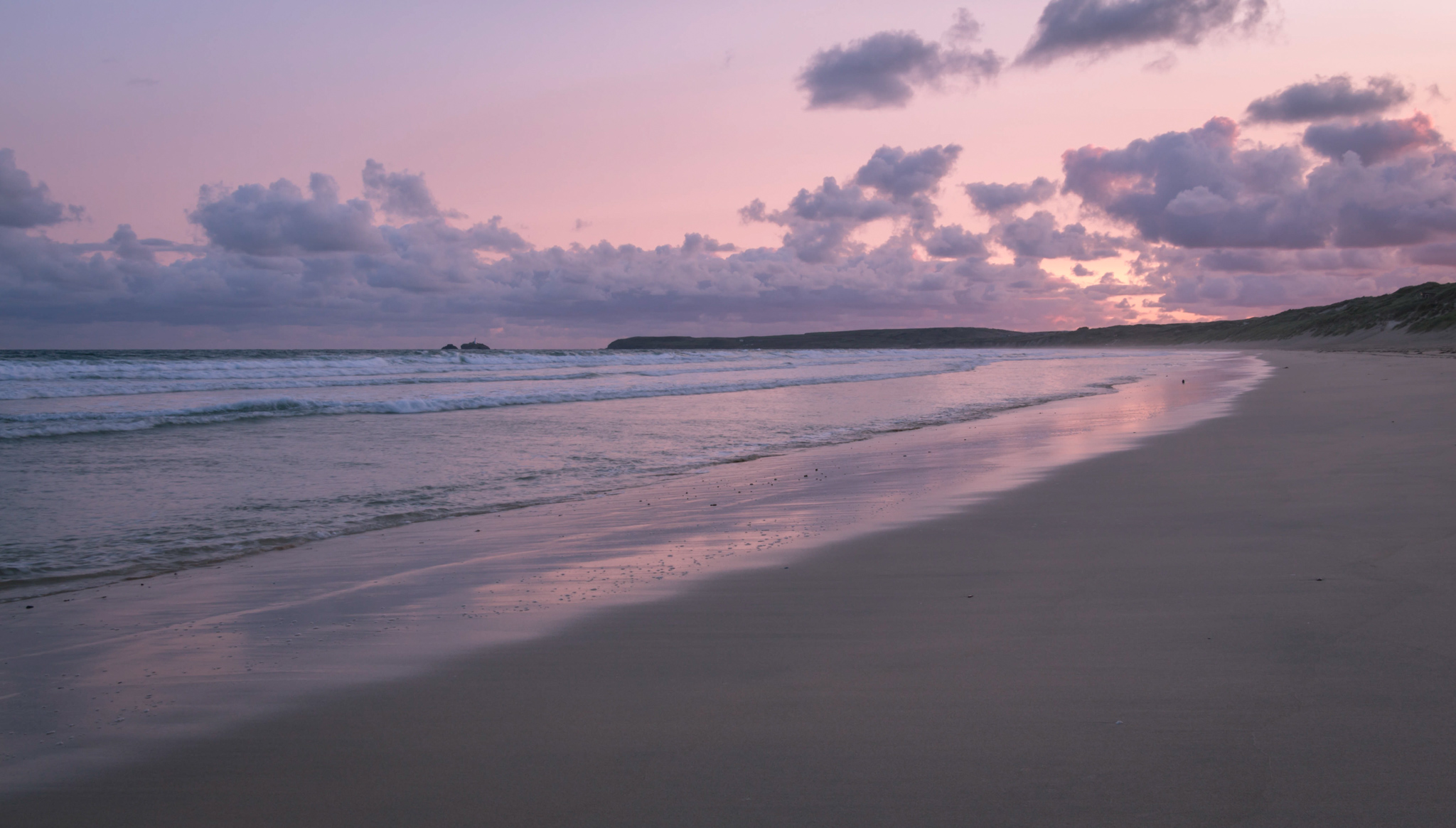
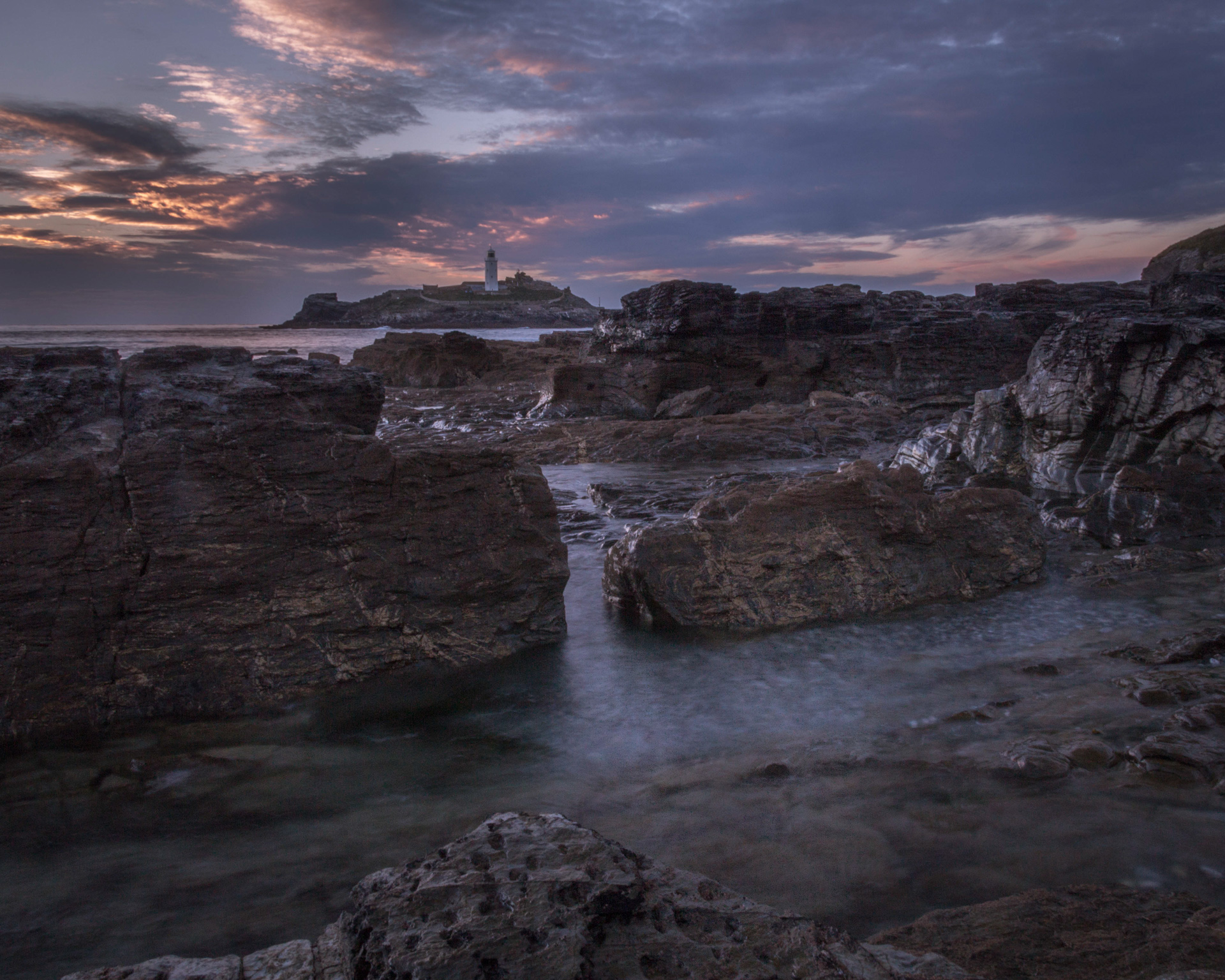
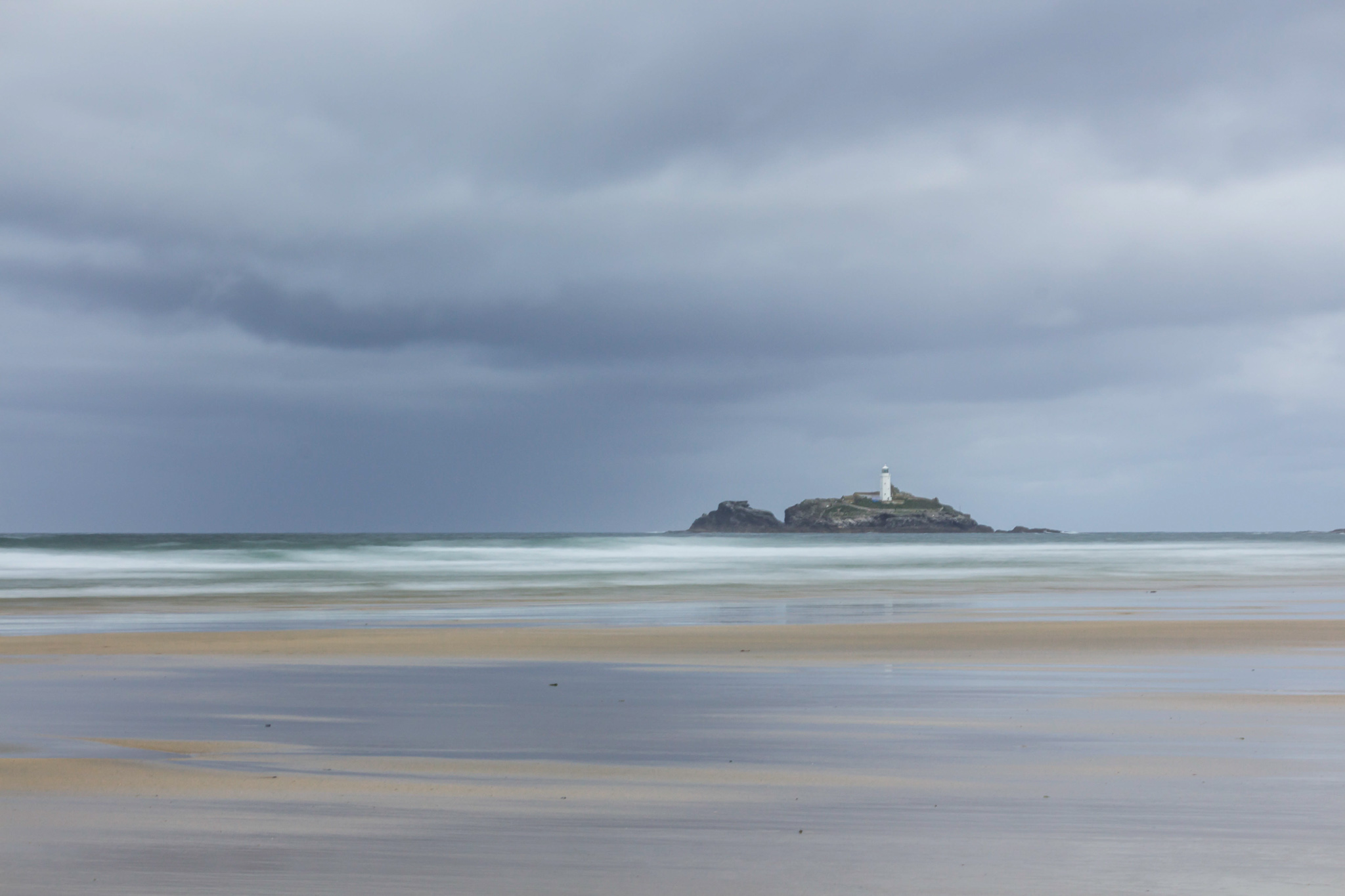
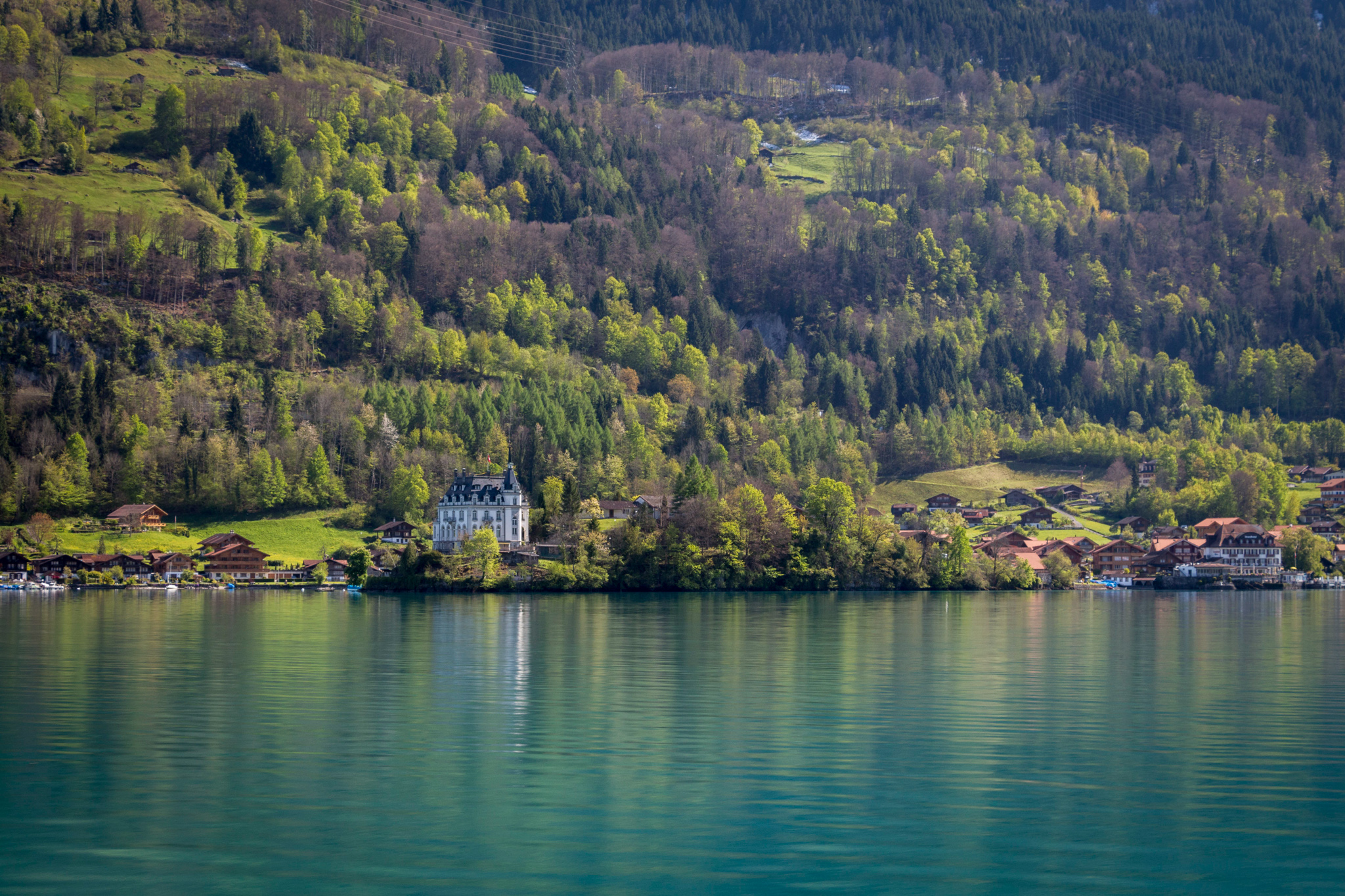
The published images are taken in Switzerland and Cornwall, UK. Those are a few of my favourites and are captured under different weather conditions. In Cornwall, I mostly faced the windy and Cloudy conditions which turned out good in order to show the mood in the Photographs.
Wind is an audible whisper,
It’s a secret, and it’s a laugh,
Murmured through the timeless trees,
From ancient ages past.
It sometimes calls through blackest night
For the owl to hoot and scream,
It plays a haunting winter flute,
In the meadow near the stream.
Piping little melodies,
Endless, haunting, long,
And when you think you’ve finally caught them,
In a moment they are gone.
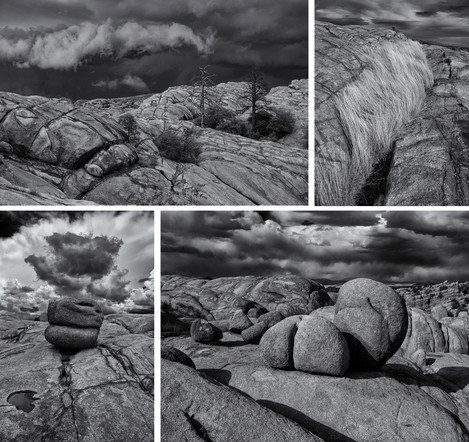
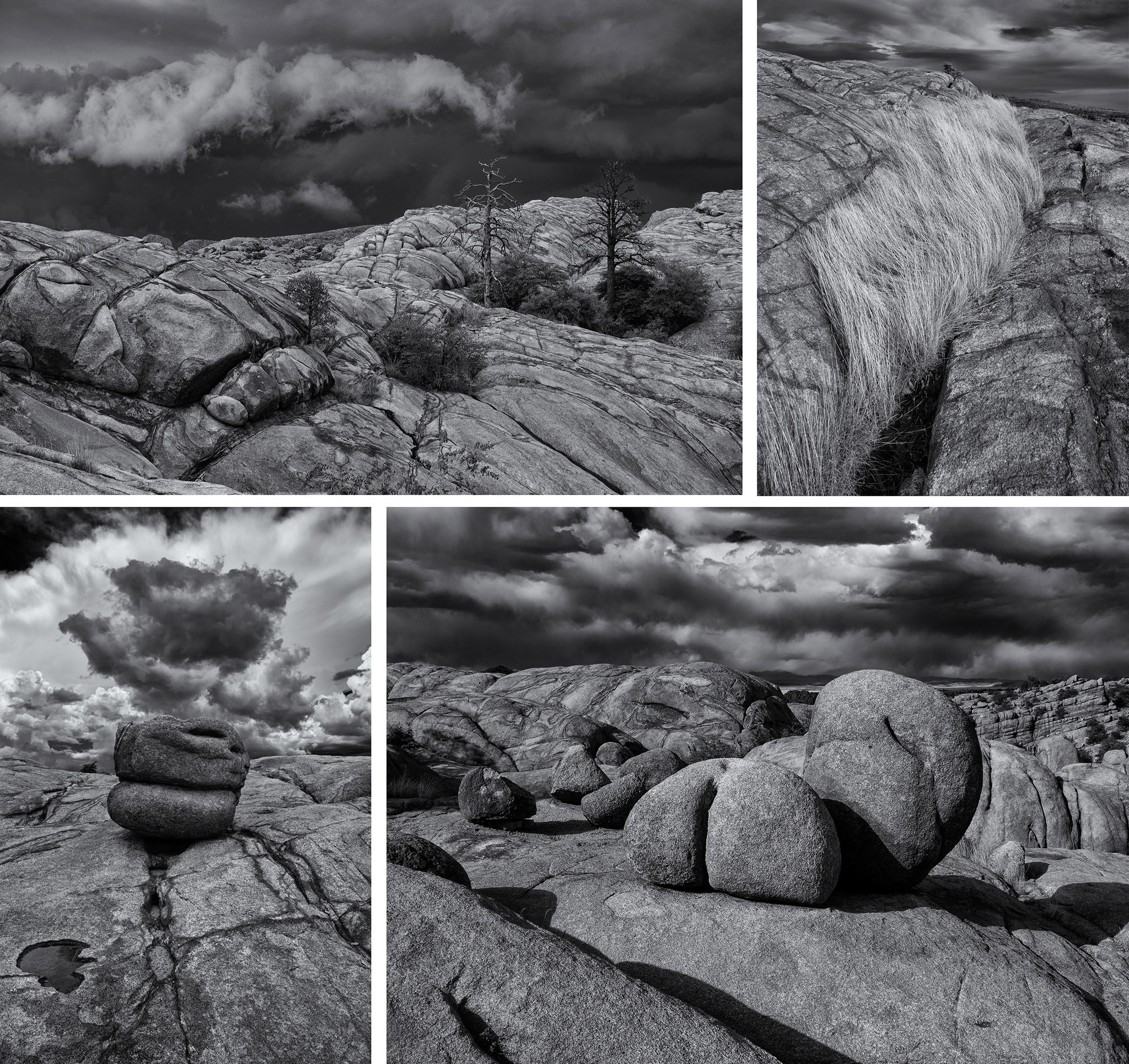
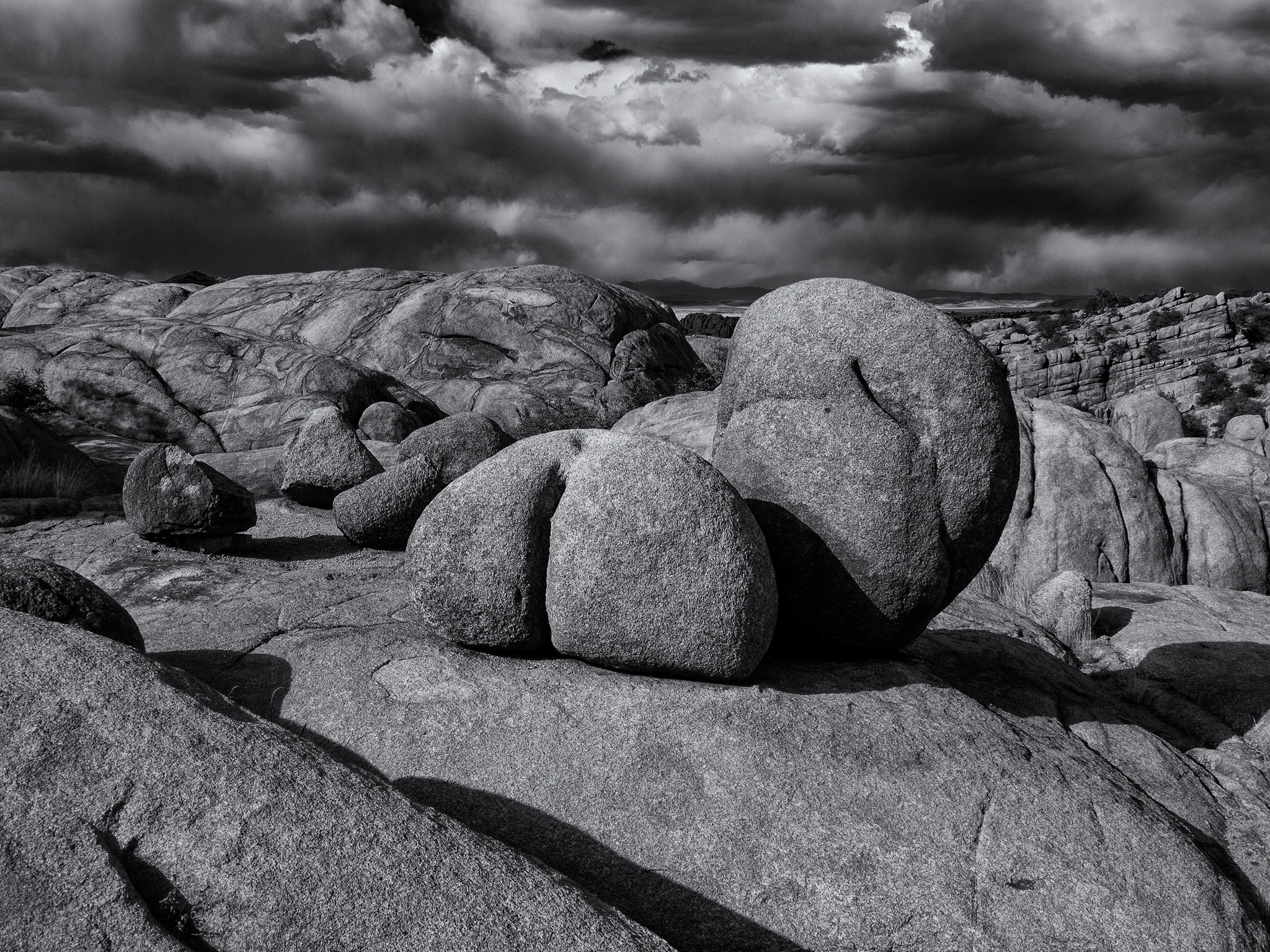
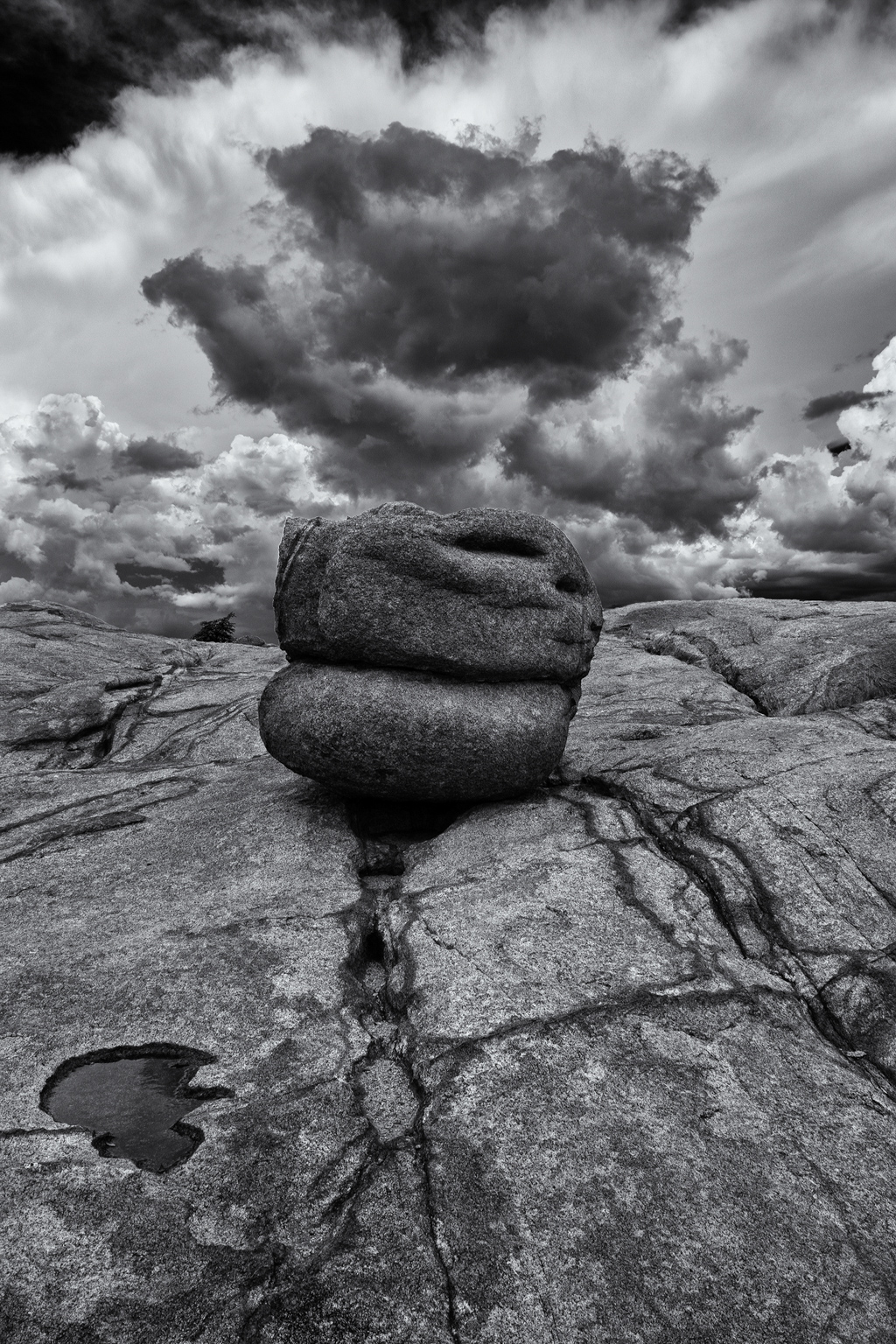
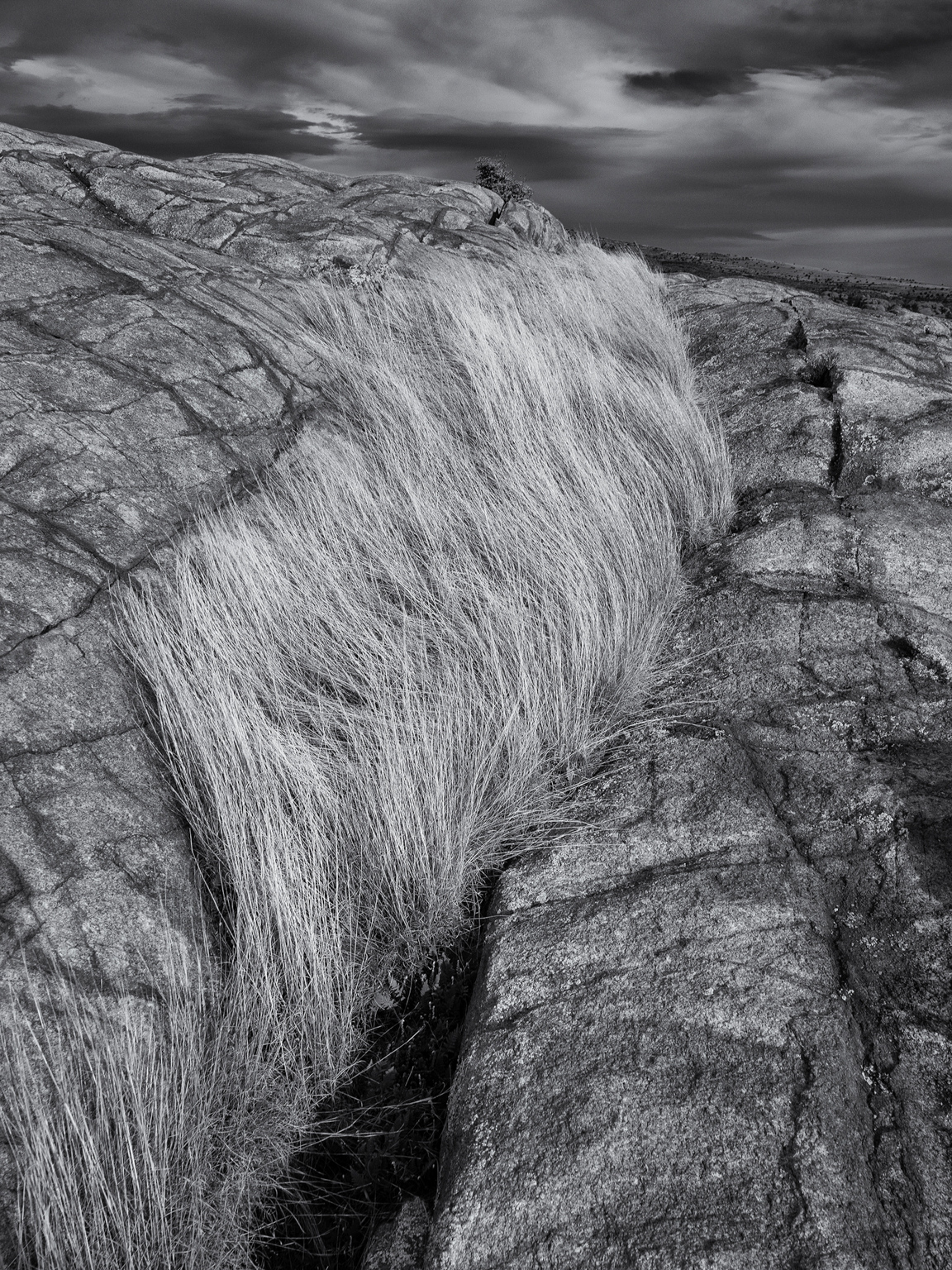
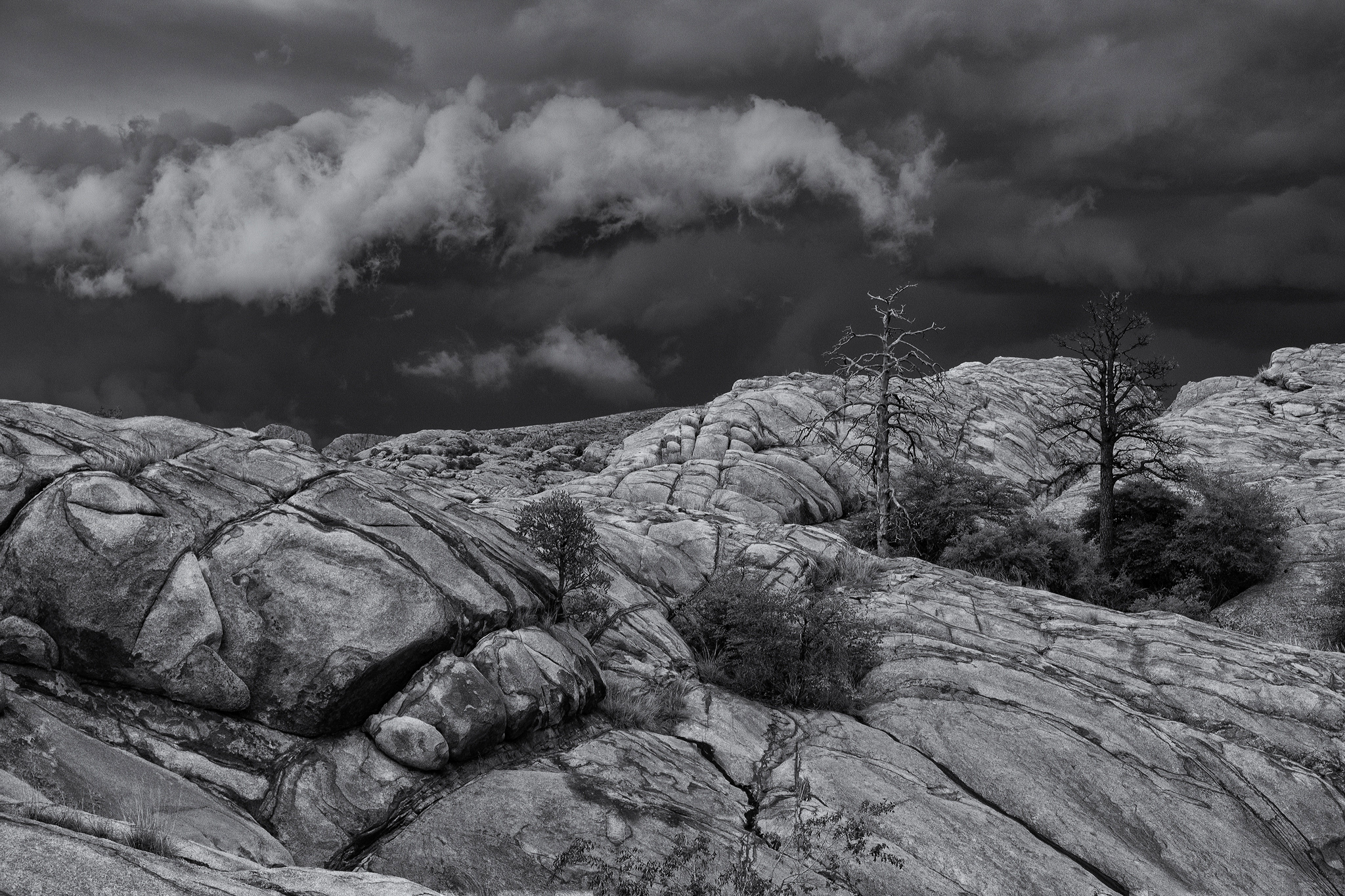
Many photographers have a local favourite place they like to go and sometimes we go to that place just to get out. One of my favourite locations to hike and photograph is an area called the Granite Dells (Prescott, AZ).
The Dells is a geological feature of exposed granite bedrock that is 1.4 billion years old and this area has some of nature's finest rock sculptures and natural art designs. For some reason I find myself connected to these wonderful rock formations as I am constantly drawn to them. Each time I go hiking in the Dells I marvel at the rock formations and how they were formed, I find amazing patterns in the granite and wonder how balanced boulders are still standing.
Even if the conditions are not right for photography it is still a treat just to scramble around the rock formations, explore slot canyons and look for new compositions for another time. The Dells seems to keep me going even when I do not feel like getting out and has become my local sanctuary, my exercise routine and a source for inspiration.
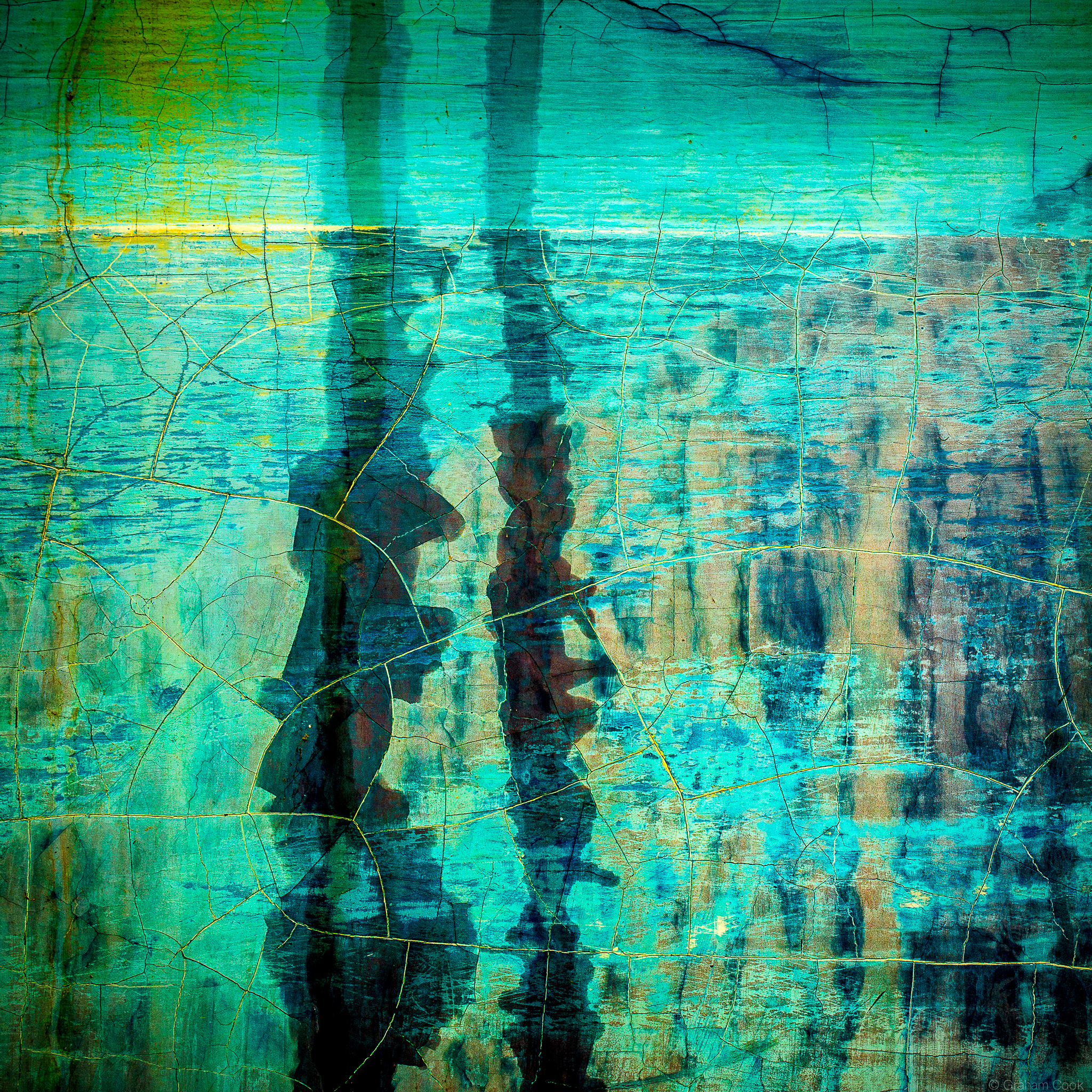
Graham’s abstract creations have been punctuating our social media feeds for a while now, prompting us to wonder at both his unique take on the world and also how the heck he does it. When he wrote a piece for On Landscape back in 2016, his opening line began “Photographically I consider myself largely anonymous….”
Well, that is no longer the case, and in March 2019 he will have a solo exhibition at the Joe Cornish Galleries which will bring his eclectic and personal images to a wider audience. Having seen some of his prints last year, I can say that it promises to be something rather special. ‘InnerVisible - The World Within : The World Without’ will be at the Joe Cornish Galleries from 9 March - 13 April 2019.
Would you like to start by telling readers a little about yourself – where you grew up, your education and early interests, and what that led you to do?
I’m a Kentish Man rather than a Man of Kent, having been born to the west of the River Medway. My family, and particularly my wife’s family, has a local history that can be traced back to 1620 so we do feel a strong connection with the area. But things are changing. I fear the essence and richness of history and spirit of community slowly being whitewashed by relentless urbanisation. With it come people with a narrow mindset and money worshipping sense of entitlement who chase a quite different history.
As an only child with a vivid imagination, my father was a huge influence. He came from that generation who seemed able to tinker with anything. His ‘shed’ was a veritable Aladdin’s cave of treasures and after he passed away, clearing out a lifetime of memories that most would consider worthless, was very emotional. An electrical engineer by trade, he could strip down and service a motorcycle or car, repair watches, engrave glass, put boats in bottles and play the spoons. He used to suspend himself from branches by his feet, which was no small feat. He had all kinds of instruments from crashed WWII fighters and on Guy Fawkes’ night, he would shave slivers from an incendiary bomb and toss them on the bonfire to startling effect. He anticipated really bad weather and stormy seas and would whisk me off at strange times of the day or night to experience the effects first hand.
As an only child with a vivid imagination, my father was a huge influence. He came from that generation who seemed able to tinker with anything. His ‘shed’ was a veritable Aladdin’s cave of treasures....
On a dreich day in January, Joe Cornish visited us in the Highlands and instead of going out and taking pictures, we spent some time looking through some of my favourite images from his 2018 Autumn across multiple visits to Scotland. We've added a gallery of the images seen in the video at the bottom of this page.
Here is a gallery of the images in the above video.
Theo Bosboom is a passionate photographer from the Netherlands, specialising in nature and landscapes. In 2013, he turned his back on a successful legal career to pursue his dream of being a full time professional photographer. He is regarded as a creative photographer with a strong eye for detail and composition and always trying to find fresh perspectives.
Theo's photographs are regularly published in magazines such as National Geographic (Dutch edition), GEO, Outdoor Photography and OnLandscape. Theo has won numerous awards and recognition in international photography competitions like Wildlife Photographer of the year, European wildlife photographer of the year and International Landscape Photographer of the year. Theo has published two photo books: Iceland pure (2012) and Dreams of wilderness (2015). Currently, he is working on a new photo book Shaped by the sea about the Atlantic coasts in Europe. Read our featured photographer interview with Theo.
Shaped by the Sea
Theo talked about his recent project, Shaped by the Sea where he explored the Atlantic coast of Europe, in every season and in all kinds of weather conditions.
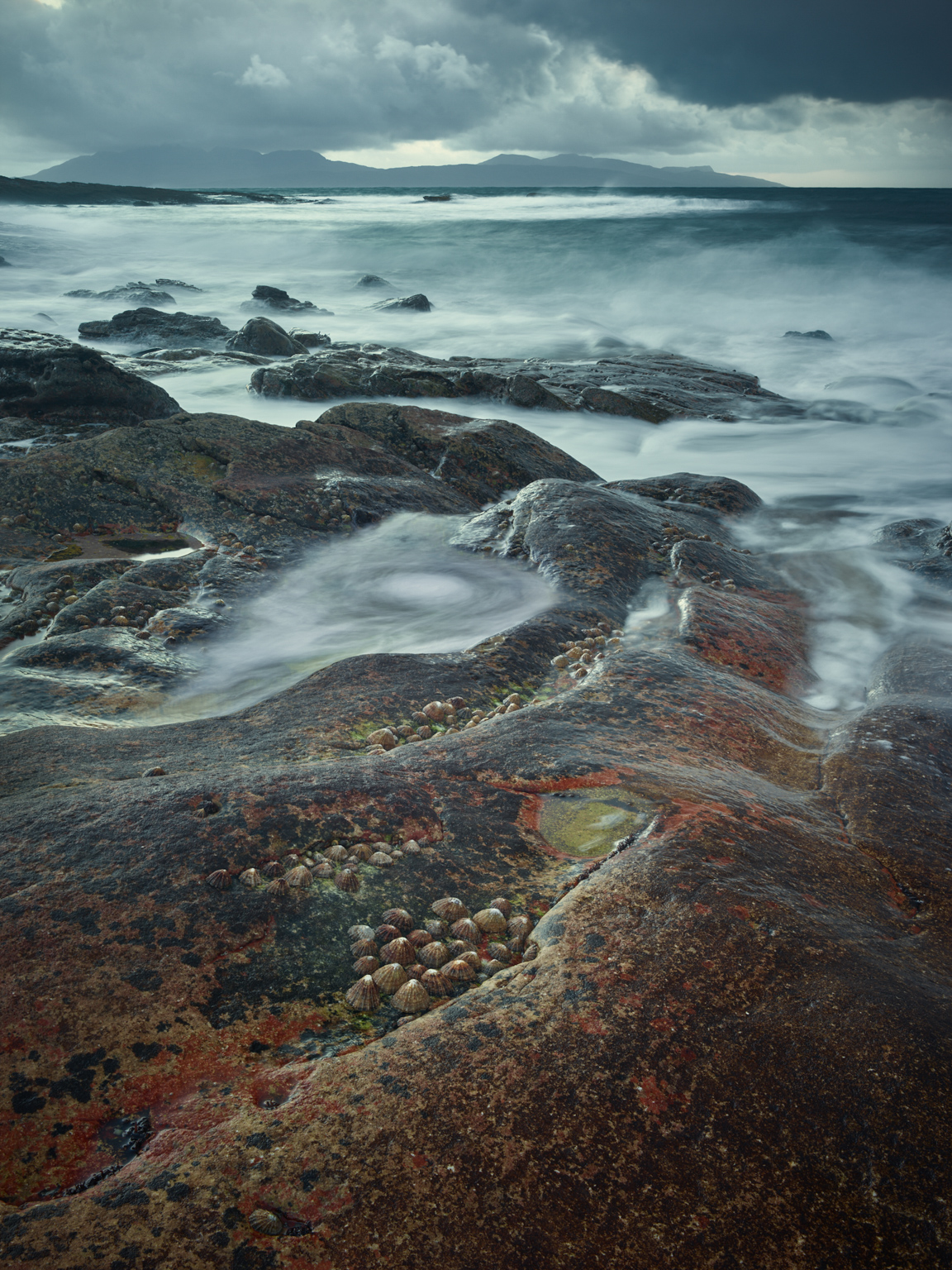
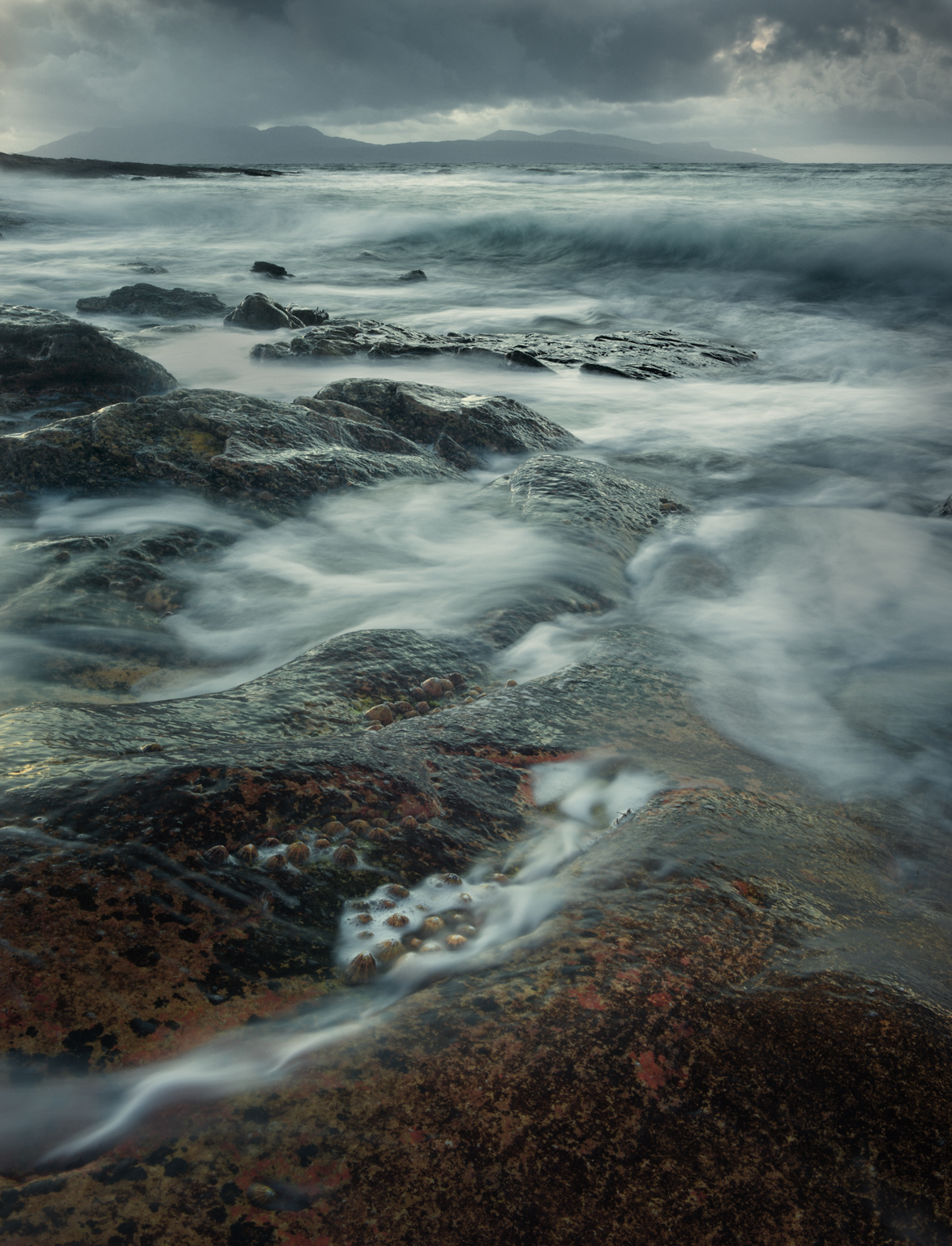
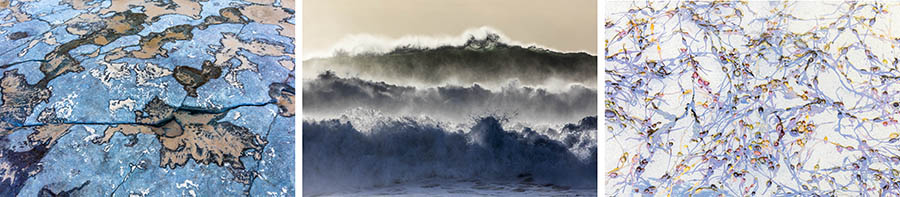
The work is a tribute to the power of the sea and to the dynamics of the beach. It shows how the sea is constantly changing and shaping the landscape, it highlights some of the creatures living in the intertidal zone and it reveals the variety of geological features along Europe's west coast.
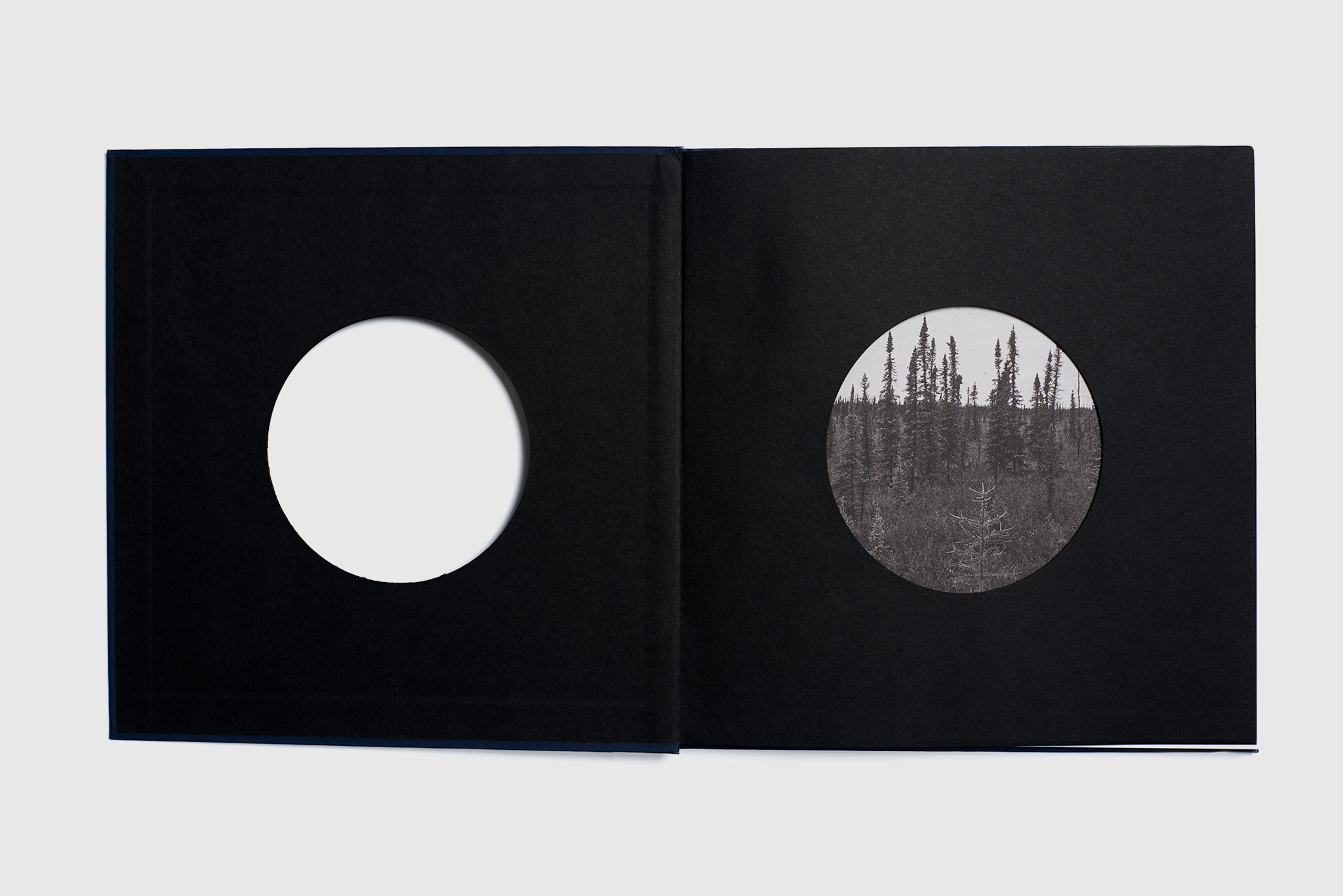
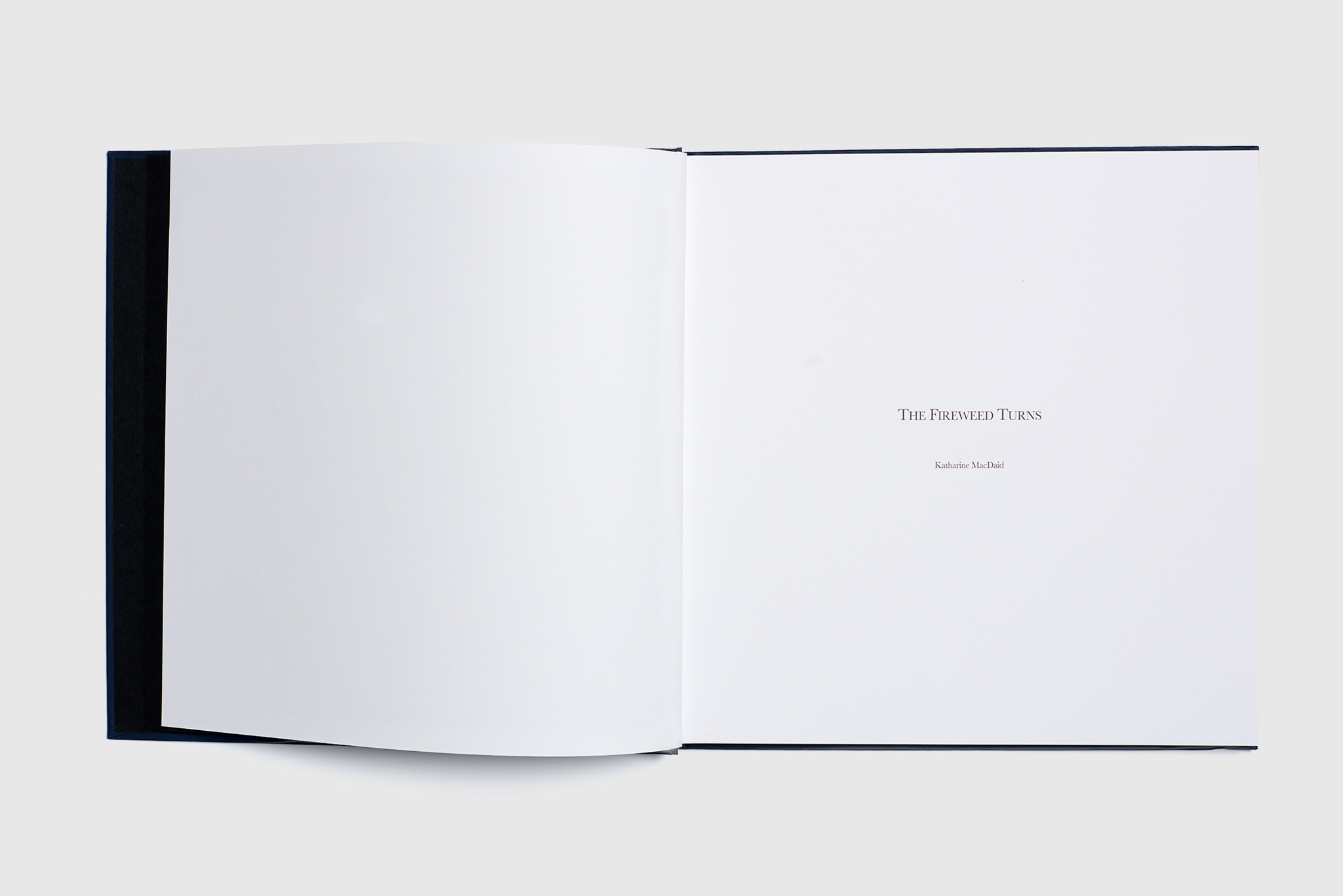
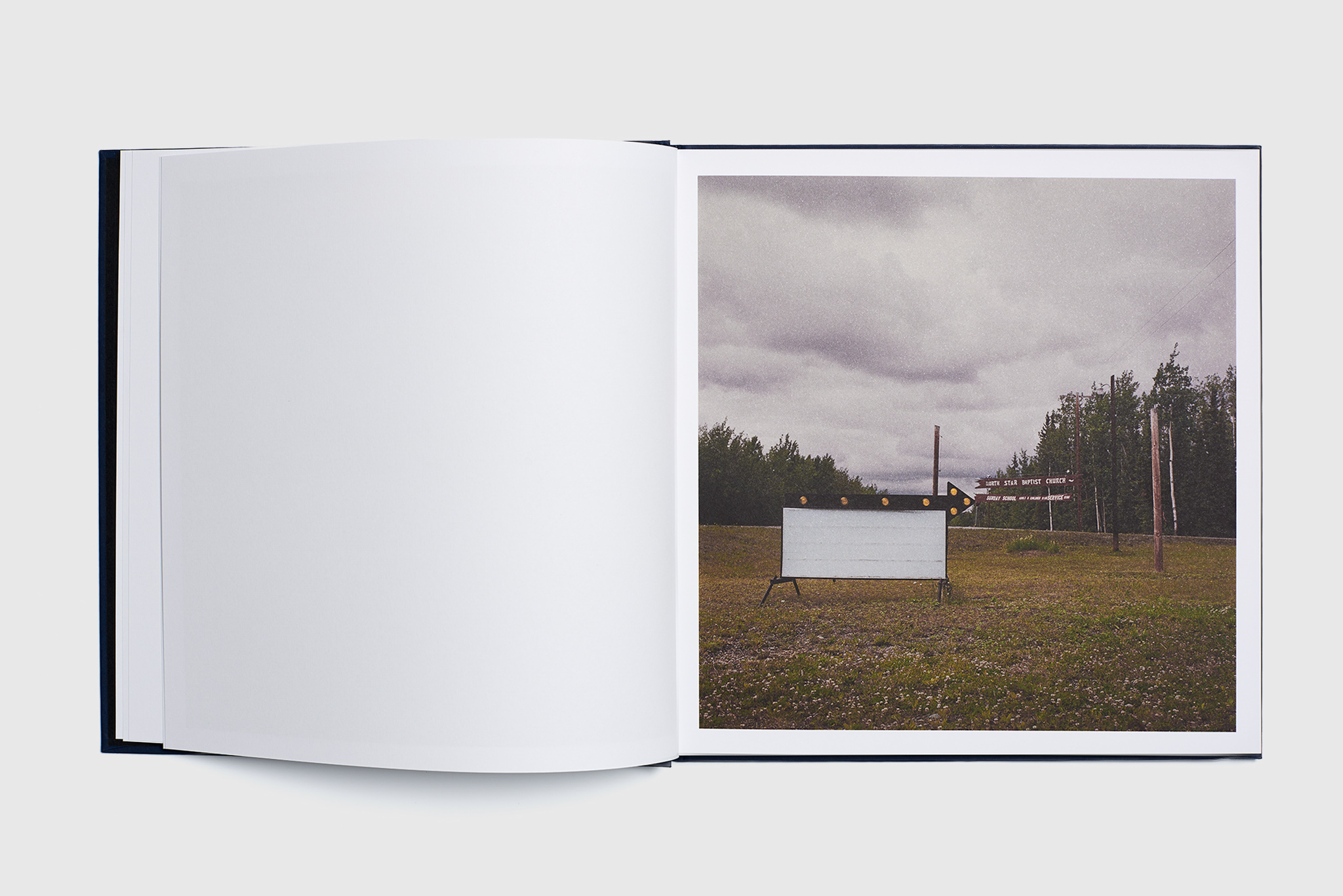
The Fireweed Turns takes place one summer in Alaska. Katharine MacDaid rented a jeep, bought a sleeping bag and a road map and set off with some half-remembered place names in a notebook. Alone in the landscape, MacDaid was both in awe and fearful of the desire that drove her.
Made to resemble a storybook, The Fireweed Turns considers the psychological power of Landscape. It is a story of shame and desire, about what is hidden and what is revealed.
Intrigued to find out more, we got in touch with Katharine to find more about her project and how she's gone about compiling the project into her first book.
What started your interest in photography and how did you come to choose it as a career?
My interest in photography started as a teenager. The chemistry teacher at school ran a photo club on a Wednesday lunchtime. We learnt how to process black and white film, I clearly remember standing alone in the science lab rocking a tank from side to side for what seemed like forever. There was only about three of us who would show up, and we would stand around Mr. Warne as he loaded a negative into the enlarger. Around the same time, my best friend and I were spending almost every Saturday night at a club in Soho, it was the late 1990’s and there was a bit of a Mod revival scene. I started taking my camera with me and shooting at the club. I printed a portfolio of images and after finishing A ‘levels, I did a foundation course at Kingston University. My final project was a series of portraits of the boys and girls from the club scene, I still have them on my website. I knew I wanted to be a photographer from then on, there was nothing else.
You graduated with an MA in Photography from the Royal College of Art - How useful did you find an academic course in photography?
It was a complicated experience, it was overwhelming in a lot of ways, but it was a fundamental education for me. I was very shy when it came to my photography, not producing the work, but conceptualising what I was doing. I knew on a very instinctive level why I made work, which at that point at the RCA was a series of photographs of my parents who had just retired and moved to the middle of England but trying to formalize that feeling into a concrete explanation really troubled me. From a distance, 12 years on from graduating, I’m so glad I went through that process. I’m confident in the work I make, but I’ve also worked out what it is I use photography for. I’m not embarrassed to be straight forward in how I talk about photography. The complexity is in the work, not in the blurb.
Your early projects are mainly portraiture based, what inspired you to move to landscape photography?
In my final year of my BA at Napier University, I was making work about a group of friends in Orkney, about their ties to the island, the push and pull of belonging. I started to photograph the landscape as a metaphor for these complicated feelings. I guess it’s a very romantic approach; landscape as a representation of emotional expression. It’s still how I approach landscape photography. In Orkney, I was using a Bronica 6x4.5, which is so light and easy to wander around with and was holding it low to the ground trying to combat the huge sky. The only time I have ever sensed the curve of the earth was in Orkney, you can almost see it, the land is so flat and there’s nothing blocking your view.
Tell us about The Fireweed Turns project - how did it start?
It began because I was finding it so hard to untangle a huge project I had made in the Sultanate of Oman, and I thought by stepping away from one body of work and making another, I could work everything out. I had recently moved back to London from Oman and was teaching photography. I had a really long summer break ahead of me and decided to put my Alaska plan into action. I had been thinking about returning to the Pacific Northwest for a long time, my father still had a contact there from the days of working on Amchitka, so I got in touch with him and talked through some basic practicalities. From there it was a case of getting to Anchorage, then up to Wasilla where I rented a vehicle, bought a sleeping bag and a cold box and hit the road with a book of half-remembered place names.
You mentioned in the exhibition information "The landscape of the Pacific Northwest was rooted in my memory and imagination at a young age. When I was nine years old, my family moved from the Sultanate of Oman to America." Tell us about how this influenced your photography and the impact the American landscape had?
It was a massive shift, moving from one particular landscape to another. I had grown up with sand dunes next to my house and an arid, rocky mountain range behind my school. Then at nine years old, moving to America, to the Pacific Northwest, it was all dark forests and rain. I think the radically different landscapes probably affected my understanding of the world, the contrast of one place to another, that sense of feeling outside a place looking in because you can see it is so clearly different. And where do you belong? As a kid, the cultural landscape really influenced me too. America was much more vivid, more intense. Perhaps the major influence on me when I later learnt to use a camera was the desire, the need, to make sense of my surroundings…
"When I was a young girl my father worked on a remote island in the Aleutian Chain and would come home with stories of the men and the landscape, both strange and incredible." Did your memory of the landscape match you later experiences of it and how did these stories affect your work?
My memory of the landscape from when I was a kid was in some ways quite innocent, I had a sense of it being not entirely benign of course, but returning there on my own as a grown woman, I was discovering the landscape anew. The stories were a way of tuning in, the characters made sense once the landscape became apparent, I recognised to some extent how the landscape shaped them, or maybe I unconsciously searched them out…
"The Fireweed Turns project is a story about shame and desire, about what is hidden and what is revealed… " How did you build this narrative around the images to develop this story that has become the book.
I used images in which the situation seems slightly uneasy, where there is something you can’t quite put your finger on, and gradually the more images you see, the more you realise that feeling is not letting up. There is no image that allows a happy resolution, and the terse, objective texts reinforce that. Nothing is explained, nothing is concluded or resolved. There are hints of a complete story, but no more. Every image is a question. What is it? Why is it there?
How did you go about choosing and sequencing the images to tell the story?
With help! I work really closely with my partner, the photographer Chris Harrison. The first, initial edits were done with him, choosing which images immediately worked, which could be put aside straight away, and which floated in the middle somewhere. It might be different for some photographers, but with a big project like this, I need objective input. Even when I shoot a straight forward portrait and I’m confident which one to choose from the contact sheet, I always ask Chris for a second opinion (and vice versa by the way). After the initial edit, I worked on the text for a long time. Then I worked with a very close friend, Claudia Arnold, to design the layout, which involved looking at the sequencing more closely, how the text played a role, how the rhythm of the images worked. And finally, weeks before sending the document to the printers, I changed a few images and didn’t ask anyone. I think I suddenly felt I knew the work, I knew exactly what I wanted.
What visual (and non-visual) narrative did you want to leave the reader with when you were working on this project?
A tutor of mine once said, very simply, “…one always brings their own narrative to the work”, and I really like that idea, that a viewer/reader will understand any work through their own experiences, desires, doubts, and so on, even if there is an unambiguous message. With this project, the narrative is very open for interpretation, but my aim was for an atmosphere of uneasy melancholy, a sense of the mysterious.
You choose to work with colour negative film. Can you tell us more about this, the cameras you use and how this process has affected your work? Do you think photographic film offers something distinct from digital photography?
I use a Hasselblad with a standard lens, 80mm. I have used the same camera for the last 14 years. I rely on natural light, and often only shoot a couple of frames at most for any image. I think working this way is quite specific to using film, I can’t check the pictures, I just shoot and move on. I can often sense if it’s worked or not, although I have been disappointed on occasions, as well as happily surprised… I have a feeling it might change something if I was to switch to digital, but maybe that’s overly romantic. I feel really comfortable with film, I trust my working method, but it can be an expensive process. I used to spend a lot of time printing in a colour darkroom, I would love to handprint of all my work, but now it’s much easier to have things scanned. I make a lot of hand-made books too, so I make huge amounts of digital prints to work with, just on my Epson printer.
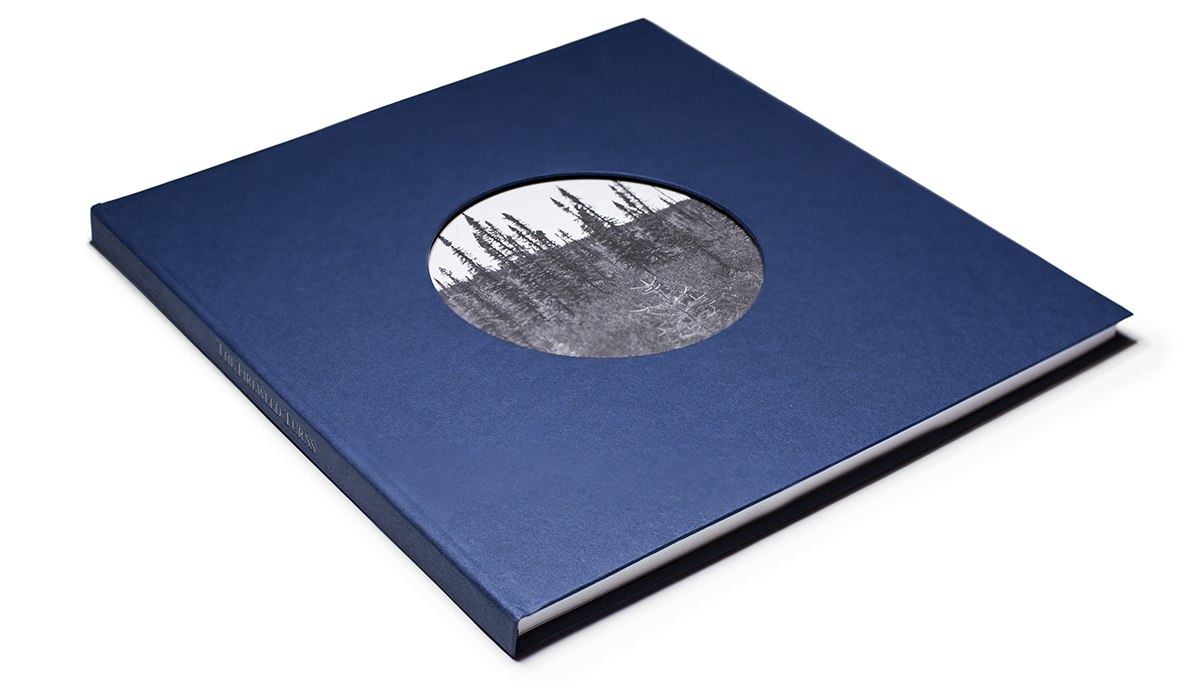
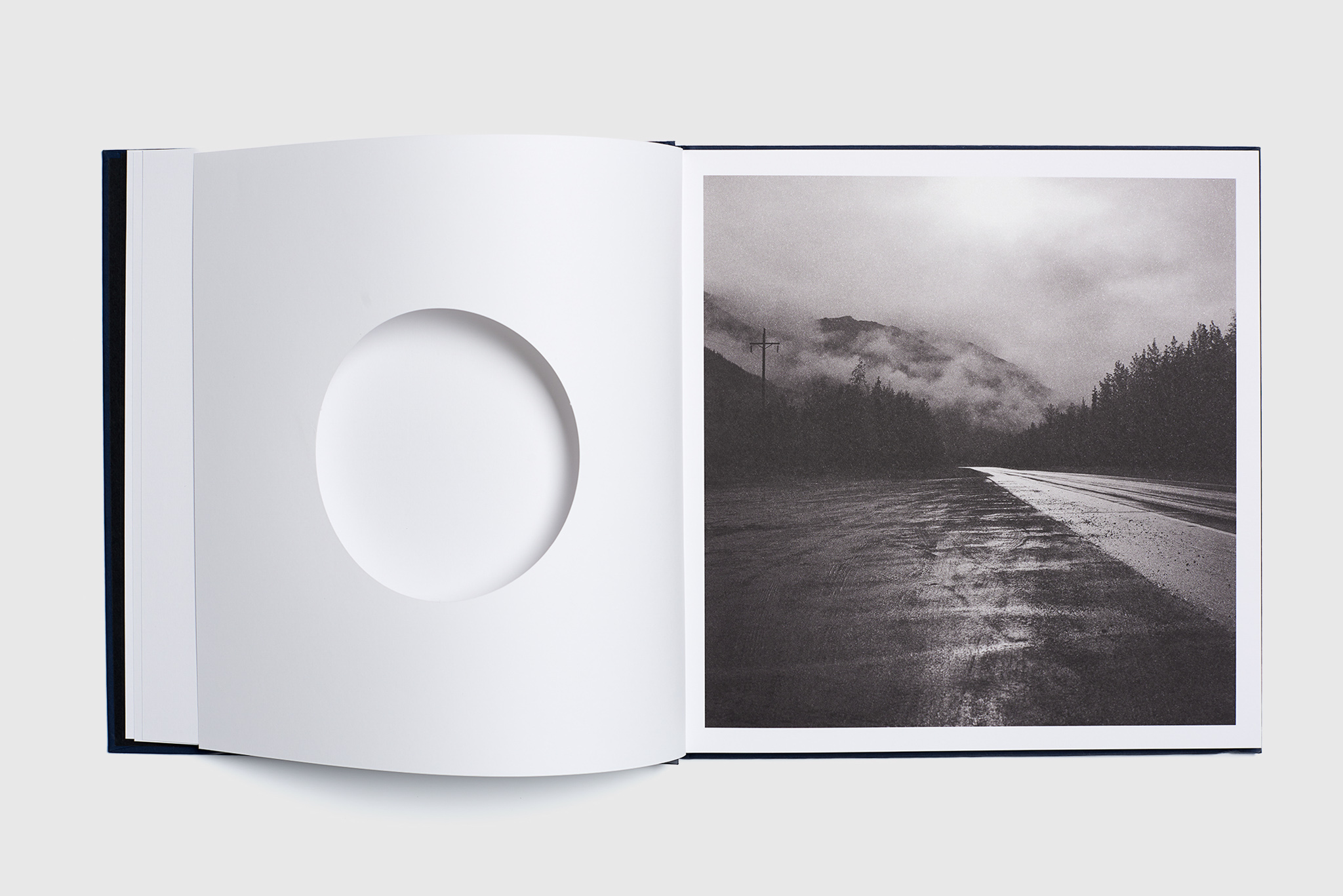
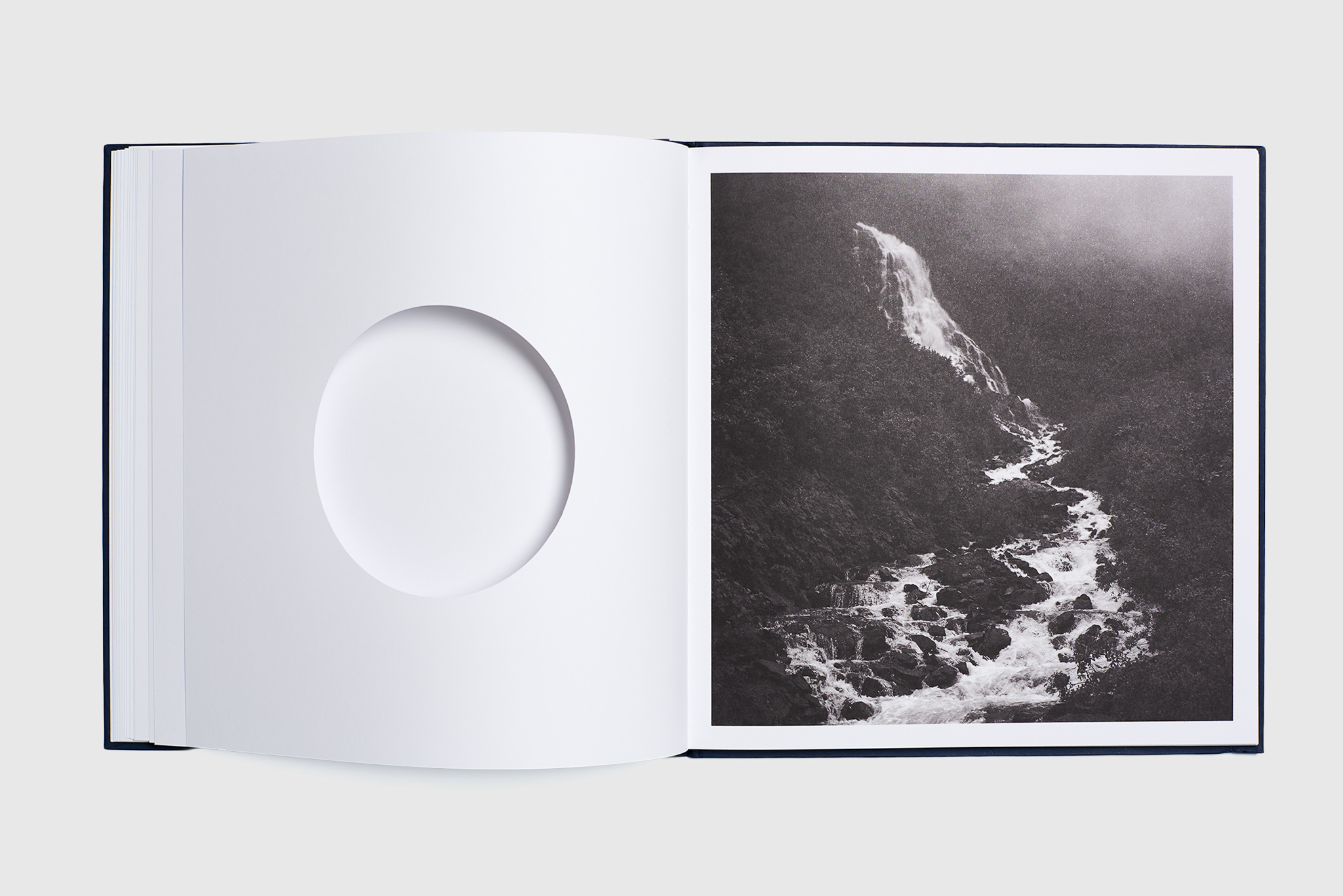
This is your first book which consists of 88-pages, including 8 circular die cuts, 18 colour photographs, 15 black & white photographs and 7 texts. How did you decide on the format of the book and binding e.g. size and paper, print type?
It was through the process of building the conceptual thrust of the work… I wanted it to have the feeling of a storybook, hence the size and square format. The die cuts, which are circles, came from thinking about old storybooks with illustrations at the start of a chapter. At first, I was using circular black and white images, but it was on showing the work to a colleague that the idea for actually cutting out a circular window began. Lots of decisions grew slowly over a long period of time. The use of slightly heavy, uncoated paper was another factor in conceptualizing the work, the ink sinks into the paper, there is a texture to the surface, it’s not so ‘photographic’…
Tell me what your favourite two or three photographs from the book are and a little bit about them (please include these images in the ones you send over)
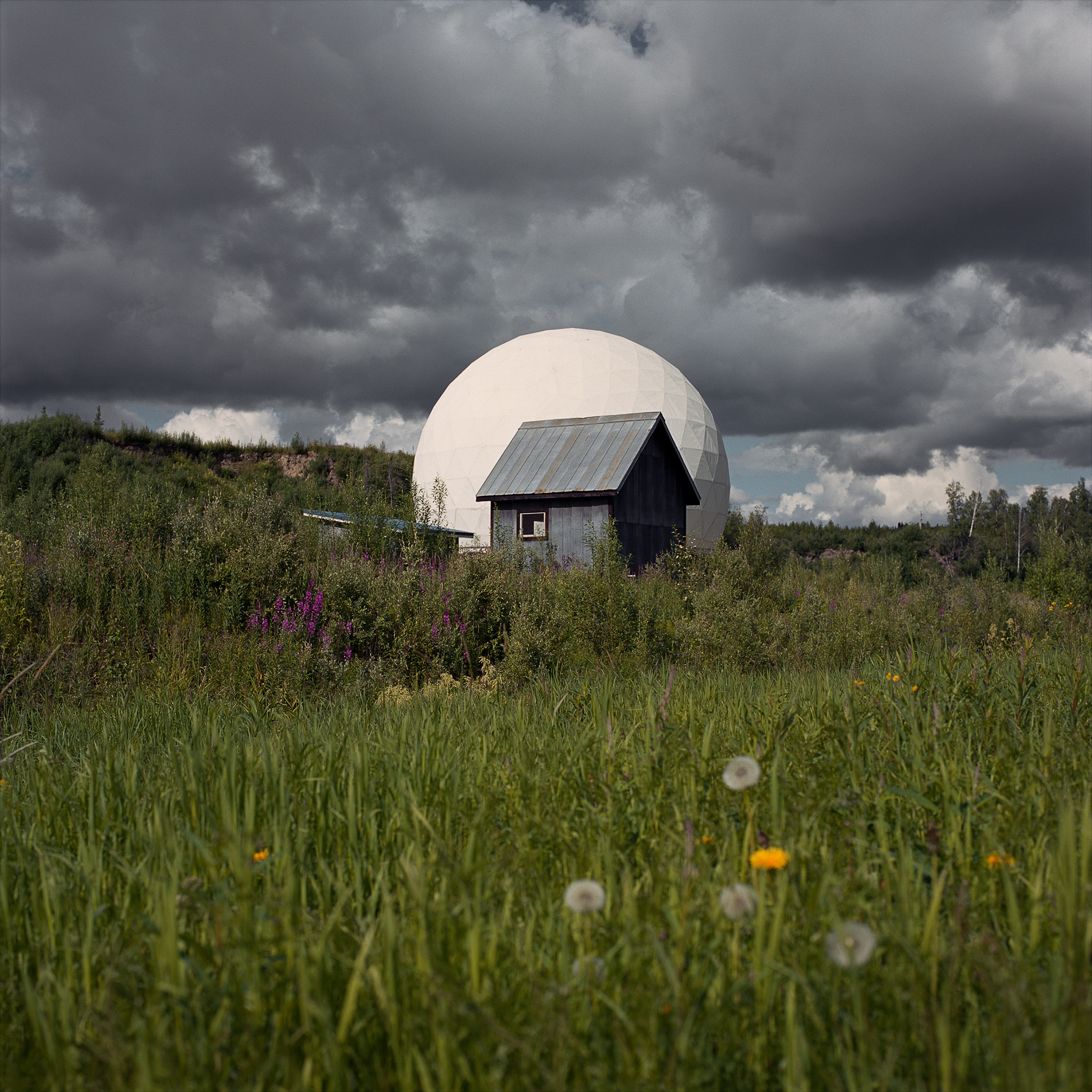
The photograph of the radar behind the little shed is one of my favourites. I remember driving past it on my way north on the Richardson Highway, seeing this looming white ball against a strange sky. I didn’t realise at the time that it’s a radar, which is what my father was building in Alaska back in the late 80’s, early 90’s…
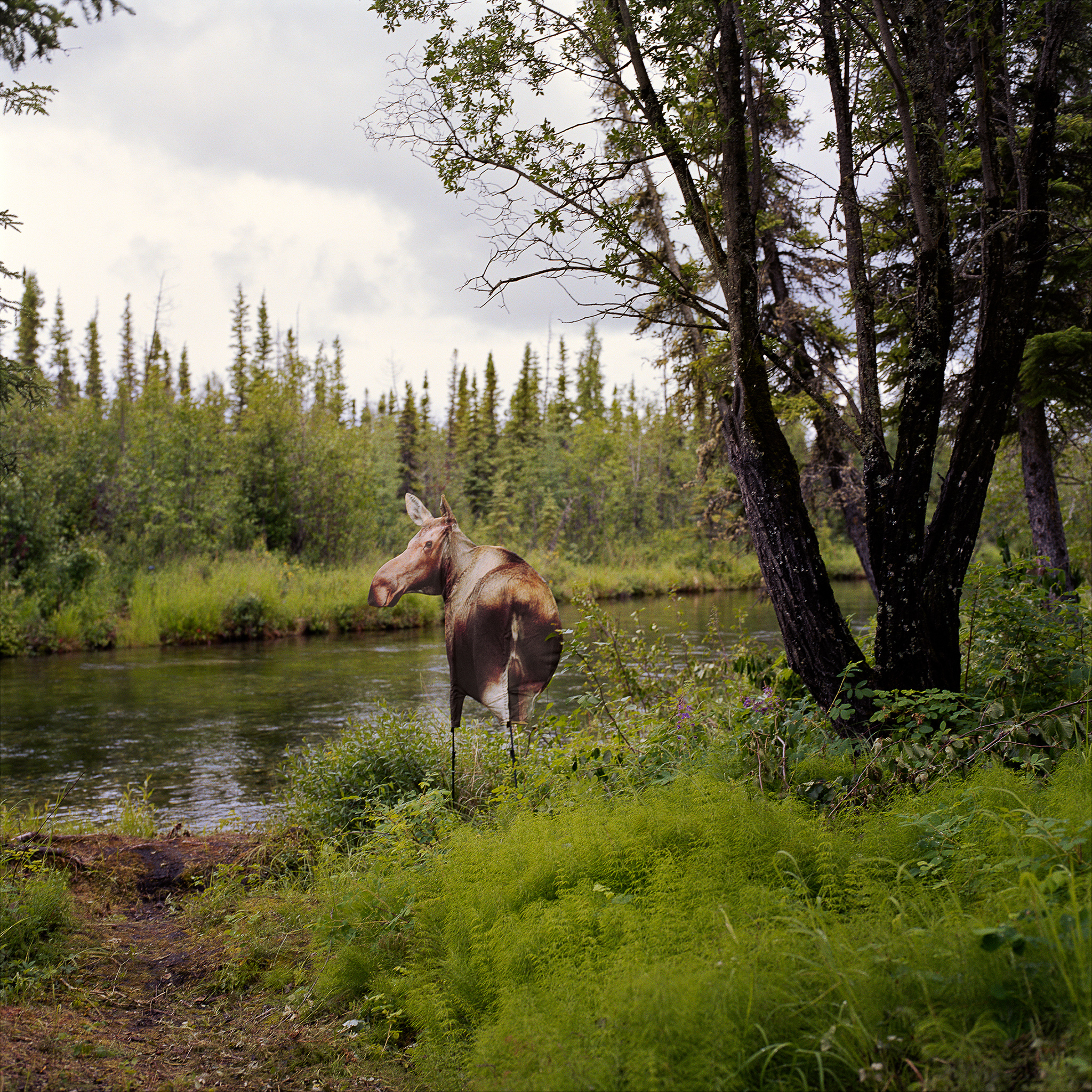
There is a photo of a moose decoy, and I am not totally sure how it works, but I think it is a female moose used to attract males, for hunting. I like it because it looks so real. Almost everyone stops at that image and looks again, because for a moment they think I’ve photographed a real moose. When you realise it’s a flat object, it’s an unsettling feeling. I like that a lot.
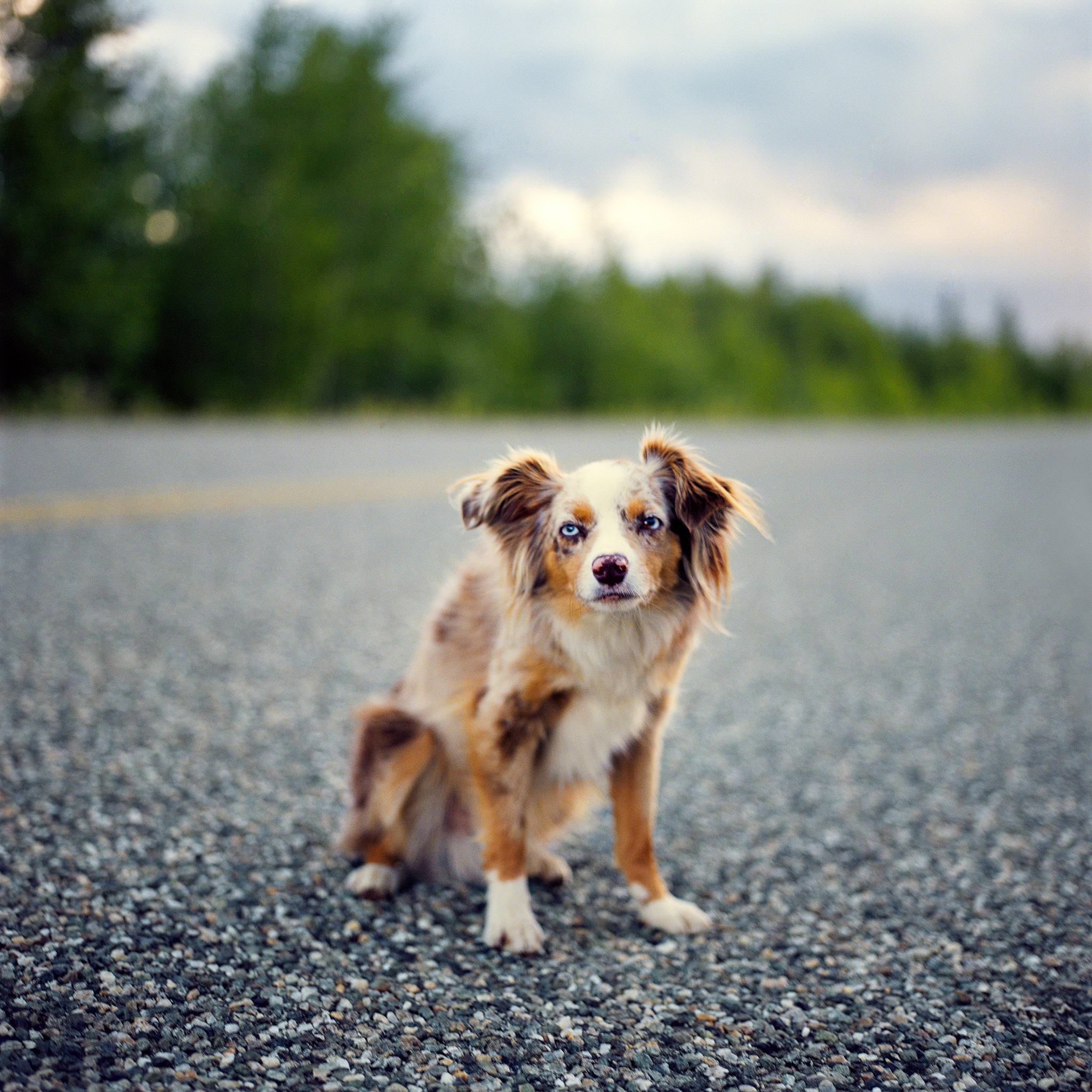
And a third one - the odd little dog at the end of the book. He’s just so strange looking, like a character from a story. And he’s really looking back, it’s a portrait rather than a photo of a dog.
What sort of post-processing do you undertake on your pictures? Give me an idea of your workflow.
I do rough scans first, I have a Nikon scanner in my studio, it’s quite basic but I can print out workprints from the scans to start the editing process. Then I have been using a Hasselblad X5 to scan the selected images, renting one for a few hours as needed. I thought they were my finals – a set of 3Fs, but then I got the images for the book Drum scanned and the difference was incredible. Tim helped me to process the drum scans in Lightroom initially, which was a huge help, but I’m much happier using Photoshop, which is where I’ll end up processing the images for print.
What is next for you? Are there other projects that you're working on?
The next place I’m interested in is Northern Ireland. I was born in Belfast, where my mother is from, my father is from Derry. I lived in Belfast for a couple of years when I was a young teenager and as a kid, we’d always spend time in Belfast and Donegal in the summer. A few years ago, while photographing on the Isle of Barra, I met a local guy. He was very reserved, yet after a drink, began to guardedly ask me about my surname. He was an anthropologist and had been doing fieldwork in Ireland. He slowly began to tell me about the family names of Inishowen, where it turns out, he had studied my surname… By the end of the evening, he was imploring me to go back and find my faeries. To return to my land and feel the soil beneath my feet, to connect to the very roots of who I am…
Katharine would like to invite you to the launch of her self-published book, The Fireweed Turns, on Thursday 14th February at The Photographer’s Gallery, London, 6pm-8pm.
Last year, I took a writing workshop with one of my favourite authors Craig Childs. A group of mostly strangers from various backgrounds came together on a Nature Conservancy property in northeastern Oregon to soak in his wisdom. In the weeklong class, we tapped into our natural surroundings, philosophised with the other students, and camped under the stars.
I attended the session for a few reasons. Obviously, I sought to improve my abilities to write andEven though many yea develop story ideas. Maybe less obviously, I also hoped the workshop would poke my brain in new ways to influence my photography. “Cross-training,” or the notion of immersing oneself in a different creative outlet, often helps me navigate through the cyclical flow of self-expression when I’m feeling stale and uninspired. The writing workshop provided just the jolt I needed. Of the many lessons I took with me, one was powerful enough for me to scribe it across one of the pages in my notebook in all caps: SAY YES.
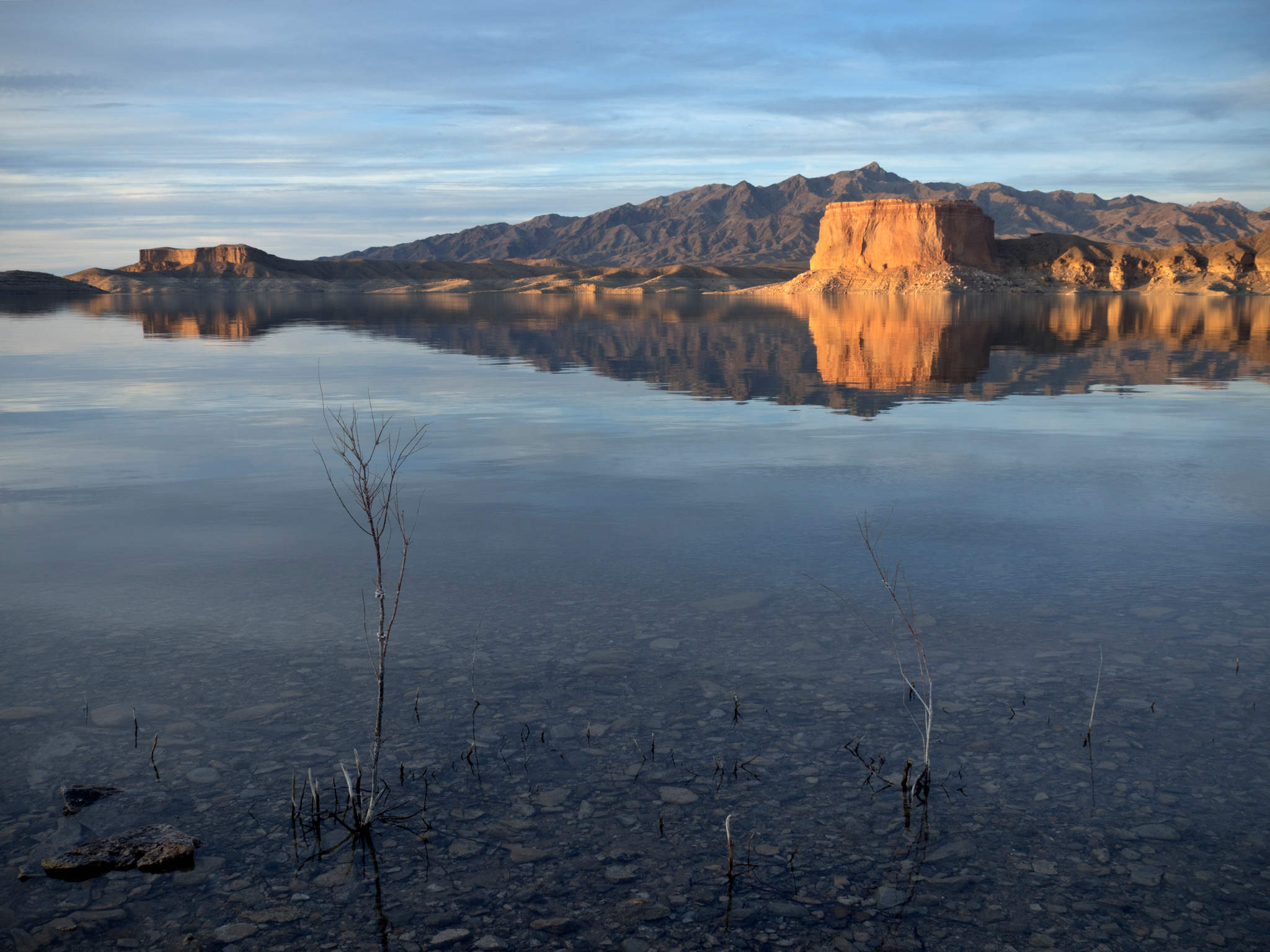
The Temple glows at sunset and reflects into the glass-like waters of the Colorado River in Lake Mead in the Lake Mead National Recreation Area on the Arizona-Nevada border.
I’d heard this notion once before, long before I ever held a camera in my hands. In the late 1990s, a friend and co-worker had invited me to watch him perform with his improvisation theatre group (similar to the British TV show, and later the American adaptation, “Whose Line is it Anyway?”). I marvelled by how seemingly easy it was for the cast to develop immediate relationships, compelling story-lines, and unexpected punchlines—all without the assistance of a script. After the show, I asked my friend, “How do you do that?”
Every experience leaves you with something, even if you do not notice it. It is not about memories, but sensations. I was lucky to spend a few days last summer at the Isle of Harris, Outer Hebrides, in a particular period of emotional chaos.
I knew it was beautiful, wild, and colourful. But I could not imagine how strong it was bound up with my feelings, which came out suddenly, at every new sunset or sunrise that I photographed.
Harris is an island with a precise tone that can make its voice heard. Everything is connected to the Ocean, in all its forms. And with this little project, I tried to show what is Harris for me. What it meant to me.
Harris is Tide
The tide accompanies and scans all hours of the day. It retires, to show sand games and tired purple jellyfishes, but also small animals building mosaics under my unbelieving eyes. And then it goes back silently, up to cover those golden sandy expanses. Again and again. Like in a mystic cycle of life.
Harris is Rocks
The rocks of Harris, the Lewisian Gneiss, the oldest rocks in Britain and some of the oldest in the World, have been polished by the waves for millennia. They are so ancestral, magical and smooth to retain all the minerals and make the drinking water light and special. In spring they are covered with purple flowers and in winter they remain there, naked, immobile and fearless, listening to the song of the sea.
Harris is Sheep
Many, soft, funny sheep all around, always climbing on slippery ground, eating very thin grass in summer and still in winter under a snow whiter than them.
All these emotions captured with my camera in this project, not only the breath-taking landscapes but the essence of Harris's voices and colours.
Harris is Colours
The beaches of Luskentyre and Scarista are amongst the most spectacular. It is impossible not to be fascinated by the beautiful colours that the sky assumes when it meets the Caribbean green Ocean that bathes Harris. And here we see all the nuances, from blue to purple mixed in a poem that changes, darkens, sometimes blind by the rays of the sun, proud to be so unique.
Harris is Spirits
The essence of Harris is captured by the taste and scent of his Gin and Whiskey, which reflect the generous character of the island and the people who live there.
Harris is Tweed
Harris Tweed is a tweed cloth that is handwoven by islanders at their homes. The simple and unique Harris colours, combined together give shape to beautiful fantasies.
All these emotions captured with my camera in this project, not only the breath-taking landscapes but the essence of Harris's voices and colours.
Twelve photos, from the blue of the early morning and the gold of the sunrise to the pink of sunset.
Each picture tells a moment, a note, a shade of colour of the day I lived. And it's beautiful because it was unique.
Each one is a painting, drawn by the Ocean, heard by Nature…and appreciated by anyone who has the heart open to listen.
Whilst thinking about the image to discuss, I looked at many traditional landscape shots, pondering on what makes an interesting image to write about. I initially thought about a Jem Southam shot, he was the photographer for me that changed my attitude to not only landscape but all photography. He showed me that by using repetition in my work could add to its power.
After all my deliberations, I decided to try to look at the image that was not just a pretty or thought-provoking thing, but something far more compelling. I looked for an image that could partly communicate sadness, but also be part of a continuing story.
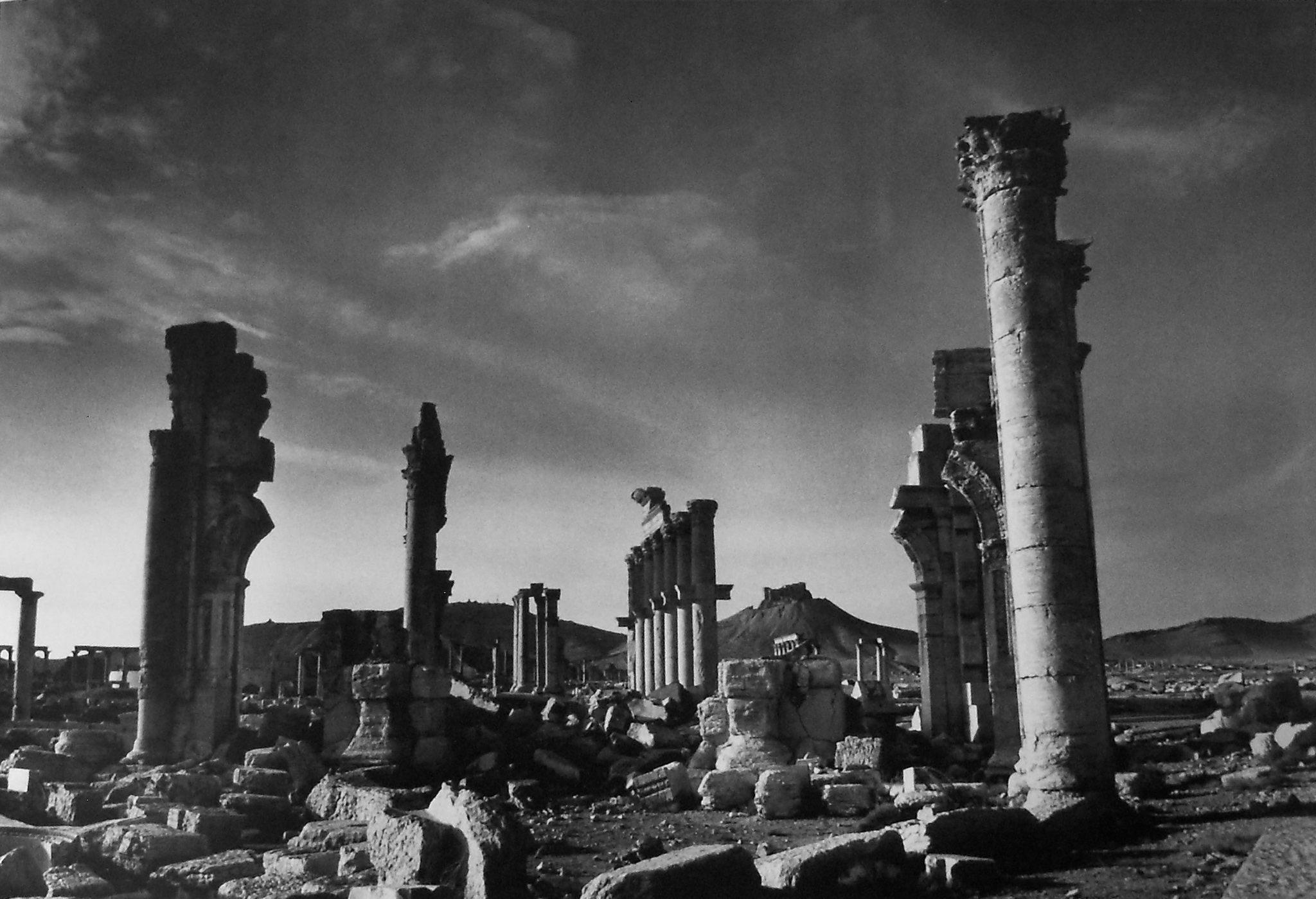
After looking through many images I chose ‘Destruction of the Monumental Arch 2018 by Sir Don MucCullin. The 3rd century arch has been under the control of many great empires, including the Roman, Byzantine and Timurid. Its partial destruction in 2015 by ISIL made headlines around the world. The site is in the middle of the Syrian Desert and is a UNESCO world heritage site.
During Christmas 2018 my daughter brought me a gift, it was The Landscape by Sir Don McCullin, I unwrapped the crisp plastic wrapping and sat down on Christmas morning to look at my new photo book. The publication is the last instalment in a series by don, which documented many years of his work. I also have another in the series called My England, which is a hybrid collection of street and landscape photos and showed off the skill of McCullin’s varied work. He says; I do not take photographs I think, but most importantly he makes the viewer think.
My featured image is influenced by the work of the great Victorian explorer photographers, such as Francis Frith. His picture Koum Ombo Near View is from his book Upper Egypt and Ethiopia published in 1863. The Victorian’s used new technology to document the skill and purpose of past societies, so allowing it to believe that it was a better version of an earlier civilisation. Frith also shot many scenes in England during the nineteenth century.
As mentioned the area has been the centre of destruction by ISIL. But the image asks more questions than it answers. Why did McCullin take this shot? Was it a comment on the abhorrent action? The columns themselves look brittle and weak, but by the look of the debris took an enormous amount of explosives to destroy.
Though shot in the middle-east, the images have ghosts of early pre-Raphaelite photography. They documented ruins in a very similar way to don. Their images were a reflection, in their eyes of a fairer, nobler society before the Industrialisation of Victorian England, which in their opinion had supposedly tainted the land and the soul.
There are still remnants of the arch, lone columns in the foreground and intact columns in the background, suggesting that more of the site survives intact than first thought. The sky has been dodged within the image to make it a lot darker than it originally was, this trick adds to the tension of the piece.
The Syrian picture has so much baggage associated with it, I suspect the frame was an example of religious madness and what it can lead too. Something McCullin came up against time and time again during his work.
It is an image of many sides, not strictly a war or landscape shot, it sits somewhere in the middle, this gives you freedom artistically to question the image. As with many black and white shots, one of the first things you notice are the textures, they seem exaggerated in the desert light.
The scene of destruction could be why Don was drawn to this area, it looks like it has just been bombed, the image documents a crushed and repressed area. The narrative he has used maybe mirrors McCullin’s view on the world at that point. There are still remnants of the arch, lone columns in the foreground and intact columns in the background, suggesting that more of the site survives intact than first thought. The sky has been dodged within the image to make it a lot darker than it originally was, this trick adds to the tension of the piece. The rubble at first glance looks as it should be, but on closer inspection, the columns have appeared to have been cut, which suggests human not natural change. It is not known whether the rubble has been moved to its present site or if it was moved after the attempted destruction.
The picture is almost scorched into the page, but more interestingly, it frees you to look at your own work. Forcing you to ask, why do I take pictures? Where do they fit in my overall vision? And whether the images I take resonate with my target audience? This image in all its beauty and sadness fulfils the mantle of a successful picture, it makes you think………………
Do you have an image you'd like to write an end frame article on? Take a read of our previous end frame articles for inspiration! We are looking for contributions for forthcoming issues. Please get in touch with Charlotte Britton directly.
Welcome to our 4x4 feature which is a set of four mini landscape photography portfolios submitted from our subscribers. Each portfolios consisting of four images related in some way.
Submit Your 4x4 Portfolio
Interested in submitting your work? We're on the lookout for new portfolios for the next few issues, so please do get in touch!
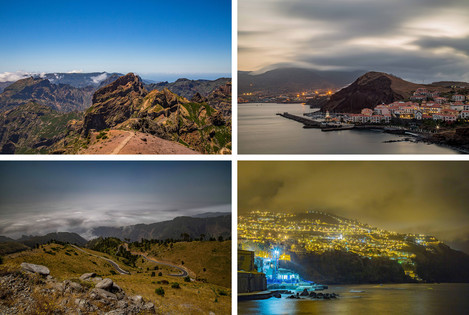
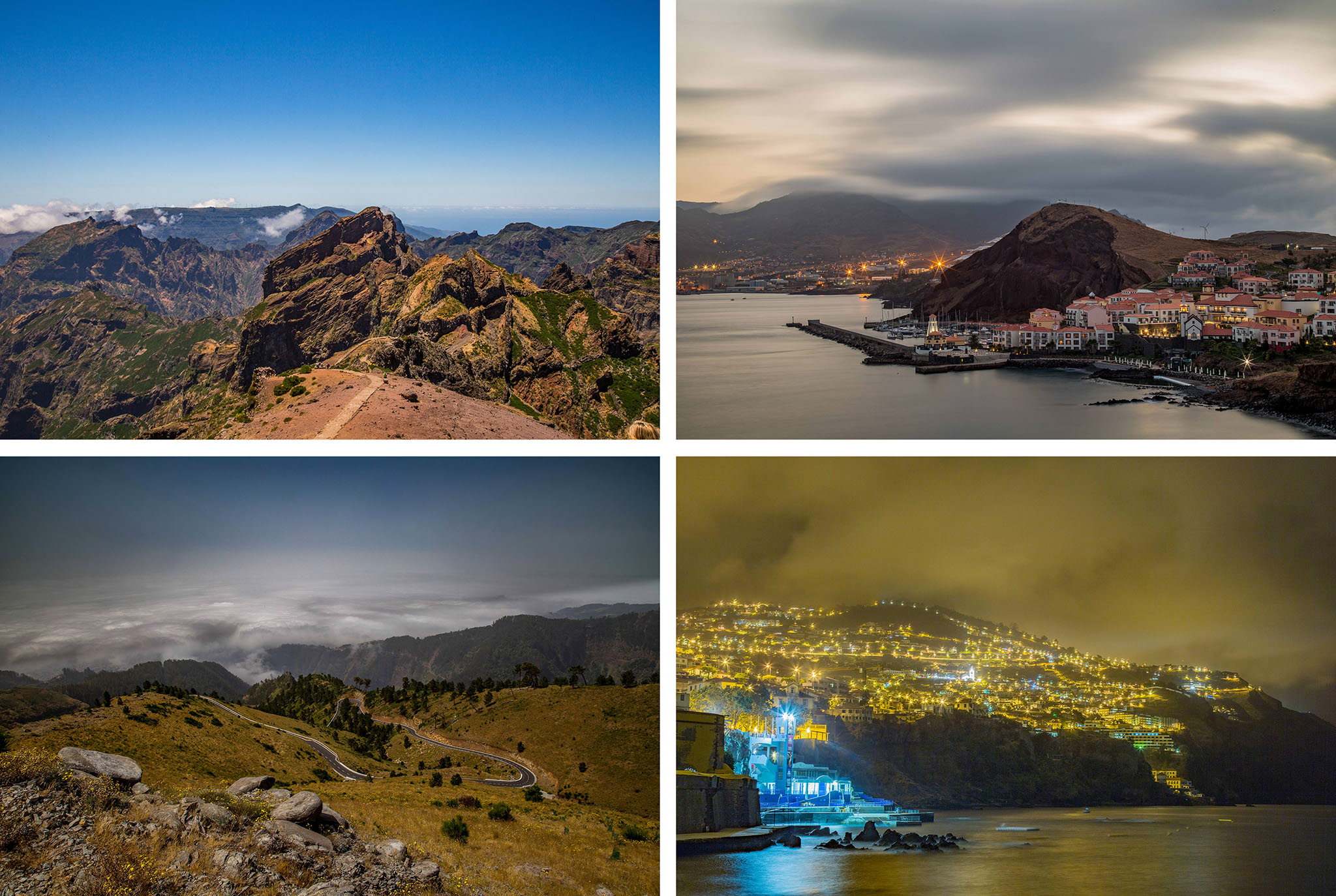
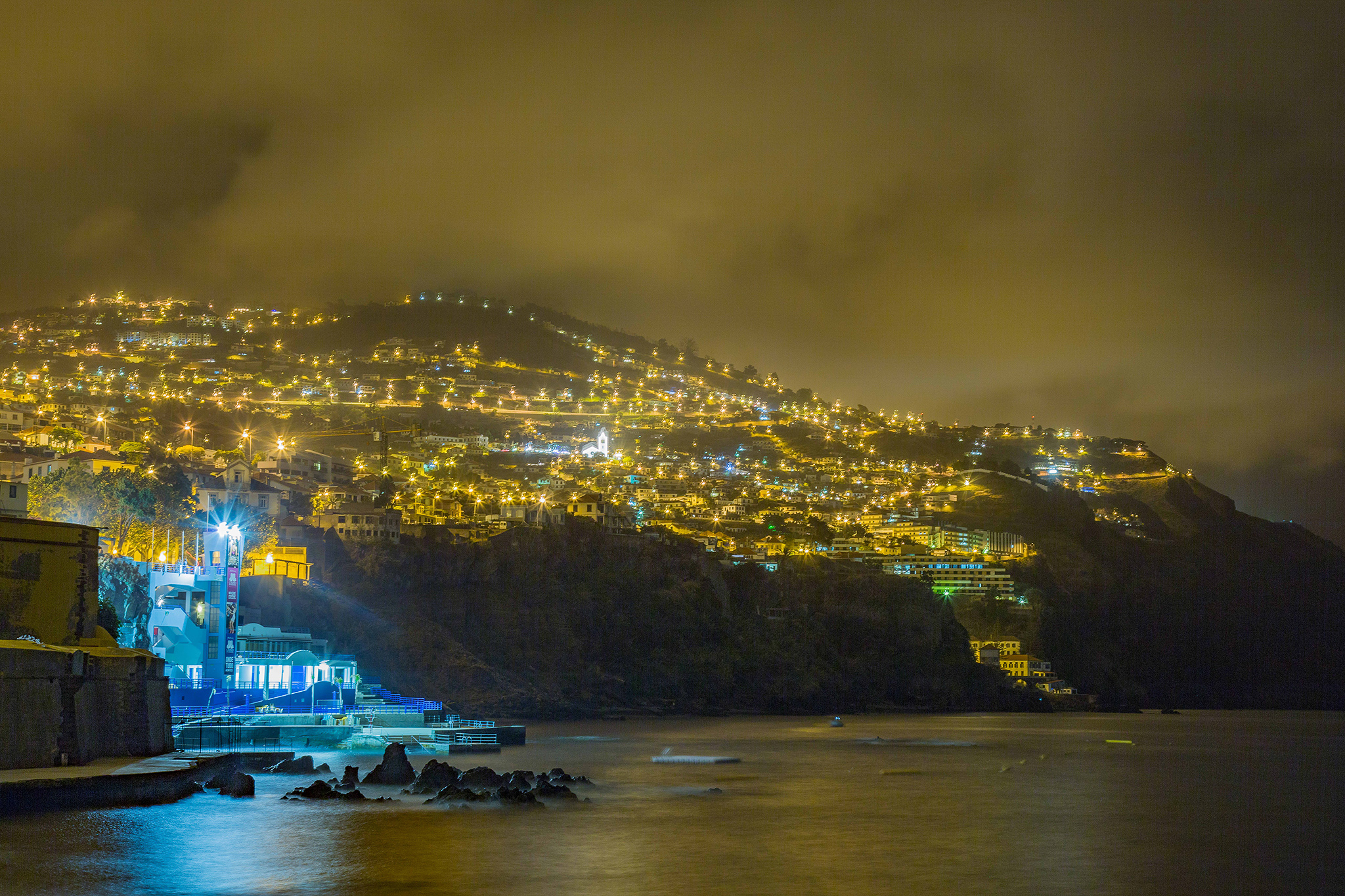
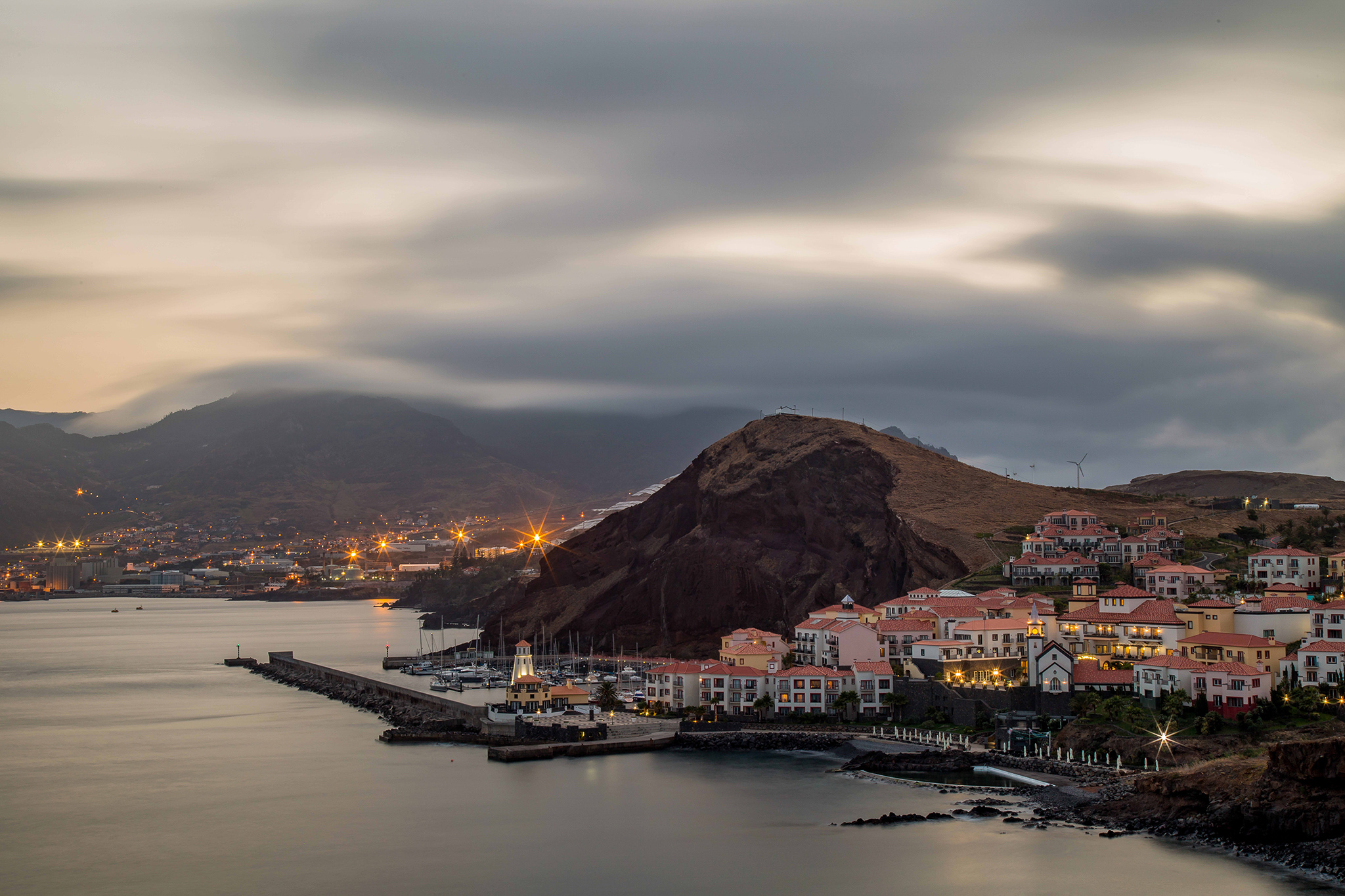
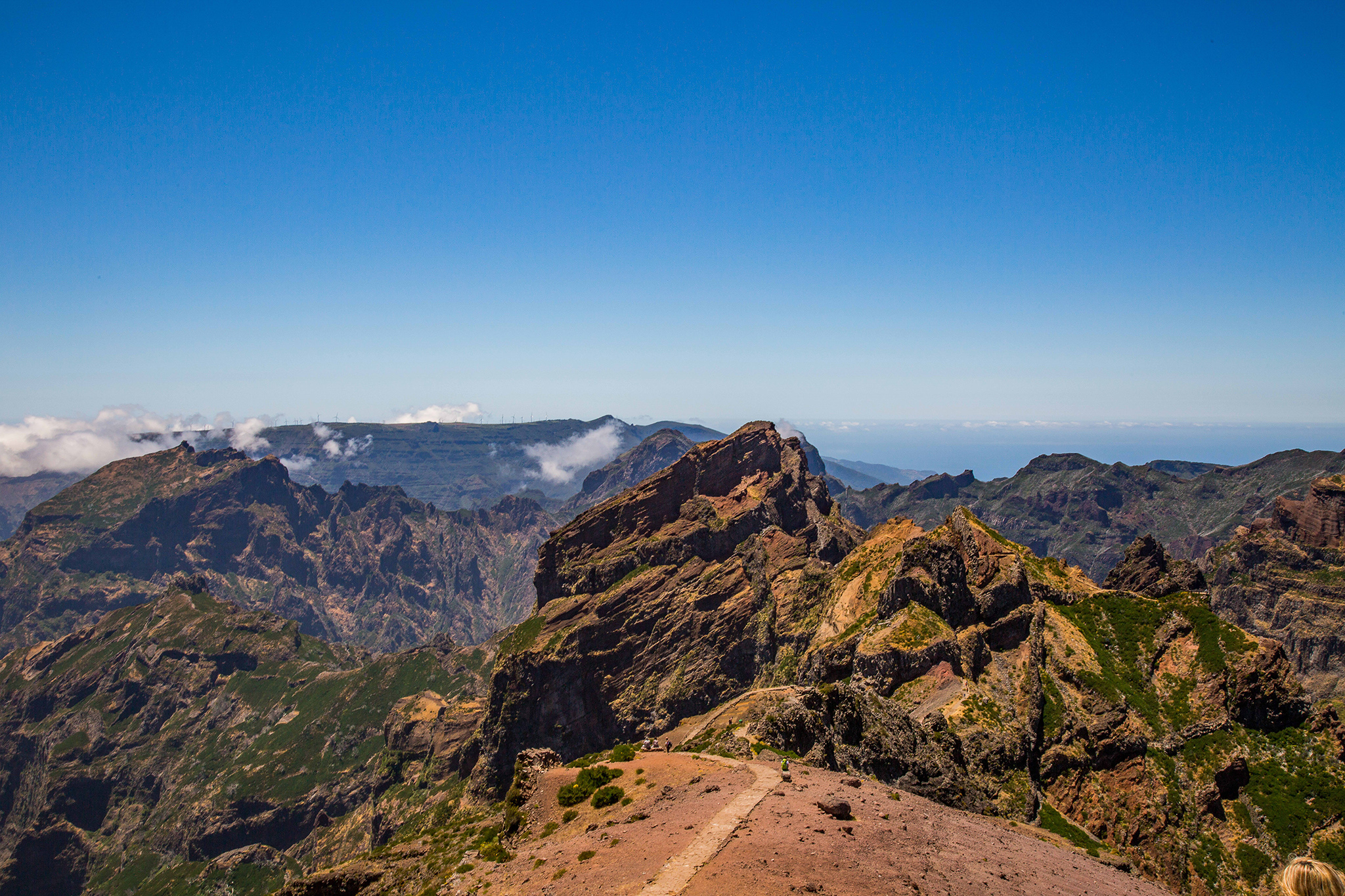
These set of images are all taken in Madeira, where my both my parents originate from and where all my summer childhood memories are based.
Being born in London and travelling most summers back to Madeira always became an exciting adventure to look forward, exploring little parts of the island and something I looked forward to every year.
What inspires me the most about the island is how diverse its landscape are and how climate changes so dramatically from each side of this tiny exotic island.
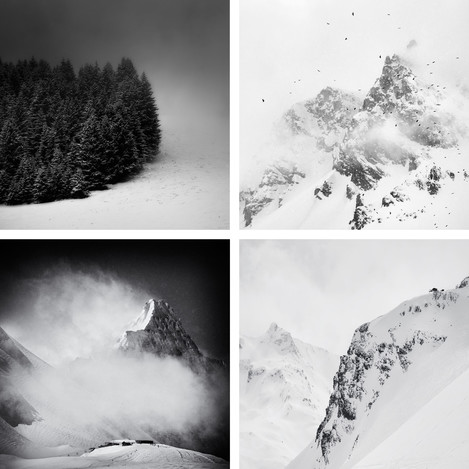
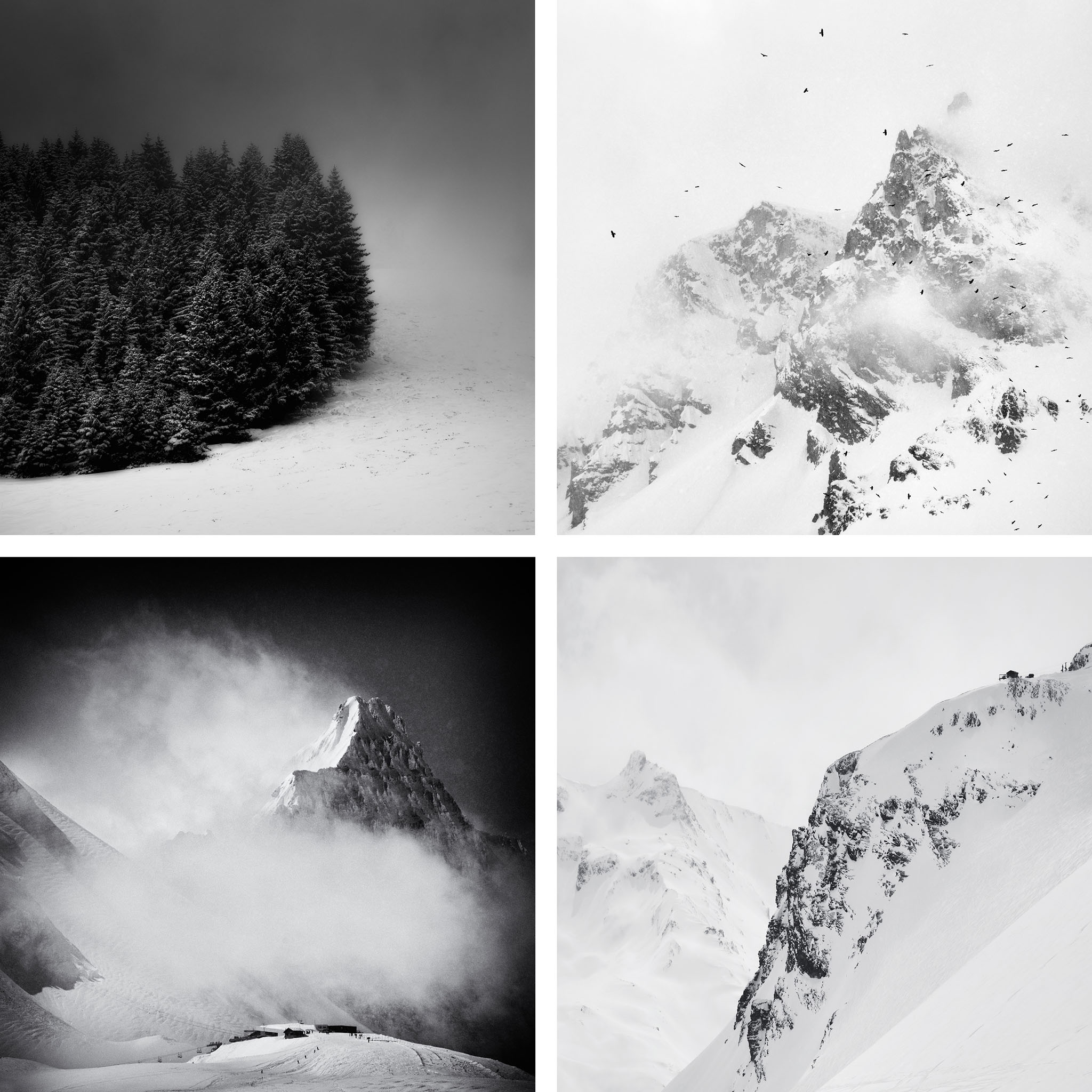
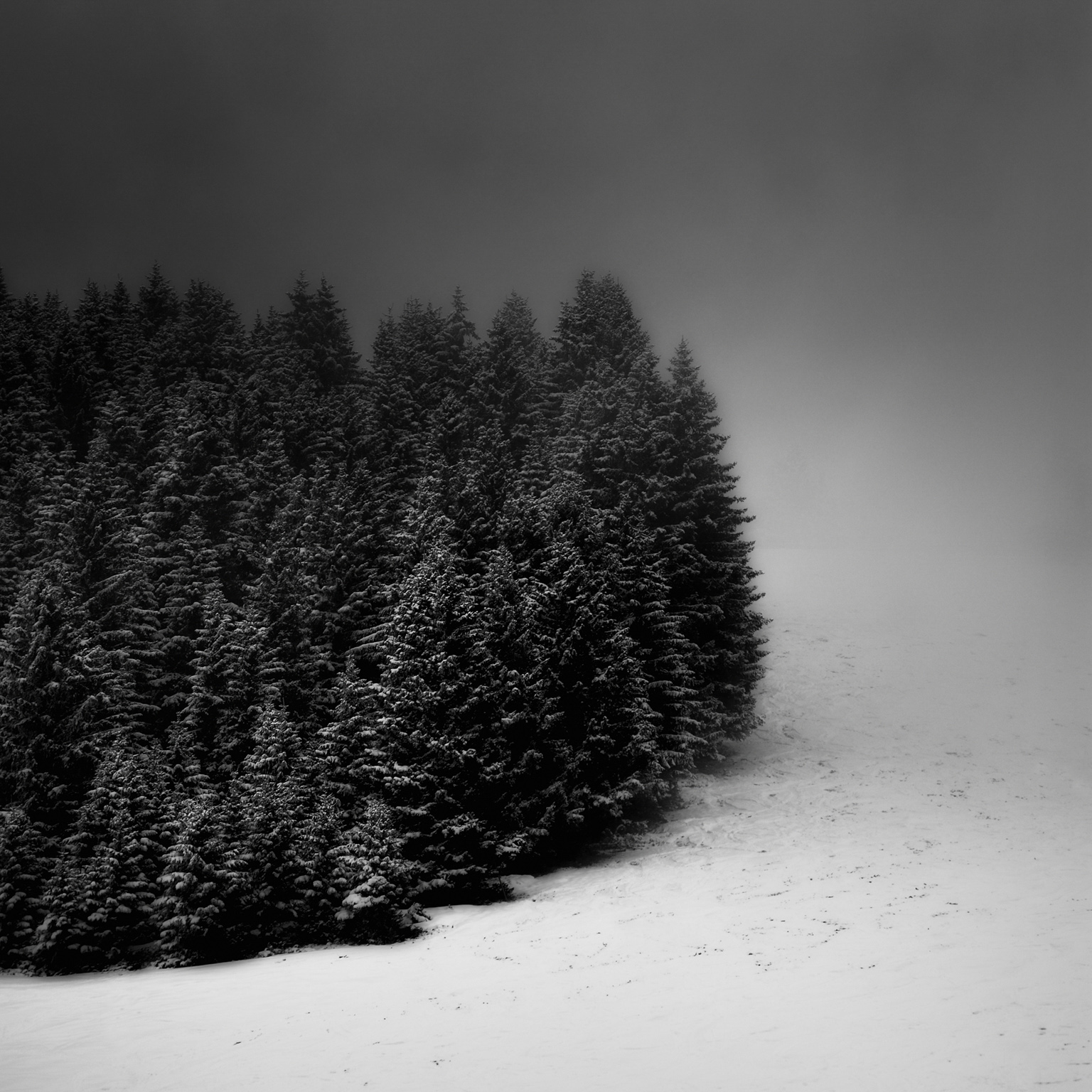
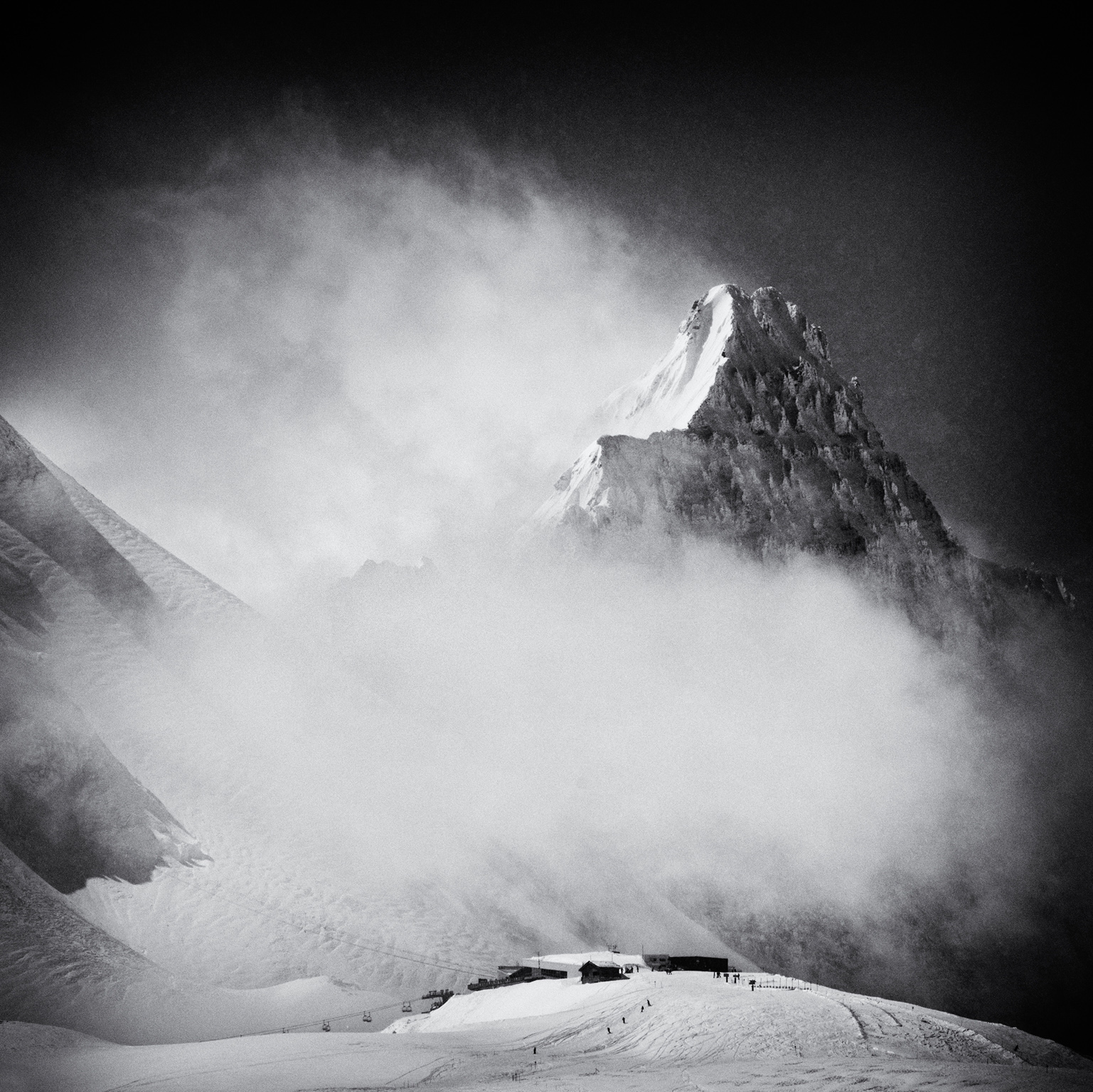
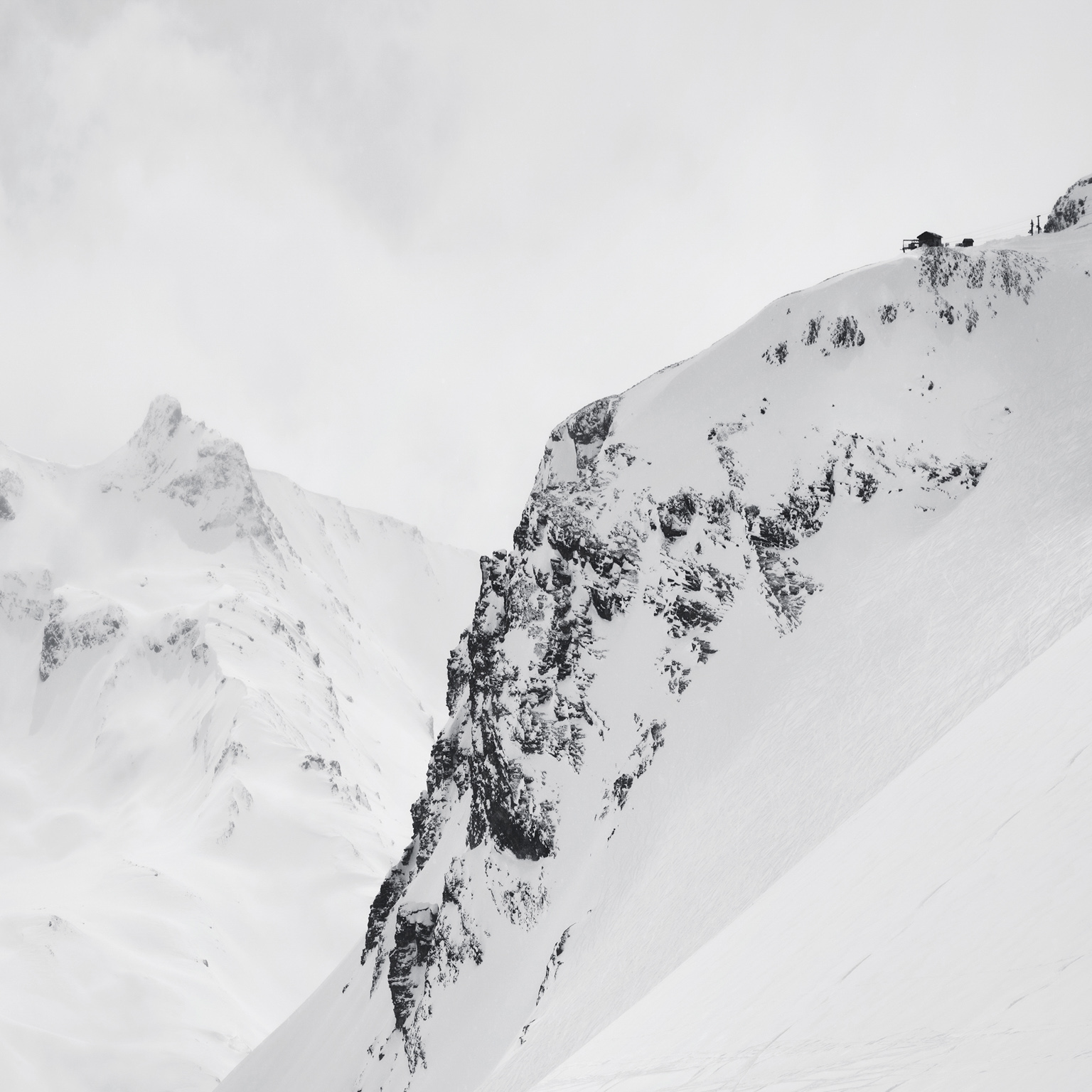
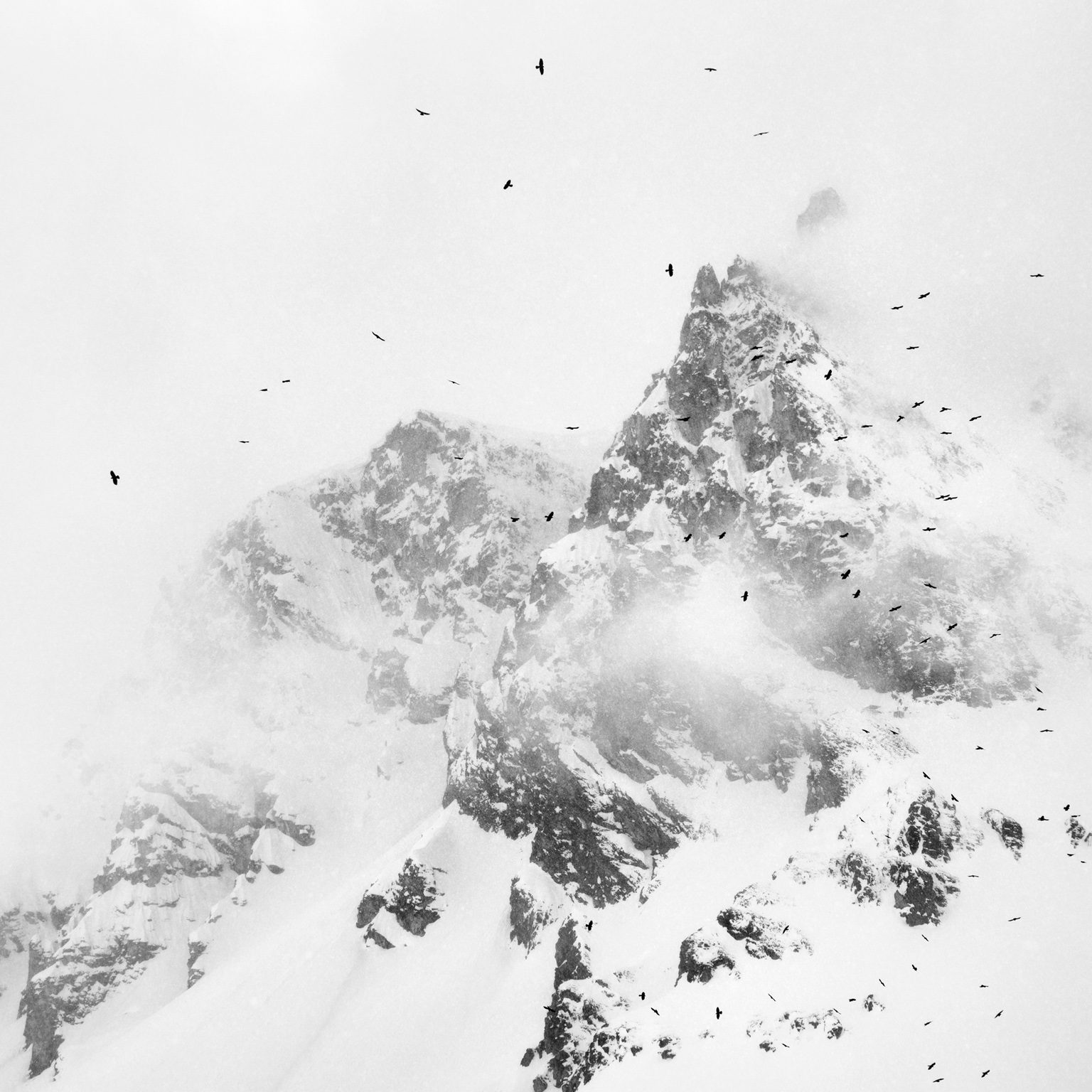
These photos were all taken while I was skiing in the Alps. I'm not a particularly good skier and carrying a large DSLR with me in a backpack doesn't make things easier but it's worth it for the times when I come across views like these.
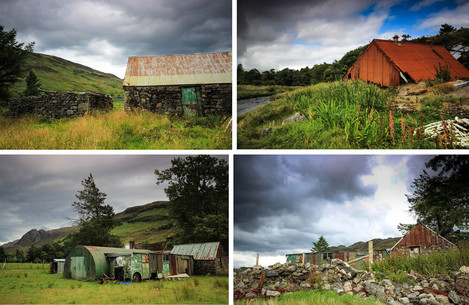
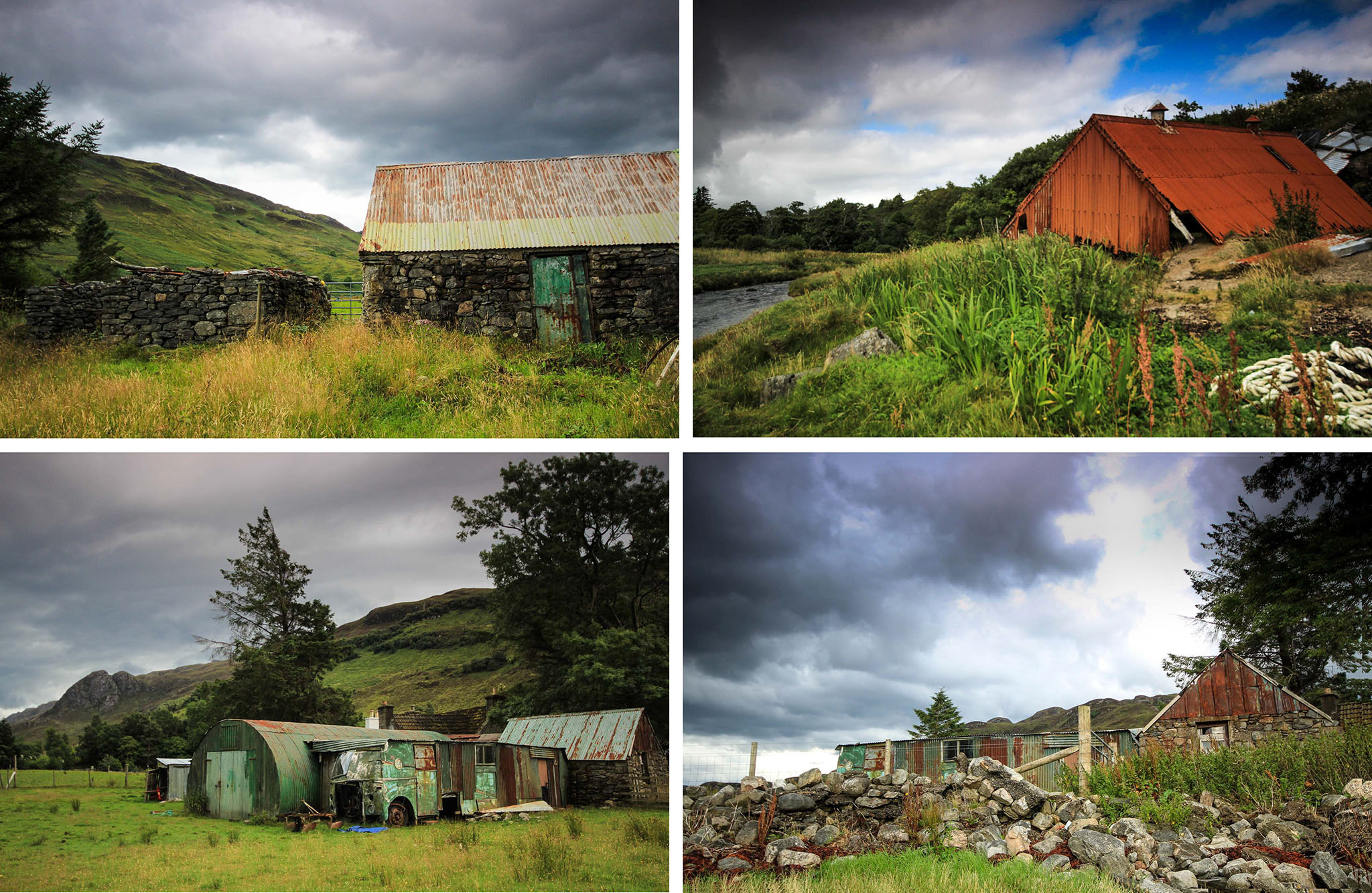
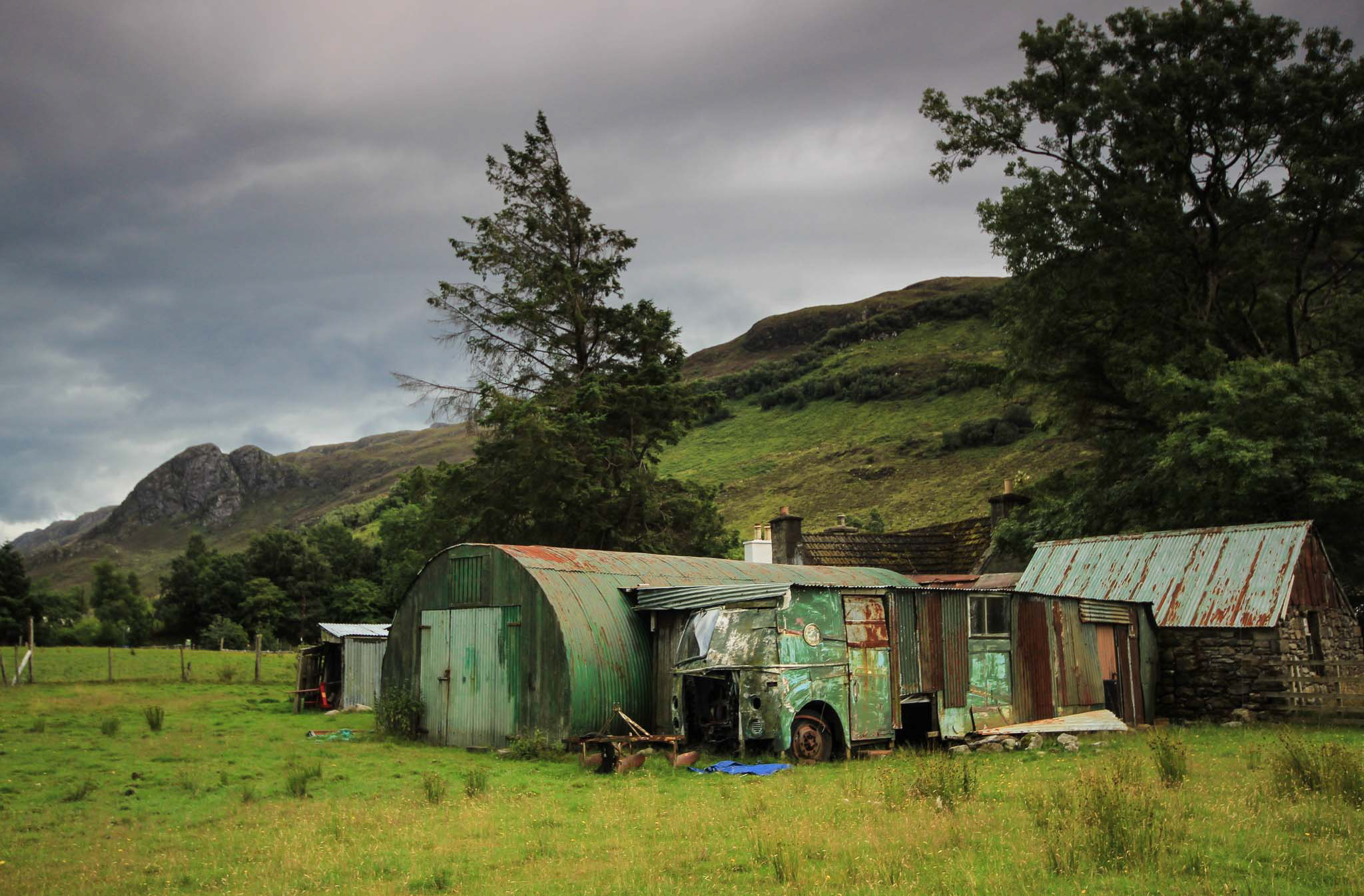
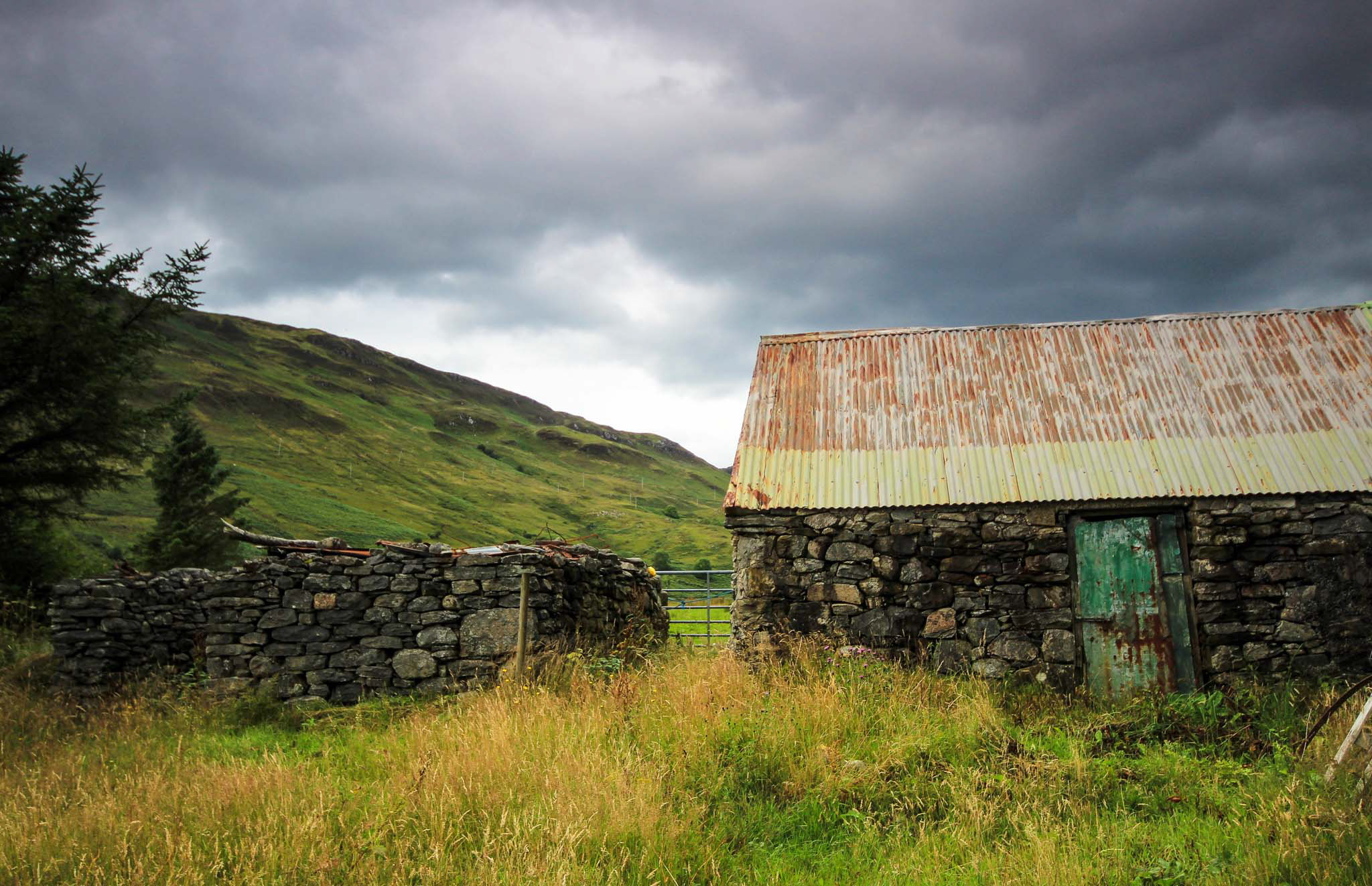
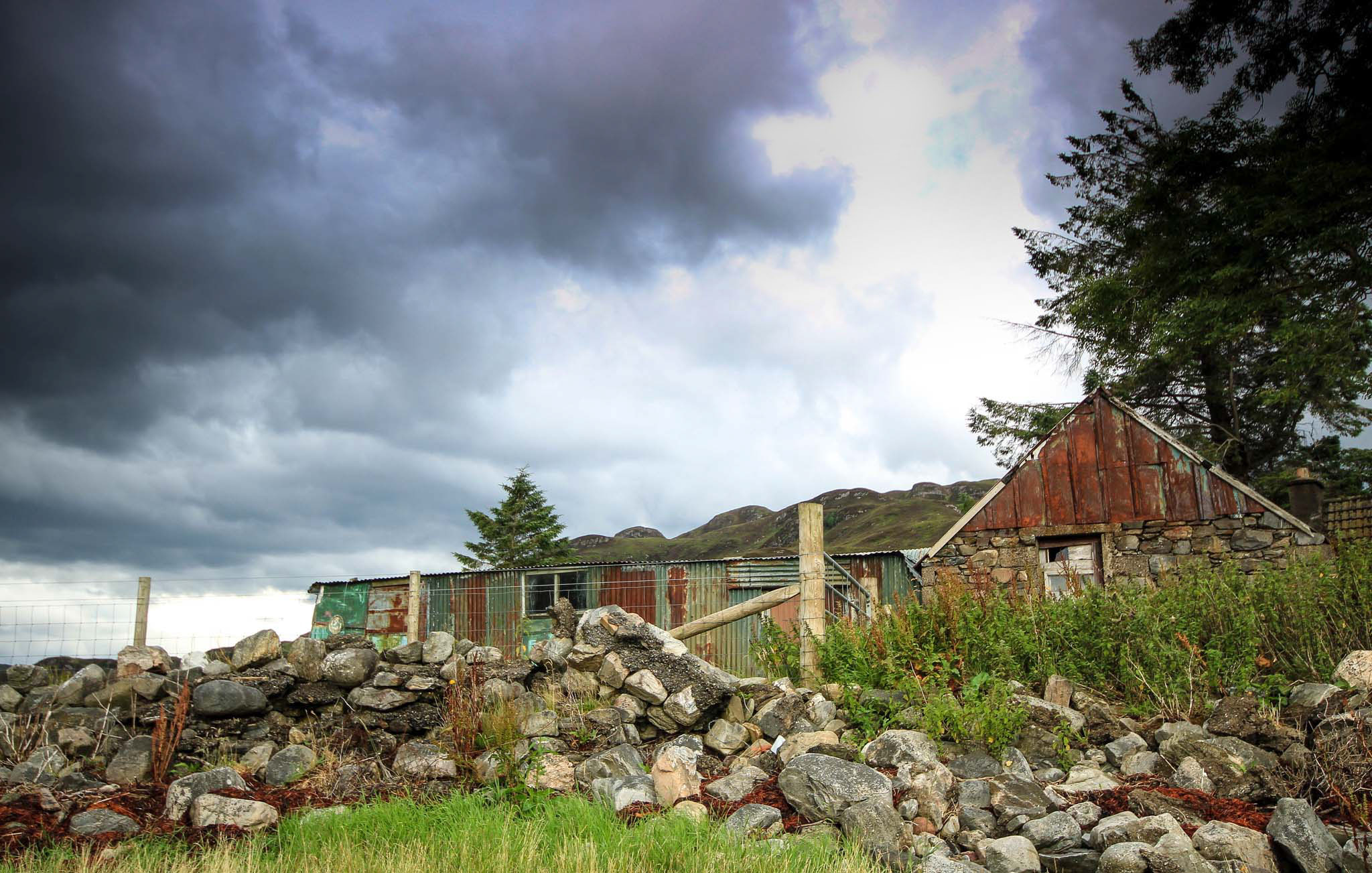
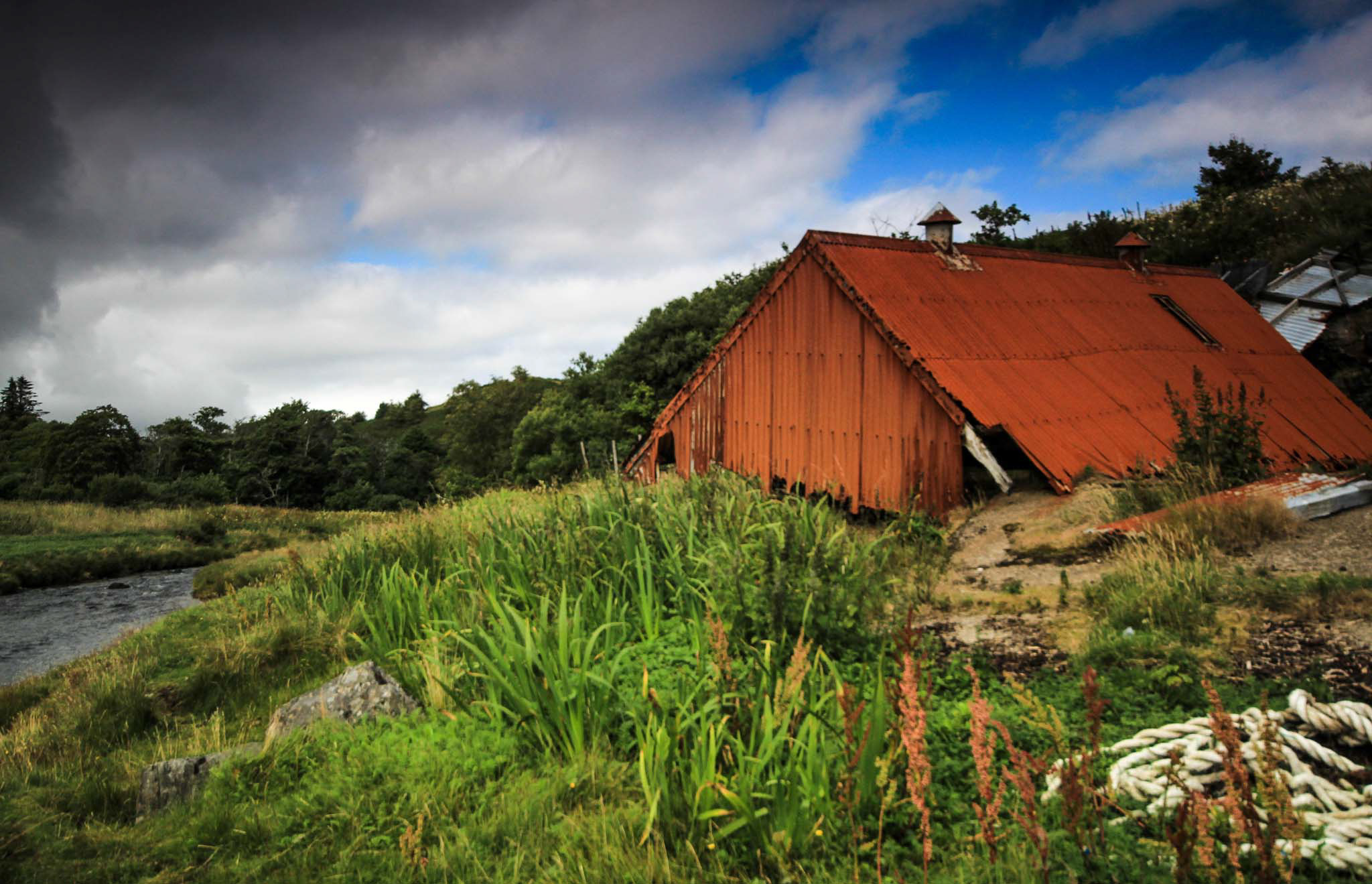
Images from recent travels in the Scottish Highlands, my home. Derelict crofts, barns and outbuildings, run down within the highland landscape. A journey which saw many of these buildings, grabbing my attention, inspiring my love for old and broken down buildings & structures, sudden rich colours, blending into the landscape which housed them, still a part of the landscape.
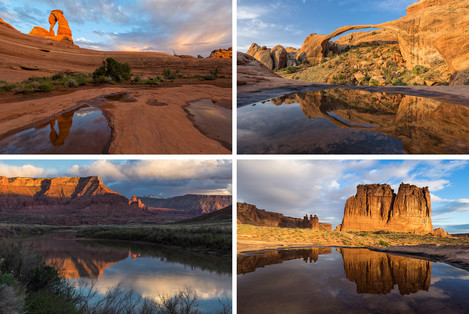
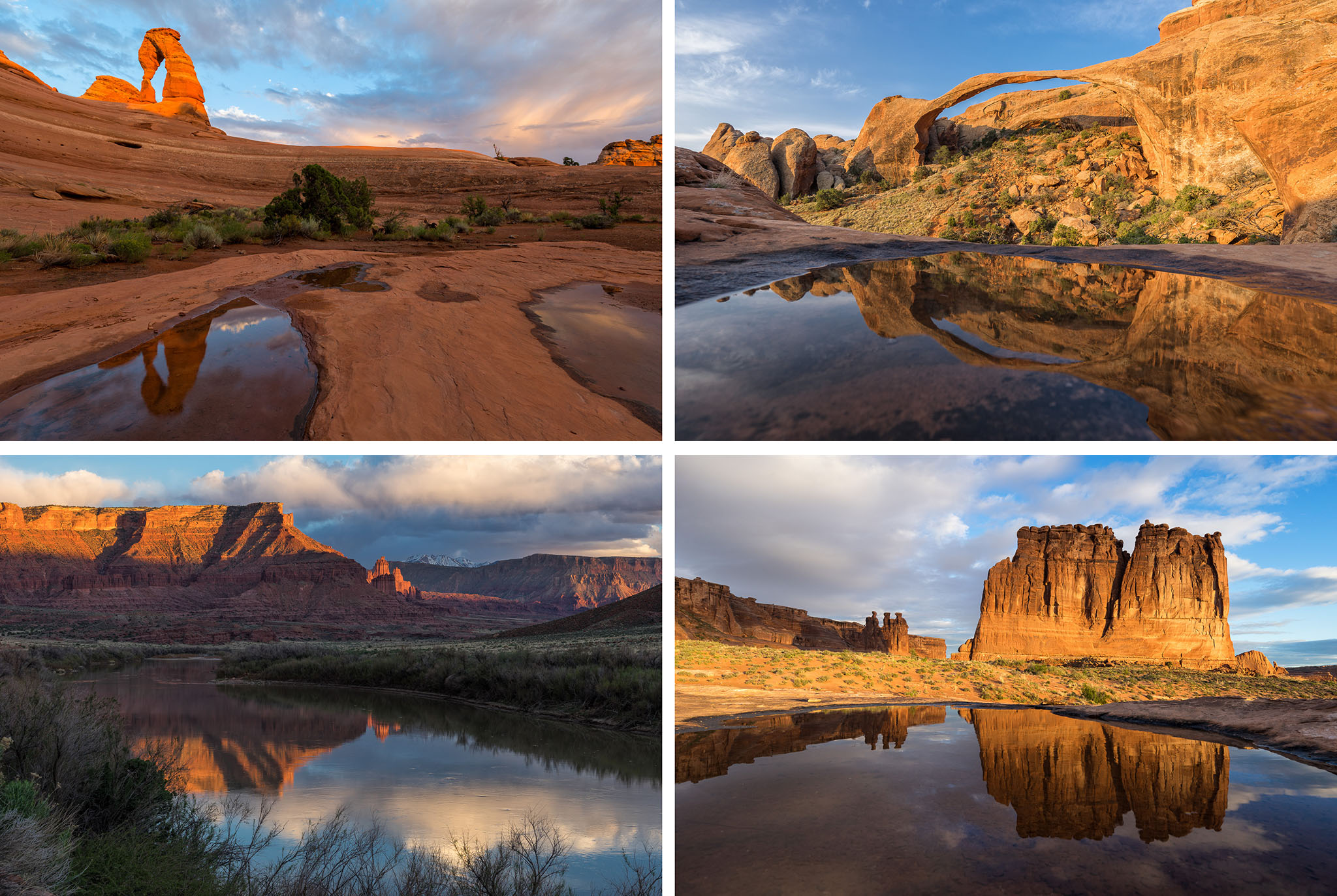
People often view deserts as dry, barren wastelands. While this may be true of some, it certainly isn't true of the Colorado Plateau landscape surrounding Moab, Utah. The Colorado River cuts through canyons to the north, two creeks fed by mountain snowmelt and natural springs flow through the heart of downtown and summer monsoon storms leave ephemeral waterfalls and reflecting pools in their wake. Moab may be a desert, but it's anything but barren.
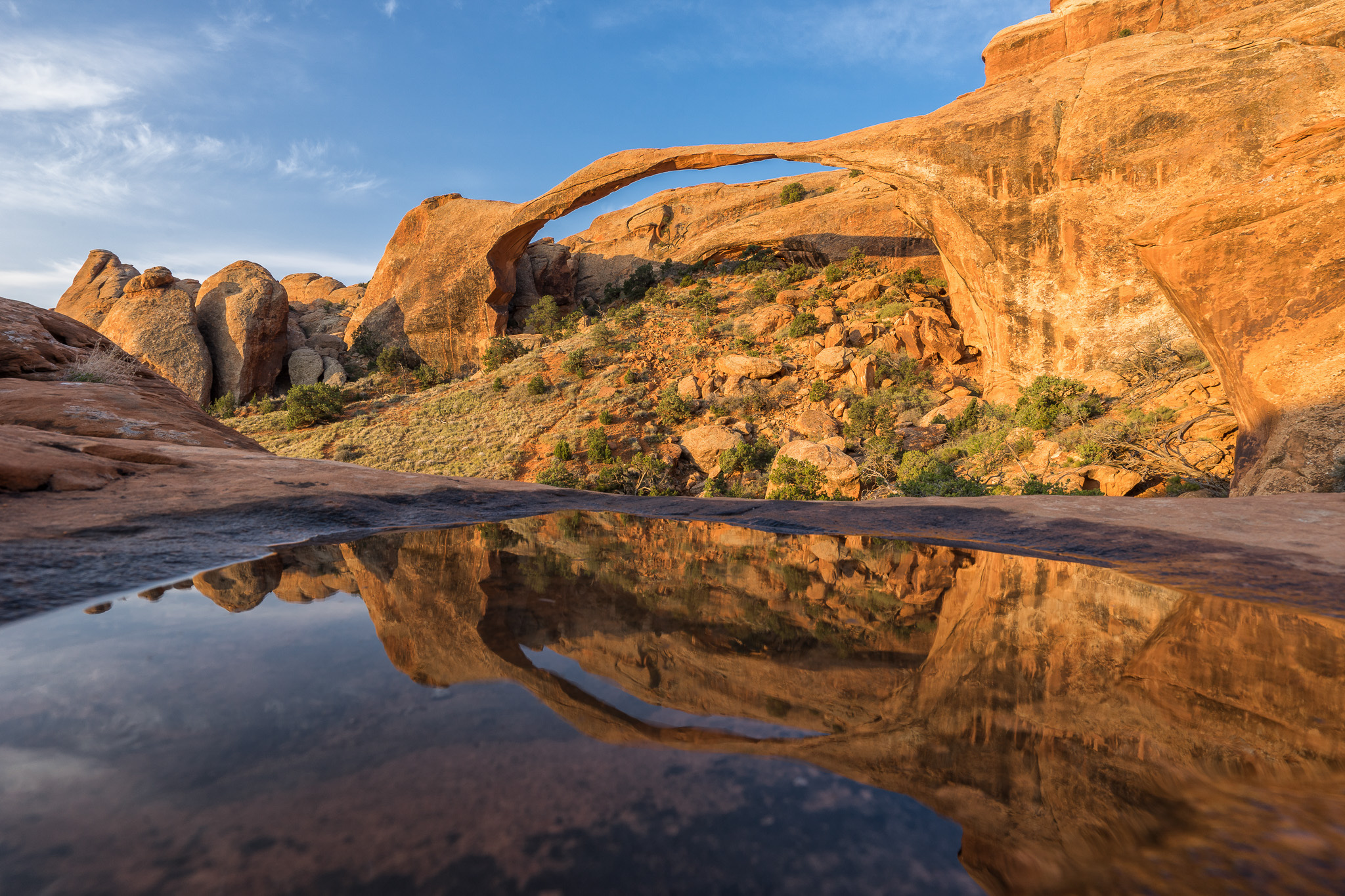
Landscape Arch reflects in an ephemeral pool of rainwater collected in a shallow pothole in the Devil's Garden area of Arches National Park, Utah.
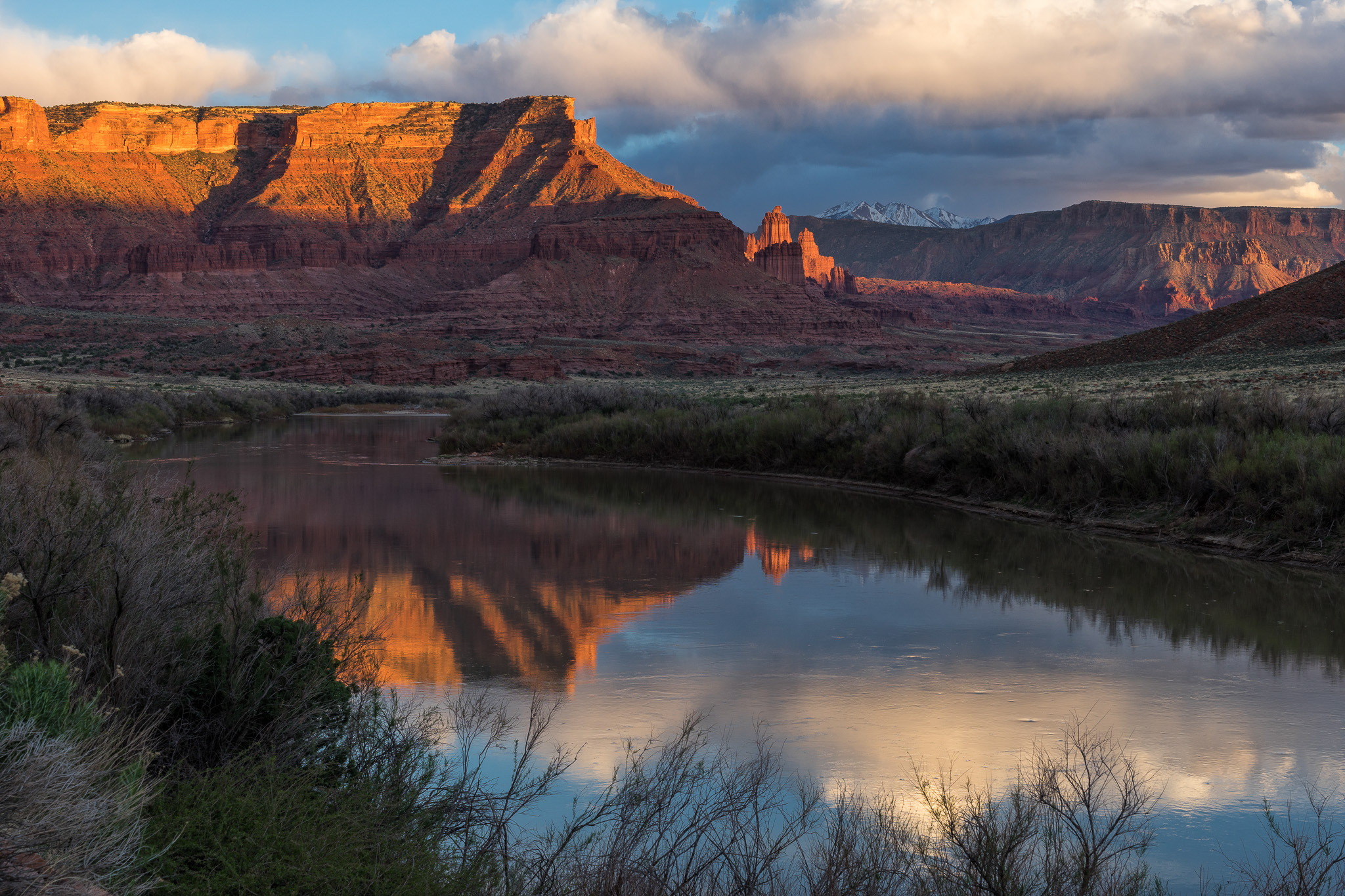
A spring storm dissipates as sunset light warms the sandstone cliffs and Fisher Towers near Moab, Utah.
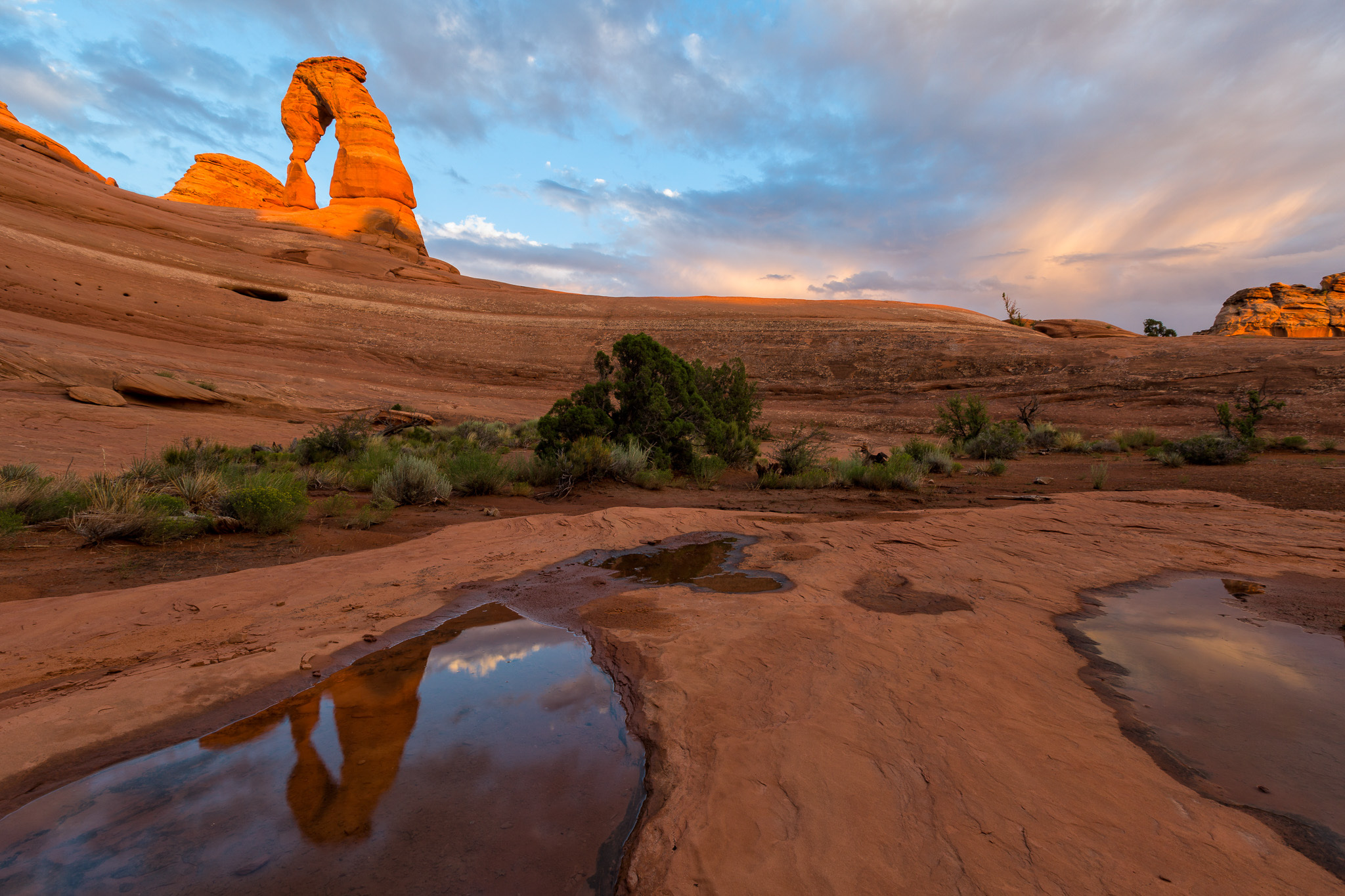
Delicate Arch reflects in a pothole filled with rainwater at sunset with clouds from a departing storm filling the sky above Arches National Park, Utah.
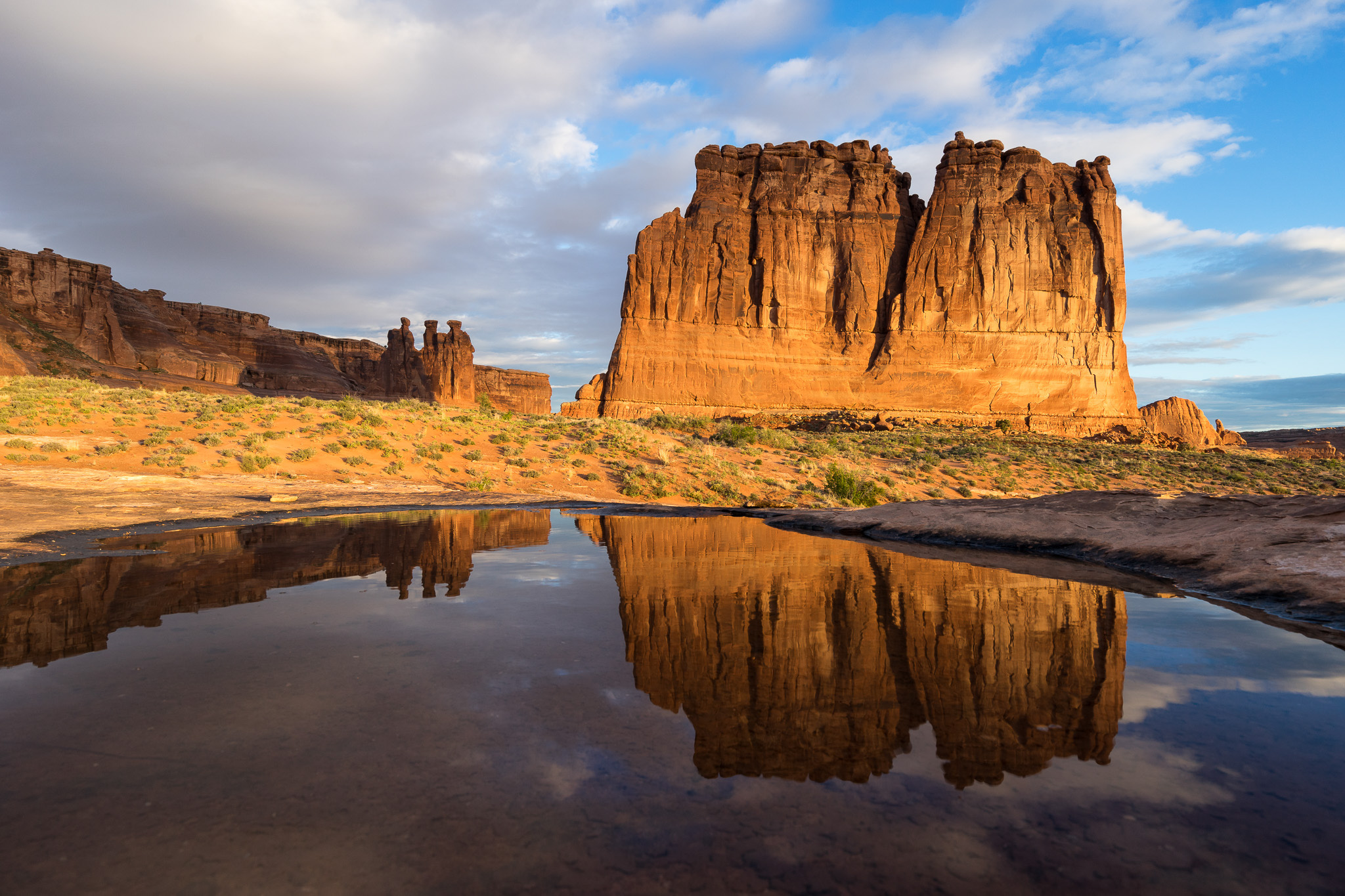
A spring thunderstorm clears at sunrise as The Organ and Three Gossips reflect in a pothole filled with rainwater in the Courthouse Towers area of Arches National Park, Utah.
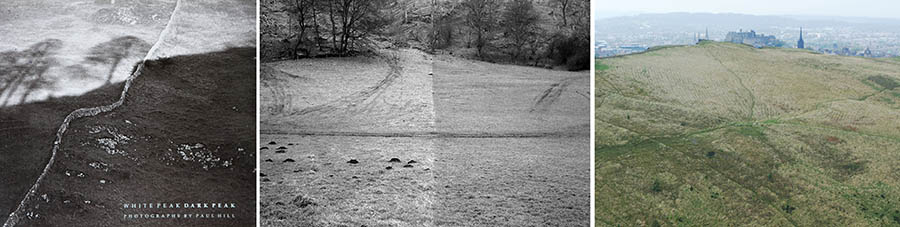
Paul Hill's early career in the 60s and early 70s moved from newspaper reporter to photojournalist. In 1974 he moved to academia, first as Lecturer and as head of Creative Photography at Trent Polytechnic.
At this time he also set up the 'Photographer's Place', a residential photography workshop with a prestigious guest list - Martin Parr, Thomas Joshua Cooper, John Blakemore, Brian Griffin, Raymond Moore, Fay Godwin, Lewis Baltz, Bill Jay, Hamish Fulton, Andy Earl, Aaron Siskind, Paul Caponigro, Jo Spence, and Cole Weston (note the strong landscape leaning).
His work is in the art collections of the likes of the Victoria and Albert Museum, London; National Museum of Photography, Film and Television, Bradford; Arts Council England; Bibliotheque Nationale, Paris; Museum of Modern Art, Stockholm and many more. A major influence on contemporary British photography, he was made a Fellow of the Royal Photographic Society in 1990 and, four years later, was awarded an MBE by The Queen for services to photography. Between 1995 and 2010 he was a professor at De Montfort University, Leicester, and set up the MA in Photography course in 1996, which was of the first in Britain.
Landscape Photography Is Just Not About The Land - or Photography
Teacher, author and photographer, Paul Hill, a former journalist and climbing instructor, offers a provocative alternative vision of landscape photography that advocates that we could make more interesting landscape images by being ourselves.
Do photographers ever consider what motivates their choice of location when setting out to do landscape photography? Why did we go there in the first place? What are we looking at? Is it what confronts us? Or are we trying to make a certain type of photograph we admire - and just replicate it?