Issue 188 PDF
Reply



I started photography a few years ago and have been following a select few photographers over this time who have always given me inspiration to me. I follow them purely because of their love and passion and skill in photography.
One of these is Erin Babnik. Her limitless exploration and intensive work in French Alps and Dolomites is extraordinary. Her endlessly amazing work has always given me the strength to go out and explore the outdoors for myself. The photograph shown here is a personal favourite and is an example of her profound work and her love and dedication to the craft.
As she says elsewhere, this photograph wasn’t an easy one to take and was caught in the glimpse of a sunray as it passed over the mountain. As a viewer and a photographer, it shows a beautiful combination of foreground and background. Those leading lines of wildflowers reaching towards the peaks along with its moody nature combine to give something truly enchanting. The photograph speaks for itself and whatever the weather was, there was much hope in capturing that special moment.
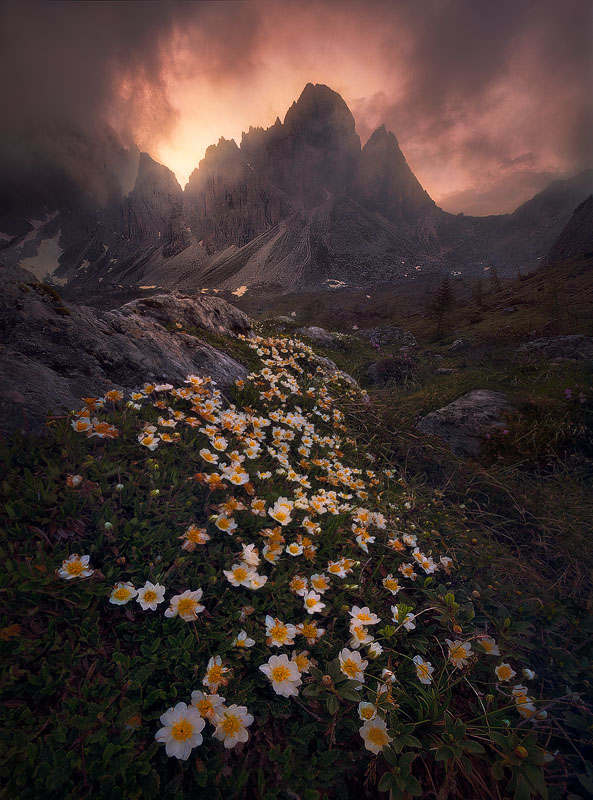
As a photographer myself, I understand that it is only possible to truly capture these moments when you enjoy your surroundings and are in tune with mother nature. If you have ever heard Erin talk, she has spoken about “The Balloon Story” a few times.
Welcome to our 4x4 feature which is a set of four mini landscape photography portfolios submitted from our subscribers. Each portfolios consisting of four images related in some way.
Interested in submitting your work? We're on the lookout for new portfolios for the next few issues, so please do get in touch!
If you would like to submit your 4x4 portfolio, please visit this page for submission information. You can view previous 4x4 portfolios here.
Falling Waters
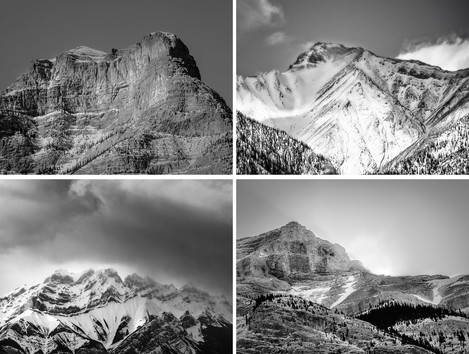
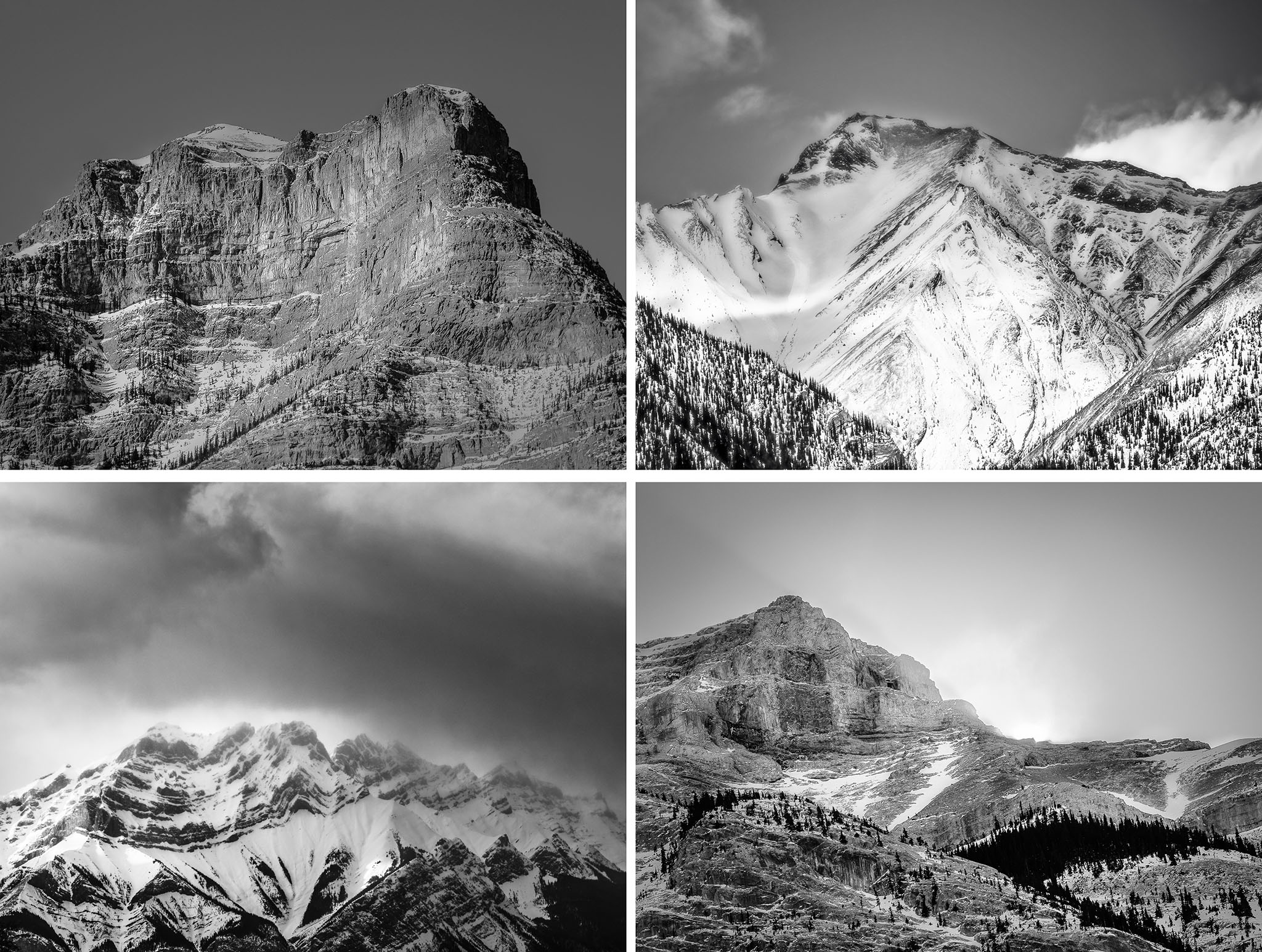
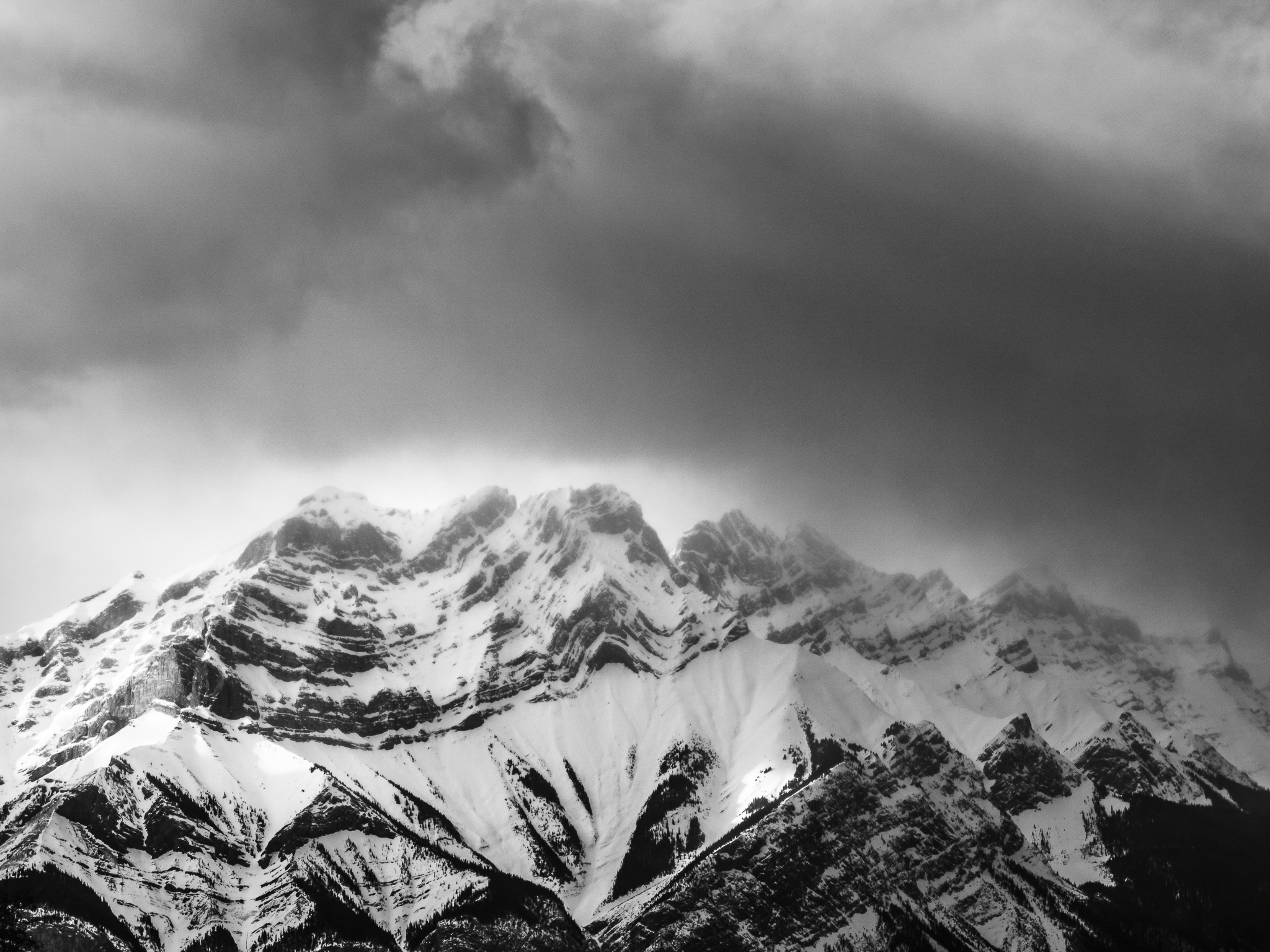
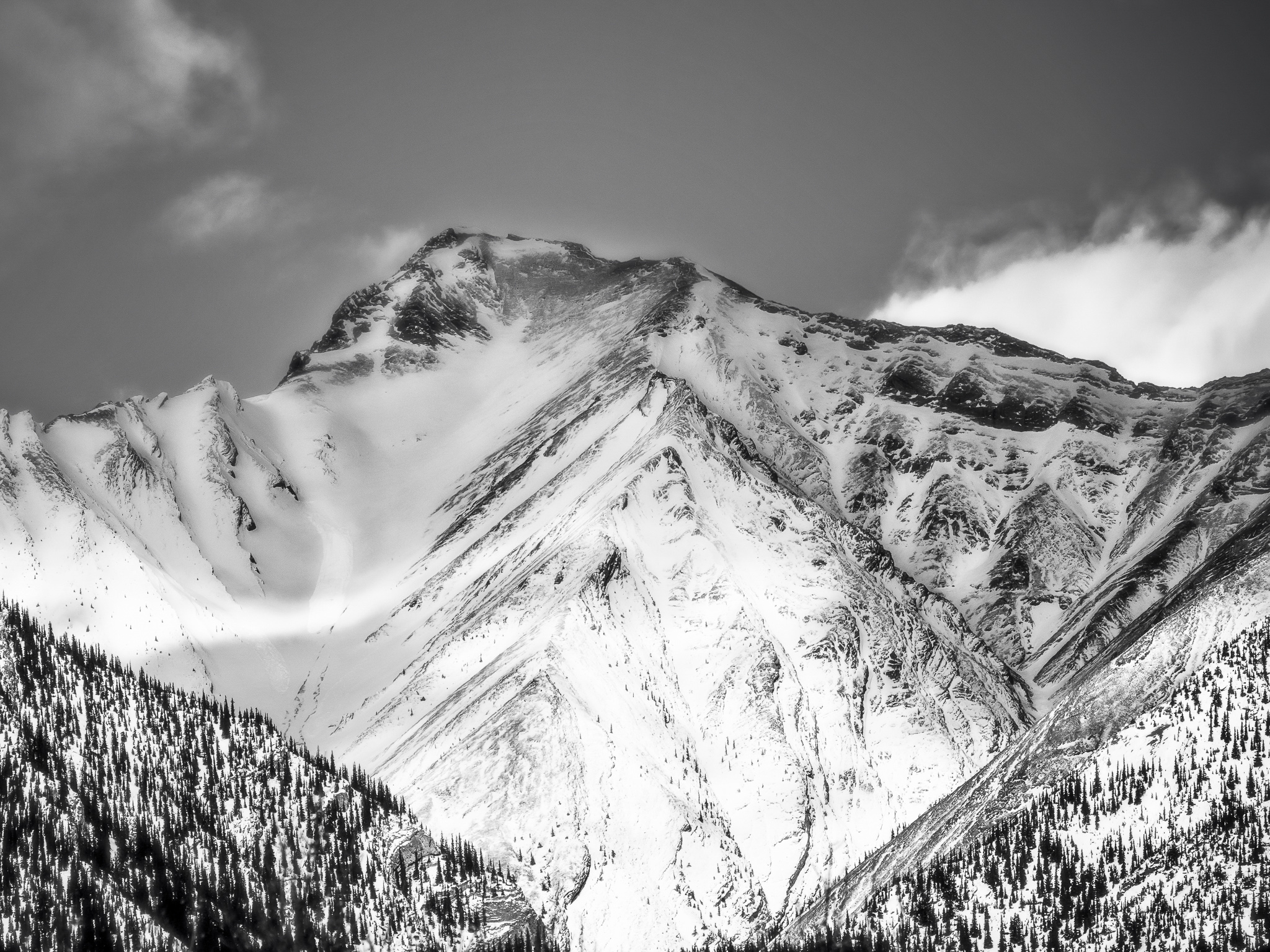
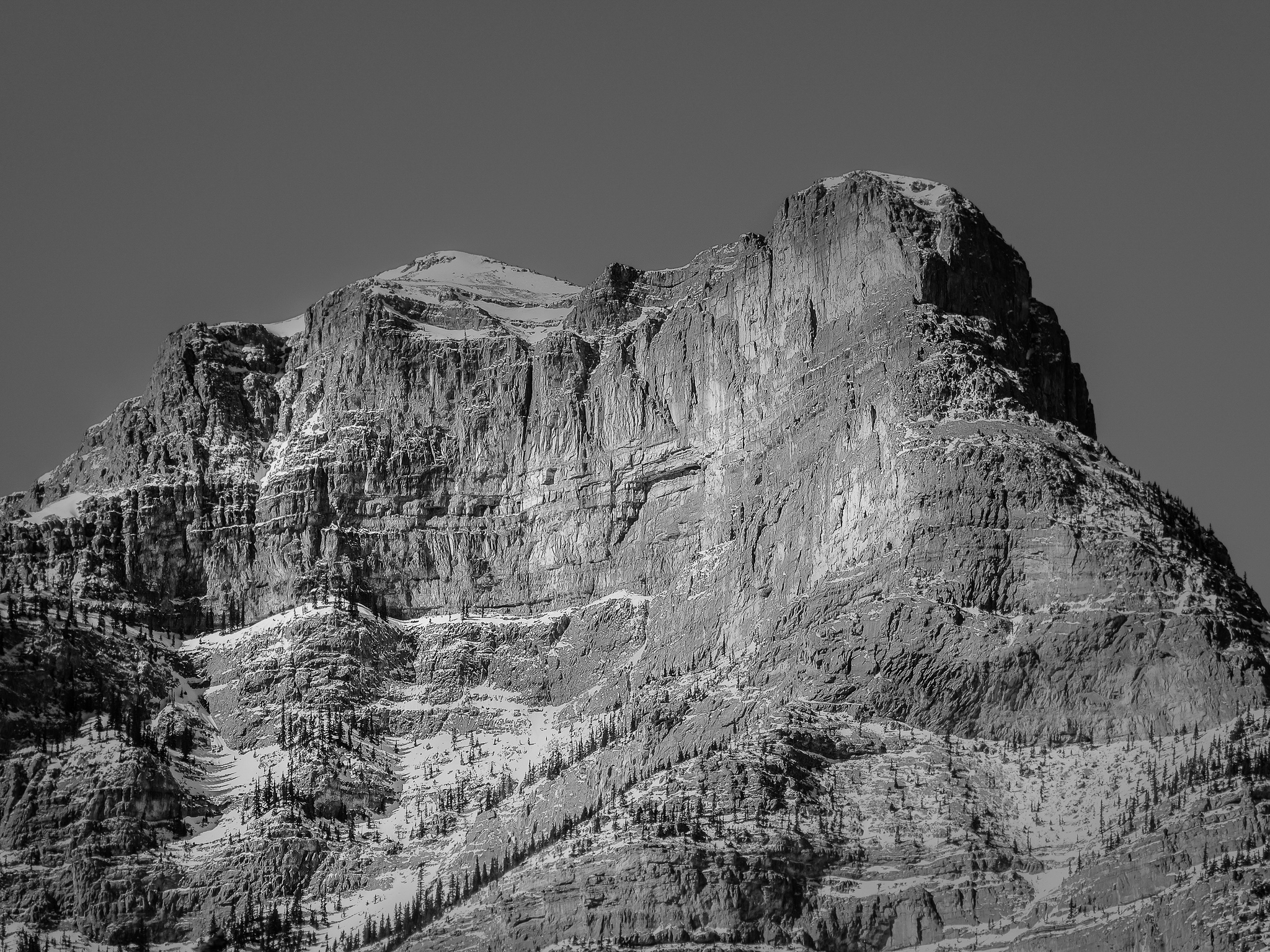
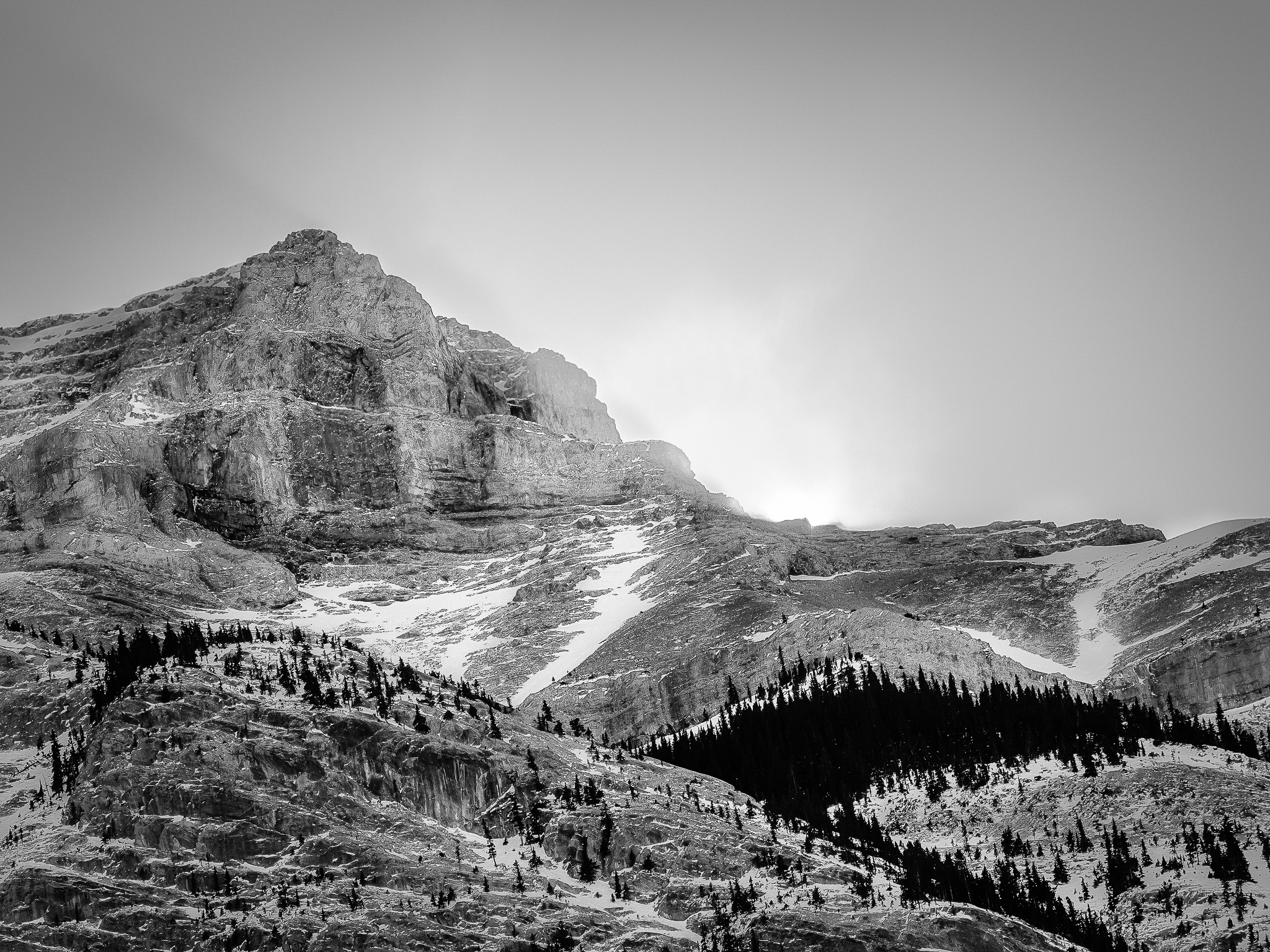
These are the well-known mountain peaks surrounding Canmore, Alberta. A frequent site for travellers driving alongside the highway to Banff. I was pleasantly surprised when I found by accident the perfect weather conditions for some amazing photos. Combining the quality and direction of light, the type of lens, along with the perfect angle of the sun allowed me to show off the full textural detail of this remarkable mountain range.
The windy, cloudy weather of the mountains ensures that your shot will always be changing. Sometimes you’ll have a clear sky, twenty minutes later you might not. While this affects the background, it can also affect your subject, as the shadows of any clouds above can completely change how the mountains look. For the aspiring photographer, a cloudy day in the mountains can yield a cornucopia of photos.
The choice to convert in black and white is one that I’ve been experimenting with for a while. Without the distraction of colour, black and white photography allowed other aspects of the shot, such as the texture of the mountains, the light peeking through the clouds, and more.
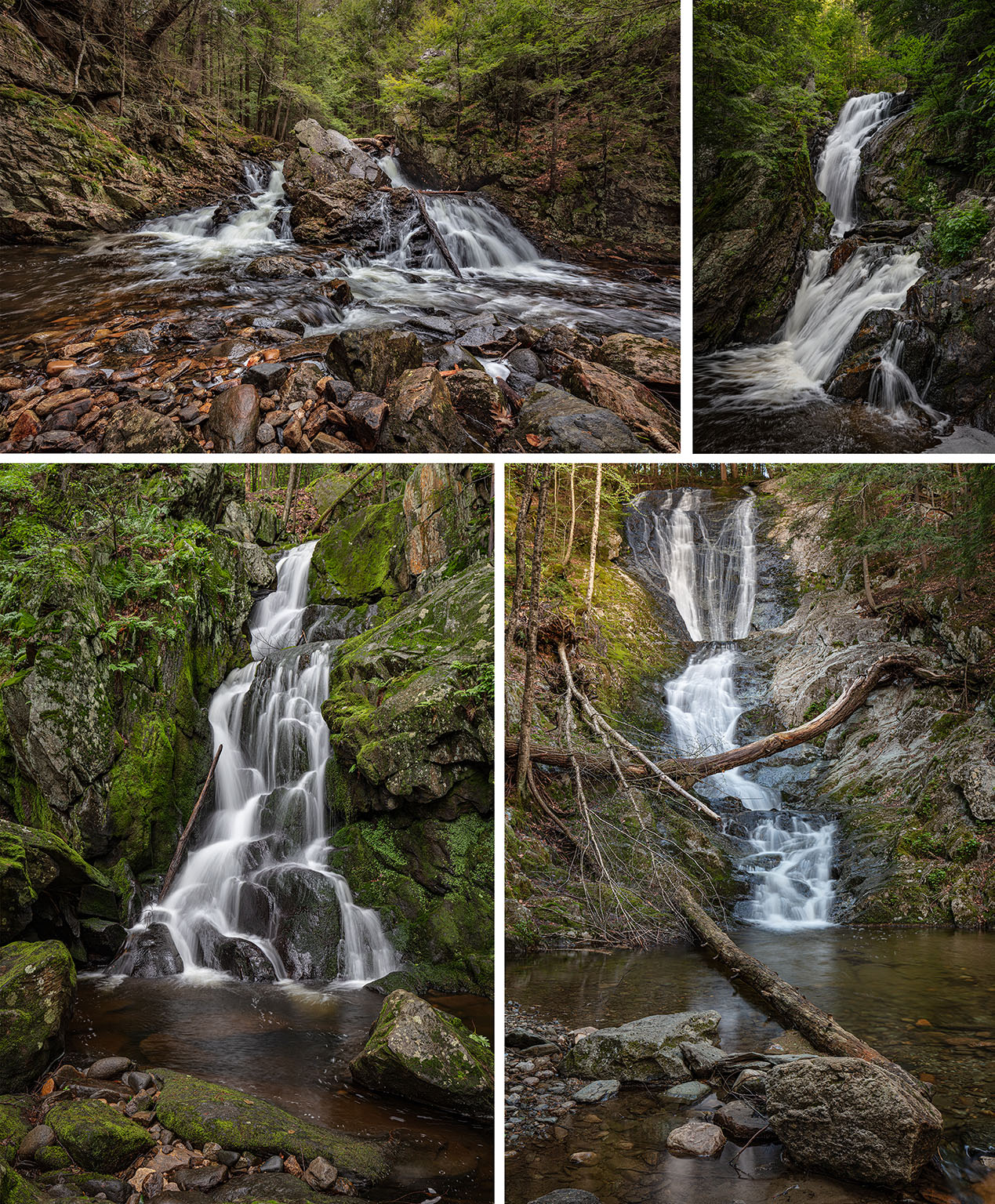
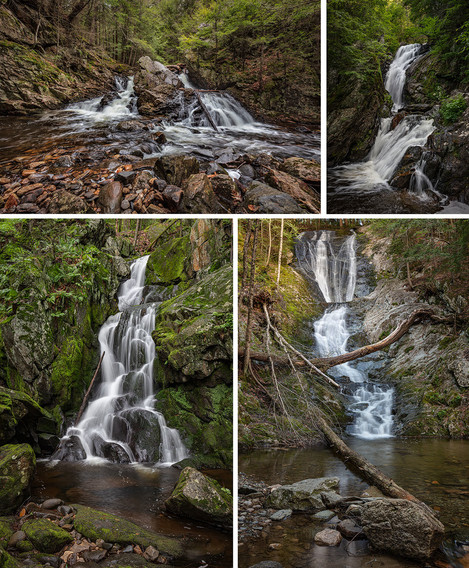
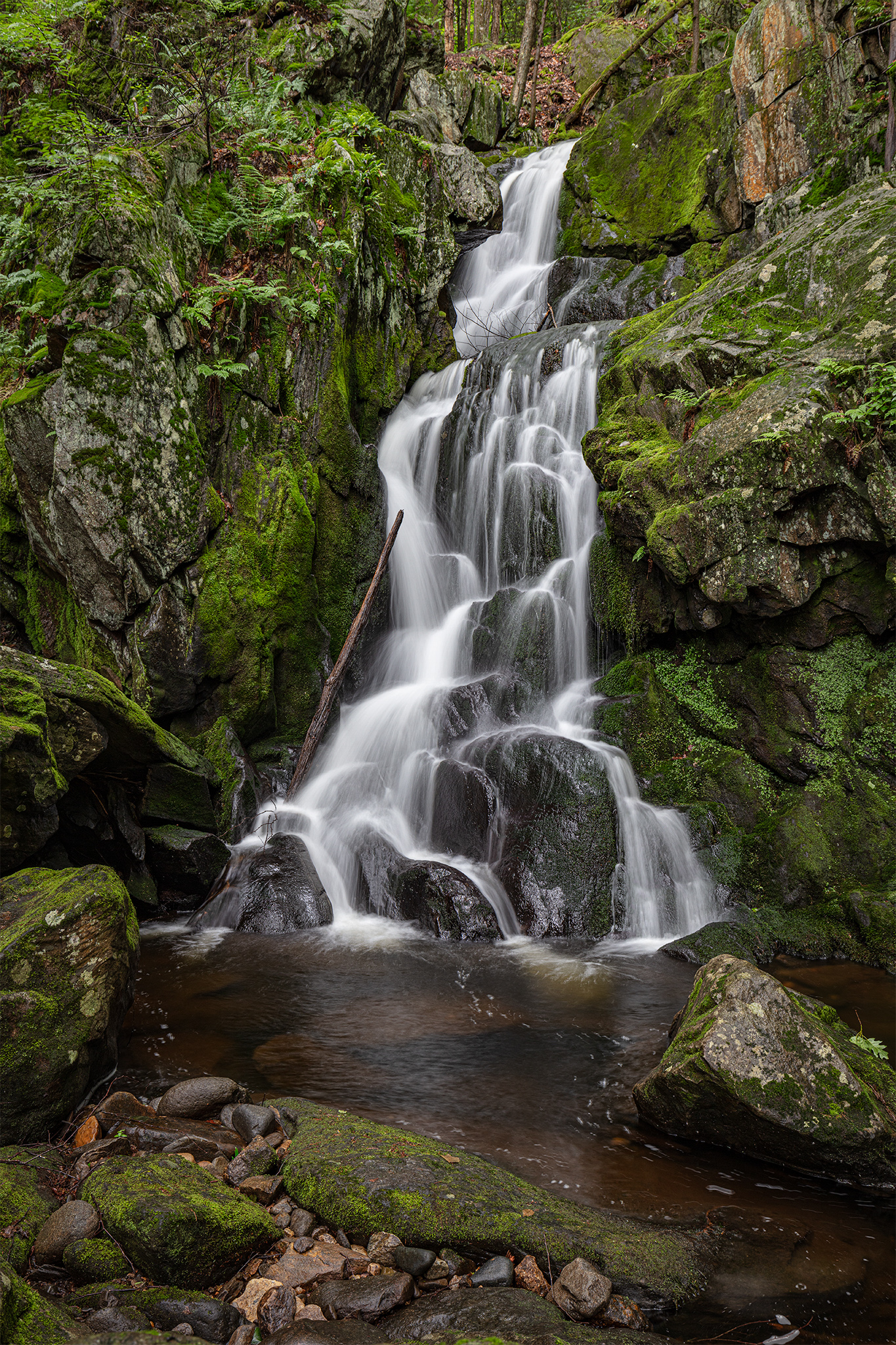
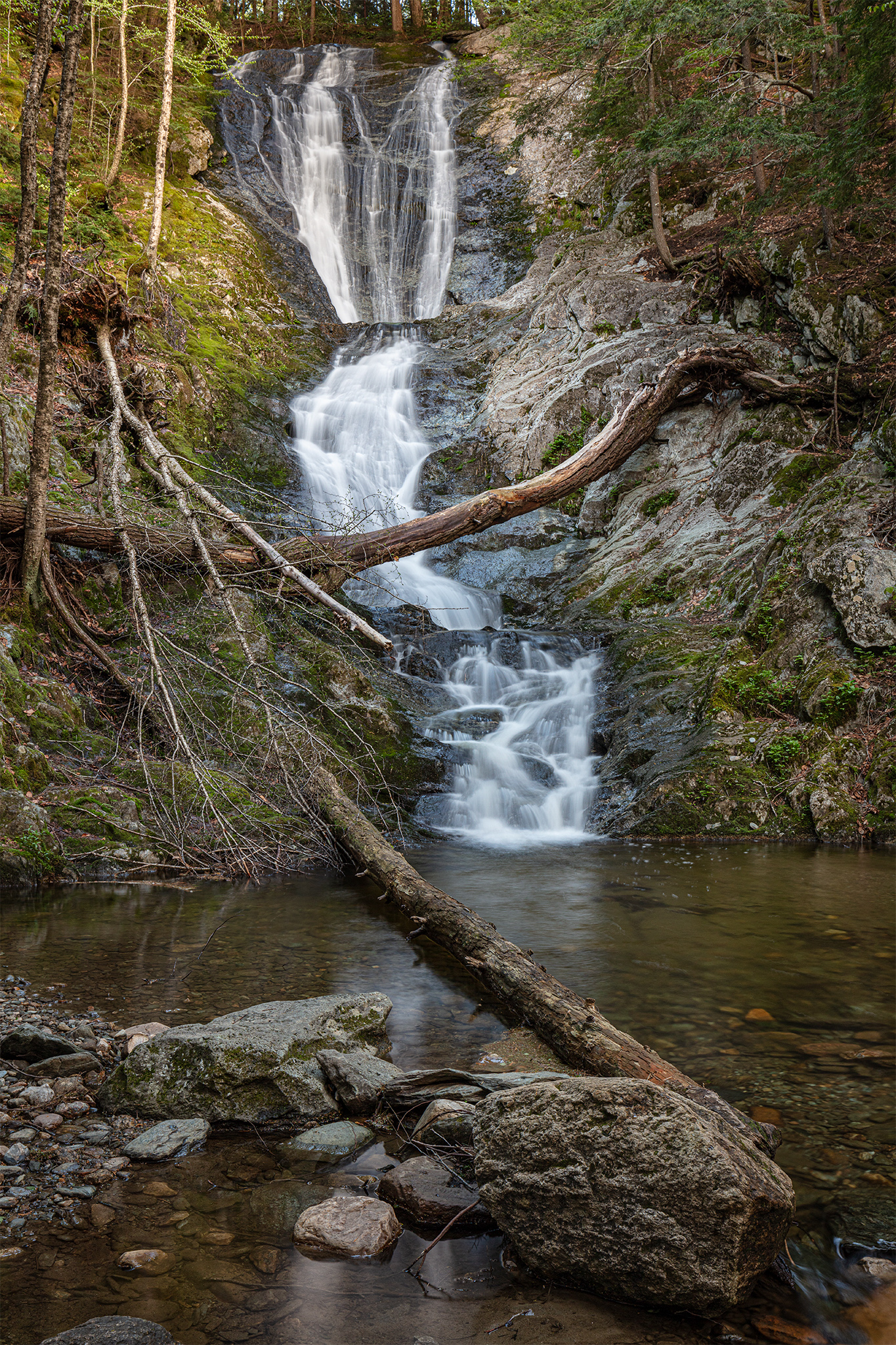
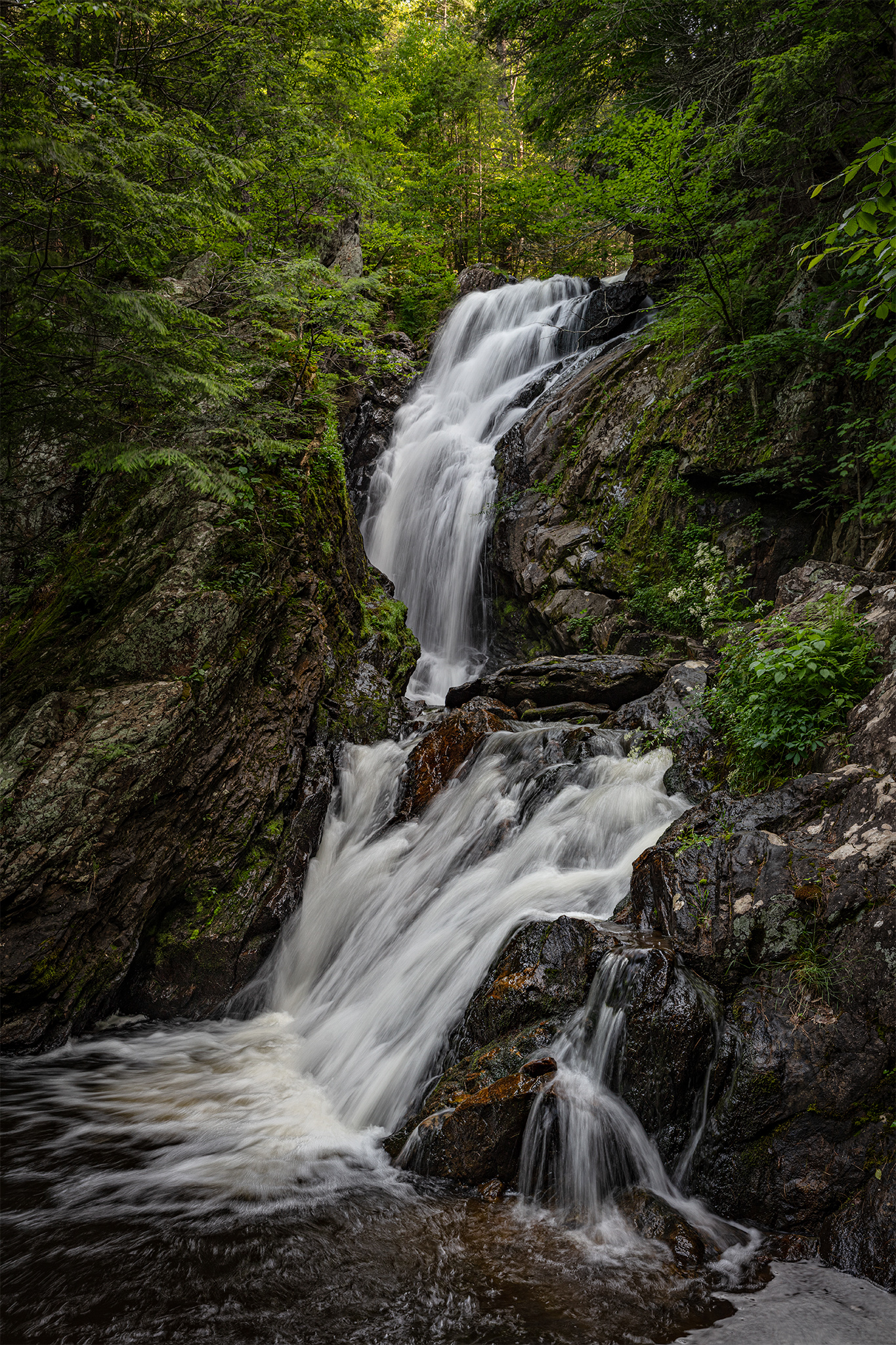
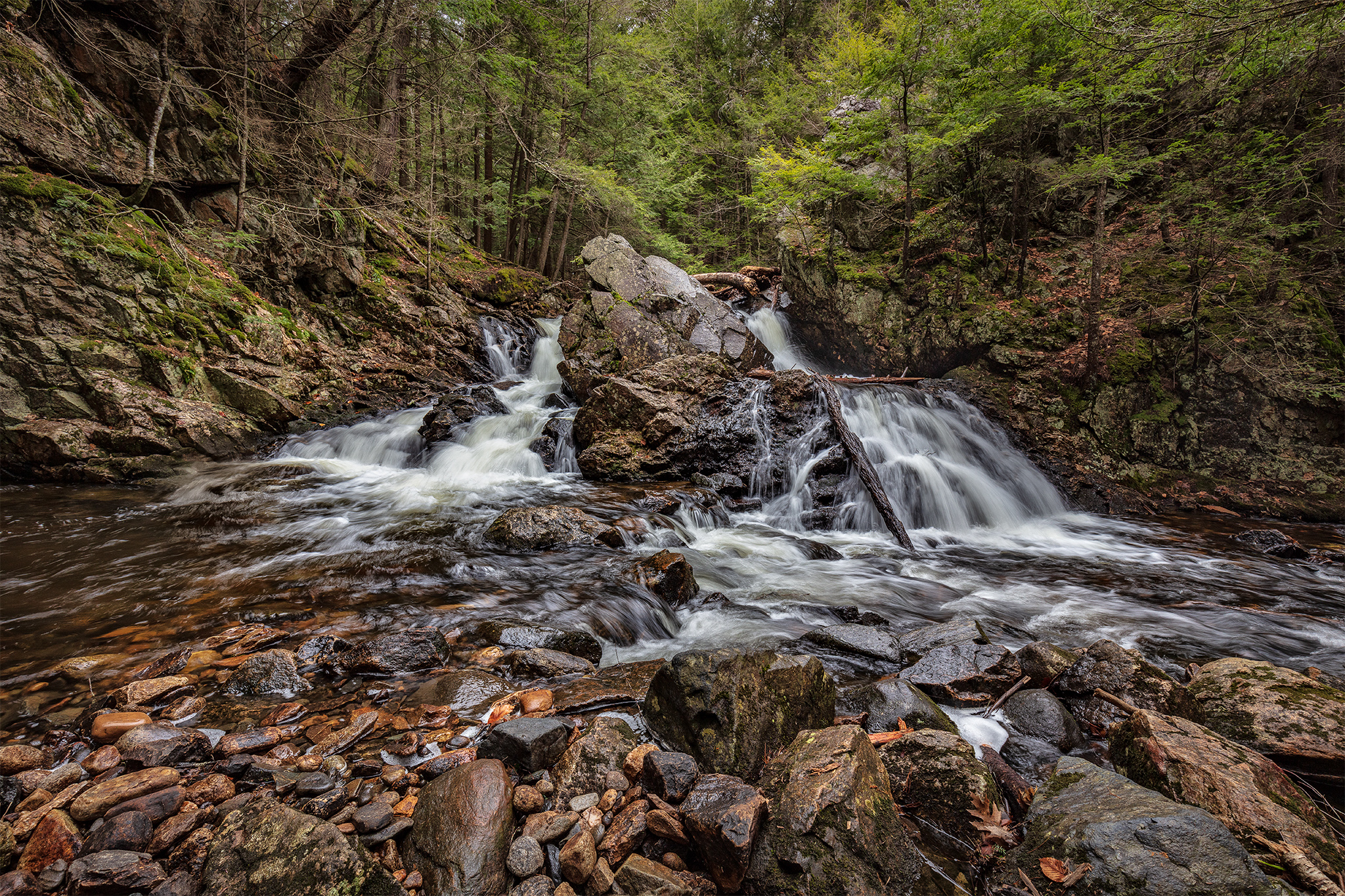
It starts with that sound. At first, you can barely make it out, is that the wind? But as you get closer the subtle music becomes clear. The air is cooler. The moisture envelops. What only a few months ago chilled you to the bones, now feels delicious after the exertion. As the light starts to come up and bounce down the walls of the chasm, the contrast of white water and granite starts to emerge from the darkness.
While the mountains in Massachusetts lack the size required to produce waterfalls of the impressive scale of our neighbouring states to the north and west, I am entranced by the more modest intimacy of the falls of my home state. Each has a certain unique quality that makes it special.
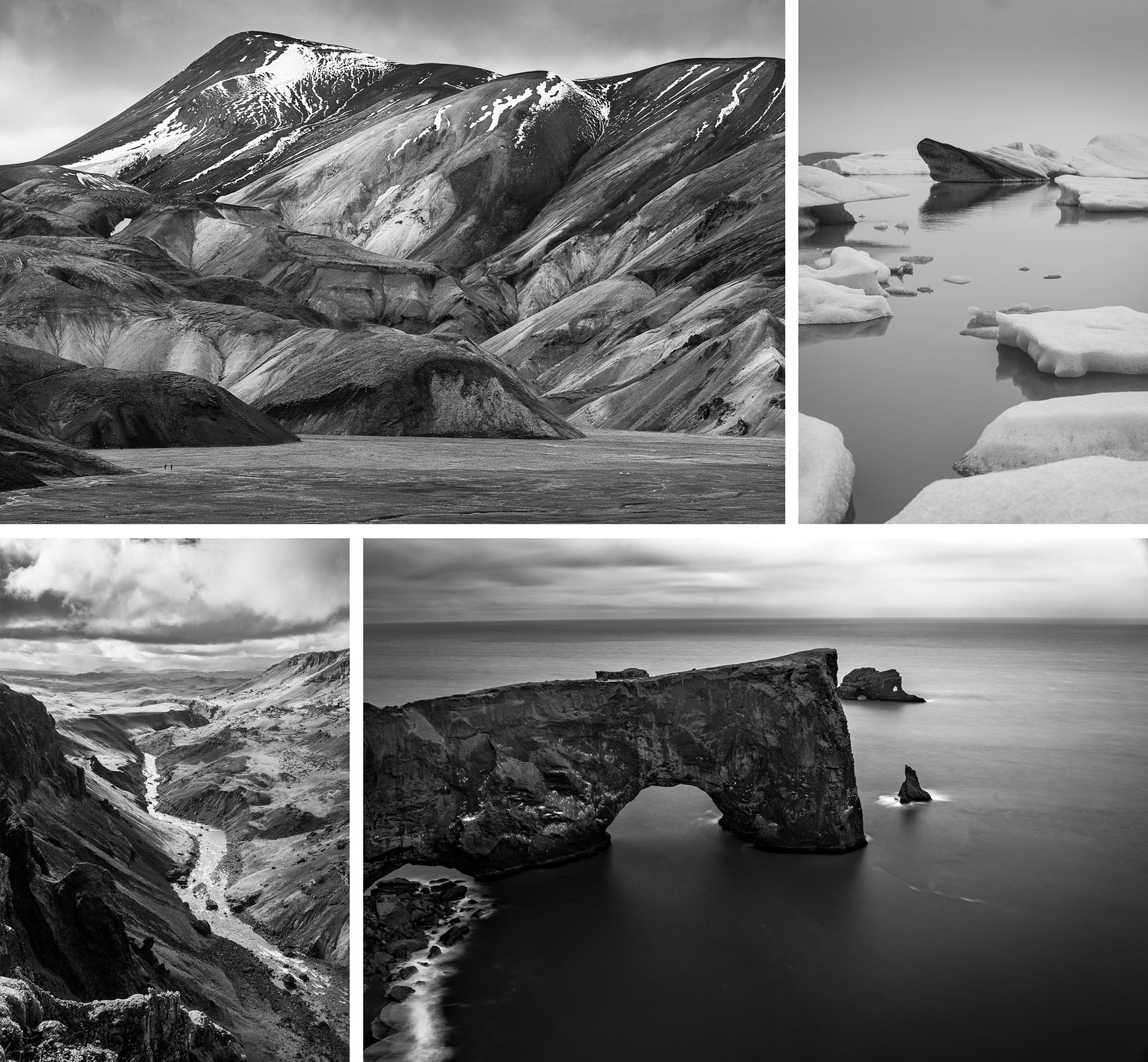
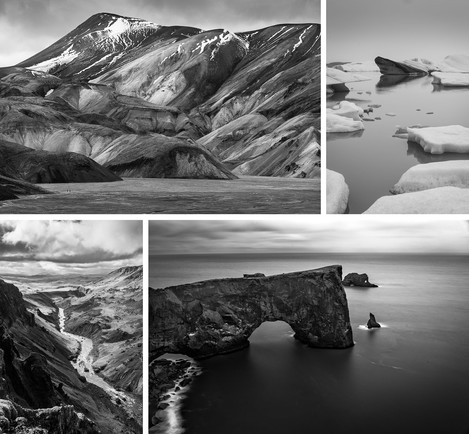
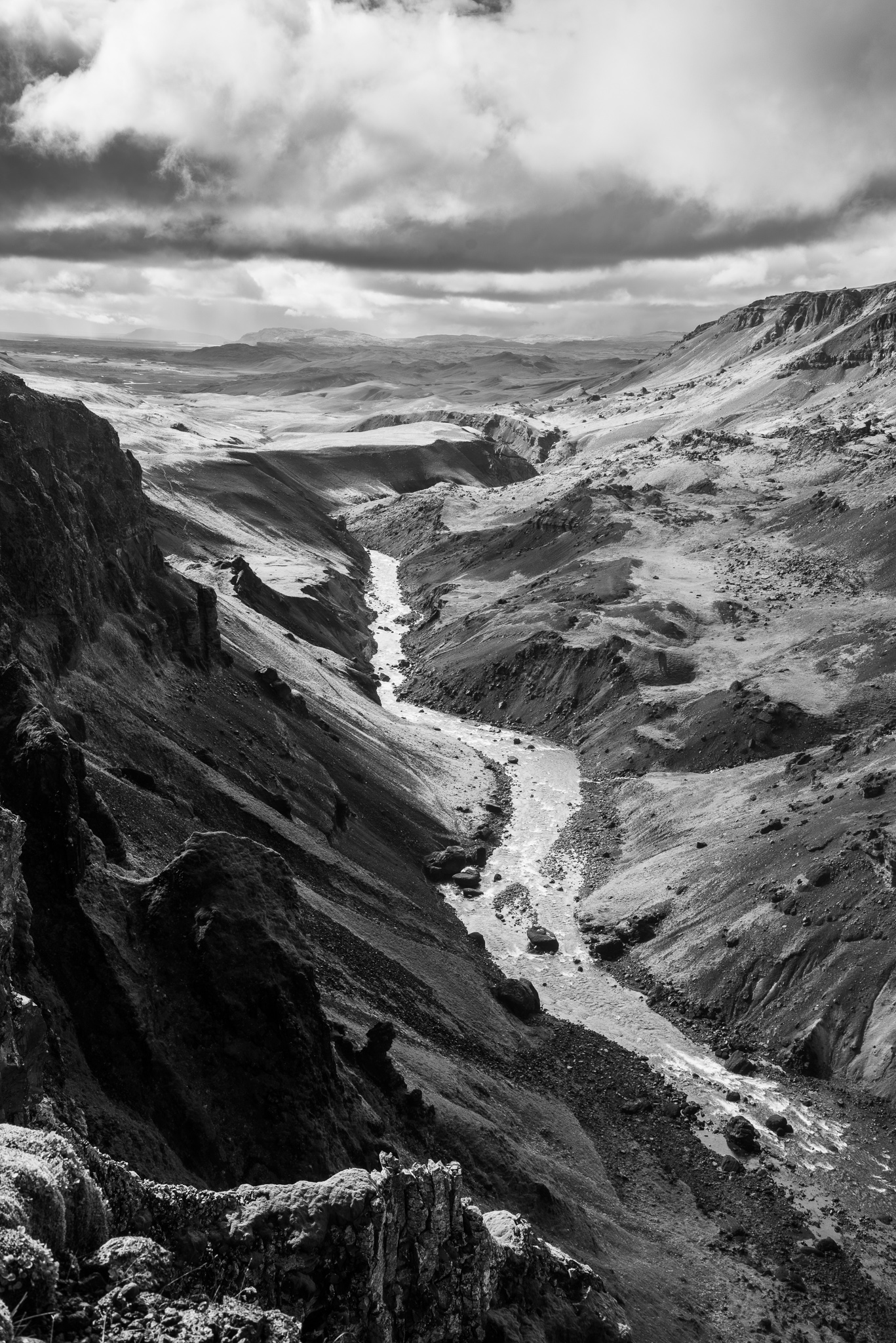
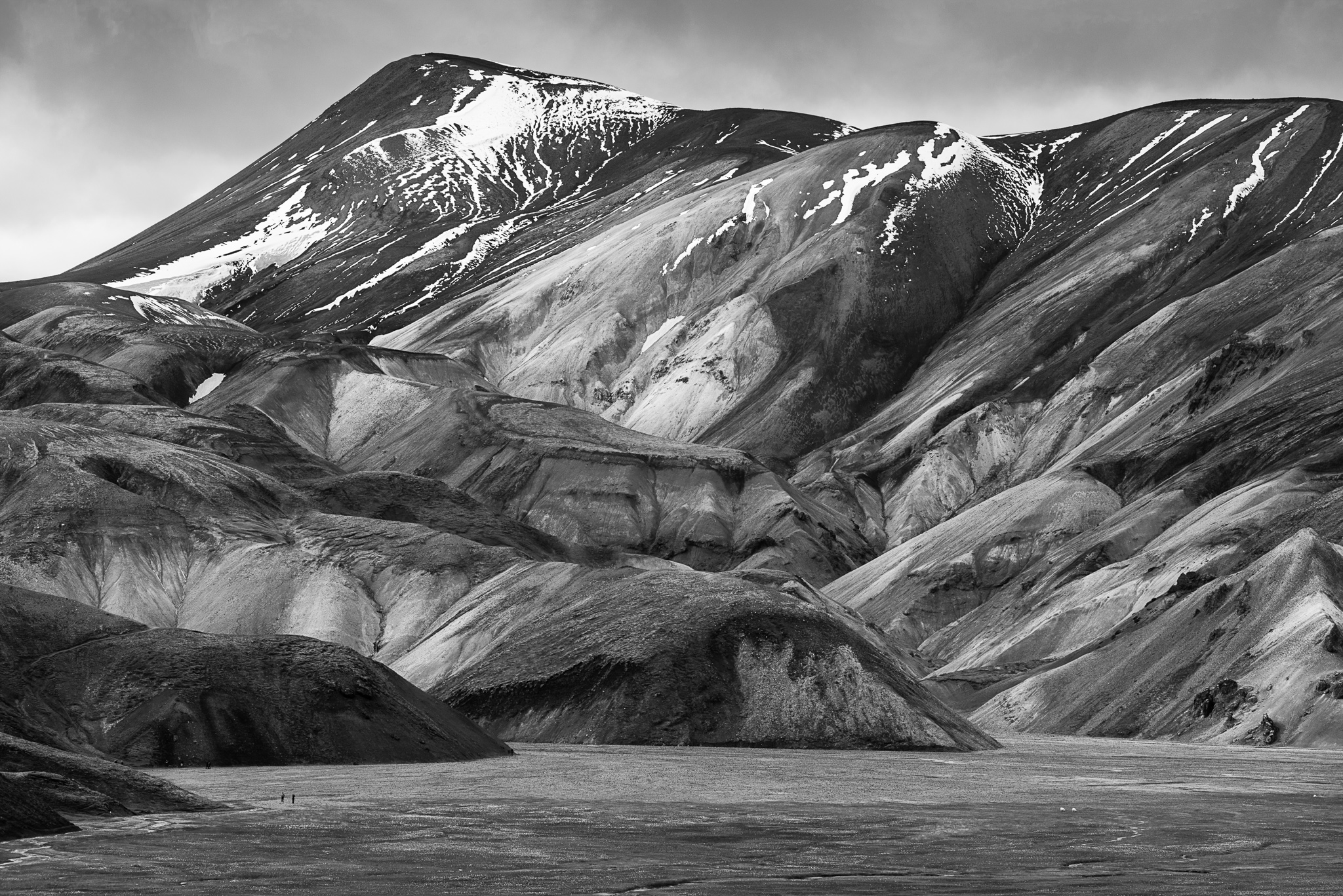
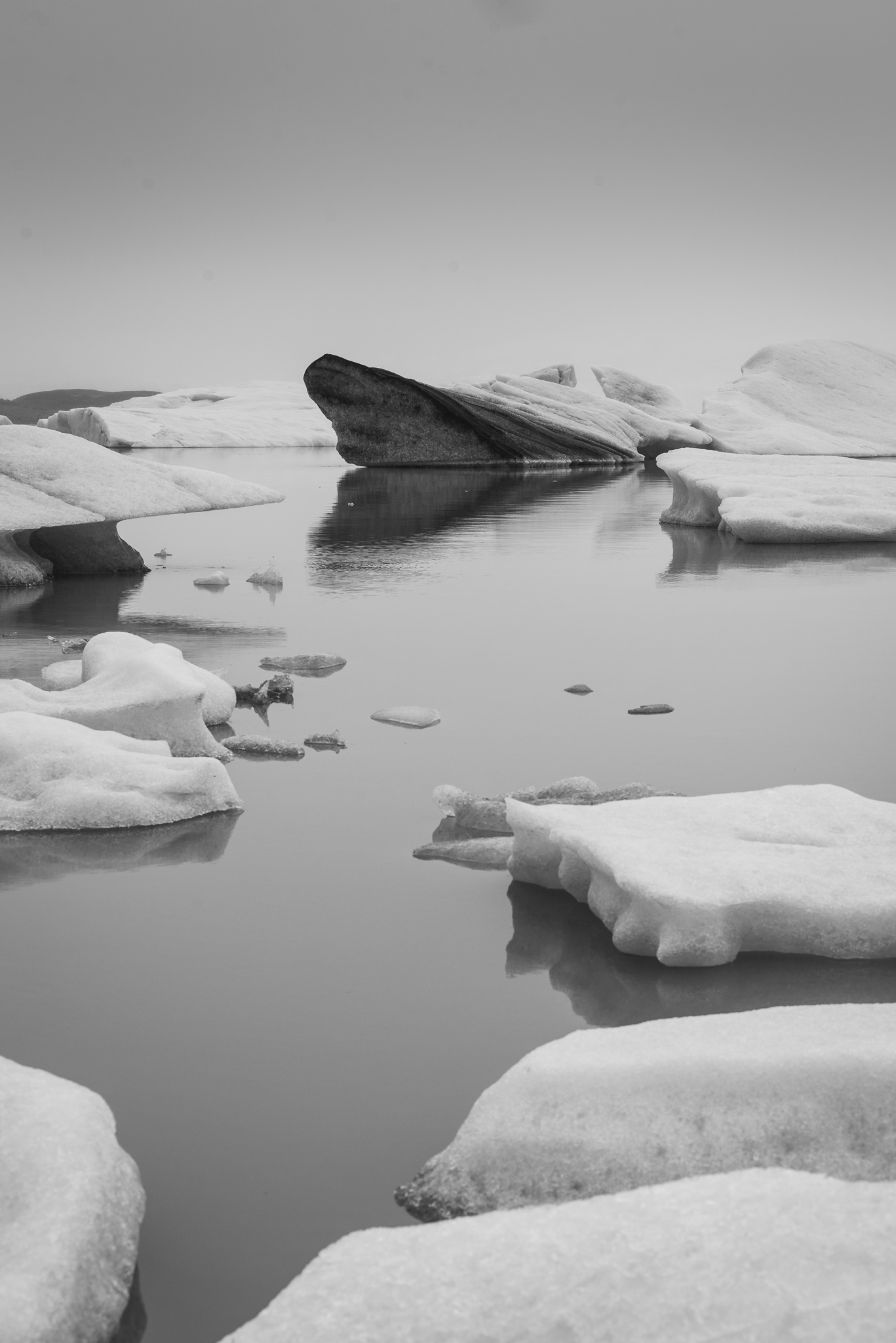
The Icelandic south and east coast are varied, stunning, and formidable in its natural formation. I cannot say whether this mini portfolio gives a true image of Iceland, but it is my contention that Iceland can only be witnessed. It is an island that is full of natural events which awaken you from an unconsciousness to the huge forces at play under our very feet. Iceland experiences the full symphony of such events: glacial, tectonic, biologic, geologic, cosmic. These events manifest themselves most evidently in water all over the island. It flows seasonally through a multitude of forms: ice, snow, rain, river, glacier, steam, ocean. Its impact on the landscape is clear, as is its necessity to sustaining human life.
Iceland was the last major island to be inhabited in about 900AD, leaving the landscape mostly unscathed from human intervention. My experience of Iceland was, therefore, a real connection to the elements. These four images demonstrate the juxtaposition of the landscape: the scale and force with which these natural events occur, carving and shaping the landscape; versus the fragile cyclic symbiosis of the Icelandic environment. I do, however, find Iceland at such odds with itself - it places a high economic importance on tourism, ironically thereby endangering the very nature which people travel to see. I think these images tell the story of just how important it is to preserve such a beautiful, yet fragile, natural environment.
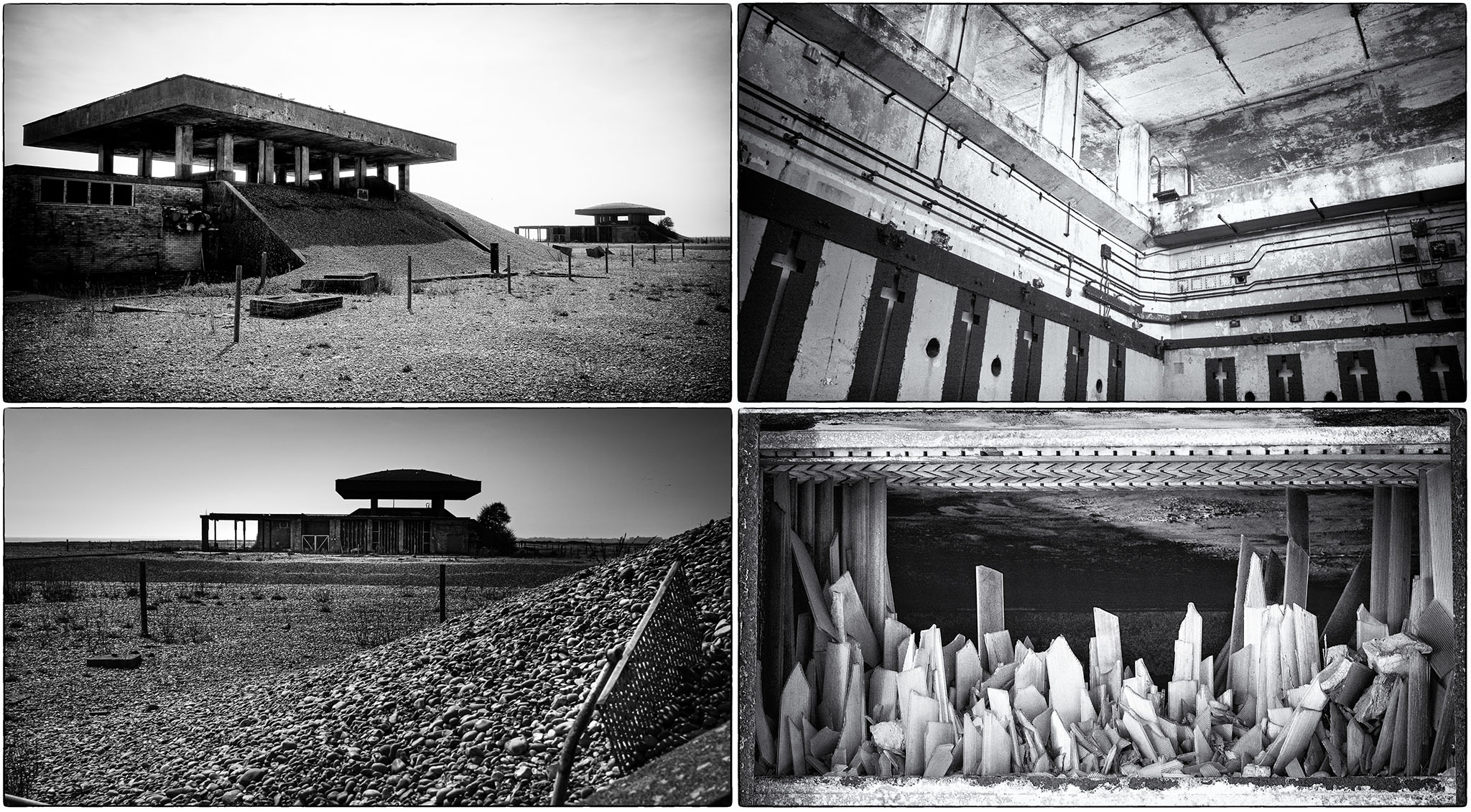
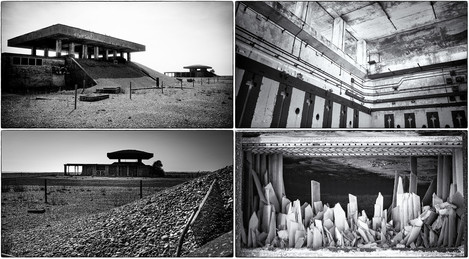
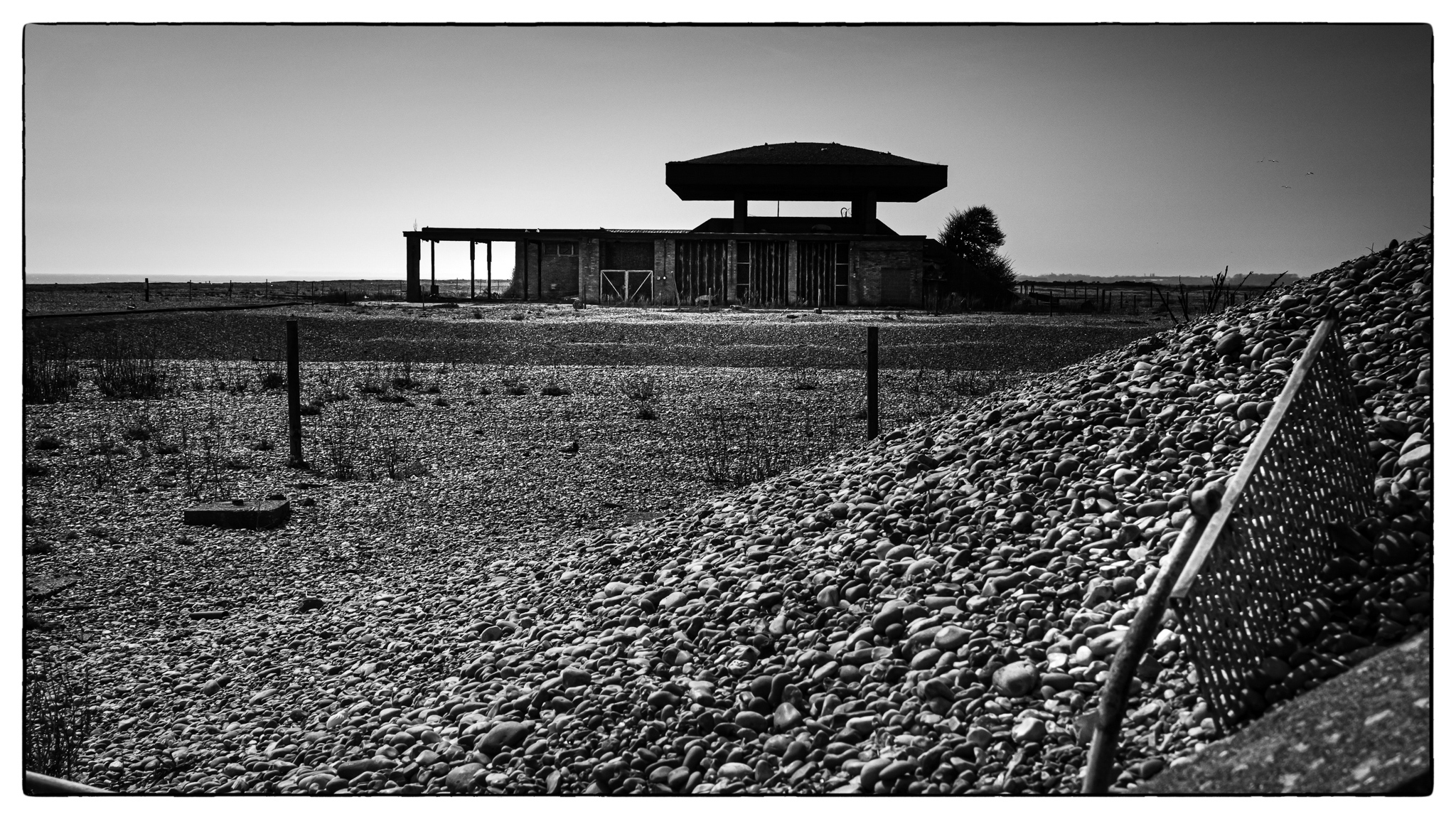
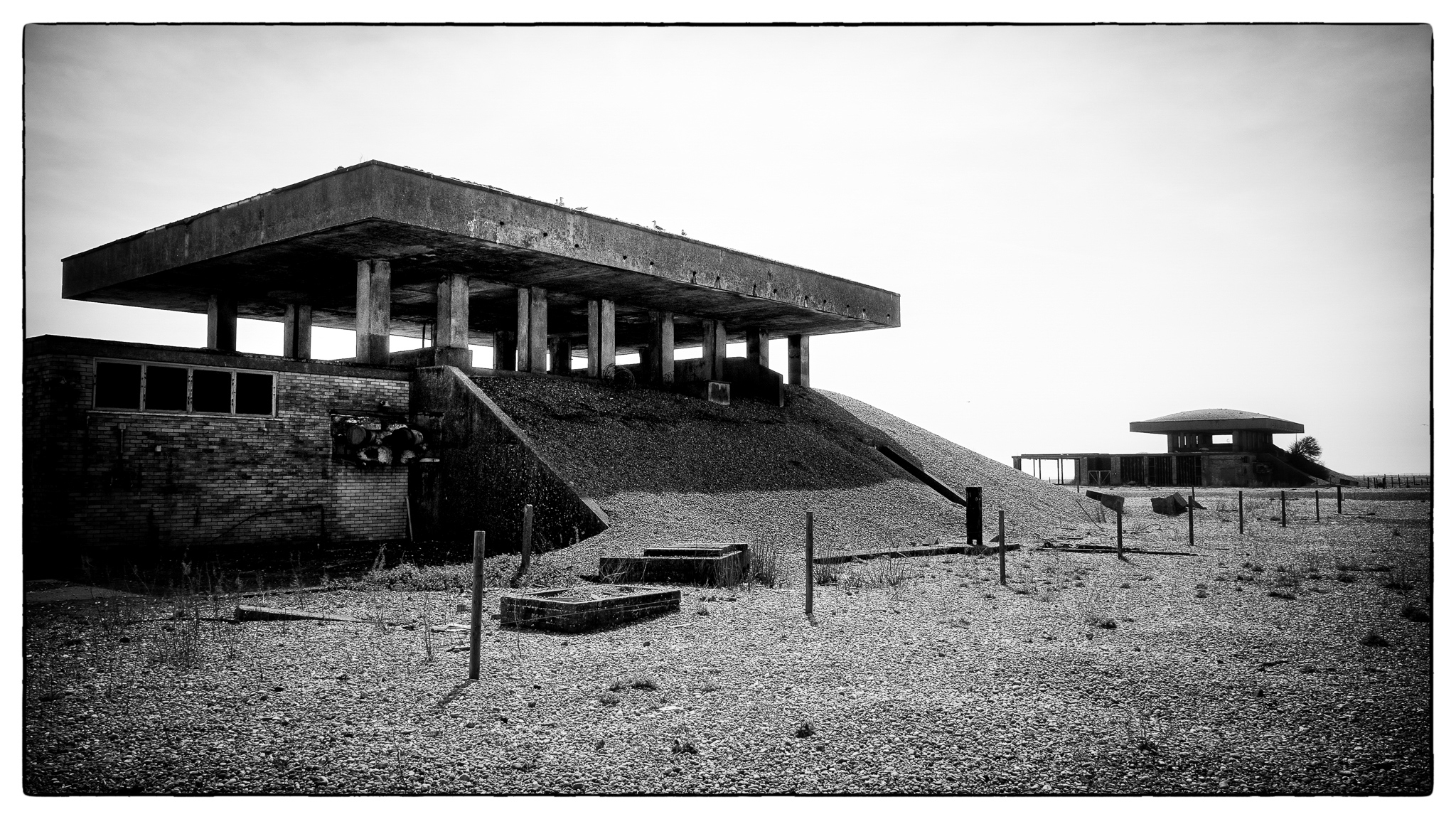
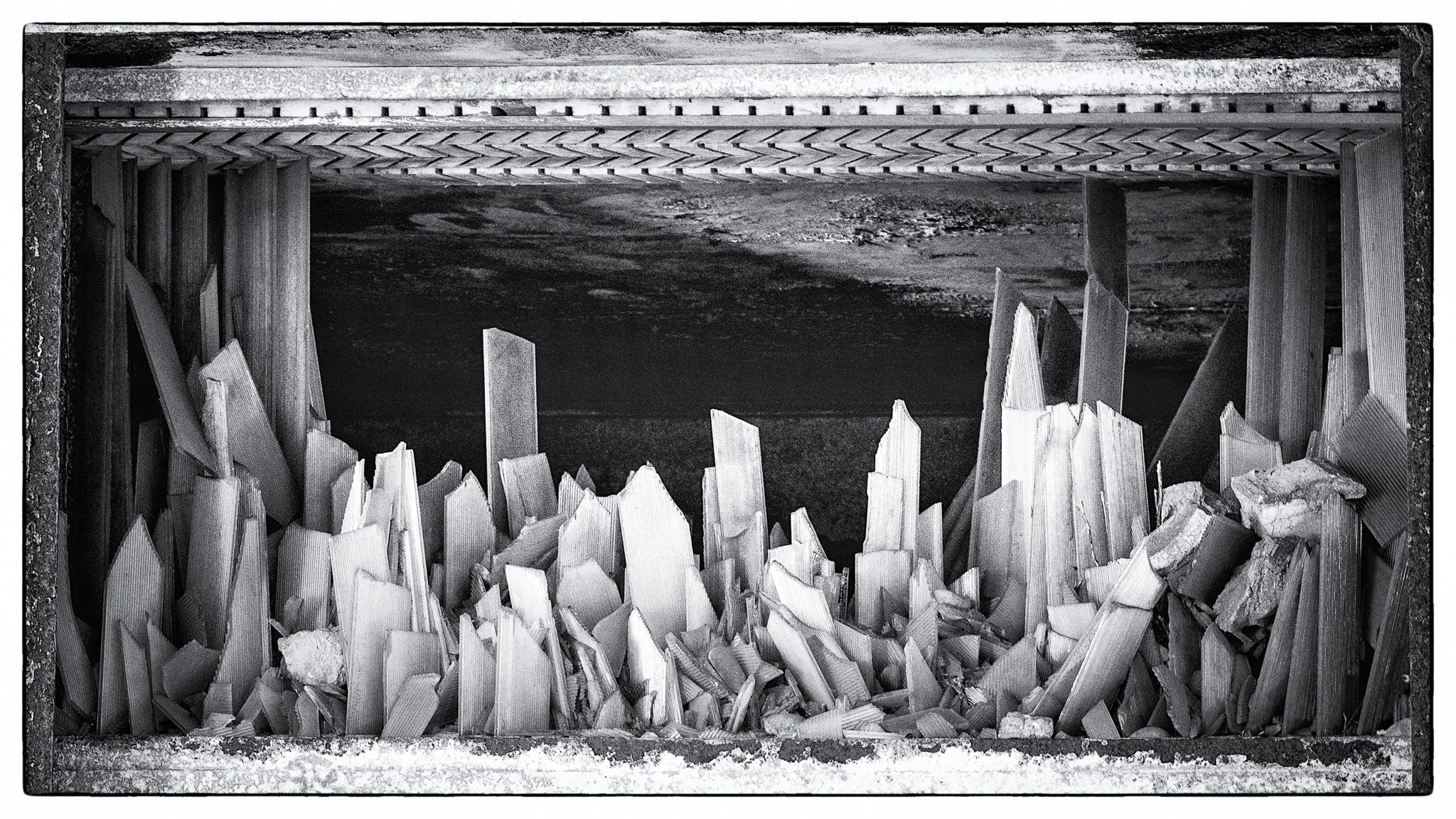
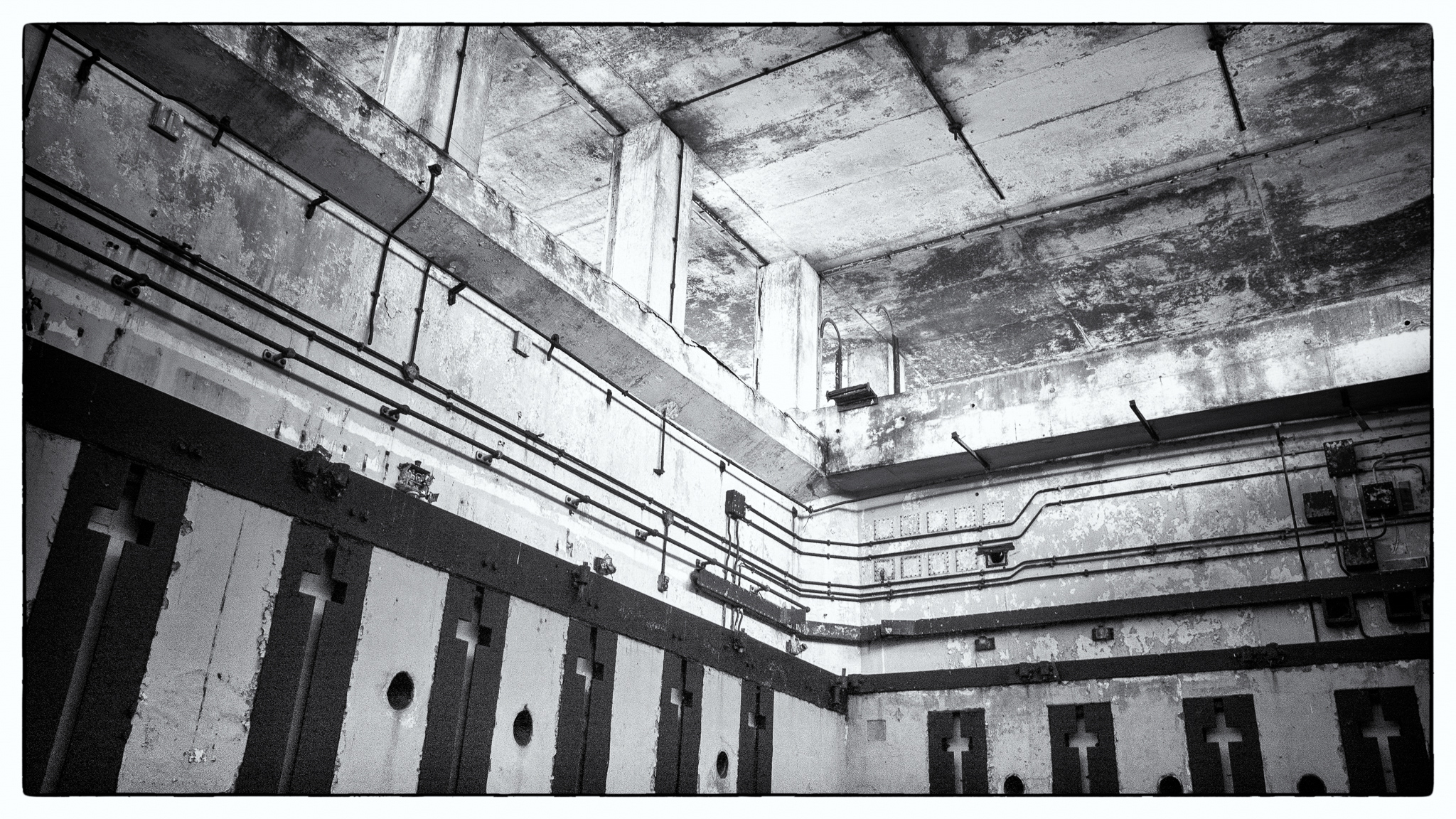
Last year, and unknown to me at the time, I was fortunate to get a place on what I believe became the last National Trust photography day that allowed participants to access inside the old Atomic Weapons Research Establishment (AWRE) buildings at Orford Ness.
Tours now – the next is in August 2019 – do not permit interior access due to safety concerns. The buildings are certainly unstable.
All arts have their limits, and I admit that the limits of photography are rather narrow, but in good hands it can be made to lie like a Trojan. However much truth may be desirable in the abstract, to the artist there is no merit in a process that cannot be made to say the thing that is not.~Henry Peach Robinson
We’re all familiar with photographs showcasing magnificent natural-looking scenery, majestic and timeless and free from human incursions. Most of us also know that many such photographs depict places that are often crowded, managed as tourist attractions, where a wild-looking view may only exist in one direction while a raucous crowd may be just outside the frame.
Photographers working in such places, wishing for their images to convey impressions such as wildness, remoteness, or peaceful contemplation, often compose their photographs deliberately to exclude people, roads, and structures that might betray the true nature of the place and the true experience of being in it. Such photographs—even if presented as “unmanipulated,” or as, “straight out of the camera”—may cause viewers to accept as true an impression that is patently false. The Merriam-Webster dictionary uses the phrase, “causing someone to accept as true or valid what is false or invalid,” as a definition for the word, “deception.”
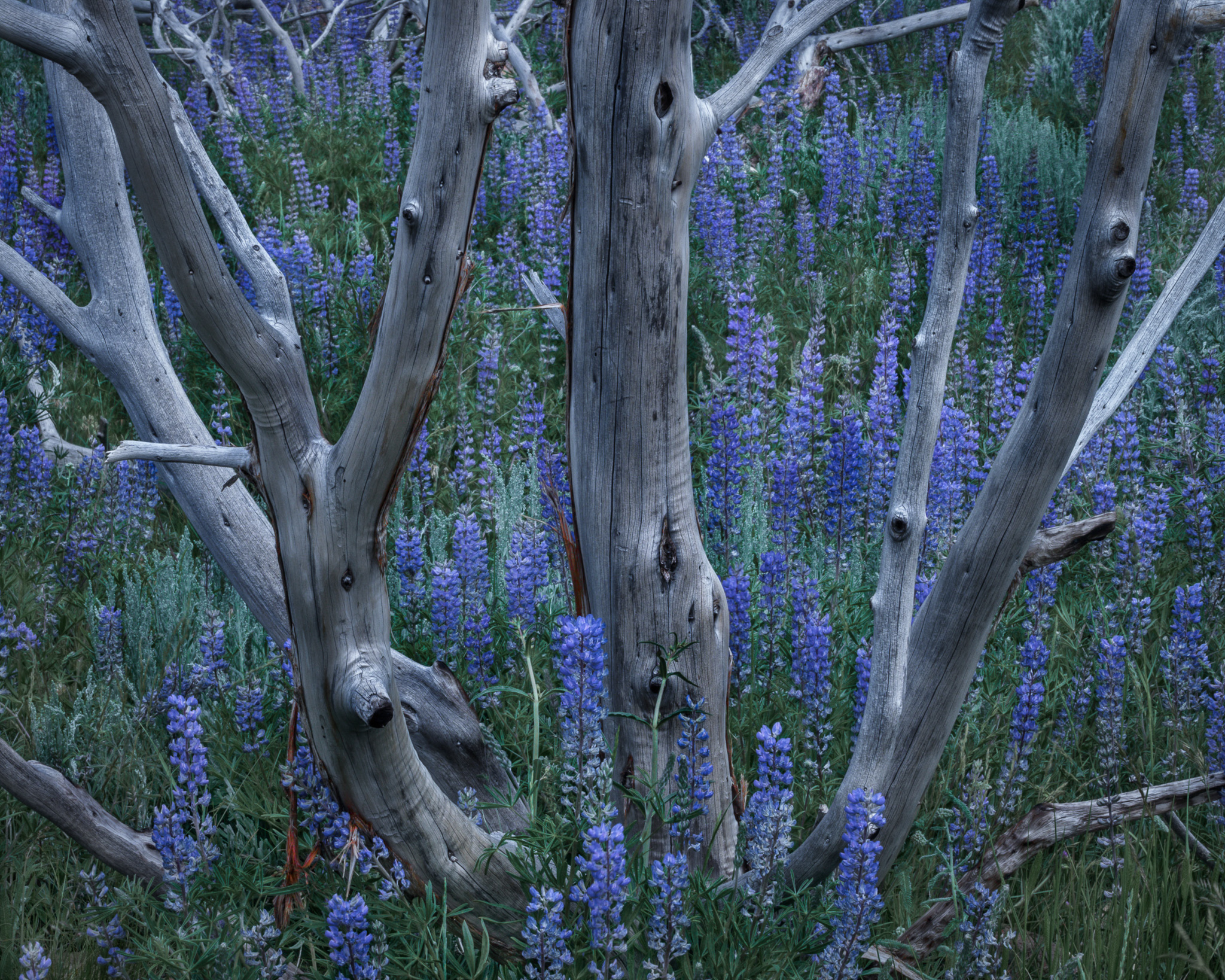
Does it matter that a photograph is not “manipulated,” if the viewer is? In art, the answer is easy: manipulating the impression of the viewer is the very goal of art (at least of most art). But what of the vocal mob who decry manipulation of photographs with such terms as unrealistic, unethical, or immoral, but who have no qualms about deceiving their viewers, so long as some idea of purity of process is held sacrosanct? How is that ethical?
Sometimes you just need a little help. In this case, it was building a shed and who better to recruit than a top landscape photographer! Fortunately, the shed didn't take too long to build and so Joe was available to help me create some video content for you lovely readers out there. We managed to record two such videos in between trips out into the Highlands and the first is from his trip to Cornwall where Joe has some great light and beautiful Spring conditions.
For this issue, we’re slowing down and wandering around with Sarah Marino, a photographer, educator and writer who together with husband Ron Coscorrosa splits her year between home and a nomadic life in a trailer. From the latter, you might expect a portfolio full of iconic American scenery, but over time Sarah has found greater fulfilment through the changing conditions, intimate scenes and delicate details for which she is best known.
Would you like to start by telling readers a little about yourself – where you grew up, your education and early interests, and what that led you to do as a career?
I grew up in a suburb of Denver, Colorado in the United States. Although I did well in school and had a lot of ambition, I didn’t have a strong sense of what I wanted to do with my life and made some poor decisions as a young adult. I was the first person in my family to go to college and initially enrolled at a prestigious engineering school. I succeeded on the academic side but the cutthroat culture of the school was not a good fit. I transferred to another university and graduated with two degrees – one in American history and one in business. I was involved in political advocacy at the time and found my first professional job on a congressional campaign, with the plan of going to law school soon thereafter.
After an intense and mostly unpleasant experience on the campaign, I again realised that highly competitive environments are not a good fit for me and I decided against law school. Feeling rudderless, I applied for a wide range of positions and ended up accepting a job offer at a large nonprofit organisation. Finally, and mostly by accident, I found a culture that was welcoming, collaborative, and mission-oriented – a much better fit. This job led me to a happy, wide-ranging career in Colorado’s nonprofit community, including owning a nonprofit and philanthropy consulting business for almost a decade. While I still work with a few long-term consulting clients, I am getting closer to working as a full-time photographer each year.
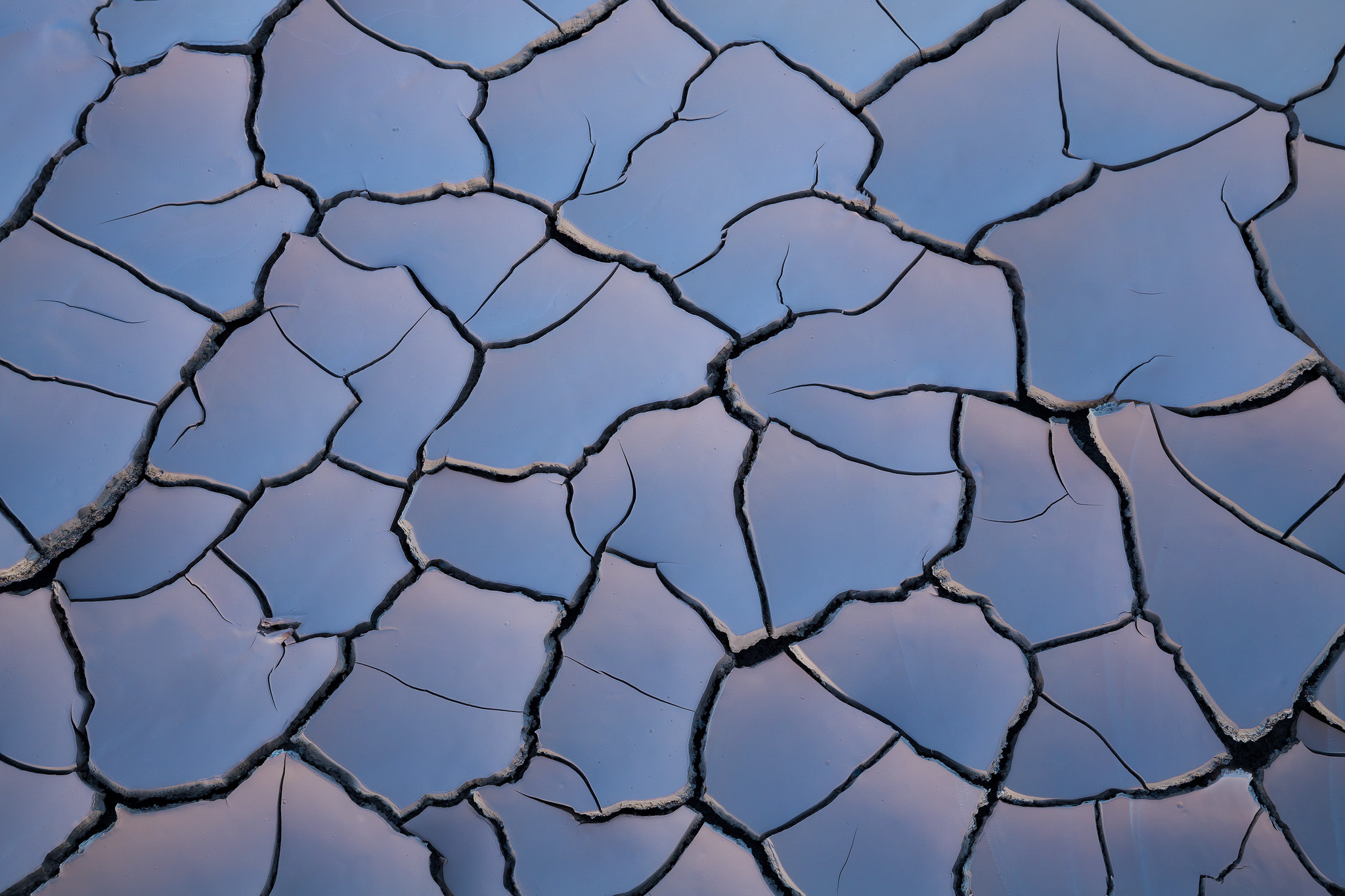
A recent rain smoothed out and softened the surface of formerly weathered mud tiles in Death Valley National Park, California.
How did you become interested in photography and what kind of images did you initially set out to make?
About five years into my nonprofit career, I decided that I needed a graduate degree since I wanted to become a CEO and lead a large organisation. I finished a master’s degree in public administration while working full-time in an intense, high pressure job.
As I started taking my photography more seriously, I also started experiencing the thrill that can come with external validation. At the time, Marc Adamus was emerging as a driving force in the US landscape photography community. I decided that I wanted to take photos like Marc’s photos, mostly because those types of photos received the most attention. I completed three workshops with Marc and they were instrumental in my development as a photographer. During the first workshop, observing Marc’s adventurous spirit motivated me to build my outdoor abilities and skills (and I learned a lot from observing his creative process). During the final workshop about a year later, I realised that copying Marc’s photos and style offered little in terms of personal satisfaction and I started the slow journey back to focusing on the types of subjects that were among my initial inspirations.
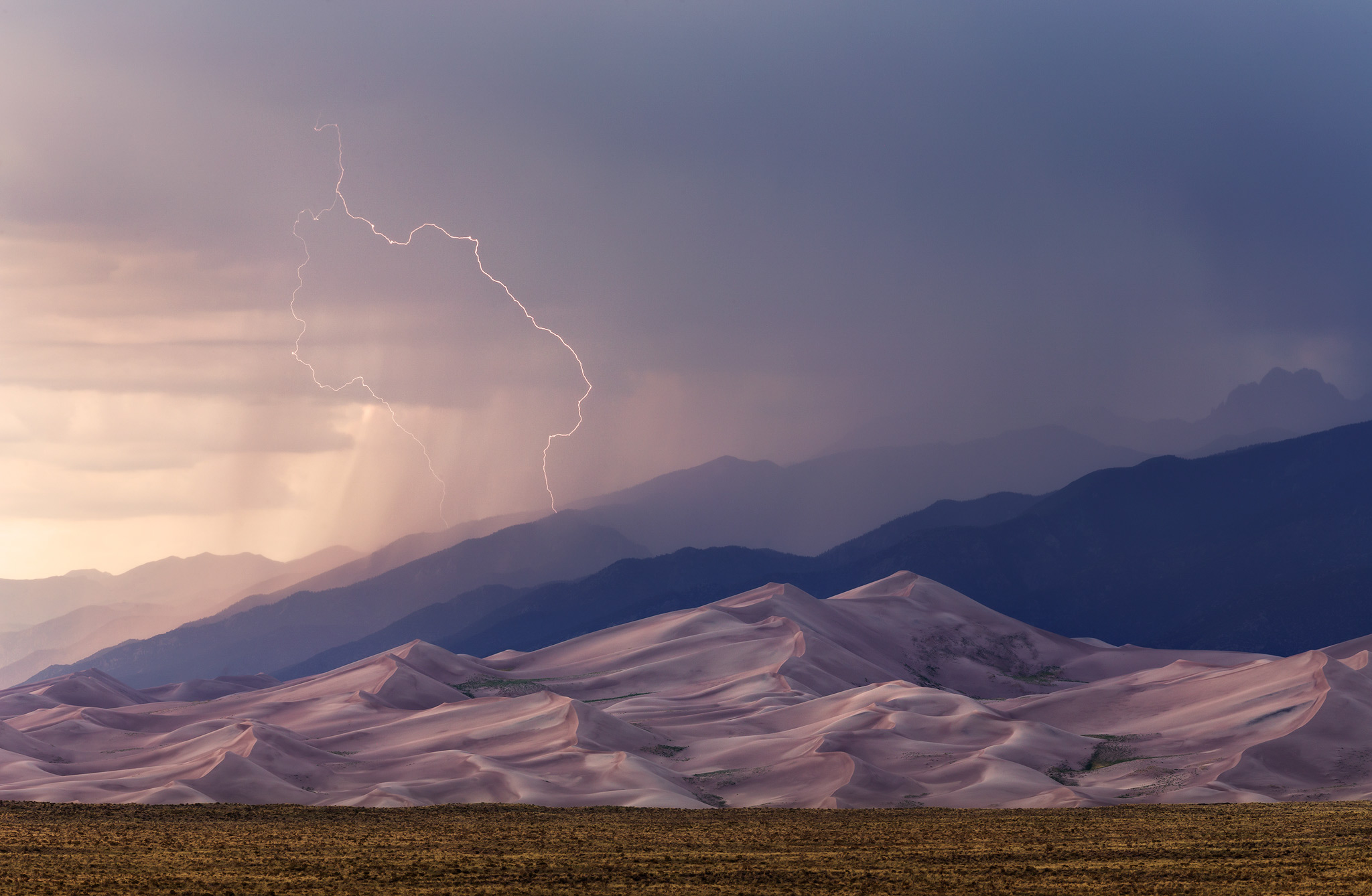
Lightning strikes the mountains behind the Great Sand Dunes in Colorado.
Who (photographers, artists or individuals) or what has most inspired you, or driven you forward in your own development as a photographer?
My interest in nature is the driving force and inspiration that has propelled me forward as a photographer. As I spend more time outside, I find more things that fascinate me. The feelings of discovery, wonder, and awe inspire me to get outside more often, explore the same places more deeply, and experience new places.
While I admire many nature photographers, I actively try to keep the work of others from directly inspiring or heavily influencing my own work. When it comes to photography, I have an impressionable mind, especially with regard to visiting specific places. This led me to partially adopt a practice that photographer Cole Thompson calls photographic celibacy.
As I analysed how I was working, I came to the conclusion that when I studied another photographer’s work, I was imprinting their style onto my conscious and subconscious mind. And then when I photographed a scene, I found myself imitating their style rather than seeing it through my own vision. To overcome this tendency I decided to stop looking at the work of other photographers, as much as was practically possible.~ Cole Thompson
For about a year and a half, I spent very little time looking at nature photography, with the exception of occasionally seeing the photos shared by friends on social media.
Almost every time I discuss these ideas with other photographers, I get strong disagreement so I know that this practice doesn’t work or isn’t compelling to most people. However, when I consider my biggest breakthroughs and periods of progress with my own photography, this approach was essential.
How have your experiences over the last 10 years changed your perspective on life and the necessity of making a living?
My only sibling passed away after a bicycle accident when I was 14 years old and it was an incredibly traumatising and consequential experience. I can trace most of my ambition and the constant feeling that I need to fit in as much as possible to this experience. This initially manifested as a drive to be a top achiever in school and then morphed into a desire to accelerate professional accomplishments. While this approach produced an impressive resume, it also left me feeling emotionally tattered and constantly stressed. I daydreamed about taking a year off to rest and focus on photography but given my situation at the time and my addiction to work, making it happen seemed impossible.
In 2011, I met my now-husband, Ron Coscorrosa, during a photography trip in southwestern Colorado. Ron had saved up so he could take a sabbatical from his work as a software engineer. While I initially had no romantic interest in Ron, I found his life choices to be instantly inspiring because, at home, I was surrounded by people who only defined success through career-oriented achievements. Getting to know someone who defined success in terms of enjoying life was a revelation and it motivated me to start making different choices. At the time, I had a busy consulting practice and selected projects based on things like prestige and visibility. I started instead of selecting projects that allowed me to work remotely and maintain a flexible schedule. I also went through a long, difficult process of crafting a new identity – one that wasn’t based solely on traditional career success but instead of actually enjoying life.
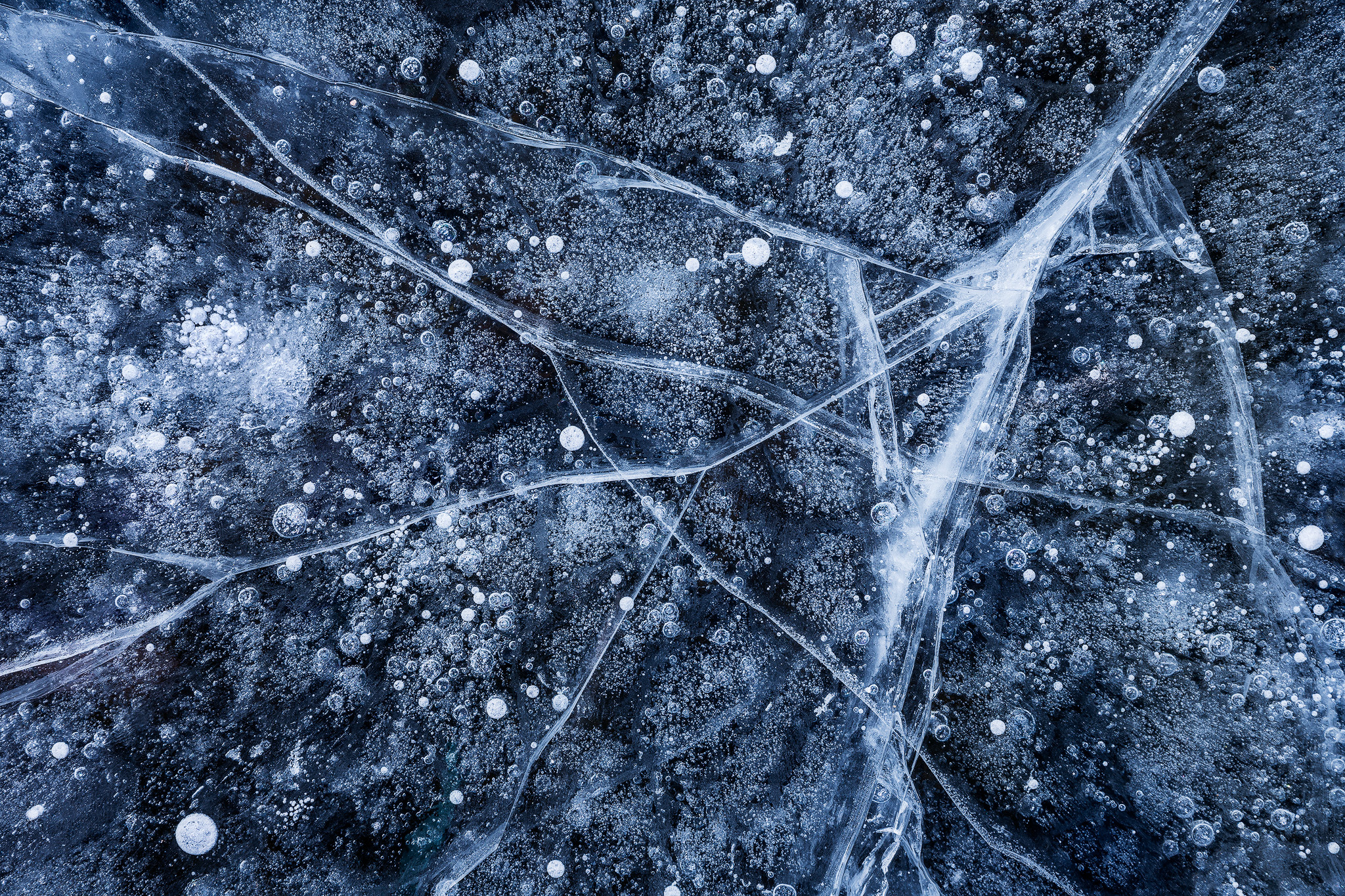
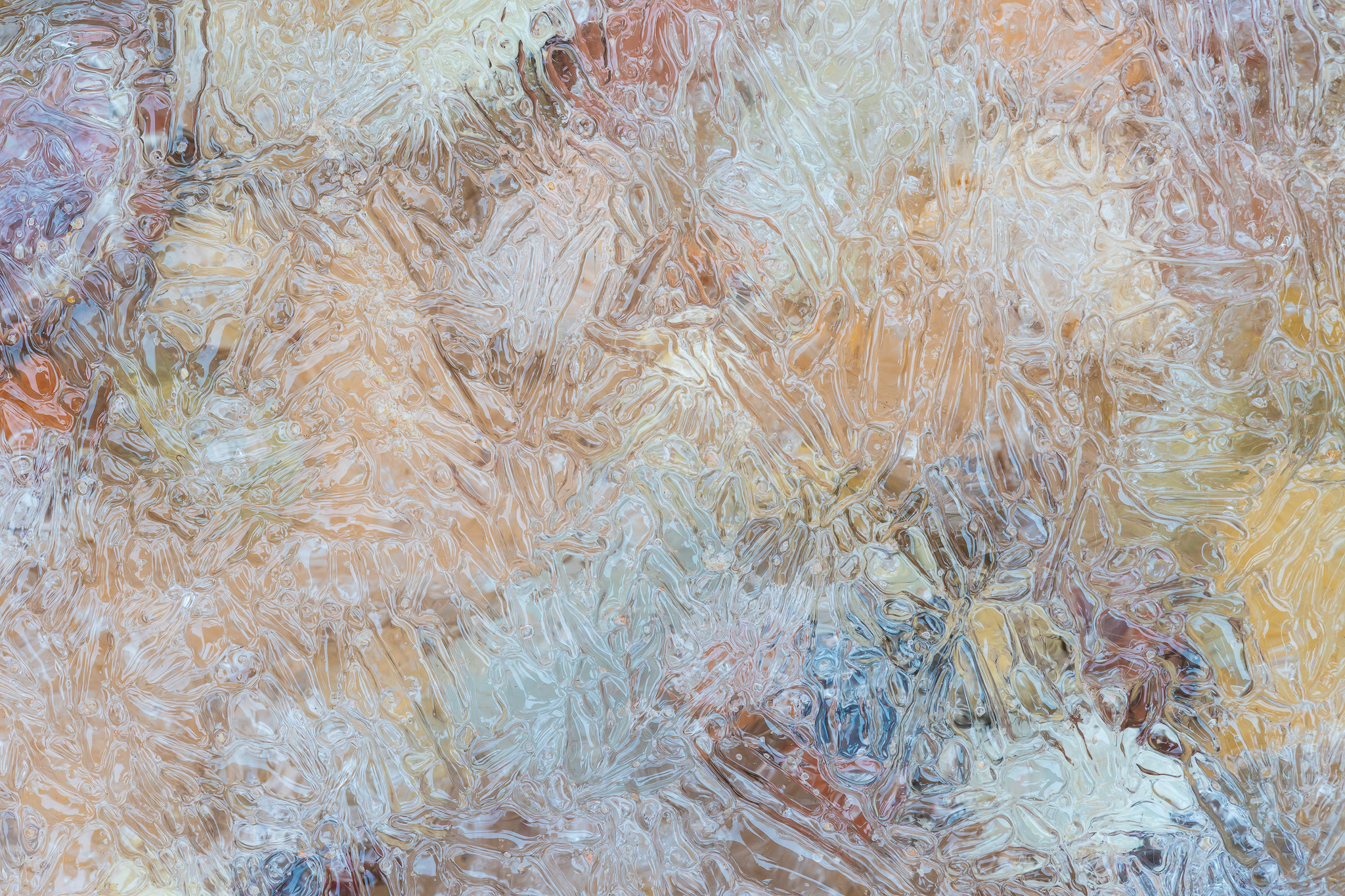
Ice formations on a backcountry lake in Colorado's San Juan Mountains.
Once we got married, we significantly reduced our expenses, moved to a small town with a lower cost of living, and figured out a way to travel a lot more (finding remote work, buying an RV, and introducing our cats – successfully! - to travelling). While I make a lot less now and still feel self-induced pressure to cram in as much as possible, I am much happier living a simpler, slower life with more time for travel, being outdoors, and photography.
Across the breadth of your portfolio, which places, projects or themes have the most resonance for you?
This is a hard question to answer because every natural place I have visited resonated with me in some way. Still, I feel most at home in wide-open desert landscapes. Exploring is easy since cross-country travel is allowed in many places. Desert landscapes also seem to hold more surreal surprises than other types of ecosystems. It is exhilarating to head out to a familiar place and not know what we might find since some desert landscapes can change dramatically after flooding or extended periods of dry weather. As noted in 1-star Trip Advisor reviews for places like Death Valley National Park, these landscapes can look like desolate expanses of brown at first glance. With a closer look, however, such places are often full of life and are transformed under different lighting throughout the day. All these things come together to make such landscapes feel magical.
I also spend a lot of time seeking order among chaos. This is probably the most common theme in my photography, as I find the greatest pleasure in finding patterns and repetition in nature. It is fascinating to see patterns repeat in all different kinds of subjects and at all different scales. Finding these subjects, being able to photograph them, and then presenting them in cohesive collections bring me a lot of joy.
Would you like to choose 2-3 of your favourite photographs and tell us a little about why they are special to you?
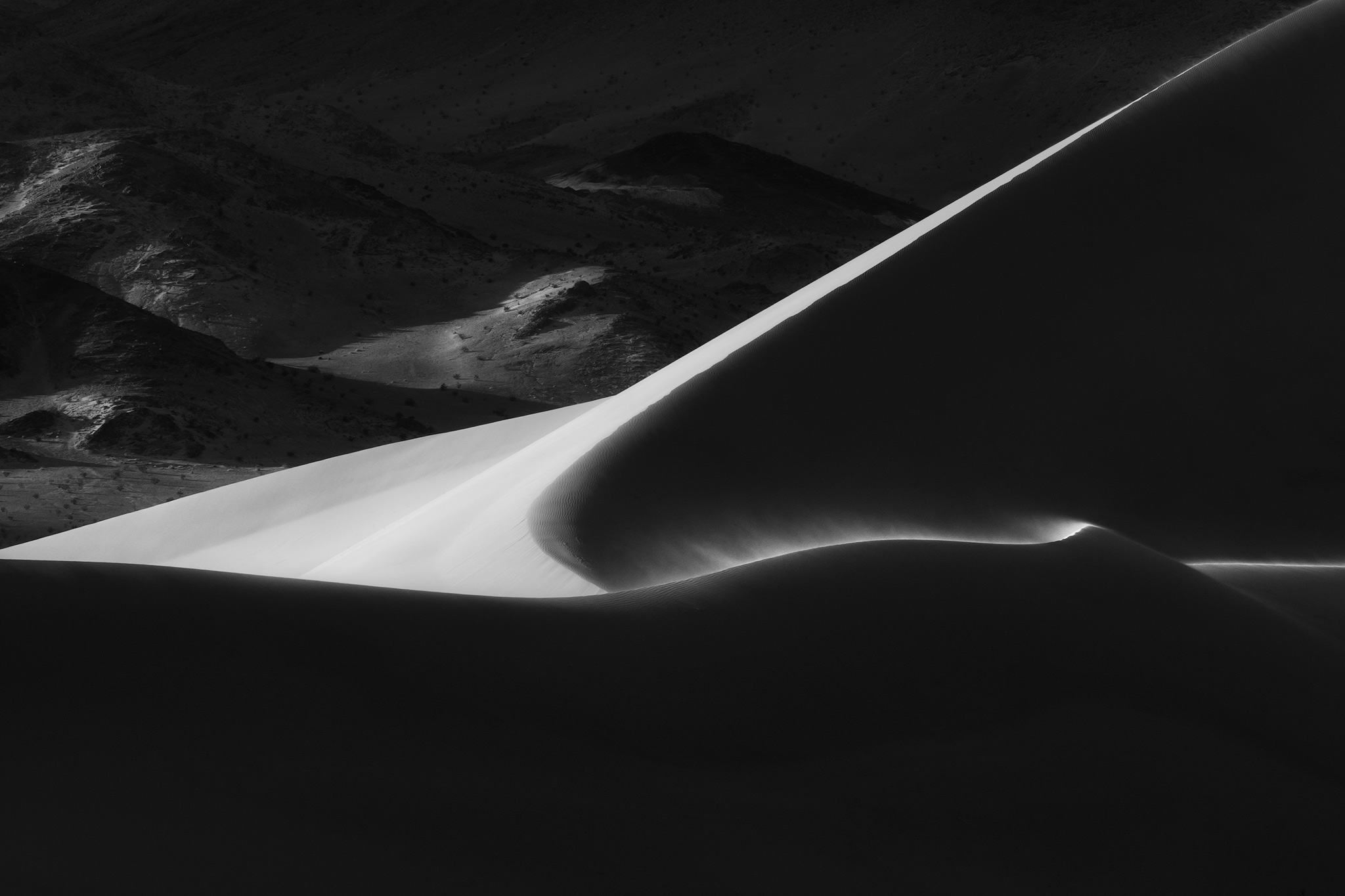
The edge of a sand dune catches the last light of the day at a remote dune field (Death Valley National Park, California).
When comparing my black and white work to my colour work, I think my black and white work is a better representation of my interests in and affection for the natural world. I always feel constrained when working with colour photographs and my perfectionist tendencies often get the best of me. For example, I took this photo in the late afternoon. The shaded sand dunes took on an unattractive shade of brown. By portraying this scene in black and white, I could get past my issues with the brown dunes and accentuate the strong contrasts in a way that would look artificial if rendered in colour. This photo remains one of my favourites because of the frill of wind-blown sand – a little detail that makes the photo for me.
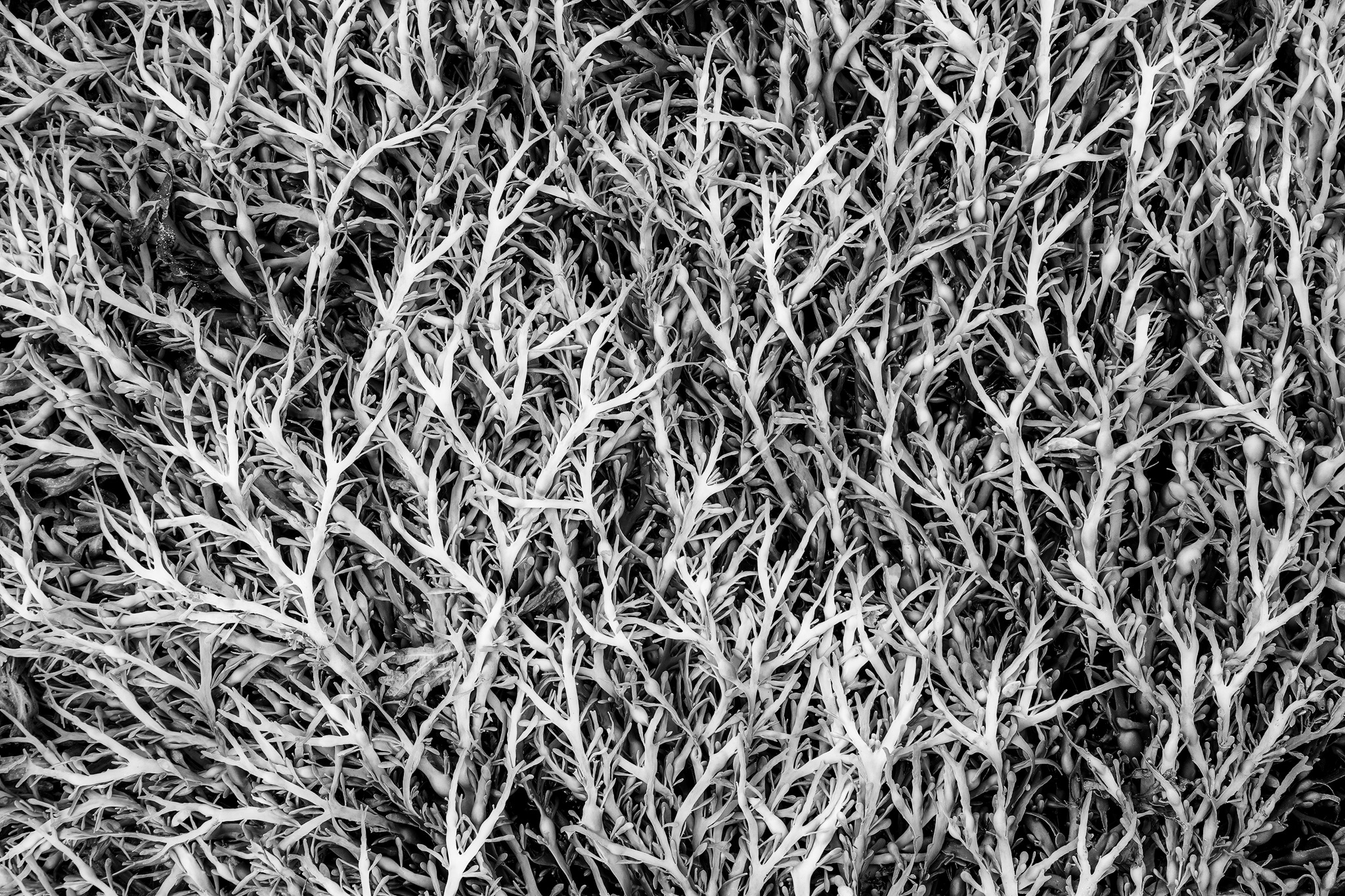
Glistening seaweed in a tidal flat in Iceland
I took this photo across the street from one of Iceland’s busiest photography spots. This is an interesting place to observe photographers because most people get out of their car, walk the short distance to get “the shot,” get back in their car and drive away. It is sad to see how few people explore since the area offers many subjects for photography – tidal flats full of this seaweed, extensive sand ripples, areas of standing water that reflect the surrounding mountains, and a series of pretty cascades all within five minutes of walking from the parking lot. When people ask me about my photography style, I say that I photograph by wandering around and my photos are the result of what I find while on these meanders. This is an example of how easy it is to find subjects just by wandering around. I continue to enjoy this photo because of the repetition of the beautiful, intricate patterns in this seaweed. The slight wetness also adds a bit of a silvery sheen, which I love.
Many photographers work in a solitary manner – at least while in the field. Can I ask you about the dynamic of working jointly with your partner Ron? How much do your vision and style have in common, and how do they differ?
Ron and I are fortunate to have remarkably similar interests when it comes to being in nature, like our mutual affection for desolate landscapes and spending a lot of time seeking out tiny subjects. Since our interests align, we are able to easily choose places to visit that interest us both. If we are visiting a place that requires hiking to access the spot we are planning to photograph, we almost always hike together and then split up once we arrive at our destination. If we are photographing from the car or a parking lot, we sometimes spend a little time exploring together but much more commonly go off in our own direction.
One of the most common questions we are asked is, “Who is the better photographer?” This question is confounding since we never think in these terms, as we are not territorial or competitive at all. If I see something interesting, I am often as excited about sharing it with Ron as I am about photographing it myself.
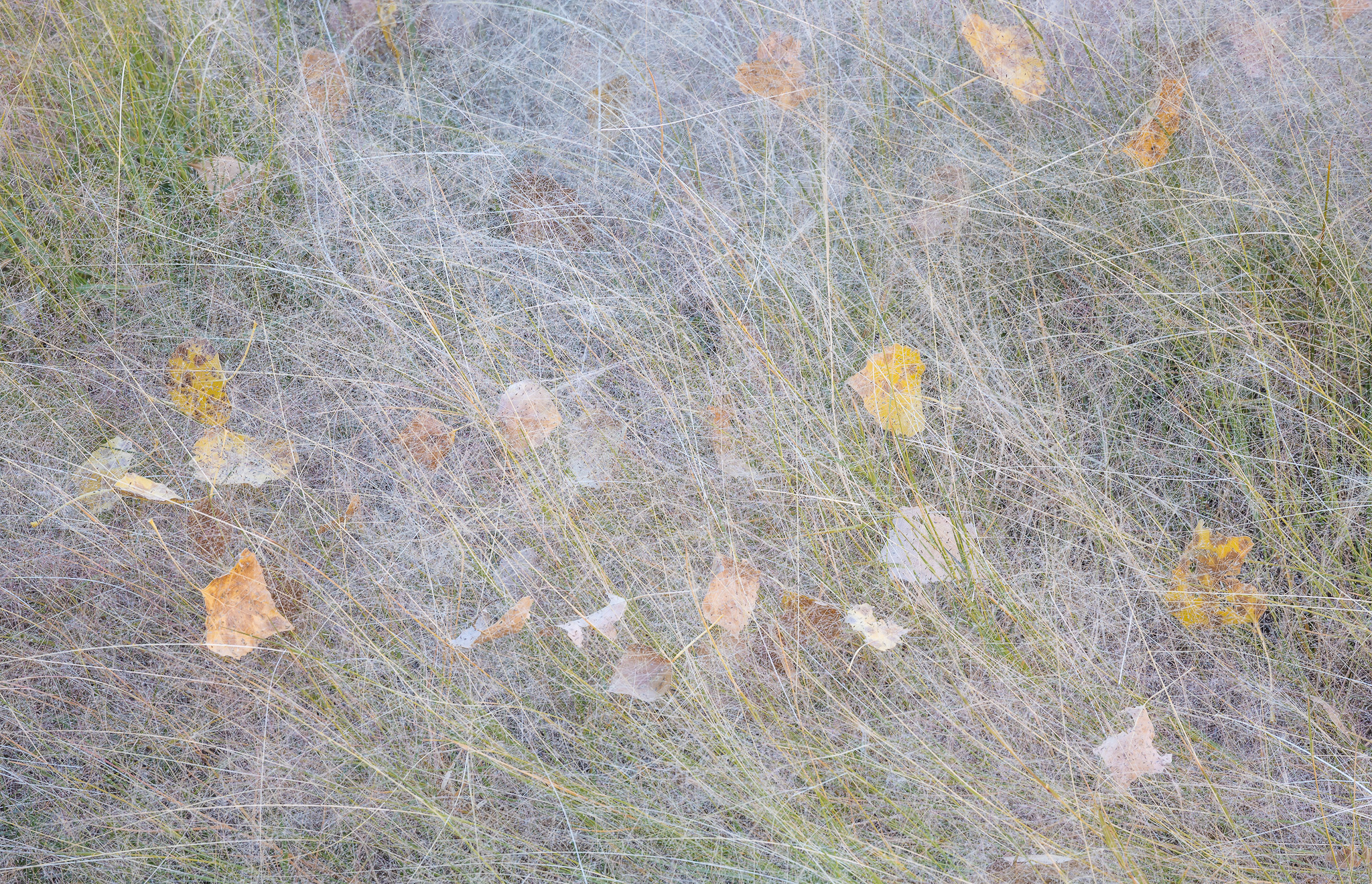
Fuzzy grasses capture fallen autumn cottonwood leaves in Zion National Park, Utah.
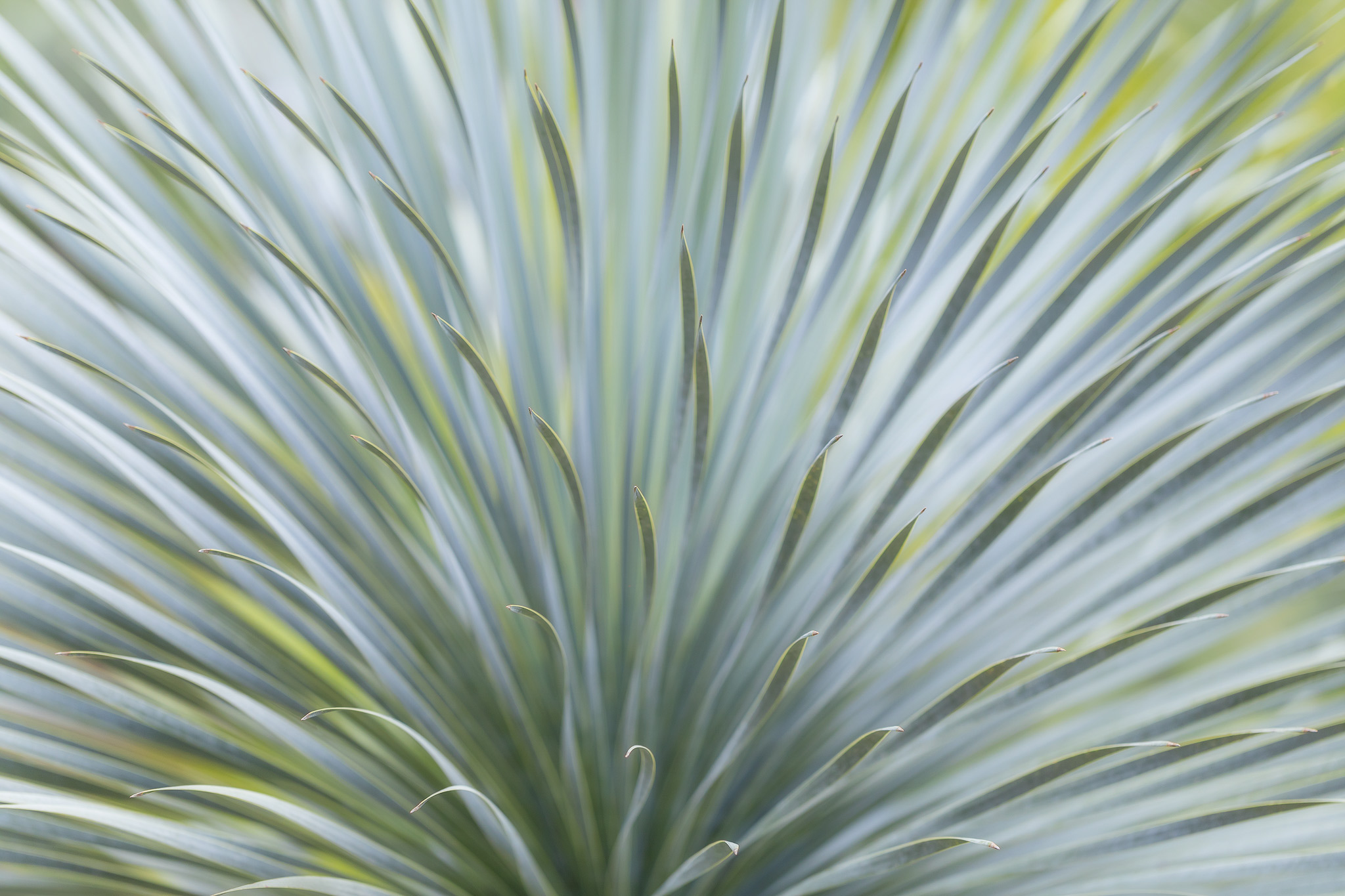
A frilly desert plant at the Fairchild Tropical Botanic Garden in Florida.
Ron is a carefree person and just enjoys being outside. He never puts pressure on himself and rarely brings expectations to a place. I, on the other hand, sometimes feel the pressure of a moment. This last winter, we made a detour to Zion National Park because of a forecasted snowstorm. I have wanted to photograph this area with a coat of snow for many years and this happened to be the first time that everything aligned for us. The snow was magnificently beautiful but was already melting by the time we were up for sunrise.
Instead of enjoying the experience, I ended up feeling a lot of pressure and stress because of the uniqueness and fleeting nature of the conditions. Ron, with his more low-key approach, enjoyed it a lot more and is happier with his resulting photographs. This dynamic is why I am most happy showing up at a place without a lot of expectations or a plan I enjoy photography a lot more when I can move at a slow pace and just see what a place has to offer without the pressure of rare conditions or a lot invested in a once-in-a-lifetime trip. Comparatively, Ron can excel in both situations. The more time I spend with him, the better I am getting at adapting my inclinations to his style and it has improved both my photography and experience as a result.
Which bits of gear have survived you ;-) and can most often be found in your camera bag?
A few years ago, I had a rough phase with gear: dropping a lens onto a sidewalk, watching a lens slowly roll out of my bag and down a 30-foot hill before plopping into a cascade, and ruining a camera in heavy waterfall spray. Since then, I have tried to be more careful with my equipment although I do still joke that it is not the smartest move to buy used gear from any nature photographer…
I use Canon equipment including the Canon R mirrorless camera, plus 16-35mm, 24-105mm, 100 mm macro, 70-200mm, and 100-400mm lenses. With the exception of the 70-200mm lens, which I reserve for longer hikes since it is lightweight, I always carry the other four lenses in my camera bag and use them in similar proportions.
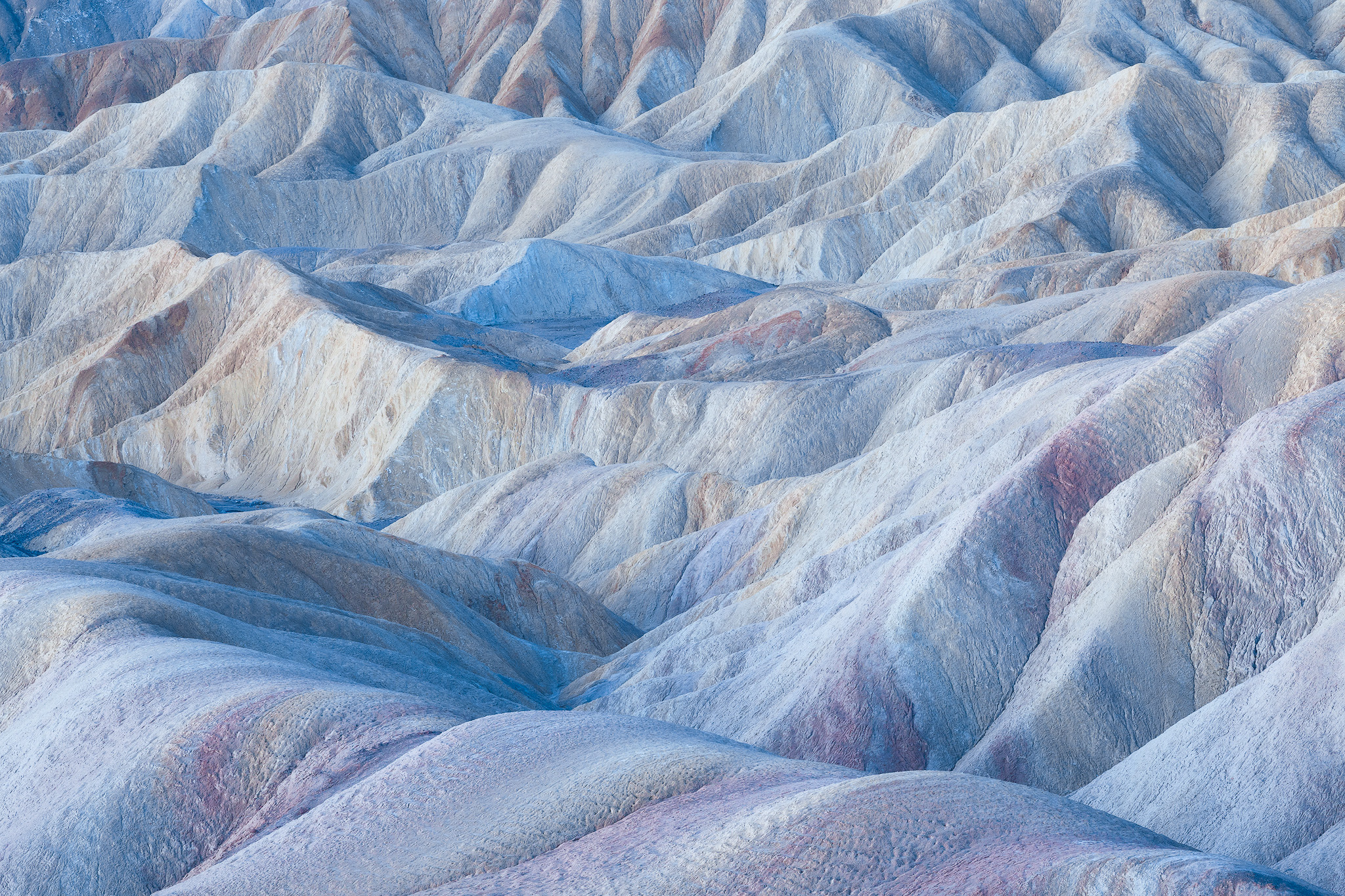
Extensive badlands in the early morning in Death Valley National Park, California.
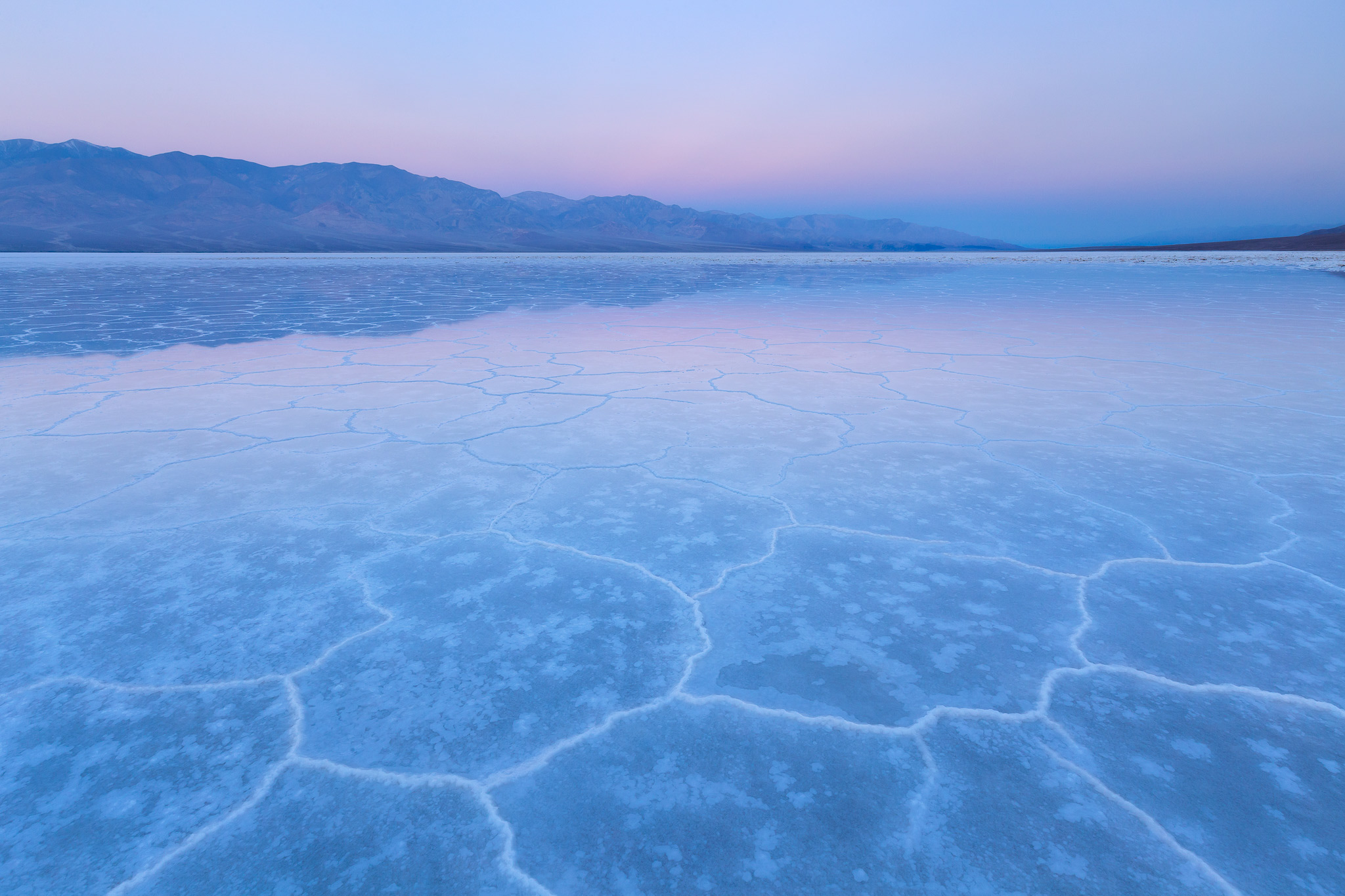
Death Valley National Park’s flooded salt flats, which looked like ice on this cold morning in the desert.
Can you give readers an insight into your workflow from the point of image capture to output?
In the great debate about Photoshopping and “fakery,” I fall somewhere in the middle of the continuum. I want to present my subject at its best and will accordingly fine tune things during processing but also want to stay grounded in reality. For me, the power of nature photography is rooted in the idea that the photographer actually experienced the moment they are presenting. While dropping in a better sky or perking up a mountain might be a fully valid creative choice, learning that the photographer didn’t actually experience the moment of awe as they are presenting it takes away something valuable for me as the viewer. Thus, I want to maintain what I see as authenticity when presenting my work, especially with my colour photography.
Conversely, one of the things I enjoy most about black and white photography is that the starting point itself is a departure from reality. This provides significant creative freedom – a freedom that I more fully realise when processing my black and white photographs. This typically means building significant contrast into the scene, with strong light and dark tones, using levels, curves, and basic luminosity masks as my primary tools in Photoshop. My process also includes emphasising or deemphasising specific elements of a scene through dodging and burning. I use many of the same tools for my colour photography, just with a much lighter hand. I generally want my black and white photos to be visually striking and more aggressive whereas I want my colour photos to convey grace and elegance.
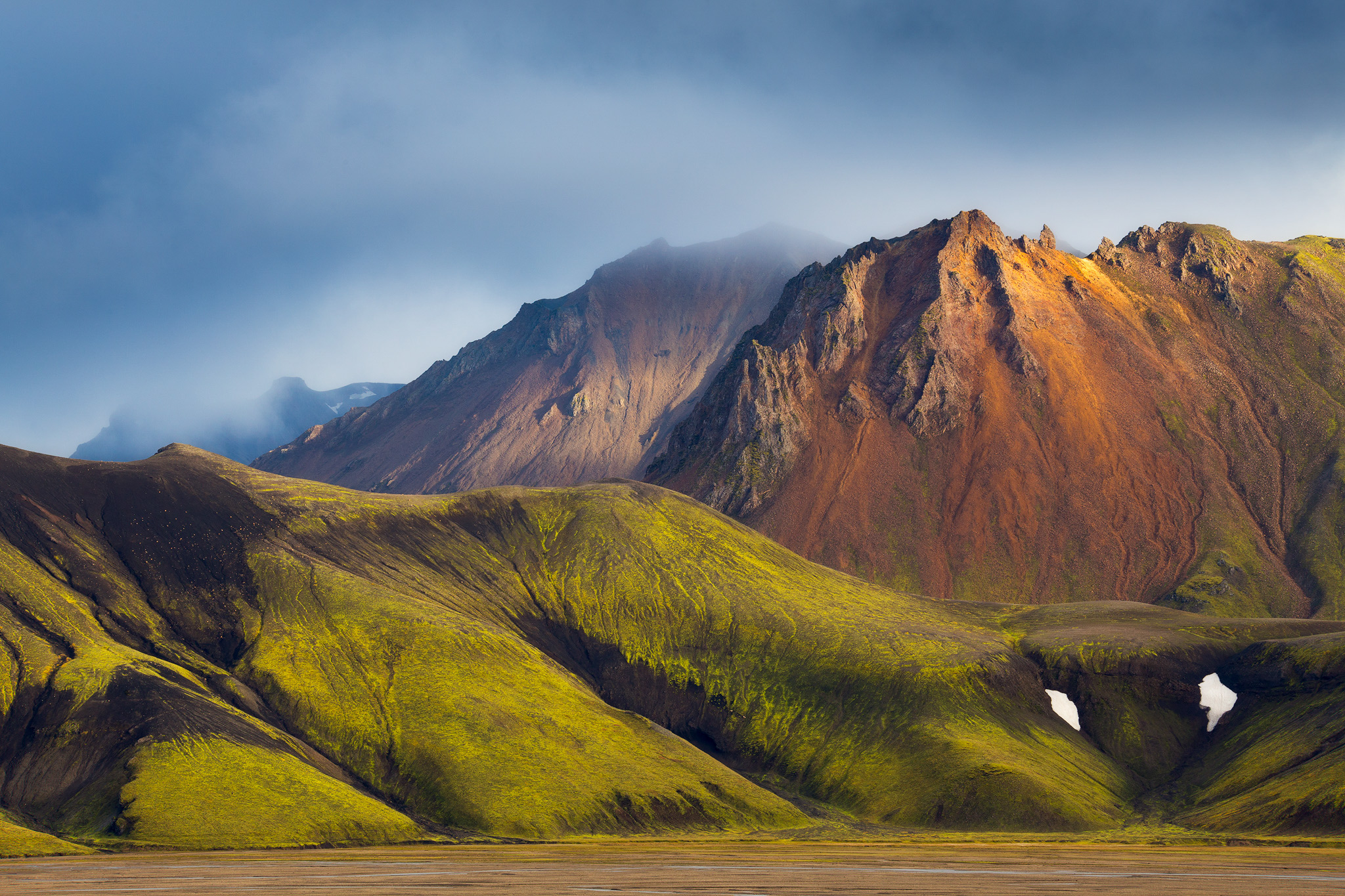
Layers of colourful mountains emerge from a clearing storm in Iceland's rugged and remote interior.
Workshops, done well, are an important source of income for many professionals but is there a danger that their proliferation encourages learners to think that everything they need to know or do can be achieved via this route? We learn a lot from experimenting and failing and following curiosity and resisting the pressure to get it right and show the evidence of this. Where might a balance lie?
The opportunity to learn from an experienced professional in the field can be invaluable and even transformational.
As an illustration, we were photographing coastal scenes one evening in Olympic National Park. We came upon a workshop taught by a well-known photographer. He planted his ten students in one spot, all facing the same direction and photographing the same subject in the same way. There were no clouds behind “the shot” but there were interesting clouds in other directions, plus a lot of other potential scenes and subjects up and down the beach. In watching this scene unfold, I was frustrated for his students that they were being taught such a narrowly focused approach to nature photography. In other settings, I have seen a similar approach to teaching, with workshop leaders talking about how a location always has one composition that is the best or telling students to focus on what they came for (the grand landscape) rather than what catches a student’s eye (some shiny mud patterns).
A good number of students want to be brought to the best locations and instructed on the best compositions. I fully understand that this approach meets the needs of a lot of instructors and their students. However, I think the field of nature photography and individual photographers would be better served if more workshop leaders took less of a checklist approach and offered more education on personal expression, how exploration can create unexpected opportunities, how to see beyond the obvious, how to cultivate curiosity, and how to adapt to changing conditions. The latter helps instil a set of skills that is perpetually useful and can help set a photography student on a more personally fulfilling path in the longer-term.
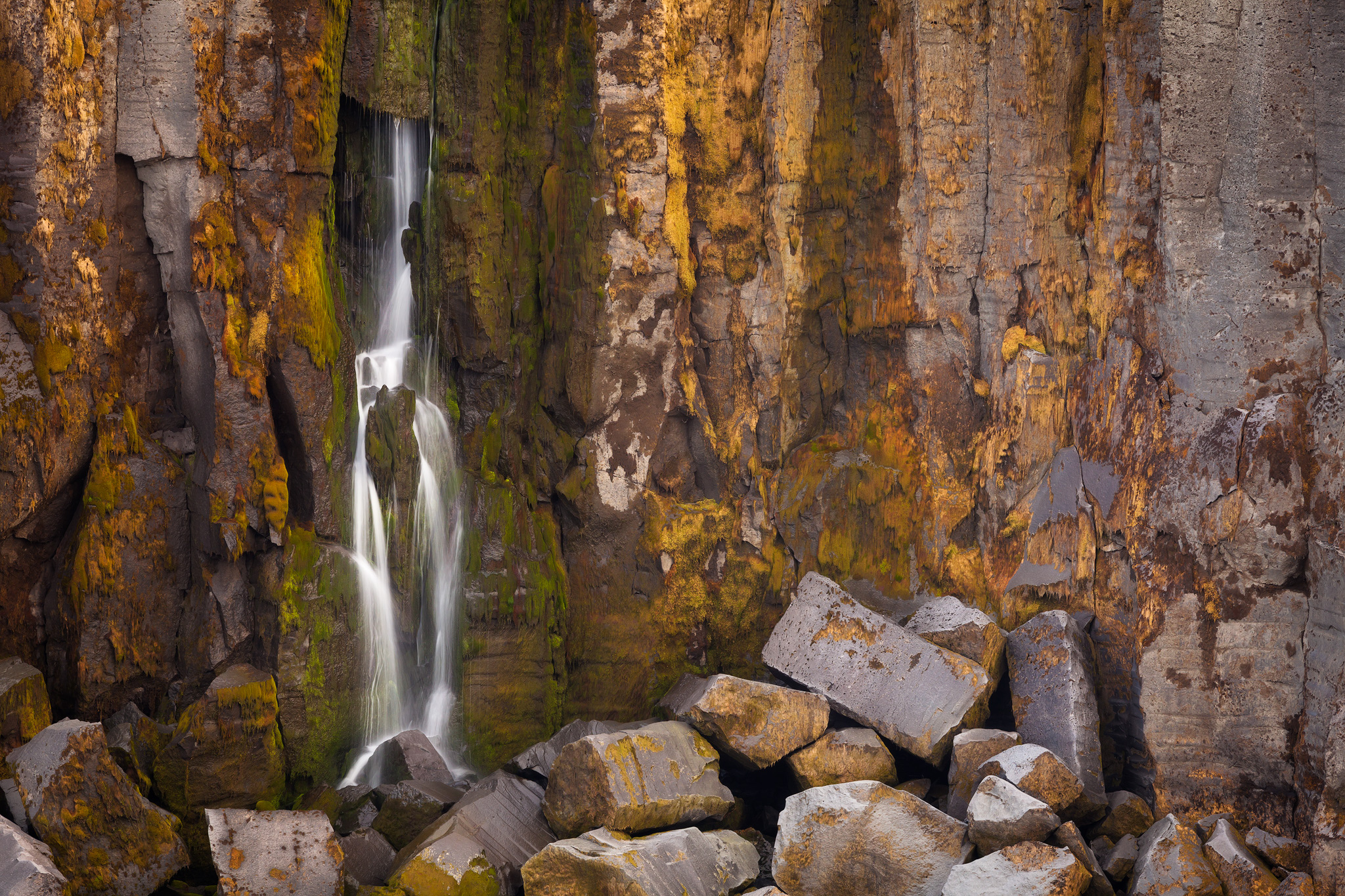
How would you advise readers who feel that you must have a plan – about where to go and what to photograph?
I always think about a particular story when discussing this topic because it is such a dramatic example of how expectations can eliminate opportunities and stifle creativity. A student came to a friend’s workshop with the goal of photographing waterfalls. The conditions were not conducive to photographing waterfalls but were excellent for forest scenes showcasing fall colours. The student ended up leaving the workshop early because she couldn’t see past her expectations while the rest of the participants enjoyed one of the best autumn seasons in memory. The simple lesson: minimise expectations, keep your plans flexible, and you will likely be happier as a result.
While this advice is simplistic, I think it is a key to finding more satisfaction in nature photography (excluding certain types of photography which require a lot of planning, like night photography). I offer this advice because following it has been transformative for me since I used to be heavily driven by expectations and pre-conceived ideas. Now, I try my best to minimise my expectations for a place, free my mind of specific photos I might want to take and open myself up to what I see one I arrive. I slow down and wander around, photographing the things that catch my eye along the way. I do not always succeed (see: Zion example above) but generally, have found this approach to be much more fulfilling than the alternative.
Many of the people that we’ve interviewed have come to photography through a love of the outdoors and outdoor pursuits but I guess it may now only be a matter of time before someone does admit that they got into photography through what they saw on social media. Visual outputs have always influenced us but they weren’t previously so obviously linked to statistics (popularity and ‘success’, whatever that means). How can we moderate the risk that nature once again becomes something to exploit for our own end? Is photography still a force for good, or are we now becoming part of the problem?
At least in the United States, nature photography has historically been a major force for good. Many conservation campaigns have been propelled forward and achieved success because nature photographers have helped create a compelling visual record of what could be lost without preservation. For previous generations, even photographers without a personal conservation mission often came to photography first through their love of and experience in wild places. This meant that a photographer would learn about Leave No Trace and other wilderness ethics along the way.
Now, many people are coming to nature photography through social media, especially Instagram, which has created the dynamic in which nature is seen as an expendable commodity. The recent poppy bloom in southern California is an illustrative example of how social media encouraged a lot of people without grounding in outdoor ethics to visit a place, treat it with disrespect (sometimes unknowingly and sometimes intentionally), and cause irreparable damage in the process. While it might not seem like a big deal for one person to step off a trail, the cumulative effect of hundreds of people doing so can be significant.
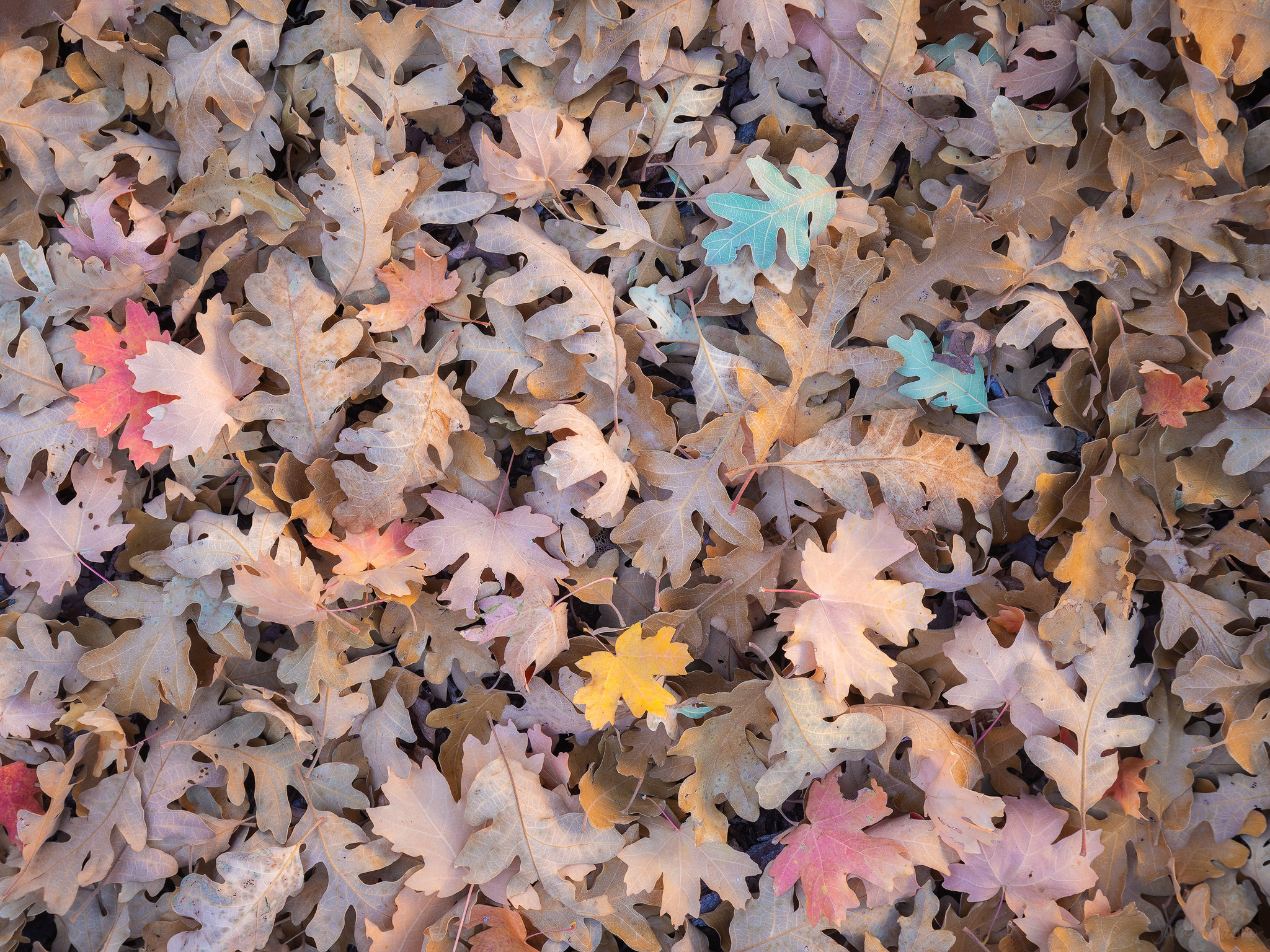
Bright maple leaves and a few green oak leaves stand out among a less vibrant bed of fallen leaves in Zion National Park, Utah.
Increasingly, individual photographers can reach thousands of people with a single post. With reach comes responsibility and the need to acknowledge one’s ability to impact behaviour for the good or bad through our photographs and messaging. Beyond individual photographers, news organizations, commercial brands, and tourism agencies bear a lot of responsibility for these trends, as well. For example, one major camera brand posted many photos of people frolicking in wildflower fields during the same super bloom, often with hashtags inviting people to share their own similar photos. This sends the message that such photos get attention and thus should be imitated if you want to be featured by that brand in the future.
To start addressing this swirl of complex issues and negative impacts, a group of Colorado-based nature photographers came together to create the Nature First movement, starting with 7 Principles that nature photographers can follow to help minimise our collective impact. The 7 Principles include:
After launching on Earth Day in late April, more than 1,200 photographers from 40 countries have joined the Nature First movement. If your readers would like to learn more about the initiative and join for free, they can visit www.naturefirstphotography.org. Since we spoke about workshop leaders above, I also want to mention that the Nature First organising group offers some specific advice for workshop leaders and those with large audiences since we believe that such individuals have a special responsibility in modelling and educating others about these practices.
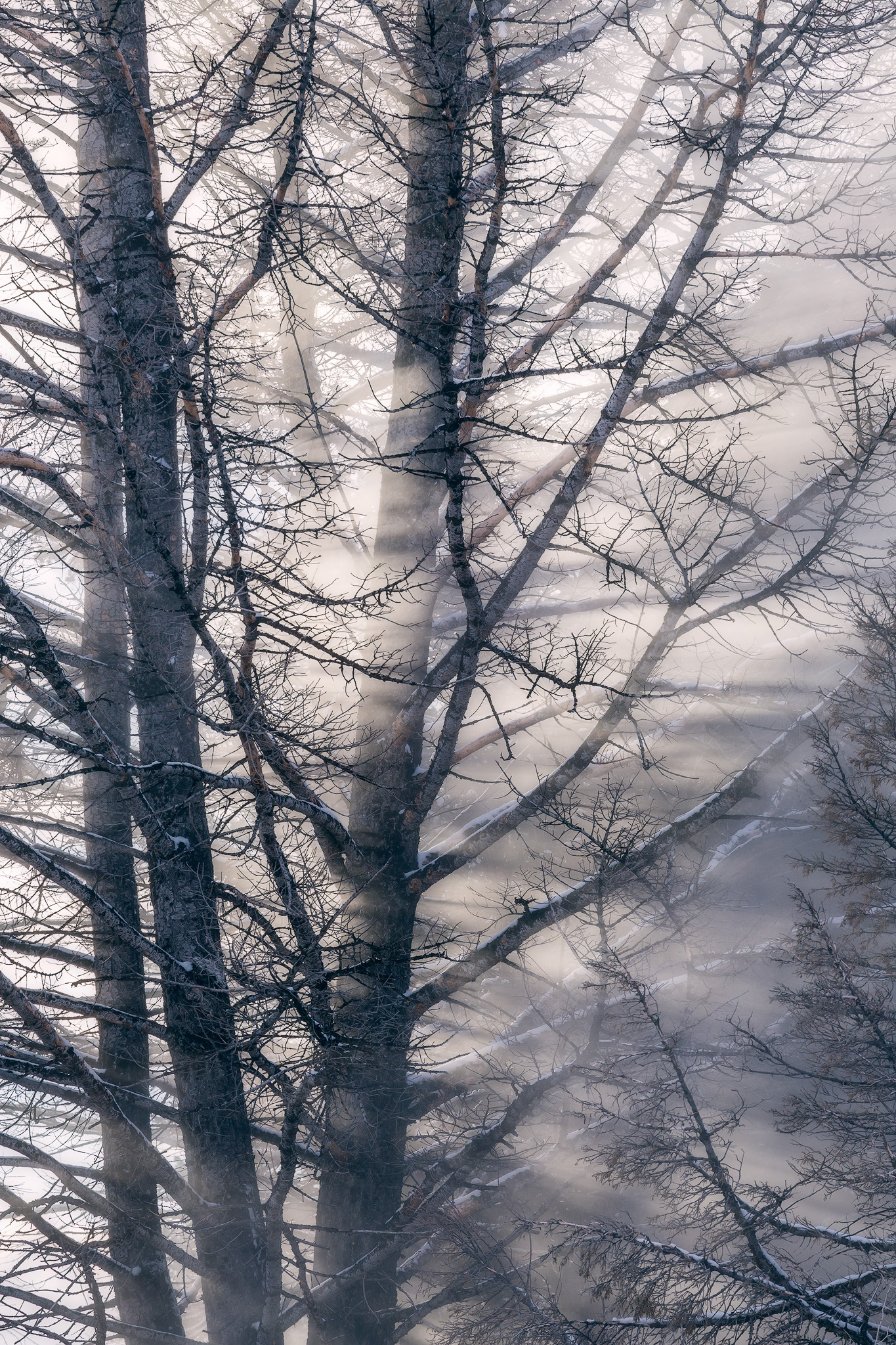
Steam from a nearby geothermal feature helps simplify this scene and show off the structure of this tree which has died due to its proximity to an encroaching hot spring. Yellowstone National Park, Wyoming.
Do you have any particular projects or ambitions for the future or themes that you would like to explore further? A while ago you mentioned that you would like to move from eBooks to producing a printed book.
One of the best things about working as a photographer today is being able to reach an audience without going through traditional gatekeepers. We started self-publishing eBooks in 2013 and eventually added video tutorials. The ability to develop and sell these products has been a key part of being able to transition from my consulting career to making a living through photography. We plan to continue expanding our offerings in the future; this summer, we will be working on three digital portfolios and possibly new video tutorials.
One of my goals is to publish a printed book – either educational or a portfolio book - but it feels like a daunting endeavour at this point. I have started researching and writing a book on composition and have considered approaching some publishers to gauge their interest. Still, I keep on feeling the pullback to self-publishing since I would have more control over the final product and it would likely be more financially viable. Even if the composition book doesn’t turn into a printed book, I still hope to publish something other than digital products in the future.
Is it important to you that other people see your work in print, and if so, how do you choose to print and present your pictures?
Printing has been my single greatest source of frustration with photography and remains the area in which I have the most to learn. I love photography because I find great joy in being outside.
Without regularly sharing prints of my work, I know that I am missing out on a critical part of the photography process. We recently purchased a large format printer and one of my primary goals for this year is to significantly increase my knowledge of fine art printing and get to the point where I can confidently print any of my photographs.
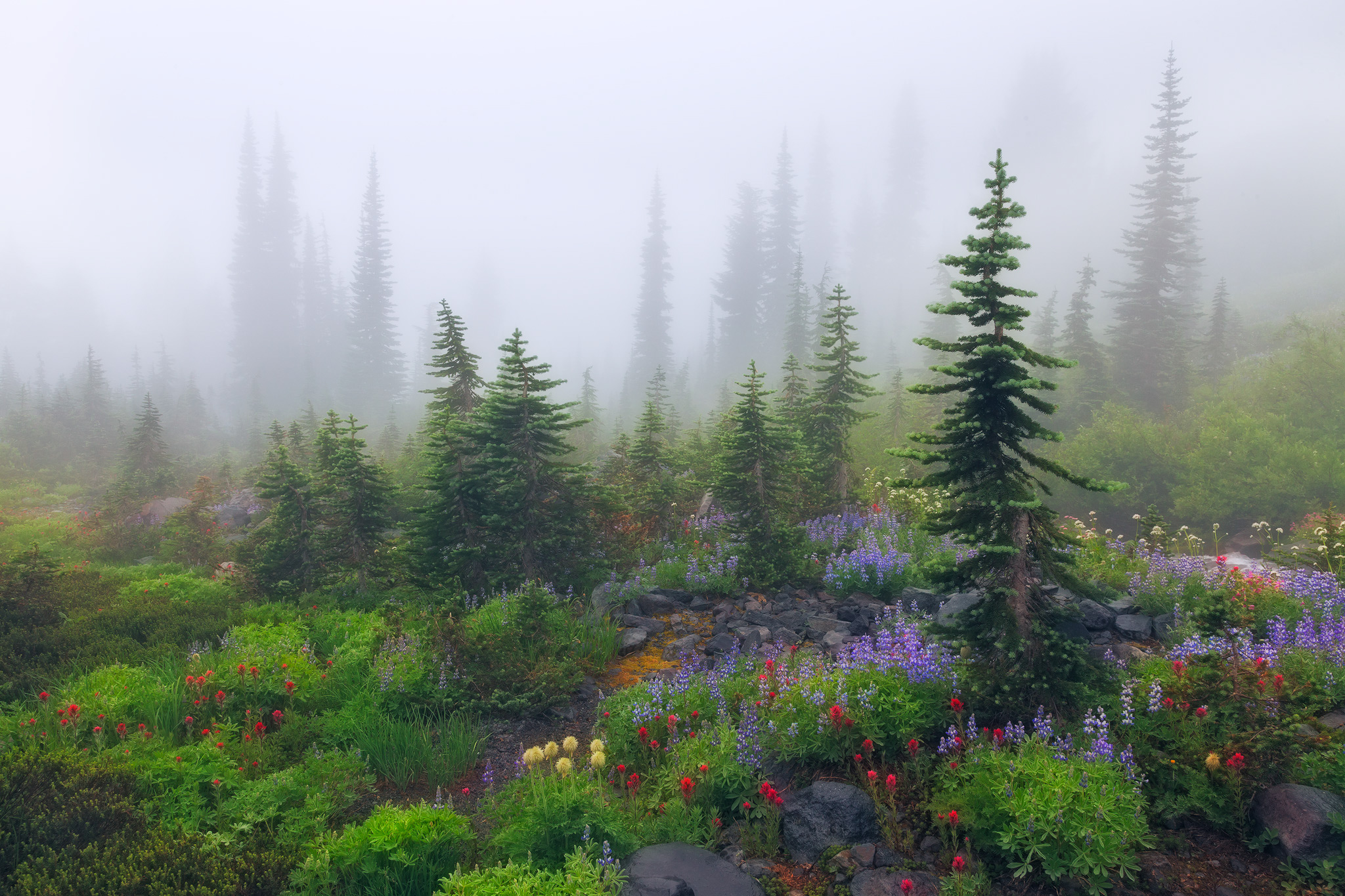
A misty morning in Mount Rainier National Park.
If you had to take a break from all things photographic for a week, what would you end up doing? What other hobbies or interests do you have?
My main interests beyond photography include cooking and hiking, often while socializing with friends and family. I have slowly perfected my ability to bake a loaf of artisan bread, can now make an almost perfect pistachio gelato and have significantly expanded my ability to cook a good vegetarian meal from a broad range of worldwide cuisines. A few years ago, we moved from urban Denver to a town of about 1,000 people in southwestern Colorado so we spend a lot of time exploring this area. We have been choosing a region each summer and then hiking as many trails as we can, often without camera gear.
And finally, is there someone whose photography you enjoy – perhaps someone that we may not have come across - and whose work you think we should feature in a future issue? They can be amateur or professional.
Michele Sons. While I really enjoy Michele’s more traditional nature photography, as she has a talent for creating photographs that capture the elegance and grace of the places she visits, I find her Feminine Landscape series to be especially well done.
Thank you, Sarah. It’s been great to catch up with you.
If you’d like to see more of Sarah’s images, you’ll find her portfolio at https://www.naturephotoguides.com; she’s also on Instagram. You can read the blog post that Sarah wrote about minimising the impact of your photography here.
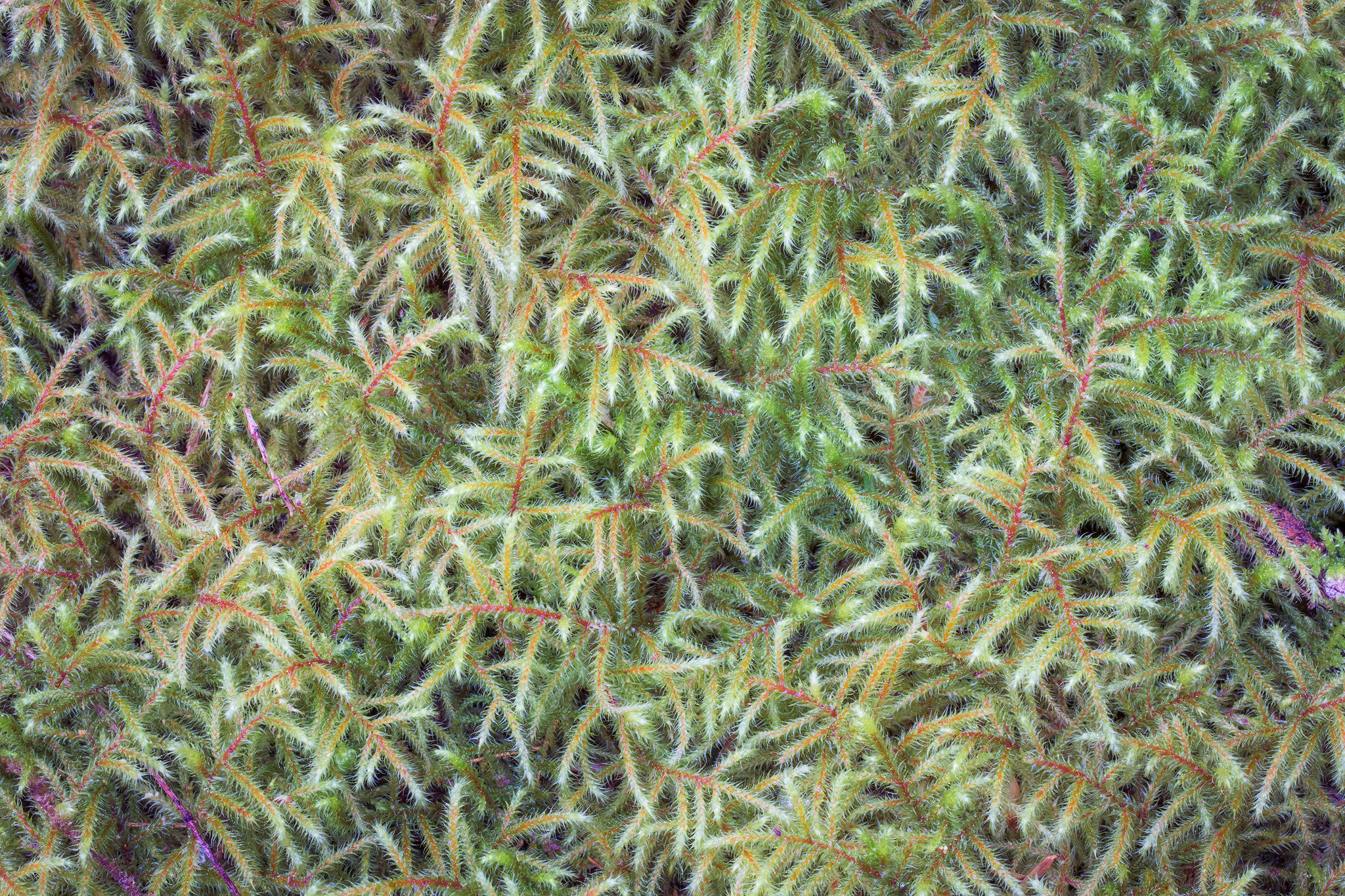
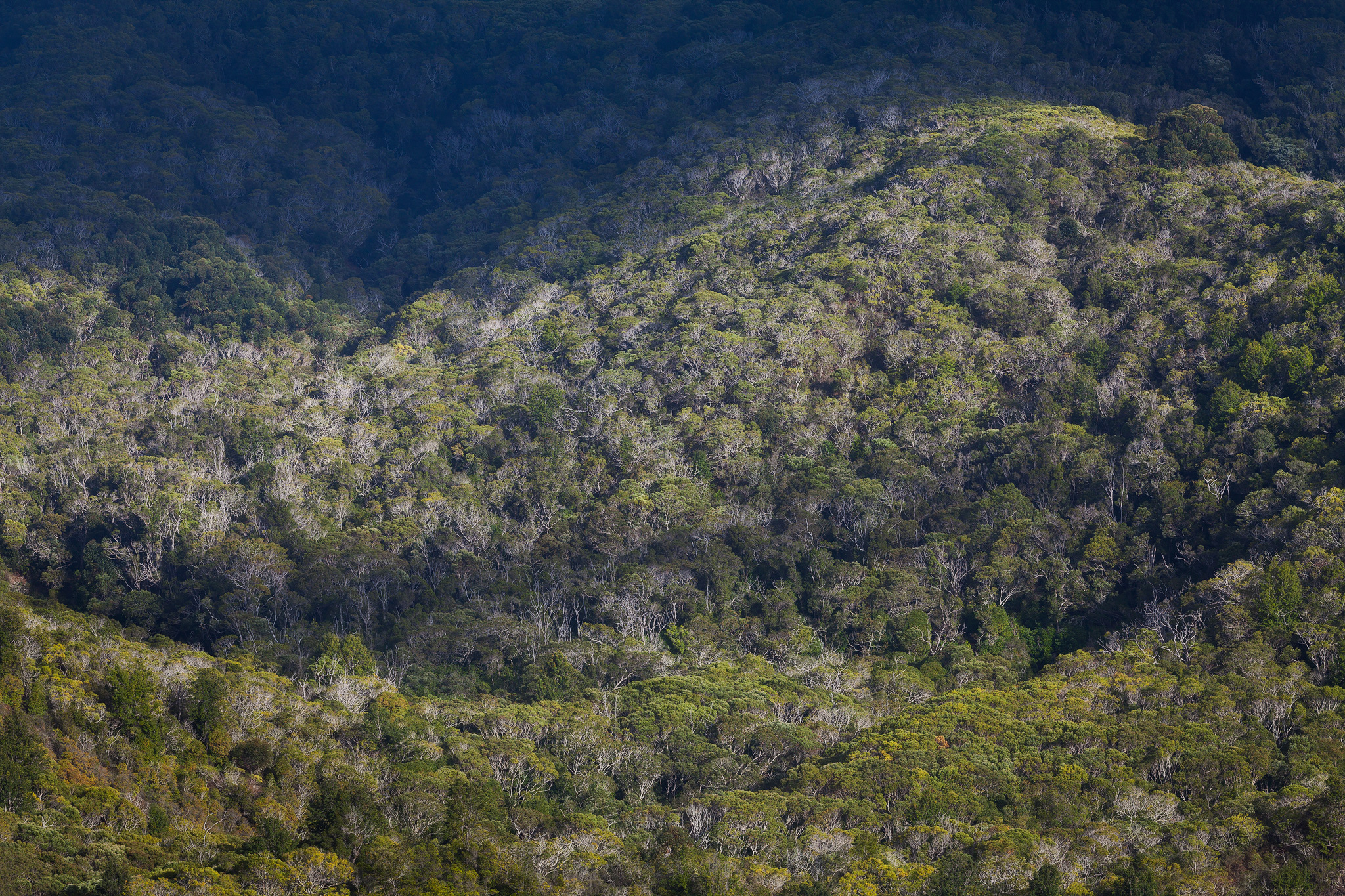
Gibraltar was a place I wasn’t overly familiar with, aside from the cultural icons we all associate with the place from the stories of others; Barbary Apes, Brits abroad, red post boxes and telephones boxes and the vernacular. I didn’t go to Gibraltar intending on producing a body of photographic work, it was an incidental meeting, but it has always been the concept of place which dominates the focus of my work.
A couple of years ago my fiancé and I went to visit a friend in neighbouring Spain, and we flew into Gibraltar as this was the closest airport. We’d heard horror stories of the landings there due to the Rock and the Strait and how this impacted upon the weather. We needn’t have worried, the landing was fine, but the Rock gave for a rather imposing and monumental greeting, its north face stands prominent next to the airport as if to assert its presence to you as soon as your feet touch the tarmac. From that point on I was captivated. We hadn’t planned on visiting Gibraltar as part of our trip, it was acting merely as a transitory place, somewhere to pass through. Looking back now, it’s hard to understand how I could have been so dismissive, but I didn’t know then what I do now.
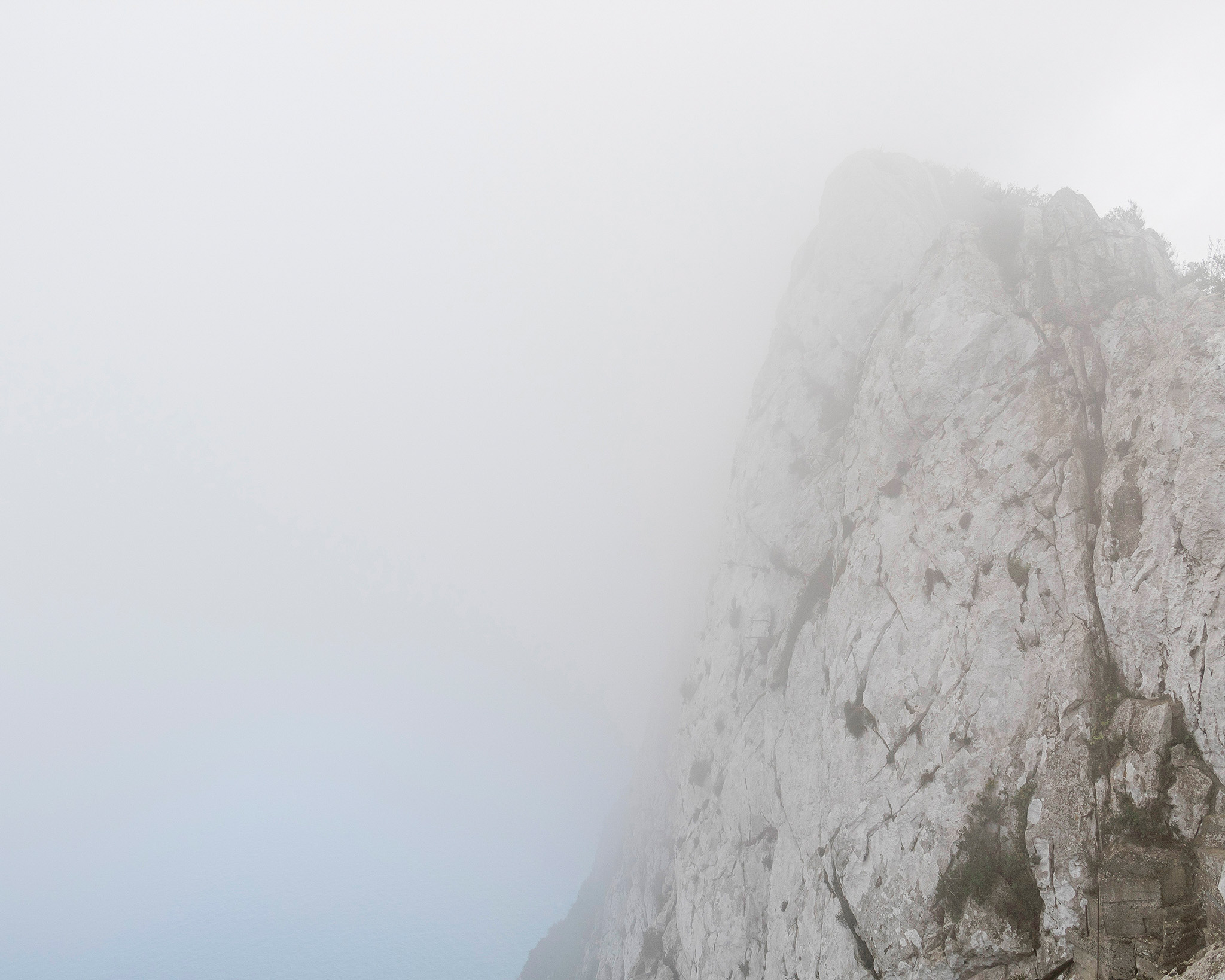
It is quite difficult to describe the oddness of being in a foreign country, with my Euros, suntan lotion, travel insurance and Mediterranean climate to then drive twenty minutes along the coast, park our car and walk back into the UK. The familiar sights of Morrisons supermarket, Debenhams department store and the Union Jack flag anchor you right back at home, but there is something which disrupts that anchor from fully settling, such as the Gibraltarian flag alongside the Union Jack, the warm and balmy climate, the sound of locals conversating in their local dialect of Llanitos (a rather beautiful linguistic blend of cultural influences such as Spanish and Jewish) and the Spanish street names. It is an eloquent synthesis of those who have come and gone over time as a result of its military history, as well as those who move back and forth across its border with Spain every day for work and pleasure.
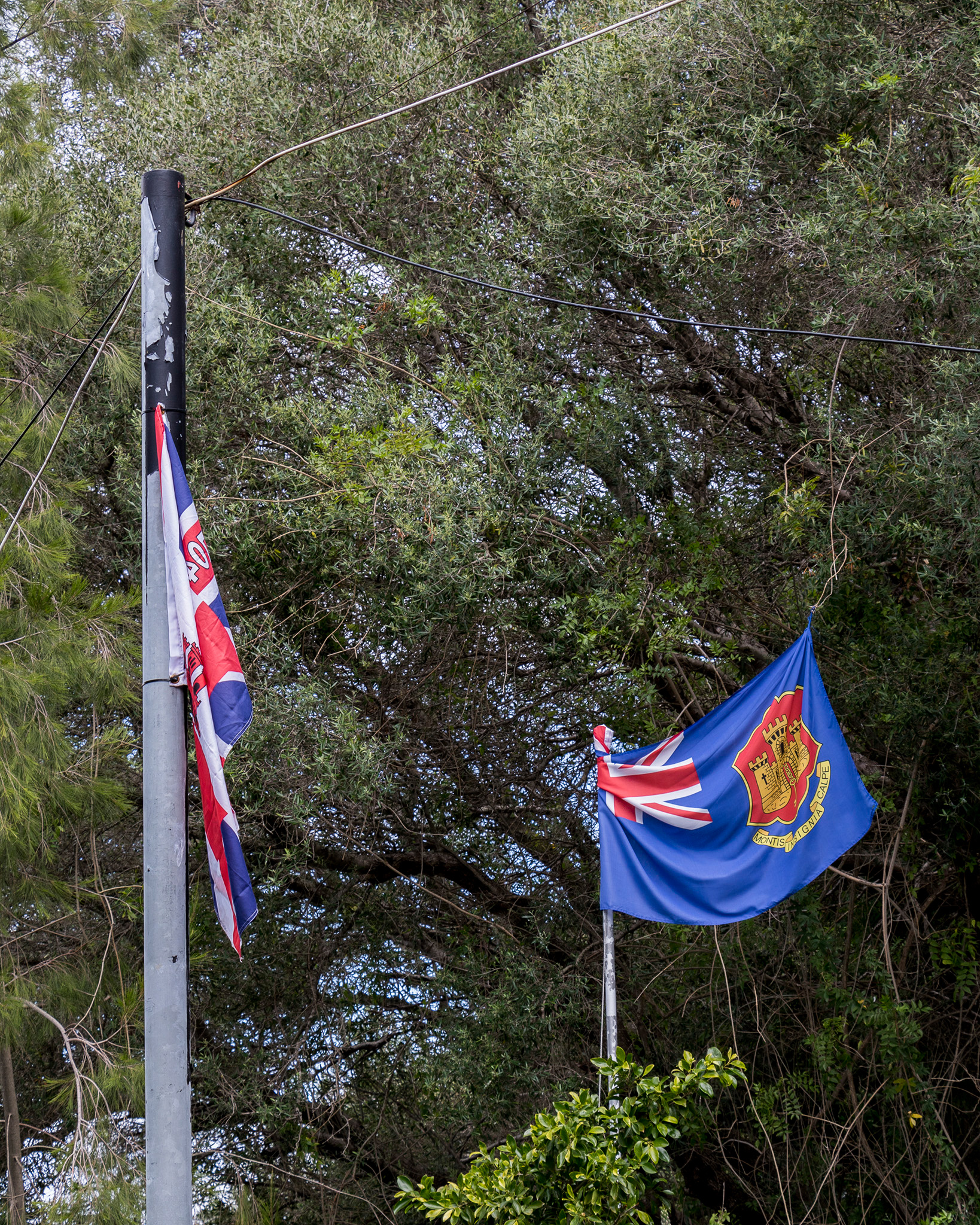
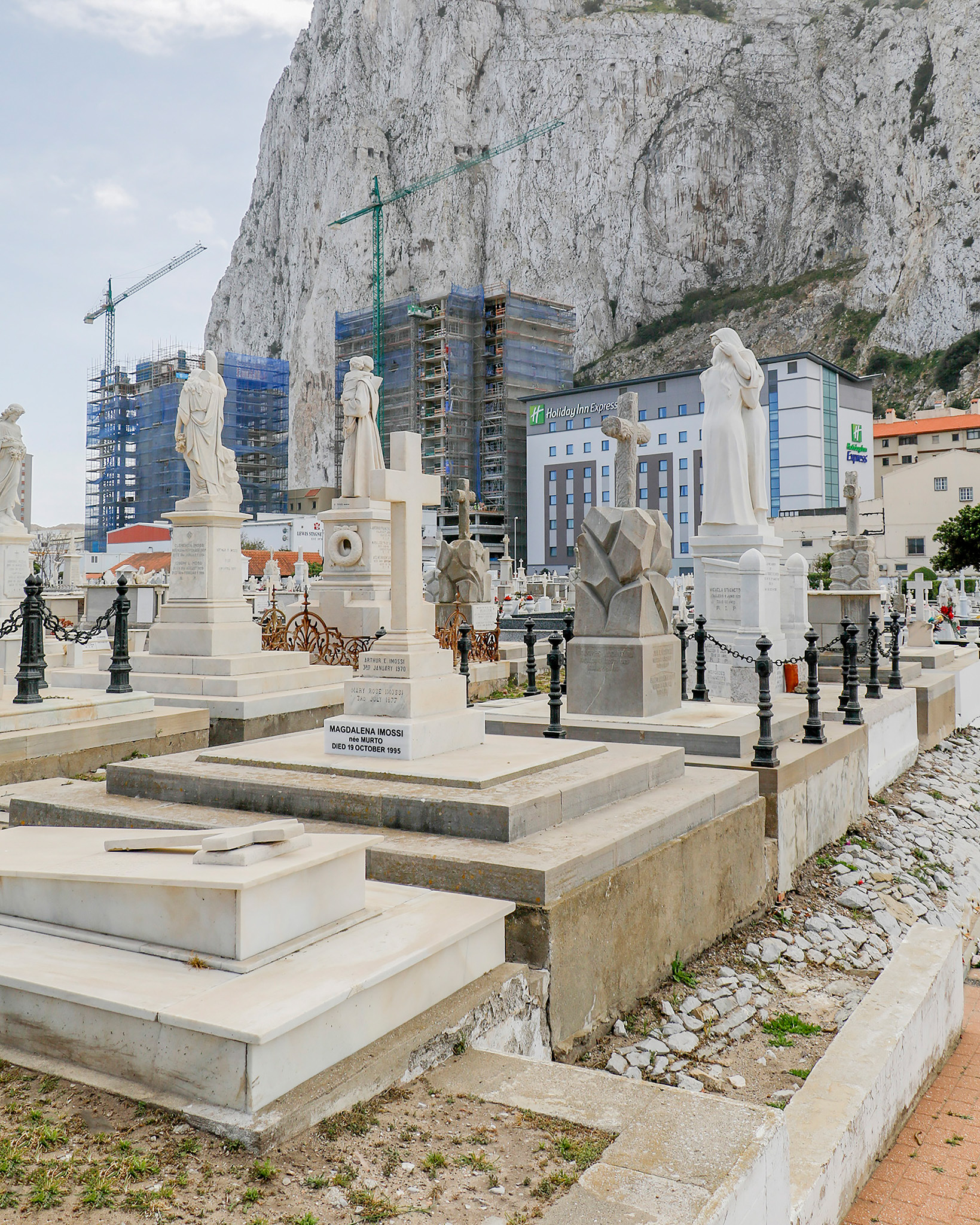
Owing to its land border with Spain, it is no surprise that families are very commonly a mix of Gibraltarian, British and Spanish. A tight-knit residential community of just under 33,000 at the last count in 2012, and an area which measures approximately 2.6 square miles it is a place where people know each other well and are in close proximity. When General Franco closed the border in 1969 in an attempt to strangle the Gibraltarian economy, the family relationships were tested and owing to the ties with neighbouring Spanish communities, families of mixed cultures were forced to choose which side of the frontier to remain on when it closed, either detached from their families and friends or from their places of work. Franco’s attempts to bring the place to its knees was not successful and his actions only solidified the bond within the community, but the scars and trauma from that period of time still remain to the point where some have refused to cross the frontier since it reopened in the early 1980’s.
On my day trip to Gibraltar on that first visit, my initial observations were that it was very much a political landscape. Evidence of the multitude of battles and siege attempts is embedded in the land and terrain. We set about immersing ourselves in the popular tourist attractions, but I was more intrigued by everything other than these aspects. I wanted to unearth the parts of Gibraltar which we may not already know, and which offer an additional dimension to the place.
When I returned back home to mainland UK my interest didn’t fade. I spent a considerable amount of time doing research into Gibraltar whilst planning a return trip. I didn’t have a pre-conceived basis for a project, I always prefer to be in the place and to document what I see and what interests me and allow the narrative to unearth through the images. All I knew at this stage was that I was very interested in the place and wanted to be better informed before I returned to explore further.
Upon my return to Gibraltar some six months later I set about exploring the peninsula and chose to do this all on foot. I find it a much better way for me to absorb my surroundings and Gibraltar is not so big that this is too much of a challenge, or at least I thought! The evening of my arrival a storm arrived which demonstrated the ferocity of the infamous Easterly wind across the Strait. I could lean into it at times and it would support my full body weight. Walking and photographing with these weather conditions was a real challenge but I was on a tight timescale with a logistical plan in place to cover as much ground as I could whilst I was there and so hiding in the hotel was not an option; instead, I considered it part of the experience and embraced it.
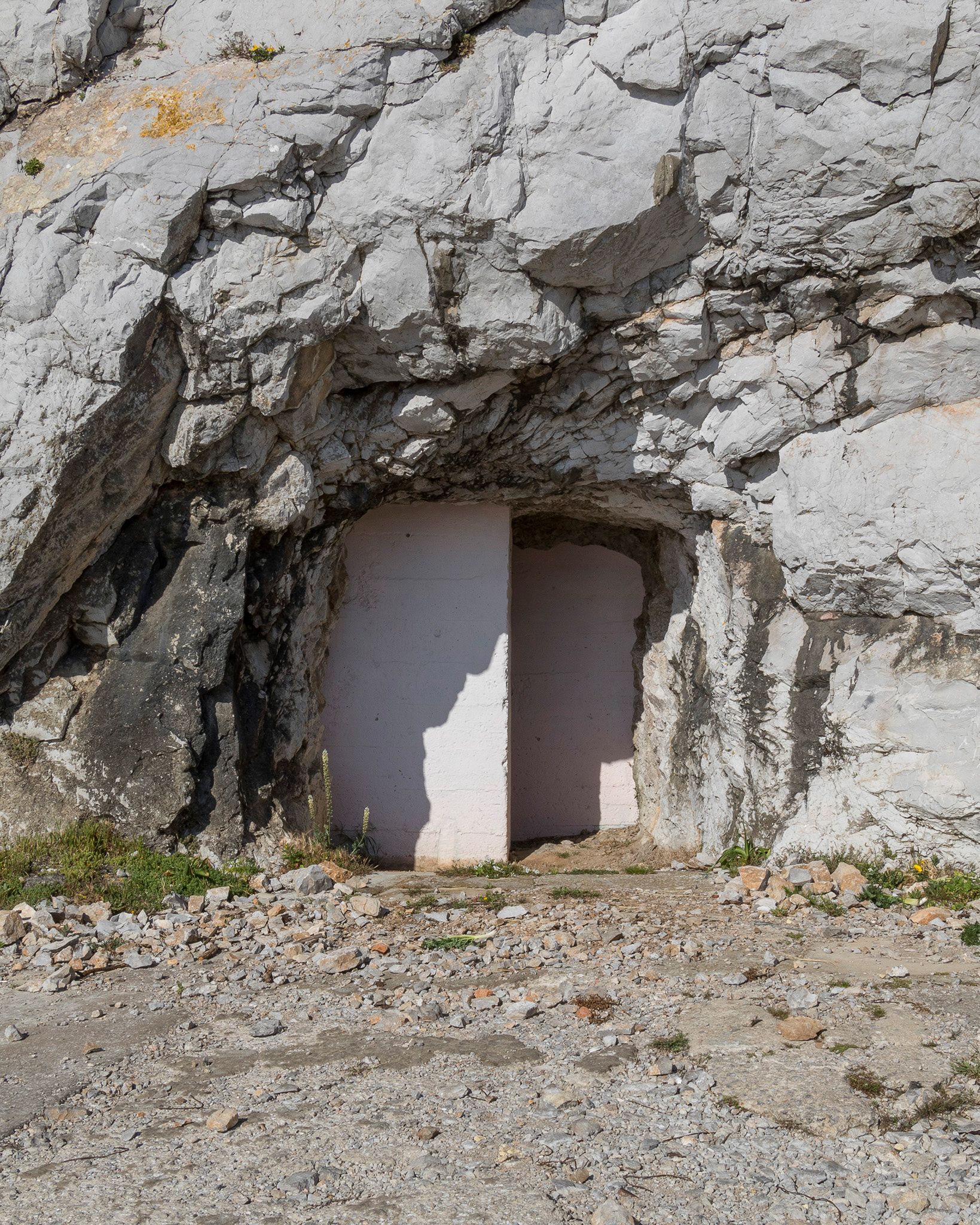
Tunnel Exit
The strong winds lasted for 3 days but eventually gave way to bright sunshine and warmer temperatures, but this posed its own challenges as well. It was in this direct and intense sun that we hiked to the summit of the rock along roads with gradients so steep I felt I would fall backwards if I stopped. Much to my amazement, locals were running and cycling up these same roads. I watched them with an immense amount of respect and disbelief. I was lucky enough to have my fiancé with me as my support and assistant for this trip and we managed to hike the full height of 1,398ft with two full camera kits on our backs. I carried a digital and 35mm kit and my fiancé carried the large format kit. It was brutal and challenging, but very much worth the effort. There is a route you can take known as the Med Steps but the locals felt this would be unsafe with our equipment on our backs and so advised us against this and we listened to them, after all, they knew this place a great deal better than we did.
When reviewing the imagery from my trips so far, I became overwhelmingly interested in the information that the landscape held within it, what it could reveal. I had captured dynamite blast scars in the walls of the rock and discovered that there is a vast network of tunnels inside the rock for defence purposes which spanned from the Great Siege of 1779 through to the Cold War era. The World War Two tunnelling activity saw the network extended from around 7 miles to 25 miles and even contained a five-storey hospital and the military occupants had to pass messages by motorbike.
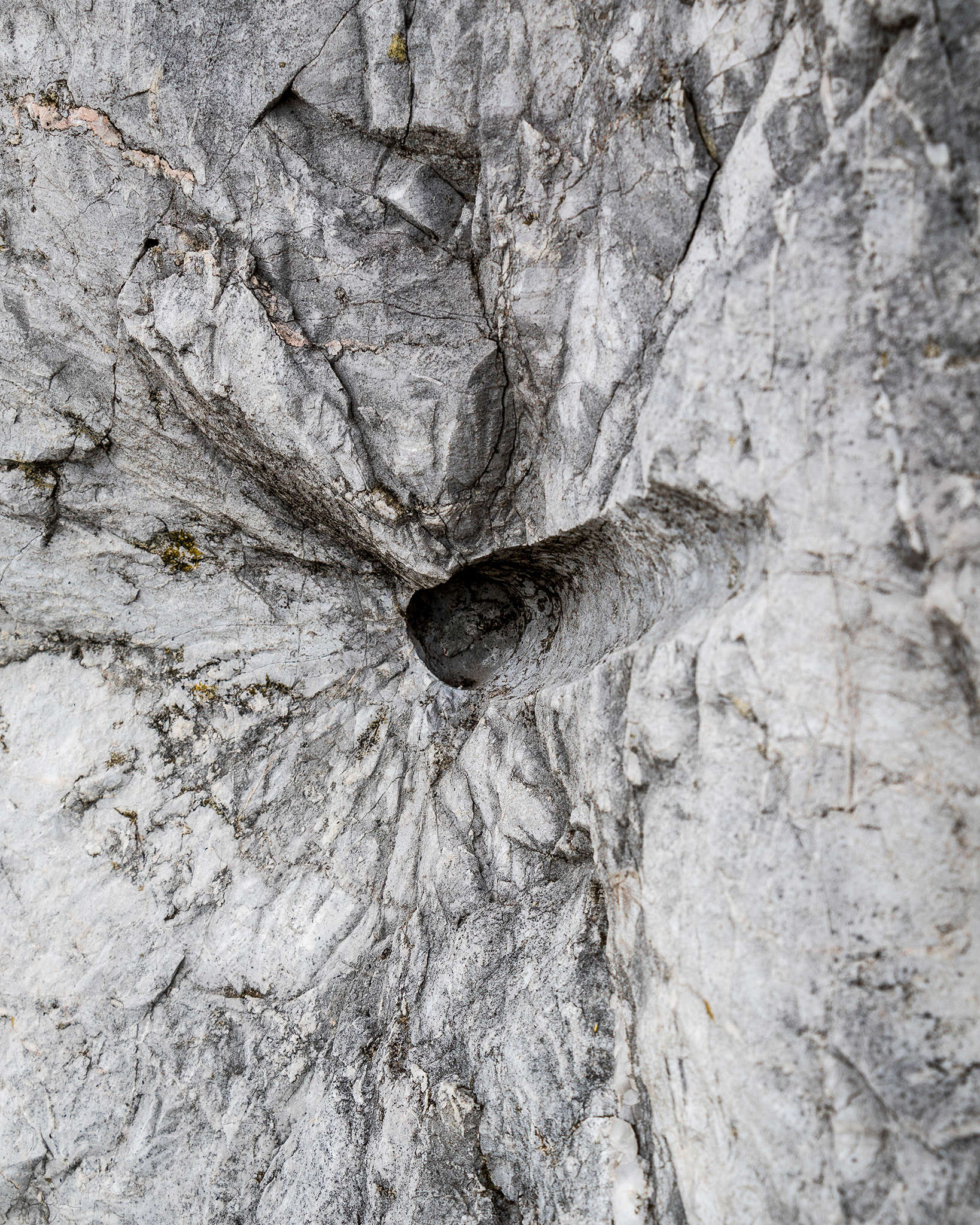
Blast Scar
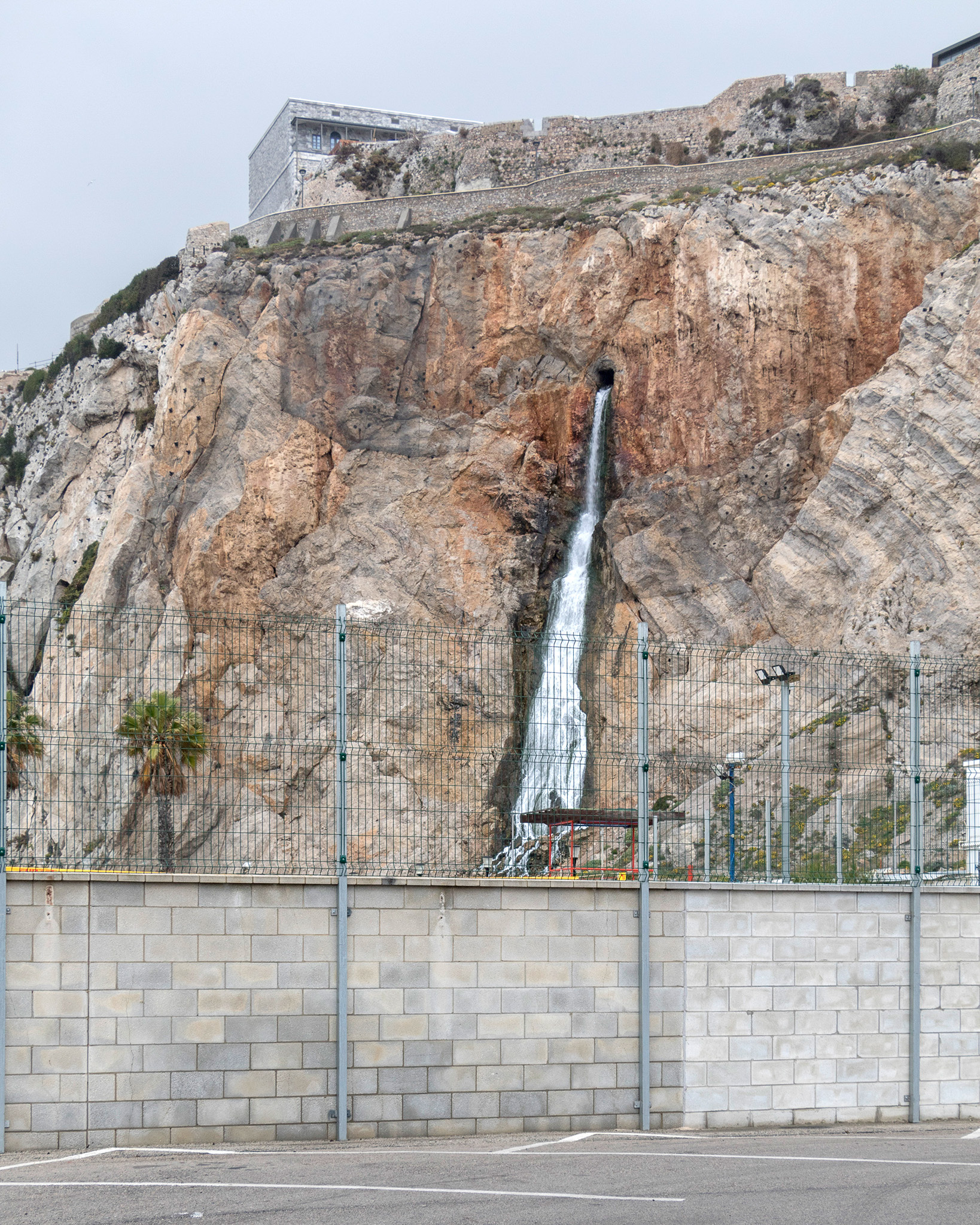
Europa Waterfall
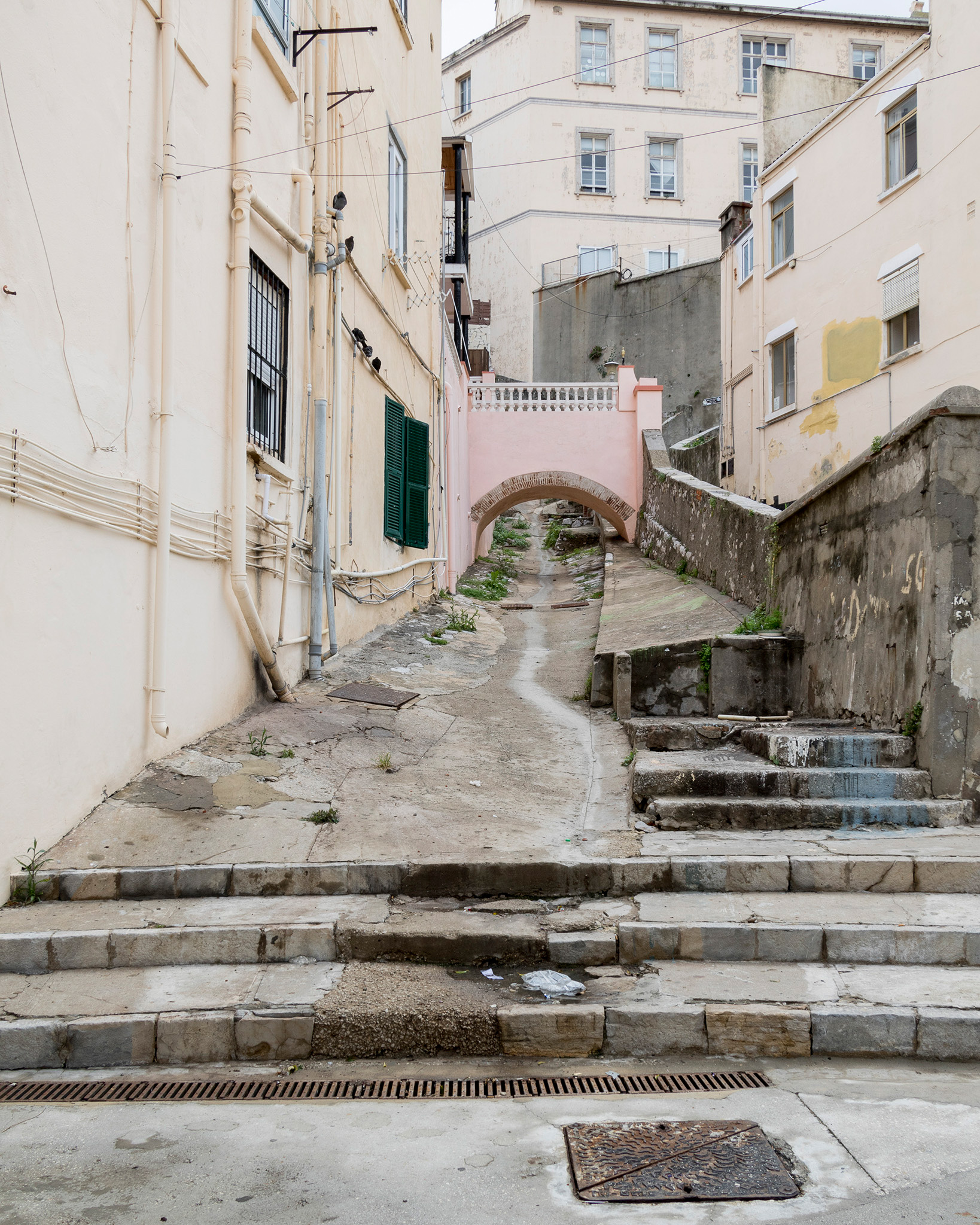
Through the imagery, I had taken and through the research and information I was able to find, my project and the narrative really started to lean towards an interest in how the landscape had been utilised and shaped for the occupation of the peninsula and the subsequent defence of it. It was a constant jutting together of a natural force and a manmade force. The terrain also revealed to me the challenges in terms of water management and flow and how this also played into the natural forces and how our determination to occupy the peninsula meant finding ways to control this flow. There are no lakes or rivers in Gibraltar and so historically drinking water was obtained by water catchment on the slopes of the rock in addition to wells.
The Eastern side of the rock, owing to its flat surface, had at one point been covered in corrugated metal sheeting to catch rainfall as a water source but was to the demise of the plant life and wildlife which called it home. This area of the rock has now been restored and brought back to its former state, but remnants of this metal sheeting can still be seen today. Rainfall catchment soon became insufficient to support a quickly expanding population and so a desalination plant was formed, and the vast reserve tanks are contained within the rock. The waste product from this is sent back out to sea via a waterfall known as Europa Waterfall and despite being a manmade feature, appears entirely natural. The rock itself plays host to huge rooms of computer servers, taking advantage of the cooler temperatures and low fire risk and has more recently started to be used for wine storage but, it also offers spaces within it which are formed naturally such as St. Michaels Cave which provides us with a visual of how nature forms its spaces at a much slower pace and with a Cathedral-like finesse which far exceeds the brutal blasts of dynamite.
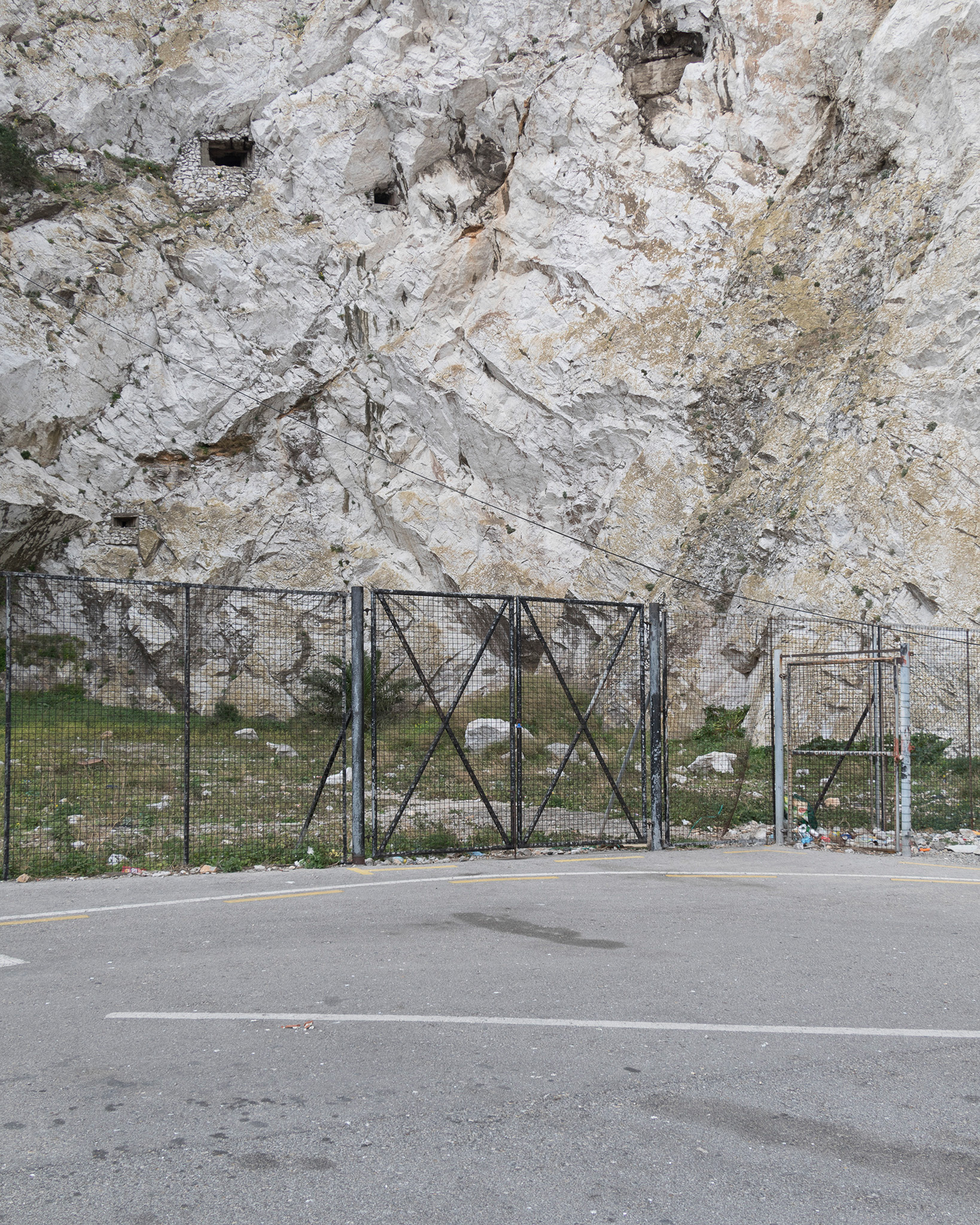
Forbes Quarry
The more significant discovery for me was surrounding the traces of the Neanderthals found in Gibraltar. At the back of an apartment, block carpark was a quarry by the name of Forbes Quarry. It was the site where a full adult Neanderthal skull was found in 1848 and was the first ever found. Traces of their lives were discovered in Gorham’s Cave where historic etchings were also uncovered. The quarry is now fenced off due to rockfall risk and is not accessible to the public. I felt profound sadness that this site was not able to be celebrated for its significance, it told us so much about ourselves, who we are and where we came from. This, for me, really underpinned the importance of what our landscapes can provide us with in terms of information, traces, remnants and scars. I hope at some point this site is given the status it deserves.
The longer-term goals for the project are that it is still ongoing, and I will continue to return to Gibraltar to conversate with its landscapes. There is still so much for it to reveal and this will always hold my interest. I have begun to exhibit some of the work this year and will be looking to expand on this in the near future.
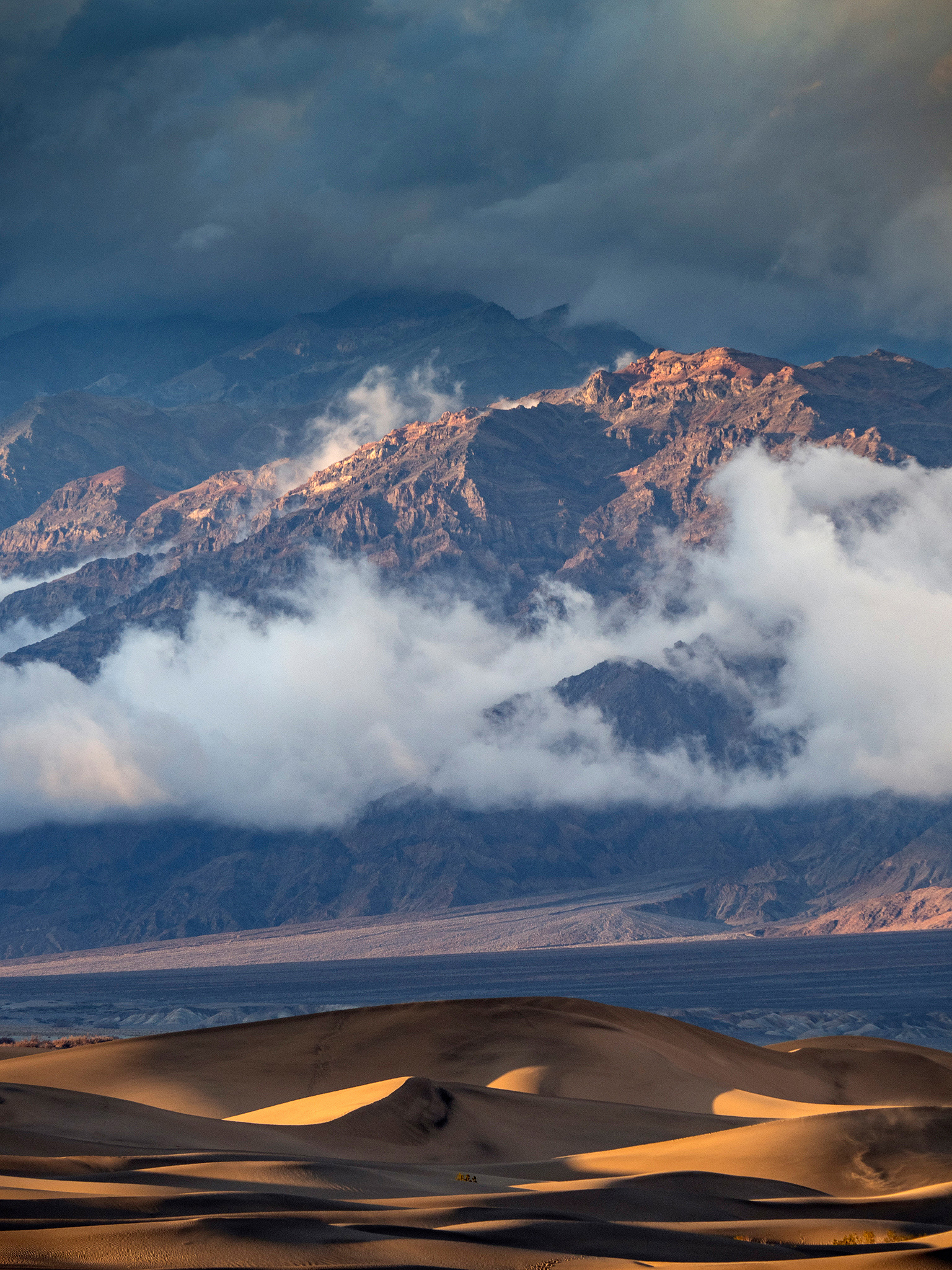
Wearing a dress and high-heeled boots, I grabbed my camera, jumped in my truck, and took off down the street. I could no longer bear to watch the low clouds wrap around the mountains and the shadows dance across the sand dunes from my hotel room in Death Valley National Park in California. I had been waiting for a group of workshop participants to arrive but had just received a text message saying they were delayed in Las Vegas. I had time to chase the light. I had to hurry. The storm was clearing.
After turning up a dirt side road, I started making images. First, I made a tight vertical composition to add visual tension to what was already a dramatic scene. I did a little dance, waving my arms and hips from side to side, in pure delight. I waited. The light changed. I made a different image, a horizontal one with extra sky to emphasise the isolation of a distant peak shrouded in fog. I danced. I waited. The light changed again. I made 72 frames in a half hour during a blissful spell I didn’t expect to have.
My workshop participants finally arrived, and I started the workshop the same way I start most of my sessions, with an introductory presentation encouraging participants to connect with the landscape in their own way. As usual, I opened with my definition of what I believed a good photograph was: “An outward expression of what an individual photographer deemed meaningful enough to notice.”
During the next four days, we practised these ideas and techniques to achieve more deliberate, contemplative photographs in various locations, some iconic and some off the beaten path. The first goal of our outings was to simply enjoy and appreciate our surroundings. Then, if a scene moved the participants to make an image, we’d approach it with more engagement and less aimless spraying-and-praying (taking a bunch of photos and praying, usually at home while sitting in front of the computer, one turned out well); to go beyond the “I-was-here” snapshot that thousands, if not millions, of people, already had captured; and to acknowledge that an expressive photograph originates from the mind of a photographer and incorporates weather, light, and location but does not depend upon them. The act of photographing would then be a deliberate one, one resulting from an individually-defined deeper relationship with a place.
This photograph appears with the introduction to TJC’s book ‘Dreaming The Gokstadt’, (and if I wildly paraphrase) in which I think he describes the difference between elemental landscape that demands conventional immediacy, to catch a cloud, a ray of sun perhaps, against landscape outside of a conventional chronology of the moment, where the necessity is to gaze and absorb the landscape and to make a photograph to reflect this moment of contemplation.
At least that is what I get out of reading his introduction, that gazing is a way of seeing without expectations, and where composition and meaning are revealed by the place itself in gazing past the immediacy of the place.
‘Snowbird’ was made at Stanton Moor in Derbyshire, and I was there that very day as a student on a field trip organised while TJC was a visiting lecturer at Sheffield School of Art and Design, now Sheffield Hallam University. Just out of the minibus we students were trudging through the snow probably wondering how far we had to walk to get away from each other when I swear TJC let out an exclamation and encouraged everybody to ‘just move along’ while he set up his camera. To quell the general bemusement he had to show us all what he’d seen, and yes, it was ‘Snowbird’. So much for gazing and contemplation Tom, it was a photojournalists reaction to an event! But boy-oh-boy did it get me thinking about the landscape in a different way from that day to this.
Welcome to our 4x4 feature which is a set of four mini landscape photography portfolios submitted from our subscribers. Each portfolios consisting of four images related in some way.
Interested in submitting your work? We're on the lookout for new portfolios for the next few issues, so please do get in touch!
If you would like to submit your 4x4 portfolio, please visit this page for submission information. You can view previous 4x4 portfolios here.
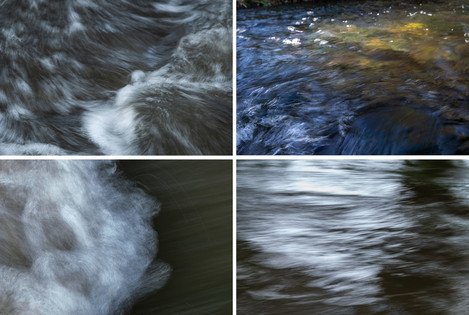
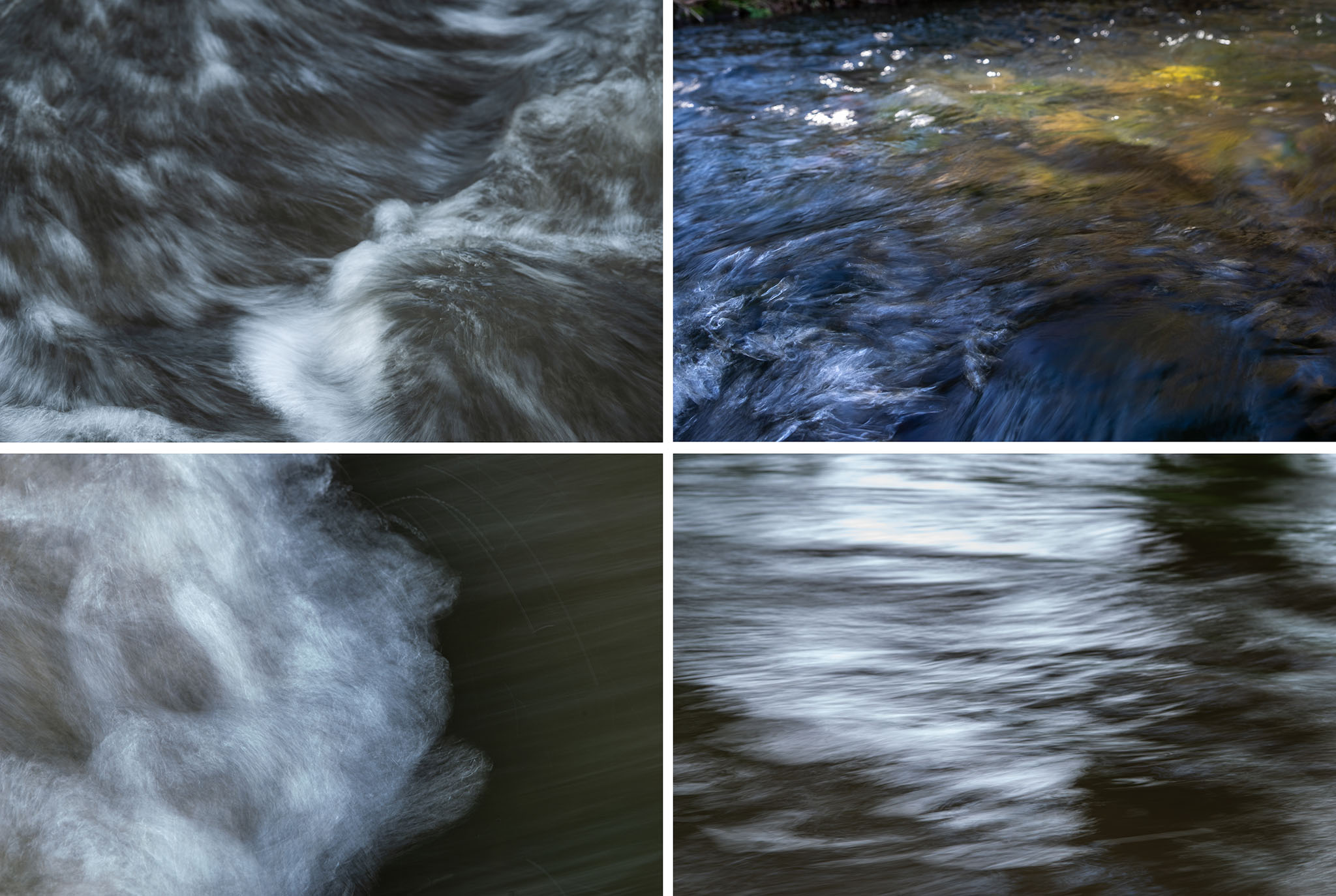
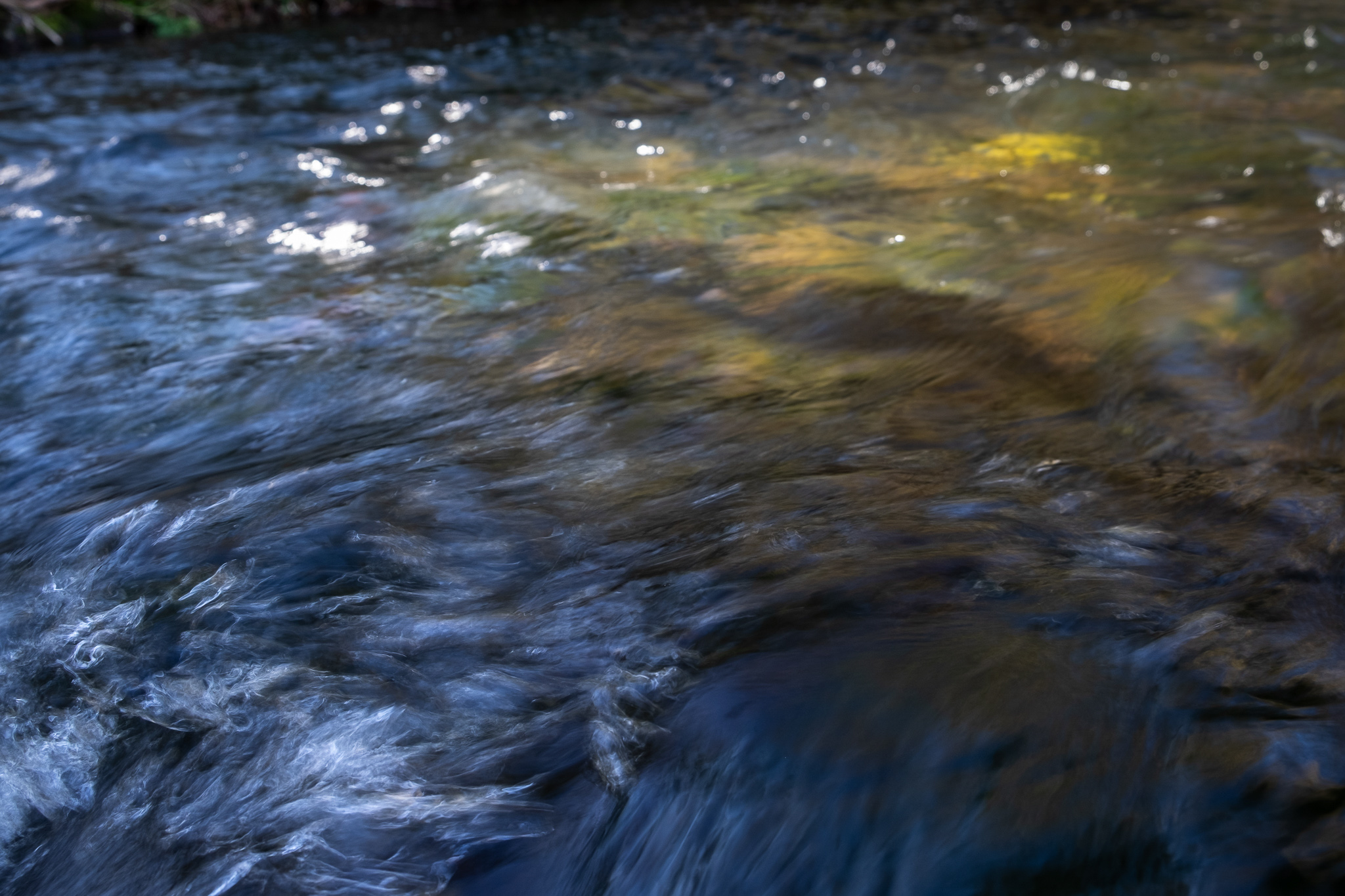
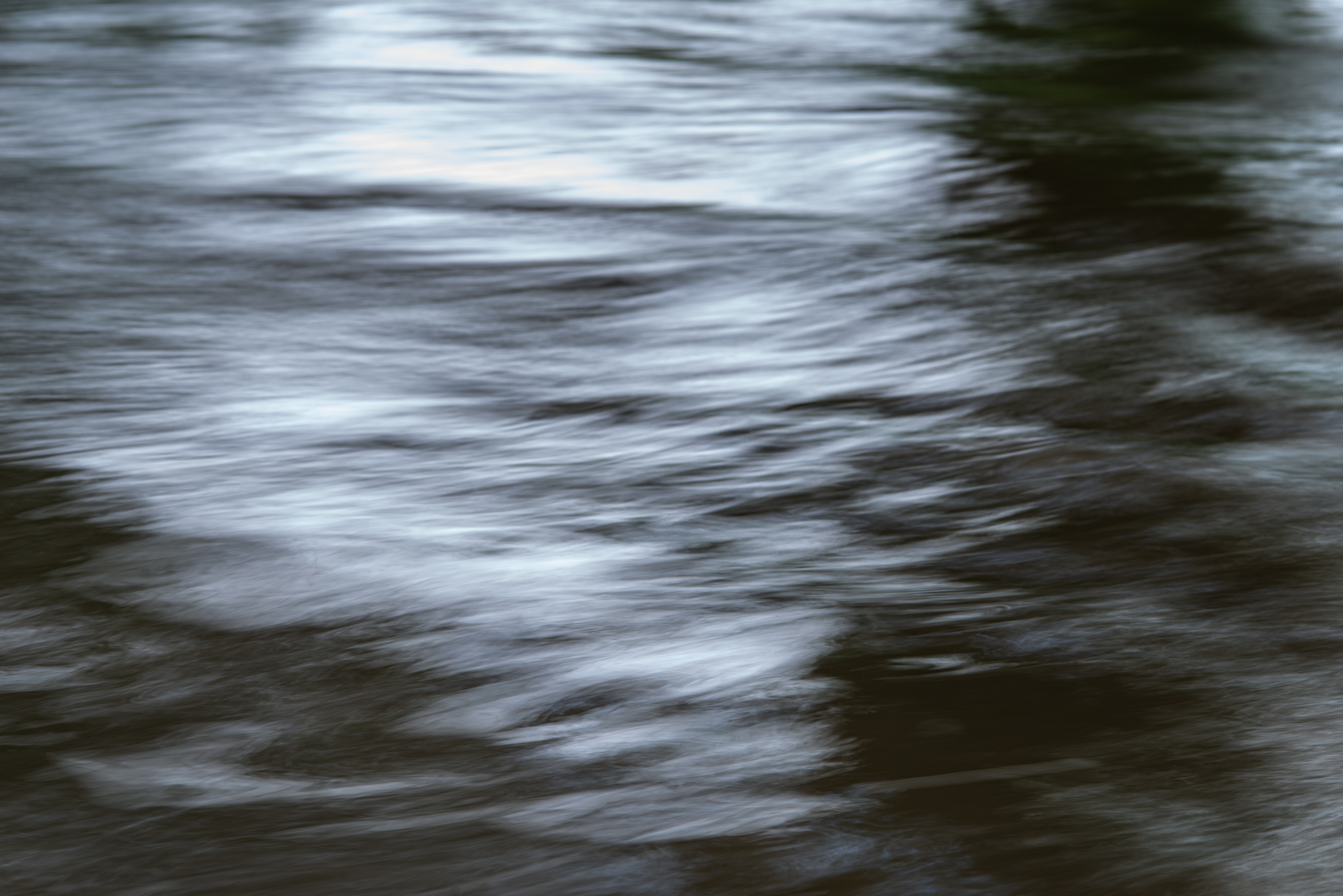
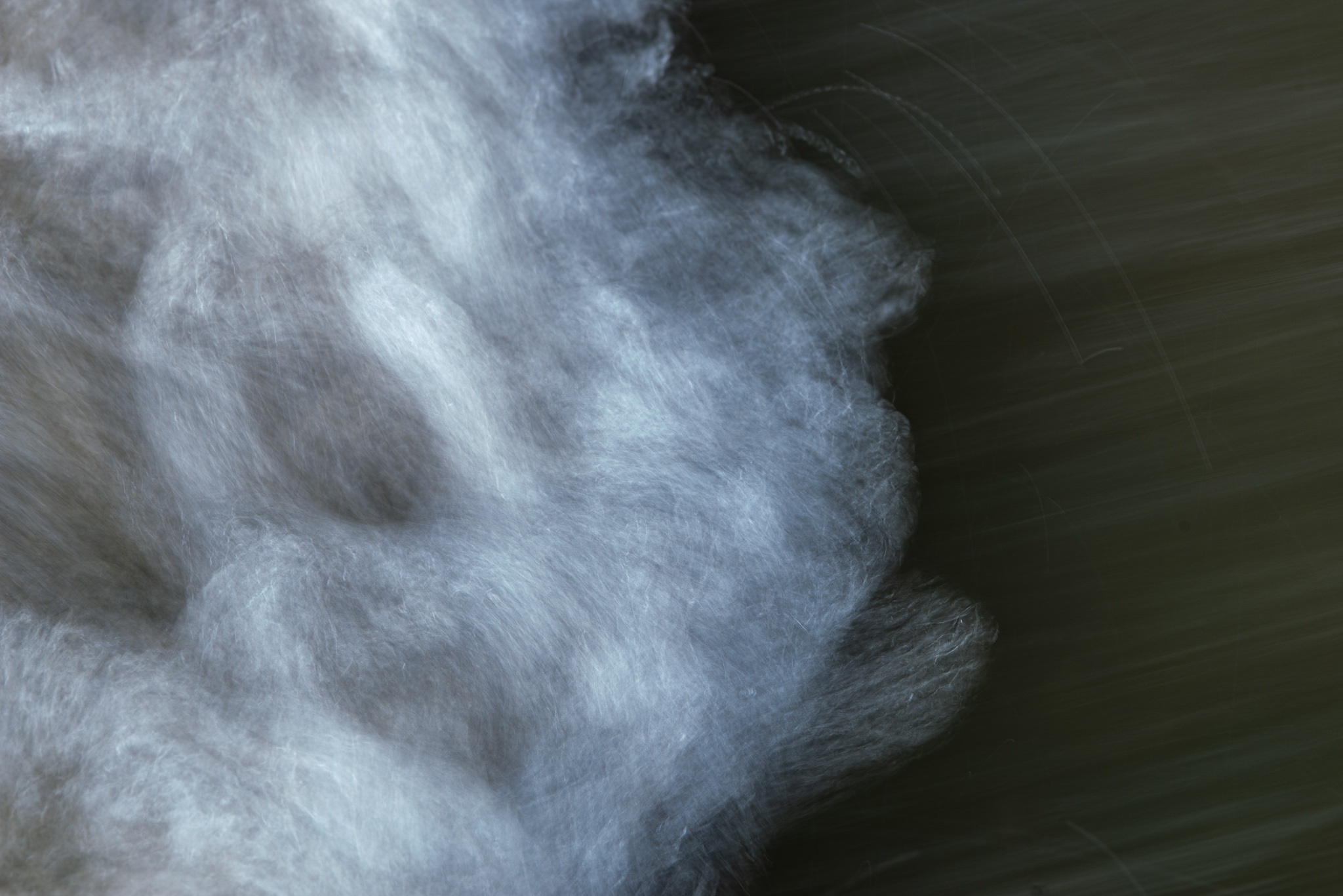
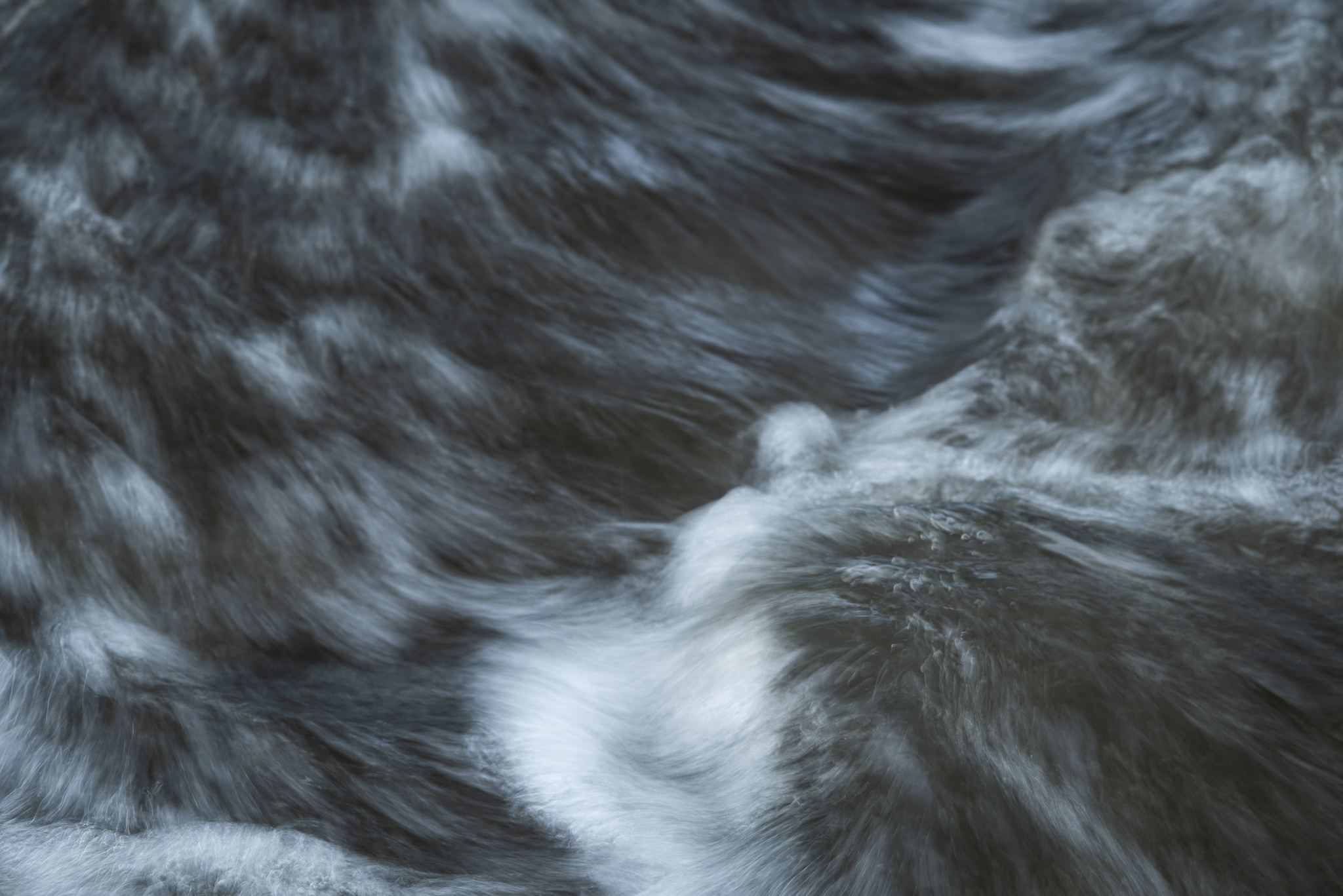
These images represent an ongoing project exploring the River Darent in Kent. The Darent is an ancient chalk stream that emerges at Greensand Ridge in Westerham. After passing through the Darent Valley, it eventually joins the Thames at Dartford. Whilst over the centuries, there has been a human imperative to interfere with the flow (through building bridges and watermills, etc.), only limited control over its power is ever achieved. In contrast with these infrastructural efforts, the flow of the river remains awesome and at times terrifying.
I have excluded any reference to context or scale within these images to make them generically representative of the flows that have supported life on earth since the beginning of time. Although the project is focused on a particular geographical location, I hope that the images of the river’s natural force take on a more metaphorical meaning, reminding us of our individual and collective journeys.
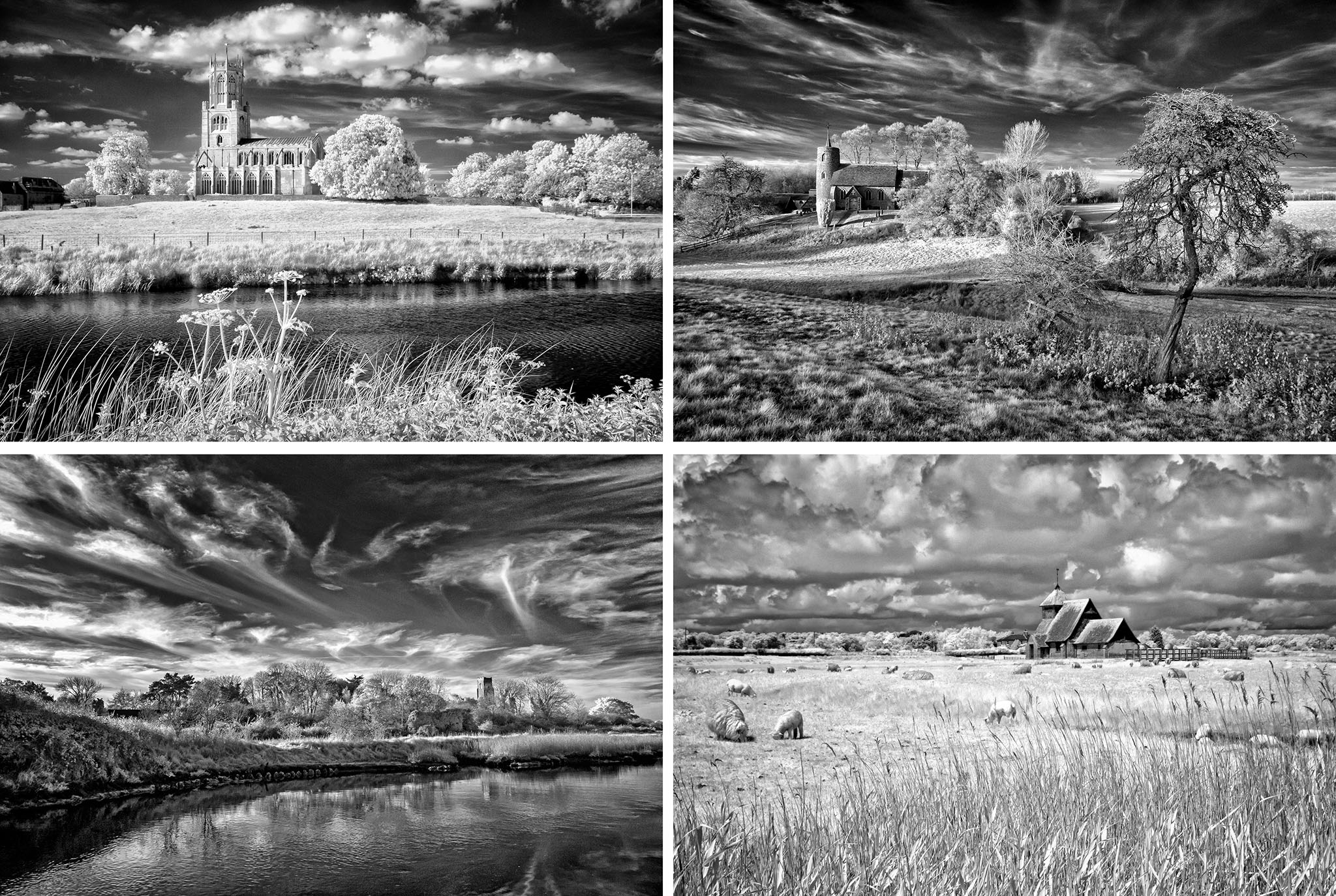
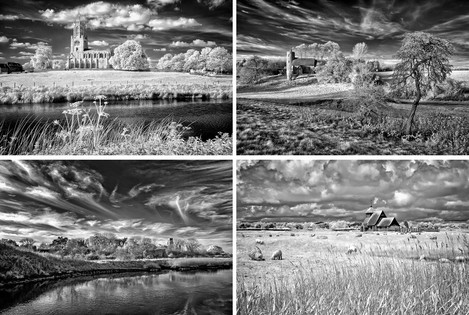
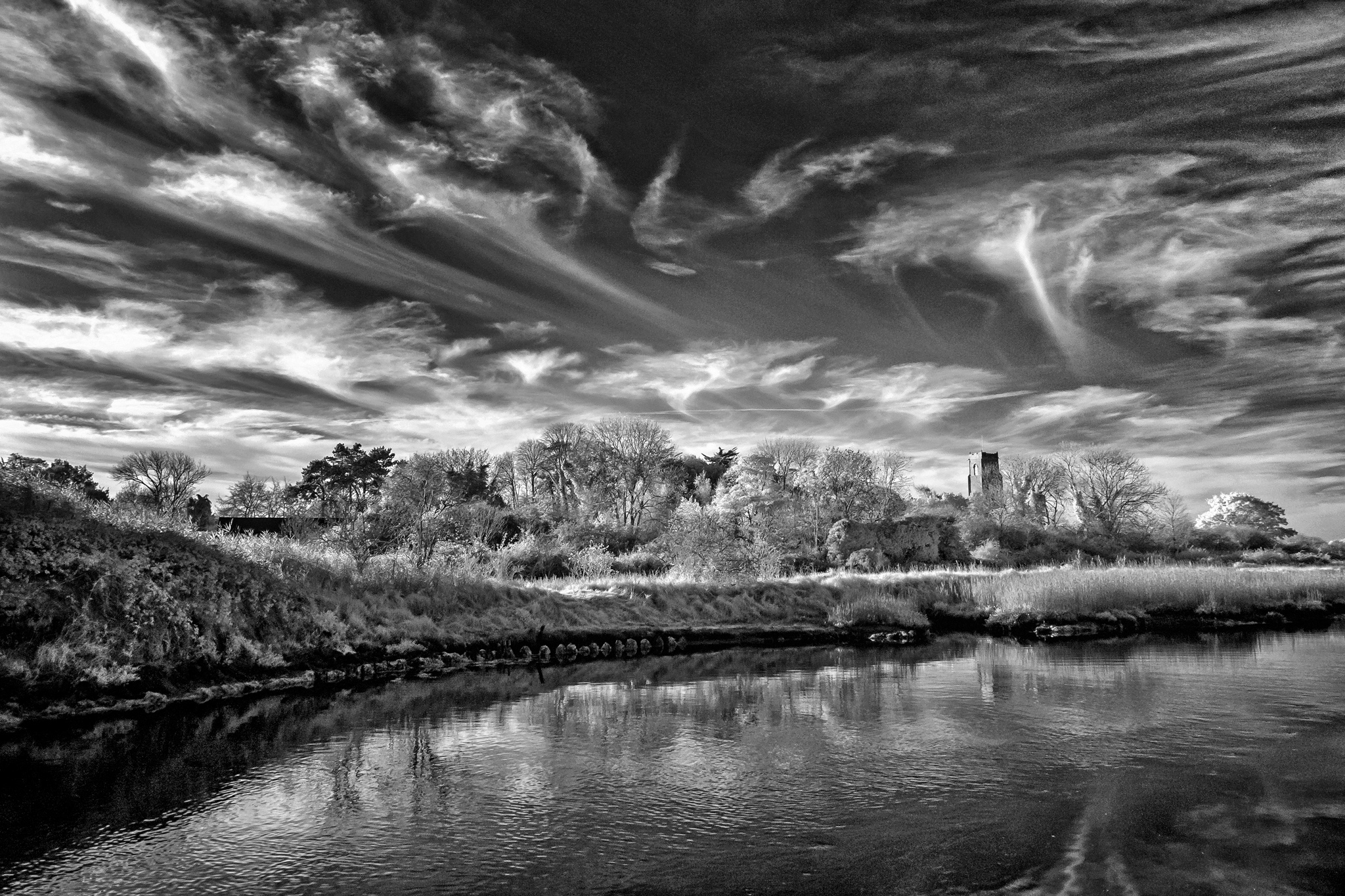
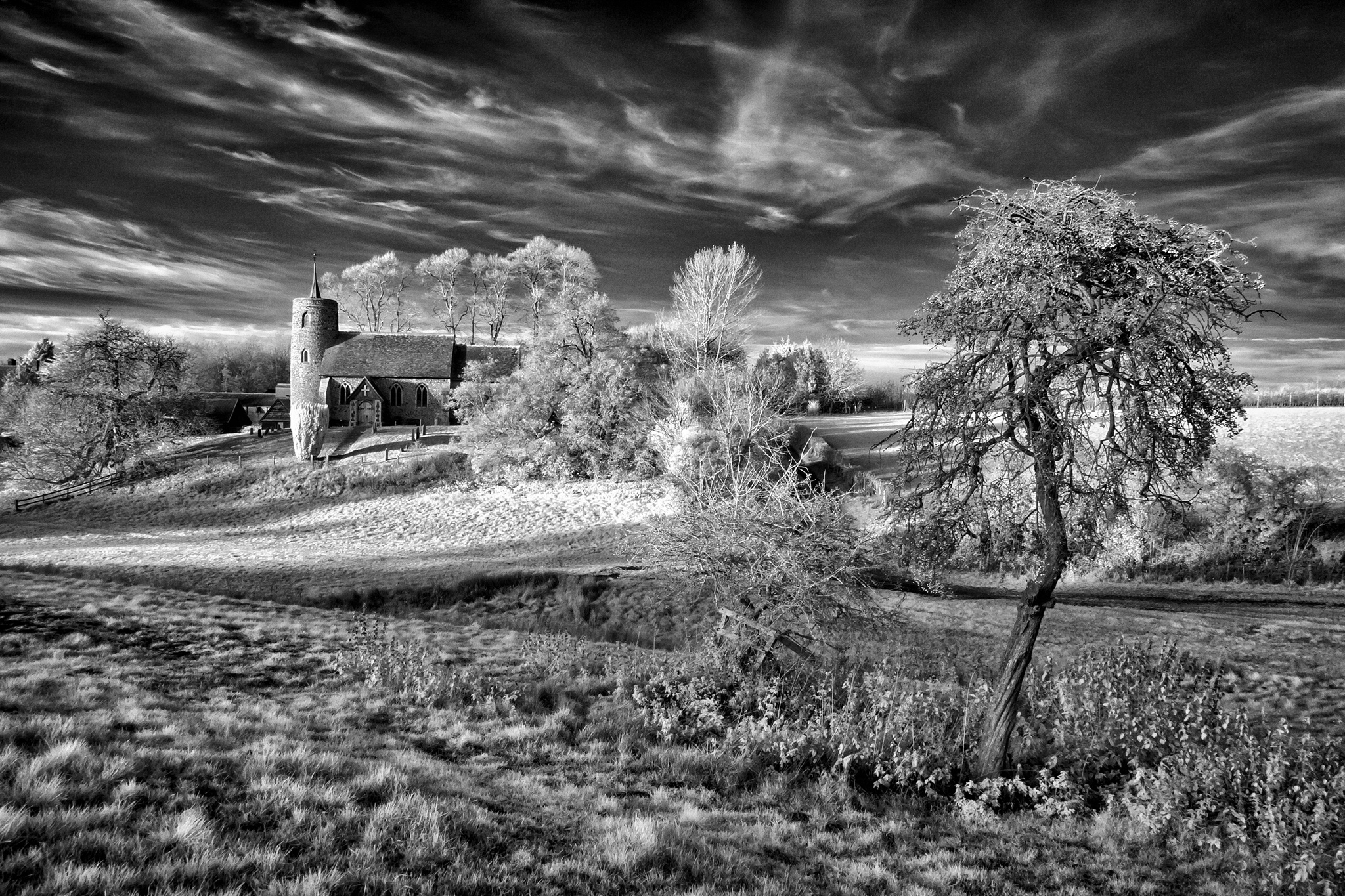
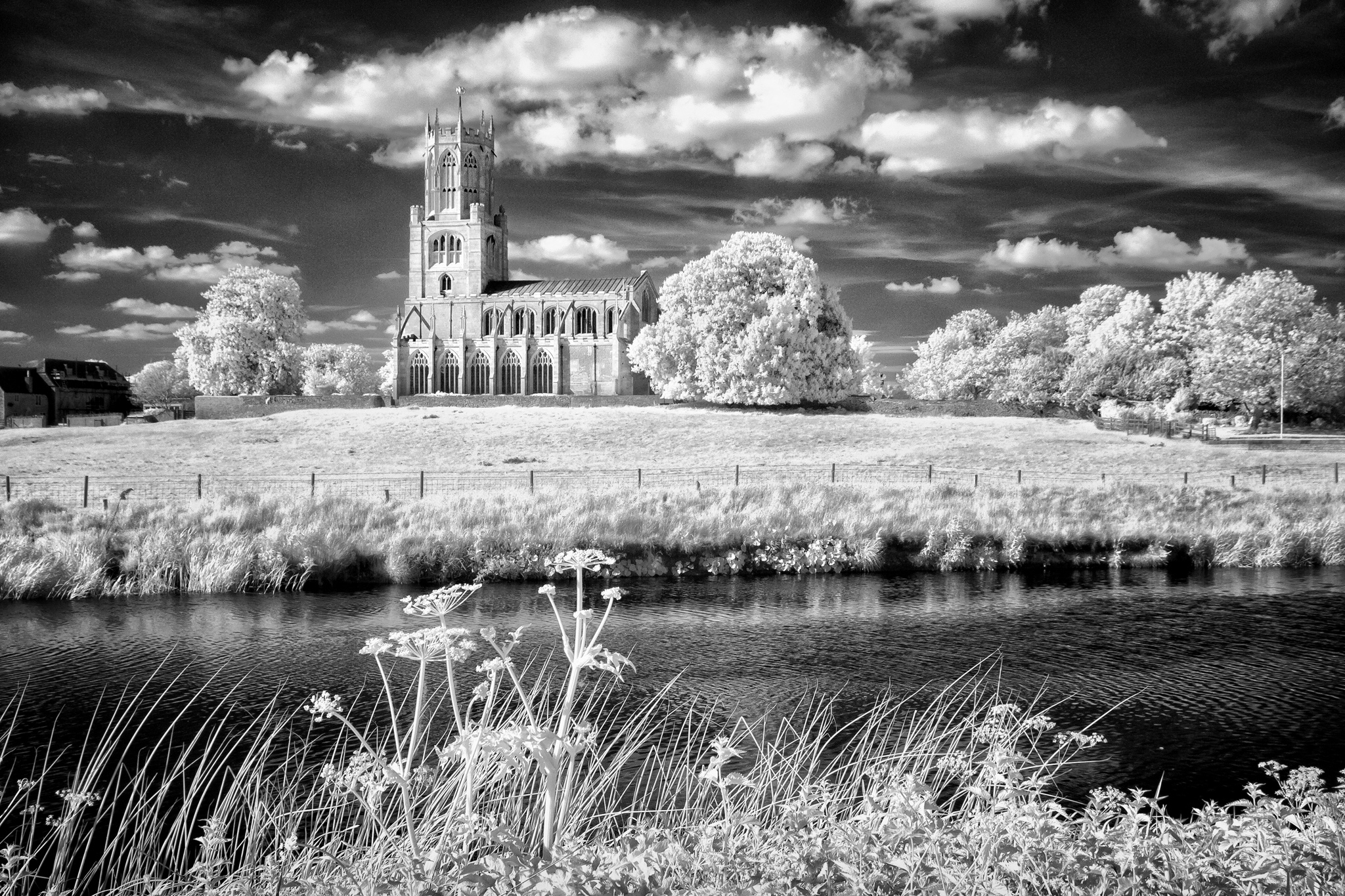
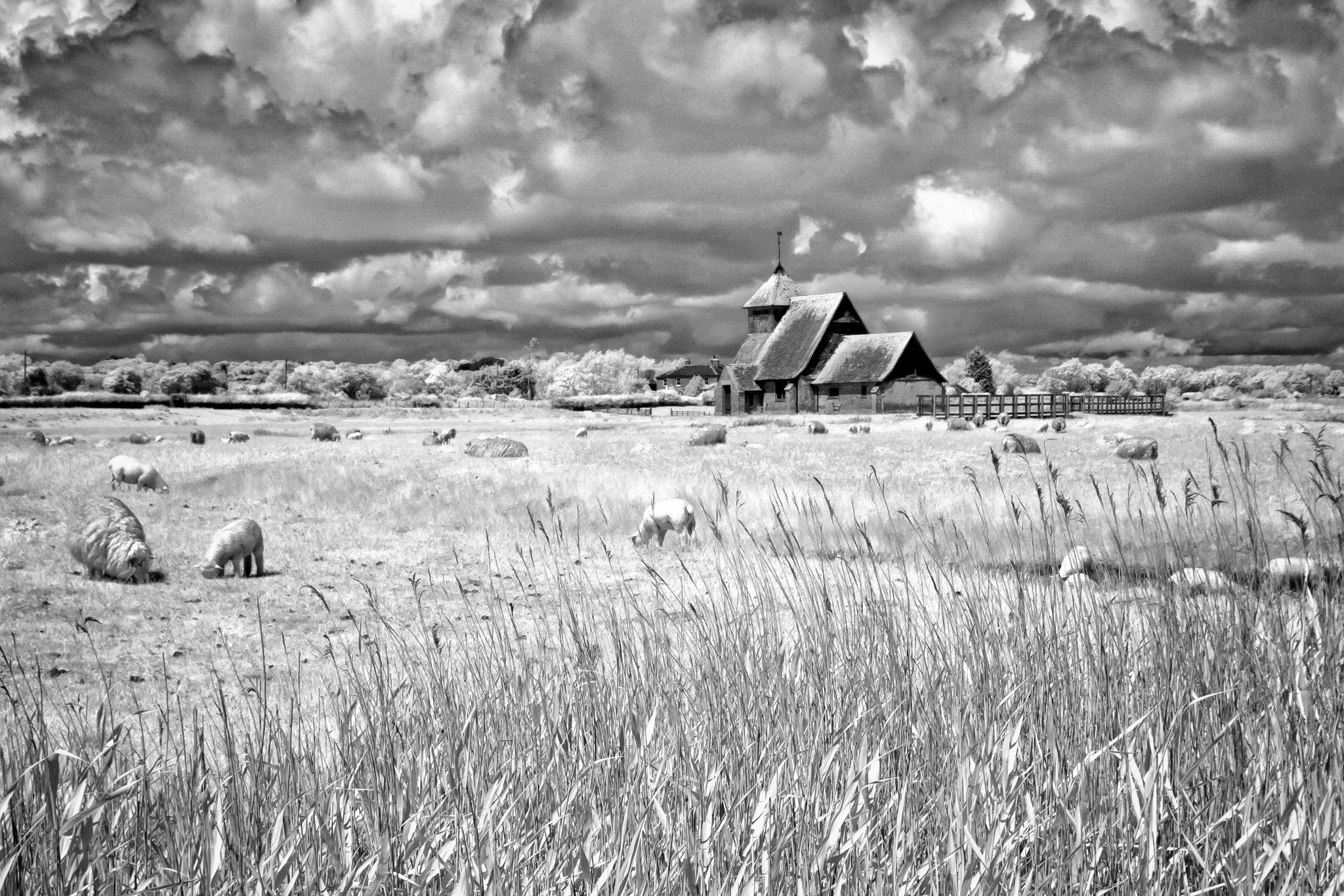
For many years I've been fascinated by country churches. They are some of our oldest buildings and are everywhere - there's always a list of those that I want to visit and photograph. Interiors I usually photograph in colour but I often convert those images to monochrome. Exteriors I photograph using a camera converted to capture infrared (830nm for the technically minded).
I find that infrared is the right medium to show the beauty of them and also adds an air of mystery. Many years ago I used infrared film to photograph churches but I find digital infrared much more satisfying in that, using Elements and Nik software, it enables me to produce the images that I want. many country churches are in villages but some stand apart from their associated villages, surrounded by countryside - hence "Churches in the Landscape".
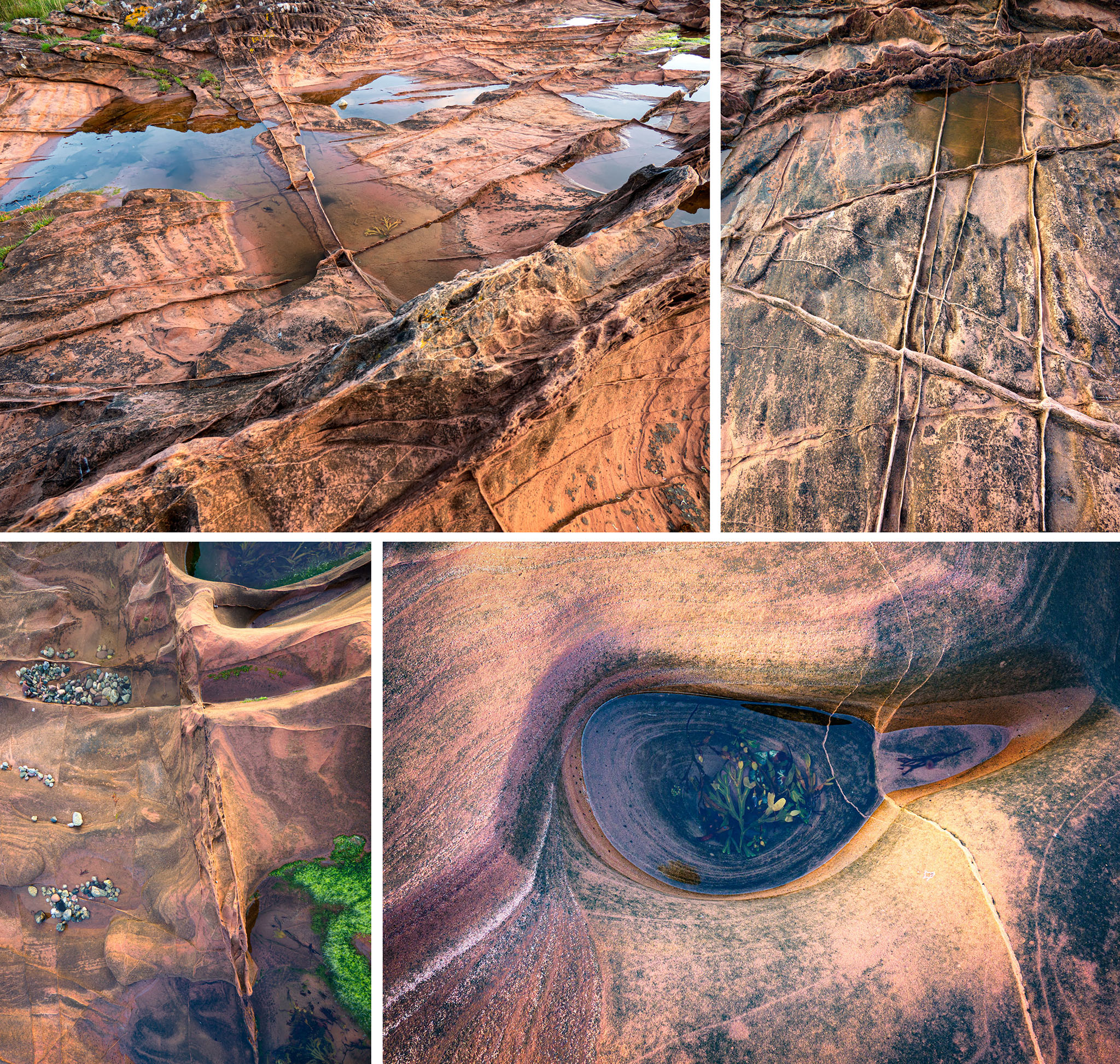
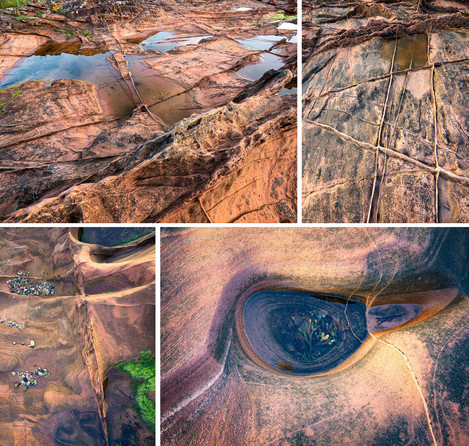
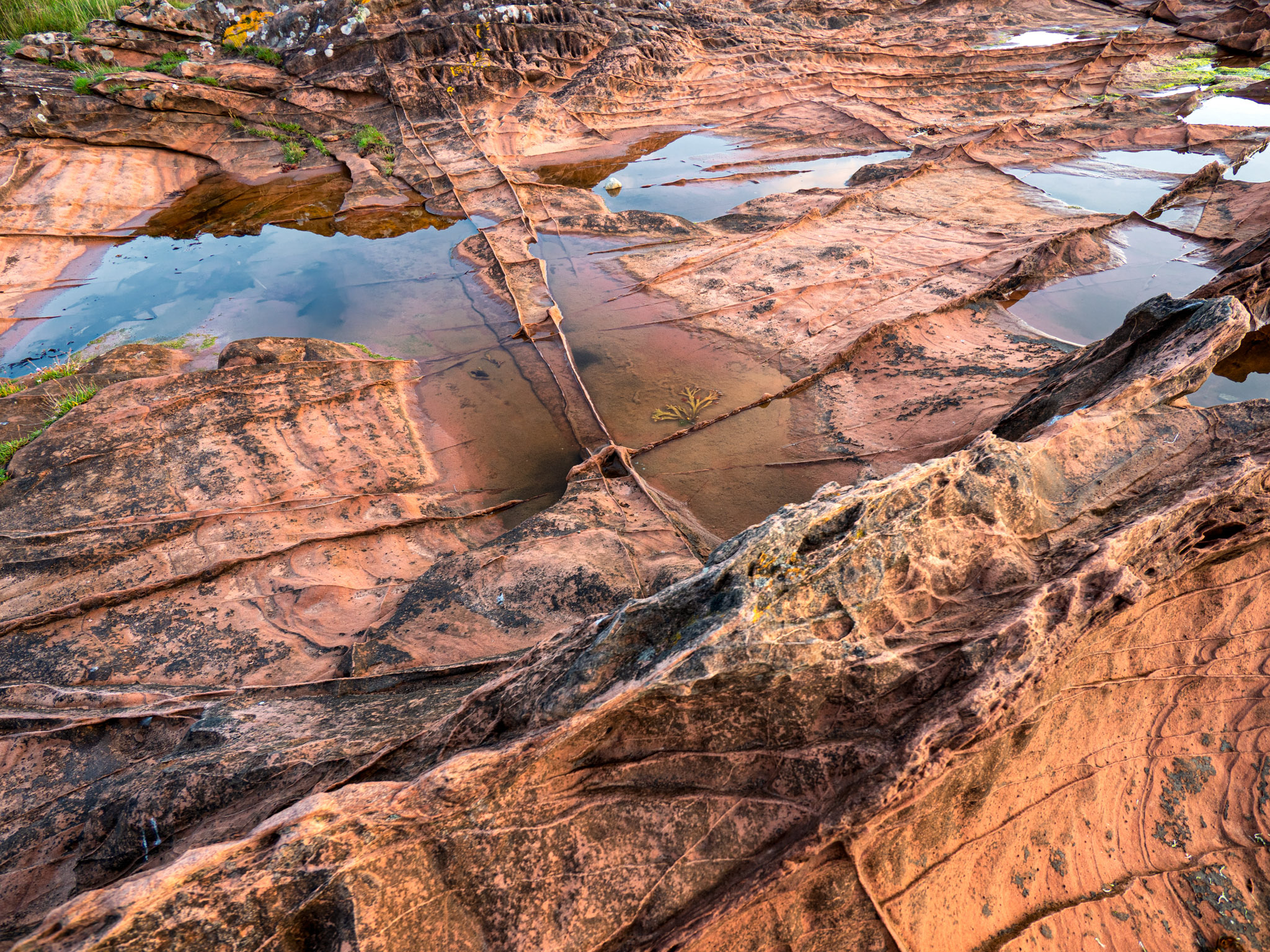
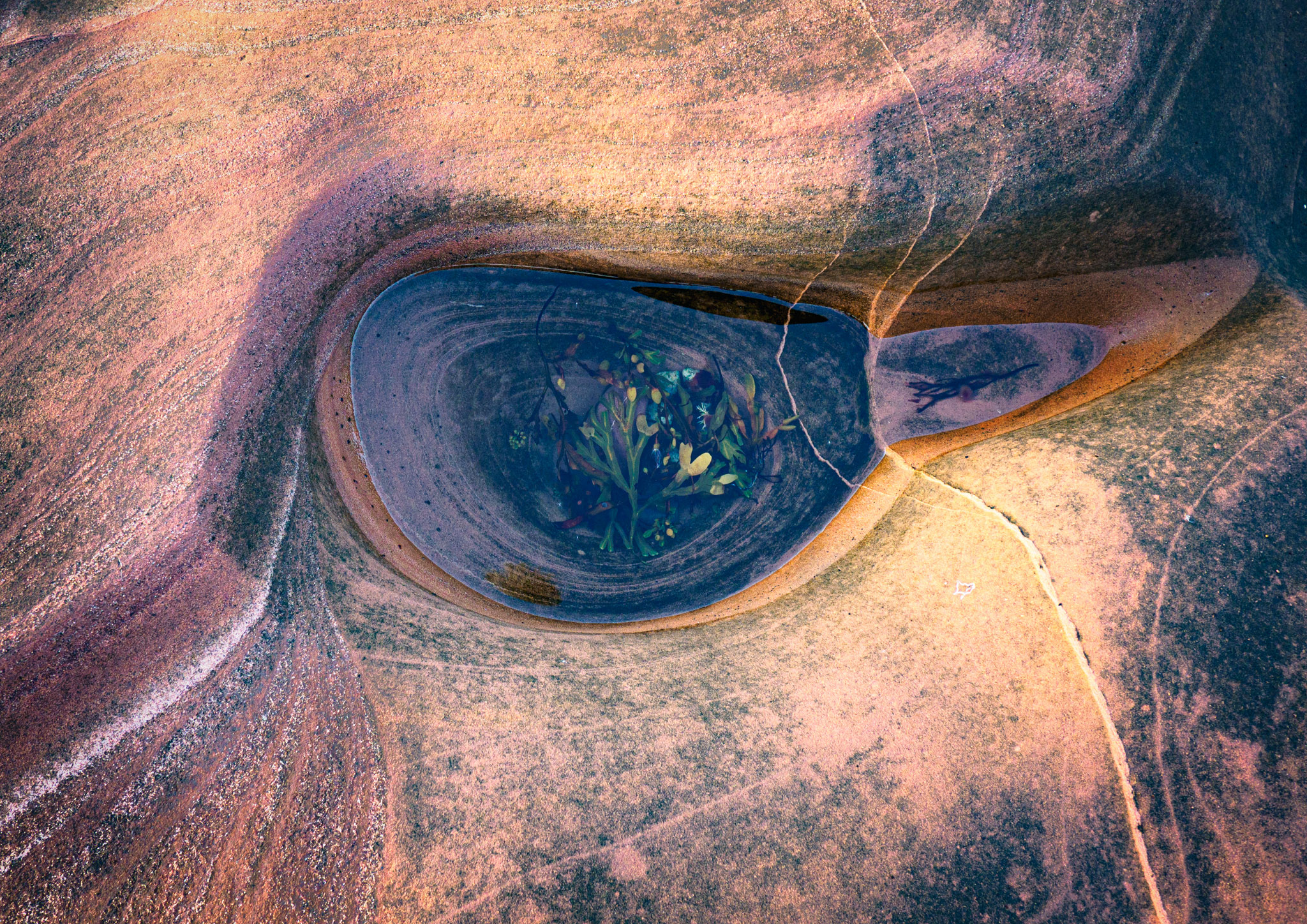
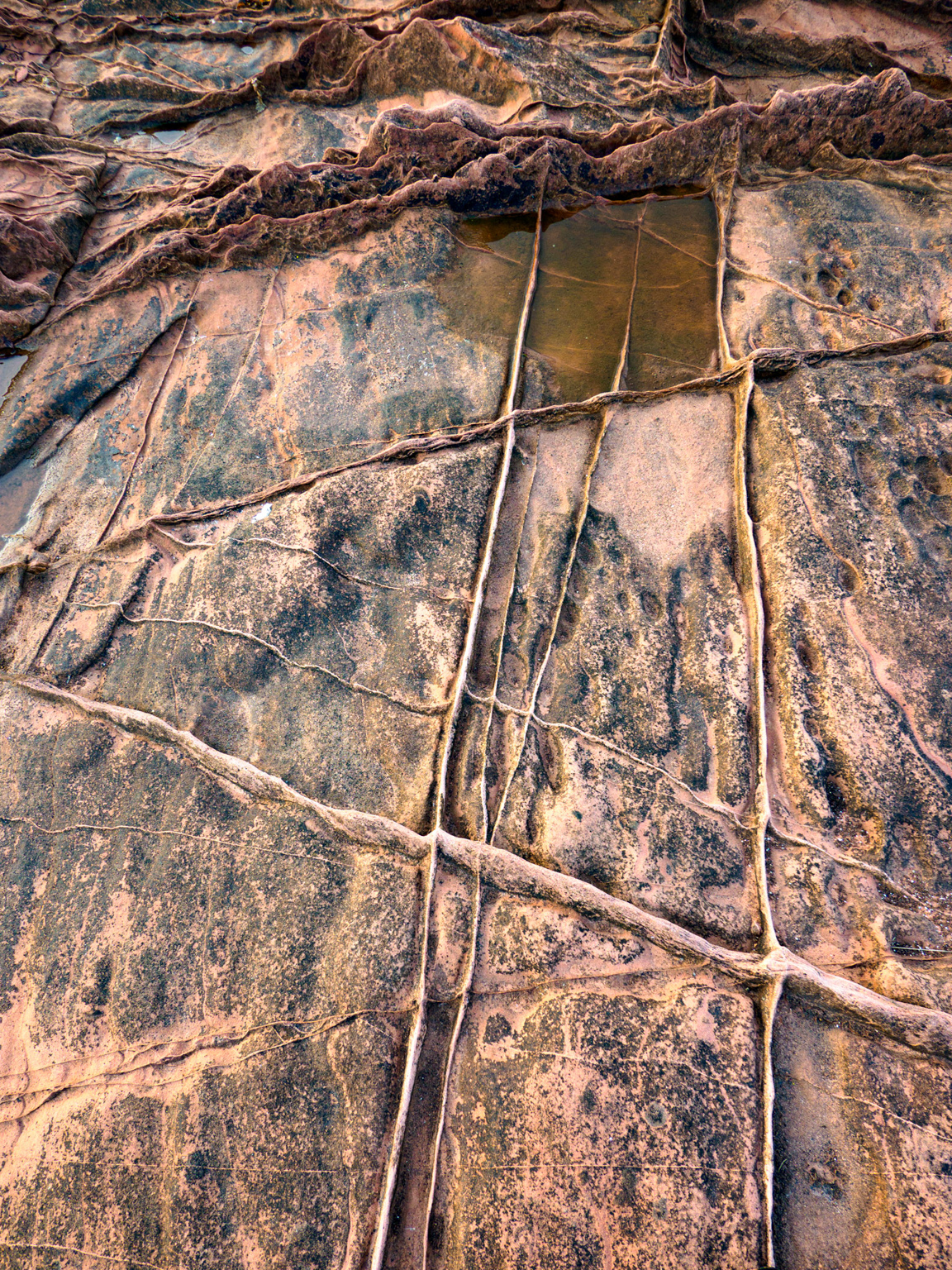
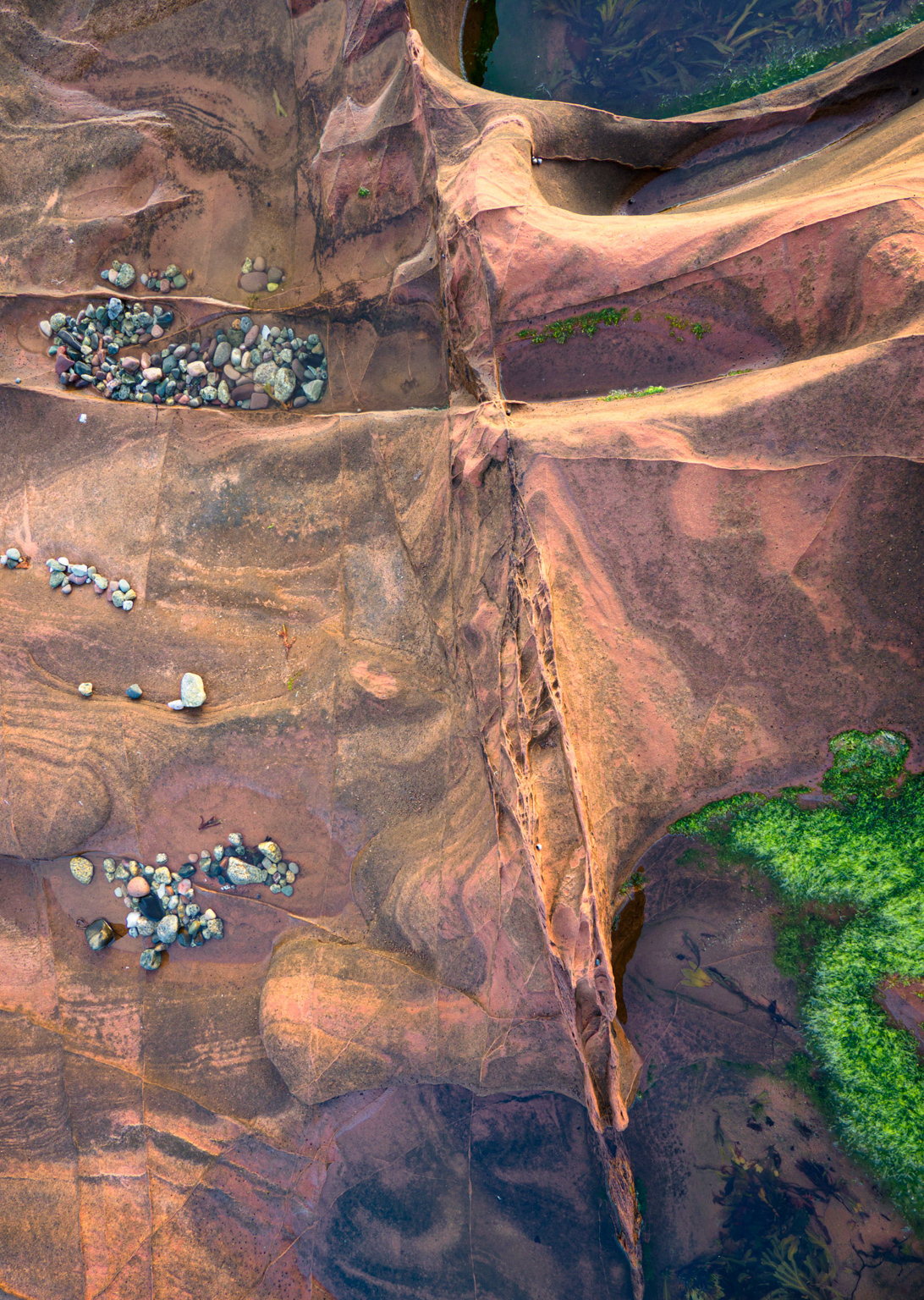
Visiting the Isle of Arran last year on a lone photo trip, I enjoyed the sea and the hills but found my highlight at dawn two miles down the coast from my hotel at Corrie. Horizontal slabs of grey and red sandstone were washed by the retreating tide, leaving a miniature landscape of ridges and pools, ambiguous in shape and scale.
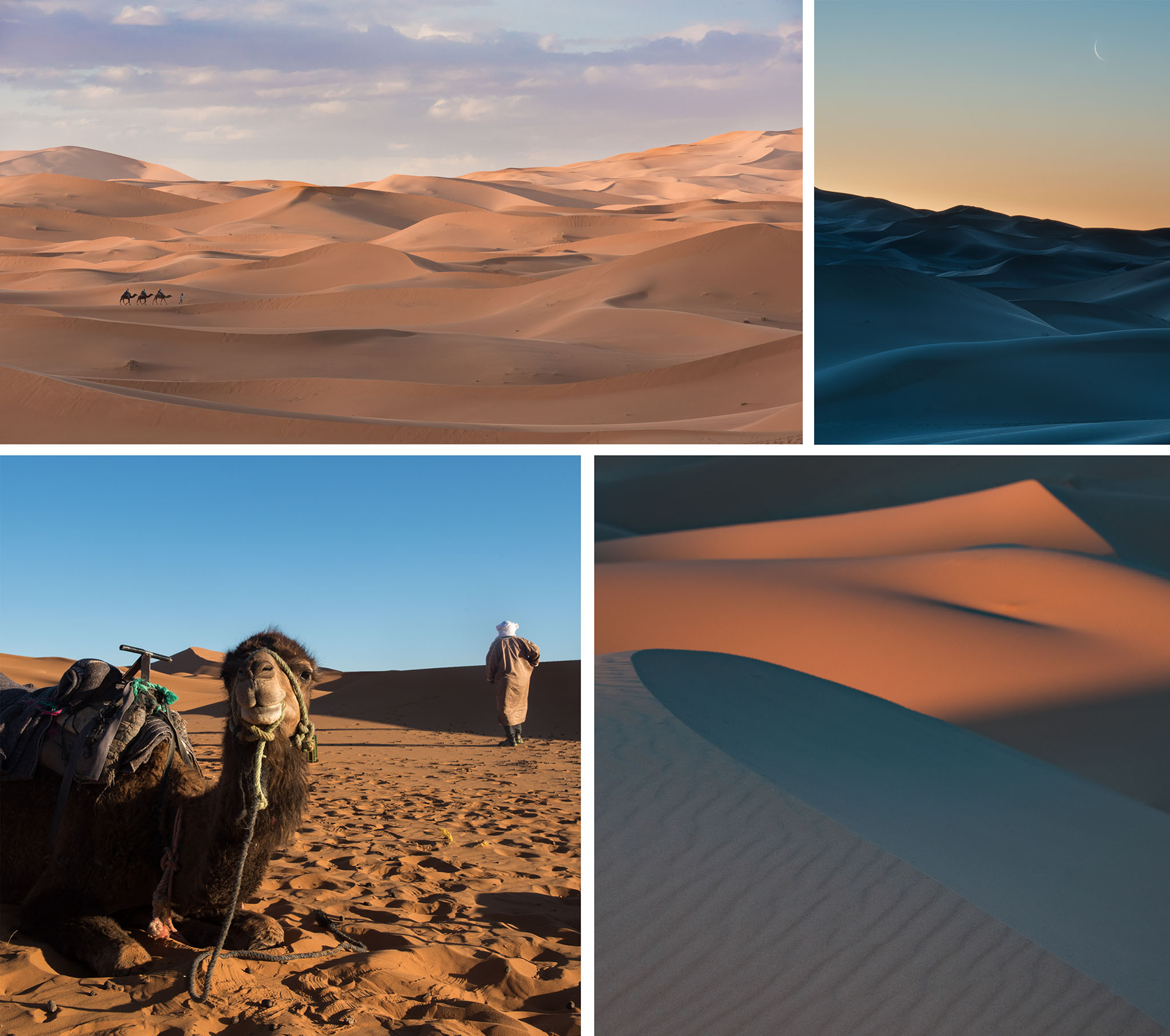
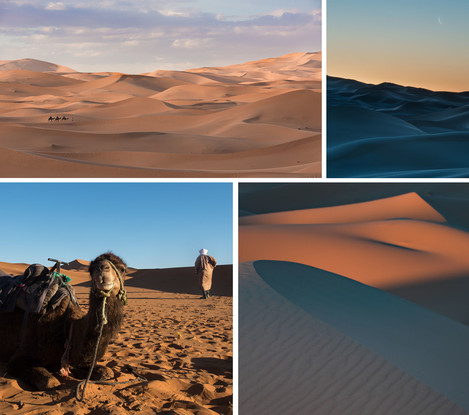
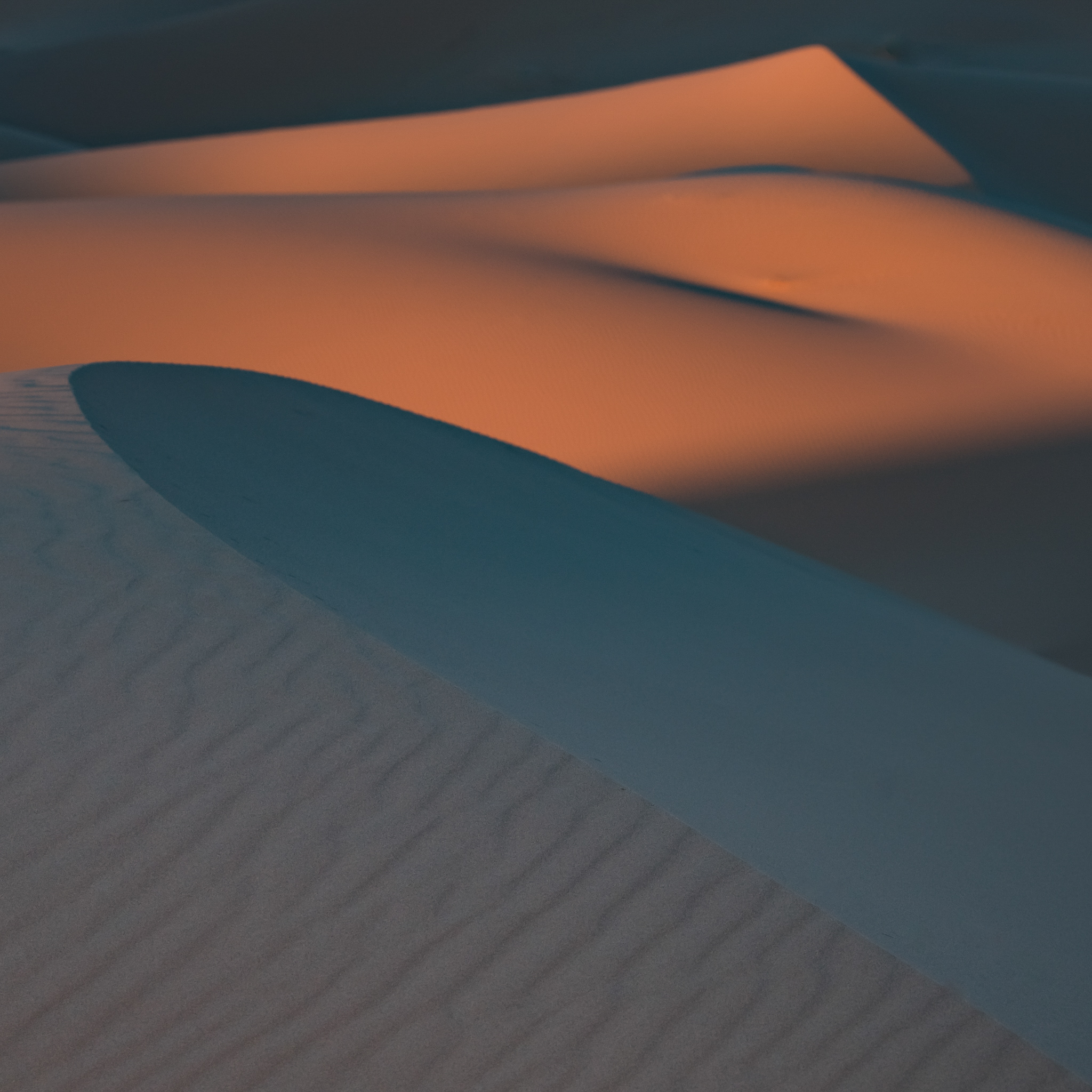
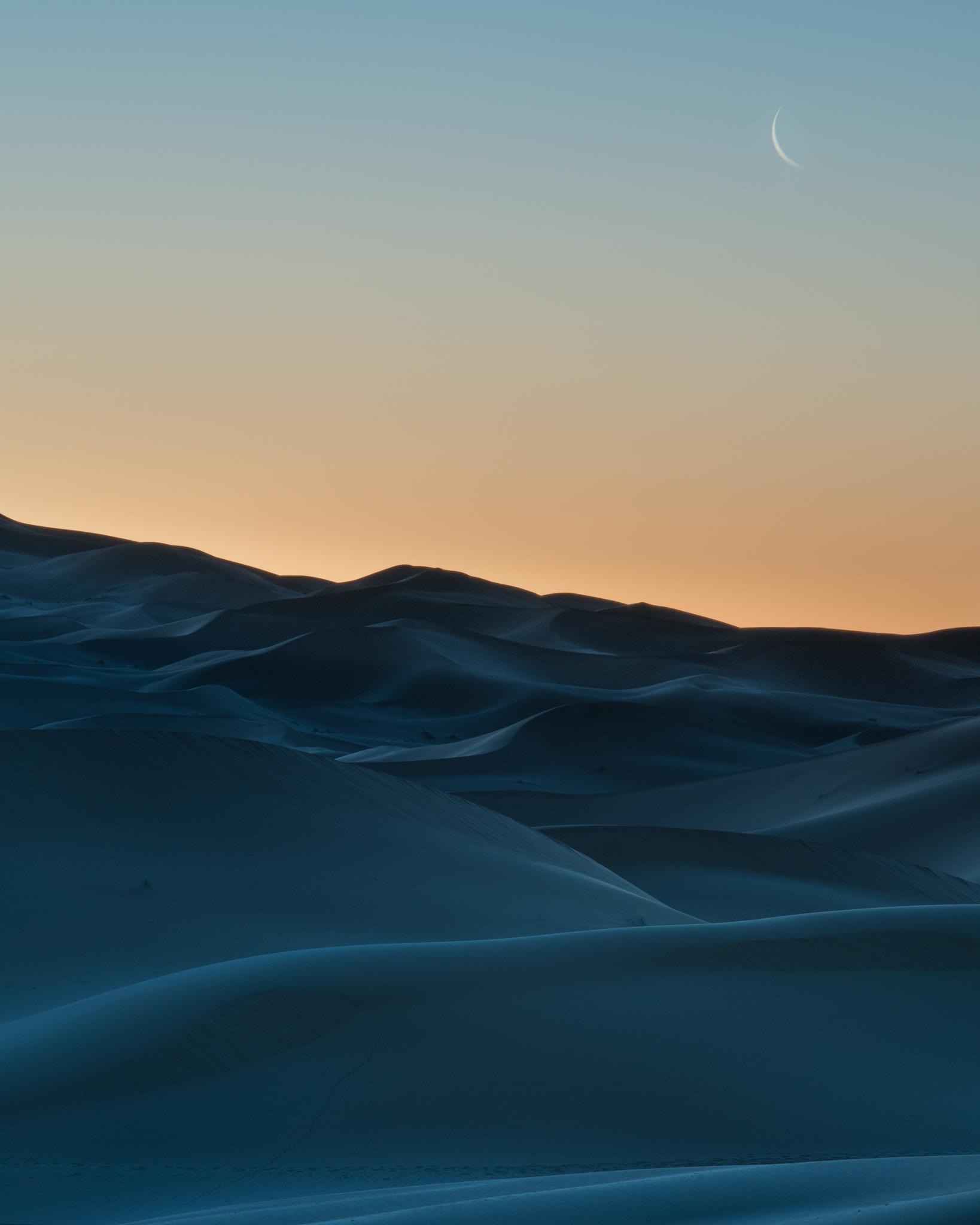
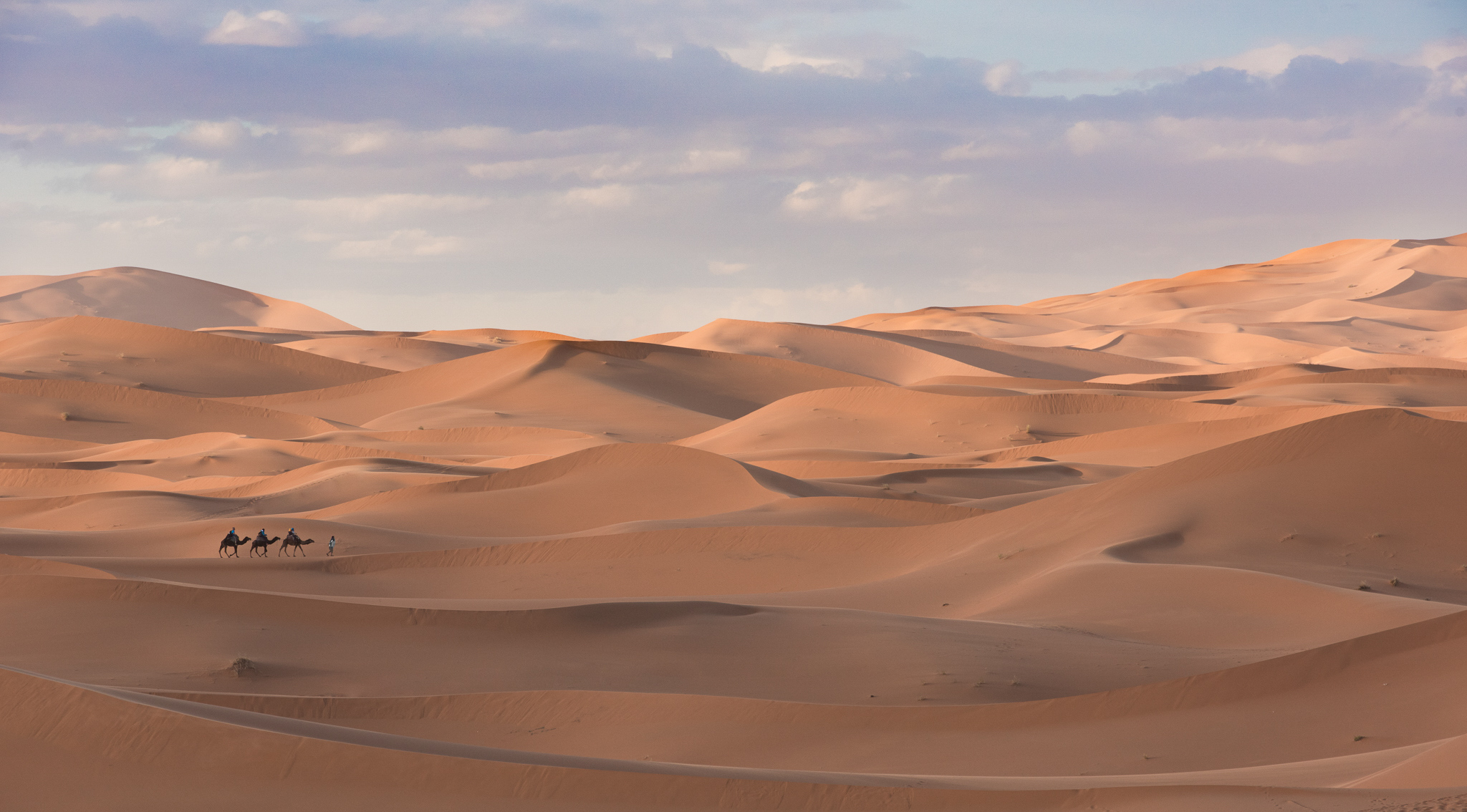
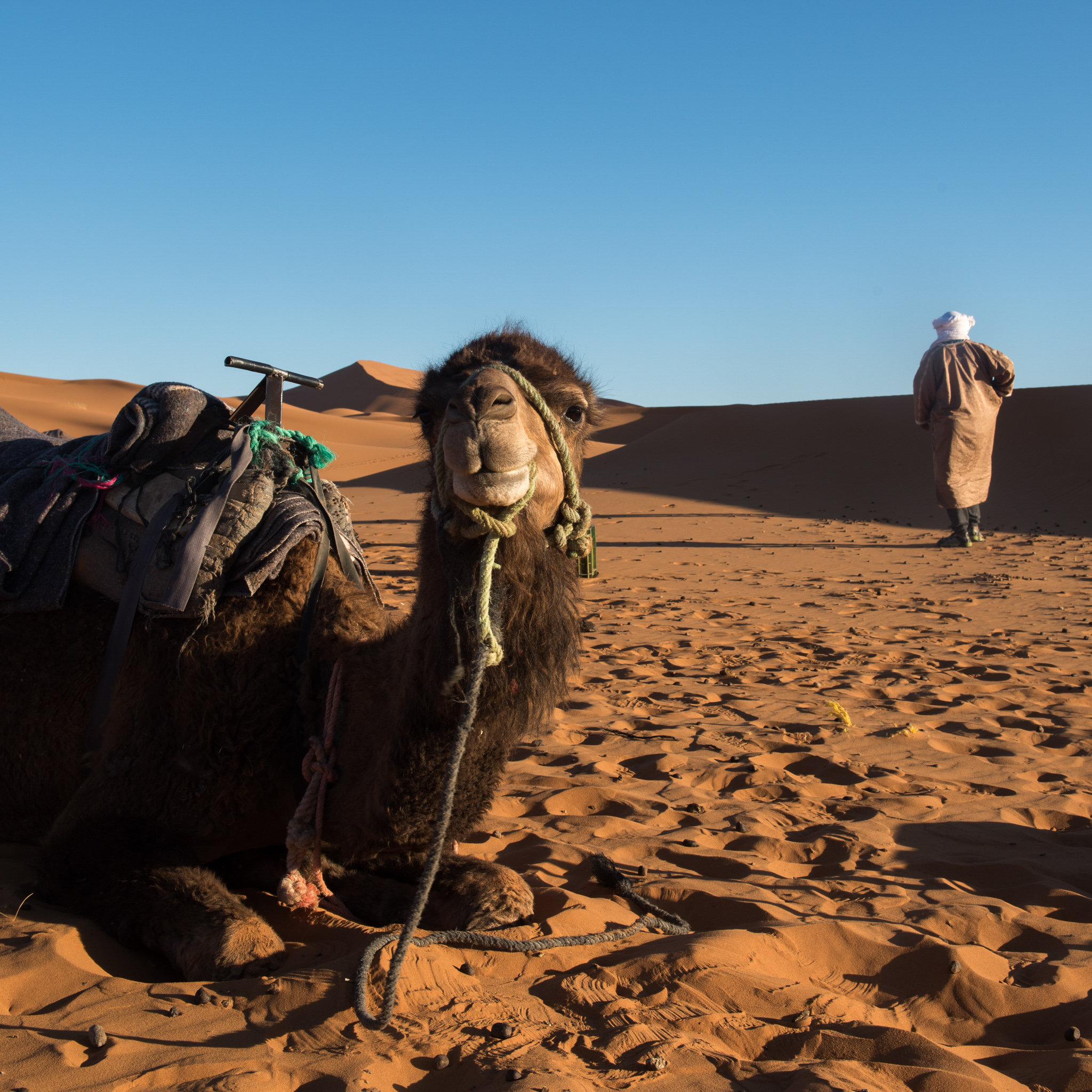
These are photographs taken over twelve hours during a brief visit to the Moroccan end of the Saharan Great Sand Sea. There were ideas and inspiration everywhere and show both the cool and warmth of late and early sun. We were just far enough into the dunes to forget that the hotel and my lovely bathroom were only a half hour camel ride away!
It’s interesting how circumstances can combine such that even if you have what others might consider to be iconic landscapes on your doorstep, your photographic curiosity takes you away from the obvious through a choice of composition, photographic technique, and/or print processes. Stuart Clook’s work mixes places beloved by 21st century filmmakers, audiences and adventurers with 19th century photographic and printing processes, exploring the way that colour can influence perception and deliberately making room for error and discovery. We had a taste of Stuart’s ‘Precious Landscapes’ for our subscriber’s 4x4 portfolio feature back in 2017 and as he prepares for his first solo exhibition of the work, we thought it would be good to find out more.
Would you like to start by telling readers a little about yourself – where you grew up, your education and early interests, and what that led you to do as a career?
I grew up and went to school in Llangollen, North Wales and from an early age, my interest and passion was fly fishing for trout and salmon in the local rivers and lakes. At 15 and 16 I represented Wales in the junior fly fishing team and had no thoughts for photography. I left school at 16 with a scholarship to go to Manchester and study Polymer Science and then continued my studies in London for a further three years before returning to North Wales to work as a material scientist in a new research facility for BICC cables. Seven years later, and a decision to go find some adventure, I decided to move to New Zealand. I have worked in various Manufacturing and Operations management roles for the past 25 years and now look after quality and regulatory affairs for a medical device company that designs and manufactures mobility equipment for adults and children with physical and mental disabilities.
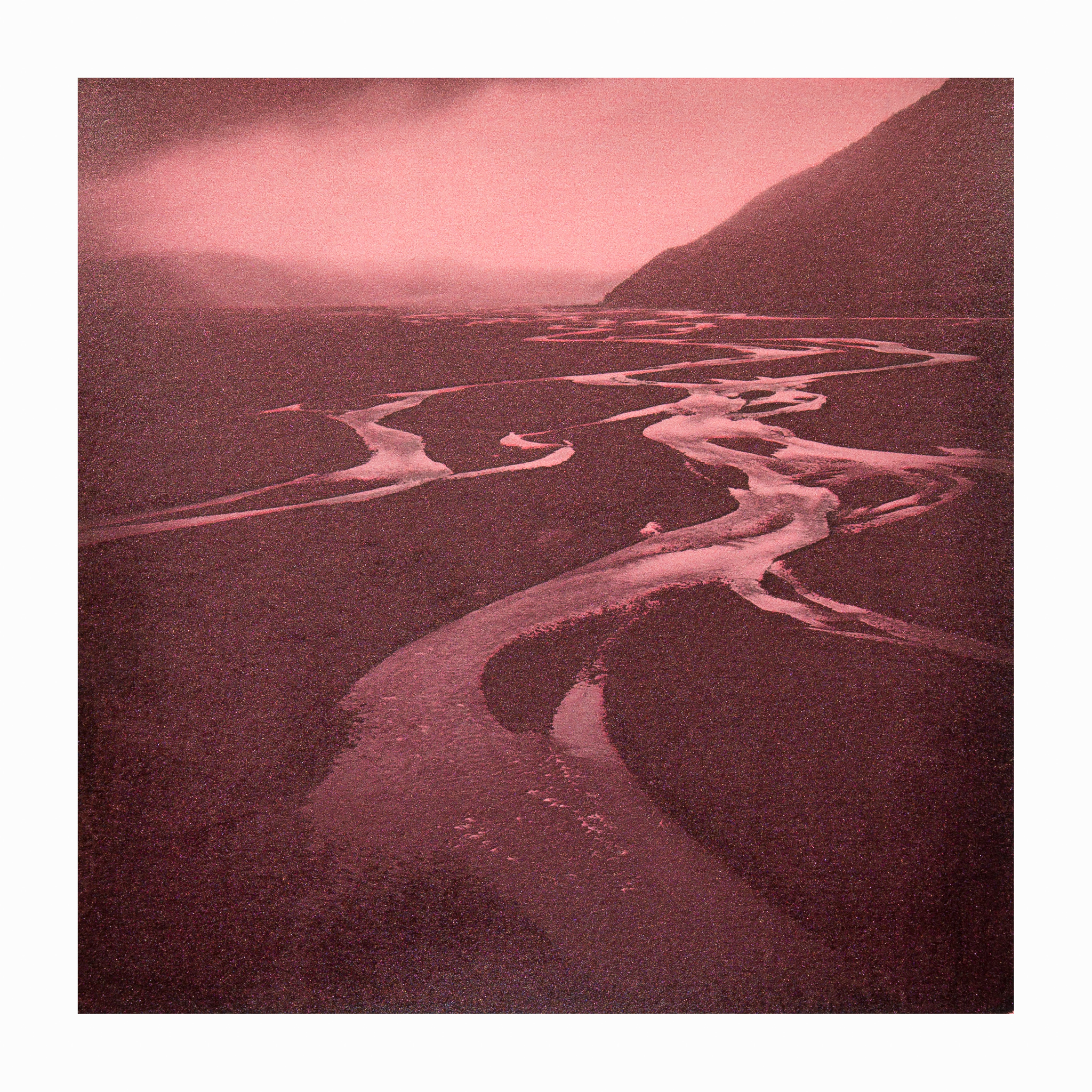
How did you first become interested in photography and what kind of images did you initially set out to make?
I didn’t pick up a camera until moving to NZ, and then only as a way to record my fishing and tramping adventures using a disposable waterproof camera that took 24 pictures. Very much a point, shoot and wind on. I would drop it off at the local camera store and pick up my negatives and prints a week later. My photographs of smiling faces and big fish were just that and were great for keeping memories and for bragging at the local fishing club but I was never really satisfied with my other photographs of the rivers, valleys and incredible scenery that I was fishing and camping in. Coming from a similar size country with some 55 million people to one with 3.6 million and with only a third of those living on the South Island the landscape is huge in comparison.
What’s your local area like and which places are you drawn back to, time and again?
I live about 20 minutes out of Christchurch over the Port Hills at the top of Lyttelton Harbour on Banks Peninsula. Banks Peninsula is the remains of two long extinct volcanoes that have been claimed by the sea resulting in two large harbours with numerous bays and coves. I enjoy photographing along the coastal tracks and on the tops between the bays where there are what remains of native bush and totora forests that had not been totally cleared by the early European settlers. An hour’s drive away is the Southern Alps, a mountain chain that runs the length of the South Island. Here there are beech forests and alpine meadows in the valleys and rivers and lakes that drain the year round snow covered mountains. I make many day trips into the mountains exploring new ground and revisiting familiar places at different times of the year. I especially enjoy making longer trips in the autumn and winter when the light is not as harsh as in summer and when there is a good chance of a gathering or clearing storm.
What changes have you observed – for good or bad – as film and social media have popularised the landscapes of New Zealand?
I have been in NZ for 25 years and yes the numbers of visitors has increased significantly in that time. I don’t see it as a bad thing; the dollars the visitors bring with them are a big part of our economy and our walking tracks and back country huts are being renovated and improved as a result for the enjoyment of all us, locals and visitors alike. NZ’s South Island is still largely unpopulated and with the extremes of our geography there are not many roads to get around on, hence it can be quite crowded and busy and is why you see a large number of images on social media that are of the same scenes and locations. Recent films like the Lord of the Rings and The Lion, Witch and the Wardrobe have only further raised the number of visitors coming and as a result there are visitors and tour groups jumping from one film location to the next and it is not uncommon to have dozens of tripods and cameras clicking during peak times in the iconic locations and roadside rest areas. This does of course make it difficult if not impossible to make a unique photograph of the scene without being influenced by those you see on social media or in magazines and is actually one of reasons I started to look at other ways to make my photographs and particularly in the printing of them.
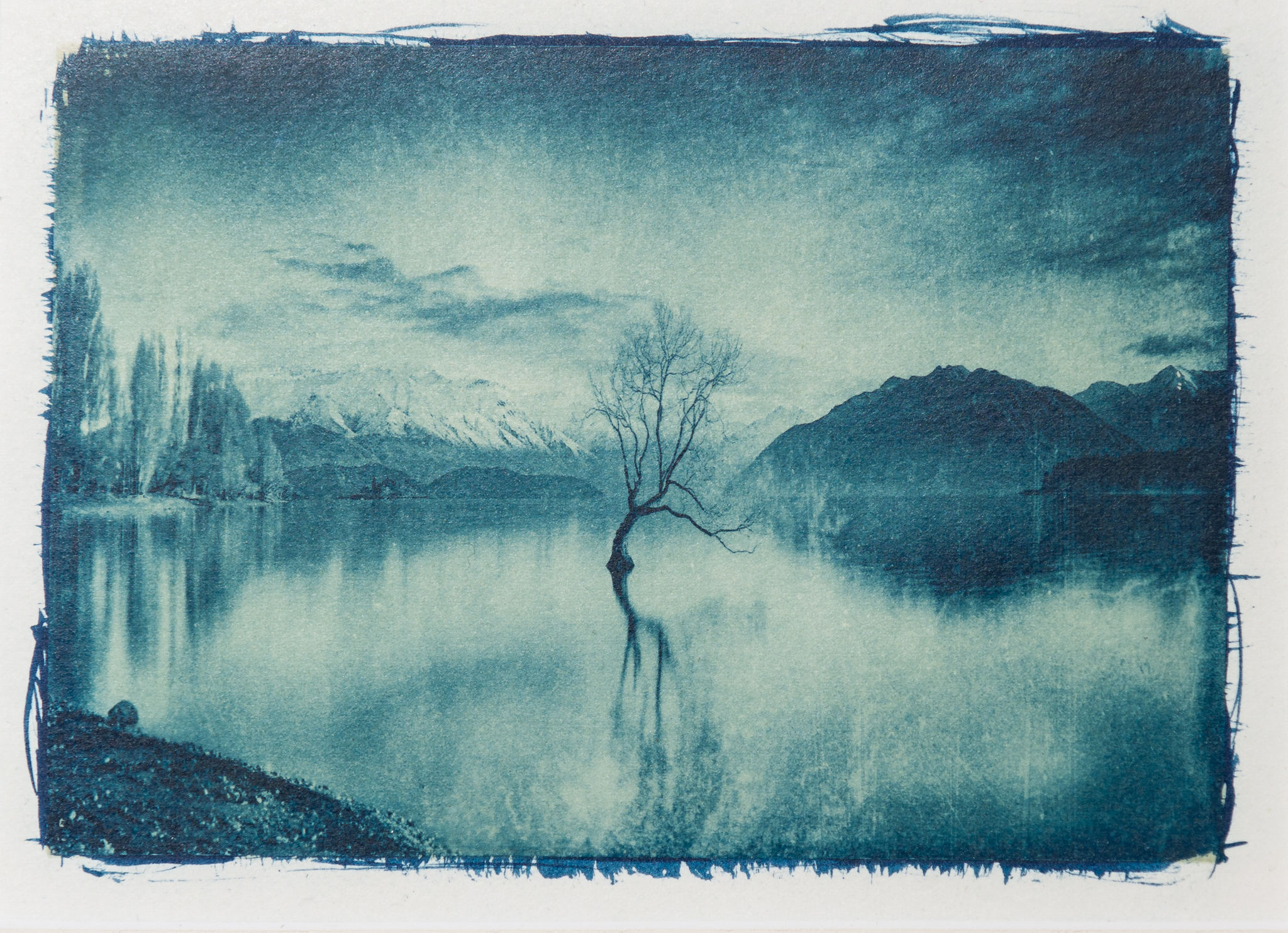
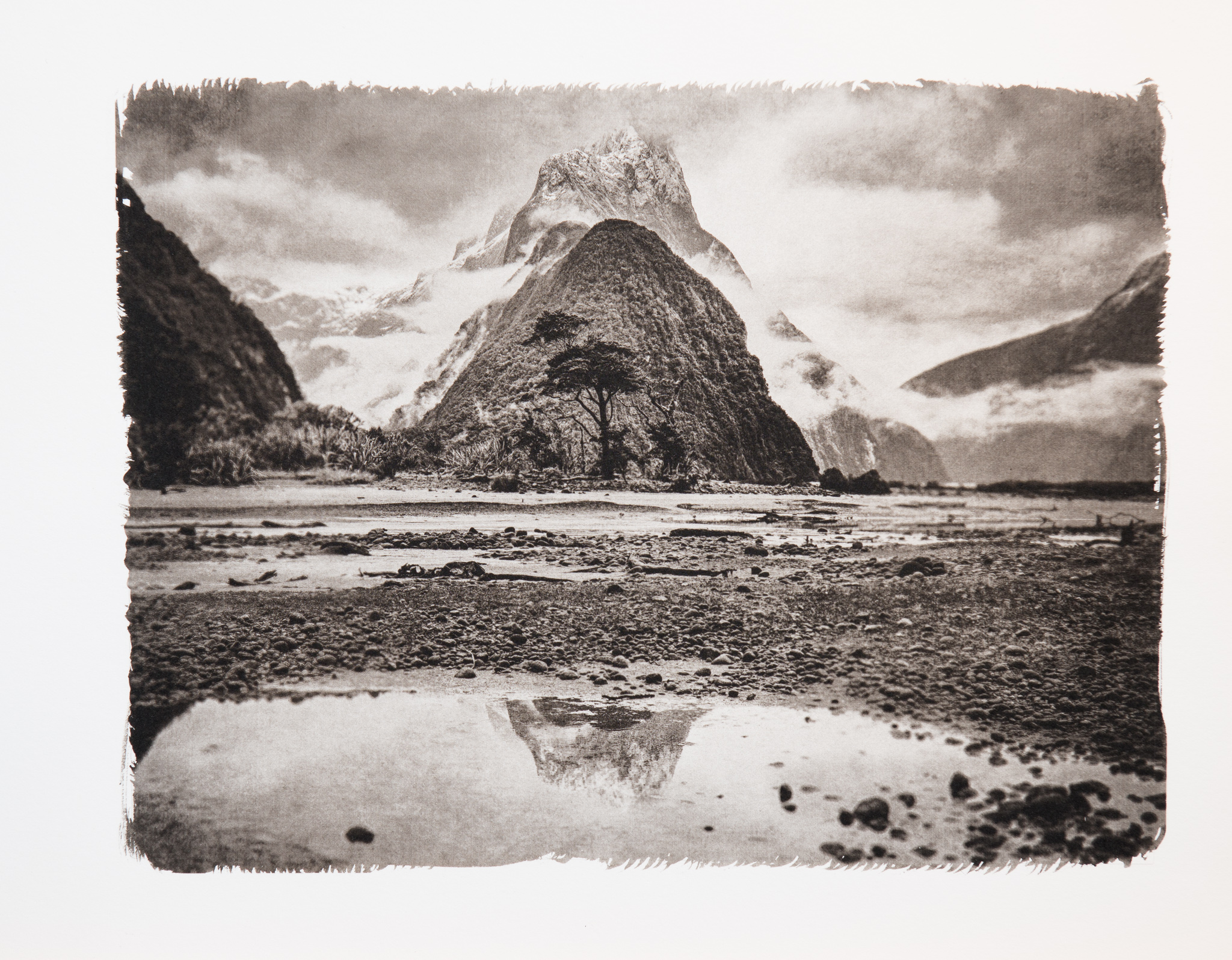
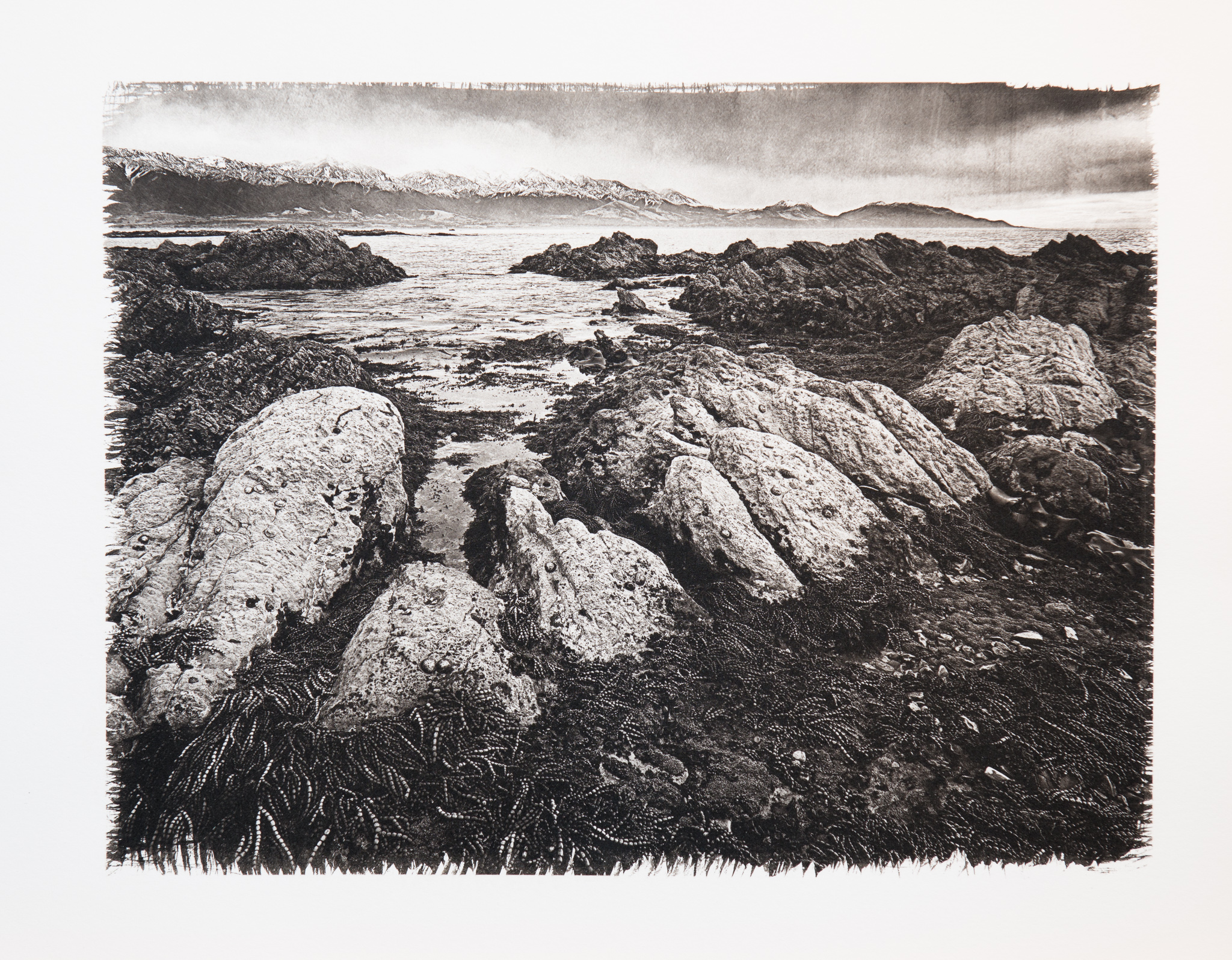
One of the images you have chosen for this interview is of the Wanaka tree and is a good example of this. This tree has been photographed thousands if not millions of times and I can hear my kiwi friends groaning at ‘not another Wanaka tree’ image. This photograph was taken several years ago when I first started to explore alternative printing techniques and it really helped to open my eyes to what is possible.
Who (photographers, artists or individuals) or what has most inspired you, or driven you forward in your own development as a photographer?
The artist and writer Austin Kleon writing on how to be more creative published a book titled ‘Steal Like an Artist’ and - along with a quote I have written up on a ‘post it’ note above my desk from the film director Jean Luc Goddard, who in a response to criticism he received for a new film said “it’s not where you take things from, it’s where you take them to” - it is very much my philosophy when looking for inspiration and new ideas. I will dive down all sorts of rabbit holes, be it in camera techniques and gadgets, to variations in the printing processes I am using, to completely new printing processes.
When I first started making ‘serious’ pictures I would find ideas and inspiration in the photography and art books and magazines in the local library. A couple of photographers that were a great inspiration at the time were Peter Eastway, Andris Apse and Craig Potton who set a very high standard to aim for in terms of composition and technical excellence.
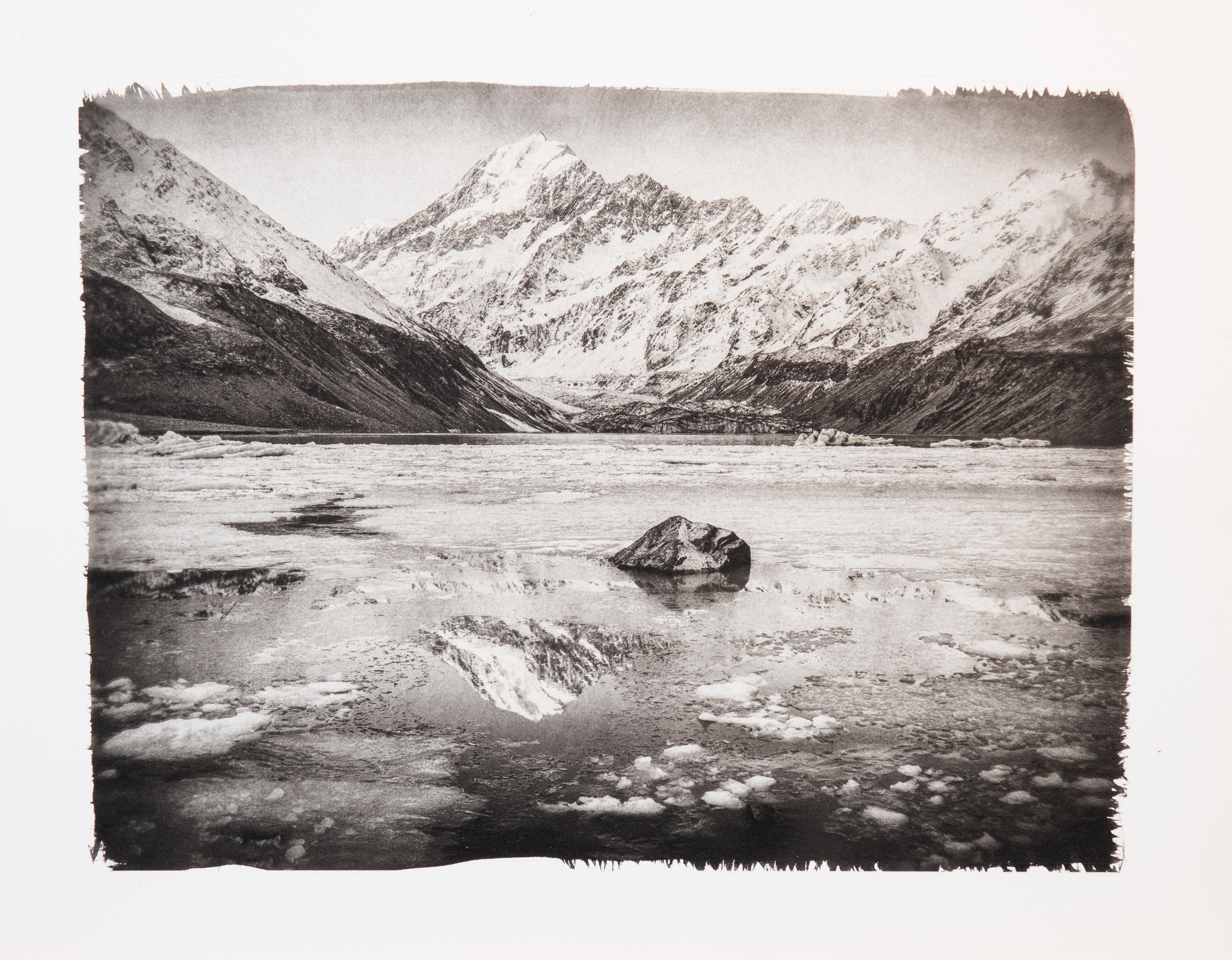
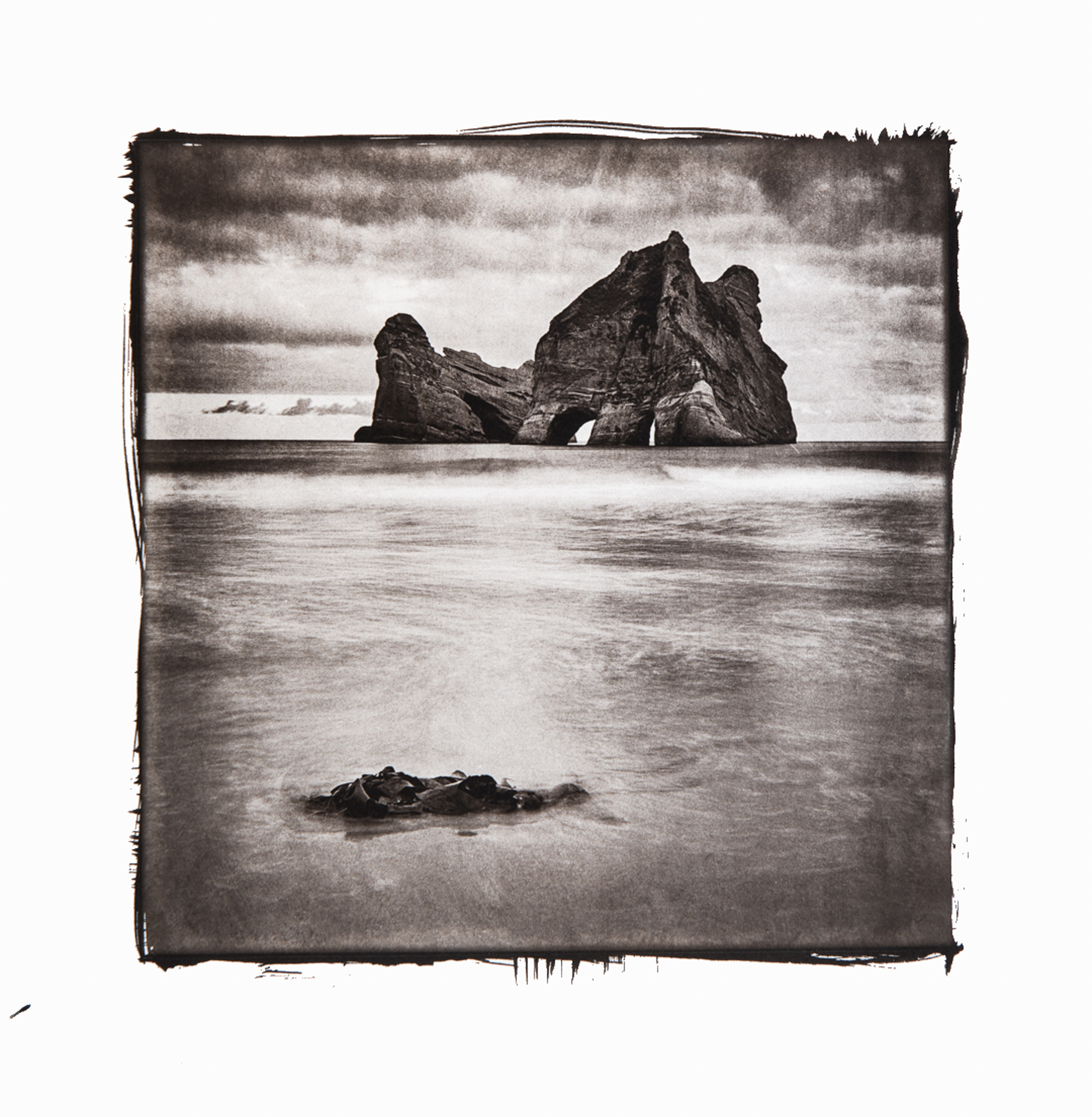
My appetite though to take my photography to a new place led me to explore the historical and alternative printing processes. The change from chasing so-called technical perfection and the precise nature of digital processing and printing, to a hands’ on and often long process of nurturing a print through successive printing exposures and development, to finally holding something that has a unique beauty is extremely satisfying.
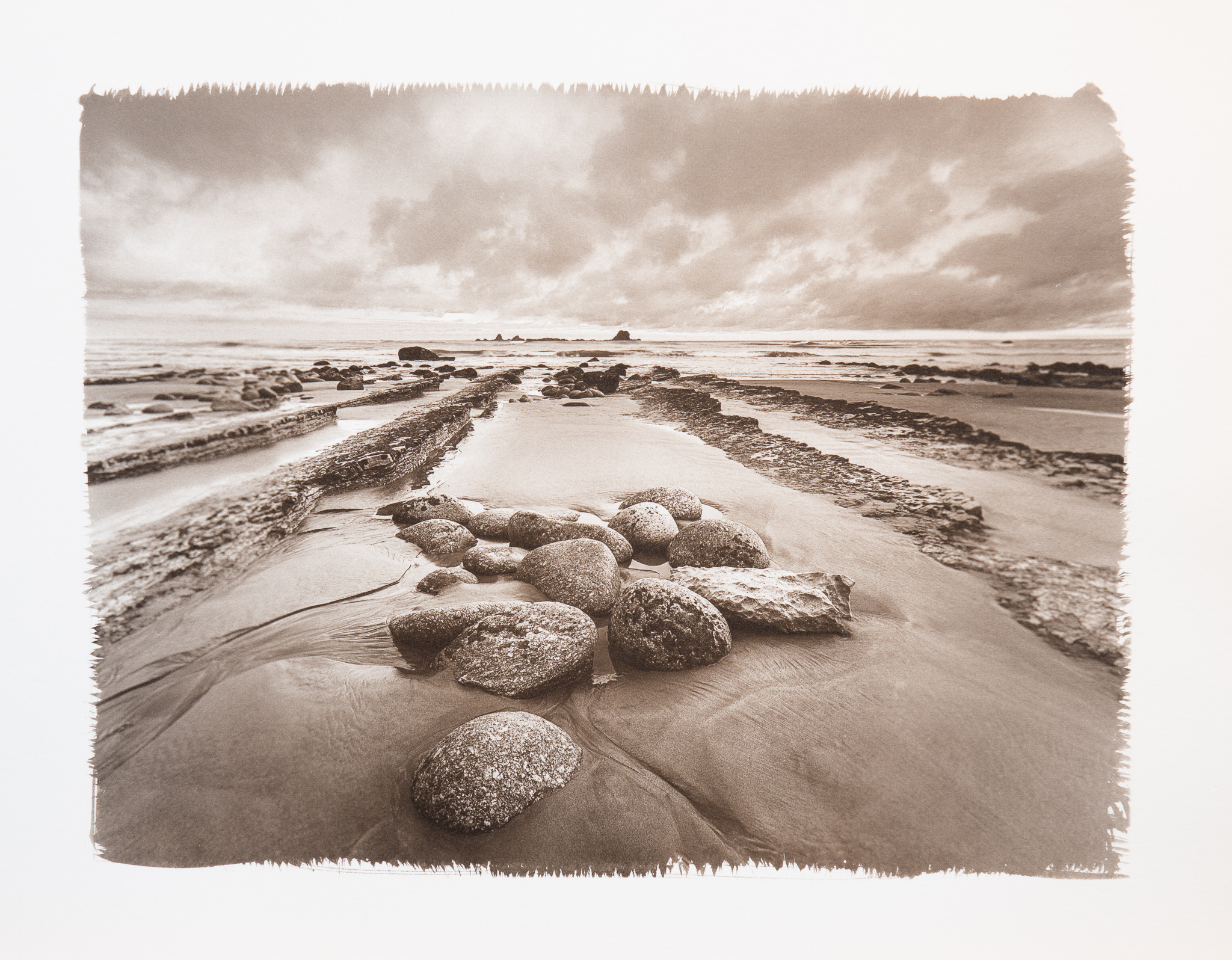
I’m learning about and making full use of what’s called the photographic syntax. This is not just the choices made with the camera as to the subject, composition, lighting, contrast, colour, etc., but how the physical print materials and tools influence the final result. For example, how the choice of paper and texture affect the way the light reflects off the print surface and the type of brush used to coat the paper. I am discovering a whole new way to help me express what I see and feel.
Have there been any especially decisive moments for you or has anything changed your relationship with the camera, or your approach to photography, over time?
A key decisive moment in my printing has been to let go of perfection which was a hangover from my digital processing and printing days. I spent far too long when I began using these Alternative processes in making step wedges trying to achieve a ‘perfect’ calibration between my digital negative and the final print. Making my first prints with a ‘good enough’ calibration and feeling my skin tingle as the image appeared through the developer was all I needed to give up on step wedges and start making real prints.
Another ‘ah-ha’ moment has come recently with the move to using a medium format and a large format film camera. The isolation from the world when using a dark cloth or waist level viewfinder has made an enormous difference to my composition. You become completely absorbed in the process, much more so than when viewing a scene through a DSLR viewfinder. These are also fully manual cameras and I really enjoy the problem solving and mental gymnastics that I go through, working back and forth between how I think I will print the image and working out the exposure I need using an old Minolta spot meter. It doesn’t always work out as intended but that again is all part of the enjoyment of it to me.
Would you like to choose 2-3 favourite photographs from your own portfolio and tell us a little about why they are special to you?
Well this is really hard, but if I look back over the last several years then these prints are very much like mile markers in my understanding of how to use them in finding my “voice”
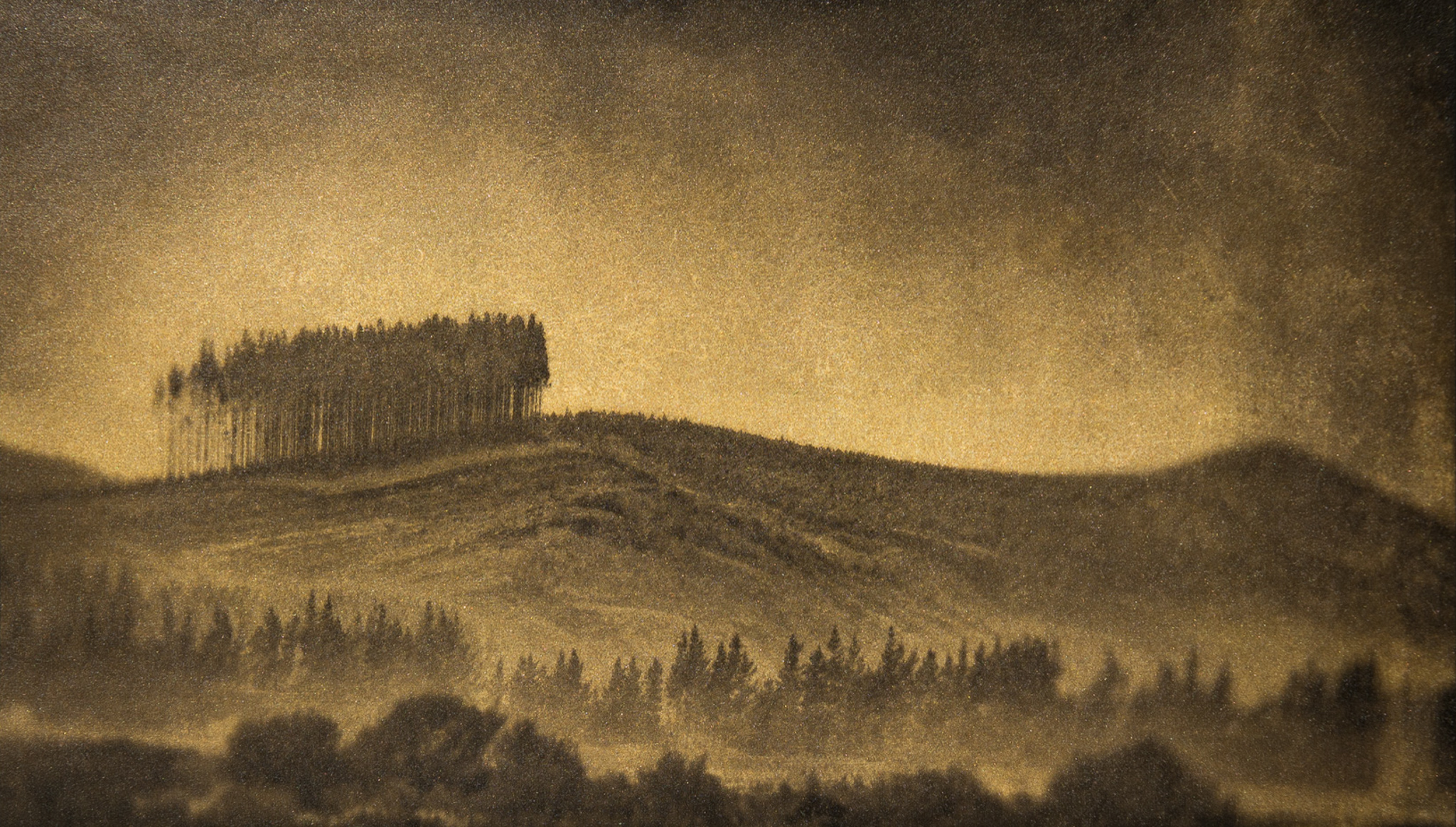
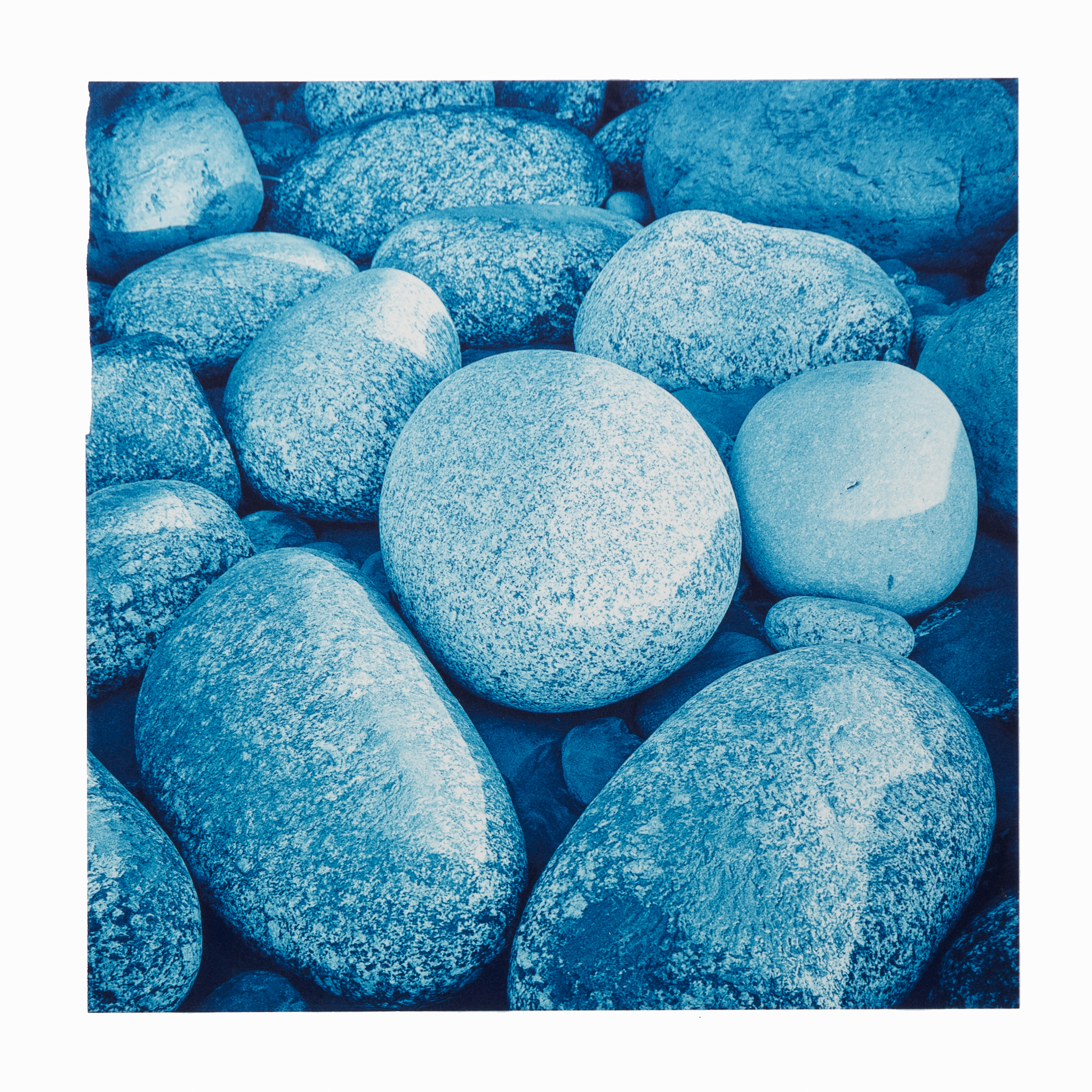
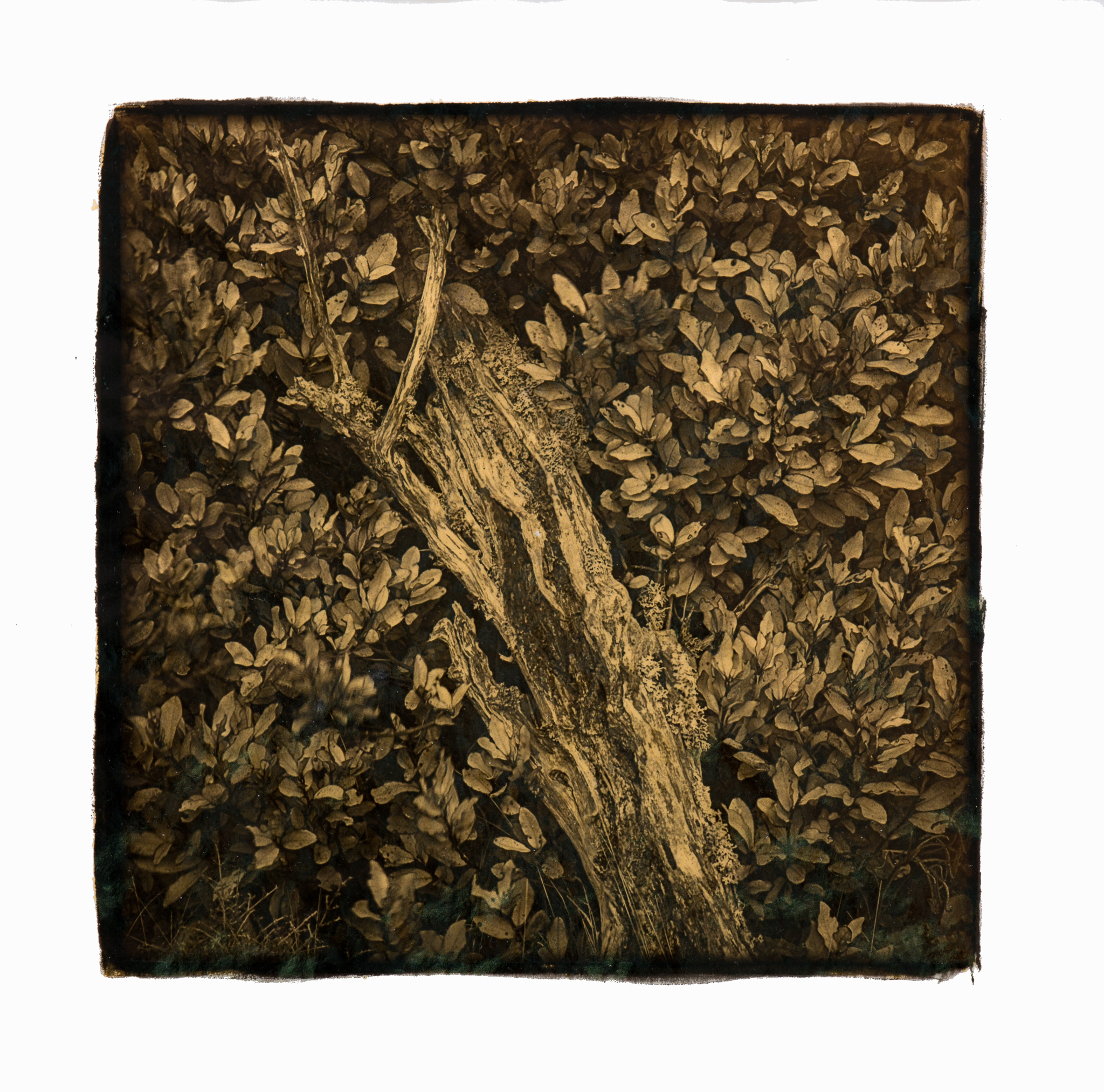
My first really satisfying print using the style of the Tonalist painters and selecting a colour to help create a mood in a print.
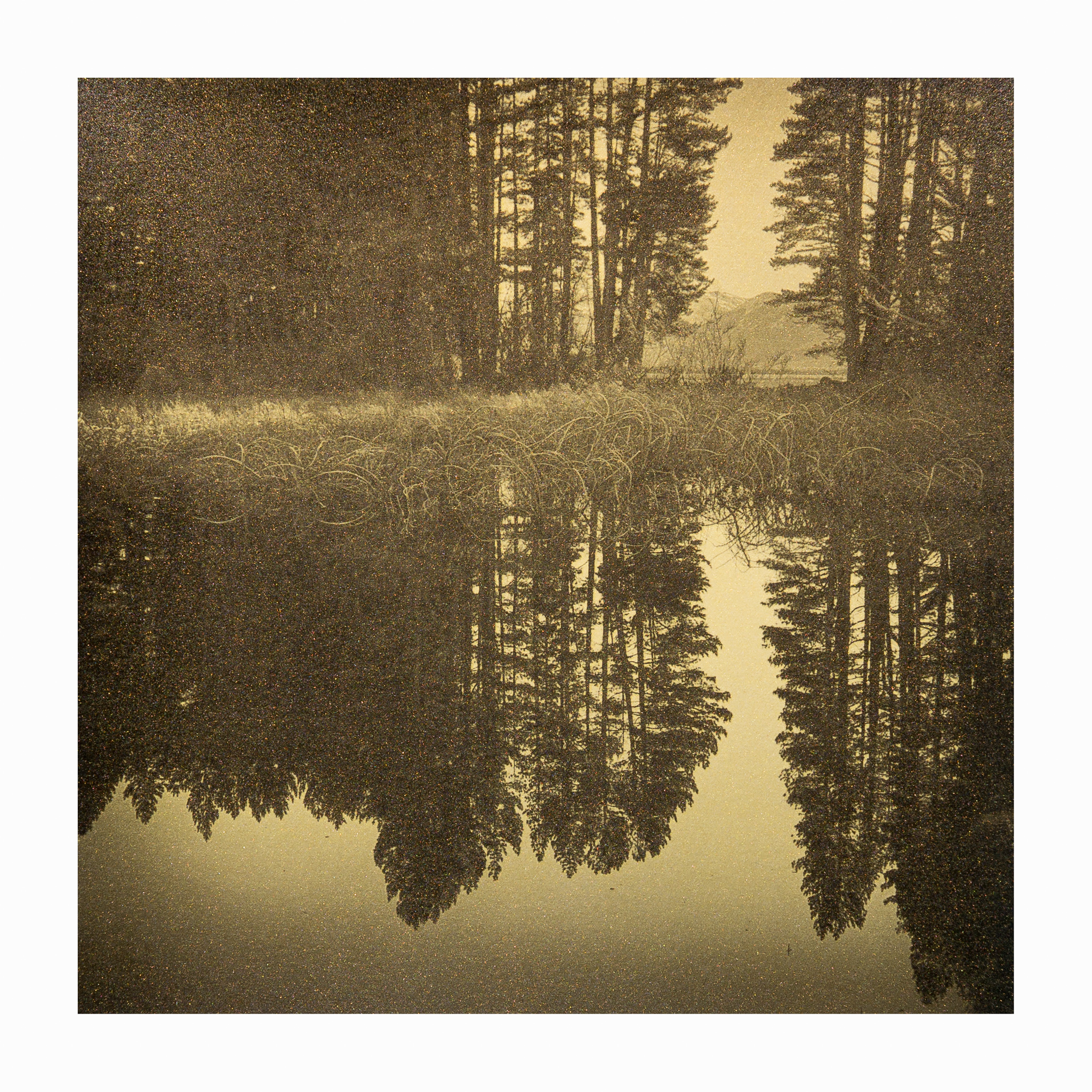
I was exploring the bottom of the South Island in my small camper van in late winter. The photography had been good and I was pleased with several images I had been able to capture. On my last full day, the weather had turned pretty foul with a full on southern storm and knowing it would be another day at least before it started to clear I decide to head for home. A few hours later I could see on the distant horizon a series of pine trees along a ridgeline and they looked very much like they were following each other. As I drove closer, I knew I had to find somewhere to stop and see if could make something of them. I ended going up and down a 400m stretch of road several times before finding a farmer’s gate that provided just enough room to get off the highway. As it was raining heavily I decided to set up the tripod in the back of the camper van and open the sliding door on the side of the van. With my longest lens at 200mm and timing my exposures in between gaps in the traffic to minimise vibration, I made three or four exposures. On returning home and processing them through Lightroom and Photoshop as normal I then used a new technique that I had come across for making duotones for the gum bichromate process. This is similar to split toning where you can add a different colour hue to the warm and cool tones in the image. This is done by using the channels function in PS to split the RGB image into it's component Red, Green and Blue greyscale separations. The Red separation is used to make a digital negative for the cooler tones for printing with platinum and the warmer tones are printed using yellow pigments and the gum bichromate process with a digital negative made from combining the Green and Blue separations.
The final print is a platinum print with several layers of gum printed in registration over the platinum to build up the colour and depth in the image. I also used a yellow pigment that contains mica in the last couple of gum layers so that as you view the print the specular highlights from the mica bring the print to ‘life’.
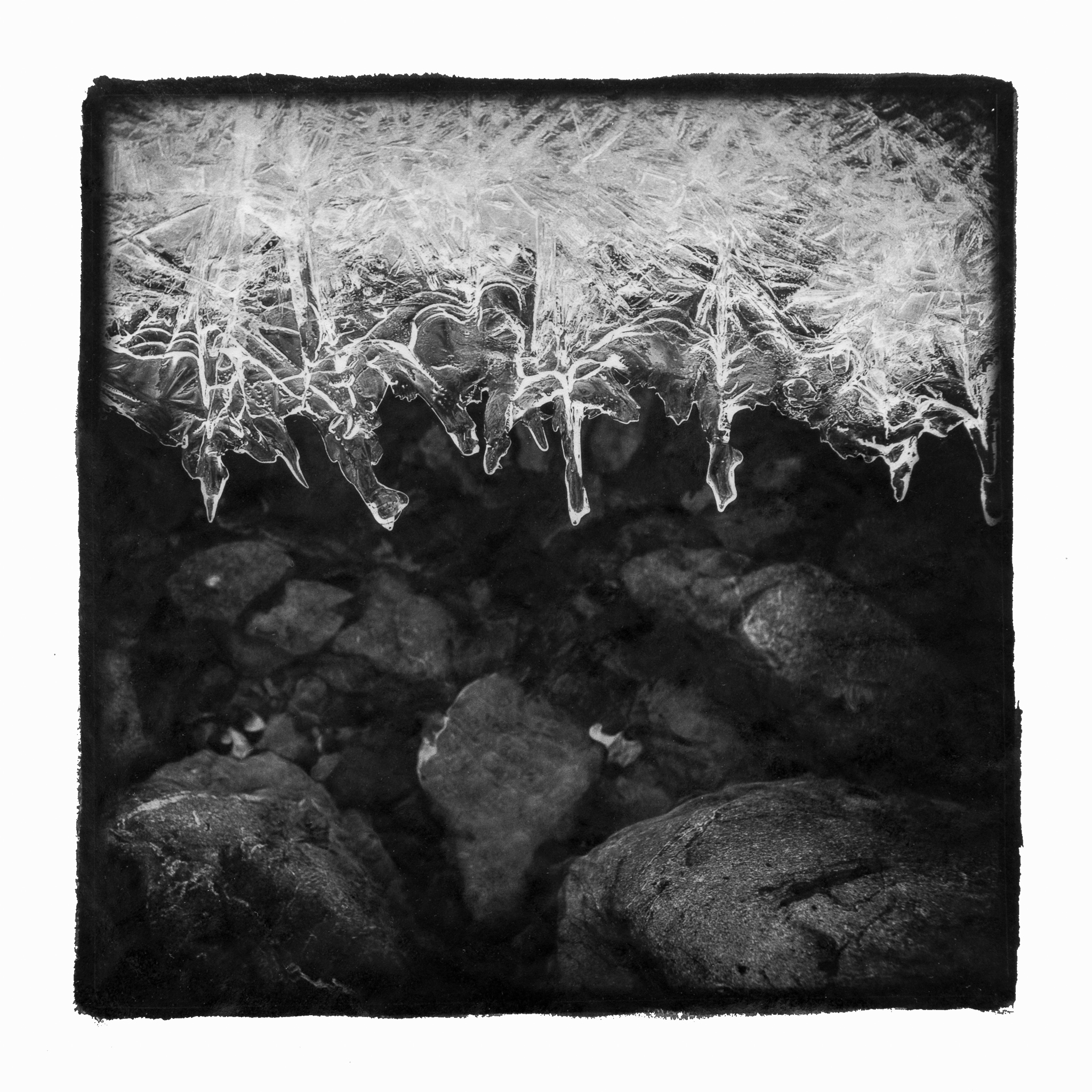
I have lots of failures in what I do and this series of prints and this one, in particular, is a reminder to me that persistence can pay off in the end.
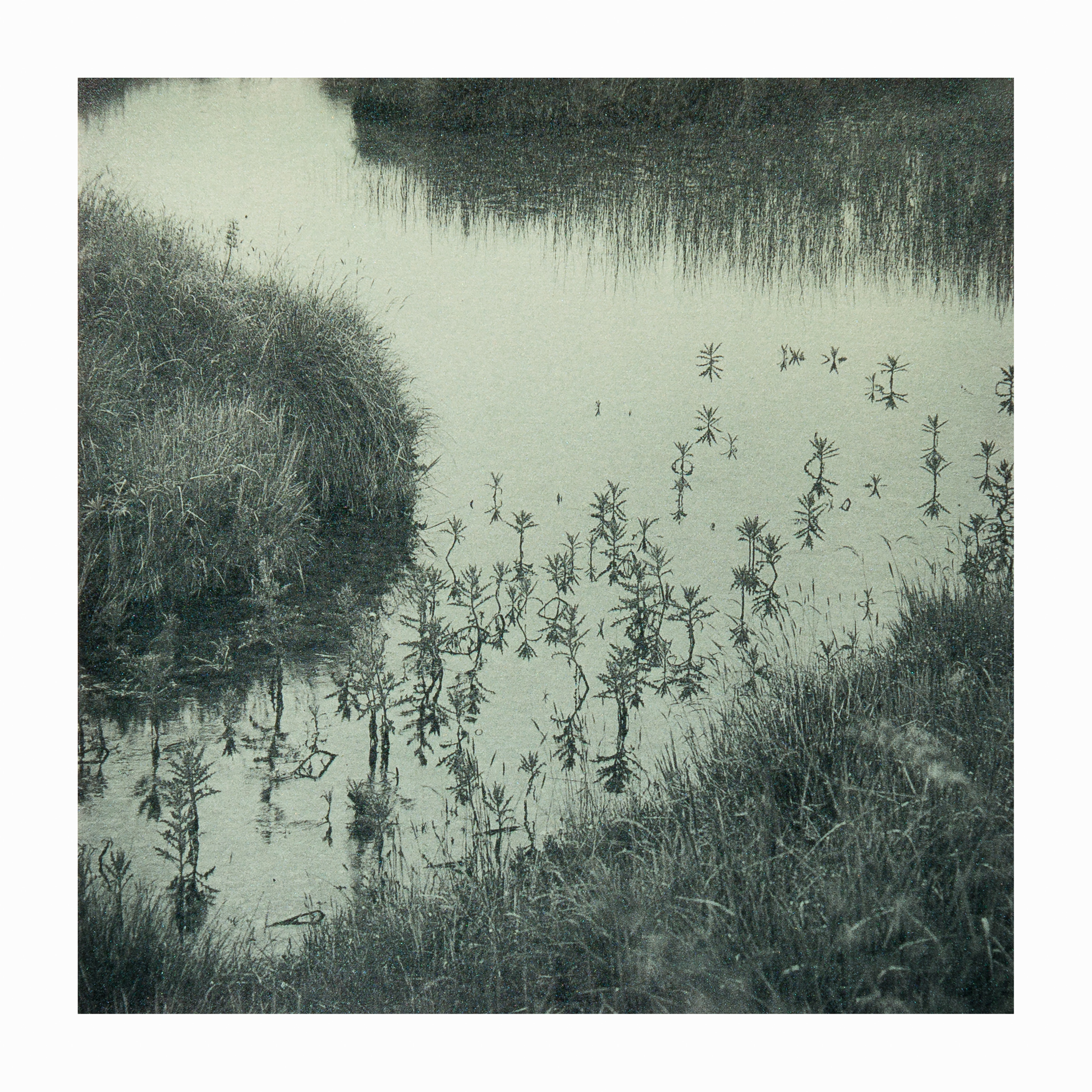
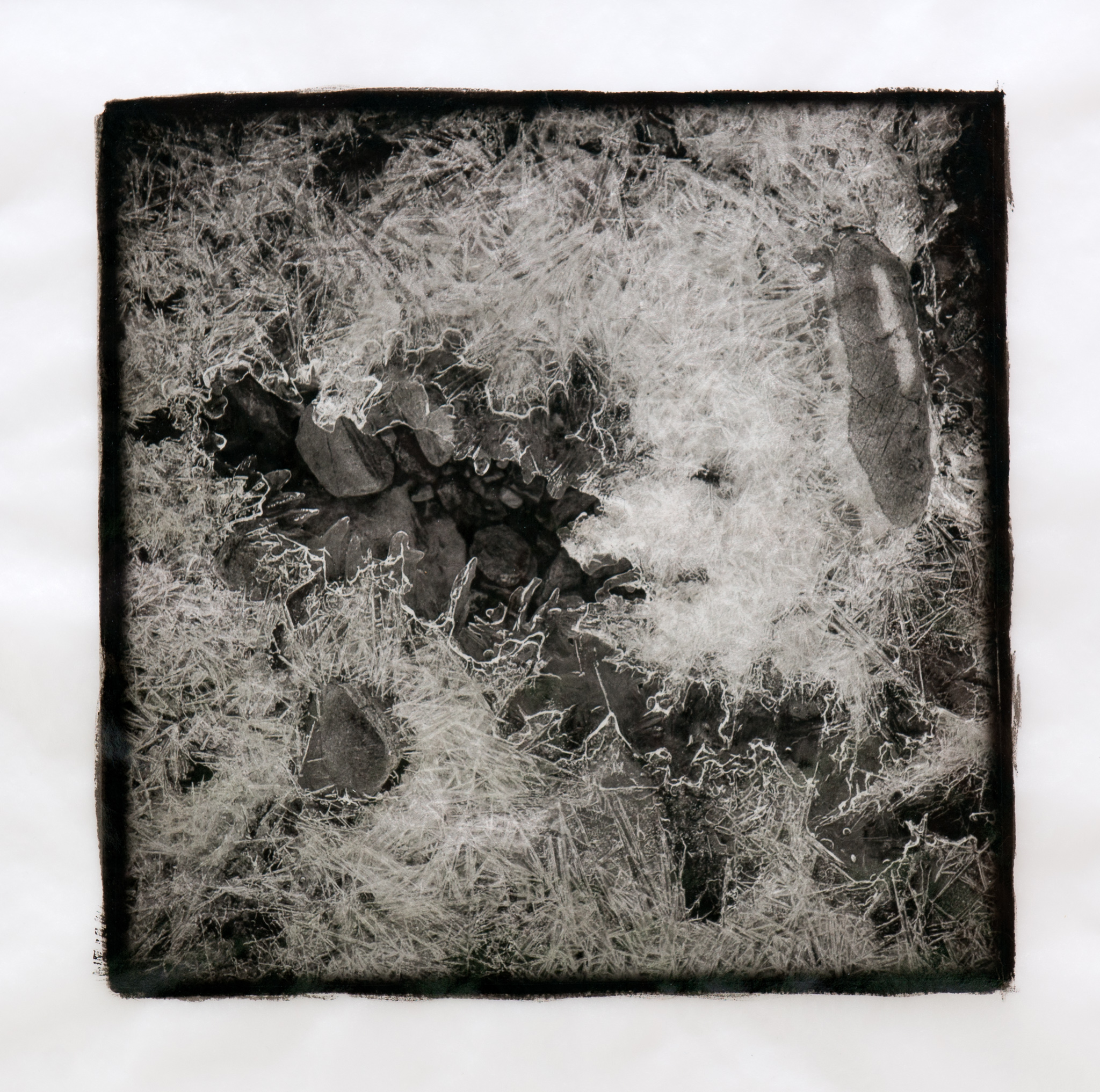
This is a platinum print on vellum with silver leaf gilded onto the back of the vellum. The image is of a small stream in mid-winter that makes its way down a scree slope towards the main river a km away in Canterbury’s High Country. The stream is no more than 5 or 6ft across and at its deepest maybe only 12 inches, and I could see that it was freezing at night and thawing during the day depending on how warm it got. This cycle must have been going on for several days or longer and the resulting ice patterns were like windows into the depths of the icy world below. I had my Bronica with me and with its square frame I had a ball and used up a whole roll of film making 12 exposures in all.
Printing onto vellum (which by the way is made from plant materials, not the traditional animal skins) is technically challenging and even now I never quite know if it’s going to work. As soon as you apply the liquid platinum salts to the vellum it starts to buckle and roll up like a scroll. I have made many experiments and explored dozens of different vellums in trying to learn how to control and tame the vellum to make a print that I was happy with. After developing and drying the platinum print and once I have it somewhat flat again I then using guilder’s size to apply the silver or gold leaf to the back of the print. When this is then varnished the vellum becomes translucent allowing the silver leaf to shine through the lighter tones in the print and combined with the unevenness in the vellum surface it creates a three dimensional feel to the print.
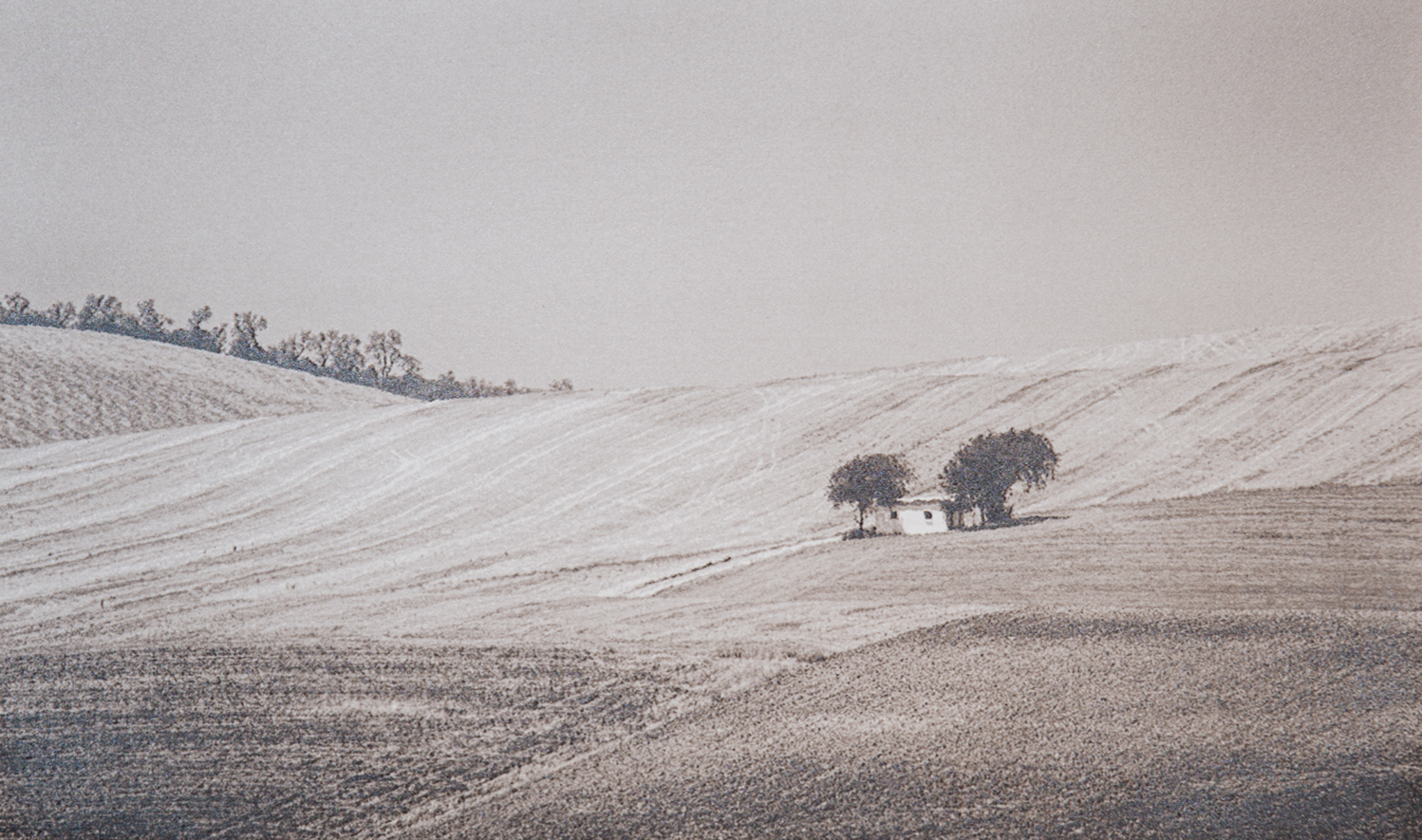
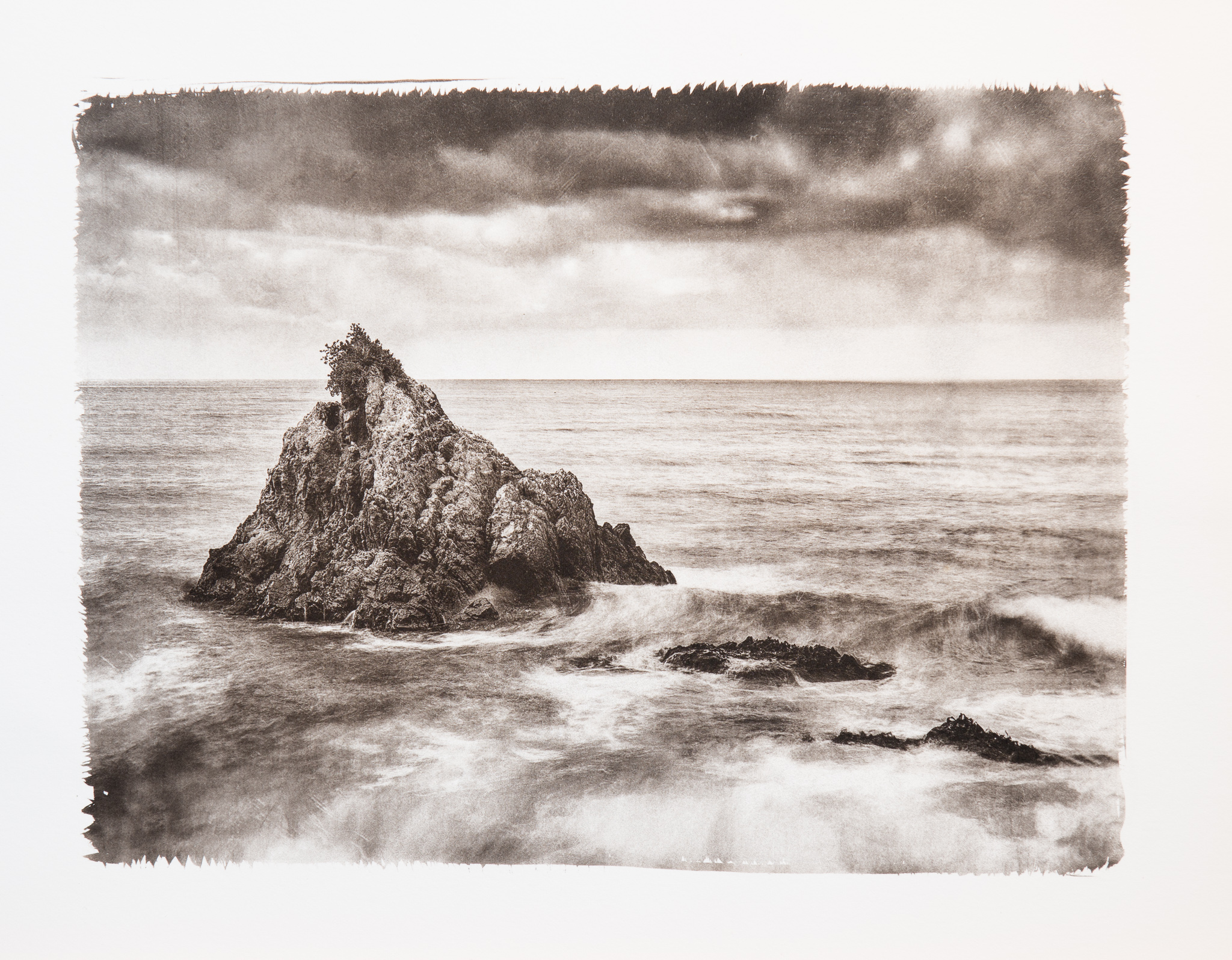
The image is from our holiday though Spain in 2017 with my wife Louise. The small barn was seen from a long way off across the valley in the evening and by the time I got back to the location the following day it was already well over 40degC and with a 200mm lens I made a couple of exposures. Several weeks later after getting back home I was ready to print and knew that I should use palladium only in the print and that with the right paper humidly during exposure I should get a warm toned print, perfect for how I remembered the day. The straight palladium print was very nice but by adding a gum print over the top and adjusting the ratio of pigment, gum, dichromate and exposure I could add additional depth and texture to the darker tones of the trees on the ridgeline and the shadows in the ploughed fields. This was perhaps one of my first successful uses of the gum process to target specific tones in the print to add depth and ‘richness’. I find the gum process to be one of the most creative processes I can use in my printing.
Which cameras and lenses do you like to use? Do you have a favourite format or film?
Up to around 2 to 3 years ago, I was using a Nikon D800e and my go to lenses were a 24mm and a 45mm tilt-shift and an 80-200mm f2.8 zoom lens. Today I am using film almost exclusively and I find the whole experience totally consuming and although frustrating at times it is highly rewarding and satisfying.
The two cameras I use today are a Bronica S2 from the early 1960s for which I have 3 lenses; a wide, normal and long lens equivalent to 28, 50 and 110mm on a full frame sensor. It produces a square format 6x6cm negative and I love it. If I want to, I can put the main subject of the scene in the centre and use the symmetry of frame to help with my composition to focus the viewers’ attention and not worry about thirds or golden circles etc. I have earlier this year bought a 4x5 Chamonix large format camera. A gorgeous camera made of teak, aluminium alloy and carbon fibre and also the lightest camera I have ever owned. It has asymmetrical movements on the rear standard which along with its reasonable price was the main reason I chose it. These movements make it a lot easier and quicker to control depth of field in the image, particularly if I’m in a hurry when the light is changing, and although I have only been out with it half a dozen times so far I am really enjoying getting to know it.
Film wise I only use black and white film and mostly Ilford’s Delta 100 due to its low reciprocity which helps keep my exposure times to a minimum.
How popular are analogue and alternate processes in New Zealand?
Film photography like most everywhere is having a resurgence, particularly among the younger generation. We have a couple of new film labs popping up in our two largest cities and we even have a small group of dedicated enthusiasts raising funds to set up a community darkroom in Queenstown. As far the alternative or historical processes go, I would say they are still very much off the beaten track and perhaps seen as a little eccentric.
I provide a platinum printing service to other photographers and artists and I have also started delivering workshops in the last nine months in using digital negatives with the cyanotype and platinum process so there are a small but growing group of fellow kiwi practitioners.
For readers who are not familiar with alternate processes, can you give them an idea of what they offer and what is involved?
The majority of the alternative processes are contact printing processes that use a negative of the image that is the same size as the final print. Most people use Photoshop to make the ‘digital negative’ and print it onto an inkjet transparency or photo paper using an Epson or Canon printer. Depending on your chosen process the light sensitive chemicals are measured out and mixed following a recipe. This is then brushed onto your chosen paper or substrate and allowed to dry in the dark. The digital negative is then placed on top of the dried sensitised paper and held tightly together using a sheet of glass and clamps and exposed to UV light, either by placing it outside on a sunny day or inside using UV lamps. Once the paper has been exposed it is then developed, washed and allowed to dry.
What would you suggest to those who would like to try some of these processes but are put off by their perceived complexity or cost?
These processes are not necessarily expensive; yes if you go straight to Platinum and Palladium then these are at the expensive end of the spectrum but there are many processes like Gum bichromate, Cyanotype, Kallitype and Salt printing that use very inexpensive materials.
To really get a good understanding of what is involved and to see if it is for you with a minimum of the cost I would strongly recommend a workshop. This will not only save you money, but considerable time and you will come away with a good understanding of what is involved and several finished prints to review and hopefully enjoy when you return home. If you are handy with some basic tools you can make a lot of the equipment yourself. For the UV exposure unit, you can find DIY plans on the internet or like me find a second hand sun tanning bed in an online auction for no more than the cost of a Sunday lunch.
You refer to the fact that with the techniques that you use, results are never guaranteed. Is the margin for error from something that you can’t wholly control and the chance of serendipity part of their appeal to you?
I love the fact that it doesn’t always go to plan. It’s a big part of the creative process for me and makes each print unique. I’m also working with chemistry that is affected by many variables, for example, our water at home comes from a volcanic spring about 1km up the valley and it can change in the level of iron and calcium impurities which interfere with some of the processes I use. If it’s really bad, particularly if I am making cyanotype prints, I will collect water in several 25 litre tanks from the nearest petrol garage in Christchurch for processing my prints. Finding solutions to problems can often take me in different directions.
You have a couple of forthcoming exhibitions, including a solo exhibition. What work will you be showing for these and where can people see your prints?
Yes, I’m very excited and yet full of dread and self-doubt at the same time. These are my first shows on my own and I will be exhibiting prints from the last couple of years. The first one is in July at Chambers Art Gallery in Christchurch and then in September and October at Gold Street Studios which is about an hour north of Melbourne, Australia. These will all be New Zealand landscapes printed in platinum/palladium, cyanotype and gum bichromate. I also have an exhibition planned for July next year at Photospace Gallery in Wellington where I am also planning to run a couple of print workshops to accompany the exhibition.
Do you have any particular projects or ambitions for the future or themes that you would like to explore further?
My vellum prints are a larger body of work that is slowly coming together. Finding the right image and conditions means it will be one of those projects that will likely keep running in the background.
If you had to take a break from all things photographic for a week, what would you end up doing?
I haven’t been fishing for probably three years and have recently promised an old friend that this season coming he needs to come and rescue me from my garage darkroom and go bush.
And finally, is there someone whose photography you enjoy – perhaps someone that we may not have come across - and whose work you think we should feature in a future issue? They can be amateur or professional.
Well, this is really a hard one as there many great landscape photographers. Looking at my bookcase I see several Joe Cornish and David Ward’s but I also see New Zealand’s Andris Apse and Craig Potton, two great traditional NZ landscape photographers. Andris goes to enormous lengths and planning to photograph the NZ wilderness and will have many stories to tell you. For someone a little more contemporary I’m sure you will also enjoy viewing and reading Tony Bridge’s insights and landscape photography.
Thank you, Stuart, and good luck with the exhibitions.
Stuart will be showing ‘Precious Landscapes’ at the Chambers Art Gallery, Christchurch, New Zealand from 9 – 27 July 2019, and at the Gold Street Studios in Victoria, Australia, between 28 August and 27 October 2019.
If you’d like to see more of Stuart’s work, his website can be found at http://www.labrettophotography.com/
[/s2If]
 In the start of a hopefully regular series, we are taking advantage of the many passing photographers by bribing them into the house with tea and biscuits in return for a quick chat about photography. In the first edition, we're talking to Paula Pell-Johnson of Linhof Studio and our own Joe Cornish where we cover ground from megapixels to film and some of the new products that Paula is excited about in the coming months. One of these 'interesting' new products is the Hasselblad CFV II 50C.
As a drop-in back for old Hasselblad medium format cameras, it's a little bit interesting but once you introduce the tiny 907x body adapter which will take X1D lenses and with converters for Hasselblad mount (and via other converters to Mamiya, Bronica, LF lenses, large image circle 35mm lenses, etc) we have a system that is incredibly flexible. The final inclusion of an electronic shutter means you could mount it to a coconut and use it as an organic pinhole camera if you really wanted! It's the first really flexible MF back which should appear at a top-end DSLR price. We hope to get our hands on one in the coming months.
We should apologise for the slightly less than perfect sound. The recording was made last-minute via our Macbook microphone. Future instalments of "Passing Through" will hopefully sound a little better.
Are you passing through Glencoe in the coming weeks or months? Why not pop in for a cuppa tea and a catch up? We're looking for other stories from our community, whether it's talking about a trip, a project, some of your favourite images. Drop us a line and we will get in touch!
I remember the feeling of proud excitement as I walked past the headmaster’s office and first spotted a picture of mine stuck to the wall with 4 drawing pins. It was an 8”x 8” picture in a rather tatty mount, the type that used to get sent with an enlargement from Trueprint at the time. I had won the school photo competition and it was the first time I had seen my work exhibited in public.
The picture was of a sunset taken on a school trip to Blackgang Chine in the Isle of Wight. It was shot on a Kodak Instamatic that my sister’s boyfriend had given me, having felt sorry for me after I’d spent a year shooting 120mm film on a plastic camera that I had won in an amusement arcade crane machine. My dad had always made an effort to capture moments from our family holidays on his camera, so I was excited to follow in his footsteps. A real camera took me that much closer to doing this, and I started using it to take photos of my mates, family days out and sunsets (which always seemed to be good in my little corner of Leicester). The camera produced square format images which I diligently stuck into a scrapbook that I still have to this day. That camera and the sunset picture in the Isle of Wight started me on my road to becoming a photographer.
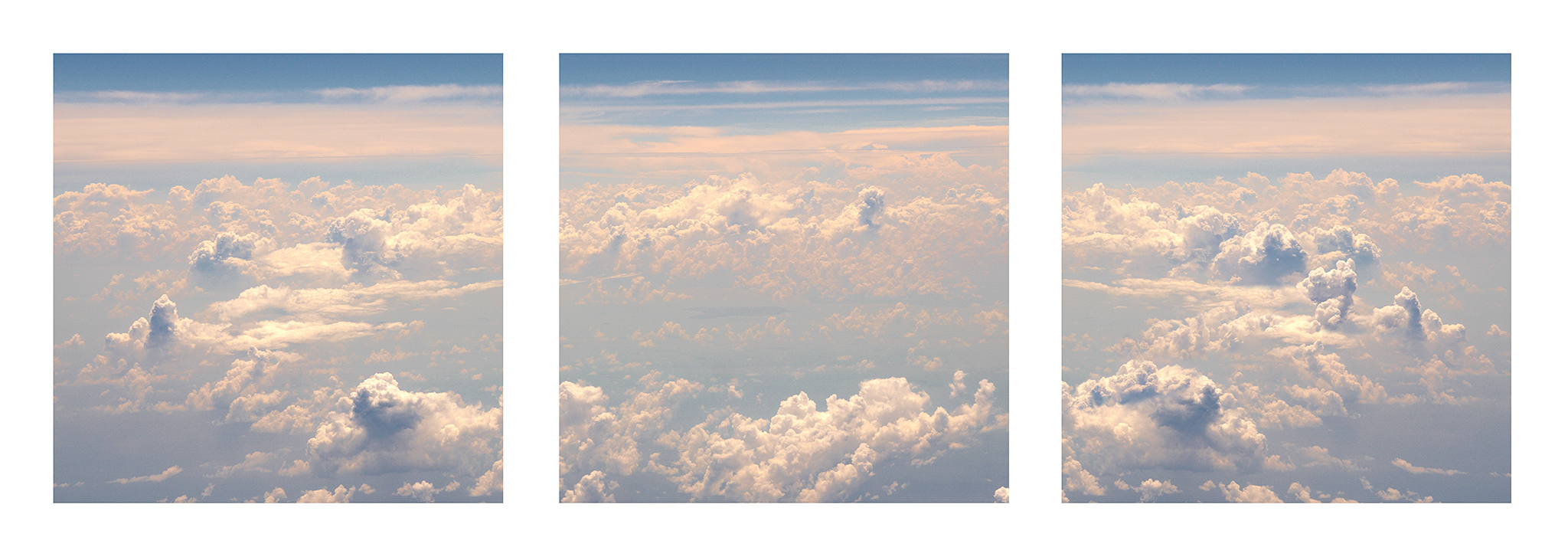
In my teenage years, I loved wandering around the countryside, getting up at dawn and walking across to the fields near my family home to capture whatever I could with my new camera. The landscape wasn’t particularly inspiring; it was fairly flat with a few small clumps of trees and hedgerows around the farmer’s fields. I could always find something interesting to shoot though, whether it was a single tree stood alone in an open space or the dew on the young wheatgrass with the sunrise backlighting the droplets of water.
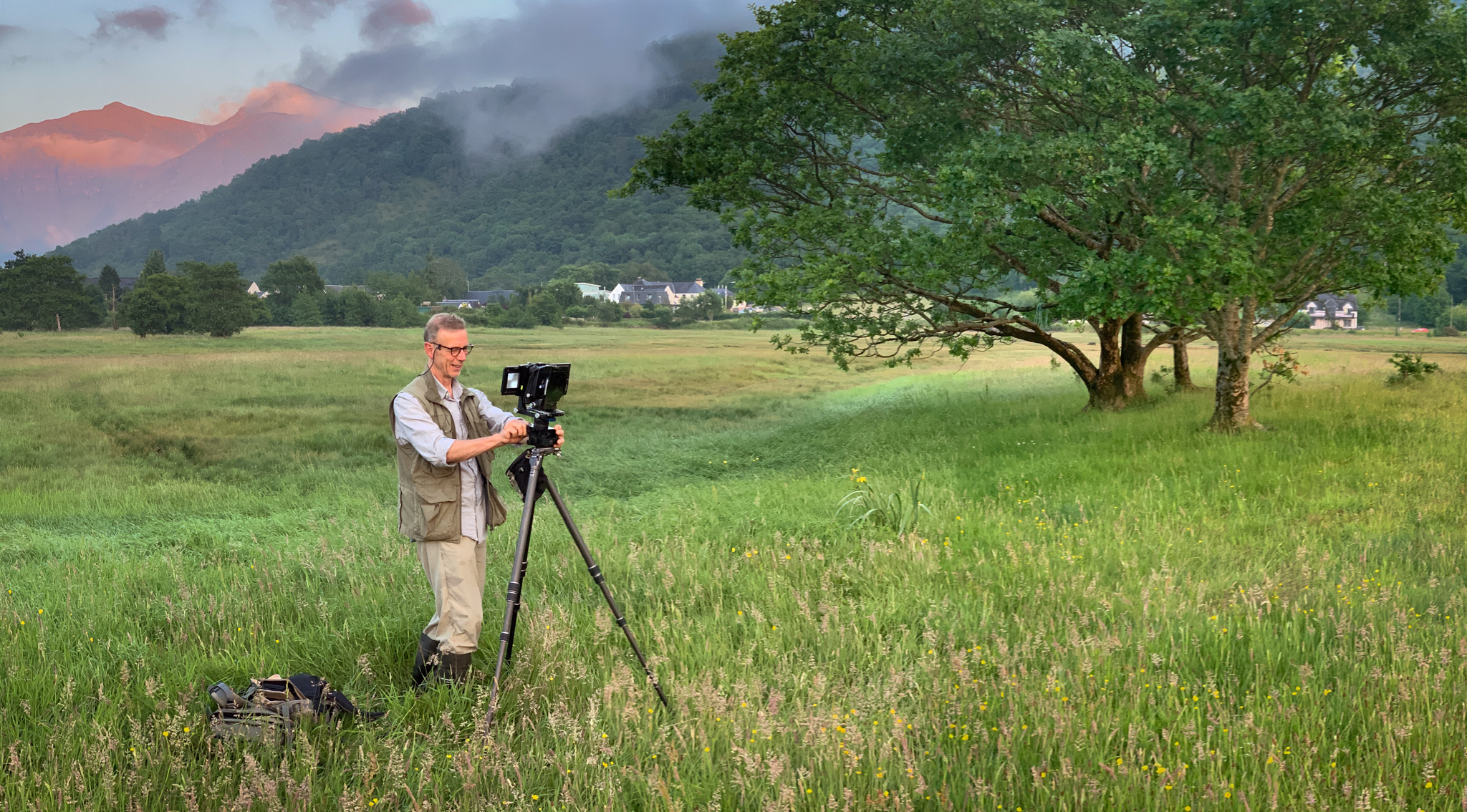
Forty years later I am working as a photographer still, having managed to persuade a few art colleges I was good enough to give a place to. My work these days is mostly lifestyle photography and video shot for advertising and corporate clients. My paid work is a long way from the landscapes I used to take as a kid but luckily I get to work on my own projects between commissions and landscape photography still fascinate me.
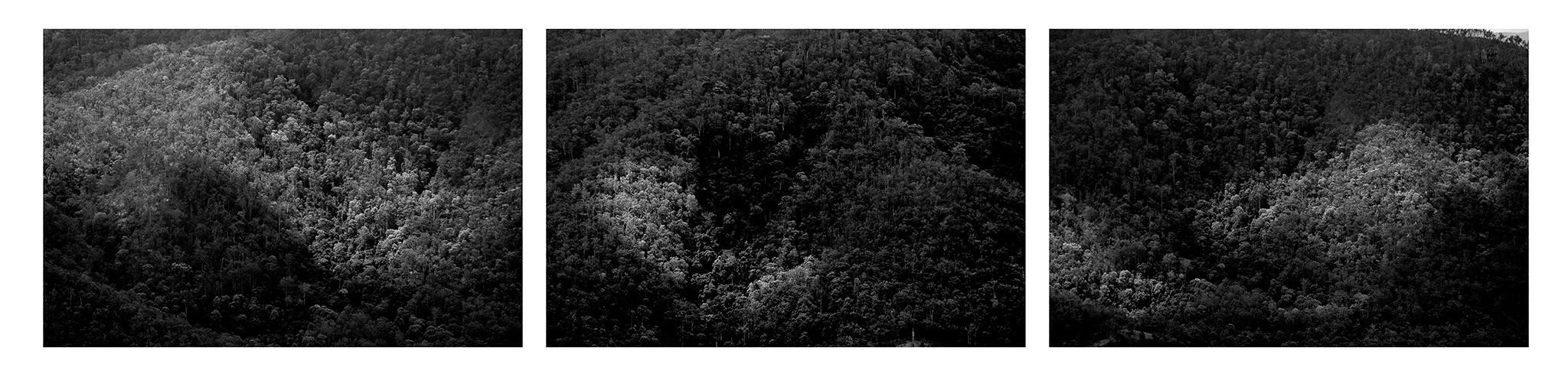
The word ‘Triptych’ originates from the Greek adjective meaning ‘three-fold’ and was adopted by Christians in the early modern period to display altar art on three relief-carved panels. In this period, and as the technique was adopted into Gothic architecture, the centre image was often larger, clearly the intended focus of the work. More recently, however, artists have begun to place equal emphasis on each panel by making them all the same size. I was attracted to the triptych in this form and sought to further the balanced outcome by having each piece focus on the same landscape. In this way, each image is of equal importance but provides new information by showing the subject from a new angle. With each changing frame, I hope that a sense of movement is created that more accurately portrays the changeable scenic reality.
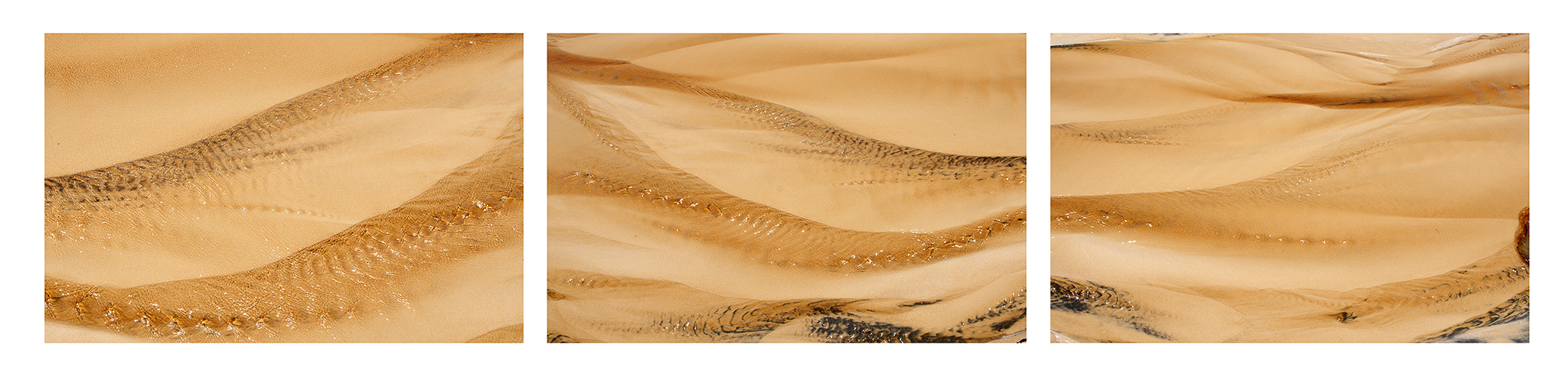
The first time I had the opportunity to use the triptych form was when I was photographing a beach on the Northern coast of Fraser Island, Australia. A very remote area, the beach was deserted, meaning I was able to shoot the environment stripped bare of people. I was shooting on a Hasselblad (the love of the square format hasn’t left me) but wanted to simultaneously capture the detail in the sand and water, along with the distant breaking waves and the remoteness of the scene. Working on a wider lens meant sacrificing at least one of these elements, so I ended up shooting closer segments. Having shot a few polaroids and looked at those in unison, I had the idea to put them together with the skyline acting as a constant. This made the group more of a recognisable set, and my first triptych was created.
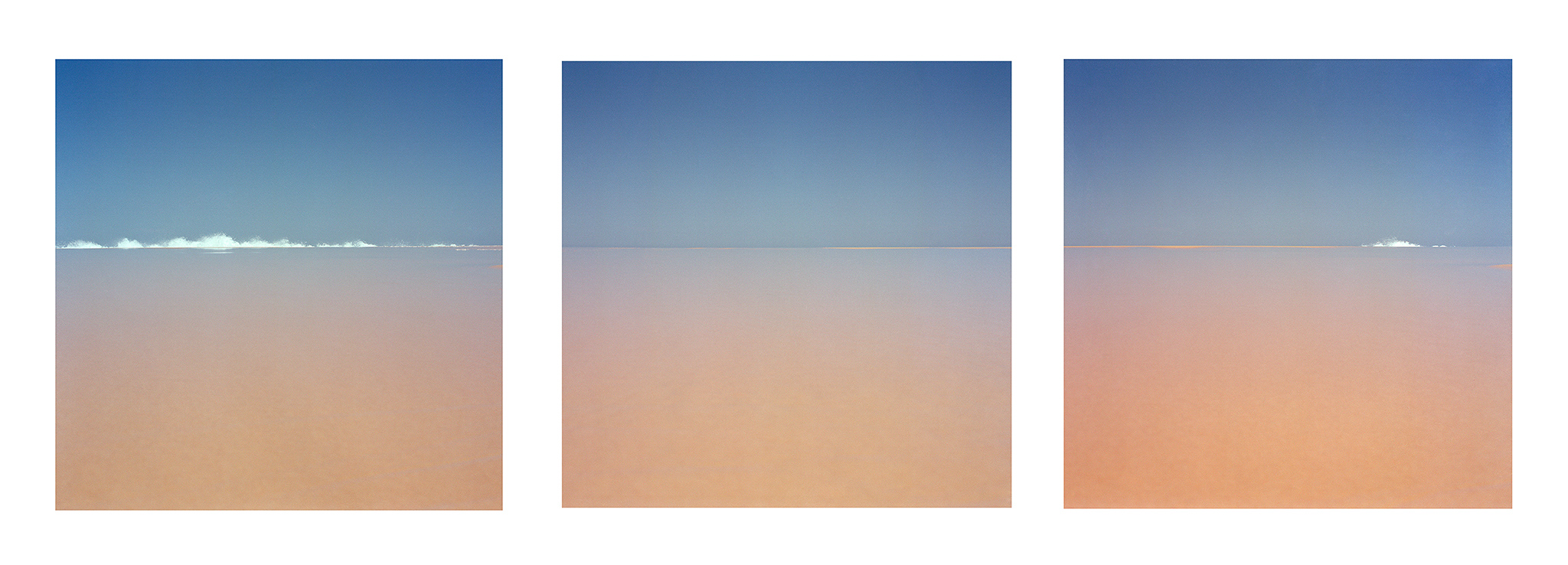
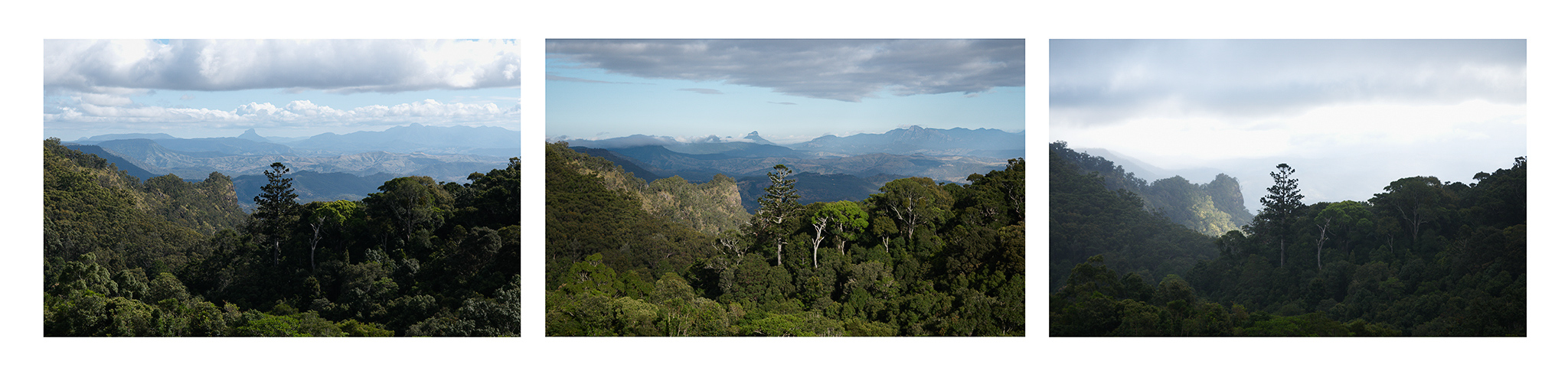
Narratively speaking, the main aim of the triptych form is to show change. This comes with a number of factors to consider in the planning process, as there is a lot to play with when deciding how to present such a constantly changing environment in only a few moments. An important factor to be planned then is the time element. I am amazed by how a landscape can change so strikingly over just a few hours, and this can be accentuated by putting multiple images next to each other. This is particularly powerful in landscape photography, as the slow movement of the weather is emphasised when placed in comparison with a scene from only a few hours before. There is something very powerful about seeing three versions of the same landscape next to each other that could never be witnessed at the same time in reality. Emphasis is placed on the extremity of a change that would usually seem minor.
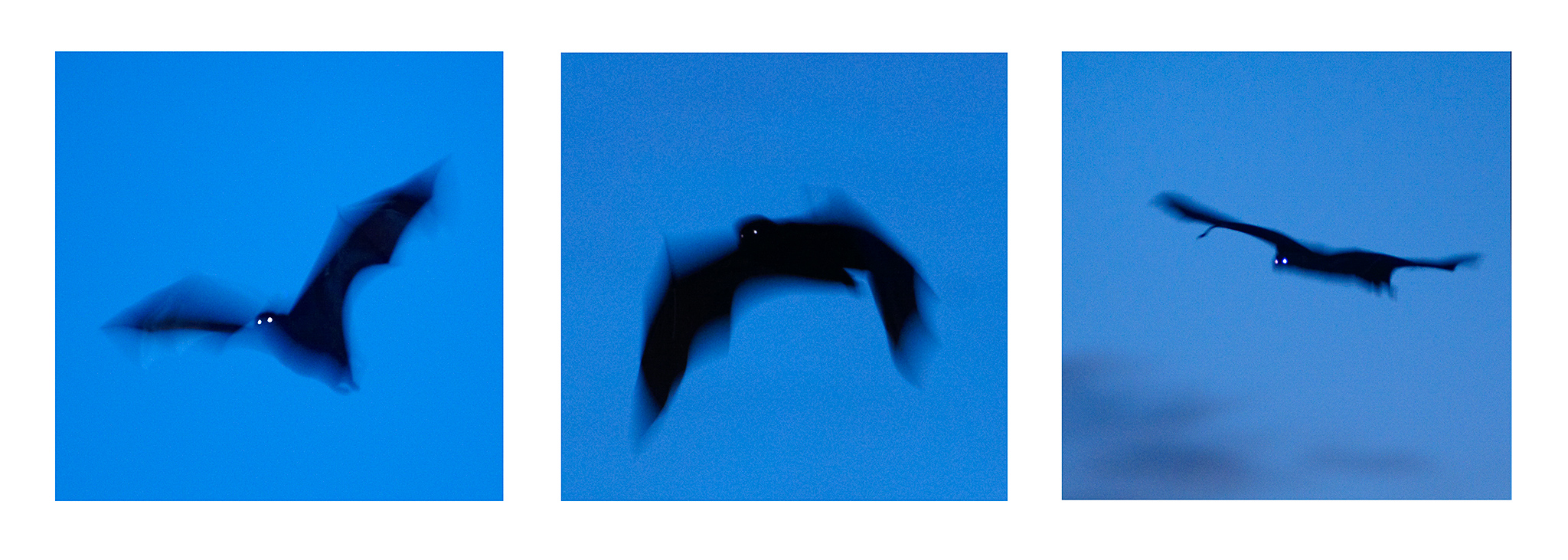
The change of time can, of course, be just as noticeable when confining the shoot to a few short minutes. Waves crashing on a beach, for example, change through the lens constantly and the transitioning sand and water can be brought to life if seen in triplicate. It gives you more options for getting your message across. Even when a landscape is seemingly static, time is considered in planning the consistency of the pieces. In open areas such as large vistas, triptychs can act almost like a panoramic view, providing more information on the landscape with the only change in pieces being the perspective. Still, though, time is important. If you wait too long to take all three pieces the landscape with inevitably change. If you happen to take one shot when a cloud has gone overhead, that shot will have different lighting to the others. This must all be considered when planning a triptych.
Symmetry is another factor that must be considered more significantly when planning a triptych. Sometimes you can achieve this simply by making the central image more distant, with the side images being more detailed. However, even when they are the same size, three images together will often feel like the central image is the most important with the two images to its side being supporting players. It is important to me that each image could stand up for itself if it were viewed individually. If you have two good images but a third that isn’t quite up to scratch the finished result won’t be as powerful. It's important to make sure all three are strong in their own right. Sometimes triptychs don’t work out as planned and I end up using just a single image on its own. “If in doubt leave it out” is something I repeat to myself often when editing!
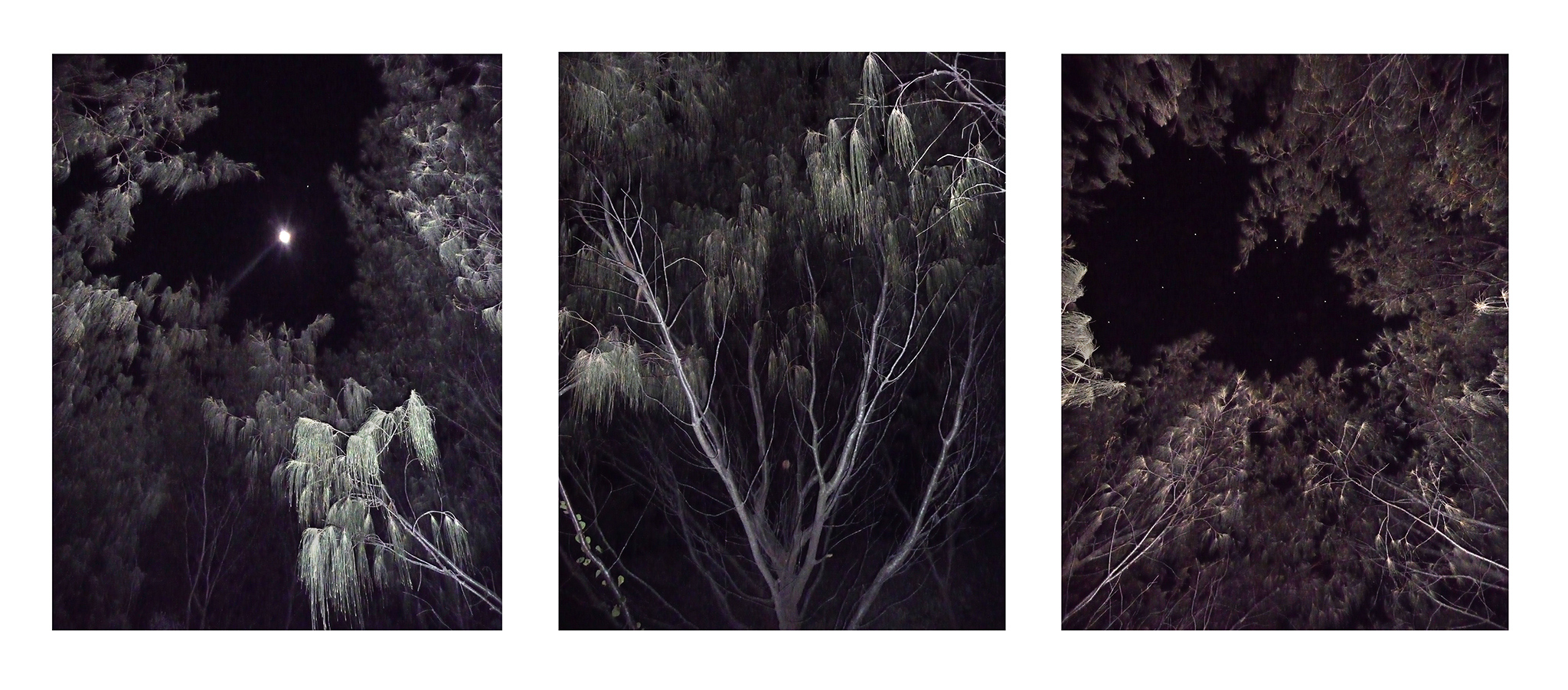
I’ve been very lucky over the years to have worked for many travel companies which have taken me all around the world. I’ve seen some amazing locations and often shot them with a lifestyle element. The jobs are commissions of course so I can’t go off taking up client time on personal projects, however, I have managed to sneak a few shots here and there while travelling around. The images of clouds were mostly taken while travelling between jobs, as were some images I have of the sea taken from a cruise ship job. Many shoots come while on a holiday, wandering around my garden or local countryside locations. I find that gardens and garden wildlife can be great for photographic studies and can work just the same as large landscapes. My project tends to make me look closer at what’s around me, to look for opportunities wherever I might be. My image of the clouds at sunset was taken in Australia too, but could really have been taken anywhere with the right weather and time of day.
I think the most important thing about any sort of photography is simply being out there trying things out. I have never been too technical- the best camera to have is the one in your hand as they say. I tend to be a photographer that will watch the light and how it interacts with the landscape. I love shooting water and clouds for this reason. Shooting any body of water twenty minutes after the sun has gone down always works well when the failing light in the sky is reflected in the water rather than direct harsh sunlight hitting it earlier in the day. The soft muted colours come through to the fore, creating a much nicer atmosphere. I find there is a particular headspace you can inhabit when out watching the changing weather on a landscape. Its incredibly relaxing to put some time aside to be immersed in your natural surroundings.
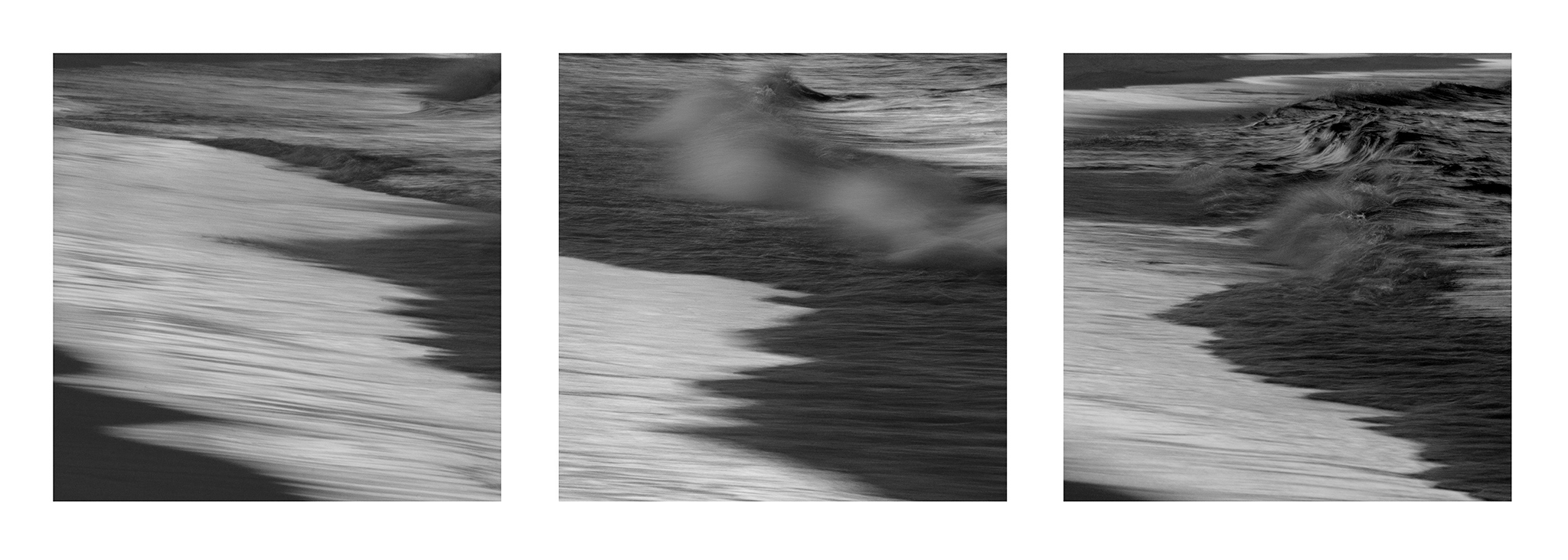
Having been shooting triptychs for many years, I have been newly inspired by imagery-based social media and how this offers up a whole new range of artistic opportunities. In my professional life, I have taken on Instagram and Twitter as an important element of marketing and have looked closely at what constitutes a successful post. The immediacy of taking a photo one second and having it viewed by the world the next is in many ways challenging for a professional photographer, as content becomes diluted by the sheer number of images being posted every second. However, I am not one to turn down a challenge and I have found that triptychs can be used incredibly effectively in this new social media environment. When posted over a short period of time, each ‘panel’ is first viewed respectively and can generate interest as the overall image slowly comes together. The fact that your Instagram page presents posts in a three-across formation provides the perfect opportunity to exhibit multiple triptychs, allowing the viewer to see them as a whole, and then to further inspect them individually if they choose.
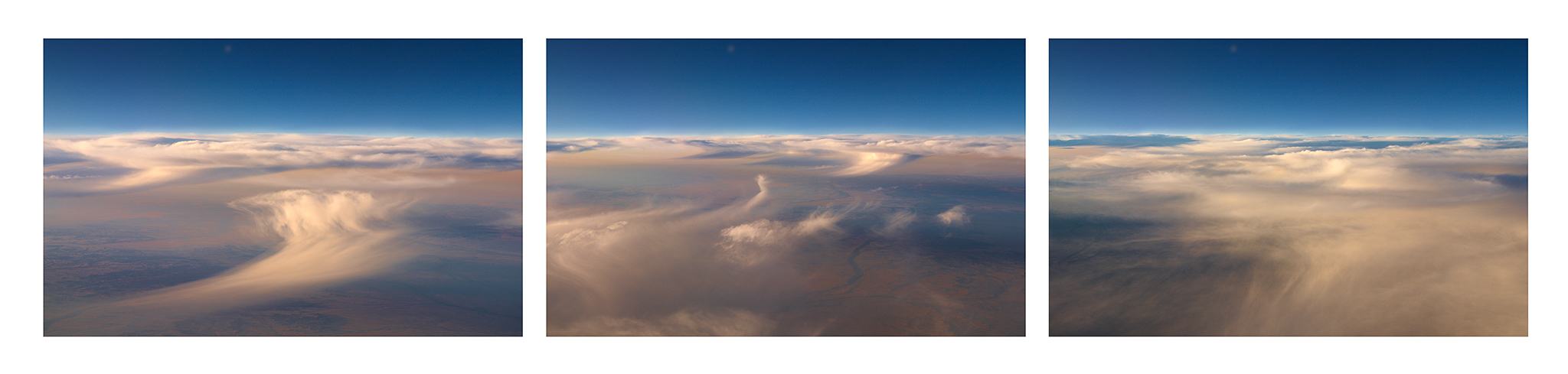
Smartphone images posted on social media are often taken closer to the subject, with less consideration of overall composition, due to the fact that they can focus a lot more closely than many consumer cameras. Again, this creates new opportunities, as it results in images that often have a different point of view, lower angles, twisted horizon lines and movement that previously would have constituted a failed image. I try to use these alternative photographic principles in my photography, to keep imagery fresh and avoid too much of the obvious. This is not so simple to do with landscapes of course, but it might mean taking a different viewpoint or just getting in there on the ground and amongst the daisies.
If you ever see me on my hands and knees, drenched in early morning dew and with a phone in my hand, I'm probably trying to find that unusual angle for the final shot of another triptych!
I am not often known for including manmade structures in my photographs and I could be considered guilty for the determined exclusion of them most of the time. The reason for this is, to me, I find them distracting in what I am trying to say with a photograph, which is often my appreciation of the landscape. The inclusion of manmade structures such as buildings seems to draw attention away from this and, in part, the hand of man commands recognition once again.
This however changed when I made my first trip to the High Plains of Montana and the Dakotas in the USA recently. Strangely, I have been somewhat fascinated by the open, flat vastness nestling beneath huge skies for many years. For a photographer that is dizzy with inspiration beneath mountain spires, lakes and at the coast, this place could not be further from the norm for me. Along with the landscape, the remains of times long ago also had me returning to the pages of many books again and again to gain an appreciation of why this was. Where and why did everybody go, or more importantly, why did they come in the first place?
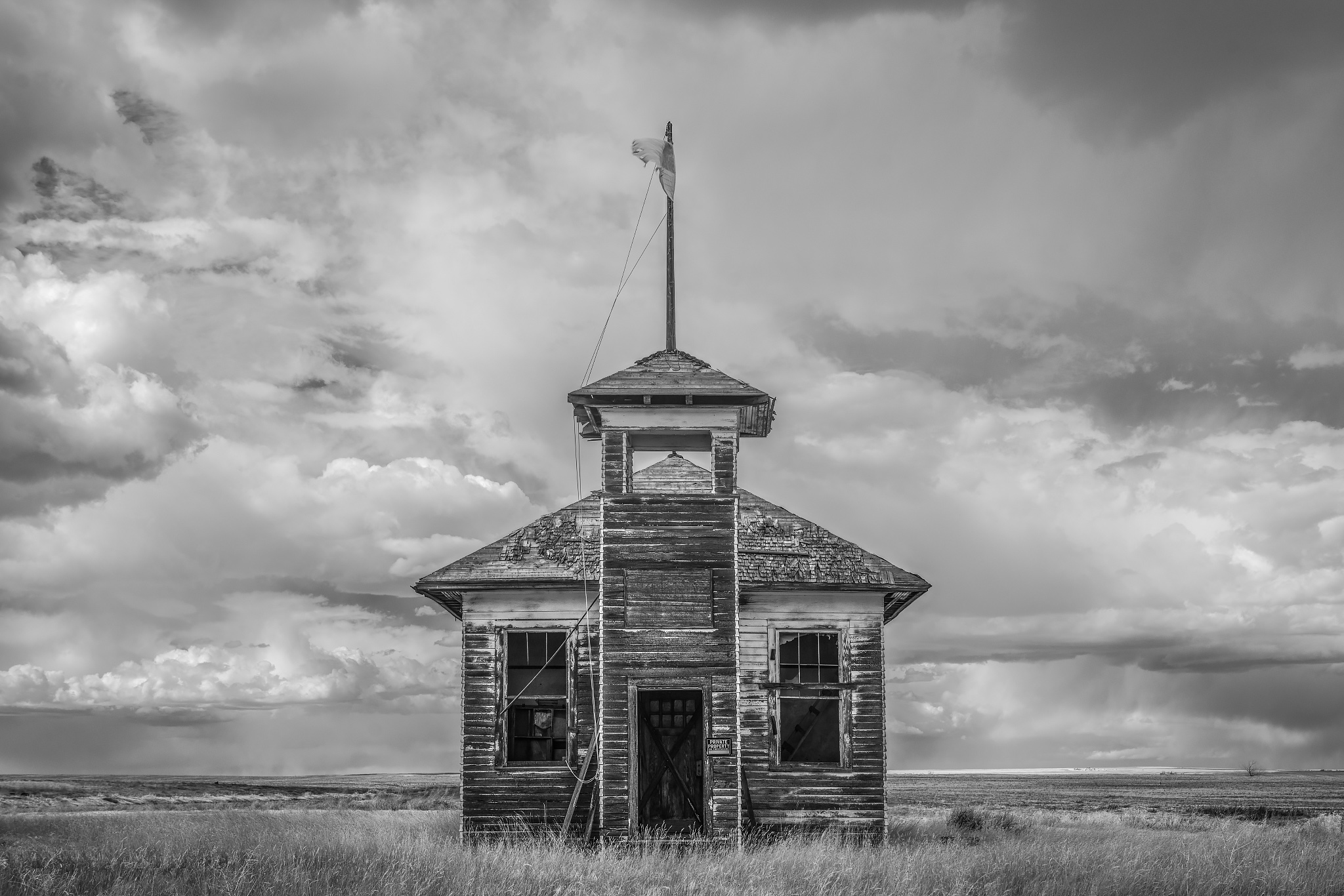
Prior to 1900, the High Plains of the USA were generally regarded as a bleak wilderness, not suitable for settling families or communities. This was all about to change when the powerful railroad companies wanted to extend their tracks across these vast plains and the trains needed to be serviced regularly for this to succeed.
A chance perusal of Lizzie Shepherd’s website in 2018 had me quickly booked for a return visit to one of the most beautiful places on earth. I am not usually one for hyperbole but there are few places that stir up the emotions more than a visit to the Outer Hebrides (also known as the Western Isles), a 200km chain of islands lying a mere 20 miles off the north west tip of Skye in Scotland. When Mother Nature is at her worst, the Outer Hebrides have that “edge of the world” feel, where a dramatic but unprotected coastline meets the full force of the Atlantic.
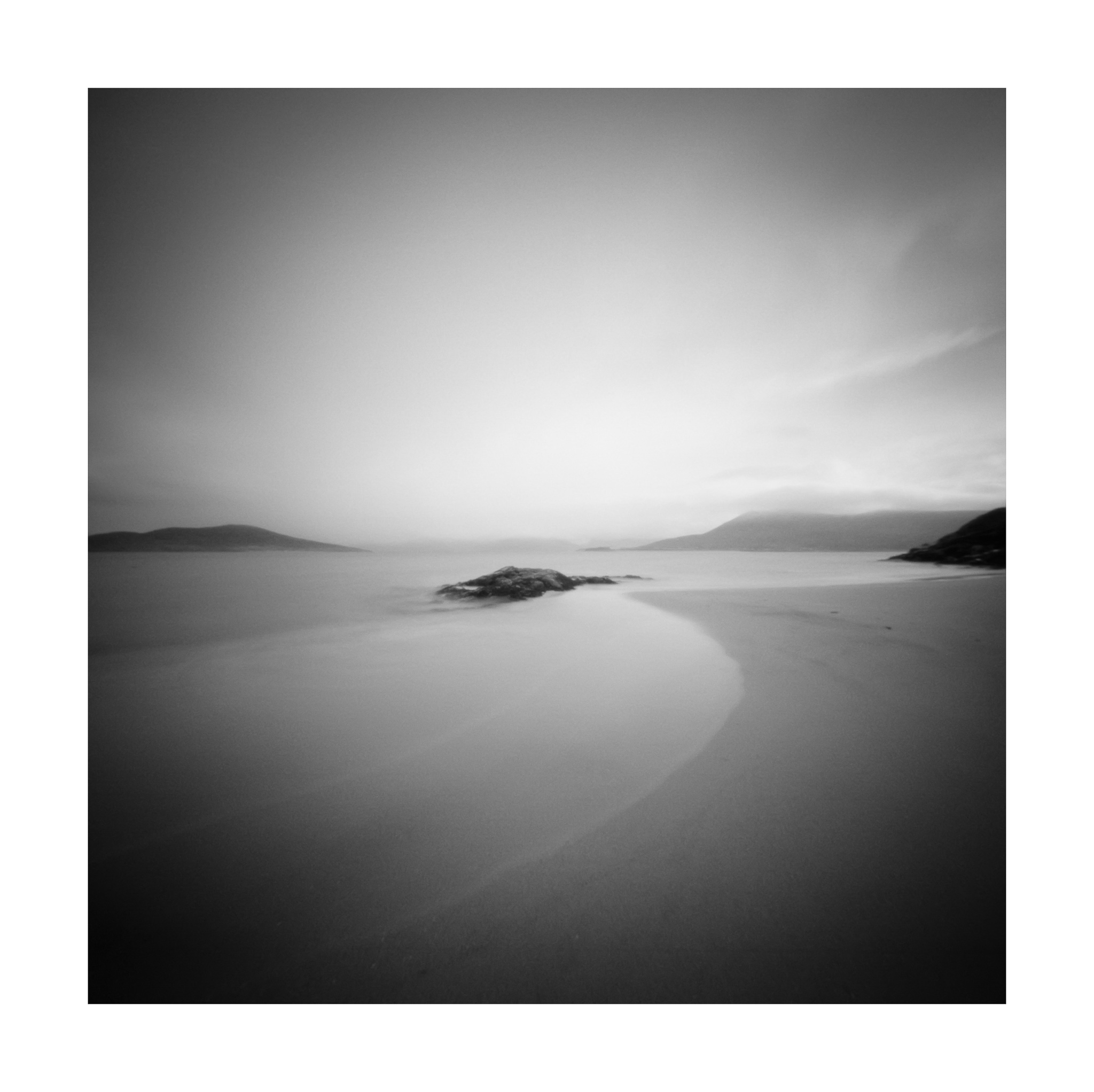
The chances of a rewarding photographic sortie north of the border looked excellent. With the workshop booked, I recalled the withdrawal of Bonnie Prince Charlie from the islands in the mid-1700s and that infamous tune had me tapping my fingers with drum beat anticipation:
Loud the winds howl, loud the waves roar,
Thunderclaps rend the air; ~ extract, The Skye Boat Song
Arriving at the CalMac ferry terminal at Uig on the north west tip of Skye, I was rewarded with a punctual ferry and calm seas. Once boarded, the 100-minute traverse of the Minch (that narrow stretch of sea between Skye and the islands) passed quickly as I flicked through Iain McGowan’s excellent “Hebridean Images” (1993), a superb, mood-setting collection of 35mm black and white photographs evoking island life and the landscape beyond. On disembarkation, I was greeted on the dockside by the Isle of Harris Distillery - a good start! A few hundred metres up the road had me nestled snugly within the arms of our very comfortable and conveniently-located hotel - the Harris Hotel - which I can heartily recommend without grace, favour or recompense. March into April is statistically one of the drier periods in the Outer Hebrides (and mostly midge-less) but the forecast was for mixed weather - ideal! - and possibly snow flurries at the end of the week. With the thoughts of snow-capped mountains at the back of my mind, I was in high spirits as the group convened.
Such a great challenge and honour for me to write an end frame article for On Landscape magazine. Thank you for the opportunity.
Recently, I have started to wonder less about how an image is taken and more about its power of striking a chord. This way of approaching an image, from an enthusiast photographer’s point of view, can be very useful to improve as a photographer and to understand photography more as a creative art.
I am pretty sure that everyone can list several favourite images for the most various reasons. Sometimes it is because of the light, sometimes it is thanks to the gorgeous subject or sometimes it is an original composition. However, we are not always able to explain why an image means so much to us. This happens (at least to me) when every part of the image spreads emotions and feelings towards the viewer. Well, despite the different tastes and preferences I think that the majority of us aims at making this kind of images. Of course not an easy task…
The image I choose has exactly the power of summarizing most of the feelings and emotions I feel when I am in the mountains and in nature in general. Above all, it is “responsible” for my transition from grand landscapes to more intimate landscape photography (together with other much appreciated artists such as Guy Tal, Hans Strand and Theo Bosboom among others).
Welcome to our 4x4 feature which is a set of four mini landscape photography portfolios submitted from our subscribers. Each portfolios consisting of four images related in some way.
Interested in submitting your work? We're on the lookout for new portfolios for the next few issues, so please do get in touch!
If you would like to submit your 4x4 portfolio, please visit this page for submission information. You can view previous 4x4 portfolios here.
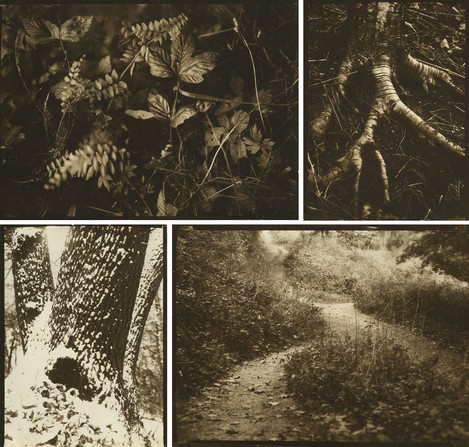
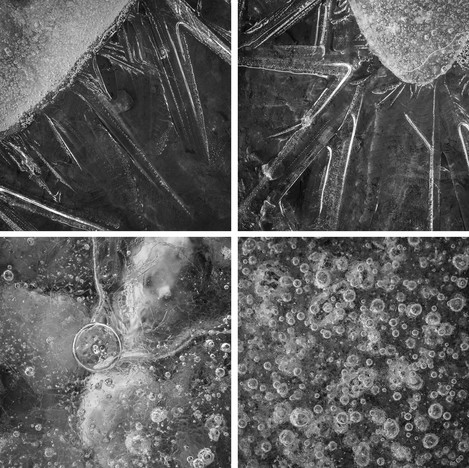
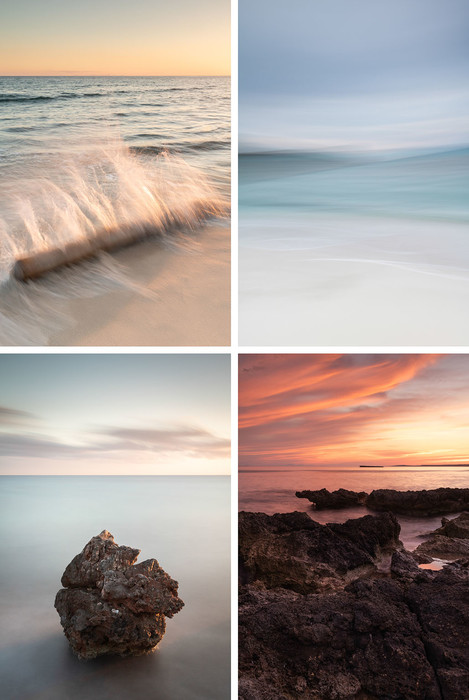
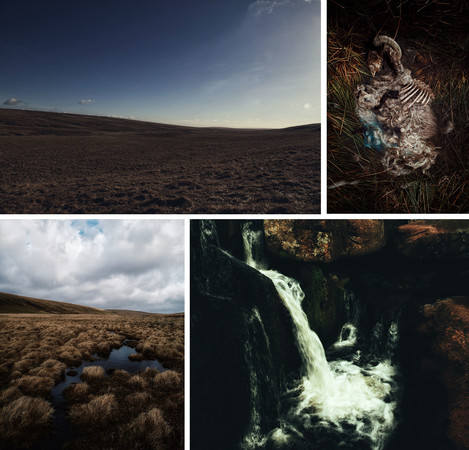
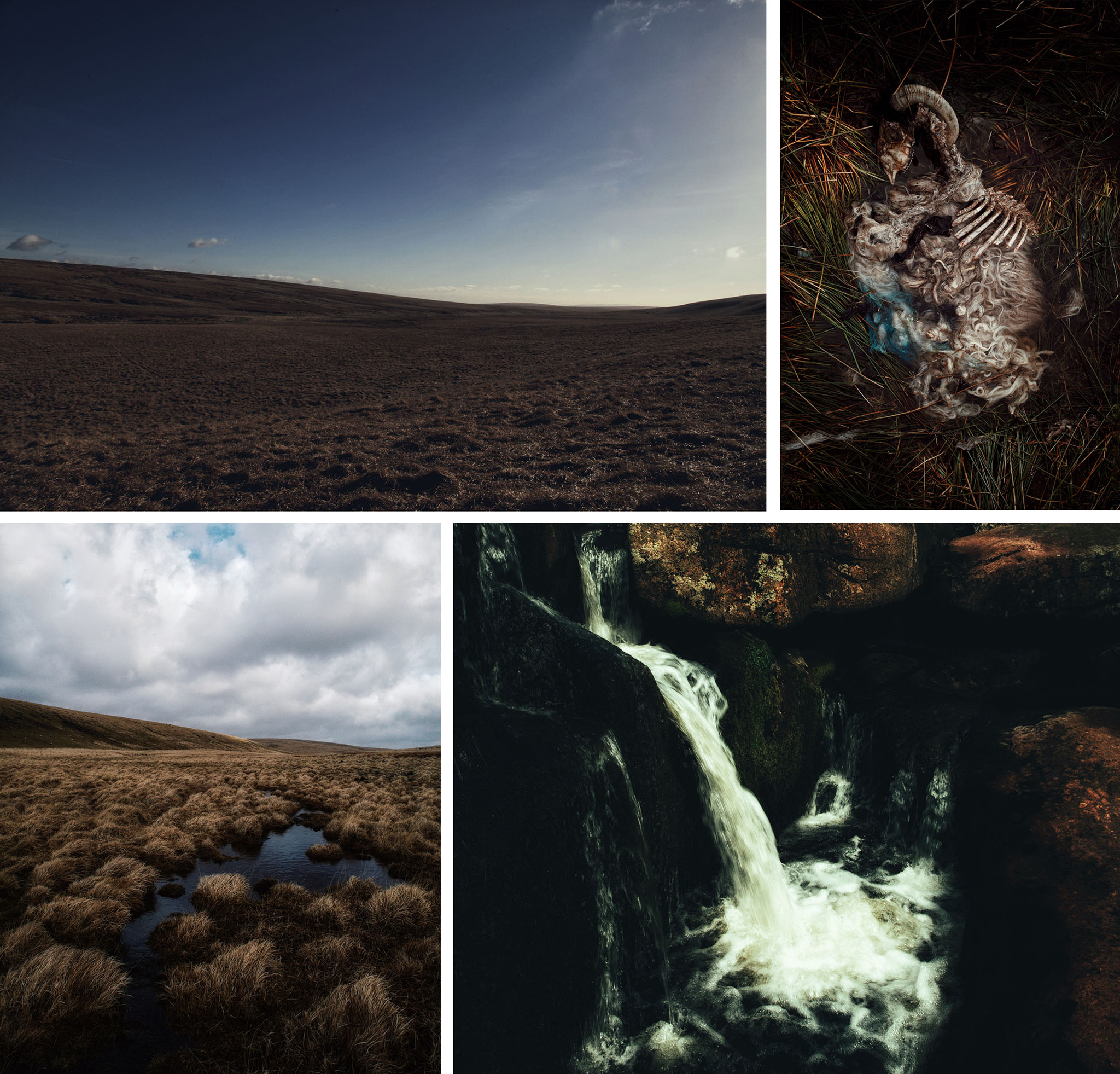
These images form part of a body of work that will focus on the river Dart in Devon.
Using Alice Oswald’s award winning, long form, poem “Dart” as a guide I am hoping to interpret the river as it flows from its source on the high, floating bogs of Dartmoor, through south Devon to the sea.
These four images are taken around the Dart’s source, high up on the mires and peat bogs of central Dartmoor. Oswald herself refers to this area of Dartmoor as having an “amphibious vagueness, neither pool nor land”. It is an area devoid of feature, where a thin layer of grasses cover a sodden earth. It is a primordial landscape, an Ur-landscape, whose power lies in Blake’s sublime or Nietzsche’s void rather than the picturesque.
It is an unforgiving space. The lack of physical features, the constant wind, the wet everywhere make it both physically and emotionally exhausting. In Oswald’s poem one of the “voices” deliberately imagines a figure on the horizon so as to quell the sense of isolation and vulnerability. In three visits to the area I’ve yet to see another soul.
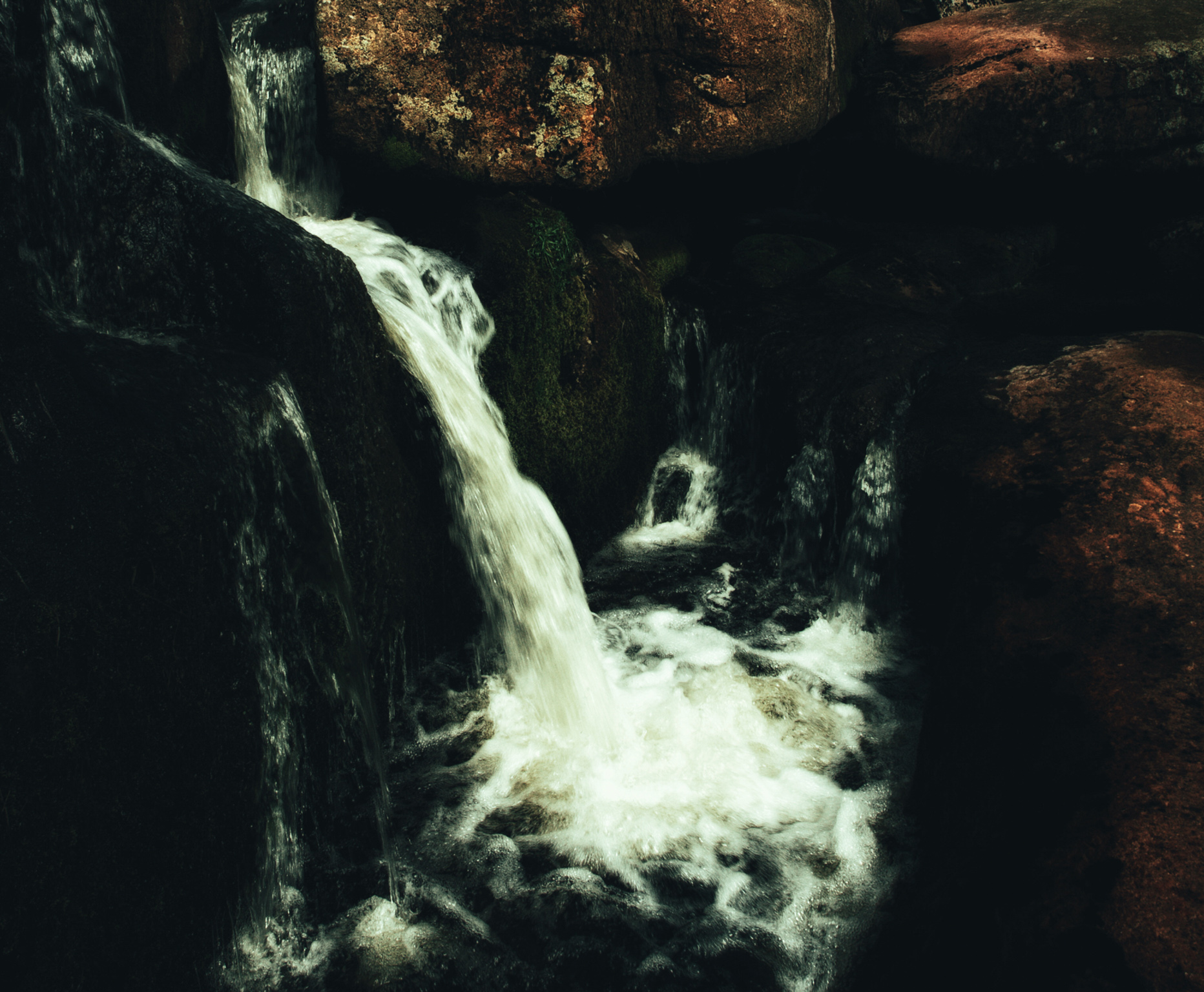
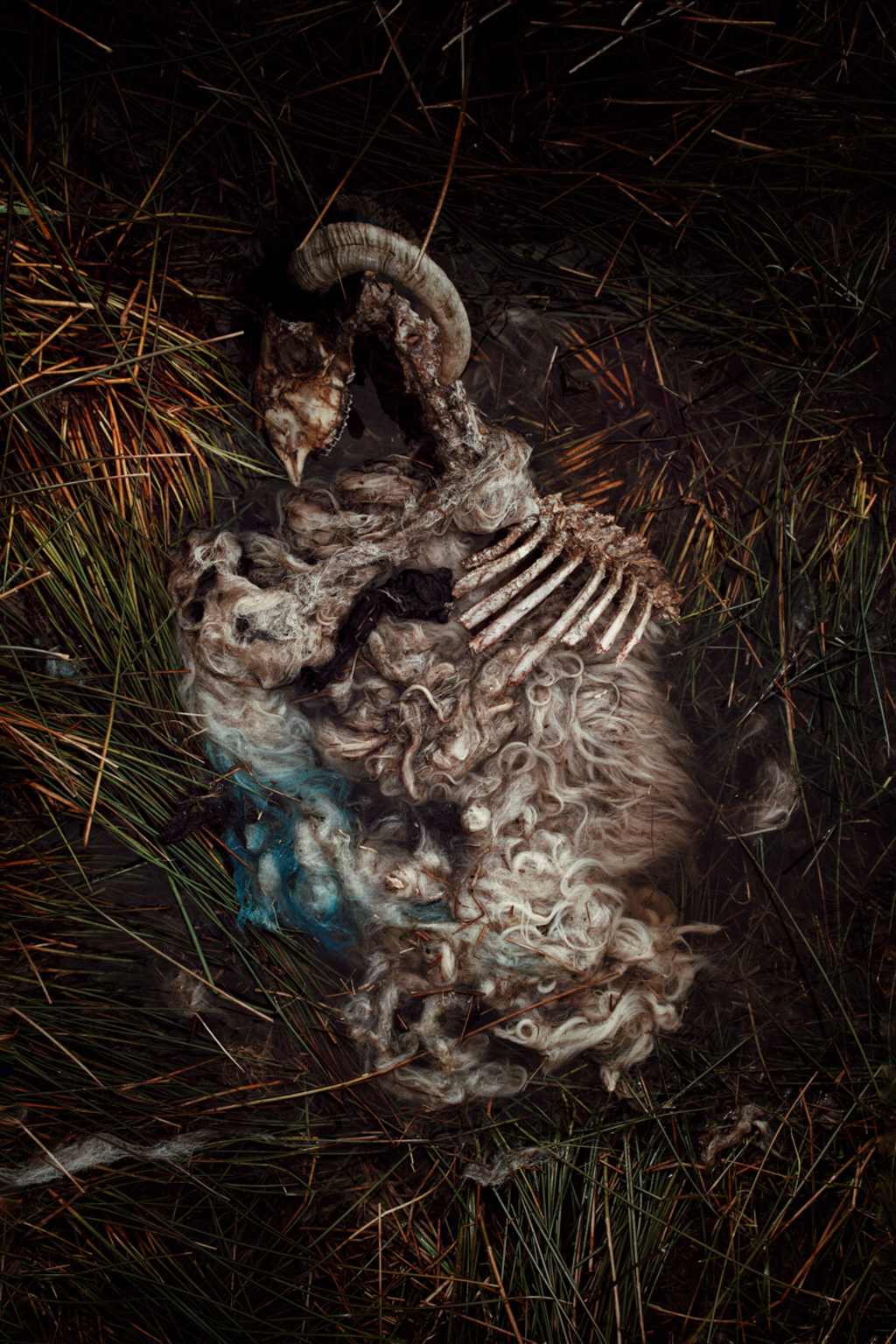
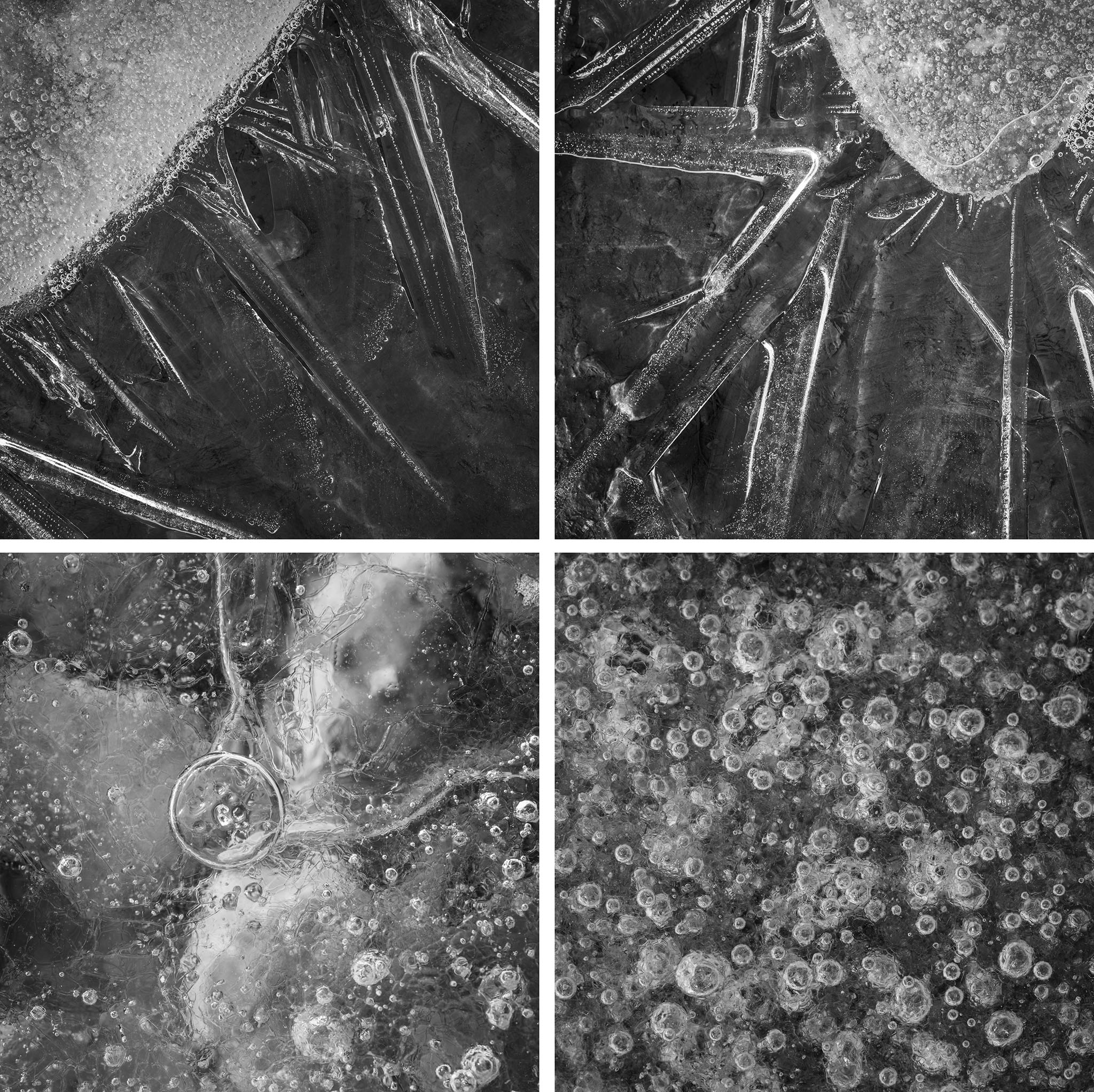
Walking on a little mountain pathway, in a cold spring morning in Abruzzo, even a slab of ice can hide fancy shapes and profiles. Just for a moment, it is worth stopping and admiring this wonder.
Perfect squaring is repeated like fractals, making nature more and more fascinating. A thousand bubbles enclosed and hidden in the cold, motionless, seem to want to escape and free themselves.
Like a sun, ice shows its perfect, linear, sharp rays too, forming incredible geometries that are sharp and perfect in their symmetry. Even a face hidden behind the tiny ice seems to look at me and whisper to keep its secret.
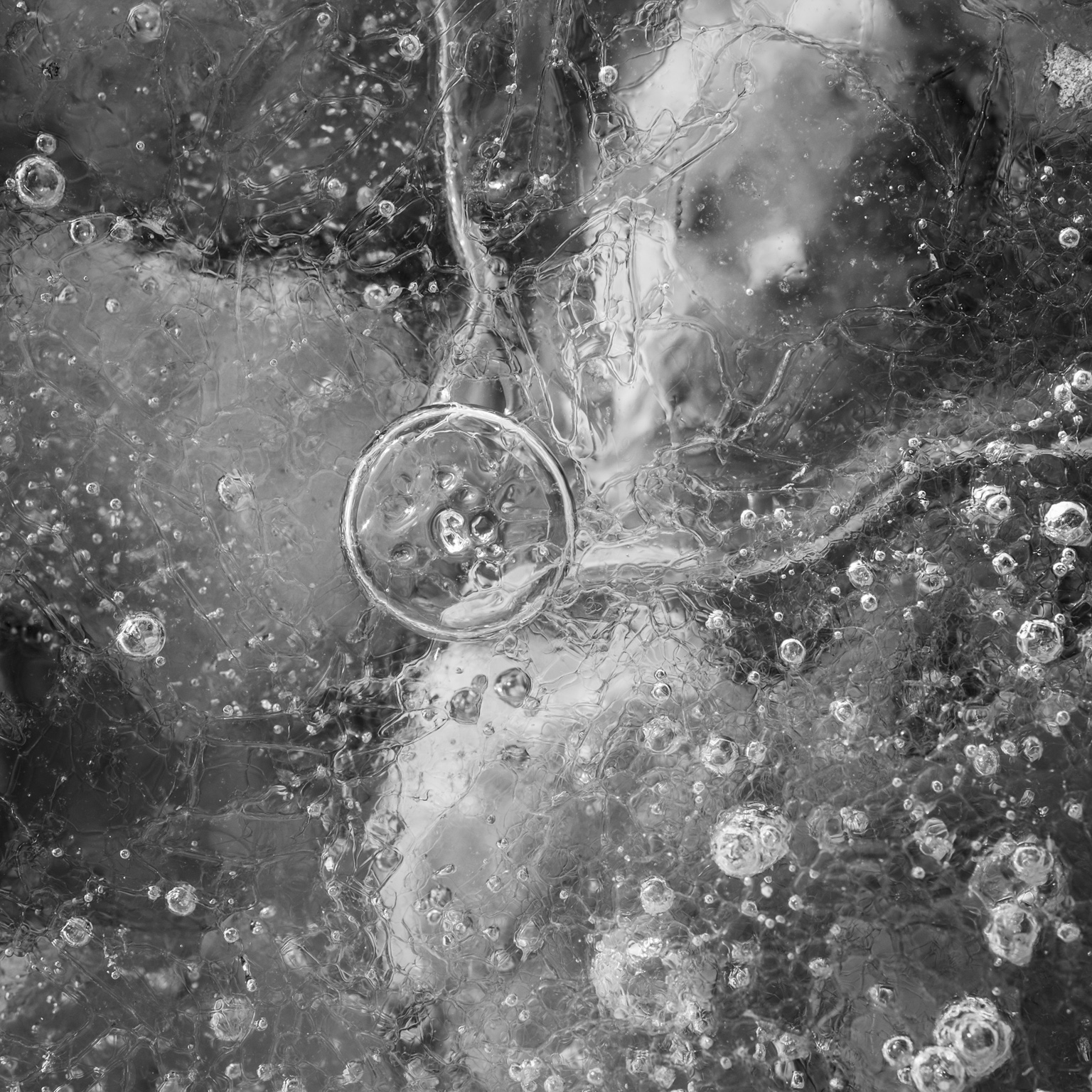
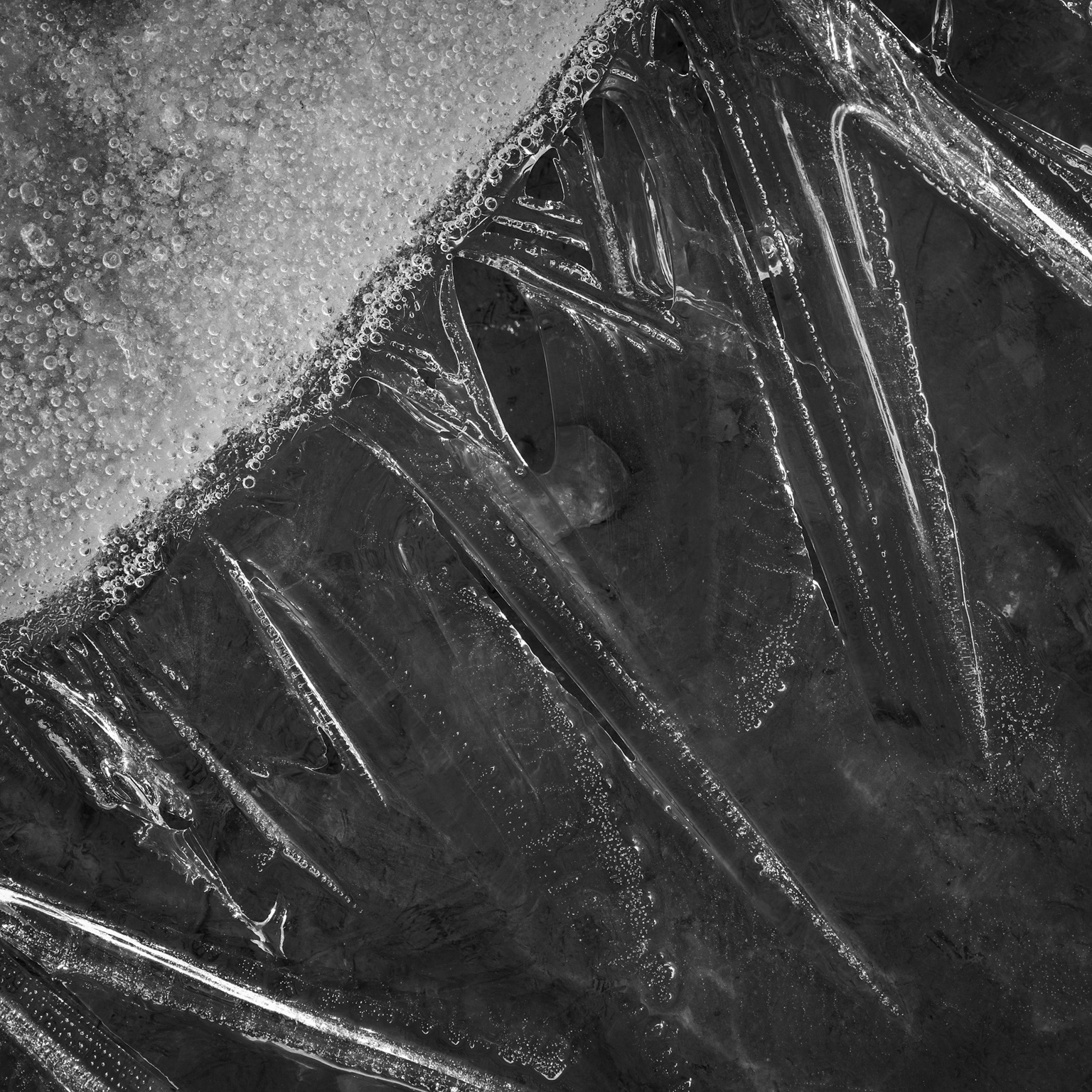
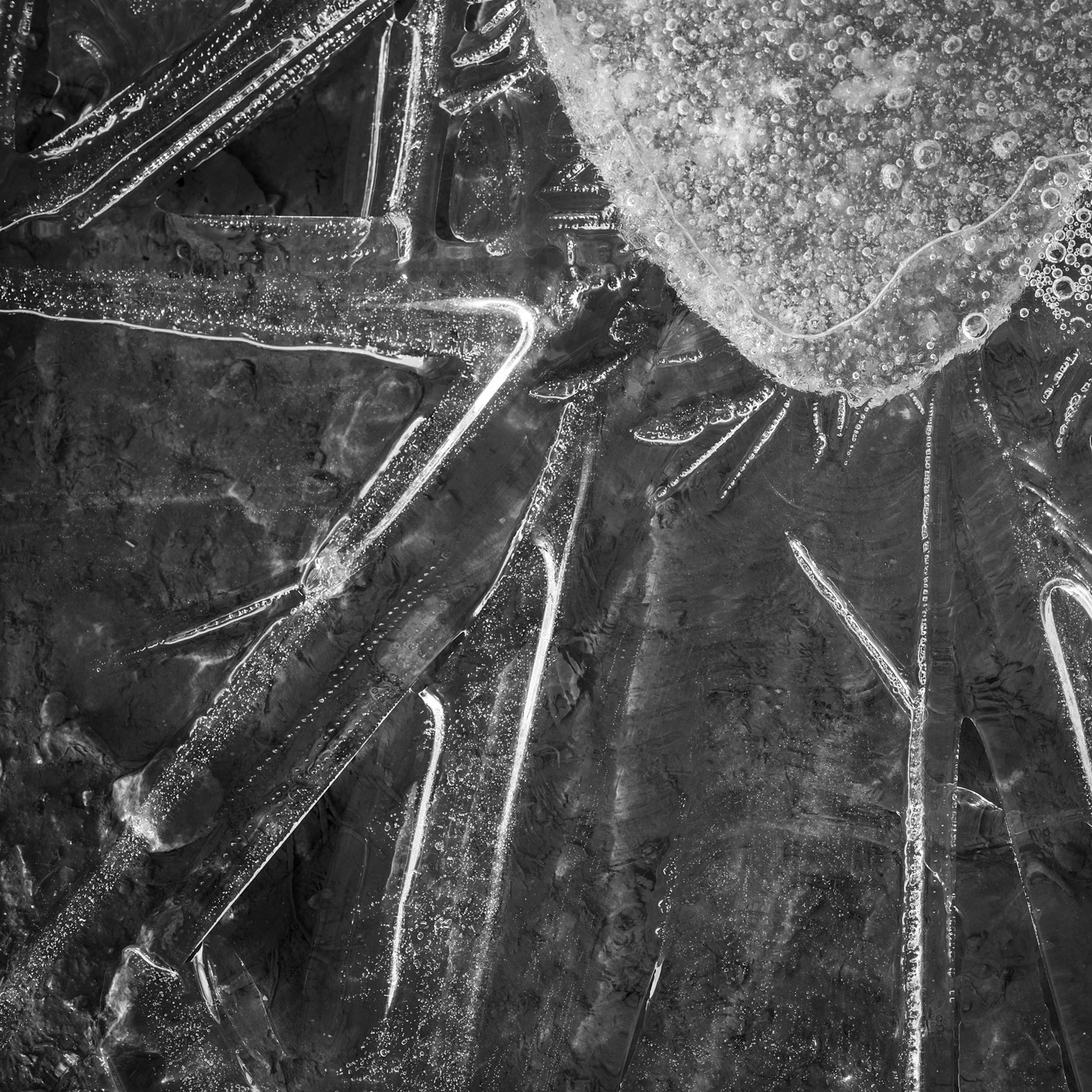
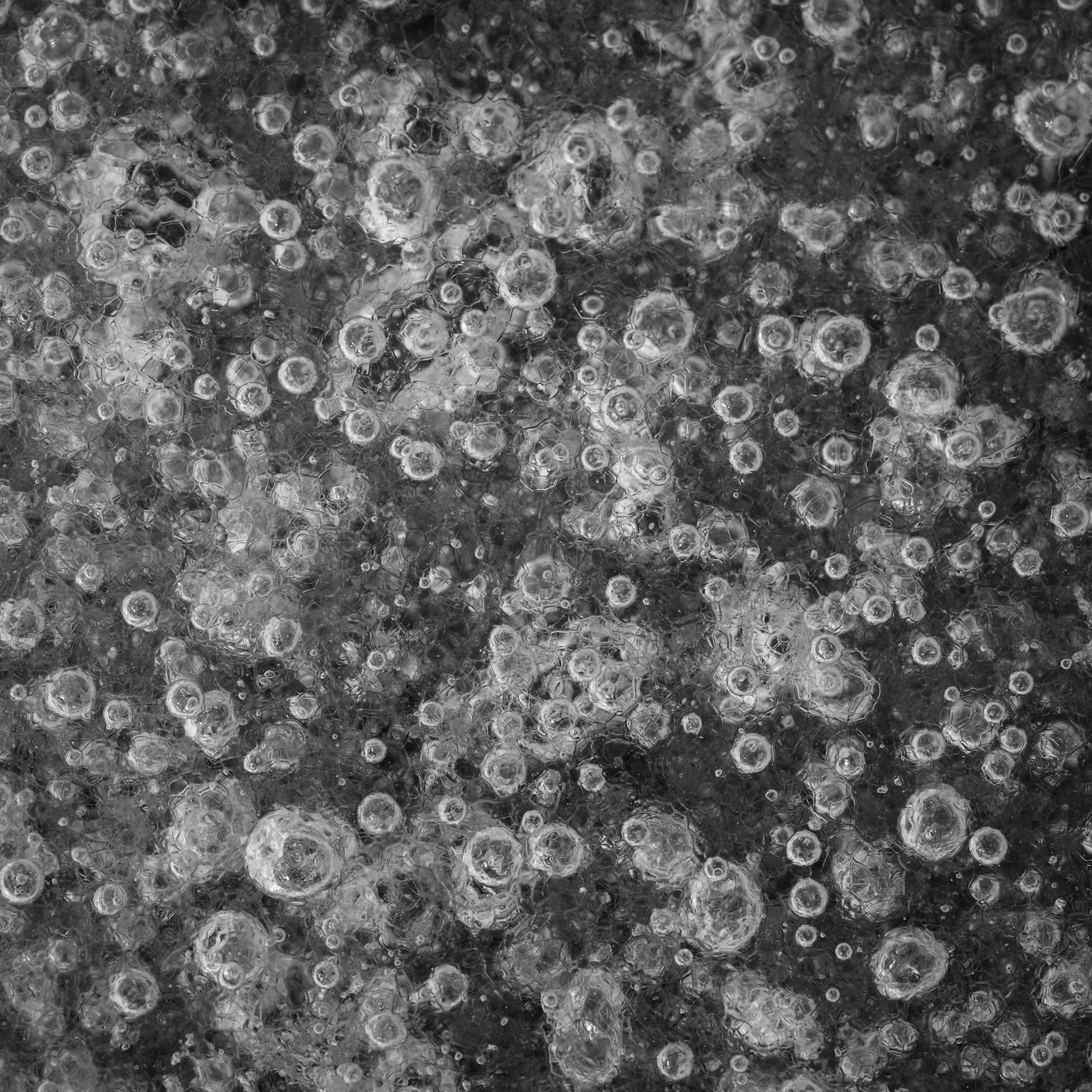
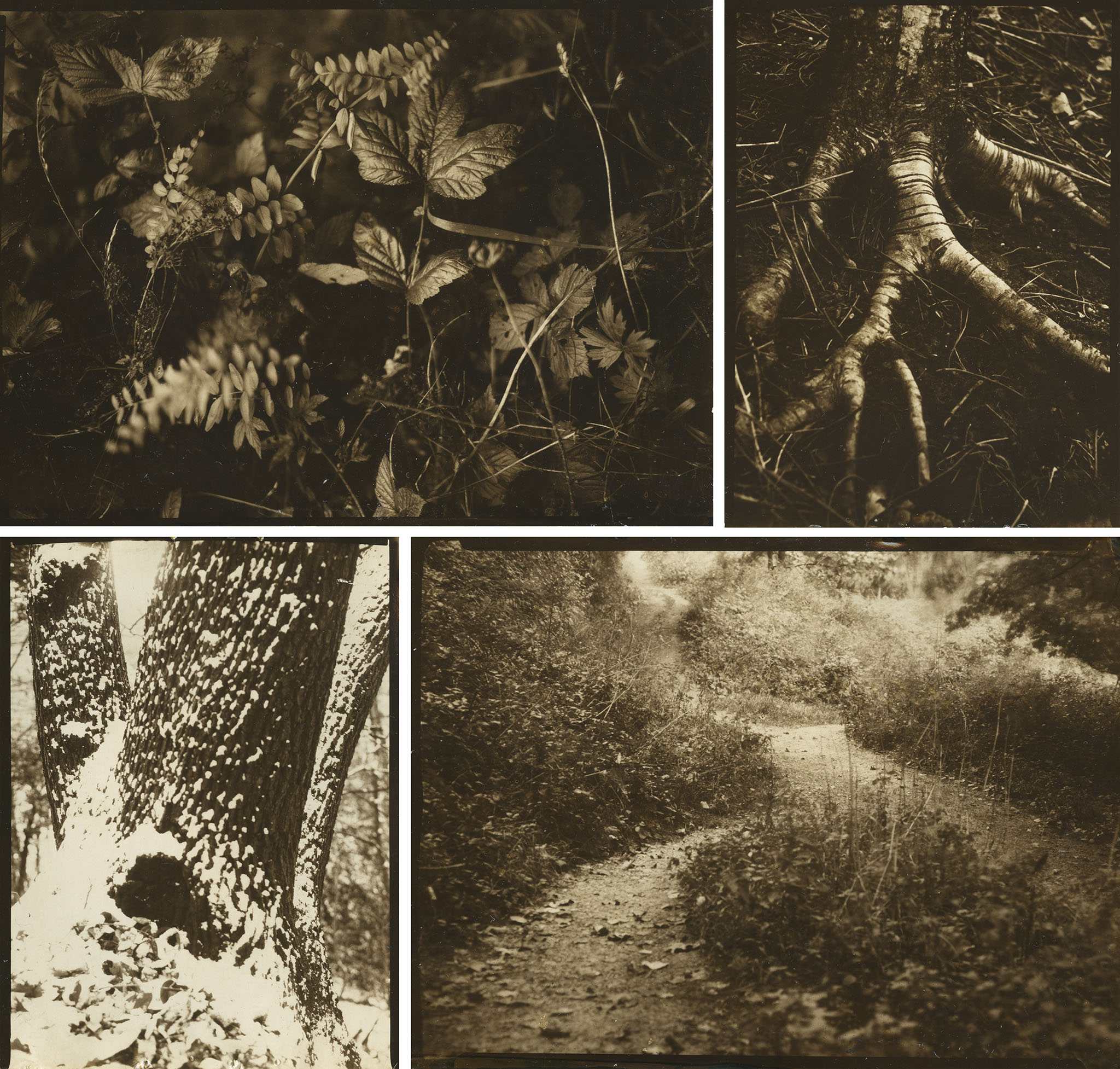
Like many in artistic pursuits, I am plagued by the question of validity. In the last few years, I have found something approaching quiet confidence thanks to a way of working (rather than through choice of subject or its presentation). I was spurred on by my rediscovery of the technique of reversal processing, which in short, consists in the creation of positive images from standard silver gelatin emulsions layered on paper or film. I put a sheet of photographic paper in the back of the camera and expose it; after some relatively quick chemical processing, it is good to go into my album. The prints are definitive and final because the only parameter I can control is exposure; the rest is tied to the chemistry. There is no post-processing possible.
The prints are physically connected to the place and time of their creation. This is one of the great attractions of slide film, especially in any of the sheet film formats. I used to shoot 5x4 a lot. Their disadvantage is that you can't just put them in an album to enjoy as prints. Sheet film is also, most commonly, enlarged to create the print. Creating prints in camera means the end size of the print is known, which in turn means that the aperture can be set to create a definite depth of field. I am an artist in control of my output.
I have used the reversal process to create a visual autobiography, a diary in pictures. This has freed me from more commercial constraints and, I feel, has brought me closer to the Truth. Much of this work follows a quest for the typical and the topical. I am also constrained by practical reality. Thus it is, that I take a lot of pictures in my home town. This series is taken in woodland just a few minutes from my front door.